Dubai’s former zoo site in Jumeirah 1 is entering a new phase as a low-rise residential community, while a 710-metre public artwork preserves memories of the landmark during construction. The development will comprise 90 homes arranged around landscaped courtyards, green spaces and a central park. Shamal Holding is leading the project, which seeks to combine residential privacy with walkability, shared amenities and architectural references to the site’s […]
Gardening is emerging as a practical route to healthier ageing, combining moderate exercise, stress relief, mental stimulation and social connection in an activity that can be adapted to almost any level of mobility. Fresh research has strengthened the association between regular gardening and longer life. A 25-year study of older adults born in Scotland in 1921 found that frequent gardeners had a 22 per cent lower risk […]
Markets rarely break for one reason. Right now there are four forces pulling at global equities simultaneously, and none of them has fully played out yet. Investors heading into next week need to understand all four, because treating any single one in isolation misses the bigger picture. Start with the rotation nobody predicted a month ago. Tech has stalled while old-economy value has caught a bid. The […]
JAKARTA, INDONESIA – Media OutReach Newswire – 18 July 2026 – VinFast announced the opening of 20 official e-motorcycle dealerships across Indonesia in July 2026, marking a major milestone in its strategy to expand its distribution network in Southeast Asia’s largest motorcycle market. To celebrate the launch, VinFast hosted a large-scale product experience event featuring the VinFast Evo, VinFast Feliz II, and VinFast Viper, offering consumers the opportunity to experience the Company’s smart e-motorcycles and comprehensive green mobility ecosystem firsthand.
VinFast officially launched 20 electric motorcycle dealerships across Indonesia in July 2026.
The grand opening of VinFast dealers will take place from July 19 to 25, 2026, bringing VinFast’s genuine products and services closer to customers across Indonesia. The 20 new dealerships are located across key regions such as Jakarta, Bandung, Semarang, Yogyakarta, Medan, Palembang, Makassar and many other major provinces and cities nationwide.
VinFast representatives and distinguished guests at the VinFast Electric Motorcycle Experience Day, marking the start of the grand opening series for VinFast’s 20 electric motorcycle dealerships in Indonesia.
The expansion follows strong customer response to VinFast’s Early Booking Program, which has attracted thousands of deposits across Indonesia.
Dealerships will provide a full range of services, including vehicle sales, product consultation, after-sales support, and customer care in accordance with VinFast’s global standards. In addition to showcasing and selling VinFast E-motorcycles, the dealerships will offer customers opportunities to test ride the vehicles, experience the battery swapping solution and home charging options, and learn more about VinFast’s attractive ownership policies. Customers can visit VinFast’s official website at: https://vinfastauto.id/ to locate their nearest dealership and register for a test ride.
The VinFast Evo electric motorcycle on display at the event.
The opening campaign kicked off with the VinFast E-Motorcycle Experience Day, taking place on July 18, 2026, at Tribeca, Jakarta. The event welcomed customers, media representatives, KOLs, business partners, and electric mobility enthusiasts to explore VinFast’s e-motorcycle lineup and green mobility ecosystem.
During the event, attendees explored the full range of color options available for the VinFast Evo, VinFast Feliz II, and VinFast Viper, while learning more about each model, VinFast’s battery swapping network, home charging solutions, and the energy infrastructure being developed in partnership with V-Green.
In addition to the product showcase, the event featured dedicated test ride sessions, battery swapping demonstrations, safe riding challenges, interactive games, and opportunities to engage directly with VinFast’s product specialists.
Ms. Vo Thi Cam Tu, Managing Director of VinFast E-scooter Overseas Market, said: “VinFast’s strategy goes beyond introducing high-quality electric vehicles. Our vision is to build a complete ecosystem that makes owning and using electric vehicles more convenient than ever. The launch of 20 dealerships across Indonesia, together with our battery swapping, charging, and after-sales service network, represents another important step toward realizing that vision. We hope more Indonesian consumers will choose E-motorcycles as a smart, economical, and sustainable mobility solution.”
The three e-motorcycle models introduced by VinFast in Indonesia are designed to meet the needs of different customer segments while sharing the company’s advanced technology platform and innovative battery swapping ecosystem.
The VinFast Viper features a sporty design tailored to young, tech-savvy riders. Meanwhile, the VinFast Feliz II and VinFast Evo build upon the proven strengths of their predecessors in Vietnam while incorporating refinements to better suit the needs and preferences of Indonesian consumers.
All three models are equipped with a 5,200W BLDC in-wheel motor. The VinFast Viper and VinFast Feliz II offer a top speed of 90 km/h, while the VinFast Evo reaches 80 km/h. Each motorcycle is designed with dual battery compartments under the seat, allowing the simultaneous use of two 1.5 kWh LFP batteries.
With two fully-charged batteries installed, the VinFast Evo delivers a riding range of up to 150 km, while the VinFast Viper and VinFast Feliz II can travel up to 145 km under standard testing conditions, making them well-suited for both daily commuting and longer urban journeys.
Customers can choose to purchase their motorcycles with batteries included or opt for a battery subscription plan. In addition to battery swapping, the motorcycles can also be conveniently charged at home.
As a special launch benefit, all VinFast E-motorcycle owners will enjoy free battery swapping at V-Green’s public battery swapping stations for one year, with a maximum of 20 battery swaps per motorcycle per month. The motorcycles are also backed by a warranty of up to 4+2 years or 60,000+12,000 kilometers, whichever comes first, helping reduce ownership costs while enhancing convenience and peace of mind.
The simultaneous opening of 20 e-motorcycle dealerships further demonstrates VinFast’s long-term commitment to the Indonesian market. By expanding its retail network, diversifying its product portfolio, and investing in energy infrastructure, VinFast is steadily building a comprehensive green mobility ecosystem that will help accelerate the country’s transition toward sustainable transportation in one of the world’s largest motorcycle markets.
Hashtag: #VinFast
The issuer is solely responsible for the content of this announcement.
VinFast has partnered with Bespoke Logistics to create a dedicated processing and service facility for electric motorcycles in the Philippines, strengthening the infrastructure behind its planned expansion in one of Southeast Asia’s largest two-wheeler markets.
The agreement gives Bespoke Logistics responsibility for warehousing, vehicle inspection, technical preparation, stockyard management and transportation before motorcycles are delivered to customers. The company will also operate a VinFast-authorised service workshop at the site.
The 20,000-square-metre facility is located in Carmona City in Cavite province, south of Metro Manila. It can store as many as 30,000 vehicles, providing VinFast with a central base from which to manage product checks, preparation and distribution.
The partnership is intended to reduce delivery times while ensuring that motorcycles meet the manufacturer’s technical and quality standards before reaching buyers. It will support the first deliveries of VinFast electric motorcycles in the country and provide capacity for a wider rollout as sales volumes increase.
VinFast will train and certify technicians employed at the facility. The two companies will also introduce standardised operating procedures, quality-control systems and a supply network for replacement parts. These measures are designed to reinforce aftersales support, an area that can influence consumer confidence in emerging electric vehicle brands.
Bespoke Logistics provides automotive warehousing, pre-delivery inspection, vehicle transport and stockyard services. Its Philippine operations include technical work conducted within warehouses and inventory-management services for automotive companies.
Bui Viet Hung, VinFast’s deputy chief executive for global aftersales service, said strong infrastructure and dependable aftersales operations were necessary to support the company’s products. He described the agreement as an important step in aligning Philippine distribution and servicing with VinFast’s international standards.
Bespoke Logistics president and chief executive Allan A. Mina said the company would operate the centre according to VinFast’s requirements while expanding the technical capabilities of its workforce. Irineo Niño Fabros, chief executive of VinFast Electric Motorcycles Philippines, represented the manufacturer at the signing ceremony.
The logistics arrangement forms part of a broader strategy to establish an integrated electric motorcycle ecosystem rather than relying solely on vehicle sales. VinFast is expanding its dealership network, service operations and battery-swapping infrastructure across the Philippines.
The company has signed agreements with 14 distributors to develop showrooms in areas including Metro Manila, Cavite, Laguna, Batangas, Metro Cebu and Metro Davao. The initial product range includes the Evo, Feliz II and Viper, which use swappable batteries intended to reduce the time riders spend waiting for vehicles to recharge.
VinFast has also outlined plans for about 30,000 battery-swapping points nationwide through infrastructure partnerships. The proposed network would allow customers to replace depleted batteries with charged units, addressing concerns over charging access, limited residential parking and lengthy charging periods.
Electric motorcycles are viewed as a potentially significant growth segment in the Philippines because motorcycles remain a widely used form of personal and commercial transport. Traffic congestion, fuel costs and demand for affordable mobility have encouraged manufacturers to introduce more battery-powered models.
However, market expansion depends on more than vehicle availability. Buyers require accessible repair centres, reliable battery supplies, trained technicians and confidence that spare parts will remain available. The Carmona operation gives VinFast a high-capacity facility for handling these requirements before its motorcycle business reaches larger scale.
The move also reflects VinFast’s increasing focus on Asian markets. The Vietnam-based manufacturer has expanded its vehicle and mobility operations across the Philippines, Indonesia and other regional economies through local dealers, logistics companies and infrastructure partners.
Its Philippine presence already includes electric cars and the Green GSM electric taxi service. VinFast has also worked with charging infrastructure operator V-Green as it attempts to build connected transport, energy and servicing networks around its vehicles.
The company’s international strategy has shifted towards markets where motorcycles, compact vehicles and urban transport services offer a larger potential customer base. Its product portfolio includes electric sport utility vehicles, scooters, bicycles and buses, allowing it to compete across several transport categories.
The Carmona facility’s storage capacity gives VinFast room to handle imports and deliveries beyond its initial motorcycle launch. Centralised inspection and preparation could also help the company maintain consistent standards while its retail network expands across geographically dispersed markets.
MANILA, PHILIPPINES – Media OutReach Newswire – 18 July 2026 – Global electric vehicle company VinFast has officially signed a strategic cooperation agreement with Bespoke Logistics, a Philippine provider of end-to-end automotive logistics solutions, to establish an integrated mobility processing center and authorized service workshop for the inspection and preparation of VinFast electric motorcycles prior to delivery. The partnership will help ensure vehicle quality, shorten delivery lead times, and lay a solid foundation for VinFast’s expanding electric motorcycle ecosystem in the Philippines.
Mr. Irineo Niño Fabros, CEO of VinFast Electric Motorcycles Philippines (left), and Mr. Allan A. Mina, President and CEO of Bespoke Logistics, at the signing ceremony.
Under the agreement, Bespoke Logistics will operate an integrated mobility processing center and VinFast-authorized service workshop, responsible for warehousing, vehicle inspection, technical preparation of electric motorcycles prior to delivery, vehicle yard management, and transportation. Located in Carmona City, Cavite Province, the 20,000-square-meter facility has a storage capacity of up to 30,000 vehicles, helping streamline vehicle preparation, improve operational efficiency, and ensure product quality before delivery to customers.
As part of the partnership, VinFast will work closely with Bespoke Logistics to implement technician training and certification programs, transfer standardized operating procedures and quality control processes, and establish a parts supply system to support aftersales operations.
Bespoke Logistics specializes in automotive logistics, offering an end-to-end service portfolio that includes pre-delivery inspection (PDI), warehousing, vehicle yard management, transportation, and vehicle delivery. The company also has extensive experience in warehouse-based technical operations and modern vehicle and inventory management systems, serving as a trusted logistics partner for multiple automotive brands in the Philippines.
Partnering with experienced local companies such as Bespoke Logistics will not only strengthen VinFast’s logistics and service capabilities in the Philippines but also provide a strong operational foundation for the delivery of its first electric motorcycles to customers.
The agreement forms part of VinFast’s long-term strategy to develop a comprehensive, international-standard electric motorcycle ecosystem in the Philippines. Alongside the launch of its diverse lineup of battery-swapping electric motorcycles, VinFast is steadily expanding its distribution network, aftersales services, and battery swapping infrastructure to deliver a seamless, convenient, and reliable ownership experience for customers.
Mr. Bui Viet Hung, VinFast Deputy CEO of Global Aftersales Service, said: “At VinFast, world-class products must be supported by robust infrastructure and exceptional aftersales services. Our partnership with Bespoke Logistics is a key milestone in strengthening our distribution and aftersales capabilities in line with global standards, ensuring that customers in the Philippines enjoy high quality products and services from day one of ownership.”
Mr. Allan A. Mina, President and CEO of Bespoke Logistics said: “We are proud to partner with VinFast as it develops its electric motorcycle ecosystem in the Philippines. We are committed to operating the facility in accordance with VinFast’s international standards while continuously enhancing our team’s capabilities and operational processes to support the brand’s long-term growth in the market.”
Over the past few years, VinFast has steadily built a green mobility ecosystem across the Philippines, Indonesia, India, and other international markets through strategic partnerships with local companies and ecosystem partners such as Green GSM and V-Green. In addition to electric motorcycles, VinFast is expanding its product portfolio to include electric cars, electric bicycles, and electric buses, providing consumers with more sustainable mobility options while accelerating the global transition to greener transportation.
Hashtag: #VinFast
The issuer is solely responsible for the content of this announcement.
About About VinFast
VinFast (NASDAQ: VFS), a subsidiary of Vingroup JSC, one of Vietnam’s largest conglomerates, is a pure-play electric vehicle (“EV”) company with the mission of making EVs accessible to everyone. VinFast’s product lineup today includes a wide range of electric SUVs, e-scooters, and e-buses.
VinFast is currently embarking on its next growth phase through rapid expansion of its distribution and dealership network globally while expanding its production footprint with a focus on key markets across North America, Europe, the Middle East and Asia.
Bespoke Logistics is a Philippine-based automotive logistics, warehousing, and mobility solutions company specializing in vehicle processing, stockyard management, electric vehicle support services, transportation, and distribution.
Through its Mobility Processing Center platform, Bespoke Logistics provides integrated solutions for automotive manufacturers, distributors, and emerging mobility brands operating in the Philippines.
GUIZHOU, CHINA – Media OutReach Newswire – 17 July 2026 – Direct flights now connect Malaysia and Guizhou, complemented by visa-free policies between China and Malaysia. Travelers can easily reach Guiyang from Kuala Lumpur in four hours and stay for up to 30 days per visit. With its cool climate, convenient transport, and favorable policies, Guizhou is becoming a preferred summer holiday destination for more Malaysian tourists. Guizhou is also building an international tourism product system centered on “summer retreat + ecology + culture.”
Escape to China’s Mysterious Guizhou and enjoy a cool 23°C summer retreat.
In midsummer July, Malaysian travel operators and cultural tourism influencers visited Guizhou, China, a renowned summer retreat, as if stepping into another season. Known as the “Green Karst Kingdom” and a “Natural Air Conditioner,” Guizhou has a mountainous area coverage of 92.5% and an average summer temperature of just 23°C. Beyond its cool climate, Guizhou offers a hidden-gem experience where spectacular landscapes meet diverse cultures, leaving every visitor amazed.
From the lush peak forests of Wanfenglin to the magnificent Huangguoshu Waterfall; from the emerald waters of Xiaoqikong to the cloud-covered summit of Mount Fanjing; and to the world-record Huajiang Grand Canyon Bridge spanning a deep gorge, every landscape in Guizhou is worth a stop. A Malaysian travel influencer remarked, “Before departure, I had only heard that Guizhou was a summer retreat. After visiting, I realized the surprises go far beyond 23°C.”
Cultural Experiences Full of Surprises
Visitors can enter distinctive villages and try intangible cultural heritage crafts such as Miao embroidery and batik; gather around a long-table banquet to taste local specialties such as sour soup fish and spicy chicken; explore cool hidden landscapes within a World Natural Heritage site with children through waterfall play and paddleboarding; or venture deep into ancient caves for an underground adventure. From heritage crafts to nature exploration, Guizhou offers family-friendly experiences for everyone to enjoy.
A Spontaneous Trip Made Easy
This summer, reserve a ticket for Mysterious Guizhou, and begin your “summer escape plan.”
HKSTP Advances AI Industry with Tech Delegation at WAIC 2026
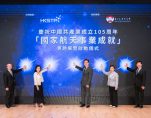
HONG KONG SAR – Media OutReach Newswire – 16 July 2026 – To celebrate the 105th anniversary of the founding of the Communist Party of China, Hong Kong Science and Technology Parks Corporation (HKSTP) today held the “Achievements of National Aerospace Endeavours” Thematic Exhibition Kick-off Ceremony cum Aerospace Experts Sharing Forum at Hong Kong Science Park, marking the opening of a seven-day roving exhibition.
Professor Sun Dong, Secretary for Innovation, Technology and Industry (middle); Mr Clement Woo, Under Secretary for Constitutional and Mainland Affairs (1st from right); Ms Cordelia Chung, Chairman of HKSTP (2nd from left); Ms Connie Wong Wai-ching, Standing Committee Member of the National Committee of the Chinese People’s Political Consultative Conference (CPPCC), Vice President of the Friends of Hong Kong Association (2nd from right), and Mr Terry Wong, Chief Executive Officer of HKSTP (1st from left), together with other distinguished guests, officiate at the kick-off ceremony for the “Achievements of National Aerospace Endeavours” Thematic Exhibition.
At the first stop of the roving exhibition, Hong Kong Science Park will host the exhibition at the Atrium Link from today until 22 July 2026, showcasing the nation’s major achievements in aerospace development, as well as the participation and contributions of Hong Kong’s research community in aerospace technology, space robotics and deep space exploration. It aims to enhance public understanding of the nation’s development and foster a stronger sense of pride, while inspiring young people to develop an interest in innovation and technology (I&T) and aerospace.
The ceremony was officiated by Professor Sun Dong, Secretary for Innovation, Technology and Industry, together with Ms Cordelia Chung, Chairman of HKSTP, and Ms Connie Wong Wai-ching, Standing Committee Member of the National Committee of the Chinese People’s Political Consultative Conference (CPPCC), and Vice President of the Friends of Hong Kong Association, alongside other distinguished guests, witnessing a new milestone in the nation’s aerospace achievements.
Professor Sun Dong, Secretary for Innovation, Technology and Industry, said in his remarks: “The inspiring story of Dr Lai Ka-ying becoming Hong Kong’s first astronaut is a vivid example of Hong Kong’s participation in the nation’s major scientific and technological missions, and a fruitful achievement of the great practice of ‘one country, two systems.’ Hong Kong’s R&D teams have long participated in and made active contributions to the nation’s deep-space exploration missions. For example, a team from the Hong Kong University of Science and Technology independently developed the Multi-Spectral Imaging Carbon Observatory (MUSICO), Hong Kong’s first scientific payload on the national space station to monitor greenhouse gas. Recently, Dr Lai and two other astronauts completed the in-cabin assembly and testing and extravehicular installation of MUSICO, which can accurately monitor greenhouse gases across the mid- and low-latitude regions on the Earth, providing critical data for the nation’s carbon peaking and carbon neutrality strategies. As we embark on a new journey, we must leverage I&T to empower Hong Kong’s social development, enhance governance efficiency, and better integrate into and serve the nation’s development. We will also uphold the spirit of space exploration of perseverance in the face of challenges to accelerate the development of Hong Kong into an international I&T centre.”
Connecting Hong Kong’s Research Strength with National Aerospace Development
In recent years, the nation’s aerospace endeavours have continued to make breakthroughs in areas ranging from deep-space exploration and satellite technology to space science research, opening up new possibilities across multiple scientific disciplines.
Leveraging its world-class universities, outstanding research talent, internationalised innovation ecosystem, and the unique advantage of close ties with the Mainland, Hong Kong is actively contributing to the development of the nation’s aerospace technology.
The exhibition presents the development and landmark achievements of the nation’s aerospace endeavours. It also demonstrates how Hong Kong research teams apply artificial intelligence (AI), robotics, space science and engineering research to support space exploration and related technology applications. Through this exhibition, industry stakeholders and members of the public can gain a deeper understanding of the city’s research capabilities and I&T talent.
Ms Cordelia Chung, Chairman of HKSTP, said, “This year marks the beginning of the nation’s 15th Five-Year Plan, with aerospace technology identified as a key area in building the nation into a leading science and technology power. Dr Lai Ka-ying, Hong Kong’s first payload specialist, travelled into space aboard the Shenzhou-23 spacecraft, realising Hong Kong’s aerospace dream and demonstrating strong recognition of the city’s research capabilities and I&T talent. HKSTP is honoured to serve as the first stop of the ‘Achievements of National Aerospace Endeavours’ roving exhibition. Looking ahead, we will continue to bring together talent and foster interdisciplinary, cross-regional and cross-sector collaboration. By supporting frontier R&D in areas such as aerospace technology, we aim to provide a broader platform for Hong Kong’s research talent and contribute Hong Kong’s strengths to the nation’s aerospace endeavours and pursuit of greater technological self-reliance.”
Ms Connie Wong, Standing Committee Member of the National Committee for the Chinese People‘s Political Consultative Conference (CPPCC), and Vice-President of Friends of Hong Kong Association, shared in her speech: “We believe that the cultivation of young talent is indispensable to technological innovation. Based on this philosophy, Friends of Hong Kong Association co-organised the Achievements of National Aerospace Endeavours Thematic Exhibition, encouraging the next generation to pursue careers in science and innovation and to be contributors to the nation’s I&T endeavours.”
Three Experts Share Insights on Frontier Trends in Space Technology
An Aerospace Experts Sharing Forum was held alongside the kick-off ceremony. Moderated by The Honourable Mr Duncan Chiu, Legislative Council Member for the Technology & Innovation Functional Constituency, the forum brought together three aerospace and space technology experts from local universities and the InnoHK research and development platform:
Professor SU Hui: Chair Professor of the Department of Civil and Environmental Engineering, Global STEM Professor, and Co-Director of the Institute for Space Science and Technology at The Hong Kong University of Science and Technology, and Founder of Stellerus Technology
Professor GAO Yang: Director of the Center for Artificial Intelligence and Robotics for Space Sustainability, Co-Director of the Institute for Space Science and Technology at The Hong Kong University of Science and Technology, and Director of the Hong Kong Space Robotics and Energy Centre under InnoHK
Professor WU Bo: Chang Xin Yu Professor of Space Science, Associate Director of the Research Centre for Deep Space Explorations at The Hong Kong Polytechnic University, and Associate Director of the InnoHK Hong Kong Centre for Space Robotics and Energy
Drawing on their respective areas of expertise, the three experts shared insights into the application of AI and robotics in space missions, key technologies involved in deep-space exploration, and the experience of Hong Kong research teams participating in national aerospace projects. They also explored space sustainability, the commercialisation of research outcomes and cross-regional collaboration, while encouraging young talent to pursue opportunities in aerospace technology.
HKSTP Leads Hong Kong Tech Firms to the World’s Largest AI Exhibition – WAIC 2026, Strengthening the AI Commercialisation Ecosystem
HKSTP has long supported the accelerated adoption of AI across industries to foster cross-sector collaboration and enhance productivity.
HKSTP, together with the Hong Kong Trade Development Council (HKTDC), Cyberport, and Hong Kong-Shenzhen Innovation and Technology Park Limited (HSITP), will lead a delegation of 18 Hong Kong tech companies to the 2026 World Artificial Intelligence Conference & High-Level Meeting on Global AI Governance (WAIC 2026). Taking place from 17 to 20 July at the Shanghai World Expo Exhibition and Convention Center, the delegation will showcase Hong Kong’s growing role as a global AI innovation hub and support the nation’s AI strategy. Six HKSTP park companies among the delegation will present solutions spanning humanoid robots, smart mobility, climate technology, AI agents, and generative AI.
Stellerus Technology Limited, founded by Professor SU Hui, leading the “MUSICO” (Multi-Spectral Imaging Carbon Observatory) project — Hong Kong’s first payload project deployed on the Tiangong Space Station — will present its latest AI-powered climate and meteorological solutions at WAIC 2026.
SUTPC Digital Technology (Hong Kong) Limited, a leading enterprise in the nation’s smart city and intelligent transport sectors, and NineRay Technology Limited, which specialises in the research, development and production of high-performance, productivity-oriented humanoid robotics, will also showcase their advanced solutions in the exhibition. By demonstrating how AI can empower business operations, urban governance and sustainable development, the Hong Kong delegation aims to promote human-AI collaboration and innovation.
“Achievements of National Aerospace Endeavours” Thematic Exhibition Date: 16–22 July 2026 Venue: Atrium Link, Hong Kong Science Park
2026 World Artificial Intelligence Conference & High-Level Meeting on Global AI Governance (WAIC) Date: 17–20 July 2026 Venue: Shanghai World Expo Exhibition and Convention Center, Shanghai, China Hong Kong Pavilion: Booth E101, Hall 2
Appendix: WAIC 2026 – List of 6 HKSTP tech entities (in alphabetical order)
JiHu GitLab Technology Limited
KNQ Technology Limited
NineRay Technology Limited
Robocore Technology Limited
Stellerus Technology Limited
SUTPC Digital Technology (Hong Kong) Limited
Hashtag: #HKSTP
The issuer is solely responsible for the content of this announcement.
About Hong Kong Science and Technology Parks Corporation
Hong Kong Science and Technology Parks Corporation (HKSTP), established in 2001, has built a thriving innovation and technology (I&T) ecosystem in Hong Kong, supporting 13 unicorns, nurturing over 17,000 research talents, and hosting more than 2,400 technology companies from 26 countries and regions specializing in biomedicine, AI and robotics, fintech, and smart city development. HKSTP is dedicated to positioning Hong Kong as an international I&T hub.
To align with Hong Kong’s future development, HKSTP is committed to attracting and cultivating I&T talent, accelerating the commercialization of innovative outcomes, and providing comprehensive support for technology companies and professionals on their innovation journey. Its vibrant I&T ecosystem continues to grow, encompassing Hong Kong Science Park in Pak Shek Kok, InnoCentre in Kowloon Tong, and three InnoParks in Tai Po, Yuen Long, and Tseung Kwan O. These facilities drive advancements in applied technology, focusing on industries such as advanced manufacturing, micro- electronics, and biotechnology, steering Hong Kong toward new industrialization.
Hong Kong Science Park Shenzhen Branch, located in Futian, Shenzhen, leverages the strategic advantage of “support of the Motherland, connecting to the world.” It serves as a bridge for “bringing in and going global,” actively fostering cross-border I&T collaboration. The Shenzhen Branch supports global technology companies and professionals by providing research and collaboration spaces, with a focus on enterprises in seven key sectors: Medtech, big data and AI, robotics, new materials, microelectronics, fintech, and sustainable development.
HKSTP is dedicated to advancing Hong Kong’s I&T development by providing research infrastructure, startup and enterprise support services, professional investment and business expertise, fostering partnership networks, and attracting top talent. These efforts drive innovation as a new engine for economic growth for Hong Kong.
More information about HKSTP is available at www.hkstp.org.
Arabian Post Staff -Dubai Dubai is assessing the feasibility of converting organic waste into sustainable aviation fuel, extending the emirate’s clean-energy ambitions to one of the world’s most difficult sectors to decarbonise. The proposal was examined at the 95th meeting of the Dubai Supreme Council of Energy, chaired by Sheikh Ahmed bin Saeed Al Maktoum. Council members reviewed how locally available waste could provide feedstock for lower-carbon […]
ENSHI, CHINA – Media OutReach Newswire – 15 July 2026 – With China’s inbound visa-free policies continuing to be optimized, the Suobuya Stone Forest Scenic Area, located in Enshi Tujia and Miao Autonomous Prefecture, Hubei Province, is welcoming Southeast Asian tourists with a refreshed experience. Known as the “World’s First Ordovician Stone Forest,” this 460-million-year-old geological wonder has introduced a series of diverse cultural experiences and interactive programs in 2026, offering Southeast Asian visitors a journey through natural and cultural wonders spanning hundreds of millions of years.
Geological Wonder: Exploring an Ancient Underwater World from 460 Million Years Ago
Located in Taiyanghe Township in the northwest of Enshi City, Suobuya Stone Forest is approximately a one-hour drive from the city center. The scenic area was formed during the Ordovician Period 460 million years ago. Originally covered by an ancient ocean, it gradually evolved through geological transformations over hundreds of millions of years into the extraordinary stone forest landscape seen today. Covering a total area of 21 square kilometers, the area features towering stone peaks surrounded by lush greenery, resembling a vast “underwater labyrinth.” As a “crowned stone forest” with one of the highest vegetation coverage rates in China, the scenic area enjoys a cool and pleasant average summer temperature, making it an ideal destination for summer retreats and nature-based relaxation.
The four major scenic areas currently open to visitors each have their own unique appeal. Qinglongtai serves as the highest point of the scenic area, offering panoramic views of the entire stone forest from above. Lianhuazhai features the breathtaking “Xiniugou” secret landscape, where towering cliffs on both sides and changing light and shadows create a dreamlike atmosphere. Mozigou is rich in ancient biological fossils, allowing visitors to touch traces of life from the Ordovician Period with their own hands. Jiulonghui features circular rock walls and groups of waterfalls, with stone peaks rising dramatically from the ground to create a magnificent landscape. The scenic area also features the 5D theater “Shanhaijing,” where visitors can enjoy an immersive experience of the evolution of the Ordovician ocean world. With gentle walking trails and an easy travel route, the area is suitable for families and nature exploration enthusiasts.
Cultural Feast: Immersive Experiences of Tujia Folk Traditions
Suobuya Stone Forest is not only a treasure trove of geological wonders but also an important carrier of Tujia culture. The Tujia ethnic group is one of the major ethnic minorities in the Enshi region, with a long history and distinctive cultural traditions. The “Baishou Dance” is one of the most representative folk dances of the Tujia people and has been listed as a National Intangible Cultural Heritage. The dance movements often imitate scenes such as hunting, farming, and warfare, featuring a lively rhythm. Visitors can personally participate in this cultural experience at the Tiejiazhai Square and Duigetai Stage.
The Tujia Girls’ Festival is one of Enshi’s most distinctive traditional folk festivals and has been held at Suobuya Stone Forest during the seventh month of the lunar calendar for many consecutive years. The festival is a traditional social activity where young Tujia men and women use songs as a medium for communication and dances to express emotions. It carries the unique marriage customs and collective memories of the Tujia people and has been recognized as a provincial-level intangible cultural heritage of Hubei Province and one of the “Top Ten Most Charming Festivals in China.” During the festival, the scenic area hosts a variety of activities, including matchmaking through folk songs, traditional cultural parades, and traditional handicraft exhibitions, allowing visitors to experience the rich ethnic culture amid the stone forests and mountain scenery. Suobuya Stone Forest has therefore also been recognized as the “Hometown of Chinese Folk Art” and the “Hometown of Mountain Folk Songs.”
Since 2026, the scenic area has continued to enhance its tourism products and cultural experiences. During the May Day holiday, it launched the “Exploring Wonders on Horseback · Fun in the Million-Year Stone Sea” folk culture series, featuring interactive programs such as folk song and dance flash mobs, the “Nature Guardians” activity where visitors exchange collected litter for cultural souvenirs, the immersive intangible cultural heritage experience “Stone Workers’ Chant,” and the outdoor role-playing game “Stone Forest Secret Order · Pursuing the Shadow of Rocks.” These activities allow visitors to explore the ancient stone sea while deeply engaging with Tujia cultural traditions.
Improved Transportation: Easier Access to Enshi for Southeast Asian Tourists
Since the opening of Enshi Xujiaping International Airport’s aviation port, the international flight network has continued to improve. In 2026, the Enshi–Hong Kong route achieved year-round regular operation, while flights between Enshi and Vietnam’s Ho Chi Minh City and Hanoi have resumed successively, creating a dual-route network connecting Vietnam’s two major cities in the north and south. According to the development plan of the Enshi aviation port, new routes to Singapore, Kuala Lumpur in Malaysia, and other destinations will be steadily promoted in the future, further strengthening the Southeast Asian aviation network. Tourists from major Southeast Asian cities can fly directly to Enshi and reach this 460-million-year-old underwater world after only a one-hour drive. Hidden deep within the Wuling Mountains, this ancient stone forest wonderland is welcoming visitors from around the world with a more open and international approach. Hashtag: #SuobuyaCulturalTourism
The issuer is solely responsible for the content of this announcement.
Largest Ecosystem Lineup at LEAP East 2026 Achieves Over 1,500 Business Matching Sessions
MEINONG ROBOT, a company within HKSTP ecosystem, stood out among more than 500 competing startups to win the 2nd Runner-Up in the Rocket Fuel East Startup Competition, securing a US$10,000 equity-free award; another park company, GenEditBio, also advanced to the Top 6 finalists.
HKSTP joined hands with more than 30 park companies to take the global stage of LEAP East as the event’s exclusive Tech Ecosystem Partner, facilitating over 1,500 business discussions and meetings.
Under the theme “Gateway to the NEXT”, the HKSTP Pavilion featured innovations from 23 park companies, attracting more than 3,000 visits.
HONG KONG SAR – Media OutReach Newswire – 14 July 2026 – MEINONG ROBOT, a company from the Hong Kong Science and Technology Parks Corporation (HKSTP) ecosystem, won the 2nd Runner-Up in the Rocket Fuel East Startup Competition at LEAP East 2026, secured a US$10,000 equity-free award and gained exposure to global investors to accelerate its business expansion. Another park company, GenEditBio, also outperformed more than 500 competing startups and made it to the Top 6 Finalists.
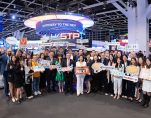
HKSTP presented a strong innovation line up at LEAP East 2026, with over 30 park companies showcasing innovations across Life and Health Tech, GreenTech & Sustainability, Smart Cities & Urban Tech, and AI, Data & Robotics. (Pictured: Cordelia Chung, Chairman of HKSTP (front row, 8th from left); Terry Wong, CEO of HKSTP (front row, 7th from left); Eric Or, Chief Ecosystem Development Officer (5th from left); Hilda Chan, Chief Marketing Officer of HKSTP (front row, 6th from left); Filla Mak, Chief Property and Asset Officer (front row, 9th from left).)
Making its debut in the Asia-Pacific region, LEAP East chose Hong Kong as its host city, bringing together technology leaders, investors, policymakers and tech ventures. As the event’s exclusive Tech Ecosystem Partner, HKSTP participated alongside more than 30 park companies, facilitating over 1,500 business discussions and meetings from 8 to 10 July.
Under the theme “Gateway to the NEXT”, the HKSTP Pavilion featured innovations from 23 park companies across four key sectors: Life and Health Tech, GreenTech & Sustainability, Smart Cities & Urban Tech, and AI, Data & Robotics, attracting more than 3,000 visits.
Terry Wong, CEO of HKSTP, said: “LEAP East’s decision to land its first overseas edition in Hong Kong delivers three important messages to the I&T community. First, Hong Kong has become tech companies’ gateway into the global markets, which reflects the development and achievements of Hong Kong’s I&T ecosystem over the years and demonstrates the city’s unique ability to connect Middle Eastern capital, Asia-Pacific markets and supply chains in the Chinese Mainland, positioning Hong Kong as a true I&T hub. Second, the Middle East and other emerging markets represent the next strategic destination for tech companies. Driven by numerous application scenarios in smart cities, green energy and AI infrastructure, together with the ambitious transformation agenda under Saudi Vision 2030, these markets offer unprecedented growth opportunities for Hong Kong tech companies. Third, Hong Kong’s I&T community is demonstrating a growing global impact. From HKSTP executives and park companies contributing to international forums and thought leadership discussions, to HKSTP serving as the exclusive Tech Ecosystem Partner, and two park companies reaching the Top 6 of the Rocket Fuel East Startup Competition, with one securing the 2nd Runner-Up, all of these achievements underscore Hong Kong’s increasingly prominent position on the global I&T stage.”
In addition, Terry Wong, CEO, Eric Or, Chief Ecosystem Development Officer, Filla Mak, Chief Property and Asset Officer, and Dr Charleston Sin, Head of AI & Data, took part in keynote sessions and panel discussions throughout the event. They shared strategic insights on HKSTP’s I&T ecosystem, biotech, smart cities, and AI, fostering international dialogue, inspiring new breakthroughs and collaborations, and further strengthening HKSTP’s influence within the global I&T ecosystem.
To strengthen connections between park companies and the international innovation community, HKSTP co-organised “Build East: Agentic AI Demo Day and Tour” with Minds by Animoca Brands one day before LEAP East 2026, inviting global investors and startups to gain first-hand insights into Hong Kong’s largest I&T ecosystem and explore cross-border collaboration and investment opportunities.
Hashtag: #HKSTP
The issuer is solely responsible for the content of this announcement.
Hong Kong Science and Technology Parks Corporation
Hong Kong Science and Technology Parks Corporation (HKSTP) was established in 2001 to create a thriving I&T ecosystem grooming 13 unicorns, more than 16,000 research professionals and over 2,400 technology companies from 26 countries and regions focused on developing healthtech, AI and robotics, fintech and smart city technologies, etc.
Our growing innovation ecosystem offers comprehensive support to attract and nurture talent, accelerate and commercialise innovation for technology ventures, with the I&T journey built around our key locations of Hong Kong Science Park in Pak Shek Kok, InnoCentre in Kowloon Tong and three modern InnoParks in Tai Po, Tseung Kwan O and Yuen Long realising a vision of new industrialisation for Hong Kong, where sectors including advanced manufacturing, micro-electronics and biotechnology are being reimagined.
Hong Kong Science Park Shenzhen Branch in Futian, Shenzhen plays positive roles in connecting the world and the mainland with our proximity, strengthening cross-border exchange to bring advantages in attracting global talent and allowing possibilities for the development of technology companies in seven key areas: Medtech, big data and AI, robotics, new materials, microelectronics, fintech and sustainability, with both dry and wet laboratories, co-working space, conference and exhibition facilities, and more.
Through our R&D infrastructure, startup support and enterprise services, commercialisation and investment expertise, partnership networks and talent traction, HKSTP continues to contribute in establishing I&T as a pillar of growth for Hong Kong.
More information about HKSTP is available at www.hkstp.org.
Nigel Farage’s attempt to turn scrutiny of his financial affairs into a direct electoral test has produced an unusual contest, with satirical candidate Count Binface so far emerging as his only declared challenger in the Clacton by-election. The Reform UK leader resigned from the House of Commons on July 8 and immediately announced that he would seek re-election. Polling will take place on August 13 after parliamentary […]
HO CHI MINH CITY, VIETNAM – Media OutReach Newswire – 11 July 2026 – As global urban challenges evolve, Vietnamese Developers offer valuable insights into alternative development models.
Vinhomes’ strategic response is crystallized in its ESG
For much of the past century, urban development followed a relatively straightforward equation: build housing, expand infrastructure and accommodate population growth. This formula is now showing its limitations. As climate risk intensifies, biodiversity declines and cities compete not only for investment but also for talent, developers around the world are now forced to redefine the very nature and purpose of what they build.
From the Gulf to Singapore, and from Scandinavia to Southeast Asia, large-scale urban projects are evolving into integrated ecosystems where mobility, green infrastructure, education, healthcare, digital services and environmental restoration are planned together. The industry paradigm has shifted from constructing buildings to designing places capable of sustaining both economic growth and quality of life over generations.
Vinhomes has initiated a comprehensive repositioning to navigate this global transition.
Known as Vietnam’s largest residential developer, the company is increasingly recognized not merely as a builder of housing projects, but as a creator of large-scale lifestyle ecosystems, communities where urban planning, technology, ecology and public services are conceived as parts of the same system.
When Nature Becomes Urban Infrastructure
For decades, environmental considerations were often introduced after a city’s masterplan had already been completed.
The emerging model reverses that sequence. Across many of its recent developments, Vinhomes operates on the principle that natural systems should become the starting point of planning. Hydrology, coastal conditions, biodiversity and existing vegetation are treated as design inputs that shape the urban layout from the earliest stages.
This philosophy marks a notable departure from conventional large-scale development, particularly in rapidly urbanising markets where natural landscapes have frequently given way to intensive construction.
With more than 30 developments across Vietnam and a land bank equivalent to roughly two-thirds the size of Singapore, Vinhomes has the unusual opportunity to test this planning approach at a metropolitan scale.
Rather than replicating identical urban formulas, each project is designed around the ecological characteristics of its location.
The company maintains that the long-term success of a city should ultimately be measured not by how much has been built, but by whether natural ecosystems continue to thrive decades after residents have moved in. That perspective aligns with an increasingly influential school of urban planning in which green infrastructure is viewed as essential public infrastructure.
Factors Compelling Cities Toward Regeneration
Environmental, Social and Governance (ESG) frameworks have become standard across global investment. Urban planners, however, are beginning to question whether sustainability alone is sufficient.
Maintaining today’s environmental conditions may no longer be enough if tomorrow’s cities must also respond to rising temperatures, sea-level change and growing demographic pressures.
Vinhomes’ strategic response is crystallized in its ESG++, a framework that extends beyond conventional ESG principles by introducing two additional objectives: Regeneration and resilience.
The distinction is subtle but important.
Regeneration implies restoring ecological systems rather than simply reducing environmental impact. Resilience focuses on designing cities capable of adapting to changing climatic, technological and social conditions over many decades.
Projects such as Vinhomes Green Paradise Can Gio and Vinhomes Global Gates Ha Long are intended to demonstrate how these concepts can be incorporated into large-scale urban planning, combining renewable energy, smart infrastructure and ecological restoration within a single development model.
This shift highlights a growing global consensus: the success of next-generation cities will ultimately be measured by their ability to adapt to increasingly complex environmental challenges.
Vietnam’s Urban Story Is Becoming Part of a Global Conversation
For many international audiences, Vietnam remains associated primarily with its cultural heritage and natural landscapes. Urban development may become an equally important part of that story.
Rapid urbanisation, expanding infrastructure investment and a national commitment to achieve net-zero emissions by 2050 have created conditions in which entirely new urban models can be planned without many of the legacy constraints facing older cities.
This developmental opportunity is capturing increasing global interest.
Commenting on Vinhomes Green Paradise’s participation in the global 7 Wonders of Future Cities initiative, Jean-Paul de la Fuente, Director of the New7Wonders Organisation, described Vietnam as undergoing a “transformative step change” in its national identity and global positioning. He pointed to the country’s progress in reducing the carbon footprint of urban mobility as an example of coordinated action between government and the private sector that offers valuable insights extending beyond Southeast Asia.
For Vinhomes, participation in international platforms such as 7 Wonders of Future Cities is therefore less about showcasing a single project than about contributing to a broader discussion on how rapidly developing economies might approach urban growth differently. The company’s evolution mirrors a wider shift taking place across the global property sector.
Increasingly, the core value proposition for developers is no longer anchored in how many buildings they can deliver. Instead, it centers on whether they can create cities that remain economically competitive, environmentally resilient and socially relevant long after construction has ended.
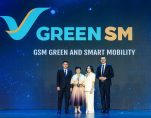
HO CHI MINH CITY, VIETNAM – Media OutReach Newswire – 10 July 2026 – Green SM has been recognized with two prestigious accolades at the HR Asia Awards 2026: “Best Companies to Work for in Asia – Vietnam” and the Technology Empowerment Awards. These achievements recognize the Company’s people-centric talent strategy, its commitment to empowering employees through technology, and its efforts to cultivate a unified organizational culture across its global operations.
Green SM representatives receive the “Best Companies to Work for in Asia – Vietnam” and “Technology Empowerment Awards” at the HR Asia Awards 2026.
The HR Asia Awards are among Asia’s most prestigious annual human resources awards, recognizing organizations that demonstrate excellence in workplace culture and sustainable people development. Winners are evaluated using the TEAM (Total Engagement Assessment Model), which measures employee engagement, organizational trust, and workplace experience, drawing on benchmarking data from more than 2.5 million employees across 20,000 organizations throughout the region.
According to the independent assessment conducted for the HR Asia Awards 2026, Green SM significantly outperformed market benchmarks in the “Best Companies to Work for in Asia” category, achieving outstanding scores across several key dimensions, including technology enablement in the workplace (4.8/5), workplace sustainability (4.71/5), and diversity, equity, and inclusion (4.72/5).
A defining element of Green SM’s workplace culture is its unwavering commitment to the principle that “Every Voice Counts.” This commitment is embedded through comprehensive employee engagement initiatives, including regular internal surveys, 360-degree performance evaluations, and multiple feedback channels that transform employee insights into tangible improvements in policies, workplace practices, and operational excellence.
At Green SM, talent development is viewed not merely as an HR function but as a strategic driver of service excellence. The Company continues to invest comprehensively in recruitment, professional training, operational standardization, workplace culture, and structured career development pathways for its Green Drivers. In parallel, Green SM delivers continuous capability-building programs for managers and employees, combining practical learning with digital learning platforms to strengthen leadership and management capabilities and organizational agility in an evolving business environment.
Alongside its investment in people, Green SM has been progressively building a unified organizational culture across its international markets. Rooted in values established in Vietnam while embracing the diversity of local cultures and communities, the Company fosters an environment that encourages collaboration, continuous learning, and empowerment. This enables teams across different countries to uphold consistent service standards while remaining responsive to the unique needs of local customers and communities.
Green SM also received the Technology Empowerment Awards in recognition of its continued digital transformation in human resource management. Through the digitalization of HR processes, the development of competency frameworks, the expansion of digital learning ecosystems, and the integration of data-driven people management, the Company has streamlined repetitive administrative tasks, enhanced decision-making efficiency, and enabled employees to devote greater focus to innovation, customer experience, and superior service delivery.
Mr. Nguyen Quoc Tuan, Global Chief Executive Officer of Green SM, said: “Our people have always been the cornerstone of Green SM’s sustainable growth. We believe that when individuals are empowered by technology and united by shared values, our teams across every market can deliver exceptional experiences for our customers. These two awards affirm the direction we have taken and further strengthen our commitment to building a truly multinational organization with its roots in Vietnam.”
In 2026, Green SM aims to expand its global workforce and partner network to approximately 400,000 people worldwide. As the Company continues to accelerate its international expansion, it will further invest in talent development and technology-driven people management to build a highly capable global workforce, maintain consistent service excellence across markets, and advance its vision of becoming the world’s leading green mobility platform.
Hashtag: #GreenSM
The issuer is solely responsible for the content of this announcement.
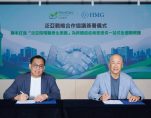
HONG KONG SAR – Media OutReach Newswire – 9 July 2026 – HealthMutual Group (HMG), a leading healthcare management group in the Asia-Pacific region, and OncoCare , a subsidiary of the internationally renowned integrated oncology-focused group Tamarind Health, officially signed a Pan-Asian Strategic Cooperation Agreement today. This agreement represents a significant milestone, building upon the Memorandum of Understanding (MOU) signed by both parties last November. It expands the service scope from its initial focus on local medical services in Hong Kong to fully enabling HMG’s clients to access OncoCare’s top-tier oncology teams and professional nursing services across the Pan-Asian region. This premium healthcare offering spans a comprehensive, full-cycle, one-stop quality medical care model—including early screening, multidisciplinary team (MDT) diagnoses, and cross-border referrals.
Mr KC Chan, Founder of HealthMutual Group (right) and Mr Lim Eng Seng, Group CEO of Tamarind Health, the parent company of OncoCare (left) at the signing ceremony.
HMG is a premier leader in healthcare management in the Asia-Pacific sector, having established an extensive and mature multinational medical network across the region. The group has long been dedicated to optimizing medical administration and claims processes through digital transformation and cutting-edge technology. Serving over 700,000 clients of its insurance partners, HMG provides comprehensive, transparent, and high-quality healthcare solutions. In 2025 alone, the total medical expenses processed through HMG exceeded HKD 150 million.
OncoCare is a leading private oncology institution that firmly believes in and practises “patient centric” care. Its aim is to add years and quality of life to all patients through highly efficient, knowledge-based integrated cancer diagnosis and personalised treatment. OncoCare brings together a team of clinical oncologists, and in combination with the robust specialist network of Tamarind Specialists, a member of the same group in Hong Kong, provides patients with medical services across fields such as colorectal surgery, cardiothoracic surgery, breast surgery, respiratory medicine, and family medicine. Patients have access to cross-disciplinary medical assessments, precision cancer treatment plans and personalised cancer care, ensuring they and their families receive the most reassuring support during challenging times.
The core highlight of this Pan-Asian Strategic Cooperation Agreement lies in the deep integration of HMG’s pan-Asian service network with OncoCare’s Asia-leading oncology expertise. Together, they will build Asia’s premier “Pan-Asian Closed-Loop Medical Ecosystem.” With Singapore, Hong Kong, and Malaysia serving as the core hub locations, the key highlights include:
Integrated Closed-Loop Service: From initial medical record review and cross-border “green channels” to clinical treatment and financial settlement, patients will experience seamless services within the joint management system of HMG and OncoCare. Coupled with transparent medical billing, this ensures the highest standard of medical quality control.
Cross-Border Multidisciplinary Team (MDT) Diagnosis: Using OncoCare’s Singapore headquarters, its Hong Kong flagship centers in Central and Tsim Sha Tsui, and its Malaysia branch as central hubs, the ecosystem brings together experienced specialists from all three regions to provide international-grade second medical opinions for cancer patients in need.
Seamless Network Integration & Financial Transparency: HMG’s 700,000+ clients can instantly connect with OncoCare’s healthcare teams. Furthermore, both parties have introduced personalised treatment plans for common cancers, offering clear financial predictability and budget protection.
HMG and OncoCare will join hands to build a “Pan-Asian Closed-Loop Medical Ecosystem”, providing one-stop, full-cycle care for cross-border cancer patients. Pictured at the signing ceremony are (from left to right): Mr. Keith Mo, General Manager of OncoCare (Hong Kong); Mr. Lim Eng Seng, Group CEO of Tamarind Health, the parent company of OncoCare; Mr. KC Chan, Founder of HMG; and Ms. Virginia Wong, HMG Chief Customer Services Officer.
Mr. Chan Kin-chung, Founder of HMG, stated: “We are deeply honored to partner with OncoCare. Through the Pan-Asian Closed-Loop Medical Ecosystem, we have successfully aligned top-tier resources across Hong Kong, Singapore, and Malaysia. Clients can enjoy treatment plans jointly formulated by regional experts within a single secure and transparent system, fulfilling our highest cross-border commitment to ‘patient centric’ healthcare.”
Mr Lim Eng Seng, Group CEO of Tamarind Health, the parent company of OncoCare, added, “As a patient centric oncology-focused group, we recognise the challenges cancer patients face in navigating increasingly complex private and cross-border healthcare systems. Through this integrated ecosystem, we will leverage the collective strengths of our multidisciplinary teams and directly managed centres across Singapore, Hong Kong and Malaysia to deliver seamless, high-quality cancer care. Looking ahead, we remain committed to making expert oncology services accessible anytime, anywhere, while elevating patient experience and improving treatment outcomes.”
Looking ahead, the Pan-Asian Closed-Loop Medical Ecosystem plans to further introduce green channels for the latest overseas medications, personalised genetic testing, and cross-border post-operative rehabilitation management, continuously pioneering a more comprehensive and forward-looking landscape for private cancer care for patients in Asia.
Riau Complex Sets a New Standard for Employee Living, Supporting Asia Pacific Rayon’s Workforce and Families
Media Inquiries, please contact: HMG Tracy Ng Email: tracy_ng@hmg.com.hk
OncoCare Marketing & Communications Karen Ng Email: karen.ng@oncocare.hk
San Diego is home to one of California’s most dynamic legal communities. From thriving startups and family-owned businesses to military families, nonprofits, and individuals facing unexpected legal challenges, the city’s diverse population creates demand for experienced attorneys across many practice areas. Whether someone needs help recovering after an accident, protecting business interests, planning an estate, or navigating immigration law, finding the right legal team can make all […]
President Trump’s declaration on Wednesday that the ceasefire with Iran is over immediately pushed oil prices higher, lifted Treasury yields and revived concerns about the security of the Strait of Hormuz. Markets responded in familiar fashion, with traders reassessing energy supplies, inflation expectations and monetary policy. Another consequence deserves equal attention. Higher oil prices strengthen the fiscal position of the Gulf’s major energy exporters. Over time, stronger […]
Samsung Group and SK hynix have laid out investment plans worth about $174 billion for South Korea’s Chungcheong region, expanding the country’s drive to secure a stronger position in artificial intelligence chips, advanced packaging, displays and next-generation battery materials.
The commitments, unveiled at a government-backed industrial development event in Asan, place Chungcheong at the centre of a broader strategy to spread high-technology manufacturing beyond the Seoul metropolitan area and existing semiconductor clusters. President Lee Jae Myung praised the companies’ “bold decision” and called for faster execution of major industrial projects, warning that global competition in semiconductors and artificial intelligence will reward countries that move with speed on permits, power, water and land.
Samsung plans to invest 140 trillion won, or about $90 billion, across the central region. The programme covers display panels, high-bandwidth memory-related capacity, semiconductor packaging substrates, batteries and other core materials. The group’s plan is expected to reinforce manufacturing links between Samsung Electronics, Samsung Display, Samsung SDI and Samsung Electro-Mechanics, whose operations span chips, OLED screens, batteries and electronic components.
SK hynix said it would invest 100 trillion won, or about $64 billion to $72 billion depending on exchange-rate calculations, in Cheongju, North Chungcheong Province. The plan includes the M17 NAND flash memory fabrication plant and P&T7, an advanced packaging and test facility. M17 is scheduled to break ground in 2026 and begin operations in the first half of 2029, while P&T7 is targeted for completion by the end of 2027.
The Cheongju expansion is intended to strengthen SK hynix’s NAND business and add back-end capacity at a time when artificial intelligence systems are raising demand for both high-performance memory and storage. While high-bandwidth memory has received the strongest investor attention because of its role in AI accelerators, large-scale data centres also require more NAND-based storage as models, user data and enterprise workloads expand.
The Chungcheong plan follows a wider national push in which Samsung Electronics and SK hynix are expected to invest hundreds of billions of dollars in new chipmaking hubs over the next decade. The government has framed the initiative as a “triple axis” strategy built around semiconductors, physical AI and data centres, with the aim of building industrial strength outside the traditional capital-area manufacturing corridor.
For Samsung, the Chungcheong investment gives the group a regional base for several linked supply chains. OLED production in Asan and surrounding areas can support premium smartphones, tablets, monitors and automotive displays. Battery investment strengthens Samsung SDI’s role in electric mobility and energy storage, while semiconductor materials and packaging substrates address one of the key bottlenecks in AI hardware production.
For SK hynix, Cheongju already has semiconductor infrastructure, making it a faster route for expansion than a greenfield project. The company has been one of the largest beneficiaries of the AI memory boom, helped by demand for high-bandwidth memory used with Nvidia graphics processors. Its latest investment signals that the company is also preparing for broader memory demand, including NAND and advanced packaging.
The scale of the commitments underlines the strategic importance of memory chips to South Korea’s economy. Samsung Electronics and SK hynix are the world’s two largest memory chipmakers, with dominant positions in DRAM and a major presence in NAND. Their investment decisions affect global supply, pricing expectations and the pace at which cloud companies can build AI infrastructure.
The programme also carries risks. Semiconductor investment cycles have often produced periods of oversupply after large capacity expansions. Investors have shown caution over whether the current AI-driven boom can absorb the output planned by the industry, especially if data-centre spending slows or if memory pricing weakens before new factories reach full capacity.
Infrastructure remains another challenge. Advanced chip plants require stable electricity, ultra-pure water, skilled engineers and rapid permitting. Lee’s comments on execution reflect concern that delays could undermine the industrial strategy. Local governments are expected to face pressure to accelerate utility connections, transport links and land-use approvals while managing environmental and community concerns.
Regional development is a central political theme of the initiative. By placing more advanced manufacturing in Chungcheong and other areas outside Seoul’s orbit, the administration is seeking to reduce economic concentration and create high-value jobs in provincial cities. That ambition will depend on whether new factories attract suppliers, research teams and service industries rather than functioning as isolated production sites.
Greenlogue/AP Lhyfe has expanded one of Europe’s largest bulk green hydrogen logistics fleets, adding 10 new Hexagon Purus containers as it seeks to strengthen production, transport and storage capacity across a market still constrained by cost, infrastructure gaps and uneven demand. The Nantes-based producer now operates 84 Type IV tube trailers dedicated to hydrogen transport, a fleet serving its production sites, partner locations, storage facilities and transport […]
Dutch prosecutors have summoned Tata Steel IJmuiden B. V. to face criminal proceedings over alleged unlawful pollution from its vast steelworks on the North Sea coast, escalating a long-running dispute over emissions, public health and industrial regulation in the IJmond region.
The Public Prosecution Service suspects the company of multiple criminal offences, including deliberately and unlawfully releasing harmful substances into the air with possible adverse consequences for public health. The case also covers alleged breaches of the company’s duty of care, insufficient maintenance, operating without the required permits and failure to report several incidents involving raw coke, a by-product linked to the steelmaking process.
A first procedural hearing has been scheduled for 20 November 2026 at the Amsterdam District Court, where prosecutors are expected to set out the precise charges. The investigation began after a criminal complaint filed on behalf of more than 800 residents and campaigners, who have for years linked emissions from the IJmuiden complex to health risks, nuisance and damage to quality of life.
The steelworks, located west of Amsterdam in Velsen, is among the Netherlands’ biggest industrial sites and one of its largest greenhouse gas emitters. Its blast furnaces, coke ovens and associated facilities have made it a strategic employer and export asset, but also a central target for environmental enforcement. Local concern intensified after pollution incidents, odour complaints and measurements showing deposits of metals and polycyclic aromatic hydrocarbons in nearby communities.
Prosecutors say the criminal investigation examined the steel production process and the operation of Tata Steel’s coke gas factories. The inquiry was carried out with input from environmental inspection and police units, including the investigative arm of the Human Environment and Transport Inspectorate and regional environmental enforcement agencies.
The company has rejected the accusations, saying it disagrees with the decision to prosecute and has already made major improvements to reduce emissions. Tata Steel Nederland has described the case as unnecessary, arguing that it relates to a limited number of incidents where corrective action had already been taken. The company maintains that its emissions comply with legal limits and that planned investments will cut pollution further.
The prosecution has not ruled out possible action against individuals. A separate part of the investigation is examining whether people in management roles could be held personally criminally liable. Prosecutors said that part of the inquiry may take more time, while the company summons has been issued now to keep the criminal case moving.
The summons comes against a broader legal and regulatory backdrop. Residents living near the plant and environmental groups have pursued civil and criminal routes to force faster reductions in pollution. A collective claim filed in the Netherlands seeks about €1.4 billion in compensation from Tata Steel’s Dutch subsidiaries, alleging health damage, stress, loss of enjoyment of life and property-related losses across the region. Tata Steel has dismissed those claims as speculative and unsupported.
Regulatory pressure has also mounted over the coke ovens, one of the most contentious parts of the IJmuiden operation. Authorities have previously warned that permits could be at risk if breaches continue, and financial penalties have been imposed over emissions violations. The coke-making process is crucial to conventional blast-furnace steel production, but it is also associated with pollutants that have drawn sustained scrutiny from residents and health experts.
Public health studies commissioned by Dutch authorities have strengthened demands for action. Research has identified the Tata Steel site as a significant source of metals and polycyclic aromatic hydrocarbons in the IJmond area, while health assessments have pointed to higher exposure risks for communities around the plant. Campaigners argue that enforcement has been too slow, given the scale of the plant and the duration of residents’ complaints.
Tata Steel is attempting to balance the legal fight with negotiations over a cleaner production model. The company, the Dutch government and the province of North Holland signed a non-binding framework in 2025 aimed at cutting carbon emissions and improving the living environment around IJmuiden. The plan includes a shift towards lower-carbon steelmaking, with public support of up to €2 billion under discussion and additional funding sought from European programmes.
China has offered fresh channels for easing trade tensions with the European Union after Foreign Minister Wang Yi completed a four-country Nordic tour aimed at rebuilding confidence with some of Europe’s most security-conscious governments.
Wang’s 2-8 July visit to Denmark, Sweden, Finland and Norway came as Brussels and Beijing try to prevent a deepening dispute over industrial subsidies, electric vehicles, market access, export controls and critical minerals from turning into a broader trade confrontation. The trip placed trade, green technology, shipping, healthcare, tourism and scientific innovation at the centre of talks, while allowing Beijing to test whether northern Europe could support a less confrontational EU approach.
The diplomatic push followed high-level trade discussions in Brussels, where both sides agreed to establish a ministerial-level mechanism that would meet once or twice a year. Four negotiation tracks are expected to cover export controls, trade and investment balancing, market access, and supply-chain transparency, with October emerging as a key deadline for measurable progress.
The EU’s trade deficit with China stood at about €360 billion last year, driven by imports of electric vehicles, batteries, solar equipment, machinery and consumer goods. European officials have warned that subsidised Chinese production could put pressure on strategic industries, while Beijing argues that EU restrictions on technology exports and investment screening have politicised commerce.
Wang used the Nordic leg to frame China and Europe as partners rather than rivals. In Copenhagen, he urged Denmark to play a constructive role in stabilising EU-China relations and highlighted cooperation in green shipping, life sciences and tourism. Denmark holds political weight in Brussels through its support for open trade, but it has also backed a firmer European line on economic security and resilience.
The tour carried symbolic value. It was the first visit by a Chinese foreign minister to Denmark in 15 years and to Sweden in 22 years. Sweden is China’s largest trading partner in the Nordic region, but relations have faced strain over human rights, security policy and Europe’s concerns over dependence on Chinese technology. Wang met Prime Minister Ulf Kristersson and Foreign Minister Maria Malmer Stenergard in Stockholm, where the talks covered bilateral ties and the wider EU agenda.
Finland added a sharper security dimension to the visit. President Alexander Stubb and Foreign Minister Elina Valtonen have supported a more cautious European posture towards Beijing, particularly since Russia’s war in Ukraine reshaped the security debate across northern Europe. Finland’s accession to NATO has also altered the regional balance, placing Helsinki firmly inside the transatlantic security framework. Trade dialogue with Beijing therefore sits alongside hard questions over Russia, technology transfer and strategic infrastructure.
Norway, the final stop, offered Beijing a more pragmatic opening. Oslo is outside the EU but closely tied to the single market through the European Economic Area. Its energy, maritime and seafood industries give it economic links with China, while Norway’s diplomatic tradition allows space for dialogue even during periods of political tension. Wang’s meeting with Foreign Minister Espen Barth Eide was expected to focus on trade, green transition and international security.
Beijing’s message is that the EU should expand trade rather than restrict it. China has signalled willingness to increase imports from Europe and improve communication over trade frictions. It has also pressed Brussels to ease restrictions on high-tech exports and avoid measures that it views as protectionist. European negotiators, however, want more than general assurances. They are seeking concrete steps to narrow the trade gap, improve access for European firms, and curb state-backed overcapacity in sectors where Chinese exports have surged.
The most sensitive issue remains electric vehicles. The EU imposed duties on battery-powered cars made in China after concluding that state support had distorted competition. Chinese manufacturers have responded by looking more seriously at European production sites, including plants in Hungary and other markets, to maintain access to consumers while reducing tariff exposure. The dispute has become a test case for whether Brussels can defend industry without triggering retaliation that would hit exporters, luxury brands, agriculture and aviation.
Rare earths and critical inputs have become another pressure point. China dominates several stages of processing for materials used in clean energy, defence and advanced manufacturing. European officials are trying to reduce exposure without severing commercial links. Beijing retains leverage through licensing and supply-chain controls, while the EU is developing tools to diversify sourcing, screen investment and support domestic production.
CHANG ZHOU, CHINA – Media OutReach Newswire – 7 July 2026 – The global new energy vehicle market has seen rapid growth in recent years. With continued strong expectations for new energy vehicle exports, the global electric vehicle (EV) charging market is entering a new stage of rapid expansion. Recently, StarCharge, the global leading brand of EV Charging equipment and smart energy systems, held a major industry seminar in Hong Kong and released two new white papers at the event, exploring two major transformative trends in the industry that are worth paying attention to.
Charging stations are becoming a key connection of smart energy systems
According to the ‘Technical White Paper’ by StarCharge, for years, EV charging infrastructure has mainly been seen as support for vehicle sales expansion: building more chargers, expanding coverage, and speeding up charging.
However, this role is starting to change.
As electrification scales up, charging networks are becoming a part of the energy system itself. They are no longer just places for vehicles to top up; they are evolving into smart energy nodes connecting vehicles, the grid, distributed energy, storage, and digital management.
This shift from charging infrastructure to charging network systems shows that the industry is moving from basic access to integrated value: from charging services to energy services, from standalone stations to PV-storage-charging systems, from equipment deployment to scenario-based infrastructure.
StarCharge believes that the future charging network ecosystem will go through four major turning points.
Four Key Points Reshaping the Ecosystem
1. Charging Networks Are Becoming Energy Infrastructure
Charging infrastructure is going beyond its original role as just a support for EVs. As EV adoption grows, charging networks are becoming strategic energy infrastructure: they connect mobility demand with the grid, distributed energy, storage, digital platforms, and future energy services.
2. Defining the Scenarios for the Network
The future charging network won’t be shaped by hardware alone. Policies determine whether infrastructure should be built, technology determines the speed of construction, but real-world scenarios determine what the charging network actually needs to look like.
Urban commuting, highway trips, ride-hailing, logistics fleets, county and rural coverage, holiday peak demand, heavy trucks, mining areas, ports, airports, and autonomous driving all create different charging needs. Therefore, a mature charging network can’t be ‘one-size-fits-all’; it has to be designed around different vehicle types, operating hours, power requirements, reliability needs, and grid conditions.
3. Digital platforms turn charging networks into operable assets
A large charging network only truly has value when it can be scaled, optimized, and managed. This is exactly the core role of cloud platforms. They turn millions of charging points, users, stations, transactions, and energy flows into a measurable, controllable, and continuously optimized operating system.
StarCharge’s platform capabilities cover site selection, pricing, marketing, station operations, smart maintenance, charging safety, station robots, AI-based smart charging, fleet management, energy optimization, and ESG reporting. In other words, digital platforms are the key to transforming charging infrastructure from a heavy-asset network into smart, operable, and scalable assets.
4. Charging stations are becoming grid-friendly energy resources
The next-generation charging infrastructure won’t be defined by any single technology. It will be built on a complete tech stack, combining high-power charging, liquid cooling, integrated PV-storage-charging, DC bus architecture, V2G, automated charging, and AI-driven operations. In other words, future charging stations shouldn’t just be passive electricity consumers that add stress to the grid. Through energy storage, renewable energy integration, V2G, smart scheduling, and AI-based energy optimization, charging stations can become grid-friendly energy resources.
This means that aside from charging vehicles, a charging station can absorb renewable energy, buffer peak loads, respond to demand-side signals, support peak shaving and valley filling, regulate frequency, and provide carbon-neutral ESG data for fleet operators. Its business model will also go beyond charging fees, creating new value through energy services, data services, carbon-related benefits, and grid interaction capabilities.
Microgrids Have Emerged at the Right Time
At the same time, with the continuous development of distributed energy and photovoltaic energy, microgrids have emerged at the right time. They are not just a product, but a local energy system built around real-world scenarios.
In the latest “White Paper” on scenario-based microgrid technology, StarCharge points out that microgrids are moving from customized engineering projects toward scalable, replicable energy systems.
A microgrid is a scenario-based local energy system
According to StarCharge, a microgrid is not a single device, nor is it just an energy storage product. It’s a local energy system designed around the needs of a specific scenario, coordinating local generation, loads, storage, control, and operational strategies within a defined electrical boundary.
Moreover, depending on the scenario—such as data centers, individual charging stations, zero-carbon industrial parks, or green mines—the energy challenges are completely different. The right microgrid is defined by the scenario it serves.
The white paper also highlights four high-value paths: electricity-computing synergy, independent power supply, zero-carbon parks, and green mines. In areas with weak grids or limited grid access, microgrids ensure the operation of critical loads. In emerging load scenarios like data centers and industrial parks, microgrids support renewable energy integration, energy resilience, and cost optimization. In high-tech-demand scenarios like mines, microgrids become the foundation for ensuring production continuity, energy transition, and ESG competitiveness.
The three-stage evolution of microgrids
As power sources and loads become increasingly DC, microgrid architectures are evolving from AC-dominated systems to AC-DC hybrid systems, and eventually toward microgrids with a higher proportion of DC.
Microgrid 1.0 — dominated by AC architecture. It integrates renewable energy into the existing AC grid framework, but its control heavily relies on grid-following management and support from the external grid.
Microgrid 2.0 — the AC-DC hybrid stage. AC and DC buses coexist, allowing PV, storage, and DC loads to connect more directly. Bidirectional power hubs, solid-state transformers (SST), and energy routers become important bridges between AC and DC systems. This stage balances strong AC compatibility with higher DC efficiency and is expected to remain mainstream in the next 10-15 years.
Microgrid 3.0—it’s the era of DC microgrids. As solar PV, wind power, battery storage, data centers, LED lighting, and EV charging increasingly move toward DC, DC microgrids can reduce repeated AC-DC conversion losses, simplify control, and support millisecond-level responses.
This evolution is closely linked to the mission of microgrids: breaking through energy access bottlenecks, enabling sustainable development, connecting technology, industry, policy, market, and community needs, and unlocking the integrated value of local energy systems.
In the future, StarCharge will steadily expand into the growing global markets for new EVs and renewable energy, building on its smart energy systems that have been widely validated in the Chinese market.
Hashtag: #StarCharge
The issuer is solely responsible for the content of this announcement.
Singapore has set out a two-decade plan to reshape Sentosa and neighbouring Brani into a larger leisure and lifestyle district, with new attractions, hotels, beaches, transport links and coastal protection works expected to open in phases from the early 2030s.
The Greater Sentosa Master Plan brings the 120-hectare Brani under Sentosa’s development framework, creating a larger tourism precinct at a time when Singapore is refreshing its visitor economy and preparing for stronger regional competition in leisure, hospitality and events. The project is being positioned as the biggest transformation of Sentosa since the island was developed as a resort destination more than five decades ago.
Sentosa drew more than 16 million visitors between April 2024 and March 2025. Once the master plan is fully delivered, the enlarged precinct is projected to attract about twice that number. The long development period reflects the scale of infrastructure works, the planned relocation of port operations from Brani to Tuas by 2027, and the need to combine commercial expansion with coastal and ecological safeguards.
A major element of the plan is Brani West, which has been earmarked as one of the largest future sites for attractions development. Authorities are engaging potential partners and concept owners, though details on investors, operators and the cost of the project have not been disclosed. The lack of a public investment figure leaves open questions on funding, phasing and commercial returns, particularly as large tourism projects face higher construction costs, labour constraints and changing traveller preferences.
The plan also includes new landmarks on Sentosa itself. Imbiah Canopy is proposed as a vantage point on Mount Imbiah, with food and beverage outlets, retail space, event areas and links to nature-based activities. A sheltered elevated forest canopy route, Imbiah Lookout Walk, is expected to connect Sensoryscape with Imbiah Lookout and nearby walking trails. Later phases are intended to expand nature and heritage routes, with the possibility of linking Sentosa’s green areas to the Southern Ridges on the mainland.
Along Siloso Beach, a new venue called Sensorium is being planned as a lifestyle and indoor attraction hub capable of hosting events and festival activity. The broader beach redevelopment will cover Siloso, Palawan and Tanjong, where coastal protection works will be paired with new leisure uses. Concepts under study include beach clubs, coastal activities, treetop dining, and a floating boardwalk linking small islets along Sentosa’s 3km beachfront.
Transport is another central feature. The proposed Island Heart Transport Hub will serve as a new arrival point connecting Sentosa and Brani, while a new people-mover system is expected to replace the Sentosa Express monorail. The new system is intended to increase capacity and provide smoother movement from the mainland through Brani and across Sentosa. Water taxis and additional waterfront links are also being examined, while the Singapore Cable Car will continue to form part of the wider mobility network.
The transformation is tied to wider planning along Singapore’s southern waterfront, a 30km belt stretching from Gardens by the Bay East to Pasir Panjang. That corridor is expected to include new residential, commercial, recreational and entertainment spaces as port activities shift westwards. Greater Sentosa is also being developed as Singapore prepares for Changi Airport Terminal 5, due around the mid-2030s, which will add about 50 million passengers a year in its first phase to the airport’s current capacity of 90 million.
The tourism strategy goes beyond building new attractions. Singapore is seeking to broaden its appeal from stopover travel and convention traffic to experience-led visits, family tourism, events, coastal leisure and premium lifestyle spending. Resorts World Sentosa is also expanding its offer, with a Waterfront Lifestyle Development scheduled for completion in 2030 and Super Nintendo World planned for Universal Studios Singapore. These additions are expected to support a shift from single-attraction visits towards longer, multi-part itineraries across the island.
Sustainability has been built into the planning narrative, reflecting the vulnerability of a low-lying city-state to sea-level rise and coastal erosion. Sentosa has about 16km of coastline, making protection works a practical requirement rather than an optional enhancement. The master plan includes ecological connectivity, shaded routes, greenery, thermal comfort measures and coastal resilience features. Sensoryscape, a 350m connector linking Resorts World Sentosa to the beaches, is being used as an early example of infrastructure that combines visitor flow, planting, accessibility and digital experiences.
Adani Enterprises has expanded its qualified institutional placement to ₹150 billion after demand from large investors exceeded the original ₹100 billion target, giving Gautam Adani’s flagship company a sizeable pool of equity capital for its next phase of infrastructure and industrial expansion.
The share sale, opened to institutional investors this week, drew bids of about ₹380 billion, or roughly 3.8 times the base offer. The indicative price was set at ₹2,883 a share, below the regulatory floor price of ₹3,034.68 and at a discount to the stock’s previous close, reflecting the typical pricing structure used to secure large-block institutional participation.
The enlarged issue marks one of Adani Enterprises’ biggest equity-raising exercises since the group was hit by a market rout in 2023 following allegations by US short-seller Hindenburg Research. The conglomerate denied wrongdoing, and group companies have since rebuilt access to capital through a mix of equity, debt, asset recycling and strategic partnerships.
The strong response to the placement signals that institutional investors are again willing to back the group’s growth strategy, even as they continue to price in governance, leverage and execution risks. The investor book included global funds and domestic asset managers, with demand high enough for the company to lift the deal size by 50 per cent.
Adani Enterprises is the incubator of the group’s newer businesses. Its portfolio spans airports, roads, data centres, green hydrogen, mining services, defence, solar manufacturing and other infrastructure-linked ventures. The company has been central to the group’s plan to build large operating platforms before eventually listing or separating mature units.
The latest fundraising comes as the group accelerates capital spending across transport, energy transition and materials. Its airports business operates eight airports and is preparing for the opening of Navi Mumbai International Airport, a project expected to strengthen the group’s presence in aviation infrastructure. Data centres and green hydrogen remain capital-intensive bets that require long gestation funding and steady access to institutional capital.
The timing also follows Adani Enterprises’ rights issue of about ₹250 billion completed in late 2025, which was oversubscribed. That offer was used to support capital expenditure, debt repayment and shareholder loan obligations. The new placement gives the company additional flexibility at a time when infrastructure companies are competing for long-duration capital amid rising demand for logistics, power, digital infrastructure and manufacturing capacity.
The share sale is also significant because it reduces reliance on borrowings for the next leg of expansion. Equity funding can ease pressure on balance sheets and improve investor perception of leverage, particularly for companies pursuing several projects at once. At the same time, the discounted pricing means some dilution for existing shareholders, a common trade-off in large institutional placements.
Market reaction was measured. Adani Enterprises shares initially faced pressure after pricing details emerged but later stabilised, suggesting investors had largely anticipated a discount. The stock has recovered substantially from its 2023 lows, though it remains closely watched because of the group’s debt profile, promoter holdings and regulatory scrutiny around past allegations.
The company’s investment cycle has broadened further with plans linked to a major aluminium project in Odisha in partnership with Abu Dhabi’s International Holding Company. The proposed project, valued at about $11.5 billion, is expected to include bauxite mining, alumina refining, aluminium smelting and downstream capacity. The partnership underscores the group’s continuing effort to deepen industrial manufacturing alongside infrastructure.
IHC has been a notable backer of the group through periods of market volatility. Its involvement provides strategic weight to Adani’s expansion into metals, a sector that requires heavy upfront investment, access to raw materials, power security and strong execution discipline. Aluminium demand is being driven by transport, packaging, power transmission, construction and renewable energy infrastructure.
Adani Enterprises’ fundraising also fits a broader trend across the equity market, where companies have used qualified institutional placements to raise growth capital while valuations remain supportive. QIPs allow listed companies to place shares with large investors without the longer timelines associated with some other public offerings. For issuers, the format is faster; for institutions, it provides access to sizeable allocations in liquid companies.





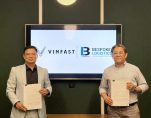

 https://vinfastauto.ph/