News related to
prices

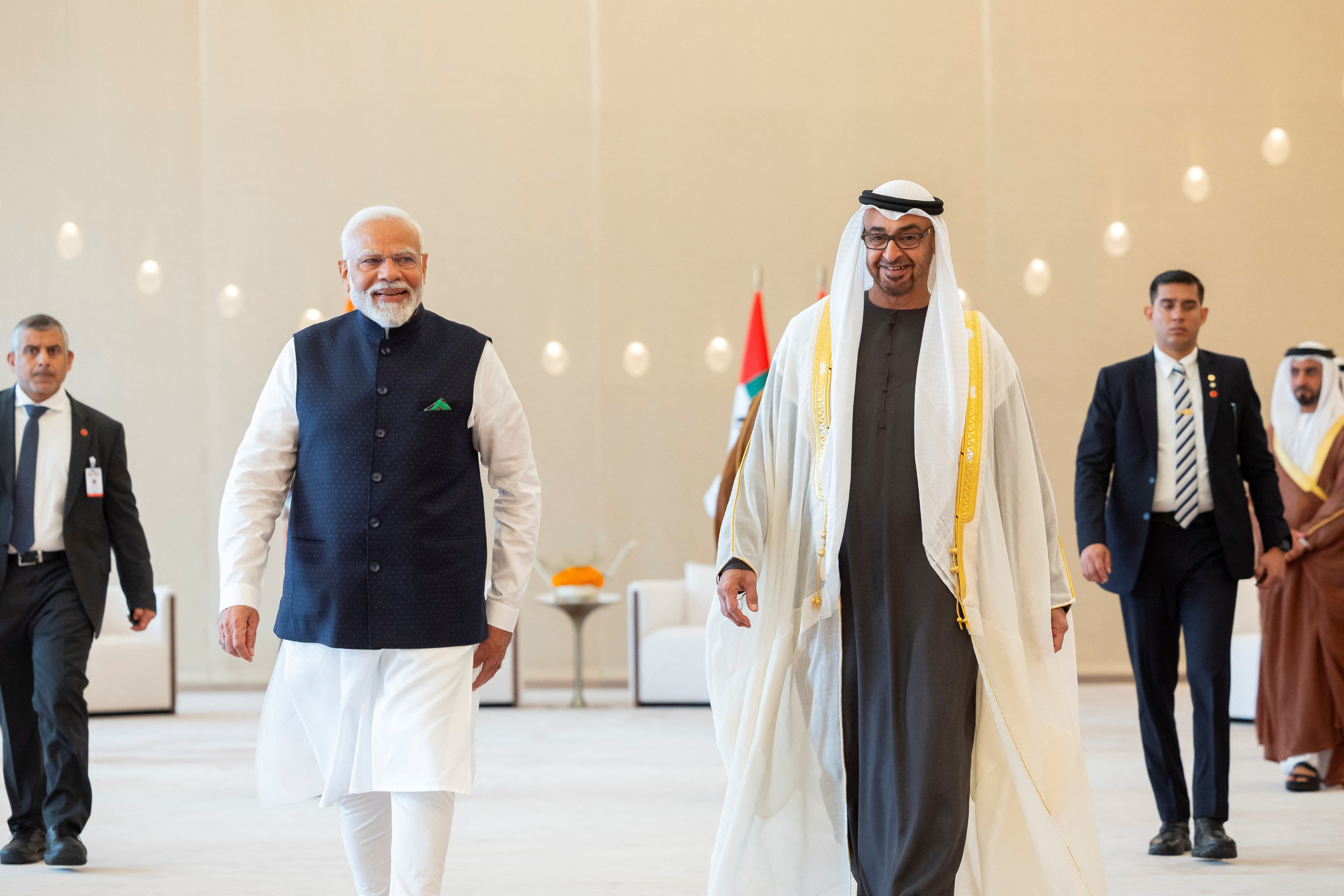
India and the United Arab Emirates (UAE) are poised to reexamine their existing trade agreement this week, according to informed sources. This strategic review is part of a broader effort by both nations to enhance economic ties and address any gaps in their trade relations.

The bilateral trade agreement, which was initially signed in 2022, has been a cornerstone of the economic partnership between India and the UAE. Over the past two years, the agreement has facilitated significant trade flows, with the UAE emerging as one of India’s key trading partners. However, both governments recognize the need to update the terms of the agreement to reflect the evolving economic landscape and emerging trade dynamics.

The discussions are expected to focus on several key areas. First, there will be a review of tariff schedules and trade barriers to ensure that they align with current market conditions. Both India and the UAE aim to reduce trade impediments and enhance market access for businesses in both countries. Additionally, the review will likely address issues related to customs procedures and regulatory practices to streamline trade processes and minimize delays.

Another significant aspect of the review will be the exploration of new sectors for cooperation. As global trade patterns shift, both nations are keen on diversifying their economic engagements. The UAE, known for its strategic location and advanced infrastructure, is looking to bolster investments in sectors such as technology, renewable energy, and infrastructure development. India, with its burgeoning market and technological expertise, is seen as a valuable partner in these areas.

The discussions are also anticipated to cover the impact of recent global economic trends on bilateral trade. Factors such as fluctuations in commodity prices, supply chain disruptions, and geopolitical developments have influenced trade dynamics globally. Both India and the UAE are expected to evaluate how these factors have affected their trade and explore ways to mitigate potential challenges.

In preparation for the review, both governments have been engaging with industry stakeholders to gather insights and feedback. This consultative approach aims to ensure that the revised agreement addresses the needs and concerns of businesses operating in both countries. The input from various sectors will be crucial in shaping the final terms of the agreement and fostering a mutually beneficial trade environment.

The trade review comes at a time when global trade agreements are under increasing scrutiny. Countries around the world are reassessing their trade policies to adapt to changing economic conditions and to safeguard their national interests. For India and the UAE, this review represents an opportunity to reaffirm their commitment to a strong economic partnership and to position themselves strategically in the evolving global trade landscape.

India and the UAE have a history of collaborative efforts beyond trade. The two nations have worked together on several initiatives, including joint ventures and strategic investments. This review of their trade agreement is expected to further strengthen their economic ties and pave the way for new areas of cooperation.

Shoppers in the UAE are increasingly demonstrating strong loyalty to their preferred brands, even as rising inflation continues to impact their purchasing power. According to NielsenIQ’s latest H1 report, this shift is driven by consumers’ growing reliance on promotions and discounts to maintain access to their favored products, with many still opting to pay a premium for items that offer enhanced benefits. Despite price increases, brand loyalty […]

Saudi Arabia’s push towards sustainability and a clean energy future will take center stage at the EV Auto Show 2024, one of the most significant gatherings for the electric vehicle (EV) industry in the Middle East. From September 17th to 19th, the Riyadh International Convention and Exhibition Centre will host automakers, industry experts, and technology innovators from around the world. As the nation seeks to reduce its dependence on fossil fuels, this event marks a key moment in advancing electric mobility in the region.

The EV Auto Show 2024 is expected to attract some of the biggest names in electric vehicle manufacturing, as well as developers of charging infrastructure and related technologies. These participants will be instrumental in Saudi Arabia’s ambitious goals to become a global leader in sustainable energy. The event is more than a showcase of cutting-edge EV models; it represents a broader initiative aligned with the Kingdom’s Vision 2030 plan to diversify its economy and promote environmental responsibility.

Among the most anticipated exhibits are electric cars, commercial trucks, buses, and motorcycles that promise to reshape Saudi Arabia’s automotive landscape. Automakers from across Europe, the US, and Asia will be presenting their latest EV models, reflecting the global momentum in the shift towards electric transportation. Some companies are expected to unveil new vehicles tailored specifically to the needs of the Gulf region, focusing on extreme climate durability, high-performance batteries, and long-range capabilities that meet the challenges posed by the vast Saudi landscape.

Saudi Arabia’s commitment to electric vehicles has been clear over the past few years, as the Kingdom invests heavily in building EV infrastructure. Recent partnerships between the Saudi government and international EV manufacturers have already set the stage for increased local production and assembly of electric vehicles. The show is poised to bring these efforts into sharper focus, with an emphasis on collaborative innovation.

Several regional and international brands will showcase their EV charging solutions at the event. Saudi-based energy firms and multinational companies will demonstrate cutting-edge charging technologies and battery solutions, focusing on both residential and commercial applications. These technologies are pivotal for the growth of the EV market, as reliable and widespread charging infrastructure remains a key challenge in Saudi Arabia’s transition to electric vehicles. The event will feature panels on overcoming these hurdles, with industry leaders and government officials expected to discuss strategies for expanding the country’s EV charging network.

Energy and technology companies are increasingly looking at ways to integrate EVs with renewable energy sources such as solar power. Saudi Arabia’s abundant sunlight presents a significant opportunity to harness clean energy for EVs, reducing both emissions and energy costs in the long term. At the show, experts will discuss how solar-powered EV charging stations can support the country’s sustainability goals, especially as the Kingdom ramps up investment in its burgeoning solar industry.

Key figures in Saudi Arabia’s automotive and energy sectors have noted that the transition to electric vehicles is no longer a distant goal but an immediate priority. The EV Auto Show is expected to catalyze both consumer interest and industry momentum, with stakeholders eager to capitalize on the growing demand for sustainable transportation options. With gasoline prices fluctuating and global environmental policies tightening, EV adoption is not just a matter of preference but a strategic imperative for the Kingdom.

Public interest in electric vehicles has surged across Saudi Arabia, particularly among younger consumers who are increasingly aware of the environmental impacts of traditional gasoline-powered cars. To meet this rising demand, several local companies are making strides in EV development and marketing. In particular, Saudi Arabia’s own Public Investment Fund (PIF) has invested billions in Lucid Motors, a leading American EV manufacturer. Lucid has already established a production facility in King Abdullah Economic City (KAEC), marking a major milestone in local EV manufacturing. The partnership is seen as a crucial step in positioning the Kingdom as a future hub for electric vehicle production in the region.

Beyond private investment, government support for EVs in Saudi Arabia has been robust. In line with Vision 2030, the Saudi government has implemented policies designed to encourage both manufacturers and consumers to embrace electric mobility. Incentives such as tax breaks for EV buyers, subsidies for local manufacturers, and government contracts for EV fleets are just some of the measures aimed at fostering a supportive environment for the industry’s growth. These policies, coupled with investments in renewable energy, are part of a broader strategy to position the Kingdom as a leader in the clean energy transition.

The environmental impact of EV adoption is also a significant consideration for Saudi Arabia. While the country is one of the largest producers of oil globally, its leaders are keen to diversify its energy sources to ensure long-term sustainability. Reducing emissions from transportation is a key component of this strategy, as the sector accounts for a considerable portion of the country’s carbon footprint. With electric vehicles seen as a crucial solution to lowering emissions, the EV Auto Show serves as a platform to demonstrate the feasibility and necessity of electric mobility in achieving Saudi Arabia’s environmental goals.

OPEC+ has opted to prolong its production restraint by two months to prevent a looming oil surplus this year. This decision comes as economic indicators show slowing growth in China and increasing supply from the United States, driving crude oil prices to their lowest level in 14 months. The coalition, spearheaded by Saudi Arabia and Russia, announced the extension on Thursday after assessing the current global market […]

Abu Dhabi will overhaul its rental index on a quarterly basis, according to a senior official from the Abu Dhabi Department of Real Estate and Municipalities (Adrec). This move is intended to align rental rates more closely with market conditions and enhance transparency in the emirate’s real estate sector. The decision comes amid ongoing discussions about the affordability of housing in Abu Dhabi. The current rental index, […]

Saudi Arabia is urged by the International Monetary Fund (IMF) to persist with its economic reforms despite fluctuations in global oil prices. The IMF’s recent analysis underscores the importance of maintaining structural changes to ensure long-term economic stability and diversification.

The IMF’s call comes at a pivotal moment for Saudi Arabia, which is navigating a volatile oil market while striving to reduce its economic dependence on petroleum revenues. As oil prices exhibit considerable volatility due to global economic uncertainties and shifting energy policies, the IMF emphasizes that the Kingdom’s reform efforts are crucial for sustained economic growth and resilience.

In its latest report, the IMF highlights that Saudi Arabia’s Vision 2030 program, which seeks to diversify the economy away from oil, remains a critical strategy. This ambitious reform agenda includes investments in non-oil sectors, enhancement of the business environment, and initiatives to boost private sector participation. Despite the current challenges posed by fluctuating oil prices, the IMF argues that these reforms should continue unabated to foster a more robust and adaptable economy.

The IMF’s recommendation is grounded in the belief that economic diversification is essential for mitigating the risks associated with oil price volatility. Historically, Saudi Arabia’s economy has been highly susceptible to the ups and downs of global oil markets, which has often led to significant economic fluctuations. By advancing reforms and investing in sectors beyond oil, Saudi Arabia aims to build a more stable and resilient economic foundation.

Key components of the Vision 2030 reform agenda include the development of the tourism sector, expansion of the digital economy, and enhancement of the Kingdom’s investment environment. The Saudi government has been actively pursuing these goals, with notable progress in areas such as infrastructure development and regulatory improvements. For instance, the establishment of the Saudi Public Investment Fund (PIF) has been a cornerstone of the Kingdom’s strategy to drive investments in diverse sectors, ranging from technology to entertainment.

The IMF’s recommendation also reflects a broader trend among international financial institutions that advocate for structural reforms in oil-dependent economies. Such reforms are seen as essential for ensuring sustainable economic growth and reducing vulnerability to external shocks. The IMF’s stance aligns with previous assessments that underscore the need for comprehensive economic strategies to manage the transition from a resource-dependent economy to a more diversified and knowledge-based economy.

Saudi Arabia’s commitment to reform has been demonstrated through various high-profile initiatives, including the privatization of state-owned enterprises and the introduction of new business regulations aimed at fostering entrepreneurship. Additionally, the Kingdom has made strides in enhancing its social and economic infrastructure, with initiatives such as the Saudi National Industrial Development and Logistics Program (NIDLP) aimed at strengthening industrial capabilities and logistics networks.

Despite these efforts, the challenges posed by fluctuating oil prices continue to impact the Saudi economy. Recent data indicates that the Kingdom has experienced fluctuations in its fiscal balance and external trade due to variations in oil revenue. These fluctuations underscore the importance of the IMF’s recommendation to sustain reform efforts as a means of stabilizing the economy and ensuring long-term prosperity.

As Saudi Arabia navigates these challenges, the IMF’s guidance provides a strategic framework for policymakers to follow. The emphasis on maintaining reform momentum is intended to help the Kingdom achieve its economic goals and enhance its position in the global economy. By addressing structural vulnerabilities and advancing diversification, Saudi Arabia aims to create a more resilient and dynamic economic landscape.

The United Arab Emirates (UAE), Saudi Arabia, and several other oil-producing nations have extended their voluntary cuts in oil production, aiming to stabilize global oil markets and support prices amid ongoing economic uncertainties. This decision follows a series of discussions among key members of the OPEC+ alliance, which includes countries outside the Organization of the Petroleum Exporting Countries (OPEC) such as Russia, Iraq, Kuwait, Kazakhstan, Algeria, and Oman.

The latest agreement, confirmed in a joint statement from the participating countries, includes an extension of the existing production cuts into the coming months. The initiative, originally set to be reassessed at the end of this year, now reflects a strategic move to address fluctuations in global demand and counteract economic pressures impacting the energy sector.

Saudi Arabia, as one of the world’s largest oil exporters, will continue its policy of reducing output by an additional one million barrels per day, a step that aligns with its broader efforts to maintain oil prices within a targeted range. This decision is part of a coordinated strategy to stabilize the market and prevent a significant drop in prices that could adversely affect the economies of oil-dependent nations.

The UAE has also committed to reducing its oil production, extending its cut of 500,000 barrels per day, reflecting its ongoing support for the broader goals of the OPEC+ group. Other key contributors to the cuts include Iraq, Kuwait, and Kazakhstan, each of which has pledged to limit their oil output as part of the collective effort. Algeria and Oman are similarly maintaining their voluntary reductions, underscoring the unified approach of these oil-producing nations.

The decision to extend these cuts comes amid a complex global economic environment characterized by fluctuating energy demands, geopolitical tensions, and evolving consumer behavior. Analysts note that the prolonged cuts are aimed at balancing the market and preventing an oversupply that could lead to a decline in oil prices, which have experienced volatility in recent months.

Key players in the oil market have responded positively to the announcement, viewing the extension as a proactive measure to ensure market stability. Oil prices have shown signs of support following the news, with traders optimistic that the coordinated effort by major oil producers will contribute to a more stable pricing environment.

In addition to the immediate impacts on oil prices, the extended cuts highlight the ongoing collaboration among major oil-producing nations to navigate the challenges of a volatile global market. This unity reflects a broader commitment to maintaining stability in the oil sector and ensuring that the interests of both producers and consumers are addressed.

Advertisements

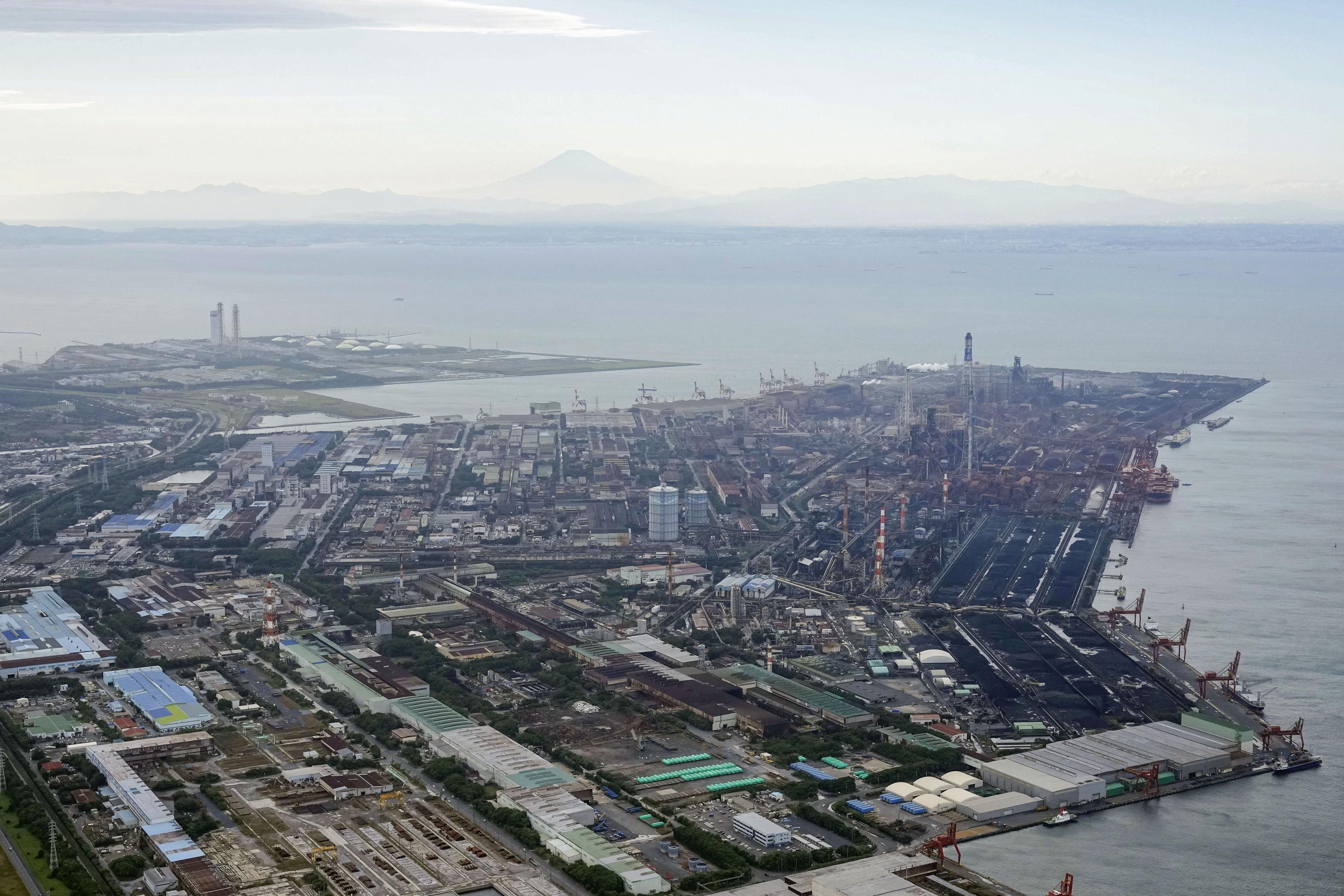
Nippon Steel Corp.’s ambitious $14.1 billion takeover of United States Steel Corp. appears to be in jeopardy, with the Biden administration signaling its intention to block the deal. The acquisition, seen as a strategic move by the Japanese steel giant to secure a larger foothold in the U.S. market, has run into significant political opposition as the White House prepares to intervene on grounds of national security and competition concerns. The move could derail what was shaping up to be one of the most significant cross-border acquisitions in the steel industry in years.

The takeover bid, which has been in the works for months, aimed to combine two of the world’s leading steel producers in a move that would have created a global steel powerhouse. Nippon Steel, already a major player in the industry, viewed the acquisition as a way to strengthen its presence in the U.S. market, where demand for steel is expected to surge due to infrastructure projects and defense contracts. U.S. Steel, on the other hand, has been grappling with aging infrastructure and rising costs, making it a potential target for foreign buyers seeking growth opportunities.

However, the proposed deal has drawn scrutiny from U.S. lawmakers and regulatory authorities, particularly due to the strategic importance of the steel sector to national defense. The Biden administration, keen on maintaining control over critical industries, is reportedly preparing to invoke regulatory powers to block the acquisition, citing national security concerns. Officials are reportedly worried that the sale of U.S. Steel to a foreign entity, even one as established as Nippon Steel, could pose risks to the country’s defense capabilities, especially with steel being a critical component in military hardware and infrastructure.

Nippon Steel’s interest in acquiring U.S. Steel is part of a broader strategy by the company to expand its global operations and secure a stable supply chain. With steel prices fluctuating and supply chains becoming more fragile in the aftermath of the COVID-19 pandemic, securing production capacity in key markets has become a priority for many manufacturers. The acquisition of U.S. Steel, with its extensive domestic production facilities and established relationships with American contractors, was seen as an ideal fit for Nippon Steel’s long-term plans.

The Biden administration’s opposition to the deal reflects a broader shift in U.S. trade and industrial policy, which has become increasingly protectionist under the current leadership. As part of its strategy to bolster domestic manufacturing and reduce reliance on foreign suppliers, the White House has taken a more aggressive stance on foreign takeovers, particularly in sectors deemed critical to national security. The steel industry, long considered a backbone of the U.S. economy and defense capabilities, has become a focal point of this policy shift.

Political opposition to the deal has been growing steadily. U.S. lawmakers have raised concerns over the potential loss of control over domestic steel production, pointing to the importance of maintaining a strong domestic industry in the face of global uncertainties. The U.S. Congress has also weighed in, with some members advocating for a review of the transaction under the Committee on Foreign Investment in the United States (CFIUS), which has the authority to block deals that pose a threat to national security.

At the same time, industry insiders argue that Nippon Steel’s acquisition of U.S. Steel would bring much-needed investment to the American company, which has struggled to modernize its operations in the face of mounting competition from international players. U.S. Steel, once a symbol of American industrial might, has seen its market share erode in recent years as cheaper imports and rising production costs have taken their toll. Proponents of the deal argue that foreign investment, particularly from a company with the resources and expertise of Nippon Steel, could revitalize U.S. Steel and strengthen the domestic industry in the long run.

The Biden administration’s stance, however, suggests that political considerations will ultimately outweigh economic arguments. With the 2024 elections looming, the White House is under pressure to demonstrate its commitment to protecting American jobs and industries, especially in critical sectors like steel. Blocking the Nippon Steel takeover allows the administration to signal its support for domestic manufacturing while reinforcing its broader trade policy objectives.

For Nippon Steel, the collapse of the deal would represent a significant setback in its efforts to expand its global footprint. The Japanese company has been aggressively pursuing international acquisitions in recent years as part of a strategy to diversify its operations and reduce its reliance on domestic markets. The U.S. market, with its robust demand for steel and favorable economic conditions, was seen as a key target for expansion. Losing out on the U.S. Steel acquisition would force Nippon Steel to reevaluate its options and look for alternative avenues for growth.

U.S. federal safety regulators have called for an investigation into Shein and Temu, two prominent Chinese e-commerce platforms, over concerns that they may be facilitating the sale of unsafe baby and toddler products. The Consumer Product Safety Commission (CPSC) raised alarms following media reports highlighting that dangerous items, which fail to meet U.S. safety standards, are readily available on these websites. The CPSC’s request for an investigation […]

Shares of Kofola, the well-known Czech beverage producer, surged to their highest level in over two years, reflecting growing investor confidence in the company’s financial outlook. The rise comes on the heels of positive market forecasts, which project significant earnings growth in the near future. The company, which has a strong presence across Central Europe, is positioning itself for continued expansion, with eyes set on lucrative markets […]

Banks in the United Arab Emirates are increasingly poised to expand their lending activities, driven by a robust economic outlook and improving asset quality, according to the Central Bank of the UAE (CBUAE). This shift reflects growing confidence in the stability and potential of the financial sector, fostering a more dynamic lending environment. The CBUAE’s latest report highlights that the UAE’s economic stability has strengthened significantly, supporting […]

Gulf Cooperation Council (GCC) banks are expected to maintain robust performance through 2024, according to a new report by S&P Global Ratings. Despite uncertainties and potential economic disruptions, these financial institutions are well-positioned to navigate the challenges and sustain their strong financial metrics.

S&P Global Ratings’ latest analysis highlights that GCC banks have demonstrated remarkable resilience over recent years. Their solid performance is attributed to a combination of strong capital buffers, prudent risk management practices, and favorable economic conditions within the region. The banks’ ability to adapt to fluctuations in the global economic environment has been crucial in maintaining their stability.

One significant factor contributing to the banks’ resilience is their strong capitalization. GCC banks have managed to build and maintain high capital adequacy ratios, providing them with a solid cushion against potential financial shocks. This strong capital base allows them to absorb losses and continue operating effectively even in adverse conditions.

Additionally, GCC banks have benefited from improved economic conditions in the region. The ongoing economic diversification efforts by GCC countries, aimed at reducing their dependency on oil revenues, have created a more stable economic environment. Investments in infrastructure, tourism, and technology have bolstered economic growth, supporting the financial sector’s stability.

The report notes that while GCC banks are in a favorable position, they are not entirely immune to external shocks. Global economic uncertainties, fluctuations in oil prices, and geopolitical tensions could pose risks to the financial stability of these institutions. However, the banks’ strong risk management practices and conservative lending strategies are expected to mitigate these risks effectively.

In particular, the banking sector’s focus on digital transformation has enhanced its ability to manage and respond to potential disruptions. The adoption of advanced technologies and digital platforms has improved operational efficiency, customer engagement, and risk management. This technological edge positions GCC banks to better handle emerging challenges and capitalize on new opportunities.

Moreover, the GCC banking sector has shown a commitment to strengthening regulatory frameworks and compliance standards. This proactive approach to regulatory adherence has enhanced transparency and accountability within the sector, further bolstering its resilience.

S&P Global Ratings also highlights that GCC banks are likely to continue benefiting from supportive government policies and economic initiatives. The ongoing reforms and strategic plans undertaken by GCC governments aim to enhance economic stability and promote sustainable growth, providing a favorable environment for the banking sector.

With its luxury resorts, emerald waters and iconic new landmarks, Phu Quoc – the world’s second best island – is becoming a must-visit destination for Indian tourists during the year-end travel season. PHU QUOC, VIETNAM – Media OutReach Newswire – 5 September 2024 – In 2023, Viet Nam welcomed over 392,000 Indian tourists, a 231 per cent increase compared to 2019, according to the Viet Nam National […]

The Singapore dollar has reached its strongest level against the US dollar in over ten years, reshaping economic dynamics and influencing various sectors from tourism to trade. This notable appreciation of the Singapore dollar, driven by a mix of global economic factors and local financial policies, has brought both opportunities and challenges to different stakeholders.

The current strength of the Singapore dollar, surpassing 1.35 against the US dollar, marks a significant shift in the currency’s performance. This upsurge is attributed to Singapore’s robust economic fundamentals, strategic monetary policies by the Monetary Authority of Singapore (MAS), and a relatively stable political environment compared to other global economies. Investors and analysts have observed that this strength reflects broader trends of a resilient Singaporean economy amidst global uncertainties.

For tourists, this stronger Singapore dollar translates to enhanced purchasing power. Visitors from countries with weaker currencies find their travel budgets stretching further, resulting in increased spending on luxury goods, dining, and entertainment. This shift has been beneficial for Singapore’s retail and hospitality sectors, with luxury boutiques and high-end restaurants reporting a boost in sales from foreign tourists. The tourism sector, a significant contributor to Singapore’s economy, is experiencing a revival as a result of this currency trend.

On the flip side, Singapore’s strong dollar poses challenges for local exporters. Companies exporting goods and services may face reduced competitiveness in international markets due to the higher cost of Singaporean products. This could impact profit margins and market share, particularly in sectors where price sensitivity is crucial. Exporters, especially those dealing with bulk commodities and price-competitive goods, are likely to experience squeezed margins unless they can offset the higher costs through operational efficiencies or increased value addition.

Importers, however, benefit from a stronger Singapore dollar. Lower costs for imported goods can lead to reduced expenses for businesses reliant on foreign products and raw materials. This could translate to lower prices for consumers, especially for imported electronics, vehicles, and other high-value items. The increased purchasing power of the dollar enables businesses to negotiate better terms with international suppliers and capitalize on favorable exchange rates.

The appreciation of the Singapore dollar has also influenced financial markets, with increased capital inflows observed as investors seek stable and profitable opportunities in Singapore. The local stock market has witnessed heightened activity, with foreign investors showing greater interest in Singaporean equities. This influx of investment is bolstering market liquidity and providing additional capital for domestic companies.

Moreover, the currency strength has implications for Singapore’s monetary policy. The MAS, which has a mandate to ensure price stability and economic growth, is closely monitoring the impact of the currency’s appreciation on inflation and economic activity. While a stronger dollar can help in containing import-driven inflation, it also requires careful management to ensure that the broader economic growth is not adversely affected.

The currency’s rise is also intertwined with global financial trends. Investors are increasingly turning to safe-haven assets and stable currencies amid economic uncertainties and geopolitical tensions. The Singapore dollar, often seen as a stable and secure currency, has attracted significant interest from global investors looking to hedge against risks. This trend is reflective of a broader shift towards currencies and assets perceived as safe havens in volatile times.

By K Raveendran The drop in crude oil prices below the $75 per barrel threshold has raised significant concerns within the oil market, particularly for the OPEC+ cartel, which has been striving to maintain prices near the desired $100 mark. The decline, influenced by a potential resolution of the Libyan political crisis and underlying economic […]

UAE bonds are experiencing their most extended rally in three years, as investors flock to high-quality assets amid global economic uncertainties. This upward trend in bond prices highlights a significant shift towards safer investments in a volatile financial landscape.

The UAE bond market’s recent performance is a stark contrast to the broader global bond market, which has been characterized by fluctuations due to inflationary pressures and shifting central bank policies. Bonds issued by the UAE, including those from government entities and state-owned corporations, have seen substantial demand, driving yields down and prices up.

A confluence of factors has contributed to this surge. The UAE’s stable economic outlook, bolstered by its robust fiscal policies and economic diversification efforts, has played a crucial role. Additionally, the country’s strategic economic reforms and its position as a financial hub in the Middle East have enhanced investor confidence.

The rally is particularly notable given the current global economic environment, where many investors are seeking refuge from market volatility and geopolitical tensions. As inflationary concerns and interest rate hikes dominate global financial news, UAE bonds have emerged as a beacon of stability.

Investor sentiment towards UAE bonds has been further strengthened by recent economic data, which indicates resilience in the UAE’s economic growth. For instance, the non-oil sector has continued to show robust performance, supporting the overall stability of the financial system. This economic resilience has made UAE bonds an attractive option for both local and international investors looking for quality assets.

The UAE government’s efforts to maintain a balanced fiscal policy and its commitment to infrastructure development have also bolstered the attractiveness of its bonds. The government’s strategic investments in various sectors, including renewable energy and technology, are expected to drive long-term economic growth, further enhancing the appeal of UAE bonds.

Moreover, the UAE’s strong credit ratings, supported by sound economic fundamentals and prudent fiscal management, have contributed to the bond market’s positive trajectory. These high credit ratings have reassured investors about the safety and reliability of UAE bonds, encouraging increased investment.

In the context of global bond markets, which are facing headwinds from tightening monetary policies and concerns about economic slowdowns, UAE bonds offer a relatively stable investment option. The appeal of these bonds is heightened by the UAE’s political stability and its role as a key economic player in the region.

Economic sentiment across the Gulf Cooperation Council (GCC) remains largely positive despite facing significant challenges. Leaders from the region’s six member states—Saudi Arabia, the United Arab Emirates, Qatar, Kuwait, Oman, and Bahrain—are projecting continued economic growth driven by strategic diversification and investment in key sectors.

Saudi Arabia’s Vision 2030 continues to shape its economic landscape. The Kingdom is expanding its non-oil industries, particularly focusing on tourism, technology, and entertainment. Major projects like NEOM, a futuristic city planned to be powered entirely by renewable energy, are set to bolster economic diversification efforts. Despite fluctuations in oil prices and global economic uncertainties, Saudi Arabia’s economic policies aim to position the country as a global hub for innovation and investment.

The United Arab Emirates is also charting a course of strategic growth. Dubai, in particular, is enhancing its status as a global business and tourism center. The emirate’s emphasis on sustainable development, with initiatives such as the Dubai Clean Energy Strategy 2050, underscores its commitment to a diversified economy. Additionally, Abu Dhabi’s investments in renewable energy and technology sectors are expected to drive future economic stability.

Qatar’s economy is benefiting from its robust infrastructure projects and strategic investments. The country has been preparing for the 2022 FIFA World Cup, which is anticipated to provide a substantial boost to the hospitality and tourism sectors. Additionally, Qatar is focusing on strengthening its natural gas sector, positioning itself as a leading global exporter. This economic strategy aims to maintain Qatar’s high growth trajectory despite regional geopolitical tensions.

Kuwait is working towards economic diversification through its Vision 2035 plan, which seeks to reduce dependency on oil revenues by investing in sectors such as finance, technology, and healthcare. Despite facing budget deficits and economic pressures, Kuwait’s government is committed to implementing reforms and enhancing the investment climate to attract foreign capital.

Oman’s economic policies are geared towards improving its economic resilience through diversification. The Sultanate is investing in industries such as mining, tourism, and manufacturing. Oman’s efforts to enhance its business environment, coupled with regional trade agreements, are designed to foster economic growth. The government is also focusing on developing its infrastructure to support economic activities.

Bahrain is making strides in transforming its economy through investments in banking, finance, and technology. The Kingdom’s focus on becoming a fintech hub reflects its strategy to attract international businesses and foster innovation. Additionally, Bahrain’s efforts to enhance its human capital and improve its regulatory framework are expected to contribute to its long-term economic stability.

The newest addition to the pioneering USD2bn residential community follows the near sell-out launch of Phase One Laguna Lakeview Residences PHUKET, THAILAND – Media OutReach Newswire – 4 September 2024 – Banyan Group is launching a new collection of stylish Skypark residences at its pioneering new eco-friendly residential community in Phuket, following the successful sale of the Laguna Lakeview Residences. Skypark Elara Lakelands, which is located on […]

The U.S. Department of Justice (DOJ) has escalated its investigation into Nvidia’s business practices, issuing subpoenas to the chipmaker and other companies. This move marks a significant step towards a potential formal antitrust complaint, reflecting growing concerns over Nvidia’s influence in the AI chip market.

The DOJ’s investigation is probing allegations that Nvidia may be engaging in anti-competitive behavior by creating barriers for competitors and penalizing customers who do not exclusively purchase its AI chips. This scrutiny comes amid a broader regulatory push to ensure fair competition within the technology sector.

The subpoenas, which are legally binding, require Nvidia and other firms to produce documents and information relevant to the inquiry. This marks a deeper dive into Nvidia’s business dealings, focusing on its market practices and contractual obligations imposed on its clients.

Central to the DOJ’s investigation is the question of whether Nvidia’s market dominance in AI chips has led to unfair practices that inhibit competition. There are concerns that Nvidia might be using its significant market power to lock in customers and make it challenging for them to switch to other suppliers. The inquiry is examining whether Nvidia’s practices have resulted in higher prices or restricted choices for buyers in the AI sector.

Industry experts have noted that Nvidia’s market position is bolstered by its substantial technological lead in AI chip development. This dominance has allowed the company to establish significant footholds in various sectors, from data centers to autonomous vehicles. However, the DOJ’s scrutiny highlights potential issues with how Nvidia manages its market power and interacts with its customer base.

In response to the DOJ’s actions, Nvidia has stated that it is fully cooperating with the investigation and is committed to maintaining fair competition. The company asserts that its practices are in line with legal standards and are aimed at fostering innovation and supporting its customers’ needs. Nvidia’s compliance with the subpoena is expected to involve extensive document production and possibly interviews with key executives.

This intensified investigation comes against a backdrop of increasing regulatory focus on major tech companies. The DOJ’s move aligns with broader efforts by federal authorities to address perceived anti-competitive behaviors in the technology industry, particularly among dominant players like Nvidia.

Gold prices have remained steady just below $2,500 an ounce as market participants reassess their positions following a significant downturn that has unsettled both equity and commodity markets. The precious metal’s stability comes as traders digest recent developments and their implications for the broader economic outlook.

Gold’s current level reflects a cautious response to recent market volatility, driven largely by concerns over global economic growth. The decline in equities and commodities has been linked to a series of economic data releases and geopolitical uncertainties that have influenced investor sentiment.

Analysts attribute the recent market turmoil to several factors, including mixed economic indicators and shifting monetary policies. Recent economic reports have shown signs of slowing growth in key regions, which has heightened fears of a broader economic slowdown. Additionally, ongoing geopolitical tensions and uncertainty surrounding trade policies have further compounded market concerns.

Despite the instability, gold has managed to maintain its value near the $2,500 mark, a level that has historically acted as a significant psychological and technical barrier. This stability is attributed to gold’s role as a safe-haven asset, which often attracts investors during periods of market uncertainty.

Market participants are closely monitoring upcoming economic reports and central bank meetings, which are expected to provide further clues about the future direction of both economic growth and monetary policy. The Federal Reserve and other major central banks’ decisions on interest rates and economic stimulus measures will be crucial in shaping market expectations and influencing gold prices.

In recent weeks, gold has demonstrated resilience, with prices holding steady despite the broader market downturn. This stability underscores gold’s appeal as a hedge against economic and geopolitical risks. Investors are increasingly viewing gold as a reliable store of value in an environment marked by heightened volatility and uncertainty.

Trade data and economic forecasts continue to influence market sentiment, with many analysts predicting that gold will remain a key asset in investment portfolios. The precious metal’s performance is expected to be closely tied to developments in the global economy and financial markets, making it a focal point for traders and investors alike.

As markets adjust to the evolving economic landscape, gold’s role as a safe-haven asset is likely to be tested further. The ongoing evaluation of economic data and central bank policies will play a critical role in determining the future trajectory of gold prices and broader market trends.

Gold’s recent stability reflects a period of adjustment for investors as they navigate a complex and uncertain economic environment. The metal’s performance will continue to be influenced by a range of factors, including global economic growth, monetary policy decisions, and geopolitical developments.

China has initiated an anti-dumping investigation into imports of Canadian canola, a move that follows Canada’s recent decision to impose tariffs on Chinese electric vehicles. The announcement, made by Chinese authorities on Tuesday, comes amid rising concerns over trade imbalances and market fairness.

The anti-dumping probe is set to examine whether Canadian canola is being sold at below market value in China, potentially harming the domestic canola industry. This development has significantly impacted the market, with domestic rapeseed oil futures in China surging to their highest levels in a month. The increase in prices reflects heightened market tension and uncertainty surrounding trade relations between the two countries.

The timing of China’s investigation is linked directly to Canada’s recent tariff measures. Canada had previously imposed tariffs on Chinese electric vehicles, citing concerns over unfair trade practices. This action appears to have prompted China to scrutinize Canadian canola imports more closely, signaling a potential escalation in trade tensions between the two nations.

China is one of the largest importers of canola, and Canadian canola represents a significant portion of its supply. The outcome of the investigation could have far-reaching implications for trade relations between China and Canada, potentially affecting the flow of canola and other agricultural products between the two countries.

Experts suggest that this move by China is part of a broader strategy to address trade imbalances and ensure fair competition in its domestic market. The investigation is expected to take several months, during which time both countries will likely engage in negotiations to resolve the issue. The outcome will be closely watched by industry stakeholders and policymakers, as it could influence future trade agreements and market dynamics.

The surge in rapeseed oil futures underscores the immediate impact of the investigation on the market. Traders and analysts are monitoring the situation closely, as any prolonged disruption in canola supplies could lead to increased volatility in global agricultural markets.

Octa analysts explain why the Malaysian ringgit has strengthened substantially against the U.S. dollar and express their opinion on whether the trend can continue. KUALA LUMPUR, MALAYSIA – Media OutReach Newswire – 4 September 2024 – Over the past few months, the Malaysian ringgit (MYR) has appreciated by more than 9% against the U.S. Dollar (USD) from 4.770 in April to 4.345 today. Indeed, the decline in […]

Bitcoin exchange-traded funds (ETFs) in the United States have experienced significant growth, amassing over $50 billion in assets as of late August 2024. This milestone comes less than a year after the approval of these ETFs by U.S. regulators, reflecting the increasing acceptance of cryptocurrency within mainstream finance. The top 10 Bitcoin ETFs have attracted substantial investments, driven by a mix of institutional interest and retail participation, […]

Gulf Cooperation Council (GCC) stock markets experienced limited gains amid a significant decline in oil prices and heightened geopolitical risks. The region’s financial markets, which have historically been sensitive to fluctuations in crude oil prices due to their oil-dependent economies, are grappling with the dual impact of falling oil values and regional instability. Oil prices have seen a notable drop, with Brent crude trading below $85 per […]

VISHNU RAJA
RYO YAMADA
HITORI GOTOH
IKUYO KITA