News related to
prices

FTX, the defunct cryptocurrency exchange that filed for bankruptcy in November 2022, is poised to commence payouts exceeding $5 billion to its creditors starting May 30, 2025. This marks a significant milestone in one of the most complex bankruptcy proceedings in the crypto industry.

Under the court-approved reorganization plan, approximately 98% of FTX’s creditors are expected to recover 119% of their allowed claims, which includes the principal amount plus accrued interest. This repayment strategy is based on the valuation of crypto assets as of the bankruptcy filing date in November 2022, a point of contention given the substantial appreciation of cryptocurrencies since then.

The initial phase of repayments will prioritize creditors with claims of $50,000 or less, often referred to as the “convenience class.” This group is slated to receive their full repayments within 60 days of the plan’s effective date, amounting to approximately $1.2 billion in total. To facilitate these distributions, FTX has partnered with cryptocurrency platforms Kraken and BitGo, requiring creditors to complete Know Your Customer verifications and submit necessary tax documentation through the FTX Debtors’ Customer Portal.

The substantial funds available for distribution, estimated between $14.7 billion and $16.5 billion, have been amassed through the liquidation of FTX’s investments and the appreciation of certain assets. Notably, the estate’s stake in the AI startup Anthropic contributed significantly to the recovery pool. Despite these efforts, equity holders and investors in FTX’s proprietary token are not expected to receive any compensation.

While the repayment plan has been lauded for its unprecedented recovery rate in bankruptcy proceedings, it has also faced criticism. Some creditors argue that calculating repayments based on the 2022 valuations fails to account for the dramatic rise in cryptocurrency prices, particularly Bitcoin, which has surged from around $16,000 at the time of FTX’s collapse to over $105,000. This discrepancy has led to legal challenges and dissatisfaction among certain creditor groups.

FTX’s current CEO, John J. Ray III, who took over following the company’s collapse, has emphasized the importance of adhering to legal standards in the distribution process. He has also highlighted the challenges in balancing the interests of various stakeholders while navigating the complexities of the bankruptcy estate.
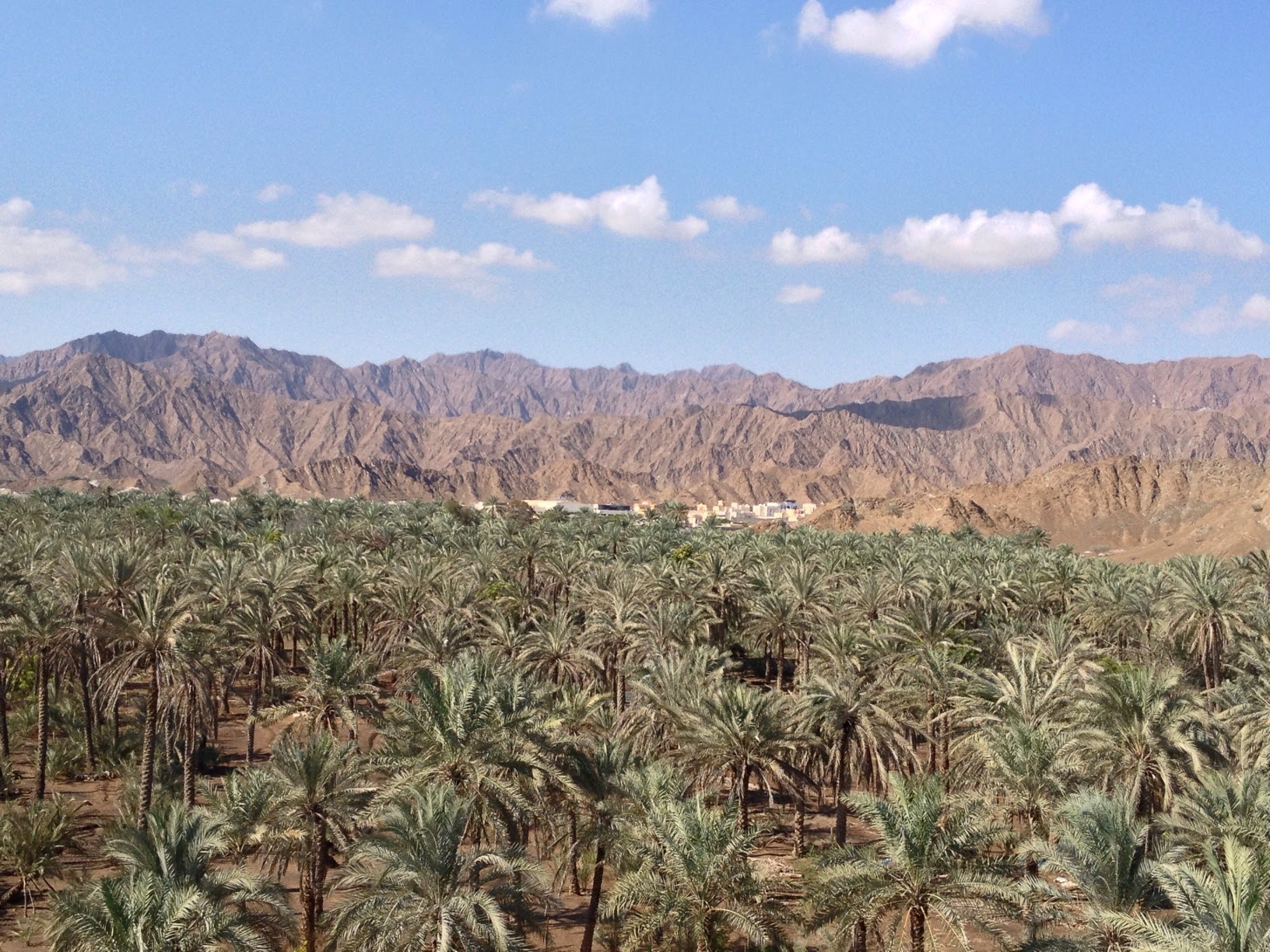

Marine fuel sales at the Port of Fujairah climbed to their highest level in over a year in April, marking a second consecutive month of growth and reinforcing the port’s status as a key global bunkering hub. Excluding lubricants, total sales reached 669,378 cubic metres, equivalent to approximately 663,000 metric tons, according to data from the Fujairah Oil Industry Zone released by S&P Global Commodity Insights.

This performance represents a 4.6% increase over March’s 639,811 cubic metres and a 20.8% rise from February’s record low of 554,117 cubic metres. The rebound aligns with a broader recovery in global shipping activity and increased demand for marine fuels, particularly high-sulphur fuel oil , amid fluctuating oil prices and evolving environmental regulations.

HSFO sales at Fujairah experienced a significant uptick, rising 17.9% month-on-month to 168,140 cubic metres in March, and continued to show strength into April. This growth is largely attributed to the increased use of exhaust gas cleaning systems, or scrubbers, by shipowners seeking cost-effective compliance with the International Maritime Organization’s 0.5% sulphur cap. The price differential between HSFO and low-sulphur alternatives has made scrubber-fitted vessels more economically viable, driving demand for HSFO.

Despite the gains in HSFO, low-sulphur fuel oil remains the dominant marine fuel at Fujairah, accounting for approximately 67.3% of total sales in March. However, LSFO volumes have faced downward pressure due to increased competition from neighboring ports and fluctuating global supply chains. In April, LSFO sales totaled 442,392 cubic metres, down 13.9% year-on-year and 2.1% lower than in March.

The port’s strategic initiatives to diversify fuel offerings and invest in alternative energy sources are also influencing sales dynamics. In July 2024, FOIZ allocated 54,000 square metres of land for the construction of a biofuel processing plant, signaling a commitment to sustainable fuel solutions. The facility, developed in partnership with Bahrain-based Mercantile and Maritime Group, aims to produce B24 biofuel blends, which combine 24% fatty acid methyl ester with 0.5% sulphur marine fuel. These blends can reduce carbon dioxide emissions by 15–20%, aligning with the IMO’s decarbonization targets.

Fujairah’s position as the world’s third-largest bunkering hub remains solid, with 2024 sales totaling 7.6 million cubic metres, up 1.9% from the previous year. This growth outpaced China’s Zhoushan port, which reported 7.26 million tons in the same period. The increase in sales is attributed to higher refueling demand in the first half of 2024 and larger delivery volumes, as shipping disruptions elsewhere prompted more liftings at key bunker ports globally.

However, the port faces challenges, including competition from neighboring ports like Khor Fakkan and Jebel Ali, which have attracted some demand due to competitive pricing. Additionally, geopolitical tensions and global shipping uncertainties continue to impact fuel demand patterns. Despite these hurdles, Fujairah’s strategic location and ongoing investments in infrastructure and alternative fuels position it to adapt to the evolving maritime fuel landscape.

The port’s commitment to transparency and data sharing through partnerships with organizations like S&P Global Commodity Insights enhances its appeal to global traders and investors. By providing detailed inventory levels and sales data, Fujairah enables market participants to make informed decisions, fostering a more efficient and responsive bunkering market.

Lakshmi Mittal, the steel magnate and one of Britain’s wealthiest individuals, has secured ownership of a lavish mansion in Dubai’s Emirates Hills, a neighbourhood often referred to as the “Beverly Hills of Dubai.” The transaction, completed earlier this year, underscores the growing trend of affluent individuals investing in the city’s luxury real estate market. Emirates Hills, developed by Emaar Properties, is renowned for its exclusivity and opulence. […]

Ticketmaster, the dominant force in global ticketing, has begun displaying the full cost of tickets upfront, including service and facility fees, in compliance with a new Federal Trade Commission rule banning hidden “junk fees.” This regulatory change, effective from 12 May 2025, mandates that companies across sectors such as live events, hospitality, and vacation rentals disclose all mandatory fees at the outset of the purchasing process. The […]

U.S. consumer prices climbed 2.3% year-on-year in April, marking the lowest inflation rate since February 2021 and falling short of the 2.4% forecast. On a monthly basis, the Consumer Price Index rose 0.2%, also below the anticipated 0.3%. This deceleration occurred despite the introduction of sweeping tariffs by the Trump administration earlier in the month. The inflation data, released by the Labor Department, suggests that the immediate […]

Nigeria’s economy expanded by 4.6% year-on-year in the fourth quarter of 2024, marking its fastest growth in a decade, according to the World Bank. This surge was propelled by fiscal reforms and a rebound in the oil and services sectors. However, the growth coincided with a sharp rise in inflation and a significant increase in poverty levels, underscoring the complex challenges facing Africa’s largest economy. The World […]

Oil prices surged over $2 per barrel in Asian trading on Monday, buoyed by a significant easing of trade tensions between the United States and China. Brent crude futures climbed $2.11, or 3.3%, to $64.14 a barrel, while US West Texas Intermediate crude futures rose $2.12, or 3.47%, to $63.14. The rally followed a joint announcement from Washington and Beijing declaring a 90-day suspension of additional tariffs, […]

Advertisements

Saudi Arabia has launched HUMAIN, a new artificial intelligence company under the Public Investment Fund , aiming to position the kingdom as a global leader in AI innovation. Chaired by Crown Prince Mohammed bin Salman, HUMAIN is set to provide advanced AI services, including next-generation data centres, AI infrastructure, cloud capabilities, and sophisticated AI models. A key focus will be the development of one of the world’s […]

Primark, the renowned UK-based fashion retailer, is poised to make its debut in Dubai, marking a significant expansion into the Middle East market. The brand plans to open three flagship stores in early 2026, strategically located in Dubai Mall, Mall of the Emirates, and City Centre Mirdif. This move is part of a strategic partnership between Primark and Alshaya Group, a leading international retail franchise operator. The […]

The United States and China have agreed to a significant reduction in tariffs, marking a notable de-escalation in their ongoing trade conflict. Effective immediately, the US will lower tariffs on Chinese imports from 145% to 30%, while China will reduce its tariffs on US goods from 125% to 10%. This mutual agreement, set to last for 90 days, follows high-level negotiations held in Geneva. The trade dispute […]

Opec+ has made significant moves in recent months, shifting from a neutral to a more aggressive stance. After a period of gradual production increases, the group, led by Saudi Arabia, has opted for a sharp rise in output, signalling a strategic push to regain market share. However, with key members such as Iraq and Kazakhstan failing to meet targets, the question remains: who will bear the brunt […]

Saudi Aramco has reported a decline of 4.6% in its first-quarter profit, totalling 97.54 billion riyals for the period ending March 31. This drop in profit is attributed to lower sales and increased operating costs, with the economic uncertainty weighing heavily on the global crude markets. Despite this decline, Aramco’s performance still exceeded analysts’ expectations, as the company had previously provided a median forecast of $25.36 billion. […]

Saudi Arabia’s Crown Prince Mohammed bin Salman continues to assert his influence in the global energy markets, a strategy that has far-reaching implications not only for the kingdom’s domestic policies but also for its relationship with the United States. Recent moves to reduce oil production as a means of boosting global oil prices have drawn international attention, as MBS looks to solidify his standing with key economic players, including former U.S. President Donald Trump. However, the evolving relationship between the two figures is far from straightforward, as both appear to have their own agendas in mind.

The Saudi decision to slash oil output in recent months comes on the back of increasing pressure to stabilise global oil prices, which had been fluctuating due to global economic instability and shifting energy demands. By reducing production, Saudi Arabia has not only asserted its dominance within OPEC but also sent a clear signal to the global market that it has the leverage to influence pricing dynamics.

This move directly impacts oil markets in the U.S., a key trading partner for Saudi Arabia. As a major importer of oil, the United States is highly sensitive to fluctuations in oil prices. For Trump, whose policies focused on energy independence and bolstering U.S. oil production, the actions of MBS represent a clear challenge to his broader economic goals. The former U.S. president’s embrace of the kingdom, characterised by lucrative arms deals and a focus on maintaining strong bilateral ties, suggests that any tension between the two figures could have significant geopolitical consequences.

For MBS, maintaining close relations with the U.S. remains a critical aspect of his strategy. He has worked tirelessly to secure arms deals and other investments from the U.S., ensuring that the kingdom remains a key player in global economic and political circles. However, the Crown Prince has also sought to diversify Saudi Arabia’s global alliances, looking toward China and Russia for alternatives in the wake of fluctuating U.S. domestic politics.

While Saudi Arabia’s actions in the oil market may be seen as a tactical move to assert its power within OPEC, there is also an undercurrent of economic diversification within the kingdom. MBS has long been an advocate for economic reform, including his ambitious Vision 2030 plan, which aims to reduce the country’s dependence on oil and foster other sectors like technology, entertainment, and tourism. These long-term goals often put him at odds with traditional partners like the U.S., who benefit from the current structure of the global oil market.

MBS’s strategy of reducing oil production comes at a time when the U.S. is attempting to navigate its own challenges within global energy markets. Biden’s administration has faced criticism for its handling of oil prices and its response to OPEC’s decision to cut production. There have been mounting calls for the U.S. to reassert its influence over global energy policy, especially as rising fuel prices continue to affect domestic inflation. Trump, during his tenure, positioned himself as a champion of American energy interests, and his critique of OPEC’s actions highlights the ongoing tension between the U.S. and Saudi Arabia over energy policy.

The dynamics of this relationship are further complicated by political realities within the U.S. The upcoming presidential election, with Trump seeking to regain power, could see a shift in how the U.S. engages with Saudi Arabia. Trump’s previous tenure saw him pursuing an “America First” policy that frequently placed him at odds with traditional allies, including Saudi Arabia. His emphasis on energy independence and a focus on domestic oil production often ran counter to Saudi interests, particularly as MBS sought to maintain control over global oil pricing.

Despite these tensions, there remains a mutual interest in maintaining a working relationship. Saudi Arabia’s desire to secure arms deals and investments from the U.S. continues to be a driving factor in their engagement with Trump and other American leaders. Meanwhile, Trump’s political aspirations likely hinge on securing economic benefits from Saudi Arabia, whether through increased oil production or strategic investments in U.S. infrastructure. These mutual interests, though at times misaligned, provide the foundation for ongoing negotiations between the two figures.

Sharjah’s real estate sector has demonstrated impressive growth, registering 7,206 transactions in April 2025, totalling AED 4 billion in trading value. The total area of sales transactions amounted to 10.3 million square feet, indicating a sustained upward trajectory in the emirate’s real estate market.

This marked performance underscores the sector’s resilience and continued momentum, which has been a result of a combination of strategic government policies, urban expansion, and an influx of both local and international investors. Experts note that Sharjah’s real estate market is witnessing a fundamental transformation, spurred by a series of developments aimed at enhancing the emirate’s appeal as a prime investment destination.

The significant boost in Sharjah’s real estate market can be attributed to several key factors that have contributed to its rapid growth. The emirate’s government has implemented flexible policies and supportive legislative measures, providing a stable and investor-friendly environment. These regulations not only ensure security for investors but also create the conditions for long-term capital inflows, making Sharjah an increasingly attractive proposition for both domestic and international players.

Notable among these are the continued urban developments that have reshaped the city’s landscape. Sharjah has focused on large-scale infrastructure projects, aimed at expanding residential, commercial, and industrial areas. These initiatives have enhanced the emirate’s appeal as a dynamic hub for business and investment, attracting a growing number of investors seeking to capitalise on its expanding property market.

Sharjah’s strategic location, proximity to major business centres, and a robust transport network have also been crucial in driving demand. The emirate’s accessibility to both the UAE’s northern and southern markets makes it an ideal location for business expansion, which in turn fuels the demand for real estate across various sectors.

Alongside these developments, government policies targeting ease of doing business have provided a strong foundation for growth. The introduction of regulations designed to encourage foreign investment, including the ability to purchase freehold properties in certain areas, has attracted a wider range of investors. The emirate’s efforts to streamline property registration processes and offer competitive investment incentives have contributed to a growing sense of confidence in the market, positioning Sharjah as a favourable alternative to other regional markets.

The residential sector, in particular, has seen a significant surge in demand, fuelled by a combination of population growth and increasing economic activity. A growing middle-class population, coupled with rising disposable incomes, has driven the demand for both affordable and luxury properties. The government’s push to create new communities, supported by amenities such as schools, hospitals, and recreational areas, has further reinforced the attractiveness of Sharjah as a place to live and invest.

Commercial real estate has also experienced substantial growth. With increasing demand for office spaces, retail outlets, and industrial facilities, developers have responded with new projects tailored to meet the needs of an evolving business landscape. The expansion of Sharjah’s commercial infrastructure is expected to continue, supported by initiatives such as the Sharjah Free Zones, which have long been a key draw for investors looking to establish a presence in the emirate.

Foreign investment in the sector has been another major driver behind the growth of Sharjah’s real estate market. With a burgeoning interest from overseas investors, particularly from neighbouring GCC countries, the region’s property market has benefitted from the influx of foreign capital. Investors from countries such as Saudi Arabia, Qatar, and Kuwait have been particularly active in Sharjah, attracted by the relatively affordable property prices and the emirate’s strategic location within the UAE.

Despite the growing demand and development, Sharjah’s real estate market is not without its challenges. While the sector continues to experience strong growth, experts warn that maintaining this upward trend will require continued attention to infrastructure development and the sustainability of urban expansion projects. As the emirate becomes more developed, ensuring that urbanisation remains in line with environmental sustainability will be key to preserving Sharjah’s attractiveness as a destination for investors.

Dubai saw up to an 11% rise in high-end apartment prices in Q1 2025. Premium amenities, stunning views, and opulent living experiences attract investors. And if you are looking for a luxury apartment in Dubai, this blog will help you decide which is best for you. Where to Find High-End Living Spaces in Dubai These are the top five options for high-end apartments in Dubai: W Residences, […]

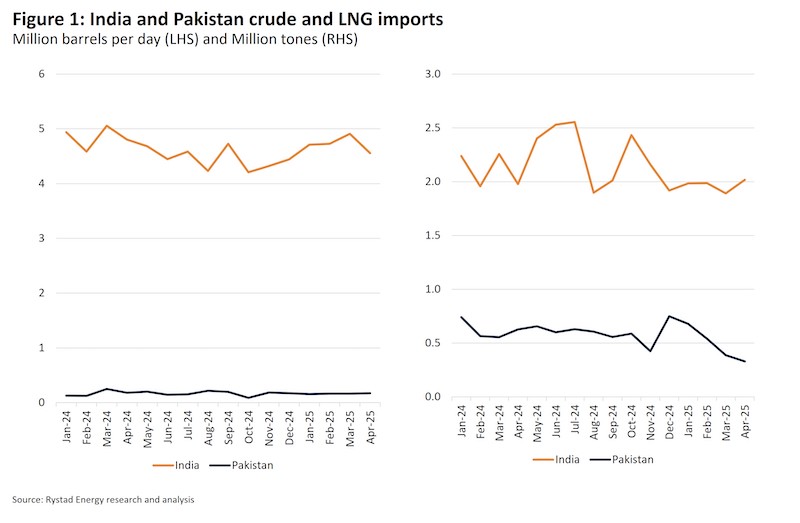
By K Raveendran Reports from across the border suggest that Pakistan is already suffering a fuel crisis, with petrol pumps having been ordered closed for the time being. An analysis of the emerging energy scenario in the wake of the ongoing conflict suggests the beginning of a serious crisis for Pakistan, while India is relatively […]

Underpins De Beers Group’s commitment to natural diamonds Element Six to retain exclusive focus on industrial applications for synthetic diamonds HONG KONG SAR – Media OutReach Newswire – 9 May 2025 – De Beers Group today announces its intention to close its lab-grown diamond (“LGD”) jewellery brand, Lightbox, reinforcing De Beers Group’s commitment to natural diamonds in the jewellery sector. As part of the closure process, De […]

The Indian Rupee has plummeted to its lowest value against the UAE Dirham in over a month, marking a significant drop to 23.36 per dirham. This decline, the steepest since mid-April, follows escalating border tensions between India and Pakistan, which have triggered volatile market reactions. Traders are closely monitoring the situation, with fears of further instability driving the currency’s slide.

As the conflict intensifies, the Rupee’s depreciation is attributed to growing uncertainties surrounding the geopolitical standoff. India and Pakistan, both nuclear-armed neighbours, have long been at odds over the Kashmir region. The latest developments have exacerbated market fears of prolonged instability, pushing investors to seek safer assets, which has further weighed on the Rupee.

Currency markets, traditionally sensitive to geopolitical risks, have seen a surge in demand for the US Dollar, which remains a global safe-haven. Analysts point to the Dollar’s strengthening as a direct response to mounting tensions in South Asia, compounded by global inflationary pressures. With foreign investors retreating from riskier assets, the Rupee has been further pressured, intensifying the currency’s downtrend.

The Indian government’s response to the situation, alongside Pakistan’s military actions, has added to investor uncertainty. The military exchanges along the Line of Control between the two countries have led to heightened concerns not only about regional security but also about the broader economic repercussions of prolonged instability. Economists suggest that the markets will continue to reflect these risks until diplomatic measures are taken to de-escalate tensions.

The ongoing conflict is expected to affect trade relations, particularly in sectors reliant on cross-border commerce. Import and export activities between India and Pakistan, already hindered by past disputes, are likely to experience further disruptions. This could lead to an uptick in inflation, especially in critical sectors like oil, where price fluctuations are particularly sensitive to regional tensions.

Central banks in both nations, as well as the International Monetary Fund , have called for restraint, urging both sides to avoid further military escalation and seek peaceful resolutions. However, the risk of military confrontations spilling over into broader regional instability remains a concern that is factoring heavily into currency movements.

The financial impact on India is also underscored by the continued inflationary pressures faced by the country. While India has a relatively strong domestic economy, analysts warn that the ongoing uncertainty over the border conflict could undermine investor confidence, further destabilising the currency. This would place more pressure on the Reserve Bank of India , which may be forced to intervene in the markets to prevent excessive depreciation.

For businesses and consumers, the weakening Rupee has meant higher costs for imported goods, particularly fuel and electronic products, which are crucial to India’s economy. The cost of living for many Indian citizens is expected to rise, further intensifying socio-economic concerns. The rise in fuel prices has already led to protests in certain parts of India, with many calling on the government to address the economic fallout from the ongoing tensions.

The Indian government, however, remains optimistic about the long-term outlook for the Rupee. According to finance ministry officials, the country’s economic fundamentals remain robust despite the external geopolitical risks. They argue that the current currency depreciation is part of a broader, global trend, and that India is well-positioned to weather the storm with its growing foreign reserves and strong trade relationships beyond the subcontinent.

Despite these assurances, many analysts argue that India’s growing fiscal deficits and inflationary pressures could further complicate the Rupee’s recovery. A sharp depreciation could potentially lead to an erosion of investor confidence, compounding the country’s financial challenges.

Ivory Coast has revised its 2025 cashew production forecast upward to 1.3 million metric tons, an increase from the earlier estimate of 1.15 million tons. This adjustment is attributed to intensified efforts to curb smuggling to neighboring countries and favorable climatic conditions. However, the sector confronts significant challenges due to prospective U.S. tariffs and a depreciating dollar, which have led to a sharp decline in exports and […]

Dubai’s real estate market is experiencing a significant upswing, marked by soaring property prices and heightened investor interest. However, industry experts are expressing caution, suggesting that the market may be approaching a saturation point.

Residential sales reached AED 120 billion in the third quarter of 2024, with luxury property transactions increasing by 62%. High-net-worth individuals are driving demand in prime locations such as Palm Jumeirah and Downtown Dubai. Despite this growth, analysts from ValuStrat predict that prices for high-end villas may stabilize in the latter half of 2025, indicating a potential cooling of the market.

The supply of new housing is not keeping pace with demand. Only 19,700 new villas are expected to be completed by the end of 2025, far below the growing demand for larger, family-friendly homes. This shortage has led to a 26% increase in villa prices in 2024, with further increases anticipated. Delays in construction projects, averaging 30%, suggest that actual completions may fall short of targets, exacerbating the housing shortfall.

Government initiatives, such as the Golden Visa program and the Dubai 2040 Urban Master Plan, have attracted over 100,000 individuals since its launch, boosting investor confidence. However, the rapid speed of new development, particularly around off-plan projects, raises concerns about the risk of oversupply in certain segments of the market. If demand does not keep pace, particularly for mid- to upper-tier residential units, a price correction could occur in specific micromarkets.

Jeremy, a seasoned real estate investor, advises caution. He suggests that prospective buyers wait until the summer for better opportunities, as market corrections may present more favorable conditions. Jeremy emphasizes the importance of seeking impartial advice, contrasting it with the commission-driven motivations of most brokers. His real estate company prioritizes client interests through unbiased analysis, leading to exceptional returns for clients.

The Dubai real estate market offers high rental yields, ranging from 5% to 8% annually in key areas like Dubai Marina and Downtown Dubai. However, rising living costs and inflation are impacting property affordability, particularly for middle-income buyers. Developers may need to explore more inclusive housing models to address this issue.

Sustainability is becoming a key focus in Dubai’s real estate sector. Developers are integrating eco-friendly features such as solar panels and energy-efficient systems into residential projects, aligning with Dubai’s commitment to achieving net-zero emissions by 2050. By 2025, 35% of new office spaces in Dubai are expected to be LEED-certified, up from 25% in 2023.

Dubai’s real estate market is poised for substantial expansion, with projections indicating a potential doubling of property values over the next five years, according to Abdullah Alajaji, CEO of Driven Properties. This optimistic outlook is underpinned by a combination of robust demand, strategic urban planning, and investor-friendly policies.

Average property prices in Dubai have surged by approximately 75% since early 2021, nearing the pre-2008 peak of AED 1,750 per square foot. This growth is attributed to a 50-month rally driven by economic resilience, liberalized visa regulations, and a significant influx of expatriates. The city’s population is projected to exceed 4 million by 2026, fueling sustained demand for residential properties, particularly in emerging areas such as Dubai South, Jumeirah Village Circle, and Dubai Hills Estate.

The luxury segment has witnessed remarkable activity, with sales of properties valued at AED 15 million and above reaching 948 transactions in 2024. Developments like Palm Jumeirah and Dubai Hills Estate have been at the forefront, attracting high-net-worth individuals seeking premium residences. The introduction of branded residences and ultra-luxury waterfront properties continues to appeal to affluent buyers.

Dubai’s government has implemented several initiatives to enhance the real estate sector’s appeal. Notably, policies allowing 100% foreign ownership of commercial companies outside free zones have been introduced, boosting investment in office and retail spaces. The expansion of the golden visa scheme has further attracted international investors, contributing to increased demand for high-end properties.

Sustainability and smart technology are increasingly influencing buyer preferences. By 2025, it is anticipated that 35% of new office spaces in Dubai will be LEED-certified, reflecting a shift towards eco-friendly developments. Smart homes equipped with IoT-enabled features, AI-powered security, and blockchain-based transaction systems are becoming more prevalent, aligning with the city’s commitment to innovation and sustainability.

The off-plan market remains a significant driver of growth, with 7,381 transactions recorded in January 2025 alone, totaling AED 15.1 billion. Flexible payment plans and attractive pricing continue to draw both foreign investors and end-users. Additionally, the redevelopment of areas like Sheikh Zayed Road and Al Jaddaf into freehold zones is expected to attract new investors and spur property value increases of 30-50% in these locations.

Despite the impressive growth, the market faces potential risks, including global economic fluctuations and oil price volatility. However, Dubai’s efforts to diversify its economy and attract foreign investment provide a solid foundation for long-term resilience. The city’s proactive approach to urban planning, coupled with its focus on sustainability and innovation, positions it favorably for continued growth in the real estate sector.

Ghana’s annual consumer inflation rate declined to 21.2% in April 2025, down from 22.4% in March, marking the fourth consecutive month of easing price pressures, according to data released by the Ghana Statistical Service . Government Statistician Alhassan Iddrisu attributed the downward trend to moderating increases in both food and non-food prices. Despite the deceleration, food inflation remains the primary driver of overall inflation, underscoring persistent challenges […]

Kenya’s private sector recorded its most substantial growth in over two years in April, bolstered by increased sales volumes and heightened business activity. The Stanbic Bank Kenya Purchasing Managers’ Index revealed that the country’s private sector growth surged to a 27-month peak, pointing to a more resilient economic outlook as businesses expanded and demand continued to rise. The PMI for April showed a notable uptick, reaching its […]

Gavi, the Vaccine Alliance, has been a cornerstone in improving health outcomes in low-income countries, particularly across Africa. Since its inception in 2000, Gavi has facilitated the delivery of vaccines to more than 700 million children, saving millions of lives. However, with Gavi’s funding facing reductions, the continent is at a critical juncture that could reshape its approach to vaccine financing and health security. Historically, Gavi has […]

VISHNU RAJA
RYO YAMADA
HITORI GOTOH
IKUYO KITA