News related to
prices

The manufacturing landscape in India is undergoing a profound transformation as nearly all major players invest heavily in artificial intelligence and machine learning technologies. This shift reflects a strategic focus on boosting operational efficiency, driving business impact, and advancing sustainability goals. An extensive survey by Rockwell Automation reveals that Indian manufacturers are rapidly adopting AI and ML to remain competitive in a global marketplace increasingly dominated by digital innovation.

Manufacturers across India are leveraging AI and ML to optimise production processes, reduce costs, and enhance product quality. The integration of these technologies into factory operations enables predictive maintenance, real-time monitoring, and automation of complex tasks. This leads to minimising downtime, improving yield, and accelerating time-to-market. Industrial leaders cite AI and ML as essential tools for unlocking value amid rising raw material prices and supply chain uncertainties.

The adoption rates in India closely mirror global trends but stand out for the intensity of focus on sustainability. AI-driven analytics allow manufacturers to significantly cut energy consumption and waste, contributing to environmental goals aligned with international standards and India’s own climate commitments. Companies are deploying smart sensors and AI algorithms to monitor emissions and optimise resource use, which is crucial as regulatory pressures tighten and consumer expectations evolve.

Executives in India report that their investment in AI and ML technologies is yielding measurable returns. Data from the Rockwell Automation survey indicates that over 90% of respondents observe improved operational performance attributable to these digital initiatives. Furthermore, nearly three-quarters affirm that their AI-driven strategies have enhanced decision-making speed and accuracy, facilitating quicker responses to market demands and disruptions.

The Indian government’s push to encourage digital adoption in manufacturing, through initiatives such as ‘Make in India’ and the National Strategy on AI, complements corporate efforts. Policy frameworks supporting Industry 4.0 advancements, including financial incentives and infrastructure development, have accelerated the uptake of AI and ML technologies. This alignment between public policy and private sector ambition has created a fertile environment for innovation in the manufacturing ecosystem.

Several sectors within Indian manufacturing stand to benefit disproportionately from AI and ML integration. Automotive, pharmaceuticals, and consumer goods producers are early adopters, capitalising on AI’s ability to optimise supply chains, enhance product customisation, and improve quality control. For example, AI algorithms can predict demand patterns more accurately, enabling just-in-time inventory management that reduces excess stock and associated costs.

While enthusiasm for AI and ML is high, manufacturers face challenges in implementation. Shortages of skilled personnel who can develop and maintain AI systems are common, necessitating investment in workforce training and collaboration with technology providers. Cybersecurity remains a critical concern, as increased digital connectivity opens potential vulnerabilities. Firms are therefore balancing rapid technology deployment with robust risk management strategies to safeguard intellectual property and operational integrity.

The evolving role of AI and ML in manufacturing also raises questions about labour dynamics. Automation driven by these technologies has the potential to displace routine manual jobs but also creates opportunities for higher-skilled employment in areas such as data science, system maintenance, and process optimisation. Industry leaders emphasise the need for reskilling initiatives to ensure the workforce adapts to the demands of a more digitally integrated manufacturing sector.

Investors and technology companies are taking notice of India’s growing appetite for AI and ML in manufacturing. Partnerships between domestic manufacturers and global tech firms are expanding, bringing access to advanced AI platforms and expertise. Indian startups specialising in industrial AI solutions are gaining traction, offering innovative products tailored to the unique challenges of Indian factories, such as managing variable power supply and legacy equipment integration.

The emphasis on sustainability powered by AI is gaining traction beyond regulatory compliance. Indian manufacturers recognise that eco-friendly operations can enhance brand value and meet the expectations of increasingly conscious consumers worldwide. Technologies that track carbon footprints, water usage, and waste generation help firms align with global environmental, social, and governance criteria, which are becoming decisive factors for international trade and investment.

As AI and ML technologies mature, their influence on Indian manufacturing’s competitive edge is expected to deepen. Automation of routine tasks frees human workers to focus on innovation and complex problem-solving, potentially accelerating product development cycles and enabling mass customisation. Real-time data analytics empower firms to respond nimbly to market fluctuations and supply chain disruptions, a critical advantage amid ongoing geopolitical and economic uncertainties.

Oil prices maintained stability following a notable rise as market participants reacted to constructive signals from high-level discussions between the United States and China. Brent crude hovered near $65 a barrel, positioning itself for a weekly advance that would mark its first since mid-May. Similarly, West Texas Intermediate settled close to $63, reflecting a cautious but optimistic outlook amid evolving geopolitical dynamics. The dialogue between President Donald […]

The debt burden across the Middle East and North Africa has escalated markedly over the last decade, with many governments relying heavily on borrowing to sustain public spending amid economic challenges. This growing fiscal strain, combined with an increasing dependence on external donor funding, has amplified the influence of foreign actors on both domestic policies and regional geopolitics, raising concerns about the long-term economic sovereignty of these […]

SINGAPORE – Media OutReach Newswire – 6 June 2025 – The ultimate kids and family event of the year, K!DZ POP CON 2025, is set to take over Sands Expo & Convention Centre, Level 1, Halls A,B,C on 21–22 June 2025, and it’s bursting with exciting brand activations, workshops, live entertainment, and must-see experiences from some of the biggest names in kids’ entertainment! 21 – 22 June […]

S&P Global Ratings has indicated that South Africa must accelerate economic growth and implement credible fiscal consolidation to achieve its first credit rating upgrade in two decades. Currently rated at ‘BB-‘ with a positive outlook, the country remains below investment grade. Ravi Bhatia, S&P’s lead analyst for South Africa, emphasized that sustainable growth, fiscal discipline, and avoiding further bailouts for state-owned enterprises are critical for an upgrade. […]

KUALA LUMPUR, MALAYSIA – Media OutReach Newswire – 5 June 2025 – May proved to be a rather challenging month for gold traders. XAUUSD, the primary financial instrument for trading gold, fluctuated in a relatively broad range between $3,120 and $3,435 per ounce (oz), but finished the month virtually unchanged, narrowly recording a fifth consecutive monthly gain. Although trading started on a bearish note, XAUUSD found support […]

Thailand’s tourism industry continues to grapple with significant challenges despite the temporary surge in visitor interest linked to the popularity of HBO’s hit series set on Koh Samui. The so-called “White Lotus effect” sparked a modest increase in Western tourists drawn by the picturesque island backdrop of the show. However, this spike has failed to reverse the broader downward trend that has gripped the sector, which remains weighed down by a complex mix of economic, geopolitical, and structural factors.

Tourism, which historically accounted for approximately 20% of Thailand’s GDP, has not rebounded to pre-pandemic levels. The government’s ambitious targets for visitor arrivals have consistently fallen short, with numbers lagging due to a combination of diminished demand from key markets, lingering travel restrictions in some regions, and competition from neighbouring countries aggressively courting tourists with attractive packages and incentives.

Koh Samui, often portrayed as a tropical paradise in the series, experienced an influx of curious travellers eager to visit the filming locations. Hotels and local businesses reported short-term gains, but these have proven insufficient to restore the overall health of the industry. Analysts note that the White Lotus effect highlights the growing influence of media and entertainment in shaping travel preferences but also underscores the limitations of relying on such ephemeral boosts without broader strategic support.

The pandemic fundamentally altered global travel behaviours, accelerating trends towards more cautious spending and preference for less crowded destinations. Additionally, the economic slowdown and inflationary pressures in Western countries have tightened discretionary budgets for leisure travel, further curbing outbound flows. Thailand, which relies heavily on long-haul visitors from Europe, North America, and Australia, has thus found itself at a disadvantage amid shifting global economic dynamics.

Geopolitical tensions in Southeast Asia and stricter visa and entry policies in response to health concerns have deterred potential visitors. While Thailand has progressively eased COVID-19 restrictions, some travellers remain wary of changing regulations and the unpredictability of travel protocols. This uncertainty contrasts with competitors like Vietnam and Malaysia, which have implemented more streamlined border policies to attract tourists.

The country’s tourism infrastructure also faces scrutiny. Despite being a longstanding favourite destination, several regions struggle with overdevelopment, environmental degradation, and inconsistent service standards. These issues have sparked calls for more sustainable tourism practices to ensure long-term viability. Efforts to diversify tourism offerings beyond beach resorts, such as promoting eco-tourism, cultural tourism, and wellness retreats, are gaining traction but require substantial investment and coherent policy frameworks to achieve scale.

The Thai government has responded with a series of incentives aimed at reviving the sector. These include marketing campaigns targeting emerging markets such as China, India, and the Middle East, where outbound travel is expected to grow. Subsidies and financial support for local businesses, infrastructure upgrades, and training programmes for hospitality workers form part of the recovery blueprint. Nonetheless, experts caution that the benefits of these measures will manifest gradually and hinge on geopolitical stability and global economic recovery.

Tourism operators highlight that the industry’s challenges extend beyond attracting visitors to addressing the quality of the visitor experience and the sustainability of growth. For example, concerns about overtourism in some hotspots have led to overcrowding and resource depletion, while lesser-known regions struggle to attract sufficient attention and investment. This imbalance has prompted calls for a more balanced approach that spreads economic benefits more evenly across the country.

Foreign direct investment in the tourism sector remains muted compared with previous years, reflecting broader investor caution about global economic uncertainties. The depreciation of the Thai baht has had mixed effects; while it makes the destination more affordable for foreign tourists, it also raises costs for imported goods and services crucial to the hospitality industry. Inflationary pressures on food, energy, and labour add to the operational challenges faced by businesses seeking to maintain profitability while keeping prices competitive.

Labour shortages persist as well, with many workers leaving the tourism sector during the pandemic to pursue alternative employment. This has led to difficulties in maintaining service quality and meeting seasonal demand peaks. The government has encouraged re-skilling and vocational training programmes, but the gap remains significant, especially in rural and less-developed areas.

Industry analysts point to the need for a comprehensive long-term strategy that integrates tourism with broader economic and social development goals. This would include embracing digital transformation to enhance marketing, customer engagement, and operational efficiency, as well as fostering partnerships between the public and private sectors to ensure resilience against future shocks.

Thailand’s brand as a travel destination continues to enjoy global recognition for its natural beauty, rich culture, and culinary appeal. However, sustaining this reputation requires ongoing adaptation to evolving traveller expectations, global trends, and environmental imperatives. While the White Lotus series has brought some renewed attention to specific locales, the industry’s recovery depends on deeper structural reforms and coordinated efforts at multiple levels.

Advertisements

The UAE’s non-oil private sector experienced its slowest growth in nearly four years in May, with the S&P Global Purchasing Managers’ Index dropping to 53.3 from April’s 54.0, marking its lowest reading since September 2021. Despite this deceleration, the index remained above the 50.0 threshold, indicating continued expansion. The output sub-index fell to 57.3, the weakest since September 2021, while new order growth slowed to 56.2, a […]

Saudi Arabia is advocating for accelerated increases in oil production within the OPEC+ coalition, aiming to reclaim market share lost during past output cuts. The kingdom is reportedly pressing the group to raise supplies by more than 400,000 barrels per day for August and possibly September, signalling a clear shift in strategy amid evolving global energy demands.

The decision underscores Saudi Arabia’s intent to capitalise on high seasonal demand in the northern hemisphere summer months. By scaling back production curbs more aggressively, Riyadh seeks to boost revenue and solidify its influence over global oil markets as supply dynamics shift. This approach reflects broader geopolitical and economic calculations, especially as global economies adjust to fluctuating energy needs and the ongoing transition to cleaner energy sources.

OPEC+ has been managing oil supply carefully since 2020, following the severe demand shock caused by the pandemic and ensuing market volatility. Initial drastic cuts helped stabilise prices, but the alliance has gradually increased output to balance rising demand. Saudi Arabia, as the largest producer within OPEC+, holds substantial sway in determining the group’s production policies and has been central to managing these supply adjustments.

This move to hasten production hikes also coincides with concerns over emerging market demand and the possible impact of economic slowdowns in key economies such as China and Europe. Saudi officials appear confident that increased output will prevent rivals, including the US shale sector and other non-OPEC producers, from expanding their share amid tightening market conditions.

Industry experts highlight that Saudi Arabia’s push for faster supply growth may be aimed at pre-empting market share erosion by ensuring that OPEC+ remains the dominant supplier globally. Since mid-2022, the kingdom has carefully recalibrated its production to respond to volatile price trends and geopolitical uncertainties, including tensions in the Middle East and disruptions caused by sanctions on Russia.

The timing of the proposed output rise is critical. Summer months traditionally bring peak consumption due to higher energy needs for cooling in developed markets, which can drive up prices. Saudi Arabia’s intention to increase supply during this window suggests an effort to maximise returns while stabilising prices to avoid sharp fluctuations that could undermine consumer confidence and economic recovery.

Global oil markets remain sensitive to a variety of factors including inflationary pressures, currency fluctuations, and shifting consumer behaviour. While demand for fossil fuels is under pressure from environmental policies and the accelerating transition to renewables, oil remains a crucial commodity in the global energy mix. Saudi Arabia’s strategy to secure market share through supply management is thus seen as a pragmatic response to balancing short-term profitability with long-term market relevance.

OPEC+ member countries have historically struggled to reach consensus on output levels, with diverse national interests shaping negotiations. Saudi Arabia’s dominant position, reinforced by its vast production capacity and financial reserves, often allows it to influence group decisions. However, some members have expressed concerns about aggressive supply increases potentially undermining prices and fiscal stability.

The broader geopolitical landscape also plays a role in shaping OPEC+ policies. Tensions involving key players such as Russia, which holds a significant share in the alliance, and ongoing conflicts in the Middle East add layers of complexity to supply decisions. Riyadh’s leadership in pushing for larger hikes indicates confidence in managing these risks while maintaining its strategic goals.

Market analysts note that US shale producers have responded to higher prices by increasing output, albeit with some operational constraints. Saudi Arabia’s efforts to accelerate OPEC+ production are seen as a counterbalance to this trend, aiming to keep global supply within manageable limits and avoid price spikes that could trigger demand destruction or accelerate the shift to alternatives.

Saudi Aramco, the kingdom’s state-owned oil giant, plays a pivotal role in implementing the supply strategy. Its vast infrastructure, including refineries and export terminals, supports the planned output increases. Aramco’s ability to ramp up production rapidly without incurring excessive costs provides Saudi Arabia with a competitive edge in the global energy market.

Environmental considerations also influence production decisions. While the global push for net-zero emissions is intensifying, OPEC+ nations, led by Saudi Arabia, continue to argue for the essential role of oil in energy security and economic development. The kingdom is simultaneously investing in cleaner technologies and diversifying its economy to reduce dependence on hydrocarbons in the long term.

The interaction between Saudi Arabia’s production policy and global economic indicators remains closely monitored by investors and policymakers alike. Oil prices affect inflation rates, trade balances, and geopolitical stability, making OPEC+ decisions crucial beyond the energy sector. The kingdom’s assertive stance on output could signal a more proactive approach to managing these broader economic impacts.

Analysts emphasize that while Saudi Arabia seeks to regain market share, the volatility of global markets and uncertainties surrounding demand growth require cautious optimism. Supply increases must be balanced against potential oversupply risks, which could trigger price declines detrimental to all producers within OPEC+.

Amazon has expanded its footprint in South Africa by adding non-perishable groceries, pet food, and health supplements to its product range. This strategic move aims to capture a larger share of the growing e-commerce market in the region, responding to increasing consumer demand for online shopping options beyond electronics and household goods. The online retail giant first entered South Africa’s e-commerce landscape in 2023, initially offering categories […]

The East African Crude Oil Pipeline , stretching 1,443 kilometres from Uganda to the Tanzanian port of Tanga, has passed the 60 percent completion mark, marking a significant step forward in one of Africa’s largest infrastructure projects. This progress highlights the accelerating momentum in the development of critical energy infrastructure in the East African region, with implications for the economies and geopolitics of multiple countries. The pipeline, […]

Dubai’s tech and creative sectors are booming, and local startups and agencies are keen on tools that save time and cut costs. On one hand, Make (formerly Integromat) is a no‑code automation platform that lets non-technical teams link apps and automate workflows visually. On the other hand, Replit is an AI‑powered cloud IDE for building and deploying software, aimed at developers. Both promise “do more with less,” […]

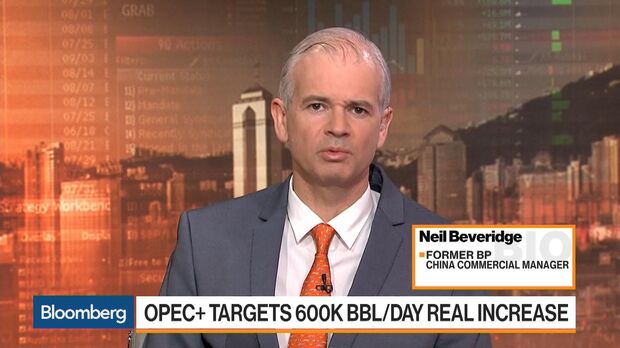
Oil prices strengthened sharply as OPEC+ agreed to a modest increase in production, falling short of some market expectations, while escalating geopolitical tensions in Ukraine and Iran added further upward pressure. West Texas Intermediate crude futures climbed 2.8%, settling near $63 per barrel, reflecting a cautious market balancing supply concerns against demand uncertainties.

The Organisation of the Petroleum Exporting Countries and its allies approved a production boost of 411,000 barrels per day for July, a figure that surprised some analysts who anticipated a larger output increase. This decision followed extensive negotiations marked by dissent from several members, including Russia, which has historically played a pivotal role in the alliance’s supply management. The group’s choice to limit production growth indicates a strategic effort to maintain price support amid a volatile global economic outlook.

Within the alliance, certain countries advocated for a pause in the output hike, citing lingering uncertainties in global demand recovery and concerns over market oversupply. This internal division has led financial institutions to offer contrasting forecasts on OPEC+ policy direction for the coming months. Some banks now expect additional gradual supply increases to ease pressure on energy markets, while others warn of a more restrained approach to sustain price levels.

Market participants are also closely monitoring the geopolitical landscape, which has become a significant factor influencing oil prices. The conflict in Ukraine continues to disrupt supply chains and has led to concerns over potential shortages in European energy markets. The war has prompted a reconfiguration of energy trade flows, with European countries seeking alternatives to Russian crude and refined products amid sanctions and supply restrictions.

Meanwhile, escalating tensions surrounding Iran’s nuclear programme and regional activities have heightened fears of disruptions in the Middle East, a region critical to global oil supply. The possibility of renewed sanctions or military confrontation has contributed to risk premiums embedded in crude prices. Iranian officials have issued statements warning against external interference, further adding to the geopolitical uncertainties that traders are factoring into their decisions.

The market’s response to these developments reflects a complex interplay between supply management by OPEC+ and external geopolitical risks. While the alliance’s measured increase in output signals a cautious optimism about demand recovery, the persistent threats to supply continuity underscore the fragility of the current energy market balance. This dynamic has led to increased volatility in oil prices as traders weigh the prospects of tighter supply against potential disruptions.

Analysts note that global oil inventories remain a critical indicator of market health. Recent data show stocks in key consuming regions have fluctuated, influenced by varying rates of economic activity and shifts in fuel consumption patterns. The International Energy Agency has highlighted that while demand has strengthened, it faces headwinds from inflationary pressures and a slower-than-expected economic rebound in several major economies.

Energy firms and investors are responding to the evolving scenario by adjusting their strategies. Some producers are exercising caution in ramping up output, mindful of price swings and regulatory challenges. Investment in exploration and production continues to be scrutinised in light of global energy transition policies and commitments to reduce carbon emissions, factors that could constrain long-term supply growth.

The global energy market is also observing shifts in trade flows as refiners and consumers adapt to changing supply sources. Countries in Asia and Europe are recalibrating their crude procurement strategies to mitigate risks and capitalise on price movements. This realignment is creating new patterns of demand that could influence OPEC+ decisions and broader market trends going forward.

Despite these complexities, market analysts caution that the oil market remains sensitive to any significant geopolitical escalation or unexpected shifts in production policies. The interplay between supply discipline by producing nations and geopolitical developments will continue to be key drivers of price direction. The potential for further volatility remains high as global economic conditions evolve and political uncertainties persist.

Financial institutions remain divided on how aggressively OPEC+ will pursue production hikes in the coming months. Some expect a gradual easing of supply constraints if demand shows sustained improvement, while others predict continued restraint to maintain price support amid ongoing global uncertainties.

Matein Khalid My macro crystal ball begins to vibrate ominously whenever a perma-bull talking head joins the Squawk Box on CNBC, my spiritual, philosophical and financial lodestar in life and La Dolce Vita of the mercati monetari globali. After all, our beautiful business began as a money lender’s bench in Renaissance Florence 600 years ago and if we ever ran out of cash, they ruptured our banco […]

Germany’s antitrust authority, the Bundeskartellamt, has issued a formal warning to Amazon regarding its pricing policies on the Amazon Marketplace. The watchdog contends that Amazon’s mechanisms for controlling third-party sellers’ prices may infringe upon both national and European Union competition laws.

The Bundeskartellamt’s concerns centre on Amazon’s use of algorithms and policies that potentially penalise third-party sellers for setting prices deemed too high. Such penalties could include demotion in search rankings or outright removal of products from the platform. The authority argues that these practices may constitute an abuse of market dominance, restricting fair competition and consumer choice.

This development follows the Bundeskartellamt’s designation of Amazon as an entity of “paramount significance for competition across markets” under Section 19a of the German Competition Act. This classification subjects Amazon to heightened regulatory scrutiny and obligations to ensure competitive fairness.

In response to the ongoing investigation, the Bundeskartellamt conducted a survey in September 2024 involving 2,000 third-party retailers. The survey aimed to assess the impact of Amazon’s pricing policies on sellers’ behaviour and market dynamics. Preliminary findings suggest that Amazon’s practices may deter sellers from offering competitive prices, thereby limiting market diversity.

Amazon has previously defended its pricing policies, asserting that they are designed to prevent price gouging and protect consumers. However, the Bundeskartellamt maintains that such justifications do not exempt the company from adhering to competition laws.

The European Commission is also monitoring Amazon’s practices, particularly in light of the Digital Markets Act , which seeks to regulate large online platforms and prevent anti-competitive behaviour. Under the DMA, companies designated as “gatekeepers” are prohibited from favouring their own services or imposing unfair conditions on business users.

The outcome of the Bundeskartellamt’s investigation could have significant implications for Amazon’s operations in Germany and potentially across the European Union. If found in violation of competition laws, Amazon may face substantial fines and be required to alter its business practices to promote fair competition.

Arada has launched Akala, a AED 5 billion development positioned as the world’s first precision wellness destination, located between Dubai International Financial Centre and Downtown Dubai. The project comprises two 220-metre towers housing 534 branded residences, integrating advanced medical diagnostics with luxury living. The residences range from one-bedroom apartments to a two-level penthouse named The Observatory, offering panoramic views of the Burj Khalifa. Each unit is designed […]

Bitcoin reserves on centralized exchanges have declined to approximately 2.5 million BTC, marking the lowest level since 2018, according to data from CryptoQuant. This significant reduction indicates a growing trend of long-term holding, as investors increasingly transfer their assets to cold storage solutions.

Over the past month, more than 51,000 BTC have been withdrawn from major exchanges, reflecting a shift towards self-custody among both retail and institutional investors. This movement suggests a strategic approach to asset management, with a focus on long-term value preservation.

Institutional interest has surged, particularly with the advent of spot Bitcoin exchange-traded funds . These ETFs have been accumulating Bitcoin at a rate significantly outpacing new mining output, contributing to the depletion of exchange reserves. Analysts note that this trend could lead to a supply shock, potentially driving prices higher if demand continues to rise.

The United States has further influenced the market by establishing a Strategic Bitcoin Reserve, capitalized with over 200,000 BTC seized by federal agencies. This move underscores the growing recognition of Bitcoin’s role in national financial strategies.

Emaar Development has secured a significant land acquisition in Ras Al Khor, marking a strategic expansion amid Dubai’s robust property market. The construction subsidiary of Emaar Properties, the emirate’s largest publicly listed real estate firm, completed the purchase of the plot from Amlak Property Investment for 2.9 billion dirhams , alongside associated transaction costs. This move enhances Emaar Development’s land portfolio, positioning the company to capitalise on […]

Prince Abdulaziz bin Salman’s tenure as Saudi Arabia’s energy minister has marked a decisive shift in OPEC+ dynamics, culminating in a significant production decision that underscores Riyadh’s growing influence within the cartel. The latest OPEC+ meeting saw Saudi Arabia successfully advocate for a third consecutive super-sized monthly output increase, a move that has reshaped the alliance’s approach to oil supply management despite opposition from key players such as Russia.

Since assuming office six years ago, Prince Abdulaziz has positioned Saudi Arabia as a firm leader within OPEC+, emphasising discipline and adherence to agreed production quotas. This approach contrasts with the historically more conciliatory stance the kingdom sometimes took within the cartel. The current strategy reflects a broader ambition to reclaim market share lost to non-compliant members and emerging producers outside the alliance’s remit.

The decision to boost output again—by approximately 500,000 barrels per day—signals a willingness to absorb short-term price volatility in favour of longer-term market dominance. Riyadh’s strategy appears geared towards punishing those within OPEC+ who have routinely exceeded their quotas, thereby undermining the cartel’s collective efforts to control supply and sustain prices. Saudi Arabia’s emphasis on stringent compliance aims to reinforce OPEC+ cohesion, even at the risk of dampening crude prices temporarily.

Russia’s resistance to the output increase highlighted fissures within OPEC+ as Moscow has consistently advocated a more cautious production approach, citing concerns over oversupply and the fragility of global demand recovery. Russia’s stance reflects a balancing act between maximising revenue and preserving the alliance’s unity. However, Saudi Arabia’s assertiveness in pushing the hike through demonstrates Riyadh’s readiness to leverage its dominant production capacity and market position to set the cartel’s agenda.

Global oil markets responded to the output hike by seeing a downward adjustment in prices, reflecting the increased supply entering the market. This shift contrasts with the supply restraint policies of previous years, which had been instrumental in stabilising prices amid fluctuating demand and geopolitical uncertainty. Market analysts note that the Saudi-led increase could signal a new phase in OPEC+ policy, one in which Riyadh is prioritising market share recovery over price support.

The broader context of this development involves multiple factors. The energy transition and climate policies worldwide have added pressure on oil producers, particularly those heavily reliant on hydrocarbons. Saudi Arabia’s move suggests a pragmatic response to these challenges, aiming to maximise current revenues while investing in diversification strategies such as renewable energy and petrochemicals.

The kingdom’s position as the de facto swing producer within OPEC+ gives it substantial leverage. Saudi Arabia can modulate output to influence global prices, a power that has been increasingly evident under Prince Abdulaziz’s stewardship. The kingdom’s vast spare capacity and low production costs enable it to sustain output increases that smaller or higher-cost producers cannot match.

The decision also reflects Saudi Arabia’s geopolitical considerations. Energy policy remains a critical tool of regional influence and international diplomacy. By asserting control over OPEC+ production decisions, Riyadh reinforces its leadership role not only within the cartel but also in broader energy markets, which remain pivotal to global economic stability.

The internal dynamics of OPEC+ have evolved since the alliance’s formation in 2016. Initially established to coordinate between OPEC members and major non-OPEC producers like Russia, the group has faced ongoing challenges balancing competing national interests. Saudi Arabia’s push for discipline and market share signals a new era where Riyadh asserts a more centralised command, even if that risks tensions with key allies.

The output increase also responds to market signals, including stronger oil demand forecasts and inventory levels that have stabilised. By expanding supply, Saudi Arabia aims to pre-empt supply shortages that could push prices beyond levels palatable to consuming nations and industries. This approach seeks to sustain demand growth by ensuring adequate supply and avoiding disruptive price spikes.

Critics argue that the output hike risks destabilising markets by flooding them with excess supply amid uncertainties in global economic growth, inflation, and energy transition timelines. They caution that prolonged lower prices could undermine investment in the oil sector, affecting long-term supply security. However, proponents view Saudi Arabia’s move as a necessary recalibration to reinforce market order and assert control over a fragmented supply landscape.

The ripple effects of the Saudi-led decision extend beyond OPEC+ members. Non-OPEC producers, including the United States shale industry, watch closely as changes in cartel policy impact global price signals and investment decisions. The output hike could influence the pace and scale of shale production, which remains a significant factor in global supply dynamics.

As the alliance navigates these complexities, Saudi Arabia’s approach under Prince Abdulaziz bin Salman sets a clear tone of leadership and strategic resolve. The kingdom’s readiness to push through output increases despite opposition illustrates its confidence in wielding its production capacity as a geopolitical and economic tool.

This assertive posture aligns with Saudi Arabia’s broader economic vision, including the ambitious Vision 2030 plan to diversify its economy and reduce dependence on oil revenues. Managing oil production to balance market share and price stability forms a critical part of this strategy, enabling the kingdom to finance diversification projects and maintain fiscal stability.

KUALA LUMPUR, MALAYSIA – Media OutReach Newswire – 2 June 2025 – June 2025 is shaping up to be one of the most eventful months of the year for global markets. For traders, this means opportunity—but also volatility. The economic calendar is packed with macroeconomic data releases and central bank meetings, while geopolitical risks remain close to the surface. Beyond the usual inflation prints and interest rate […]

WASHINGTON D.C, USA – Media OutReach Newswire – 1 June 2025 – Vietnam’s Minister of Agriculture and Environment Do Duc Duy plans to lead a delegation with nearly 50 agencies, agribusinesses and associations to explore opportunities to promote trade and import agrifood and timber from the United States during June 1-7, 2025. The delegation expects to participate in business dialogues in Iowa, Ohio, and Washington D.C. Vietnamese […]

By K Raveendran Brent crude oil futures continue to hover around the $65 per barrel mark, a level that reflects the push and pull of market forces clouded by a cocktail of geopolitical tensions, environmental disruptions, and strategic production decisions. As prices hold steady, the broader sentiment among traders and analysts leans toward caution, with […]


Saudi Aramco has filed a new prospectus for an Islamic bond issuance programme, indicating a potential return to the debt markets following a $5 billion conventional bond sale earlier this week. The prospectus, dated 30 May, was submitted to the London Stock Exchange, where the sukuk would be listed. Under its terms, Aramco has a year to issue the Islamic bonds. This move comes as the company […]

OPEC+ is poised to consider a more substantial oil production increase for July than the previously agreed 411,000 barrels per day , according to sources familiar with the group’s deliberations. The move reflects escalating internal tensions and strategic manoeuvring within the alliance. Eight member countries have been accelerating output beyond initial plans, a strategy reportedly orchestrated by Saudi Arabia and Russia to discipline non-compliant allies and reclaim […]

VISHNU RAJA
RYO YAMADA
HITORI GOTOH
IKUYO KITA