News related to
prices

HONG KONG SAR – Media OutReach Newswire – 14 November 2024 – The Hong Kong Tourism Board proudly announces that this year’s Wine & Dine Festival attracted 155,000 Hong Kong residents and tourists. The Taste France pavilion was a major highlight, drawing crowds thanks to its engaging booth partners, dynamic activities, and a dedicated area for tastings and discussions. We are thrilled to share outstanding results from […]

The work arrangement process cannot be viewed without considering that furniture is the key factor in creating a productive and inviting environment in an office. Starting from chairs designed with consideration for the human body to sophisticated desks, the right organisational design not only serves the purpose of improving productivity but also makes a positive first impression on any visitor and employees. Offispace.sa is known to be […]

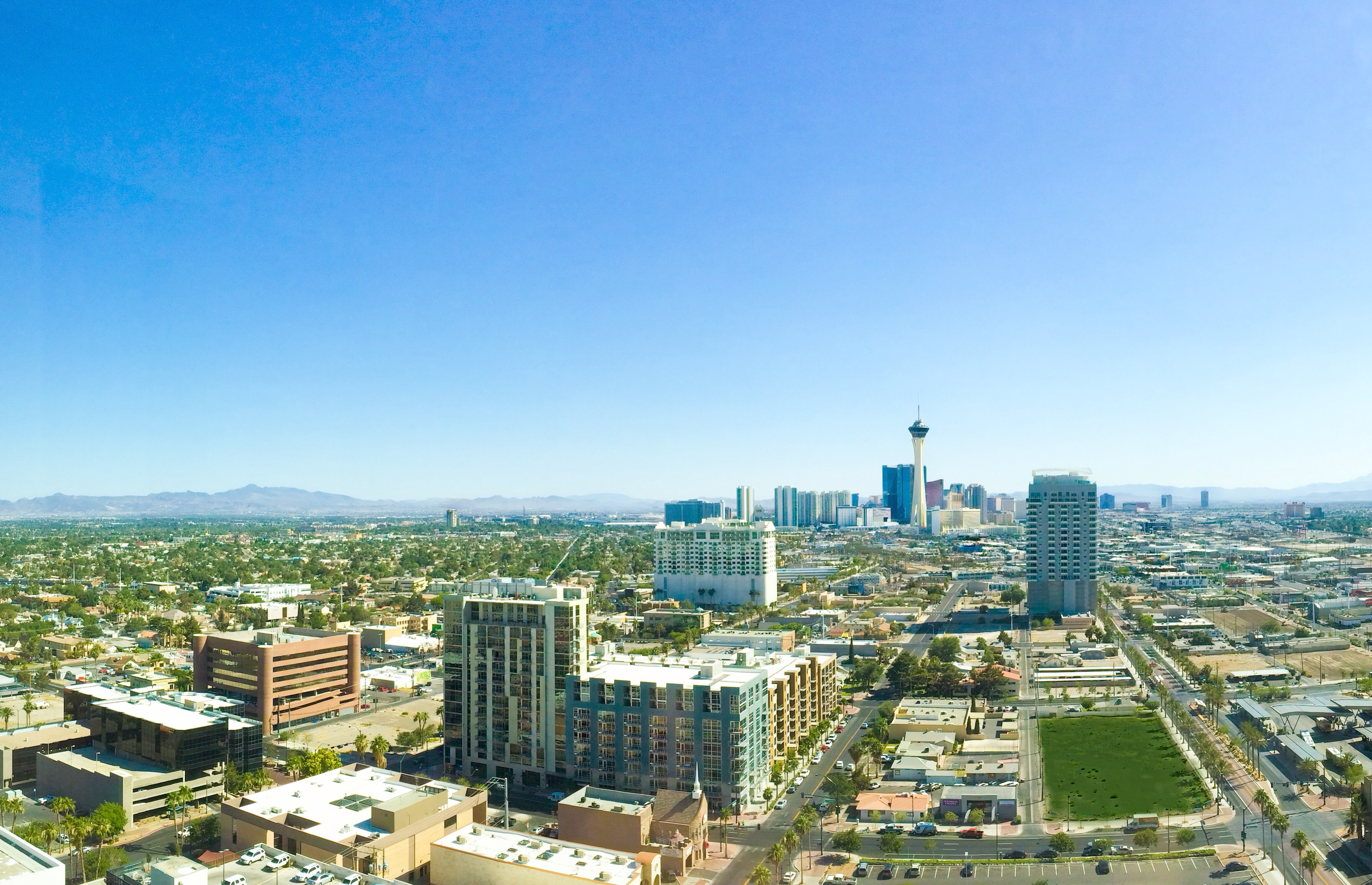
Hundreds of hotel workers at a casino near the Las Vegas Strip initiated a strike early Friday morning, marking a significant escalation in their ongoing battle for better working conditions and a new contract. The labor dispute, which has gained widespread attention in recent weeks, underscores a larger trend in the hospitality industry, as workers demand fair wages, improved benefits, and job security amid rising living costs.

The workers, including housekeepers, bellhops, and other hotel staff, voted overwhelmingly to strike after lengthy negotiations failed to produce an agreement with their employer. The casino, located just off the iconic Strip, is one of many in the area where unions have mobilized in recent months to address what they describe as an imbalance between the enormous profits of hotel operators and the conditions faced by their employees.

Negotiations had intensified over the last few months, with workers demanding increased wages to keep pace with the rising cost of living in the region. According to union representatives, many of the employees have not seen significant pay raises in years, despite the booming tourism industry and record profits for casinos. With inflation affecting prices across the board, particularly for housing and groceries, employees argue that their compensation no longer aligns with their work’s value.

The union representing the workers, the Culinary Workers Union Local 226, has been vocal about the need for a contract that reflects the economic realities faced by workers. The union’s president, Geoconda Argüello-Kline, emphasized that hotel and casino employees are critical to the industry’s success, yet they are often underpaid and overworked. She pointed to the financial disparities between the workers’ paychecks and the multi-billion-dollar profits generated by these establishments, noting that the workers’ wages have not kept up with the inflationary pressures affecting Las Vegas.

The strike is particularly significant as it takes place in one of the most profitable entertainment hubs in the world. Casinos and hotels along the Strip are a major draw for visitors, with the hospitality sector contributing billions to Nevada’s economy. Yet, workers argue that the benefits of this boom have not trickled down to those on the frontlines.

While the casino’s management has not yet made a public statement regarding the strike, sources close to the company say they were hopeful for a resolution before it reached this point. The strike, however, appears to be the result of growing frustration among workers who feel that their concerns have been ignored by management.

The labor movement in Las Vegas has long been a powerful force, with unions advocating for workers’ rights and striving to secure better wages and working conditions. Over the years, the city’s hospitality workers have won significant improvements, including better healthcare benefits, pension plans, and protections against workplace abuses. However, with many hotel workers still earning hourly wages that barely cover the cost of living, union leaders argue that more needs to be done.

This strike follows a broader wave of labor activism across the United States, where workers in several industries, from education to healthcare, have pushed for fairer compensation and improved working conditions. The Las Vegas hospitality sector, with its reliance on low-wage labor, is particularly vulnerable to such labor unrest, as workers in this sector continue to voice dissatisfaction with wages that fail to keep pace with rising costs.

The strike is also a reflection of larger societal trends, where economic inequality has become a central issue for many Americans. With the gap between the wealthy and the working class growing ever wider, calls for more equitable pay and conditions have become louder. The Las Vegas hospitality workers’ actions are part of this broader movement, aiming to address the disparities that many workers face in industries that thrive on consumer spending but offer few rewards to the people providing the services.

For many workers, the strike represents a crucial turning point. It is not just about wages, but about dignity and respect for their labor. Many hotel employees in Las Vegas feel that their work, which often involves long hours and physical labor, is undervalued, even as the industry continues to profit immensely from the tourism that their efforts help to drive.

The outcome of the strike will likely have broader implications for labor movements across the country. If the workers succeed in securing better terms, it could inspire similar actions in other cities where workers in hospitality and service industries face similar challenges. Conversely, if the strike fails to yield the desired results, it could dampen morale in labor movements and set back efforts to secure better conditions for workers.


Apple is confronting a £3.8 billion legal claim in the United Kingdom over allegations that its iCloud services engaged in anti-competitive practices. The lawsuit, filed by the UK consumer group Which?, asserts that Apple effectively forced iPhone and iPad users into relying on iCloud for data storage due to the lack of practical alternatives within the iOS ecosystem. This claim suggests that Apple’s ecosystem design intentionally limits competition, disadvantaging consumers.

The case focuses on Apple’s dominance in the digital storage market, alleging that its proprietary iCloud service is not merely one of many options but an indispensable part of the Apple device experience. Critics argue that Apple’s policies steer users away from third-party solutions, locking them into a subscription model with iCloud for functions like photo backups and data synchronization.

Which? claims that Apple’s ecosystem restricts user choice and that the company exploits this dominance to generate revenue through subscription fees. The group has pointed out that customers often lack transparency about their options and are subject to high prices when subscribing to iCloud plans, despite the increasing availability of competitive services.

Apple’s response to these allegations has focused on defending its approach to ecosystem integration. The company insists that its ecosystem design prioritizes user security, seamless functionality, and data privacy, arguing that the iCloud service is an essential part of providing a secure and high-quality user experience. Apple has emphasized that iCloud aligns with industry standards and offers users options, including the ability to manage data storage independently.

Legal experts are watching this case closely, as it is not the first time Apple has faced scrutiny over its ecosystem practices. Similar antitrust accusations have been raised globally, with regulators in Europe and the United States examining Apple’s policies regarding its App Store and other proprietary services. These investigations often focus on whether Apple’s ecosystem operates in ways that unfairly limit competition or impose additional costs on consumers.

The claim comes amid an industry-wide debate on how large technology firms manage their ecosystems. Apple’s case is emblematic of a larger issue: the fine line between innovation in creating seamless, secure environments and the potential for anti-competitive practices that limit consumer choice. As technology companies continue to push for integrated ecosystems, regulators worldwide are grappling with how to balance innovation with market fairness.

Dubai’s rental market continues to show pronounced growth, with mid-income neighborhoods emerging as hotspots for rental increases as more tenants choose to renew leases rather than face escalating costs for new contracts. Analysts attribute this trend to strong demand, limited supply, and landlords maintaining an advantageous position. Tenancy renewal activity has surged in Dubai, with Ejari records indicating a 23.6% rise in renewals over the past year, […]

Global oil markets are headed toward a significant surplus in 2025, according to the International Energy Agency (IEA). The forecast, which emerged as part of the IEA’s latest oil market report, highlights the combination of weak demand growth and ample supply as key factors shaping the oil landscape in the coming year.

Oil demand growth is expected to slow considerably in 2025, with global consumption rising by only about 1 million barrels per day (mb/d), compared to nearly double that in 2023. This is mainly due to lackluster demand from major consumers like China, where oil consumption has been declining, adding pressure to an already softening market. The IEA’s predictions also reflect the subdued expectations for demand in the aviation sector, despite signs of recovery in some parts of the world.

Meanwhile, oil supply is on course to exceed demand growth, with non-OPEC countries, particularly in the Americas, poised to make substantial gains. The United States, Brazil, and Canada are expected to be key drivers of supply, contributing over 1 mb/d each in 2024 and 2025. This surge in output, coupled with spare capacity in OPEC+ countries, including major producers like Saudi Arabia and Russia, further amplifies the outlook for surplus production.

The IEA also flagged concerns over global refining margins, which have been under pressure due to weaker demand for refined products such as gasoline and diesel. This trend has led to a reduction in crude oil processing rates, adding to the surplus in the market. Refining activity could continue to struggle unless global demand rebounds, a scenario that seems unlikely under current economic conditions.

As the surplus looms, global oil inventories are being closely monitored. Although crude stock levels have dropped recently, they remain at relatively high levels compared to historical averages. Refined product stocks, on the other hand, have increased, further tightening margins for refineries globally. This situation points to an oversupplied market, especially if demand growth fails to meet expectations.

Despite these market dynamics, geopolitical tensions in oil-producing regions like the Middle East have continued to influence market volatility. However, unless significant disruptions occur, such as a major escalation of conflicts or natural disasters, the IEA anticipates that oil prices will remain under pressure in 2025. Although prices briefly spiked earlier in the year due to fears of supply disruptions, these fears have subsided, leaving the market in a precarious position.

Lulu Retail’s long-awaited debut on the Abu Dhabi Securities Exchange (ADX) failed to live up to expectations as its shares closed flat on the first day of trading. Despite initial excitement and substantial oversubscription, the hypermarket operator’s stock showed little movement, highlighting a shift in investor sentiment after the IPO frenzy. The Lulu Retail Holding Company, which raised AED 1.7 billion in the UAE’s largest IPO of […]

Advertisements

The UAE real estate market delivered strong performance in the third quarter of 2024, marked by an uptick in both residential and commercial sectors. As per the latest insights from Asteco, a leading property consultancy, key markets across the Emirates displayed resilience, with Dubai and Abu Dhabi continuing to see heightened demand for both sales and rentals. Despite global economic uncertainties, the property landscape in the UAE […]

UAE investors have seen their wealth soar following a remarkable surge in Bitcoin prices, attributed to the political and economic shifts following Donald Trump’s victory in the US election. The cryptocurrency, which had been volatile in the years preceding the win, experienced unprecedented growth as markets reacted to the shifting political landscape, with many investors in the UAE now seeing significant returns on their investments.

Bitcoin’s price surged sharply after the US election results were confirmed, with many financial analysts predicting the trend would continue as uncertainty around Trump’s policies drove investors toward assets perceived as safer or potentially more profitable. The volatile nature of cryptocurrencies makes them an attractive option for those willing to accept the risks for the potential rewards. For investors in the UAE, Bitcoin presented a new opportunity, and many took advantage of the fluctuating prices in anticipation of future growth.

Several prominent cryptocurrency investment platforms have seen increased activity in the UAE, with more people turning to Bitcoin as a hedge against inflation and political instability. The surge in Bitcoin’s value has not only been a boon for individual investors but also for cryptocurrency trading platforms and firms offering Bitcoin-based investment products. Several such platforms reported a spike in sign-ups and transactions in the wake of Trump’s election win, which, combined with the global economic uncertainty that followed, has sparked an interest in digital currencies as an alternative to traditional investments.

In Dubai, where many investors have a global outlook, Bitcoin is quickly becoming a key component of wealth management strategies. The local cryptocurrency market has witnessed a rise in demand for both Bitcoin and other digital assets. Investors are diversifying their portfolios with more aggressive positions in cryptocurrency, banking on the potential for continued growth amid the global economic challenges. Some have even opened Bitcoin-specific funds, offering high-risk, high-reward opportunities to those seeking to capitalize on the digital currency’s upward trajectory.

A key factor contributing to this wave of Bitcoin investment is the cryptocurrency’s appeal as an alternative store of value. With concerns around traditional financial systems, particularly in the Middle East, many are seeking to protect their wealth by investing in assets that are decentralized and not subject to the fluctuations of regional currencies or government policies. Bitcoin, with its promise of independence from state-controlled monetary systems, offers a solution that is increasingly attractive to investors in the UAE.

The global appeal of Bitcoin, combined with its growing legitimacy, has made it a more palatable option for UAE investors, many of whom are looking to broaden their financial horizons. The UAE’s status as a financial hub with a progressive regulatory environment for cryptocurrencies has further contributed to the growing interest. While cryptocurrencies remain largely unregulated in many parts of the world, the UAE has been one of the leading countries in the region to introduce frameworks aimed at fostering innovation while protecting investors.

The surge in Bitcoin prices has also prompted a flurry of interest from young, tech-savvy investors in the UAE. As more millennials and Gen Z individuals enter the investment landscape, they are increasingly looking toward digital currencies as a means of growing their wealth. The UAE has one of the highest concentrations of cryptocurrency holders in the Middle East, with a growing number of younger investors taking positions in Bitcoin as part of a broader trend of tech-driven financial strategies.

While the surge in Bitcoin’s price has created substantial wealth for some investors, the cryptocurrency market remains highly volatile, and many caution against overexposure. Financial advisors emphasize the importance of diversifying portfolios, as the rapid rise in Bitcoin’s value could be followed by equally dramatic declines. Investors are urged to remain cautious, keeping in mind that the cryptocurrency market’s unpredictability makes it unsuitable for all types of investors.

The geopolitical factors that contributed to Bitcoin’s rise are also critical to understanding the broader trends at play. Following Trump’s win, the global economy experienced shifts in trade relations and economic policies, which, in turn, affected investor behavior. As Bitcoin’s value continues to fluctuate in response to these political developments, the currency remains a speculative asset. However, for many in the UAE, the rewards have been substantial, allowing some to realize returns on their investments that were previously unimaginable.

KUALA LUMPUR, MALAYSIA – Media OutReach Newswire – 14 November 2024 – Adding exotic currency pairs to a portfolio is a popular way to get exposed to a wider variety of assets. These pairs, which include currencies from emerging markets or smaller economies, offer unique opportunities due to their volatility and potential for high returns. For traders in regions like India and Southeast Asia, exotic pairs can […]

KUALA LUMPUR, MALAYSIA – Media OutReach Newswire – 13 November 2024 – As China solidifies its influence across Southeast Asia, it becomes the region’s largest trading partner and a crucial investor in areas like infrastructure, technology, and renewable energy. This release explores how China’s expanding economic reach shapes Southeast Asian markets, from Indonesia’s booming coal exports to Vietnam’s tech transformation, and provides a glimpse into future growth […]

Tesla’s cryptocurrency holdings have soared, with the value of its 11,000 Bitcoin reaching over $1 billion. The electric vehicle giant’s investment in Bitcoin has been a key part of its strategy to diversify corporate assets beyond traditional fiat currencies. While the price of Bitcoin fluctuates, Tesla’s large holding has provided it with significant exposure to the cryptocurrency market, elevating the company’s financial profile in a sector that continues to gain attention and evolve.

In 2021, Tesla made headlines when it announced an investment of $1.5 billion in Bitcoin, signaling confidence in the digital asset as a store of value. CEO Elon Musk’s affinity for cryptocurrency, coupled with the company’s broader interest in innovation and emerging technologies, led to this pivotal move. Since then, Tesla’s Bitcoin holdings have fluctuated alongside market conditions, but they have proven to be a lucrative asset, contributing to the company’s financial resilience during periods of market volatility.

Bitcoin’s value has experienced considerable ups and downs, often driven by market sentiment, regulatory changes, and macroeconomic factors. In 2024, the cryptocurrency market saw a resurgence, with Bitcoin prices breaking new thresholds. Tesla’s holdings of 11,000 Bitcoin have benefited significantly from this rise, surpassing the $1 billion mark. At current market prices, Tesla’s Bitcoin stash represents a notable portion of its financial portfolio, highlighting the growing intersection between traditional businesses and the digital economy.

The company’s decision to hold Bitcoin has sparked both praise and criticism. Advocates of the investment argue that Tesla’s strategic move aligns with its innovative image, positioning the company as a leader in adopting cutting-edge technologies. The large holding is seen as a hedge against inflation and a potential future asset in a more decentralized global financial system. Tesla’s Bitcoin investment also provides liquidity, offering the company an alternative means of transacting in the digital realm without relying on conventional banking systems.

Critics, however, point to the volatility of cryptocurrencies and the risks associated with such an investment. Bitcoin’s price can fluctuate significantly over short periods, which has raised concerns about Tesla’s exposure to market swings. Some argue that Tesla’s holdings in Bitcoin could expose the company to unnecessary financial risk, potentially impacting its stock price and long-term stability. There are also broader environmental concerns, with Bitcoin mining being energy-intensive, which could contradict Tesla’s sustainability goals. While the company’s electric vehicles aim to reduce carbon emissions, critics note the contrast between Tesla’s green mission and the energy consumption associated with Bitcoin mining.

Tesla’s Bitcoin holdings also invite scrutiny from regulators. Governments around the world have been taking a closer look at the role of cryptocurrencies in the global economy, with some considering stricter regulatory frameworks. In the U.S., the Securities and Exchange Commission (SEC) has taken an active interest in digital assets, including Bitcoin. Tesla, as a publicly traded company, is subject to scrutiny from regulators on how it reports its cryptocurrency holdings and any potential risks they might pose to shareholders. The company has had to navigate these regulatory waters carefully, ensuring compliance while continuing to profit from its Bitcoin investment.

Despite the risks, Tesla has shown no signs of backing away from its Bitcoin position. The company’s strategy appears to be one of cautious optimism, leveraging the value of Bitcoin while balancing the volatility that comes with holding the cryptocurrency. Tesla has also explored the potential for using Bitcoin as a payment method for its vehicles, further deepening its integration with the digital economy. While this initiative faced some setbacks due to environmental concerns and Bitcoin’s energy consumption, it highlights Tesla’s commitment to pushing the boundaries of innovation in the financial and automotive sectors.

Tesla’s Bitcoin investment has had ripple effects across the business world. Other companies have followed suit, with some publicly traded firms diversifying into cryptocurrency holdings as a hedge or alternative investment. The trend of corporate adoption of Bitcoin has raised questions about the future role of digital currencies in mainstream financial markets. For now, Tesla stands at the forefront of this movement, with its Bitcoin holdings continuing to make waves in both the tech and finance sectors.

The company’s exposure to Bitcoin has also brought attention to the evolving landscape of corporate finance. As the global economy increasingly embraces digital assets, businesses are exploring new ways to incorporate cryptocurrency into their strategies. Tesla’s success with Bitcoin demonstrates the potential for companies to use cryptocurrencies not just as speculative investments, but as integral components of their overall financial strategies.

A significant step forward in Azerbaijan’s energy infrastructure modernization came with the announcement of a joint venture deal valued at $480 million, aimed at overhauling the country’s gas distribution network. The deal, which combines the expertise of several industry leaders, is poised to significantly enhance the operational efficiency and safety of gas distribution systems across the country, aligning with Azerbaijan’s broader energy sector goals.

The partnership, formed by Presight, a key player in the energy sector, and local Azerbaijani firms, will target several areas in the gas distribution system, including upgrading pipelines, boosting the capacity of compressor stations, and improving metering systems. This overhaul is expected to deliver improved service reliability, reducing gas losses, and enhancing customer satisfaction.

With Azerbaijan increasingly focused on maintaining its energy security and integrating cleaner technologies, the deal will also help streamline the country’s natural gas operations, making them more sustainable and resilient to market fluctuations. The modernization is seen as a pivotal project in the country’s long-term energy strategy, which aims to position Azerbaijan as a regional leader in energy distribution.

The country has long depended on its oil and natural gas resources for economic stability, but with rising global energy demands and environmental concerns, there’s an urgent need to upgrade and diversify its energy infrastructure. This development reflects Azerbaijan’s commitment to maintaining robust, efficient energy systems while also responding to both domestic needs and international expectations for higher environmental standards.

The joint venture deal is the result of years of meticulous planning, as energy companies have been assessing and identifying weaknesses within Azerbaijan’s existing gas grid. The country’s government has also recognized the necessity of modernizing its energy infrastructure to meet both current demand and the growing aspirations for energy security in a rapidly changing global market. Additionally, the Azeri government has pledged to prioritize sustainable development practices in its energy sector, ensuring that economic growth does not come at the expense of environmental preservation.

For Presight, the deal marks a significant milestone in its global expansion strategy, as the company continues to build on its successes in the Middle East and North Africa. By partnering with local Azerbaijani firms, Presight will leverage local knowledge and expertise to navigate regulatory complexities and tailor its solutions to the specific needs of the region.

The collaboration highlights the growing trend of international energy companies partnering with local enterprises to implement large-scale infrastructure projects in emerging markets. By combining global expertise with a deep understanding of regional needs, these partnerships create opportunities for innovation and more efficient energy solutions.

Local businesses in Azerbaijan stand to benefit substantially from this partnership, as it will bring both capital investment and technical know-how to the region. The deal is expected to create new jobs, with skilled labor being required to implement the various components of the modernization effort. Additionally, local suppliers and contractors will have opportunities to support the project, further strengthening the Azerbaijani economy.

Energy experts view this deal as a critical piece of Azerbaijan’s broader strategy to enhance its energy security. The country’s position as a major transit hub for energy supplies between Europe and Asia underscores the importance of maintaining a reliable and safe energy infrastructure. With its expanding role as a regional energy supplier, the modernization of its gas distribution network will help ensure that the country remains a key player in the global energy market.

Beyond economic factors, environmental sustainability has also been a key consideration in the project’s design. Modernizing the gas network is expected to reduce methane emissions, one of the most potent greenhouse gases, by curbing gas leaks and improving system monitoring. This aligns with global climate commitments and enhances the country’s environmental credentials as it seeks to balance energy demands with climate goals.

Azerbaijan’s natural gas reserves are among the largest in the world, with the country playing a pivotal role in the diversification of Europe’s energy sources. This deal is an example of the strategic importance of Azerbaijan’s energy sector, particularly as global energy security becomes a priority amid geopolitical shifts and fluctuating energy prices. Azerbaijan is positioning itself not just as a supplier of energy, but as a leader in energy innovation and sustainability.

Azerbaijan has long been a central player in the geopolitics of energy, balancing its relationships with Europe, Russia, and neighboring countries. As energy markets evolve, the country’s ability to modernize its infrastructure is seen as an essential part of its efforts to navigate these shifting dynamics. The latest deal with Presight underscores Azerbaijan’s strategy to maintain its place as a reliable and efficient energy exporter.

Bitcoin has surged to unprecedented heights, nearing the $90,000 mark as a combination of market optimism, increased institutional interest, and geopolitical shifts continue to fuel its momentum. This remarkable rise in the cryptocurrency’s value has been closely tied to a series of economic developments, notably the political climate surrounding former U.S. president Donald Trump, whose influence appears to be a significant factor in the growing bullish sentiment.

The cryptocurrency market’s volatility has long been a defining characteristic, but the latest surge in Bitcoin prices signals a shift in the forces driving demand. Analysts are pointing to a confluence of factors, with the Trump factor emerging as a particularly potent catalyst. The former president’s potential return to power has sparked both optimism and uncertainty, prompting traders to flock to Bitcoin as a hedge against political instability and inflationary pressures.

Bitcoin’s ascent began accelerating in mid-2024, following a series of positive regulatory signals, particularly in the United States. The market has also been buoyed by major institutional investors increasing their exposure to digital assets, solidifying Bitcoin’s position as a mainstream asset class. However, it is the increasing political unrest, particularly tied to the upcoming U.S. presidential election, that has helped propel the price to near-record highs.

Trump, whose political future remains uncertain but undeniably impactful, has been a key figure in driving risk-on sentiment within the financial markets. His public statements, rallying for policies that are viewed as pro-business, have ignited optimism among investors, particularly those who see Bitcoin as a store of value. The U.S. dollar’s weakness, in combination with potential political shifts, has fueled the flight to alternative assets, with Bitcoin positioned as the prime beneficiary of this trend.

The U.S. Federal Reserve’s monetary policy, focusing on cautious interest rate adjustments, also plays a role in the cryptocurrency’s rally. As traditional asset classes like equities and bonds face headwinds due to inflationary concerns and tightening policy, Bitcoin’s appeal as an inflation hedge has grown. The digital currency’s decentralized nature makes it an attractive option for those looking to protect their wealth from government interference, and this narrative is gaining traction amid a backdrop of rising populist movements and economic uncertainty.

Meanwhile, the ongoing developments in the global financial landscape are amplifying Bitcoin’s appeal. International geopolitical tensions, such as the growing U.S.-China rivalry and the instability in certain emerging markets, have led to increased interest in decentralized currencies. Bitcoin, as the flagship cryptocurrency, is seen by many as a safe haven in times of crisis. With central banks around the world adopting increasingly accommodative monetary policies in the face of economic challenges, Bitcoin’s value proposition is strengthened.

Institutional investors, who were once cautious about the volatile nature of cryptocurrencies, are now diving into the market with more confidence. Publicly traded companies and hedge funds have significantly increased their Bitcoin holdings over the past year, signaling growing acceptance of digital assets within traditional investment portfolios. This trend has been accelerated by high-profile endorsements, including that of companies like Tesla, MicroStrategy, and Fidelity, which have shifted a portion of their treasury reserves into Bitcoin, further legitimizing it as an investment vehicle.

In addition to institutional interest, the retail market has also played a key role in Bitcoin’s price surge. The proliferation of crypto-focused investment platforms and decentralized finance (DeFi) protocols has enabled easier access for individual investors, resulting in a broader base of market participants. As Bitcoin approaches the $90,000 threshold, its growing popularity among mainstream investors has prompted renewed speculation about the possibility of a $100,000 price target.

Despite the market’s optimism, there are still underlying risks that could hinder Bitcoin’s rally. Regulatory scrutiny remains a significant concern, particularly in major markets like the U.S., where regulators are working to establish clearer frameworks for cryptocurrency trading and taxation. The future of Bitcoin’s price may be shaped by how policymakers choose to approach these challenges.

Another risk factor is the volatility of the broader crypto market. While Bitcoin has shown remarkable resilience, other cryptocurrencies have seen more dramatic fluctuations in value, raising questions about the sustainability of the current rally. Altcoins such as Ethereum, Solana, and others are often subject to greater price swings, which can influence investor sentiment and spill over into Bitcoin’s price.

Dubai is such a vast and diverse city, yet it has certain neighborhoods where most people would love to live. Colife Dubai, an all-in-one solution for modern tenants, property owners, and private investors headquartered in Dubai, highlights the city’s most sought-after neighborhoods. Most often, tenants request rental housing in Marina, JLT and Business Bay. Why? These areas offer a variety of lifestyles to suit anyone’s needs. The […]

By K Raveendran Trump divides people like nobody else does. The liberal Left all over the world are united in their assessment that there would be a presidential onslaught against whatever they stand for. It is not just people who detest Trumps return; even the elements are affected. Gold is particularly allergic to Trump, as […]

The Iraq Stock Exchange (ISX) witnessed significant growth in October, with the Rabee Securities Iraq Stock Exchange Index (RSISX Index) recording an impressive 17.6% increase. This gain, underscoring renewed investor confidence, comes after months of relatively stable but modest market performance, highlighting a robust interest across Iraq’s leading financial sectors.

Driven by strong showings from major banking stocks and telecom companies, the RSISX Index’s October growth reflects increased market activity as Iraq’s economy continues to recover from pandemic-related challenges. Major players in the banking sector, such as Al-Mansour Bank, the National Bank of Iraq, and the Commercial Bank of Iraq, reported substantial gains, positioning banking stocks as the driving force behind the index’s rise. Telecommunications giant Asiacell also contributed significantly to the index’s success, underscoring the sector’s role as a stabilizing force in Iraq’s economic landscape.

Analysts attribute the market’s growth to increased trading volumes, reflecting greater domestic and foreign interest in Iraqi equities. Notably, total trading volume in September hit USD 41.8 million, with a particular increase in transactions outside cross-border trades, which surged by 24% to reach USD 31.9 million. The banking sector commanded nearly 72% of the trading volume, followed by telecoms, industry, agriculture, and hospitality, sectors which collectively contributed to this upward trend.

September’s positive momentum set the stage for October’s robust gains, as the ISX benefited from several factors boosting investor sentiment. A significant development involved a strategic partnership between the International Finance Corporation (IFC) and Iraq’s Central Bank to bolster sustainable financing and introduce a roadmap for environmental and social risk management. This initiative, combined with the announcement of an extended U.S.-led international mission in Iraq through 2025, has added a layer of economic stability that investors have been quick to capitalize on.

Rabee Securities, a leading financial services firm in Iraq, has remained optimistic about Iraq’s stock market potential, highlighting the improving fundamentals within the country’s corporate sector. Thirty-five companies saw their share prices increase in September, with 29 stocks climbing by over 5%, including standout performers like Iraqi Engineering Works, which rose by a remarkable 171.4%, and veterinary firm AL-Kindi, which posted a 50.6% increase. These gains helped propel the RSISX Index upward and fueled investor confidence in Iraq’s broader economic growth.

Iraq’s continued focus on sustainable finance and governance has further positioned its capital markets for sustainable growth. The IFC’s seven-year Sustainable Finance Roadmap, now in collaboration with Iraq’s Central Bank, is poised to set new standards in environmental, social, and governance (ESG) principles across Iraq’s banking sector, marking a significant step toward attracting long-term institutional investors focused on sustainable growth opportunities.

KUALA LUMPUR, MALAYSIA – Media OutReach Newswire – 8 November 2024 – It’s that time of year again – Shopee’s 11.11 Big Sale, where everything you’ve been eyeing (and even things you didn’t know you need) is available at unbeatable prices! From cutting-edge tech gadgets and chic fashion finds to essential cookware and beauty must-haves, there’s something for everyone. The best part? You can shop with confidence, […]

A second term for Donald Trump could usher in significant changes for investors in the Middle East, with the potential for both increased economic opportunities and geopolitical instability. Trump’s return to the presidency would likely revive his administration’s assertive economic policies, reshaping U.S. foreign relations, particularly toward China, Europe, and Middle Eastern nations, while possibly impacting global market dynamics in ways that will directly affect Gulf economies.

Trump’s “America First” approach, previously marked by attempts to realign American foreign policy priorities, could lead to heightened trade tensions with major global economies, including the European Union and China. During his previous term, the Trump administration imposed steep tariffs on Chinese goods and withdrew from the Trans-Pacific Partnership, signaling a shift from multilateral agreements to bilateral deals with clear U.S. advantages. These policies could place Middle Eastern investors in a challenging position, especially those with extensive ties to both Western and Asian markets. His re-election could rekindle these policies, affecting key industries and the economic strategies of regional stakeholders, who may need to reassess their portfolios to navigate potential trade disruptions.

One area of likely change would be Trump’s approach to the U.S.-China trade war, which saw tariffs as high as 25% imposed on hundreds of billions in imports. The escalating tariffs strained trade flows globally, and with Trump’s potential return, the continuation or expansion of such tariffs could push China to deepen its ties with Gulf nations as it seeks alternative partners. The Middle East, particularly Saudi Arabia and the UAE, has already seen increased investment from China under the Belt and Road Initiative, and a further intensification of U.S.-China rivalry could strengthen these relations. Additionally, Gulf economies that depend heavily on oil exports may find opportunities as China looks for secure energy suppliers outside of the American sphere.

Simultaneously, Trump’s proposed policies are expected to drive further U.S. disengagement from traditional allies in Europe, compelling these countries to secure alternative economic partnerships. This shift could create an environment where European countries turn to the Middle East to establish closer trade relations, viewing Gulf states as critical energy providers and investment hubs. Regional investors could benefit from an increased inflow of European capital seeking to mitigate the effects of U.S. tariffs.

In terms of defense, Trump has consistently voiced support for reducing U.S. military commitments abroad, urging allies in Europe and the Middle East to shoulder more responsibility for their own defense. This could result in reduced U.S. military presence in Gulf nations, which may encourage these states to expand defense partnerships within the region and seek additional security alliances beyond the U.S. This shift could spur an increase in local defense spending and the development of domestic defense industries, presenting investment opportunities in these sectors. However, it may also bring heightened insecurity, which could lead to market instability, especially in oil-dependent economies that rely on stable energy production and export environments.

The Middle East’s energy sector might experience new pressures and opportunities under a Trump administration focused on American energy independence. Trump has previously supported policies that increase domestic oil and gas production in the U.S., which could lead to a drop in oil prices globally, impacting the revenue of oil-exporting countries in the Gulf. To counter this, Gulf economies may be motivated to diversify and boost non-oil sectors such as technology, real estate, and tourism, creating new avenues for regional and international investors.

Trump’s stance on Iran could also lead to renewed tensions in the region. During his first term, the administration’s “maximum pressure” campaign aimed at curbing Iran’s nuclear ambitions led to economic sanctions and heightened regional conflicts. If reinstated, such policies could escalate instability in areas around the Strait of Hormuz, a key chokepoint for global oil exports. Middle Eastern markets might face disruptions if these tensions spill over, particularly for industries dependent on steady energy flows and safe trading routes. Yet, defense and energy infrastructure investments may see a boost in response to these renewed geopolitical challenges.

Trump’s previous involvement in brokering the Abraham Accords set a precedent for Arab-Israeli normalization. A return to power could see a renewed push for expanded economic ties between Israel and more Arab states, following the precedent of UAE, Bahrain, Morocco, and Sudan establishing official relations with Israel. Investors across the Gulf could benefit from these expanded commercial ties through greater market access, technology transfers, and joint ventures, particularly in high-growth sectors like technology, renewable energy, and tourism. The prospect of regional integration holds promise for attracting further foreign direct investment (FDI) and bolstering Middle Eastern economies.

Middle Eastern investors, therefore, may need to prepare for a mixed impact, balancing potential market volatility with strategic opportunities. Gulf Cooperation Council (GCC) countries, particularly the UAE and Saudi Arabia, may find themselves in a pivotal position, with increased leverage in securing favorable trade agreements as both Western and Eastern economies seek partnerships in response to Trump’s policies. Yet, they may also have to contend with the risks of being on the frontline of fluctuating U.S. policies toward the region, especially regarding defense and energy.

By Anjan Roy Never before, an American presidential election evoked such widespread interest and concern across the world. This is because the presumptive president has given rise to fears and concerns about America’s policies which do not promise to follow the scripted lines. There is a sense of uncertainty all the way in the power […]


The Trump administration’s latest strategy to impose stricter sanctions on Iran and Venezuela is set to have a significant impact on global oil markets. As tensions rise over geopolitical maneuvering and energy security concerns, experts predict that these measures will strain already delicate oil supplies and could lead to higher prices globally. The decision underscores the U.S.’s firm stance against two key oil producers, both of which have been facing international isolation due to their respective political landscapes.

Under the previous administration, sanctions against these nations were ramped up, but the current approach seeks to tighten those restrictions even further, with the aim of curbing oil exports from both Iran and Venezuela. Analysts believe that this intensification is intended to increase pressure on the governments in Tehran and Caracas, while also signaling the U.S.’s commitment to reducing foreign oil dependency. The new sanctions could, however, complicate matters for oil-importing nations, as they will likely face higher costs and uncertainty in accessing sufficient supply.

Iran, whose oil industry has been a target of U.S. sanctions for years, faces restrictions that limit its ability to engage in global trade. With the United States and many European countries pressuring buyers not to purchase Iranian oil, Tehran’s market share has drastically shrunk. Despite this, Iran has still managed to export oil to certain regions, including China, albeit covertly. The latest sanctions are expected to curb these exports even further, as U.S. officials vow to penalize any entities engaging in trade with Tehran’s oil sector. This will likely exacerbate Iran’s economic woes and deepen the global oil supply shortage.

Venezuela, already grappling with a humanitarian crisis and a collapsed economy, is another major target of U.S. sanctions. The Latin American nation holds some of the largest oil reserves in the world but has struggled to maintain production levels due to mismanagement, lack of investment, and the effects of sanctions imposed by Washington. As production continues to decline, Venezuela’s role as a key oil exporter diminishes. With further sanctions on the horizon, experts anticipate a further decline in Venezuelan oil output, further straining the global oil market.

These sanctions could have widespread ramifications beyond Iran and Venezuela. Global oil prices, already volatile in recent months due to the ongoing war in Ukraine and other supply disruptions, are expected to rise as oil becomes scarcer. Some analysts are predicting that a more severe reduction in output from these two countries could push oil prices well above current levels, forcing governments and companies worldwide to adjust their energy strategies.

The administration’s move to implement stricter sanctions on these oil-rich countries aligns with broader U.S. goals of reducing global reliance on unstable regimes. By limiting Iran and Venezuela’s capacity to export oil, Washington is seeking to restrict revenue streams that could fund political instability or hostile actions. However, experts warn that these policies may not be fully effective in the long term and could further alienate both countries, making future diplomatic engagement more difficult.

For international oil markets, these measures represent a critical crossroads. A reduced supply of oil from Iran and Venezuela may benefit other oil-producing countries like Saudi Arabia, Russia, and the United States, which are all positioned to fill the gap. However, these nations are already producing at near maximum capacity, and additional pressure on these producers could create upward price pressures. Furthermore, non-compliance with the sanctions by other nations, especially China, could result in a fractured global response, leading to even more volatility in the markets.

The oil markets’ response to these sanctions will likely hinge on the willingness of major players to support U.S. policies. If countries such as China and India, two of the largest oil consumers, continue to trade with Iran and Venezuela despite U.S. warnings, the impact of these sanctions could be muted. On the other hand, if these nations adhere to the U.S.-led restrictions, the oil supply could shrink significantly, which would lead to higher costs for energy consumers worldwide.

One of the more significant ramifications of these sanctions is the effect on U.S. allies. Countries that are heavily dependent on Venezuelan or Iranian oil, such as certain European nations, may face challenges in meeting their energy needs. This could prompt some to seek alternative sources of oil, such as those from the U.S. itself, which has ramped up production in recent years. While U.S. shale production has boomed, it is unclear if it will be able to absorb the loss of oil exports from these countries and meet global demand.

The sanctions’ broader economic impact cannot be ignored. Countries around the world are grappling with inflation and supply chain disruptions, which are already driving up energy costs. The additional strain on oil markets caused by these new sanctions could further exacerbate economic instability, especially in developing nations that are highly reliant on affordable energy.

Dubai’s office market has experienced a significant surge in rental prices during the third quarter of 2024, with prime office locations recording the steepest increases. This upward trend is reflective of the city’s growing appeal as a global business hub, particularly for multinational companies across sectors such as finance, technology, and consulting. Notably, areas like Dubai International Financial Centre (DIFC) and Downtown Dubai have seen substantial rent hikes, driven by an influx of businesses looking to capitalize on the city’s business-friendly environment and strategic location.

A combination of factors has fueled this rapid growth. The city’s favorable tax environment, ease of business setup, and top-tier infrastructure continue to attract international firms seeking stable, high-quality office space. Experts have noted that hybrid working models, a post-pandemic trend, have also contributed to the growing demand for flexible office spaces. Companies are increasingly prioritizing flexible, open-plan layouts and co-working spaces that allow them to adjust their office footprint based on operational needs. This shift has further amplified the demand in both premium and emerging commercial districts.

While top-tier locations continue to see the highest rental growth, more affordable options in areas such as Dubai Science Park and Dubai Investments Park are also experiencing robust demand. In these locations, rents have jumped by as much as 37% year-on-year, reflecting broader market expansion. Moreover, Expo City, once seen as a secondary option, is now emerging as a competitive contender in the office space market, offering quality facilities with better price points and strong transport connectivity compared to central business areas.

The expansion is not just limited to office space demand; Dubai’s infrastructure projects and strategic vision, which emphasize connectivity and business continuity, have also played a role in reinforcing the city’s position as a leading global business destination. Experts forecast that this demand will likely sustain through the remainder of the year, supported by Dubai’s continued role as a bridge between East and West.

Motorcycling offers an exhilarating blend of adventure, freedom, and community. This blog post provides essential guidance for beginners, covering the benefits of motorcycling, necessary gear, tips for choosing your first bike, and safety measures. It also includes advice on basic maintenance and accident preparedness, helping you start your motorcycling journey with confidence and excitement. Why Motorcycling is the Perfect Hobby Motorcycling is more than just a mode […]

KUALA LUMPUR, MALAYSIA – Media OutReach Newswire – 6 November 2024 – Asian financial markets are experiencing increased interest from novice traders. In Southeast Asia, online trading has expanded rapidly, driven by growing internet access and an increasingly digital-savvy population. In Indonesia, active online traders grew by 18%, supported by a thriving e-commerce sector and rising financial literacy. Across Southeast Asia, the digital economy is projected to […]

VISHNU RAJA
RYO YAMADA
HITORI GOTOH
IKUYO KITA