News related to
prices

President Donald Trump is actively promoting U.S. liquefied natural gas exports to Asian nations, aiming to strengthen economic ties and reduce their dependence on Middle Eastern and Russian energy sources. In a strategic move, Trump and Japanese Prime Minister Shigeru Ishiba have discussed Japan’s potential involvement in an Alaskan LNG project, highlighting the benefits of a direct energy route that bypasses traditional, and often volatile, sea lanes.

The administration’s focus is not solely on Japan. Other Asian countries, including South Korea and Taiwan, are also considering increased imports of U.S. LNG. This initiative is designed to enhance energy security across the region and diminish the influence of China and Russia. Trump’s energy advisor, Doug Burgum, emphasized the strategic advantages of these partnerships, noting that they offer a more stable and secure energy supply chain for U.S. allies in Asia.

In line with this strategy, Sentinel Midstream is advancing its deepwater oil export project, Texas GulfLink. Located approximately 30.5 miles off the coast of Freeport, Texas, the facility aims to fully load supertankers with up to 2 million barrels of oil per day. This capability is currently unique to the Louisiana Offshore Oil Port. Sentinel’s CEO, Jeff Ballard, expressed optimism about the project’s progress, citing the administration’s expedited approval processes as a significant factor in moving forward.

Despite initial market fluctuations following discussions between Trump and Russian President Vladimir Putin regarding the Ukraine conflict, energy markets remain cautious. The anticipated peace has not materialized, and experts suggest that if a resolution were imminent, a more substantial decline in oil and gas prices would be evident. This uncertainty underscores the importance of diversifying energy sources and reducing reliance on regions prone to geopolitical tensions.

Taiwan’s National Security Council head, Joseph Wu, highlighted the robust support from the U.S., noting that Taiwan is exploring increased purchases of American LNG. This move aims to balance trade and address criticisms from Trump regarding trade imbalances and the semiconductor industry’s dynamics. Wu emphasized Taiwan’s transparency in international business and expressed interest in future Alaskan LNG productions due to their quality and logistical advantages.

Denmark’s Prime Minister, Mette Frederiksen, shared insights into a recent intense conversation with President Trump concerning his renewed interest in acquiring Greenland. This discussion has added complexity to U.S.-Denmark relations, especially in the context of global security challenges posed by nations like Russia, Iran, and North Korea. Frederiksen underscored the necessity for Europe to bolster its defense investments and the importance of U.S.-Europe cooperation in addressing these global threats.

Cheniere Energy, a leading U.S. LNG exporter, plans to expand its capacity under the current administration. CEO Jack Fusco announced intentions to pursue new regulatory permits, aligning with Trump’s agenda to boost the U.S. energy sector. This expansion is poised to meet the growing demand from Asian markets seeking reliable and diversified energy sources.

The administration has also established a council dedicated to achieving “energy dominance,” focusing on increasing natural gas exports and offshore drilling. This initiative aims to capitalize on the U.S.’s abundant energy resources, providing allies with alternative energy options and reducing global dependence on adversarial nations.

The significance of U.S. LNG in global energy dynamics is multifaceted. It not only offers economic benefits but also plays a crucial role in the global energy transition. By providing a stable and cleaner energy source, U.S. LNG supports efforts to reduce carbon emissions and offers countries an opportunity to diversify their energy portfolios.


SINGAPORE – Media OutReach Newswire – 21 February 2025 – Lussocitta, a luxury bag retailer based in Singapore, announces its partnership with iShopChangi, Changi Airport’s online shopping platform. This collaboration makes Lussocitta the sole multi-brand seller on the platform, offering a selection of brand-name bags at competitive prices, with added customer benefits. Lussocitta is partnering with iShopChangi Exclusive Offerings on iShopChangi Founded in 2009, Lussocitta has built […]

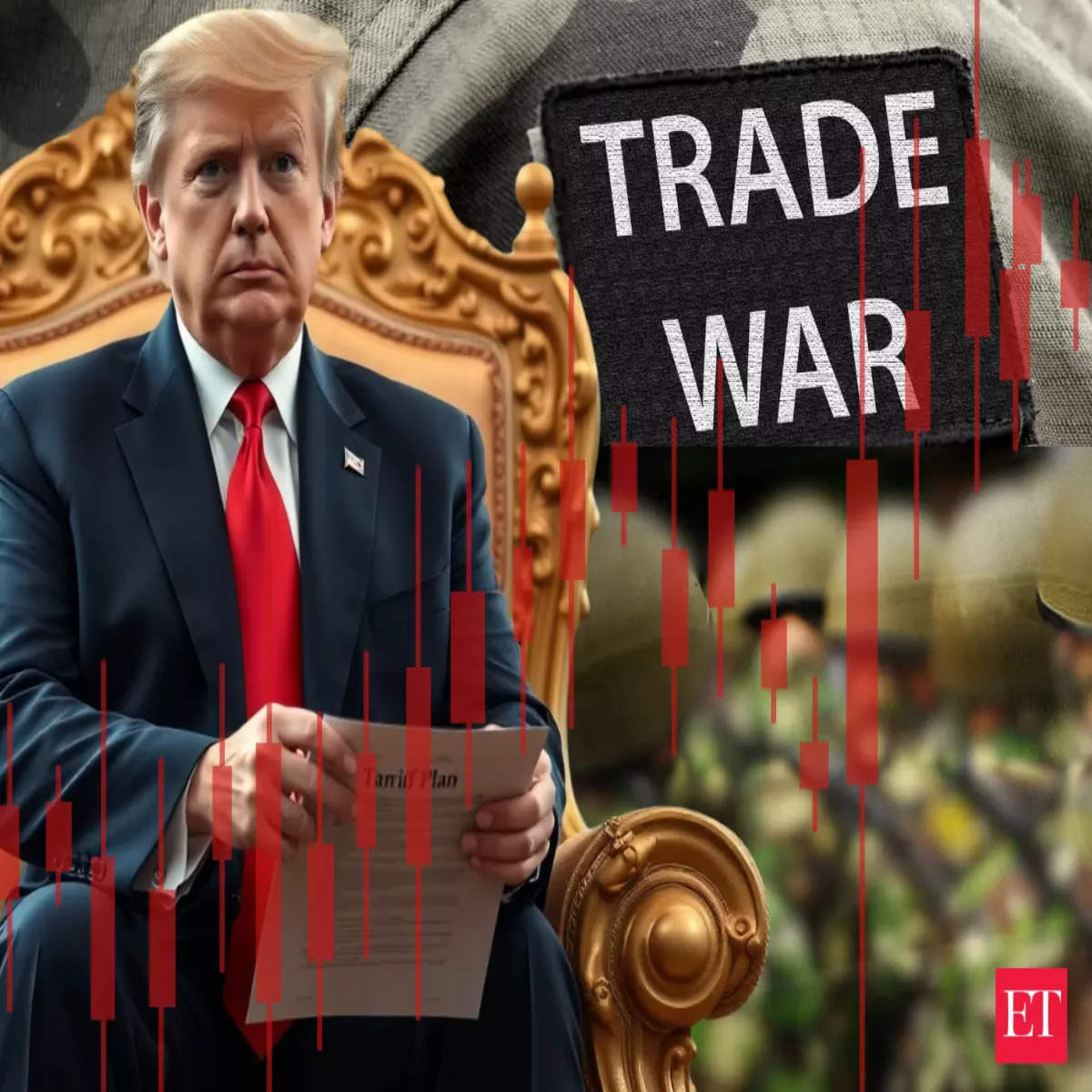
President Donald Trump has announced plans to impose tariffs of 25% or more on imported pharmaceuticals, automobiles, and semiconductors, aiming to reduce the U.S. trade deficit and bolster domestic manufacturing. The tariffs are slated for formal announcement on April 2, following a comprehensive review of trade policies concluding on April 1. This move signifies a significant shift in U.S. trade policy, as pharmaceutical products have traditionally been exempt from such tariffs under World Trade Organization rules.

The U.S. pharmaceutical market, valued at approximately $560 billion in 2024, relies heavily on imports, with around $200 billion worth of pharmaceutical products sourced from abroad. Major suppliers include Ireland, Germany, and Switzerland, which are expected to be significantly impacted by the proposed tariffs. India, another key exporter, sent pharmaceutical goods worth $8.73 billion to the U.S. in the fiscal year 2024, accounting for 31% of its total pharmaceutical exports. Following the tariff announcement, Indian pharmaceutical stocks experienced a notable decline, with the sector’s index dropping 2% to a seven-month low. Companies such as Sun Pharma and Dr. Reddy’s Laboratories saw their shares fall by 2% and 4%, respectively.

Industry experts warn that these tariffs could lead to increased drug prices for U.S. consumers and exacerbate existing medication shortages. The Healthcare Distribution Alliance , representing pharmaceutical distributors, expressed concerns that tariffs on generic drug products developed outside the U.S. could worsen shortages and elevate costs for patients, including those in Medicare and Medicaid programs. The HDA emphasized that distributors operate on low profit margins—approximately 0.3%—limiting their ability to absorb additional costs.

The global pharmaceutical supply chain is intricately linked, with many active pharmaceutical ingredients and raw materials sourced from countries like China and India. Approximately 13% of APIs used in the U.S. originate from China. Imposing tariffs on these imports could disrupt the supply chain, leading to production delays and increased manufacturing costs. Caroline Shleifer, CEO of regulatory research firm RegASK, noted that higher raw material costs are likely to cascade through the supply chain, raising overall production expenses and potentially leading to inflationary pressures in healthcare.

The proposed tariffs also pose challenges for domestic manufacturers. While the intent is to encourage companies to relocate production to the U.S., establishing new manufacturing facilities is a complex and time-consuming process. It requires significant investment in infrastructure, adherence to stringent regulatory approvals, and a skilled workforce. In the interim, consumers may face higher prices and limited access to essential medications.

The tariffs could have broader economic implications, potentially triggering retaliatory measures from affected trading partners. Such trade disputes may lead to a contraction in global trade, affecting not only the pharmaceutical industry but also other sectors interconnected through international supply chains. The uncertainty surrounding these developments has already led to volatility in global stock markets, with investors closely monitoring the situation.

Confidence within the energy sector regarding the attainment of global net-zero emissions by 2050 has markedly decreased. The Energy Industries Council reports that only 16% of industry leaders now believe these climate goals are achievable, a significant drop from 45% the previous year. This decline is attributed to policy instability, financial uncertainties, and protracted project approval processes. The EIC’s “Net Zero Jeopardy Report II” highlights that inconsistent […]

Azizi Developments has officially commenced sales for Burj Azizi, poised to become the world’s second-tallest tower at 725 meters. The grand launch event took place at Dubai’s Coca-Cola Arena on February 18, 2025, attracting over 15,000 attendees, including government officials, investors, and media representatives. The evening featured a performance by American singer Jennifer Lopez.

Global sales events are scheduled for February 19, 2025, at prestigious venues worldwide, including the Conrad Hotel in Dubai, The Peninsula in Hong Kong, The Dorchester in London, JW Marriott Juhu in Mumbai, Marina Bay Sands in Singapore, Four Seasons Hotel in Sydney, and the Palace Hotel in Tokyo.

Burj Azizi, set for completion by 2028, will feature over 131 stories comprising residential, hotel, retail, and entertainment spaces. The residential section offers luxurious one-, two-, and three-bedroom apartments, with prices starting at AED 10,000 per square foot. Notably, it will be the only freehold property on Dubai’s Sheikh Zayed Road.

Amenities include wellness centers, swimming pools, saunas, cinemas, gyms, mini markets, resident lounges, and a children’s play area. The tower will also house a seven-floor vertical retail center, a luxury ballroom, a beach club, an observation deck, an adrenaline zone, and various high-end dining options.

Mr. Farhad Azizi, Group CEO of Azizi Developments, expressed pride in the project, stating, “Burj Azizi is not just a structure; it is a tribute to the emirate’s ever-growing prominence on the global stage.”

The tower is designed to set multiple records, including the highest hotel lobby on the 111th floor, the highest nightclub on the 126th floor, and the highest restaurant on the 122nd floor. A museum at the pinnacle will showcase the building’s development through multimedia exhibits.

Every 20 floors will feature dedicated amenity spaces, including swimming pools, saunas, steam rooms, fully equipped gyms, yoga centers, spas, game rooms, business centers, children’s play areas, cinemas, restaurants, coffee shops, and supermarkets.

Azizi Developments, with a portfolio of over 30,000 delivered homes, aims to redefine luxury living and architectural innovation with Burj Azizi, further enhancing Dubai’s iconic skyline.

The project represents a significant investment, with sales now open to buyers worldwide. Interested parties can attend the global sales events or visit the official website for more information.

Burj Azizi is poised to become a landmark destination, offering unparalleled luxury and contributing to Dubai’s status as a global metropolis.

The development underscores Dubai’s commitment to pushing architectural boundaries and setting new standards in luxury real estate.

As construction progresses, Burj Azizi is expected to attract significant interest from investors and residents seeking a prestigious address in one of the world’s most dynamic cities.

The tower’s strategic location on Sheikh Zayed Road offers residents and visitors easy access to Dubai’s key attractions and business districts.

With its blend of luxury, innovation, and prime location, Burj Azizi is set to become a symbol of Dubai’s ambitious vision and growth.

By Ben Chacko LONDON: Donald Trump’s demand for a $500 billion “payback deal” forcing Ukraine to hand over control of its natural resources has been exposed by the Telegraph. As the newspaper’s columnist Ambrose Evans-Pritchard notes, proposed terms amount to a more punitive reparations package than was imposed on Germany after World War I. Not […]

Nintendo has announced the termination of its My Nintendo Gold Points program, effective March 24, 2025, at 9:30 p.m. PDT. This decision coincides with the company’s preparations for the upcoming Nintendo Switch 2 console.

The My Nintendo Gold Points program allowed users to earn points from digital and eligible physical purchases, which could then be redeemed for discounts on future digital content. According to Nintendo’s official statement, after the specified date and time, users will no longer accumulate Gold Points from any digital purchases made on the Nintendo eShop. However, any points earned prior to this cutoff will remain valid for 12 months from their issuance date.

For physical game purchases, Gold Points can still be earned by registering eligible Game Cards through the Nintendo Switch console’s HOME Menu. This applies only to titles released on or before March 24, 2025. Games launched after this date will not be eligible for Gold Point accumulation. It’s important to note that the original release date of a title, as indicated on the Nintendo eShop, determines its eligibility. Users have up to one year from a game’s original release date to register and earn points.

In addition to discontinuing the Gold Points program, Nintendo has clarified that existing Nintendo Switch Online Game Vouchers will not be redeemable for exclusive titles on the forthcoming Nintendo Switch 2 console. The Game Voucher program, which allowed subscribers to purchase two vouchers for $100 and redeem them for select $60 games, will not extend to Switch 2-exclusive titles. This move has led to speculation about a potential increase in the retail price of first-party titles, aligning with trends seen in the PlayStation 5 and Xbox Series markets, where game prices have risen from $60 to $70.

Despite these changes, the My Nintendo “Platinum” Points program remains unaffected. Platinum Points, earned through specific missions such as playing certain mobile games or engaging with Nintendo’s online services, can still be redeemed for digital goods or exclusive physical merchandise. This program continues the tradition of rewarding loyal customers, reminiscent of the former Club Nintendo loyalty program, which concluded in 2015.

The discontinuation of the Gold Points program and the limitations placed on the Game Voucher system suggest a strategic shift by Nintendo as it transitions to the next-generation console. While these changes may disappoint some long-time fans who have benefited from the rewards system, the company appears to be realigning its offerings in preparation for the Nintendo Switch 2’s market entry.

Advertisements

Strategy, formerly known as MicroStrategy, has announced plans to raise $2 billion through a private offering of zero-interest convertible senior notes due in 2030. The company intends to use the proceeds for general corporate purposes, including the acquisition of additional Bitcoin. This move underscores Strategy’s ongoing commitment to expanding its cryptocurrency portfolio.

As of February 17, 2025, Strategy holds approximately 478,740 Bitcoins, acquired at an aggregate purchase price of $31.1 billion, averaging $65,033 per Bitcoin. This substantial investment reflects the company’s strategic shift towards cryptocurrency as a central component of its corporate strategy.

The proposed convertible notes will mature in 2030 and will not bear regular interest. Investors will have the option to convert the notes into cash, shares of Strategy’s common stock, or a combination of both, depending on the company’s discretion. Additionally, initial purchasers may be granted an option to buy up to an extra $300 million in notes within five business days of issuance.

This announcement comes on the heels of significant financial maneuvers by Strategy. In 2024, the company more than doubled its Bitcoin holdings, increasing from 189,150 at the end of 2023 to 447,470 by year-end, with an investment of $22.1 billion at an average cost of $85,447 per Bitcoin. In the first months of 2025, Strategy invested an additional $3.2 billion to acquire 31,270 Bitcoins, averaging $101,232 per coin.

Despite these aggressive acquisitions, Strategy has faced financial challenges. The company reported a 20% reduction in its workforce in 2024, cutting 400 jobs, primarily in research and development, consulting, and sales and marketing. This downsizing reduced the total number of employees to 1,534 by the end of 2024, down from 2,152 in 2022. Moreover, the company’s stock has seen a 13.3% decline over the past three months, even as Bitcoin prices experienced a 4% increase, and the S&P 500 index rose by 3.7%.

The broader cryptocurrency landscape is also witnessing significant developments. World Liberty Financial, a cryptocurrency platform financially backed by President Donald Trump, announced the launch of a strategic token reserve aimed at stabilizing market volatility and investing in decentralized finance projects. Additionally, legislative efforts across 18 U.S. states propose the establishment of state-level Bitcoin reserves, which could collectively lead to the purchase of approximately $23 billion worth of Bitcoin if enacted.

Industry experts have weighed in on these developments. Anthony Scaramucci, head of a leading crypto ETF, predicts that Bitcoin could reach $200,000 in 2025, citing increased institutional adoption and potential U.S. reserves for the cryptocurrency. However, he also emphasizes the need for a regulatory framework to support the growth of crypto assets.

Solana , a prominent cryptocurrency, has experienced a significant downturn, with its price plummeting over 40% in the past month. As of February 19, 2025, SOL is trading at $165.14, reflecting a decrease of $11.18 from the previous close.

Several factors have contributed to this decline. Analysts point to a combination of market volatility, regulatory uncertainties, and network challenges as key drivers behind the bearish trend. The broader cryptocurrency market has also faced headwinds, with investors exhibiting caution amidst fluctuating market conditions.

Despite the current downturn, forecasts for Solana’s near-term performance vary. Some predictive models suggest a potential rally, with prices reaching approximately $190 by early March 2025. This optimistic outlook hinges on factors such as increased network activity and potential institutional interest. Conversely, other analyses indicate that if selling pressure persists, SOL could test lower support levels, with projections as low as $50. This disparity in predictions underscores the inherent volatility and unpredictability of the cryptocurrency market.

Technical indicators reveal that SOL faces resistance around the $270 mark, with immediate support near $250. Bullish signals have emerged, suggesting potential gains; however, market participants remain cautious, given the recent downward trajectory.

In the broader context, Solana’s network has been lauded for its high throughput and low transaction fees, positioning it as a formidable competitor in the blockchain space. However, network outages and performance issues have occasionally marred its reputation, leading to concerns among users and investors. These operational challenges, coupled with external market factors, have contributed to the current price volatility.

Market experts advise investors to exercise due diligence and consider the multifaceted factors influencing Solana’s price movements. While the potential for recovery exists, the interplay of technical, regulatory, and market dynamics necessitates a cautious approach.

Argentine President Javier Milei is facing intense scrutiny following his promotion of the cryptocurrency $LIBRA, which experienced a dramatic collapse shortly after his endorsement. The incident has led to widespread financial losses among investors and has sparked legal and political challenges for the president.

On February 14, 2025, President Milei took to his social media platform X to highlight $LIBRA, a newly launched cryptocurrency. His endorsement led to a rapid surge in the token’s value, with prices soaring to nearly $5. However, this spike was short-lived; within hours, $LIBRA’s value plummeted by approximately 90%, leaving numerous investors with substantial losses.

The swift rise and fall of $LIBRA have raised questions about the legitimacy of the cryptocurrency. Critics have labeled it a “memecoin,” suggesting it lacked intrinsic value and was subject to speculative trading. Further investigations revealed that a significant portion of $LIBRA was concentrated in a few wallets, intensifying suspicions of market manipulation.

In the aftermath of the collapse, over 110 complaints were filed against President Milei, accusing him of fraud and illicit association. Federal Judge María Servini has been assigned to investigate these allegations, focusing on whether the president’s actions constituted a deliberate scheme to defraud investors. The Anti-Corruption Office has also initiated an inquiry to determine if there was any misconduct by government officials in connection with the promotion of $LIBRA.

President Milei has denied any wrongdoing, asserting that his intention was merely to share information about $LIBRA and that he did not receive any personal benefit from its promotion. He emphasized that his social media post was intended to support private enterprise initiatives and that investors were aware of the inherent risks associated with cryptocurrency investments. Despite these assertions, the president’s actions have been met with severe criticism from political opponents and the public.

The controversy has had a tangible impact on Argentina’s financial markets. The Buenos Aires Stock Exchange experienced a 5.6% decline, a reaction attributed to the uncertainty and loss of confidence stemming from the $LIBRA incident. Economists warn that such events could deter future investments and exacerbate the country’s existing economic challenges.

Political ramifications are also unfolding. Opposition leaders have called for President Milei’s impeachment, arguing that his actions have undermined the integrity of his office and the nation’s financial stability. Former President Cristina Kirchner referred to Milei as a “crypto fraudster,” highlighting the severity of the accusations. While the likelihood of impeachment remains uncertain, the calls reflect deepening political divisions and growing concerns over the president’s judgment.

The $LIBRA scandal has also drawn attention to the broader issue of cryptocurrency regulation in Argentina. The incident underscores the potential risks associated with digital currencies, particularly those lacking transparency and regulatory oversight. Financial experts advocate for the implementation of stricter regulations to protect investors and prevent similar occurrences in the future.

Robinhood is set to enter the Singaporean cryptocurrency market in 2025, marking a significant expansion of its services beyond traditional stock trading. The platform, known for democratizing investing in stocks, will leverage Bitstamp’s entities to facilitate its cryptocurrency operations in the region.

This move comes as the global cryptocurrency industry gains more traction, and the demand for user-friendly platforms has grown in Asia. Singapore, a thriving hub for fintech and digital assets, is an ideal location for Robinhood’s expansion into cryptocurrencies, as its government has embraced crypto regulation and blockchain technology.

Robinhood’s partnership with Bitstamp, a prominent European cryptocurrency exchange, is expected to strengthen the platform’s operational capabilities and credibility. The collaboration will allow Robinhood to conduct its cryptocurrency trading activities through Bitstamp’s established infrastructure, which complies with local regulations and security standards.

Singapore has long been a leader in cryptocurrency adoption, with regulatory frameworks that support the growth of blockchain technology. The Monetary Authority of Singapore , the country’s financial regulator, has taken a proactive approach in shaping the digital asset landscape, offering a regulatory sandbox for cryptocurrency firms and ensuring robust consumer protection measures. Robinhood’s entry into this environment signals its commitment to expanding its portfolio in a market with substantial growth potential.

The decision to extend Robinhood’s offerings to include cryptocurrency trading aligns with the company’s broader strategy to diversify its services and tap into the growing demand for digital currencies. Cryptocurrencies have witnessed increased interest in Asia, particularly in Singapore, where retail and institutional investors are keen to explore new opportunities in the space. With the backing of Bitstamp’s infrastructure, Robinhood will be well-positioned to cater to both individual investors and those looking for more secure and regulated trading platforms.

Robinhood’s move into cryptocurrency services follows its increasing focus on diversifying its product offerings. Initially renowned for its commission-free stock trading, the platform has expanded into other asset classes such as options, ETFs, and now digital assets. The company’s emphasis on low-fee trading options aligns with its mission to make financial services more accessible to a broader audience.

The global cryptocurrency market has become increasingly competitive, with established players such as Binance, Coinbase, and Kraken dominating the space. Robinhood’s entry into the market, however, could stir competition by attracting its large user base from its stock trading platform. The platform’s user-friendly interface and commitment to low fees have made it a popular choice among retail investors, and the addition of cryptocurrency services will likely appeal to this demographic.

Analysts predict that Robinhood’s move into the crypto market could bring about significant changes to the competitive landscape, particularly in Singapore. The country’s strong regulatory framework, combined with a growing appetite for digital asset investment, positions Robinhood to tap into a diverse range of customers. As a result, the company’s operations in Singapore will likely influence how cryptocurrency exchanges interact with regulators and consumers in the region.

By entering Singapore, Robinhood also demonstrates its broader vision of becoming a global player in the cryptocurrency market. The company has previously stated its intentions to expand its cryptocurrency offerings beyond the United States, and the Singapore initiative represents a key milestone in that strategy. The move could pave the way for further international expansion into other markets in Asia and beyond.

Despite the promising prospects, Robinhood’s foray into cryptocurrencies may face challenges, particularly concerning regulation and market volatility. Although Singapore’s regulatory environment is regarded as supportive, crypto firms must navigate stringent compliance requirements. Additionally, the volatile nature of cryptocurrency prices may create uncertainty in the market, impacting investor confidence and trading volumes. These risks will require Robinhood to maintain a robust risk management framework as it launches its services in Singapore.

The entry of a major player like Robinhood into the cryptocurrency space is indicative of the growing mainstream acceptance of digital currencies. As traditional financial institutions and established companies continue to embrace cryptocurrencies, the industry is expected to mature and become more integrated with the global financial system. This trend is expected to accelerate as regulatory clarity improves and more investors become comfortable with the risks and rewards of digital assets.

Europe’s public cloud services sector is set for remarkable growth, with projections indicating spending will hit $221 billion by 2025 and skyrocket to $373 billion by 2028. This surge is being driven by the increasing adoption of Platform-as-a-Service , a key cloud model that offers businesses the flexibility and scalability needed to support evolving technology needs. As digital transformation accelerates across industries, organisations are increasingly turning to […]

By Kunal Bose The world, much to its disappointment, is seeing the United States of America, which is the world largest economy and mightiest military power, rapidly embracing raw, unrestrained capitalism under the newly inaugurated second-term Presidency of Donald John Trump abandoning all traces of egalitarianism. Induction of Tesla chairman Elon Musk to head the […]

FloppyPepe , a meme-inspired cryptocurrency, is rapidly gaining attention, with projections suggesting it could outperform established assets like Solana by an astonishing 10,300% in the current market cycle. While Solana has seen significant price increases due to optimism surrounding an upcoming exchange-traded fund approval and network improvements, the emergence of FloppyPepe signals a new wave of interest in meme tokens, potentially reshaping investor expectations.

Solana’s price surge has captured the crypto community’s focus, with many analysts forecasting a rise to $300 within the next month. This bullish sentiment stems from two key factors: the expected approval of Solana’s ETF, which could drive more institutional investment, and the recent upgrades to the Solana network aimed at improving scalability and performance. These developments have led to a renewed sense of optimism among SOL holders, some of whom are betting that the asset could once again rival top cryptocurrencies like Bitcoin and Ethereum.

Despite these positive developments, the market’s attention is increasingly divided as new contenders emerge in the meme-token sector. FloppyPepe, based on the popular “Pepe the Frog” meme, has gained traction in the crypto world with its growing following. Initially a niche meme coin, it has now sparked excitement due to its aggressive price predictions. The token’s rapid rise is fuelled by social media buzz and a cult-like following, typical of meme-based cryptocurrencies, which have historically seen dramatic increases in value based on viral trends and online hype.

FloppyPepe’s meteoric growth potential lies in its ability to capitalise on the volatile nature of meme coin markets. Similar to the explosive rises of tokens like Dogecoin and Shiba Inu, FloppyPepe thrives on community engagement, social media momentum, and speculative trading. In fact, some analysts predict that the token could see gains surpassing 10,000% if the momentum continues. This level of growth would make it one of the most significant stories of the current crypto cycle, challenging even established players like Solana.

On the other hand, Solana’s long-term viability faces a set of challenges that could affect its current optimism. Although the upcoming ETF approval is expected to bring institutional investors into the fold, it also raises questions about whether Solana can maintain its market position when other blockchain projects continue to emerge with similar technological advancements. While Solana’s network upgrades promise to enhance its functionality, the broader market still wrestles with concerns over scalability, security, and its ability to differentiate itself in a crowded field.

FloppyPepe, with its meme token status, operates in a much different market segment. While the meme-token market is often criticised for being speculative and volatile, the sheer unpredictability of these assets is what attracts traders looking for massive short-term gains. Additionally, the token’s success is tied not only to its meme origins but also to its engagement with the broader cryptocurrency community, which frequently fuels the rise of such assets. Its ability to capture the zeitgeist of internet culture may help it continue to grow, even in the face of potential market corrections.

It is important to note that the cryptocurrency market is notoriously volatile, with prices frequently shifting based on broader macroeconomic trends, regulatory news, and technological advancements. The rise of meme coins like FloppyPepe challenges traditional investment principles, as these tokens often lack the fundamental backing seen in more established assets like Solana. Yet, their appeal lies in the speculative gains they offer in the short term, making them a high-risk, high-reward asset class for adventurous investors.

For now, FloppyPepe’s future trajectory remains unclear, and its ability to continue growing at its current pace will depend on several factors, including the level of continued community support and its integration into broader crypto exchanges. The token’s surge in popularity highlights the growing trend of meme-based cryptocurrencies, which continue to captivate retail investors and provide new opportunities for speculative trading. While Solana’s infrastructure improvements may help it sustain its growth over time, FloppyPepe offers an example of how meme tokens can reshape the landscape in unexpected ways.

KUALA LUMPUR, MALAYSIA – Media OutReach Newswire – 18 February 2025 – The global cryptocurrency market has seen unprecedented growth in the previous year, spearheaded by Bitcoin and Ethereum. Institutional participation was very important in driving prices higher, with Bitcoin reaching an all-time high above $100,000 in December 2024. With the spreading adoption of crypto assets, regulators have paid even more attention to the industry. Kar Yong […]

The market for fan tokens has seen a sharp increase following Tether’s recent investment in Juventus Football Club, with Juventus’ fan token skyrocketing by 200%. Other fan tokens, including those for Lazio and Porto, have also experienced significant surges, indicating a broader trend in the digital sports economy.

Tether’s strategic move has underscored the growing intersection between cryptocurrency and traditional sports, particularly through fan engagement platforms. The investment, part of a broader collaboration between the stablecoin issuer and the renowned Italian football club, has spurred considerable trading activity in fan tokens. Fan tokens, which allow supporters to engage more directly with their teams, vote on specific club decisions, and access exclusive content, have gained traction in recent years, with Tether’s backing providing a clear signal of the potential for digital assets in the sports world.

The JUV token, which has been a popular asset in the fan token market, saw a massive uptick in value following news of Tether’s involvement. This surge, marking a 200% increase in its value, signals a potential shift in how investors view the future of sports and entertainment-linked digital currencies. The token’s growth is attributed to increased interest in Juventus, a club with a vast global following, combined with the legitimacy of Tether’s investment backing the token’s credibility in the market.

Similar trends have emerged for other fan tokens. Tokens associated with Lazio and Porto, two other prominent European football clubs, have seen significant increases in value. Lazio’s token saw a 150% increase, while Porto’s fan token surged by over 180%. These jumps are being attributed to a combination of factors, including renewed interest in football clubs’ digital assets and the growing confidence in fan tokens as legitimate, tradable assets.

Industry experts suggest that Tether’s investment could be a turning point for the fan token ecosystem. By investing in established football clubs, Tether is effectively bridging the gap between the cryptocurrency world and traditional sports institutions, providing further validation to the idea of fan tokens as serious investment assets. With large-scale entities like Juventus now involved, fan tokens are no longer seen merely as speculative digital assets, but rather as a tangible way for fans to interact with their teams in a more integrated manner.

The fan token market, while still niche, is rapidly expanding. According to reports, more than 50 football clubs, including some of the largest European clubs, have issued their own tokens. These tokens serve as a new form of digital engagement, where supporters can vote on club-related decisions, participate in exclusive events, and even access limited-edition merchandise. This innovation is a response to the increasing demand for fans to have a more personal and interactive experience with their favourite teams.

While Tether’s involvement has driven much of the attention towards Juventus’ JUV token, the growth of fan tokens is not limited to the Italian club. Other clubs have begun to explore the benefits of incorporating blockchain technology into their fan engagement strategies. The success of Juventus and its token could lead to similar investments in the fan token market from other major cryptocurrencies or financial institutions. In particular, as more major players in the cryptocurrency space align themselves with sports teams, fan tokens may grow to become a fundamental part of sports-related finance.

The market’s response also highlights the speculative nature of fan tokens. With their inherent volatility, fan tokens are a high-risk investment, with value fluctuations influenced by a variety of factors including the performance of the associated team, the success of the fan token platform itself, and broader market conditions within both the sports and cryptocurrency sectors. The price increases of the JUV, Lazio, and Porto tokens demonstrate the impact of such factors, and many investors see these tokens as a way to capitalise on the popularity of sports, particularly as clubs continue to tap into the growing potential of cryptocurrency-based ecosystems.

The surge in fan token prices suggests that more football clubs may turn to digital assets as a revenue stream. The innovative model allows clubs to earn additional income while simultaneously offering fans new ways to connect with their teams. For clubs like Juventus, which have extensive international followings, the digitalisation of fan engagement via blockchain offers an expanded reach, attracting both traditional fans and a younger, tech-savvy audience more inclined to engage with digital assets.

Gold-backed tokens have not lived up to expectations as the price of the precious metal sees a decline while risk assets gain traction. Amid growing speculation that former President Donald Trump’s tariffs may only be a negotiating strategy, investors are reassessing the global economic landscape. As the price of gold drops, the market shift raises questions about the stability of gold-backed tokens and whether they can weather the storm of fluctuating commodity prices.

Despite gold-backed tokens being promoted as a safe haven for investors, their performance has faltered in recent months, mirroring a broader decline in the precious metal’s price. Gold, once viewed as a reliable store of value, has faced downward pressure as investors recalibrate their portfolios in the face of shifting economic factors. The appeal of these tokens—cryptocurrencies that are tied to the price of gold—has diminished in light of market developments that have bolstered other asset classes.

The scenario surrounding Trump’s tariffs has added to the uncertainty. Wall Street analysts are increasingly speculating that the tariffs might not be as severe as originally anticipated. In fact, some view them as a mere tactic in a broader trade negotiation strategy. This perspective has led to a shift in sentiment, with risk assets—such as stocks—seeing an uptick as investors shift focus toward growth opportunities, leaving gold-backed assets in a precarious position.

The price of gold, which peaked earlier in the year due to inflation fears and global uncertainties, has now come under pressure. This decline has seen gold tokens, which track the price of the commodity, underperforming. As institutional investors have shifted their attention to more volatile but potentially lucrative assets, gold has lost some of its former appeal as a hedge against inflation and economic instability.

At the same time, riskier assets, particularly stocks, have surged. Investors are encouraged by signs of economic recovery and the resilience of equity markets. Analysts suggest that the ongoing optimism surrounding the potential easing of trade tensions, particularly between the US and China, has contributed to the rising demand for equities and corporate bonds. This sentiment is in stark contrast to the subdued demand for gold, which typically thrives in periods of heightened economic uncertainty.

The divergence between traditional assets and gold has prompted some financial experts to rethink the role of gold-backed tokens in a diversified portfolio. These digital assets, which have been gaining traction over the past few years, are now facing criticism for not providing the same level of stability that physical gold traditionally offers. With risk assets becoming more attractive to institutional investors, there are concerns that gold-backed tokens might not be able to maintain their value in the face of these shifting market dynamics.

The situation is further complicated by ongoing debates surrounding the broader implications of Trump’s trade policies. With tariffs remaining a key point of contention in international trade relations, the market remains on edge. The possibility of a trade war or retaliatory measures from other nations has been a key driver of gold’s price in the past. However, if the tariffs prove to be a bluff or a short-term negotiation tactic, the potential for further downside in gold prices could become less likely, providing more space for risk assets to flourish.

While gold-backed tokens have faced challenges, the broader cryptocurrency market has continued to evolve. The rise of other types of digital assets, particularly those tied to more volatile sectors like technology and energy, has drawn investor attention away from precious metals. This shift is evident in the increasing focus on tokens linked to blockchain innovation, artificial intelligence, and green energy. Gold, historically seen as a safe bet in times of economic crisis, is now competing with a new generation of digital assets that offer the promise of higher returns, albeit with greater risk.

This change in the investment landscape has left many wondering whether gold-backed tokens will continue to serve as a reliable store of value. The volatility in both the price of gold and the broader financial markets has highlighted the complex relationship between traditional assets and their digital counterparts. As more investors look to diversify their portfolios, the demand for assets like gold-backed tokens may become less pronounced, particularly if the broader trend towards riskier, high-growth investments continues.

The artificial intelligence sector is currently navigating a period of volatility, with stock performances reflecting a mix of investor optimism and emerging challenges. Major tech companies, including Microsoft, Alphabet, and Nvidia, have seen fluctuations in their stock prices, influenced by both advancements in AI technology and competitive pressures from global players.

Microsoft Corporation’s stock is trading at $408.43, experiencing a slight decrease of 0.53% from the previous close. Alphabet Inc. stands at $185.23, down by 0.52%, while Nvidia Corporation has seen a modest increase of 2.59%, bringing its share price to $138.85. These movements come in the wake of significant developments in the AI landscape, notably the emergence of China’s DeepSeek-R1, which has introduced new dynamics into the market.

DeepSeek-R1’s introduction has prompted a reevaluation among investors, leading to a selloff in certain AI stocks. Nvidia, for instance, experienced a notable decline, with shares dropping $24.20 to $118.42, marking an 11.8% decrease for the year to date. This downturn is attributed to concerns over DeepSeek-R1’s potential to disrupt established AI market leaders.

Despite these challenges, the AI sector’s growth trajectory remains robust. The global AI market is projected to expand from $214.6 billion in 2024 to $1.34 trillion by 2030, reflecting a compound annual growth rate of 35.7%. This surge is driven by continuous advancements in AI technologies and their increasing integration across various industries.

In the software domain, companies are capitalizing on AI’s momentum. The iShares Expanded Tech-Software Sector ETF has risen by 27% over the past six months, outpacing the iShares Semiconductor ETF, which saw less than a 1% increase in the same period. This trend indicates a growing investor preference for software firms that offer stable growth and are less susceptible to manufacturing disruptions.

Companies like Monday.com and Confluent have reported significant revenue growth, with their stock prices reflecting this positive trajectory. The adoption of AI technologies has bolstered demand for software solutions, leading to more lucrative consumption-based pricing models and attracting institutional investors seeking consistent returns.

However, the AI sector is not without its debates. A discernible divide is emerging between two schools of thought: the ‘AI Cavaliers,’ who are pursuing the ambitious goal of achieving artificial general intelligence , and the ‘AI Roundheads,’ who advocate for a more targeted approach, focusing on solving specific problems efficiently. This discourse is shaping investment strategies and influencing the direction of AI research and development.

The competitive landscape is further intensified by substantial investments from tech giants. Companies such as Microsoft, Alphabet, Amazon, and Meta are allocating extensive resources toward AI advancements, driven by both the fear of missing out and the potential advantages of pioneering AGI. This aggressive investment strategy underscores the high stakes involved in AI development and the race for market dominance.

In the medical imaging sector, AI’s impact is becoming increasingly pronounced. The global AI in medical imaging market was valued at $1.28 billion in 2024 and is projected to reach approximately $14.46 billion by 2034, growing at a CAGR of 27.10%. This growth is attributed to AI’s ability to enhance diagnostic accuracy and efficiency, leading to improved patient outcomes and streamlined healthcare processes.

Pump.fun, a prominent Solana-based memecoin launchpad, has introduced a mobile application for iOS and Android devices, aiming to enhance user accessibility in the burgeoning memecoin market. This development coincides with a significant increase in token creation, with over 600,000 new tokens launched in January 2025, raising concerns about potential liquidity fragmentation within the cryptocurrency ecosystem.

The newly launched Pump.fun app enables users to create, launch, and trade memecoins directly from their mobile devices, streamlining the process for both novice and experienced traders. This initiative reflects the platform’s commitment to adapting to the evolving needs of its user base and capitalizing on the growing interest in memecoins.

However, the rapid proliferation of new tokens has prompted industry experts to voice concerns about market liquidity. Bobby Ong, Chief Operating Officer of CoinGecko, highlighted the potential risks associated with the surge in token issuance, noting that an excessive number of tokens could dilute trader attention and liquidity, potentially hindering significant price movements in alternative cryptocurrencies.

The ease of token creation facilitated by platforms like Pump.fun has democratized access to the cryptocurrency market, enabling a diverse range of individuals to participate in token generation. While this inclusivity fosters innovation, it also raises questions about the sustainability and quality of the tokens being introduced.

In addition to operational challenges, Pump.fun is currently navigating legal complexities. The platform faces a proposed class-action lawsuit alleging violations of U.S. securities laws, underscoring the regulatory scrutiny that accompanies the rapid expansion of the memecoin sector. Despite these hurdles, the company remains focused on its mission to provide a user-friendly platform for memecoin enthusiasts.

The memecoin phenomenon has been characterized by speculative trading and high volatility, with tokens often experiencing rapid price fluctuations. This environment has attracted a wide array of participants, from casual investors to those engaging in high-risk trading strategies. The introduction of mobile applications like Pump.fun’s is poised to further amplify this trend by making memecoin trading more accessible to a broader audience.

Market analysts caution that the influx of new tokens, while indicative of a vibrant and innovative ecosystem, may lead to challenges such as liquidity fragmentation. This occurs when the market’s liquidity is spread thinly across a multitude of tokens, potentially resulting in decreased trading volumes and increased volatility for individual assets. Such conditions could make it more difficult for traders to execute large orders without significantly impacting token prices.

The memecoin market’s rapid expansion has also drawn attention from regulatory bodies worldwide. The lack of clear guidelines and oversight in this nascent sector poses risks for investors, particularly concerning the potential for fraudulent schemes and market manipulation. As platforms like Pump.fun continue to lower the barriers to entry for token creation and trading, the call for comprehensive regulatory frameworks becomes increasingly pertinent.

Samsung has initiated the rollout of the first software update for its Galaxy S25 series, targeting T-Mobile users in the United States. This update introduces seamless background installations, significantly reducing device downtime during the update process. The update, approximately 585 MB in size, also includes the February 2025 security patch, addressing over 40 vulnerabilities. Additionally, it resolves issues such as image banding in low-light photography and enhances […]

The International Air Transport Association has reported that global air passenger traffic in 2024 exceeded pre-pandemic figures, marking a significant milestone in the aviation industry’s recovery. Total passenger traffic, measured in revenue passenger kilometers , increased by 10.4% compared to 2023, surpassing 2019 levels by 3.8%. Capacity, assessed in available seat kilometers , grew by 8.7%, leading to a record-high load factor of 83.5%. IATA’s Director General, […]

A significant assembly of finance ministers and central bank governors from emerging markets is set to commence on February 16, 2025, in Al-Ula, Saudi Arabia. This high-level conference, jointly organized by the International Monetary Fund and the Kingdom of Saudi Arabia, aims to address the multifaceted challenges confronting emerging market and developing economies in the current global landscape. The gathering occurs against a backdrop of escalating trade […]

Emaar Properties PJSC has reported unprecedented financial results for 2024, with total property sales reaching AED 70 billion , marking a significant milestone in the company’s history. This achievement is set against the backdrop of a robust UAE real estate market, which has experienced remarkable growth over the past year. The company’s revenue for the year stood at AED 35.5 billion, reflecting a 33% increase from the […]

By T N Ashok WASHINGTON: Indian Prime Minister Narendra Modi’s visit the United States is more significant than ever at a time when the geo-political situation is fast changing, and new leaders take over in many countries. Modi’s scheduled meeting with US President Donald Trump on Thursday in White House offered positive results for the […]
VISHNU RAJA
RYO YAMADA
HITORI GOTOH
IKUYO KITA