News related to
prices

Neighborhood Retail Assets and Industrial/Logistics Sector Gain Investors’ Interest Since the Politburo’s emphasis in its September 2024 meeting that authorities “must work to halt the real estate market decline and spur a stable recovery,” Chinese mainland residential market sentiment has strengthened significantly, supporting a pick-up in primary market home sales Total investment volume in the Greater Bay Area (GBA) commercial real estate (CRE) market recorded RMB44.7 billion […]

KUALA LUMPUR, MALAYSIA – Media OutReach Newswire – 14 January 2025 – 2024, a year of geopolitical stress and major political changes, is drawing to a close. It is time to focus on the future and identify new trading opportunities. However, according to Octa broker, the outlook for the global economy is uneven and mixed, ‘rife with uncertainties and riddled with challenges’, so traders are advised to […]

KUNMING, CHINA – Media OutReach Newswire – 13 January 2025 – On January 6th, China’s first alpine truffle museum was established at the Fuli Palace of Kunming Botanical Garden. This museum, founded by the brand “Dr. Plant”, focuses on alpine truffles and aims to showcase the unique charm and precious value of truffles to the public in innovative ways. While providing robust support for black truffle conservation, […]

In a world where financial markets often feel like a roulette wheel spun by central banks, more and more investors are embracing active fixed income strategies—and for good reason. These hands-on approaches to bond investing are proving to be an antidote to the unpredictability of stocks, the underwhelming returns of cash, and the volatility of crypto. This isn’t just a trend; it’s a quiet revolution. At its […]

Global oil prices have climbed to their highest levels in over three months following the U.S. Treasury’s imposition of extensive sanctions on Russia’s energy sector. These measures aim to curtail the revenue streams funding Moscow’s military actions in Ukraine. The sanctions, announced by the Biden administration, target major Russian oil producers, including Gazprom Neft and Surgutneftegas, as well as 183 vessels involved in transporting Russian oil. This […]

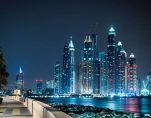
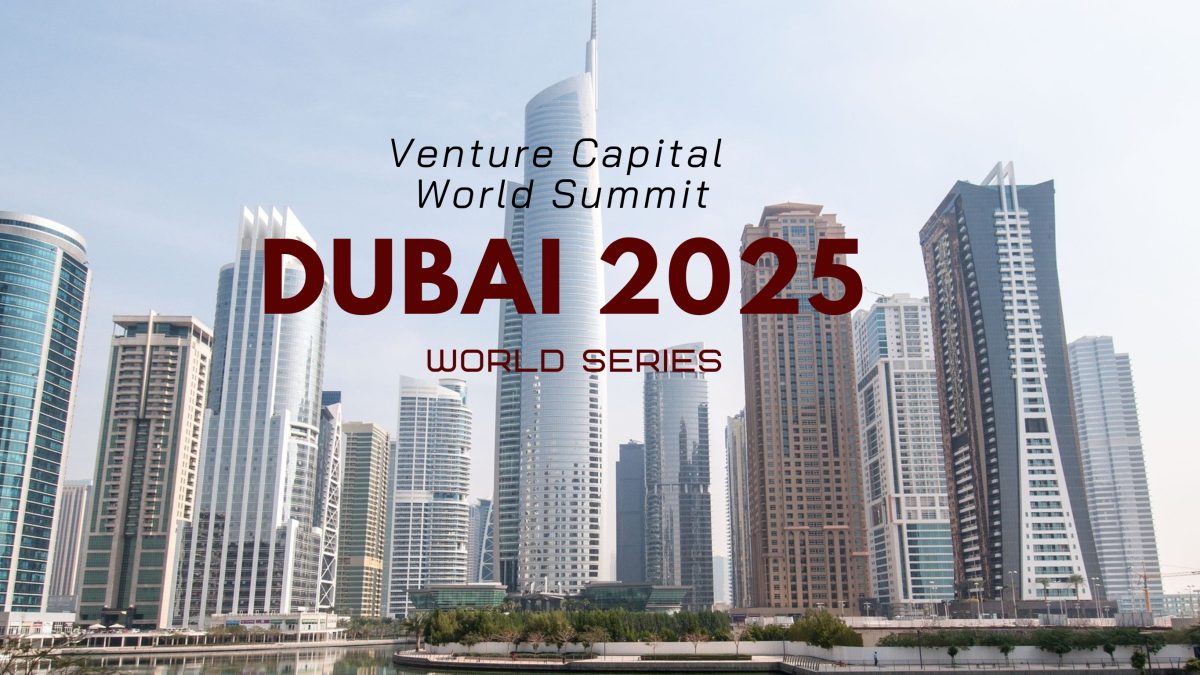
Dubai’s real estate market, renowned for its rapid expansion and high returns, is encountering signs of strain as it grapples with unprecedented growth and emerging challenges. The city has experienced a significant surge in property prices, with forecasts indicating an 8% increase in 2025, driven by a shortage of housing supply.

In the third quarter of 2024, Dubai recorded 47,269 property transactions, the highest quarterly figure on record, marking a 41.8% increase compared to the same period in 2023. This surge has led to a 19.9% rise in property prices year-over-year.

Despite the robust demand, the market is facing a significant supply shortage. Knight Frank estimates that approximately 300,000 homes are expected to be built in Dubai between now and the end of 2029, with apartments accounting for 80.1% of the supply and villas making up 17.4%. However, only 8,900 new villas are anticipated by the end of 2024, and an additional 19,700 by the end of 2025, indicating a persistent villa shortage.

This supply-demand imbalance is contributing to rising property prices. Faisal Durrani, Partner and Head of Research for MENA at Knight Frank, noted that house prices in Dubai continue to be fueled by relentless demand, with prices in the mainstream market climbing by 4.3% in the third quarter, taking city-wide prices up by 19.9% compared to the same time last year.

The luxury segment is also experiencing significant growth. Properties valued over $1 million now account for 18.1% of all sales, up from 6.3% in 2020. This trend underscores Dubai’s appeal to high-net-worth individuals seeking premium real estate options.

Looking ahead, industry experts anticipate a moderation in price increases. Farooq Syed, CEO of Springfield Properties, forecasts residential prices to rise between 5% and 10% in 2025, driven by robust demand for off-plan properties. He emphasized that Dubai’s ability to balance rapid expansion with policies prioritizing market stability and long-term value creation will continue to position it as a leader in global real estate.

However, the market’s rapid growth has also led to concerns about affordability and sustainability. The limited availability of sites across key locations is contributing to rising prices for off-plan homes, while stock in the secondary market is experiencing significant price growth, especially where older homes have been refurbished.

The influx of international buyers is influencing the market dynamics. The opening of international schools in Dubai has accompanied significant house-price inflation, as developers create housing projects aimed at affluent families seeking quality education for their children. This trend has notably increased property prices in areas with international schools, as seen in regions such as Brittany, Marbella, Portugal, the south of France, and Switzerland.

In response to the growing demand for luxury properties, developers are undertaking significant projects. For instance, the Trump Organization, in partnership with Saudi real estate company Dar Global, is set to develop Trump-branded properties in Dubai. These ventures include a $4 billion project in Oman and a Trump Tower in Dubai, featuring a hotel and residential units, set to launch next year.


The luxury market is also attracting high-profile individuals. Soccer star Neymar recently purchased a $54.45 million penthouse in Dubai’s Bugatti Residences, underscoring the city’s appeal to affluent buyers.

Despite the challenges, Dubai’s real estate market remains resilient, supported by strategic government reforms, robust foreign investment, and a diversified economic landscape extending beyond oil. The city’s strong infrastructure and investor-friendly policies continue to attract both residents and high-net-worth individuals, positioning Dubai as a preferred destination for long-term investment.

However, the market’s rapid growth has also led to concerns about affordability and sustainability. The limited availability of sites across key locations is contributing to rising prices for off-plan homes, while stock in the secondary market is experiencing significant price growth, especially where older homes have been refurbished.

The influx of international buyers is influencing the market dynamics. The opening of international schools in Dubai has accompanied significant house-price inflation, as developers create housing projects aimed at affluent families seeking quality education for their children. This trend has notably increased property prices in areas with international schools, as seen in regions such as Brittany, Marbella, Portugal, the south of France, and Switzerland.

In response to the growing demand for luxury properties, developers are undertaking significant projects. For instance, the Trump Organization, in partnership with Saudi real estate company Dar Global, is set to develop Trump-branded properties in Dubai. These ventures include a $4 billion project in Oman and a Trump Tower in Dubai, featuring a hotel and residential units, set to launch next year.

SINGAPORE – Media OutReach Newswire – 13 January 2025 – Today, Senoko Energy launches a new price plan that provides a fixed discount off the quarterly SP tariff. A first of its kind in the local market, this plan – LifeSteady – is designed to beat quarterly SP tariff fluctuations to deliver guaranteed savings for households. Figure 1: LifeSteady provides fixed discount off quarterly SP tariff “In […]

Advertisements

GUANGZHOU, CHINA – EQS Newswire – 8 January 2025 – On December 27, 2024, Dossen Hotel Group officially rebranded its member loyalty program, “Dossen Club,” as “Miao Club,” with its popular mascot Qingmao taking center stage. This rebranding places Qingmao, the group’s super IP, directly in front of consumers, offering a fresh, engaging experience for users. In the newly unveiled promotional video, Qingmao charms viewers with its […]

HONG KONG SAR – Media OutReach Newswire – 10 January 2025 – Today, IX Asia Indexes announced the 2024 4th quarter review of ixCrypto Index Series and IX Digital Asset Industry Index Series. The constituent changes will be effective on 17th January 2025 (Friday). The results of the constituent review and exchange review are as follows: 1. Constituent Review – ixCrypto Index Series 1.1 ixCrypto Index (“IXCI”) […]

KUALA LUMPUR, MALAYSIA – Media OutReach Newswire – 10 January 2025 – Developments such as Forex market volatility, rising commodity prices, and Southeast Asia’s economic growth are poised to reshape the trading landscape in 2025. Market participants need to be aware of these trends to develop strategic approaches and mitigate risks. Kar Yong Ang, a financial market analyst at Octa broker, highlights key trading trends to expect […]

HONG KONG SAR – Media OutReach Newswire – 9 January 2025 – Award-winning brokerage VT Markets, a global leader in financial services, has released its 2025 Q1 Economic Outlook. In the report, the broker spotlights the remarkable trajectory of gold in 2024 and its potential market performance in the coming year. The report further delves into key drivers of gold’s price movement; an explainer on why the […]

Kuwait’s Warba Bank has entered into a significant agreement to acquire a nearly 33% stake in Gulf Bank, marking a major development in the country’s banking sector. The move is seen as part of Warba’s strategy to enhance its market position and diversify its portfolio in an increasingly competitive financial environment.

Under the terms of the deal, Warba Bank will purchase a substantial portion of Gulf Bank’s shares, subject to regulatory approval. The acquisition is expected to provide Warba with increased influence over Gulf Bank’s operations, while also bolstering its financial strength and expanding its customer base.

The decision to acquire a stake in Gulf Bank is part of a broader trend in the Gulf Cooperation Council (GCC) region, where financial institutions are increasingly consolidating and forming strategic alliances to strengthen their market presence. Kuwait’s banking sector, in particular, has witnessed a series of mergers and acquisitions in recent years as institutions seek to increase efficiency and adaptability amidst changing economic conditions.

Gulf Bank, established in 1960, has long been one of the prominent players in Kuwait’s banking landscape. It has earned a reputation for its diverse range of services, which include retail banking, corporate banking, and investment solutions. The bank’s solid financial standing and track record of growth make it an attractive partner for Warba, which has been aggressively pursuing expansion opportunities since its establishment in 2010.

For Warba Bank, the acquisition represents a significant step toward achieving its long-term growth objectives. The bank has positioned itself as a major player in Kuwait’s financial sector, with a focus on innovation and digital banking solutions. Warba’s leadership sees the Gulf Bank acquisition as a key opportunity to expand its footprint and increase its market share, particularly in the retail and corporate banking segments.

Experts in the financial sector have pointed out that this acquisition will likely create a more formidable competitor within Kuwait’s banking market. Warba Bank, which has steadily gained market recognition for its commitment to technology and customer service, stands to benefit from Gulf Bank’s established brand and network. Additionally, Gulf Bank’s extensive branch network will provide Warba with access to new customer segments, particularly in the corporate banking sector, where Gulf Bank has a strong presence.

The merger is also seen as a response to the evolving economic climate in the Gulf region. As the region continues to recover from the effects of the global pandemic and fluctuating oil prices, financial institutions are seeking to solidify their positions by strengthening their balance sheets and diversifying their service offerings. This strategic acquisition allows Warba to better position itself to weather future economic uncertainties while capitalizing on new growth opportunities.

While the acquisition is expected to be beneficial for both banks, it does not come without challenges. One of the primary hurdles will be aligning the corporate cultures and operational frameworks of Warba and Gulf Bank, both of which have distinct organizational structures. Integrating the two institutions will require careful management, particularly in terms of consolidating resources, aligning business strategies, and retaining key talent from both sides.

Regulatory approval will also play a crucial role in determining the success of the acquisition. The Kuwait Central Bank (CBK) will need to assess the potential impact of the merger on competition in the local market, as well as ensure that both banks comply with the relevant financial regulations. Given the size and significance of the deal, industry observers expect a thorough review process before the deal can proceed.

The acquisition is expected to be a positive move for Kuwait’s banking sector overall, signaling confidence in the country’s financial stability and the resilience of its banking institutions. Analysts believe that this deal could pave the way for further consolidation within the sector, as other banks look for opportunities to enhance their competitive edge in the face of an evolving market landscape.

Warba Bank’s decision to acquire a stake in Gulf Bank also highlights the growing importance of strategic partnerships in the GCC’s banking industry. In a region where banks are increasingly focusing on digital transformation and the expansion of financial services, partnerships and acquisitions allow institutions to rapidly scale and access new technologies and markets.

The broader implications of the deal could extend beyond Kuwait, with the possibility of similar acquisitions and partnerships taking place across the GCC region. As Gulf economies continue to diversify away from oil dependency, financial institutions are expected to play a key role in supporting the development of new industries and sectors. For Warba Bank, the acquisition of Gulf Bank provides an opportunity to be at the forefront of this shift, positioning itself as a leading financial institution in a rapidly changing economic environment.

Offer extended to 17 January 2025. Offer Price remains firm at RM11.00 Per Share KUALA LUMPUR, MALAYSIA – Media OutReach Newswire – 8 January 2025 – Gateway Development Alliance Sdn Bhd (“GDA“) and its shareholders (collectively, the “Consortium“) announced that as at 5:00 p.m. today, it has received valid offer acceptances of 1,385.5 million shares and a further 18.2 million shares have accepted the offer pending verification, […]

Venture capital funding in Saudi Arabia and the UAE has experienced a notable decline, as shifting investor priorities and regional economic trends impact the growth of startups and early-stage businesses in both countries. The drop reflects broader changes in the global investment landscape, marked by a heightened focus on risk-adjusted returns and increased caution in the face of global economic uncertainty. In the past year, venture capital […]

The UAE’s construction sector is witnessing a significant surge in tender prices as the country’s real estate market continues its upward trajectory. The sharp increase is primarily attributed to soaring demand for residential, commercial, and hospitality projects, fueling competition among contractors and suppliers. As a result, construction companies are facing higher material and labor costs, which in turn has led to inflated tender bids.

Analysts and industry experts have pointed out that this rise in tender prices is indicative of the broader economic recovery within the UAE, where the real estate market has seen remarkable growth. With major developments underway in cities like Dubai and Abu Dhabi, the demand for construction services and materials has skyrocketed, resulting in an intensified bidding environment. This trend is expected to persist as the UAE gears up to host major international events, such as the World Expo 2025 and the FIFA World Cup 2026, driving further demand for infrastructure projects.

In particular, high-end residential and commercial real estate developments have seen the sharpest price increases in tenders. Dubai’s luxury residential projects, including sprawling villas and multi-story towers, have been in high demand. These projects often require specialized labor and premium materials, pushing up both direct and indirect costs. As developers rush to complete these high-profile projects, contractors are forced to submit higher tenders to secure the necessary resources and meet the expected timelines.

Meanwhile, the UAE government’s investment in infrastructure projects has also contributed to the surge in prices. Initiatives such as the development of new airports, expanded metro systems, and ambitious plans for sustainable urban growth have intensified the competition for skilled labor and construction materials. Experts highlight that these large-scale government-funded projects are consuming a significant portion of the available workforce, further driving up tender prices.

The pressure on construction companies is further compounded by global supply chain disruptions. Factors such as the ongoing geopolitical tensions, rising fuel prices, and inflation have contributed to higher costs for imported construction materials, such as steel, cement, and aluminum. This has made it more challenging for contractors to keep tender prices competitive without compromising on the quality of their work.

Labor shortages have become a pressing issue in the UAE’s construction sector. The rapid expansion of the real estate market has created a demand for skilled workers, leading to rising wages, particularly in niche trades such as electrical and mechanical installation. As a result, contractors are adjusting their pricing models to reflect these elevated labor costs, further pushing up tender prices. Additionally, the labor shortage is expected to worsen as new construction projects are announced, making it difficult for companies to meet deadlines and cost expectations without increasing bids.

Some industry players have warned that this trend could lead to delays in project completion. With construction costs spiraling, developers may face challenges in managing their budgets, which could result in postponed or scaled-back projects. This scenario is already unfolding in some sectors, with several major real estate projects experiencing delays due to the rising costs of construction and labor.

On the other hand, real estate developers continue to express optimism about the future prospects of the UAE’s property market. Despite the soaring tender prices, many believe that the long-term value of their investments will more than offset the increased upfront costs. Dubai, in particular, continues to attract international investors and homebuyers, with its status as a global financial hub and safe haven from geopolitical uncertainties. The influx of foreign capital is expected to keep demand for real estate high, even as construction costs climb.

The real estate boom is also being bolstered by the UAE government’s ongoing efforts to attract foreign investment. Initiatives such as the implementation of long-term visas for investors and the expansion of freehold property ownership for expatriates have increased demand for residential and commercial properties. Additionally, the UAE’s focus on becoming a hub for technology and innovation has driven up demand for modern office spaces and smart city infrastructure, further stimulating the construction sector.

One noteworthy impact of this real estate boom is the shift towards sustainability and green building practices. Developers are increasingly incorporating energy-efficient technologies and sustainable materials into their projects to meet both local and international environmental standards. While these features can add to the cost of construction, they also offer long-term savings through lower energy consumption and maintenance costs. This focus on sustainability has attracted global investors who are willing to pay a premium for green-certified properties, thereby helping to offset some of the rising construction costs.

However, the rise in tender prices may present challenges for smaller construction firms. As larger companies dominate the bidding process for major projects, smaller contractors may struggle to remain competitive. This could lead to a consolidation of the market, where larger, more established construction firms are able to absorb the rising costs, while smaller firms face greater difficulties securing contracts. Industry experts believe that this could result in a shift towards greater specialization, with smaller firms focusing on niche markets or lower-scale projects that do not face the same degree of competition as larger developments.

Sheikh Mohammed bin Rashid Al Maktoum, Vice President and Prime Minister of the UAE, has approved a transformative housing package worth Dhs5.4 billion aimed at enhancing the living conditions of Dubai’s citizens. This strategic move forms part of the government’s broader commitment to improving the quality of life for Emiratis and meeting the growing demand for affordable housing in the city. The initiative is set to provide significant support to citizens looking to own homes in the rapidly developing metropolis.

The housing package, which focuses on providing financial support for homeownership, aligns with Dubai’s long-term vision of fostering sustainable urban growth while maintaining social stability. It is expected to address the demand for residential properties, particularly in light of the increasing population and urban expansion in the emirate. Experts suggest that this initiative will be pivotal in ensuring that citizens are not left behind as the city continues its ambitious development agenda.

The allocation of Dhs5.4 billion will facilitate the construction of new homes and offer assistance to Emirati families looking to purchase property. This comprehensive program is tailored to ensure that financial barriers are reduced for citizens, making homeownership more accessible to a larger segment of the population. The initiative underscores the UAE leadership’s dedication to providing a high standard of living to its people, especially in the face of the challenges posed by rising property prices in Dubai.

In addition to new housing developments, the package includes provisions for subsidized loans, which will ease the financial burden on families seeking to build or buy homes. The move also includes enhancements to the existing infrastructure, ensuring that residential areas are equipped with essential amenities, including schools, healthcare facilities, and recreational spaces. These upgrades are in line with Dubai’s commitment to creating integrated communities that foster both economic growth and quality of life.

This initiative comes at a time when the UAE’s real estate sector is experiencing significant growth, particularly in the luxury segment. While Dubai’s high-end market continues to attract international investors, the demand for affordable housing for its citizens has become increasingly pressing. Experts have pointed out that initiatives like Sheikh Mohammed’s housing package play a crucial role in ensuring the equitable distribution of the benefits of the city’s success, preventing the widening of social divides.

The housing package is also expected to stimulate economic activity within the local construction and real estate sectors. With the funds earmarked for both residential development and infrastructure enhancements, a wide range of industries, from construction to finance, will benefit from the government’s investment. Furthermore, the provision of affordable housing is likely to contribute to a more stable labor market, ensuring that Dubai remains an attractive destination for both local and foreign talent.

Dubai has made considerable strides in addressing the housing needs of its citizens over the past decade. However, the city’s rapid expansion and growing population have placed increasing pressure on the availability of affordable housing. Experts have noted that the affordability gap has widened, particularly for middle-class families. The latest initiative from Sheikh Mohammed is seen as a timely intervention to rectify this imbalance, offering a lifeline to citizens struggling to enter the property market.

This initiative aligns with other significant housing policies implemented by the UAE government over the years, such as the provision of land grants to Emiratis for residential purposes and other subsidy schemes that have bolstered homeownership. The focus, however, has now shifted to ensuring that these efforts are both sustainable and scalable in the face of an evolving urban landscape.

The allocation of funds for such an extensive housing project reflects the broader goals of the UAE’s leadership to create a more inclusive society where every citizen has the opportunity to thrive. By ensuring that Emiratis have access to affordable homes, the government is not only improving individual livelihoods but also fostering long-term economic stability. The initiative is expected to have ripple effects throughout the economy, particularly in the real estate and construction sectors, where demand for new projects is expected to grow.

Matein Khalid Two tragic plane crashes in Azerbaijan/South Korea and now terrorist outrages in Las Vegas and New Orleans take the joy out of New Year’s Day but all we can hope that the world will be reinvented with a modicum of rationality when Donald Trump swears the oath to uphold the US Constitution on January 20th. The political messiah of MAGA is also a geopolitical/trade time […]

HONG KONG SAR – Media OutReach Newswire – 2 January 2025 – Since the global AI boom sparked by ChatGPT in December 2022, the artificial intelligence industry has consistently attracted market attention, with investment enthusiasm only increasing over the past two years. For most, however, the future of AI remains opaque. Despite its prominence, questions persist about the technology’s evolution and its impact on markets and investors. […]

Crude oil prices are projected to remain within the $70 per barrel range, influenced by multiple factors, including potential oversupply conditions and shifts in geopolitical dynamics. Experts suggest that while the market might stabilize around this figure, uncertainty from global demand and political maneuvers will continue to shape its trajectory in the coming months.

The crude market has entered a phase where supply and demand fundamentals are being tested against evolving global economic conditions. Several key developments, particularly around oil-producing nations, have created a delicate balance that keeps prices in a relatively stable range, yet susceptible to fluctuations driven by external factors.

For months, the oil market has been closely watching the decisions of the Organization of the Petroleum Exporting Countries (OPEC) and its partners, such as Russia, who collectively manage production quotas to balance supply. OPEC’s recent moves to curb production have been aimed at propping up prices, but an increase in U.S. oil output has led to speculation that there may be an oversupply in the market. The United States has reached record production levels, largely driven by shale oil, which could overshadow OPEC’s production cuts.

Geopolitical tensions in major oil-producing regions, such as the Middle East, remain a persistent risk to price stability. However, analysts have indicated that, at least for now, the global oil market is able to absorb disruptions without a significant impact on prices. The advent of more diverse energy sources, including natural gas and renewable energy, has also lessened oil’s price volatility compared to previous decades.

One of the most notable contributors to the ongoing price forecast is former U.S. President Donald Trump’s impact on energy policies. His administration’s push for energy independence and deregulation policies have led to a surge in domestic oil production. While Biden’s administration has implemented more stringent climate and energy policies, the effects of Trump’s legacy are still visible, with shale producers continuing to drive the U.S. oil production boom.

Despite this, global oil consumption, especially in China, has shown signs of slower growth, a factor that could weigh on oil prices. Experts note that while China remains a major driver of global energy demand, its economic slowdown could dampen the demand for crude, putting downward pressure on prices. Additionally, OPEC’s attempts to control prices by adjusting production could be more difficult to execute as non-OPEC countries, particularly the U.S., maintain higher levels of output.

Environmental pressures are also playing a role in shaping oil demand. Many nations are intensifying their efforts to transition to cleaner energy sources, potentially limiting the demand for fossil fuels in the long term. Governments worldwide are setting more ambitious renewable energy targets and offering incentives for green technologies, which could lead to a future reduction in oil dependency.

Despite these long-term trends, the immediate outlook for crude remains cautiously optimistic. The global recovery from the pandemic, especially in developed economies, is expected to continue driving demand for oil, particularly for transportation and manufacturing. Yet, the resurgence of COVID-19 in certain regions and the ongoing supply chain disruptions may have a complex impact on global economic growth, which will, in turn, influence oil demand.

In the U.S., gas prices remain a central topic as consumers face fluctuating fuel costs. While gas prices in the country have seen recent increases due to tighter refinery margins and seasonal demand spikes, there is no consensus on how long this trend will persist. Analysts believe that domestic production levels, combined with seasonal factors, could prevent prices from surging uncontrollably.

In Europe, the situation is more nuanced. Energy prices, including natural gas and oil, have been a driving force behind inflation. The war in Ukraine, ongoing for several years now, has further complicated Europe’s energy dynamics, pushing countries to reconsider their energy strategies. Despite Europe’s focus on alternative energy, oil continues to play a significant role in meeting energy demand, particularly in transportation and industry. With the cost of living rising and energy prices still high, consumers in Europe are facing additional financial strain.

At a global level, the shift toward more sustainable energy production and consumption is growing, but it is clear that oil remains a cornerstone of the global energy mix for the time being. Countries that rely heavily on oil exports, like Saudi Arabia and Russia, continue to exert influence on the market, pushing for price stabilization measures. However, the dynamics of global energy consumption are changing, and the transition to greener alternatives remains a key factor to monitor.

Dubai’s property market has experienced a remarkable surge in demand, with the fourth quarter of 2024 marking the highest-ever quarterly sales, signaling a bullish outlook for 2025. The city’s real estate sector continues to attract investors and homebuyers, bolstered by favorable economic conditions and government initiatives aimed at supporting growth. The trend suggests that Dubai’s property market will likely maintain its momentum, making it one of the most attractive destinations for real estate investment globally.

The Dubai Land Department (DLD) reported that in Q4 2024, the total value of real estate transactions soared to new heights, breaking previous records. In addition to an increase in the volume of sales, the average property prices have seen upward movements, driven by high demand in both residential and commercial segments. This strong performance is attributed to a combination of factors, including the city’s resilient economic recovery, strong investor confidence, and a growing population that is increasingly seeking quality housing and investment opportunities.

Leading this growth is the luxury real estate segment, which has experienced a particularly sharp uptick. High-net-worth individuals and international investors have shown a preference for prime residential properties, with villas, penthouses, and beachfront developments seeing the most significant price increases. As international travel restrictions ease and global investors return to the market, Dubai’s luxury offerings continue to be seen as attractive, safe havens for capital preservation.

In addition to the luxury sector, there is increasing interest in mid-market housing. The city’s developers have been responding to this demand by focusing on affordable housing projects, catering to the growing middle class. Several large-scale developments, particularly in emerging areas such as Dubai South, Dubai Creek Harbour, and Mohammed bin Rashid City, are underway to address this need.

The government’s proactive role in shaping the property landscape cannot be overstated. Initiatives such as long-term visas, tax breaks, and investor-friendly policies continue to provide a favorable business environment for property owners. Furthermore, the Expo 2020 Dubai, despite its delayed launch, has had a lasting impact on the city’s infrastructure, attracting additional global attention and investment. The city’s diverse and dynamic economy, with sectors like tourism, technology, and finance growing at a rapid pace, further strengthens the property market’s growth potential.

Dubai’s location as a global financial hub and a gateway between East and West remains a crucial factor for foreign buyers. The city’s diversification efforts, which focus on sectors such as fintech, renewable energy, and logistics, make it an attractive option for investors seeking growth and stability. As a result, Dubai’s real estate market remains a strong performer compared to other global cities.

The UAE’s ambitious Vision 2025 plans, which include expanding tourism, enhancing urban infrastructure, and fostering a knowledge-based economy, will likely boost demand for both residential and commercial properties in the long term. These national efforts support the city’s appeal as a thriving center for business and leisure, encouraging both local and foreign investments.

As Dubai’s economy continues to diversify and evolve, real estate will remain a key pillar. Developments in the infrastructure sector, such as the expansion of the Dubai Metro and road networks, are expected to play a significant role in sustaining the growth of property markets in both established and developing areas. Additionally, a growing focus on sustainability and green developments has led to an increase in eco-friendly properties, which appeal to environmentally conscious buyers and investors.

The residential market, while currently the star of the show, is not the only segment benefitting from this upswing. Dubai’s commercial real estate market has also seen robust demand, particularly in office spaces and retail developments. As more businesses, particularly tech and financial firms, establish a foothold in the city, the demand for high-quality office spaces in prime locations has risen. Moreover, the hospitality industry has also enjoyed a boost, with new luxury hotels and resorts attracting both international and regional visitors, supporting the broader tourism sector.

Looking ahead to 2025, experts predict that Dubai’s property market will continue to attract investment, particularly from buyers and developers seeking stability amid global economic uncertainties. Analysts are particularly optimistic about the long-term prospects of the market, with the growing demand for both luxury and affordable housing creating a balanced real estate ecosystem. The projected growth of the city’s economy, combined with its increasing role as a global business hub, positions Dubai to maintain its upward trajectory.

Despite the optimistic outlook, challenges remain, particularly in terms of rising construction costs and the potential for market saturation in some areas. However, developers are adapting to these challenges by focusing on innovative design and sustainable construction practices. The launch of new projects is expected to continue at a strong pace, with an emphasis on meeting the needs of an increasingly diverse population. Whether through green building initiatives, mixed-use developments, or community-focused design, Dubai’s real estate sector is evolving to meet the demands of modern buyers and investors.

Oil prices maintained stability as trading resumed in 2025, with attention shifting towards US stockpiles amid market volatility. Despite fluctuations throughout the early part of the year, oil traders are closely monitoring the latest figures from the American Petroleum Institute (API) and the Energy Information Administration (EIA), which will provide critical insights into supply-demand dynamics. As concerns over global oil supply chain disruptions wane, the US oil inventory data will likely dictate near-term market direction.

Brent crude futures remained above $85 per barrel, while West Texas Intermediate (WTI) futures hovered around $80. The two benchmarks are managing to stay resilient as markets balance competing influences, such as slowing economic growth in major markets and tighter OPEC+ production cuts. The price levels indicate that traders are cautiously optimistic about the future despite challenges.

The main point of focus for market participants is the state of US crude stockpiles. The most recent data from the EIA and API have highlighted a noticeable reduction in stock levels, which is prompting questions about how sustainable the supply will be in the coming months. The drop in reserves has led some analysts to suggest that future price pressures could be on the rise if the supply situation worsens.

In addition, OPEC+’s actions remain a significant driver for global oil prices. Throughout 2024, the oil cartel, led by Saudi Arabia and Russia, has implemented coordinated production cuts, which have helped to keep prices relatively firm despite macroeconomic pressures. This decision to limit production, particularly in the context of a potential economic slowdown, has acted as a counterbalance to potential downturns in the global oil market.

Another major consideration for analysts is the ongoing developments in the US oil industry. Despite the challenges posed by fluctuating crude prices, US shale producers have demonstrated remarkable resilience. The continued ability of shale operators to cut costs and increase efficiency has allowed the US to maintain a competitive edge in global markets. However, concerns over the long-term sustainability of shale output, particularly in the face of regulatory changes and capital constraints, continue to weigh on investors’ minds.

For now, traders are wary of potential shocks to the oil market. Geopolitical tensions, particularly in the Middle East, have the potential to disrupt supply lines, and this possibility keeps the oil markets on edge. Despite the efforts by OPEC+ to stabilize prices, uncertainty surrounding global economic recovery and energy demand adds an element of volatility that traders are unwilling to ignore.

The US, as the world’s largest producer of oil, has become a critical factor in the stability of oil prices. The actions of the Federal Reserve and its stance on interest rates are expected to have a ripple effect on global energy markets. A stronger US dollar could potentially dampen demand for oil in international markets, while changes in US monetary policy could either stimulate or slow down global growth, influencing oil consumption patterns.

In this environment of caution, oil traders are also keeping an eye on upcoming policy shifts in major economies. While the US continues to prioritize energy independence, the global push towards cleaner energy alternatives remains a challenge to traditional oil demand. Countries such as China, which have been transitioning towards renewable energy, continue to create uncertainty in long-term projections for oil consumption.

Despite this, the global energy market has been adjusting to the new reality of higher oil prices, particularly in response to tighter production controls. The shift in pricing power towards OPEC+ and other oil-exporting nations underscores the changing dynamics of the global energy landscape, where once-dominant oil-consuming countries may find themselves on the back foot in the coming years.

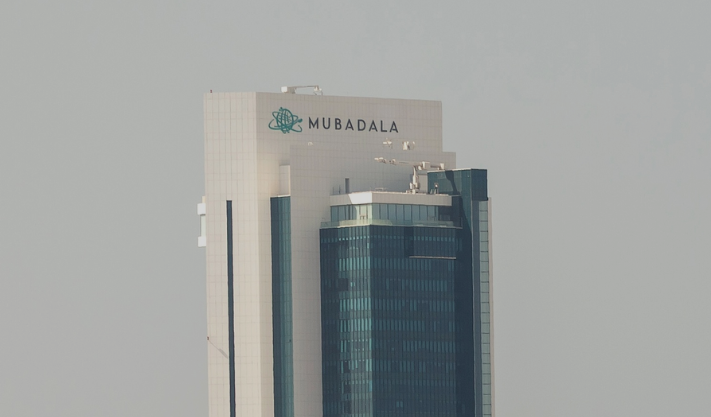
Abu Dhabi’s sovereign wealth fund Mubadala has taken the lead in global investment deals, outshining Saudi Arabia’s Public Investment Fund (PIF) with a remarkable $29 billion in recent transactions. The massive deals, which span various sectors from energy to technology, signal Mubadala’s growing influence in international markets and its strategic approach to diversifying assets. This shift also highlights the evolving power dynamics between the Gulf’s financial titans, with each country intensifying efforts to bolster its economic position amid fluctuating oil prices and geopolitical shifts.

Mubadala’s landmark investments come at a time when Saudi Arabia has aggressively expanded the reach of its PIF, particularly through high-profile acquisitions and a focus on sectors such as entertainment, tourism, and green energy. However, Mubadala’s swift maneuvers in the market have positioned it to not only compete with the PIF but potentially reshape the future of the investment landscape in the Middle East. The fund’s most notable deals include a series of investments in technology companies, as well as strategic moves in the renewable energy sector, aimed at securing long-term returns in an increasingly volatile global economy.

Experts suggest that Mubadala’s success is tied to its methodical approach to diversification. Unlike the PIF, which has been bold in pursuing large-scale, high-risk investments, Mubadala has focused on stabilizing its portfolio with balanced investments across a wide range of industries. This includes a heightened focus on cutting-edge industries such as artificial intelligence, clean energy, and biotechnology. As a result, Mubadala has emerged as a significant player in these high-growth areas, while also maintaining a strong foothold in more traditional sectors like real estate and infrastructure.

The timing of Mubadala’s recent success also speaks volumes about its ability to adapt to changing market conditions. Amid rising inflation and shifting investor sentiments, the fund has strategically pivoted towards companies with promising growth prospects, even as market conditions become more unpredictable. The diversification strategy has not only paid off but has also placed Mubadala in a position to capitalize on opportunities in the rapidly changing global economy.

Saudi Arabia, meanwhile, is determined to maintain the prominence of the PIF as the engine driving the kingdom’s economic transformation under its Vision 2030 plan. The PIF has ramped up its investments in global companies, most notably in the entertainment and sports sectors, including stakes in firms like Lucid Motors and endeavors such as the development of the $500 billion smart city, Neom. But despite the PIF’s ambitious projects and high-profile investments, critics argue that its heavy reliance on the oil sector makes it vulnerable to market fluctuations, a concern that Mubadala’s diversified approach may be better positioned to mitigate.

Saudi officials have defended the PIF’s strategy, stating that it plays a critical role in advancing the country’s non-oil economy. The PIF’s investments, particularly in the entertainment and sports sectors, are expected to bring long-term returns and aid in the creation of new jobs, especially for Saudi youth. Yet, this aggressive pursuit of diversification has raised questions about the risk of spreading its resources too thin. Mubadala, on the other hand, has positioned itself to weather global downturns by maintaining a more balanced portfolio, one that includes significant investments in both emerging technologies and established industries.

SYDNEY, AUSTRALIA – Media OutReach Newswire – 1 January 2025 – With the rapid development of the Web3 ecosystem, 2024 undoubtedly marks a pivotal moment in the blockchain industry. This year, Memecoins have transformed from speculative assets into a mainstream cultural phenomenon, becoming a key driver of widespread consensus and wealth transfer. As new issuance models and evolving asset types continue to emerge, the substantial investment opportunities […]

Cryptocurrencies continue to revolutionize the financial world, with stablecoins standing at the forefront of this evolution. The $205 billion market for stablecoins is now approaching a level of mainstream integration that could redefine how digital assets are utilized in daily transactions and financial services.

Stablecoins, digital currencies pegged to assets like the U.S. dollar or gold, have gained significant traction over the past few years, driven by their stability compared to volatile cryptocurrencies like Bitcoin or Ethereum. Unlike their counterparts, stablecoins aim to maintain a fixed value, making them more attractive to investors and consumers looking for reliability in the crypto space. The potential for mainstream adoption lies not just in their price stability but in their growing use cases across sectors ranging from decentralized finance (DeFi) to remittances and even digital identity verification.

Tether (USDT), USD Coin (USDC), and Binance USD (BUSD) dominate the stablecoin market, each playing a crucial role in driving the sector’s growth. As the overall cryptocurrency market reaches new milestones, these stablecoins continue to provide the foundation for many of the transactions and liquidity movements that are essential to the ecosystem’s functionality. In fact, stablecoins now account for over 10% of the entire cryptocurrency market capitalization, a trend that is only expected to grow as more institutional players enter the space.

The increasing use of stablecoins has caught the attention of both regulators and traditional financial institutions. Governments around the world are exploring ways to regulate stablecoins, driven by concerns over financial stability, anti-money laundering (AML), and countering the financing of terrorism (CFT). Despite this, the rise of stablecoins is seen as inevitable by many experts, as they offer an alternative to traditional fiat currencies, especially in regions with unstable economies or where access to banking services is limited.

One of the most compelling arguments for the mainstream integration of stablecoins is their utility in cross-border payments. Traditional remittance channels often carry hefty fees and take several days to process. Stablecoins offer a faster, cheaper, and more transparent alternative, allowing users to transfer funds across borders in real time at a fraction of the cost. This has made them particularly popular in emerging markets, where they have the potential to provide financial inclusion to the unbanked and underbanked populations.

Beyond payments, stablecoins have also become integral to decentralized finance (DeFi), a sector that has exploded in popularity over the past few years. DeFi platforms offer a wide range of financial services, such as lending, borrowing, and trading, without the need for intermediaries like banks or brokers. Stablecoins are often used as collateral for these services, providing a level of security for both borrowers and lenders. The appeal of DeFi is growing rapidly as more individuals look for alternatives to traditional financial systems, and stablecoins have proven to be a critical part of this shift.

Stablecoins are increasingly being explored as a solution to the volatility of cryptocurrencies in the world of digital assets. While the prices of Bitcoin, Ethereum, and other cryptocurrencies can fluctuate wildly, stablecoins provide a more predictable store of value. This makes them an attractive option for investors who are seeking to hedge against the market’s ups and downs, as well as for businesses looking for stability in their crypto transactions. The ability to maintain a stable value also positions stablecoins as a potential bridge between traditional finance and the cryptocurrency world.

Financial giants like JPMorgan and BlackRock are also positioning themselves to leverage stablecoins and blockchain technology to streamline their operations. JPMorgan’s recent experimentation with blockchain-based stablecoins in its payment systems is a testament to the growing mainstream interest in this sector. Similarly, BlackRock, the world’s largest asset manager, has expressed interest in stablecoin-backed investment products. These high-profile endorsements signal that stablecoins are not just a niche technology but could soon become a core component of global financial infrastructure.

The rise of central bank digital currencies (CBDCs) is expected to further accelerate the adoption of stablecoins. While CBDCs are government-backed digital currencies that function similarly to stablecoins, they could eventually coexist alongside private sector stablecoins, creating a hybrid ecosystem. Central banks are actively researching and piloting CBDCs, and the success of stablecoins in the private sector may provide a blueprint for the development of these digital currencies.

Despite the optimism surrounding stablecoins, several challenges remain. Regulatory uncertainty is one of the biggest hurdles facing the market. While stablecoins are seen as a way to democratize finance, they are also under scrutiny from regulators who worry about the potential for systemic risk. There is growing pressure for stablecoins to comply with traditional banking regulations, including Know Your Customer (KYC) and Anti-Money Laundering (AML) standards. This could result in more stringent requirements for stablecoin issuers, potentially stifling innovation in the space.

Concerns over the transparency and security of stablecoin reserves have been raised. In 2022, Tether, the largest stablecoin issuer, came under fire for allegedly misrepresenting the composition of its reserves, which raised questions about the stability of the entire market. Although Tether and other issuers have taken steps to improve transparency, the issue of trust remains a critical challenge for the long-term viability of stablecoins.

Another concern is the environmental impact of stablecoins, particularly those that rely on energy-intensive blockchain networks. While many stablecoins are built on the Ethereum network, which has faced criticism for its high energy consumption, newer stablecoin projects are increasingly turning to more energy-efficient blockchains like Solana and Avalanche.

VISHNU RAJA
RYO YAMADA
HITORI GOTOH
IKUYO KITA
Just in:
Anchored in Data Sovereignty, the Engagement Enables the Legal Sector to Adopt Generative AI Safely and Confidently // Lancet researchers seek global health emergency recognition for climate // Sharjah Islamic Bank’s $500 million sukuk joins Nasdaq Dubai // Polymarket restores trading after third-party security breach // A Better Start, Ready for the Day: Green SM Elevates the Urban Mobility Experience in the U.S. // US intelligence suspects Megaspeed executive of Chinese espionage // IBS Proposes HK$563 Million Acquisition of AI Chip Enterprise // 10 CENTS CAPITAL Completes US$20 Million Financing and Sets Out a Phased Deployment Plan // ZJLD Group Returns to Hong Kong Wine & Dine Festival 2026 // Lancet researchers seek global health emergency recognition for climate // Crown Workspace wins Gold and special Trinity recognition at HR Vendors of the Year Awards 2026 // 10 CENTS CAPITAL Completes US$20 Million Financing and Sets Out a Phased Deployment Plan // Ex-Kochi police chief rejects judicial interference // 10 CENTS CAPITAL Completes US$20 Million Financing and Sets Out a Phased Deployment Plan // New authentication research charts shift away from passwords // Lancet researchers seek global health emergency recognition for climate // Lancet researchers seek global health emergency recognition for climate // Lancet researchers seek global health emergency recognition for climate // UK competition watchdog examines Meta publisher contract terms // Binance estimates $6.3 billion impact from security breach //