News related to
prices

The rupee edged towards a sharp low as the central bank escalated its defence of the currency amid growing external headwinds. The domestic currency traded around 88.80 to the U. S. dollar, nearing its record low despite official efforts to stem the slide.

The Reserve Bank of India expanded its short-dollar forward positions by about US$6 billion in September, bringing the total to roughly US$59.4 billion, signalling increased dollar sales to defend the rupee.
The rupee had already recorded five straight months of decline before stabilising briefly in October, only to come under renewed pressure. Analysts point to surging gold imports, foreign-portfolio investor withdrawals and uncertainty around U. S. tariffs as key drivers of dollar outflows.

Market participants note that the rupee’s ability to hold above the 88.80 mark depends heavily on the central bank’s resolve. One currency strategist at the Australia and New Zealand Banking Group remarked that the central bank may not allow a significant breach of the 89-per-dollar level unless India’s economic fundamentals deteriorate further.

The rupee’s slide contrasts with other emerging-Asian peers, most of which posted gains of over 3 per cent this year while India’s currency was down about 3.6 per cent. Importer demand for dollars and robust non-deliverable-forward flows remain persistent drags. The central bank made small daily interventions via state-run banks, but these were smaller in scale than the large dollar sales seen in the prior month.

In one high-impact intervention, the Reserve Bank of India sold between US$3 billion to US$5 billion across spot and offshore markets, according to trade-desk estimates. That move pushed the rupee up by nearly 1 per cent on the day, its largest single-day gain in four months. The central bank has declined to comment publicly on the precise quantum of intervention.

The central bank is also placing a premium on managing volatility. Despite the dollar’s global strength and broader weakness in Asian currencies, the rupee has been constrained to a narrow trading band around the 88.80 level. Its ten-day realised volatility has fallen beneath 2 per cent and implied volatilities through one month are near their yearly lows. Some market participants caution that this subdued volatility could undermine hedging activity and leave firms vulnerable if a shock hits.

The rupee’s vulnerability arises in part because the U. S. dollar remains elevated, and the Federal Reserve has signalled that it does not expect to cut interest rates as soon as markets hoped, strengthening the greenback and reducing relief for the rupee. At the same time, India’s trade position remains under pressure as high gold-import volumes and elevated oil prices increase dollar demand.

Against this backdrop, India’s sovereign-bond market is showing signs of life. Foreign investors have ramped up purchases of long-dated government debt following the central bank’s display of defensive resolve. Some analysts suggest that migration back into Indian bonds reflects renewed confidence in rupee-denominated assets. Yet this hope is tempered by the possibility that tighter liquidity—stemming in part from currency-market interventions—could weigh on bond markets and corporate funding costs.


The production-alliance led by OPEC+ has agreed to raise crude oil output by 137 000 barrels per day for December, but will refrain from further increases during the first quarter of 2026. The decision reflects mounting concerns about global oil supply exceeding demand and comes amid sanctions on Russia and anticipated seasonal weakness in demand. The eight-member subgroup comprising Saudi Arabia, Russia, the United Arab Emirates, Iraq, […]

Beijing’s decision to eliminate a longstanding value-added tax offset for gold retailers marks a significant shift in policy, poised to raise domestic prices and influence global supply dynamics. From November 1 the Ministry of Finance announced that firms selling gold acquired from the Shanghai Gold Exchange or processed from it may no longer deduct VAT when disposing of the metal, whether in raw bars, coins or jewellery. […]

US retail giant Walmart has chosen the upper-level of Clearwater Mall in the Strubens Valley area of Roodepoort, Johannesburg, as the site for its first branded store on the African continent. The cornerstone agreement was confirmed by mall owner Hyprop Investments and partner retailer Massmart, signalling a strategic push by Walmart into the broader Africa market. The move brings the hallmark “Every Day Low Prices” shopping model […]

HONG KONG SAR – Media OutReach Newswire – 31 October 2025 – The local online pharmacy platform “FastMed HK” is actively advancing smart healthcare development in Hong Kong. Through its innovative online consultation and dispensing model, it provides the public with convenient and professional medical services. The platform integrates a comprehensive electronic distribution system to deliver a seamless medication experience: “online consultation, same-day medication delivery.” Professional Consultations: […]

Chicago futures for soybeans surged as trade diplomacy between the United States and China paved the way for a revival of American oilseed exports. The most-active contract on the Chicago Board of Trade reached the highest level in 15 months and is on track for its largest monthly gain in nearly four years. China’s state-owned enterprise COFCO confirmed the purchase of three cargoes of U. S. soybeans […]

BYD Co. has reported another significant dip in its quarterly profit, a trend that highlights growing challenges for the Chinese electric vehicle manufacturer. The company’s financial struggles are attributed to increasing domestic competition and intensified scrutiny within the rapidly expanding electric vehicle market.

The latest figures reveal a sharp drop in profit, signalling a tough period for BYD as it grapples with shifting market dynamics. The EV giant, which has long been a leader in China’s electric car market, is now confronting a series of pressures that have raised questions about its ability to maintain its leading position in the industry.

BYD’s financial results for the latest quarter show a marked decline compared to previous years. While the company has seen significant sales growth, the rapid expansion of competitors and the tightening regulatory environment have severely impacted its profitability. Analysts point to these factors as the key contributors to the company’s poor performance, with increasing competition from both domestic and international manufacturers.

Several key rivals in the Chinese market have ramped up their EV production, offering more affordable models and aggressively targeting a broader consumer base. This surge in competition has intensified the pressure on BYD, forcing it to lower prices and increase marketing efforts to retain market share. However, such strategies have led to reduced margins, contributing to the company’s profitability issues.

Meanwhile, the regulatory landscape for EV manufacturers in China has become more stringent. The government has introduced new policies aimed at tightening emissions standards and ensuring greater transparency in the EV supply chain. These regulations, while necessary for the long-term sustainability of the sector, have added another layer of complexity for companies like BYD, which are already grappling with increasing competition.

Despite these challenges, BYD has maintained its status as one of China’s largest producers of electric vehicles. The company’s leadership has made efforts to pivot and adapt to changing conditions by focusing on new technology and improving vehicle quality. However, analysts suggest that its ability to sustain growth at its current pace may be compromised unless it can effectively manage both competition and regulatory pressures in the coming months.

The company’s performance also highlights a broader trend in the Chinese EV market, where competition is becoming fiercer as both established players and new entrants seek to capitalise on the booming demand for electric cars. International brands are also increasing their presence in the market, further intensifying the competitive pressure on domestic companies like BYD.

The global economic environment is adding to the uncertainty, as supply chain disruptions and fluctuating material costs affect car manufacturers worldwide. For BYD, the cost of raw materials, including lithium, a crucial component for batteries, has surged, further eroding its profitability.

BYD’s management is reportedly focusing on cutting operational costs, improving manufacturing efficiency, and exploring new international markets to counter the pressure it faces at home. The company has already made moves to expand its footprint in Europe, where demand for electric vehicles is steadily increasing. However, this shift to international markets will require significant investment in infrastructure and brand development, which may take time to yield results.

Advertisements

OPEC+ has defied expectations, continuing its strategy of increasing oil output despite a weaker global oil market and growing concerns that prices could slide further. The cartel’s resolve to raise production reflects its broader strategic priorities, which remain largely unchanged even in the face of declining prices. Oil prices, which are hovering in the mid-$60s per barrel, are still far from triggering a shift in OPEC+ policy. […]

BEIJING, CHINA- Media OutReach Newswire – 31 October 2025 – The Annual Conference of Financial Street Forum 2025 was held in Beijing from October 27 to 30. During the four-day agenda, over 400 financial leaders, policymakers and industry experts from more than 30 countries and regions around the world gathered in Beijing’s Financial Street. The core area of Beijing’s Financial Street, covering an area of 2.59 square […]

Gold prices escalated early on Saturday, drawing fresh investor interest as the U. S. Federal Reserve’s quarter-point rate reduction to the 3.75 %-4.00 % range reinforced the appeal of non-yielding assets. Spot gold edged up 0.3 % to US$4,034 an ounce, and bullion is positioned to record a third consecutive monthly gain driven by both bargain buying and institutional demand. The backdrop includes a sharp rise in […]

Net Profit Surges over 25%, Proposed an Interim Dividend of HK 1.0 cent per share Financial Highlights For the six months ended 31 Aug HK$’000 2025 2024 Change Profit before taxation 44,696 35,962 +24.3% Profit for the period attributable to shareholders 38,381 30,535 +25.7% Net profit margin 46.8% 35.1% +11.7 p.p Basic earnings per share (HK cents) 2.0 1.6 +25.0% HONG KONG SAR – Media OutReach Newswire […]

Most central banks in the Gulf Cooperation Council moved swiftly to lower key interest rates after the Federal Reserve trimmed its policy rate by 25 basis points, reinforcing the strong alignment between Gulf monetary policy and that of the United States. The decision saw the Central Bank of the UAE reduce its overnight deposit facility base rate to 3.90 per cent from 4.15 per cent, while the Saudi Central Bank trimmed its repo rate to 4.50 per cent and reverse-repo rate to 4.00 per cent.

This round of cuts marks the second such move by the Federal Reserve this year and comes amid a backdrop of moderating inflation globally and a focus on supporting non-oil growth across the region. Two Fed policymakers dissented in the decision, and Chair Jerome Powell cautioned that a December rate cut was not assured.

The Gulf region’s strong inclination to follow U. S. monetary policy stems from the fact that five of the six GCC currencies, including the Saudi riyal, UAE dirham and Qatari riyal, are pegged to the U. S. dollar. Only the Kuwaiti dinar is linked to a pegged basket of currencies of which the dollar is the dominant component, giving Kuwait greater policy flexibility.

Beyond the peg dynamics, the rate cuts serve a broader strategic goal: to reduce borrowing costs and stimulate investment in sectors aligned with the region’s diversification agenda, such as real-estate, manufacturing and tourism. According to analysis by CFI, inflation in the Gulf is projected to hover around 1.9 per cent in 2025, with GDP growth estimated at 4.0 per cent on average, meaning there is space to ease monetary policy without immediate inflation risk.

While the broad pattern across the region is one of alignment with Washington, there are subtle distinctions. Kuwait opted to hold its rates unchanged, signalling that local conditions rather than external alignment would guide its stance. Analysts say that Kuwait’s stronger inflation headwinds and different economic profile justify such a deviation.

Market watchers note that the rate cuts may deliver stimulus to credit growth, though some risks remain. Lower interest rates could dampen returns on traditional savings vehicles and simultaneously sharpen competition among banks. For governments and businesses in Gulf economies, cheaper financing may bolster infrastructure projects and non-oil activities. A weaker US dollar, another by-product of U. S. policy easing, could lend further support to oil prices—helping export-based economies—but it also carries the risk of higher import costs.

In the UAE, the central bank’s move to 3.90 per cent marks the lowest policy rate since 2022. This step is expected to make loans and mortgages more affordable, offering a boost to the non-oil sector and domestic demand. In Saudi Arabia, the rate adjustment is directly aligned with the broader reform agenda under its Vision 2030, which hinges on greater private-sector participation and attraction of foreign investment requiring cheaper capital.

Some central bankers caution that while rate cuts provide stimulus, they cannot fully offset structural headwinds such as global energy demand shifts, supply chain disruptions and geopolitical uncertainty. The Federal Reserve’s cautious tone — emphasising that further cuts are not guaranteed — adds an extra layer of uncertainty for regional banks that shadow U. S. policy.

In this context, Gulf monetary authorities appear to be striking a careful balance between maintaining currency stability, supporting growth and safeguarding financial stability. As their economies strive to scale non-hydrocarbon sectors, the timing and scale of rate cuts are being calibrated not only to external headwinds but also to domestic structural priorities.

Dubai-listed developer Emaar Properties is sharpening its global expansion strategy by placing a stronger emphasis on India while exercising caution over entry into China’s troubled housing market, according to chief executive and founder Mohamed Alabbar.

Alabbar told the Future Investment Initiative conference in Riyadh that India would be “our next big step,” citing two decades of operations in the country and significant growth potential. He emphasised that, while Emaar remains “very interested in China,” it is holding off until the market shows clear signs of recovery, noting that “it is a different world. Let them recover.”

The directive comes after Emaar posted strong financial results: net profit jumped 25 per cent to AED 18.9 billion last year and rose a further 34 per cent in the first half of 2025, conditions that Alabbar says position the firm to target large market acquisitions rather than start-ups abroad. Emaar’s land-bank footprint already spans more than 1.87 billion sq ft globally, including a 122 million sq ft stake in India and around 175 million sq ft outside the UAE.

In India the driver is rising urbanisation, youthful demographics and a housing deficit that Emaar believes it is well placed to address. Alabbar signalled that the company is pursuing joint-venture partnerships with local groups rather than divesting its Indian operations, dismissing reports of a sale to one of the country’s major conglomerates. By contrast, China presents multiple headwinds including a pronounced housing market slump: new-home prices in 63 out of 70 major Chinese cities fell in September, reflecting a 0.4 per cent month-on-month drop and a 2.2 per cent year-on-year fall.

Analysts say Emaar’s bifurcated strategy makes sense in the context of broader market dynamics. India’s economy is forecast to grow about 6.7 per cent in fiscal 2025-26, according to a Reuters poll, while China is projected to expand by roughly 4.8 per cent amid real-estate weakness. Alabbar noted that the company sees China’s environment as “still suffering with their housing problem, but they’ll come up with it,” stating that Emaar wants to be ready rather than reactive.

Emaar’s preferred mode of overseas expansion appears to be acquiring significant stakes in existing developers, upgrading business models and rolling out its integrated real-estate offering rather than green-field launches. “Maybe you go and buy a majority stake in a developer and then change the way they do business … or maybe they already do good business and we learn from them,” Alabbar explained. That approach aligns with Emaar’s low net debt, elevated cash position and willingness to invest in large markets such as the US, Europe and China.

Critics caution that while India holds promise, foreign developers often face regulatory, land-title and partner-alignment risks. Emaar’s long-standing Indian venture, launched in 2005, endured partner disputes and execution delays, a history that Alabbar acknowledged when he said “we’ve been there 20 years. That’s big for us.” He further noted that successful growth in India depends on selecting the proper location and product mix. Meanwhile, China’s structural property problems are deep-rooted: unsold inventory and falling valuations continue to impair home­buyer confidence, raising questions about the timing of any major developer expansion into the market.

Gold regained momentum as the US dollar’s slide and expectations of a shift in Federal Reserve policy helped lift the metal above the psychologically important $4,000-per-ounce mark. Spot gold rose around 0.7 % to $4,009.39 per ounce, while US gold futures for December delivery edged up to $4,022.10. At the same time, broader factors have introduced both bullish and cautionary signals to the market.

Investor interest is rekindled by the weaker dollar, which makes gold relatively cheaper for buyers holding other currencies, and by widespread anticipation that the Fed will adopt a more dovish stance. The dollar index fell roughly 0.1 % as markets weighed the possibility of rate cuts. At the same time, certain easing in trade-tensions between the US and China has slightly reduced gold’s role as a safe-haven asset. The confluence of these opposing forces has begun to shape a more nuanced outlook for the metal.

Analysts say that the rebound above $4,000 should not be taken as a strong bullish assurance yet. While the technical bounce signals renewed buying interest, momentum must be supported by fundamentals. One market commentator observed that “buyers who were waiting on the sidelines for gold are now being tempted into taking positions at these price levels. Also, we are seeing a bit of softness from the dollar, which is giving gold a reprieve”.

The wider context shows that gold has already surged markedly this year, up more than 50 % in 2025, and reached a record high near $4,381.21 in mid-October. The rally has been fuelled by a combination of geopolitical anxiety, central-bank buying and expectations of monetary easing. But the pull-back seen earlier this week underscores that investor discipline and macro clarity are still required for any sustained rise.

Emerging trends in the market reveal more structural undercurrents. Research from noted finance academics suggests that gold’s role is evolving: it may increasingly function as a high-quality liquid asset, competing with traditional safe-havens and benefiting from de-dollarisation in global reserves. But at the same time, some firms argue the rally may be overstretched: one analysis warned that with gold already up so sharply this year, its next move could be a “mini-bust,” with projections that prices might fall toward $3,500 by 2026 if support from central-bank demand weakens.

Forecasts for 2026 have also shifted. A poll of analysts and traders indicates a median expectation that average gold prices will exceed $4,000 per ounce next year – a milestone in itself – although forecasts vary widely, reflecting both optimism and caution. On the upside, institutions such as Goldman Sachs remain bullish, pointing to potential further gains on the back of monetary accommodation and geopolitical risk. On the downside, if trade tensions ease and inflation moderates, some believe gold could correct.

The interplay between stimulus expectations and dollar dynamics remains crucial. A softer dollar supports gold, but if authorities signal confidence in economic recovery and maintain higher interest rates, gold’s appeal could diminish because it offers no yield. Additionally, the safe-haven narrative is under pressure as expectations of improved US-China relations gain traction, which may lower investors’ impetus to hold gold purely for risk hedging.

Strength in demand from global central banks has supported prices thus far, but market watchers caution that this may face constraints as gold holdings rise and incremental purchases become harder. For now, the up-move above $4,000 may signal a tentative buying opportunity for traders who believe a rate-cut cycle is on the horizon. For longer-term investors though, vigilance remains essential, as valuations are elevated and market dynamics could shift rapidly.

Hundreds of thousands of deals from top local and international brands including Dyson, LEGO, Sennheiser and Beauty of Joseon, across Amazon.sg – the perfect way to start the holidays early. From deal optimizers to heartfelt gifters, new research reveals how Singaporeans are shopping smarter and more intentionally this holiday season. One in four savvy Singaporeans shop sales to save on holiday gifting, with men almost twice as […]

By Nantoo Banerjee If global oil giant BP plc’s ‘Energy Outlook 2025’ proves to be true, India will be a global leader in energy consumption, outpacing all other countries by 2050. The country will account for 12 percent of the global demand, up from seven percent from 2023, according to BP’s chief economist Spencer Dale. […]
The article India Is At The Heart Of Driving The Global Energy Process appeared first on Latest India news, analysis and reports on Newspack by India Press Agency).

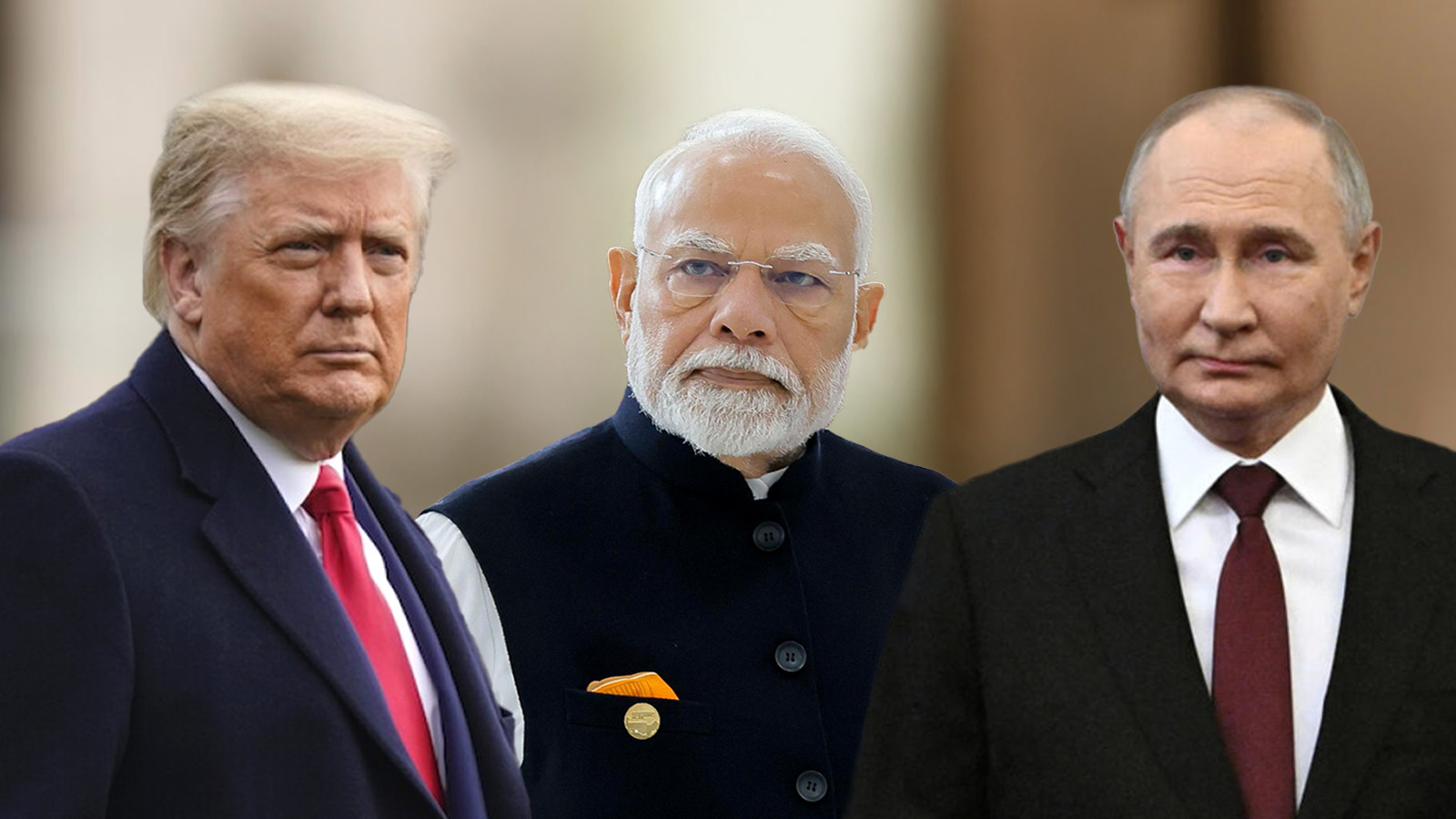
   By K Raveendran   The market seems to have already done its arithmetic on the new US sanctions on two major Russian oil companies, Rosneft PJSC and Lukoil, gauging the immediate and medium-term consequences for energy supply lines stretching from Moscow to Mumbai. In a matter of hours, crude prices spiked, reflecting not just […]

The article Latest Trump Sanction On Russian Oil Companies Gives Escape Route To India appeared first on Latest India news, analysis and reports on Newspack by India Press Agency).

HANOI, VIETNAM – Media OutReach Newswire – 24 October 2025 – 8Wonder Winter 2025 officially announces its full lineup, featuring global music icon Alicia Keys, “the songbird of America” with 17 prestigious GRAMMY Awards; K-pop’s new-generation phenomenon aespa; “the limitless voice” Dimash; and top Vietnamese artists Van Mai Huong, HIEUTHUHAI, and Maydays. With a grand scale, the “Symphony of Stars” concert, taking place on December 6 at […]

The kingdom is committing multibillion-dollar investments into artificial intelligence, high-tech manufacturing and gaming as it repositions its economy away from a flagship megacity project. Officials have indicated that the NEOM venture will receive a smaller share of funding as more capital flows into next-generation industries. The move reflects a pivot by policymakers toward technology-driven growth sectors. Top-level figures including the Public Investment Fund highlight that the ecosystem […]

Global oil prices climbed sharply following new sanctions targeting Russia’s major producers, underscoring how geopolitical risk is once again reshaping the energy sector. The United States moved to impose measures against Rosneft and Lukoil, companies that together account for roughly half of Russia’s oil production. The measures froze U. S. assets of the companies, barred American business dealings and threatened secondary penalties for third-party entities dealing with them.

The immediate market reaction was decisive. Brent crude rose by about 5.7 per cent after the announcement, while U. S. futures recorded their most significant one-day jump in over four months. Supply concerns and uncertainty around the disruption of Russian flows have added a new premium to oil prices. Some analysts describe this as the return of the “geopolitical risk premium” that had subsided earlier this year.

Key dynamics are emerging in the global energy landscape. One of them is the pressure on refineries in China and India that have heavily relied on Russian crude. With sanctions threatening secondary penalties, buyers are reconsidering their linkages. The ramifications extend beyond immediate flows: Russia’s ability to route crude via its so-called ‘shadow fleet’ of tankers and opaque trading chains may be challenged further, complicating its export capacity.

From the Russian side, President Vladimir Putin described the U. S. move as “unfriendly” and warned it could backfire by pushing up global oil costs. However, Moscow also signalled that production would continue, and previous sanctions have not immediately led to a collapse in output, suggesting resilience and adaptation persist in the Russian energy sector.

For the buyer nations, the calculus is shifting. Indian and Chinese refineries, which have depended on discounted Russian grades, now face the risk of being cut off from Western-dollar financing, insurance and shipping links if they flout U. S. rules. The potential loss of Russian supply at discount could create a scramble for alternative sources. Meanwhile, Russia may turn more aggressively towards friendly states or deepen barter trade, but such shifts would likely come with higher costs and logistical complexity. Analysts argue that the global spare capacity outside OPEC is already thin, so any reduction in Russian supply could tighten the market further.

In financial markets the impact is tangible. Energy stocks in Europe rose alongside oil prices, while Russian stock indices registered losses on the back of sanction pressure. Firms in the Asia-Pacific region with exposure to Russian crude may face heightened risk premiums or supply disruptions. The confluence of sanctions and market reactions underscores how inter-linked energy flows, geopolitics and financial exposure have become.

On the structural front, situation highlights the ongoing challenge of sanction enforcement. The U. S. Treasury and allied agencies are increasingly focusing not just on Russia’s producers but the broader ecosystem: shipping, insurance, finance. The effectiveness of these measures depends upon the willingness of non-U. S. players to comply and the ability of Russia to create work-arounds through alternative trade routes. The efficiency of existing infrastructure, the cost of shipping to farther markets, and the reliability of insurance all factor into how quickly Russian production or exports may come under strain.

Cape Town — South Africa’s agricultural exports to the United States rose sharply in the second quarter of 2025, hitting US$161 million and marking a 26 per cent year-on-year increase despite the imposition of heavy tariffs by the U. S. administration. The growth is attributed to strong harvests and increased shipments of high-value produce, but concerns linger over how sustainable the trend is given the trade headwinds. […]

The implied volatility of Bitcoin has remained unusually elevated even as the equity-market gauge of fear, the S&P 500 Volatility Index, has receded to its usual levels. Data show Bitcoin’s 30-day implied volatility hovering above 50 % after the October 10 market shake-up, while the VIX slipped back below 20 %. This divergence signals a significant recalibration of risk within crypto markets.

Analysts point to a cluster of structural pressures within the crypto ecosystem that are now being priced in: chief among them are auto-deleveraging mechanisms on exchanges, thinning liquidity depth, and offshore funding stress. According to Wintermute co-founder Yoann Turpin, “Bitcoin volatility was subdued earlier… It has now become clear that new risks … such as ADL were underestimated and are now being fully priced in.” In practice, when an exchange triggers ADL it forces closure of profitable offsetting positions when an insurance fund is depleted—this introduces an additional risk vector not present in the mainstream equity markets. The residual impact of a major liquidation event on October 10–11, estimated at over billion, has sharpened market caution.

Liquidity concerns are compounded by the behaviour of market-makers during the crash. According to a recent study, market makers withdrew roughly million from key order-books within hours of the triggering event, creating a vacuum in bid-ask depth and amplifying price moves. Participants say that while the VIX drop reflects a return of calm to equity markets after the shock, Bitcoin’s elevated IV suggests the market is in a higher-volatility regime rather than merely bouncing back. Liquidity in offshore markets, which heavily influences Bitcoin trading, appears particularly tight: for example, the Hong Kong Interbank Offered Rate has returned to pre-May levels even as the U. S. dollar index has risen, signalling funding stress that tends to feed into crypto volatility.

Another factor cited is the rapid growth of exchange-traded funds and over-the-counter desks absorbing Bitcoin supply, creating a supply-shock risk for derivatives and making hedging more expensive. A report warned of a potential “liquidity crisis” within six months for Bitcoin ETF structures unless infrastructure adapts. Meanwhile, the macro backdrop of easing interest-rates and previously abundant liquidity has given way to tighter conditions, which amplify volatility across leveraged assets.

Institutional interest in hedging Bitcoin risk has surged. Following the liquidation that knocked Bitcoin from about to roughly, investors rushed into options contracts that bet on further price drops—put-buying spiked as a hedge against renewed turbulence. Such demand for protection keeps implied volatility elevated even if spot prices settle. At the same time, the VIX’s retreat suggests equity investors believe the shock has passed; crypto markets apparently disagree.

The divergence is significant because implied volatility represents the market’s expectation of future price swings. A 50 % annualised IV for Bitcoin implies expected one-month moves of roughly; by contrast, a 20 % IV for the S&P 500 implies one-month moves of around. Such a gap underscores the unique risk environment in which crypto operates—where leverage, thin liquidity and exchange-specific infrastructure risk matter significantly. Academic research supports this: a recent study found Bitcoin’s risk-premia vary across volatility regimes, and that downside risk is significantly more priced in than with equities.

Market makers and trading desks are adapting. Some are widening spreads, reducing inventory and limiting exposure during volatile episodes—actions that in effect undermine liquidity further and contribute to the “sticky” implied volatility. One trader said that “no one slept” during the weekend of October 10–11, as the cascade of liquidations forced hedge funds and desks to scramble for cover amid evaporating depth.

The urban development landscape of the Emirate of Ras Al Khaimah is being reshaped as Marjan and RAK Hospitality Holding announced a landmark merger to form a unified entity under the Marjan brand, merging land-development and hospitality arms into one. Under the partnership, Marjan will consolidate real-estate development, hospitality operations and lifestyle offerings, effectively becoming one of the largest property developers in the United Arab Emirates. According […]

Oil prices shot up by around 3% Thursday, driven by fresh US sanctions on Russia’s top oil producers and signs that major buyers are rethinking their purchases. Brent crude futures rose to approximately $64.53 per barrel, while US West Texas Intermediate climbed to about $60.39.

The sanctions, targeting Rosneft and Lukoil, mark a marked escalation by the US in response to Russia’s war-time exports. The measures were accompanied by a US warning that further action could follow unless Moscow commits to a cease-fire.

A key knock-on effect: Indian refiners, including state-owned entities, have begun reviewing trade documents to ensure they are not sourcing crude directly from the sanctioned suppliers. With India having become one of the largest importers of discounted Russian oil following Western withdrawals, the scale of this review is significant.

The sanctions underscore a new risk premium in the oil market. Unlike previous rounds of sanctions—which largely constrained financing, insurance and shipping without substantially affecting physical oil flows—this move seeks to directly curtail output from Russia’s two largest producers. Rosneft and Lukoil collectively account for a large share of Russian crude exports and fuel the Kremlin’s budget.

Analysts caution, however, that while the immediate reaction has been sharp, structural supply disruption is not guaranteed. Russia retains significant production capacity and a sophisticated network of intermediaries and a “shadow fleet” of tankers that have helped maintain exports despite earlier sanctions. Nevertheless, the combination of curtailed Russian supply and potential reductions in purchases by major refiners sets the scene for tighter market conditions.

In India, refiners such as Indian Oil Corporation, Bharat Petroleum Corporation and Hindustan Petroleum Corporation are scrutinising bills of lading and cargo origins to ensure compliance. India imported roughly 1.7 million barrels per day of Russian crude in the first nine months of the year, predominantly via intermediaries rather than directly from Rosneft or Lukoil. The new sanctions give insurers, banks and traders until 21 November to wind down transactions involving the sanctioned firms.

The US move also dovetails with other sanctions developments: the EU approved a 19th package targeting Russia’s energy exports, including a ban on Russian liquefied natural gas imports and restrictions on shadow-fleet tankers. The combined effect is to intensify pressure on Russia’s energy supply chains.

From a market-demand vantage point, the worry is whether alternative sources can swiftly fill any gap. OPEC+ producers have some spare capacity but not enough to instantly offset a major Russian shortfall. Meanwhile, the US inventory situation added fuel to the rally: US crude stockpiles declined unexpectedly, reinforcing supply-tightness perceptions.

Energy-market specialists say the key factors to watch include India’s crude-import strategy, China’s stock-building trends and how aggressive Russia’s response will be—whether via production cuts or leveraging its ties with China and others. One observer noted the sanctions could be “a knee-jerk reaction” rather than a structural pivot, given Russia’s past ability to maintain volumes despite sanctions.

Purchasers of Russian crude face a growing compliance burden. Firms must navigate insurance exclusions, shifting shipping patterns and potential secondary sanctions from the US. Some refiners may opt to ramp up purchases from the US Gulf and other non-Russian sources, which could reorient trade flows and raise Atlantic-coast pricing.

VISHNU RAJA
RYO YAMADA
HITORI GOTOH
IKUYO KITA