News related to
prices

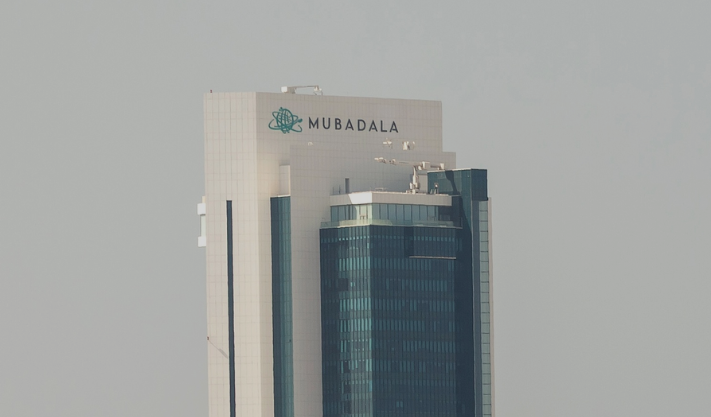
Abu Dhabi’s sovereign wealth fund Mubadala has taken the lead in global investment deals, outshining Saudi Arabia’s Public Investment Fund (PIF) with a remarkable $29 billion in recent transactions. The massive deals, which span various sectors from energy to technology, signal Mubadala’s growing influence in international markets and its strategic approach to diversifying assets. This shift also highlights the evolving power dynamics between the Gulf’s financial titans, with each country intensifying efforts to bolster its economic position amid fluctuating oil prices and geopolitical shifts.

Mubadala’s landmark investments come at a time when Saudi Arabia has aggressively expanded the reach of its PIF, particularly through high-profile acquisitions and a focus on sectors such as entertainment, tourism, and green energy. However, Mubadala’s swift maneuvers in the market have positioned it to not only compete with the PIF but potentially reshape the future of the investment landscape in the Middle East. The fund’s most notable deals include a series of investments in technology companies, as well as strategic moves in the renewable energy sector, aimed at securing long-term returns in an increasingly volatile global economy.

Experts suggest that Mubadala’s success is tied to its methodical approach to diversification. Unlike the PIF, which has been bold in pursuing large-scale, high-risk investments, Mubadala has focused on stabilizing its portfolio with balanced investments across a wide range of industries. This includes a heightened focus on cutting-edge industries such as artificial intelligence, clean energy, and biotechnology. As a result, Mubadala has emerged as a significant player in these high-growth areas, while also maintaining a strong foothold in more traditional sectors like real estate and infrastructure.

The timing of Mubadala’s recent success also speaks volumes about its ability to adapt to changing market conditions. Amid rising inflation and shifting investor sentiments, the fund has strategically pivoted towards companies with promising growth prospects, even as market conditions become more unpredictable. The diversification strategy has not only paid off but has also placed Mubadala in a position to capitalize on opportunities in the rapidly changing global economy.

Saudi Arabia, meanwhile, is determined to maintain the prominence of the PIF as the engine driving the kingdom’s economic transformation under its Vision 2030 plan. The PIF has ramped up its investments in global companies, most notably in the entertainment and sports sectors, including stakes in firms like Lucid Motors and endeavors such as the development of the $500 billion smart city, Neom. But despite the PIF’s ambitious projects and high-profile investments, critics argue that its heavy reliance on the oil sector makes it vulnerable to market fluctuations, a concern that Mubadala’s diversified approach may be better positioned to mitigate.

Saudi officials have defended the PIF’s strategy, stating that it plays a critical role in advancing the country’s non-oil economy. The PIF’s investments, particularly in the entertainment and sports sectors, are expected to bring long-term returns and aid in the creation of new jobs, especially for Saudi youth. Yet, this aggressive pursuit of diversification has raised questions about the risk of spreading its resources too thin. Mubadala, on the other hand, has positioned itself to weather global downturns by maintaining a more balanced portfolio, one that includes significant investments in both emerging technologies and established industries.

SYDNEY, AUSTRALIA – Media OutReach Newswire – 1 January 2025 – With the rapid development of the Web3 ecosystem, 2024 undoubtedly marks a pivotal moment in the blockchain industry. This year, Memecoins have transformed from speculative assets into a mainstream cultural phenomenon, becoming a key driver of widespread consensus and wealth transfer. As new issuance models and evolving asset types continue to emerge, the substantial investment opportunities […]

Cryptocurrencies continue to revolutionize the financial world, with stablecoins standing at the forefront of this evolution. The $205 billion market for stablecoins is now approaching a level of mainstream integration that could redefine how digital assets are utilized in daily transactions and financial services.

Stablecoins, digital currencies pegged to assets like the U.S. dollar or gold, have gained significant traction over the past few years, driven by their stability compared to volatile cryptocurrencies like Bitcoin or Ethereum. Unlike their counterparts, stablecoins aim to maintain a fixed value, making them more attractive to investors and consumers looking for reliability in the crypto space. The potential for mainstream adoption lies not just in their price stability but in their growing use cases across sectors ranging from decentralized finance (DeFi) to remittances and even digital identity verification.

Tether (USDT), USD Coin (USDC), and Binance USD (BUSD) dominate the stablecoin market, each playing a crucial role in driving the sector’s growth. As the overall cryptocurrency market reaches new milestones, these stablecoins continue to provide the foundation for many of the transactions and liquidity movements that are essential to the ecosystem’s functionality. In fact, stablecoins now account for over 10% of the entire cryptocurrency market capitalization, a trend that is only expected to grow as more institutional players enter the space.

The increasing use of stablecoins has caught the attention of both regulators and traditional financial institutions. Governments around the world are exploring ways to regulate stablecoins, driven by concerns over financial stability, anti-money laundering (AML), and countering the financing of terrorism (CFT). Despite this, the rise of stablecoins is seen as inevitable by many experts, as they offer an alternative to traditional fiat currencies, especially in regions with unstable economies or where access to banking services is limited.

One of the most compelling arguments for the mainstream integration of stablecoins is their utility in cross-border payments. Traditional remittance channels often carry hefty fees and take several days to process. Stablecoins offer a faster, cheaper, and more transparent alternative, allowing users to transfer funds across borders in real time at a fraction of the cost. This has made them particularly popular in emerging markets, where they have the potential to provide financial inclusion to the unbanked and underbanked populations.

Beyond payments, stablecoins have also become integral to decentralized finance (DeFi), a sector that has exploded in popularity over the past few years. DeFi platforms offer a wide range of financial services, such as lending, borrowing, and trading, without the need for intermediaries like banks or brokers. Stablecoins are often used as collateral for these services, providing a level of security for both borrowers and lenders. The appeal of DeFi is growing rapidly as more individuals look for alternatives to traditional financial systems, and stablecoins have proven to be a critical part of this shift.

Stablecoins are increasingly being explored as a solution to the volatility of cryptocurrencies in the world of digital assets. While the prices of Bitcoin, Ethereum, and other cryptocurrencies can fluctuate wildly, stablecoins provide a more predictable store of value. This makes them an attractive option for investors who are seeking to hedge against the market’s ups and downs, as well as for businesses looking for stability in their crypto transactions. The ability to maintain a stable value also positions stablecoins as a potential bridge between traditional finance and the cryptocurrency world.

Financial giants like JPMorgan and BlackRock are also positioning themselves to leverage stablecoins and blockchain technology to streamline their operations. JPMorgan’s recent experimentation with blockchain-based stablecoins in its payment systems is a testament to the growing mainstream interest in this sector. Similarly, BlackRock, the world’s largest asset manager, has expressed interest in stablecoin-backed investment products. These high-profile endorsements signal that stablecoins are not just a niche technology but could soon become a core component of global financial infrastructure.

The rise of central bank digital currencies (CBDCs) is expected to further accelerate the adoption of stablecoins. While CBDCs are government-backed digital currencies that function similarly to stablecoins, they could eventually coexist alongside private sector stablecoins, creating a hybrid ecosystem. Central banks are actively researching and piloting CBDCs, and the success of stablecoins in the private sector may provide a blueprint for the development of these digital currencies.

Despite the optimism surrounding stablecoins, several challenges remain. Regulatory uncertainty is one of the biggest hurdles facing the market. While stablecoins are seen as a way to democratize finance, they are also under scrutiny from regulators who worry about the potential for systemic risk. There is growing pressure for stablecoins to comply with traditional banking regulations, including Know Your Customer (KYC) and Anti-Money Laundering (AML) standards. This could result in more stringent requirements for stablecoin issuers, potentially stifling innovation in the space.

Concerns over the transparency and security of stablecoin reserves have been raised. In 2022, Tether, the largest stablecoin issuer, came under fire for allegedly misrepresenting the composition of its reserves, which raised questions about the stability of the entire market. Although Tether and other issuers have taken steps to improve transparency, the issue of trust remains a critical challenge for the long-term viability of stablecoins.

Another concern is the environmental impact of stablecoins, particularly those that rely on energy-intensive blockchain networks. While many stablecoins are built on the Ethereum network, which has faced criticism for its high energy consumption, newer stablecoin projects are increasingly turning to more energy-efficient blockchains like Solana and Avalanche.

HONG KONG SAR – Media OutReach Newswire – 30 December 2024 – In September 2024, the Federal Reserve initiated a rate-cutting cycle, lowering rates three times over the year by a total of 100 basis points to a range of 4.25%-4.5%. While this trajectory appears stable on the surface, the VT Markets research team highlights that factors like inflation rebounds, new government policies, and optimistic economic forecasts […]

Bitcoin, the pioneering cryptocurrency, has experienced a remarkable ascent over the past decade, culminating in unprecedented valuations. As of December 31, 2024, Bitcoin’s price reached approximately $94,805, marking a significant milestone in its volatile journey.

In 2014, Bitcoin was valued at $317.38, reflecting its nascent stage and limited mainstream acceptance. The subsequent years saw a gradual increase, with prices rising to $431.14 in 2015 and $966.57 in 2016. The year 2017 marked a pivotal moment, as Bitcoin’s value surged to $14,839, driven by heightened media attention and a surge of retail investors entering the market.

However, 2018 brought a significant correction, with prices plummeting to $3,668, underscoring the cryptocurrency’s inherent volatility. The market rebounded in 2019, with Bitcoin climbing to $7,175, and this upward trajectory continued into 2020, closing at $28,971. The bullish trend persisted in 2021, with Bitcoin reaching $45,987, fueled by increased institutional adoption and growing recognition as a digital asset.

The year 2022 witnessed a downturn, with prices declining to $16,581, reflecting broader market uncertainties and regulatory concerns. Nonetheless, Bitcoin demonstrated resilience, rebounding to $42,625 in 2023. The culmination of this decade-long journey is evident in 2024, with Bitcoin attaining a record high of approximately $94,805, representing a substantial appreciation from its early valuations.

Several factors have contributed to Bitcoin’s meteoric rise. The increasing acceptance of cryptocurrencies by institutional investors has played a pivotal role. The introduction of Bitcoin exchange-traded funds (ETFs) has provided traditional investors with more accessible avenues to gain exposure to the cryptocurrency market, thereby driving demand.

Macroeconomic factors have influenced Bitcoin’s valuation. Concerns over inflation and currency devaluation have led investors to seek alternative stores of value, with Bitcoin emerging as a digital counterpart to gold. This perception has been bolstered by its decentralized nature and limited supply, appealing to those wary of traditional financial systems.

Technological advancements within the cryptocurrency ecosystem have also played a significant role. The development of second-layer solutions, such as the Lightning Network, has addressed scalability issues, enhancing transaction speeds and reducing costs. These improvements have increased Bitcoin’s utility as a medium of exchange, further solidifying its position in the financial landscape.

However, Bitcoin’s journey has not been without challenges. Regulatory scrutiny remains a persistent concern, with governments worldwide grappling with the implications of decentralized digital currencies. Market volatility continues to be a defining characteristic, with significant price fluctuations occurring over short periods. Security issues, including exchange hacks and fraud, have also posed risks to investors.

Despite these challenges, the overall trajectory of Bitcoin over the past decade underscores its growing significance in the global financial system. The cryptocurrency’s ability to recover from downturns and achieve new heights reflects a maturation of the market and increasing confidence among investors.

These days, laptops are such a part of our lives. It has indeed helped in giving us the lead to keep connected, productive and entertained as well. Amongst best-selling reliable and versatile laptops available in the market is HP, which is marked with performance and durability. Despite always having a price tagged when it comes to buying a brand-new HP laptop. This is where refurbished HP laptops […]

Dubai is set to unveil an innovative rental index that will track real-time transaction data, providing a more accurate picture of the city’s evolving rental market. This move aims to address growing concerns over fluctuating rents and offer greater transparency to both tenants and landlords. The index will rely on actual rental contracts, rather than estimates or surveys, to better reflect the dynamics of the market.

The introduction of this new system is expected to have a significant impact on the real estate sector, which has seen sharp price increases over the past few years. With its dynamic nature, the rental index will allow for more responsive adjustments, providing both market participants and policymakers with up-to-date insights. Industry professionals are hopeful that it will encourage fairer rental practices and more informed decision-making.

Real-time data will be collected from a variety of sources, including government agencies, property developers, and real estate companies, ensuring a comprehensive overview of the market. By incorporating transactional data, the rental index aims to offer an unparalleled level of precision compared to traditional methods of tracking rent prices.

The move comes as Dubai’s rental market continues to face pressure, with demand outstripping supply in several key areas. Properties in central locations, such as Downtown Dubai and Dubai Marina, have seen some of the steepest increases in rent, driven by a combination of population growth, returning expats, and a thriving tourism sector. At the same time, other areas of the city, such as Dubai Silicon Oasis and International City, have witnessed more modest increases, reflecting broader trends in the real estate market.

This initiative is also part of Dubai’s broader efforts to modernize its infrastructure and become more data-driven in its approach to urban planning. The rental index will complement existing digital initiatives, such as the Dubai Land Department’s e-services platform, which allows residents and property owners to complete transactions and obtain relevant permits online. By harnessing the power of big data, the government aims to improve urban management and streamline processes, enhancing both the quality of life for residents and the efficiency of business operations.

Experts argue that the real-time rental index could play a key role in mitigating rent volatility, particularly in times of economic uncertainty. With inflationary pressures affecting global markets and economic conditions fluctuating, many Dubai residents have been grappling with rising living costs, especially in the rental sector. The rental index will provide more consistent benchmarks for pricing, allowing tenants to better plan their finances and giving landlords a clearer understanding of the competitive landscape.

The data-driven approach to tracking rents also has the potential to reduce speculation in the market. Real-time transactional data will help establish more accurate baseline rents and avoid inflated pricing based on outliers or overly optimistic projections. For tenants, this means less uncertainty in terms of potential price hikes and a clearer path to securing affordable housing options. For landlords, it provides a tool to gauge the market and adjust rental prices in line with demand, ensuring competitiveness without overpricing.

The rental index is not expected to be a one-size-fits-all solution but rather a resource for stakeholders to use in conjunction with other market data. The government’s focus on transparency will be key, as it will encourage both landlords and tenants to align their expectations with more factual, data-driven insights. The index will also be instrumental in creating a fairer environment for the growing number of new residents who have recently moved to Dubai.

With more transparency in rental data, potential investors from abroad may be more inclined to enter the Dubai real estate market. Clearer information on rental trends, backed by verified data, will offer them the confidence they need to make informed investment decisions. The introduction of such an index highlights Dubai’s ongoing commitment to evolving as a global hub for business and innovation.

As Dubai’s rental market continues to evolve, the success of the new index will depend on the accuracy and comprehensiveness of the data it tracks. Real-time data will need to be consistently updated to ensure that the index reflects the latest trends and developments. Furthermore, its effectiveness will also depend on how well it is integrated into broader real estate and urban planning strategies, including new housing policies and initiatives aimed at boosting supply in high-demand areas.

The rental index is expected to have wider implications for how housing is regulated and managed in Dubai. By prioritizing data over assumptions, the city is taking a bold step toward more equitable and efficient real estate practices. The index will provide both tenants and landlords with a reliable framework for navigating the rental market, creating a more balanced environment for all involved.

Advertisements
By K Raveendran The year 2024 marked a historic period for gold, perhaps fit to be called the ‘Year of Gold’ due to the yellow metal’s remarkable performance across various metrics. Total demand for God surpassed an unprecedented US $100 billion, underpinned by robust investment activity and a supportive macroeconomic backdrop. This astounding demand surge […]

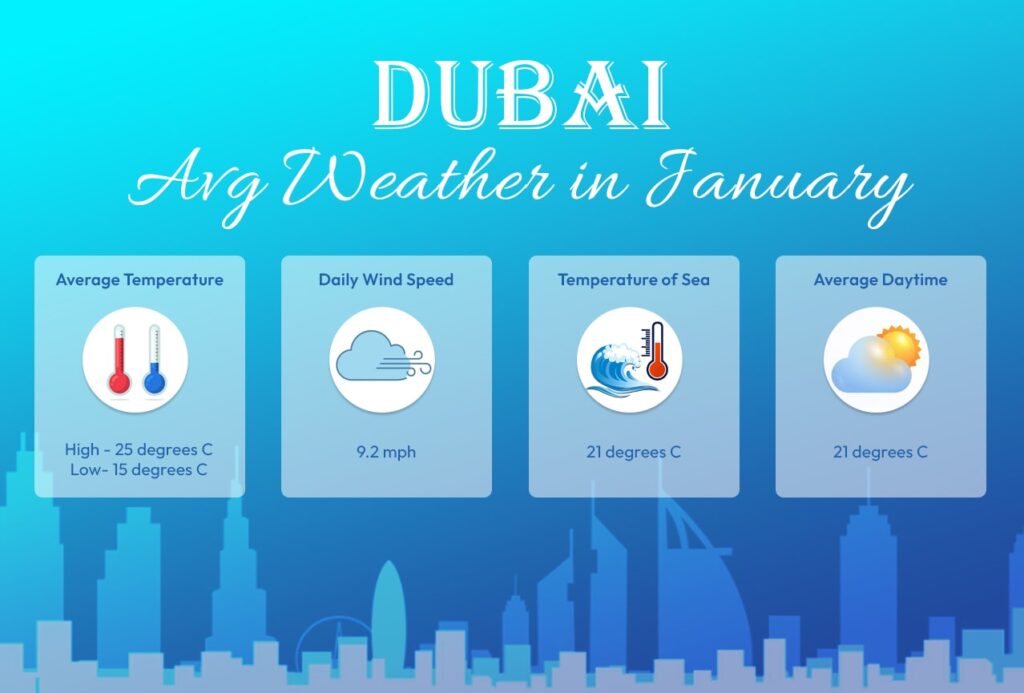
The Dubai Land Department (DLD) has announced the introduction of a ‘Smart Rental Index’ set to launch in January 2025, aiming to enhance transparency and trust within the emirate’s real estate sector. This initiative is designed to provide accurate, up-to-date rental data, benefiting landlords, tenants, and investors alike.

The Smart Rental Index will serve as a benchmark for assessing and calculating rents for new leases and renewals across Dubai. By utilizing advanced technologies, the index seeks to streamline rental valuations, ensuring they reflect current market conditions. This move is expected to foster confidence among all parties involved in rental transactions.

Dubai’s rental market has experienced significant growth over the past four years, driven by an influx of new residents and investors. The city’s population increased by over 100,000 this year, contributing to heightened demand for housing. In the third quarter of 2024, approximately 9,157 residential units were delivered, bringing the total for the year to 22,900 units, encompassing both apartments and villas.

According to real estate consultancy Cushman & Wakefield, city-wide rents rose by 18% year-on-year in the third quarter of 2024, marking the 15th consecutive quarter of significant growth. Apartment rents saw a sharper increase of 19% over the same period, while villa rents experienced a 13% rise, indicating a trend toward stabilization in the villa segment as prices approach affordability thresholds.

The DLD’s implementation of the Smart Rental Index aligns with its broader strategic plan to position Dubai as one of the world’s leading real estate markets through effective governance and innovation. By integrating cutting-edge technologies with accumulated real estate expertise, the DLD aims to meet the evolving needs of the market and its stakeholders.

In March 2024, the DLD updated the rental index to align rates with prevailing market conditions. The forthcoming Smart Rental Index represents a further evolution, offering a more dynamic and responsive tool for rental valuations. This initiative is anticipated to play a critical role in resolving disputes between tenants and landlords by providing a transparent reference point for fair rental assessments.

The introduction of the Smart Rental Index follows similar initiatives in the region. In August 2024, the Abu Dhabi Real Estate Centre launched the first residential Rental Index for the capital, aiming to increase transparency and support market stability. Dubai’s adoption of a smart index underscores the emirate’s commitment to leveraging technology to enhance market operations and stakeholder confidence.

By Anjan Roy Thirty-three years are half a lifetime. Thirty-three years ago, Dr Manmohan Singh stepped into a high-profile limelight, well after his formal retirement from a senior government job. When he died last Friday at the age of 92, he was considered India’s greatest finance minister and the architect of India’s modern economy. There […]

Matein Khalid I am still puzzled by the frenzied selling in the bond market after the FOMC cut its dot-plot projections from 4 to 2 for 2025 at its Dec 18 conclave. Why? Mr. Market had already priced in two rate cuts in 2025 after he was spooked by the uptick in core PCE/CPI data. Inflation risk in Trumpnomics is exaggerated but with the President elect now […]

Geopolitical tensions in the Middle East are intensifying, raising alarms about the stability of global oil supplies. Recent Israeli airstrikes targeting Yemen’s Houthi rebels have exacerbated fears of disruptions in the region’s critical oil flow. These developments have led to a surge in oil prices, with Brent crude reaching $75.98 per barrel and U.S. West Texas Intermediate climbing to $72.30.

The Middle East remains a pivotal hub for global oil production and exportation. Conflicts involving key players such as Israel, Iran, and Yemen have historically had significant implications for oil markets. The latest Israeli military actions against Houthi positions in Yemen have intensified concerns about the security of oil shipments through the Red Sea, a vital artery for global energy supplies.

Market analysts are closely monitoring these geopolitical developments. Bart Melek, a market strategist, emphasized the potential risks to oil shipments, noting that any escalation could lead to substantial disruptions in supply chains. Such disruptions can have cascading effects on global markets, influencing everything from fuel prices to broader economic indicators.

In response to the potential shortfall in oil supplies, particularly from Russia, Indian state refiners are exploring alternative sources. Companies like Indian Oil Corp, Bharat Petroleum Corp, and Hindustan Petroleum are considering purchasing spot crude from Middle Eastern suppliers to compensate for the deficit. This strategic move underscores the interconnectedness of global oil markets and how regional conflicts can prompt shifts in trade patterns.

The geopolitical landscape’s volatility has also prompted energy consultancies to reassess risk assessments. Rapidan Energy Group, for instance, has highlighted the increasing concerns that fresh tensions in the Middle East threaten to curtail vital energy resources. Such analyses are crucial for stakeholders aiming to navigate the complexities of the current energy market.

BANGKOK, THAILAND – Media OutReach Newswire – 27 December 2024 – PTT Oil and Retail Business Public Company Limited (OR) is driving international growth and sustainable innovation, leveraging its diverse portfolio to navigate volatile global markets. Amid geopolitical uncertainties and fluctuating oil prices, OR has posted robust financial results and unveiled a strategic roadmap aimed at transforming its business for a sustainable and inclusive future. For the […]

HANOI, VIETNAM – Media OutReach Newswire – 27 December 2024 – Driven by the vision of widespread electrification, VinFast is dedicated to making electric vehicles accessible to everyone. To achieve this, the company is actively building a robust green ecosystem across Asia while simultaneously enhancing its sustainable manufacturing processes to meet the surging and undeniable demand for electric mobility. Asia’s booming industries and growing population have made […]

The much-anticipated release of Netflix’s “Squid Game” Season 2 on December 26, 2024, has coincided with a notable decline in the stock prices of several South Korean companies linked to the series. Investors had high expectations for the new season, hoping it would replicate the unprecedented success of its predecessor. However, early reviews suggest that while the season offers compelling thrills, it may not fully meet the lofty anticipations set by the original.

On December 27, the Korea Composite Stock Price Index (KOSPI) experienced a downturn, with entertainment and media companies bearing the brunt. Notably, shares of Studio Dragon, a prominent South Korean production company, fell by 3.5%, closing at 82,000 KRW. Similarly, CJ ENM, a major entertainment conglomerate, saw its stock decline by 2.8% to 115,000 KRW. These movements reflect investor sentiment influenced by the mixed critical reception of “Squid Game” Season 2.

The new season continues the narrative of protagonist Seong Gi-hun, portrayed by Lee Jung-jae, as he re-enters the deadly competition with the aim of dismantling it from within. Critics have noted that while the season introduces intense new challenges and delves deeper into character backgrounds, it serves more as a bridge to the anticipated third season rather than delivering a standalone arc. This perception may have tempered investor enthusiasm, impacting related stock performances.

Despite the stock market reaction, “Squid Game” remains a significant cultural phenomenon, with the new season attracting substantial global viewership. Netflix’s stock (NFLX) showed resilience, with only a marginal decline of 0.85%, closing at $924.14 on December 26. This suggests that while regional partners may experience volatility, the streaming giant continues to maintain investor confidence.

Industry analysts advise monitoring the performance of South Korean entertainment stocks in the coming weeks, as audience reception and viewership metrics for “Squid Game” Season 2 become more apparent. The series’ impact on the global entertainment landscape underscores the interconnectedness of media productions and financial markets, highlighting the importance of critical reception in influencing investor behavior.

As the season unfolds, its reception will likely play a pivotal role in shaping the financial trajectories of associated companies. Investors and stakeholders should remain attentive to audience feedback and critical analyses to gauge the long-term implications of the series’ performance on the South Korean entertainment industry.

HANOI, VIETNAM – Media OutReach Newswire – 26 December 2024 – While the EV industry is entering a period of sustainable but somewhat slower growth, VinFast’s long-term commitment to pure electric vehicles and the support of its parent company, Vingroup, give it a unique advantage. With a long-term vision for green mobility, VinFast has leveraged the industry slowdown to strategically expand its presence and build strong growth […]

KUALA LUMPUR, MALAYSIA – Media OutReach Newswire – 25 December 2024 – As the year draws to a close, traders are turning their attention to the Santa Claus rally, a period known for delivering consistent market gains. Kar Yong Ang, a financial market analyst at Octa Broker, explores the rally’s history, key factors, and strategies that enable traders to capitalise on this annual phenomenon. Understanding the Santa […]

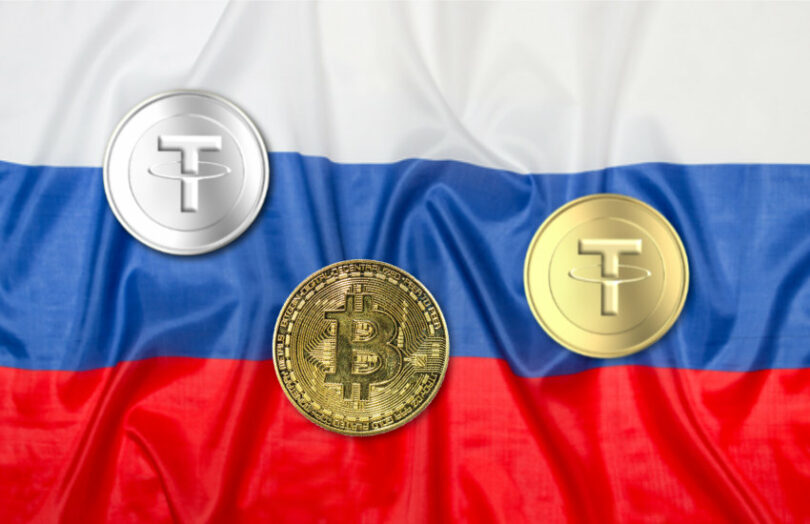
Russia has decided to suspend cryptocurrency mining operations in 10 regions, including Dagestan, Chechnya, and the Kherson regions, starting January 1, 2025. This ban will remain in effect until 2031. The move is part of the government’s broader strategy to address energy consumption issues across the country, particularly during peak usage times. Furthermore, new restrictions on mining will also be imposed in areas like Irkutsk, Buryatia, and the Trans-Baikal Territory during high energy demand periods.

This decision comes as part of a concerted effort by the Russian authorities to reduce energy consumption and manage national power grids more effectively. The increase in energy use from mining activities has been a concern for years, with crypto mining operations consuming significant amounts of electricity in some regions. By imposing the ban, the government aims to ensure that the national grid can accommodate the growing demand for energy, especially during the winter months when heating needs are at their peak.

In some areas, the restrictions will specifically target high-demand periods, such as evenings or cold spells, when power consumption spikes. The Irkutsk region, Buryatia, and Trans-Baikal Territory, which have historically been major hubs for cryptocurrency mining due to their relatively low electricity prices, will see these localized restrictions as part of an ongoing effort to stabilize the energy supply.

The ban also underscores the growing tension between the Russian government and the cryptocurrency industry. While Russia has been one of the world’s largest markets for crypto mining, it has also faced increasing criticism from environmental groups due to the high energy consumption required for mining operations. This new measure is likely to spark further debates about the environmental impact of cryptocurrencies, particularly Bitcoin, which is notorious for its energy-intensive mining process.

The Russian government has made no secret of its desire to regulate the cryptocurrency sector more strictly. A range of legislative actions, including stricter anti-money laundering measures and limitations on the use of crypto for payments, have been introduced in the past few years. By implementing these mining restrictions, the government is taking another step toward curbing the influence of the industry while reinforcing its control over the economy.

The decision to impose the mining ban for such an extended period is a significant development. It is expected to have a lasting impact on the mining sector in the country, especially in areas where cryptocurrency operations have become a substantial part of the local economy. Dagestan and Chechnya, for example, have seen a rise in mining activities due to the availability of cheap electricity. The halt in these regions could lead to significant economic disruptions for miners who rely on these locations for their operations.

Local authorities in the affected regions have expressed mixed reactions to the government’s plan. Some local leaders have welcomed the move, citing concerns about energy shortages and environmental degradation. Others, particularly those with financial interests in the mining industry, have voiced their opposition, arguing that the ban could result in job losses and economic hardship for those dependent on mining operations.

The Russian authorities have yet to provide specific details about enforcement mechanisms or the penalties for violating the ban. However, it is clear that the government intends to take a firm stance on this issue. Given the scale of the crypto mining operations in Russia, the impact of these restrictions is expected to be far-reaching, affecting thousands of miners and businesses involved in the industry.

The Russian crypto mining landscape has been shifting in recent years. As global regulatory pressures on cryptocurrencies have increased, many miners have moved operations to more crypto-friendly jurisdictions. In response, Russian authorities have taken steps to discourage mining activities within the country, seeking to ensure that the nation does not become a haven for unregulated crypto operations. The latest move to ban mining in key regions is part of a broader strategy to curb the growth of the industry, align with international regulatory trends, and preserve national energy resources.

While the ban will significantly impact mining operations in the affected regions, it is unclear whether it will lead to a broader shift in Russia’s stance on cryptocurrency regulation. Crypto miners are likely to explore alternative locations within Russia or abroad, where regulations may be less restrictive. This could result in a shift in global mining patterns, with other countries becoming more attractive destinations for mining operations.

At the same time, the Russian government’s actions could accelerate the development of other sectors related to blockchain and cryptocurrency technologies. These include blockchain-based financial services, which the government has shown an interest in fostering. However, the suspension of mining activities in key regions could undermine the overall growth of the industry within Russia.

Oil prices experienced a modest increase on Monday, buoyed by lower-than-expected U.S. inflation data that has rekindled hopes for potential policy easing. However, the market remains cautious due to projections of a supply surplus in the coming year.

Brent crude futures rose by 36 cents, or 0.5%, reaching $73.30 per barrel. Similarly, U.S. West Texas Intermediate (WTI) crude futures climbed 39 cents, or 0.6%, to $69.85 per barrel. This uptick follows a period where both benchmarks had seen declines exceeding 2% in the previous week, influenced by signals from the U.S. Federal Reserve indicating a more measured approach to policy easing.

Analysts interpret the subdued inflation figures as a potential catalyst for the Federal Reserve to consider easing monetary policies, which could stimulate economic growth and, by extension, increase energy demand. Tony Sycamore, an analyst at IG Markets, noted that the cooling inflation data has alleviated concerns following the Federal Reserve’s recent hawkish stance on rate cuts.

Despite these positive indicators, the oil market is contending with forecasts of a supply surplus in 2025. J.P. Morgan analysts project that supply will outpace demand by approximately 1.2 million barrels per day next year, exerting downward pressure on prices. This anticipated surplus is compounded by expectations of peaking oil consumption in major markets.

In China, the world’s largest crude importer, state-owned refiner Sinopec forecasts that the nation’s oil consumption will peak by 2027, driven by declining demand for diesel and gasoline. This projection adds to concerns about future demand in a market already wary of oversupply.

The strength of the U.S. dollar is another factor influencing oil prices. A robust dollar makes oil more expensive for holders of other currencies, potentially dampening demand. The dollar’s recent ascent to a two-year high has added pressure to commodity prices, including oil.

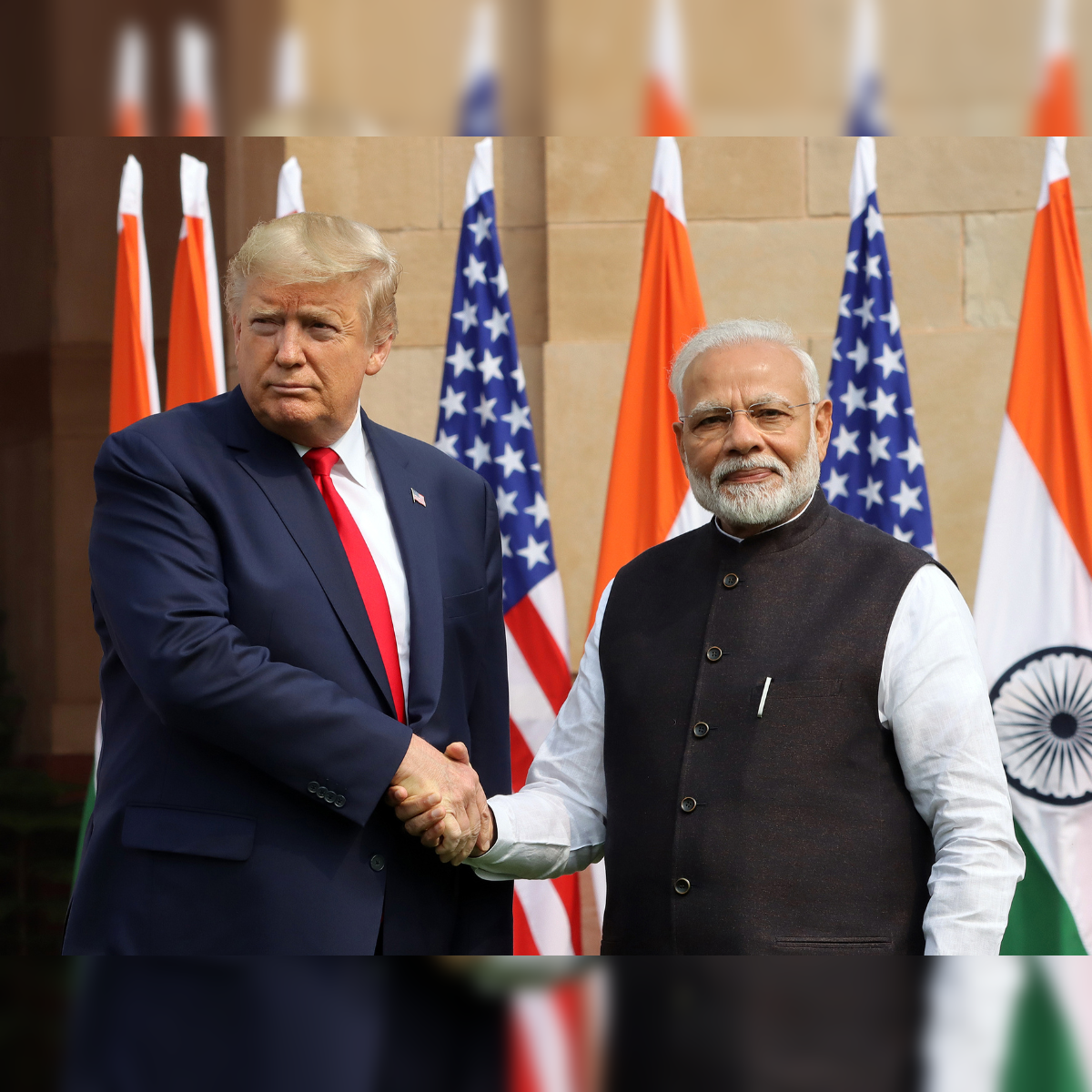
By K Raveendran While Prime Minister Narendra Modi’s ‘friend’, the US President-elect Donald J Trump, is set to move into White House, once again, it need not be particularly beneficial for India. If anything, Trump can be said to be “anti-India” even while remaining “pro-Modi”. The camaraderie contrasts starkly with the president-elect’s anti-India economic stance, […]

The all-weather indoor sportainment complex, JOYPOLIS SPORTS HONG KONG, grandly opens today. With five stories and nearly 30,000 square feet, it features dozens of sports entertainment activities. With the mission of “Sports for All Generations,” it combines sports and entertainment under the concept of Sportainment. The first SEGA-licensed SONIC Stadium and the top-floor themed restaurant “Hungry Tiger, Hidden Dragon” are also unveiled simultaneously. Mr Shuji Utsumi, SEGA […]

The Gulf Cooperation Council (GCC) debt capital market has reached a significant milestone, with outstanding debt surpassing $1 trillion by the end of November 2024. This achievement marks an 11% year-on-year growth, with approximately 40% of the total debt comprising sukuk, or Islamic bonds. Saudi Arabia leads the region’s debt capital market, followed by the United Arab Emirates and Qatar. In September, Fitch projected that Saudi Arabia’s […]

Oil prices have declined, with Brent crude futures dropping 41 cents to $72.47 per barrel, and U.S. West Texas Intermediate crude futures falling 39 cents to $68.99 per barrel. China’s oil demand is projected to peak by 2027, with fuel consumption slowing. The U.S. dollar has reached its highest value since November 22, making commodities more expensive for holders of other currencies. OPEC+ has reduced its 2024 […]

The Gulf economies are expected to continue their upward trajectory despite ongoing geopolitical tensions across the Middle East, according to the latest report from the International Monetary Fund (IMF). The region’s resilience, the IMF suggests, is driven by its diversified economic base, robust fiscal policies, and higher oil prices, which have counterbalanced the adverse effects of regional instability.

While the Middle East remains a hotspot for geopolitical risks, including tensions in Yemen, Syria, and Iran, the Gulf Cooperation Council (GCC) states—namely Saudi Arabia, the UAE, Qatar, Kuwait, Bahrain, and Oman—are poised for solid growth. The IMF’s economic outlook for the Gulf for the upcoming year signals a stable trajectory, with growth projections ranging from 3.2% to 3.5% for most of the member states. This comes on the back of strong economic fundamentals and the region’s strategic efforts to diversify away from oil dependency.

According to the IMF, the GCC’s fiscal prudence and economic diversification initiatives are vital drivers of the positive outlook. Non-oil sectors such as finance, real estate, tourism, and technology have become key contributors to economic growth. Saudi Arabia, for instance, has ramped up its Vision 2030 reform plan, focusing on broadening its economic base and reducing the country’s dependency on hydrocarbons. These efforts have led to an uptick in foreign direct investment and economic activity outside of oil.

The region’s handling of fiscal policies has played a crucial role in shielding it from the negative impacts of external shocks. Governments in the Gulf have generally maintained sound fiscal policies, with substantial fiscal surpluses bolstering state coffers, even as global oil prices fluctuate. For instance, Saudi Arabia and the UAE have used their oil revenues to fund ambitious infrastructure and diversification projects that promote long-term stability.

Saudi Arabia’s economic transformation efforts, notably under the leadership of Crown Prince Mohammed bin Salman, are already yielding results. The kingdom’s GDP has experienced robust growth, especially in non-oil sectors such as entertainment, sports, and tourism. Major projects like Neom, the futuristic city being developed in the northwest, and the Red Sea Project are expected to generate significant economic activity in the coming years. These initiatives reflect a long-term vision to create new economic hubs and reduce reliance on oil.

The UAE, another key player in the Gulf, has also shown a remarkable shift towards diversifying its economy. Dubai’s push to become a global center for technology and finance is starting to pay off, with the city positioning itself as a regional leader in both fintech and blockchain. Abu Dhabi’s focus on renewable energy and clean technologies is further strengthening the UAE’s long-term economic resilience. With such initiatives, the UAE is set to continue its strong performance, with growth forecasts suggesting the economy will expand by 4% over the next year.

Qatar has similarly proven its economic resilience. The country’s investment in liquefied natural gas (LNG) projects has enhanced its export capabilities, enabling it to weather external market fluctuations. Qatar has also shifted its focus to developing a more diverse economy, emphasizing finance, sports, and education, particularly through initiatives like the Qatar National Vision 2030.

The IMF also highlighted that Kuwait and Oman are expected to experience moderate growth, driven by their diversified economies and investments in non-oil sectors, including infrastructure and services. Although Oman has faced fiscal challenges in the past, its recent economic reforms and strategic investments are expected to yield positive results in the coming years. Similarly, Kuwait’s substantial sovereign wealth fund continues to provide a financial cushion, enabling the country to continue its development plans despite challenges.

Despite the ongoing tensions in neighboring countries, the Gulf states have managed to maintain political stability, a crucial element in sustaining investor confidence. The UAE’s role as a neutral hub for international trade, coupled with Qatar’s robust diplomatic efforts, has further insulated the region from potential instability. While conflicts in Yemen, Syria, and Iraq present challenges, the Gulf countries have largely shielded their economies from these disturbances through strong governance and military spending.

The Gulf’s active participation in global energy markets continues to provide it with a cushion against external shocks. Oil remains a crucial driver of revenue, but the higher global oil prices in the past year have supported economic resilience. Saudi Arabia and the UAE have also taken steps to ensure that their energy resources are used sustainably, with the UAE focusing on clean energy initiatives and Saudi Arabia looking to become a leader in green hydrogen production.

The region’s financial markets have also performed admirably in the face of geopolitical risk. Stock exchanges across the Gulf have been showing positive growth, with investors confident in the long-term prospects of the region. The UAE, in particular, has seen a surge in its financial markets, fueled by investor confidence in its economic diversification plans. Furthermore, the region’s strong banking sectors and their adaptation to digital banking and fintech have made them more attractive to foreign investors.

On the global stage, the Gulf has increasingly become a key partner in trade and investment. Its strategic location, at the crossroads of Europe, Asia, and Africa, continues to make it a central hub for international trade. In addition, initiatives such as the GCC’s Free Trade Agreement and the bloc’s involvement in the World Trade Organization (WTO) strengthen its position as a trade powerhouse.

VISHNU RAJA
RYO YAMADA
HITORI GOTOH
IKUYO KITA