News related to
prices

Saudi Arabia is positioning itself at the forefront of green hydrogen production, with its Public Investment Fund (PIF) leading a $10 billion push into the sector. As part of Vision 2030, the Kingdom is leveraging its renewable energy resources—chiefly solar and wind power—to establish itself as a major global player in the emerging hydrogen market. The Kingdom’s strategic shift towards renewable energy, particularly green hydrogen, marks a […]

Macau’s casino operators are witnessing a sharp rise in share prices, driven by strong performances during China’s Golden Week holiday. Major players like Wynn Macau, Sands China, and MGM China saw their stocks rally, signaling investor optimism about a potential rebound in the gaming sector.

Wynn Macau led the charge with a 5.5% increase in its Hong Kong-listed shares, reflecting growing market confidence in the company’s ability to benefit from the surge in tourism during the holiday period. China’s weeklong National Day holiday, a major driver for travel and spending, has brought a significant influx of visitors to Macau. This rise in tourist activity is revitalizing the territory’s crucial gambling industry after years of COVID-related setbacks.

Industry experts pointed to the “premium mass” segment as a critical factor in the sector’s resurgence. Premium mass players, typically affluent but not quite VIP, have shown strong engagement at Macau’s casinos. This group has emerged as a key driver of revenue growth for many operators, particularly as the VIP segment struggles with tighter regulations. This shift in focus from VIP gambling to a more diversified client base is helping smaller operators in the market thrive as well.

Dubai’s booming real estate sector, characterized by record demand and competitive opportunities, is posing mounting challenges for developers seeking prime land. According to Reef Luxury Developments CEO, Samer Ambar, securing high-value plots has become a significant hurdle as the market continues to grow, attracting a diverse array of investors from around the globe. Ambar’s insights come at a pivotal moment for Dubai’s real estate market, which has […]

Gulf sovereign wealth funds are on track to collectively manage an unprecedented $7.3 trillion in assets by 2030, driven by significant global investments and domestic diversification efforts. Buoyed by surging oil revenues, these funds have evolved from passive actors into proactive players reshaping both local economies and global markets. The rise of these funds, especially over the last decade, has been fueled by sharp increases in oil […]

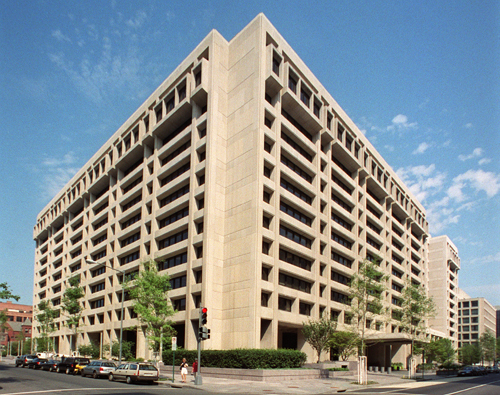
The International Monetary Fund (IMF) has raised serious concerns over the potential economic fallout from the escalating conflict in the Middle East. As violence spreads and tensions rise, the conflict threatens not only the region’s stability but also the global economy, particularly through disruptions in energy supplies, trade routes, and investor confidence.

The war in Gaza has intensified, drawing in multiple countries and raising fears of broader regional involvement. The IMF’s latest assessments highlight the possibility of severe economic impacts, particularly on energy markets. With the Middle East responsible for a significant portion of the world’s oil production, any disruptions could lead to increased volatility in oil prices. The IMF warned that sustained conflict could push oil prices higher, potentially surpassing $100 per barrel, a figure already approached during earlier hostilities this year. This price surge would have far-reaching consequences, especially for oil-importing nations, straining budgets and intensifying inflationary pressures.

Global financial markets have already shown signs of nervousness. Investors, traditionally wary of instability in key regions, have begun reallocating assets, with several stock indices experiencing sharp drops. Analysts suggest that if the conflict escalates further, the damage could spread beyond energy markets, affecting sectors such as manufacturing and technology that rely heavily on supply chains running through or near conflict zones.

The IMF’s mission chief underscored that while oil prices are the most immediate concern, the broader economic picture is equally troubling. Trade disruptions, particularly in critical shipping lanes like the Suez Canal, could severely impact the flow of goods, exacerbating the already fragile global supply chains. For nations in the region, the toll could be devastating. Countries like Lebanon and Egypt, already grappling with economic crises, could face further destabilization, compounding their debt issues and putting millions more at risk of poverty.

While energy exporters such as Saudi Arabia and the UAE may temporarily benefit from higher oil revenues, the broader economic instability could erode those gains, particularly if conflict spreads further across the region. Additionally, prolonged unrest could deter much-needed foreign investment in the Gulf region, which has been aggressively pursuing diversification away from oil dependency.

The IMF’s warning also extends to food security concerns, as the Middle East plays a crucial role in global grain trade. Egypt, for instance, is one of the world’s largest wheat importers, and disruptions to shipping could lead to shortages and price hikes. This would disproportionately affect lower-income nations, already struggling with inflationary food costs and economic stagnation.

As the situation continues to evolve, the IMF has urged regional governments and the international community to take immediate steps to prevent further escalation. In addition to diplomatic efforts, the IMF is advocating for emergency economic measures to protect the most vulnerable economies. These include securing financial aid, stabilizing food supply chains, and safeguarding energy markets from excessive speculation.

However, the global response remains uncertain. While Western powers and international organizations have expressed concern, efforts to mediate the conflict have so far been limited. The longer the fighting continues, the higher the economic risks become, making it crucial for governments to work towards de-escalation before the crisis spirals further out of control.

Dubai’s luxury real estate market is witnessing a significant surge in property sales, driven by a growing demand that currently outstrips available listings. In the first half of the year, the emirate saw a remarkable increase in transactions for high-end properties, underscoring the resilience of its real estate sector amidst global economic uncertainties. Recent reports highlight that Dubai has become a magnet for affluent buyers, particularly from […]

Growing concerns surrounding geopolitical instability in the Middle East are contributing to heightened volatility in the oil markets, as traders anticipate further price increases. Recent analyses indicate that the tensions between various regional players and broader global dynamics are significantly influencing supply concerns, leading to increased buying activity in oil options. This is particularly evident as major crude benchmarks, including Brent crude and West Texas Intermediate (WTI), have seen notable fluctuations driven by investor sentiment and strategic positioning.

Market data reveals a surge in options trading, suggesting that traders are preparing for potential price movements. Open interest in call options, which give the buyer the right to purchase oil at a predetermined price, has risen sharply. This indicates that market participants expect prices to climb, driven by fears of supply disruptions due to geopolitical unrest, particularly in key oil-producing countries such as Saudi Arabia, Iran, and Iraq. Analysts suggest that the current landscape is reminiscent of past crises, wherein escalating tensions have historically led to significant price spikes.

As oil prices approach the $100 per barrel mark, analysts warn that sustained increases could have broader economic implications. The International Energy Agency (IEA) has projected a potential supply shortfall if geopolitical tensions escalate, particularly with ongoing conflicts in Ukraine and regional disruptions in the Middle East. In this context, market experts emphasize the importance of monitoring geopolitical developments closely, as these factors will be critical in shaping oil price trajectories in the coming months.

The dynamics of oil trading have shifted, with many investors now viewing geopolitical events as pivotal catalysts for price changes. The strategic importance of the Middle East, often referred to as the world’s energy hub, cannot be overstated. The region accounts for a significant portion of global oil supply, and any disruptions can lead to immediate and substantial price reactions in the market.

In light of these developments, the oil market is exhibiting signs of increased speculation. Hedge funds and other large investors have ramped up their positions in oil futures and options, further reflecting the bullish sentiment permeating the market. This trend has been particularly pronounced in the context of the ongoing discussions regarding production cuts by the Organization of the Petroleum Exporting Countries (OPEC) and its allies. OPEC’s decisions will play a crucial role in determining supply levels and influencing price stability.

Saudi Arabia, a leading member of OPEC, has signaled its willingness to adjust production levels in response to market dynamics. The kingdom’s recent commitments to reducing output in order to stabilize prices have fueled discussions regarding potential collaborative efforts among OPEC members to manage supply effectively. This strategy aims to counterbalance the impact of external geopolitical risks and market volatility.

Iran’s continued efforts to revitalize its oil production in the wake of sanctions further complicates the scenario. The Iranian oil sector is poised for growth, but any increase in output is contingent upon the delicate diplomatic landscape. Investors are acutely aware that shifts in U.S. policy towards Iran can have immediate repercussions for oil supply and pricing, leading to a cautious approach in trading activities.

Market sentiment is also influenced by macroeconomic factors, including inflation and interest rates. Recent data suggest that rising inflationary pressures are leading to increased uncertainty regarding economic growth, which could, in turn, impact oil demand. Investors are weighing the potential for a slowdown in global economic activity against the backdrop of supply-side constraints. This balancing act adds another layer of complexity to trading strategies.

Analysts are observing emerging trends in the energy sector, particularly the transition towards renewable energy sources. As nations grapple with climate change initiatives, the demand for traditional fossil fuels is being challenged. However, in the short term, oil remains a critical component of the global energy mix, especially amid geopolitical uncertainties that necessitate a reliable energy supply.

The current landscape underscores the importance of strategic foresight for traders and investors. Understanding the interconnectedness of geopolitical developments, production decisions, and market sentiment will be essential in navigating the complexities of oil trading. Traders are increasingly incorporating a broader range of indicators and data points into their analyses, reflecting the dynamic nature of the oil market.

Advertisements

Oil-producing nations in the OPEC+ alliance have decided to maintain the current output policy following a key meeting. The gathering of ministers, which occurred as global energy markets continue to experience volatility, focused on compliance with production cuts and compensatory measures for countries that have exceeded their allocated quotas. As tensions persist over global supply and demand dynamics, this decision underscores OPEC+’s cautious approach in navigating the uncertain landscape.

The meeting, involving some of the world’s largest oil producers, was closely watched by analysts and industry leaders. Observers had anticipated possible adjustments to production levels, but the alliance chose to keep its policy steady for the time being. A source close to the talks confirmed the decision, emphasizing the group’s intent to maintain stability amid unpredictable economic conditions. OPEC+ has long been the primary driver behind oil supply strategies, and its decisions significantly impact global oil prices.

Attention was also directed at countries that have been overproducing relative to their targets. The meeting delved into how these nations might adjust their production in the coming months to align with the overall quotas set by the group. According to one of the sources within OPEC+, ministers discussed altering the schedules for compensating the excess oil production. While compliance remains a key issue, the group’s commitment to ensuring market equilibrium is evident through its continued discussions on corrective actions for overproducers.

OPEC+ includes the 13-member Organization of the Petroleum Exporting Countries (OPEC) along with other major oil producers, including Russia, forming an extended alliance that has managed global oil production since 2016. The group’s coordinated efforts in limiting production have played a critical role in managing global oil supply, especially after demand shocks like the COVID-19 pandemic. OPEC+ agreements, including the output cuts initiated in response to these shocks, have helped stabilize the market, albeit with ongoing challenges.

The current production cuts are part of a broader strategy adopted by OPEC+ to counterbalance the global oil supply. This strategy was designed to address the fluctuating demand patterns caused by economic slowdowns, geopolitical conflicts, and environmental concerns. Although many expected the group to consider tightening production further, the decision to maintain the status quo suggests that ministers are awaiting clearer market signals before making significant adjustments.

Concerns over compliance have surfaced repeatedly within the OPEC+ framework, particularly regarding the member nations that have consistently exceeded their production targets. The alliance had previously implemented a compensation mechanism that allows such countries to compensate for their overproduction by reducing future outputs. Discussions during the latest meeting reiterated the importance of this mechanism, with proposals to recalibrate the compensation schedules for non-compliant members gaining traction.

Market analysts are closely evaluating how these compensation schedules might influence oil prices in the coming months. For many overproducing countries, the challenge lies in balancing domestic energy demands with international commitments. The talks have underscored the need for greater transparency and enforcement within the OPEC+ framework, as stricter compliance will be crucial for the alliance’s long-term credibility and effectiveness.

The broader geopolitical context remains an important factor in OPEC+’s decision-making. Ongoing concerns over global inflation, coupled with fears of economic recessions in key markets, continue to shape the group’s cautious approach. Energy prices have become a focal point of debate in several regions, with governments under pressure to address rising costs while maintaining economic growth. OPEC+, mindful of these dynamics, is likely to continue adjusting its strategies in response to global macroeconomic shifts.

Despite the current output freeze, many industry experts believe that OPEC+ may consider changing its production policies in future meetings, especially if market conditions warrant it. The delicate balance between supply and demand remains a persistent challenge for oil producers, who must navigate not only the economics of energy but also the geopolitical pressures associated with oil dependency.

The global energy landscape continues to evolve, driven by factors such as the transition to renewable energy, geopolitical tensions, and the demand recovery in major economies. OPEC+ is increasingly viewed not just as a traditional oil cartel but as a central player in global energy governance. This meeting further highlights the alliance’s critical role in shaping the future of oil production and pricing.

OPEC+’s production strategies are also being influenced by longer-term shifts in the global energy mix. As the world gradually pivots toward more sustainable energy sources, fossil fuel producers face mounting pressure to diversify their portfolios while continuing to meet the immediate energy needs of a growing global population. For many OPEC+ members, the dual challenge of meeting these short-term and long-term goals will define the future of oil production policy.

The importation of cars from other regions to the United Arab Emirates (UAE) has gained traction over the years. Essentially, there has been an increasing trend of importing from the US to the UAE, particularly American-spec vehicles, in recent years.  Many Emiratis and the Emirate’s expatriate population now opt for U.S. spec cars for leisure drives or daily commutes. Others take them to car events and shows […]

Bitcoin miners have recorded their lowest monthly revenue in a year, with September earnings dropping to $816 million. This marks a significant decline in the cryptocurrency mining industry, which has faced mounting pressures from several factors, including rising operational costs and decreased market activity. The downturn has highlighted the challenges miners face in maintaining profitability as Bitcoin’s price volatility and network complexity continue to evolve.

The $816 million revenue generated in September represents a sharp fall from previous months, underscoring the financial struggles within the sector. One of the primary factors contributing to the decline was a notable drop in transaction fee revenue, which reached $13.86 million. This is the lowest level since the introduction of the BRC-20 standard in March 2023, a protocol that had initially generated a spike in transaction volumes and fees.

Bitcoin’s market conditions have been relatively stable in recent months, but this stability has translated into lower transaction activity on the network. The stagnation in trading volumes has had a direct impact on miners’ revenue, as transaction fees make up a significant portion of their earnings alongside block rewards. The decreasing transaction fee revenue suggests a reduction in on-chain activity, with fewer high-value transactions being processed.

Adding to the miners’ woes is the rising difficulty of Bitcoin mining. The Bitcoin network’s difficulty level, which adjusts based on the computational power being used to mine blocks, has been steadily increasing. This rise in difficulty has made it more challenging and resource-intensive for miners to solve the complex cryptographic puzzles required to verify transactions and add new blocks to the blockchain. Consequently, many miners are facing higher operational costs, particularly in terms of energy consumption and hardware maintenance, while earning lower rewards.

The drop in revenue has forced some smaller mining operations to scale back or shut down entirely, as they are unable to compete with larger mining farms that benefit from economies of scale. These larger players are better equipped to absorb the impact of reduced profitability, but even they are feeling the pinch as margins continue to shrink.

In addition to the technical and market-related challenges, regulatory scrutiny has also added pressure to the mining industry. Governments around the world have intensified their focus on cryptocurrency mining, particularly due to concerns over energy consumption and environmental impact. This has led to increased regulatory oversight in certain jurisdictions, with some countries imposing restrictions or outright bans on mining activities. China, which was once the dominant force in Bitcoin mining, implemented a nationwide crackdown on crypto mining in 2021, forcing many miners to relocate to more favorable environments such as the United States, Kazakhstan, and Russia.

Despite this migration, miners in these new locations have encountered their own challenges. In the U.S., for example, some states have introduced stricter regulations or raised electricity rates for mining operations, making it more difficult for miners to maintain profitability. In Kazakhstan, miners have faced power shortages and government-imposed limits on energy consumption, while Russia’s energy infrastructure has struggled to meet the demands of an influx of mining operations.

The impact of these regulatory changes has been compounded by the broader macroeconomic environment. Global inflation, rising interest rates, and increased energy costs have put additional strain on mining operations, particularly those that rely on electricity from non-renewable sources. As energy prices surge, miners with less efficient operations are finding it increasingly difficult to break even, let alone turn a profit.

While the immediate outlook for Bitcoin miners appears bleak, some industry experts believe that the downturn may ultimately benefit the ecosystem by driving greater efficiency and innovation. Miners are being forced to optimize their operations, adopt more sustainable energy sources, and explore new revenue streams beyond traditional block rewards and transaction fees. For example, some mining companies have started to offer cloud mining services, allowing retail investors to participate in mining without having to invest in expensive hardware.

Bitcoin’s next halving event, expected in 2024, could significantly alter the dynamics of the mining industry. The halving, which occurs roughly every four years, reduces the block reward by 50%, making it more difficult for miners to generate profits through new Bitcoin issuance alone. This upcoming halving is likely to further reduce miners’ reliance on block rewards and place a greater emphasis on transaction fees as a source of income. As a result, many miners are hoping for an increase in on-chain activity and higher transaction fees to offset the reduction in block rewards.

The broader cryptocurrency market is also expected to play a crucial role in determining the future of Bitcoin mining. If Bitcoin’s price experiences another bull run, as some analysts predict, the increased demand for transactions could lead to a resurgence in fee revenue and a boost to miners’ earnings. On the other hand, continued price stagnation or a prolonged bear market could exacerbate the financial pressures facing miners, leading to further consolidation in the industry.


A significant step towards enhancing its renewable energy landscape has been initiated by Abu Dhabi, as it officially announced the launch of a competitive bidding process for the 1.5-gigawatt (GW) Al-Zarraf solar independent power project (IPP). This initiative aligns with the emirate’s ambitious targets to achieve net-zero greenhouse gas emissions by 2050, while simultaneously increasing the share of clean energy in its overall energy mix. The Al-Zarraf […]

Petronas, the Malaysian oil and gas company, has achieved a significant milestone by securing an onshore concession license in Abu Dhabi. This development signals a noteworthy expansion for Petronas in the Middle East, positioning the company for increased engagement in the region’s burgeoning energy sector.

The agreement grants Petronas the right to explore, develop, and produce hydrocarbons in the concession area, an endeavor that aligns with the company’s strategic focus on enhancing its international upstream portfolio. The concession spans a 30-year term, during which Petronas aims to leverage its technological expertise and innovative solutions to optimize production while adhering to the highest environmental standards.

Abu Dhabi’s hydrocarbon-rich landscape has long attracted major oil players due to its substantial reserves and favorable investment climate. The emirate is keen on diversifying its economy and enhancing energy sustainability, and Petronas’s involvement is anticipated to contribute positively to these objectives. This concession license aligns with Abu Dhabi’s broader strategy to attract foreign investment while ensuring a sustainable energy future.

The licensing agreement underscores the UAE’s commitment to maintaining its status as a pivotal player in the global energy market. It also reflects Petronas’s strategic intention to capitalize on growth opportunities outside its home market, thereby enhancing its global footprint. The partnership with the Abu Dhabi National Oil Company (ADNOC) is expected to facilitate knowledge transfer and collaboration, fostering innovation within the energy sector.

ADNOC has actively sought international partners to strengthen its upstream capabilities, and Petronas’s involvement is seen as a testament to ADNOC’s strategy of forging alliances with leading global energy firms. The collaboration will focus on advanced technologies, including digitalization and artificial intelligence, to enhance exploration and production efficiencies.

Petronas has been expanding its international operations over the past few years, with significant investments in various countries, including Canada, Brazil, and Mozambique. The company aims to maintain a balanced portfolio while exploring opportunities in renewable energy, aligning with global shifts towards sustainable practices. The Abu Dhabi concession marks a continuation of Petronas’s efforts to adapt to evolving market dynamics and shifting energy demands.

Industry analysts view this agreement as a positive step for both Petronas and ADNOC, as it creates synergies that can drive value creation. The partnership is expected to leverage ADNOC’s extensive experience in the region along with Petronas’s technical capabilities, thereby enhancing operational efficiencies. With the global energy landscape undergoing significant transformations, this collaboration is poised to bolster the resilience and competitiveness of both entities.

The concession also comes at a time when oil prices are experiencing volatility, prompting many companies to reassess their strategies and investments. By securing this license, Petronas is positioning itself to navigate these fluctuations effectively. The company’s focus on innovation and sustainability is anticipated to enhance its adaptability to market challenges, ensuring its long-term growth prospects.

As the energy transition accelerates, the partnership between Petronas and ADNOC is likely to explore opportunities beyond traditional oil and gas. The companies may jointly investigate initiatives in carbon capture and storage, as well as investments in renewable energy projects. This strategic approach is essential for maintaining relevance in a rapidly changing energy landscape.

Both companies are well-positioned to contribute to Abu Dhabi’s goal of achieving net-zero emissions by 2050. The collaboration could lead to groundbreaking advancements in energy efficiency and sustainability practices, setting a benchmark for future partnerships in the region.

While the immediate focus is on hydrocarbon production, the strategic collaboration may pave the way for broader initiatives that align with global sustainability goals. This could include exploring alternative energy sources, enhancing energy efficiency measures, and investing in clean technologies that reduce carbon footprints.

The successful acquisition of the onshore concession license by Petronas not only highlights its commitment to expanding its operational footprint but also underscores the importance of collaboration in achieving energy sustainability. The agreement reflects a shared vision between ADNOC and Petronas to develop innovative solutions that meet the demands of an evolving energy landscape while prioritizing environmental stewardship.

As global energy markets continue to transform, Petronas’s expansion into Abu Dhabi marks a significant development in the region’s oil and gas sector. This venture is expected to enhance both companies’ operational efficiencies, drive technological innovation, and contribute to the sustainable development goals set forth by the UAE. The collaboration serves as a model for future partnerships, illustrating the potential of strategic alliances in navigating the complexities of the energy industry.

Over 80 flights have been diverted following a missile attack by Iran on Israeli territory, marking a significant escalation in tensions in the region. The attack, which occurred on a busy travel day, has triggered widespread disruptions in air travel, affecting routes across Europe, the Middle East, and beyond. As airlines scramble to adapt to the situation, travelers are facing delays and uncertainty as air traffic controllers adjust flight paths to ensure safety.

The missile assault targeted multiple locations in Israel, reportedly hitting near Tel Aviv and other key areas, prompting immediate responses from Israeli defense forces. In retaliation, Israel launched airstrikes against what it described as military installations in Iran, intensifying fears of a larger conflict. The situation has heightened anxieties among airlines and travelers, with many countries issuing travel advisories.

Air traffic management systems in various regions have been strained as the diversion of flights has created congestion in alternative airports. Affected airlines, including major carriers like Emirates, Lufthansa, and British Airways, have altered their flight schedules and routes to avoid the conflict zone. Passengers are being informed about changes, with many facing rebooking challenges due to the high volume of travelers displaced by the diversions.

Israeli officials have condemned the missile attack, describing it as a direct threat to civilian safety. The country’s Prime Minister stated that the government would respond with appropriate measures to safeguard its citizens. Analysts suggest that this incident could represent a turning point in the ongoing tensions between Iran and Israel, as well as potentially destabilizing the broader geopolitical landscape in the Middle East.

The impact of the attack extends beyond immediate safety concerns. Economists warn that prolonged instability in the region could affect global oil prices and trade routes. The fear of escalation might lead to increased insurance premiums for flights operating in and around the area, further complicating the situation for airlines and passengers alike.

Travelers currently in transit or scheduled to fly to Israel are advised to stay updated on their flight statuses and consult with airlines for the latest information. Some travelers have reported being rerouted to airports in nearby countries such as Cyprus and Greece, where they can continue their journeys after the situation stabilizes. However, the longer-term implications of this event may lead to broader shifts in airline operations, particularly for those serving the Middle East.

As airlines navigate these complex challenges, industry experts are analyzing how this incident might reshape air travel in the region. While the immediate focus is on safety and logistical adjustments, the incident raises questions about the resilience of global air travel amid geopolitical tensions. Airlines may need to reassess their risk management strategies, particularly for routes that are vulnerable to similar threats in the future.

International responses to the missile attack have also been varied, with some nations condemning the violence and calling for calm. The United Nations has expressed concern over the escalation of hostilities and the potential humanitarian consequences for civilians in the region. Diplomatic efforts are being initiated to de-escalate tensions and encourage dialogue between the conflicting parties, though success remains uncertain amid the heightened atmosphere of distrust.

In the broader context, this missile attack illustrates the fragility of peace in the region. Analysts note that the cycle of retaliation between Iran and Israel has persisted for years, and incidents like this may trigger further actions on both sides. The potential for regional instability to escalate into a wider conflict remains a concern for many observers.

Efforts by OPEC+ to stabilize the global oil market have gained renewed focus, as UAE’s Minister of Energy and Infrastructure, Suhail Mohamed Faris Al Mazrouei, highlighted the group’s commitment to maintaining a balance between supply and demand. During recent discussions, Al Mazrouei referred to OPEC+’s actions as a “noble job,” underscoring the coalition’s strategic moves to support oil prices amid fluctuating global economic conditions.

In a critical period for oil markets, OPEC+ has implemented a series of production cuts aimed at addressing falling crude prices, which have been driven down by oversupply and persistent inflation concerns in key consumer nations. The group, which includes 23 countries, has extended its voluntary cuts to stabilize prices, with a particular emphasis on recovering inventory levels while carefully managing market dynamics.

OPEC+, led by major producers such as Saudi Arabia and Russia, has made significant adjustments to its output. These changes include extending cuts of around 2.2 million barrels per day (b/d) through September 2024, with a gradual rollback scheduled thereafter . Analysts noted that while the extension was anticipated, it could create conditions for price recovery as seasonal demand increases.

The coalition’s actions come as a response to market pressures resulting from increased production by rival nations, including the United States, Brazil, and Guyana. Despite ongoing challenges, Al Mazrouei expressed confidence in the collective efforts of OPEC+ to navigate the complexities of the global oil landscape. The minister emphasized the importance of maintaining a collaborative approach to ensure sustainable supply and demand balance .

An extraordinary surge in Bitcoin derivatives trading has caught the attention of the market, with nearly $1 billion in open interest tied to options betting on the cryptocurrency reaching the $100,000 mark. This comes as Bitcoin options on the Deribit exchange show an unprecedented interest at this price point, signaling that some investors are anticipating a bullish run. Despite the market volatility, the $100,000 strike price stands […]

Fed Chair Jerome Powell has affirmed that the Federal Reserve will persist in its strategy of gradually lowering interest rates to bolster economic growth, yet he clarified that there is no immediate need for aggressive cuts. During a recent press conference, Powell highlighted the strength of the current economy, pointing to robust employment figures and moderate inflation as key indicators of stability.

Powell’s remarks come amid ongoing discussions regarding the balance between fostering growth and maintaining inflation targets. The Fed has faced pressure from various economic sectors to reduce rates more substantially, particularly in light of uncertainties stemming from geopolitical tensions and supply chain disruptions. However, Powell emphasized a cautious approach, aiming to avoid potential market distortions that could arise from rapid rate adjustments.

Economic data supports Powell’s position. The labor market remains strong, with the unemployment rate holding steady near historic lows. Job growth continues, with sectors like technology and healthcare leading the way. Additionally, consumer spending has shown resilience, contributing to sustained economic expansion. Recent reports indicate that consumer confidence remains high, with spending trends suggesting that households are willing to maintain their purchasing habits despite rising interest rates.

Inflation, while a significant concern for policymakers, has remained within acceptable bounds. Year-on-year inflation rates have fluctuated but generally align with the Fed’s target of around 2%. Powell indicated that this level of inflation allows the Fed to proceed with caution, balancing the need for growth with the imperative of keeping prices stable. He remarked on the Fed’s commitment to its dual mandate of promoting maximum employment and stable prices, underscoring that both goals can be pursued concurrently.

The Fed’s cautious stance has garnered mixed reactions from economists and market analysts. Some argue that maintaining higher interest rates for an extended period could stifle growth, particularly for small businesses reliant on affordable credit. Others caution against rapid cuts, suggesting that this could lead to overheating the economy, ultimately resulting in higher inflation. The debate underscores the complexities of navigating monetary policy in a diverse and evolving economic landscape.

In light of these discussions, Powell reaffirmed the Fed’s commitment to transparency in its decision-making process. He stated that the Fed would continue to communicate its intentions clearly to avoid unnecessary market volatility. This approach aims to provide investors and the public with a better understanding of the Fed’s policy direction, fostering confidence in the overall economic environment.

Market reactions to Powell’s statements were immediate, with stock indices responding positively to the indication of continued support for economic growth. Investors appeared reassured by the prospect of a steady approach to interest rates, with many interpreting Powell’s comments as a sign that the Fed is prepared to act if economic conditions warrant further intervention.

Analysts predict that the Fed’s cautious approach may influence other central banks globally, particularly those grappling with similar challenges of balancing growth and inflation. As economies worldwide navigate the post-pandemic recovery, Powell’s insights into the Fed’s strategy may serve as a guide for other monetary authorities facing comparable dilemmas.

Looking ahead, Powell signaled that the Fed would closely monitor economic indicators to assess the need for any adjustments to its policy. He emphasized the importance of data-driven decision-making, indicating that future rate cuts would depend on evolving economic conditions. This approach aligns with the Fed’s historical commitment to responsive and responsible monetary policy.

The broader implications of Powell’s remarks extend beyond immediate monetary policy. They reflect the ongoing challenges faced by policymakers in an increasingly interconnected global economy. As central banks around the world adapt to changing economic realities, the Fed’s measured approach may set a precedent for how to effectively manage monetary policy in uncertain times.

The Mississippi River, a lifeline for the American Midwest, faces severe water shortages as persistent drought conditions continue to affect its flow. The river, spanning 2,340 miles from Minnesota to the Gulf of Mexico, supports a vast network of industries, including agriculture, transportation, and energy. With millions of people depending on it for drinking water, irrigation, and commerce, the threat of the Mississippi drying up is raising […]

Adnoc Drilling has initiated a significant campaign targeting unconventional oil and gas resources, with an investment exceeding $1.7 billion. This move underscores the company’s commitment to expanding its operational capabilities and enhancing its production capacity amid the growing global demand for energy. The unconventional campaign aims to unlock resources that require advanced extraction technologies, reflecting a strategic shift toward maximizing the potential of the region’s energy landscape. […]

Saudi Arabia’s Bawan Company has experienced a delay in its acquisition of UAE-based Petronash, a manufacturer specializing in oil and gas equipment. Initially announced as a strategic move to enhance Bawan’s operational capabilities and market presence, the transaction has encountered unforeseen challenges that have raised concerns among industry analysts and stakeholders. Bawan, known for its diverse portfolio in the manufacturing sector, aimed to leverage Petronash’s expertise and […]

Crude oil prices have experienced a significant downturn, dropping approximately 17% in the third quarter of this year. This decline, marked by market volatility and geopolitical tensions, highlights a complex interplay between Middle Eastern conflicts and diminishing global demand.

As of late September, West Texas Intermediate (WTI) crude settled at around $89 per barrel, down from its highs earlier in the quarter. Brent crude, the global benchmark, followed suit, trading at roughly $92 per barrel. The reduction in prices comes after a series of events that initially fueled price increases due to fears of supply disruptions in the Middle East. However, weakening demand signals from major economies have overshadowed these concerns.

Ongoing hostilities in the Middle East, particularly the conflict in Gaza, have raised alarms about potential disruptions to oil supplies. Israel’s military actions have been met with retaliatory strikes from Hamas, leading to fears that regional tensions could escalate and affect oil-producing nations. However, despite these fears, oil production in the region has remained largely unaffected, allowing for a gradual decline in prices as the immediate risks did not materialize as significantly as anticipated.

Simultaneously, global economic indicators have pointed to a slowdown in demand for oil. The International Energy Agency (IEA) recently projected a weaker demand growth outlook for 2024, influenced by slower economic growth in key markets such as China and Europe. China’s oil demand growth has been particularly disappointing, with recent data indicating a sharp decline in refinery throughput amid struggling manufacturing and economic challenges. This downturn has led to concerns that the world’s largest oil importer may not recover as quickly as previously hoped.

The economic landscape has also been affected by rising interest rates, particularly in the United States, where the Federal Reserve’s aggressive monetary policy has contributed to slowing growth. High borrowing costs have prompted businesses and consumers to cut back on spending, leading to reduced fuel consumption. This trend is reflected in decreasing gasoline prices, which have fallen by approximately 20% since their peak earlier in the year.

Analysts are now closely monitoring the impact of the U.S. Federal Reserve’s interest rate policies on the energy market. As inflation remains a concern, higher rates are expected to temper economic activity further, which could result in continued softness in oil demand. Meanwhile, the market is also reacting to potential supply adjustments from the Organization of the Petroleum Exporting Countries (OPEC) and its allies, collectively known as OPEC+. The group has faced pressure to cut production to stabilize prices but has been hesitant to take drastic measures amid the ongoing global economic uncertainties.

OPEC’s recent meeting has been characterized by discussions surrounding production levels and output targets. While some member countries advocate for cuts to prevent a further slump in prices, others, particularly those reliant on oil revenues, express reluctance to decrease output. This tension reflects broader geopolitical dynamics, as different countries prioritize their economic needs amidst fluctuating global demand.

In addition to OPEC’s considerations, there are also rising concerns about the impact of new renewable energy projects on long-term oil demand. Governments worldwide are increasingly committing to net-zero emissions targets, and investment in clean energy sources continues to grow. This shift poses a long-term challenge to the oil industry as electric vehicle adoption rises and cleaner energy alternatives become more mainstream.

Market participants are also keeping a close eye on potential developments in the Ukraine conflict, which has significantly affected European energy markets. While the ongoing war has prompted Europe to diversify its energy sources away from Russian oil and gas, disruptions in supply chains can reverberate across global markets, leading to unexpected fluctuations in oil prices.

Analysts emphasize that while current prices reflect immediate market dynamics, underlying structural changes in energy consumption and production will play a crucial role in shaping the future of the oil market. As countries adjust their energy strategies and seek more sustainable options, traditional oil producers may need to adapt to a changing landscape characterized by increasing competition from alternative energy sources.

Climate policies and international agreements aimed at reducing carbon emissions will likely further pressure the oil sector. Countries that rely heavily on fossil fuel exports may face economic repercussions as the world shifts toward cleaner energy, necessitating a reevaluation of their long-term economic strategies.

Taiwan’s Financial Supervisory Commission (FSC) has officially opened the door for professional investors, including institutions and high-net-worth individuals, to engage in foreign virtual asset exchange-traded funds (ETFs). This landmark decision is set to significantly impact Taiwan’s financial market, as it provides a regulated pathway for local investors to tap into the growing digital asset sector. The move comes after months of deliberation by the FSC, the nation’s […]

Stellantis NV has revised its profit margin forecasts for 2024, attributing the changes to increased costs associated with revitalizing its Jeep and Dodge brands in the United States, as well as a notable slowdown in the global automotive sector. This strategic move highlights the challenges faced by one of the world’s leading automakers as it navigates a complex market landscape marked by economic uncertainty and shifting consumer preferences.

The automotive industry has encountered various headwinds in recent months, including inflationary pressures, fluctuating raw material prices, and evolving regulatory standards aimed at reducing emissions. Stellantis, formed from the merger of Fiat Chrysler and PSA Group, is experiencing heightened scrutiny as it attempts to balance profitability with investment in sustainable technologies and electric vehicle (EV) production. The company’s leadership has expressed concerns over the competitive landscape, particularly in the context of emerging electric vehicle manufacturers and traditional competitors ramping up their EV offerings.

In a recent statement, Stellantis reported that it now expects its adjusted operating profit margin to fall between 10% and 11% for the upcoming year, down from a prior estimate of 11% to 12%. This adjustment signals the company’s recognition of the difficult conditions affecting its operational costs and overall performance. The revised forecast reflects the growing expenses tied to revitalizing key brands that have struggled to maintain market share in a rapidly changing industry.

Stellantis has faced significant challenges with its Jeep and Dodge divisions. Both brands have historically been central to the company’s identity and profitability. However, they have recently grappled with declining sales and an outdated product lineup. The Jeep brand, which has traditionally thrived on its off-road capabilities and rugged image, has seen waning interest from consumers who are increasingly favoring SUVs and electric vehicles. Similarly, Dodge, known for its muscle cars, is contending with shifts in consumer preferences as the market leans towards more fuel-efficient and eco-friendly vehicles.

To address these challenges, Stellantis is investing heavily in product innovation and marketing initiatives aimed at rejuvenating the Jeep and Dodge brands. The company plans to launch a series of new models that emphasize electric and hybrid technology, aligning with the broader industry trend toward sustainability. These investments are crucial as Stellantis aims to enhance its competitive edge and capture a greater share of the evolving automotive market.

Economic factors are also influencing Stellantis’s outlook. The global automotive industry is currently facing a slowdown, driven by a combination of higher interest rates, reduced consumer spending, and ongoing supply chain disruptions. Many consumers are delaying new vehicle purchases, opting instead to hold onto their current cars amid rising costs of living. As a result, automakers, including Stellantis, are experiencing decreased demand for new vehicles, further complicating their financial projections.

The company’s response to these market dynamics includes a focus on operational efficiency and cost management. Stellantis is undertaking measures to streamline its production processes and reduce overhead expenses, enabling it to navigate the financial pressures more effectively. However, these efforts may take time to translate into improved margins, as the company balances the need for immediate cost reductions with the long-term goal of fostering brand loyalty and consumer engagement.

Stellantis’s revised profit margin forecast has raised concerns among investors, leading to fluctuations in the company’s stock price. Analysts are closely monitoring the situation, with many emphasizing the importance of the upcoming model launches and the company’s strategic pivot toward electric vehicles. As Stellantis works to navigate this period of uncertainty, its ability to execute a successful turnaround for the Jeep and Dodge brands will be crucial in determining its long-term success.

The automaker is not alone in facing these challenges; the entire industry is undergoing a significant transformation. Rivals such as Ford and General Motors are also adjusting their strategies in response to the shifting market dynamics. With the rise of electric vehicles and new entrants to the market, traditional automakers must adapt quickly to stay competitive. Stellantis’s commitment to electrification and sustainability positions it among the leaders in this evolving landscape, but the path forward remains fraught with obstacles.

Amid soaring rental prices in Dubai, the archaeological discovery of a 7,000-year-old city has sparked interest as a potential refuge for those seeking affordable housing solutions. Excavations in the region have uncovered remnants of a once-thriving community, complete with advanced infrastructure that challenges previous assumptions about early urban development in the Arabian Peninsula. The city, located near the shores of the Persian Gulf, reveals intricate buildings and […]

Abu Dhabi’s housing market has experienced its sharpest rise in rental prices in over a decade, driven by an intensifying demand across the city. The year-on-year increase of 15% in residential rents is being observed across prime segments, as tenants scramble for limited high-end properties. Analysts attribute this surge to a variety of factors, including population growth, economic stability, and the limited availability of new housing units.

This significant jump in rental rates reflects an underlying mismatch between supply and demand. While over 2,400 units were handed over this year, another 1,950 are expected to be delivered by year-end. However, this supply falls short of meeting the increasing demand, particularly for premium properties. The average occupancy rate across prime residential spaces has surpassed 90%, underscoring the tight housing market conditions.

Market trends also indicate a shift in buyer preferences, with off-plan transactions—properties sold before construction—dominating the market. However, a noticeable shift toward completed, ready-to-move-in properties is starting to take place, as buyers seek immediate occupation options. Additionally, the high number of expatriates moving to the UAE, driven by its stable economy and tax incentives, continues to feed the demand for residential housing, further tightening the market.

The office market in Abu Dhabi mirrors the residential sector’s growth. Prime and Grade A office spaces have witnessed a similar 15% year-on-year increase in rents, buoyed by a surge in demand from businesses. The occupancy rate in these categories has reached record highs, consistently hovering above 90%. The office rental landscape is becoming increasingly competitive as firms expand their footprints within the capital.

VISHNU RAJA
RYO YAMADA
HITORI GOTOH
IKUYO KITA