News related to
prices

The cryptocurrency market opened the week on a buoyant note, with Bitcoin soaring above $64,000, reflecting a robust demand from investors. This bullish sentiment extends beyond Bitcoin, with several major cryptocurrencies experiencing notable gains. In particular, memecoins captured significant attention over the weekend, driving trading volumes and investor interest.

Bitcoin’s recent ascent is attributed to various factors, including a wave of institutional investments and ongoing enthusiasm around cryptocurrency adoption. Many analysts highlight the role of exchange-traded funds (ETFs) in boosting market confidence, as institutional players increasingly seek exposure to digital assets. Bitcoin’s price spike comes amid a broader narrative of technological advancements within the blockchain ecosystem, which continues to capture the imagination of retail and institutional investors alike.

Ethereum, the second-largest cryptocurrency by market capitalization, also benefited from Bitcoin’s rally, rising over 5% in value. The upward momentum is attributed to several developments, including the upcoming Ethereum upgrade, which aims to improve network scalability and reduce gas fees. As Ethereum transitions to a proof-of-stake model, many analysts anticipate further institutional interest, given the platform’s essential role in decentralized finance (DeFi) and non-fungible tokens (NFTs).

Meanwhile, the excitement surrounding memecoins—typically inspired by internet memes and social media trends—has significantly influenced market dynamics. Tokens like Dogecoin and Shiba Inu witnessed substantial trading volumes as retail investors flocked to these assets, drawn by their perceived potential for high returns. Social media platforms played a pivotal role in amplifying this trend, with influencers and dedicated communities rallying support for these tokens. The continued engagement of these communities indicates a shift in trading patterns, where retail sentiment increasingly shapes market movements.

China’s latest stimulus announcements, while generating initial optimism, fell short of expectations, impacting broader market sentiments. The country’s efforts to stabilize its economy amid challenges posed by global supply chain disruptions and regulatory crackdowns have elicited mixed reactions from traders. Despite the lackluster stimulus measures, market participants remain hopeful, buoyed by Bitcoin’s upward trajectory and the resilience demonstrated by major cryptocurrencies.

Investors are closely monitoring regulatory developments in various jurisdictions as they navigate the evolving landscape of digital assets. The introduction of clearer regulations in regions such as Europe and the United States has fostered a more secure environment for institutional investments. However, uncertainty remains, particularly in regions where regulatory frameworks are still taking shape.

The recent performance of cryptocurrencies is also influenced by macroeconomic factors, including inflation concerns and shifts in monetary policy. Central banks’ responses to inflationary pressures may significantly impact investor sentiment, with many viewing cryptocurrencies as a hedge against traditional market volatility. As Bitcoin approaches all-time highs, discussions around its role as a digital store of value continue to gain traction among institutional investors.

Emerging trends within the cryptocurrency space, such as the growing popularity of decentralized finance applications, are further contributing to Bitcoin’s appeal. DeFi platforms have gained substantial traction, offering innovative financial services outside traditional banking systems. This trend aligns with a broader movement towards financial inclusivity, where individuals seek alternatives to conventional finance.

As Bitcoin maintains its upward momentum, analysts are keenly observing key price levels that may serve as psychological barriers. The $70,000 mark has become a focal point, with investors speculating on whether Bitcoin can sustain its rally and surpass this threshold. Historical price action suggests that breaking through significant resistance levels often leads to further price discovery, a phenomenon that many traders are keen to capitalize on.

Market sentiment remains a crucial driver of cryptocurrency prices, with investor behavior often influenced by social media trends and news cycles. The ability of key influencers to sway market dynamics underscores the importance of community engagement within the cryptocurrency ecosystem. This trend has been particularly evident with memecoins, where social media platforms act as catalysts for rapid price fluctuations.

The interplay between technological advancements and regulatory developments will continue to shape the cryptocurrency landscape as investors seek to navigate the complexities of digital assets. Institutions are increasingly recognizing the importance of blockchain technology, leading to heightened investment in research and development. This recognition of the underlying technology’s potential may spur further innovation and drive the next wave of adoption across various industries.

Dubai, a thriving metropolis renowned for its opulence and multicultural environment, is experiencing a surge in its expatriate population that is exerting pressure on the city’s infrastructure. The latest figures indicate that approximately 88% of Dubai’s population comprises expatriates, with many flocking to the emirate for employment opportunities and an enviable lifestyle. As this trend continues, authorities are faced with significant challenges in managing the growing demand […]

French farmers have reignited their protests, expressing deep frustration over the government’s unfulfilled promises from earlier in the year. Organized mainly by agricultural unions and regional leaders, this wave of protests stems from unresolved issues regarding rising fuel costs, regulatory burdens, and crop damages due to extreme weather events. Despite earlier pledges from Prime Minister Vital to address these concerns, demonstrators claim that little has improved. They continue to demand better support, including diesel tax relief, water reservoir construction, and compensation for climate-induced losses.

The protests, involving road blockages and the dumping of manure in public spaces, echo the intensity of the January demonstrations that saw highways obstructed and large rallies across France. Farmers argue that government concessions made earlier, such as pausing planned tax increases, were insufficient to address the structural issues they face. The failure to deliver concrete solutions has reignited tensions, with farmers stating that their livelihoods are increasingly precarious amid fluctuating commodity prices and soaring input costs.

A significant grievance involves the continued lack of financial compensation for crops damaged by epizootic hemorrhagic disease, which has affected cattle in southern regions. Farmers from Occitania, where this disease has hit hardest, have taken a prominent role in leading the protests, demanding more substantial compensation packages and faster government action. They argue that their efforts to engage with policymakers have been ignored, leaving them with no choice but to return to public demonstrations.

The government’s attempts to de-escalate the situation have so far failed. Agriculture Minister Jean-Paul Durand had urged farmers to be patient, noting that some reforms were in progress, including subsidies for water reservoirs and the reintroduction of emergency funds. However, these assurances have been dismissed by protesters as insufficient and too slow to materialize. As a result, many farmers feel abandoned, leading to escalating tensions as more agricultural workers join the demonstrations.

This resurgence of protests follows broader trends across Europe, where farmers have increasingly taken to the streets over grievances ranging from environmental regulations to market instability. French farmers, in particular, feel squeezed by both domestic policies and European Union directives, which they claim impose unrealistic expectations on agricultural practices while failing to address their economic vulnerabilities. There is mounting pressure on the French government to balance these competing demands while maintaining its commitments to climate action and environmental sustainability.

The movement’s resurgence has also sparked concerns about public disruptions. Authorities have heightened security measures in anticipation of further road blockades and intensified protests. The farmers, however, show no signs of backing down, signaling that the movement may continue until their demands are met. The ongoing struggle highlights the deep discontent within the agricultural sector, which has been exacerbated by what many see as the government’s slow response to their plight.

Although Prime Minister Vital had initially brokered temporary concessions earlier this year, these measures have done little to address the underlying frustrations. Farmers are now calling for longer-term structural reforms that would reduce their vulnerability to both economic fluctuations and environmental impacts. They emphasize that without a comprehensive solution, their protests will continue, potentially disrupting transportation and food supply chains across the country.

As the protests evolve, French officials are facing a critical challenge: how to balance the urgent demands of farmers with broader policy objectives, particularly in relation to environmental goals. The growing tension underscores the difficulty of finding solutions that can satisfy the farming community while also adhering to the government’s climate commitments. This delicate balance remains at the heart of the current standoff.

Vietnam has implemented and strengthened measures to enhance the quality and safety of its agricultural products, reinforcing the nation’s reputation in key markets and building consumer trust. HA NOI, VIETNAM – Media OutReach Newswire – 12 October 2024 – Chinese Premier Li Qiang and a delegation arrived in Hà Nội on October 12, 2024 for an official visit at the invitation of Prime Minister Phạm Minh Chính. […]

HONG KONG SAR – Media OutReach Newswire – 10 October 2024 – Today, IX Asia Indexes announced the 2024 3rd quarter review of ixCrypto Index Series and IX Digital Asset Industry Index Series. The constituent changes will be effective on 18th October 2024 (Friday). The results of the constituent review and exchange review are as follows: 1. Constituent Review – ixCrypto Index Series 1.1. ixCrypto Index (“IXCI”) […]

Bybit has launched an enticing new initiative aimed at attracting participants to its World Series of Trading (WSOT) 2024 as the final registration phase unfolds. The world-renowned cryptocurrency exchange, which ranks second globally in trading volume, has introduced a limited-time opportunity featuring a prize pool of $100,000. This effort targets traders who join the competition late, enhancing engagement and broadening participation in the high-stakes trading event. The […]

Dow Jones futures dipped early Friday, mirroring a slight pullback in the S&P 500 and Nasdaq futures following a mixed market response to key economic indicators. While the latest inflation data from the Consumer Price Index (CPI) hinted at potential adjustments in Federal Reserve interest rate policies, major tech players like Nvidia continued to demonstrate resilience in the face of market fluctuations. Notably, Tesla’s ambitious unveiling at its robotaxi event, led by CEO Elon Musk, did not meet the heightened anticipations of investors.

During the Thursday evening event, Musk presented two new models: the two-seat Cybercab and a larger Robovan. Both vehicles are designed to capitalize on Tesla’s foray into autonomous ride-hailing services, but the absence of detailed production timelines left many analysts and enthusiasts underwhelmed. Musk reiterated his vision for fully autonomous driving capabilities by next year in select states, including California and Texas. However, his previous predictions regarding self-driving timelines have often fallen short, leading to skepticism among stakeholders.

Tesla’s stock fell approximately 6% in premarket trading following the event, indicating investor disappointment. The company’s plans for an affordable electric vehicle (EV), expected to enter production by mid-2025, were notably absent from the showcase, further contributing to concerns about Tesla’s capacity to maintain market momentum. In contrast, ride-hailing rivals like Uber Technologies experienced a surge in their stock prices, capitalizing on Tesla’s perceived setbacks.

In the banking sector, JPMorgan Chase kickstarted the earnings season with a strong performance, buoyed by increased net interest income. The financial giant’s earnings report surpassed expectations, reflecting a robust investment banking landscape. JPMorgan added $1 billion to its net reserves for credit losses, suggesting a proactive approach to potential economic headwinds. The stock’s positive trajectory came even as concerns about broader market conditions lingered.

Amidst these developments, the stock market as a whole exhibited modest fluctuations, with the Dow Jones Industrial Average dipping 0.1%, and the S&P 500 and Nasdaq slightly lower. Investors are closely monitoring inflation indicators and Federal Reserve signals, particularly after Atlanta Fed President Raphael Bostic suggested a possible “pause” on interest rate cuts, which could impact market dynamics moving forward.

Crude oil prices also played a significant role in the market landscape, experiencing a decline of 1% amid mixed trading sentiments. This adjustment in oil futures reflects the ongoing volatility in energy markets, influenced by geopolitical developments and shifts in consumer demand.

The CPI report indicated hotter inflation than expected, igniting discussions about the potential for the Fed to maintain current interest rates in the near term. Market analysts are evaluating the implications of these economic signals, particularly as they relate to investment strategies and asset allocation.

On the technology front, Nvidia has reaffirmed its status as a market leader, with stocks rising 1.6% amid strong demand for its AI chips. Analysts noted that Nvidia’s production of next-generation Blackwell AI processors is in full swing, with sales reportedly sold out for the next year. This surge underscores the growing reliance on AI technologies across various sectors, positioning Nvidia favorably against competitors.

Advanced Micro Devices (AMD), on the other hand, unveiled its upcoming Blackwell rival at a recent event, but the stock faced a setback, dropping 4% amidst competitive pressures from Nvidia. AMD’s CEO expressed optimism regarding the future of AI accelerators, projecting a market worth $500 billion by 2028. However, immediate investor sentiment appears to favor Nvidia, which has firmly established itself in the AI landscape.

The mixed performance of small-cap stocks also drew attention, with the Russell 2000 index declining 0.55% as investors weigh growth prospects against economic uncertainties. Stocks in the AI and cybersecurity sectors, such as Palo Alto Networks and Fortinet, demonstrated positive movements, reflecting ongoing interest in technology-driven solutions.

Market analysts are advising caution amid the current environment, encouraging investors to stay engaged with their portfolios and to capitalize on incremental buying opportunities. Ongoing evaluations of leading stocks and sectors will be crucial for navigating the complexities of this financial landscape, particularly as inflationary pressures persist.

Advertisements

Adani Group, led by billionaire Gautam Adani, is reportedly engaged in discussions with a Middle Eastern sovereign wealth fund to secure a significant investment in its airport business. The move is seen as part of the conglomerate’s broader strategy to raise up to $1 billion to fund its airports division. These talks come at a critical juncture as Adani seeks to solidify its position in India’s infrastructure and aviation sector while addressing concerns over its debt levels.

Adani Airports, a subsidiary of the Adani Group, currently operates several major airports across India. It has been aggressively expanding its footprint in the country’s aviation industry, holding stakes in seven airports, including those in Mumbai, Ahmedabad, and Lucknow. This push into the airport sector is part of the group’s broader goal to diversify its operations and strengthen its presence in infrastructure, energy, and transportation. Airports have become a key focus area for Adani in recent years, reflecting the company’s long-term bet on India’s growing demand for air travel and infrastructure development.

Reports suggest that the potential deal with the Middle Eastern sovereign wealth fund could result in a capital injection that would help Adani Airports scale up its operations, reduce its debt burden, and maintain financial stability. While the identity of the sovereign wealth fund has not been publicly disclosed, sources familiar with the matter indicate that the discussions are at an advanced stage. The potential investment is expected to bolster Adani’s ability to meet its expansion goals and improve its financial health, particularly after facing scrutiny over its leverage levels following a short-seller report earlier this year.

The interest from the sovereign wealth fund also signals the growing appetite among Gulf-based investors to participate in India’s infrastructure growth. The Middle East, particularly countries like the United Arab Emirates and Saudi Arabia, has increasingly turned its attention to the Indian market, recognizing the long-term potential in sectors such as energy, logistics, and aviation. Adani’s airport business, with its strategic portfolio of assets, is an attractive proposition for investors seeking exposure to India’s booming aviation industry and infrastructure projects.

For the Adani Group, securing this investment would mark a significant milestone. The company has been under pressure to demonstrate its ability to navigate financial challenges while continuing its rapid expansion across key sectors. Earlier in 2023, Adani’s financial dealings came under intense global scrutiny after a report by the U.S.-based short seller Hindenburg Research accused the group of stock manipulation and accounting fraud. The allegations triggered a sharp decline in Adani’s share prices and forced the group to undertake damage control efforts, including scaling back its capital expenditure plans and repaying debt to allay investor concerns.

Despite these challenges, the group has maintained its aggressive growth trajectory, particularly in sectors like airports, ports, power generation, and renewable energy. Adani Airports, in particular, has been a core element of the company’s infrastructure portfolio, with the group committing substantial resources to transform its airport assets into world-class aviation hubs. The airport business is seen as a long-term growth driver for Adani, especially as India continues to witness strong growth in air passenger traffic. Pre-pandemic projections had anticipated India to become the world’s third-largest aviation market by 2025, and the post-pandemic recovery has further fueled optimism about the sector’s prospects.

Adani’s push for fresh capital comes as the Indian government intensifies its focus on modernizing and expanding the country’s airport infrastructure to meet growing demand. The government has introduced several policy reforms aimed at attracting private investment in the aviation sector, including public-private partnerships and airport privatization initiatives. Adani’s airports division has been a major beneficiary of these reforms, having won competitive bids to operate several airports under long-term concession agreements.

This potential $1 billion capital raise aligns with the company’s broader strategy of attracting foreign investments to support its infrastructure ambitions. In recent years, the Adani Group has successfully secured investments from global players, including a $6 billion investment from TotalEnergies for its renewable energy business. By bringing in a strategic partner for its airport business, Adani aims to replicate this success in aviation, further boosting its ability to scale up operations and enhance the efficiency of its airport assets.

The timing of these negotiations also coincides with increasing interest from international investors in India’s growing aviation market. India is expected to witness a rapid increase in air traffic over the next decade, driven by rising middle-class incomes, urbanization, and increased business travel. With this backdrop, Adani’s airport business is poised to capture a significant share of this growth, particularly as the company continues to expand its airport operations and invest in modernizing its existing assets.

While the final terms of the deal are yet to be finalized, industry analysts believe that the investment from the Middle Eastern sovereign wealth fund could serve as a crucial catalyst for Adani’s airport ambitions. The deal would provide much-needed liquidity to the group and enhance its ability to fund future airport projects, including terminal expansions, new runway constructions, and modernization efforts at its airports.

Saudi Aramco has officially awarded the principal contract for the engineering, procurement, and construction (EPC) of the third expansion phase of its Jafurah unconventional gas development project. This strategic move marks a significant step towards enhancing the Kingdom’s gas production capabilities and aligning with Saudi Arabia’s long-term energy strategy. The project is expected to bolster the nation’s energy security and support economic diversification efforts.

The Jafurah gas field, located in the eastern province of Saudi Arabia, is recognized as the largest unconventional gas field in the Kingdom. The field is part of a broader plan to increase domestic natural gas production to meet growing demand and reduce dependence on oil. Saudi Arabia aims to produce 2.2 billion standard cubic feet per day (Bscfd) of gas by 2030, significantly contributing to the country’s energy mix.

This latest expansion phase is set to add substantial new production capacity, which will play a crucial role in powering various industries, supporting power generation, and fueling the domestic petrochemical sector. The contract award follows an extensive evaluation of bids from several international contractors, reflecting Aramco’s commitment to fostering collaboration with leading global firms to enhance project execution efficiency.

The engineering and procurement components of the project will be critical in ensuring that the necessary infrastructure is developed to support the anticipated gas output. Industry analysts note that the selected contractor will need to navigate complex logistical challenges inherent in operating within such a vast and demanding environment, given the scale and scope of the Jafurah project.

As part of Saudi Arabia’s Vision 2030, the Jafurah gas development is a pivotal element in diversifying the economy and moving towards a more sustainable energy future. The initiative aims to reduce carbon emissions by utilizing natural gas as a cleaner alternative to oil for energy generation. Additionally, it supports the government’s efforts to develop the downstream sector, with increased availability of natural gas for petrochemical production.

The awarding of the contract is also a reflection of the resilience and adaptability of the Saudi oil and gas sector amid fluctuating global energy prices and evolving market dynamics. Industry stakeholders emphasize the importance of executing such large-scale projects efficiently, particularly in a landscape characterized by increasing demand for cleaner energy solutions.

Saudi Aramco’s commitment to investing in infrastructure and technology to optimize gas production is evident through its investment in advanced technologies. These technologies aim to enhance recovery rates and operational efficiency, ultimately leading to lower production costs and improved profitability for the project. Furthermore, the Jafurah gas development aligns with global trends toward gas as a transitional fuel, positioning Saudi Arabia as a vital player in the international energy market.

The project has garnered attention not only for its potential economic impact but also for its contributions to job creation and skill development within the Kingdom. Local employment opportunities will arise throughout the project’s lifecycle, fostering talent development in engineering, construction, and project management. This aligns with the Kingdom’s broader goals of enhancing local workforce capabilities and reducing reliance on expatriate labor.

The Jafurah gas project is anticipated to generate significant revenues for the Saudi government, supporting public spending and investment in infrastructure projects. As global energy demands evolve, the Kingdom’s efforts to maximize its natural gas resources are poised to play a pivotal role in meeting both domestic and international energy needs. Analysts predict that the development will also enhance Saudi Arabia’s bargaining position in global energy markets, particularly in the context of OPEC+ agreements and fluctuating oil prices.

With the Jafurah gas field set to enter a new phase of development, the importance of maintaining regulatory compliance and environmental standards cannot be overstated. Saudi Aramco has emphasized its commitment to sustainability and environmental stewardship throughout the project. Continuous monitoring and assessment of environmental impacts will be essential to mitigate any adverse effects associated with gas production.

This milestone in the Jafurah project represents a significant advancement in Saudi Arabia’s energy agenda, reflecting its aspirations to transition towards a more sustainable and diversified energy landscape. As global markets increasingly prioritize cleaner energy solutions, the Jafurah gas development is well-positioned to meet emerging demands while enhancing the Kingdom’s energy security.

A leading Chinese hedge fund, with an impressive 800% growth over seven years, has opted to buy the dip in Hong Kong-listed China tech stocks. This decision comes as part of a strategic response to market volatility and reduced valuations, even after a rally earlier this year. The fund’s executives believe that the current dip in stock prices presents an opportune moment to strengthen positions in undervalued […]

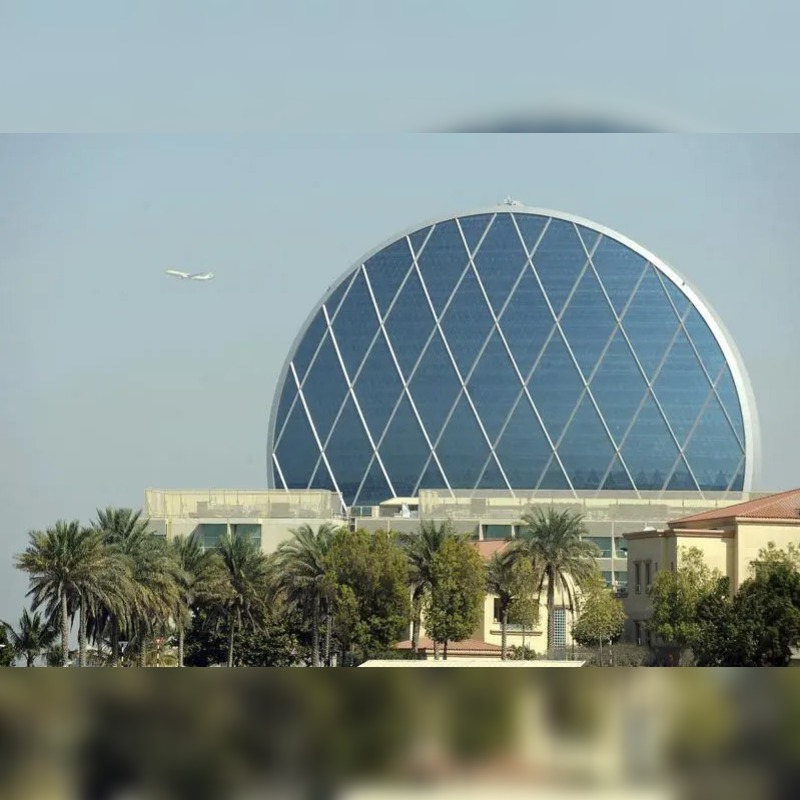
Aldar has unveiled a joint venture to spearhead a $476 million real estate development in Expo City Dubai, marking a significant move in the Emirate’s property market. The collaboration, which brings together Aldar and Dubai Holding, is expected to fuel Expo City’s transformation into a premier residential and commercial hub. The partnership will develop approximately 38,000 square meters of land within the city, with a focus on sustainability, innovation, and high-end living. This latest announcement is viewed as a strategic step for Aldar as it seeks to expand its portfolio and strengthen its presence in Dubai’s booming property sector.

Expo City Dubai, originally conceived as a site for the World Expo 2020, has been gradually transformed into a multi-functional district, serving residential, business, and entertainment needs. Aldar’s latest development aims to further enhance this district by introducing a series of new residential complexes designed to cater to the increasing demand for upscale living spaces. The development is anticipated to attract both residents and businesses looking to benefit from Expo City’s strategic location and well-established infrastructure.

This project comes at a time when the UAE’s property market is experiencing steady growth, with rising demand for luxury homes and commercial spaces. The collaboration between Aldar and Dubai Holding will leverage the strengths of both entities, with Aldar contributing its expertise in real estate development and Dubai Holding providing prime land and access to Expo City’s robust infrastructure. The project’s primary goal is to create an integrated community that aligns with Expo City’s vision of becoming a leading global destination for business, leisure, and sustainable living.

Aldar, headquartered in Abu Dhabi, has been expanding its footprint in Dubai’s real estate market over the past few years. This joint venture highlights the developer’s ambitions to play a more prominent role in shaping Dubai’s urban landscape. Aldar’s CEO has emphasized that the project will not only contribute to the city’s economic growth but also help position Dubai as a leading destination for property investment. The development, he said, aligns with the UAE’s long-term strategy to diversify its economy and boost its non-oil sectors, particularly real estate and tourism.

Expo City, which has retained much of its infrastructure and facilities from the World Expo, has seen an uptick in investment since the event concluded. Aldar’s project is one of several high-profile developments slated for the area, which is expected to attract both domestic and international buyers and investors. The city is being marketed as a hub for sustainability, innovation, and connectivity, with easy access to key locations such as Al Maktoum International Airport, Jebel Ali Port, and major highways connecting it to Abu Dhabi and the rest of Dubai.

With a focus on environmental sustainability, the development will incorporate energy-efficient designs and technologies, in line with the UAE’s broader sustainability goals. Aldar has a strong track record of integrating eco-friendly features into its projects, and this new venture is expected to follow suit, offering smart homes, green spaces, and pedestrian-friendly environments. Such features are increasingly sought after by buyers in the UAE, where the government has been promoting sustainable urban development as part of its Vision 2030 plan.

Dubai’s real estate market has shown resilience over the past year, with property prices and transactions rebounding after a challenging period due to the pandemic. Experts in the industry are optimistic about the future, pointing to Expo City’s unique selling points and its role in Dubai’s broader urban development plans. Aldar’s involvement in such a high-profile project further cements its status as one of the leading developers in the UAE, and the collaboration with Dubai Holding is expected to bring considerable synergies to the development.

Aldar’s focus on high-end residential units in this project aligns with the broader trend in Dubai’s property market, where luxury homes and apartments have seen significant growth in demand. The influx of high-net-worth individuals, particularly from Europe and Asia, has driven the expansion of the luxury segment, with properties in premium locations commanding higher prices. Aldar and Dubai Holding’s joint venture is well-positioned to capitalize on this trend, offering a blend of exclusivity, innovation, and strategic location within Expo City.

Dubai Holding, which manages an extensive portfolio of assets across multiple sectors, is expected to play a crucial role in facilitating the development’s integration with the rest of Expo City. As a key player in Dubai’s real estate and infrastructure sectors, Dubai Holding has the resources and expertise to ensure the success of this venture. Both companies have expressed confidence in the project’s potential to contribute to the city’s long-term vision of becoming a global hub for trade, tourism, and investment.

The new development is also expected to create numerous job opportunities, both during the construction phase and after the project’s completion. Expo City has already seen significant interest from businesses looking to set up offices in the area, and Aldar’s project will likely further boost its appeal as a commercial center. The mixed-use nature of the development means that it will cater to both residential and business needs, creating a dynamic community that reflects the diverse nature of Dubai’s population and economy.

Interest in real estate investment trusts (REITs) within the Gulf Cooperation Council (GCC) is increasing, fueled by favorable economic conditions, including lower interest rates and supportive government initiatives. These factors are positioning REITs as a viable investment avenue, particularly in the United Arab Emirates, where significant moves by key players signal a burgeoning market.

This week, reports emerged that Dubai Holding, a prominent state-backed conglomerate, is contemplating the establishment of a REIT, which underscores a growing trend among major firms in the region to explore this investment vehicle. The potential of a Dubai Holding REIT reflects the larger movement towards diversifying investment portfolios, a strategy encouraged by the UAE government as part of its broader economic goals.

Concurrently, the Dubai-based developer BinGhatti has expressed interest in launching a REIT, having previously issued a $200 million bond in a bid to bolster its financial footing. The firm’s initiative comes on the heels of increasing investor appetite for diversified real estate assets, particularly as traditional investment avenues face uncertainty.

Market analysts note that the current low interest rates create an attractive environment for real estate investment. With borrowing costs remaining subdued, developers and investors find it more feasible to finance property purchases and projects. This trend could potentially amplify returns on investments, particularly through REITs, which offer shareholders dividends from income generated by real estate investments.

The tax exemptions provided to REITs in the UAE further enhance their appeal. These exemptions, coupled with the government’s encouragement for diversified investments, aim to attract both domestic and foreign investors, positioning the UAE as a competitive market for REITs. By alleviating some financial burdens associated with real estate investments, the government hopes to stimulate growth in this sector, ultimately leading to more sustainable economic development.

Experts assert that the burgeoning interest in REITs also aligns with global investment trends. Investors worldwide are increasingly turning to REITs as a method of accessing real estate markets without the need for direct ownership. This trend is particularly appealing in regions experiencing rapid urbanization and population growth, such as the GCC. By investing in a REIT, individuals can gain exposure to a diversified portfolio of income-generating properties, which can be more stable compared to traditional equities.

The diversification of the investment landscape in the GCC is not limited to REITs. The broader trend toward alternative investments is gaining traction, with private equity and venture capital also drawing attention. Investors are exploring ways to balance risk and reward, seeking opportunities that traditional investment vehicles may not offer. As the GCC nations strive to diversify their economies away from oil dependency, the growth of alternative investments is expected to play a pivotal role in shaping the region’s financial landscape.

Dubai’s real estate market has demonstrated resilience, with property prices showing signs of recovery following previous downturns. This renewed confidence in the real estate sector, coupled with low interest rates, positions REITs as an attractive option for both local and international investors looking to tap into the UAE’s dynamic property market. The potential for stable income through dividends from REITs aligns with the growing demand for income-generating assets, particularly among retirees and long-term investors.

The development of the REIT sector in the GCC is still in its infancy, but the commitment from major firms like Dubai Holding and BinGhatti suggests a significant shift towards embracing this investment model. As these companies move forward with their plans, their success will likely pave the way for more firms to enter the market, fostering a competitive environment that could lead to further innovations in real estate investment.

The establishment of regulatory frameworks supporting REITs is essential for their growth. The UAE has made strides in creating a conducive environment for REITs, with guidelines that facilitate their operation while ensuring investor protection. Ongoing collaboration between the government, regulatory bodies, and the private sector will be crucial in driving the success of REITs in the region.

The global economy’s current landscape, characterized by uncertainty and volatility, emphasizes the importance of diversifying investment portfolios. As investors increasingly seek stable and resilient options, the GCC’s REITs present a promising alternative. The region’s economic diversification initiatives and the ongoing development of its real estate market contribute to a favorable outlook for REITs.

QatarEnergy has finalized a significant 20-year naphtha supply agreement with Shell, marking a pivotal development in the global energy sector. The agreement, effective from April 2025, is set to deliver up to 18 million metric tons of naphtha to Shell’s operations, primarily supporting its petrochemical ventures. This deal underscores Qatar’s growing role as a key player in the global energy market, especially in petrochemical production, where naphtha is a vital feedstock.

The announcement was made by Saad al-Kaabi, the CEO of QatarEnergy and the state’s Minister of Energy. He emphasized the importance of this agreement, stating it represents QatarEnergy’s first long-term naphtha sales contract of such duration. Al-Kaabi highlighted the collaboration as part of a broader strategy to leverage Qatar’s vast energy resources, particularly from the North Field, the world’s largest natural gas field, shared with Iran and known as the South Pars gas field in Iran.

The strategic partnership between QatarEnergy and Shell is not new; it has been built over several years through joint ventures and investments in liquefied natural gas (LNG) projects, including the Pearl GTL (Gas-to-Liquids) facility, which is a significant project in Qatar’s energy landscape. The two companies are committed to further collaboration in various energy sectors, enhancing their capabilities in energy production and distribution.

As global energy demands continue to evolve, the deal also reflects the shifting dynamics in the petrochemical industry, where companies are increasingly focused on securing long-term supply contracts to stabilize their operations. Naphtha, derived from crude oil, serves as a critical raw material in producing various chemicals and plastics. The agreement with Shell positions Qatar as a reliable supplier in a market that is grappling with fluctuating energy prices and geopolitical uncertainties.

The significance of this deal extends beyond immediate commercial interests. It aligns with Qatar’s broader vision to diversify its economy and expand its influence in the global energy landscape. By solidifying such long-term contracts, QatarEnergy aims to enhance its competitive edge, ensuring a steady revenue stream while contributing to the stability of global energy supplies.

Industry experts view this agreement as a testament to Qatar’s strategic foresight in recognizing the importance of long-term partnerships in a sector that is increasingly volatile. The collaboration not only strengthens Qatar’s energy export capabilities but also reinforces Shell’s operational efficiency as it seeks to maintain its leadership position in the petrochemical market.

As global energy policies shift towards sustainability, this agreement is also anticipated to play a role in transitioning to more sustainable energy sources. QatarEnergy has been proactive in exploring cleaner energy alternatives and investing in technologies that reduce carbon emissions, reflecting a commitment to environmental stewardship.

National Industries Group (NI Group), one of Kuwait’s leading conglomerates, is weighing a strategic move to acquire Foulath Holding, a key player in the steel and industrial sectors across the Gulf region. This potential acquisition signals NI Group’s intent to further expand its regional influence, adding to its already diverse portfolio that spans building materials, financial investments, and manufacturing across the Middle East, Europe, and North America.

Foulath Holding, based in Bahrain, specializes in steel production through its subsidiary companies like SULB and Bahrain Steel. These entities play a significant role in supplying critical steel infrastructure, not only to local markets but also to global players. SULB, in particular, has been instrumental in producing structural steel sections, which are essential for various industrial projects throughout the region. Its operations are anchored in Bahrain and Saudi Arabia, with a large production capacity focused on regional demand and export.

This possible acquisition aligns with NI Group’s long-term strategy to enhance its industrial base, particularly in sectors poised for growth. Established in 1960, NI Group has evolved into a significant industrial conglomerate, boasting a robust financial standing and a clear vision of expanding its industrial footprint. With more than 1800 employees, NI Group’s operations are diversified through companies like National Industries Company (NIC), which leads in producing building materials and infrastructure products in Kuwait.

For Foulath Holding, the acquisition could provide a stronger financial backing, leveraging NI Group’s extensive resources and experience in the industrial and financial sectors. Foulath’s role in regional steel production is vital, given the growing demand for infrastructure and construction projects throughout the GCC. This synergy could position both entities to capitalize on large-scale regional initiatives such as Saudi Arabia’s Vision 2030, which demands substantial steel input for infrastructure development.

NI Group’s ambitions are not confined to the Gulf. Through its subsidiaries like Noor Financial Investment Company and Proclad Group, it has already made strides in international markets. Noor, for example, has a diverse portfolio in financial services and real estate investments, while Proclad Group provides critical engineering solutions for the oil, gas, and energy sectors.

The discussions around the acquisition come at a time when the global steel industry faces increasing challenges, including fluctuating raw material prices and rising demand for sustainable production methods. Should NI Group successfully close this deal, it would bolster its capabilities to respond to these challenges while securing a stronger foothold in the steel manufacturing space. Such a move could also provide opportunities for innovation and expansion in environmentally friendly steel production, aligning with global trends toward sustainable development.

Office availability rate drops while high street retail rents continue to recover The Hong Kong Grade A office market witnessed positive net absorption for the fourth consecutive quarter in Q3 2024 to reach 324,100 sq ft, bringing the overall availability rate down to 19.3%. Core retail district high street rents recorded low single-digit growth q-o-q as leasing momentum gained pace, with banking and financial institutions taking opportunities […]

Dubai’s real estate market has been experiencing significant growth, with apartment prices increasing by nearly 25% over the past 12 months. This sharp surge is driven by strong demand from both international and domestic buyers, as well as a continuous influx of new developments catering to various income brackets.

High-end areas such as Palm Jumeirah, Downtown Dubai, and Dubai Marina have been at the forefront of this price rise. Luxury properties in these prime locations have seen price increases ranging from 10% to 24%, fueled by limited availability and a growing appetite for premium homes. Mid-tier and affordable segments, particularly in areas like Jumeirah Village Circle and Dubai Silicon Oasis, have also recorded significant gains, with apartment prices climbing by 12% to 23%.

This increase in demand is mirrored by the number of property transactions in Dubai, which reached a record high during the first half of 2024. The total value of these sales exceeded AED 122.9 billion, reflecting the market’s resilience. The trend also shows a shift in buyer preferences, with more investors exploring suburban and emerging neighborhoods outside of the city’s core. These areas are becoming more popular due to their competitive pricing and better returns on investment. Additionally, Dubai’s expanding infrastructure and lifestyle amenities are making these outlying areas increasingly attractive to potential buyers.

The off-plan market has also been thriving, with more than 80% of units launched since 2022 being sold out. Notably, areas such as Emaar’s The Valley and Tilal Al Ghaf have garnered significant interest from both first-time homebuyers and seasoned investors. These developments, characterized by a combination of affordability and modern conveniences, have further boosted the overall appeal of Dubai’s real estate sector.

Rising rents are another facet of this growth. Many rental properties across Dubai have seen a surge in prices, particularly in high-demand areas like Business Bay, Dubai Marina, and Jumeirah Lakes Towers. In some neighborhoods, apartment rents have increased by up to 31%, particularly for affordable and mid-tier segments, underscoring the increasing costs for residents. However, Dubai still offers competitive returns for investors, with rental yields in certain areas exceeding 9%, making the city a lucrative market for property investment.

The ongoing upward trajectory in Dubai’s real estate sector has prompted developers to respond with new projects. Emaar Properties, one of Dubai’s leading developers, has launched key projects such as The Oasis and Grand Polo Club & Resort. These master communities are expected to meet the growing demand for both luxury and family-oriented homes, particularly among international buyers seeking properties in Dubai for lifestyle and investment purposes.

Saudi Arabia is positioning itself at the forefront of green hydrogen production, with its Public Investment Fund (PIF) leading a $10 billion push into the sector. As part of Vision 2030, the Kingdom is leveraging its renewable energy resources—chiefly solar and wind power—to establish itself as a major global player in the emerging hydrogen market. The Kingdom’s strategic shift towards renewable energy, particularly green hydrogen, marks a […]

Macau’s casino operators are witnessing a sharp rise in share prices, driven by strong performances during China’s Golden Week holiday. Major players like Wynn Macau, Sands China, and MGM China saw their stocks rally, signaling investor optimism about a potential rebound in the gaming sector.

Wynn Macau led the charge with a 5.5% increase in its Hong Kong-listed shares, reflecting growing market confidence in the company’s ability to benefit from the surge in tourism during the holiday period. China’s weeklong National Day holiday, a major driver for travel and spending, has brought a significant influx of visitors to Macau. This rise in tourist activity is revitalizing the territory’s crucial gambling industry after years of COVID-related setbacks.

Industry experts pointed to the “premium mass” segment as a critical factor in the sector’s resurgence. Premium mass players, typically affluent but not quite VIP, have shown strong engagement at Macau’s casinos. This group has emerged as a key driver of revenue growth for many operators, particularly as the VIP segment struggles with tighter regulations. This shift in focus from VIP gambling to a more diversified client base is helping smaller operators in the market thrive as well.

Dubai’s booming real estate sector, characterized by record demand and competitive opportunities, is posing mounting challenges for developers seeking prime land. According to Reef Luxury Developments CEO, Samer Ambar, securing high-value plots has become a significant hurdle as the market continues to grow, attracting a diverse array of investors from around the globe. Ambar’s insights come at a pivotal moment for Dubai’s real estate market, which has […]

Gulf sovereign wealth funds are on track to collectively manage an unprecedented $7.3 trillion in assets by 2030, driven by significant global investments and domestic diversification efforts. Buoyed by surging oil revenues, these funds have evolved from passive actors into proactive players reshaping both local economies and global markets. The rise of these funds, especially over the last decade, has been fueled by sharp increases in oil […]

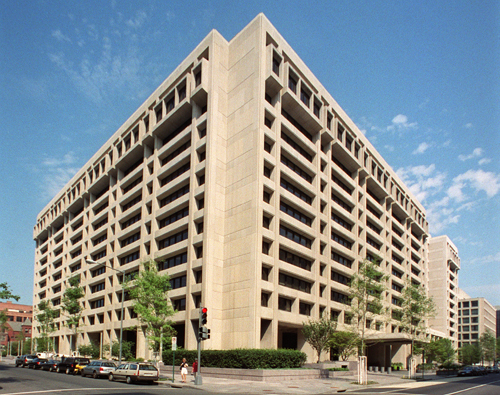
The International Monetary Fund (IMF) has raised serious concerns over the potential economic fallout from the escalating conflict in the Middle East. As violence spreads and tensions rise, the conflict threatens not only the region’s stability but also the global economy, particularly through disruptions in energy supplies, trade routes, and investor confidence.

The war in Gaza has intensified, drawing in multiple countries and raising fears of broader regional involvement. The IMF’s latest assessments highlight the possibility of severe economic impacts, particularly on energy markets. With the Middle East responsible for a significant portion of the world’s oil production, any disruptions could lead to increased volatility in oil prices. The IMF warned that sustained conflict could push oil prices higher, potentially surpassing $100 per barrel, a figure already approached during earlier hostilities this year. This price surge would have far-reaching consequences, especially for oil-importing nations, straining budgets and intensifying inflationary pressures.

Global financial markets have already shown signs of nervousness. Investors, traditionally wary of instability in key regions, have begun reallocating assets, with several stock indices experiencing sharp drops. Analysts suggest that if the conflict escalates further, the damage could spread beyond energy markets, affecting sectors such as manufacturing and technology that rely heavily on supply chains running through or near conflict zones.

The IMF’s mission chief underscored that while oil prices are the most immediate concern, the broader economic picture is equally troubling. Trade disruptions, particularly in critical shipping lanes like the Suez Canal, could severely impact the flow of goods, exacerbating the already fragile global supply chains. For nations in the region, the toll could be devastating. Countries like Lebanon and Egypt, already grappling with economic crises, could face further destabilization, compounding their debt issues and putting millions more at risk of poverty.

While energy exporters such as Saudi Arabia and the UAE may temporarily benefit from higher oil revenues, the broader economic instability could erode those gains, particularly if conflict spreads further across the region. Additionally, prolonged unrest could deter much-needed foreign investment in the Gulf region, which has been aggressively pursuing diversification away from oil dependency.

The IMF’s warning also extends to food security concerns, as the Middle East plays a crucial role in global grain trade. Egypt, for instance, is one of the world’s largest wheat importers, and disruptions to shipping could lead to shortages and price hikes. This would disproportionately affect lower-income nations, already struggling with inflationary food costs and economic stagnation.

As the situation continues to evolve, the IMF has urged regional governments and the international community to take immediate steps to prevent further escalation. In addition to diplomatic efforts, the IMF is advocating for emergency economic measures to protect the most vulnerable economies. These include securing financial aid, stabilizing food supply chains, and safeguarding energy markets from excessive speculation.

However, the global response remains uncertain. While Western powers and international organizations have expressed concern, efforts to mediate the conflict have so far been limited. The longer the fighting continues, the higher the economic risks become, making it crucial for governments to work towards de-escalation before the crisis spirals further out of control.

Dubai’s luxury real estate market is witnessing a significant surge in property sales, driven by a growing demand that currently outstrips available listings. In the first half of the year, the emirate saw a remarkable increase in transactions for high-end properties, underscoring the resilience of its real estate sector amidst global economic uncertainties. Recent reports highlight that Dubai has become a magnet for affluent buyers, particularly from […]

Growing concerns surrounding geopolitical instability in the Middle East are contributing to heightened volatility in the oil markets, as traders anticipate further price increases. Recent analyses indicate that the tensions between various regional players and broader global dynamics are significantly influencing supply concerns, leading to increased buying activity in oil options. This is particularly evident as major crude benchmarks, including Brent crude and West Texas Intermediate (WTI), have seen notable fluctuations driven by investor sentiment and strategic positioning.

Market data reveals a surge in options trading, suggesting that traders are preparing for potential price movements. Open interest in call options, which give the buyer the right to purchase oil at a predetermined price, has risen sharply. This indicates that market participants expect prices to climb, driven by fears of supply disruptions due to geopolitical unrest, particularly in key oil-producing countries such as Saudi Arabia, Iran, and Iraq. Analysts suggest that the current landscape is reminiscent of past crises, wherein escalating tensions have historically led to significant price spikes.

As oil prices approach the $100 per barrel mark, analysts warn that sustained increases could have broader economic implications. The International Energy Agency (IEA) has projected a potential supply shortfall if geopolitical tensions escalate, particularly with ongoing conflicts in Ukraine and regional disruptions in the Middle East. In this context, market experts emphasize the importance of monitoring geopolitical developments closely, as these factors will be critical in shaping oil price trajectories in the coming months.

The dynamics of oil trading have shifted, with many investors now viewing geopolitical events as pivotal catalysts for price changes. The strategic importance of the Middle East, often referred to as the world’s energy hub, cannot be overstated. The region accounts for a significant portion of global oil supply, and any disruptions can lead to immediate and substantial price reactions in the market.

In light of these developments, the oil market is exhibiting signs of increased speculation. Hedge funds and other large investors have ramped up their positions in oil futures and options, further reflecting the bullish sentiment permeating the market. This trend has been particularly pronounced in the context of the ongoing discussions regarding production cuts by the Organization of the Petroleum Exporting Countries (OPEC) and its allies. OPEC’s decisions will play a crucial role in determining supply levels and influencing price stability.

Saudi Arabia, a leading member of OPEC, has signaled its willingness to adjust production levels in response to market dynamics. The kingdom’s recent commitments to reducing output in order to stabilize prices have fueled discussions regarding potential collaborative efforts among OPEC members to manage supply effectively. This strategy aims to counterbalance the impact of external geopolitical risks and market volatility.

Iran’s continued efforts to revitalize its oil production in the wake of sanctions further complicates the scenario. The Iranian oil sector is poised for growth, but any increase in output is contingent upon the delicate diplomatic landscape. Investors are acutely aware that shifts in U.S. policy towards Iran can have immediate repercussions for oil supply and pricing, leading to a cautious approach in trading activities.

Market sentiment is also influenced by macroeconomic factors, including inflation and interest rates. Recent data suggest that rising inflationary pressures are leading to increased uncertainty regarding economic growth, which could, in turn, impact oil demand. Investors are weighing the potential for a slowdown in global economic activity against the backdrop of supply-side constraints. This balancing act adds another layer of complexity to trading strategies.

Analysts are observing emerging trends in the energy sector, particularly the transition towards renewable energy sources. As nations grapple with climate change initiatives, the demand for traditional fossil fuels is being challenged. However, in the short term, oil remains a critical component of the global energy mix, especially amid geopolitical uncertainties that necessitate a reliable energy supply.

The current landscape underscores the importance of strategic foresight for traders and investors. Understanding the interconnectedness of geopolitical developments, production decisions, and market sentiment will be essential in navigating the complexities of oil trading. Traders are increasingly incorporating a broader range of indicators and data points into their analyses, reflecting the dynamic nature of the oil market.

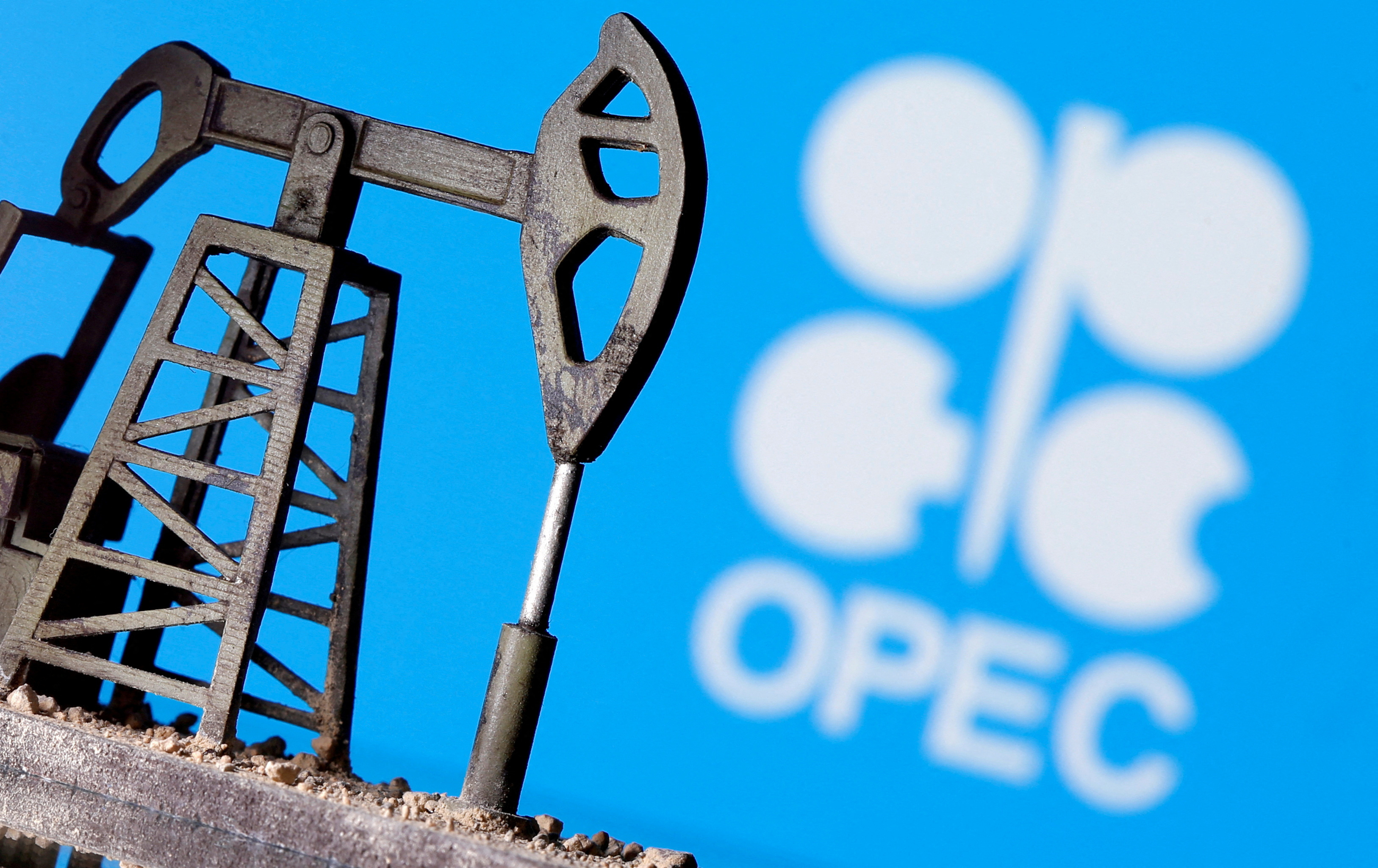
Oil-producing nations in the OPEC+ alliance have decided to maintain the current output policy following a key meeting. The gathering of ministers, which occurred as global energy markets continue to experience volatility, focused on compliance with production cuts and compensatory measures for countries that have exceeded their allocated quotas. As tensions persist over global supply and demand dynamics, this decision underscores OPEC+’s cautious approach in navigating the uncertain landscape.

The meeting, involving some of the world’s largest oil producers, was closely watched by analysts and industry leaders. Observers had anticipated possible adjustments to production levels, but the alliance chose to keep its policy steady for the time being. A source close to the talks confirmed the decision, emphasizing the group’s intent to maintain stability amid unpredictable economic conditions. OPEC+ has long been the primary driver behind oil supply strategies, and its decisions significantly impact global oil prices.

Attention was also directed at countries that have been overproducing relative to their targets. The meeting delved into how these nations might adjust their production in the coming months to align with the overall quotas set by the group. According to one of the sources within OPEC+, ministers discussed altering the schedules for compensating the excess oil production. While compliance remains a key issue, the group’s commitment to ensuring market equilibrium is evident through its continued discussions on corrective actions for overproducers.

OPEC+ includes the 13-member Organization of the Petroleum Exporting Countries (OPEC) along with other major oil producers, including Russia, forming an extended alliance that has managed global oil production since 2016. The group’s coordinated efforts in limiting production have played a critical role in managing global oil supply, especially after demand shocks like the COVID-19 pandemic. OPEC+ agreements, including the output cuts initiated in response to these shocks, have helped stabilize the market, albeit with ongoing challenges.

The current production cuts are part of a broader strategy adopted by OPEC+ to counterbalance the global oil supply. This strategy was designed to address the fluctuating demand patterns caused by economic slowdowns, geopolitical conflicts, and environmental concerns. Although many expected the group to consider tightening production further, the decision to maintain the status quo suggests that ministers are awaiting clearer market signals before making significant adjustments.

Concerns over compliance have surfaced repeatedly within the OPEC+ framework, particularly regarding the member nations that have consistently exceeded their production targets. The alliance had previously implemented a compensation mechanism that allows such countries to compensate for their overproduction by reducing future outputs. Discussions during the latest meeting reiterated the importance of this mechanism, with proposals to recalibrate the compensation schedules for non-compliant members gaining traction.

Market analysts are closely evaluating how these compensation schedules might influence oil prices in the coming months. For many overproducing countries, the challenge lies in balancing domestic energy demands with international commitments. The talks have underscored the need for greater transparency and enforcement within the OPEC+ framework, as stricter compliance will be crucial for the alliance’s long-term credibility and effectiveness.

The broader geopolitical context remains an important factor in OPEC+’s decision-making. Ongoing concerns over global inflation, coupled with fears of economic recessions in key markets, continue to shape the group’s cautious approach. Energy prices have become a focal point of debate in several regions, with governments under pressure to address rising costs while maintaining economic growth. OPEC+, mindful of these dynamics, is likely to continue adjusting its strategies in response to global macroeconomic shifts.

Despite the current output freeze, many industry experts believe that OPEC+ may consider changing its production policies in future meetings, especially if market conditions warrant it. The delicate balance between supply and demand remains a persistent challenge for oil producers, who must navigate not only the economics of energy but also the geopolitical pressures associated with oil dependency.

The global energy landscape continues to evolve, driven by factors such as the transition to renewable energy, geopolitical tensions, and the demand recovery in major economies. OPEC+ is increasingly viewed not just as a traditional oil cartel but as a central player in global energy governance. This meeting further highlights the alliance’s critical role in shaping the future of oil production and pricing.

OPEC+’s production strategies are also being influenced by longer-term shifts in the global energy mix. As the world gradually pivots toward more sustainable energy sources, fossil fuel producers face mounting pressure to diversify their portfolios while continuing to meet the immediate energy needs of a growing global population. For many OPEC+ members, the dual challenge of meeting these short-term and long-term goals will define the future of oil production policy.

VISHNU RAJA
RYO YAMADA
HITORI GOTOH
IKUYO KITA