Just in:
Lancet researchers seek global health emergency recognition for climate // US intelligence suspects Megaspeed executive of Chinese espionage // 10 CENTS CAPITAL Completes US$20 Million Financing and Sets Out a Phased Deployment Plan // Strategy drives listed companies’ Bitcoin holdings to 1.3 million // Binance estimates $6.3 billion impact from security breach // New authentication research charts shift away from passwords // A Better Start, Ready for the Day: Green SM Elevates the Urban Mobility Experience in the U.S. // 10 CENTS CAPITAL Completes US$20 Million Financing and Sets Out a Phased Deployment Plan // UK competition watchdog examines Meta publisher contract terms // Lancet researchers seek global health emergency recognition for climate // Anchored in Data Sovereignty, the Engagement Enables the Legal Sector to Adopt Generative AI Safely and Confidently // US intelligence suspects Megaspeed executive of Chinese espionage // Lancet researchers seek global health emergency recognition for climate // Crown Workspace wins Gold and special Trinity recognition at HR Vendors of the Year Awards 2026 // Lancet researchers seek global health emergency recognition for climate // ZJLD Group Returns to Hong Kong Wine & Dine Festival 2026 // 10 CENTS CAPITAL Completes US$20 Million Financing and Sets Out a Phased Deployment Plan // IBS Proposes HK$563 Million Acquisition of AI Chip Enterprise // High Court opens toddy shop jobs to women // Lancet researchers seek global health emergency recognition for climate //

News related to
prices

Oman’s sovereign wealth fund, the State General Reserve Fund (SGRF), has merged its subsidiaries Nitaj and the Food Development Oman (FDO) to enhance the nation’s food security strategy. This strategic consolidation aims to streamline operations and bolster the country’s agricultural and food production capabilities amid growing global uncertainties and supply chain disruptions. Nitaj, which focuses on agricultural investments and technologies, and FDO, which handles food security initiatives […]

Bitcoin has experienced a notable increase in outflows from exchanges, driven largely by large-scale transactions. Data indicates that substantial withdrawals have surged, reflecting a reaction from significant investors to the cryptocurrency’s fluctuating prices. This trend underscores the growing sentiment among major players to secure their holdings amid market volatility. Recent analytics reveal that Bitcoin outflows from exchanges have reached unprecedented levels. Over the past few weeks, the […]

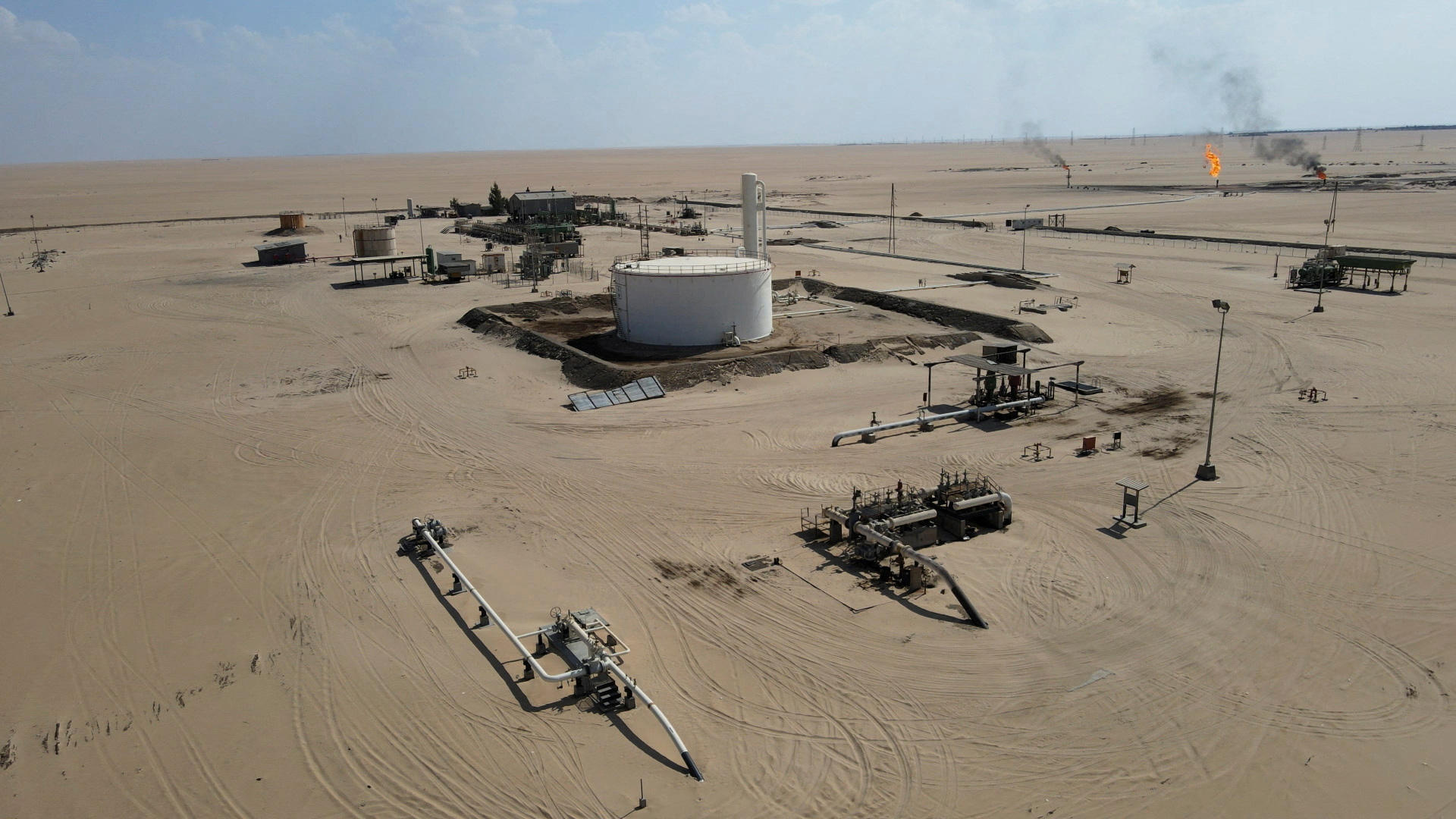
Libya’s National Oil Corporation (NOC) has declared force majeure on operations at the El Sharara oil field, a critical asset in the country’s oil production infrastructure. This decision comes as tensions escalate between various factions within the Libyan government, further complicating the nation’s already turbulent political landscape. El Sharara, one of Libya’s largest oil fields, has been a focal point in the ongoing struggle for control over […]

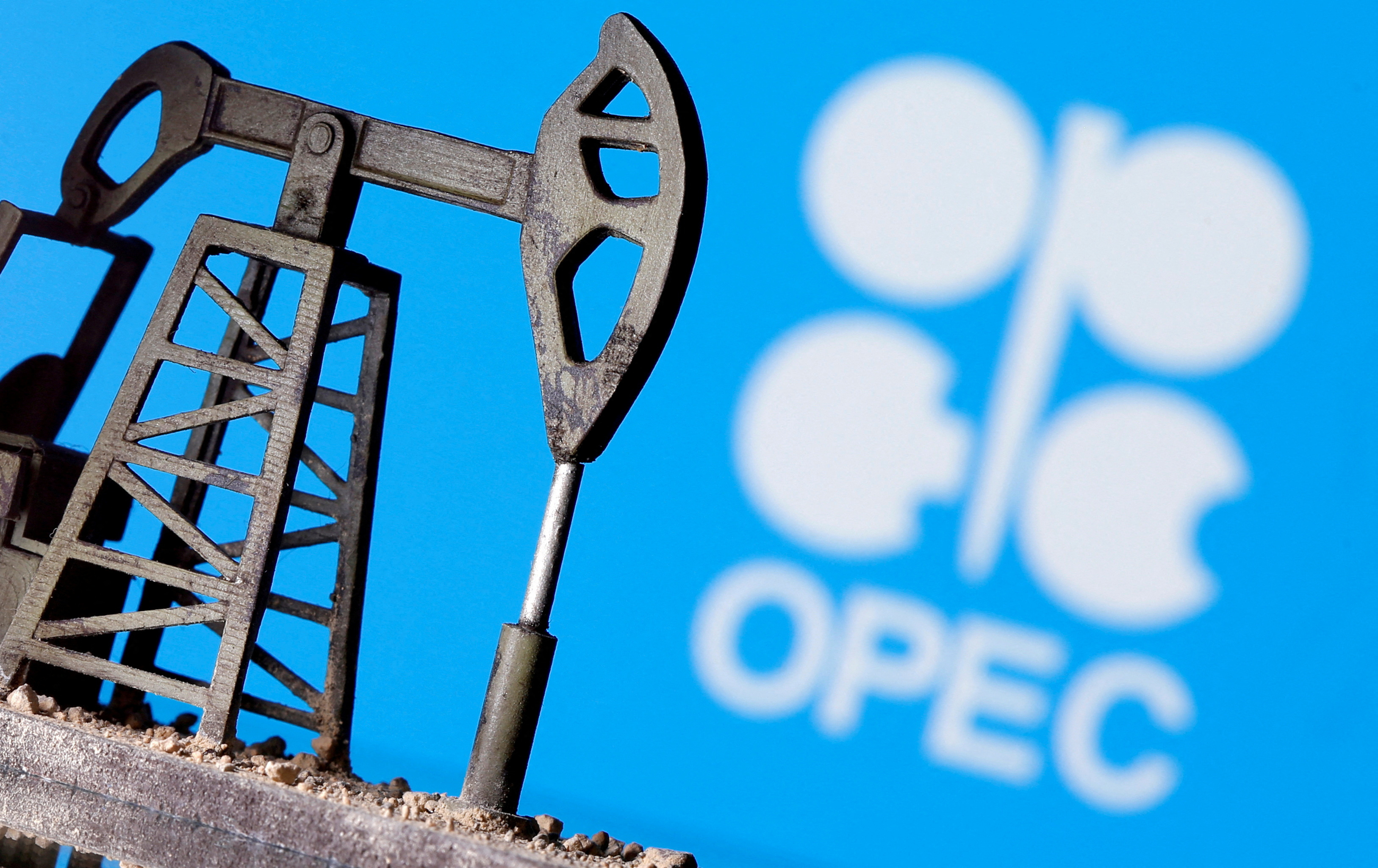
OPEC’s crude oil production in August plummeted to its lowest level since January, primarily driven by a significant drop in output from Libya. According to a recent survey, Libya’s ongoing conflict and operational disruptions have sharply curtailed its oil production, contributing to the overall decrease in the organization’s output.

The survey, conducted by an industry analysis firm, reveals that OPEC’s total crude oil production averaged approximately 28.3 million barrels per day (bpd) in August. This marks a notable decline from the 29.1 million bpd recorded in July. Libya, a member of OPEC, saw its production fall by about 300,000 bpd to just over 800,000 bpd due to severe disruptions in its oil infrastructure. These disruptions are attributed to ongoing internal conflicts and blockades affecting key oil fields and export terminals.

The decrease in Libya’s output has had a ripple effect on OPEC’s overall production levels. The survey highlights that other OPEC members have maintained relatively stable production levels or have experienced only minor fluctuations. For instance, Saudi Arabia, the organization’s largest producer, and Iraq, the second-largest, have continued their production commitments in line with previous agreements. Saudi Arabia’s output remains close to 10.5 million bpd, while Iraq produces around 4.4 million bpd.

The impact of Libya’s reduced output is compounded by broader market dynamics. Global oil prices have shown volatility, influenced by fluctuating demand and geopolitical uncertainties. The drop in OPEC’s production underscores the challenges facing the organization as it navigates a complex global oil market characterized by varying national interests and economic pressures.

Analysts suggest that the production decline could influence global oil prices, potentially pushing them higher in response to the reduced supply. However, the extent of this impact will depend on several factors, including the pace at which Libya can restore its oil output and the response of other major oil producers outside OPEC.

The situation in Libya has been a critical factor in the organization’s production dynamics. Ongoing conflict and political instability have disrupted the country’s oil industry, which has historically been a significant contributor to OPEC’s total output. Efforts to stabilize the region and restore production are ongoing, but progress remains slow.

Additionally, the survey highlights that non-OPEC countries, including major producers like the United States and Russia, continue to influence global oil supply and demand trends. The production strategies of these countries play a crucial role in shaping the broader oil market, often counterbalancing the fluctuations within OPEC.

The August production data reflects the complexities of managing a global oil supply amid geopolitical uncertainties and market fluctuations. As OPEC seeks to address the challenges posed by Libya’s output and other external factors, the organization will likely continue to adapt its strategies in response to evolving global conditions.

The future outlook for OPEC’s production levels and global oil prices will depend on several factors, including geopolitical developments, market demand, and the effectiveness of stabilization efforts in Libya and other key regions. The ongoing monitoring of these dynamics will be essential for understanding the broader implications for the global oil market and the energy sector as a whole.


Iron ore prices are projected to maintain stability despite ongoing challenges in China’s steel industry. The steel sector, a major driver of iron ore demand, has faced significant headwinds recently due to declining production and fluctuating market conditions. This downturn has raised concerns about the potential impact on iron ore prices, which have historically been closely tied to the performance of the steel industry.

The steel sector in China, the world’s largest producer and consumer of steel, has encountered a range of issues, including reduced domestic demand, stricter environmental regulations, and economic uncertainties. These factors have led to a decrease in steel production and, consequently, a slowdown in the demand for iron ore. However, despite these challenges, iron ore prices have shown resilience.

Market analysts attribute this stability to several key factors. Firstly, iron ore remains a crucial raw material for steel production, and despite the slowdown, demand has not diminished entirely. China’s commitment to infrastructure projects and construction, although reduced, continues to support a baseline level of demand for steel and, by extension, iron ore. Furthermore, global supply constraints have helped to offset some of the downward pressure on prices. Issues such as logistical disruptions and geopolitical tensions have limited the availability of iron ore from major producing regions, contributing to the price stability.

Additionally, major iron ore producers have adjusted their production strategies to align with current market conditions. Companies in Brazil and Australia, two of the largest iron ore exporters, have implemented measures to manage supply levels and maintain price equilibrium. These adjustments have helped to balance the market and prevent excessive price fluctuations.

Economic indicators also play a role in the outlook for iron ore prices. Despite the slowdown in China’s steel sector, broader economic trends show signs of recovery. Increased investment in infrastructure and technology, coupled with government stimulus measures, could potentially boost steel demand in the future. This anticipated recovery may provide additional support for iron ore prices, as the steel industry begins to rebound.

Investor sentiment and market speculation are other factors influencing iron ore prices. The commodity markets are often driven by investor expectations and perceptions of future trends. As investors remain cautious but optimistic about the global economic recovery, this sentiment can contribute to price stability in the iron ore market.

The overall outlook for iron ore prices remains cautiously optimistic. While the steel sector in China faces significant challenges, the iron ore market has demonstrated resilience due to a combination of supply management, global economic trends, and investor sentiment. As the situation evolves, stakeholders in the iron ore industry will continue to monitor these factors closely to navigate the shifting dynamics of the market.

Cryptocurrency exchange OKX has introduced an update aimed at simplifying Bitcoin arbitrage trading, a strategy that capitalizes on price discrepancies across different markets. The update, launched to cater to both high-frequency traders and institutional investors, introduces several key features designed to streamline the trading process and maximize profitability. One of the most notable enhancements is the unified trading interface, allowing traders to monitor multiple exchanges simultaneously. This […]

Oil prices declined on Monday as market participants adjusted their strategies in light of anticipated increases in OPEC+ production starting in October. The price of Brent crude fell to $86.20 per barrel, while West Texas Intermediate (WTI) dropped to $83.10 per barrel, reflecting the market’s response to new supply forecasts and ongoing concerns about global demand. The Organization of the Petroleum Exporting Countries and its allies (OPEC+) […]

Advertisements

As the market frenzy surrounding Nvidia’s meteoric rise and subsequent volatility begins to wane, investors should take a moment to appreciate the broader health of the US stock market. While the chipmaker has captivated headlines with its spectacular gains, fuelled by AI hype, the real story may lie in the solid, albeit less glamorous, performance of the broader market. Recent data suggests that US equities are in […]

By Nantoo Banerjee Democratically elected governments often think their electors are idiots. They may have good reasons to build such a notion as a good number of them don’t deserve to be there in terms of their personal background and characteristic traits. Many of them are booked for even criminal offences. Voters have little choice […]

Automobile prices in the UAE are experiencing notable shifts as Chinese car manufacturers increasingly penetrate the market. This change is attributed to competitive pricing strategies and an expanding presence of Chinese brands in the region. Chinese automakers have significantly disrupted the UAE car market by offering models that are both affordable and technologically advanced. Brands such as BYD, Geely, and Great Wall Motors have introduced a range […]

KUALA LUMPUR, MALAYSIA – Media OutReach Newswire – 2 September 2024 – The influence of presidential elections on financial markets is often temporary. Still, the psychological effect of elections on traders and investors can cause emotional and illogical behaviour, contributing to increased market swings. Apart from the White House, the Senate is also up for grabs this fall, and the balance of power inside the legislative branch […]

A positive outlook for the US steel industry has emerged, with experts anticipating a significant rebound in demand by 2025. After struggling with lackluster demand and low prices, steel manufacturers are optimistic that the economic revival will drive a surge in demand for the industrial material, supported by infrastructure projects and technological advancements. Steel executives and industry analysts have noted that the industry has faced considerable challenges […]

India is poised to benefit from an anticipated surge in monsoon rainfall next month, according to the latest weather forecasts. The meteorological department has predicted above-average precipitation for the concluding phase of the June-September monsoon season, offering a significant boost to agricultural productivity. This optimistic forecast comes as a relief to the nation’s farmers who have been grappling with fluctuating weather patterns affecting crop yields. The expected […]

HONG KONG SAR – Media OutReach Newswire – 31 August 2024 – Rapid Project Growth Since its launch, Live4Well has steadily accumulated real users by integrating AI and blockchain technology, uniting the sports health industry with community engagement. Leading the health industry trends in the Web3 era, Live4Well has grown into a global community with over 250,000 members, primarily young sports enthusiasts aged 18-25. The platform boasts […]

A clandestine figure identified as ‘Hector’ has emerged as a pivotal player in the Iranian oil trade, reshaping the global energy landscape. Operating under a veil of secrecy, Hector has orchestrated a complex web of transactions that challenges conventional oil market dynamics.

Hector’s influence extends across various regions, with reports indicating a sophisticated network facilitating the clandestine export of Iranian oil despite international sanctions. This network has reportedly employed innovative methods to bypass restrictions and maintain a steady flow of oil to markets that are otherwise difficult to penetrate.

A recent investigation unveiled that Hector’s operations involve an intricate system of shell companies and intermediaries. These entities, often based in jurisdictions with lax regulatory frameworks, obscure the true origin of the oil, allowing it to enter the global market without direct association with Iranian sources. This method not only aids in evading sanctions but also helps in maintaining competitive pricing, which has disrupted established market equilibrium.

The financial aspects of Hector’s operations are equally sophisticated. The trader has reportedly leveraged advanced financial instruments to launder money, further complicating efforts to track and curb illicit oil transactions. By utilizing cryptocurrency and other digital assets, Hector has managed to obscure financial trails, making it challenging for authorities to follow the money.

Hector’s network reportedly includes a range of actors from various sectors, including shipping companies, financial institutions, and political operatives. These collaborators play crucial roles in ensuring the smooth operation of the illicit trade, from logistics to financial transactions. The involvement of such a diverse group underscores the complexity of Hector’s operations and the breadth of his influence in the global oil market.

The implications of Hector’s activities extend beyond mere economic impacts. The ability to circumvent sanctions and manipulate market dynamics poses a significant challenge to international regulatory efforts. This situation underscores the need for more robust measures to address the evolving methods employed by entities engaged in illicit trade.

Energy analysts are closely monitoring the situation, noting that Hector’s operations could have far-reaching consequences for global oil markets. The disruption of traditional supply chains and the introduction of lower-priced oil from these illicit sources could lead to increased volatility in global oil prices. Moreover, the undermining of sanctions regimes could embolden other actors to pursue similar strategies, further complicating efforts to enforce international regulations.

In response to these developments, international bodies and national governments are ramping up their efforts to identify and dismantle such networks. Enhanced cooperation and intelligence-sharing among nations are seen as crucial steps in combating the sophisticated methods employed by traders like Hector. Additionally, there is a growing emphasis on improving financial transparency and regulatory oversight to close loopholes exploited by such actors.

As the global community grapples with these challenges, Hector’s case highlights the need for a multifaceted approach to addressing illicit trade in critical resources. The evolving tactics of secretive traders and the complexities of their operations demand a coordinated and innovative response from policymakers and enforcement agencies alike.

Executives of Raydan Food Co, a prominent food services company in Saudi Arabia, have been sentenced to prison following a thorough investigation into market violations. This legal action marks a significant chapter in the kingdom’s ongoing efforts to enforce stricter compliance within its financial markets. The Saudi Capital Market Authority (CMA) announced that several board members of Raydan Food Co were found guilty of manipulating the company’s […]

OPEC+ is on track to implement its scheduled oil output increase in October, even as global energy markets experience fluctuations due to disruptions in Libya and uncertain demand growth, particularly in China. The coalition, led by Saudi Arabia and Russia, plans to raise production by 180,000 barrels per day as part of an effort to gradually reverse the significant production cuts made earlier in the year.

This decision comes as the group navigates a complex landscape marked by lower-than-expected demand growth and ongoing supply issues. Libya, a key member of OPEC, has faced significant production setbacks due to internal conflicts, putting additional pressure on global oil supplies. Despite these challenges, OPEC+ aims to proceed with the output hike to maintain stability in the market.

Market analysts have expressed mixed reactions to the planned increase, citing concerns over the potential for oversupply in a market already grappling with sluggish demand. The slowdown in China, the world’s largest oil importer, has particularly raised alarms, as it could dampen the impact of any production hikes. Nevertheless, OPEC+ remains committed to its strategy, with the group’s leaders emphasizing the importance of a measured approach to balancing supply and demand.

Brent crude prices, a key benchmark for global oil, have shown volatility in response to these developments, recently hovering around $79 per barrel. The upcoming U.S. Federal Reserve decisions on interest rates are also being closely watched, as they could influence economic growth and, consequently, oil demand in the coming months.

OPEC+ will continue to monitor the situation closely, adjusting its strategy as necessary to respond to the evolving market conditions. This ongoing recalibration highlights the delicate balance the group must strike between supporting prices and ensuring sufficient supply to meet global needs.

Brookfield Asset Management is in advanced discussions with Abu Dhabi’s ADQ and other sovereign wealth funds to acquire the Spanish plasma therapeutics company Grifols, a deal valued at approximately $10.6 billion. The move comes as Grifols, a leading producer of plasma-derived medicines, faces significant financial pressure due to mounting debt.

The proposed acquisition would involve Brookfield collaborating with major lenders to refinance Grifols’ existing obligations through a combination of loans and high-yield bonds. This financial restructuring could provide the necessary capital to stabilize Grifols while potentially leading to its privatization, a prospect that may see current shareholders being bought out above market rates due to specific financing clauses.

Brookfield’s interest in Grifols aligns with its strategy of investing in distressed but fundamentally strong companies. For Grifols, the potential takeover offers a lifeline as it struggles with declining revenues and rising debt, which has impacted its share prices and overall market performance. The company’s shares have experienced volatility, fluctuating between $7 and $17 per share over the past year, with a notable recovery in recent weeks.

If successful, the acquisition would not only mark one of the most significant deals in the pharmaceutical sector this year but could also shift the landscape of the plasma therapeutics market, with Brookfield and its partners gaining control of a critical player in the industry. However, the complexity of the deal, combined with the need to navigate regulatory approvals and potential resistance from stakeholders, means that the outcome remains uncertain.

As Brookfield continues to finalize terms with ADQ and other potential investors, the market is closely watching the developments, with Grifols’ stock reacting positively to the news. The strategic importance of Grifols’ assets, including its extensive network of blood donation centers, underscores the high stakes involved in this acquisition, which could have far-reaching implications for the global healthcare market.

Dubai-listed companies have reported a substantial increase in net profits, rising by 30.9% year-on-year to reach $6.7 billion in the second quarter of 2024. This performance marks a significant leap from the $5.1 billion recorded in the same period last year. This growth contrasts sharply with the broader trend observed across the Gulf Cooperation Council (GCC) region, where listed companies saw a more modest net profit increase […]

Libya’s ongoing political conflict is jeopardizing its vital oil production, potentially leading to severe disruptions in global supply chains. The strife between rival factions in the country has intensified, raising concerns about the stability of Libya’s oil sector, a crucial component of the global energy market.

The National Oil Corporation (NOC) has reported escalating security threats and operational interruptions at key oil facilities. Production at several major sites, including the Sharara and El Feel fields, has already experienced significant reductions. The disruptions are a direct result of the clashes between the Government of National Unity (GNU) and the House of Representatives (HoR), each backed by different armed groups.

The GNU, based in Tripoli, and the HoR, which controls parts of eastern Libya, have been embroiled in a protracted power struggle. This rivalry has led to a series of blockades and attacks on oil infrastructure, severely impacting the country’s output. The disruption comes at a time when global oil markets are already grappling with volatility due to various geopolitical tensions and economic uncertainties.

Libya’s oil sector, which accounts for approximately 90% of its revenue, has long been a target in the country’s broader conflict. The recent escalation has resulted in reduced exports and financial losses, exacerbating the economic strain on the nation. Analysts warn that prolonged instability could lead to a more prolonged and deep-seated disruption of Libya’s oil exports, affecting global oil prices and supply stability.

International stakeholders, including the United Nations and major oil companies, are closely monitoring the situation. The UN has called for a cessation of hostilities and a return to dialogue to mitigate the impact on oil production. However, the divided political landscape makes it challenging to achieve a consensus or enforce effective measures.

Libya’s oil industry was recovering from years of conflict and mismanagement when the current crisis hit. The industry had seen incremental improvements in production levels and infrastructure upgrades. Yet, the recent conflict threatens to reverse these gains, putting more strain on an already fragile sector.

The uncertainty surrounding Libya’s oil supply has prompted some countries and corporations to seek alternative energy sources or increase their reserves in anticipation of potential shortages. This shift could lead to changes in global energy markets, influencing everything from oil prices to energy policies worldwide.

Efforts to mediate the conflict and stabilize the oil sector have been ongoing, but the entrenched political divisions pose significant obstacles. The situation remains fluid, with potential for further escalation or, conversely, a resolution if diplomatic efforts gain traction.

As the international community watches closely, the immediate concern remains the security of Libya’s oil infrastructure and the broader implications for global energy stability.

KUALA LUMPUR, MALAYSIA – Media OutReach Newswire – 29 August 2024 – As the U.S. presidential elections approach, global financial markets brace for potential turbulence. Global broker Octa looks at the historical correlation between U.S. elections and stocks, gold, and the U.S. dollar. Economy The relationship between the party affiliations of the U.S. presidents and economic growth has been a topic of extensive research and debate. Historically, […]

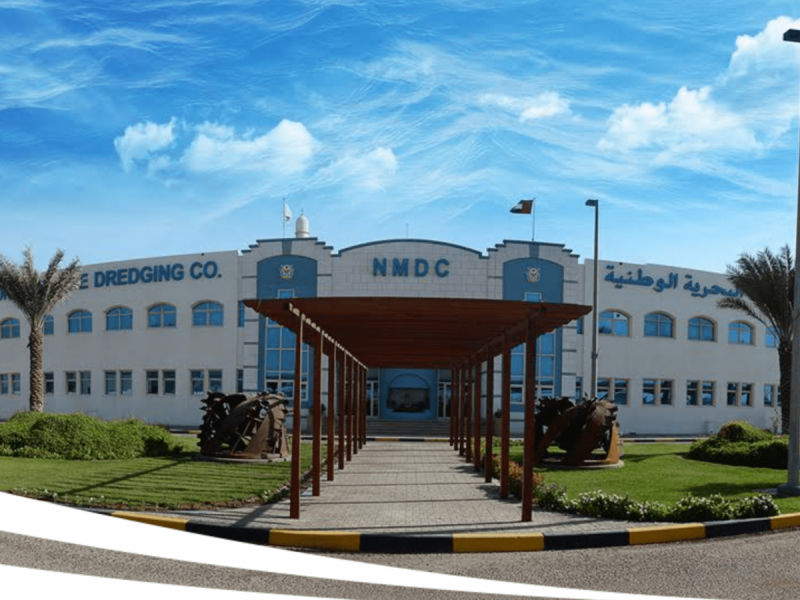
The UAE-based NMDC Group is preparing for what is set to be the country’s largest initial public offering (IPO) of the year. The firm, which was established as a subsidiary of the Abu Dhabi National Oil Company (ADNOC), aims to raise up to $2 billion through the listing. The company is now majority-owned by Alpha Dhabi Holding.

NMDC provides integrated drilling services across the Middle East, has announced plans to float around 7.5% of its shares on the Abu Dhabi Securities Exchange (ADX). The IPO will offer approximately 1.5 billion shares to institutional and retail investors, marking a significant milestone in the UAE’s financial markets.

The NMDC IPO comes at a time of fluctuating oil prices and global economic uncertainties. NMDC has reported substantial revenue growth over the past few years, driven by increasing demand for its drilling services and an expanding portfolio of projects across the region.

Oil prices held steady after a period of volatility driven by escalating tensions in the Middle East and disruptions in Libyan production. Brent crude futures hovered around $78.25 per barrel, while U.S. West Texas Intermediate (WTI) maintained a price near $75.25. The market had reacted sharply to a significant drop in U.S. crude inventories, coupled with geopolitical concerns following the killing of key militant leaders and a […]

The International Falcon Breeders Auction 2024, organized by the Saudi Falcons Club, concluded with record-breaking sales surpassing $2.7 million. This annual event, held in Riyadh, is recognized as the largest of its kind globally and has attracted significant attention from falconers, breeders, and enthusiasts worldwide.

During the auction, which ran for several weeks, rare and elite falcon breeds were showcased, drawing participants from 16 countries. The auction featured twelve nights of intense bidding, with some falcons fetching prices never before seen in the auction’s history. The highest sale recorded was for two exceptional falcons, which sold for over $1 million collectively, setting new benchmarks in the global falconry market.

The event not only served as a commercial hub but also as a cultural exchange platform, where breeders and investors from various regions converged to share knowledge and foster collaborations. The Saudi Falcons Club emphasized its commitment to preserving the rich heritage of falconry while promoting environmental awareness and supporting scientific research related to falcon breeding.

This year’s auction witnessed an increase in both the number of participating farms and the quality of falcons presented, reflecting the auction’s growing prestige and the successful outcomes of its previous editions. The success of the auction further solidifies Saudi Arabia’s position as a leading global destination for falconry.

As the auction wraps up, the anticipation for next year’s event is already building, with breeders and falconers eager to see what new records will be set and what innovative developments will emerge in the world of falconry. The International Falcon Breeders Auction continues to play a pivotal role in shaping the future of this ancient practice, blending tradition with modern commerce.

VISHNU RAJA
RYO YAMADA
HITORI GOTOH
IKUYO KITA
Just in:
UK competition watchdog examines Meta publisher contract terms // LiveWire flags survival doubts as cash reserves shrink // Lancet researchers seek global health emergency recognition for climate // Lancet researchers seek global health emergency recognition for climate // Sharjah Islamic Bank’s $500 million sukuk joins Nasdaq Dubai // PSC probe closes in on chief // New authentication research charts shift away from passwords // 10 CENTS CAPITAL Completes US$20 Million Financing and Sets Out a Phased Deployment Plan // 10 CENTS CAPITAL Completes US$20 Million Financing and Sets Out a Phased Deployment Plan // Lancet researchers seek global health emergency recognition for climate // US intelligence suspects Megaspeed executive of Chinese espionage // Strategy drives listed companies’ Bitcoin holdings to 1.3 million // Anchored in Data Sovereignty, the Engagement Enables the Legal Sector to Adopt Generative AI Safely and Confidently // 10 CENTS CAPITAL Completes US$20 Million Financing and Sets Out a Phased Deployment Plan // ZJLD Group Returns to Hong Kong Wine & Dine Festival 2026 // A Better Start, Ready for the Day: Green SM Elevates the Urban Mobility Experience in the U.S. // US intelligence suspects Megaspeed executive of Chinese espionage // Polymarket restores trading after third-party security breach // Crown Workspace wins Gold and special Trinity recognition at HR Vendors of the Year Awards 2026 // Hill’s Enhances Cat and Dog Food with Prebiotics to Support Senior Pet Health in Hong Kong //