News related to
shares

Offer extended to 17 January 2025. Offer Price remains firm at RM11.00 Per Share KUALA LUMPUR, MALAYSIA – Media OutReach Newswire – 8 January 2025 – Gateway Development Alliance Sdn Bhd (“GDA“) and its shareholders (collectively, the “Consortium“) announced that as at 5:00 p.m. today, it has received valid offer acceptances of 1,385.5 million shares and a further 18.2 million shares have accepted the offer pending verification, […]

By K Raveendran As we enter 2025, the accelerating proliferation of artificial intelligence (AI) is poised to reshape the global landscape in ways akin to the transformational impact the internet had in the late 20th century. Within the first few days of the year, AI-driven technology stocks have seen substantial surges, with shares of major […]

The government of Sharjah has made a strategic decision to transfer a 20% stake in Invest Bank to a sovereign security fund. This transaction signals a pivotal shift in the emirate’s banking sector, with potential implications for the financial landscape. The move underscores Sharjah’s commitment to bolstering its financial stability and growth prospects. Invest Bank, a key player in the UAE’s banking sector, has seen substantial developments […]

Over 300 industry leaders convene in Hong Kong to explore the future of Asian property markets HONG KONG SAR – Media OutReach Newswire – 7 January 2025 – The MIPIM Asia Summit concluded its 18th edition on December 4th, bringing together over 400 international delegates at the Grand Hyatt, Hong Kong. As Asia’s premier real estate investment platform, this year’s summit focused on the vision for the […]

MACAU SAR – Media OutReach Newswire – 6 January 2025 – Melco Resorts & Entertainment has been honored a collective total of six diamonds from Black Pearl Restaurant Guide 2025. The recognition from the esteemed annual culinary guide is presented to the Company’s signature Chinese restaurants Jade Dragon and Yí, iconic French fine dining restaurant, Alain Ducasse at Morpheus, and Japanese restaurant Sushi Kinetsu. Jade Dragon at […]

Matein Khalid “O liberty, what crimes are committed in your name!”. So lamented a Girondist noblewoman as she gazed at the guillotine that would snuff out her life minutes later in Robespierre’s reign of terror during the Great Revolution. French history then went dark. The Catholic-Royal revolt in the Vendée was crushed in literal rivers of blood. Napoleon’s reign ended in the slaughter and defeat of Waterloo. […]

Coinbase, the prominent U.S.-based cryptocurrency exchange, has acquired the Cyprus unit of BUX, formerly known as Stryk, rebranding it as Coinbase Financial Services Europe. This strategic move provides Coinbase with a Cyprus Investment Firm (CIF) license, enabling the offering of contracts for differences (CFDs) across the European Economic Area (EEA).

The acquisition, finalized in October 2024, signifies Coinbase’s commitment to expanding its services within the European market. The Cyprus Securities and Exchange Commission (CySEC) has approved the domain “coinbase.com/international-exchange/europe,” though it is not yet operational. This approval allows Coinbase to passport its Cyprus license, facilitating the provision of financial products across multiple EEA member states.

Contracts for differences are financial instruments that enable traders to speculate on asset price movements without owning the underlying assets. This acquisition positions Coinbase to diversify its offerings, potentially attracting professional and institutional clients seeking CFD products. While Coinbase has not officially announced plans to launch CFD products, the regulatory infrastructure is now in place to support such offerings.

Yorick Naeff, CEO of BUX, expressed satisfaction with the transaction, stating, “We are pleased with the sale of our MiFID licensed entity, BUX Europe Limited (BEU), to Coinbase, a globally recognized leader in the crypto industry.” This divestment aligns with BUX Holding’s strategic shift to focus exclusively on shares and ETF offerings, following its acquisition by Dutch bank ABN AMRO.

Prior to the sale, BUX had transferred its Cyprus-based clients to AvaTrade, another CFD broker, indicating that Coinbase’s interest lies primarily in the operational infrastructure and regulatory approvals rather than an existing client base. This approach suggests a focus on building a new clientele under the Coinbase brand within the European market.

The rebranding of BUX Europe Limited to Coinbase Financial Services Europe Ltd was recorded by Belgium’s Financial Services and Markets Authority (FSMA) on October 11, 2024. This regulatory milestone underscores Coinbase’s commitment to compliance and its strategic intent to broaden its service offerings across Europe.

Coinbase’s expansion into the European market comes amid increasing regulatory scrutiny and evolving market dynamics. By securing a CIF license, Coinbase is better positioned to navigate the complex regulatory landscape of the EEA, offering a broader range of financial products to meet diverse client needs.

This acquisition also reflects a broader trend among cryptocurrency exchanges seeking to diversify their product offerings and expand their global footprint. By obtaining necessary licenses and regulatory approvals, these exchanges aim to provide a comprehensive suite of services, including traditional financial instruments like CFDs, to attract a wider client base.

Advertisements

Emaar The Economic City (EEC), the master developer behind Saudi Arabia’s King Abdullah Economic City (KAEC), has secured shareholder approval for a substantial capital reduction aimed at extinguishing accumulated losses. During the Extraordinary General Meeting (EGM) held on December 31, 2024, shareholders endorsed the board’s proposal to decrease the company’s capital by 53.83%, reducing it from SAR 11.33 billion to SAR 5.23 billion. This decision involves canceling […]

Matein Khalid Jim Cramer renamed his dog Nvidia and I have renamed my periodic Mag-7/MAGA bull sessions with my fellow Nasdaq junkies as Nvidia Nights and why not? I shared my convictions that Nvidia was headed to 150 two years ago when NVDA traded at a pre-split price well below $20 a share in late 2022 when Powell’s monetary tough love had slammed Nasdaq and the AI […]

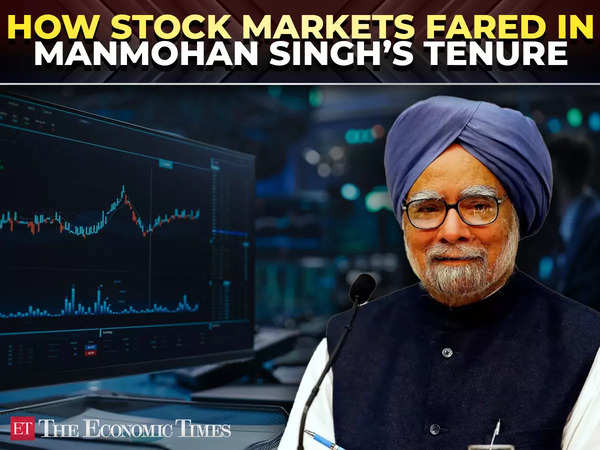
By Anjan Roy Thirty-three years are half a lifetime. Thirty-three years ago, Dr Manmohan Singh stepped into a high-profile limelight, well after his formal retirement from a senior government job. When he died last Friday at the age of 92, he was considered India’s greatest finance minister and the architect of India’s modern economy. There […]

Derayah Financial, a prominent Saudi-based investment firm, has secured approval from the Kingdom’s Capital Market Authority (CMA) to launch an Initial Public Offering (IPO), marking a significant milestone in the firm’s growth trajectory. This development comes as part of Saudi Arabia’s broader strategy to bolster its financial sector and increase the number of publicly traded companies on its stock exchange, Tadawul. The approval positions Derayah Financial as one of the key players in the Kingdom’s evolving financial landscape.

The company, which provides a range of services including asset management and investment advisory, has been preparing for its public offering for several months. The move to go public is seen as part of its long-term strategy to expand its client base, raise capital, and further diversify its business operations. By listing on Tadawul, Derayah aims to increase its financial stability and strengthen its competitive position within the regional financial market.

Derayah Financial’s IPO is part of a broader trend in Saudi Arabia, where the government has actively encouraged private companies to list on the stock exchange. This initiative aligns with the Kingdom’s Vision 2030, which seeks to transform the economy and reduce its dependency on oil exports by promoting the private sector and diversifying economic activities. The government’s push to increase the number of publicly listed companies is a key element of this vision, aiming to unlock new sources of capital and create more investment opportunities for both local and international investors.

Analysts have been closely watching Derayah Financial’s progress, noting that its IPO could pave the way for other firms in the asset management and financial services sectors to follow suit. With Saudi Arabia’s financial market continuing to mature, firms in the sector are increasingly recognizing the benefits of public listings. By tapping into the public equity market, companies can access a larger pool of capital and potentially gain broader investor exposure, which is crucial for long-term growth.

The CMA’s approval of Derayah’s IPO is also a testament to the continued regulatory enhancements in Saudi Arabia’s capital markets. Over the past few years, the CMA has implemented a series of reforms to improve market transparency, ensure investor protection, and enhance the overall investment climate in the Kingdom. These reforms have been pivotal in attracting both local and foreign investors to the Saudi stock market, making it one of the most active in the Middle East.

Market observers expect strong demand for Derayah Financial’s shares when the IPO is officially launched. As a well-established name in the Saudi financial sector, the company’s strong track record in asset management and investment advisory services has generated substantial interest among potential investors. The firm’s focus on digital transformation, coupled with its efforts to expand its service offerings, has positioned it as a forward-thinking company with promising prospects in the financial industry.

Derayah’s IPO is expected to provide a significant boost to the Saudi stock market, further solidifying Tadawul’s role as a leading regional exchange. Over the past few years, the Saudi bourse has seen a series of successful IPOs, many of which have attracted considerable attention from both domestic and international investors. The success of these offerings has bolstered investor confidence in the Kingdom’s financial market, and Derayah’s listing is likely to follow a similar pattern, contributing to the market’s continued expansion.

As part of the IPO process, Derayah Financial will disclose key financial information and offer shares to the public, providing insight into its business model, financial health, and growth potential. Investors will be able to gauge the company’s performance and outlook, which will play a critical role in determining the success of the offering. The IPO will also provide a valuable benchmark for other companies in the sector considering a similar move.

Beyond its immediate business objectives, Derayah’s IPO is likely to have broader implications for the Saudi economy. By providing a new avenue for capital raising and increasing the number of publicly traded firms, the offering is expected to enhance market liquidity and create new investment opportunities. Furthermore, it aligns with the Saudi government’s efforts to attract foreign investment and promote the Kingdom as a regional financial hub.

Despite the positive outlook, analysts caution that the success of Derayah’s IPO will depend on various factors, including broader market conditions, investor sentiment, and the performance of the financial sector in the coming months. While the company’s prospects appear strong, the market remains subject to fluctuations that could impact investor confidence. However, given the continued growth of Saudi Arabia’s financial services industry and the government’s support for the IPO process, many expect the offering to be a success.


Finnish authorities have seized a tanker in the Baltic Sea suspected of causing significant damage to undersea power cables and internet lines. The vessel, carrying Russian oil, is believed to have been involved in an incident that led to a power outage affecting Finland and Estonia, as well as the disruption of four internet connections between the countries. The operation took place on Thursday when Finland’s coast […]

The much-anticipated release of Netflix’s “Squid Game” Season 2 on December 26, 2024, has coincided with a notable decline in the stock prices of several South Korean companies linked to the series. Investors had high expectations for the new season, hoping it would replicate the unprecedented success of its predecessor. However, early reviews suggest that while the season offers compelling thrills, it may not fully meet the lofty anticipations set by the original.

On December 27, the Korea Composite Stock Price Index (KOSPI) experienced a downturn, with entertainment and media companies bearing the brunt. Notably, shares of Studio Dragon, a prominent South Korean production company, fell by 3.5%, closing at 82,000 KRW. Similarly, CJ ENM, a major entertainment conglomerate, saw its stock decline by 2.8% to 115,000 KRW. These movements reflect investor sentiment influenced by the mixed critical reception of “Squid Game” Season 2.

The new season continues the narrative of protagonist Seong Gi-hun, portrayed by Lee Jung-jae, as he re-enters the deadly competition with the aim of dismantling it from within. Critics have noted that while the season introduces intense new challenges and delves deeper into character backgrounds, it serves more as a bridge to the anticipated third season rather than delivering a standalone arc. This perception may have tempered investor enthusiasm, impacting related stock performances.

Despite the stock market reaction, “Squid Game” remains a significant cultural phenomenon, with the new season attracting substantial global viewership. Netflix’s stock (NFLX) showed resilience, with only a marginal decline of 0.85%, closing at $924.14 on December 26. This suggests that while regional partners may experience volatility, the streaming giant continues to maintain investor confidence.

Industry analysts advise monitoring the performance of South Korean entertainment stocks in the coming weeks, as audience reception and viewership metrics for “Squid Game” Season 2 become more apparent. The series’ impact on the global entertainment landscape underscores the interconnectedness of media productions and financial markets, highlighting the importance of critical reception in influencing investor behavior.

As the season unfolds, its reception will likely play a pivotal role in shaping the financial trajectories of associated companies. Investors and stakeholders should remain attentive to audience feedback and critical analyses to gauge the long-term implications of the series’ performance on the South Korean entertainment industry.

Video-sharing platform Rumble has announced a $775 million strategic investment from cryptocurrency firm Tether, marking a significant collaboration between the digital content and crypto sectors.

Tether has agreed to purchase approximately 103.3 million shares of Rumble at $7.50 per share, totaling $775 million. Rumble plans to allocate $250 million of this investment to support growth initiatives, with the remaining funds designated for a self-tender offer to repurchase up to 70 million shares of its Class A common stock at the same price.

Following the transaction, CEO Chris Pavlovski will retain his controlling stake in Rumble. Pavlovski has committed to tendering shares but does not intend to sell more than 10 million. The investment and tender offer are expected to close in the first quarter of 2025.

Rumble’s shares responded positively to the announcement, rising 41% to $10.17 in after-hours trading.

Tether, known for issuing the world’s largest stablecoin by market capitalization, has faced regulatory scrutiny in the past. Despite this, the company continues to expand its influence in the digital finance sector.

Rumble, positioning itself as a free-speech alternative to platforms like YouTube, has experienced growth in user engagement and revenue. In the third quarter, the company reported a 39% year-over-year increase in revenue, reaching $25.1 million, alongside a rise in monthly active users and narrowed losses.

This investment aligns with Rumble’s recent strategic decisions, including plans to add Bitcoin to its balance sheet, reflecting a deeper integration with the cryptocurrency ecosystem.

Marathon Digital Holdings, a leading cryptocurrency mining company, has significantly increased its Bitcoin reserves through strategic financial maneuvers. In November and December 2024, the firm raised approximately $1.93 billion via zero-coupon convertible senior notes. These funds facilitated the acquisition of 15,574 Bitcoins at an average price of $98,529 per coin, totaling around $1.53 billion. Additionally, Marathon repurchased approximately $263 million of its existing convertible notes maturing in 2026. As of December 18, 2024, the company holds 44,394 Bitcoins, valued at approximately $4.45 billion, based on the spot price of $100,151 per Bitcoin.

The initial offering, completed on December 4, 2024, involved $850 million in zero-coupon convertible senior notes due 2031. Marathon granted initial purchasers an option to buy an additional $150 million in notes, potentially increasing the total to $1 billion. The net proceeds of approximately $835.1 million were designated primarily for Bitcoin acquisitions and repurchasing existing convertible notes due in 2026.

Subsequent to this offering, Marathon continued its strategy by raising additional funds through similar financial instruments. The company utilized these proceeds to purchase 11,774 Bitcoins for about $1.1 billion, averaging $96,000 per Bitcoin. This purchase increased Marathon’s total Bitcoin holdings to 40,435, valued at approximately $3.9 billion, based on a Bitcoin price of $96,500 at the time.

Marathon’s aggressive accumulation of Bitcoin aligns with a broader trend among major corporations integrating cryptocurrency into their financial strategies. Companies like MicroStrategy and Riot Platforms have similarly expanded their Bitcoin holdings, viewing the digital asset as a viable store of value and a hedge against traditional market fluctuations. This corporate adoption reflects growing confidence in Bitcoin’s long-term potential and its role in diversified investment portfolios.

The use of convertible notes has become a favored method for companies to raise capital for cryptocurrency investments. These financial instruments allow firms to secure funds at low or zero interest rates, with the option to convert debt into equity under specific conditions. This approach provides flexibility in capital management and aligns with the dynamic nature of the cryptocurrency market.

Marathon’s strategic investments have also been accompanied by efforts to enhance its mining operations. The company has entered into agreements to acquire renewable energy assets, such as a wind farm in Hansford County, Texas, with 240 MW of interconnection capacity and 114 MW of nameplate wind capacity. This initiative reflects Marathon’s commitment to integrating sustainable energy sources into its mining activities, addressing environmental concerns associated with cryptocurrency mining.

Despite these advancements, Marathon has faced challenges in the financial markets. The announcement of convertible debt offerings has led to stock price volatility, with shares experiencing declines due to potential shareholder dilution. For instance, following the announcement of a $250 million convertible debt offering in August 2024, Marathon’s stock dropped over 10%.

Nevertheless, Marathon’s leadership remains optimistic about the company’s strategic direction. By leveraging convertible notes to finance Bitcoin acquisitions and repurchase existing debt, Marathon aims to strengthen its balance sheet and enhance shareholder value. The company’s substantial Bitcoin holdings position it favorably to capitalize on potential future appreciation of the digital asset.

SINGAPORE – Media OutReach Newswire – 18 December 2024 – FBS, a leading global broker, proudly shares the achievements of its 2024 Corporate Social Responsibility (CSR) initiatives, demonstrating the company’s commitment to creating positive change worldwide. Over the past year, FBS has carried out 16 impactful projects across seven countries, directly benefiting over 14 000 individuals through initiatives focused on education, disaster relief, and humanitarian support. Donations […]

Saudi Arabia’s Public Investment Fund (PIF) has acquired a 15% stake in the holding company of Heathrow Airport, marking a significant step in the sovereign wealth fund’s expansion into global infrastructure. The transaction, valued at approximately £1.3 billion, is part of a broader agreement where Paris-based private equity firm Ardian also purchased a 22.6% stake in FGP Topco, Heathrow’s parent company, from the Spanish infrastructure firm Ferrovial. Together, the deals represent a combined investment of £3.3 billion, valuing Heathrow at £8.7 billion, slightly lower than its previous valuation of £9.5 billion.

Ferrovial, which held a substantial interest in Heathrow since 2006, has been gradually divesting its stake. This sale is part of its strategy to refocus its portfolio while retaining a 5.25% minority interest in the airport. Qatar Investment Authority remains one of Heathrow’s major shareholders with a 20% stake, alongside other institutional investors like Singapore’s GIC and Canada’s Caisse de dépôt et placement du Québec, each holding smaller shares.

The move underscores PIF’s commitment to diversifying its investments and aligning with Saudi Arabia’s Vision 2030, which emphasizes economic diversification beyond oil revenues. Heathrow Airport, one of the busiest global travel hubs, handled over 80 million passengers annually before the pandemic and remains a critical node for international connectivity.

Raising Over HK$300 Million for Strategic Development HONG KONG SAR – Media OutReach Newswire – 13 December 2024 – International Genius Company (“IGC“, stock code: 0033.HK) is pleased to announce that, has successfully signed Subscription Agreement with independent third parties after trading hours on 12 December 2024. IGC has conditionally agreed to allot and issue 110,000,000 Subscription Shares at the Subscription Price of HK$2.75 per Subscription Share […]

Step Finance, a pioneering dashboard for Solana blockchain users, has unveiled its strategy to bring tokenized trading of popular stocks, such as Nvidia and Tesla, to the decentralized finance (DeFi) ecosystem. This initiative follows the acquisition of Moose Capital, an early-stage startup specializing in financial licensing and infrastructure. Step Finance aims to launch these services by the first quarter of 2025, positioning itself as a trailblazer in integrating traditional financial instruments with blockchain technology.

The acquisition is poised to address critical regulatory challenges associated with tokenized stocks, a burgeoning sector that links conventional equities to blockchain. By leveraging Moose Capital’s expertise, Step Finance intends to secure the necessary permissions to operate within compliant frameworks. This marks a significant step toward bridging the gap between mainstream financial markets and decentralized platforms.

Tokenized stocks have gained momentum for their potential to democratize access to equity trading, enabling users to buy fractional shares of major companies without requiring traditional brokerage accounts. Step Finance’s entry into this domain could enhance Solana’s appeal as a high-speed, low-cost blockchain, particularly in the DeFi space. The platform is already known for aggregating Solana transactions, serving as a comprehensive interface for managing portfolios.

The move aligns with a broader trend of DeFi platforms exploring interoperability with traditional finance. Solana, recognized for its scalable infrastructure, has seen increasing adoption among developers and investors seeking alternatives to Ethereum, which faces challenges with network congestion and high transaction fees. Step Finance’s plan could further cement Solana’s position as a leading blockchain for financial innovation.

Guillermo Söhnlein, co-founder of OceanGate, has put forth a groundbreaking proposal to establish a floating colony on Venus by 2050, aiming to send up to 1,000 humans to live in the planet’s atmosphere. This plan, under his venture Humans2Venus, focuses on creating a sustainable habitat at an altitude of about 30 miles above the Venusian surface, where conditions are more Earth-like and survivable. Unlike the harsh surface […]

Understood, I’ll craft the report now. Nintendo, expanding its influence within the gaming industry, has finalized the acquisition of the remaining shares of Monolith Soft, the acclaimed developers behind the *Xenoblade Chronicles* series. The completion of this acquisition grants Nintendo full ownership of Monolith Soft, solidifying its position as a key player in the gaming landscape. Monolith Soft, known for its innovative storytelling and open-world design, has […]

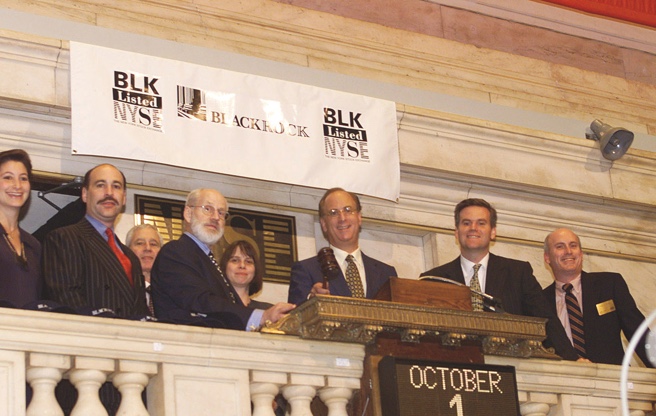
BlackRock, one of the world’s largest asset management firms, has expressed a strong interest in taking cornerstone investment roles in upcoming initial public offerings (IPOs) across the Middle East. The company’s move signals growing confidence in the region’s capital markets and a deepening commitment to its investment strategies in emerging markets.

Over the past few years, the Middle East has seen a substantial uptick in IPO activity, particularly in Saudi Arabia and the United Arab Emirates. Following the historic listing of Saudi Aramco in 2019, which set a new benchmark for the global IPO market, more companies in the region are exploring public offerings. With the backing of major sovereign wealth funds and private investors, these IPOs are seen as an attractive investment opportunity for global firms like BlackRock. The asset manager has previously been involved in such offerings, but now seeks a more pronounced stake by becoming cornerstone investors—those who commit to buying a significant portion of shares before the IPO is publicly launched.

A cornerstone investment carries considerable weight. It not only provides financial support to the issuing company but also bolsters the IPO’s credibility, often leading to greater investor confidence and successful market debuts. This dynamic is particularly critical in the Middle East, where many companies are looking to leverage their IPOs as a way to fund expansion and diversification. BlackRock’s potential involvement signals the growing maturity of the regional market, which has shifted from a reliance on local and regional investors to attracting global players.

The Middle East, particularly the Gulf Cooperation Council (GCC) countries, has become a major hub for investment in infrastructure, technology, and finance. Countries like Saudi Arabia, the UAE, and Qatar have been at the forefront of this transformation. Saudi Arabia’s Vision 2030 plan, which aims to diversify the kingdom’s economy away from oil dependency, has created an environment ripe for privatizations and IPOs in industries ranging from entertainment to healthcare and technology. Similarly, the UAE continues to open up its financial markets with initiatives like the Dubai Financial Market’s efforts to attract more international listings.

In parallel, BlackRock’s increased interest aligns with its broader strategic focus on emerging markets. The firm, which manages trillions of dollars in assets globally, has been expanding its footprint in the Middle East as part of its efforts to tap into the region’s growing wealth and investment opportunities. As the region’s financial ecosystem matures, global investors are keen to get a slice of what could be the next big opportunity.

For BlackRock, entering the IPO scene in the Middle East is not just about expanding its market share but also diversifying its portfolio with high-growth potential investments. The firm has made substantial efforts to ensure its involvement in emerging markets, viewing the Middle East as a key component of its global strategy. The region’s infrastructure development, economic reforms, and push towards diversification make it an attractive place for long-term investments. A cornerstone investment in an IPO could thus offer BlackRock the dual benefit of aligning with local growth ambitions while also capitalizing on new investment opportunities.

Saudi Arabia’s recent IPOs of major companies like the National Energy Services Company and Saudi Telecom have been highly anticipated. Both offerings demonstrated the kingdom’s ability to attract international investors, despite fluctuating oil prices and global economic uncertainty. BlackRock’s potential involvement in such high-profile deals would likely bring credibility to the process, further positioning the country as a growing investment hub. Moreover, it could drive further interest from other institutional investors looking to enter the Middle Eastern market.

The UAE’s stock exchange, the Dubai Financial Market (DFM), and the Abu Dhabi Securities Exchange (ADX) are also key players in the region. As the country looks to increase privatizations and diversify its economy, large-scale IPOs are expected in sectors such as real estate, energy, and technology. BlackRock’s interest in taking up cornerstone stakes reflects its belief in the resilience and expansion potential of the UAE’s market, particularly as it strengthens its status as a regional financial center.

The involvement of global asset managers in Middle Eastern IPOs not only signals the growing internationalization of the region’s capital markets but also highlights the increasing confidence in its long-term economic stability. While geopolitical risks and the ongoing volatility of global oil prices remain factors that could impact these markets, the resilience shown by the Middle East in navigating past crises and diversifying its economy makes it an attractive destination for investors.

Investors from the West have been particularly drawn to the region’s rapidly expanding consumer market and digital transformation initiatives. BlackRock’s strategy of anchoring cornerstone investments in this landscape reflects its commitment to these evolving markets. As companies continue to seek funds through public offerings, the expertise and financial muscle of major players like BlackRock are likely to influence the direction of the region’s IPOs.

Talabat Holding, a leading Middle Eastern online food delivery platform, made its long-anticipated debut on the Dubai Financial Market (DFM) following an initial public offering (IPO) that launched in late November 2024. Despite the market’s optimism surrounding the listing, the company’s shares faced a sharp decline on their first day of trading. Talabat, which offers a wide range of services from food delivery to grocery sales, had […]

A proposal urging Microsoft to integrate Bitcoin into its financial reserves faced rejection during the company’s shareholder meeting, reflecting a cautious stance toward cryptocurrency adoption among major corporate players. The resolution, championed by MicroStrategy’s Michael Saylor, highlighted Bitcoin’s potential to augment shareholder value and align with broader technological trends. However, Microsoft’s leadership and a significant majority of its investors opposed the move, signaling concerns about volatility and strategic misalignment.

Michael Saylor, known for steering MicroStrategy toward aggressive Bitcoin investments, presented a compelling case during the meeting. He suggested that Microsoft could enhance its valuation by leveraging Bitcoin as a strategic asset, proposing a reallocation of the company’s $80 billion in cash reserves toward cryptocurrency acquisitions. Saylor argued that this shift could potentially add trillions of dollars to the company’s market value, citing the broader acceptance of Bitcoin among institutional investors and governments.

The proposal drew mixed reactions. While some retail investors, constituting approximately 23.5% of Microsoft’s shareholder base, expressed interest in exploring Bitcoin’s long-term benefits, institutional investors, who hold nearly 70% of Microsoft shares, were more reserved. Prominent shareholders, including Vanguard Group, BlackRock, and State Street, echoed concerns about Bitcoin’s price volatility, regulatory uncertainties, and its alignment with Microsoft’s core business strategy.

Microsoft’s executive team, led by CEO Satya Nadella, also maintained a cautious approach. Despite acknowledging the transformative potential of blockchain and decentralized technologies, the leadership emphasized the importance of prudent financial management and alignment with shareholder expectations. The decision to reject the proposal was reinforced by the belief that Microsoft’s current capital allocation strategies, such as stock buybacks and dividend payouts, deliver more predictable and stable returns.

Michael Saylor’s advocacy for Bitcoin stems from his own company’s extensive experience in cryptocurrency investments. MicroStrategy has acquired over 386,000 Bitcoins since 2020, with its holdings significantly appreciating in value during Bitcoin’s bullish phases. However, this strategy has also exposed the company to criticism and financial risks during market downturns.

The debate surrounding Microsoft’s potential adoption of Bitcoin highlights a broader discussion within corporate America about cryptocurrency’s role in financial and technological ecosystems. While tech-focused companies like Tesla and Square have embraced Bitcoin as a reserve asset, others remain hesitant, prioritizing stability and regulatory compliance over speculative gains.

This shareholder decision underscores the growing polarization over cryptocurrency in corporate governance. While proponents argue that Bitcoin can serve as a hedge against inflation and a catalyst for technological innovation, skeptics warn of its inherent risks and regulatory challenges. As Microsoft moves forward, its rejection of this proposal reaffirms its commitment to traditional financial prudence, signaling a reluctance to adopt untested financial strategies despite evolving market trends.

The rejection may influence broader corporate sentiment toward cryptocurrency adoption, especially among technology giants. It reflects a prevailing view that while blockchain technologies may hold significant promise, their integration into mainstream financial operations remains fraught with challenges. This decision will likely serve as a reference point for other corporations evaluating Bitcoin’s role in their financial frameworks.

VISHNU RAJA
RYO YAMADA
HITORI GOTOH
IKUYO KITA