News related to
shares

Saudi Arabia’s capital markets are poised for a transformative leap as the Capital Market Authority moves toward allowing foreigners to hold more than 49 percent stakes in listed firms, marking one of the most consequential policy reversals in decades. Abdulaziz Abdulmohsen Bin Hassan, a CMA board member, confirmed that the regulator is in advanced stages of softening the ownership ceiling.

The current 49 percent cap on foreign ownership, introduced in the latest regulations, restricts the extent to which overseas investors can control local companies. Under the new proposal, non-Saudi investors would be able to exceed that threshold in select cases. The CMA has not publicly disclosed the new upper limit, but Bin Hassan suggested that the change could take effect before the end of the year.

Market analysts view this as a critical push by Saudi authorities to deepen global investor participation in the Kingdom’s equity market. By raising the allowable foreign shareholding, Saudi stocks would likely climb in weighting within MSCI and FTSE emerging-market indexes, thus drawing fresh capital flows.

Despite the momentum, several caveats remain. The draft change still requires sign-offs from multiple government bodies. Observers note that any permitted increase may come with conditions—such as lock-in periods, sectoral restrictions, or thresholds specific to strategic or institutional investors.

Over the past year, Saudi regulators have introduced a series of capital market reforms to bridge the gap between local standards and international norms. In July, the CMA approved amendments to rules governing investment funds and procedures for opening investment accounts for foreign individuals and institutions. Those changes broadened access and simplified cross-border investment mechanisms.

Under current rules, a foreign strategic investor is exempt from the 49 percent cap if it commits to holding shares for at least two years. These strategic investors are often long-term institutional players with operational or financial interests in the Kingdom. The expanded ownership proposal may build on this classification.

In 2025, Saudi Arabia also opened the door to foreign investment in listed companies owning real estate in Mecca and Medina—previously off limits to non-Saudi investors. That move allowed participation in shares and convertible instruments up to 49 percent.

For many Gulf and global fund managers, the prospective loosening is a signal that Saudi markets are gearing up to compete more aggressively with financial hubs like Dubai and Singapore. Some institutional investors have been reluctant to commit heavily to Saudi equities due to restrictions on ownership, market liquidity and governance complexity.

But not everyone is unconstrained by the cap: a handful of foreign firms already command regulatory exceptions or use swap agreements and licenced intermediaries to gain indirect exposure. The push to raise the ownership ceiling could simplify such structures or render them unnecessary.

Saudi sovereign and public funds may play a central role in cushioning any shocks from greater foreign participation. Observers expect state-backed capital to anchor or co-invest in large deals, reinforcing stability.


KUALA LUMPUR, MALAYSIA – Media OutReach Newswire – 23 SEPTEMBER 2025 – Webull Malaysia, a subsidiary of Webull Corporation (NASDAQ: BULL), the owner of the Webull trading platform, has launched its nationwide campaign #SamaSamaWebull, aiming to make investing more accessible for Malaysians. The campaign addresses challenges many Malaysians face, including limited financial literacy, complex platforms, and perceived high costs, by offering low-cost and simplified tools that make […]

Qatar Investment Authority is injecting US$500 million into Ivanhoe Mines via a private placement that grants the sovereign wealth fund roughly a 4 per cent interest in the Canadian miner. Ivanhoe will issue 57,516,666 common shares at CAD 12 per share, with proceeds earmarked for development of critical mineral projects and general corporate needs.

Ivanhoe Mines operates key assets in southern Africa, notably the Kamoa-Kakula copper complex in the Democratic Republic of the Congo, the ultra-high-grade Kipushi zinc-copper-germanium-silver mine also in the DRC, and the Platreef platinum group metals project in South Africa, which is set to begin production in the fourth quarter of 2025. The QIA investment supports work across these operations and Ivanhoe’s exploration licences in the Western Forelands, which cover large prospective areas.

Robert Friedland, Ivanhoe’s Executive Co-Chair, described the deal as a strong endorsement of the company’s ambition to be a leading supplier of metals crucial to the energy transition, advanced infrastructure and technologies including AI and data centres. He expressed that QIA’s vision aligns with Ivanhoe’s long-term strategic investors.

Mohammed Saif Al-Sowaidi, CEO of QIA, said the investment reflects confidence not just in Ivanhoe’s asset portfolio but also in its capacity to sustainably discover, develop and supply critical minerals for global electrification and advanced technologies.

The transaction is subject to customary closing conditions including approval by the Toronto Stock Exchange. In addition, QIA and Ivanhoe will enter into an investor rights agreement which grants QIA the right to board representation and access to company information if its ownership surpasses 10 per cent, along with anti-dilution rights. Existing major shareholders, CITIC Metal Africa Investments and Zijin Mining Group, retain rights to acquire their pro rata shares at the same CAD 12 price to maintain their ownership levels.

Ivanhoe’s share price was affected by the deal: the CAD 12 issue price is below the closing price of CAD 13.19 prior to the announcement, representing a discount. The investment follows a climate in which sovereign funds and institutional investors are increasingly targeting critical minerals as part of global supply chains for the clean energy transition.

SHANGHAI, CHINA – Media OutReach Newswire – 19 September 2025 – Huawei’s acoustic experts shared insights into the advanced technology chain behind the HUAWEI SOUND ULTIMATE Series, and shares the R&D journey that shaped its signature sound quality at the HUAWEI SOUND In-Car Audio Experience Event. Held at Huawei’s Shanghai Acoustics R&D Center, the event invites media guests to tour the labs and experience the system first-hand […]

Abu Dhabi’s XRG, the ambitious investment arm of ADNOC, has abandoned its US$18.7–19 billion bid to acquire Australia’s Santos Ltd after failing to agree on key commercial terms, while its takeover attempt of German chemicals firm Covestro AG faces serious threats from an EU competition and subsidy probe. The Santos takeover fell apart largely over valuation disagreements and tax liabilities, according to people familiar with the negotiations. […]

Alec Holdings is set to list about 20% of its shares in an initial public offering on the Dubai Financial Market, while Binghatti Holding is preparing for a possible IPO, as both seek to harness surging demand in Dubai’s real estate sector. These moves reflect growing confidence among developers and investors in a rapidly expanding market. Alec, wholly owned by the Investment Corporation of Dubai, will offer […]

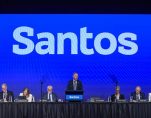
Shares in Santos plunged by up to 13.6% as the Abu Dhabi National Oil Company-backed XRG consortium formally withdrew its A$36.4 billion takeover offer, stating it could not reach agreement with Santos on critical commercial terms.

The consortium, which includes ADQ and Carlyle alongside XRG, had proposed A$8.89 per share in June, equivalent to US$5.76 at the time. Santos had adjusted that for a dividend and told XRG on Monday that it was prepared to accept US$5.626 per share.

This marks the third unsuccessful major offer for Santos over seven years, including a rejected bid from Harbour Energy in 2018 and abandoned merger talks with Woodside Energy. Analysts warn that repeated deal failures erode investor confidence in the company’s ability to seal a large-scale acquisition.

Investor concern was immediately reflected in the market. Santos shares dropped to A$6.61 in early trading, their lowest level since June 10, as the premium embedded in the bid evaporated. The benchmark S&P/ASX200 index was marginally down.

Analysts and banks responded by downgrading the stock. Jarden cut its rating from “overweight” to “underweight”, lowering its 12-month target from A$8.40 to A$7.05 per share. turn0news10turn0search1turn0search2

Santos leadership emphasised its strong project pipeline, pointing to the Barossa gas project in northern Australia and the Pikka oil venture in Alaska as key future growth drivers. Company chair Keith Spence reiterated that Santos has a clear strategy to generate cash, reward shareholders, reinvest in infrastructure and grow production while maintaining safety and reliability.

XRG stated that a “combination of factors, when considered collectively, have impacted the Consortium’s assessment of its indicative offer”, including inability to agree on terms under the Scheme Implementation Agreement. Among sticking points was the demand that the consortium assume certain regulatory and tax-risk obligations, which XRG considered unacceptable.

Advertisements

Prosus NV has raised its holding in Urban Company Ltd to 7.35 per cent, after acquiring roughly an additional 4 percentage points by investing about $139 million, ahead of the home services startup’s Initial Public Offering. This move positions Prosus as one of Urban Company’s largest shareholders and signals strong institutional faith in the firm’s prospects.

Urban Company’s IPO drew overwhelming demand — it was subscribed over 103 times — and its shares listed at a premium of about 57.5 per cent over the issue price on the National Stock Exchange, opening at ₹162.25 versus the ₹103 issue price. The listing surged the company’s market valuation to nearly $2.8 billion.

According to Ashutosh Sharma, head of Prosus India Ecosystem, the firm increased its stake during the IPO allotment. Prosus first backed Urban Company in 2021; this latest acquisition underscores its continued appetite for stakes in Indian startups with domestic consumer and service-led business models.

Urban Company, founded in 2014 by Abhiraj Singh Bhal, Varun Khaitan, and Raghav Chandra, operates across home services such as beauty, cleaning, appliance repair and plumbing. It has expanded into over 50 cities in India and also operates in international markets including UAE and Singapore. The company reported strong financial performance in its fiscal year ending 2025, with revenue growth of around 36 per cent year-on-year and its first net profit of approximately ₹239–₹240 crore.

Investor enthusiasm was evident in the IPO process. Qualified Institutional Buyers led the subscription with particularly strong bids. The grey market premium, which reflects expectations ahead of listing, had risen to over 50 per cent above the issue price, signalling investor confidence in an upward listing trajectory.

Prosus’s move comes amid a broader trend of institutional investors increasing their exposure to Indian startups ahead of IPOs, particularly those in consumer-facing, service-oriented sectors. Earlier urban and tech-led listings have attracted robust demand, and IPOs that show solid unit economics—strong margins, revenue growth, steps toward profit—are being favoured by capital.

Urban Company’s stock market debut saw a steep rise: the shares not only opened with a 57.5 per cent premium on NSE, but trading surged further, reflecting both investor optimism and perceived underpricing in its IPO offer.

Prosus, headquartered in the Netherlands and known for its early stake in Tencent Holdings, has invested over $8-9 billion in the Indian startup ecosystem. It has backed firms such as Swiggy, Meesho, and PayU. Its amplified investment in Urban Company exemplifies a strategy of anchoring bets on firms that combine growth potential with improving financial metrics.

Hong Kong’s technology sector soared as benchmarks hit their highest point since 2021, supported by mounting investor confidence in China’s artificial intelligence ambitions. The Hang Seng Tech Index jumped about 4.2%, reaching a level not seen since November 2021, while Alibaba, Baidu and other major players saw robust gains on optimism around AI innovation.

Baidu led the charge, climbing roughly 16% in Hong Kong trading—its biggest surge since March 2022—as analysts upgraded its outlook in light of growing belief in its chip-development strategy. Alibaba also rose strongly; its Hong Kong-listed shares have reached levels unseen since late 2021, bolstered by its expanding cloud and AI-linked operations. Market watchers noted increasing activity in China Unicom and internal chip design projects contributing to the momentum.

This surge comes amid broader trends: domestic AI developers are accelerating roll-outs of proprietary chips, cloud computing investment is rising, and regulatory signals suggest stronger support for technology self-reliance. Meanwhile, progress in international matters—such as negotiations over TikTok’s operations—has reduced investor uncertainty, further boosting risk appetite in equity markets.

While enthusiasm is widespread, concerns persist among analysts over the sustainability of growth. High valuations have raised questions about how quickly revenue from AI and cloud services can scale. The technical challenge of chip design and the global competition in semiconductor technology remain formidable barriers.

Henk Diepbrink never set out to follow the path laid before him. Growing up in the Netherlands in a family that had little, he was told more than once that poverty was a destiny. Where these words may be the truth for others, it was not for Henk. For him, it became his fuel. Entrepreneurship His first serious step into adulthood came in uniform. As a police officer […]

Al-Futtaim has finalised the acquisition of a 49.95% stake in Cenomi Retail for SAR 2.52 billion, after agreement to purchase shares at SAR 44 per share from major founding shareholders. This marks a significant foreign investment in Saudi Arabia’s retail sector. Under the terms, Al-Futtaim also authorised a SAR 1.35 billion shareholder loan facility to bolster Cenomi’s balance sheet and support planned growth. The loan contains an […]

Nasdaq has mandated that listed companies obtain shareholder approval before issuing new shares to acquire cryptocurrencies, and must disclose fuller justifications and risk assessments for large-scale crypto purchases.

The exchange’s enhanced oversight aims to guard investors, particularly retail traders, from underestimating the high volatility and speculative nature of cryptocurrencies. Companies must now explain why they are buying substantial amounts of crypto and articulate the associated financial, regulatory and market‐risk implications.

Under the new requirements, issued by Nasdaq earlier this month, firms proposing to issue equity to raise funds for crypto purchases must secure affirmative vote from their shareholders. Non‐compliance may result in trading suspension or delisting. Nasdaq is also tightening disclosure obligations: entities must show how much crypto they hold, the rationale for those holdings, and how they plan to manage the risks.

Architect Partners reports that over 120 US‐listed companies have announced plans to raise more than US$130-billion this year for cryptocurrency acquisitions, nearly 100 of which are listed on Nasdaq. Many of these firms have adopted “crypto-treasury” strategies—allocating a significant portion of their balance sheets to digital assets. Some high-profile companies have already attracted scrutiny for the size of their holdings and for the effects on shareholder dilution.

Nasdaq justifies the changes by citing investor protection. Wholesale accumulation of crypto assets can dramatically affect stock price volatility. There is concern that some retail investors may not fully grasp how crypto’s price swings, regulatory uncertainty or tax treatment risk hurting returns, or causing losses.

Critics worry the new rules could slow innovation or deter companies considering crypto exposure. Companies accustomed to quickly buying digital assets may face delays because shareholder voting cycles are time-consuming and costly. Some argue that imposing blanket rules could punish well-prepared firms that already maintain strong governance, transparency, and risk controls.

Regulators such as the US Securities and Exchange Commission and the Commodity Futures Trading Commission have been increasing pressure on exchanges and firms around crypto disclosures, anti‐fraud measure and governance. Nasdaq’s move aligns with broader regulatory momentum in financial markets toward more oversight of firms with substantial crypto exposure.

KUALA LUMPUR, MALAYSIA – Media OutReach Newswire – 16 September 2025 – AlphaMove, a Malaysian blockchain startup building a public, permissionless ecosystem for Real-World Asset (RWA) tokenization, has signed a Strategic Cooperation Framework Agreement with Guangxi Research Department, under the Nanning Provincial Government of China. The signing took place during the 3rd Forum on China-ASEAN Artificial Intelligence Cooperation, underscoring how Malaysia and China are working together to […]

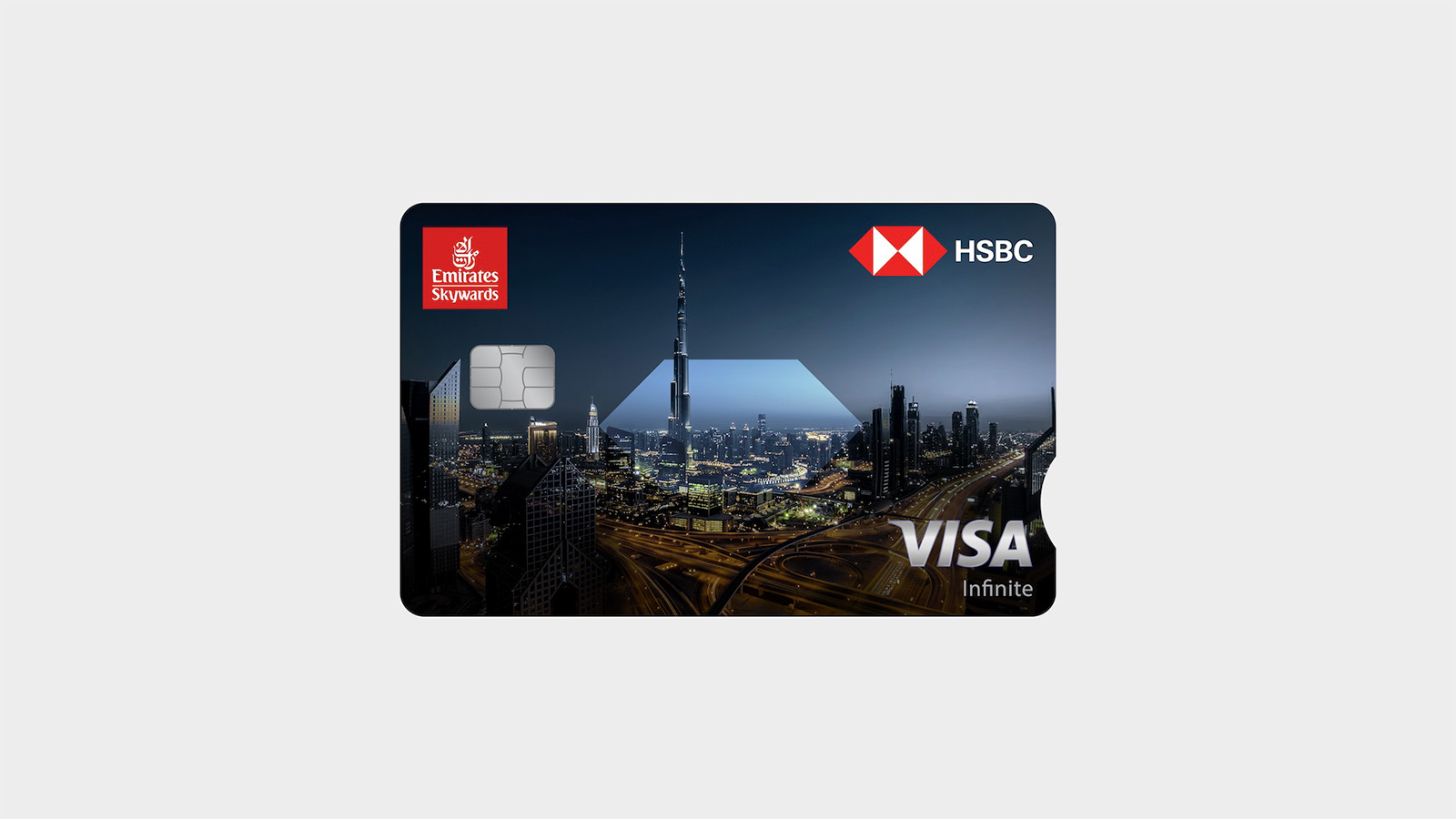
HSBC has opened a dedicated wealth centre in Dubai aimed at serving affluent clients, stepping up efforts to capture a growing share of the UAE’s expanding wealth and asset management sector. It comes as the bank’s Swiss private arm moves to cut ties with over 1,000 wealthy clients from the Middle East under regulatory pressure.

The Dubai centre, housed in HSBC’s flagship Jumeirah branch, will offer Premier and high-net-worth clients access to relationship managers in a specialist space. Dinesh Sharma, HSBC’s head of International Wealth and Premier Banking for Middle East, North Africa and Turkey, said the UAE is among HSBC’s top five global markets, and the investment in infrastructure, people, capabilities and marketing over the next three to four years represents its largest in two decades. Singapore is cited as a model for how the UAE could develop into a global wealth hub.

In parallel, HSBC Private Bank has informed more than 1,000 clients in Saudi Arabia, Lebanon, Egypt and Qatar—many with assets exceeding US$100 million—that it will terminate its relationships with them. The bank is classifying these clients as high risk, following findings by Swiss regulator FINMA that it failed to meet anti-money laundering obligations in past transactions involving politically exposed persons.

HSBC has emphasised its continued commitment to both its Middle East and Swiss wealth business units. Barry O’Byrne, CEO of International Wealth and Premier Banking, maintains that Switzerland remains one of HSBC’s “core wealth hubs.” HSBC is structuring its strategy to grow where it has “a clear competitive advantage.”

The bank notes that personal financial assets in the UAE have surged over the past few years, exceeding US$700 billion, with more than 130,000 millionaires now in the country. Migrants of wealth are drawn by favourable investment policies, tax incentives and regulatory reforms. Regions contributing large shares of incoming wealth include India, other Middle Eastern markets, Russia and the Commonwealth of Independent States, and a growing number from the UK, Europe and China.

HSBC’s move to reduce exposure to high-risk clients comes after FINMA’s rulings in 2024, which identified breaches in anti-money laundering duties in connection with transactions involving politically exposed persons between 2002 and 2015. The regulator prohibited HSBC Private Bank from onboarding new relationships with such individuals until its compliance practices were overhauled. The bank is now working under those rules, winding down existing relationships judged to pose compliance risk.

Hesai Group’s shares surged in their Hong Kong debut, trading above its IPO price after the lidar‐sensor maker raised approximately HK$4.16 billion in its secondary listing.

Trading under code 2525, the stock opened at HK$229.20, about 7.7 per cent above the offer price of HK$212.80. Demand was strong: the international tranche was oversubscribed around 14 times, while the Hong Kong public tranche drew nearly 168.65 times subscription. Six cornerstone investors including HHLR Advisors, Taikang Life, and WT Asset Management committed some US$148 million worth of shares, agreeing to hold them for at least six months.

Hesai’s second quarter performance helped set the stage. Its revenue rose by 54 per cent year-on-year, shipments more than tripled, and the company reported a net profit of roughly RMB 44.1 million, reversing a loss from the year before. These results support its strategy to scale lidar sensor shipments, especially for advanced driver-assistance systems and autonomous driving applications.

A key driver is Hesai’s plan to cut manufacturing costs and selling prices. CEO David Li stated that the company is working to reduce the cost of its sensors dramatically, targeting a price of about US$200 per unit from previous models that sold for tens of thousands of dollars. To assist this, production expansion is underway, and Hesai is also pursuing international customers and counterparties in the autonomous vehicle and robotics sectors.

Geopolitical and regulatory pressures are also shaping Hesai’s approach. The dual listing in Hong Kong while retaining its U. S. listing on Nasdaq reflects efforts to strengthen capital access amid U. S.-China tensions. Hesai had earlier denied accusations of misleading investors over revenue and alleged military links; the company stated its operations are independent and compliant with regulations.

HONG KONG SAR – Media OutReach Newswire – 16 September 2025 – After trading hours on 15 September 2025, DL Holdings Group Limited (HKEX: 1709) announced a major strategic cooperation with Fortune Peak Limited. DL Holdings will acquire the latest-generation, top-efficiency Bitcoin mining machines via the issuance of Convertible Bonds, fully entering the Bitcoin mining sector with the aim of becoming the Hong Kong capital market’s leader […]

BEIJING, CHINA – Media OutReach Newswire – 15 September 2025 – In Shougang Park, a former ironworks site in western Beijing, new technologies from AI to cloud computing and green innovation are on display amid the rusty blast furnaces and steel relics. The 2025 China International Fair for Trade in Services (CIFTIS), featuring digital innovation and intelligent technologies, is underway in the park, gathering nearly 2,000 enterprises, […]

Gemini Space Station, the cryptocurrency exchange founded by Tyler and Cameron Winklevoss, saw its shares leap more than 32% when it began trading on Nasdaq under the ticker “GEMI”. The stock opened at $37.01, having been priced at $28, after the company raised $425 million through an initial public offering.

Gemini sold 15.2 million shares at the set price, above the originally floated range of $24 to $26 per share. Investor demand exceeded supply by over twenty times. Nasdaq also participated with a $50 million private placement simultaneous with the IPO.

The valuation placed Gemini at approximately $3.3 billion, non-diluted. After the rally, the share price settled closer to $32, still well above the IPO price but reflecting a pull-back from the intraday highs.

Gemini posted a net loss of $282.5 million for the first half of 2025, following a $159 million loss in 2024. Despite those losses, its business spans crypto exchange services, a stablecoin, and a rewards credit card product.

Regulatory developments have bolstered confidence in the cryptocurrency sector. Gemini has benefited from relaxed oversight compared with earlier years, and the IPO is seen as a signal of institutional adoption amid stronger clarity from U. S. regulators. The firm is now viewed alongside the likes of Coinbase and Bullish, both of which have gone public.

AI-Driven Innovation Unlocks the Missing Piece in Digital Entertainment HONG KONG SAR – Media OutReach Newswire – 12 September 2025 – The Digital Entertainment Leadership Forum 2025 (DELF 2025), Cyberport’s annual flagship event, officially kicked off today. Under the theme “Adventure Island: Unlock Innovation with The Missing Piece”, the three-day event (12–14 September) welcomes industry professionals and the public to immerse themselves in a carnival-style programme. Highlights […]

Singapore is gearing up to reveal a comprehensive “value unlock” package by the end of the year aimed at reviving the nation’s stock market, regulators said. Key initiatives will likely build on the Equity Market Development Programme, stronger listing incentives, streamlined regulations and enhanced shareholder rights, intended to improve liquidity, listings and investor confidence.

The EQDP, a S$5 billion programme announced earlier in the year, will see its first tranche of S$1.1 billion allocated to three asset managers—Avanda Investment Management, JP Morgan Asset Management and Fullerton Fund Management—to invest in Singapore-listed equities. These selections were made partly based on alignment with objectives to broaden participation beyond large-cap stocks and strengthen asset-management capabilities.

Alongside co-investment funding, tax incentives are being offered for primary and secondary listings. A 20 per cent corporate income tax rebate applies for qualifying new primary listings, and a 10 per cent rebate for secondary ones. There is also pressure to ease regulatory requirements around prospectus disclosures, shorten IPO-approval timelines, and allow earlier investor outreach in IPOs.

Regulatory reforms under consideration include reducing the profit requirement for Mainboard listings, aligning secondary listing rules with international disclosure standards, and possibly removing the financial watch-list mechanism for loss-making firms while increasing the role of disclosure over prescriptive reporting.

Market analysts welcome the measures but caution that they may not address deeper structural weaknesses. Singapore’s exchange has seen more delistings than IPOs in many months, a low number of growth-stage listings, a prevalence of companies with weak profitability, and low free floats among many issued shares. These factors have limited trading depth and made it harder for mid-caps to attract institutional investors.

Insolvency reform is also part of the picture. Proposed changes to Singapore’s Companies Act would broaden the so-called cross-class “cram-down” powers, letting restructuring plans be imposed even over dissenting shareholders in certain cases. The proposals include streamlining processes for issuing new shares or disposing of assets during restructuring, and revising compensation frameworks for restructuring managers.

Regulatory agencies such as the Monetary Authority of Singapore, Singapore Exchange Regulation, and the Equities Market Review Group are all involved in shaping the yet-to-be-announced package. Public consultations on many proposals have taken place or are underway, especially around IPO rules, listing thresholds, and listing admission criteria.

Via Transportation raised US$492.9 million through its initial public offering, with the shares priced notably higher than expected. The transit-tech company sold 10.7 million Class A common shares at US$46 apiece, above its marketed range of US$40 to US$44. The valuation implied by this pricing is around US$3.65 billion. Founded in 2012 and headquartered in New York, Via specialises in software and technology solutions that optimise public […]

Shares of Orascom Construction leapt sharply when the company began trading on the Abu Dhabi Securities Exchange, underscoring investor appetite for infrastructure-linked growth in the Gulf. The stock closed its first session up about 27 per cent at AED 38.10, having opened near AED 30.15, valuing the company at approximately AED 4.2 billion. Orascom Construction shifted its primary listing from Nasdaq Dubai, while maintaining its secondary listing […]

Infosys Ltd cleared a share buyback plan worth ₹18,000 crore, its biggest to date, offering ₹1,800 per share under a tender‐route offer. The price represents a 19% premium over closing levels on the BSE and NSE.

The company intends to repurchase roughly 10 crore shares, amounting to about 2.41% of its equity. Approval came through a board resolution disclosed in regulatory filings.

Infosys’s share price had been under pressure, falling more than 1% on the day prior. The buyback announcement triggered mixed reactions: U. S.‐listed ADS shares edged up marginally, while shares in Mumbai closed lower, reflecting investor caution.

Company financials show free cash flow at ₹7,533 crore for the quarter ending 30 June, down about 17.7% year-on-year, though still exceeding net profit by a small margin. The firm held cash and investments totalling ₹45,204 crore at that date.

Analysts view the buyback as a signal of confidence in long-term cash flows, but also warn that slowing revenue growth in some verticals could weigh on future performance. The move follows pressure from investors for IT companies to not just return capital but also step up investments in cloud, AI, and product development.

Oracle co-founder Larry Ellison surged past Elon Musk to claim the title of world’s richest person for a brief window after Oracle’s stock skyrocketed following its earnings announcement. The wealth tracker Bloomberg valued Ellison at approximately $393 billion, exceeding Musk’s $384 billion, before Musk reclaimed the lead by market close. Oracle’s earnings blew past analysts’ expectations, driven by major AI-infrastructure contracts and a robust forecast for its […]

VISHNU RAJA
RYO YAMADA
HITORI GOTOH
IKUYO KITA