News related to
shares

By Saifur Rahman The governments and the private sector in the GCC are investing heavily in infrastructure and creating world-class race tracks for the development of motorsports that, coupled with strong interest among the local youth are spearheading the motorsports in the region. Home to two global Formula 1 race tracks, the region is yet to become a global hotspot for motorsports. Although a lot of youngsters […]

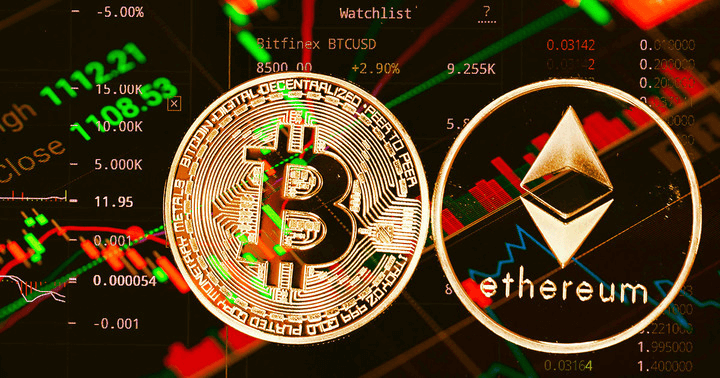
Bitcoin has surged beyond the $103,000 mark, buoyed by a confluence of macroeconomic developments and heightened institutional engagement. The cryptocurrency’s ascent to $103,963 underscores a significant rebound from its April low of approximately $76,000, reflecting a resurgence in investor confidence.

A pivotal factor in this rally is the recent trade agreement between the United States and the United Kingdom, which has alleviated some global economic uncertainties. The deal, emphasizing increased export access, particularly for U.S. agricultural products, has been perceived as a positive signal for markets, contributing to the uptick in Bitcoin’s value.

Institutional investment has played a crucial role in Bitcoin’s momentum. Notably, spot Bitcoin exchange-traded funds in the U.S. have experienced substantial inflows, with BlackRock’s iShares Bitcoin Trust surpassing $50 billion in net assets. This influx of capital from institutional investors has been instrumental in driving the cryptocurrency’s price upward.

The appointment of a crypto-friendly head to the U.S. Securities and Exchange Commission has further bolstered market sentiment. This move is anticipated to lead to a more accommodating regulatory environment for digital assets, encouraging greater participation from both institutional and retail investors.

Technical analysts are closely monitoring Bitcoin’s performance, noting that if it maintains support above the $100,000 threshold, it could test previous highs. However, they caution that a drop below key support levels could prompt a reassessment of the market’s trajectory.

The broader cryptocurrency market has mirrored Bitcoin’s gains, with other digital assets such as Ether, XRP, and Solana registering notable increases. This collective uptrend suggests a renewed appetite for risk among investors, extending beyond Bitcoin to encompass a wider array of cryptocurrencies.

Saudi Aramco has reported a decline of 4.6% in its first-quarter profit, totalling 97.54 billion riyals for the period ending March 31. This drop in profit is attributed to lower sales and increased operating costs, with the economic uncertainty weighing heavily on the global crude markets. Despite this decline, Aramco’s performance still exceeded analysts’ expectations, as the company had previously provided a median forecast of $25.36 billion. […]

Matein Khalid ​I spent a wonderful afternoon with an​ old friend​, a Persian prince in his cousin’s Jumeirah villa to heal from the trauma of multiple Hindutva chick​en hawks keyboard warriors berating me for​ pointing out the fact that Dassault Aviation shares have fallen 3% in Paris while the Chinese J-10CE fighter jet (Vigorous Dragon) soared 20% in Shenzhen. Only a moron with a Stone Age IQ […]

Coinbase Global has agreed to acquire Deribit, the world’s largest bitcoin and ether options trading platform, for approximately $2.9 billion. The transaction comprises $700 million in cash and 11 million shares of Coinbase Class A common stock, marking the company’s most significant acquisition to date.

This strategic move positions Coinbase to strengthen its presence in the burgeoning crypto derivatives market, which has witnessed substantial growth in recent years. Deribit, founded in 2016 and headquartered in Dubai, specializes in options, futures, and spot trading. The platform reported a near doubling of its trading volume in 2024, reaching $1.2 trillion, largely attributed to increased institutional participation following the U.S. elections.

The acquisition aligns with Coinbase’s broader international growth strategy, particularly as the company seeks to expand its services beyond the United States. Deribit’s active license to operate in Dubai offers Coinbase a strategic foothold in the Middle Eastern market, a region that has emerged as a key global hub for blockchain and cryptocurrency businesses amid increasing regulatory pressures in the U.S. and EU.

Greg Tusar, Coinbase’s Vice President of Institutional Product, stated, “This will make us the most comprehensive player in derivatives.” The deal underscores Coinbase’s commitment to diversifying its offerings and catering to the evolving needs of institutional clients.

The acquisition comes amid a surge in crypto-related mergers and acquisitions, fueled by a more supportive U.S. regulatory environment under President Trump. The administration has pledged to advance the country as a “bitcoin superpower,” prompting a wave of deals in the sector. Notably, Kraken agreed to a $1.5 billion deal for NinjaTrader, and Ripple announced a $1.25 billion purchase of Hidden Road.

Coinbase’s previous acquisitions, including One River Digital and Tagomi , have bolstered its service offerings and footprint in the crypto sector. The Deribit deal represents a significant step in Coinbase’s ongoing efforts to expand its global reach and capitalize on the growing demand for crypto derivatives.

Deribit’s CEO, Luuk Strijers, acknowledged the company’s receipt of strategic investment inquiries over time but emphasized that Deribit had not been put up for sale. Despite this, the company engaged Financial Technology Partners to assess potential acquisition offers, reflecting the increasing interest in crypto derivatives platforms.

Berkshire Hathaway has amassed a record $347.7 billion in cash reserves, marking a significant milestone as Warren Buffett prepares to retire by the end of 2025. The conglomerate’s substantial cash position reflects a cautious investment approach amid global economic uncertainties and a perceived lack of attractive acquisition opportunities. Buffett, who has led Berkshire for over six decades, announced his retirement plans at the company’s annual shareholder meeting […]

Bitcoin outpaced both gold and the S&P 500 in April 2025, surging over 30% to approach $97,200 by month’s end. This performance underscores the cryptocurrency’s growing appeal among institutional investors and its increasing alignment with traditional financial markets.

The rally followed a volatile start to the month, with Bitcoin dipping below $75,000 before rebounding sharply. Analysts attribute this resilience to heightened institutional adoption, bolstered by the proliferation of spot Bitcoin exchange-traded funds and strategic government initiatives. Notably, the United States’ establishment of a Strategic Bitcoin Reserve in March 2025 signaled a significant policy shift, aiming to position Bitcoin alongside traditional reserve assets.

Institutional interest has been further evidenced by major financial entities integrating Bitcoin into their portfolios. BlackRock’s iShares Bitcoin Trust ETF, for instance, has been incorporated into its $150 billion model-portfolio universe, allocating 1% to 2% to Bitcoin. Such moves reflect a broader trend of mainstream financial institutions embracing cryptocurrency as a legitimate asset class.

The correlation between Bitcoin and the S&P 500 has intensified, with recent analyses indicating a peak correlation coefficient of 0.87 in 2024. This suggests that Bitcoin is increasingly behaving like a leveraged version of traditional equity indices, offering amplified returns during market upswings. In 2024, while the S&P 500 rose by 24%, Bitcoin surged by 135%, highlighting its potential for higher alpha in bullish markets.

However, this amplified behavior also implies greater volatility. During market downturns, Bitcoin’s losses can be more pronounced, as evidenced in 2022 when the S&P 500 declined by 19% and Bitcoin plummeted by 65%. Investors are advised to consider this dynamic when incorporating Bitcoin into diversified portfolios.

The U.S. Federal Reserve’s decision to maintain interest rates at 4.25%-4.5% amid economic uncertainties, including a 0.3% GDP contraction in the first quarter, has also influenced market dynamics. Despite these challenges, Bitcoin’s performance suggests a decoupling from traditional economic indicators, driven by its unique supply dynamics and growing institutional demand.

Looking ahead, projections for Bitcoin’s price vary. Standard Chartered anticipates Bitcoin reaching close to $200,000 by the end of 2025, citing parallels with gold’s historic ETF-driven price surge. Similarly, AllianceBernstein forecasts a rise to $200,000 by September 2025, attributing this to increased institutional adoption and the effects of the 2024 Bitcoin halving event. Conversely, analysts at Blockware Solutions present a more conservative base case of $225,000, contingent on favorable macroeconomic conditions and continued corporate adoption.

The global landscape is also shifting, with several U.S. states, including Oklahoma, Texas, Arizona, and Utah, passing laws recognizing Bitcoin as a strategic asset for their state treasuries. Internationally, countries like Japan and Argentina are exploring the integration of Bitcoin into their financial systems, further legitimizing its role on the global stage.


Advertisements

LONDON, UNITED KINGDOM – Media OutReach Newswire – 7 May 2025 – Diginex Limited (“Diginex”) (NASDAQ: DGNX), a global leader in ESG sustainable RegTech, is pleased to announce that His Highness Shaikh Mohammed Bin Sultan Bin Hamdan Al Nahyan, a member of the Abu Dhabi Royal Family, has purchased warrants to purchase 6.75 million Ordinary Shares of Diginex (the “Warrants”) in a private transaction for a consideration […]

Canaan Inc. , a prominent manufacturer of bitcoin mining hardware, has been identified by Benchmark analyst Mark Palmer as a company with significant growth prospects. Palmer initiated coverage with a ‘buy’ rating and set a price target of $3 per share, suggesting a potential fivefold increase from its current trading price of approximately $0.60. This optimistic outlook is attributed to Canaan’s strategic initiatives in product innovation and global market expansion.

The company has been actively enhancing its product line, notably with the introduction of the Avalon Q, a compact, app-controlled home mining machine delivering 90 TH/s of computing power. This device is designed to cater to individual users, supporting a 110V home power supply, and is part of Canaan’s efforts to make bitcoin mining more accessible to a broader audience.

In addition to product development, Canaan has been expanding its operational footprint. The company reported a month-end deployed hashrate of 6.28 EH/s and an operating hashrate of 5.73 EH/s as of February 2025. These figures represent a sequential increase from the previous month, indicating steady growth in mining capabilities. Canaan’s self-mining operations have also been bolstered through partnerships, such as the joint mining collaboration with Luna Squares in Texas and the upgrade of mining rigs at Stronghold’s Panther Creek facility in Pennsylvania.

Financially, Canaan anticipates total revenues for fiscal year 2025 to range between $900 million and $1.1 billion, reflecting improved market demand and cost optimizations. The company also reported a narrowed gross loss for the fourth quarter of 2024, estimated between $10 million and $6 million, surpassing previous guidance.

Canaan’s strategic moves have not gone unnoticed in the market. The company secured significant orders from major players, including a follow-on order from HIVE Digital Technologies Ltd for 5,000 Avalon A15-194T miners and an agreement with AGM Group Holdings Inc. to provide 2,000 Avalon A15 Hydro Bitcoin mining machines, with an option for the customer to acquire up to 30,000 additional units. These deals underscore the growing demand for Canaan’s mining equipment and its strengthening position in the industry.

The company’s expansion into North America is a strategic pivot aimed at achieving a mining hash rate of 10 EH/s in the region and 15 EH/s globally by mid-2025. This move is complemented by the establishment of a localized team to explore partnerships and opportunities, as well as the implementation of new projects to solidify Canaan’s presence in the North American market.

Canaan’s commitment to innovation is further exemplified by its launch of the Avalon Mini 3 and Nano 3S Bitcoin mining heaters for home use at CES 2025. These devices combine efficient Bitcoin mining with home heating solutions, aiming to democratize cryptocurrency mining for individuals and expand the company’s reach to a wider customer base.

The company’s efforts are supported by a competitive all-in power cost of $0.04/kWh, which is considered industry-leading. This cost efficiency, coupled with the company’s strategic partnerships and product innovations, positions Canaan favorably in the evolving landscape of cryptocurrency mining.

Canaan’s stock performance reflects the market’s response to these developments. The company’s shares are currently trading at approximately $0.60, with a market capitalization of $361.06 million. The stock has experienced fluctuations, with an intraday high of $0.665 and a low of $0.5815, indicating investor interest and market volatility.

Metaplanet Inc., a Tokyo-listed investment firm, has fortified its position in the cryptocurrency market by acquiring an additional 555 Bitcoins, valued at approximately $53.4 million. This purchase was financed through the issuance of zero-coupon bonds to EVO FUND, raising $25 million, which was entirely allocated to the Bitcoin acquisition at an average price of $96,134 per coin.

This strategic move elevates Metaplanet’s total Bitcoin holdings to 2,235 BTC, positioning the company as one of the top 15 publicly traded entities globally in terms of Bitcoin reserves. The firm has set an ambitious target to amass 10,000 BTC by the end of 2025, with a longer-term goal of reaching 21,000 BTC by 2026, aligning with Bitcoin’s capped supply of 21 million coins.

Metaplanet’s aggressive accumulation strategy mirrors the approach of U.S.-based Strategy, formerly known as MicroStrategy, which has been a pioneer in corporate Bitcoin investment. Since adopting the Bitcoin Standard in April 2024, Metaplanet has experienced significant growth, with its market capitalization increasing by 7,000% and its shareholder base expanding to over 50,000.

The company’s financial performance has also seen a substantial boost, achieving a record-breaking 309.82% BTC yield in Q4 2024. Metaplanet measures its performance using BTC yield, focusing on the growth of Bitcoin per share rather than traditional fiat metrics. This approach underscores the company’s commitment to maximizing shareholder value in Bitcoin terms.

To fund its Bitcoin acquisitions, Metaplanet has employed innovative financial instruments, including the issuance of moving strike warrants and zero-coupon bonds. These tools have allowed the company to raise capital without incurring interest-bearing liabilities, thereby optimizing its capital structure and reducing financial risks.

Metaplanet’s CEO, Simon Gerovich, has emphasized the company’s mission to lead the Bitcoin renaissance in Japan and emerge as a global leader in Bitcoin treasury operations. The firm plans to utilize a mix of loans, equity, and convertible bonds to achieve its Bitcoin accumulation goals, reflecting a flexible and strategic approach to capital markets.

The company’s aggressive Bitcoin strategy has not gone unnoticed, with analysts projecting that Bitcoin could reach or surpass $200,000 by the end of 2025. Metaplanet’s bold moves are seen as a response to this bullish outlook, positioning the firm to capitalize on potential market gains.

Metaplanet’s stock performance has mirrored its Bitcoin strategy, with shares surging by over 4,000% in the past year. The company is set to be included in the MSCI Japan Index, a move expected to attract more investors and enhance its market presence.

Saudi Arabian budget airline flynas, under the backing of billionaire Prince Alwaleed Bin Talal, is preparing to launch an initial public offering later this month. This move marks the first IPO by a Gulf airline in nearly two decades, a significant milestone for both the airline and the broader Middle Eastern aviation industry. The airline, which has become a key player in the region’s air travel market, […]

Dubai’s equity market emerged as the top performer among Gulf Cooperation Council bourses in April 2025, registering a 4.1% gain driven by robust activity in the real estate and banking sectors. This contrasts with the broader S&P GCC Composite Index, which declined by 1% during the same period, reflecting mixed performances across the region amid fluctuating oil prices and global trade uncertainties.

The banking sector played a pivotal role in Dubai’s market ascent. Dubai Islamic Bank , the largest Sharia-compliant lender in the UAE, reported an 8% year-on-year increase in net profit for the first quarter of 2025. This growth was underpinned by a 7% rise in net financing and sukuk investments, reaching AED 212 billion. DIB’s asset quality improved significantly, with impairment charges dropping by 71% to AED 407 million and the non-performing financing ratio decreasing to 4%. The bank’s shares responded positively, posting a 5.4% gain in April.

In the real estate sector, Emaar Properties experienced a 1.5% decline in its stock price, contributing to a 0.4% dip in Dubai’s main index on April 30. Despite this, the overall monthly performance remained strong, bolstered by gains in other financial institutions. Emirates NBD, for instance, saw its shares rise by 1.2%, reflecting investor confidence in the banking sector’s resilience.

Abu Dhabi’s stock market also recorded positive movement, with its index climbing 1.8% in April. First Abu Dhabi Bank , the UAE’s largest lender by assets, exceeded first-quarter profit expectations, reporting a 23% year-on-year increase in net profit to AED 5.13 billion. This performance was driven by a substantial rise in non-interest income, which grew by 22% to AED 3.8 billion. FAB’s strategic restructuring, including the appointment of Linos Lekkas as head of investment banking and a reorganisation into four operational divisions, has been positively received by investors, with the bank’s shares gaining 8.7% over the month.

Qatar’s equity markets posted a 2.2% growth in April, supported by a 1.4% increase in Qatar Islamic Bank shares. However, the broader market sentiment was tempered by declines in other sectors, such as a drop in Qatar Gas Transport’s stock ahead of its earnings report.

In contrast, Saudi Arabia’s main index experienced a slight decline of 0.1% on April 30, influenced by falling oil prices and weaker corporate earnings. Saudi Aramco’s shares fell by 0.6%, while Americana Restaurants International saw a 2.2% decrease following a drop in quarterly profits. Alinma Bank’s stock also declined by 1.2% due to a sequential drop in quarterly profits.

Abu Dhabi Future Energy Company PJSC – Masdar has completed its acquisition of 100% of TERNA ENERGY, Greece’s leading renewable energy firm, marking a significant milestone in its European growth strategy. The transaction, valued at €3.2 billion in enterprise terms, stands as the largest energy deal in the history of the Athens Stock Exchange and among the most substantial in the European renewables sector.

The process began with Masdar securing a 70% stake in TERNA ENERGY in November 2024, following regulatory approvals. Subsequently, the company initiated a mandatory tender offer and completed a squeeze-out process to acquire the remaining shares, finalising the full ownership. This acquisition aligns with Masdar’s ambition to achieve a global renewable energy capacity of 100 gigawatts by 2030.

TERNA ENERGY, established in 1997, has been a pivotal player in Greece’s renewable energy landscape, operating a diversified portfolio that includes wind, solar, hydroelectric, and biomass projects. The company currently manages 1.2 gigawatts of operational capacity and is developing the 680-megawatt Amfilochia pumped hydro project, one of Europe’s largest energy storage initiatives. TERNA ENERGY aims to expand its operational capacity to 6 gigawatts by 2029.

The acquisition is expected to bolster Masdar’s presence in Southeastern and Central Europe, regions identified as key markets for renewable energy growth. Masdar’s leadership, including Chairman Dr. Sultan bin Ahmed Al Jaber and CEO Mohamed Jameel Al Ramahi, visited TERNA ENERGY’s headquarters in Athens to discuss strategic plans with Executive Chairman Georgios Peristeris. The discussions focused on accelerating renewable energy projects and exploring new opportunities in the region.

Masdar’s expansion in Europe is part of a broader strategy to invest in renewable energy assets globally. The company has also acquired a 49.99% stake in 48 solar plants in Spain, amounting to 2 gigawatts of capacity, and is exploring further investments in Portugal and other European countries. These moves are indicative of Masdar’s commitment to supporting the global energy transition and contributing to the European Union’s net-zero emissions targets by 2050.

World’s Most MICHELIN-Starred Gastronomic Icon returns to a stunning new space in LANDMARK ATRIUM HONG KONG SAR – Media OutReach Newswire – 2 May 2025 – LANDMARK is delighted to announce the highly anticipated return of gastronomic legend L’ATELIER DE JOËL ROBUCHON HONG KONG as the cornerstone of its refined Central dining portfolio this summer. The iconic restaurant has been located at LANDMARK for 18 years and […]

Strategy, formerly known as MicroStrategy, reported a substantial first-quarter loss of $4.22 billion, equating to $16.49 per share, as the company intensified its commitment to Bitcoin amidst volatile market conditions. This marks the firm’s fifth consecutive quarterly loss, primarily driven by a $5.91 billion unrealized loss on its cryptocurrency holdings, reflecting the impact of Bitcoin’s price fluctuations on its financial statements.

Despite the financial setback, Strategy expanded its Bitcoin holdings by acquiring an additional 80,715 BTC during the quarter, bringing its total to 553,555 BTC, valued at approximately $52 billion. This aggressive accumulation underscores the company’s unwavering belief in Bitcoin as a strategic asset, even as it grapples with the inherent volatility of the cryptocurrency market.

To finance further acquisitions, Strategy announced plans to issue $21 billion in new shares, a move that signals its intent to deepen its investment in Bitcoin. This equity offering is part of the company’s broader strategy to leverage capital markets in support of its cryptocurrency-focused treasury approach.

The company’s financial performance reflects the challenges of its Bitcoin-centric strategy. Revenue for the quarter stood at $111.1 million, a 3.6% decline compared to the same period last year, falling short of analyst expectations. The adoption of fair value accounting has made Strategy’s earnings more susceptible to Bitcoin’s price swings, introducing significant volatility into its financial reporting.

Despite these challenges, Strategy’s stock has demonstrated resilience, rising 32% year-to-date, outperforming the Nasdaq 100 index, which has declined nearly 6% over the same period. This performance suggests investor confidence in the company’s long-term vision, even as it navigates short-term financial headwinds.

Strategy’s approach has positioned it as a prominent player in the corporate adoption of Bitcoin, holding more than 2.6% of the cryptocurrency’s total supply. The company’s aggressive accumulation strategy and significant equity offerings highlight its commitment to integrating Bitcoin into its corporate treasury, setting a precedent for other firms considering similar moves.

Microsoft’s fiscal third-quarter earnings surpassed Wall Street expectations, propelled by a 33% year-over-year surge in Azure cloud revenue and robust enterprise demand for AI-driven services. The company’s stock climbed over 7% in after-hours trading, reflecting investor confidence in its cloud and AI strategy. Total revenue for the quarter reached $70.1 billion, marking a 13% increase from the same period last year. Net income rose to $25.8 billion, […]

Enabling customers to make better informed sustainability and business decisions 14 environmental data attributes now covering 70% of product turnover HONG KONG SAR – Media OutReach Newswire – 30 April 2025 – Schneider Electric, the leader in the digital transformation of energy management and automation, has launched its Environmental Data Program. This initiative, which builds on the legacy Green Premium label, provides customers with unique access to […]

HONG KONG SAR – Media OutReach Newswire – 30 April 2025 – The Chinese University of Hong Kong (CUHK) continues to attract top talent from Vietnam, as demonstrated by Ryan Le Minh Khue, a Year 3 student in the Integrated Bachelor of Business Administration (IBBAC) Programme. Coming from the prestigious Nguyen Hue High School for the Gifted in Hanoi, Ryan represents a growing trend of Vietnamese students […]

Strategy has expanded its Bitcoin holdings to 553,555 BTC, narrowing the gap with BlackRock’s iShares Bitcoin Trust , which holds 573,869 BTC. The 20,000 BTC difference underscores the escalating competition between the two entities for the largest institutional Bitcoin treasury.

The latest acquisition by Strategy involved purchasing 15,355 BTC for approximately $1.42 billion at an average price of $92,737 per coin. This purchase was funded through the sale of common and preferred stock, as detailed in a recent SEC filing. The company’s total Bitcoin holdings now represent about 2.6% of the cryptocurrency’s maximum supply of 21 million coins.

Michael Saylor, co-founder and executive chairman of Strategy, has been a vocal proponent of Bitcoin, positioning it as a primary treasury reserve asset. The company’s aggressive accumulation strategy has been facilitated by its “21/21 plan,” aiming to raise $42 billion through equity offerings and fixed-income securities for Bitcoin acquisitions.

BlackRock’s IBIT has also seen substantial growth, with its holdings reaching 573,869 BTC. The ETF has experienced significant capital inflows, including a $1.5 billion influx last week, reflecting growing investor interest in Bitcoin exposure through traditional financial instruments.

The narrowing gap between Strategy and BlackRock highlights the increasing institutional adoption of Bitcoin. Both entities’ substantial holdings signify a broader trend of traditional financial institutions embracing cryptocurrency as a legitimate asset class.

Technology stocks surged on April 24, 2025, lifting broader U.S. markets as optimism grew over easing tariff tensions between the United States and China. Investors responded positively to reports suggesting that trade officials from both countries were nearing a compromise to de-escalate tariffs imposed over the past two years. The Nasdaq Composite climbed 2.5% to close at 16,012.34, marking its highest level in over five months. The […]

Matein Khalid The last time the U.S. Dollar Index plummeted 9% in the first four months of a year was way back in 1973, when Richard Nixon sat in the White House on the eve of Watergate, the October War in the Sinai/Gulan, the Arab oil boycott and a savage 40% bear market in U.S. equities. Last week provided a respite from the tsunami of greenback selling […]

Investing isn’t what it used to be, and that’s a good thing. Gone are the days when access to high-value assets, such as real estate, fine art, or company shares, was reserved for the wealthy few. Tokenization is a groundbreaking concept that’s opening doors for a much wider pool of investors. At its core, tokenization means converting rights to an asset into digital tokens stored securely on […]

The SPDR Gold Shares ETF , the world’s largest gold-backed exchange-traded fund, experienced a significant outflow of $1.3 billion on April 22, 2025—the largest single-day withdrawal since 2011. This substantial movement reflects a notable shift in investor sentiment, as market participants reallocate assets in response to evolving economic indicators and geopolitical developments. Sees Largest Weekly Outflow Since 2022 on Trump Win – Bloomberg)

The outflow coincided with a decline in gold prices, which fell nearly 2% to $3,318.71 per ounce. This drop followed U.S. President Donald Trump’s decision to retract his threat to dismiss Federal Reserve Chair Jerome Powell and his expression of optimism regarding a potential trade agreement with China. These developments reduced the perceived need for safe-haven assets like gold, prompting investors to reassess their portfolios.

Simultaneously, the U.S. dollar and stock markets rebounded, further diminishing gold’s appeal. Analysts, including OANDA’s Kelvin Wong, cited these factors as triggers for the selloff, though he noted that potential upside movement in gold remains. Despite this short-term dip, gold had previously surged to a record high of $3,500 per ounce, and JP Morgan anticipates it could exceed $4,000 next year.

The broader context includes a significant surge in gold prices earlier in April, driven by investor concerns over the weakening U.S. dollar and President Trump’s economic policies. Gold reached a new peak of over $3,500 per ounce before settling at $3,426, marking a nearly 30% increase since Trump’s return to office. Analysts at JPMorgan predict gold could hit $4,000 by mid-2026, fueled by purchases from central banks and retail investors.

However, the easing of trade tensions and positive developments in U.S.-China relations have led to a reassessment of risk, with investors moving away from traditional safe havens. European gold funds, for instance, experienced significant inflows earlier in April, with approximately €1 billion poured into gold exchange-traded commodities during the week ending April 18, 2025. This marked the highest level of inflows since mid-January, reflecting rising investor demand for safe-haven assets amid escalating market volatility sparked by U.S. trade tariffs.

Despite these inflows, the subsequent outflows from GLD indicate a shift in investor strategy. The Bank of America’s April 2025 Fund Manager Survey revealed that institutional investors are adjusting their portfolios in response to global economic fears driven by U.S. tariff policies and escalating concerns of a recession. The survey indicated that investor expectations for economic growth have dropped to 30-year lows, with 82% predicting a weaker global economy this year. In response, money managers are moving away from high-risk sectors like technology and U.S. equities, instead turning to safer investments.

Gold has emerged as the top asset, with 42% of fund managers favoring it—up from 23% in March—due to its reputation as a safe haven in volatile markets and hedge against inflation. This surge in interest is mirrored by the SPDR Gold Shares ETF surpassing $100 billion in assets under management and gold prices hitting record highs above $3,300 an ounce.

U.S. spot Bitcoin exchange-traded funds have acquired over 529,000 BTC since January 2024, surpassing the 249,725 BTC mined during the same period. This significant disparity highlights a growing supply-demand imbalance in the Bitcoin market.

The surge in ETF acquisitions follows the U.S. Securities and Exchange Commission’s approval of spot Bitcoin ETFs in January 2024. Leading the influx, BlackRock’s iShares Bitcoin Trust attracted $3.23 billion in January 2025 alone, bringing its total assets to $59.39 billion. Fidelity’s Wise Origin Bitcoin Fund also saw substantial growth, with $1.28 billion in inflows during the same month.

By the end of 2024, spot Bitcoin ETFs had amassed over $35 billion in net inflows, with IBIT accounting for $37.31 billion and FBTC for $11.84 billion. The total assets under management across all spot Bitcoin ETFs reached 1.13 million BTC, valued at approximately $107 billion.

The April 2025 Bitcoin halving event further tightened supply by reducing mining rewards from 6.25 BTC to 3.125 BTC per block. Historically, such halving events have led to significant price increases, with previous cycles averaging a 350% rise within a year.

VISHNU RAJA
RYO YAMADA
HITORI GOTOH
IKUYO KITA