CANNES, FRANCE – Media OutReach Newswire – 21 September 2026 – MIRAVA, the smart boat technology company behind the M800 platform, has concluded its debut at the Cannes Yachting Festival 2026, marking an important step in its European market expansion.
Presented at Port Canto, the M800E attracted strong interest from boat owners, industry professionals, dealers and international media. During the show, MIRAVA received dozens of serious expressions of interest and prospective orders, providing early market feedback on its new approach to smart boating.
The M800 combines intelligent technology with a modular design focused on freedom and versatility on the water. Its intelligent system integrates functions including assisted navigation, automatic docking, position holding and safety features, while a wearable smart band allows users to interact with the boat and enables the vessel to follow them during activities such as swimming, paddleboarding or exploring with the detachable electric tender.
The platform is designed around different ways of enjoying time on the water. Its flip-up stern mechanism transforms the rear area for easier access and greater flexibility, while the bow can be equipped with a removable hammock and shelter, creating a dedicated space for relaxing, socialising or enjoying the surroundings.
The Cannes debut is only the beginning of MIRAVA’s European journey. The company will next present its products and technology at boot Düsseldorf in January 2027, followed by a European sea-trial tour beginning in May 2027 across Netherlands, Germany, Switzerland, Northern Italy, Austria, and Hungary.
The sea-trial program will give prospective customers, dealers and industry partners the opportunity to experience the M800 platform and its intelligent boating system directly on the water.
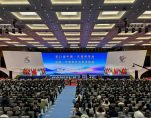
NANNING, CHINA – Media OutReach Newswire – 20 September 2026 – On September 16, as an international science and technology exchange platform included in the list of cooperation initiatives for the series of leaders’ meetings on East Asia cooperation, the Fourth Forum on China-ASEAN Artificial Intelligence Cooperation was successfully held in Nanning, Guangxi. With the theme of “AI for Industries, Digitalization for Shared Future”, this forum was co-hosted by the China-ASEAN Technology Transfer Center, the China-ASEAN Innovation Cooperation Center for Artificial Intelligence, the Department of Science and Technology of Guangxi Zhuang Autonomous Region, and the Guangxi Institute of Industrial Technology. More than 700 government representatives, research scholars, tech entrepreneurs, and venture capital representatives from China and ASEAN countries gathered on site, focusing on three major directions, namely embodied intelligence, AI finance, and data circulation, discussing collaborative technological innovation, jointly pursuing industrial digital transformation, and comprehensively deepening pragmatic cooperation between China and ASEAN in the field of artificial intelligence.
Fourth Forum on China-ASEAN Artificial Intelligence Cooperation Successfully Held in Nanning, Drawing Over 700 Delegates
Coinciding with the historic milestone of the Pinglu Canal being completed and navigable, a canal opens up a physical trade corridor between China and ASEAN, opening a new chapter of digital economy collaboration. “Goods Flow Across Rivers and Seas, Digital Intelligence Connects ASEAN” has become the most distinctive symbol of the era at this forum. The forum closely follows the differentiated development path of “R&D in Beijing, Shanghai, and Guangzhou + Integration in Guangxi + Application in ASEAN”, solving problems through technological breakthroughs, gathering momentum through industry-finance linkage, and promoting effectiveness through scenario implementation, to deepen and solidify China-ASEAN AI cooperation.
Technology empowers the opening, creating a new paradigm of human-machine collaboration
The forum kicked off with Guangxi’s classic ethnic song “Folk Songs like the Spring River”, where human dancers, dancing robots, accompaniment robots, and a digital crowd performing the folk song collaborated across disciplines to perform group collaborations. Relying on millisecond-level cluster scheduling technology, ethnic culture and embodied intelligence were deeply integrated to create an immersive technological audiovisual feast. This forum innovatively adopted a three-party collaborative hosting model of “human host + digital human avatar + intelligent robot”. Yang Yanqing, Professor of ShanghaiTech University, coordinated with her digital human avatar and AGIBOT Lingxi X2 to jointly host the forum, empowering the forum scene through technology, which became a major highlight of the event.
Dr. Padapxay SAYAKHOT, Director-General, Institute of Information and Communication Technology, Ministry of Technology and Communications, Lao PDR, Sun Ruijun, Director-General, China-ASEAN Technology Transfer Center, Secretary of the Party Leadership Group and Director-General, Department of Science and Technology of Guangxi Zhuang Autonomous Region, Secretary of the Party Committee, Guangxi Institute of Industrial Technology, delivered speeches in succession. Both sides stated that they will use this forum as a link to deepen the connection of scientific research and innovation, the implementation of industrial scenarios, and the coordination of policies and mechanisms, gather synergy for digital and intelligent development, and serve the building of a closer China-ASEAN community with a shared future.
Industry authorities gather, anchoring regional AI development directions
The speakers at the forum combined international breadth and professional depth, bringing together industry experts, academic and cutting-edge research forces, industrial technology, and cross-border implementation capabilities from ASEAN countries, forming a core high ground for intellectual exchange and gathering top intellectuals for China-ASEAN AI innovation and development.
Industry experts from ASEAN countries: Dr. Wasan Pattara-atikom, Vice President, National Science and Technology Development Agency, Thailand; Li Haizhou, Fellow of the Academy of Engineering, Singapore (SAEng), Dean of the School of Artificial Intelligence, the Chinese University of Hong Kong, Shenzhen; YAP Hwa Jen, Professor of Universiti Malaya, Managing Director of the UPUM Sdn. Bhd.;
Academic and cutting-edge research forces: Yang Chao, Professor of Peking University, Founder and Chief Scientist of Beijing 1011 Technology Co., Ltd.; Cui Peng, Professor of Tsinghua University and Chief Scientist of Stable AI (Xiong’an) Technology Co., Ltd.; Wang Shisong, Professor of Guangzhou University, Co-founder of Abelian (a quantum-resistant blockchain infrastructure);
Industry technology and cross-border implementation forces: Li Nan, Founder, Chairman, and CEO of Maimai Technology Group; Yao Yuan, Vice President of the Middle East Asia-Pacific Region Division, AGIBOT Innovation (Shanghai) Technology Co., Ltd.; Lyu Jun, Chief Scientist of Shanghai Noematrix Technology Co., Ltd.; Liu Liqi, General Manager of Data Strategy Department, X Square Robot Technology (Shenzhen) Co., Ltd.
The guests focused on three major directions, namely embodied intelligence, AI finance, and data circulation, exploring feasible paths for technological breakthroughs, ecosystem co-construction, and joint innovation. They covered the key stages of artificial intelligence from source research and development and technology transfer to industrial implementation and cross-border cooperation, achieving a two-way dialogue between cutting-edge academic theories and practical industry needs, and providing diverse perspectives and action ideas to bridge the regional digital divide and unlock the inclusive value of AI.
Five achievements released, strengthening the solid foundation for digital intelligence cooperation
At the forum, five scientific and technological innovation achievements were released together, constructing an AI innovation supply system oriented toward ASEAN from multiple dimensions including technology products, platform carriers, talent systems, and decision-making support.
1. The China-ASEAN Cross-Border Industrial Large Language Model: It covers multilingual capabilities and industry knowledge graph for ASEAN, integrates six major agents to collaboratively analyze business scenarios, and serves as a professional intelligent partner for Chinese enterprises to expand into the ASEAN market.
2. Achievements in AI Talent Development for ASEAN: Relying on the Guangxi Academy of Artificial Intelligence, a talent training model of “a dual-mentor system, dual-integrated teaching, dual training tracks, and an integrated master-doctoral program” has been created, achieving an international education pattern of enrolling at one university, earning credits from multiple universities, gaining practical experience in multiple countries, and strengthening talent support for cross-border AI cooperation.
3. “Guikerong” Sci-Tech Finance Digital-Intelligent Foundation Platform: Developed under the guidance of the Department of Science and Technology of Guangxi Zhuang Autonomous Region, it uses data-driven technology credit evaluation to open the value transformation chain of “technology, industry, and finance”, supporting the innovative development of technology-based enterprises.
4. Lao-Language Large Language Model (LLM) for the Energy and Power Sector: China’s first AI overseas project in the power industry, implemented on Electricite du Laos, exploring a new model of “Retaining Computing Power in Guangxi, Exporting Services Globally” for compliant token going global, providing a practical example for cross-border services in the energy sector.
5. “2026 China-ASEAN Artificial Intelligence Industry Development Study Report”: A panoramic overview of regional industrial policy environment, market scale, and application patterns, analyzing core industry development trends, and providing decision-making references for China-ASEAN AI industry cooperation.
Exhibition and negotiation are working together to build a pragmatic platform for exchange and cooperation
The forum adheres to the principles of “promoting research through exhibitions, cooperation through meetings, and implementation through business matchmaking”, simultaneously hosting the Special Session on AI: Bank-Enterprise Matchmaking and the Industry Supply-Demand Matchmaking and Technology Achievement Exhibition, achieving precise coordination between exhibition displays and business negotiations, and building a cross-border cooperation ecosystem deeply integrating industry, academia, research, and application.
The Technology Achievement Exhibition showcased high-tech products such as the General Embodied Intelligent Robot, Fingertip 3D Force Sensors, Integrated Land-Sea-Air Inspection Equipment, Smart Wall-Climbing Industrial Robot, and AI + Embodied Intelligence Teaching and Experiment Platform, covering key tracks like humanoid robots, industrial intelligent equipment, and education and training, demonstrating the innovative strength of domestic AI technology adaptation to ASEAN scenarios.
The venue also set up an immersive AI experience zone, where interactive projects such as coffee-making robots, agile robotic arms, AI customized cultural products, and unmanned retail attracted attendees to stop and experience the vivid effects of AI empowering people’s services up close, highlighting the development philosophy of technology for good and digital intelligence benefiting the people.
Focusing on collaborative win-win cooperation to jointly build a new pattern of regional development
As an international platform for scientific and technological exchange aimed at ASEAN, the Forum on China-ASEAN Artificial Intelligence Cooperation has been held consecutively for four sessions, bringing together more than 4,300 guests from China, foreign government, industry, academia, and research, facilitating the connection of over a hundred industrial projects, and becoming an important platform for the exchange of ideas, interconnection of technologies, and mutual industrial support between China and ASEAN in the field of artificial intelligence.
Looking to the future, China and ASEAN will continue to deepen cross-border joint innovation, promote the orderly flow of AI innovation elements, cultivate a vibrant and inclusive regional digital innovation ecosystem, facilitate digital intelligence benefiting regional industrial upgrading and livelihood development, and jointly build a new mutually beneficial and win-win pattern of China-ASEAN digital economy.
This forum was supported by the Ministry of Technology and Communications of Laos and the ASEAN Secretariat, and co-hosted by Guangzhou University, Guangxi Beibu Gulf Bank, Guangxi Academy of Artificial Intelligence, and Computer Academy of Guangxi.
The issuer is solely responsible for the content of this announcement.
Hong Kong has laid out a five-year programme to strengthen its established economic pillars while building new growth engines, with a gold-led commodity trading ecosystem among the centrepieces of its strategy through 2030.
Chief Executive John Lee’s 2026 Policy Address and the city’s first Five-Year Plan for Economic and Social Development set out measures covering finance, trade, shipping, aviation, innovation and technology, alongside efforts to attract capital, companies and skilled workers. The government said the programme is designed to reinforce Hong Kong’s international competitiveness and support longer-term economic development.
Gold will serve as the entry point for a broader commodity trading ecosystem. Hong Kong plans to formally launch its central clearing and settlement system for gold in the first quarter of 2027, following trial operations that began in July. The system is intended to support trading that meets international standards and strengthen links among clearing, settlement, storage and physical delivery.
Hong Kong Exchanges and Clearing will announce details this year of new renminbi-denominated, physically settled gold futures contracts. The government also plans to explore tax concessions for qualifying activities across the gold and commodity trading chain, with proposals expected to be put to the Legislative Council for consultation next year.
The Hong Kong Monetary Authority is studying whether the Exchange Fund should moderately increase its gold holdings and participate in local spot and futures markets. Existing physical gold inventories could gradually be transferred to designated vaults appointed by the Hong Kong Precious Metals Central Clearing Company.
Authorities also plan to expand storage and related infrastructure. Since the London Metal Exchange added Hong Kong to its global warehousing network in 2025, approved storage space has exceeded 60,000 square metres and inventories have risen above 20,000 tonnes of metal. More LME-approved warehouses are planned for the Northern Metropolis.
A half-rate tax concession for physical commodity trading is also being pursued to encourage traders to establish or enlarge operations in the city. A joint working group led by the Secretary for Financial Services and the Treasury will examine market opportunities and possible collaboration between exchanges.
The wider financial strategy seeks to strengthen Hong Kong’s role as an offshore renminbi business hub and an international centre for asset management and risk management. The government plans to deepen green and digital finance, widen financing channels for technology companies and strengthen trade finance, supply-chain finance, clearing, settlement and risk-management services.
A proposed Innovation and Technology Industry-Oriented Fund will receive HK$10 billion in government funding and is expected to reach at least HK$40 billion when market capital is included. Priority areas include life and health technology, artificial intelligence and robotics, semiconductors and smart devices, digitalisation, and sustainable development.
The five-year plan also calls for greater emphasis on high-value maritime services rather than relying mainly on traditional port logistics. Measures include reforms to ship registration, support for ship financing and marine insurance, and further development of maritime arbitration and other professional services.
Hong Kong also intends to build a broader aviation industry ecosystem. Plans include developing aircraft-parts processing and trading, participating in research and certification connected with domestically developed aircraft, and expanding sustainable aviation fuel supply chains across the Greater Bay Area. Authorities aim for sustainable aviation fuel to account for 1% to 3% of fuel used by departing flights at Hong Kong International Airport in 2030.
Trade policy will focus on digitalisation, diversification and higher-value supply-chain services. The government wants more companies to use Hong Kong for international orders, foreign-exchange transactions, treasury operations, trade finance and supply-chain management, while attracting regional and international headquarters.
The plan places innovation alongside the traditional pillars, with support directed towards artificial intelligence, robotics, life sciences, microelectronics and advanced manufacturing. It also identifies aerospace technology, marine technology, quantum technology and embodied intelligence as fields for longer-term development.
Hackers who physically removed a Flock Safety roadside camera were able to copy much of its internal storage, uncover an encryption key and access tens of thousands of video clips and data linked to about 1.6 million images generated over 21 days. The compromise involved a single camera taken from above a roadway and did not amount to a remote breach of Flock Safety’s cloud network. The […]
NANNING, CHINA – Media OutReach Newswire – 19 September 2026 – On September 17, the 23rd China-ASEAN Expo and China-ASEAN Business and Investment Summit opened in Nanning, Guangxi. With the theme of “CAFTA 3.0 Opportunities, Better Life”, the 23rd CAEXPO and CABIS was attended by Chinese and foreign leaders and important guests at the opening ceremony.
This year marks the 5th anniversary of the establishment of the China-ASEAN comprehensive strategic partnership, the inaugural year of the “Plan of Action to Implement the ASEAN-China Comprehensive Strategic Partnership (2026-2030)”, and a critical year for accelerating the implementation of the China-ASEAN Free Trade Area (CAFTA) 3.0 Upgrade Protocol following its signing.
The 23rd CAEXPO has a total exhibition area of approximately 170,000 square meters, showcasing the latest achievements of cooperation between China and ASEAN countries, as well as new business opportunities under the Version 3.0 China-ASEAN Free Trade Area (CAFTA). More than 3,400 enterprises from over 70 countries and regions are participating, with the total number of exhibitors increasing by 5.3% compared to the previous session. Timor-Leste made its debut as a formal ASEAN member state and co-organizer of the CAEXPO. This marks the first time that all 11 ASEAN countries have gathered in Nanning, Guangxi, since ASEAN’s expansion, representing a historic moment for the CAEXPO’s circle of friends. In addition to the main exhibition area at the Nanning International Convention and Exhibition Center, two other exhibition areas are set up at CAAIC Community and the Guilin International Conference & Exhibition Center.
For the first time, an ASEAN country demand exhibition is set up during the event, and an ASEAN demand list is released for the first time, focusing on showcasing projects and application needs of ASEAN countries in areas such as transportation, smart logistics, artificial intelligence applications, urban management, and park construction, creating a new one-stop precise matchmaking platform for China and ASEAN.
In addition, more than 50 economic and trade promotion activities will be held during the event, focusing on trade and investment facilitation and regional economic integration, cross-border industrial and supply chain cooperation, “Shop in China”, “Export to China”, “Invest in China”, and other topics.
Hashtag: #CAEXPO#CABIS
The issuer is solely responsible for the content of this announcement.
Matein Khalid I never thought a routine telegraphed 0.25% a rate hike at a FOMC conclave would make September 16, 2026 one of the scariest days in my investing career, right up there with September 15, 2008 (the Tuesday Lehman died), September 11, 2001 the day the WTC Feng Shui twin sentinels of Manhattan died or Black Wednesday September 15 1992, when my Magyar idol George Soros […]
Dubai is set to gain a mixed-use development where robots are planned to handle reception, security, cleaning, deliveries, coffee service and selected wellness functions, as Fakhruddin Properties advances a Dh700 million project in Dubai Land Residence Complex. The development, called Tréppan Vision, was unveiled at IPS 2026 and is scheduled for completion in the fourth quarter of 2029. Fakhruddin Properties says the scheme is designed to extend […]
A newly identified phishing kit called GhostCode is exploiting Microsoft Entra device-code authentication to register attacker-controlled devices, allowing access to persist even after stolen tokens are revoked, security researchers have found. eSentire’s Threat Response Unit said it detected the active campaign in late August, with operators using business-email social engineering rather than conventional fake login pages. Attackers posed as procurement staff from legitimate organisations, including BJ’s Wholesale […]
CoinEx will shut its cryptocurrency exchange on December 22 after nine years of operation, citing a prolonged market downturn, falling trading activity and mounting regulatory and compliance costs. The platform began an orderly wind-down on September 15, halting new user registrations and restricting several services, while allowing customers to withdraw assets until 02:00 UTC on December 22. CoinEx said all user assets were fully backed and that […]
A US federal judge has ordered Elon Musk’s X Corp and SpaceXAI to disclose any agreement behind their resolution of antitrust claims against Apple, even as the companies press ahead with the same lawsuit against OpenAI. Judge Mark Pittman of the US District Court for the Northern District of Texas directed X and SpaceXAI to provide the court with any agreement or combination of agreements with Apple […]
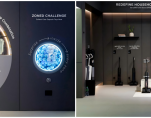
BERLIN, GERMANY – Media OutReach Newswire – 17 September 2026 – At IFA 2026, Midea’s Fabric and Floor Care division presented its latest innovations in laundry and floor-cleaning technologies themed at “Zoned Care, Omni Clean”.
With the Omni Trio washing machine and AT8 Ultra wet-and-dry floor cleaner as key highlights, the showcase addressed a wide range of everyday home-care challenges, including separate laundry care, noise and vibration reduction, stubborn stain removal and the cleaning of tangled hair from floors.
During the exhibition, the products drew attention from German technology and smart-home media and also received recognition from industry bodies. The showcase innovations were honoured with the YD Best Design Award, while the Omni Trio received VDE A-10% low-noise certification, highlighting Midea’s continued strengths in both industrial design and product engineering.
Two Products, One Home-Care Direction
The Omni Trio brings a different approach to laundry separation. Its three independently operated drums—a 10 kg main drum and two 0.5 kg smaller drums—allow different loads to be washed separately at the same time. Everyday clothing, baby garments, socks and underwear can be handled without waiting for one cycle to finish before starting another.
Independent water inlets and Auto Dose systems, Foam & Flow DualSpray technology and low-noise performance support the same objective: making categorized laundry care easier to integrate into daily routines.
For floor care, the AT8 Ultra addresses another set of frequent cleaning tasks. Its technologies include Easy Foam cleaning, 60°C hot water on demand, a mechanical arm for improved water pickup, anti-tangle technology, and automated roller cleaning and drying. Each targets a practical issue, whether it is a stubborn stain, residual water or hair wrapped around the roller.
Together, Omni Trio and AT8 Ultra demonstrate how “Zoned Care, Omni Clean” extends beyond individual product features. Different cleaning tasks call for different solutions, and Midea FFC is applying its experience across laundry care and floor cleaning to address these needs with greater precision.
From European Needs to Global Development
IFA 2026 also provided Midea with an opportunity to observe how these innovations respond to expectations in the European market, where quieter operation, efficiency, flexibility and ease of use remain key considerations for home appliances.
These local insights also contribute into Midea FFC’s global product development. Learnings from different markets help shape technologies that can be adapted to diverse homes, daily routines and cleaning habits.
For the home-care category, the next stage of innovation is not simply adding more functions. It is about enabling appliances to better understand and handling specific household tasks, with greater automation and less effort from the user. For Midea FFC, the response at IFA 2026 offers a valuable reference point as the company continues to develop home-care technologies for markets around the world.
Hashtag: #Midea #OmniTrio #AT8Ultra
The issuer is solely responsible for the content of this announcement.
ABOUT MIDEA & MIDEA GROUP
Midea is a global technology company specializing in smart home appliances, climate solutions and floor-care technologies, with a focus on user-centric design, energy efficiency and sustainable innovation.
Meta Platforms is preparing a camera-free pair of smart glasses, internally code-named Luna, for an expected autumn debut, with shipments targeted for October, according to people familiar with the company’s plans. The glasses are designed around voice-based artificial intelligence rather than photography or video, marking a notable departure from Meta’s existing camera-equipped eyewear. People familiar with the product say Luna will contain six microphones, open-ear speakers and […]
Response by KK Chiu, International Director, Chief Executive, Greater China, Cushman & Wakefield:
Optimising the Housing Ladder and Improving Living Conditions
We welcome the Government’s commitment to increase housing supply, shorten the Composite Waiting Time for public rental housing and further strengthen the housing ladder. The adoption of a long-term housing supply framework comprising 40% public rental housing, 30% subsidised sale housing and 30% private housing, together with the delivery of approximately 196,000 public housing units over the next five years, will provide a clearer housing and homeownership pathway for different income groups.
We believe that increasing the supply of subsidised sale housing and enhancing the housing ladder will help more public housing tenants progress towards homeownership, accelerate housing mobility and enable families with genuine housing needs to gain access to public housing more quickly.
We support the Government’s efforts to increase public housing supply, continue the Light Public Housing programme and implement the Basic Housing Units regime in an orderly manner to phase out substandard subdivided units. This approach is consistent with our long-held view that increasing housing supply is the fundamental solution to improving inadequate housing conditions. With the Government targeting the resolution of substandard subdivided units in domestic buildings by 2030, we expect living conditions for grassroots households to improve progressively.
Urban Renewal Incentives
We support the Government’s more flexible approach to urban renewal, including transferable plot ratio arrangements and measures to unlock redevelopment potential. These initiatives will help enhance market participation, accelerate renewal in areas with pressing redevelopment needs and contribute to overall housing supply growth. We recommend the Government provide clearer guidance on application requirements and further streamline cross-departmental approval procedures to facilitate implementation.
Advancing the Yacht Economy
We welcome the Government’s continued efforts to promote the yacht economy. Beyond increasing marina berth supply and enhancing supporting infrastructure, we believe it is equally important to further facilitate cross-boundary initiatives, allowing greater mobility of yachts within the Greater Bay Area and fostering regional collaboration.
As more superyachts and high-net-worth visitors arrive in Hong Kong, demand is expected to rise across luxury tourism, hospitality, food and beverage, retail, marine services and waterfront commercial facilities, helping unlock the economic potential of Hong Kong’s coastline and island resources. At the same time, Hong Kong has the potential to develop a more comprehensive marine industry ecosystem encompassing yacht repair and maintenance, refitting services and specialised professional services. The development of a holistic marine services value chain will further strengthen Hong Kong’s competitiveness as a regional and international yachting hub.
Response by John Siu, Managing Director, Hong Kong, Cushman & Wakefield:
Planning Ahead for AI and Data Centre Infrastructure
We welcome the Government’s commitment to accelerate the development of the Sandy Ridge Data Facility Cluster, which is expected to provide computing power equivalent to 36 times Hong Kong’s current capacity by 2032, alongside a HK$1 billion injection into the Artificial Intelligence Subsidy Scheme. These initiatives will provide important support for the development of Hong Kong’s artificial intelligence and data centre sectors, further strengthening the city’s position as a regional digital and innovation hub.
However, with rapid advancements in artificial intelligence, large language models and cloud computing, demand for computing power is expected to grow significantly in the coming years. We believe that, in addition to planning data centre sites, the Government should proactively review long-term requirements for power supply, electricity grid capacity and related infrastructure. As AI adoption becomes more widespread, access to reliable power and supporting infrastructure will be a key factor in maintaining Hong Kong’s competitiveness as a technology and data centre hub.
We support the Government’s stated direction of pursuing “high-efficiency computing power, stable electricity supply and low-carbon transition”. Looking ahead, we recommend that the Government regularly review future demand for land, power supply and supporting infrastructure arising from the growth of artificial intelligence and data centre activities, particularly within the Northern Metropolis and other strategic development areas. A coordinated approach to computing, energy and digital infrastructure planning will help attract more data centre operators and technology companies to Hong Kong, while supporting the city’s long-term development as a regional hub for data and artificial intelligence.
Response to the Budget 2026/2027 by Rosanna Tang,Deputy Managing Director, Head of Research, Hong Kong, Cushman & Wakefield:
Clear Industry Positioning for the University Towns
We welcome the Government’s efforts under Hong Kong’s First Five-Year Plan to further define the positioning of the three university towns in the Northern Metropolis University Town, and are encouraged by its strategy to promote synergy among the university towns, the San Tin Technopole and surrounding industry parks. As the only city in the world with five universities ranked among the global top 100, Hong Kong possesses a strong foundation in higher education and research. At the same time, the San Tin Technopole is set to become a key innovation and technology hub. The complementary strengths of these two pillars, both geographically and strategically, provide a solid foundation for building a globally competitive innovation ecosystem in Hong Kong.
We are particularly encouraged by the Government’s emphasis on integrated industry-academia-research collaboration. The university towns should not be viewed merely as educational developments, but as strategic platforms for research commercialisation, international talent attraction and the cultivation of emerging industries. Closer collaboration among universities, research institutes, innovation and technology enterprises and industry parks will help establish a complete innovation value chain covering talent development, scientific research, technology transfer and industrial implementation.
In addition, the Plan proposes approximately 300 hectares of educational facilities as the core of the university towns, connected with adjacent strategic industry areas, distinctive conservation areas, sports and cultural facilities, and surrounding communities, bringing the overall development footprint to more than 1,000 hectares. Such a large-scale integrated education and industry development model is rare in Hong Kong’s urban planning history and clearly demonstrates the Government’s long-term vision of creating a knowledge-based city cluster and an international education hub in the Northern Metropolis.
Attracting Signature Industry Projects and Anchor Institutions to Enhance the Northern Metropolis’ Global Appeal
We welcome the Government’s efforts to establish differentiated industry positioning through the three university towns, while integrating key development nodes such as the San Tin Technopole, the Hong Kong Park of the Hetao Shenzhen-Hong Kong Science and Technology Innovation Co-operation Zone, the Hung Shui Kiu Industry Park and Ta Kwu Ling. This provides a clearer direction for industrial development in the Northern Metropolis and helps address long-standing market concerns regarding overlapping functions and unclear district positioning.
As highlighted in our previous research, we believe the next critical stage for the Northern Metropolis will be its ability to attract influential anchor institutions and leading enterprises. By bringing together universities, research institutes and industry leaders, Hong Kong can foster the clustering of businesses, talent and capital, gradually forming industry clusters with scale and international competitiveness. Hong Kong should also capitalise on its common law system, international financial centre status, intellectual property protection framework and global talent network by focusing on high value-added segments such as research and testing, intellectual property management, fundraising and listing activities, and international accreditation services. This will help Hong Kong establish an irreplaceable role within the Greater Bay Area industrial value chain.
Beyond strategic industries, we believe the Northern Metropolis could also explore internationally recognised and iconic industry projects to further enhance its global profile and attractiveness. For example, the Government may consider developing initiatives around new energy vehicles, smart mobility and advanced technologies, while exploring the feasibility of internationally recognised racing events, testing facilities or technology R&D platforms, such as those associated with Formula One. By leveraging motorsport-related economic activities and innovation-led development, Hong Kong could attract international automotive manufacturers, mobility technology companies and research institutions to establish regional headquarters, R&D centres or testing facilities in the city. This would in turn support the growth of engineering, intelligent transport, advanced manufacturing, tourism, hospitality, retail and convention and exhibition industries, further enriching the Northern Metropolis industrial ecosystem.
Accelerating Land Supply While Advancing Industries and Infrastructure in Parallel
We note that Hong Kong’s First Five-Year Plan proposes a significant acceleration in land and housing supply within the Northern Metropolis. Residential completions are expected to increase substantially from approximately 11,000 units during 2021/22 to 2025/26 to around 70,000 units during 2026/27 to 2030/31. Over the same period, the supply of “spade-ready sites” will rise from approximately 120 hectares to around 900 hectares, representing an increase of around 7.5 times. These figures demonstrate that the Northern Metropolis is transitioning from a planning and land formation phase to a new stage characterised by large-scale development, industrial implementation and population intake.
However, we believe the success of the Northern Metropolis should not be measured solely by the volume of land or housing delivered. As substantial residential, innovation and technology, and industrial sites come on stream, the focus should gradually shift from land supply to city-building. The Government should ensure the coordinated delivery of railway and cross-boundary infrastructure networks, industry parks, commercial facilities, public services and community amenities, while accelerating the introduction of leading enterprises and strategic industries to create sufficient, high-quality employment opportunities and achieve a genuine jobs-housing balance.
In particular, we believe the Northern Metropolis should be driven by industry-led development, with the San Tin Technopole, the Hetao Shenzhen-Hong Kong Science and Technology Innovation Co-operation Zone, the university towns and major industry parks serving as key growth engines. This would create a virtuous cycle in which industry attracts population, population supports consumption, and consumption drives urban development. Only through the coordinated growth of industry, talent, infrastructure and communities can the Northern Metropolis evolve from a large-scale land development project into a modern metropolitan district integrating industry, education, living and international exchange.
Response by Tom Ko, Executive Director, Head of Capital Markets, Hong Kong of Cushman & Wakefield:
New Opportunities for Student Accommodation Market
We welcome the Government’s initiatives to deepen Hong Kong’s development as an international hub for post-secondary education through the “Hong Kong: Your World-class Campus” campaign, expanded global student recruitment efforts and the extension of the Immigration Arrangements for Non-local Graduates pilot arrangement to graduates from Greater Bay Area campuses of Hong Kong universities. These initiatives will further enhance Hong Kong’s attractiveness to overseas students and talent while reinforcing the “Study in Hong Kong” brand.
We are encouraged by the continued progress of the Hostels in the City Scheme. The scheme has already received 41 confirmed applications, providing approximately 10,800 bed spaces and demonstrating strong market confidence in the long-term growth of Hong Kong’s education sector.
The scheme has opened up a new supply channel for converting commercial buildings into student accommodation. At a time when hotel conversion opportunities are becoming more limited as tourism continues to recover, it provides an alternative pathway for investors while helping unlock the value of underutilised commercial assets and meet rising demand for student housing. As the Government prepares to tender the first dedicated student hostel site, we believe purpose-built student accommodation will gradually emerge as a distinct and scalable asset class within Hong Kong’s real estate market.
To further increase supply, we recommend that the Government continue reviewing and refining approval procedures for student hostel conversions. Greater flexibility and streamlined processes, while maintaining appropriate safety and operating standards, would encourage wider market participation and support Hong Kong’s ambition to become a leading international education destination.
The issuer is solely responsible for the content of this announcement.
About Cushman & Wakefield
Cushman & Wakefield (NYSE: CWK) is a leading global commercial real estate services firm for occupiers and investors with approximately 53,000 employees in over 350 offices and nearly 60 countries. In Greater China, a network of 23 offices serves local markets across the region. In 2025, the firm reported revenue of $10.3 billion across its core services of Valuation, Consulting, Project & Development Services, Capital Markets, Project & Occupier Services, Industrial & Logistics, Retail, and others. Built around the belief that Better never settles, the firm receives numerous industry and business accolades for its award-winning culture. For additional information, visit www.cushmanwakefield.com.hk or follow us on LinkedIn (www.linkedin.com/company/cushman-&-wakefield-greater-china).
Launched in H1 2026, Heavy Weight Express service saw a 16% increase in Weight per Day growth for the region (excluding China)
High-value, technology-related cargo, engineering & manufacturing, and automotive are the biggest drivers, making up two-thirds of the total weight of heavyweight segment
SINGAPORE – Media OutReach Newswire – 16 September 2026 – Following DHL Express’s introduction of Heavy Weight Express (HWX) this year, DHL Express recorded a 16% growth in its Time Definite International Weight per Day in Asia Pacific (excluding China) between January and July2026. This reflects how DHL’s Smart Industrial Growth Strategy is yielding positive outcomes as businesses are moving heavier, critical components, machinery, and industrial equipment across borders.
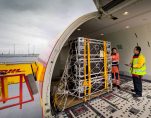
DHL Express heavy weight cargo
The heavyweight market has been gaining traction in recent years. Industry research shows that an estimated 10.2 million tons of heavyweight shipments¹ are being moved in Asia Pacific (excluding China) each year. Many companies have spent years reducing inventory and improving efficiency across their supply chains. However, companies today operate in a far less predictable environment marked by trade disruptions, manufacturing bottlenecks, and fluctuating demand. The rise in heavyweight shipment volumes mirrors a shift in how businesses are managing supply chain risks, as they increasingly turn to express logistics not only to handle sudden shifts in demand but also to have greater agility, certainty and control over timelines.
“Behind the numbers is a simple reality: Businesses are shipping heavy when timing matters and when it’s critical,” said Ken Lee, CEO for Asia Pacific, DHL Express. “As companies continue to navigate a complex landscape where uncertainty has become the norm, speed and reliability have also become part of the business decision. Customers are making deliberate decisions on what they ship through our network. Our Heavy Weight Express solution helps companies avoid downtime, protect working capital and keep operations moving when supply chains don’t go exactly as planned.”
Technology, Engineering & Manufacturing, and Automotive top Asia Pacific’s heavyweight contributors
Across the region, high-value, technology-related cargo, such as computer chips and semiconductors, accounts for the largest share of DHL Express’s heavyweight segment at over 34%, driven by rapid investment in data centers to support the growing demandfor computing capacity, data storage, cloud services, as well as artificial intelligence. This has fueled demand for technology-related shipments, from semiconductors and servers to cooling systems and electrical infrastructure. However, a data center crunch is creating supply chain bottlenecks as demand for semiconductor manufacturing outpaces infrastructure supply. As a result, express logistics services are urgently activated to move critical components quickly and efficiently, helping to keep projects on schedule.
The other main contributors to the heavyweight segment are businesses in engineering & manufacturing as well as the automotive industry.
Automotive is the fastest growing sector
HWX service is also gaining strong momentum in the automotive sector, with its shipment weight increasing at a rate of nearly 20%. As the leading export region for this sector, Asia Pacific is also seeing a surge in Asian automotive brands, particularly Electric Vehicle (EV) manufacturers from China and Southeast Asia. As these brands expand into new markets, they are also moving vehicle parts sourced from different suppliers and manufacturers across borders. This has created the appetite for expedited shipments to keep production running. In this sector, a single late or failed shipment could instantly cost automotive manufacturers millions of dollars.
Asia affirms role as a vital trading hub
In Asia Pacific (excluding China), the fastest growth in heavyweight shipments for the first seven months of the year came from India, the Philippines, Vietnam, Japan and Hong Kong. These markets reflect two of the region’s strongest trade corridors – Southeast Asia’s firm role as a manufacturing and sourcing base, and North Asia’s strategic position as a hub for high-value technology, industrial and automotive supply chains. Additionally, India, the Philippines, and Vietnam are also recognized as key markets of the geographic tailwinds initiative.
“As companies continue to manufacture out of Asia, balancing project timelines and building more resilient and agile supply chains become a priority. To maintain production continuity and ensure certainty, they are consolidating goods into heavier shipments. These non-negotiable conditions are also “urgency drivers” that put us at an advantage to help deliver our customers’ shipments at a definite time,” said Ken Lee, CEO for Asia Pacific, DHL Express.
In recent years, DHL Express has added several new infrastructures across the region, including an expanded global hub in Hong Kong, facilities near Cebu and Manila airports, gateway at Christchurch airport, Hanoi gateway near Noi Bai airport, as well as Delhi gateway, culminating in approximately 1,000 facilities in the Asia Pacific region. This is further supported by a robust aviation network of around 810 flights per day.
The issuer is solely responsible for the content of this announcement.
DHL – The logistics company for the world
DHL is the leading global brand in the logistics industry. Our DHL divisions offer an unrivaled portfolio of logistics services ranging from national and international parcel delivery, e-commerce shipping and fulfillment solutions, international express, road, air and ocean transport to industrial supply chain management. With approximately 389,000 employees in more than 220 countries and territories worldwide, DHL connects people and businesses securely and reliably, enabling global sustainable trade flows. With specialized solutions for growth markets and industries including technology, life sciences and healthcare, engineering, manufacturing & energy, auto-mobility and retail, DHL is decisively positioned as “The logistics company for the world”.
DHL is part of DHL Group. The Group generated revenues of approximately 82.9 billion euros in 2025. With sustainable business practices and a commitment to society and the environment, the Group makes a positive contribution to the world. DHL Group aims to achieve net-zero emissions logistics by 2050.
SINGAPORE – Media OutReach Newswire – 16 September 2026 – VX Logistics Development Group Co., Ltd. (“VX Logistics” or the “Company”), Asia’s leading cold chain logistics network operator, transforms the supply chain operation of fresh fruit and vegetables industry through applying AI technology and sophisticated automation and leveraging the world-first robot for metro delivery self-developed by the Company.
Emma Wu (Wu Beiwen) Chairperson, VX Logistics Emma Wu currently serves as the chairperson of VX Logistics. As an active practitioner of China’s supply chain globalisation, she focuses on cold chain, fresh produce supply chain, logistics infrastructure, and industrial synergy. Under her leadership, VX Logistics has become an industry-leading integrated multi-temperature logistics service provider, with its cold chain capacity firmly leading in Asia and among the top tier globally.
The world-first robot designed for deliveries to metro-station retailers is self-developed by VX Logistics. The robot functions as an actual “on-duty” employee in VX Logistics’ day-to-day operations. It has been rolled out at 61 Shenzhen metro stations, handling replenishment and delivery tasks for on-site retailers.
Within VX Logistics’ business operations, these intelligent devices are working in tandem with the Company’s proprietary OTWB end-to-end management system and digital platforms such as IoT-based cold-chain temperature control. VX Logistics’ smart operation offers an efficient solution to every link of the supply chain.
“Each of these technologies is powerful on its own, but their true value emerges when they work together — data flows from the point of origin to end customer, and quality becomes predictable and controllable,” said Emma Wu (Wu Beiwen), chairperson of VX Logistics, adding that this is not merely an enhancement at any single stage of logistics services, but it represents a transformation in the very way the industry functions.
The value of technology goes beyond efficiency. Emma Wu noticed that a large number of overseas fresh fruit brands are stepping up their presence in China, while many domestic brands are showing a strong desire to go global. Emma Wu remarked: “A growing number of international brands are now registering Chinese brand names, setting up dedicated consumer brand teams, and increasing their investment at the retail end. The essence of branding lies in brand owners extending their quality commitment to the end consumer. This, in turn, requires them to maintain effective control of product condition at every link of the domestic supply chain. The same applies to Chinese brands going global.”
In the past, once imported fruit arrived at port, quality essentially entered a “black box” — brand owners had no visibility over key metrics like arrival temperature, handling status, or outbound records across the supply chain.
Emma Wu added that AI is transforming the fresh fruit and vegetables industry from one that “runs on experience” to one that “makes decisions with data.” In sorting and quality inspection, AI vision technology can assess coloration, size, and defects within a second — with greater accuracy and consistency than the human eye. In warehousing, automated equipment is taking over repetitive tasks such as material handling and palletizing. In transportation, IoT sensors track the temperature and location of every load in real time, and could raise the alarm before any issue arises.
Built around the unique characteristics of berry products, VX Logistics has customized a comprehensive end-to-end solution encompassing precision temperature and humidity management as well as rapid in-warehouse throughput — supporting the annual market launch of close to 200 million boxes of berries for Driscoll’s.
Zespri has been a partner of VX Logistics for over a decade. VX Logistics has built a full end-to-end system for Zespri in China – covering warehousing, quality inspection, ripening, automated sorting, and packaging.
“Cold-chain logistics is not a cost center — it is a value center.” She further pointed out that cold-chain logistics today is no longer merely a cost item for warehousing and transportation. It is a provider of supply chain solutions for brand clients. Both expanding overseas and deepening presence in China demand stable temperature and humidity control and quality assurance. The technological nature and professional reliability of cold-chain operations make cold-chain logistics an “added value” that safeguards product quality and reduces loss.
After 13 years of dedicated development, VX Logistics’ cold-chain scale now ranks first in Asia and stands firmly among the global top tier. As the supply chain service provider behind renowned fruit brands such as Zespri, Driscoll’s, Envy Apples, and Rockit, VX Logistics’ core competitive edge lies in its technology-driven supply chain services. Hashtag: #VXLogistics
The issuer is solely responsible for the content of this announcement.
Arabian Post Staff -Dubai Dubai has introduced a round-the-clock service at Dubai International Airport allowing eligible UAE citizens and residents to obtain an International Driving Permit within five minutes before travelling abroad. The service is available at the Customer Happiness Centre in Terminal 3 Arrivals and is open to people holding a valid UAE driving licence. It brings permit issuance directly into the airport environment, giving travellers […]
PhonePe is widening the use of artificial intelligence across customer service, fraud control, merchant tools, software engineering and corporate functions, with automation now resolving about 94 per cent of customer support cases.
Rahul Chari, PhonePe’s founder and chief product and technology officer, said the company is concentrating on AI deployments that produce measurable gains in operating, product or revenue metrics rather than adding the technology indiscriminately across its platform.
Chari told the Global Fintech Fest in Mumbai that the company’s approach starts with identifying operational bottlenecks where artificial intelligence can change outcomes. “Not everything that is an experience today gets genuinely better using AI,” he said. The emphasis, he added, is on a baseline shift in performance rather than the number of AI-labelled features. That approach is shaping investment across customer interactions, back-office workflows and engineering, while preserving conventional systems where automation offers little advantage.
The fintech processes close to 12 billion transactions a month and operates customer support with roughly 500 agents. Automation has increased the share of support cases handled without human intervention from about 90 per cent to 94 per cent, and PhonePe is targeting 96 per cent.
Chari said the remaining cases are harder because they often involve unusual circumstances, scattered information and the need for rapid responses. Large language models are being used to address those complex interactions, while human staff remain focused on cases that require judgement or escalation.
Fraud investigation is another area where automation has advanced. About 80 per cent of investigations can now be handled through automated systems, allowing specialist teams to concentrate on complicated incidents and new fraud patterns, according to the company’s account of its AI programme.
PhonePe is also extending artificial intelligence into consumer-facing services. It has been developing natural-language search that allows users to navigate the app, initiate tasks and reach relevant services using voice or text commands. The company is exploring broader conversational capabilities for personal finance, insurance and investment products.
Its search system, launched earlier this year using Microsoft Foundry, can interpret requests such as making a payment, recharging a FASTag or locating transaction information. PhonePe has said the interface is designed to reduce dependence on conventional menu navigation by directing users according to their stated intent.
Merchant products are another focus. PhonePe launched an AI-powered integration layer in May aimed at helping online businesses connect to its payment gateway through conversational instructions, reducing a process that can otherwise require developers to work through documentation and technical configuration.
The company followed in June with SmartPages, an AI-powered payment-page creator embedded in its payment gateway dashboard. Merchants can describe what they are selling in ordinary language, including vernacular languages, and the system generates product copy, selects relevant customer information fields and structures a mobile-oriented payment page.
PhonePe is considering further agentic functions for its business app, including answering merchant and customer queries and helping businesses create and distribute offers or coupons. The company has also examined tools that could connect commerce activity with services such as WhatsApp and Instagram.
Artificial intelligence is being incorporated throughout PhonePe’s software development process, including solution design, coding, code reviews, testing, deployment, troubleshooting and debugging. Internal tools include TraceMine for crash analysis, Lens for initial root-cause analysis using logs and deployment data, and KadAI for code orchestration and agent-based development.
Corporate functions are being brought into the same framework through an internal Agent Hub designed to let non-technology teams automate workflows. Legal, compliance, finance and human resources teams are among those using the platform.
PhonePe says the system was built for a regulated financial-services environment, with controls covering data access, leakage and localisation. Its architecture includes an in-house large language model router, open-source models hosted on company premises, and internal data and tools.
One target is the company’s new-product introduction process, where reviews involving compliance, privacy, legal, trust and safety can take about 30 days. PhonePe is exploring whether AI-enabled workflows can compress that process to less than a day.
President Donald Trump has rejected calls for tougher artificial intelligence safeguards, arguing that existing US powers are sufficient even as security specialists warn that faster AI systems are widening the attack surface for cryptocurrency platforms and decentralised finance. Trump said on September 14 that additional safeguards were unnecessary and dismissed warnings from technology executives about uncontrolled development. His position places the White House at odds with industry […]
China’s online retailers have begun offering the iPhone 18 Pro at discounts of up to 900 yuan only two days after pre-orders opened, cutting the effective price of Apple’s new flagship below its official launch level before retail sales begin.
The 256GB iPhone 18 Pro was listed on Pinduoduo at 9,099 yuan on Monday after platform and store incentives, compared with Apple’s official mainland China price of 9,999 yuan. The reduction is being funded through retailer subsidies and coupons rather than an official Apple price cut.
Pinduoduo’s offer combined a subsidised platform price with a 600-yuan store coupon, bringing the checkout cost to 9,099 yuan for eligible buyers. The listing indicated tens of thousands of orders and promised delivery by September 27, although availability and coupon access could change as the promotion continued.
Apple’s own online store and official channels continued to show the iPhone 18 Pro at the full 9,999-yuan starting price. Apple’s flagship store on Tmall was also focused on interest-free instalments rather than a direct reduction, while some other sellers were offering smaller incentives or trade-in-linked benefits.
Prices elsewhere were less aggressive. JD continued to display the 256GB model at 9,999 yuan when checked on Monday, while some Taobao offers relied on operator benefits, renewal subsidies or trade-in incentives. The variation showed that the headline reduction was not a uniform market-wide repricing of Apple’s newest Pro handset.
The early discount comes after Apple opened pre-orders in mainland China at 8pm on September 12. The iPhone 18 Pro and iPhone 18 Pro Max are due to go on general sale on September 18, placing the retailer promotion several days ahead of the formal release.
Demand signals were mixed across sales channels. Several configurations became harder to obtain shortly after pre-orders opened, with delivery estimates for some iPhone 18 Pro and Pro Max variants moving into late September or early October. That makes the appearance of a 900-yuan discount notable, but it does not by itself establish weak demand for the range.
Apple priced the iPhone 18 Pro from 9,999 yuan in China, while the iPhone 18 Pro Max starts at 10,999 yuan. Both models begin with 256GB of storage and are offered in 512GB, 1TB and 2TB versions. Apple is selling the phones in black, silver, glacier blue and burgundy.
The company unveiled the Pro models on September 9, introducing its A20 Pro processor and a 48-megapixel Fusion main camera with variable aperture. Apple has also highlighted improved battery life, upgraded on-device artificial intelligence performance and changes to the camera system as central features of the new generation.
The pricing move underscores the intensity of competition among China’s major e-commerce platforms during high-profile smartphone launches. Retailers commonly use flagship electronics to attract traffic, deploying platform subsidies, limited-time coupons and payment incentives that can push transaction prices below manufacturers’ official levels without altering the recommended retail price.
A similar pattern has appeared around earlier iPhone launches, when large platforms subsidised new models soon after pre-orders or sales began. Such promotions can narrow the gap between Apple’s premium positioning and the prices of competing high-end phones, while also giving platforms a way to compete for customers during launch periods.
The structure of Monday’s offer is therefore important. Buyers were not receiving a 900-yuan reduction directly from Apple. The lower price depended on incentives available through the retailer, and the final amount could vary according to coupon eligibility, payment method, membership status and stock.
Apple separately offers trade-in credits in China for customers exchanging eligible older iPhones. Its official programme provides credits ranging from 900 yuan to 8,300 yuan for qualifying devices, but those values depend on the model and condition of the handset being traded and are distinct from the retailer discount on a new iPhone 18 Pro.
By R Suryamurthy The 2026 New Delhi Declaration arrives at a revealing moment for BRICS: two decades after the grouping emerged as a shorthand for the rising economic weight of the Global South, it is no longer merely demanding a larger seat at the table of global governance, but is beginning to construct the institutional […]
Nepal has put the reconstruction requirement from the devastating August 26 floods at about $4.78 billion, sharply exceeding the government’s initial estimate of direct physical damage and economic losses. The Ministry of Foreign Affairs said the figure came from a Rapid Damage and Needs Assessment prepared after floods tore through northern river valleys, destroying homes, transport links, hydropower facilities and other critical infrastructure. The assessment estimated direct […]
Arabian Post Staff -Dubai Ajman Municipality and Planning Department has secured four honours at the 2026 Middle East & North Africa Stevie Awards, recognising work spanning government management, the circular economy, smart-city transformation and digital public services. The awards were presented at the programme’s seventh annual gala in Istanbul on Friday, September 11, after winners from across the region were selected through an international judging process. The […]
PALEMBANG, INDONESIA – Media OutReach Newswire – 12 September 2026 –Green SM has officially launched its electric taxi service in Palembang, making it the second city in Sumatra, after Bandar Lampung, to welcome the service. The expansion further affirms Green SM’s mission of bringing green mobility closer to the people of Indonesia while offering local residents a modern, comfortable, and zero-emission transportation experience.
Green SM officially launches all-electric taxi service in Palembang, expanding its presence across Sumatra, Indonesia.
To mark its official launch in Palembang, Green SM has also introduced the “Green Your Move, Refresh Your City” campaign, in support of initiatives led by the Ministry of Environment/Environmental Control Agency (KLH/BPLH) under the theme “Ecosystem & Air Protection” (Perlindungan Ekosistem & Udara).
The campaign encourages citizens to embrace more environmentally friendly modes of transportation, highlighting how every green journey in daily life can contribute to better air quality and a healthier urban environment.
Powered by a 100% electric vehicle fleet, Green SM is committed to delivering a 5-star mobility experience through its professional drivers, transparent pricing, and consistent service quality. By combining technology, service excellence, and sustainable mobility solutions, Green SM aims to set new standards for modern urban transportation.
Green SM’s presence in Palembang continues its journey of advancing green mobility in Indonesia, following its expansion into Jakarta, Makassar, Surabaya, Bali, and Bandar Lampung. This milestone also reaffirms the company’s long-term commitment to delivering reliable and sustainable mobility solutions to an increasing number of Indonesians.
As one of Sumatra’s largest hubs for trade and services, with a population of more than 1.8 million people, Palembang continues to see dynamic economic growth and rising demand for mobility. The city’s commitment to sustainable development and smart city initiatives also provides a strong foundation for advancing green, modern, and environmentally friendly transportation solutions that contribute to improving residents’ quality of life.
Mr. Pham Nhat Minh Hoang, Global CEO of Green SM, said: “I am delighted that Green SM has another opportunity to bring the positive values of green mobility to even more people across Indonesia. We believe that through our consistent service quality, professional drivers, and the outstanding benefits that green mobility offers, Green SM will become a trusted companion for the people of Palembang in their daily journeys, while contributing to ecosystem protection and cleaner air in Indonesia.”
To mark its launch in Palembang, Green SM is rolling out a series of special promotions. Riders can enjoy a 100% discount of up to Rp50,000 from September 12 to 16, 2026, followed by a 50% discount of up to Rp50,000 from September 17 to 25, and a 35% discount of up to Rp50,000 from September 26 to October 2, 2026. Green SM will continue introducing programs and offers designed to make travel more comfortable and affordable, while encouraging more residents of Palembang to make the switch to greener mobility.
Alongside providing all-electric transportation services, Green SM is committed to building a sustainable green mobility ecosystem through job creation, local talent development, and collaboration with stakeholders. As the company continues expanding across Indonesia, Green SM aims to improve access to modern mobility solutions while creating positive value for communities, the environment, and local economies.
Over the course of its global expansion, Green SM has completed approximately 850 million trips covering nearly 6 billion kilometers, helping reduce more than 800,000 tons of CO₂ emissions, equivalent to the carbon absorption capacity of approximately 36 million trees.
Hashtag: #GreenSM
The issuer is solely responsible for the content of this announcement.
By R Suryamurthy The latest BRICS financial agenda is ambitious enough to suggest that the grouping is no longer content merely to complain about the inequities of the global economic order; it wants to build pieces of an alternative. But ambition, particularly in a grouping as diverse as BRICS, is cheap. The harder question is […]











 www.cushmanwakefield.com.hk
 www.linkedin.com/company/cushman-&-wakefield-greater-china