Arabian Post Staff -Dubai ADI Chain has secured a $50 million strategic investment to accelerate the international deployment of blockchain infrastructure designed for governments, enterprises and regulated digital-asset markets. The funding will support network expansion, institutional integrations and the development of applications that connect public blockchain technology with national payment systems, financial institutions and large corporate users. The company did not disclose detailed commercial terms of the […]
HO CHI MINH CITY, VIETNAM – Media OutReach Newswire – 10 July 2026 – Green SM has been recognized with two prestigious accolades at the HR Asia Awards 2026: “Best Companies to Work for in Asia – Vietnam” and the Technology Empowerment Awards. These achievements recognize the Company’s people-centric talent strategy, its commitment to empowering employees through technology, and its efforts to cultivate a unified organizational culture across its global operations.
Green SM representatives receive the “Best Companies to Work for in Asia – Vietnam” and “Technology Empowerment Awards” at the HR Asia Awards 2026.
The HR Asia Awards are among Asia’s most prestigious annual human resources awards, recognizing organizations that demonstrate excellence in workplace culture and sustainable people development. Winners are evaluated using the TEAM (Total Engagement Assessment Model), which measures employee engagement, organizational trust, and workplace experience, drawing on benchmarking data from more than 2.5 million employees across 20,000 organizations throughout the region.
According to the independent assessment conducted for the HR Asia Awards 2026, Green SM significantly outperformed market benchmarks in the “Best Companies to Work for in Asia” category, achieving outstanding scores across several key dimensions, including technology enablement in the workplace (4.8/5), workplace sustainability (4.71/5), and diversity, equity, and inclusion (4.72/5).
A defining element of Green SM’s workplace culture is its unwavering commitment to the principle that “Every Voice Counts.” This commitment is embedded through comprehensive employee engagement initiatives, including regular internal surveys, 360-degree performance evaluations, and multiple feedback channels that transform employee insights into tangible improvements in policies, workplace practices, and operational excellence.
At Green SM, talent development is viewed not merely as an HR function but as a strategic driver of service excellence. The Company continues to invest comprehensively in recruitment, professional training, operational standardization, workplace culture, and structured career development pathways for its Green Drivers. In parallel, Green SM delivers continuous capability-building programs for managers and employees, combining practical learning with digital learning platforms to strengthen leadership and management capabilities and organizational agility in an evolving business environment.
Alongside its investment in people, Green SM has been progressively building a unified organizational culture across its international markets. Rooted in values established in Vietnam while embracing the diversity of local cultures and communities, the Company fosters an environment that encourages collaboration, continuous learning, and empowerment. This enables teams across different countries to uphold consistent service standards while remaining responsive to the unique needs of local customers and communities.
Green SM also received the Technology Empowerment Awards in recognition of its continued digital transformation in human resource management. Through the digitalization of HR processes, the development of competency frameworks, the expansion of digital learning ecosystems, and the integration of data-driven people management, the Company has streamlined repetitive administrative tasks, enhanced decision-making efficiency, and enabled employees to devote greater focus to innovation, customer experience, and superior service delivery.
Mr. Nguyen Quoc Tuan, Global Chief Executive Officer of Green SM, said: “Our people have always been the cornerstone of Green SM’s sustainable growth. We believe that when individuals are empowered by technology and united by shared values, our teams across every market can deliver exceptional experiences for our customers. These two awards affirm the direction we have taken and further strengthen our commitment to building a truly multinational organization with its roots in Vietnam.”
In 2026, Green SM aims to expand its global workforce and partner network to approximately 400,000 people worldwide. As the Company continues to accelerate its international expansion, it will further invest in talent development and technology-driven people management to build a highly capable global workforce, maintain consistent service excellence across markets, and advance its vision of becoming the world’s leading green mobility platform.
Hashtag: #GreenSM
The issuer is solely responsible for the content of this announcement.
By Arun Srivastava The Loot of the huge funds and jewelleries from the coffers of Ram Mandir Trust has led to intensification of factional battles between the VHP and the RSS on the one hand and the RSS-BJP on the other. Interestingly, insiders say that Prime Minister Narendra Modi has taken his position supporting the […]
HONG KONG SAR – Media OutReach Newswire – 9 July 2026 – HealthMutual Group (HMG), a leading healthcare management group in the Asia-Pacific region, and OncoCare , a subsidiary of the internationally renowned integrated oncology-focused group Tamarind Health, officially signed a Pan-Asian Strategic Cooperation Agreement today. This agreement represents a significant milestone, building upon the Memorandum of Understanding (MOU) signed by both parties last November. It expands the service scope from its initial focus on local medical services in Hong Kong to fully enabling HMG’s clients to access OncoCare’s top-tier oncology teams and professional nursing services across the Pan-Asian region. This premium healthcare offering spans a comprehensive, full-cycle, one-stop quality medical care model—including early screening, multidisciplinary team (MDT) diagnoses, and cross-border referrals.
Mr KC Chan, Founder of HealthMutual Group (right) and Mr Lim Eng Seng, Group CEO of Tamarind Health, the parent company of OncoCare (left) at the signing ceremony.
HMG is a premier leader in healthcare management in the Asia-Pacific sector, having established an extensive and mature multinational medical network across the region. The group has long been dedicated to optimizing medical administration and claims processes through digital transformation and cutting-edge technology. Serving over 700,000 clients of its insurance partners, HMG provides comprehensive, transparent, and high-quality healthcare solutions. In 2025 alone, the total medical expenses processed through HMG exceeded HKD 150 million.
OncoCare is a leading private oncology institution that firmly believes in and practises “patient centric” care. Its aim is to add years and quality of life to all patients through highly efficient, knowledge-based integrated cancer diagnosis and personalised treatment. OncoCare brings together a team of clinical oncologists, and in combination with the robust specialist network of Tamarind Specialists, a member of the same group in Hong Kong, provides patients with medical services across fields such as colorectal surgery, cardiothoracic surgery, breast surgery, respiratory medicine, and family medicine. Patients have access to cross-disciplinary medical assessments, precision cancer treatment plans and personalised cancer care, ensuring they and their families receive the most reassuring support during challenging times.
The core highlight of this Pan-Asian Strategic Cooperation Agreement lies in the deep integration of HMG’s pan-Asian service network with OncoCare’s Asia-leading oncology expertise. Together, they will build Asia’s premier “Pan-Asian Closed-Loop Medical Ecosystem.” With Singapore, Hong Kong, and Malaysia serving as the core hub locations, the key highlights include:
Integrated Closed-Loop Service: From initial medical record review and cross-border “green channels” to clinical treatment and financial settlement, patients will experience seamless services within the joint management system of HMG and OncoCare. Coupled with transparent medical billing, this ensures the highest standard of medical quality control.
Cross-Border Multidisciplinary Team (MDT) Diagnosis: Using OncoCare’s Singapore headquarters, its Hong Kong flagship centers in Central and Tsim Sha Tsui, and its Malaysia branch as central hubs, the ecosystem brings together experienced specialists from all three regions to provide international-grade second medical opinions for cancer patients in need.
Seamless Network Integration & Financial Transparency: HMG’s 700,000+ clients can instantly connect with OncoCare’s healthcare teams. Furthermore, both parties have introduced personalised treatment plans for common cancers, offering clear financial predictability and budget protection.
HMG and OncoCare will join hands to build a “Pan-Asian Closed-Loop Medical Ecosystem”, providing one-stop, full-cycle care for cross-border cancer patients. Pictured at the signing ceremony are (from left to right): Mr. Keith Mo, General Manager of OncoCare (Hong Kong); Mr. Lim Eng Seng, Group CEO of Tamarind Health, the parent company of OncoCare; Mr. KC Chan, Founder of HMG; and Ms. Virginia Wong, HMG Chief Customer Services Officer.
Mr. Chan Kin-chung, Founder of HMG, stated: “We are deeply honored to partner with OncoCare. Through the Pan-Asian Closed-Loop Medical Ecosystem, we have successfully aligned top-tier resources across Hong Kong, Singapore, and Malaysia. Clients can enjoy treatment plans jointly formulated by regional experts within a single secure and transparent system, fulfilling our highest cross-border commitment to ‘patient centric’ healthcare.”
Mr Lim Eng Seng, Group CEO of Tamarind Health, the parent company of OncoCare, added, “As a patient centric oncology-focused group, we recognise the challenges cancer patients face in navigating increasingly complex private and cross-border healthcare systems. Through this integrated ecosystem, we will leverage the collective strengths of our multidisciplinary teams and directly managed centres across Singapore, Hong Kong and Malaysia to deliver seamless, high-quality cancer care. Looking ahead, we remain committed to making expert oncology services accessible anytime, anywhere, while elevating patient experience and improving treatment outcomes.”
Looking ahead, the Pan-Asian Closed-Loop Medical Ecosystem plans to further introduce green channels for the latest overseas medications, personalised genetic testing, and cross-border post-operative rehabilitation management, continuously pioneering a more comprehensive and forward-looking landscape for private cancer care for patients in Asia.
Riau Complex Sets a New Standard for Employee Living, Supporting Asia Pacific Rayon’s Workforce and Families
Media Inquiries, please contact: HMG Tracy Ng Email: [email protected]
OncoCare Marketing & Communications Karen Ng Email: [email protected]
Arabian Post Staff -Dubai Keyper has raised US$11 million in Series A funding to expand its monthly rent payment platform and digital property infrastructure across the UAE, as tenants and landlords adjust to a housing market under pressure from high demand, rising rents and changing payment expectations. The round was backed by Speedinvest, Mashreq’s NeoVentures, Middle East Venture Partners, Dubai Future District Fund, Property Finder and other […]
SNP builds on Palantir platforms to deliver new AI-powered solutions for solving mission-critical customer challenges
The partnership will build on SNP’s strong base with more than 3,000 customers globally and 15,000 successful SAP transformation projects
SNP and Palantir will leverage their strengths to help customers modernize their SAP landscapes and business processes in a predictable and secure way
SINGAPORE – Media OutReach Newswire – 9 July 2026 – SNP SE, a leading provider of software for AI-enabled digital transformation, automated data migration and data management in the SAP environment, and Palantir, a global leader in artificial intelligence and data platforms, today announced a strategic partnership at SNP’s flagship event, Transformation World, in Heidelberg, Germany. The collaboration positions SNP to develop new AI-powered solutions with an aligned approach to accelerate SAP transformations for joint customers.
The two partners will offer solutions for mission-critical challenges across all types of SAP projects, helping customers improve speed, efficiency and quality. The first joint solution, Test Data Proposal, solves a so far highly manual area of SAP migrations, the identification of relevant test data for given customer test cases. By leveraging AI, this process runs automatically and saves customers’ time and resources. Test Data Proposal will expand SNP’s proven Kyano® platform.
As part of the partnership, SNP and Palantir are also collaborating in large-scale moves to SAP Cloud ERP applications where customers seek to accelerate these modernization programs. Both companies combine complementary, category-leading strengths. SNP contributes deep real-world SAP data migration expertise while Palantir provides state-of-the-art AI-driven software platforms, which enable and accelerate secure modernizations for customers.
“Organizations are looking for new ways to increase speed, efficiency, and quality in large-scale SAP transformations,” said Jens Amail, CEO of SNP. “We are hugely excited to collaborate with Palantir, a company that has leveraged AI to revolutionize and accelerate the way enterprises modernize mission-critical systems and automate operations. Together, we will deliver secure outcomes and new solutions to customers and partners.”
“We have seen exceptional momentum accelerating SAP migrations for customers, and helping them do so via the Ontology and AIP (Artificial Intelligence Platform) in a way that significantly compresses the timeline and delivers operational value along the way,” said Sameer Kirtane, Head of US Commercial at Palantir. “SNP over the last 30 years has built an impressive track record of delivering predictable, compliant and auditable outcomes in thousands of successful engagements. We are proud to partner with SNP to fundamentally rethink how customers transform their SAP landscapes.”
Hashtag: #SNP #Palantir #SAP #AI
The issuer is solely responsible for the content of this announcement.
About SNP
SNP (ticker: SHF.DE) is the global technology platform leader and trusted partner for companies seeking unparalleled data-enabled transformation capabilities and business agility. SNP’s Kyano® platform integrates all necessary capabilities and partner offerings to provide a comprehensive software-based experience in data migration and management. Combined with the Bluefield® approach, Kyano sets a comprehensive industry standard for restructuring and modernizing enterprise data faster and more securely while harnessing AI-driven innovations based on over 30 years of experience.
The company works with more than 3,000 customers of all sizes and in all industries in over 80 countries, including numerous DAX 40 and Fortune 500 companies. The SNP Group has more than 1,600 employees worldwide at over 34 locations in 22 countries. The company is headquartered in Heidelberg, Germany, and generated revenues of around EUR 297 million in the 2025 fiscal year.
This press release contains forward-looking statements within the meaning of Section 27A of the Securities Act of 1933, as amended, and Section 21E of the Securities Exchange Act of 1934, as amended. These statements may relate to, but are not limited to, Palantir’s expectations regarding the amount and the terms of the contract and the expected benefits of Palantir’s software platforms. Forward-looking statements are inherently subject to risks and uncertainties, some of which cannot be predicted or quantified. Forward-looking statements are based on information available at the time those statements are made and were based on current expectations as well as the beliefs and assumptions of management as of that time with respect to future events. These statements are subject to risks and uncertainties, many of which involve factors or circumstances that are beyond Palantir’s control. These risks and uncertainties include the ability to meet the unique needs of customers; the failure of Palantir’s platforms to satisfy customers or perform as desired; the frequency or severity of any software and implementation errors; Palantir’s platforms’ reliability; and customers’ ability to modify or terminate the contract. Additional information regarding these and other risks and uncertainties is included in the filings Palantir makes with the Securities and Exchange Commission from time to time. Palantir’s forward-looking statements speak only as to Palantir, and Palantir assumes no responsibility for the accuracy or completeness of any forward-looking statements made by any other party. Except as required by law, Palantir does not undertake any obligation to publicly update or revise any forward-looking statement, whether as a result of new information, future developments, or otherwise.
Eli Lilly’s once-daily weight-loss pill orforglipron has strengthened its case as a potential mass-market challenger to oral semaglutide after a large head-to-head trial showed stronger reductions in body weight and blood sugar among adults with type 2 diabetes. The late-stage ACHIEVE-3 study compared two doses of orforglipron with Novo Nordisk’s oral semaglutide, sold for diabetes as Rybelsus, over 52 weeks. At the highest tested dose, orforglipron cut […]
Formula E Season 12 accelerates global expansion and sustainability milestones as DHL delivers precision logistics behind one of the world’s most complex sporting championships
Battery logistics takes center stage off track as electrification drives new supply chain demands
SHANGHAI, CHINA – Media OutReach Newswire – 7 July 2026 – As the ABB FIA Formula E World Championship returns to Shanghai for the 2025/2026 Season, the world’s premier all-electric racing Championship accelerates into its most ambitious chapter yet with a record 17 races across 11 global cities, including new circuits in Madrid and Miami.
ABB FIA Formula E World Championship returns to Shanghai for the 2025/2026 Season
Underscoring its commitment to sustainability and transparency, Formula E has also recently become the first global sport to achieve B Corp Certification, a globally recognised designation awarded to companies that meet high standards of social and environmental performance, accountability, and transparency. “Achieving B Corp Certification is a defining milestone for Formula E and reinforces our mission to drive sustainable innovation both on and off the track,” said Barry Mortimer, Paddock and Logistics Director, Formula E. “It reflects our commitment to operating responsibly as we continue to push the boundaries of electric mobility and sustainable sport on a global stage.” DHL Powers the Global Movement of Formula E
Behind the high-speed action lies a complex global logistics operation. DHL, the Official Founding and Official Logistics Partner of the ABB FIA Formula E World Championship since 2013, plays a critical role in moving the Championship seamlessly across continents, ensuring that every race is delivered with precision, efficiency and sustainability.
Each race in this season requires the transport of approximately 400 metric tons of freight, including 21 electric race cars, charging infrastructure, broadcast equipment, and critical power systems, all orchestrated through tightly coordinated multimodal solutions spanning air, ocean, rail and road.
In the lead-up to the 2026 Shanghai E-Prix, DHL executed a three-day multimodal journey from Sanya, combining ferry and road transport. This required extensive planning and documentation to ensure full compliance across multiple transport regulations, highlighting the precision and intricate choreography required to meet unmovable race-day deadlines.
Battery Logistics at the Heart of Electrified Racing
Beyond motorsport, this partnership shines a spotlight on one of the fastest-growing and most complex areas of global trade: battery logistics. As electrification accelerates worldwide, the safe and compliant transport of lithium-ion batteries has become mission-critical and increasingly challenging.
Formula E offers a vivid real-world example. Each race involves transporting approximately 31 high-performance batteries, each weighing around 400kg—far exceeding typical consumer battery thresholds and classified as regulated dangerous goods. Their transport requires strict adherence to international regulations, including IATA and ICAO standards, covering specialized packaging, state-of-charge restrictions, certified handling procedures, and multiple layers of regulatory approvals from airlines and authorities.
The complexity is further amplified by varying customs requirements of different countries and cities, and stringent transport conditions across different modes. From certified aluminum containment units and non-stackable packaging to detailed documentation and risk classification requirements, every step demands precision and deep expertise.
“Every Formula E race may look seamless on track, but behind the scenes it is a highly complex logistics operation—especially when it comes to transporting lithium-ion batteries safely across borders,” said Federico Cavani, Head of Motorsports Italy, DHL Global Forwarding. “These are regulated dangerous goods that require meticulous planning, strict compliance with global standards, and specialized handling at every stage. Our partnership with Formula E showcases how advanced battery logistics can be executed safely at scale, and reflects the same challenges DHL customers face as electrification accelerates globally.” China: The Engine Driving Global Battery Supply Chains
China has emerged as the undisputed hub of the global battery ecosystem, underpinning the rapid growth of electrification worldwide. In 2025, global electric vehicle battery deployment reached 1.2 terawatt-hours (TWh), with China accounting for around 60% of the total, reinforcing its position as the largest and most dynamic market. Beyond demand, China also leads across the manufacturing value chain. The country produces over 70% of the world’s lithium-ion batteries, with some estimates placing its share at more than three-quarters of global output in 2025.
The ability to move batteries safely, compliantly, and efficiently—both within China and across international markets—has thus become a critical differentiator.
“DHL Global Forwarding China partners with several of the world’s leading battery manufacturers, providing end-to-end battery transportation solutions across the entire logistics value chain. The company also supports the rapidly growing energy storage logistics sector, helping customers better manage and optimize their energy storage supply chains. Each year, we handle more than 10,000 TEUs of batteries and battery-related materials exported from China, with shipments destined for major markets such as the United States and Europe,” said Stephen Zhang, Vice President, Ocean Freight, Greater China, DHL Global Forwarding.
As global supply chains evolve alongside the energy transition, DHL’s role extends far beyond the racetrack. From supporting EV and battery ecosystems to enabling resilient, compliant and sustainable logistics solutions, the company continues to power the shift toward a low-carbon future—one race, and one shipment at a time.
DHL Group has made significant investments in its New Energy capabilities under its Strategy 2030: Accelerating Sustainable Growth. Through DHL New Energy Logistics, a sector brand driving electrification and the energy transition, the company delivers end-to-end solutions across the full value chain, spanning wind, solar, EVs and batteries, BESS, charging, grid infrastructure, alternative fuels, and hydrogen. Leveraging a global network covering more than 220 countries and territories and supported by over 20 DHL EV Centers of Excellence and a dedicated team of trained dangerous goods specialists, DHL ensures high-sensitivity cargo moves safely, compliantly, and on time. Hashtag: #DHL
The issuer is solely responsible for the content of this announcement.
DHL – The logistics company for the world
DHL is the leading global brand in the logistics industry. Our DHL divisions offer an unrivalled portfolio of logistics services ranging from national and international parcel delivery, e-commerce shipping and fulfillment solutions, international express, road, air and ocean transport to industrial supply chain management. With approximately 389,000 employees in more than 220 countries and territories worldwide, DHL connects people and businesses securely and reliably, enabling global sustainable trade flows. With specialized solutions for growth markets and industries including technology, life sciences and healthcare, engineering, manufacturing & energy, auto-mobility and retail, DHL is decisively positioned as “The logistics company for the world”.
DHL is part of DHL Group. The Group generated revenues of approximately 82.9 billion euros in 2025. With sustainable business practices and a commitment to society and the environment, the Group makes a positive contribution to the world. DHL Group aims to achieve net-zero emissions logistics by 2050.
KUALA LUMPUR, MALAYSIA – Media OutReach Newswire – 7 July 2026 – AEON Bank (M) Berhad, Malaysia’s first digital Islamic bank, has expanded its business banking financing facilities with the introduction of Term Financing-i and Working Capital Financing-i, anchored by its Business Banking vertical, AEON Bank Biz.
Introducing the Term Financing-i and Working Capital Financing-i by AEON Bank Biz
Designed to provide timely and flexible capital, these two business financing facilities were developed to enable Shariah-compliant businesses in navigating shifting market demands. Both products are aligned with the Shariah finance principle of Murabahah via Tawarruq concept, delivering transparent, ethical banking solutions to the Malaysian market.
Term Financing-i: Business Growth and Strategic Expansion
Engineered to fund medium to long term growth projects, asset purchases and infrastructure expansion while maintaining a healthy cash flow. AEON Bank Biz’s Term Financing-i offers this flexibility:
Zero collateral required
No hidden charges on financing application or utilisation
Flexible repayment tenure of up to 60 months
Approved fund disbursed directly into customer’s AEON Bank Biz Business Current Account-i
*Terms and conditions apply
Working Capital Financing-i: Empowering Business with Liquidity Agility
This financing facility provides a flexible credit line for short term cash flow needs, designed to bridge operational budget gaps and manage financial cycles. With AEON Bank Biz’s Working Capital Financing-i, customers can gain access to the following:
High value liquidity and multiple disbursement options, within approved financing facility limit up to 3-year tenure
Flexibility to pay your principal and refresh approved limit, without the hassle of repeated financing applications
Up to 12-months disbursement period
Disbursement managed fully online, deposited straight into customer’s AEON Bank Biz Business Current Account-i
*Terms and conditions apply
A Dynamic Business Banking Experience
Beyond credit line disbursement, AEON Bank Biz serves as a holistic 360-degree, Shariah compliant banking partner for business owners across Malaysia. It enables businesses to manage assets, liabilities, operational financial needs and merchant operations, through a simplified banking process.
At the core of it all is the Business Current Account-i with a dynamic business banking functionality to support businesses to thrive :
Integrated cash management capabilities for payments and collections: Seamless processing for DuitNow and RENTAS, as well as instant settlement and notification for DuitNow QR
Smart cash management: Maximize idle capital yield via Biz Term Deposit-i, offering competitive profit optimization rates up to 3.20% p.a. on customizable tenures as short as 1 day, with an entry baseline of just RM500
Governance controls: Multi-user level access authorizations and structured approval workflows engineered to mirror corporate governance standards safely
*Terms and conditions apply
Empowering Businesses to Scale Sustainably
This latest rollout by a digital bank in Malaysia aligns directly with the national goal to supercharge SME contributions to the domestic Gross Domestic Product (GDP) up to 50% by 2030. In order to achieve that, access to financing, including digital banking solutions remains a key enabler for business growth. In fact, this is where banking institutions and fintech catalysts such as AEON Bank play an important role in achieving that target.
Click on the links to find out more about AEON Bank Biz and discover a #BetterBusinessBanking experience to scale your growth. Hashtag: #AEONBank #digitalbank #islamicbank #digitalislamicbank #AEONBankBiz #BusinessBanking #TermFinancing #WorkingCapitalFinancing
The issuer is solely responsible for the content of this announcement.
ABOUT AEON BANK (M) BERHAD
AEON Bank (M) Berhad is Malaysia’s first digital Islamic bank, licensed and regulated by Bank Negara Malaysia and the Ministry of Finance. Officially launched on 26 May 2024, we currently offer a suite of Shariah-compliant products and services for the Personal Banking and Business Banking (AEON Bank Biz) customers.
Our Personal Banking offerings are 100% accessible online via the AEON Bank app, where customers can activate and access the deposit Savings Account-i, AEON Bank x Visa Debit Card-i, Personal Financing-i, Term Deposit-i, Savings Pot, DuitNow QR, Zakat, Takaful, JomPay, utility bill payments, as well as a range of digital payment services with strategic partners and merchants. Moreover, AEON Bank has developed the Neko Missions, Malaysia’s first gamified digital banking interactive rewards programme and ‘Neko Sensei’, the AI-powered personal financial coach.
On 8 August 2025, AEON Bank (M) Berhad officially introduced AEON Bank Biz with the integrated cash management capabilities anchored by the Business Current Account-i, alongside Biz Term Deposit-i, Biz QR, Term Financing-i and Working Capital Financing-i. AEON Bank Biz focuses on streamlined processes for account onboarding, credit assessments and financial services, utilising AI-driven fintech solutions to enable simplified procedures, faster approvals, and an enhanced digital banking experience for businesses in Malaysia.
For eligible deposit-based products under AEON Bank and AEON Bank Biz, such as the Savings Account-i, Savings Pot, Term Deposit-i, Business Current Account-i and Biz Term Deposit-i, the deposits are protected up to RM250,000 per depositor. AEON Bank is a member of Perbadanan Insurans Deposit Malaysia (PIDM) and the deposit protection is automatic and free.
Being part of the AEON Group conglomerate, AEON Bank (M) Berhad is equally held by AEON Financial Service Co. Ltd. (AFS Japan) and AEON Credit Service (M) Berhad (ACSM). AFS Japan is responsible for the AEON Group’s financial services businesses, with strong roots in the retail sector which operates in Japan and 10 countries across Asia. AEON Group is Japan’s largest retail group and it is a pure holding company that comprises eight core businesses.
AEON Group Malaysia consists of several entities, namely, AEON Co. (M) Bhd, AEON Credit Service (M) Berhad, AEON Bank (M) Berhad, AEON BiG (M) Sdn Bhd, AEON Fantasy (M) Sdn Bhd, AEON Delight (M) Sdn Bhd, AEON Global Supply Chain Sdn Bhd and Malaysian AEON Foundation (MAF). AEON Group has been a recognisable household brand with more than 200 years of history and evolution in Japan since the Edo era, along with 4 decades of growth in Malaysia, providing consumers with daily financial solutions and diversified retail convenience.
Our cloud native agility and AI optimisation, combined with the strength of our Shariah finance DNA, Malaysian tenacity and Japanese roots are our distinguishing factors, while the integration across the AEON ecosystem gives us a competitive advantage of being the only bank in Malaysia with its own nationwide retail network. On top of that, AEON Points loyalty programme offers customers value-added benefits and meaningful rewards for their online shopping and in-store purchases.
AEON Bank (M) Berhad is committed to empowering the community in pursuing their financial aspirations and achieve economic independence, while cultivating a more inclusive financial future for all. We will continue to contribute towards positioning Malaysia as the Islamic banking hub in the region and fostering the growth of the nation’s digital economy.
Arabian Post Staff -Dubai The UAE has emerged as the GCC’s busiest confirmed construction market, with 700 execution-ready projects valued at $138 billion, underscoring the country’s shift from post-boom recovery to a broader phase of active development across real estate, energy, infrastructure and specialised industrial assets. Saudi Arabia ranks close behind by project count, with 628 confirmed schemes, though its pipeline is larger in value terms at […]
ANNECY, FRANCE – Media OutReach Newswire – 5 July 2026 – XPPen, a global leading brand in digital art innovation, continues its support for the Annecy International Animation Film Festival in 2026 through its partnership with the Annecy Festival Residency, while showcasing its latest product lineup at MIFA 2026. Together, these initiatives reflect XPPen’s long-term commitment to empowering animation creators, from nurturing emerging talent to equipping professionals with tools for evolving production workflows.
Image credit: Emmanuel Nguyen
Supporting the Next Generation of Animation Storytellers
Building on its support for emerging animation talent through the inaugural XPPen Award for Graduation Films at the Annecy International Animation Film Festival in 2025, XPPen deepens its commitment to the animation community through the 2026 Annecy Festival Residency. The initiative provides selected animation feature film projects with studio space, tailor-made professional mentorship and opportunities to engage with the global animation community.
This year’s residency selected three animation projects from 52 submissions across 29 countries: All the Heaven’s Doors, Condenaditos, and Todo viene del agua. These projects boldly reflect on social issues, refuse fatalism, and revisit fragments of life and history with exceptional artistic courage and creative vision. As the residency’s official partner, XPPen provides its flagship Artist Pro 27 (Gen 2) drawing displays to support artists throughout the creative development process, from concept sketching and storyboarding to visual refinement.
“We contribute more than hardware, but also our deep respect for artistic souls who refuse to follow the crowd—those committed to using animation to probe the depths of human nature,” said Brian Huang, Marketing Director at XPPen. “We admire creators who challenge the world through storytelling, and we’re honored to walk alongside such creative spirits with tools they can trust throughout their journey.”
Featuring professional-grade color performance, a 27-inch 4K 120Hz display, and X-Touch technology, the Artist Pro 27 (Gen 2) enables artists to remain fully immersed in art creation. By seamlessly supporting technical demands, the tool fades into the background and becomes an extension of the creator, freeing artists to focus on what matters most: telling compelling stories.
Showcasing Professional Innovation at MIFA 2026
At MIFA 2026, the world’s leading animation industry marketplace held alongside the Annecy International Animation Film Festival, XPPen presented its latest creative product lineup, demonstrating how its expanding ecosystem supports creators at every stage of their creative journey.
The lineup spans entry-level standalone tablets for aspiring artists, the Magic Drawing Pad for everyday digital creation, the Artist 16 3rd portable pen display for professional creators, the flagship Artist Pro 27 (Gen 2) for high-end creative production, and the newly launched Pilot Pro, a productivity-focused editing console designed to streamline editing workflows, marking XPPen’s first foray into the professional editing console category.
Image credit: Quentin Le Page
Beyond product demonstrations, XPPen invited artists to share their creative process on site. Illustrator and animator Julie Roulet demonstrated how professional pen displays can support efficient animation workflows, while 2D/3D artist Benjamin Cerbai explored hybrid digital creation using the Magic Drawing Pad, giving visitors first-hand insight into how the device supports diverse creative scenarios.
By continuing its presence at the Annecy International Animation Film Festival and MIFA, XPPen reaffirms its long-term commitment to supporting creators through both technological innovation and meaningful engagement with the animation industry. Guided by its belief in empowering bold self-expression, XPPen is dedicated to developing tools that enable creators to turn ideas into reality. The company continues to build a creative ecosystem that supports artists at every stage of their journey, growing alongside them from their first ideas to professional creative production.
The issuer is solely responsible for the content of this announcement.
Securitize began trading on the New York Stock Exchange under the ticker SECZ after completing its merger with Cantor Equity Partners II, giving the tokenisation platform a public-market foothold at a time when Wall Street is testing blockchain rails for regulated securities. The Miami and New York-based company closed its business combination on 1 July, with trading starting the following day. The deal is expected to raise […]
By R. Suryamurthy Every war leaves behind shattered cities, broken societies and grieving families. But some wars destroy something less visible yet infinitely more consequential: faith in the institutions created to prevent humanity from repeating history’s darkest chapters. The latest report of the United Nations Independent International Commission of Inquiry on Israel and the Occupied […]
Arabian Post Staff -Dubai Abu Dhabi has launched a maritime investment guide aimed at drawing global companies, entrepreneurs and specialist service providers into the emirate’s expanding ports, logistics and shipping ecosystem. The guide, titled Abu Dhabi’s Compass for Maritime Businesses: Your Gateway to Global Opportunity, has been introduced by Maritime Hub Abu Dhabi, the sector collaboration platform operated by Abu Dhabi Maritime and led by the Integrated […]
Transaction Valued at $122.5M Establishes 20,000-Liter US Biologics Drug Substance Manufacturing Platform, Covering Development through Commercial Supply
TAIPEI, TAIWAN – Media OutReach Newswire – 2 July 2026 – Bora Pharmaceuticals Co., Ltd. (“Bora” or “Bora Group”; TWSE: 6472; OTCQX: BORAY) today announced the completion of its acquisition of the GMP manufacturing operations of MacroGenics, Inc. (NASDAQ: MGNX) including its biologics drug substance facility in Rockville, Maryland and an associated warehousing center in Frederick, Maryland, for total consideration of US $122.5 million through its wholly owned subsidiary Bora Biologics USA, LLC.. Upon closing, Bora signed a long-term CDMO Service Agreement with MacroGenics.
With the close of the transaction, Bora Group’s biologics CDMO franchise, Bora Biologics, now operates 20,000 liters of single-use bioreactor (SUB) drug substance manufacturing capacity across two active US sites: Rockville, Maryland and San Diego, California, and one development facility in Zhubei, Taiwan.
“This acquisition establishes a US biologics manufacturing platform that sponsors can depend on, from development through licensed commercial supply,” said Bobby Sheng, Chairman and CEO of Bora Group. “As regulatory and supply chain dynamics continue to evolve, we expect biotech and pharmaceutical companies to increasingly seek manufacturing partners with US-based, inspection-proven infrastructure. Bora Biologics is designed to meet that need, offering a fully integrated, end-to-end biologics platform spanning drug substance and drug product capabilities.”
With the addition of the Rockville facility, Bora Biologics supports more than 4 active commercial programs, with more than 120 completed GMP batches and supply into multiple global markets including the US, EU, Japan, Canada and the UK with fully integrated QC and analytical capabilities.
Across its US network, Bora Biologics has completed five FDA inspections, including two at Rockville and one PMDA review in 2025, with clean results at both sites. The combined platform has supported more than 33 biologics and 15 biosimilars, establishing a manufacturing base for biotech and pharmaceutical companies with reduced offshore dependency and domestically anchored infrastructure.
Bora Group intends to integrate its US drug substance (DS) capabilities with its existing sterile drug product (DP) capabilities over the next 12 to 18 months, offering a seamless, fully integrated development-through-commercial biologics solution.
Hashtag: #BoraPharmaceuticals
The issuer is solely responsible for the content of this announcement.
About Bora
Founded in 2007, Bora Pharmaceuticals (“Bora” or “the Company”, 6472.TW and BORAY.OTCQX) is a leading pharmaceutical services company with a vision and goal of “Contributing to Better Health All Over the World”. Operating under a “Dual Engine” model that integrates CDMO and commercial expertise, we empower pharmaceutical and biotech partners to optimize product development, accelerate launches, and scale supply to meet global patient needs. At the same time, we actively broaden R&D and sales infrastructure, focusing on niche and rare disease markets to improve patients’ quality of life.
By investing in talent, infrastructure, and biologics expansion, Bora continues to transform operations and achieve sustainable growth. Committed to making success “certain,” Bora sets new standards in the pharmaceutical and CDMO industries.
Disclaimer: This document and the accompanying information may contain forward-looking statements. All statements regarding the company’s future business operations, potential events, and prospects (including but not limited to forecasts, targets, estimates, and operational plans) are considered forward-looking statements unless they refer to factual occurrences. Forward-looking statements are subject to various factors and uncertainties that may cause significant differences from actual results, including but not limited to price fluctuations, actual demand, exchange rate variations, market share, competitive conditions, changes in the legal, financial, and regulatory framework, international economic and financial market conditions, political risks, cost estimates, and other risks and variables beyond the company’s control. These forward-looking statements are based on current predictions and assessments, and the company disclaims any responsibility for future updates.
HANGZHOU, CHINA – Media OutReach Newswire – 30 June 2026 – The inaugural AI+OPC Innovation and Development Conference was held from June 29 to 30 in Shangcheng District, Hangzhou, capital city of east China’s Zhejiang Province. Centered on one-person company (OPC), a new form of smart economy in the AI era, the conference program comprised one opening ceremony and two parallel breakout sessions.
Live from the 1st “AI+OPC” Innovation & Development Conference in Hangzhou
It gathered around 400 delegates from government departments, industry associations, financial institutions, AI enterprises and OPC startup operators across the country. Participants exchanged insights on AI innovation pathways and cross-industry integration strategies, injecting strong impetus into Hangzhou’s ambition to develop a national benchmark hub for AI+OPC entrepreneurship.
A series of key launches and milestone ceremonies took place during the opening segment. Official releases included the 2026 national OPC development observation report, Hangzhou’s 2026–2028 action plan and supporting policies to build a national AI+OPC entrepreneurship hub, and a catalog of actionable AI+OPC application scenarios. Attendees also received an in-depth interpretation of the specifications for AI-enabled OPC community services and evaluation.
The ceremony featured multiple landmark initiatives: plaque awarding for Hangzhou’s priority AI+OPC incubation communities and dedicated observation sites, the official launch of the AI+OPC Community Alliance initiative, and a kickoff marking the official construction of the national AI+OPC entrepreneurship hub.
The open forum session featured keynote speeches from distinguished industry and academic leaders. Speakers included Pan Yunhe, former executive vice president of the Chinese Academy of Engineering and professor at Zhejiang University; Liang Gui, former executive vice governor of Jiangxi Province and ex-director of the Torch High Technology Industry Development Center under the Ministry of Industry and Information Technology; and Zou Ling, head of Hong Hub, Shangcheng District’s single-member unicorn startup acceleration community, who shared cutting-edge insights from varied perspectives.
A panel dialogue followed, bringing together representatives from Moshu OPC Community (Beijing E-Town), the School of Future Science and Engineering at Soochow University, Qingju Hub · Future Digital Intelligence Port (Shangcheng District), and Puhua Capital for in-depth industry exchanges.
Complementary concurrent events held throughout the conference included an OPC capital-industry matchmaking salon, a symposium on industry-education integration for AI-powered OPC sectors, and a national exchange forum for AI+OPC community practitioners.
OPC has emerged as a vibrant new engine driving economic vitality and underpinning high-quality development. Against the backdrop of a new development era, the inaugural Hangzhou AI+OPC Innovation and Development Conference unites OPC innovators nationwide.
Drawing on the creative energy of millions of independent super-individual operators, the event delivers sustained digital momentum to fuel Hangzhou’s super-individual economy, while rolling out replicable local practices and actionable Hangzhou solutions to advance high-quality growth of smart economies nationwide.
The issuer is solely responsible for the content of this announcement.
World Cup Fever Returns: Learning Emotional Management on the Pitch
HONG KONG SAR – Media OutReach Newswire – 30 June 2026 – The four-yearly World Cup is in full swing, and the football fever once again sweeps the globe. The pitch has long been known as a “proving ground” for heroes; even for world-class players with years of experience, the joy of scoring a goal is often balanced by the sight of others in tears, frustrated by a defeat. The prowess of these players will be etched into the hearts of countless children, inspiring a lifelong love for the sport.
Save the Children Hong Kong firmly believes that the football pitch is more than just a venue for competition—it is an ideal classroom for Social-emotional Learning. For eight-year-old Kai-long, the setbacks and failures experienced on the pitch have proven far more vital to his personal growth than mastering technical skills or perfecting “step-overs”.
The Play to Thrive programme empowers children to master emotional management and communication skills while staying active in sports. Compared to a “Zidane turn”, these are the skills that will truly serve them for a lifetime.
On the training ground, eight-year-old Kai-long’s skills are clearly “a cut above the rest”. From the way he carries the ball to the power of his strikes, he already carries himself like a mini professional. During internal matches, he frequently finds the back of the net, scoring multiple goals for his side.
However, the moments that truly bring a smile of approval to the coaches and teachers are not Kai-long’s technical displays, but his small yet heart-warming gestures. For instance, he is seen helping teammates by steadying the inflatable goalposts during shooting drills. Even when knocked down during a match, if the coach does not blow for a foul, Kai-long doesn’t complain; he simply brushes it off with a smile and gets straight back to chasing the ball.
When Excellence Becomes a Burden: Children Trapped by the Need to Win
“He has a personality that tends to be quite fixated on winning and losing. Because of his own performance, or because his classmates’ performance didn’t meet his expectations, he would sometimes experience emotional ups and downs,” explains Mr. Lui, the PE teacher. He admits that while Kai-long’s football skills are outstanding, his stubborn nature previously caused friction with teammates and classmates. Mr. Lui noted that since Kai-long was already a member of the school’s reserve team, he recommended him for the Play to Thrive programme not to “learn football”, but in the hope that he would learn how to get along with others.
Consequently, what moved Mr. Lui the most was not Kai-long’s “goal-scoring show”, but his reaction during a match when other students deliberately moved the inflatable goalposts. Instead of complaining or losing his temper as he might have done in the past, Kai-long continued to play with a smile on his face. “Previously, he might have called it unfair or had an emotional outburst, but today he didn’t complain; he even found it quite funny. He is no longer fixated on winning or losing.”
In the eyes of his father, Chung, Kai-long has been a child with extremely high expectations of himself and a drive for perfection since he was young. “Whether it is schoolwork or his behaviour, he hopes to be a good role model and be very well-behaved.” However, Chung also mentioned that this perfectionist streak serves as a source of pressure for Kai-long.
Interpersonal Skills Are More Important Than Footballing Ability
Chung admits that Kai-long used to be very fixated on winning and losing: “In the past, if he lost a game of football against his elder brother, he would be resentful; when he was younger, he even tried to hit him.” While it is natural to crave goals and seek victory on the pitch, Chung also believes that how one treats others and interacts with peers is a vital part of growing up, which is why he enrolled Kai-long in Play to Thrive.
“Football is a natural educational tool,” says Ms. Wong Shek Hung, Director of Hong Kong Programmes at Save the Children Hong Kong. She explains that experiencing victory, defeat, and frustration is inevitable in sports, providing the perfect opportunity for children to learn emotional management. She adds that Play to Thrive originated from a community football programme developed by Save the Children UK for children in Jordan and Indonesia.
The core of the programme lies in integrating Social-emotional Learning into football training to help children build five core competencies: self-awareness, self-management, social awareness, relationship skills, and responsible decision-making. Furthermore, the programme is open to all children regardless of gender, ethnicity, or background, allowing them to master self-awareness, emotional regulation, and team communication skills within a diverse and inclusive environment.
No Ordinary Football Training
As this is unlike conventional football training, every coach is required to undergo professional training covering “Child Safeguarding” and emotional support knowledge. Ms. Wong Shek Hung notes that during the “debriefing” session at the end of each practice, coaches guide the children to reflect on their experiences on the pitch, attempting to translate these moments into emotional literacy. The ultimate goal is “to let children learn how to become ‘masters of their own emotions’.”
Demonstrating Personal Growth and Cultivating Leadership Skills
Mr. Lui noticed that after joining the programme, Kai-long not only showed progress in his personal emotional management but also learned how to consider things from others’ perspectives. During PE lessons, Kai-long has become more willing to take the initiative to help his classmates and has learned to accept teammates with different abilities, even proactively coaching others. “He gets along with his classmates much more harmoniously now; the barriers that existed before have disappeared,” Mr. Lui remarked. He further revealed that Kai-long’s form teacher, having observed this growth, officially appointed him as a class monitor for the second term.
His father, Chung, observed that since joining the programme, Kai-long has demonstrated a level of resilience rarely seen before. He recalled a match where Kai-long served as both captain and goalkeeper; even when facing conceded goals and falling behind, “his first instinct wasn’t to feel discouraged, but rather to keep encouraging his teammates from the back to keep running and keep attacking.”
Ms. Wong Shek Hung reaffirmed that this is precisely the philosophy of Play to Thrive: “We emphasise ‘Football Second, Growth First’, ensuring that even if children lose a match, they learn to handle their emotions, communicate, and cooperate throughout the process.”
Building Resilience: Transforming Lives Through Football
Ms. Kalina Tsang, CEO of Save the Children Hong Kong, stated that she has always believed football is a powerful tool for building resilience in children: “We have always been concerned about children’s physical and mental well-being. Football is more than just a sport; beyond honing technical skills, it can be used to build a child’s resilience. By combining football training with Social-emotional Learning, and under the guidance of professionally trained coaches, Play to Thrive ensures that the sweat shed by children on the pitch is transformed into self-awareness and emotional management skills.” Ms. Tsang also noted that Kai-long’s growth perfectly embodies the programme’s success. She said, “We are deeply gratified to see Kai-long progress from initial emotional fluctuations to confidently cooperating with teammates and facing victory or defeat positively—improving both on a personal level and in his interactions with peers.”
As for Kai-long himself, it is difficult for an eight-year-old to describe his transformation in detail. But when asked what was different about him, he said with an innocent smile, “I used to blame my teammates for not passing the ball, but now I’ve learned not to. I tell them: ‘It’s okay, pass it again next time. We’ll win the ball back together.'”
Launched in Hong Kong in 2023, the Play to Thrive programme is a service that integrates Social-emotional Learning with football training. It aims to create a safe and supportive space for schoolchildren, promoting their physical, social, and mental health through sport. The programme currently operates across various districts in Hong Kong, including community teams in areas such as Sham Shui Po and Tin Shui Wai. The school-based project collaborates with over 30 primary schools across the territory, integrating football training into school life to help students recognise and manage their emotions, build healthy interpersonal relationships, and enhance their confidence and resilience. In response to the current situation where up to 39% of primary and secondary students in Hong Kong face mental health challenges, the programme places special emphasis on SEL to help children master effective communication and emotional management both on and off the pitch.
In 2025 alone, the community and school projects of Play to Thrive held a total of 744 training sessions, with total service hours exceeding 1,000 hours. The programme reached 1,120 children and their families across Hong Kong, establishing close partnerships with 32 schools and 4 non-profit organisations. In terms of impact assessment, participant satisfaction was high, with satisfaction rates for the community and school projects reaching 80% and 75%, respectively.
The issuer is solely responsible for the content of this announcement.
Save the Children Hong Kong
Save the Children believes every child deserves a future. In Hong Kong and around the world, we do whatever it takes – every day and in times of crisis – so children can fulfil their rights to a healthy start in life, the opportunity to learn and protection from harm. With over 100 years of expertise, we are the world’s first and leading independent children’s organisation – transforming lives and future.
Established in 2009, Save the Children Hong Kong is part of the global movement which operates in around 100 countries. We work with children, families, schools, communities and our supporters to deliver lasting change for children in Hong Kong and around the world.
HANOI, VIETNAM – Media OutReach Newswire – 27 June 2026 – Vinmec Healthcare System today officially launched its nationwide network of High-Tech Robotic Surgery Centers, marking a major milestone in the advancement of surgical innovation in Vietnam. Beyond investing in some of the world’s most advanced robotic surgical platforms, Vinmec is pioneering the country’s first integrated robotic surgery ecosystem, connecting multiple specialties, hospitals and global technology partners to expand access to cutting-edge surgical care for patients nationwide.
The official inauguration of the nation’s first high-tech robotic surgery network, an integrated ecosystem designed to redefine surgical standards in Vietnam.
The defining feature of the new network is Vietnam’s first and only multi-connected robotic surgery ecosystem. Rather than deploying standalone robotic systems, Vinmec has established an integrated operating platform that brings together multiple world-leading robotic technologies across its hospital network. Vinmec Times City International Hospital serves as the clinical coordination hub, linking robotic surgery centers at Vinmec Smart City, Vinmec Da Nang, Vinmec Central Park, Vinmec Can Tho and other Vinmec hospitals throughout the country.
For general surgery, Vinmec operates three of the world’s leading robotic surgery platforms: Da Vinci Xi at Vinmec Times City, Hugo RAS at Vinmec Da Nang and Vinmec Central Park, and Toumai MT-1000 at Vinmec Smart City and Vinmec Can Tho. Together, these technologies enable surgeons to access deep anatomical structures, perform highly precise procedures within confined surgical spaces, and select the most appropriate platform based on each patient’s condition. Notably, the Toumai MT-1000 also introduces the capability for 5G-enabled remote robotic surgery, laying the foundation for future models of connected healthcare delivery.
In orthopedic surgery, Vinmec has deployed a comprehensive portfolio of next-generation joint replacement robots, including ROSA at Vinmec Smart City, MISSO at Vinmec Times City and Vinmec Can Tho, and CORI across Vinmec Ocean Park 2, Hai Phong, Da Nang, Central Park, Phu Quoc and Nha Trang. These technologies enable personalized surgical planning based on each patient’s anatomy while supporting millimeter-level precision in implant positioning and joint balancing, helping optimize clinical outcomes and accelerate postoperative recovery.
For neurosurgery and spine surgery, Vinmec has integrated the StealthStation S8, Mazor X Stealth Edition robotic guidance system and the O-arm with StealthStation O2 imaging platform at Vinmec Smart City and Vinmec Da Nang. This advanced technology suite provides real-time navigation, intraoperative imaging and continuous surgical verification, enabling surgeons to accurately access complex anatomical structures while improving procedural safety and reducing the risk of complications.
Complementing its advanced technology ecosystem, Vinmec is also the first healthcare provider in Vietnam to develop a “3-in-1” robotic surgery model built on Personalization, Automation and Standardization. Every patient receives an individualized treatment plan through preoperative 3D reconstruction and surgical simulation, benefits from AI-enabled robotic assistance during surgery, and is treated according to internationally recognized standards in clinical practice, education and research.
Technology delivers value only when placed in the hands of highly skilled professionals. To operate this large-scale robotic surgery ecosystem, Vinmec has developed a multidisciplinary team of specialists who have undergone rigorous training, competency assessments and international robotic surgery certification programs. Their expertise forms the foundation for delivering safe, high-quality and consistently effective surgical care.
Alongside the launch of the robotic surgery network, Vinmec also announced the establishment of the Robotic Surgery Patient Support Fund, backed by nearly VND 300 billion in funding from Vingroup. The fund is expected to reduce financial barriers and expand patient access to advanced robotic surgery, particularly for those facing financial hardship.
At the event, Prof. Tran Van Thuan, MD, PhD, Deputy Minister of Health, remarked: “I highly appreciate Vinmec’s vision of not only investing in advanced medical equipment but also building a comprehensive ecosystem encompassing clinical care, medical education, scientific research, technology transfer, and international collaboration.” The Deputy Minister also acknowledged the humanitarian value of the Robotic Surgery Patient Support Fund, which helps expand access to advanced surgical technologies for eligible patients.
Speaking at the launch ceremony, Prof. Tran Trung Dung, MD, PhD, Chief Executive Officer of Vinmec Healthcare System, said:
“Our High-Tech Robotic Surgery Network is built on a model of multidimensional connectivity connecting experts, hospitals and the world’s leading technology partners within a single integrated ecosystem. Our goal is to provide patients in Vietnam with access to the most advanced surgical innovations while progressively positioning Vietnam as a regional destination for high-tech healthcare and precision surgery.”
According to Assoc. Prof. Pham Van Binh, MD, PhD, Director of the Vinmec High-Tech Robotic Surgery Network, the true strength of the centers lies not only in their advanced robotic systems but also in their ability to transform technology into sustainable clinical excellence.
“Our vision extends beyond building a treatment center. We are establishing an academic institution for robotic surgery that integrates clinical practice, academic training, scientific research and technology transfer, bringing together leading robotic surgeons from Vietnam and around the world.”
The launch of Vinmec’s High-Tech Robotic Surgery Network represents not only a significant milestone in the healthcare system’s development but also an important step forward in accelerating Vietnam’s transition toward an era of precision, personalized and technology-driven surgery. By bringing world-class surgical innovation closer to patients, Vinmec is laying the foundation for Vietnam to emerge as a new regional hub for robotic surgery and advanced medical treatment in Southeast Asia.
Hashtag: #Vinmec
The issuer is solely responsible for the content of this announcement.
SHANGHAI, CHINA – Media OutReach Newswire – 26 June 2026 – On June 25, 2026, the China Telecom Global Partner Conference convened in Shanghai. Centered on the theme of “OneGrowth 2026: Shared AI Token Era Ahead,” the event brought together leading global telcos, key ecosystem partners, and prominent clients from both domestic and international markets. During the event, the upgraded “OneGrowth Global Cooperation Initiative” was officially launched, and the AI Token Global Service Ecosystem Alliance was inaugurated.
Global Industry Leaders Convene, Charting a New Chapter for the Intelligent Era
Liu Ying, Executive Vice President of China Telecom, stated in her speech that China Telecom closely align with the high-quality joint construction of the Belt and Road Initiative, promoting the deep integration of mature domestic technological capabilities with global cloud and network resources, and steadily enhancing its international operational strength. Through continuous cultivation, China Telecom has built an AI Token international operation capability system, consolidating the foundation for expanding the global market and deepening ecosystem cooperation. Based on the new stage of the AI Token era, China Telecom is committed to leveraging Token operations as a bond to share the new global computing network, co-create a new paradigm of AI services, jointly govern the new cross-border compliance order, and collectively embrace the new value of the digital intelligence wave.
John Hoffman, CEO of the GSMA, delivered a speech highly recognizing the outstanding contributions made by China Telecom in the collaborative growth of the global digital industry. He stated that, relying on its forward-looking deployment of globalized computing power infrastructure, China Telecom has set a practical benchmark for the intelligent digital transformation of the entire industry. GSMA looks forward to continuously deepening its long-term collaboration with China Telecom, uniting all parties to build unified and general Token service industry standards, enabling advanced AI technologies to land in markets globally.
At the conference, China Telecom Global (CTG) officially launched the AI-powered and upgraded OneGrowth 2026 Global Cooperation Initiative. This upgrade centers on the three core dimensions of capabilities, applications, and cooperation. Leveraging on the AI Token empowerment system, it accelerates the standardization, commercialization, and global promotion of core AI capabilities.
Looking back at the past year, the key cooperation achievements of the China Telecom OneGrowth blueprint have gradually been put into practice. The “main artery” of the computing power network is smoother, the “2+5+X” global AIDC layout is accelerating, the ALC international submarine cable successfully landed in Hong Kong, and international submarine and terrestrial cables have increased to 185, with a capacity exceeding 304T. The “new engine” of platform capabilities is fully activated; the all-scenario Vision Network platform “OmanEye” officially commenced commercial trial provisioning, the International Seelink Vison Network Platform successfully put into service, and the global traffic platform operation has cumulatively served millions of customers. Four lightweight quantum products, including eSurfing Quantum Secret, took the lead in landing in the Asia-Pacific region. The “experimental field” of industry applications landed at scale; the Satellite Direct-to-PhoneService successfully landed in Hong Kong and Laos, and the global Internet of Vehicles (IoV) “One Card” capability covers more than 230 countries and regions. The “ecosystem” of cloud-intelligence integration continues to prosper, connecting to over 300 mainstream large models via more than 230 global cloud nodes.
United Through Tokens, Cultivared the AI Ecosystem
China Telecom comprehensively implementing the corporate strategy “Cloudification, Digital Transformation, and AI for good” and actively promotes Token-based operations, sincerely inviting global partners to activate the infinite potential of AI Tokens jointly defining a brand-new map for the intelligent era with OneGrowth initiative.
1. Capabilities Fully Upgraded, Building a “Five-in-One” Token Operation System
China Telecom deepens the “Five-in-One” Intelligent Cloud System, builds an “L-shaped” capability layout, and continuously enhances capabilities in compute, platforms, data, models, and applications, externally launching a one-stop comprehensive Token service platform—XINGCHEN TokenHub.
The Xingchen Super Intelligent Agent TeleAgent enables one-click access to mainstream global large models, creating a lightweight and highly efficient AI Token experience for various customers. The platform provides large model access and public cloud cooperation for leading customers in the industry, and providing standard and customized packages for SME customers in subdivided industries, achieving full-chain value management of “Production—Orchestration & Distribution—Application.”
2. Layout of Four AI Sectors, Building a Token Value Community
Building on the comprehensive layout of four core AI business sectors, and simultaneously opening up all platform resources of XINGCHEN TokenHub, differentiated cooperation schemes are launched for each track, joining hands with global partners to build a Token value community.
AI+ New Connectivity:
With cloud-network integration and computing-network unity as its foundation, and relying on intelligent dedicated lines, it achieves one-point cloud access, proximate high-speed connection, and ubiquitous coverage, providing low-latency, highly stable compute-network support for the high-speed flow of Tokens. It can provide partners with full-process services from technology to deployment, realizing intelligent connections that are manageable, controllable, and security-compliant.
AI+ Vision Network:
Jointly building an open and collaborative vision network platform with 30+ global partners. The international visual platform has deployed across multiple sites in Oman, the UAE, and the Asia-Pacific region, boasting over 10 landing scenarios. Driven by the twin engines of “platform + terminal” and “standards + operations”, creating a Token operation gateway to support overseas operators in achieving breakthrough growth and value-driven operations.
AI+ IoT:
Empowered by mature eSIM technology and an AI+ unified management platform, the business covers 230+ countries and regions, accumulating overseas service cases from 30+ leading automotive enterprises. The cooperation model has upgraded to a joint-operation framework, providing DMP platform customization, joint laboratory R&D, AIoT operation upgrades, and automotive industry eco-partnerships to enhance global user experience.
AI+ Digital Life:
Building the core AI entrance for families based on “one all-optical network, one intelligent cloud, and one Better Home.” It empowers externally by leveraging mature domestic experiences of 290 million users of Xiao Yi Guan Jia (Wing Butler) and 580 million ubiquitous smart terminal connections. Centering on overseas market demands, it opens up international cooperation for core products such as the eSurfing Smart Screen and eSurfing Cloud Drive, together with partners explore brand-new business models and empower global smart families.
Alliance Inaugurated, Consolidating the Foundation for Intelligent Upgrades
During the conference, the AI Token Global Service Ecosystem Alliance was officially inaugurated. Co-initiated by leading enterprises in domestic and overseas computing power supply, large model R&D, and vertical industry applications, the alliance is dedicated to unblocking the full-link synergy of AI Tokens from production and scheduling to application and monetization, jointly building an open, interoperable, and value-sharing globalized AI comprehensive service network to provide a solid foundation for the intelligent upgrade of global industries.
Outstanding Partners Honored, Embarking on a New Journey Together
The conference concluded with an awards ceremony. China Telecom presented the OneGrowth Best Innovative Carrier Partner, OneGrowth Best Product Innovative Partner, OneGrowth Best Strategic Partner, and OneGrowth Best Benchmark Partnership to partners who have shown outstanding performance in global cooperation. This accolades recognize partners walking alongside China Telecom, synergizing deeply in industrial layout planning, tackling cutting-edge technologies, and expanding overseas markets, thereby gathering industrial synergy to consolidate the foundation for digital industry development and jointly boosting the global digital intelligent transformation process.
This conference marks the strategic progression of the OneGrowth Global Cooperation Initiative from ecosystem construction to deep cultivation of sub-tracks. China Telecom will continue to leverage its unique advantages of cloud-network integration and broad cross-border coverage, upholding the core cooperation philosophy of “Co-Creation, Sharing, Co-Governance, and Win-Win.” By building a computing power foundation, expanding the cloud-network backbone, innovating the intelligent core, and gathering ecological synergy, it will make AI Tokens the universal value carrier connecting the global intelligent ecosystem, continuously contributing China Telecom’s strength to building a smarter, safer, and more inclusive global digital industry ecosystem.
Hashtag: #ChinaTelecom
The issuer is solely responsible for the content of this announcement.
Varenne Capital Partners has opened a Dubai International Financial Centre office, giving the Paris-based investment manager a regulated foothold in the Emirates as global asset managers deepen their presence in the Gulf’s expanding financial hub. The new entity, Varenne Capital Ltd, is a wholly owned UAE subsidiary regulated by the Dubai Financial Services Authority. The move marks the firm’s first regional base after building its business across […]
At MWC IoT Summit 2026, Kigen made the case that the EU Cyber Resilience Act is not a compliance burden — it is a once-in-a-generation opportunity. For manufacturers who move now, the competitive advantage is structural.
SHANGHAI, CHINA – Media OutReach Newswire – 26 June 2026 – 5.5 trillion dollars. That is the annual cost of cybercrime to the global economy — a figure larger than the GDP of every nation except the United States and China. Behind it lies a single, solvable problem: billions of connected devices shipped without robust security baked in.
At MWC IoT Summit 2026 in Shanghai, Jean-Louis Carrara, SVP Global Sales at Kigen, delivered a keynote that reframed this challenge as an inflection point. The message was clear: the era of voluntary security is over, and the manufacturers who recognise this first will define the competitive landscape for the decade ahead.
The Regulation That Changes Everything
The EU Cyber Resilience Act (CRA) is the most significant cybersecurity legislation ever enacted. It covers more than 90% of all IoT products containing digital elements — sensors, gateways, industrial equipment, consumer devices. If it connects, it is covered.
Manufacturers must now provide security updates across a five-year product lifecycle, report confirmed security incidents within 72 hours, and demonstrate security by design from the earliest stages of product development. Non-compliance carries penalties of up to €15 million, or 2.5% of global annual turnover.
Documentation requirements and vulnerability management obligations are already in force from September 2026. For any product in development today — any product planned for market entry in 2027 — compliance is not a future consideration. It is a present one.
“Security is no longer a cost to be minimised. It is an investment in market access, competitive standing, and long-term resilience.”
Speaking at MWCShanghai, Mr Jean-Louis Carrara, SVP of Kigen presented the challenge for industry leadership in electronics exports and pragmatic, cost-effective interventions immediately available.
Market Access as Competitive Advantage
Independent analysis puts the average cost of CRA compliance at approximately €100,000 per product line. Against a potential penalty exposure of €15 million, the arithmetic is straightforward. But Carrara pressed further: as the compliance threshold rises, EU market access becomes selectively available — a structural advantage for those who are ready.
This is the reframe that matters. Security is not a constraint on speed to market. It is the enabler of access to the world’s most demanding — and most rewarding — markets.
Proof at Scale — and Under Pressure
Kigen’s eSIM technology operates across more than 250 terrestrial and satellite networks worldwide. Hundreds of millions of devices. Decades of real-world hardening. But scale, Carrara argued, is not the same as trust.
Trust is demonstrated when the stakes are highest. When significant vulnerabilities were identified in eSIM frameworks used across the industry, Kigen responded within 72 hours — developing and sharing a patch openly, without paywalls, in full coordination with the GSMA and in alignment with ENISA disclosure guidelines.
“We did not wait for regulation to demand it,” Carrara said. “We acted because it was right — and because the industry’s security is only as strong as its weakest point. Our actions supported the coordinated response to develop countermeasures and mitigate the risks and we continue to collaborate on furthering these by contributing back through GSMA and other standards bodies. With certified eSIMs now carrying capabilities to patch, the tools are available for the mandates OEMs must meet on cybersecurity – readily, with our expertise.”
The Platform Already Built
Kigen’s platform delivers autonomous over-the-air security updates — deployable across an entire installed fleet without physical intervention. Native IoT profile management enables secure provisioning at manufacturing scale. Proven interoperability across the global operator ecosystem ensures devices function wherever customers need them.
Kigen also chairs the GSMA eSIM Working Group, actively advancing standards that raise the security floor for the entire industry — not to hold competitive advantage, but to make the ecosystem stronger for everyone.
The Convergence Moment
AI is transforming manufacturing. Advanced connectivity is extending that transformation to every point on the globe. And regulatory-grade security is the condition that makes all of it trustworthy. These forces are converging — and the window for first-mover advantage is open.
The imperative to build every capability in-house belongs to a previous era. The manufacturers who will define this decade are those who identify where deep, specialised expertise already exists — and accelerate their path to market by partnering with it.
“This is a once-in-a-generation opportunity to establish security correctly — at the foundation, with lasting effect.”
The regulatory framework is clear. The technical capability is proven. Trust, at scale, is a durable advantage.
The issuer is solely responsible for the content of this announcement.
Kigen (UK) Limited
Kigen is the forerunner in secure eSIM and RSP solutions, enabling manufacturers to adopt and scale cellular IoT with ease. Our award-winning solutions are certified to GSMA eSA (eUICC Security Assurance) and SAS (Security Accreditation Scheme) standards—the highest levels of security assurance in the industry. Our technology delivers freedom to choose from 200+ terrestrial and satellite networks, compliant to EU and China cybersecurity and data regulations for export products, with proven interoperability on leading chipsets and modules.
Backed by Arm, SoftBank Vision Fund 2, SBI Group and Salica Investments, Kigen is trusted by leading global brands in consumer electronics, energy, automotive, logistics, and industrial automation.
Learn more at https://kigen.com/ or follow @kigen for #FutureofSIM matters on LinkedIn.
Arabian Post Staff -Dubai Abu Dhabi’s banking regulator has imposed an AED20 million penalty on the UAE branch of an unnamed foreign bank after examinations found significant and repeated failures in its anti-money laundering, counter-terrorism financing and sanctions compliance framework. The Central Bank of the UAE said the action was taken under the federal law governing the regulator and licensed financial institutions. It also imposed a separate […]
Free Medication Counselling Service to Prevent Misuse of Medicines and Protect Public Health
HONG KONG SAR – Media OutReach Newswire – 24 June 2026 – Mannings is launching its “Safe Disposal of Unused Medicines Programme” for the fourth consecutive year. This year, the programme further expands its collection network through collaboration with six community organisations, increasing the number of collection points across Hong Kong to 75. From 26 June to 23 July 2026, citizens can visit any of the 62 Mannings stores with pharmacies (except Elements, Landmark, Uptown Plaza, and Airport branches) or 13 designated community organisation collection points to dispose of leftover or expired medications (pills only, excluding dangerous drugs, liquid medications, and Chinese medicines) in the “Unused Medicines Collection Box.”
Mannings’ Safe Disposal of Unused Medicines Programme 2026
The participating community organisations this year include the Christian Family Service Centre, Hong Kong Christian Service, St. James’ Settlement, The Hong Kong Society for Rehabilitation, Hong Kong Family Community Pharmacy, and HKUMed Community Pharmacy. These organisations will set up “Unused Medicines Collection Boxes” at 13 designated service centres to facilitate proper disposal. Hong Kong Christian Service will also continue to collect the unused medicines and provide pharmaceutical knowledge directly to the elderly through its home care outreach services, promoting safe medication use.
All collected medicines will be handed over to a chemical waste collector licensed by the Environmental Protection Department and then properly destroyed at a chemical waste treatment centre. The programme encourages citizens to join hands with Mannings in safely disposing of unused medicines, enhancing medication knowledge, and safeguarding both the environment and community health. Please note that the disposal service is available only during the hours when Mannings pharmacists or healthcare professionals at community organisations are on duty. For more details, you can visit any Mannings pharmacy branch or consult a pharmacist on duty via WhatsApp (https://bit.ly/400s4sc).
Complimentary Medication Counselling Service to Educate the Public on Reducing Pharmaceutical Waste at Source
Mannings aims to address the issue at its source by encouraging citizens to develop the habit of regularly checking their home medicine cabinets. This helps prevent excessive storage of medicines, reduces waste, and minimises environmental pollution, while ensuring safe medication use. In addition to the Collection Boxes, Mannings registered pharmacists will enhance support in providing free medication counselling services to assist citizens with any medication-related questions. Citizens who have medication-related enquiries can bring their medicines to any Mannings pharmacy or consult a pharmacist via WhatsApp (https://bit.ly/400s4sc). Pharmacists will explain in detail whether medications overlap or interact, and guide proper usage to reduce accumulation and waste. The service requires no appointment and is completely free of charge.
Over 15 Million Tablets Collected since Programme Launched in 2023
As the first major community pharmacy chain in Hong Kong to pioneer unused medicine disposal services, Mannings has successfully collected and properly disposed of over 15 million tablets between 2023 and 2025. Mannings’ registered pharmacists also sort, tally, and analyse the collected medicines, helping to reduce environmental impact while gaining insights into and educating the public on proper medication practices. This reflects Mannings’ commitment to fulfilling its social responsibility as a community pharmacy and safeguarding public health. Philip Chiu, Chief Pharmacist of Mannings says, “From the past few years of the programme, we observed that many households accumulate significant amounts of unused medicines, including those requiring completion of the entire course, such as antibiotics or chronic disease medications. When citizens fail to follow doctors’ instructions and complete the course, it not only delays recovery but may also increase healthcare costs in the long run. This year, we would like to further promote the idea of ‘home pharmacy checks,’ reminding citizens to regularly review their medicine cabinets to avoid expired or misused medicines, and to feel more reassured in medication use. ”
Chiu further states, “Community pharmacists play a vital role in this process. Beyond providing disposal services, they also educate and counsel citizens to establish correct medication habits. Through this programme, Mannings hopes to help the public understand that medication management and environmental protection are equally important, and that both can progress hand in hand to contribute to community health and sustainable development.” For details on participating Mannings pharmacies and other designated community collection points for the “Mannings Safe Disposal of Unused Medicines Programme,” please visit https://bit.ly/3UuWGy5.
The issuer is solely responsible for the content of this announcement.
About Mannings
Mannings is Hong Kong’s largest health and beauty products chain store with over 320 outlets and over 60 in-store pharmacies operating in Hong Kong and Macau, providing a wide range of quality health care, personal care, skin care and baby products to customers. Our team of Community Health Professionals is available at many of our stores, offering expert advice and free consultations from registered Pharmacists, Dieticians, Beauty and Health Advisors. Mannings has been named by the Hong Kong Retail Management Association (HKRMA) as “Quality Service Retailer of the Year – Personal Care Products Category” for 15 consecutive years (2011 to 2025). Mannings has also been recognised as the “No.1 Most Preferred Brand” in online surveys conducted by global market research company Ipsos (2021-2024) and Nielsen (2025-2026) in Hong Kong for six consecutive years.
Arabian Post Staff -Dubai AD Ports Group has lifted its ownership of Global Feeder Shipping to 81 percent after buying an additional 30 percent stake for $300 million, deepening Abu Dhabi’s position in regional container shipping at a time of persistent disruption across key maritime corridors. The transaction, valued at AED1.1 billion, gives the group stronger strategic and operational control over one of its most important maritime […]


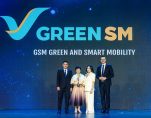


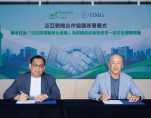



 www.snpgroup.com





 https://www.linkedin.com/company/aeonbankmy/?viewAsMember=true
 https://www.facebook.com/share/1EqAqfTFLp/?mibextid=wwXIfr
 https://www.instagram.com/aeonbankmy?igsh=dnNwYnNjb2Z4N3ky




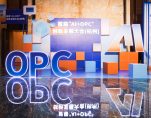




 https://www.youtube.com/user/savehk


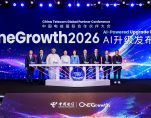


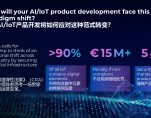

 https://x.com/Kigen_Ltd