By Nitya Chakraborty The U.S. President Donald Trump begins his three-day visit to China on May 13 for his summit with the Chinese President Xi Jinping, the outcome of which has special significance for Trump in shaping his political future in the context of the midterm elections in November this year. Among both leaders, the […]
SINGAPORE – Media OutReach Newswire – 11 May 2026 – The Institute of Singapore Chartered Accountants (ISCA) has launched a new Taskforce to strengthen financial reporting and investor confidence in Singapore, amid growing focus on corporate transparency, financial controls and trust in capital markets.
The Strengthening Financial Reporting Taskforce was launched today at the ISCA Value Unlock Forum held in partnership with Singapore Exchange (SGX). Chaired by Ms Euleen Goh, ISCA Distinguished Lifetime Member and Chairman of Singapore Institute of Management Group Ltd, the Taskforce will bring together leaders from business, finance, academia and investor groups to review Singapore’s financial reporting ecosystem and recommend ways to strengthen the quality, integrity and usefulness of corporate reporting.
The Taskforce comes at a timely moment as Singapore continues efforts to strengthen its capital markets and business ecosystem. Recent national initiatives, including the Accountancy Workforce Review Committee and the Monetary Authority of Singapore’s Equities Market Review, have highlighted the importance of strong financial reporting, professional capabilities and investor trust.
The launch also comes amid ongoing discussions on reducing compliance costs for smaller companies, including ACRA’s review of Singapore’s audit exemption framework. Regardless of how the framework evolves, strong financial reporting practices, competent finance professionals and effective financial controls remain fundamental to upholding confidence among investors, lenders and stakeholders.
The Taskforce will study how companies can improve the way they communicate financial performance, business risks and long-term value creation to investors and stakeholders. It will also examine how Singapore can continue to uphold high standards of governance, transparency and accountability in a rapidly evolving business environment.
Ms Euleen Goh, Chairperson of the Strengthening Financial Reporting Taskforce, said: “Financial reporting has always been the language of business. As markets evolve, it must speak more clearly and more usefully to the stakeholders who rely on it. The Taskforce will take a practical and holistic look at how Singapore can raise the bar so that companies communicate value and insights with the confidence and clarity that investors and the market expect.”
The Taskforce comprises leaders from across the financial ecosystem:
Mr Liew Nam Soon, Deputy Regional Managing Partner, EY Asia East; Managing Partner, EY Asean; Managing Partner, EY Singapore & Brunei
Mr Leong Yung Chee, Group CFO, United Overseas Bank Limited
Professor Lawrence Loh, Director, Centre for Governance and Sustainability, NUS Business School, National University of Singapore
Ms Belinda Tan, CA (Singapore), Managing Director of Finance, Temasek International
Mr Ang Hao Yao, Vice President, Securities Investors Association (Singapore)
Ms Karen Loon, Member, Governing Council of the Singapore Institute of Directors
Mr Tan Boon Gin, CEO, Singapore Exchange Regulation (Observer)
Mr Lee Boon Teck, President of ISCA, said: “High-quality financial reporting and strong financial controls are essential to investor confidence and market integrity. As Singapore’s national accountancy body, ISCA believes professionally trained finance and accounting professionals play a critical role in safeguarding trust in business and capital markets. This Taskforce reflects our commitment to supporting Singapore’s continued standing as a trusted global financial and business hub.”
The Taskforce was launched at the ISCA Value Unlock Forum, which brought together C-suite leaders, finance professionals and capital markets stakeholders to discuss how companies can better communicate value to the market.
ISCA Academy, an Approved Training Provider under the SGX Value Unlock Programme, supported the afternoon sessions as part of the ISCA Value Unlock Series. The series aims to equip listed companies and finance leaders with practical capabilities to communicate performance, strategy and value more effectively to the market.
Ms Cyndi Pei, Chairperson of ISCA Academy, said: “As stakeholder expectations continue to evolve, finance leaders are increasingly expected to go beyond reporting results to articulating performance, risks and value creation with clarity, credibility and context. ISCA Academy remains committed to supporting the profession and the broader market by building the practical capabilities needed to reinforce trust, promote transparency and strengthen confidence in Singapore’s capital markets.”
The Taskforce will engage stakeholders over the coming months and provide recommendations on strengthening Singapore’s financial reporting ecosystem.Hashtag: #ISCA #CharteredAccountants #FinancialReporting #DifferenceMakers #Accounting #Accountancy
The issuer is solely responsible for the content of this announcement.
About the Institute of Singapore Chartered Accountants (ISCA) Academy
The Institute of Singapore Chartered Accountants (ISCA) is the national accountancy body of Singapore. Established in 1963, ISCA administers the Singapore Chartered Accountant Qualification programme and is the designated entity by the Singapore Ministry of Finance to confer the Chartered Accountant of Singapore [CA (Singapore)] designation.
ISCA supports over 43,000 members across industries in Singapore and globally, with members in more than 40 countries. With a growing international presence, ISCA has 12 overseas chapters, 7 offices across 10 countries and a network of over 150 strategic partners, strengthening professional connections and opportunities across borders. ISCA is also a member of Chartered Accountants Worldwide, a global network representing more than 1.8 million Chartered Accountants and students across over 190 countries.
ISCA advances professional development and lifelong learning through ISCA Academy, its training arm and drives community impact through ISCA Cares, its charity arm.
ISCA Academy, the leading business school of ISCA, delivers immersive, industry-informed learning across accountancy, finance, technology, governance and leadership. We equip learners to reskill, reconnect and reinvent, empowering them to stay relevant and ahead by choice.
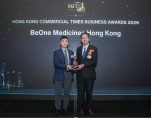
HONG KONG SAR – Media OutReach Newswire – 11 May 2026 – BeOne Medicines (BeOne, Nasdaq: ONC; HKEX: 06160; SSE: 688235), a global oncology company, today announced it has been named “Outstanding Global Oncology Company of the Year” at the HKCT Business Awards 2026. The award recognizes BeOne’s continued progress in research and development (R&D) and manufacturing of innovative cancer therapies, as well as its efforts to support broader patient access to medicines.
(Left) Richard Cheng, Associate Commercial Director (Hong Kong & Macau) at BeOne; (Right) Dr. Bernard Chan, JP, Under Secretary for Commerce and Economic Development
Richard Cheng, Associate Commercial Director (Hong Kong & Macau) at BeOne, said: “We are honored to receive this award from the Hong Kong Commercial Times. BeOne has built differentiated capabilities across clinical development and manufacturing, supported by a broad and diverse R&D pipeline. In Hong Kong, we have introduced several therapies, including BTK, PD-1 and IL-6 inhibitors. Looking ahead, we will continue to advance our plans in Hong Kong by leveraging opportunities enabled by the ‘1+’ policy and the planned establishment of the Hong Kong Centre for Medical Products Regulation (CMPR) and its ‘primary evaluation’ mechanism. Supported by our global supply network, we aim to bring additional medicines to patients in Hong Kong and the Greater Bay Area and help improve access to treatments aligned with international standards.”
Global R&D and Innovation
Founded in 2010, BeOne is focused on accelerating key stages of oncology innovation—from discovery through development to patient access. Through an integrated model spanning R&D, manufacturing and commercialization, the company works to translate innovation into clinical value. Today, BeOne operates across six continents in more than 45 markets and is supported by more than 1,200 oncology R&D professionals.
BeOne’s R&D platform has advanced more than 35 clinical-stage drug candidates, including three internally developed products that have received commercial approval, reaching more than 2 million patients worldwide.
Pipeline Highlights
BeOne continues to expand its global footprint through a portfolio of internally developed products, including:
BTK Inhibitor: As the company’s first self-developed innovative drug, it holds a significant position in the global market (including Hong Kong), particularly in the field of B-cell malignancies.
PD-1 Inhibitor: Launched in more than 50 markets worldwide, reaching 1.8 million people. In Hong Kong, it has been approved for six indications, including immunotherapy for lung, esophageal and gastric cancers.
Next-Generation BCL-2 Inhibitor: Approved for certain lymphoma indications in Mainland China. It has been granted Priority Review by the U.S. Food and Drug Administration, and a marketing application has been submitted in the European Union.
Manufacturing Network Supporting Global Supply
BeOne maintains an integrated chain from R&D to manufacturing and commercialization, supported by production sites in the United States and China designed to help maintain a stable global supply:
New Jersey, U.S.: A North America biologics hub integrating manufacturing and clinical R&D. The site spans 1.82 million square feet, including a dedicated 400,000-square-foot production facility.
Suzhou, China (small molecule manufacturing): Supports clinical and commercial-scale production in accordance with applicable FDA, EMA and GMP requirements.
Guangzhou, China (biologics and ADC manufacturing): A 1.3 million-square-foot facility supporting R&D and production of antibody-drug conjugates (ADCs) and serving as a supply hub for the Greater Bay Area, including Hong Kong.
BeOne has also been recognized by industry organizations for its innovation, including being named one of the “Top 10 Most Inventive” pharmaceutical companies by IDEA Pharma in 2025[1]. The company will continue to advance programs in hematologic malignancies and solid tumors, with Hong Kong serving as a strategic hub to support the delivery of innovative therapies globally.
1. 2025 Pharmaceutical Innovation and Invention Index, IDEA Pharma
This material is intended for the purpose of communicating disease-related knowledge and cutting-edge medical information to the public and is not intended for promotional or advertising purposes. It does not constitute a promotion or recommendation for any medication or treatment plan, nor can it serve as a substitute for the advice of medical and health professionals. If you have any questions, please consult a medical or health professional.
Forward-Looking Statement
This press release may contain forward-looking statements within the meaning of the Private Securities Litigation Reform Act of 1995 and other federal securities laws, including statements regarding BeOne’s plans, commitments, aspirations and goals related to BeOne’s medicines and drug candidates. Actual results may differ materially from those indicated in the forward-looking statements as a result of various important factors which are discussed in the section entitled “Risk Factors” in BeOne’s most recent periodic report filed with the U.S. Securities and Exchange Commission (“SEC”) as well as discussions of potential risks, uncertainties, and other important factors in BeOne’s subsequent filings with the SEC. All information in this presentation is as of the date presented, and BeOne undertakes no duty to update such information unless required by law.For BeOne’s newsroom, please visit www.beonemedicines.com
The issuer is solely responsible for the content of this announcement.
About BeOne Medicines
BeOne Medicines is a global oncology company domiciled in Switzerland, focused on discovering and developing innovative treatments designed to be more affordable and accessible to cancer patients worldwide. With a portfolio spanning hematology and solid tumors, BeOne is advancing a diverse pipeline of novel therapeutics through internal capabilities and collaborations. With a growing global team of nearly 12,000 colleagues spanning six continents, the Company is committed to improving access to medicines for more patients. To learn more about BeOne, please visit www.beonemedicines.com and follow us on LinkedIn, X, Facebook and Instagram.
About HKCT Business Awards 2026
Organized by the Hong Kong Commercial Times, the HKCT Business Awards is a representative annual event in the Hong Kong business community. It honors companies demonstrating excellence, innovation, and significant contributions to Hong Kong’s economy and society across dimensions including technological innovation and market competitiveness.
Arabian Post Staff -Dubai Abu Dhabi has moved to sharpen protection for factories, utilities and critical infrastructure after the UAE Cyber Security Council and Siemens signed an MoU to strengthen operational technology cyber resilience across industrial sectors. The agreement, signed on the sidelines of the fifth Make it in the Emirates, creates a framework for cyber defence, knowledge sharing and local security capabilities. It calls for a […]
By Dr. Gyan Pathak With the publication of the final rules under the Code on Wages, 2019 and Industrial Relations Code, 2020 on Friday, May 8, 2026, the Union Government of India has fully operationalized them. Apart from these, the Union Ministry of Labour and Employment has also notified the Model Standing Orders, 2026, for […]
Arabian Post Staff -Dubai DP World has launched an end-to-end cargo war risk insurance product for businesses moving goods through the Middle East, seeking to close coverage gaps that have widened as conflict risk, rerouting and port congestion reshape trade across the Arabian Gulf, Red Sea and connected inland corridors. The Dubai-based ports and logistics group said the policy would protect cargo across ocean or air transit, […]
Arabian Post Staff -Dubai Google has launched Fitbit Air, a screen-less fitness tracker designed to make health monitoring less intrusive while keeping the core tools that made Fitbit one of the best-known names in wearables. The new device, unveiled on 7 May 2026, marks Google’s clearest attempt yet to reposition Fitbit around passive, round-the-clock health tracking rather than smartwatch-style interaction. Priced from $99.99 in the US, the […]
Dubai South is pressing ahead with its 2026 property delivery programme, signalling that long-term housing demand around Al Maktoum International Airport remains strong despite short-term regional uncertainty. The master-planned city and free zone has placed one of its largest residential construction packages of the year, awarding an AED2 billion contract to Mohammed Abdulmohsin Al Kharafi & Sons for multiple phases of Hayat by Dubai South. The […]
HONG KONG SAR – Media OutReach Newswire – 8 May 2026 – Apple Storage is once again redefining the public’s imagination of self-storage. Located at the Lap Tai Industrial Centre in Tsuen Wan, the group has launched Hong Kong’s first IP-themed concept store, spanning over 10,000 square feet. This new branch seamlessly blends the brand’s exclusive IP characters with lifestyle aesthetics, introducing a premium “Airport VIP Lounge” experience to the storage industry for the first time.
In addition to specialized storage solutions—including dedicated units for clothing, collectibles, books, and bicycle parking—the facility features a groundbreaking VIP Lounge. Customers can enjoy complimentary access to massage chairs and co-working spaces, extending the storage experience into a lifestyle enjoyment. Apple Storage is committed to transforming storage from a utility into an exclusive clubhouse, allowing customers to free up home space while fully immersing themselves in hobbies such as outdoor activities or art collection.
Business-Grade Work Facilities
The branch features a dedicated co-working space equipped with computers, printing facilities, workstations, and charging points. Customers can conveniently handle business or personal administrative tasks, such as printing documents or conducting online research, directly on-site.
Party Room-Style Entertainment
To make the storage process relaxing and enjoyable, Apple Storage has equipped the VIP Lounge with professional massage chairs for immediate post-task stress relief. The Group has upgraded the facilities to rival a “Party Room” environment, featuring billiards, television, and Nintendo Switch consoles. This allows family members to stay entertained while customers manage their storage units at their own pace.
The lounge also includes a spacious communal table, perfect for assembling intricate models or playing board games. Guests can enjoy complimentary coffee and various beverages from the self-service refreshment counter, turning a cold warehouse into a private sanctuary for family time.
Comprehensive Storage Amenities
The facility is equipped with 24-hour support, climate and humidity control, CCTV, smart access control, and regular staff patrols to ensure maximum safety and comfort. Additional amenities such as packing zones, trolleys, and bicycle repair tools are provided for customer convenience. Customers can retreat to the leisure area or VIP lounge whenever they need a break.
Over 120 Branches: Hong Kong’s Leader in Regulatory Compliance
With deep roots in Hong Kong since 2005, Apple Storage has expanded to over 120 branches, serving more than 100,000 customers. Recognizing that safety is always the clients’ top priority, Apple Storage adheres to the highest standards of compliant operations. As an industry leader, Apple Storage maintains close communication with the Buildings Department and the Fire Services Department. Apple Storage takes pride in having the largest network of branches in Hong Kong that have successfully passed inspections by both departments. The Group pledges to continue upgrading fire safety facilities in line with government guidelines to ensure total peace of mind for every customer.
A New Era of Smart Storage: Integrating AI Technology
Apple Storage Group continues to invest heavily in integrating smart technology into its services. Hardware upgrades, including facial recognition systems and smart sensor lighting, have been rolled out across all branches to enhance security and energy efficiency.
On the innovation front, Apple Storage has developed a proprietary Customer Matching System. Utilizing AI data analysis, the system creates tailor-made storage solutions for clients, driving the business toward full digitalization. Currently, the Group is developing an “AI Smart Warehouse” project, which will apply cutting-edge Artificial Intelligence to unit management and customer interaction, signaling a new future for the industry.
Professional & Transparent: One-Stop Moving Team
Apple Storage offers a comprehensive “one-stop” moving and storage service, managed by the Group’s professional brand, APPLE MOVING. The team handles everything from general moving to third-party delivery and pickup. To ensure maximum protection, the team provides packing materials—such as boxes and bubble wrap—in advance of the moving date.
Unlike many local independent movers, Apple Moving operates under a transparent corporate management model. With strict service guidelines and a standardized quoting system, the Group guarantees transparent pricing and strictly prohibits “on-site price hikes” or the solicitation of tips, providing customers with a reliable brand guarantee.
Two Decades of Excellence: Recipient of the “10th Year Award for Hong Kong Service Brand”
Since opening its first branch in 2005, Apple Storage has accompanied Hong Kong families and businesses for over 20 years. Today, with branches in every corner of the city, Apple Storage’s commitment to a “premium environment” and “reliable service” remains unchanged.
The company’s professionalism has earned widespread market recognition, including five consecutive years of Quality Service Certification from the Hong Kong Retail Management Association (HKRMA). In 2026, the Group was honored with the “10th Year Award for Hong Kong Service Brand” by the Hong Kong Brand Development Council. These accolades reflect the trust of over 100,000 customers.
Multi-Brand Synergy: A Comprehensive Storage Ecosystem
The Group’s portfolio includes Apple Storage Premium, U SPACE, Apple Moving, and Apple Wine Cellar, providing a diverse range of integrated storage solutions. From flexible self-storage and professionally managed central storage to door-to-door storage and point-to-point logistics, current services cover every user need.
Apple Storage offers various sizes and specialized units, such as climate-controlled storage for clothing and sneakers, display units for toys, specialized bicycle racks, and flexible shelving units, creating bespoke space solutions for every client.
Driving ESG Strategy for a Green Future
Apple Storage Group has actively implemented ESG (Environmental, Social, and Governance) strategies in recent years. Regarding Environmental Protection, Apple Storage is transitioning to sensor-based energy-saving systems and prioritizing appliances with “Grade 1 Energy Labels.” Apple Storage’s own headquarters has also gone paperless through comprehensive digitalization.
In terms of Social Responsibility, the “Apple Volunteer Team” has collaborated with charities for years to support the underprivileged. Looking ahead, Apple Storage has set clear sustainability goals: a commitment to reduce carbon emissions by 10% within three years and increased investment in philanthropy, including pro-bono moving services and storage space donations. Recently, Apple Storage collaborated with a charity to provide free storage and moving services for residents of Wang Fuk Court, Tai Po, assisting them during their relocation and home clearing process.
Hashtag: #AppleStorage
The issuer is solely responsible for the content of this announcement.
About Apple Storage
With over 120 branches across Hong Kong, Kowloon, and the New Territories, Apple Storage offers professional, compliant, and reliable services. Most branches are conveniently located near MTR stations.
Arabian Post Staff -Dubai Global health officials moved to contain public anxiety over a deadly hantavirus cluster linked to the MV Hondius, a Dutch-flagged expedition cruise ship that sailed from Argentina toward Cape Verde, stressing that the outbreak does not signal the start of another coronavirus-style pandemic. Dr Maria Van Kerkhove, the World Health Organization’s director for epidemic and pandemic preparedness and prevention, said the virus behaves […]
NEAR Protocol rallied sharply on Thursday as traders returned to artificial intelligence-linked digital assets, lifting one of the main layer-1 tokens tied to blockchain-based AI infrastructure and cross-chain automation. The token rose more than 13 per cent over 24 hours, trading near $1.47 after reaching an intraday high of about $1.54. The move placed NEAR among the stronger large-cap altcoins during a session marked by renewed appetite […]
Arabian Post Staff -Dubai AE Coin and USDU are developing a regulated digital conversion framework designed to let institutions move between UAE dirham- and dollar-backed payment tokens for settlement, treasury and cross-border use inside the UAE’s tightening virtual-asset rulebook. The initiative is being structured with support from Al Maryah Community Bank, positioning the lender as a key banking infrastructure partner for compliant AED–USD token conversion. The framework […]
Corporate login credentials have become a growing internal security weakness, with one in eight workers admitting they have sold access to company systems or know someone who has done so over the past year. The finding points to a shift in workplace fraud risk from external hacking alone to insider-enabled access, where criminals can enter corporate systems through legitimate credentials rather than breaking through technical defences. The […]
Arabian Post Staff -Dubai Arada has entered the UAE healthcare market by acquiring a majority stake of more than 80 per cent in Reem Hospital, marking a decisive shift by the master developer from residential communities and branded wellness projects into clinical care. The transaction gives Arada control of one of Abu Dhabi’s specialist private healthcare assets and comes with an AED2 billion investment commitment to […]
Greenlogue/AP Climate campaigners have accused Shell of turning wartime turmoil into a fossil-fuel windfall after the group reported first-quarter adjusted earnings of $6.9bn, lifted by higher oil and gas prices, stronger trading and improved refining margins. The London-listed energy major’s profit was more than double the $3.26bn recorded in the final quarter of last year and above market expectations of about $6.36bn. The figures have sharpened scrutiny […]
The five-year extension ensures operational continuity at one of Thailand’s leading container terminals, supporting the country’s expanding role in intra-Asian trade
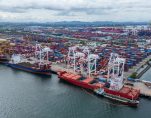
BANGKOK, THAILAND – Media OutReach Newswire – 7 May 2026 – DP World, through its joint venture Laem Chabang International Terminal Co., Ltd. (LCIT), has secured a five-year concession extension to continue operating the B5 container berth at Laem Chabang Port. The extension comes at a time of increasing intra-Asian trade and evolving supply chain dynamics, reinforcing the port’s role as a critical gateway for Thailand’s economy.
Terminal and yard at Laem Chabang Port
The contract, granted by the Port Authority of Thailand (PAT), will run from May 2026 to April 2031, reinforcing DP World’s central role in bolstering regional trade flows.
LCIT operates both B5 and C3 berths at Laem Chabang, Thailand’s principal deep-sea gateway and the country’s largest container hub supporting international trade. The terminals can accommodate up to four vessels simultaneously along 900 meters of berth length and are supported by 4,420 sqm of on-dock container freight station (CFS) facilities. In 2025, LCIT handled a record 1.936 million twenty-foot equivalent units (TEUs), its highest annual throughput to date, reflecting sustained growth in container volumes.
Glen Hilton, CEO & Managing Director, Asia Pacific, DP World, said: “This concession extension at Laem Chabang Port ensures continuity and service stability for our customers at a time when supply chains face increasing pressure and complexity. As Thailand strengthen its position as a regional trade hub, this extension allows us to continue investing in capacity, efficiency and sustainable operations. Together with our partners at LCIT, we are well positioned to support growing intra-Asia trade and deliver long-term value for customers across the Asia Pacific region.”
This concession will enable continued investment by DP World in operational efficiency and sustainability at Laem Chabang. In 2025, five electric internal transfer vehicles (eITVs) were deployed at LCIT, reducing emissions by approximately 60% compared to diesel alternatives while supporting faster vessel handling. Further upgrades are planned in 2026, including the installation of additional eITVs, electric reach stackers, and an electric empty container handler.
Complementing its operations at Laem Chabang Port, DP World has an integrated logistics network throughout Thailand, including cross-border trucking, landside logistics and freight forwarding. The company also recently launched a rail-connected inland container yard in Khon Kaen with a dedicated thrice-weekly rail shuttle to Laem Chabang, enhancing connectivity for exporters in Thailand’s Northeastern region.
These services and solutions aim to strengthen Thailand’s domestic and export trade by enabling the seamless movement of goods and materials from port to domestic hinterlands, and to markets across the wider Asia Pacific region. Hashtag: #DPWorld
The issuer is solely responsible for the content of this announcement.
About DP World
DP World is reshaping the future of global trade to improve lives everywhere. Operating across six continents with a team of over 125,000 employees, we combine global infrastructure and local expertise to deliver seamless supply chain solutions. From Ports and Terminals to Marine Services, Logistics and Technology, we leverage innovation to create better ways to trade, minimising disruptions from the factory floor to the customer’s door.
In Asia Pacific, DP World employs over 15,000 people across 22 geographies. We operate 17 ports and terminals, complemented by a comprehensive suite of end-to-end supply chain solutions – to connect the region to the rest of the world.
Kuala Lumpur-based International Islamic Liquidity Management Corporation has raised $1.475 billion through a US dollar-denominated short-term sukuk auction, marking its largest single issuance since its first auction in August 2013 and underscoring the continuing depth of demand for high-quality Islamic liquidity instruments. The auction was 2.07 times oversubscribed, with bids reaching $3.05 billion even as investors weighed geopolitical tensions, shifting expectations on US interest rates and uneven […]
Arabian Post Staff -Dubai Abu Dhabi’s family business ecosystem is set for a new layer of banking support after the Abu Dhabi Family Business Council signed a memorandum of understanding with Abu Dhabi Islamic Bank to provide tailored financial services, priority banking access and dedicated digital channels for member companies. The agreement establishes a structured framework for cooperation between ADFBC and ADIB, bringing together a council […]
India is preparing a new electronic venue for bond-forward trades, seeking to bring greater transparency to a fast-growing derivatives segment that still relies heavily on negotiated over-the-counter deals.
The proposed platform is being developed around the Clearing Corporation of India’s market infrastructure and is expected to be placed before the Reserve Bank of India for regulatory approval. Market participants have been working with the clearing corporation on design features, including trade execution, clearing, margining and reporting, with a rollout being discussed for the current financial quarter if approvals and operational testing proceed on schedule.
Bond forwards allow investors to buy or sell government securities at a pre-agreed price for settlement at a future date. The instrument is designed to help banks, insurers, primary dealers, overseas investors and other large holders manage interest-rate risk without requiring an immediate exchange of securities. Its wider use has become more important as India’s sovereign debt market draws larger cross-border flows after entry into major global bond indices.
The initiative follows the Reserve Bank of India’s February 2025 framework permitting forward contracts in government securities. The rules allow residents and eligible non-residents to undertake bond-forward transactions, while scheduled commercial banks and standalone primary dealers are permitted to act as market-makers. At least one party to a transaction must be a market-maker or a central counterparty authorised by the central bank.
Market officials see the platform as a step towards shifting a largely bilateral market into a more standardised structure. The present system is dominated by negotiated trades, with pricing often shaped by dealer relationships and limited visibility beyond counterparties. A screen-based mechanism could help create firmer reference prices, reduce information gaps and support more consistent valuation of related interest-rate products.
The bond-forward market is estimated at about ₹4 trillion to ₹4.5 trillion, with foreign banks accounting for the bulk of activity. That concentration has helped establish liquidity in parts of the curve but has also limited wider participation by domestic lenders, insurers and other institutional investors. A platform backed by central clearing could lower operational uncertainty for new entrants and improve confidence in settlement arrangements.
Clearing will be central to the reform. A centrally cleared structure would place the clearing corporation between counterparties, reducing bilateral credit exposure and applying margining standards across participants. The Reserve Bank’s directions already require non-centrally cleared bond-forward transactions to comply with margin rules for over-the-counter derivatives, while market-makers must use robust methods to mark positions to market.
The move also fits a wider regulatory push to improve surveillance of over-the-counter derivatives. Reporting of forward contracts in government securities to CCIL’s trade repository began on May 2, 2025, giving regulators access to transaction data through the life of a contract. A separate framework will require unique transaction identifiers for eligible over-the-counter derivative trades from January 1, 2027, improving traceability across counterparties and systems.
Foreign investor access is another factor behind the timing. Electronic trading providers have been building links to India’s government securities market as global investors increase allocations. MarketAxess executed its first platform trade in India government bonds between BlackRock and Standard Chartered Bank in 2025, using an integration with CCIL’s NDS-Order Matching system. Overseas investors bought nearly ₹1 trillion of government bonds over 13 months after inclusion in JPMorgan’s emerging market debt index, while other index inclusions have kept the market on global fixed-income desks’ radar.
The proposed bond-forward platform will still face practical tests. Dealers will need clarity on eligible securities, collateral treatment, settlement failure procedures, reporting formats, position limits and margin models. Participants will also need to align front-office systems, treasury risk controls and back-office processes before meaningful volumes migrate from bilateral trades to a shared electronic venue.
For insurers and long-duration investors, the instrument could become a more precise hedging tool across rate cycles. For banks, it could deepen market-making opportunities while making price discovery more transparent. For regulators, the key benefit lies in cleaner data, stronger risk monitoring and a structure that may reduce opacity in a derivatives market linked directly to sovereign bond pricing.
US$8 billion ultra-premium integrated commercial property debuts new lifestyle destination located along Shanghai’s iconic Huangpu River waterfront
New “Enjoy Life” brand theme highlights premium tenant mix of designer retail and lifestyle brands
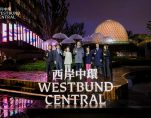
HONG KONG SAR – Media OutReach Newswire – 4 May 2026 – Hongkong Land Holdings Limited (“Hongkong Land” or the “Company”) marked a key milestone with the opening of Phase Two at Westbund Central, its flagship ultra-premium integrated commercial property in Shanghai’s Xuhui District that is one of the largest mixed-use developments in the world. This stage of the US$8 billion project’s rollout is complemented by its new “Enjoy Life” brand theme, reinforcing the district’s role as a dynamic environment for work, living and leisure.
Photo 1: (From left to right) Mr. Raymond Wong, Director & Head of Property Development, Westbund Central; Mr. John Simpkins, General Counsel, Hongkong Land; Ms. Alfreda Zeng, Chief Operating Officer, Ping An Real Estate; Mr. Stuart Grant, Chief Executive, Westbund Central; Ms. Gan Jin, Vice Chairman, Shanghai West Bund Development Group; Mr. Craig Beattie, Chief Financial Officer, Hongkong Land and Ms. Vera Wu, Director & Head of Commercial Property, Westbund Central.
The Phase Two commercial launch introduces a diverse mix of global first stores, designer labels, and flagship concepts that reinforce Westbund Central’s position as a new downtown in Shanghai. New tenants include international icons such as Issey Miyake, the multi-brand boutique SND, Leica Store & Gallery, artisanal Swiss chocolatier House of Läderach, and design houses HAY and Paulmann.
With a planned total gross floor area of more than 1.7 million square metres, Westbund Central is the Company’s largest-ever single investment and brings together a diversified commercial mix that includes more than 600 international retail and lifestyle brands, 180 food and beverage operators, more than 50,000 square metres dedicated to cultural and art facilities, as well as 650,000 square metres of premium Grade A offices that will house occupiers including globally renowned companies such as adidas and lululemon.
While Phase One centred on food and beverage, cafes, and sports and leisure facilities, Phase Two enhances the district’s prestige by focusing on designer lifestyle brands. Looking ahead, Phase Three will introduce a cluster of global luxury maison flagships to further boost the district’s international appeal. Around 12,000 square metres of retail space is already open, with an additional 30,000 square metres opening within this year.
Michael T. Smith, Group Chief Executive of Hongkong Land, said: “Westbund Central is a fresh and dynamic example of our strategic focus to develop ultra-premium, integrated commercial districts in Asia’s leading gateway cities. As Hongkong Land’s largest single investment to date and our flagship China property, Westbund Central is one of the most significant projects in the company’s portfolio and designed to deliver sustained long-term value.”
Stuart Grant, Chief Executive of Westbund Central, said: “Westbund Central is being shaped as Shanghai’s new downtown and we are incredibly proud to build one of the largest mixed-use properties in the world that redefines modern urban living. We are creating a globally renowned ‘city within a city’ where the finest quality office, retail, residential and hospitality components converge in a single vibrant destination where people can truly enjoy life.”
As further phases are delivered, Westbund Central will continue to reinforce its position as one of Shanghai’s most significant integrated commercial districts and a cornerstone of the company’s long-term growth strategy in its portfolio. Hashtag: #HongkongLand
The issuer is solely responsible for the content of this announcement.
Westbund Central
Hongkong Land’s Westbund Central is the Group’s largest-ever single investment. Scheduled to complete in phases up until 2028, it is an US$8 billion development encompassing approximately more than 1.7 million sq. m. of prime mixed-use property strategically located at Shanghai’s Xuhui Waterfront. It is a flagship development of Hongkong Land’s prime commercial properties’ CENTRAL Series. The ultra-premium integrated commercial property includes 240,000 sq. m of retail space, 650,000 sq. m. of premium Grade A offices, 160,000 sq. m. of high-end waterfront luxury residences, two hotels (55,000 sq. m.) and over 50,000 sq. m. of cultural and art venues.
Hongkong Land
Hongkong Land is a major listed property development, investment and management group. It focuses on developing, owning and managing premium and ultra-premium mixed-use real estate in Asian gateway cities, featuring Grade A office, luxury retail, residential and hospitality products. With over US$50 billion in assets under management, Hongkong Land’s ultra-premium mixed-use real estate footprint spans over 1.97 million sq. m. lettable area in operation and 1.43 million sq. m. lettable area under development, with flagship mixed-use projects in Hong Kong, Singapore and Shanghai. Its properties hold industry leading green building certifications and attract the world’s foremost companies and luxury brands. Established in 1889, Hongkong Land takes a long-term view, investing significantly alongside its capital partners and concentrating its portfolio where it can create the most value for tenants, customers and investors. Hongkong Land Holdings Limited has a primary listing on the London Stock Exchange, with secondary listings in Singapore and Bermuda. Hongkong Land is a member of the Jardine Matheson Group.
Beijing has moved from denunciation to direct legal defiance of US sanctions, ordering companies and financial institutions under its jurisdiction not to recognise or comply with American penalties imposed on five refiners accused of involvement in Iranian oil trade.
The order, issued by the Ministry of Commerce on 2 May, marks China’s first known use of a formal blocking mechanism against US sanctions on domestic companies. It targets measures against Hengli Petrochemical Refinery Co, Shandong Shouguang Luqing Petrochemical Co, Shandong Jincheng Petrochemical Group Co, Hebei Xinhai Chemical Group Co and Shandong Shengxing Chemical Co. The firms had been placed under US restrictions linked to alleged purchases or processing of Iranian crude, including asset freezes and transaction bans.
The move places banks, insurers, commodity traders and shipping intermediaries in a difficult position. Compliance with Washington’s restrictions may now expose them to legal risk in China, while compliance with Beijing’s order may expose them to penalties under the US sanctions regime. For large Chinese banks with international operations, the dilemma is particularly acute because access to dollar clearing, correspondent banking and global capital markets remains central to their business.
China has long rejected unilateral US sanctions as illegitimate, especially when they apply beyond American territory. Until now, however, Beijing had often allowed major financial institutions and state-linked enterprises to quietly reduce exposure to sanctioned entities to avoid jeopardising access to the US financial system. The latest order changes that balance by instructing domestic parties not to recognise, enforce or comply with the penalties.
The legal basis lies in China’s blocking rules against what Beijing describes as unjustified extraterritorial application of foreign laws. Those rules, introduced in 2021 and strengthened by additional countermeasure regulations, allow authorities to prohibit compliance with foreign restrictions that impair normal business with third countries. The 2 May order says the US measures against the refiners improperly restrict lawful trade and harm the rights of Chinese entities.
The immediate trigger is Washington’s renewed pressure on Iranian oil revenues. Hengli’s Dalian refinery, with capacity of about 400,000 barrels per day, is among the most prominent privately owned refining assets to be targeted. US authorities have accused it of buying large volumes of Iranian crude. Hengli’s parent has denied trading with Iran and said operations remain normal.
Other sanctioned firms are part of China’s independent refining sector, often described as “teapot” refiners, clustered mainly in Shandong and surrounding provinces. These companies have become central to China’s discounted crude imports, including oil from Iran and Russia, as state refiners have generally been more cautious in handling cargoes exposed to sanctions risk.
The financial implications extend beyond the refiners themselves. Banks processing payments, lenders providing working capital, insurers covering cargoes, shipowners transporting crude and brokers arranging trades could all face competing legal obligations. International banks are likely to adopt a more conservative stance, while smaller domestic institutions may come under pressure to maintain services to companies protected by Beijing’s order.
Hengli has already moved to limit operational disruption. Its Singapore trading unit was restructured after the US designation, with a majority stake transferred to a company linked to a local government entity in Dalian. The shift has not fully reassured counterparties, as brokers and financial institutions remain wary of dealing with entities connected to sanctioned operations.
The confrontation comes as energy markets are adjusting to tighter enforcement against Iranian crude flows. China remains Iran’s largest oil customer, with independent refiners attracted by discounted barrels at a time when domestic margins are under pressure. Traders have reported that cargoes are often routed through complex shipping arrangements, with documentation obscuring origin and payments settled through non-dollar channels.
For Beijing, the order is also a political signal. It asserts that China will not automatically absorb the costs of US secondary sanctions when strategic commodities, energy security and private industrial champions are involved. It also offers reassurance to domestic firms that the government is prepared to use legal instruments rather than limit itself to diplomatic protest.
For Washington, the step complicates enforcement. Sanctions work most effectively when banks and intermediaries avoid designated firms without needing direct prosecution. If China compels non-compliance at home, US authorities may have to decide whether to escalate against financial institutions that continue servicing the refiners, a move that could widen the dispute from energy trade into the banking system.
Matein Khalid As the world’s leading trading power, China’s vast export engine fuelled a $1.2 trillion current account surplus in 2025. At the same time, it is the largest importer of crude oil globally, with around 40 percent sourced from the Middle East. This exposure gives Beijing a clear stake in Gulf stability – prioritising secure maritime transit through energy chokepoints and uninterrupted access to the GCC’s trillion-dollar development […]
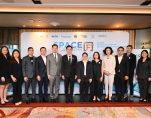
BANGKOK, THAILAND – Media OutReach Newswire – 1 May 2026 – Prof. Dr. Yodchanan Wongsawat, Deputy Prime Minister and Minister of Higher Education, Science, Research and Innovation (MHESI), led the National Innovation Agency (Public Organization) or NIA, along with Thai Union Group PCL, Mahidol University, and leading corporate partners including Thai Beverage PLC, Nestlé (Thai) Ltd., and new partner Foodland Ventures from Taiwan, to launch “SPACE-F Year 7”. This is Thailand’s first global foodtech startup incubator and accelerator program, continuing the success of solving food industry challenges through sustainable innovation.
SPACE-F Batch 7
Prof. Dr. Yodchanan spoke about elevating “SPACE-F Batch 7” to the policy level and building awareness, stating that MHESI aims to present food innovation products from the startups in this batch at the upcoming Cabinet meeting. This will allow the Prime Minister to taste them, raising awareness that FoodTech is the nation’s new future. The products will be presented to the Cabinet in the next two weeks.
Regarding the core concept of combining technology with “Thai taste,” Prof. Dr. Yodchanan emphasized that no matter how advanced the technology is, it must maintain the “Nice taste of Thailand.” He cited a “high-tech omelet” he previously tasted as an example, noting that there is still room for improvement to make it taste closer to an authentic Thai omelet so that the technology can truly win over consumers’ hearts.
The MHESI Minister continued that regarding food innovation under the Wellness Economy, this year focuses on using the Wellness Economy as a New Growth Engine. This is not limited strictly to food but includes AI, ICT, and software, aiming to push Thailand into a global Wellness Tourism Hub with support from the BOI in connecting investment opportunities.
Prof. Dr. Yodchanan further stated that regarding the use of biodiversity and quality ingredients (Biodiversity & GI), startups will be encouraged to utilize Thailand’s rich biodiversity and GI products as substitutes for imported raw materials. This will help reduce costs and create a unique identity.
“As for connecting the ‘Thinker’ with the ‘Doer,’ this program emphasizes linking startups with large industrial corporations and investors. This helps startups in the Accelerator group advance toward Series A or B funding, while helping the Incubator group learn business and pitching experiences from their seniors to cross the business ‘Death Valley.’ Furthermore, regarding food and nutrition security in the era of war: in the current global conditions facing wartime situations, Food Security and Nutrition Security are vital. This program is an opportunity for startups to create innovations that help solve problems for the whole world, with the government working closely with SPACE-F to create new services and products,” the MHESI Minister said.
However, “SPACE-F Batch 7” features 20 participating startups from 10 countries, focusing on the Proof of Concept (POC) strategy to ensure they can tangibly grow toward commercialization on an international scale.
Dr. Krithpaka Boonfueng, Executive Director of the National Innovation Agency (NIA), stated that NIA aims to strengthen the potential of startups and innovative entrepreneurs to overcome business crises and grow commercially in a tangible way. Over the past 6 years, the SPACE-F program has concretely reinforced its role as a regional food innovation hub by incubating and accelerating over 100 startups from 18 countries worldwide, generating a total funding value of over 5.1 billion THB. For the SPACE-F Year 7 program, it marks another major milestone of leapfrog growth, setting a new international record with an all-time high of 204 applicants, continuously increasing from 156 in Cohort 6 and 148 in Cohort 2, reflecting the confidence of global startups in the program’s potential. Concurrently, the program has significantly expanded its international reach, with applicants from 57 countries worldwide, up from 34 countries in the previous cohort, affirming that SPACE-F is a truly global platform connecting and driving world food innovation.
“The SPACE-F program is considered a vital mechanism in driving the development of a strong and comprehensive foodtech startup ecosystem by systematically connecting knowledge, technology, and the industrial sector together. Particularly, it provides opportunities for startups to co-develop and test real products (Proof of Concept: POC) with large corporate partners, as well as access expert networks and world-class infrastructure. This includes testing protein innovations focused on appearance, freshness, and taste with Thai Union; developing modern health and nutrition solutions with ThaiBev and Nestlé; utilizing deep-tech research laboratories from Mahidol University; and enhancing fundraising capabilities from Foodland Ventures, which plays a crucial role in reducing business risks and effectively increasing the chances of commercialization. For SPACE-F Year 7, it aims to elevate startup development through 2 main programs: the Incubator Program, which focuses on laying business foundations and developing prototypes into market-ready products, and the Accelerator Program, which focuses on accelerating business expansion through connections with strategic partners and investors. This covers 7 key areas of the food industry: 1) Personalized Nutrition, 2) Future Protein, 3) Circular Food Systems, 4) Smart Manufacturing, 5) Sustainable Production, 6) Food Safety, and 7) Novel Consumer Experience, to build high-potential startups capable of developing quality new products that directly meet market demands, ready to compete and grow sustainably on the global stage.”
Ms. Sirichit Jiraruangkiat, Senior Director – Group Innovation at Thai Union Group PCL, revealed, “As a co-founding partner of the SPACE-F program, Thai Union Group PCL continues to drive the development of Thailand’s foodtech startup ecosystem. We aim to support breakthrough growth by promoting the development and testing of innovations at the industrial level, particularly through the Proof of Concept (POC) process, to elevate the standards of future protein products to compete internationally. Thai Union prioritizes the application of modern food production and preservation technologies, covering everything from maintaining product quality and freshness and developing appealing appearances to sensory research to create textures and flavors that effectively meet the demands of global consumers. Simultaneously, the SPACE-F program remains committed to a ‘No Equity Taken’ approach, allowing startups to retain full ownership of their innovations, maintain business agility, and grow independently and sustainably in the long term.”
Assoc. Prof. Dr. Pasit Pakawatpanurut, Deputy Dean for Research and Innovation, Faculty of Science, Mahidol University, further added, “With expertise in food science, nutrition, biotechnology, and related fields, Mahidol University serves as an academic powerhouse and innovation infrastructure, providing startups with access to advanced laboratories, pilot plants, and modern research equipment. They also receive in-depth consultation from a team of expert researchers to successfully transition research into products that truly meet global market demands (Lab-to-Market). This collaboration is therefore a key mechanism in driving sustainable food innovation and enhancing Thailand’s competitiveness as a global foodtech hub. Mahidol University’s involvement in the SPACE-F program also plays a vital role in strengthening the country’s foodtech startup ecosystem in the long run.”
In addition, another key partner is Thai Beverage Public Company Limited, which places great importance on continuous research and development, believing it to be essential for startups. As a sponsor of the SPACE-F program, they are pleased to be part of an ecosystem that enhances the potential of foodtech startups and provides business and technological guidance to help startups discover solutions that truly meet the needs of the global food market.
Ms. Jenica Conde Cruz, Business Manager – Cereal Partners Worldwide & Incubator at Nestlé (Thai) Ltd., also stated, “Nestlé, a global leader in food and beverages, plays a vital role as a strategic partner of the SPACE-F program. We aim to elevate foodtech startups through the transfer of Research & Development (R&D) knowledge and product development experience under the ‘Good food, Good life’ concept. Nestlé also provides in-depth consultation to support the development of products that meet Nutrition, Health, and Wellness needs, while promoting the use of innovation to tackle global food industry challenges. In parallel, Nestlé also drives the development of innovations that align with sustainability goals by opening opportunities for startups to learn together with experts from our global research center network, in areas of food preservation technology, eco-friendly packaging, and responsible sourcing.”
Victor Chen, CEO of Foodland Ventures Co. closed with, “Foodland Ventures, a leading Venture Capital firm and Accelerator from Taiwan, has joined as a strategic partner in the SPACE-F program to push foodtech startups to expand their businesses into international markets. We aim to act as a bridge connecting innovation from Taiwan with food industry networks in Thailand and Southeast Asia. With expertise in key technologies such as Restaurant Automation, Alternative Protein, and Smart Supply Chain, Foodland Ventures is ready to support startups through access to the Taiwanese market and resources, providing investment and business strategy consultation, and connecting them with the industrial sector to test solutions in real-world environments. This collaboration marks a significant step in building a ‘FoodTech Corridor’ between Thailand and Taiwan to elevate startup potential and drive the food industry toward a sustainable global future.”
The “SPACE-F Year 7” program also introduced 20 startups from 10 countries worldwide: South Korea, Spain, Canada, USA/Argentina, Australia, Singapore, UK, Saudi Arabia, Taiwan, and Thailand, selected for this year’s program. All will have the opportunity to co-develop and test real innovations with leading industry partners, covering product development, industrial-level testing, and commercialization in the real market
Such collaboration is a key highlight of the program, providing startups the opportunity to test technology and innovations in real-world environments, reducing development limitations, and increasing the chances of creating business models that accurately meet market demands.
10 FoodTech Startups Joining the Accelerator Program
Terra Bioindustries Inc (Canada): Upcycles agricultural and food industry waste into high-value ingredients such as sugar, protein, and fiber for use in the food, biotech, and chemical industries.
Nucaps (Spain): Develops functional protein ingredients using microencapsulation technology to wrap active substances and probiotics, enhancing nutritional value, reducing costs, and improving taste to effectively promote consumer health.
BeNatureBioLab (South Korea): Develops functional ingredients using nano and microencapsulation technology from natural proteins to wrap active substances and probiotics, increasing the stability, absorption, and efficiency of substances in food, supplements, and health products.
Kinava (South Korea): Converts food waste into biofertilizer, biochar, and biogas within hours using HydroThermal Carbonization (HTC) technology, which reduces odor, energy use, and emissions.
ComexSoft (Spain): A near real-time market intelligence platform that collects and organizes retail data, matching similar products specifically developed for accurate decision-making.
PROTINOS (Thailand): High-protein noodles made from egg whites and soybeans containing complete essential amino acids, created using enzyme incubation techniques, serving as food to help care for and protect health.
SicPama (South Korea): A QR ordering and payment platform with a CRM system that links social media with actual service usage and repeat visits, helping restaurants measure returns and increase revenue.
Nourish Ingredients (Australia): High-performance animal-free fats created via precision fermentation to solve the taste and texture issues of plant-based alternative foods by mimicking the key fats found in meat and dairy products.
Kresko RNAtech (USA/Argentina): Nutrients from biological RNA found in natural foods, developed by AI and biotechnology to be more stable and better absorbed, for use in dietary supplements and health products.
Agrifreeze (Singapore): Develops freezing technology using Electromagnetic Fields (EMF) to control the formation of small ice crystals, reducing food damage and maintaining quality close to fresh products.
10 FoodTech Startups Joining the Incubator Program
Eatwellconcept (Thailand): An AI-powered personalized therapeutic diet platform for NCD patients, offering real-time nutritional guidance by dietitians to improve health and quality of life.
AmaranthLab (UK): Protein ingredients from amaranth for GLP-1 (Glucagon-Like Peptide-1) nutrition to control blood sugar levels and satiety, for use in various functional food products.
Openfarming (Saudi Arabia): An AI operating system for food distributors that converts orders from multiple channels into real-time data, enabling automated demand forecasting and dynamic inventory management without changing existing workflows.
Zuppar Reborn (Thailand): Biodegradable fruit and bakery stickers made from pineapple waste, replacing plastic labels with an alternative that can decompose into fertilizer.
VeriPura (Thailand/Singapore): An AI and Blockchain platform for automated document management and product traceability, making food exports to Europe easier and more compliant with regulations (EU).
YiXingYuan (Taiwan): A modular small-scale fruit processing factory (Factory-in-a-box) utilizing High Voltage Electric Field (HVEF) technology to process fruits directly at the source, preserving product quality while reducing energy use, costs, and spoilage.
JOLA (Thailand): Vitamin-infused jelly pet food that develops DIY treat products, such as jellies for dogs and cats, focusing on natural ingredients, good nutrition, and creating a shared experience between owners and pets.
UPLI (UK): A precision fermentation platform to create functional proteins with characteristics similar to human breast milk, used to increase nutritional value in food at an industrial scale.
Emerald Plast (Thailand): Biodegradable food materials and packaging made from starch and bioplastics to replace traditional plastics, reducing environmental impact and enhancing sustainability image.
Squizify (Thailand): A digital food safety platform integrating software and IoT devices to automatically track, monitor, and manage food business standards, complete with real-time data analysis.
Tehran has sharpened its confrontation with Washington and Gulf shipping powers after Mojtaba Khamenei declared that the Strait of Hormuz would be “managed by new rules”, signalling Iran’s intention to tighten political and operational control over the world’s most sensitive energy corridor. Khamenei, Iran’s supreme leader and the son of the late Ayatollah Ali Khamenei, said the waterway would no longer be treated as a passage subject […]



 www.isca.org.sg



 https://wa.me/46383118

 https://www.linkedin.com/company/dp-world
 https://twitter.com/DP_World