Just in:
Dubai boat show confirms international shipyard line-up for November // e-Crime Bureau Signs Cybersecurity Partnership With Smart Africa, Reinforcing Its Global Expansion // CR Longdation Aethereal Cybersecurity × Global Cybersecurity Alliance (GCSA) Join Hands to Establish the “AI and Cybersecurity Research Centre” // Technology shares plunge as Nasdaq enters correction // Motorola introduces Signature 27 flagship priced at $1,599 // Ousted top Kochi cop gets IG post // TVM –Mangaluru Vande Bharat claims top spot // Beyond the exhibition floor: How robots, AI and networks are moving into the real world // Miss Universe Hong Kong Jen Zhou Departs for Puerto Rico to Compete in the 75th Miss Universe World Final // Kochi police detain two actors over bid to honey trap doctor // Hong Kong mandates crypto transaction disclosures to tax authorities // Xi Jinping Preparing For A Trilateral Summit With Trump And Putin At APEC Summit On Nov 18-19 // OpenAI introduces GPT-6 Cyber with restricted security access // APT29-linked campaign exploits outdated Apple and Android software // Dubai details five-year visa benefits for returning visitors // Asia Left Behind: Ten international companies have yet to report delivering on their cage-free egg pledges across the region // Millions Of Indians May Soon Be Deprived Of Government Assistance // Private varsities bill all set to face the axe // Geely’s i-HEV Intelligent Hybrid Technology Offers a New Direction for Gasoline-Powered Vehicles // Meraas showcases five residential zones at Dubai Design Week //

News related to
Edge

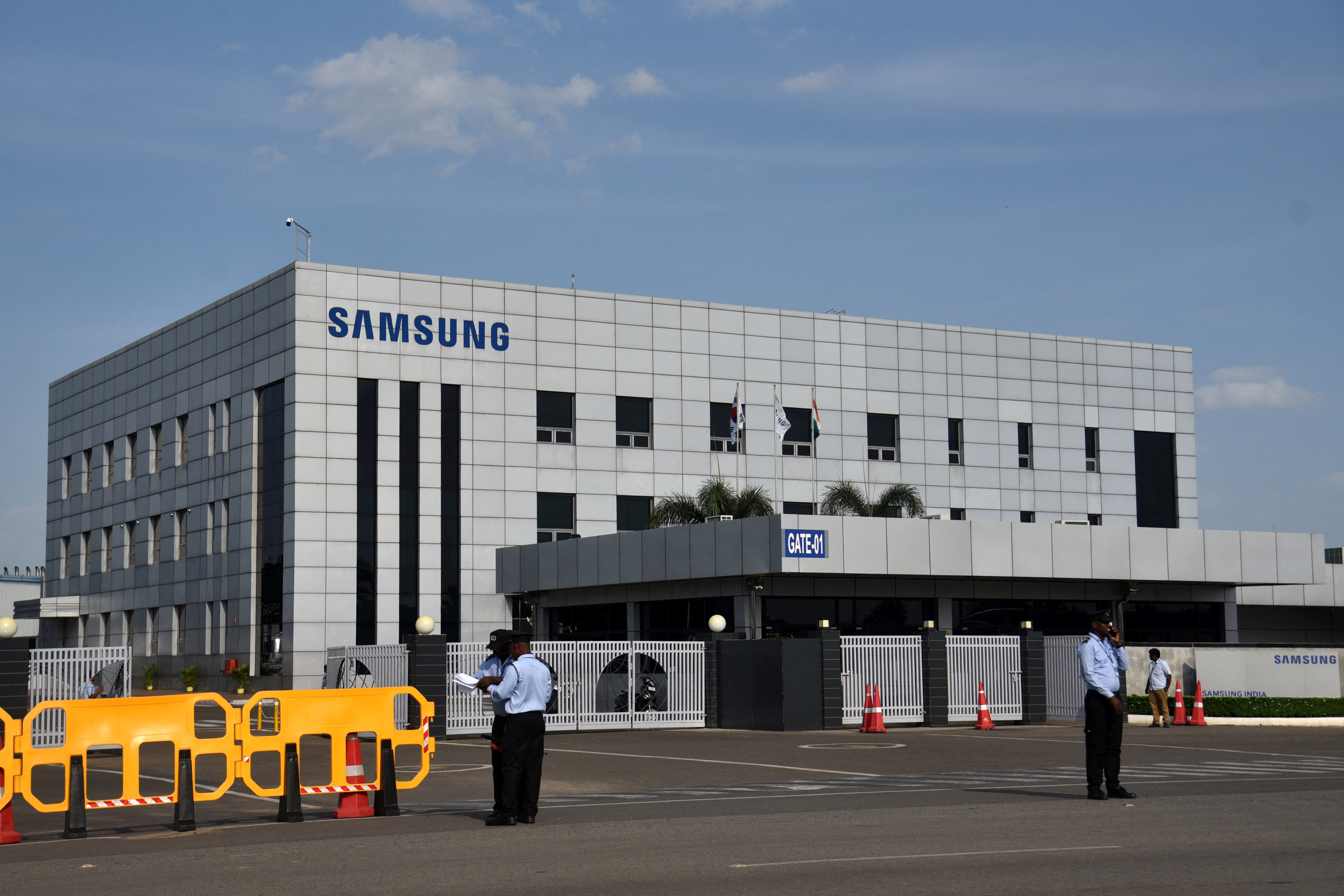
Samsung has commenced local production of laptops in India, marking a significant shift in its manufacturing strategy. The move follows growing trends in the global tech industry, where companies are increasingly decentralising their manufacturing to cater to regional markets and mitigate supply chain risks. The tech giant’s decision to set up its laptop assembly line in India comes as part of a broader push to diversify its production capabilities and tap into the country’s emerging manufacturing ecosystem.

The new facility, which is located in Noida, is expected to meet rising demand for Samsung laptops in India and other parts of Asia. The plant will focus on assembling a range of models, from entry-level to premium devices, with an emphasis on enhancing the supply of high-performance laptops. By doing so, Samsung aims to capitalise on the Indian government’s incentive schemes aimed at boosting local manufacturing and creating jobs in the sector.

India has become an increasingly attractive destination for global manufacturers due to its robust infrastructure, competitive labour costs, and a growing pool of skilled engineers and technicians. Samsung’s decision to invest in local laptop production highlights the country’s status as a strategic hub for tech companies looking to scale operations. The move also aligns with the Indian government’s vision of becoming a global manufacturing leader under the “Make in India” initiative, which encourages foreign companies to establish production bases in the country.

The South Korean company has been investing heavily in India over the past few years, with a significant focus on expanding its footprint in consumer electronics, particularly smartphones. The expansion of laptop production further strengthens its position in the Indian market, where the demand for personal computing devices has been steadily increasing. India, with its young population and rapid digitalisation, presents a lucrative market for tech companies. By establishing local manufacturing units, Samsung can not only meet this demand more effectively but also potentially lower the cost of its devices by reducing import duties and other logistical expenses.

Samsung’s Noida plant will be equipped with advanced manufacturing technology, allowing the company to ensure that its laptops meet international quality standards. The facility is expected to produce several million units annually, with an eye on both the domestic and export markets. This localisation strategy is expected to significantly cut down on shipping costs and delivery times, giving Samsung a competitive edge over other international brands that continue to import their devices into the country.

The move comes at a time when India is becoming increasingly attractive to global technology firms. Companies like Apple, Dell, and HP have already ramped up their manufacturing presence in India in recent years. India’s well-established electronics sector, supported by the government’s push to improve infrastructure and streamline regulatory processes, has led to a surge in foreign direct investment in the country’s tech manufacturing ecosystem.

Samsung’s expansion into laptop production also reflects the growing importance of India in the global supply chain. The country’s status as a low-cost production base, combined with its large consumer market, makes it an attractive location for companies looking to avoid the risks associated with heavy dependence on single countries, such as China. By shifting some of its manufacturing operations to India, Samsung can reduce its exposure to potential disruptions in China, which has long been the dominant player in global electronics manufacturing.

This shift is also likely to have broader implications for the Indian tech industry. With global giants like Samsung setting up local production lines, it is expected that the country will see an increase in the number of skilled jobs in the tech sector. Additionally, the growing demand for locally manufactured devices may spur innovation in the country’s tech ecosystem, encouraging the development of homegrown talent and technologies. This would not only strengthen India’s position as a manufacturing hub but also lay the foundation for the growth of its own tech startups.

Dubai Police has added an Audi RS7 to their renowned luxury vehicle fleet, further enhancing their ability to patrol the city in style. The new addition is part of the force’s continuous strategy to maintain a cutting-edge, effective, and visually striking presence on the streets.

This high-performance sports sedan, known for its bold design and advanced technology, is not just a fast patrol car but also a symbol of Dubai’s commitment to innovation. With a 4.0-litre V8 engine that delivers 591 horsepower, the Audi RS7 can reach speeds exceeding 190 mph, making it an impressive tool for rapid response to emergencies.

Equipped with the latest in automotive technology, the RS7 comes with adaptive cruise control, a virtual cockpit, and a range of high-tech sensors designed to optimise the driving experience and enhance the vehicle’s performance during patrols. The inclusion of this car is a significant upgrade to the Dubai Police fleet, which already features luxury models like the Lamborghini Aventador and the Ferrari FF.

While the new Audi RS7 will serve its primary function as a high-speed pursuit vehicle, it is also designed to make a strong visual statement. The sleek lines of the car, along with its distinctive police livery, ensure that it is not just a functional asset but a powerful presence on Dubai’s roads.

The vehicle’s addition comes as part of Dubai’s broader approach to using advanced technology in law enforcement. The city’s police force has long been at the forefront of adopting futuristic tools, from drones to cutting-edge surveillance systems. With a history of utilising high-end vehicles for patrol, Dubai Police’s decision to integrate the Audi RS7 further reinforces the city’s status as a global leader in both innovation and public safety.

The luxury fleet serves multiple purposes. Not only does it offer superior performance for rapid response and high-speed chases, but it also projects a strong image of modernity and strength. For the city that is known for its extravagant skyline and technological innovations, the vehicles used by law enforcement need to mirror the forward-thinking ethos that characterises Dubai.

As part of Dubai’s broader strategy, the police department has also made considerable investments in eco-friendly and electric vehicles. This transition is in line with Dubai’s goal to become a global hub for green technology. The police force’s vehicle fleet includes hybrid and electric models, balancing the need for high performance with sustainability. While the Audi RS7 itself is a petrol-powered sports car, its inclusion is indicative of the continued diversity in the types of vehicles within the fleet.

Bullish bets on rising US oil prices plunged to a 16-year low as mounting expectations of an oversupplied market and cooling fears of sanctions on Russian crude prompted a sharp pullback by traders.

Net-long positions in West Texas Intermediate futures dropped by nearly 30,000 contracts in a single week, reaching just over 49,000—a level not seen since 2009. The shift came amid forecasts from the International Energy Agency and the US government signalling that global oil supplies will outstrip demand well into 2026, tipping sentiment decisively bearish.

Analysts have noted that expectations of Russian sanctions are beginning to fade. While geopolitical risks had earlier supported price premiums, markets now reckon that even if sanctions are imposed, ample spare capacity among OPEC+ producers and resilient non-OPEC output would cushion any disruptions. Compounding the downward pressure, the US Energy Information Administration reported an unexpected build of 3 million barrels in crude inventories, further weighing on prices.

The retreat in bullish positions is consistent with a broader narrative of abundant supply. In late July, hedge funds slashed their net-long WTI positions to their lowest since mid-April, driven by OPEC+ ramping up production and a surge in US crude stockpiles—a rise of 7.7 million barrels recorded at the end of July. Earlier in the year, speculators trimmed net-long holdings by half over a five-week span amid deteriorating technical outlooks, trade-war concerns and expectations that OPEC+ would taper production cuts.

Despite these bearish trends, forecasters caution that demand could provide occasional counter-currents. Wildfires in Canada have temporarily removed around 350,000 barrels per day of oil from production, supporting prices in the short term. Meanwhile, geopolitical flashpoints—including tensions around Iran’s nuclear programme and Russian export vulnerability—could intermittently bolster outlooks. But with OPEC+ intent on increasing output—for example, by 411,000 barrels per day in July—and projections indicating a supply surplus growing to over a million barrels per day by year-end, the dominant trend remains one of oversupply.

This convergence of factors—ample supplies, fading sanctions risk, swelling US inventories and rising OPEC+ output—has catalysed a reappraisal of market dynamics by speculators. The resulting collapse in bullish positioning reflects a recalibration of expectations amid shifting fundamentals.

Narratives of tight supply have lost momentum, leading to a revaluation of oil’s near-term trajectory across trading desks worldwide.

TAIPEI, TAIWAN – Media OutReach Newswire – 16 August 2025 – Lung cancer continues to be the leading cause of cancer-related deaths worldwide. Yet, progress is within reach. In Taiwan, thanks to the National Lung Cancer Early Detection Program, the proportion of early-stage lung cancer cases continues to rise. Against this backdrop, HOPE Foundation for Cancer Care, one of the largest cancer-focused patient advocacy groups in Taiwan, […]

By Ashok Nilakantan Ayer ANCHORAGE, ALASKA: The much-anticipated summit between U.S. President Donald Trump and Russian President Vladimir Putin in Anchorage, Alaska, billed as a potential turning point in the grinding Ukraine war, ended without a ceasefire agreement, and without the celebratory luncheon that White House aides had originally pencilled into the schedule. After the […]

CryptoQuant’s Net Unrealized Profit/Loss is registering what appears to be a third unrealised profit peak within the current market cycle. NUPL, defined as the ratio of to market cap, gauges whether investors on average hold paper profits or losses. Historically, elevated NUPL levels have indicated that many participants are in profit, increasing the likelihood of profit-taking and potential market corrections.

Data suggests this third ascent to a profit peak is being driven by renewed institutional interest. Each successive wave, however, is yielding diminishing returns. While the first wave may have generated outsized gains, the latest surge appears more measured, implying a tapering in profit margins. The attenuated return profile reduces the odds of sharp rallies, but it may extend the overall bull phase without dramatic peaks.
—

Institutional Flows: A Double-Edged Sword

Historical patterns show that institutional capital can provide multi-month tailwinds to markets. In contrast to retail-driven frenzies, institutions often enter with larger stakes and timelier strategies. That said, when profit potential diminishes, institutions tend to adjust exposures, leading to sustained but less explosive outcomes.

This current cycle appears to reflect that dynamic: investors remain optimistic and engaged, but gains are less pronounced. Markets may therefore advance steadily rather than sprinting upwards.
—

Trend Implications and Strategic Outlook

The attenuated profit peaks highlight an evolving sentiment landscape. Participants seem less certain of outsized moves, potentially tempering speculative excess. As a result, volatility could moderate, favouring gradual appreciation over abrupt rallies.

Yet, this environment may also reward disciplined holders and strategic inflows. Without the pressure of sharp peaks, long-term investors may deepen positions across ranges, while new entries proceed with caution.
—

Conclusion Reserved

The U. S. government is reportedly negotiating a potential stake in semiconductor giant Intel, as part of efforts to bolster the nation’s chip manufacturing capabilities. According to sources familiar with the matter, the deal could be a significant move in Washington’s ongoing strategy to strengthen domestic manufacturing of critical technologies, particularly semiconductors. Intel has been facing mounting challenges in the competitive semiconductor industry, with delays in its […]

Advertisements

SINGAPORE – Media OutReach Newswire – 15 August 2025 – SUNRATE, the global payment and treasury management platform, today announced it has secured a payment business licence in China following its successful acquisition of a 100% stake in Transfar Pay, a unit of Shenzhen-listed Transfar Group. The RMB 315 million (USD 43.8 million) acquisition has received approval from relevant Chinese regulatory authorities. This transaction had been previously […]

SINGAPORE – Media OutReach Newswire – 15 August 2025 – SafetySam, Singapore’s provider of safety solutions and workwear, is proud to announce a new product launch—the WORKSafe Greta Safety Boot. Born from Craftsmanship, Built for the Field Known as “Generally Resistant Enough To Anything”, the Greta boot is a rugged innovation designed for industrial professionals who rely on their footwear every day. The new product launch demonstrates […]

Singapore has firmly established itself at the forefront of global digital finance innovation, particularly in the realm of tokenized assets. The city-state’s embrace of blockchain technology is reshaping the investment landscape, enabling quicker, more accessible, and transparent transactions. As financial institutions, startups, and regulatory bodies collaborate, Singapore is positioning itself as a pivotal player in the tokenization of assets.

Tokenization, the process of converting assets into digital tokens on a blockchain, has garnered significant attention for its potential to revolutionize various sectors, from real estate to commodities. In Singapore, tokenized finance is progressing from pilot projects to full-scale adoption, driving the country’s financial ecosystem towards greater efficiency and market accessibility.

One of the main driving forces behind Singapore’s success in this area is its robust regulatory framework. The Monetary Authority of Singapore has been instrumental in fostering innovation by providing a clear set of rules that encourage experimentation while maintaining investor protection. This regulatory clarity has given businesses the confidence to explore tokenized finance solutions without fear of running afoul of the law.

The growth of blockchain technology in Singapore has been swift, particularly in sectors like real estate, where tokenized property shares allow for fractional ownership. Investors no longer need substantial capital to gain exposure to high-value properties. Instead, they can purchase smaller stakes in tokenized properties, broadening the pool of potential investors and promoting liquidity in traditionally illiquid markets.

Equally noteworthy is the role of Singapore’s thriving fintech sector. The city has seen a surge in startups developing blockchain-based solutions, ranging from platforms for trading tokenized securities to services that facilitate the creation and management of digital assets. This startup ecosystem is supported by venture capital, which has flooded the market with investment, accelerating the development of blockchain applications in finance.

Global players are also taking note of Singapore’s advancements in tokenization. International banks and financial institutions are increasingly setting up operations in the city, attracted by the favourable regulatory environment and the city’s growing reputation as a hub for blockchain and digital asset innovation. For instance, HSBC and Standard Chartered have partnered with local firms to explore tokenized securities and digital asset offerings, cementing Singapore’s status as a global leader in this space.

The introduction of projects like Project Ubin has been pivotal in demonstrating the benefits of blockchain technology within the financial services sector. Initiated by the MAS, Project Ubin explored the use of blockchain for the clearing and settlement of payments, offering proof of concept for tokenized digital currencies. This project not only advanced the understanding of blockchain within financial markets but also helped to strengthen Singapore’s position as a blockchain innovation leader.

The government’s commitment to blockchain and tokenization goes beyond regulation. Singapore has also established itself as a key player in blockchain research and development, with several academic institutions focusing on the technology’s financial applications. Collaborations between private companies and research bodies ensure that Singapore stays at the cutting edge of blockchain development.

Tokenization also promises to democratize finance, giving more people access to investment opportunities that were once restricted to the wealthy. By lowering the barriers to entry, tokenized assets open up new possibilities for retail investors, who can now invest in a wide range of tokenized products with much smaller capital commitments.

Despite these advancements, challenges remain. As tokenization grows, concerns about security, compliance, and the stability of the underlying blockchain systems need to be addressed. Singapore’s regulatory bodies are aware of these risks and continue to refine regulations to ensure that tokenized markets remain secure and trustworthy. The development of more sophisticated security protocols and smart contract auditing tools is expected to further strengthen the ecosystem.

Lumen Technologies has surpassed a significant milestone by crossing the 1,000-customer mark on its expanding Network-as-a-Service platform. This achievement underscores the growing demand for flexible, scalable enterprise connectivity solutions as businesses accelerate their digital transformations. NaaS, which enables organisations to streamline and scale their network infrastructure without the need for heavy investments in hardware, has become an essential offering in today’s fast-evolving technology landscape. The milestone reflects […]

Brian Armstrong, CEO of Coinbase, has outlined a bold vision for the future of finance, predicting that all assets, from stocks to real estate, will eventually transition onto the blockchain. This shift, according to Armstrong, will revolutionise the way financial transactions are conducted, making them faster, more efficient, and significantly cheaper. The move is expected to create a completely decentralised financial ecosystem, one where traditional intermediaries like banks may no longer play a central role.

Armstrong’s statement comes at a time when blockchain technology is gaining increasing traction among various sectors. While blockchain has long been associated with cryptocurrencies, Armstrong suggests its potential far exceeds digital currencies alone. He believes that within the next decade, the technology could become the backbone for managing and transferring all types of assets. This would include everything from equities and bonds to even more complex forms of ownership like real estate and intellectual property.

Blockchain’s ability to offer decentralisation and transparency, he argues, will be key to this transformation. As assets move onto the blockchain, they will become tokenised, meaning that rather than relying on centralised systems to manage ownership records, the blockchain will store and verify ownership in a secure, distributed ledger. According to Armstrong, this will eliminate the need for intermediaries, thereby reducing transaction fees and processing times.

Despite the significant potential, Armstrong acknowledges that this shift will not happen overnight. He envisions a gradual, step-by-step transition, with larger, more established companies leading the charge. These companies, he suggests, will start by leveraging blockchain technology to raise capital, such as through initial coin offerings or security token offerings, which could serve as models for others to follow.

One of the major hurdles to widespread adoption, Armstrong notes, is the regulatory landscape. Governments and regulators around the world have yet to fully define how blockchain-based assets will be governed, and this uncertainty could delay the integration of blockchain into traditional markets. However, Armstrong remains optimistic, citing the increasing number of regulators engaging with blockchain technology as a sign of progress. He believes that once clear frameworks are established, the technology will gain broader acceptance, even among conservative sectors like banking.

In addition to blockchain’s efficiency gains, Armstrong sees another major advantage: greater accessibility. One of the core tenets of blockchain technology is decentralisation, which could potentially provide more individuals with access to the financial markets. Traditional financial systems often rely on intermediaries, such as brokers and banks, that can impose high fees or create barriers to entry for those outside the traditional financial system. Blockchain’s decentralised nature, on the other hand, allows for peer-to-peer transactions that bypass these intermediaries, opening the doors to a more inclusive financial ecosystem.

The implications of a fully tokenised world are far-reaching. If Armstrong’s predictions hold true, the ability to fractionalise ownership through tokenisation could unlock trillions of dollars in previously illiquid assets. Real estate, for example, could be fractionalised into smaller, tradable units, making it more accessible to a broader base of investors. Similarly, assets such as fine art or rare collectibles could be more easily traded without the need for high transaction costs or complicated paperwork.

Armstrong argues that blockchain could also play a role in reducing fraud. Because each transaction is recorded on a public ledger, it would become nearly impossible to falsify ownership or alter the transaction history. This level of transparency would provide a higher degree of security for all parties involved, potentially driving further adoption by consumers and institutional investors alike.

While the shift to a fully blockchain-based financial ecosystem remains a vision for the future, there are already signs that the trend is gaining momentum. In the past few years, major financial institutions and investment firms have started to explore blockchain applications, from using it to facilitate cross-border payments to tokenising real estate portfolios. These early moves by large players, combined with the increasing interest from retail investors, signal that the path Armstrong envisions could be on the horizon.

Yet, challenges remain. The infrastructure required to support a fully on-chain economy, including high-performance blockchains capable of handling vast amounts of data, is still in development. Furthermore, the environmental impact of blockchain networks, particularly those that rely on proof-of-work consensus mechanisms, has raised concerns about sustainability. These issues will need to be addressed if blockchain is to truly become the ubiquitous technology that Armstrong envisions.

The cryptocurrency market has suffered a significant blow, with over $500 million in liquidations across positions within just one hour. This sharp decline follows the release of the latest U. S. Producer Price Index report, which revealed unexpectedly high inflation figures. The data has dashed investor hopes for imminent interest rate cuts by the U. S. Federal Reserve, sparking widespread panic and a sell-off across multiple crypto assets.

The PPI report, which tracks the change in prices that producers receive for goods and services, showed an uptick in inflation that exceeded analysts’ expectations. The results were particularly alarming given the U. S. Federal Reserve’s ongoing battle to control inflation. As a result, the market now faces a more aggressive stance from the central bank, with investors bracing for potential rate hikes rather than cuts, at least in the short term.

This shift in sentiment has had a dramatic impact on risk assets, particularly in the volatile crypto market. Bitcoin, Ethereum, and several altcoins saw rapid declines in their valuations, with the overall market sentiment turning bearish. Liquidation volumes surged as traders, particularly those with leveraged positions, were forced to sell their assets to cover their margin calls.

Bitcoin, the largest cryptocurrency by market capitalisation, saw a drop of over 5% in just a few hours, while Ethereum and other major altcoins followed suit with steep losses. The sell-off was not confined to smaller coins either; large-cap cryptos that are usually seen as more stable also witnessed significant price drops. Some analysts have warned that the market could continue its downward trajectory if inflation remains persistent and the Fed keeps its hawkish policy stance in place.

The crypto market had previously been showing signs of optimism, especially after recent rallies that saw prices inch higher. Many market participants had hoped that the Federal Reserve, under pressure from slower economic growth, would begin to reduce interest rates in the latter half of 2023, which would typically support riskier assets like cryptocurrencies. However, the latest PPI figures dashed such expectations, leading to a sharp reversal in market sentiment.

The primary concern now is the potential for more stringent monetary tightening, which could further dampen investor appetite for high-risk assets. Rising interest rates often drive capital out of speculative markets, as higher borrowing costs make riskier assets less appealing compared to traditional investments like bonds or equities.

Some analysts are predicting that the current market instability could persist for some time, especially if inflationary pressures continue to be a concern. “Cryptocurrencies are still seen as speculative assets, and as long as inflation remains high and the Fed is tightening, there is little room for these assets to flourish,” said one senior strategist at a leading global investment bank.

The liquidations across the crypto market serve as a stark reminder of the inherent risks of trading in this volatile space. Traders leveraging their positions to maximise profits are particularly vulnerable in such an environment, as even small fluctuations in price can trigger substantial losses. The crypto market’s high leverage environment is often seen as a double-edged sword, where both potential rewards and risks are amplified.

Beyond the immediate price impact, there are broader concerns about how the crypto market might react to further tightening measures by the Fed. If inflation continues to exceed expectations, market participants may be forced to adjust their strategies, potentially driving further price declines.

This shake-up has led to heightened calls for regulation within the crypto space. Industry experts have long argued that greater oversight is needed to protect investors and reduce the risks associated with volatile market movements. The sudden surge in liquidations underscores the importance of establishing clearer guidelines for trading and risk management in cryptocurrencies.

Matein Khalid Two fallen angel megacaps in a rich market now that July CPI proved a non-event, I see a beautiful opportunity to scale up my long Palo Alto Networks (PANW) and Eli Lilly (ELY) to former darlings of Mr. Market who have been sandbagged by adverse events in the last two weeks. My rationale? Palo Alto Networks (PANW) was slammed down to 165 after its $25 […]

Peloton Interactive Inc. is gearing up to launch its most significant product upgrades in years, with plans to boost sales by introducing new hardware, fresh accessories, and cutting-edge artificial intelligence features. These moves come as the company strives to reassert itself in the competitive fitness market and rebuild consumer confidence after a series of financial setbacks and slowing growth. The company is set to unveil a revamped […]

By R. Suryamurthy When Prime Minister Narendra Modi ascends the Red Fort on August 15 to deliver his Independence Day address, the nation will be listening for the usual rhetoric of progress, resilience, and pride. This year, the subtext must be different. With a possible face-off with U.S. President Donald Trump looming at next month’s […]


Gold’s upward trajectory in the UAE is reshaping consumer behaviour, with rising prices shifting the market’s balance away from traditional jewellery purchases toward more affordable and strategic alternatives. Demand for ornamental gold continues to wane even as the metal remains highly prized for investment. Gold jewellery sales across the UAE plunged to their lowest in over two years during April to June 2025, at 7.7 tonnes—down 16 […]

SonicWall’s latest release features built-in Zero Trust, embedded warranty, and co-managed services empowering partners to deliver scalable, smart security with simplicity and confidence SINGAPORE – Media OutReach Newswire – 14 August 2025 – SonicWall today introduced nine new firewalls as part of its Generation 8 portfolio, taking a pivotal step in delivering a cybersecurity platform purpose-built for Managed Service Providers (MSPs), Managed Security Service Providers (MSSPs), and […]

President Donald Trump has authorised Nvidia and AMD to resume limited sales of artificial intelligence chips to China, marking a significant shift in U. S. trade policy. The agreement allows the companies to sell specific AI chips in exchange for a 15% revenue share paid to the U. S. government. This move deviates from previous strategies aimed at restricting China’s access to advanced semiconductors due to national […]

Abu Dhabi’s Department of Culture and Tourism has secured an exclusive deal to establish a series of Sphere entertainment venues across the Middle East and North Africa for a minimum of 10 years. The agreement, as disclosed by the US-based Sphere Entertainment Company, marks a significant milestone in the region’s entertainment landscape. The Sphere concept, first unveiled in Las Vegas in 2023, represents the cutting edge of […]

Additional funding allows Agridence to better deliver its traceability modules and ESG solutions across agri-commodity sectors globally. SINGAPORE – Media OutReach Newswire – 13 August 2025 – Agridence Pte. Ltd. (“Agridence”), a Singapore-based technology leader in digital agri-commodity supply chains, today announced a funding round led by Cercano Management and supported by returning strategic investors EXEO Innovation Fund and Provident. This will empower Agridence to rapidly scale […]

Atlassian has forged a strategic partnership with Google Cloud to enhance cloud adoption across its client base and integrate advanced artificial intelligence features into its collaboration platforms. This multi-year agreement is designed to combine the strengths of both companies, enabling businesses to leverage cutting-edge technology to improve operational efficiency, productivity, and innovation. The partnership aims to expand Atlassian’s suite of tools, such as Jira, Confluence, and Trello, […]

Hyperliquid, a decentralised exchange platform, has resolved a significant technical issue that temporarily hindered user access to its trading services. The glitch, reported by users in various online communities, involved a disruption that prevented some traders from executing orders and impacted the platform’s ability to update prices accurately. The malfunction, which occurred during a period of high trading volume, raised concerns about the reliability of the system, with some users expressing frustration over the lack of transparency and communication from the platform’s support team.

The issue first came to light after multiple reports surfaced from users who found themselves unable to place or complete transactions, while others faced price slippage due to delays in the system’s updates. The disruption coincided with a surge in demand for certain assets, leading to increased pressure on the platform’s infrastructure. Hyperliquid acknowledged the problem in a statement, revealing that it was related to a backend technical failure in its order-matching system, which handles the execution of trades.

Technical teams at Hyperliquid worked quickly to address the malfunction, with a fix implemented within several hours. The platform’s engineers carried out a series of updates to its infrastructure and order-matching logic, designed to prevent such issues from recurring. Hyperliquid assured its users that it was closely monitoring the situation and would continue to improve its systems to ensure a smooth trading experience in the future.

This glitch on Hyperliquid is part of a wider trend that has raised concerns about the stability of decentralised exchanges, which rely on smart contract-based mechanisms to execute transactions. While decentralised platforms are often touted as more secure and resistant to manipulation, they can face unique technical challenges that centralised exchanges do not. These issues range from software bugs to network congestion and other performance bottlenecks, particularly during periods of heightened activity.

In light of this disruption, many users have called for greater transparency from decentralised exchange platforms regarding their technical operations. Some have questioned whether such glitches could undermine trust in the decentralised finance space, which is increasingly seen as an alternative to traditional financial systems. The DeFi ecosystem has seen explosive growth in recent years, with millions of dollars flowing through platforms like Hyperliquid. However, incidents like this highlight the vulnerabilities inherent in even the most sophisticated blockchain-based systems.

Hyperliquid’s response to the outage, including the quick deployment of a fix, has been largely positive among the platform’s users, although many are still wary of potential future disruptions. Several traders noted that while the issue was resolved swiftly, the lack of clear communication from the platform during the downtime was a point of contention. Some have suggested that platforms like Hyperliquid could benefit from providing users with more detailed updates in real time, especially during periods of service disruption.

The incident has also sparked a broader conversation within the DeFi community about the need for better infrastructure and risk management protocols. Experts have pointed out that while decentralised exchanges offer innovative features such as privacy and self-custody of funds, their technological foundations must be solid enough to handle spikes in demand without compromising the user experience.

BAODING, CHINA – Media OutReach Newswire – 12 August 2025 – Great Wall Motor (GWM) has combined sport, technology, and industrial pride in a landmark event—the 2025 GWM Smart Factory Half Marathon—held inside its Xushui Smart Factory in Baoding, Hebei Province. Over 10,000 runners raced through stamping, welding, and assembly workshops, surrounded by a living showcase of China’s cutting-edge automotive manufacturing. From the rhythmic movements of robotic […]

VISHNU RAJA
RYO YAMADA
HITORI GOTOH
IKUYO KITA
Just in:
OpenAI introduces GPT-6 Cyber with restricted security access // UK air traffic outage inflicted £33m financial losses // The “1st Greater Bay Area Health and Longevity Summit & Awards Ceremony” concludes successfully in Macao // Oil and chip shares retreat after Democratic victories // Kochi police detain two actors over bid to honey trap doctor // Geely’s i-HEV Intelligent Hybrid Technology Offers a New Direction for Gasoline-Powered Vehicles // Hong Kong mandates crypto transaction disclosures to tax authorities // e-Crime Bureau Signs Cybersecurity Partnership With Smart Africa, Reinforcing Its Global Expansion // CR Longdation Aethereal Cybersecurity × Global Cybersecurity Alliance (GCSA) Join Hands to Establish the “AI and Cybersecurity Research Centre” // OpenAI abandons secrecy agreements for future data centres // Ningbo Consensus on Collaborative Development released at 2026 Global Mayors Dialogue · Ningbo // Xi Jinping Preparing For A Trilateral Summit With Trump And Putin At APEC Summit On Nov 18-19 // Motorola introduces Signature 27 flagship priced at $1,599 // Oil advances towards $100 as tanker attacks persist // TVM –Mangaluru Vande Bharat claims top spot // Emaar approves Development buyout ahead of planned delisting // Technology shares plunge as Nasdaq enters correction // Emirates Group records AED 4.1 billion half-year profit // Dubai details five-year visa benefits for returning visitors // Meraas showcases five residential zones at Dubai Design Week //