News related to
Expo

Bitcoin’s price has flirted with the $115,000 mark, only to pull back and settle into a tight range between about $108,750 and $112,000 as buying momentum weakens. Traders and analysts now await a decisive move in either direction to signal the next major trend.

After a breakout attempt stalled just above $115,000, liquidity cooled and buyers began to step aside, according to on-chain data and sentiment analysis. The 30-day momentum index on CryptoQuant dropped to –2 per cent from +1 per cent earlier in the week, underlining a loss of conviction behind the rally. The price action now shows descending highs, suggesting bulls are losing early ground. Resistance sits in the $111,000–$112,000 zone; only a sustained move here could re-ignite upward pressure. Failure to defend support around $108,600 could expose the market to a slide toward $106,000–$105,000.

Technical analysts point to a pattern of consolidation following the failed breakout above $115,000. While buyers attempted to push through, they lacked follow-through, leaving the market stuck in a neutral to slightly bearish posture. Axel Adler, whose work with CryptoQuant is cited in analyses, observed that sellers are stepping in at lower highs, limiting upside attempts. Market structure is now tilted toward volatility unless fresh demand emerges.

Institutional behaviour adds nuance. Whale wallets—those holding between 100 and 1,000 BTC—have accumulated roughly 65,000 BTC in recent sessions, bringing their aggregate holdings to an all-time high of about 3.65 million BTC. That accumulation suggests structural demand remains under the surface. At the same time, analysts note that technical indicators like moving averages have formed bullish signals—for instance, a “golden cross” between the 50-day and 100-day exponential moving averages on shorter timeframes is seen as supportive. Some forecasts even project a path toward $150,000 should momentum revive.

Macro drivers are also in focus. ETF inflows in the United States are injecting liquidity into the market and are widely regarded as a catalyst for continuation moves. Bitcoin has reclaimed its 100-day moving average, which had acted as resistance and is now a support anchor. RSI readings have turned positive, and the broader sentiment has shifted from outright bearish to cautiously optimistic as institutional capital flows reappear.

Still, not everyone is confident. Some analysts argue that despite price strength, the upside is structurally vulnerable. A technical review on Seeking Alpha has rated Bitcoin a “Sell” over the next 12 months, citing weaker momentum and divergence as signals that gains may not sustain without external catalysts.

Crucially, macroeconomic uncertainty looms. Market bets converge around expectations of U. S. Federal Reserve interest rate cuts in the final quarter. Should stimulus emerge, risk-assets including Bitcoin might rally; if inflation surprises or central banks hold firm, volatility could reverberate downward.

Oil markets face mounting pressure to weaken as forecasts from Macquarie warn of a shift into the $50-per-barrel range amid “punishing oversupply.” Macquarie’s analysts trimmed their price outlooks and argue supply growth from both OPEC+ and non-OPEC producers threatens to swamp demand. The bank now expects West Texas Intermediate to average about $64 per barrel in 2025, down by $3 from previous estimates, and to drop further […]

Global private equity heavyweight KKR has acquired a minority share in the company that leases Abu Dhabi National Oil Company’s gas pipelines, deepening its commitment to the UAE’s energy infrastructure. The financial terms and precise percentage of the stake were not disclosed. The deal gives KKR exposure to ADNOC Gas Pipeline Assets LLC, which holds the lease rights for a network of 38 pipelines across the UAE, […]

The city-state’s employers have set a striking pace as they head into the final quarter of 2025: a Net Employment Outlook of 45 per cent signals that nearly three in five organisations expect to expand their workforces. That optimism comes amid shifting global headwinds, structural reforms, and a rising demand for specialised talent.

The ManpowerGroup Employment Outlook Survey canvassed 525 UAE employers across sectors to assess hiring intentions. A positive balance of 45 per cent means that those anticipating workforce increases outnumber those expecting reductions by nearly half. This figure places the UAE among the world’s more aggressive labour markets, especially given challenges such as global trade uncertainty, rising automation, and fluctuating commodity prices.

This projected hiring boom is not evenly distributed. The strongest demand lies in transport, logistics and automotive, energy and utilities, and consumer goods and services. These sectors appear ready to leverage infrastructure projects, green energy transitions, and regional consumption growth. Meanwhile, the information technology sector is showing solid demand at +48 per cent, reflecting sustained digital transformation pushes.

Driving much of this confidence is corporate expansion: 40 per cent of participating firms cited scaling operations as their primary reason for hiring. Another 28 per cent pointed to pivoting business models and growth into new areas. In addition, nearly 30 per cent of respondents acknowledged that talent shortages—and competition for specialised skills—are influencing recruitment strategies.

Yet the buoyant sentiment is tempered by caution. Roughly 10 per cent of employers still expect to trim staff, particularly in roles vulnerable to automation or in sectors facing structural disruption. Around 15 per cent responded that they will hold staffing constant, prioritising internal upskilling over external recruitment. In interviews, some HR executives noted that while they want to hire aggressively, wage inflation, geopolitical uncertainty, and regulatory shifts may prompt them to phase recruitment over several quarters.

Regional and global context strengthens the UAE’s position. In the third quarter of 2025, the UAE recorded a world-leading NEO of +48 per cent. That marked a standout alignment with its long-term growth strategy, and the Q4 figure of +45 per cent suggests sustained momentum rather than a cyclical spike. Elsewhere, the global average NEO stood at +24 per cent during Q3 — placing the UAE’s outlook nearly double the global benchmark.

Analysts view this hiring optimism as part of a broader strategy to reposition the UAE as a knowledge-economy hub. Recent government initiatives have focused on advanced manufacturing, artificial intelligence, sustainability, and logistics corridors. These programs have triggered demand not only for engineers and technicians but also for data scientists, sustainability consultants, and cross-disciplinary professionals. In one corporates sector round-table, a senior UAE CEO observed that “the competition for deep tech talent is global, and we must offer not just pay but opportunity, stability and a pathway for growth.”

Labour authorities are also aligning policies with employer needs. New visa frameworks, targeted Emiratisation programmes, and regulatory incentives for R&D investment are being synchronized with workforce forecasts. At the same time, the UAE’s PMI for non-oil activity has held above the expansion threshold, underlining demand growth across private sectors and supporting hiring intent.

However, potential headwinds remain significant. Global supply chain disruptions, slowing demand in key export markets, and monetary tightening in major economies could dampen growth. Employers may delay or scale back hiring plans if external pressures intensify. Some labour economists warn of mismatches between skills supplied locally and those demanded, especially in emerging fields.

DoBeGo announces the launch of its all-in-one digital platform designed to transform the way cars are purchased, leased, financed, and resold in the UAE and beyond. Built to serve both individual drivers and automotive businesses, DoBeGo integrates every step of the vehicle journey — from acquisition to resale — into a single, seamless ecosystem. A Connected Ecosystem for Smarter Mobility DoBeGo bridges key stages of car ownership […]

By Anjan Roy Donald Trump’s high fees for H1B visas are a serious headache for India, not just for the sake of its impact on India’s IT sector and services exports to USA. This is a huge worry for the overall security environment and strategic- diplomatic scenario for India. Among others, if China is able […]


The article China Is Making Every Effort To Attract Talent Thrown Out By America appeared first on Latest India news, analysis and reports on Newspack by India Press Agency).

A new U. S. study reveals that middle-aged adults—particularly women born between 1965 and 1980—are disproportionately likely to meet clinical criteria for addiction to ultra-processed foods. The findings, drawn from a nationally representative sample of older Americans, suggest deep-rooted behavioural and health implications for this cohort and warn of greater risks for younger generations. The study, published in Addiction, applied the modified Yale Food Addiction Scale 2.0 […]

Advertisements

GitHub’s decision to remove the ability to sort code search results by index date has triggered an outpouring of frustration from developers who argue that the change has undermined one of the platform’s most practical tools. The feature, known as “sort:indexed,” allowed users to filter code by the time it was last indexed, providing a reliable way to find fresh and relevant examples. Its absence has left […]

The overnight Hong Kong Interbank Offered Rate surged to 5.018 %, marking its first breach of 5 % this year amid tightening liquidity pressures tied to quarter-end demand.

Liquidity in the local banking system has become deeply constrained as the aggregate balance of Hong Kong dollar deposits plunged to historically low levels and the Hong Kong Monetary Authority continues active currency-peg defence. The jump in HIBOR reflects mounting stress in short-term funding markets even as the HKMA’s base rate remains at 4.50 %, following its downward adjustment earlier this month in line with the U. S. Federal Reserve.

Banks are confronting sharper funding costs just as capital market activity intensifies. The costs of intra-day and overnight loans between financial institutions are rising, exerting upward pressure on lending rates and potentially damping leveraged trading strategies and margin financing. Several market participants have begun repricing forward rate agreements to reflect a higher floor for short-term rates.

The sharp move in overnight HIBOR comes after months of extreme volatility. Earlier in 2025, the overnight rate plunged—from around 4.50 % in May to near zero—as the HKMA intervened by selling Hong Kong dollars to counter excessive strength, flooding banks with liquidity. That in turn compressed funding costs across all tenors. But the very intervention that depressed rates is now being reversed: as the HKMA buys Hong Kong dollars to defend the weak end of its trading band, it is draining system liquidity, pushing interbank rates upward.

Analysts view this as part of the natural adjustment embedded in Hong Kong’s Linked Exchange Rate System, where capital flows and monetary interventions translate into automatic interest rate feedback mechanisms. With the aggregate balance shrinking sharply, funding is now scarcer and HIBOR has begun to converge toward U. S. dollar rates.

Still, structural frictions remain. Banks have so far been cautious to fully pass through heightened HIBOR into lending rates, citing competitive pressures and deposit stickiness. Likewise, mortgage borrowers on HIBOR-based plans face mounting exposure.

The HKMA’s earlier 25 basis point cut to its base rate to 4.50 % followed a matching reduction from the U. S. Federal Reserve. That move provides a nominal cushion to banks’ cost of funds. But with HIBOR now overshooting expectations, the policy buffer is tightening.

In foreign exchange markets, the HKMA’s continued interventions to maintain the HKD’s 7.75–7.85 peg are intensifying. Pounds and U. S. dollar flows have grown more volatile, pressuring capital inflows and outflows that ripple into short-term rates. Some strategists caution that if HIBOR remains elevated, Hong Kong’s carry trade — borrowing in HKD at low cost to invest in higher-yielding assets — may lose its appeal.

At the same time, robust IPO issuance and equity market activity bolster demand for Hong Kong dollars, adding to funding stresses. Brokers and margin financiers, squeezed by rising short-term rates, are beginning to reduce leverage usage.

Monetary officials have reiterated that the primary mandate of the HKMA is exchange rate stability, not targeting specific interest rates. But as interbank funding becomes more expensive, the tension between rate dynamics and peg defence is becoming harder to manage.

Market watchers are now eyeing whether HIBOR will stabilise around the 4.5 %–5.5 % band or continue climbing. Forward curves imply that some of the rate shock is already priced in. Meanwhile, banks are expected to adjust lending floors and reframe risk pricing over the coming weeks, especially in the mortgage and leveraged finance sectors.

Law enforcement agencies are now deploying drones equipped with automated licence plate reader systems, enabling vehicles’ registration data to be captured from the air. The Electronic Frontier Foundation reports that firms such as Flock Safety are marketing drones with built-in ALPR capability to police forces seeking to scale up surveillance. These airborne ALPR units combine optical character recognition technology with the mobility of drones. In presentations to […]

Washington’s plan to sharply raise the cost of H-1B visas—the key route for skilled overseas professionals into the United States—has consequences far beyond immigration policy. It signals a potential reallocation of talent, capital and innovation that could redefine where the next wave of technology growth takes place. If the US prices out the world’s top engineers, data scientists and entrepreneurs, those individuals will gravitate toward regions offering […]

OPEC+ is poised to approve another lift in oil output of at least 137,000 barrels per day when its core members convene on 5 October to finalise November quotas, according to three individuals familiar with the discussions. The decision is part of the alliance’s broader push to reclaim lost market share amid surging crude prices. Since April, the group has reversed earlier production cuts, having already raised […]

Air raid sirens blared across Ukraine before dawn on 28 September as waves of Russian drones and missiles struck Kyiv and multiple regions, leaving fatalities and dozens of injuries while the assault continued into the morning, according to officials. Authorities in the capital reported deaths and widespread damage across more than 20 sites, including homes, a medical facility and a kindergarten; emergency services worked through debris as […]

Harrods has informed certain customers that their names and contact details were exposed after a system belonging to one of its third-party service providers was compromised, though account passwords and payment information remain unaffected. The luxury retailer emphasised the breach was isolated and has been contained, reiterating that Harrods’ core internal systems remained untouched. The compromised data is said to be limited to basic identifiers. The company […]

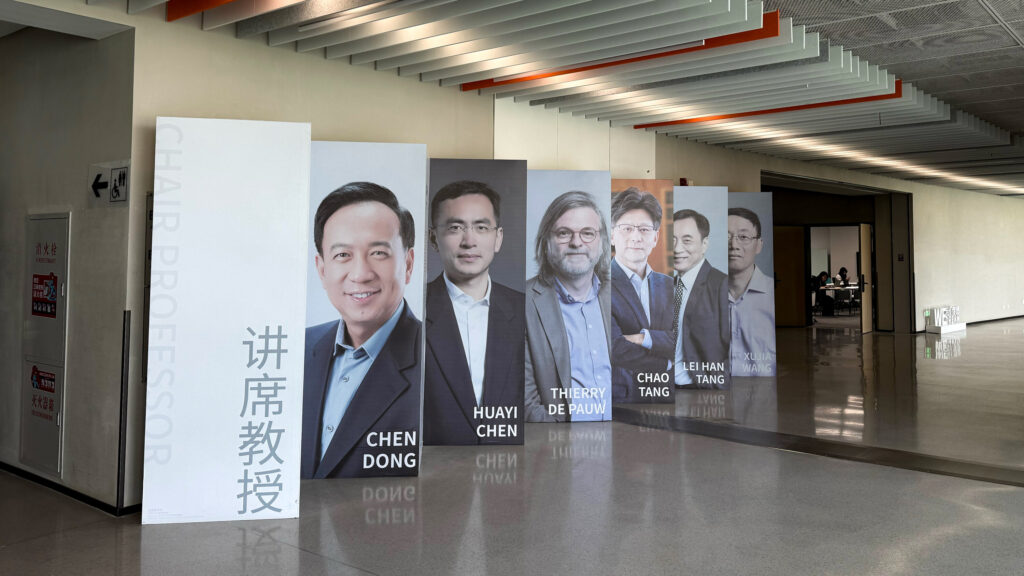
HANGZHOU, CHINA – Media OutReach Newswire – 27 September 2025 – As east China’s digital tech hub Hangzhou is gearing up for the 4th Global Digital Trade Expo (September 25–29), a globally watched digital gala centered on “deep integration of digital trade and AI,” many would wonder who are the creators of the world-leading computing infrastructure, large models, embodied intelligent robots, and over 100 AI application scenarios […]

By K Raveendran The global oil market is once again caught between geopolitics and fundamentals, as a new set of developments forces traders, producers, and consumers to recalibrate expectations. With the United States and the European Union signalling a hardening of positions on Russian oil, and with the Middle East simmering in heightened tensions, Brent […]

The article World Oil Flows At A Critical Juncture As India, US Try To Hammer Out A Deal appeared first on Latest India news, analysis and reports on Newspack by India Press Agency).

Bitcoin nudged higher overnight, trading around $109,448, as markets showed signs of stabilisation following a wave of forced liquidations across crypto derivatives.

Stock market information for Bitcoin
Bitcoin is a crypto in the CRYPTO market.
The price is 109448.0 USD currently with a change of 30.00 USD from the previous close.
The intraday high is 110305.0 USD and the intraday low is 108741.0 USD.

Ethereum outperformed, crossing the $4,000 threshold, while broader sentiment remains under strain amid macro uncertainty.

Crypto markets endured brutal deleveraging earlier in the week, with more than $1.5 billion in long positions wiped from derivatives across major tokens. Analysts report that Ether accounted for a significant share of that, prompting cascade liquidations in leveraged positions. Some firms with heavy Bitcoin exposure have seen their stock valuations collapse below the value of token holdings.

Investors tagged this as the sharpest deleveraging event of 2025, emphasising how excess leverage built up in recent months is being violently unwound. That same vulnerability leaves markets sensitive to any surprise in macro data or central bank commentary.

The immediate bounce in Bitcoin and Ether is viewed as corrective rather than structural—several traders suggest the market may trade sideways or drift lower unless fresh catalysts emerge. The rebound succeeded in erasing some losses, but resistance above $110,000 for Bitcoin and around $4,200 for Ether remained challenging.

The U. S. personal consumption expenditures index for August showed year-on-year inflation of 2.7%, broadly in line with expectations. That alignment suggests policymakers are threading a narrow path between supporting growth and avoiding inflation surprises. Some strategists believe the muted inflation reading reduces pressure on central banks to delay easing; others caution that sticky core inflation still leaves room for hawkish surprises.

Crypto sentiment has weakened sharply. The Fear & Greed Index plunged to levels last seen in mid-April, underscoring elevated trader anxiety. According to strategists, over $3 billion of leveraged long positions have been liquidated in the past few sessions, pushing the long-to-short ratio in many tokens toward one-to-nine. That extreme positioning could set the stage for short squeezes—but not without attendant risk.

On-chain flows hint at institutional accumulation, a counterpoint to retail panic. Ethereum has seen meaningful inflows tied to existing ETH ETFs, while some large wallets have made ETH-to-BTC swaps. That movement could reflect growing conviction in Ethereum as a structural play for DeFi and smart contract demand, rather than a pure speculative asset. But challenges remain: Ethereum’s fee-based economics have softened, and alternative chains are gaining traction in niche sectors.

Seasonal models bolster optimism toward the year-end. Historically, Bitcoin has delivered an average return of over 80 per cent in the final quarter, with November being the strongest month on record. Ether, though more volatile, also has a track record of strong Q4 performance. These patterns are not guarantees, but they influence positioning among quantitative funds.

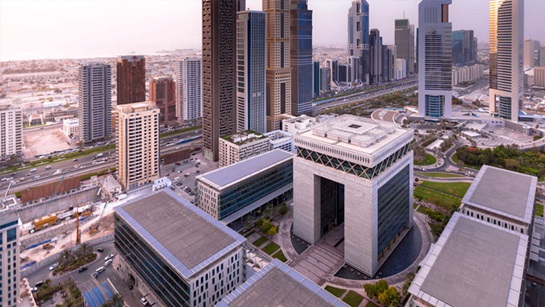
The Dubai Financial Services Authority has issued a decision notice barring HDFC Bank’s Dubai International Financial Centre branch from onboarding or engaging new clients, citing deficiencies in its onboarding procedures and promotional practices.

Under the DFSA’s directive dated 25 September 2025, the branch is prohibited from soliciting or conducting any business with clients who had not already completed the onboarding process by that date. The restrictions span across a range of financial services: advising on financial products, arranging investment deals, arranging or advising credit, custody services, and engaging in financial promotions.

HDFC Bank has confirmed the measure, stating the branch’s Dubai operations are not “material to [the] overall business or financial position.” It said it has initiated steps to engage with the DFSA and address the regulator’s concerns.

Existing customers of the DIFC branch remain unaffected by the decision, and clients who had already been offered services may still be served.

The DFSA’s public register confirms the restrictions imposed on HDFC DIFC under Article 75 of the Regulatory Law 2004.

Concern over HDFC’s UAE operations has been mounting since investigations linked to the mis-selling of Credit Suisse Additional Tier-1 bonds surfaced. High-net-worth non-resident Indian investors alleged that HDFC’s UAE arms had pushed leveraged exposure to these risky instruments without adequate disclosure. When Credit Suisse’s AT1 bonds were written down in 2023, several clients in the Middle East faced losses and margin calls.

Regulatory scrutiny has coalesced around whether the branch’s client onboarding systems sufficiently aligned with the stricter DIFC regime for assessing and classifying “professional clients.”

Observers note that the regulatory move at HDFC’s DIFC arm fits a broader trend in the UAE: ensuring that financial institutions operating in its free zones adhere to rigorous compliance standards. While the central bank has in recent months fined other banks and suspended new customer intake over Sharia or anti-money laundering violations, this is a rare case targeting the onboarding practices of a foreign bank’s offshore branch.

Market analysts suggest the restriction could dampen HDFC’s ambitions in the Gulf region. The DIFC branch caters largely to high-net-worth and institutional clients, a growing segment across the Middle East.

Analysts also note that, though the branch is currently a limited part of HDFC’s global footprint, reputational damage and extended regulatory enforcement could constrict cross-border investment programmes tied to its UAE hub.

HDFC’s next steps include formal remediation under DFSA oversight, and the bank will need to demonstrate that its compliance and client due diligence processes meet the regulator’s expectations. Meanwhile, the directive will remain active until the DFSA issues a written amendment or revocation.

By Salah Uddin Shoaib Choudhury Bangladesh is entering one of the most dangerous phases of its history. At the centre of this looming crisis is the unelected regime of Muhammad Yunus, which is presenting itself abroad as democratic and reformist while systematically dismantling the country’s defence and intelligence structure. Behind the veneer of Nobel fame and global endorsements lies a far darker reality: Yunus’ growing alignment with […]

A stylised throwback to its 1998 branding greeted millions of users today as Google celebrated its 27th birthday, reviving its very first logo in a specially designed doodle. The artwork, published on Google’s official doodle site, reintroduces the original wordmark as a nod to its early days, while signalling the company’s ambition to balance heritage with future ambitions. Although Google was officially incorporated on 4 September 1998, […]

Fortescue has sealed a flurry of contracts to deploy 300 to 400 zero-emission haul trucks at its Pilbara operations and to bolster its renewable energy capacity with the full acquisition of a Spanish wind tech company. The shifts represent a decisive scaling of its “Real Zero by 2030” ambition.

Under the new agreements, Chinese manufacturer XCMG will supply up to half of the electric 240-tonne haul truck fleet, with deliveries phased between 2028 and 2030. The remaining trucks will be produced by Liebherr, under an amended version of an earlier deal. The contracts build on an earlier framework signed in 2024 for battery-electric ancillary mining equipment.
XCMG itself refers to the Fortescue order as the largest export order for green mining equipment from China to date. The trucks may include autonomous features and use advanced software, similar to those operating in China’s open-pit mines.
Fortescue is also finalising its full takeover of Nabrawind, a Spanish wind tower and turbine technology company in which it held a minority stake since 2023. With full ownership, Fortescue plans to integrate Nabrawind’s self-lifting tower designs with turbines supplied by Envision Energy, aiming to deploy up to 2.1 GW of installed wind capacity in its Pilbara “East Pilbara generation hub.” The first wind energy is expected online by 2028, pending regulatory approval.

To support its Decarbonisation roadmap, Fortescue has signed supply agreements with several other Chinese clean-tech firms: BYD will supply energy storage systems; LONGi will provide photovoltaic modules; and Envision will deliver turbines and smart energy solutions. Fortescue describes the partnerships as a “multilateral collaboration” to access the best manufacturing capacity globally.
Andrew Forrest, the company’s Executive Chairman, emphasised that China’s ability to scale green technologies rapidly makes it a key partner in Fortescue’s strategy. He remarked that industry should “glue back” international cooperation through practical alliances rather than mere rhetoric. The company also continues to operate its R&D arm, Fortescue Zero, which is tasked with integrating and optimising power systems across its fleet and operations.

However, the pivot towards Chinese suppliers has already prompted adjustments to the Liebherr arrangement. Fortescue has scaled back Liebherr’s role to supplying at minimum half the haul trucks, down from its originally envisaged share, reallocating greater share to XCMG. Analyses suggest the move is intended to diversify risk, ensure supply chain resilience, and meet aggressive deployment timelines.
The decision also appears to reflect broader challenges in the green hydrogen sector: Fortescue has walked away from planned hydrogen projects in Arizona and Queensland, absorbing write-downs, and is now emphasizing electrification and green iron production instead. Internal restructuring and leadership turnover at Fortescue Zero have raised questions about execution, but the company underscores that the new strategy remains intact.

OpenAI has introduced ChatGPT Pulse, a new proactive feature that autonomously crafts personalised updates overnight and delivers them each morning to assist users with planning, reminders, news and suggestions. The tool is debuting in preview mode for ChatGPT Pro users on mobile, with plans to expand access over time. Pulse gathers context from users’ prior chats, enabled memory, and optionally connected apps such as calendars and email […]

Microsoft has halted specific cloud and artificial intelligence services to a unit within Israel’s Ministry of Defence after uncovering evidence that its Azure infrastructure was being used in a mass surveillance programme targeting Palestinians. The firm confirmed that access to a subset of its subscriptions has been suspended, while non-surveillance services remain unaffected. The decision follows an investigative exposé by The Guardian, in collaboration with +972 Magazine […]

India has engaged with Washington over the U. S. decision to impose a one-time $100,000 fee on new H-1B visa applications, warning that the move threatens the mobility of skilled professionals and could strain bilateral trade ties.

The External Affairs Ministry affirmed it would continue talks with relevant stakeholders in the United States, emphasising that talent exchange has underpinned innovation and growth in both economies. The government noted that the new rule may disproportionately affect Indian nationals, since they constitute a significant share of the H-1B pool.

The White House announced that the fee will apply only to fresh petitions filed from September 21, 2025 onwards, not to renewals or existing visa holders. The administration framed this shift as part of efforts to prevent misuse of the visa system and prioritise higher-wage, high-skilled cases.

India’s reaction underscores deep concerns within its technology sector—many firms rely on U. S. operations staffed via H-1B sponsorship. Analysts estimate that the fee hike could reduce IT margins by 4–13 percent depending on visa intensity, while Indian IT stocks saw steep declines following the announcement.

At the same time, India is navigating friction on trade. U. S. tariffs levied on Indian goods—particularly a 50 percent cumulative duty tied to India’s oil imports from Russia—are already under scrutiny in bilateral talks. Officials assert that the visa and trade issues will be addressed as interconnected elements of the broader U. S.–India partnership.

During meetings on the sidelines of the U. N. General Assembly, India’s Foreign Minister and Commerce Minister held discussions with their U. S. counterparts, reinforcing that continued engagement is essential to manage tensions. The Indian side has also said that relevant domestic departments are evaluating options concerning the impact of the tariffs.

Despite the pushback, some U. S. industry figures support the new fee. Leaders at firms such as Nvidia, OpenAI and Netflix have welcomed the shift as a mechanism to prioritise high-value talent. Others, including JPMorgan’s CEO, have warned it risks driving skilled workers to competing nations. U. S. medical associations are lobbying for exemptions, arguing that the steep cost could impede physician recruitment, particularly in underserved areas.

India’s Finance Ministry has called for heightened monitoring of the economic fallout, citing possible impacts on remittance inflows and service exports. The ministry has described the short term as manageable but warned of long-term risks if the regime remains in place.

Within India’s tech industry, there has been a strategic pivot. Companies have invested over $1 billion in onshore training and hiring in the U. S., reducing dependence on H-1B deployment. Industry bodies argue that this shift could help absorb the shock should visa access tighten further.

Still, experts caution that such mitigation has limits. Smaller firms and startups that depend on cross-border talent mobility may feel the squeeze most acutely. Some analysts suggest that alternative destinations, including Canada, South Korea and the UK, may be more appealing to Indian professionals seeking global opportunities.

VISHNU RAJA
RYO YAMADA
HITORI GOTOH
IKUYO KITA