News related to
ISIS

BANGKOK, THAILAND – Media OutReach Newswire – 14 August 2025 – As Thailand accelerates investment in artificial intelligence (AI), new research from PRCA APAC and YouGov reveals that trust is the cornerstone of public acceptance. While there is cautious optimism and strong calls for regulation, the Thai public expects transparency from brands and institutions to build and maintain that trust. Presented at the inaugural PRCA Thailand Conference […]

By Nitya Chakraborty The India-US trade war over Donald Trump’s 50 per cent tariff on Indian exports to the USA with effect from August 27 this year has assumed a major political dimension linking the political future of both Indian Prime Minister Narendra Modi and the United States President Donald Trump. For Narendra Modi, the […]

By Salah Uddin Shoaib Choudhury          (Approx. 705 words) In 2003, Washington justified its invasion of Iraq by claiming Saddam Hussein had Weapons of Mass Destruction and ties to Al Qaeda. These allegations -later proven false – enabled the toppling of Iraq’s leadership, replacing it with an externally controlled regime of opportunists and mercenaries. Iraq’s sovereignty was dismantled, and its oil wealth looted under the watch of the US […]

A massive wildfire has forced thousands to flee their homes in Spain as a combination of intense heat and strong winds exacerbates the crisis. The fire, one of the most destructive in the country’s history, continues to rage across multiple regions, threatening lives, homes, and the environment. The wildfire, which ignited amid soaring temperatures that have gripped southern Europe, has spread rapidly due to the powerful winds […]

Tensions over the future of Gaza escalated this week as China strongly condemned Israel’s proposals to expand control over the region. The Chinese government has called on Israel to abandon its plans, asserting that Gaza is an integral part of Palestinian territory. This intervention comes amid increasing international scrutiny over the situation in Gaza, with many nations expressing concern about the potential implications of further Israeli expansion. […]

By Nitya Chakraborty The stage is finally set. U.S. President Donald Trump will be meeting the Russian President Vladimir Putin in Alaska in USA on August 15 to discuss the Ukraine war issue and bring about a settlement for facilitating a long term solution. If a framework of a solution is reached, President Putin will […]
By Nitya Chakraborty The additional 25 per cent tariff on Indian exports to the USA announced by President Donald Trump to be effective from August 27, has led to an intense ideological and political battle within RSS, the BJP as also among the industrialist friends of Prime Minister Narendra Modi who are active members of […]
Advertisements

France is grappling with its most severe wildfire in decades, marking a stark return to the destructive forces of nature. The fire, which broke out in the southern regions, has already scorched thousands of hectares, making it the largest blaze since 1949. That year, devastating fires near Bordeaux claimed 82 lives and ravaged 50,000 hectares of land. This new disaster is showing no signs of slowing down, […]

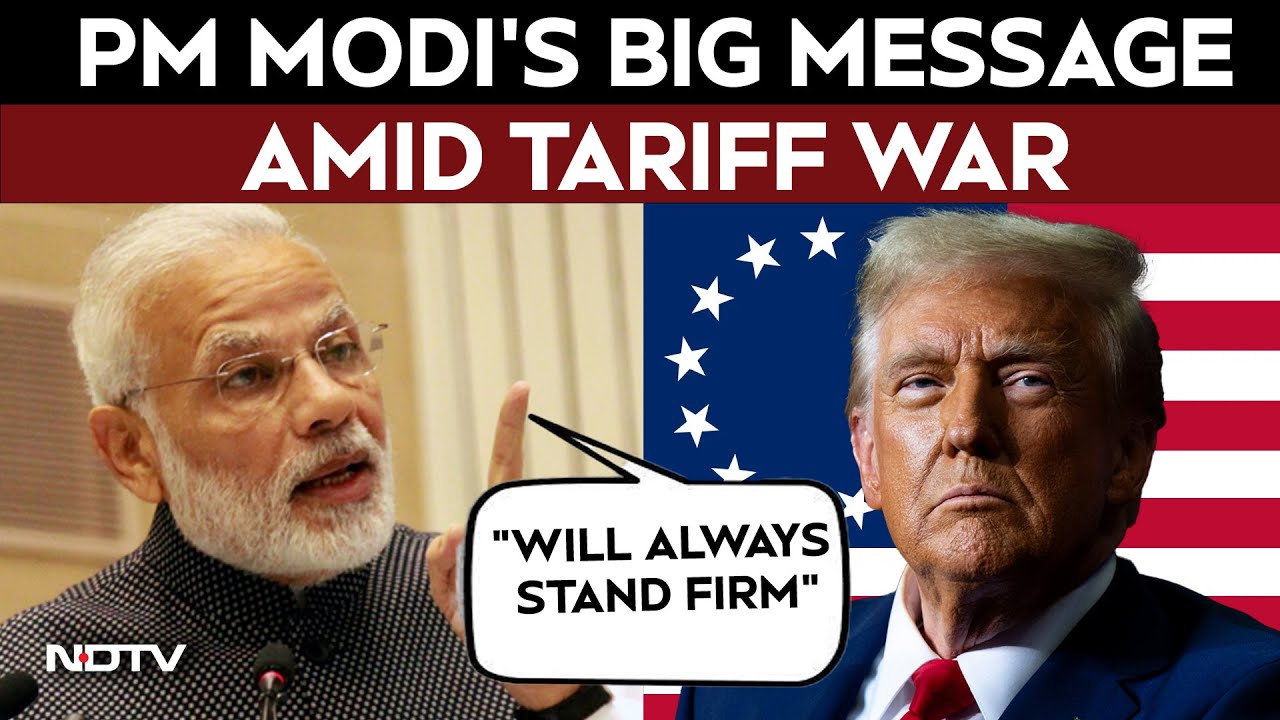
By R. Suryamurthy Prime Minister Narendra Modi’s declaration that he is willing to “pay a heavy price” to stand by Indian farmers in the face of escalating U.S. trade tariffs has captured headlines—but not necessarily for the right reasons. It is a speech crafted more for the political stage than the policy war room. Beneath […]

Russian President Vladimir Putin will visit India in the coming weeks, with expectations that the trip will significantly bolster bilateral relations across various sectors, including trade, defence, and energy. The visit, anticipated to be a key moment in Russia-India relations, will occur amid shifting geopolitical dynamics, particularly following the global attention on the ongoing war in Ukraine and its implications for international alliances.

The timing of the visit is critical, as both Russia and India seek to expand their strategic cooperation. Over the past few years, both nations have deepened their partnership through numerous agreements aimed at enhancing their economic and military ties. As global power dynamics continue to shift, the Russia-India alliance has become increasingly important, not just for the two countries but also within the broader context of the BRICS grouping, of which both nations are founding members.

One of the central themes of the visit will be the strengthening of economic ties, especially in the energy sector. With the ongoing energy crisis exacerbated by sanctions on Russia, India has emerged as one of the key buyers of Russian oil. The visit is expected to solidify agreements surrounding the energy trade, including the potential for India to increase its imports of Russian crude oil at discounted rates. This move is likely to provide India with a cost-effective energy source while helping Russia circumvent Western sanctions.

Discussions are expected to focus on further cooperation in defence, where Russia has long been a major supplier of military hardware to India. The two nations are expected to advance negotiations on new defence contracts, including the potential for joint production and technology sharing. The defence ties between Russia and India date back decades, and the visit will likely see the formalisation of further agreements that could further align their military interests.

The visit will also involve talks on expanding technological collaboration, particularly in the areas of space and nuclear energy. Both countries have made significant strides in these fields, and there is potential for further joint ventures, which could bring both economic and technological benefits to each nation. Putin’s presence in India is expected to reinforce Moscow’s commitment to its relationship with New Delhi, signalling Russia’s ongoing support for India’s strategic ambitions in the global arena.

Putin’s upcoming visit also comes at a time of heightened global tension. As the war in Ukraine continues to dominate headlines, Russia has increasingly sought to deepen ties with countries that have been less critical of its actions, including India. New Delhi has maintained a relatively neutral stance in the conflict, focusing instead on its national interests and calling for peace talks. This approach has allowed India to strengthen its ties with Russia without facing the same level of international scrutiny as some of the West.

The visit is likely to be significant for the future of BRICS, a bloc of emerging economies that includes Brazil, Russia, India, China, and South Africa. The group has been exploring the possibility of expanding its membership, and Putin’s visit could serve as a platform for discussing further collaboration within this framework. As BRICS nations continue to challenge the traditional Western-dominated global order, Russia and India are likely to explore ways to enhance their collective influence in international forums.

While both nations have shared interests, their relationship has not been without challenges. India’s growing economic ties with the West, especially in the technology and trade sectors, have sometimes created friction in its ties with Russia. However, the long-standing nature of their partnership, especially in defence, has ensured that these tensions have remained manageable. Putin’s visit is expected to reinforce the idea that despite external pressures, Russia and India will continue to prioritise their strategic interests.

Passengers at Heathrow Airport were left in disarray as travel chaos escalated across multiple terminals. With major delays disrupting air travel, many travellers abandoned their vehicles on the roads leading to the airport in favour of walking to packed terminals. Footage shared on social media showed vast queues stretching for hundreds of metres, with hundreds of passengers trying to check in and pass through security. Long-standing congestion […]

Matein Khalid There are two gems in global finance that I believe can make serious money if purchased at the right price this autumn. Their high beta means a 16% hit if the S&P has the 10% index correction that Morgan Stanley projects. The best thing at TPG for me is CEO Jon Winkelried, who I first met in Goldman Sachs’ cathedral of money at Peterborough Court […]

US President Donald Trump has announced plans to significantly raise tariffs on exports from India, citing the country’s oil purchases from Russia as the primary reason for the move. The statement marks an escalation in tensions between the two countries, with both sides having clashed over trade policies and geopolitical issues in recent years.

Trump’s remarks, made on social media, have ignited a strong response from New Delhi, which views the threat as unjustified and damaging to its economic interests. The US President criticized India’s ongoing imports of Russian crude oil, calling the move a betrayal, as the West intensifies efforts to isolate Moscow over its invasion of Ukraine. He pointed out that India’s purchases were then being resold on the international market for profits, further compounding the situation.

The US government has consistently condemned the sale of Russian oil to countries that are still buying from Moscow amid global sanctions designed to cripple the Russian economy. These sanctions, which were imposed by the US and its allies in response to Russia’s aggressive actions in Ukraine, have led to a complex diplomatic web, with several nations, including India, caught in the middle.

While the US and European Union have significantly reduced their oil imports from Russia, countries like India and China have stepped in to fill the gap, buying discounted crude oil from Moscow. India, in particular, has ramped up its purchases of Russian energy, a decision that is seen by many as a strategic move to secure energy resources at lower costs. These purchases have helped India maintain its economic growth amidst the energy price crisis exacerbated by the war in Ukraine.

The announcement by Trump that tariffs on Indian goods would be substantially raised could have serious repercussions for trade between the two nations. India is one of the United States’ largest trading partners, and any significant tariffs would undoubtedly affect a range of industries, from agriculture to technology. In 2022, the bilateral trade between the two countries surpassed $150 billion, with India exporting a wide array of goods to the US, including textiles, chemicals, and pharmaceuticals.

The Indian government, however, has rejected Trump’s claims, arguing that its oil purchases from Russia are in line with its energy security needs and do not violate any international laws. New Delhi has maintained a neutral stance on the war in Ukraine, calling for dialogue and diplomacy to resolve the crisis rather than escalating sanctions and pressure on Russia.

India’s position reflects a broader strategy of balancing its foreign relations with both the West and Russia. While it maintains strong ties with the US and Europe, it also values its long-standing relationship with Russia, particularly in defense and energy sectors. Over the years, Russia has been a reliable supplier of defense equipment to India, a factor that continues to shape India’s foreign policy decisions.

The economic impact of higher tariffs could have a ripple effect on both countries’ economies. India could face higher costs for its exports to the US, which might lead to inflationary pressures within certain sectors. For the US, such tariffs could result in higher prices for American consumers on imported goods, potentially exacerbating inflation at a time when the country is already grappling with economic challenges.

The political fallout from Trump’s threat to raise tariffs could further complicate efforts to resolve trade disputes between the US and India. Both nations have been working on strengthening their strategic and economic ties, but issues like tariffs and energy trade could undermine this progress. Negotiations over trade deals, such as the proposed free trade agreement, may now face significant hurdles as both sides dig in their heels.

The decision to increase tariffs on India could also have wider implications for the global economy. It might set a precedent for other nations to retaliate against countries purchasing Russian oil, particularly those in the Global South who have not been willing to fully sever their economic ties with Moscow. This could potentially fragment the global energy market even further, making it harder for countries to secure stable and affordable energy supplies.

This development highlights the growing division between the US-led West and countries that have opted to remain neutral or continue engaging with Russia. As the war in Ukraine shows no sign of abating, the economic and diplomatic repercussions of these decisions are likely to continue shaping global relations for the foreseeable future.

Concerns over the soaring costs of accommodations for the COP30 climate summit have led the United Nations to call for urgent talks. Held in Brazil later this year, the event’s sky-high prices threaten to exclude delegates from poorer nations, raising alarms within the international community about equity and accessibility at the high-profile climate negotiations. The meeting, convened by the UN’s climate office, was prompted by reports from […]

By Dr. Gyan Pathak It is ridiculous. Union Government of India is still hiding behind a questionable extrapolation on employment based on Reserve Bank of India’s KLEMS (Capital, Labour, Energy, Materials, and services) database, and informed the Lok Sabha on July 24 that India added 17 crore jobs between 2017-18 and 2023-24. The Centre led […]

BANGKOK, THAILAND – Media OutReach Newswire – 24 July 2025 – As artificial intelligence redefines how stories are told, trust is built, and reputations are managed, PRCA Thailand is calling on communicators, business leaders, and curious minds to join a first-of-its-kind national conversation. The inaugural PRCA Thailand Conference will take place on 6th August 2025 at SCBx NEXT Tech, Siam Paragon, under the theme “AI: Truth, Trust […]

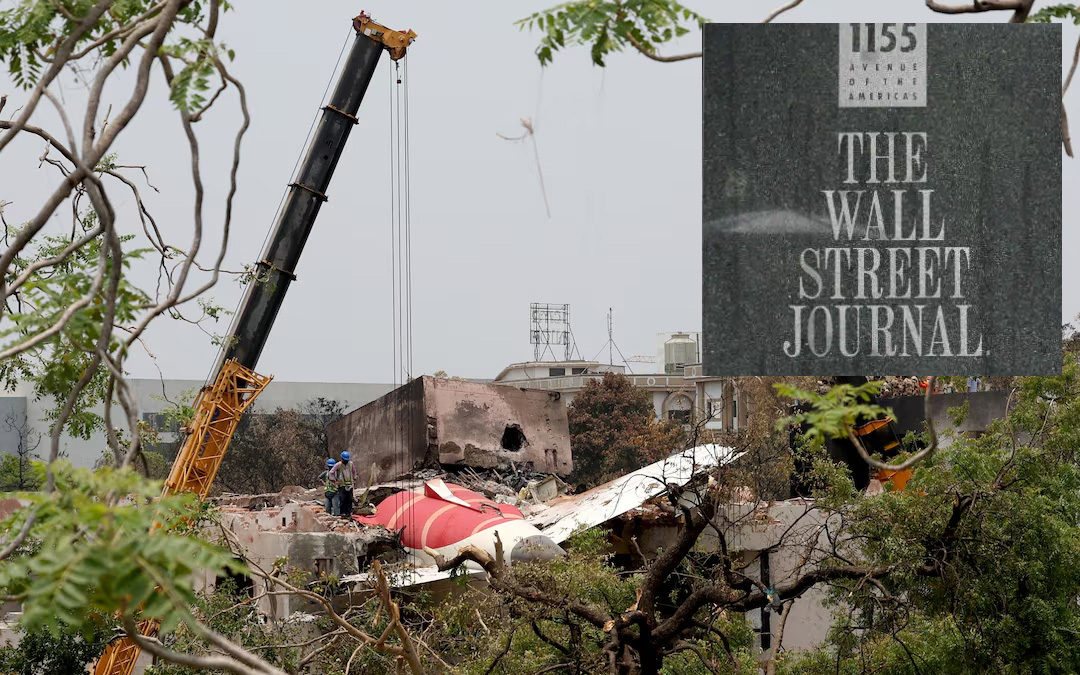
By K Raveendran The Wall Street Journal’s report on the Ahmedabad Air India crash has triggered a storm of controversy not only for what it suggests but also for what it deliberately avoids. The claim that the crash, which took 260 lives, may have been caused by the senior pilot unintentionally or mistakenly putting the […]

Swatch Group’s first‑half figures underscore a deepening crisis in its key Asian markets after the Swiss watch‑maker disclosed a 7.1 per cent drop in sales, generating CHF 3.059 billion, falling short of market forecasts of CHF 3.2 billion. Operating profit plunged 67 per cent year‑on‑year to CHF 68 million, signalling an urgent warning to investors and management alike.

China, alongside Hong Kong and Macau, remains the primary weak spot, contributing 27 per cent of total revenues. Falling demand across these regions continues to undermine core sales and profit performance. Despite encouraging double‑digit growth in North America and market share gains in countries such as Japan, India and the Middle East, these gains have yet to compensate for the shortfall from Greater China.

Net profit attributable to owners collapsed to CHF 3 million, compared with CHF 136 million during the same six‑month period last year. This dramatic decline illustrates the scale of the downturn, making it Swatch’s worst half‑year performance in recent memory.

Analyst commentary has been scathing: Vontobel described this period as “an ugly half year for Swatch Group in all respects”. The fallout from slowed Chinese consumer activity has been compounded by negative currency effects—Swiss franc appreciation cut CHF 113 million from turnover relative to constant‑currency comparisons.

Adding fresh complexity, new U. S. tariffs threaten to raise costs on Swiss watch imports by up to 31 per cent. Industry stakeholders now warn that these levies could further weigh on margins, with retailers like Watches of Switzerland projecting a margin squeeze in the year ahead.

Beyond external pressures, a growing number of investors are scrutinising Swatch’s internal governance. Shareholder activism has surfaced, with calls for more oversight of the centrally controlled Hayek family, whose dual‑class voting structure remains a source of contention. Net profits collapsed by 75 per cent to CHF 219 million in 2024, but critics assert that this malaise runs deeper. GreenWood Investors, led by Steven Wood, has launched a push to join the board, advocating for brand revitalisation, governance reforms and a strategy pivot toward luxury exclusivity akin to Hermès and Ferrari.

Management, though addressing short‑term volatility, emphasises Swatch’s entrenched strengths. Its vertically integrated manufacturing, with over 150 production sites, and the success of the affordable MoonSwatch line demonstrate resilience. The company has pledged that cost‑cutting measures and a pipeline of new product launches—particularly in the U. S. and Japan—should drive a rebound in the second half of the year.

The first‑half slump follows broader downturns last year, when revenue declined 12.2 per cent to CHF 6.74 billion in 2024, and operating profit fell 75 per cent to CHF 304 million. That drop reinforced trading floor rumours of governance fatigue and brand dilution at high‑end labels like Omega and Breguet.

Economically, China’s consumer landscape remains unsettled. A combination of property market stress, slower GDP growth and official campaigns discouraging conspicuous consumption have dampened luxury spending. Swiss watch exports to China and Hong Kong plunged by double digits in early 2024, while only the lower‑priced Swatch line bucked the trend in the region, gaining 10 per cent in sales volume.

Swatch Group’s corporate ambition to maintain full production capacity and avoid layoffs during weak demand, while strategically commendable, has weighed on margins—especially in the production segment. Management asserts this decision safeguards long‑term capabilities and is now beginning to bear fruit, with production margins improving since June.

Mixed signs beyond China offer guarded optimism. North America posted record sales, Japan recorded robust growth, and emerging markets like India and the Middle East offered upside. These regions now form the central axis of Swatch’s recovery strategy.

South African vehicle shipments to the United States have plunged after U. S. import tariffs were escalated, posing a serious threat to jobs and industrial hubs across the country. Export volumes dropped by 73 per cent in the first quarter of 2025 and declined a further 80 per cent in April and 85 per cent in May, according to figures from the National Association of Automobile Manufacturers of South Africa. The tariffs, introduced […]

By Nantoo Banerjee Trade unionism seems to have lost focus in India. It has failed to reform itself to keep pace with economic reforms and globalisation, and changing job scenarios. It is also facing the biggest leadership crisis. The poor public and industry response to the nationwide strike call by 10 central trade unions on […]

A joint alert from seven United Nations agencies has flagged Gaza’s fuel stocks as critically depleted, imperilling vital services for its 2.1 million residents. With fuel supplies down to a scarce trickle, health care, water, sanitation, aid distribution and communications infrastructures are faltering.

Hospitals such as Al‑Shifa in Gaza City have begun rationing fuel, placing patients in life-threatening situations. Doctors report incubators and dialysis equipment may fail within hours, while oxygen generators are sputtering. Ambulances have stalled, forcing staff to carry patients by hand, as critical care units teeter on collapse.

Water purification plants and sewage systems are shutting down without generator support, raising alarms over disease risks. UN officials have witnessed a sharp rise in meningitis and diarrhoeal illnesses among children. Bakeries and community kitchens have stopped, reducing the availability of fresh bread—a major food source for the displaced.

Although a one‑time delivery of some 75,000 litres reached Gaza—marking the first fuel entry in roughly four months—UN agencies caution this is but a drop in a deepening crisis. The quantity represents only a small fraction of the daily requirement to sustain relief operations. Officials emphasise that without regular, scaled deliveries, essential services face imminent blanket failure.

Israeli authorities have maintained that fuel shipments may be misused by militant groups, a claim that relief agencies strongly dispute. UN humanitarian representatives assert that fuel restrictions effectively constitute a form of collective punishment, with civilians bearing the brunt.

The blockade has persisted alongside ongoing military operations since March, despite intermittent commitments to allow aid in. The latest minimal fuel delivery was reportedly the first in 130 days. UN Secretary‑General António Guterres warned that without fuel to power ambulances, incubators and water networks, the fabric of civilian life is unraveling.

Aid workers are racing to implement rationing measures, diverting remaining stocks toward the most critical services—hospitals, maternity wards, water treatment facilities and mobile communications. But this partial reprieve is insufficient to meet surging demand.

In Gaza and beyond, humanitarian experts are urging urgent diplomatic engagement. Negotiations for new fuel corridors and scaled deliveries via Egypt and other Gaza crossings are underway, though the process remains slow and subject to volatile approval protocols. Some international mediators argue that allowing fuel in is as vital as increasing food aid, citing the interdependency of humanitarian systems.

The crisis has sparked global concern. UN agencies emphasise that fuel is the “backbone of survival”—not just for hospitals but for sanitation, communications, bakeries and logistics networks that sustain entire communities.

As operations continue under strain, the spotlight falls on the window of opportunity for diplomatic resolution. Pressure is mounting on all parties involved to remove barriers inhibiting consistent fuel access, which UN officials say is non‑negotiable to prevent the collapse of civilian life in Gaza.

By K Raveendran The most important takeaway from the Supreme Court’s stand on the Special Intensive Revision (SIR) of Bihar’s electoral rolls is a reminder that while the Election Commission of India (ECI) has the constitutional authority to take all necessary steps to ensure free and fair elections, it does not have the license to […]

Air Arabia has recommenced double daily non‑stop flights between Sharjah and Damascus from 10 July 2025, marking a pivotal renewal of air connectivity between the UAE and Syria. The low‑cost carrier’s decision, following a suspension since 2012, responds to rising demand and broader regional diplomatic easing.

The carrier’s reinstated schedule includes two early departures from Sharjah at 04:15 and 10:45, landing in Damascus at 06:30 and 13:00, respectively. Return services depart Damascus at 07:30 and 14:00, arriving in Sharjah at approximately 11:40 and 18:10 local time. Utilising Airbus A320s and A321s, Air Arabia’s fleet will provide in‑flight entertainment via ‘SkyTime’, on‑board dining through ‘SkyCafe’, and loyalty benefits under its ‘Air Rewards’ programme.

During a launch ceremony at Sharjah International Airport, attendees included Adel Al Ali, Group CEO of Air Arabia, and Ali Salim Al Midfa, Chairman of Sharjah Airport Authority, indicating the route’s strategic significance. A reception at Damascus International Airport featured UAE Ambassador Hasan Ahmed Mohammed Sulaiman Alshehhi and Syria’s Chargé d’Affaires Ziad Yahya Zaher Edin.

CEO Al Ali emphasised the route’s importance in serving the substantial Syrian diaspora in the UAE, estimated at over 350,000 individuals, and facilitating enhanced travel for business, tourism, and family visits. He remarked, “This route holds particular significance in serving the Syrian diaspora in the region and meeting the growing travel demand between the UAE and Syria.” The airline anticipates this service will bolster trade ties, with bilateral trade having reached US $680 million in 2024—a 23 percent increase over 2023.

Air Arabia’s restoring of direct flights aligns with a wider trend of regional airlines re‑engaging Syria. Emirates is scheduled to recommence services to Damascus from 16 July, expanding to daily flights by October. Flydubai resumed operations on 26 June. Additionally, national carrier Syrian Air has restarted several regional services since January, while Qatar Airways reinstated a Doha‑Damascus route in early January. Turkish budget airline Anadolu Jet launched flights from Istanbul and Ankara in April.

Damascus International Airport itself underwent closure during an opposition offensive in December 2024, later reopening with limited commercial flights. Full international traffic resumed in January 2025, with renovation support from Turkey in February.

The renewal of these services carries deeper geopolitical significance, reflecting a subtle shift in diplomatic engagement with Syria. In April, the UAE’s General Civil Aviation Authority formally lifted suspensions on flights to Syria, and UAE‑Syrian ministerial talks have since addressed aviation, banking, and consular matters.

Travel agents and industry analysts have interpreted the move as a calculated expansion of Air Arabia’s network, offering cost‑conscious alternatives to Gulf‑Europe‑Syria itineraries, especially for the UK and Europe‑based Syrian diaspora. The airline’s fare structure and twice‑daily service are expected to attract both long‑standing diaspora links and emerging trade flows.

Independent aviation analysts note that Air Arabia’s streamlined operations, lean cost base, and digital platform—covering bookings via website, app, call centre, and travel agencies—are key competitive advantages. The company now serves more than 90 global destinations, including recent additions such as Sochi, Prague, and expansion within Russia and Europe.

Despite the optimism, security concerns remain. Damascus Airport was only partially reopened in January, and while the civil aviation authority has announced upgrades, full operational stability depends on infrastructure restoration and geopolitical calm. Some observers caution that air travel to Syria may still face intermittent regulatory or safety challenges, advising prospective travellers to monitor advisories and airlines’ updates closely.

Nevertheless, the resumption of the Sharjah–Damascus route represents a turning point for mobility in the region. By restoring a decade‑long link, Air Arabia reinforces its position as a catalyst for regional integration and economic exchange, while filling a transport gap for displaced communities and traders across the Gulf.


Jack Dorsey, the co‑founder of Twitter and current head of Block, has introduced Bitchat, a peer‑to‑peer encrypted messaging tool that operates entirely without internet or cellular networks, relying instead on Bluetooth Low Energy mesh technology within a 300‑metre radius. It is currently available in beta via Apple’s TestFlight, which has already reached its 10,000‑user capacity. The app enables fully decentralised communication: messages hop from device to device […]

VISHNU RAJA
RYO YAMADA
HITORI GOTOH
IKUYO KITA