News related to
ISIS

New ERP Solutions Help Construction Companies Meet Budgets, Deadlines, and Resource Demands As the construction industry faces increasingly complex projects and tighter profit margins, a growing number of companies are turning to ERP software for construction to improve efficiency. ERP software tailored for construction is transforming how these companies manage everything from budgeting to scheduling, aiming to reduce costs and streamline operations. ERP Software Helps Address Industry […]

The Trump administration’s latest strategy to impose stricter sanctions on Iran and Venezuela is set to have a significant impact on global oil markets. As tensions rise over geopolitical maneuvering and energy security concerns, experts predict that these measures will strain already delicate oil supplies and could lead to higher prices globally. The decision underscores the U.S.’s firm stance against two key oil producers, both of which have been facing international isolation due to their respective political landscapes.

Under the previous administration, sanctions against these nations were ramped up, but the current approach seeks to tighten those restrictions even further, with the aim of curbing oil exports from both Iran and Venezuela. Analysts believe that this intensification is intended to increase pressure on the governments in Tehran and Caracas, while also signaling the U.S.’s commitment to reducing foreign oil dependency. The new sanctions could, however, complicate matters for oil-importing nations, as they will likely face higher costs and uncertainty in accessing sufficient supply.

Iran, whose oil industry has been a target of U.S. sanctions for years, faces restrictions that limit its ability to engage in global trade. With the United States and many European countries pressuring buyers not to purchase Iranian oil, Tehran’s market share has drastically shrunk. Despite this, Iran has still managed to export oil to certain regions, including China, albeit covertly. The latest sanctions are expected to curb these exports even further, as U.S. officials vow to penalize any entities engaging in trade with Tehran’s oil sector. This will likely exacerbate Iran’s economic woes and deepen the global oil supply shortage.

Venezuela, already grappling with a humanitarian crisis and a collapsed economy, is another major target of U.S. sanctions. The Latin American nation holds some of the largest oil reserves in the world but has struggled to maintain production levels due to mismanagement, lack of investment, and the effects of sanctions imposed by Washington. As production continues to decline, Venezuela’s role as a key oil exporter diminishes. With further sanctions on the horizon, experts anticipate a further decline in Venezuelan oil output, further straining the global oil market.

These sanctions could have widespread ramifications beyond Iran and Venezuela. Global oil prices, already volatile in recent months due to the ongoing war in Ukraine and other supply disruptions, are expected to rise as oil becomes scarcer. Some analysts are predicting that a more severe reduction in output from these two countries could push oil prices well above current levels, forcing governments and companies worldwide to adjust their energy strategies.

The administration’s move to implement stricter sanctions on these oil-rich countries aligns with broader U.S. goals of reducing global reliance on unstable regimes. By limiting Iran and Venezuela’s capacity to export oil, Washington is seeking to restrict revenue streams that could fund political instability or hostile actions. However, experts warn that these policies may not be fully effective in the long term and could further alienate both countries, making future diplomatic engagement more difficult.

For international oil markets, these measures represent a critical crossroads. A reduced supply of oil from Iran and Venezuela may benefit other oil-producing countries like Saudi Arabia, Russia, and the United States, which are all positioned to fill the gap. However, these nations are already producing at near maximum capacity, and additional pressure on these producers could create upward price pressures. Furthermore, non-compliance with the sanctions by other nations, especially China, could result in a fractured global response, leading to even more volatility in the markets.

The oil markets’ response to these sanctions will likely hinge on the willingness of major players to support U.S. policies. If countries such as China and India, two of the largest oil consumers, continue to trade with Iran and Venezuela despite U.S. warnings, the impact of these sanctions could be muted. On the other hand, if these nations adhere to the U.S.-led restrictions, the oil supply could shrink significantly, which would lead to higher costs for energy consumers worldwide.

One of the more significant ramifications of these sanctions is the effect on U.S. allies. Countries that are heavily dependent on Venezuelan or Iranian oil, such as certain European nations, may face challenges in meeting their energy needs. This could prompt some to seek alternative sources of oil, such as those from the U.S. itself, which has ramped up production in recent years. While U.S. shale production has boomed, it is unclear if it will be able to absorb the loss of oil exports from these countries and meet global demand.

The sanctions’ broader economic impact cannot be ignored. Countries around the world are grappling with inflation and supply chain disruptions, which are already driving up energy costs. The additional strain on oil markets caused by these new sanctions could further exacerbate economic instability, especially in developing nations that are highly reliant on affordable energy.


ADNOC, Masdar, and Microsoft are joining forces to spearhead initiatives that fuse artificial intelligence with low-carbon technology, aiming to accelerate the energy sector’s transition to a more sustainable and efficient future. The collaboration among the three companies focuses on the application of advanced technologies to reduce carbon emissions and drive the development of cleaner, smarter energy solutions across the globe. At the core of the partnership lies […]

Saudi Aramco reported a notable 15% decline in its third-quarter profit, dropping to $30.6 billion from $35.5 billion in the same period last year. This dip primarily reflects a challenging energy market characterized by lower crude oil prices and weaker refining margins, marking a sharp shift from the high revenue periods driven by last year’s energy crisis.

The oil giant’s revenues reached approximately $110 billion, down from $113 billion, a decrease in line with broader market conditions as Brent crude prices moderated. This price shift has dampened Aramco’s earnings compared to 2022, when energy markets saw historic highs amid global supply disruptions. Although this downturn is partly attributed to the natural easing of prices, the effects have been compounded by Aramco’s reduced sales volumes.

The ongoing geopolitical tensions, particularly related to the Russia-Ukraine conflict, have started to seep into the development of open-source software, notably the Linux kernel. A significant decision by prominent developers to exclude contributions from Russian individuals has sparked debate about the implications of political affiliations in software development. Following the onset of the conflict in Ukraine, the open-source community has grappled with ethical considerations regarding the involvement […]

Saudi Arabia, as host of the 16th United Nations Convention to Combat Desertification (UNCCD) Conference of the Parties (COP16), is intensifying its call for comprehensive global efforts to address the escalating crises of land degradation, desertification, and drought. With a staggering 40% of the world’s land already classified as degraded, impacting around 3.2 billion people, Saudi officials have underscored the pivotal role COP16 could play in reshaping […]

Cancer awareness campaign completes 10 years Manju Ramanan “In a world full of entertainment events, it is always a gratifying challenge to venture into an event that inspires and empowers all. The Beyond October Cancer Campaign that I started in 2014 as a Can Defeat Cancer Campaign is just that,” says Manju Ramanan, a journalist, author and Founder of the Beyond October Cancer Campaign. The platform exclusive to […]

Advertisements

Delta Air Lines has initiated legal proceedings against cybersecurity firm CrowdStrike, attributing a widespread system outage this summer to the company’s alleged oversight. The malfunction, reportedly triggered by an improperly tested software update, disrupted Delta’s operations during peak travel season, resulting in approximately 7,000 flight cancellations and extensive delays. Delta claims the incident led to over $500 million in revenue losses and additional operational costs, according to […]

Eight fatalities have been confirmed following Israeli airstrikes in the Lebanese city of Sidon, with officials fearing that the death toll may rise further. The attacks, occurring amid ongoing tensions between Israel and Hezbollah, are reported to be the deadliest in Sidon since the resurgence of conflict over a year ago. Residents and local authorities have described the bombings as devastating, leading to significant destruction in the […]

HONG KONG SAR – Media OutReach Newswire – 24 October 2024 – The global economic recovery presents a mixed picture. While the US economy looks set for a soft landing, the eurozone continues to face many uncertainties, particularly in the industrial sector. China, meanwhile, is struggling to sustain its growth. Finally, our political and social risk index remains at a high level despite the fall in inflation […]

Partnership is unveiled at the Ascott Unlimited Global Marquee Event during ITB Asia 2024, capping off a year-long campaign celebrating Ascott’s 40th anniversary SINGAPORE – Media OutReach Newswire – 23 October 2024 – The Ascott Limited (Ascott), the lodging business unit wholly owned by CapitaLand Investment (CLI), is pleased to announce that Ascott China has entered a 50:50 joint venture with Jin Jiang Hotels (China Region) to […]

Diplomatic negotiations have led to the Nigerian government officially dropping charges against Tigran Gambaryan, a senior executive at Binance Holdings, who was facing legal action over allegations of money laundering. His release is seen as a crucial step in resolving the broader tensions between Nigerian authorities and the cryptocurrency industry, which has been under intense scrutiny due to concerns over foreign exchange manipulation and money laundering.

Gambaryan, a U.S. citizen, had been detained in Nigeria since February 2024 following his visit for discussions aimed at addressing Nigeria’s regulatory concerns over cryptocurrency trading. His arrest and subsequent trial became a flashpoint in Nigeria’s ongoing efforts to regulate the digital currency market, which has been accused of contributing to currency volatility and evasion of foreign exchange rules. The detention also attracted significant attention from U.S. officials, with some members of Congress calling for stronger intervention to secure his release.

After months of legal wrangling and growing diplomatic pressure, Nigeria’s Federal Inland Revenue Service (FIRS) decided to drop tax-related charges against Gambaryan. In an official statement, Binance expressed relief, stating that Gambaryan was not involved in decision-making at the company, and his detention was unnecessary for resolving the broader dispute between the Nigerian government and Binance. The FIRS’s decision has been hailed as a significant breakthrough in what had become a protracted standoff.

Binance has reiterated its commitment to cooperating with Nigerian authorities to address regulatory concerns. The exchange remains at the center of Nigeria’s wider crackdown on cryptocurrency activities, with Nigerian regulators expressing unease about the role of digital currencies in capital flight and foreign exchange violations. Binance’s legal troubles in the country are not entirely over, as it still faces other charges, primarily linked to alleged money laundering.

The executive’s detention was fraught with challenges, including deteriorating health conditions. According to Binance, Gambaryan, who had spent 110 days in custody, had contracted both malaria and pneumonia while being held in Kuje prison. Despite court orders for his medical treatment, delays in his care raised concerns about the conditions of his detention, further complicating diplomatic efforts to secure his release.

Binance’s legal representatives expressed hope that the Economic and Financial Crimes Commission (EFCC) would soon follow the FIRS’s example by dropping its case against Gambaryan, thereby allowing him to return to his family in the United States. Gambaryan’s arrest also drew wider international attention, with several U.S. lawmakers addressing the issue. This diplomatic angle added another layer of complexity to an already high-profile case that has implications for international business relations and cryptocurrency regulation.

Nigeria’s decision to drop the charges is seen as a potential turning point in the strained relationship between Binance and African regulators. Binance’s dominance in the global cryptocurrency market has made it a target of regulatory actions across several jurisdictions. As cryptocurrency adoption grows in regions like Africa, governments are grappling with how to regulate digital assets while protecting their economies from the risks associated with unregulated financial flows.

The Nigerian government’s initial crackdown on Binance and other cryptocurrency exchanges was part of a broader move to clamp down on speculative trading activities that were blamed for exacerbating the country’s foreign exchange crisis. The Central Bank of Nigeria (CBN) had earlier banned cryptocurrency transactions in 2021, but enforcement challenges and continued use of digital currencies led to ongoing tensions between the authorities and crypto platforms.

As part of the government’s efforts to rein in the sector, Nigerian authorities detained two senior Binance executives in early 2024 following allegations of foreign exchange manipulation. The authorities argued that speculative trading of cryptocurrencies had contributed to the depreciation of the naira. These actions were taken within the broader context of Nigeria’s struggle to stabilize its currency amidst economic pressures and rising inflation.

Although the charges against Gambaryan have been dropped, the broader regulatory environment for cryptocurrencies in Nigeria remains uncertain. Many see this case as indicative of the Nigerian government’s stance on cryptocurrency regulation. The government has been attempting to balance the need for financial innovation with the risks that come from unregulated digital markets. While the decision to release Gambaryan is being welcomed by the crypto community, it remains to be seen how future cases involving cryptocurrency firms will be handled by Nigerian regulators.

BANGKOK, THAILAND – Media OutReach Newswire – 23 October 2024 – PTT Global Chemical Public Company Limited (GC) hosts the GC Sustainable Living Symposium 2024: GEN S GATHERING under the theme “Sustainability Made Easy.” This fifth iteration of the symposium serves as a powerful platform uniting eco-conscious individuals, or GEN S (Generation Sustainability), from the government, business, and civil society sectors, all aiming to propel Thailand towards […]

HSBC has appointed Pam Kaur as its Chief Financial Officer (CFO), marking the first time in its 160-year history that a woman has taken on this prominent role. Kaur, currently the bank’s Chief Risk and Compliance Officer, will officially assume her new position following the departure of Georges Elhedery, who is stepping into the Chief Executive role at HSBC. This leadership reshuffle reflects the bank’s continued transformation efforts aimed at driving growth and streamlining operations.

Pam Kaur, 60, brings a wealth of experience to her new role. Since joining HSBC in 2013, she has held several senior positions, including leading risk management and compliance. She is known for her expertise in managing complex regulatory landscapes, which has earned her a solid reputation within the financial industry. Her promotion to CFO is a significant move, not only for HSBC but also for gender representation in the upper echelons of global banking leadership.

The leadership transition aligns with HSBC’s strategic objectives, as the bank has been focusing on optimizing its operations amidst a volatile global economic climate. With its headquarters in London, HSBC has been working to enhance its financial performance across its key markets, particularly in Asia, where it generates a substantial portion of its profits. Kaur’s appointment is expected to play a crucial role in helping the bank navigate regulatory complexities and manage financial risks effectively.

Kaur’s promotion also highlights HSBC’s broader efforts toward increasing diversity within its leadership ranks. Global banks have faced increasing pressure to diversify their boards and executive teams, and Kaur’s ascension to the CFO position represents a milestone for the bank in addressing gender imbalances at the top. As one of the most senior women in banking, she is expected to bring a fresh perspective to the bank’s financial strategies.

This change in leadership comes at a time when HSBC is under pressure to increase its profitability while also managing various regulatory and compliance challenges. Elhedery’s move to CEO will be crucial in steering the bank through these changes, and Kaur’s role as CFO will be vital in ensuring that the bank remains on a sound financial footing.

Kaur’s career has been characterized by her deep understanding of risk management and compliance, two areas that have become increasingly important in the banking world following the global financial crisis. Before joining HSBC, Kaur held senior positions at several leading financial institutions, including Deutsche Bank and the Royal Bank of Scotland, further cementing her qualifications for the CFO role.

Her elevation to this role also reflects HSBC’s commitment to fostering internal talent and promoting diversity in its leadership, a strategy that has become increasingly important in the global financial industry. This internal promotion signals the bank’s trust in its established leadership team and its focus on continuity amid broader strategic shifts.

As Kaur prepares to take on the responsibilities of CFO, HSBC will be looking to her to help streamline its financial operations and bolster investor confidence. The bank, which has faced scrutiny from both regulators and shareholders over its financial strategies in recent years, will benefit from Kaur’s expertise in navigating complex regulatory frameworks and her ability to manage financial risks effectively.

Her appointment comes at a critical time for HSBC, as the bank seeks to bolster its performance in key growth markets such as Asia while also dealing with economic challenges posed by the global economy. As she steps into her new role, Kaur’s leadership is expected to be instrumental in guiding the bank through these challenges, ensuring that HSBC remains a dominant player in the global banking industry.

Chinese markets are rallying as the country’s economy demonstrates signs of improvement. While the latest data offers some optimism, significant hurdles persist. Octa Broker analyses the situation and discusses the potential implications for the People’s Bank of China’s upcoming interest rate decision. KUALA LUMPUR, MALAYSIA – Media OutReach Newswire – 19 October 2024 – China has just released a slew of macroeconomic statistics. Although it generally looks […]

The World Bank has adjusted its economic growth forecasts for the Middle East and North Africa (MENA) region, citing heightened uncertainties stemming from the ongoing Gaza conflict. This revised outlook reflects the significant impact of geopolitical tensions on the economic stability of nations within the region.

In its latest report, the World Bank projected that MENA’s economy would grow by 2.4% in 2024, a decrease from its previous estimate of 3.1%. This downgrade highlights the fragile state of the region’s recovery amid escalating conflicts and rising inflation. The report emphasizes that the disruption caused by the Gaza war could have ripple effects across the region, particularly affecting trade, investment, and tourism.

Countries in the Gulf Cooperation Council (GCC) are expected to demonstrate more resilience, with projected growth rates of around 4.1%. However, the report notes that even these nations may not be immune to the broader economic downturn. With a notable dependency on global oil prices, any fluctuations could hinder growth potential. The World Bank attributes the GCC’s relative strength to high oil revenues, which are supporting government spending and infrastructure development.

The impact of the Gaza conflict is significant for several reasons. The humanitarian crisis in Gaza has raised concerns about stability in neighboring countries, which could lead to an influx of refugees and strain public services. Additionally, the ongoing conflict has prompted discussions about energy security in the region, particularly given Europe’s efforts to reduce its reliance on Russian gas.

Analysts also point to the potential for increased military spending in response to the conflict, which could divert resources from social and economic development initiatives. Such shifts in government spending could hinder long-term growth prospects for nations striving to diversify their economies away from oil dependency.

Tourism, a critical sector for many MENA economies, particularly in the Levant and North Africa, is facing headwinds as well. The Gaza conflict has raised travel advisories from various countries, impacting visitor numbers and spending. Countries such as Egypt and Jordan, which rely heavily on tourism, are expected to see a decline in revenues. The report indicates that the tourism sector’s recovery may lag behind other industries, affecting job creation and economic stability in these nations.

The region faces persistent challenges related to inflation and food security. Rising global commodity prices, exacerbated by supply chain disruptions from the Ukraine conflict, are contributing to higher living costs. Many MENA countries are grappling with food inflation, which has emerged as a significant issue for households, particularly in countries with already high poverty rates.

The report identifies key players who are likely to shape the region’s economic landscape. Saudi Arabia, with its Vision 2030 initiative, continues to drive efforts to diversify its economy and attract foreign investment. The United Arab Emirates is also making strides in positioning itself as a global business hub, focusing on technology and innovation. However, the volatility created by geopolitical tensions could impede these efforts and delay the realization of ambitious economic goals.

Lebanon, meanwhile, remains in a precarious economic situation. The ongoing political instability and the fallout from the 2020 port explosion continue to affect economic recovery efforts. Inflation has skyrocketed, and essential services have deteriorated, leading to widespread discontent among the population. International support remains critical for Lebanon as it navigates this challenging landscape.

As the World Bank’s report underscores, addressing these challenges will require coordinated efforts among MENA nations. Investment in renewable energy, improvements in infrastructure, and enhancements in governance and institutional frameworks are essential for fostering sustainable growth. The current geopolitical landscape presents both risks and opportunities for the region, highlighting the need for adaptive policies that can respond to emerging threats.

The International Monetary Fund (IMF) has projected that global public debt will exceed $100 trillion by the close of 2024, underscoring the growing fiscal challenges faced by both developed and developing economies. This daunting figure reflects the accumulation of government borrowing that has escalated in the wake of various economic crises, including the pandemic and the geopolitical tensions that have rattled markets in recent years. According to the IMF, the surge in debt levels poses significant risks to global financial stability, particularly as countries grapple with inflationary pressures and rising interest rates.

At the heart of this mounting debt crisis lies the legacy of the COVID-19 pandemic, which prompted unprecedented fiscal responses from governments worldwide. In an effort to cushion their economies from the devastating effects of lockdowns and health crises, many nations significantly expanded their borrowing. The IMF noted that while the stimulus measures were necessary at the time, they left many economies vulnerable to the long-term consequences of unsustainable debt levels.

Advanced economies, in particular, contributed heavily to the rise in global debt. The IMF’s report points to countries such as the United States, Japan, and members of the European Union, which implemented expansive fiscal policies during the pandemic to stabilize their economies. These nations are now facing the challenge of managing ballooning public debt while trying to rein in inflation and stabilize financial markets. The US, for instance, has seen its national debt soar to record levels, driven by pandemic-related spending and ongoing fiscal stimulus efforts. Similarly, Japan, which already had one of the world’s highest debt-to-GDP ratios, saw its debt levels climb further as the government introduced new stimulus packages.

Emerging markets and developing economies are also experiencing rising debt burdens, albeit under different circumstances. Many of these countries took on significant loans to finance pandemic recovery efforts, but they are now struggling to repay them as global interest rates rise. The IMF’s projections suggest that without substantial economic reforms or debt restructuring, many of these nations could face a debt crisis in the near future. This is particularly concerning for countries that rely heavily on external borrowing, as rising interest rates in advanced economies increase the cost of servicing their debt.

The IMF also highlighted the role of inflation in exacerbating the global debt challenge. Central banks across the world have raised interest rates in response to persistently high inflation, making it more expensive for governments to borrow and service existing debts. This has created a precarious situation where many countries are caught between the need to curb inflation and the necessity of financing their debt obligations. The IMF’s report warns that higher interest rates could lead to a sharp rise in debt servicing costs, further straining national budgets and potentially leading to cuts in public services or social programs.

The IMF’s latest projections come amid growing concerns about the global economy’s ability to sustain high levels of public debt. While debt accumulation was seen as a necessary response to the pandemic, there is now increasing pressure on governments to find ways to reduce their fiscal deficits and bring debt levels under control. For many countries, this will require difficult policy decisions, including potential cuts to public spending, tax increases, or reforms to entitlement programs.

Despite the challenges, the IMF has called for a balanced approach to managing public debt. The organization has urged governments to prioritize structural reforms that can boost economic growth, improve fiscal management, and ensure that debt levels remain sustainable over the long term. For advanced economies, this may involve scaling back pandemic-era stimulus measures and focusing on policies that enhance productivity and competitiveness. In contrast, emerging markets and developing economies may need to seek debt restructuring or relief from international creditors to avoid default.

The IMF’s report also emphasizes the importance of multilateral cooperation in addressing the global debt crisis. With debt levels rising across the board, the organization has stressed the need for coordinated efforts among governments, international financial institutions, and private sector lenders to find sustainable solutions. This could involve a combination of debt relief, restructuring, and financial assistance to help countries manage their debt burdens and avoid a broader economic crisis.

As tensions escalate between Israel and Iran, the world is watching with bated breath, and financial markets are bracing for a potential economic shock. The deployment of additional US troops and advanced anti-missile systems to Israel highlights how serious the situation has become. Recent unprecedented attacks from Iran and Israel’s potential countermeasures, particularly targeting Iran’s vital oil or nuclear facilities, could set the stage for a global […]

Dubai Islamic Bank (DIB), the largest Islamic lender in the UAE, successfully issued a $500 million Additional Tier 1 sukuk, marking a significant moment in the global Islamic finance sector. The offering, which attracted substantial interest from regional and international investors, was designed to enhance the bank’s capital adequacy under Basel III regulations. The sukuk comes with a 5.25% profit rate per annum, a competitive pricing compared […]

M A Hossain The upcoming US presidential election on November 5, 2024, carries significant implications for the entire world, including Bangladesh’s political landscape. With the recent ouster of Prime Minister Sheikh Hasina and her fleeing the country thus taking refuge in India, Bangladesh stands at a political crossroads, facing unprecedented geopolitical pressures. An intriguing aspect of this shift is the waning interest of foreign lobbyists in Washington, […]

The International Monetary Fund (IMF) has raised serious concerns over the potential economic fallout from the escalating conflict in the Middle East. As violence spreads and tensions rise, the conflict threatens not only the region’s stability but also the global economy, particularly through disruptions in energy supplies, trade routes, and investor confidence.

The war in Gaza has intensified, drawing in multiple countries and raising fears of broader regional involvement. The IMF’s latest assessments highlight the possibility of severe economic impacts, particularly on energy markets. With the Middle East responsible for a significant portion of the world’s oil production, any disruptions could lead to increased volatility in oil prices. The IMF warned that sustained conflict could push oil prices higher, potentially surpassing $100 per barrel, a figure already approached during earlier hostilities this year. This price surge would have far-reaching consequences, especially for oil-importing nations, straining budgets and intensifying inflationary pressures.

Global financial markets have already shown signs of nervousness. Investors, traditionally wary of instability in key regions, have begun reallocating assets, with several stock indices experiencing sharp drops. Analysts suggest that if the conflict escalates further, the damage could spread beyond energy markets, affecting sectors such as manufacturing and technology that rely heavily on supply chains running through or near conflict zones.

The IMF’s mission chief underscored that while oil prices are the most immediate concern, the broader economic picture is equally troubling. Trade disruptions, particularly in critical shipping lanes like the Suez Canal, could severely impact the flow of goods, exacerbating the already fragile global supply chains. For nations in the region, the toll could be devastating. Countries like Lebanon and Egypt, already grappling with economic crises, could face further destabilization, compounding their debt issues and putting millions more at risk of poverty.

While energy exporters such as Saudi Arabia and the UAE may temporarily benefit from higher oil revenues, the broader economic instability could erode those gains, particularly if conflict spreads further across the region. Additionally, prolonged unrest could deter much-needed foreign investment in the Gulf region, which has been aggressively pursuing diversification away from oil dependency.

The IMF’s warning also extends to food security concerns, as the Middle East plays a crucial role in global grain trade. Egypt, for instance, is one of the world’s largest wheat importers, and disruptions to shipping could lead to shortages and price hikes. This would disproportionately affect lower-income nations, already struggling with inflationary food costs and economic stagnation.

As the situation continues to evolve, the IMF has urged regional governments and the international community to take immediate steps to prevent further escalation. In addition to diplomatic efforts, the IMF is advocating for emergency economic measures to protect the most vulnerable economies. These include securing financial aid, stabilizing food supply chains, and safeguarding energy markets from excessive speculation.

However, the global response remains uncertain. While Western powers and international organizations have expressed concern, efforts to mediate the conflict have so far been limited. The longer the fighting continues, the higher the economic risks become, making it crucial for governments to work towards de-escalation before the crisis spirals further out of control.

The 15th edition of IGEM will bring together thought leaders worldwide to share breakthrough technologies and strategies for achieving net zero emissions. KUALA LUMPUR, MALAYSIA – Media OutReach Newswire – 4 October 2024 – The International Greentech & Eco Products Exhibition and Conference Malaysia (IGEM) returns for its landmark 15th edition from 9 to 11 October 2024. As one of Southeast Asia’s largest green technology showcases, IGEM […]

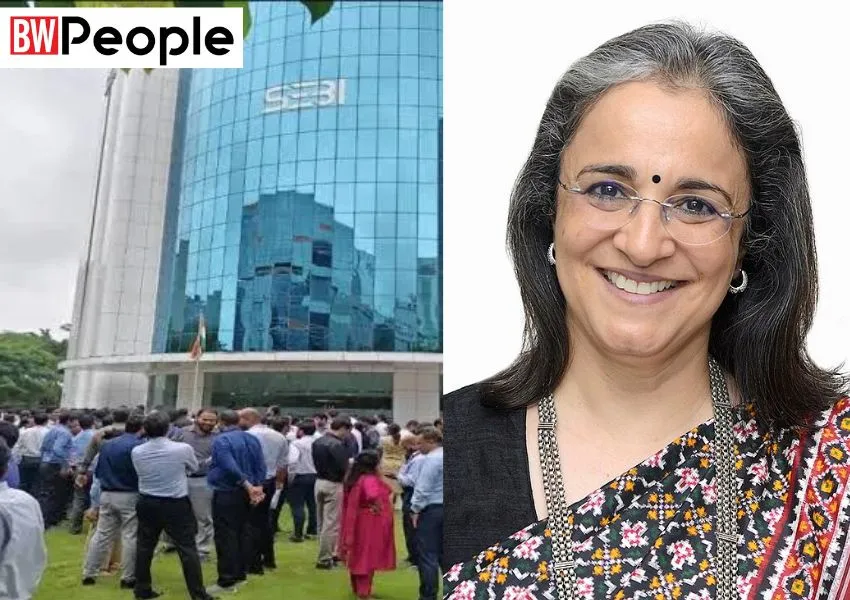
By K Raveendran The outcome of the much-anticipated SEBI board meeting on Monday showed beyond doubt that the board has become a captive in the hands of chairperson Madhabi Puri Buch, who is facing serious allegations of misconduct. The toxic work culture and unprofessionalism that the SEBI employees have been complaining about have now engulfed […]

Concerns are mounting for French equities as speculation intensifies regarding potential tax increases aimed at blue-chip companies. Analysts from Barclays Plc have raised alarms, suggesting that these proposed hikes may exacerbate the already sluggish performance of the French stock market. This forecast comes as the French government grapples with a growing budget deficit, prompting considerations for fiscal measures that could have far-reaching implications for corporate profitability and […]

VISHNU RAJA
RYO YAMADA
HITORI GOTOH
IKUYO KITA