News related to
ISIS

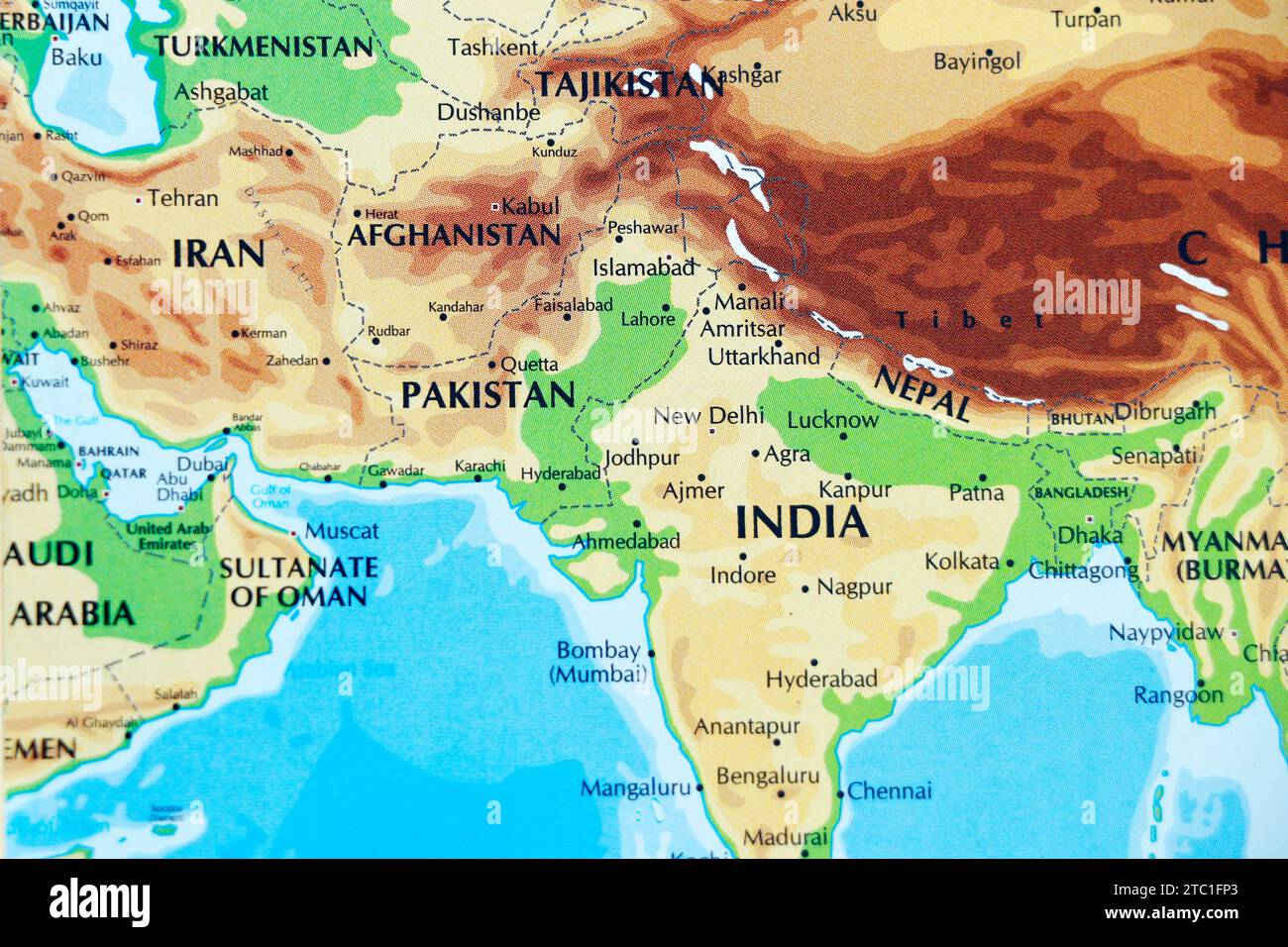
The United Arab Emirates has cautioned against a dangerous spiral between Israel and Iran, as its foreign minister strongly warned that “uncalculated and reckless steps” might spread beyond the conflict zones. Sheikh Abdullah bin Zayed Al Nahyan expressed deep concern over escalating military actions that risk drawing in neighbouring states and aggravating regional instability, the UAE Foreign Ministry said on Tuesday. Abu Dhabi’s heightened alarm follows a sharp intensification of hostilities. […]

Asian Cricket Council officials are accelerating preparations to shift the 2025 Asia Cup to the United Arab Emirates, prompted by escalating diplomatic tensions and logistical barriers between India and Pakistan. Originally awarded to India, the tournament, scheduled for September, will adopt a neutral venue in a bid to preserve participation from all eight qualifying teams. Sources within ACC and Pakistan Cricket Board suggest that holding the entire tournament in UAE offers the only viable path forward, ensuring both cricketing integrity and commercial viability.

Accruing nearly US$170 million in media rights, the Asia Cup commands considerable financial stakes. With India and Pakistan at the centre of its appeal, organisers are unwilling to jeopardise the competition. Forbes reports confirm that ACC officials have concluded that relocating the tournament is more feasible than attempting a hybrid model involving split venues. The UAE becomes the default choice, replicating approaches from previous tournaments when political dynamics between South Asian nations hindered full-fledged hosting arrangements.

PCB figures confirm that Pakistan will participate in the UAE-hosted event, despite its reluctance to travel to India. Pakistan also plans a preparatory tri-series in August in Dubai involving Afghanistan and the UAE team—effectively replacing previously scheduled fixtures and maintaining match readiness should the Asia Cup shift occur. With the PCB’s Mohsin Naqvi doubling as ACC president, such parallel initiatives underscore Pakistan’s active role in preserving the tournament’s continuity.

Yet India has maintained a discreet stance. The Board of Control for Cricket in India has neither confirmed nor denied its capacity to host or participate, with internal caution dominating its external posture. BCCI secretary Devajit Saikia recently refuted reports that India would withdraw from all ACC events. Still, precedent indicates India’s avoidance of Pakistan-hosted events: The team did not travel to Pakistan for the Champions Trophy in February–March, instead participating in Dubai under a hybrid format.

Recalling historical context affirms the ACC’s decision. In 2018, the tournament was relocated from India to UAE amid similar political friction. Such precedent sets a framework for crisis management within the sport, suggesting that regional hostilities do not necessarily derail cricketing schedules. Observers also note that India has consistently leveraged a hybrid model since 2022, notably playing Asia Cup matches in UAE and Sri Lanka rather than Pakistan.

Operationally, staging the Asia Cup in UAE will require careful planning, balancing weather conditions in September, broadcast scheduling for global audiences, and coordination with the tri-series. The PCB’s tri-series proposal is advancing, reflecting a proactive stance. Meanwhile, ACC is likely to convene soon, under Naqvi’s leadership, to finalise the tournament’s relocation, format adjustments, and confirmation of venues in Dubai and Abu Dhabi. No official announcement has yet been made, but reports from hindustantimes.com, ET and ProPakistani align in describing the move as imminent.

Stakeholders are weighing broader implications. Indian broadcasters and advertisers depend heavily on premium fixtures, particularly India–Pakistan matches that attract unparalleled viewership. A full UAE tournament may retain this commercial allure while circumventing diplomatic entanglements. For smaller teams such as Hong Kong, Oman and UAE—each having qualified through ACC’s Premier Cup—the neutral format ensures on-field exposure without political fallout.

However, dissenting voices warn against complacency. Some Pakistani conspirators question whether a UAE relocation diminishes Pakistan’s role as host, contrary to its status as 2025 Champions Trophy host and an ACC full member. Conversely, BCCI’s insistence on a hybrid model has previously delayed Pakistan-based hosting, but this time the initial hosting rights belong to India. Any pivot could attract scrutiny over ACC governance and fairness, adding dimension to an already complex political backdrop.

Supporters of the hybrid model note that India’s hybrid strategy for the Champions Trophy earlier this year preserved integrity but exposed limitations. Attendance at Dubai was lukewarm; Australia–India clashes lacked the vibrancy typical of full-capacity Pakistan venues. UAE’s smaller suburban stadiums and shorter pitches may limit spectator buzz, but logistical expediency and political neutrality weigh heavily.

Athletes themselves face uncertainty. India and Pakistan players have not toured regularly since 2008 in bilateral series, and momentum often arises through ICC events. The Asia Cup in UAE represents another opportunity for competitive engagement before the T20 World Cup in 2026. With eight teams and nineteen matches planned, this Asia Cup holds relevance for Qatar 2026 preparations. Still, fragmented venues and political overtones could overshadow performance, causing players and fans to question cricket’s autonomy from geopolitics.

As the ACC readies its final call, timing remains critical. A decision made before July is necessary to confirm bilateral arrangements, tickets, broadcasting contracts, and tri-series scheduling. ACC’s resolution will reverberate across regional cricket administration, testing confidence in neutral venues as a template for coping with diplomatic disruptions.


Chad is confronting a cascading humanitarian disaster in its eastern regions, where acute food shortages coincide with a rising risk of cholera, UN officials have warned. At a UN briefing in Geneva on 13 June, François Batalingaya, the UN Resident and Humanitarian Coordinator in Chad, urged the global community to act decisively as millions face worsening hunger and potential disease outbreak. The country is enduring its sixth successive […]

Thousands of visitors were left outside the Louvre under its iconic glass pyramid on 16 June 2025 after staff launched a spontaneous strike over overcrowding, chronic understaffing and deteriorating infrastructure at the world’s most‑visited museum. The closure, initiated during a routine internal meeting, involved gallery attendants, ticket office personnel and security staff who refused to work, describing current conditions as “untenable”. The unexpected walkout ignited fresh scrutiny […]

Israeli Finance Minister Bezalel Smotrich has ordered the cancellation of a decades‑long indemnity that shields Israeli banks when processing shekel transactions for Palestinian counterparts, a move poised to disrupt salaries, imports and basic services across the West Bank and Gaza.

The directive, issued on 10 June 2025, halts a waiver that permitted Israeli financial institutions to facilitate payments to the Palestinian Authority and local customers without fear of legal consequences. Analysts warn this could sever Palestinian banks’ vital access to the larger Israeli banking system.

Palestinian Monetary Authority officials cautioned that this severance would seriously impede operations such as payments for food, fuel, electricity and water. In 2023 alone, around 53 billion shekels—equivalent to $15.2 billion—passed through Palestinian banking corridors. The revocation of the indemnity risks plunging the territories into a fragile cash‑only system, heightening exposure to theft, fraud and illicit activity.

Smotrich’s decision follows sanctions by the UK, Canada, Australia, New Zealand and Norway imposing asset freezes and travel bans on him and National Security Minister Itamar Ben‑Gvir, citing their roles in incitement and human rights abuses in the West Bank and Gaza. Smotrich maintains the waiver withdrawal is a justified response to what he terms the Palestinian Authority’s “delegitimisation campaign” against Israel.

For decades, Palestinian banking operated without central‑bank autonomy or national currency. Reliance on Israeli shekels and correspondent banking agreements has been critical. International voices—including US Treasury Secretary Janet Yellen, G7 officials and the UN—have repeatedly warned that ending this arrangement could trigger a humanitarian crisis and violate international law.

Local analysts predict the measures will exacerbate an already deteriorating economic landscape. Kristin Ronzi of intelligence firm Rane Network said abolishing this financial collaboration will “impede the Palestinian Authority’s ability to import basic, essential goods such as food and fuel,” likely deepening economic hardship and undermining public sentiment.

The Palestinian banking system, which exceeds 100 % of GDP, is particularly vulnerable to spill‑over effects from Gaza into the West Bank, according to IMF data. The termination of the waiver is feared to amplify credit constraints on private and public sectors alike, risking reduced lending, increased borrowing costs, and even defaults.

International stakeholders, including the US and G7, had pressed for short‑term extensions of the indemnity. Those appeals often hinged on warnings that a collapse of Palestinian financial networks would destabilise trade, delay crucial services, and potentially fuel militant groups reliant on cash economies.

Smotrich is known for his hardline positions: he has previously withheld Israeli-tax clearance revenues and blocked aid in retaliation for moves supportive of Palestinian statehood. In May 2025, he warned publicly that Gaza “will be totally destroyed,” vowing to push Palestinians toward resettlement in other countries.

Within Israel, there is evident friction. Prime Minister Benjamin Netanyahu and some coalition members support Smotrich, but others fear political and economic backlash—particularly amid international outrage and concern over deepening the Gaza violence. The policy must still pass through Israel’s security cabinet before implementation begins.

Across Palestinian chambers in Ramallah and Gaza City, there is growing anxiety. Authorities are scrambling to negotiate with donors, international NGOs and Middle Eastern allies, in hopes of constructing contingency plans. Proposed measures include alternative cash corridors, increased use of digital currencies, and humanitarian exemptions—but none currently matches the scale of the existing system.

Economists warn the broader consequences of this rupture—the Palestinian economy has already lost billions amid conflict. Since October 2023, Gaza’s economy shrank by 61 %, the West Bank by 24 %, and joblessness soared to around 57 % across both territories. Analysts fear the banking clamp‑down could invert years of fragile recovery efforts, worsening poverty and political instability.

Tehran has entered a state of widespread panic as thousands of residents flee the capital following the latest wave of Israeli airstrikes targeting military, nuclear, energy, and regime-linked sites.

Cities in northern provinces such as Mazandaran, Gilan and Alborz have reported being inundated with evacuees, many travelling along the Tehran–North and Tehran–Qom highways, with gridlock stretching for miles. Fuel stations in Tehran and Karaj are overwhelmed, and shoppers report shortages of essentials amid surge demand. The Iranian capital’s internet has been intermittently throttled amid efforts to suppress distress and control the narrative.

The operation, identified by Israeli leaders as “Operation Rising Lion,” commenced on 13 June when hundreds of precision strikes struck facilities tied to Iran’s nuclear aspirations, ballistic missile production, IRGC leadership and critical infrastructure in and around Tehran. High-value targets were obliterated, including the South Pars gas field, military command centres, and the Defence Ministry, underlining Israel’s expanded scope beyond nuclear installations.

Toll estimates vary: Iranian sources cite more than 224 civilian deaths, including over a dozen IRGC commanders and key nuclear scientists, with more than 900 injured. Israeli authorities report 10 to 14 fatalities in Israel from Iranian missile counterattacks. Silence from Tehran’s official channels contrasts with visible damage and civilian trauma—homes laid waste, shattered windows, and heavy reliance on basements, subway stations and schools repurposed as makeshift shelters.

Despite a state warning against mass exodus, authorities suggested citizens near refineries evacuate and advised use of metro systems for shelter. But many view this response as inadequate; Tehran lacks a network of formal bomb shelters, and a culture that venerates martyrdom over civilian safety has limited protective infrastructure.

Residents describe scenes of desperation: families abandoning homes, children crying, and queues forming at petrol stations and ATMs amid collapsing communications. One finance analyst shared that “windows began to shake” and smoke seeped into her home during a Sunday strike, prompting her to leave the city with neighbours. Another Tehran student spoke of long petrol lines at stations and panicking crowds hunting for food.

Domestic anxiety is compounded by structural vulnerabilities. The Iranian economy, enduring its deepest crisis in decades, faces inflation rates above 40%, mass unemployment and widespread food insecurity. This backdrop of poverty and instability was outlined by Iranian government statistics and global economic monitoring groups. The middle class, already suffering from double-digit inflation and unemployment, is struggling to cope with this surge in insecurity.

In this context, analysts caution that the airstrikes may fit a wider strategy. With senior members of the IRGC and nuclear scientists killed, Israeli officials are believed to be signalling a shift towards undermining regime stability and infrastructure to accelerate political change. Prime Minister Netanyahu has urged Iranians to rise against the clerical leadership, though experts warn that such encouragement could backfire, consolidating hardliner control and prompting Tehran to accelerate its nuclear timeline.

International observers are also raising alarms about spill‑on effects. Crude oil prices have jumped over 10%, a sign of global markets jittering at the potential for further escalation. Meanwhile, the World Bank warns that heightened war intensity may undermine adjacent states involved in sensitive hydrocarbon trade and production.

Within Iran, elites are now confronting increasingly vocal criticism. Social media posts mocking authorities for failing to build basic shelters are circulating despite internet restrictions. While some citizens express threats of retaliation, others develop resignation: “You worry what’s going to come next,” one resident remarked, reflecting the capital’s unease.

Interviews with experts indicate a nation on the cusp of transformation. Iran’s leadership, confronted by a collapsing economy, degrading military deterrent, and a civilian population on the move, faces growing internal rupture. However, dissent remains fragmented and tightly controlled by the IRGC and security services.

Leaders at the 51st G7 summit convening in Kananaskis, Canada, are confronting an abrupt surge in hostilities between Israel and Iran, marked by intensified airstrikes, rising civilian casualties, and mounting diplomatic tensions. With missile barrages and pre‑emptive assaults already claiming hundreds of lives, the summit agenda has shifted dramatically, prioritising strategies to contain the conflict and avert a broader regional war.

Israeli forces launched “Operation Rising Lion” on 13 June, targeting Iran’s nuclear, ballistic missile, and military infrastructure—including key command centres and Iranian Revolutionary Guard facilities around Tehran—and killed high‑ranking officials and scientists. Iran retaliated with a wave of over 270 missiles, deploying new tactics that overwhelmed Israel’s air defences and struck densely populated urban areas such as Tel Aviv and Haifa. As of 16 June, at least five Israelis were killed and more than 100 injured in the latest overnight strikes. Iranian health authorities report a death toll of at least 224, predominantly civilians, and over 1,200 wounded.

The rapid escalation has introduced fresh complexity to international diplomacy. U.S. President Donald Trump vetoed an Israeli proposal to target Iran’s Supreme Leader Ayatollah Ali Khamenei, emphasising that such action would only inflame the situation. Trump has also signalled the possibility of brokering a deal, suggesting Iran “must make a deal before there is nothing left” and voicing optimism that peace negotiations could emerge from this crisis.

European leaders are urging urgent collective action. German Chancellor Friedrich Merz asserted at the summit that unity is essential to prevent Iran’s nuclear ambitions, uphold Israel’s right to self‑defence, curb escalation, and open diplomatic channels. He indicated that measures could include sanctions, and emphasised cooperation with regional actors such as Oman to reduce tensions with Iran and Yemen’s Houthi rebels. Meanwhile, Ursula von der Leyen and Emmanuel Macron deployed diplomats to press for negotiation, although Macron’s optimism about a swift resolution contrasts with ongoing military deployment in the region.

Britain has signalled readiness to support Israel with defensive and civil aid while advocating restraint. Prime Minister Keir Starmer has reinforced diplomatic engagement with Trump, Netanyahu, and Gulf leaders, and authorised RAF Typhoon jets as a contingency against potential Iranian threats to UK bases. Nonetheless, Iran has dismissed ceasefire calls while military operations continue.

Canada, hosting the summit, has abandoned the traditional joint communiqué, opting instead for chair’s summaries to manage discord—particularly over trade and Middle East policy—between the U.S. and other participants. Canadian Prime Minister Mark Carney emphasised the summit focus on peace, security, supply chains, and jobs—prioritising a co‑ordinated response to the Israel‑Iran crisis.

G7 officials are crafting a unified statement urging Iran to halt its nuclear programme and Israel to pause expansive military action, signalling tangible diplomatic pressure backed by clear consequences for non‑compliance. However, persistent disagreements across the bloc—over trade, relations with Russia, and climate policy—complicate efforts to forge a consensus.

Regional actors are mobilising diplomatic channels. Qatar and Oman are reportedly engaged in shuttle diplomacy to de‑escalate the conflict. Simultaneously, Iran‑backed groups, including militias in Iraq and Houthis in Yemen, are extending hostilities across front lines, prompting concern that the confrontation may metastasise into a wider regional war.

The humanitarian fallout is grave. Large‑scale displacement is underway as Iranians flee Tehran after warnings issued by Israeli forces to civilians near weapons facilities. Hospitals in northern provinces are stretched, while the Iranian Red Crescent has launched mobile clinics to address urgent needs. Energy markets have also reacted sharply: Brent crude prices spiked as Gulf insecurity intensified.

Analysts warn the conflict risks triggering retaliatory terror attacks in the West and disrupting global energy security. The G7 faces a pivotal test: coordinating military readiness, civilian protection, sanctions, nuclear non‑proliferation, and active diplomacy, all while preserving internal unity amid geopolitical divisions.

Advertisements

An assault on Yelewata village in Guma local government area of Benue State has left more than 100 inhabitants dead, dozens missing and hundreds wounded, with authorities scrambling to respond. The attack, which began late on Friday and extended into Saturday’s early hours, bore the hallmarks of deliberate and coordinated violence. Eyewitnesses and first responders described scenes of horror: armed assailants forcibly confined residents inside their homes […]

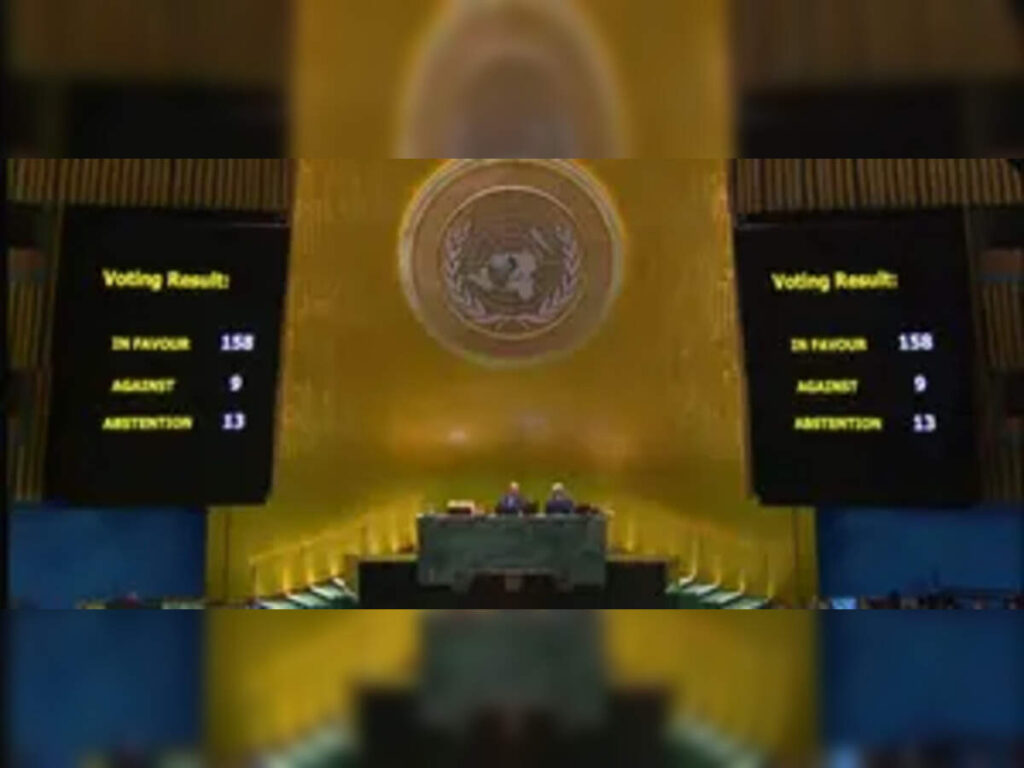
By Nitya Chakraborty On Thursday June 12, Indian diplomacy under the Prime Minister Narendra Modi reached its lowest ebb when India abstained in the United Nations General Assembly from a vote on a resolution demanding an immediate, unconditional and permanent ceasefire in Gaza. The 193 member UN general assembly passed the resolution overwhelmingly with 149 […]
By Nitya Chakraborty More than a month after the pause of India’s Operation Sindoor on May 10 at 5 PM, time has come to state it in candid terms that our Prime Minister’s doctrine of New Normal in respect of relations with Pakistan has failed to convince the major global powers. While strongly defending India […]

Dog owners across Nigeria are trimming meals and turning to homemade alternatives as soaring inflation and currency devaluation drive imported pet‑food costs up to levels equivalent to the national minimum wage. A crisis in livestock staples has now reached the country’s urban pet economy. Inflation in Nigeria has surged since May 2023, when the government removed a long-standing fuel subsidy and devalued the naira. General inflation hit nearly […]

ENOC Group and DP World have formalised a significant Memorandum of Understanding today in Dubai to enhance emergency response capabilities across the emirate’s energy and logistics infrastructure. The agreement mandates an annual coordinated drill and shared updates to crisis protocols, underlining a commitment to reducing response times and bolstering resilience.

The pact was signed at ENOC’s headquarters by Saif Humaid Al Falasi, Group CEO of ENOC, and Abdulla Bin Damithan, CEO and Managing Director of DP World GCC. Al Falasi commented that the MoU “marks a significant stride forward in solidifying our commitment to the highest safety standards and emergency preparedness”, while Bin Damithan emphasised that safety “underpins everything we do at DP World”.

Under the MoU, ENOC and DP World will conduct a yearly joint exercise involving both companies’ emergency teams. This drill aims to sharpen training, preparedness and coordination. Additionally, both firms will regularly revise emergency response plans and align on external engagement protocols for rapid and unified action.

The agreement builds on ENOC’s ongoing investment in emergency readiness. In 2022, the company launched an Emergency Response Centre in Jebel Ali in collaboration with Dubai Civil Defence. Its personnel have also undergone advanced HAZMAT and fire-risk assessment training at the International Fire Training Centre in the UK—equipping first responders to handle complex rescue operations in high-risk settings.

Industry observers note that this partnership addresses key vulnerabilities in energy and logistics sectors—areas crucial to Dubai’s economic stability. By synchronising emergency plans and conducting joint drills, both entities aim to strengthen institutional preparedness and minimise disruption.

From a strategic standpoint, DP World’s endorsement of this MoU underscores its broader resilience agenda. The global ports and logistics firm has in the past engaged in humanitarian logistics initiatives, such as disaster-relief coordination via its Logistics Emergency Team in crises like Ukraine and Haiti. Aligning with ENOC’s fire and hazmat capabilities provides the potential for a more comprehensive emergency response ecosystem.

Public safety experts say coordinated exercises are vital for effective crisis management, as they test systems, highlight operational shortcomings, and reinforce communication between organisations—especially in high-stakes environments like oil terminals and container ports.

Dubai continues to elevate its emergency preparedness. Government entities regularly collaborate with corporate partners to mount drills and capacity building, aiming to keep pace with the complexities of rapid urban growth and sectoral interdependence.

With this MoU, ENOC and DP World are not merely aiming to improve reactive measures; they are fostering a forward-looking culture of continuous preparedness. Regular joint drills, shared emergency planning and cross-company collaboration set a benchmark for crisis readiness across the UAE’s critical infrastructure sectors.

Etihad Airways and Ethiopian Airlines have launched a strategic codeshare partnership designed to broaden travel options and enhance connectivity across their global networks. This collaboration enables passengers to access a wider array of destinations with seamless transfer options, utilising the complementary routes of the two carriers. The agreement allows Etihad, based in Abu Dhabi, and Ethiopian Airlines, headquartered in Addis Ababa, to offer joint flight services where […]

The debt burden across the Middle East and North Africa has escalated markedly over the last decade, with many governments relying heavily on borrowing to sustain public spending amid economic challenges. This growing fiscal strain, combined with an increasing dependence on external donor funding, has amplified the influence of foreign actors on both domestic policies and regional geopolitics, raising concerns about the long-term economic sovereignty of these […]

South Darfur is facing an escalating humanitarian catastrophe marked by widespread violence, acute malnutrition, and a collapsing healthcare system, according to a new report by Médecins Sans Frontières . The report highlights severe shortages in protection and assistance for civilians, particularly women and children, as the region grapples with ongoing conflict and restricted humanitarian access. Between January and March 2025, MSF treated 659 survivors of sexual violence […]

S&P Global Ratings has indicated that South Africa must accelerate economic growth and implement credible fiscal consolidation to achieve its first credit rating upgrade in two decades. Currently rated at ‘BB-‘ with a positive outlook, the country remains below investment grade. Ravi Bhatia, S&P’s lead analyst for South Africa, emphasized that sustainable growth, fiscal discipline, and avoiding further bailouts for state-owned enterprises are critical for an upgrade. […]

M A Hossain By any military measure, Ukraine’s ‘Operation Spider Web’ was an astonishing success. In a meticulously planned operation, Ukrainian drones struck deep into Russian territory, obliterating at least 40 military aircraft—including nuclear-capable Tu-95 and Tu-22M3 bombers—in a single, devastating blow. The attack revealed not only meticulous Ukrainian planning over 18 months but also the glaring vulnerabilities of Russia’s so-called impenetrable airspace. It was a coup […]

Lee Jae-myung assumed the presidency of South Korea on June 4, pledging to revitalise the nation’s economy and pursue dialogue with North Korea to ease tensions on the Korean Peninsula. His inauguration follows a period of political upheaval marked by the impeachment and removal of former President Yoon Suk Yeol, who attempted to impose martial law.

In his inaugural address, Lee emphasised the need to restore democratic institutions and address economic challenges exacerbated by global protectionism and domestic instability. He committed to a pragmatic, pro-market approach, aiming to deregulate industries to foster innovation and business growth. Lee also highlighted plans to implement a greener energy policy and strengthen ties with North Korea through peaceful diplomacy, while maintaining a solid alliance with the United States.

Lee’s administration faces immediate pressure to resolve trade disputes with the United States, particularly over tariffs impacting key industries. The Bank of Korea has projected a 0.8% growth rate for 2025, influenced by U.S. President Donald Trump’s tariff policies and domestic political instability. Lee’s presidency marks a crucial shift in South Korean politics and diplomacy, balancing international relations with China, North Korea, Japan, and the U.S.

The newly elected president also outlined his vision for social reforms, including increased welfare spending, corporate taxes, and regulatory oversight of conglomerates. Despite past skepticism of big business, he has signaled pro-market intentions to renew economic confidence following a crisis under former President Yoon Suk Yeol. Challenges await, including economic instability, rising U.S. tariffs, and strained foreign relations. Lee aims to renegotiate trade terms with the U.S. and recalibrate relations with China, Japan, and North Korea, favouring diplomacy and South Korea’s autonomy in international affairs.

Lee’s ascent to the presidency is notable for his background as a factory worker and human rights lawyer, symbolising resilience through adversity. His victory is largely attributed to public discontent with Yoon’s administration. However, Lee’s presidency begins under the shadow of legal challenges, including accusations of making false statements during a past campaign. While courts have postponed further hearings, any conviction could test constitutional protections that shield sitting presidents from prosecution.

The financial markets reacted positively to Lee’s inauguration, with the Kospi index rising over 2.4%. Meanwhile, the Bank of Korea downgraded the nation’s growth forecast significantly due to a slowing economy and declining exports.

Lee’s administration follows a political crisis sparked by former president Yoon Suk Yeol’s brief imposition of martial law. With control of both the presidency and national assembly, Lee’s left-wing bloc is poised to enact reforms, including corporate governance changes aimed at empowering minority shareholders.

A community-led dialogue in Soweto has intensified calls for a people-first approach to South Africa’s energy transition, as environmental activists and residents urge the government to prioritise frontline communities in climate policy decisions. Held at the Soweto Career Centre on 27 May to mark Africa Day, the “Scamtho” event—organised by Earthlife Africa Johannesburg—brought together over 100 participants from local organisations. The gathering served as a platform for […]

KUALA LUMPUR, MALAYSIA – Media OutReach Newswire – 30 May 2025 – Traders and investors alike are unnerved by the recent turbulence in the bond markets. After Moody’s—a major rating agency—downgraded U.S. government debt on 16 May, and Japanese long-term bond yields soared to multi-decade highs, some market participants started to fear that the world may be on the verge of a major debt crisis. Meanwhile, the […]

By P. Sudhir Yaqeen Hammad, a 12-year-old Palestinian girl, was shredded into pieces by an Israeli missile attack on her residence. Yaqeen has been aptly called the Anne Frank of Gaza. Like Anne, who kept a diary in an attic in a Holocaust-ravaged, Nazi-occupied neighbourhood, Yaqeen documented the horrors around her. Her diaries – digital […]
By K Raveendran The impeachment of Allahabad High Court judge Yashwant Varma in the wake of burnt notes being discovered from his residence appears to be a certainty. However, going by past experience, impeachment has rarely functioned as an effective deterrent against judicial misconduct in India. In the history of Indian judiciary, only five formal […]

The Walvis Bay municipal council has approved a N$1.3 billion budget for the 2025/2026 financial year, focusing on infrastructure development, housing, and service delivery improvements. Management committee chairperson Richard Hoaeb presented the budget during a special council meeting, outlining allocations aimed at addressing the town’s pressing needs. A significant portion of the budget, N$887 million, is earmarked for capital projects extending beyond a single financial year. For […]

By Dr Arun Mitra The unprecedented humanitarian crisis going on in Gaza is extremely disturbing. No sane and sensitive person can ever condone this on any pretext. Only the beastly instinct can make one kill the innocent toddlers. With an official figure of over 55000 people killed out of which 70% are women and children, […]

VISHNU RAJA
RYO YAMADA
HITORI GOTOH
IKUYO KITA
Just in:
The MICHELIN Guide Thailand Celebrates Its Landmark 10th Edition with Record Numbers of Entries and MICHELIN-Starred Dining Venues // Far Right Defeat In U.S. Mid Term Polls Has Lessons For Indian Polity // Iran displays school strike memorial at COP31 summit // Thai Airways discloses 60,529 records exposed through Amadeus // Panasonic Singapore Brings Back Highly Anticipated Japan Tour Lucky Draw // Prudential announces title sponsorship of “Prudential Hong Kong Winter Wonderland in Tsim Sha Tsui”, lighting up Victoria Harbour this winter // Far Right Defeat In U.S. Mid Term Polls Has Lessons For Indian Polity // SIR Must Be Scrapped Because It Shows Large Number Of Live Voters Dead // High Court strikes down police curbs on hotel night life // Eisenkot Has A Tough Task To Form A Sustainable Coalition Govt In Israel With Arab Parties // Eisenkot Has A Tough Task To Form A Sustainable Coalition Govt In Israel With Arab Parties // Auto, taxi unions go on strike // Etisalat sweeps UAE mobile network awards fourth time // New Two Way Trade Momentum Highlighted at China-Africa Cooperation Forum in Yiwu // Canada seeks tariff easing following US election upheaval // ADNOC Gas quarterly profit doubles to $1.34 billion // SIR Must Be Scrapped Because It Shows Large Number Of Live Voters Dead // High Court strikes down police curbs on hotel night life // Moonless skies improve stargazing conditions across northern Saudi Arabia // Flydubai Dammam cancellations persist as Etihad extends suspensions //