News related to
ISIS

Iran’s national currency, the rial, has depreciated to an unprecedented low, trading at 1,039,000 rials per U.S. dollar on Tuesday. This significant decline underscores the mounting economic challenges facing the nation as it grapples with stringent sanctions reinstated under President Donald Trump’s “maximum pressure” strategy. The reimplementation of these sanctions has severely curtailed Iran’s oil exports, a primary source of national revenue. Consequently, the economy has experienced […]

Samsung Electronics has announced the sudden passing of its co-chief executive officer, Han Jong-Hee, who died on Tuesday at the age of 63 due to cardiac arrest. Han was instrumental in overseeing the company’s consumer electronics and mobile devices divisions.

Han’s tenure at Samsung began in 1988, with a significant portion of his career dedicated to the television sector. Under his leadership, Samsung ascended to become the world’s leading TV manufacturer. In 2022, he was appointed as co-vice chairman and CEO, roles in which he continued to drive innovation and market dominance in consumer electronics.

His unexpected death comes at a challenging time for Samsung. The company has been grappling with declining earnings and a decrease in share prices, having lost its leading position in smartphone sales to Apple in 2024. Additionally, Samsung has faced setbacks in the advanced memory chip market, trailing behind competitors such as SK Hynix and TSMC.

The company’s leadership had previously acknowledged these difficulties, describing the current period as a “crisis” for Samsung. Factors contributing to this situation include losing AI chip supply contracts to rivals and ceding the top smartphone sales position to Apple.

In light of Han’s passing, co-CEO Jun Young-Hyun, who has been leading the semiconductor division, is set to assume the role of sole CEO. Jun’s leadership will be pivotal as Samsung navigates these turbulent times, aiming to reclaim its competitive edge in the technology sector.

Han’s contributions to Samsung were profound, particularly his efforts in transforming the company’s television business into a global powerhouse. His strategic vision and dedication have left an indelible mark on the company and the broader consumer electronics industry.

Wildfires have engulfed southeastern regions of South Korea, consuming over 14,694 hectares of woodland and prompting mass evacuations. The blazes, intensified by strong winds and dry conditions, have led to the deaths of at least four individuals, including firefighters, and injuries to 11 others. More than 5,400 residents have been displaced as the fires threaten homes and infrastructure.

The most severely affected areas include Sancheong County, Uiseong County, and the city of Ulsan. In Sancheong, two firefighters lost their lives while combating the flames, and another firefighter and a government worker remain missing. Despite the deployment of approximately 1,600 emergency workers, 35 helicopters, and numerous vehicles, containment efforts have been hampered by the region’s mountainous terrain and persistent winds.

In response to the escalating crisis, the South Korean government has designated the hardest-hit regions as special disaster zones to facilitate the concentration of resources and expedite recovery efforts. Acting President Han Duck-soo has prioritized swift disaster recovery and support measures, visiting affected areas to meet with residents and assess the situation firsthand.

The Korea Forest Service reports that the fires have consumed vast tracts of land, with the Sancheong wildfire alone burning over 500 hectares. Efforts to control the blazes are ongoing, with emergency workers striving to protect residential areas and critical infrastructure. The national government has mobilized additional resources, including firefighting personnel and equipment, to assist in containment operations.

Authorities have indicated that some fires may have been caused by human activities, such as grass clearing in tombs or welding sparks. Investigations are underway to determine the exact causes and to implement measures to prevent future occurrences. The government has urged the public to exercise caution, particularly given the prevailing dry conditions that heighten the risk of wildfires.

Escalating conflict in the Middle East has led to significant upheavals in global financial markets. On March 18, 2025, Israel launched extensive airstrikes across the Gaza Strip, effectively ending a ceasefire that had been in place since January. These strikes resulted in over 400 Palestinian casualties, including many women and children, marking one of the deadliest 24-hour periods in the region since 2023. Israeli Prime Minister Benjamin […]

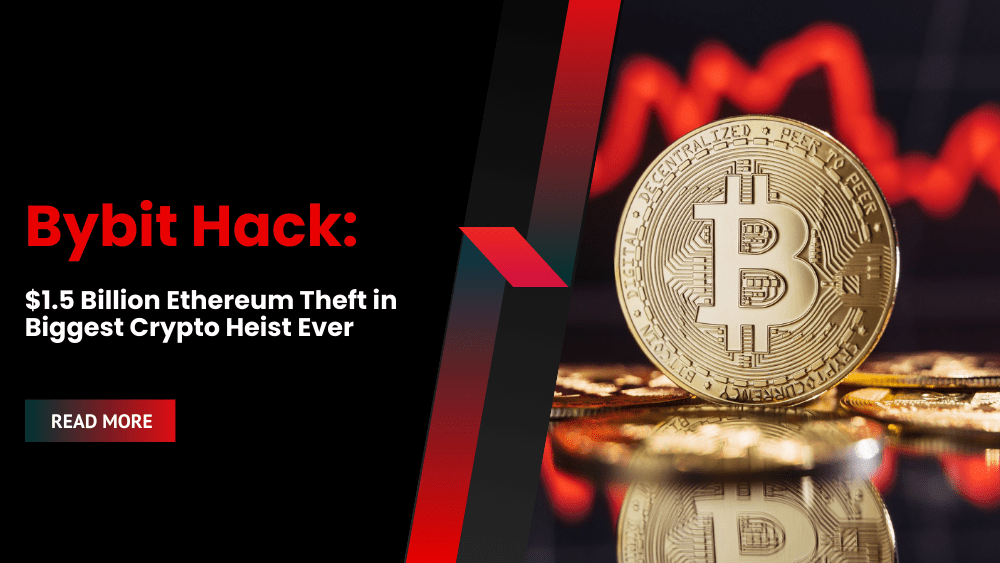
On 21 February 2025, Bybit, one of the world’s leading cryptocurrency exchanges, suffered a monumental security breach resulting in the theft of approximately 400,000 Ether tokens, valued at $1.5 billion. This incident has been identified as the largest cryptocurrency heist to date, surpassing previous records and sending shockwaves throughout the digital asset community.

The breach occurred during a routine transfer from Bybit’s cold wallet to a warm wallet—a standard procedure intended to ensure liquidity for daily operations. Attackers exploited this process by intercepting the transfer, redirecting the substantial sum to unknown addresses. Initial investigations have traced the hack to the Lazarus Group, a cybercrime organization associated with North Korea, notorious for orchestrating similar high-profile cyberattacks in the past.

In the immediate aftermath, Bybit’s market share plummeted from nearly 20% to a mere 5% by 2 March 2025, as users and traders sought more secure platforms. Binance emerged as a primary beneficiary during this period, with its market dominance soaring to 62% as traders migrated their assets. Other major exchanges, such as OKX and Coinbase, also experienced minor increases in market share, reflecting a broader redistribution of trading activity.

Bybit’s swift crisis response played a crucial role in stabilizing the situation. Unlike many exchanges that suspend withdrawals during security breaches, Bybit maintained operational status, allowing users to access their funds. This decision, coupled with consistent updates, helped maintain confidence and prevent mass withdrawals. The exchange also secured emergency funding from firms including Galaxy Digital, FalconX, and Wintermute, replenishing its reserves within 72 hours. By 9 March 2025, Bybit’s market share had rebounded to 9.04%. However, the exchange still faces significant reputational damage and lingering trust issues, raising doubts about its ability to fully regain its pre-hack position.

The incident has sparked discussions about the inherent vulnerabilities within the cryptocurrency ecosystem. While technological defenses continue to advance, this breach underscores that human error remains a critical weak point. INSEAD’s Ben Charoenwong emphasized that human failings, rather than technical glitches, are often the most significant factors in such incidents. He highlighted that a barrier to effective security is the reluctance to acknowledge ownership and responsibility for vulnerable systems.

The Bybit hack serves as a stark reminder of the importance of robust security protocols and the need for continuous vigilance in the rapidly evolving digital asset landscape. As the industry grapples with the implications of this unprecedented breach, stakeholders are urged to reassess their security measures, prioritize transparency, and foster a culture of accountability to safeguard against future threats.

Satoshi Nakamoto, the pseudonymous creator of Bitcoin, remains one of the most intriguing figures in modern finance. In his latest book, *The Mysterious Mr. Nakamoto*, author Benjamin Wallace embarks on a fifteen-year quest to uncover the identity behind this digital currency pioneer.

Nakamoto introduced Bitcoin in 2008 through a white paper detailing a peer-to-peer electronic cash system. This innovation laid the foundation for a decentralized financial network, free from traditional banking intermediaries. Despite Bitcoin’s global impact, Nakamoto vanished in 2011, leaving behind a fortune in unspent bitcoins and an enduring mystery surrounding his identity.

Wallace’s investigation delves into the cypherpunk movement of the 1990s, a collective advocating for privacy-enhancing technologies and cryptographic solutions. This community’s ideals significantly influenced Bitcoin’s development, aiming to create a currency independent of governmental control. Through meticulous research, Wallace examines potential candidates who could be Nakamoto, analyzing their backgrounds, writing styles, and contributions to cryptography.

One prominent figure explored is Hal Finney, a renowned cryptographer and the first person, aside from Nakamoto, to run the Bitcoin software. Finney’s involvement in early Bitcoin development and his correspondence with Nakamoto position him as a plausible candidate. However, Finney consistently denied being Nakamoto until his death in 2014.

Another individual scrutinized is Nick Szabo, a computer scientist known for his concept of “Bit Gold,” a precursor to Bitcoin. Linguistic analyses have highlighted similarities between Szabo’s writings and Nakamoto’s white paper, yet Szabo has repeatedly refuted claims of being Bitcoin’s creator.

The book also addresses the controversial claims of Australian computer scientist Craig Wright, who has publicly asserted that he is Satoshi Nakamoto. Despite presenting purported evidence, Wright’s claims have been met with skepticism, and he has not provided cryptographic proof accepted by the broader community.

Wallace’s narrative not only investigates these individuals but also reflects on the broader implications of Nakamoto’s anonymity. Bitcoin’s decentralized nature is intrinsically linked to the absence of a central authority, embodied by its creator’s pseudonymity. This deliberate concealment has fueled speculation and intrigue, contributing to Bitcoin’s mythos and cultural significance.

The author employs forensic techniques, including textual analysis and code examination, to trace Nakamoto’s digital footprints. Despite these efforts, the true identity remains elusive, underscoring the challenges inherent in unmasking a figure who meticulously crafted his anonymity.

Wallace’s exploration extends beyond the search for Nakamoto, offering insights into the evolution of digital currencies and their impact on global finance. The book contextualizes Bitcoin’s rise within economic events such as the 2008 financial crisis, highlighting the demand for alternative financial systems.

By Tajul Islam On January 20, 2025, US President Donald Trump issued an executive order suspending all USAID and State Department-funded projects, totaling $60 billion, for 90 days. This decision was framed as a reassessment of foreign aid effectiveness and its alignment with the administration’s strategic priorities. The abrupt termination of nearly 10,000 foreign aid grants and contracts has sent economic and humanitarian shockwaves through countries in […]

Advertisements

KUALA LUMPUR, MALAYSIA – Media OutReach Newswire – 14 March 2025 – Silver is attracting investor interest, with market analysts predicting a potential leap to $40 per troy ounce in 2025. The metal is rising in global investment portfolios, providing stiff competition to gold’s long reign over commodity markets. Kar Yong Ang, a financial market analyst at Octa Broker, explains why silver has a very good opportunity […]

By P. Sudhir The US President Donald Trump, in his first address to the US Congress following his election, has threatened to impose tariffs on countries that he considers are taking advantage of US trade policies. In his list is India, along with Canada, Mexico, China, Brazil and the European Union. Trump has repeatedly named […]

A U.S. bankruptcy court has found Byju Raveendran, founder of Indian ed-tech giant Byju’s, complicit in fraudulent financial activities, marking a significant escalation in the company’s ongoing legal and financial challenges.

The court determined that Raveendran, along with his brother Riju Ravindran and entities associated with Byju’s, orchestrated the unauthorized transfer of $533 million from Byju’s Alpha, a U.S.-based subsidiary, to Camshaft Capital Management, a hedge fund with dubious credentials. Camshaft, managed by a high school dropout lacking formal investment experience, was characterized by the court as a “sham” entity, raising serious concerns about the legitimacy of the transactions.

This ruling stems from a broader legal dispute between Byju’s and its lenders over a $1.2 billion term loan. Lenders initiated legal action following Byju’s alleged defaults on payment obligations and delays in financial disclosures. The unauthorized fund transfers were uncovered during these proceedings, leading to allegations of fraudulent conduct against the company’s leadership.

The court’s findings highlight a series of “badges of fraud,” including the concealment of funds and breach of fiduciary duties by the company’s directors. These actions have not only violated legal and ethical standards but have also severely undermined the trust of investors and stakeholders in the company’s governance.

Byju’s, once valued at $22 billion, has experienced a dramatic decline amid these controversies. The company’s aggressive expansion during the pandemic, fueled by substantial investments, has come under scrutiny as financial instability and governance issues have surfaced. The post-pandemic economic shift, characterized by rising interest rates, has further exacerbated the company’s challenges, leading to funding shortages and legal battles.

The repercussions of the court’s decision are far-reaching. Byju’s now faces intensified scrutiny from regulatory authorities, investors, and the broader public. The company’s reputation, once a beacon of India’s burgeoning ed-tech sector, has been tarnished, raising questions about its future viability and the potential impact on its extensive user base.

In response to the ruling, Byju’s leadership has maintained their stance of denying any wrongdoing. However, the court’s findings present a formidable challenge to this narrative, placing the onus on the company’s executives to address these serious allegations transparently and effectively.

The situation has also had a profound impact on Byju’s employees. Reports indicate widespread anxiety among the workforce, with many facing delayed salaries and uncertain job security. The company’s insolvency proceedings have further fueled concerns, prompting discussions about potential protests and legal actions by affected employees.

Investors, too, are reevaluating their positions. The exodus of prominent board members and auditors, coupled with the court’s recent findings, has led to a crisis of confidence. The company’s valuation has plummeted, and its ability to secure future funding is in jeopardy. This scenario underscores the critical importance of robust corporate governance and ethical financial practices in maintaining investor trust and ensuring long-term sustainability.

The court has yet to determine the specific damages to be awarded to the lenders. This pending decision adds another layer of uncertainty to Byju’s financial outlook. The company’s ability to navigate these legal and financial challenges will be crucial in determining its future trajectory and its role in the global ed-tech landscape.

This case serves as a cautionary tale for startups and investors alike. It highlights the potential pitfalls of rapid expansion without adequate oversight and the dangers of compromising ethical standards for short-term gains. As the ed-tech industry continues to evolve, the Byju’s saga underscores the necessity for transparency, accountability, and prudent financial management.

The coming months will be critical for Byju’s as it seeks to restore credibility and stabilize its operations. Stakeholders will be closely monitoring the company’s actions, looking for signs of meaningful reforms and a commitment to rectifying past missteps. The outcome of this situation will have significant implications not only for Byju’s but also for the broader perception of India’s startup ecosystem on the global stage.

In light of these developments, industry observers are advocating for stronger regulatory frameworks to prevent similar occurrences in the future. There is a growing consensus that while innovation and growth are essential, they must be balanced with responsibility and integrity to ensure sustainable success.


The recent visit of Lebanese President Joseph Aoun to Saudi Arabia has offered a rare glimmer of optimism for Lebanon’s economic recovery and political stability. As the country grapples with an extended financial crisis, exacerbated by governance challenges, this visit—Aoun’s first official trip abroad since taking office in January—signals a potential turning point. Saudi Arabia remains a key regional ally, and Lebanon is in urgent need of […]

A massive cyberattack disrupted X, formerly known as Twitter, on March 10, 2025, affecting tens of thousands of users worldwide. The hacking group “Dark Storm” claimed responsibility for the distributed denial-of-service attack, while Elon Musk, owner of X, suggested the assault originated from IP addresses traced to Ukraine. The outage began early Monday morning, with users reporting difficulties accessing the platform, posting content, and sending messages. According […]

By K Raveendran Oil prices have hit their lowest since October and by all indications the downward move is far from over. Brent has already dipped below 70 dollars per barrel as the market is feeling the weight of a supply overhang, with OPEC+ barrels set to flood an already well-supplied system, keeping a lid […]

Matein Khalid Trump inherited a US economy with 3% growth, a 4% unemployment rate and near 0% recession risk a mere 6-weeks ago. His outrageous tariff threats, policy U-turns, DOGE cutbacks in government spending and mass deportations have ignited a global trade war as well as slashed economic growth, business/consumer confidence. A US recession has now begun as the Atlanta Fed’s GDP Now sees a -2.8% slump […]

By Nitya Chakraborty Is the global geopolitics moving a full circle after 80 years since the end of the Second World War in 1945? The question is now extremely relevant after the world saw on Friday in TV channels the unprecedented spat between the United States president Donald Trump and the Ukrainian president Volodymyr Zelenskyy. […]


The stock market may grab all the headlines, but behind the scenes, savvy investors are making serious moves into corporate bonds. Once seen as the dull cousin to equities, corporate bonds are having a moment as a growing number of investors recognize their ability to deliver attractive returns, stability, and a tactical hedge against volatility. If you’re not paying attention, you’re missing out on what could be […]

Saudi Arabia’s residential real estate market is experiencing significant affordability challenges as property prices continue to escalate, particularly in major urban centers like Riyadh. According to Knight Frank’s Summer 2024 Saudi Arabia Residential Market Review, the first half of 2024 saw a 38% surge in total real estate transactions across all asset classes, totaling over 106,700 deals. The total value of these transactions grew by 50% to SAR 127.3 billion during the same period. Residential transactions accounted for 61% of all real estate deals by value, with a 41% increase in the number of deals, reaching just under 91,860 sales. The value of residential transactions rose by 48% to SAR 77.6 billion. citeturn0search2

Despite the robust activity, the market is grappling with deepening affordability issues. Knight Frank’s Winter 2023-24 report highlighted a 36% decline in the total value of mortgages issued, amounting to SAR 74.2 billion, as higher interest rates and escalating property prices deter potential buyers. Mortgage rates have risen from 3% to 5% over the past year, further eroding purchasing power, especially in the villa segment. This trend indicates that while transaction volumes are increasing, the financial burden on buyers is intensifying. citeturn0search3

The government’s ambitious Vision 2030 plan aims to achieve a 70% homeownership rate by the end of the decade. However, the Financial Times reported that property prices in Riyadh have surged dramatically since the pandemic, with house prices rising by 81% and apartment prices by 56% since 2020. This rapid appreciation has made homeownership increasingly unattainable for many Saudis, particularly in Riyadh, where the current homeownership rate stands at 53.2%. To combat this, the National Housing Company has initiated projects to construct over 30,000 housing units, and state-subsidized bank loans are being offered to assist buyers. Despite these efforts, the influx of young Saudis to Riyadh for new job opportunities has intensified demand, further driving up prices. citeturn0news9

Knight Frank’s research indicates that 77% of expatriates residing in Saudi Arabia are interested in purchasing homes within the Kingdom. However, 75% are willing to allocate under SAR 1.5 million for a property, with almost 40% unwilling to spend over SAR 750,000. This presents a significant challenge, as average prices in cities like Riyadh are approximately SAR 800,000 for a two-bedroom apartment and SAR 2.7 million for a three-bedroom villa. The disparity between expatriates’ budgets and prevailing market prices underscores the pressing need for more affordable housing options. citeturn0search8

The affordability crisis is further exacerbated by the Kingdom’s substantial investments in mega-projects under the Vision 2030 initiative. Business Insider reported that Saudi Arabia has invested $1.3 trillion in real estate and infrastructure over the past eight years, with the Neom megacity project alone receiving $28.7 billion in funding. While these projects aim to modernize the economy and reduce dependence on oil revenue, they have also contributed to rising property values, making it more challenging for average citizens to enter the housing market. citeturn0news10

Aimed at businesses of any size and at any sustainability stage, the partnership service has already engaged nearly 50 global partners since its soft launch HONG KONG SAR – Media OutReach Newswire – 25 February 2025 – The Mills Fabrica, a global collaborative hub propelling sustainability-focused innovations in the techstyle and agrifood sectors, today announces the launch of its partnership service, designed to help brands and organisations […]

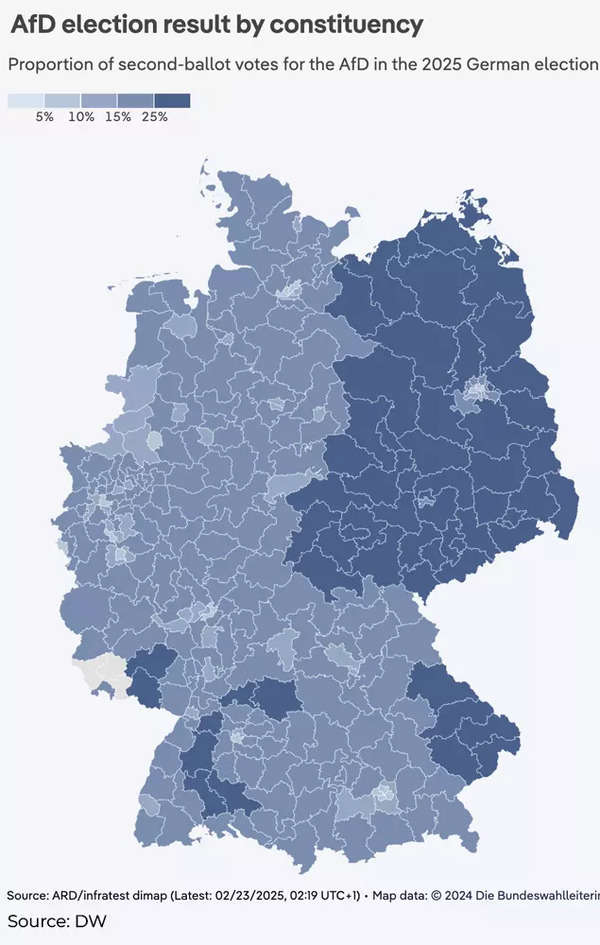
By Nitya Chakraborty The final results of Germany’s national elections held on February 23 are being debated intensively in the global media, especially in the European media about the upsurge of the far right party AFD which virtually doubled its voting percentage in the 2025 elections compared to the 2021 national elections. The ruling Social […]

In a staggering blow to the cryptocurrency industry, Dubai-based exchange Bybit has fallen victim to a cyberattack resulting in the theft of approximately $1.5 billion in Ethereum tokens. This incident, occurring during a routine transfer between digital wallets, is now considered the largest digital heist in history.

The breach transpired as Bybit conducted a standard operation, moving assets from a cold wallet—offline storage designed to safeguard funds—to a warm wallet used for daily transactions. During this process, malicious actors manipulated the transfer, seizing control of the cold wallet and diverting 401,000 Ethereum tokens to an unidentified address. Blockchain analytics firms, including Arkham Intelligence, have traced the stolen funds, revealing that $1.36 billion in Ethereum was swiftly liquidated from associated accounts.

Bybit’s CEO, Ben Zhou, addressed the crisis, assuring clients that the exchange remains solvent and that all customer assets are backed on a one-to-one basis. He emphasized that unaffected wallets and withdrawal processes continue to operate normally. To mitigate the impact on users, Bybit has implemented bridge loans to cover any unrecovered funds and has launched a recovery bounty program, offering up to 10% of the reclaimed amount to ethical hackers assisting in the retrieval efforts.

The magnitude of this theft has prompted a surge in withdrawal requests, with over 350,000 submissions flooding the platform. While this influx has the potential to cause processing delays, Zhou noted that the rate of withdrawals has begun to decelerate. In response to the breach, Bybit is collaborating with law enforcement agencies and cybersecurity experts to trace the perpetrators and enhance its security infrastructure to prevent future incidents.

Speculation regarding the identity of the attackers has intensified, with some experts pointing towards North Korea’s notorious Lazarus Group. This collective has been implicated in previous high-profile cryptocurrency thefts, including the pilfering of $1.7 billion in 2022 and $800 million in 2024. While these allegations remain unconfirmed, the pattern of large-scale crypto heists attributed to state-sponsored actors raises significant concerns about the security of digital assets on global trading platforms.

In a related development, cybersecurity firm CertiK has identified another suspicious transfer involving approximately $49.5 million from an unverified Ethereum contract. The recipient address has been observed converting these funds into the stablecoin DAI. The community speculates that this incident may be connected to the Infini platform, a stablecoin digital bank, though official confirmation is pending.

These consecutive breaches underscore the vulnerabilities inherent in the rapidly evolving cryptocurrency landscape. As digital assets become increasingly mainstream, the imperative for robust security measures and regulatory oversight grows more pressing. The Bybit hack serves as a stark reminder of the potential risks investors face and the necessity for exchanges to implement stringent protective protocols to safeguard user funds.

In the wake of these events, the cryptocurrency market has experienced notable fluctuations. Ethereum’s value witnessed a temporary decline of approximately 4%, reflecting investor apprehension following the breach. Market analysts advise stakeholders to exercise caution and remain informed about security practices employed by exchanges to mitigate exposure to such risks.

Bybit’s commitment to reimbursing affected users and bolstering its security framework aims to restore confidence among its clientele. However, the broader implications of this unprecedented theft continue to reverberate throughout the digital currency ecosystem, prompting a reevaluation of security standards and the adoption of more resilient measures to combat the escalating threat of cyberattacks targeting cryptocurrency platforms.

As investigations proceed, the collaboration between cryptocurrency exchanges, cybersecurity firms, and regulatory bodies will be crucial in addressing the challenges posed by increasingly sophisticated cyber threats. The lessons gleaned from the Bybit incident are poised to inform future strategies aimed at fortifying the security of digital assets and ensuring the integrity of the burgeoning cryptocurrency market.

Pope Francis, aged 88, is in critical condition following a prolonged asthmatic respiratory crisis, as confirmed by the Vatican. The Pontiff experienced severe breathing difficulties, necessitating high-flow oxygen therapy and blood transfusions due to anemia and thrombocytopenia. Despite being alert and spending the day seated in an armchair, he is reportedly in increased pain. Admitted to Rome’s Gemelli Hospital on 14 February after a week-long bout of […]

By Girish Linganna US President Donald Trump has raked up a hornets’ nest in New Delhi by claiming that $21 million in US aid to India—from the United States Agency for International Development (USAID), an independent US government agency responsible for administering civilian foreign aid and development assistance, approved earlier by Joe Biden, was used […]

Medical science is undergoing a transformative phase, with innovative approaches like xenotransplantation, 3D bioprinting, and stem cell therapies offering potential solutions to the persistent organ shortage crisis. These cutting-edge technologies aim to bridge the gap between organ demand and supply, providing hope to thousands awaiting transplants. Xenotransplantation, the practice of transplanting organs from one species to another, has seen significant strides. In November 2024, Towana Looney, a […]

KUALA LUMPUR, MALAYSIA – Media OutReach Newswire – 21 February 2025 – The beginning of 2025 witnessed a complex geopolitical scenario in Europe, with the most prominent events expected to impact financial markets. The intersection of political instability, economic tensions, and global trade dynamics makes it crucial for traders to be vigilant and reactive. Understanding these events is essential to forming well-informed trading strategies. Kar Yong Ang, […]

VISHNU RAJA
RYO YAMADA
HITORI GOTOH
IKUYO KITA