News related to
ISIS

Rabdan Academy, a prominent institution specializing in safety, security, defence, emergency preparedness, and crisis management, has formalized a training agreement with INTERPOL. This collaboration aims to bolster cooperation in research, training, and the exchange of expertise between the two entities.

With the signing of this agreement, Rabdan Academy officially joins the INTERPOL Global Academy Network, a consortium dedicated to elevating training standards for law enforcement agencies worldwide through collaborative efforts and knowledge sharing among leading institutions.

The partnership outlines a framework for both organizations to identify and develop joint training activities and projects. These initiatives will encompass courses, seminars, conferences, curricula development, study tours, and train-the-trainer programs, all designed to enhance the capabilities of law enforcement personnel globally.

His Excellency James Anthony Morse, President of Rabdan Academy, emphasized the strategic importance of this alliance, stating that it aligns with the Academy’s mission to develop specialized skills and capabilities in relevant fields. He highlighted that collaboration with key international and local partners is essential for achieving this goal.

INTERPOL’s Secretary General, His Excellency Valdecy Urquiza, underscored the value of partnering with esteemed academic institutions like Rabdan Academy. He noted that such collaborations are vital for developing comprehensive global training methodologies and standards for law enforcement, benefiting INTERPOL’s member countries and enhancing the effectiveness of the Global Academy Network.

The agreement includes commitments to jointly develop training materials and curricula, exchange academic and training resources, and share expertise and faculty members. This cooperative approach aims to create robust training opportunities and foster applied research on topics pertinent to law enforcement.

Students at Rabdan Academy will gain access to courses and training tools from the INTERPOL Virtual Academy, enriching their proficiency in international policing. Additionally, Rabdan Academy’s training programs will receive accreditation from INTERPOL, ensuring they meet global standards of excellence.

This partnership was formalized during the International Defence Exhibition 2025, where Rabdan Academy is actively participating as an exhibitor. IDEX 2025 serves as a platform for showcasing the latest advancements in defence technology and fostering collaborations among global security stakeholders.

Rabdan Academy’s involvement in IDEX 2025 underscores its commitment to shaping the future of defence and security. The Academy is showcasing its specialized programs in safety, security, and crisis management, highlighting its role as a hub of expertise that brings together policymakers, defence leaders, and global experts to address evolving security challenges.

In addition to its partnership with INTERPOL, Rabdan Academy is set to announce new global collaborations aimed at strengthening its leadership in security and defence education. These initiatives reflect the Academy’s dedication to fostering expertise and cooperation to enhance global security efforts.

The INTERPOL Global Academy Network, established in 2019, is a collective of trusted law enforcement education institutions committed to providing a unified approach to law enforcement training. Rabdan Academy’s inclusion in this network signifies a significant step toward enhancing the quality and reach of specialized training programs for law enforcement professionals worldwide.

Through this partnership, both Rabdan Academy and INTERPOL aim to address contemporary challenges in law enforcement by leveraging their combined expertise and resources. The collaborative efforts are expected to result in the development of innovative training solutions that are responsive to the dynamic nature of global security threats.

As part of the agreement, there will be a concerted focus on applied research, enabling both institutions to contribute to the body of knowledge in law enforcement practices. This research component is poised to inform policy decisions and operational strategies, thereby enhancing the effectiveness of law enforcement agencies across different jurisdictions.

DP World’s Jebel Ali Port has achieved its highest cargo volumes since 2015, handling 15.5 million twenty-foot equivalent units in 2024, an increase of 1 million TEUs from the previous year. This surge represents nearly 18% of DP World’s total global container throughput of 88.3 million TEUs for the year.

The growth in container throughput was driven by strong local and regional demand, particularly from Asia and the Indian Subcontinent. New shipping services enhanced global connectivity, and efficient operations ensured smooth cargo flow despite challenges such as the Red Sea crisis.

Breakbulk cargo also experienced significant growth, surging by 23% year-on-year to reach 5.4 million metric tonnes , marking the second-highest performance in nearly a decade. This increase was fueled by the region’s investments in infrastructure, renewable energy, and industrial development. Jebel Ali handled large shipments of wind turbines, solar panels, heavy machinery, and construction materials, with imports constituting 80% of total shipments. Outbound shipments were led by sugar, iron, and steel.

Abdulla Bin Damithan, CEO and Managing Director of DP World GCC, stated, “This performance reflects the strength of our world-class ports and logistics infrastructure. The 15.5 million TEUs handled at Jebel Ali in 2024, along with the strong growth in breakbulk cargo, show our capacity to meet increasing demand in both sectors.”

DP World’s global operations have also seen remarkable growth. The Posorja terminal in Ecuador reported an 87% increase in volume, handling nearly 1 million TEUs. Other terminals, including San Antonio in Chile, Yarimca in Türkiye, Chennai in India, Callao in Peru, Antwerp in Belgium, and London Gateway in the UK, experienced double-digit growth. The company’s global container terminal capacity has now surpassed 100 million TEUs annually.

Sultan Ahmed bin Sulayem, Group Chairman and CEO of DP World, commented, “During the last 10 years, we have invested more than $11 billion in world-class ports and logistics infrastructure to make trade flow. This record performance is further evidence that our long-term investment is providing the right services for our customers in the right places.”

By Cihan Tuğal DAMASCUS: As the smoke settles on the fall of Bashar al-Assad’s regime in Syria and its replacement by Islamist leadership under Hayat Tahrir al-Sham (HTS), it is clear that Turkey’s far-right governing bloc has emerged from the tumult strong and emboldened. What is less clear is whether this will mean that Recep […]

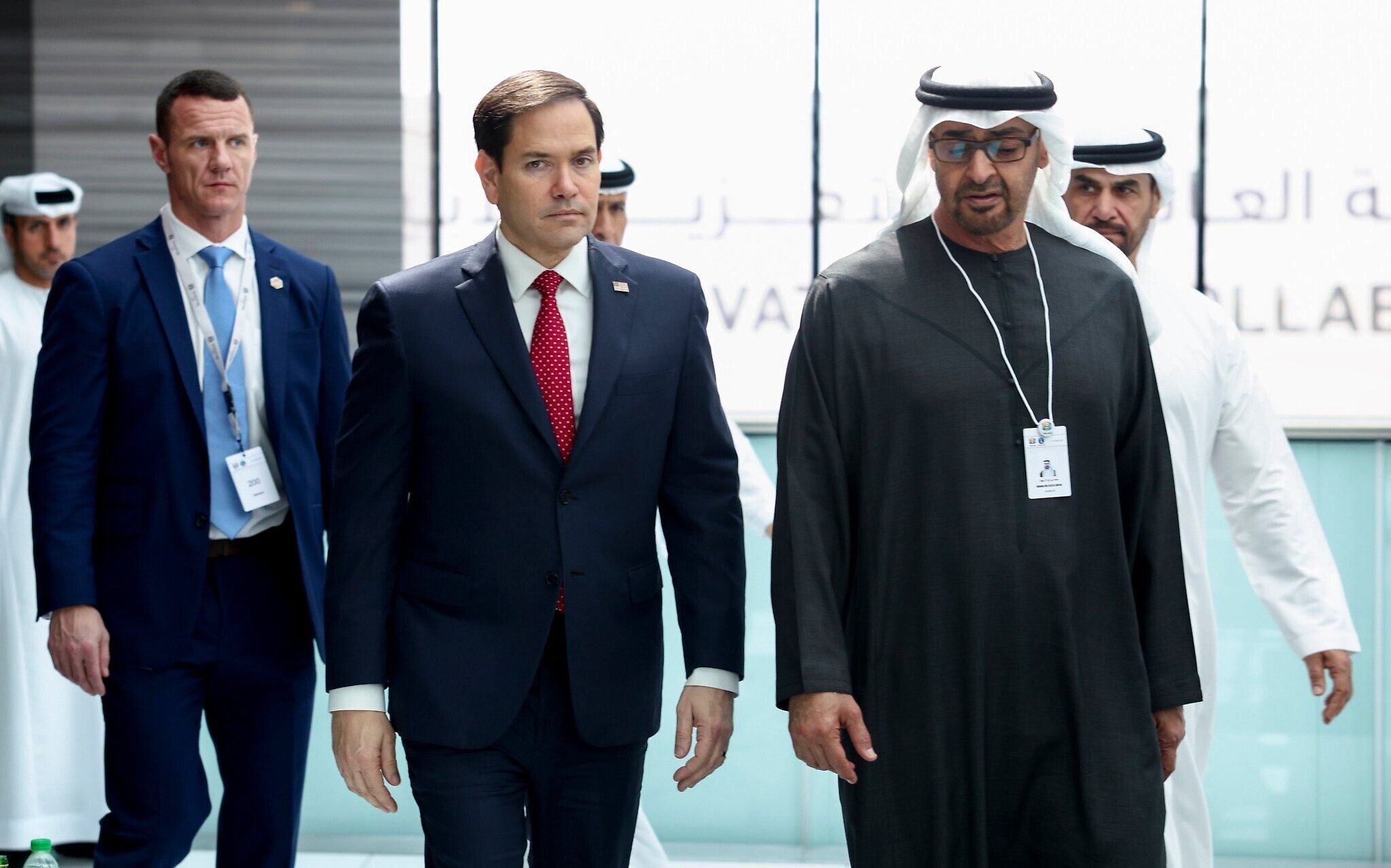
US Secretary of State Marco Rubio concluded his Middle East tour with a visit to the United Arab Emirates on Wednesday, engaging in discussions with President Sheikh Mohammed bin Zayed Al Nahyan. The talks focused on regional stability, the ongoing conflicts in Gaza and Ukraine, and the enhancement of bilateral relations between the two nations.

During the meeting in Abu Dhabi, both leaders underscored the importance of collaborative efforts to address pressing regional issues. A significant portion of their dialogue centered on the Gaza conflict, with President Sheikh Mohammed expressing firm opposition to any displacement of Palestinians from the territory. He reiterated the UAE’s commitment to a two-state solution as the viable path to enduring peace in the region.

The discussions also encompassed the war in Ukraine. The UAE has played a mediating role in facilitating prisoner exchanges between Russia and Ukraine, highlighting its position as a neutral party capable of fostering dialogue. Secretary Rubio acknowledged the UAE’s contributions and emphasized the need for continued international cooperation to resolve the conflict.

Prior to his arrival in the UAE, Secretary Rubio engaged in high-level talks in Saudi Arabia, where he met with Russian Foreign Minister Sergey Lavrov. These discussions marked the highest-level engagement between the United States and Russia since the onset of the Ukraine conflict in 2022. The meetings aimed to explore potential avenues for peace and to address the broader implications of the war on global security.

In addition to geopolitical issues, Secretary Rubio and President Sheikh Mohammed explored opportunities to strengthen economic and defense ties between the United States and the UAE. Both parties recognized the mutual benefits of deepening cooperation in sectors such as technology, energy, and defense. The UAE’s strategic location and its role as a hub for innovation make it a pivotal partner in advancing shared interests.

The visit coincided with the International Defense Exhibition and Conference in Abu Dhabi, a premier event showcasing the latest advancements in defense technology. Secretary Rubio’s presence at IDEX underscored the United States’ commitment to supporting the security and defense capabilities of its allies in the region. The exhibition provided a platform for defense contractors and government officials to discuss potential collaborations and to address emerging security challenges.

While in Abu Dhabi, Secretary Rubio also toured the Abrahamic Family House, a symbol of interfaith harmony comprising a mosque, church, and synagogue within a single complex. This visit highlighted the UAE’s efforts to promote tolerance and coexistence among diverse religious communities. Secretary Rubio commended the initiative, noting that such efforts are essential in fostering mutual understanding and peace in a region historically marked by religious and cultural divisions.

The Middle East tour, which included stops in Israel and Saudi Arabia before culminating in the UAE, reflects the United States’ strategic interest in engaging with key regional players. In Israel, Secretary Rubio met with Prime Minister Benjamin Netanyahu to discuss security concerns and the ongoing situation in Gaza. The discussions reaffirmed the strong bilateral relationship and the United States’ unwavering support for Israel’s right to self-defense.

In Saudi Arabia, the focus shifted to the broader implications of the Ukraine conflict and its impact on global energy markets. Secretary Rubio’s meeting with Crown Prince Mohammed bin Salman aimed to align strategies on stabilizing energy supplies and addressing the humanitarian crisis resulting from the war. The dialogue also touched upon the importance of maintaining open channels of communication with Russia to prevent further escalation.

Throughout the tour, Secretary Rubio emphasized the United States’ commitment to pursuing diplomatic solutions to complex international challenges. He highlighted the necessity of multilateral cooperation and the role of regional partners in achieving sustainable peace and stability. The engagements underscored a multifaceted approach, combining diplomatic outreach with strategic partnerships to address both immediate conflicts and their underlying causes.

The UAE visit, in particular, showcased the depth of the bilateral relationship and the shared vision for a stable and prosperous Middle East. Both nations expressed optimism about the prospects of enhanced collaboration across various domains, setting the stage for future initiatives aimed at promoting peace, security, and economic growth in the region.

As Secretary Rubio returns to Washington, the outcomes of his Middle East tour are poised to influence U.S. foreign policy in the region. The insights gained from direct dialogues with regional leaders will inform the United States’ strategies in addressing the intertwined challenges of geopolitical conflicts, energy security, and regional stability. The administration’s approach will likely continue to balance assertive diplomacy with support for allies, aiming to foster an environment conducive to lasting peace and cooperation.

By K Raveendran The controversial circumstances surrounding the appointment of the new Chief Election Commissioner (CEC) have given rise to a sense of distrust between the Congress party and the Election Commission, setting the stage for a difficult and fraught relationship. The tension was further exacerbated when Rahul Gandhi publicly expressed his dissent, effectively institutionalizing […]
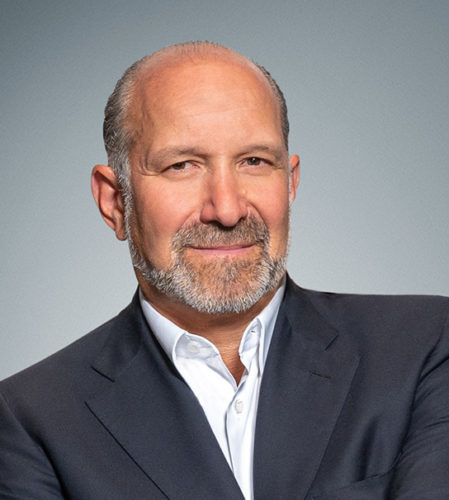
Howard Lutnick, the former CEO of Cantor Fitzgerald, has been confirmed by the U.S. Senate as the new Secretary of Commerce under President Donald Trump. The Senate approved his nomination with a 51-45 vote, positioning Lutnick to oversee a department responsible for a wide array of economic activities, from trade policy to technology regulation.

Lutnick’s confirmation marks a significant moment in the Trump administration’s efforts to reshape the nation’s economic and regulatory landscape. Known for his resilience in rebuilding Cantor Fitzgerald after the tragic loss of 658 employees during the September 11 attacks, Lutnick brings a wealth of experience from the financial sector. His leadership during that crisis, including the distribution of $180 million to victims’ families, has been widely recognized.

As Commerce Secretary, Lutnick is expected to play a pivotal role in implementing President Trump’s trade policies, which have recently included the announcement of potential 25% tariffs on foreign automobiles, semiconductors, and pharmaceuticals. These measures are part of a broader strategy to bolster domestic manufacturing and reduce reliance on foreign imports.

In addition to Lutnick’s appointment, the Trump administration is advancing a series of nominations for key regulatory positions, particularly in agencies overseeing financial markets and emerging technologies. Paul Atkins, a former Securities and Exchange Commission commissioner known for his free-market philosophy, has been nominated to lead the SEC. Atkins has a history of advocating for reduced regulatory burdens and is anticipated to foster a more accommodating environment for financial innovation, including cryptocurrencies.

Brian Quintenz, who previously served as a commissioner at the Commodity Futures Trading Commission from 2017 to 2021, has been nominated to return as the agency’s chairman. During his prior tenure, Quintenz was recognized for his expertise in both traditional finance and the burgeoning cryptocurrency sector. His recent role as head of policy at a16z Crypto, the cryptocurrency division of venture capital firm Andreessen Horowitz, underscores his deep engagement with digital assets. Quintenz’s return to the CFTC is expected to influence the agency’s approach to regulating complex financial instruments and fostering innovation in blockchain technologies.

Jonathan Gould, a legal professional with extensive experience in banking and financial regulation, has been nominated to lead the Office of the Comptroller of the Currency . Gould’s background includes serving as senior deputy comptroller and chief counsel at the OCC, where he provided legal oversight on a range of banking issues. His appointment is seen as a continuation of the administration’s trend toward installing regulators who are knowledgeable about and potentially supportive of cryptocurrency and fintech developments.

These nominations reflect President Trump’s broader strategy to reshape financial regulation in favor of innovation and reduced federal oversight. The administration has been critical of previous regulatory approaches that it perceives as overly restrictive, particularly concerning emerging financial technologies. By appointing individuals with pro-crypto leanings and a history of advocating for lighter regulatory frameworks, the administration aims to create an environment conducive to growth in the fintech and cryptocurrency sectors.

However, these appointments have not been without controversy. Critics argue that reducing regulatory oversight could lead to increased financial instability and potential exploitation within rapidly evolving markets. Supporters, on the other hand, contend that a more permissive regulatory environment is necessary to foster innovation and maintain the United States’ competitive edge in global financial markets.

The Senate’s confirmation of these nominees will be closely watched, as their leadership will significantly influence the direction of U.S. financial regulation in the coming years. As these individuals assume their respective roles, stakeholders across the financial spectrum—from traditional banking institutions to emerging fintech startups—will be assessing how the new regulatory landscape will impact their operations and strategic planning.

In the context of global trade, Lutnick’s role as Commerce Secretary will be particularly critical. His support for President Trump’s tariff policies suggests a continuation of protectionist measures aimed at strengthening domestic industries. This approach has garnered both praise and criticism, with proponents arguing that it safeguards American jobs and industries, while detractors warn of potential retaliatory measures from trading partners and the risk of escalating trade wars.

As the administration moves forward with its economic agenda, the interplay between these regulatory appointments and broader trade policies will be pivotal in shaping the U.S. economic landscape. The emphasis on accommodating financial innovation, particularly in the realm of cryptocurrencies, alongside a protectionist trade stance, represents a distinctive approach that will have lasting implications for both domestic and international economic relations.

The United Arab Emirates and Russia have taken significant steps to enhance their financial and economic collaboration. On 17 February 2025, both nations convened the inaugural UAE-Russia Strategic Financial Dialogue in Abu Dhabi, culminating in the signing of an agreement aimed at eliminating double taxation on income and capital. This pact is designed to prevent tax evasion and foster a more transparent and competitive tax environment, thereby […]

Advertisements
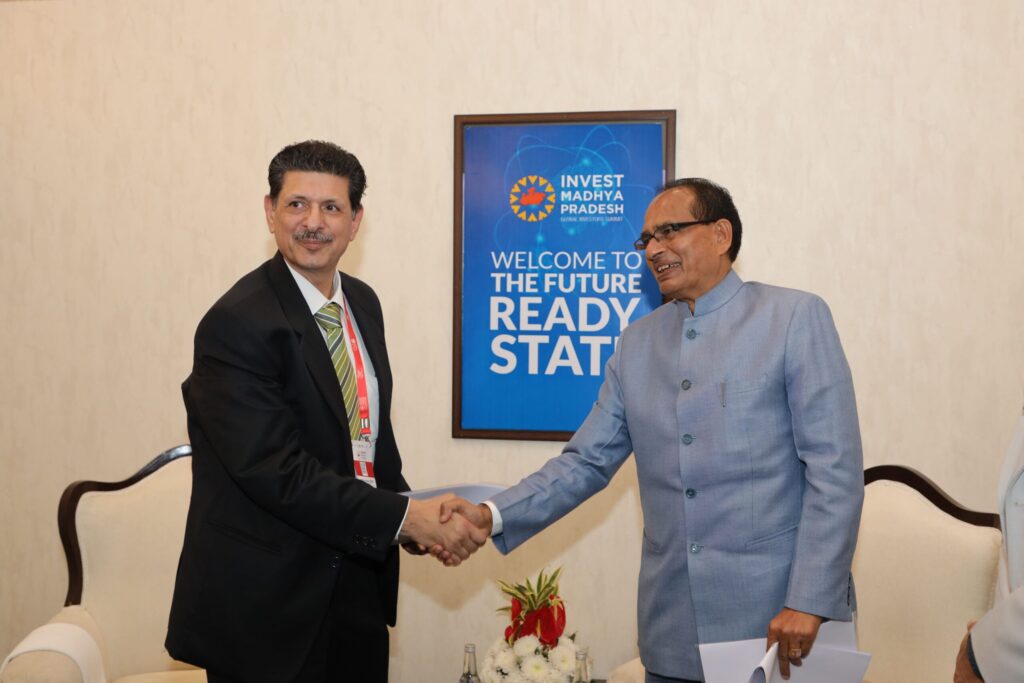
By L S Herdenia BHOPAL: Bhopal is decorating itself to accord warn welcome to over 100 big industrial magnets who will be in the capital city to attend Madhya Pradesh government sponsored Industrial Summit. The Summit will be inaugurated by the Prime Minister Narendra Modi on February 24. Nearly a hundred distinguished industrialists and chiefs […]


Meteora’s co-founder, Ben Chow, has stepped down from his position following mounting pressure over his involvement in the $LIBRA rug pull controversy. The announcement comes as a third-party law firm has been hired to investigate the complex situation surrounding the digital currency project.

Chow’s resignation marks a significant development in the rapidly unfolding drama surrounding the $LIBRA token, which has drawn sharp scrutiny from investors, regulators, and the cryptocurrency community. The token, launched by Meteora last year, had promised to offer an innovative solution in the decentralised finance space but has since become embroiled in accusations of fraudulent activity and mismanagement.

The controversy first gained traction when a substantial amount of $LIBRA tokens was mysteriously withdrawn from the project’s liquidity pools, leading to widespread allegations of a rug pull. In a rug pull scenario, the project’s developers or key figures deliberately drain the liquidity pool, leaving investors with worthless assets. The sudden and dramatic loss of funds has sparked an outcry from investors who claim they were misled about the token’s stability and future potential.

Chow’s resignation comes after calls from both investors and key stakeholders within the cryptocurrency industry for a more transparent approach to the crisis. Despite his departure, the fallout continues to affect the reputation of Meteora, a company that was once considered a rising star in the DeFi space. The scandal has also led to increased scrutiny of similar projects, with regulators now closely examining the regulatory frameworks surrounding DeFi ventures and the accountability of their creators.

According to sources close to the matter, Meteora has engaged a third-party law firm to investigate the allegations surrounding $LIBRA. The firm is expected to conduct a thorough review of the company’s operations and the actions leading up to the alleged rug pull. While the investigation is ongoing, industry experts have raised concerns about the lack of accountability and oversight in the rapidly expanding DeFi space, which has long been criticised for its lack of regulation.

Meteora, which initially gained recognition for its innovative approach to blockchain technology, is now facing a crisis of confidence. The company’s leadership is under pressure to restore trust with its investors and the broader cryptocurrency community. Despite Chow’s resignation, many within the industry believe that the full extent of the scandal is yet to be revealed, with some speculating that more individuals within the company may be implicated in the ongoing investigation.

The fall of $LIBRA is not an isolated incident within the DeFi ecosystem. As more projects in the space struggle with transparency and governance issues, the call for greater regulatory oversight has intensified. However, regulators face a delicate balancing act between fostering innovation and ensuring consumer protection in an industry that remains largely unregulated.

Ben Chow, who was previously seen as a visionary leader in the cryptocurrency space, now finds himself at the centre of one of the most significant scandals to hit the DeFi sector. His resignation has only added fuel to the fire, as both the public and investors demand answers about what went wrong and who is ultimately responsible for the collapse of $LIBRA. While the investigation continues, the fallout is expected to have far-reaching implications for the future of DeFi projects and the regulatory landscape that governs them.

As the investigation into $LIBRA progresses, all eyes remain on Meteora and its handling of the crisis. Investors are anxious for transparency and accountability, while the broader crypto community watches closely to see how the company will respond to the allegations. The outcome of the third-party law firm’s investigation could have a lasting impact on the future of the DeFi sector and may set a precedent for how similar cases are handled in the future.

UAE President Sheikh Mohamed bin Zayed Al Nahyan met with Ukrainian President Volodymyr Zelensky in Abu Dhabi on Monday, marking a significant step towards enhancing diplomatic and economic cooperation between the two nations. The meeting, which took place at Qasr Al Shati, underscored the UAE’s commitment to bolstering global partnerships and supporting peaceful conflict resolution in the region. Both leaders discussed a range of issues aimed at […]

The Pokémon Company International and Niantic, the developer behind the mobile game Pokémon Go, have pledged a $1 million donation to aid in the relief efforts following the devastating wildfires in Los Angeles. This generous commitment aims to support both immediate and long-term recovery initiatives for the communities affected by the fires, which have caused extensive damage and displacement in the region.

The decision to contribute to the wildfire relief effort comes after a surge in fires across Southern California, with Los Angeles being among the hardest-hit areas. The wildfires have not only destroyed homes and property but have also left thousands of residents in need of assistance. Emergency responders and local authorities have been working tirelessly to control the fires, but the scale of the disaster has required extensive support from various sectors, including private companies and charitable organisations.

As part of their donation, Niantic has committed to deploying resources to directly support firefighting efforts, while Pokémon Company International has partnered with local organisations to help provide emergency shelter and basic necessities to those displaced by the flames. The funding is also expected to assist with the restoration of communities once the fires have been contained, with a focus on rebuilding homes and infrastructure.

Niantic, which is known for its interactive games that encourage players to engage with their physical surroundings, has a long history of community involvement, especially in times of crisis. The company previously contributed to various disaster relief efforts worldwide, and this latest donation is in line with their ongoing commitment to supporting communities in need. The gaming giant has also pledged to match the donations raised by the Pokémon Go player community through in-game events and fundraising activities.

While the $1 million donation is a significant contribution, it represents only a small portion of the total funds required to address the immediate and long-term needs of those affected by the fires. However, the gesture from Pokémon and Niantic highlights the growing role that corporate entities play in disaster relief efforts. Their support provides not only much-needed financial resources but also demonstrates solidarity and compassion in the face of a crisis that has deeply impacted the lives of thousands.

The wildfires have exacerbated existing challenges faced by the city, which is still grappling with the effects of the COVID-19 pandemic. Many individuals who had already struggled with unemployment, housing insecurity, and other issues have now found themselves dealing with the added burden of displacement and property loss. For these residents, the contributions from organisations like Niantic and the Pokémon Company represent a critical lifeline.

Emergency teams continue to assess the full extent of the damage, with thousands of acres of land already scorched. Alongside the physical damage, the environmental impact has been profound, with air quality in the area deteriorating to hazardous levels. For many Los Angeles residents, the immediate concern is ensuring their safety while navigating the complexities of evacuation orders and the uncertainty of returning to their homes.

The role of corporate donations in addressing such crises is becoming increasingly significant. As public and private sector partnerships evolve, corporations like Niantic and Pokémon Company International are stepping up their efforts to make meaningful contributions. This trend reflects a growing awareness of the need for collective action, particularly in the face of climate-related disasters that continue to affect communities across the globe.

The relief efforts have also seen the mobilisation of various community-based organisations, local governments, and volunteers who have worked together to provide support to the displaced populations. While large-scale donations play a vital role, grassroots initiatives remain crucial in ensuring that aid reaches those who need it most, especially in the early stages of a disaster response. It is this collaboration between corporate entities, community groups, and governmental bodies that is expected to make a difference as Los Angeles continues to recover from the fires.

As recovery efforts ramp up, there is also a growing focus on resilience and preparedness for future wildfires. California has long been prone to wildfires due to its dry climate, and experts are urging residents and local authorities to take proactive measures in mitigating the impact of future disasters. The ongoing fire season serves as a stark reminder of the need for better infrastructure, enhanced firefighting capabilities, and a comprehensive approach to climate resilience.

For Pokémon and Niantic, their $1 million pledge marks a significant step in their continued commitment to supporting communities during times of need. While their contribution is one of many, it serves as a reminder of the power of corporate social responsibility and the importance of mobilising resources when disaster strikes. The funds raised will help provide essential support, but the real work will lie in the months ahead as the region works towards recovery and rebuilding.

Concerns over the rise of liver problems linked to supplement consumption are growing, with healthcare professionals urging caution. The boom in the global supplement industry, valued at billions of dollars, has seen a corresponding increase in the number of reports regarding adverse health effects, particularly liver damage. While many view supplements as an easy solution for health and wellness, experts are warning about the long-term risks they may pose when not used responsibly.

Supplements are consumed by millions worldwide, marketed as convenient, low-cost solutions to improve various aspects of health. However, the unregulated nature of the industry raises significant red flags, with some supplements containing harmful ingredients or unlabelled substances that can lead to liver dysfunction. Recent studies have found that liver problems linked to these products are not only increasing in frequency but also in severity. Many of the cases involve users who had been consuming seemingly harmless over-the-counter pills, powders, and herbal remedies, only to later develop severe liver conditions, including acute liver failure.

Liver specialists stress that the organ plays a critical role in detoxifying the body, and it is particularly vulnerable to chemicals found in certain dietary supplements. Toxicity can result from a wide range of substances, from common ingredients such as vitamin A, iron, and niacin to exotic herbs and plant extracts. Some supplements, especially those marketed for weight loss or bodybuilding, have been found to contain synthetic drugs or other dangerous substances that can cause harm even in small doses.

One concerning trend is the use of unregulated fat burners, weight loss aids, and bodybuilding supplements, many of which contain ingredients that have been linked to liver toxicity. The stimulant-based compounds in many of these products can lead to liver cell death, inflammation, and scarring. What makes these products particularly dangerous is that they often contain several ingredients that may interact in unpredictable ways, increasing the risk of liver damage.

The rise of online sales platforms has also made it easier for consumers to purchase unregulated supplements from unreliable sources. This poses an additional challenge for healthcare providers, who are often unable to track the exact content or quality of these products. One significant problem is that many of the supplements are marketed with exaggerated health claims or lack adequate warnings about potential side effects, leading users to underestimate the risks.

While many people associate supplements with improving their health, there is a growing recognition of the dangers they pose if not taken with proper knowledge and care. The most vulnerable groups include athletes, bodybuilders, and people looking for quick weight loss solutions, as they tend to use higher doses or combine multiple products in an attempt to achieve faster results. Healthcare professionals recommend that individuals consult with a physician before starting any new supplement regimen, particularly if they have pre-existing conditions or are already on prescription medication.

Health experts advise consumers to look out for certain red flags when purchasing supplements. Products that promise rapid weight loss, extreme muscle gain, or “miracle” cures should be approached with caution. It’s also important to verify the source of the product—reputable manufacturers will often have certifications or clinical studies to back up the efficacy and safety of their products. An essential step is to read the ingredient list carefully, as some supplements contain hidden ingredients not disclosed on the label.

A major contributing factor to this crisis is the lack of rigorous regulation in the global supplement market. In many countries, the supplement industry is loosely regulated, with products frequently entering the market without undergoing comprehensive safety checks or clinical trials. While pharmaceutical drugs must meet strict testing standards before being released to the public, supplements often bypass such procedures, relying instead on the responsibility of the manufacturer to ensure safety. This loophole has made it difficult for authorities to enforce safety standards and for consumers to navigate the risks associated with these products.

The World Health Organisation and other health agencies are increasingly sounding alarms over the need for better oversight of supplements. Calls for stricter regulation of the industry have intensified, but implementation remains slow. In the meantime, medical professionals continue to urge the public to be more discerning about the supplements they use and to prioritise their health through balanced diets and lifestyle changes instead.

Argentina’s political landscape has been rocked by calls for the impeachment of President Javier Milei after he expressed support for the controversial LIBRA cryptocurrency token, only to retract his endorsement days later. This move has sparked a fierce backlash from opposition lawmakers, who are now seeking to hold the president accountable for what they term as a breach of trust and mismanagement.

The LIBRA token, which gained prominence in the crypto market as part of a broader financial experiment, was initially praised by Milei, who viewed it as an innovative tool to fight Argentina’s persistent inflation. However, his swift reversal, just days after his public endorsement, has left both the public and political figures questioning his leadership and decision-making capabilities.

Milei’s initial tweet in support of the token was widely perceived as a signal of confidence in Argentina’s ability to embrace innovative financial solutions. This endorsement came amidst the country’s ongoing battle with inflation and economic instability, which has led to widespread dissatisfaction with traditional economic policies. The president, a self-proclaimed libertarian, has often sought to align himself with new, unorthodox approaches to reform Argentina’s financial sector, and the LIBRA token seemed to fit into that narrative.

However, the situation took a dramatic turn when Milei retracted his support for the token after intense scrutiny from both domestic and international financial experts. Critics argued that the token lacked sufficient backing and posed a threat to Argentina’s already fragile economy. The withdrawal of support from the president came as a result of mounting pressure from conservative factions within his own party, as well as concerns raised by influential economists and banking associations.

The opposition, led by figures such as Uxió Sanz, a prominent member of the Argentine Socialist Party, swiftly condemned the president’s actions, calling it a display of inconsistency and recklessness. Sanz went as far as to accuse Milei of “playing games with the nation’s economy” and stated that such actions undermined the credibility of his administration. According to Sanz, the president’s erratic behaviour on such an important issue warranted a formal investigation and impeachment proceedings.

The impeachment push has been supported by several political parties, including the Kirchnerist faction, which has long been at odds with Milei’s free-market policies. They argue that the president’s flip-flopping on financial matters demonstrates a lack of leadership and disregard for the country’s economic stability. The debate surrounding the LIBRA token is now at the forefront of Argentina’s political discourse, with protests and heated discussions dominating the media.

The withdrawal of support for LIBRA has also raised questions about the transparency and accountability of Milei’s administration. Critics argue that the decision to promote and then abandon the token so abruptly reflects poorly on the president’s judgment. Financial analysts have warned that such erratic moves could further destabilise Argentina’s already precarious economic situation, particularly as the country grapples with high inflation rates, soaring debt, and a shrinking currency.

Milei, for his part, has defended his actions, claiming that the decision to withdraw support for LIBRA was made after careful consideration and in consultation with his economic advisers. He stressed that his government’s priority remained addressing Argentina’s inflationary crisis and improving the nation’s financial resilience. While he acknowledged the controversial nature of his tweet, he asserted that his government would continue to explore innovative solutions for Argentina’s economic challenges.

The controversy has also drawn attention to the broader issue of cryptocurrency regulation in Argentina. The country, which has become a hotspot for crypto trading in Latin America, has seen rapid growth in digital currency adoption, driven by a lack of confidence in traditional financial institutions. However, the government’s inconsistent stance on cryptocurrencies has left many investors uncertain about the regulatory framework moving forward. Critics argue that the LIBRA incident highlights the need for clearer policies and more careful consideration before making public statements on such volatile markets.

Despite Milei’s efforts to stabilise the political situation, the LIBRA token debacle has undoubtedly dented his image. The president, who took office with promises of drastic economic reform, is now facing intense scrutiny from both his political adversaries and the public. The ongoing impeachment discussions are likely to dominate the political agenda in the coming weeks, with many questioning whether Milei can retain the support of key allies and stakeholders within his own government.

Gold-backed tokens have not lived up to expectations as the price of the precious metal sees a decline while risk assets gain traction. Amid growing speculation that former President Donald Trump’s tariffs may only be a negotiating strategy, investors are reassessing the global economic landscape. As the price of gold drops, the market shift raises questions about the stability of gold-backed tokens and whether they can weather the storm of fluctuating commodity prices.

Despite gold-backed tokens being promoted as a safe haven for investors, their performance has faltered in recent months, mirroring a broader decline in the precious metal’s price. Gold, once viewed as a reliable store of value, has faced downward pressure as investors recalibrate their portfolios in the face of shifting economic factors. The appeal of these tokens—cryptocurrencies that are tied to the price of gold—has diminished in light of market developments that have bolstered other asset classes.

The scenario surrounding Trump’s tariffs has added to the uncertainty. Wall Street analysts are increasingly speculating that the tariffs might not be as severe as originally anticipated. In fact, some view them as a mere tactic in a broader trade negotiation strategy. This perspective has led to a shift in sentiment, with risk assets—such as stocks—seeing an uptick as investors shift focus toward growth opportunities, leaving gold-backed assets in a precarious position.

The price of gold, which peaked earlier in the year due to inflation fears and global uncertainties, has now come under pressure. This decline has seen gold tokens, which track the price of the commodity, underperforming. As institutional investors have shifted their attention to more volatile but potentially lucrative assets, gold has lost some of its former appeal as a hedge against inflation and economic instability.

At the same time, riskier assets, particularly stocks, have surged. Investors are encouraged by signs of economic recovery and the resilience of equity markets. Analysts suggest that the ongoing optimism surrounding the potential easing of trade tensions, particularly between the US and China, has contributed to the rising demand for equities and corporate bonds. This sentiment is in stark contrast to the subdued demand for gold, which typically thrives in periods of heightened economic uncertainty.

The divergence between traditional assets and gold has prompted some financial experts to rethink the role of gold-backed tokens in a diversified portfolio. These digital assets, which have been gaining traction over the past few years, are now facing criticism for not providing the same level of stability that physical gold traditionally offers. With risk assets becoming more attractive to institutional investors, there are concerns that gold-backed tokens might not be able to maintain their value in the face of these shifting market dynamics.

The situation is further complicated by ongoing debates surrounding the broader implications of Trump’s trade policies. With tariffs remaining a key point of contention in international trade relations, the market remains on edge. The possibility of a trade war or retaliatory measures from other nations has been a key driver of gold’s price in the past. However, if the tariffs prove to be a bluff or a short-term negotiation tactic, the potential for further downside in gold prices could become less likely, providing more space for risk assets to flourish.

While gold-backed tokens have faced challenges, the broader cryptocurrency market has continued to evolve. The rise of other types of digital assets, particularly those tied to more volatile sectors like technology and energy, has drawn investor attention away from precious metals. This shift is evident in the increasing focus on tokens linked to blockchain innovation, artificial intelligence, and green energy. Gold, historically seen as a safe bet in times of economic crisis, is now competing with a new generation of digital assets that offer the promise of higher returns, albeit with greater risk.

This change in the investment landscape has left many wondering whether gold-backed tokens will continue to serve as a reliable store of value. The volatility in both the price of gold and the broader financial markets has highlighted the complex relationship between traditional assets and their digital counterparts. As more investors look to diversify their portfolios, the demand for assets like gold-backed tokens may become less pronounced, particularly if the broader trend towards riskier, high-growth investments continues.

South Korea’s manufacturing sector has witnessed a significant decline in employment, reaching its lowest point in over a decade. Data from Statistics Korea indicates that as of January, the number of individuals employed in manufacturing stood at approximately 4.39 million, a reduction of 56,000 compared to the same period last year. This figure represents the most substantial drop since January 2013, when employment in the sector was […]

Available from February 2025 at Singapore Discovery Centre, New Interactive Game Aims to Champion National Education SINGAPORE – Media OutReach Newswire – 14 February 2025 – In commemoration of Total Defence Day on 15 February, HIDDEN and Defence Collective Singapore are excited to announce the launch of their new, interactive game, “Escape Quest: Operation Broken Oath”. This engaging and educational game is designed to raise awareness of […]

President Donald Trump has announced the commencement of ceasefire negotiations with Russian President Vladimir Putin, signaling a significant change in the United States’ approach to the ongoing conflict in Ukraine. Following a “lengthy and highly productive” phone call with Putin, Trump stated that both nations have agreed to initiate discussions aimed at ending hostilities.

This development comes as U.S. Defense Secretary Pete Hegseth declared that a return to Ukraine’s pre-2014 borders is “an unrealistic objective” in any prospective peace settlement. Hegseth emphasized that attempts to reclaim all lost territories would “only prolong the war and cause more suffering.” He further noted that the Trump administration does not support NATO membership for Ukraine as part of a peace agreement and expects European nations to assume greater financial and military responsibilities for Ukraine’s defense. The U.S., he added, will focus on its own security concerns and the strategic challenge posed by China, with no plans to deploy American troops to Ukraine.

In a separate conversation, Trump spoke with Ukrainian President Volodymyr Zelenskyy to discuss collaborative efforts to halt Russian aggression and establish a lasting peace. Zelenskyy expressed his commitment to working with the U.S. to determine the next steps toward achieving these goals. He is scheduled to meet with U.S. Vice President JD Vance and Secretary of State Marco Rubio at the upcoming Munich Security Conference to further these discussions.

The announcement of direct negotiations between the U.S. and Russia has elicited mixed reactions from European leaders. German Foreign Minister Annalena Baerbock, Latvian Foreign Minister Baiba Braže, Poland’s Foreign Minister Radosław Sikorski, and French Foreign Minister Jean-Noël Barrot have all emphasized the necessity of including Ukraine in any peace negotiations. Kaja Kallas, Vice-President of the European Commission for Foreign Affairs and Security Policy, stated, “In any negotiation, Europe must have a central role… Ukraine’s independence and territorial integrity are unconditional. Our priority must now be strengthening Ukraine and providing robust security guarantees.”

Critics argue that Trump’s approach, which includes acknowledging limitations to Ukraine’s territorial recoveries and ruling out NATO membership, risks undermining U.S. and Western strategic interests. They contend that offering concessions without securing concrete commitments from Russia could weaken Ukraine’s security and potentially lead to a resurgence of conflict.

HOHHOT, CHINA – Media OutReach Newswire – 6 February 2025 – At 57, Wang Fei is hailed as the “King of Sunflower Seeds” in his hometown of Bayannur, in northern China. A farmer drives a harvester to harvest sunflower seeds in a field in Linhe District of Bayannur, north China’s Inner Mongolia Autonomous Region The title reflects not only his passion for the crunchy snack but also […]

Blue bonds, designed to finance marine conservation projects, are fast emerging as a promising avenue for investors and governments looking to meet environmental, social, and governance objectives. These financial instruments, closely linked to sustainable finance, hold great potential in the context of global climate change strategies. However, their effectiveness hinges on ensuring they align with broader net-zero policies and address the multifaceted challenges of marine ecosystems. In […]

Tesla and SpaceX CEO Elon Musk’s ambitious “buyout” offer, made available to employees, has seen an overwhelming response as the deadline draws near. By Wednesday, more than 40,000 employees from a mix of industries had expressed interest in the scheme. The initiative, which provides employees with the opportunity to exit their respective positions in exchange for a generous severance package, is creating a ripple effect across the corporate landscape.

Musk, known for his unorthodox management style, initially pitched the buyout programme with the goal of reducing costs and restructuring his growing empire. The offer, which includes a lump-sum severance and additional benefits, was extended to both salaried and hourly employees. However, it also comes with the stipulation that interested parties must leave by the end of February, with a severance package set to be paid out through September.

Industry observers have expressed mixed reactions to Musk’s strategy. On one hand, it could be a calculated move to reduce headcount while offering an attractive exit for employees seeking a change. On the other hand, the rapid sign-up rates have sparked concerns over potential long-term impacts on talent retention within Musk’s companies.

The initial wave of interest is largely attributed to the promise of a significant payout, which is perceived as a rare opportunity for employees to leave with financial security. While some see this as a chance to pursue personal or entrepreneurial goals, others have raised questions about the longer-term implications for Musk’s companies, particularly in light of the growing demands on SpaceX’s staffing and Tesla’s continued expansion.

The offer also reflects broader trends within corporate restructuring and employee turnover. Many companies are increasingly offering severance packages as part of cost-cutting measures, especially as the global economy faces uncertainty. These buyout schemes are seen by some as a win-win: employees get a financial cushion, while companies streamline their workforce to navigate economic pressures.

Though the buyout offer has been met with a high level of interest, particularly among those seeking a fresh start or financial independence, it is also revealing deeper issues within Musk’s companies. Employees have voiced concerns about the overall work environment, including high stress, long hours, and the fast-paced nature of the job. These concerns have contributed to the attractiveness of the buyout, especially among those who feel they may be reaching a breaking point.

Despite the swelling numbers of employees seeking to leave, Musk’s companies are not facing an immediate staffing crisis. Experts suggest that many of those opting for the buyout may not represent critical roles, and the company could ultimately come out ahead by shedding positions that are not central to its operations. Furthermore, it allows Musk to consolidate control and reduce costs, which is a common goal for companies seeking to increase profitability.

However, the growing popularity of the buyout scheme highlights a significant shift in employee-employer dynamics. With workers increasingly looking for work-life balance and more control over their professional futures, companies are being forced to reconsider their relationship with staff. Musk’s initiative could be seen as an attempt to meet this demand by offering a financial exit, but it may also be indicative of the pressures faced by employees in high-performance environments like those at Tesla and SpaceX.

The ultimate success of the buyout offer will likely hinge on its ability to balance financial incentives with long-term strategic goals. While Musk is not new to bold business strategies, this offer marks a critical juncture for the companies he leads. Employees’ decision to accept or decline the buyout will shape the future direction of Tesla, SpaceX, and other ventures under Musk’s control.

As the deadline for the buyout scheme approaches, Musk will likely face tough decisions regarding the impact on his companies. If more employees continue to sign up, the effect on organisational structure and morale could become a pressing concern. Conversely, if a smaller pool of workers leaves, Musk could be seen as having succeeded in streamlining operations without sacrificing too much talent.

The Czech National Bank has agreed to assess the possibility of including Bitcoin in its foreign reserve strategy. This decision follows a recent meeting of the Bank Board, which reviewed a report outlining the bank’s plans for international reserve management in 2024. The move marks a significant step towards considering digital currencies, such as Bitcoin, as a potential asset in the country’s financial strategy.

As part of its ongoing efforts to modernise reserve management, the CNB has acknowledged the growing importance of cryptocurrencies in global financial markets. The move is aimed at diversifying the country’s reserves, which have traditionally been composed of more conventional assets like gold, foreign currencies, and government bonds. The bank’s evaluation will focus on the feasibility of incorporating Bitcoin, given its rising prominence in both investment and economic contexts.

The decision to review Bitcoin as an investment option reflects broader global trends. Central banks and financial institutions worldwide are increasingly exploring the role of digital currencies in their portfolios, with some even establishing direct ties to blockchain technology. The CNB’s assessment, however, is in its early stages and will require careful consideration of Bitcoin’s volatility, regulatory implications, and long-term stability.

For the Czech Republic, the potential inclusion of Bitcoin could enhance its international reserve strategy by introducing a new layer of diversification. This step could also signal the CNB’s proactive stance in adapting to the evolving landscape of global finance.

While the CNB’s proposal is yet to be formalised, the board’s willingness to examine Bitcoin is indicative of the growing recognition of cryptocurrencies as legitimate financial assets. A full review is expected to take place in the coming months, with experts predicting that the CNB could use this period to explore Bitcoin’s role within the broader context of digital finance.

Global interest in cryptocurrencies has surged over the past few years, with Bitcoin being the most prominent of the digital assets. As Bitcoin’s market capitalisation continues to grow, its appeal as a store of value has caught the attention of investors, central banks, and regulators alike. However, its inherent volatility remains a concern for many institutions considering its potential as part of official reserve holdings.

For the Czech National Bank, this proposal comes amid broader discussions on how central banks should respond to the rise of cryptocurrencies and the increasing use of blockchain technologies. Other central banks, including the European Central Bank , have expressed interest in researching the potential benefits and risks of incorporating digital currencies into their portfolios.

One of the main challenges for the CNB will be understanding how Bitcoin’s unpredictable price movements could impact its reserve strategy. Bitcoin’s value has experienced dramatic fluctuations, making it difficult for central banks to predict the asset’s future performance with any degree of certainty. Despite this, there is a growing belief that Bitcoin and other cryptocurrencies may become more stable over time, particularly as the market matures and becomes more integrated into the global financial system.

The CNB’s move also aligns with the broader shift towards digitalisation in the financial sector. The adoption of blockchain and digital currencies is reshaping traditional financial markets, with many institutions seeking to capitalise on the emerging technologies. Bitcoin’s decentralised nature and its ability to function outside of traditional banking systems are among the factors contributing to its growing popularity as an asset class.

Despite the potential benefits, several questions remain unanswered regarding the role of Bitcoin in reserve management. A key concern for the CNB will be the regulatory landscape surrounding digital currencies. As global regulators seek to establish frameworks for cryptocurrency markets, the CNB will need to carefully assess the legal and regulatory implications of holding Bitcoin as part of its official reserves.

In addition to regulatory concerns, the CNB will need to consider the impact of Bitcoin on the country’s broader monetary policy. Bitcoin’s decentralised nature means that it is not subject to the same policies as traditional currencies, which could complicate the CNB’s ability to manage the national economy in times of crisis or economic instability.

The proposal has sparked a broader debate among financial experts about the future role of cryptocurrencies in national reserve systems. While some experts view Bitcoin as a hedge against inflation and a potential safe haven asset, others caution that its volatility and lack of regulation could make it a risky addition to central bank reserves.

As the CNB moves forward with its evaluation, the decision will likely have wider implications for central banks across the globe. If successful, the Czech National Bank’s exploration of Bitcoin could serve as a model for other institutions considering the integration of digital assets into their financial strategies. It could also pave the way for greater acceptance of cryptocurrencies as a mainstream investment option, particularly in the context of government-backed reserves.

By K Raveendran OPEC+ is once again at the centre of a global energy crisis as it grapples with a new challenge posed by President Donald Trump’s tariffs on major crude oil suppliers. The tariffs, which include a 10 percent levy on Canadian oil and 25 percent on US imports into Canada in retaliation, threaten […]


Israeli Prime Minister Benjamin Netanyahu met with U.S. President Donald Trump in Washington on Tuesday to discuss the fragile ceasefire between Israel and Hamas in the Gaza Strip. The leaders aimed to strategize on extending the truce and addressing broader Middle East concerns, including Iran’s regional influence and nuclear ambitions.

The ceasefire, brokered with U.S. involvement, has led to the release of several hostages and prisoners. However, President Trump cautioned that there are no guarantees the truce will hold, emphasizing the unpredictable nature of the situation. He also proposed the controversial idea of relocating Palestinians from Gaza to neighboring countries, a suggestion that has faced widespread rejection from Arab leaders.

Prime Minister Netanyahu faces internal political pressure, with right-wing coalition members urging a return to military action against Hamas unless all Israeli hostages are released. This internal divide complicates Israel’s position in the negotiations. Netanyahu announced plans to convene his security cabinet upon returning to Israel to deliberate on the next steps regarding the ceasefire.

In parallel, discussions have commenced on the second phase of the ceasefire agreement. A delegation from Israel is scheduled to travel to Doha to negotiate the release of additional hostages and address technical details of the truce. Hamas has indicated its willingness to engage in these talks, signaling a potential path forward.

Despite these diplomatic efforts, tensions remain high. Israeli military operations in the West Bank city of Jenin have resulted in significant casualties and displacement of residents, actions that have drawn international concern. The United Nations has expressed alarm over the escalating humanitarian crisis in the area.

By Nitya Chakraborty The present euphoria among the BJP-led government ministers after the presentation of the 2025-26 budget in Parliament over the mega relief to the income tax payers of the country might be shared by the estimated one crore people in the country benefited due to the budget proposals. But in terms of its […]
VISHNU RAJA
RYO YAMADA
HITORI GOTOH
IKUYO KITA