News related to
ISIS

Bitcoin’s surge past $62,000 has rekindled interest in the cryptocurrency market, with growing attention from major financial institutions. As fears of a U.S. dollar crisis mount, BlackRock, one of the world’s largest asset management firms, has issued warnings about the potential fallout from America’s rising debt burden. The firm has indicated that this escalating debt, now towering over $35 trillion, could erode confidence in the U.S. dollar, pushing investors toward alternative assets like Bitcoin.

A sharp 0.5% interest rate cut by the U.S. Federal Reserve shocked the financial world, marking a significant policy shift. This surprise move has added momentum to Bitcoin’s rally, with many investors interpreting it as a sign that traditional financial systems may be under strain. The combination of surging inflation, monetary easing, and ballooning U.S. debt levels is seen by some as a perfect storm for institutional investors to seek refuge in digital assets. BlackRock’s growing focus on Bitcoin reflects this sentiment, as it positions itself ahead of potential macroeconomic upheavals.

The asset manager’s shift towards Bitcoin marks a noteworthy moment in the broader adoption of cryptocurrencies by institutional players. Bitcoin, long regarded as a fringe asset or speculative plaything, is increasingly being viewed as a credible alternative to traditional stores of value. The rise of digital currencies is not just a retail phenomenon anymore; institutional investors like BlackRock are finding it prudent to diversify their portfolios in the face of looming economic uncertainty.

Fears over the stability of the U.S. dollar are not unfounded. Analysts have pointed out that the Federal Reserve’s dovish stance, combined with government borrowing, is creating an environment where the dollar could weaken further. With interest rates low and inflation persisting, the purchasing power of the dollar faces increasing pressure. BlackRock has underscored the importance of preparing for such scenarios, highlighting Bitcoin’s distinct potential as a hedge against currency depreciation.

Bitcoin’s unique characteristics are drawing institutional attention. Unlike gold or other traditional safe-haven assets, Bitcoin offers a blend of scarcity, decentralization, and growing utility in global financial systems. As central banks worldwide grapple with inflation and currency fluctuations, Bitcoin’s role as a hedge has gained legitimacy among institutional investors. BlackRock’s analysts have stressed that Bitcoin’s fixed supply—capped at 21 million coins—makes it a robust alternative to fiat currencies, which can be devalued by excessive monetary policies.

The cryptocurrency’s surge past $62,000 has only strengthened the case for its adoption. A combination of factors, including institutional buying and a broader acceptance of Bitcoin as a financial asset, have contributed to its price rally. Analysts believe that Bitcoin’s newfound appeal as a long-term hedge could propel it further, especially as central banks continue to implement aggressive monetary easing measures.

One of the key drivers behind Bitcoin’s rise is the increasing participation of institutional investors. BlackRock’s move signals a broader trend where traditional financial players, who once viewed Bitcoin with skepticism, are now embracing it as part of their risk management strategies. The company’s endorsement of Bitcoin comes at a time when more hedge funds, pension funds, and asset managers are looking to incorporate digital assets into their portfolios. This growing interest marks a pivotal shift in the financial landscape, with Bitcoin no longer confined to niche markets or retail traders.

BlackRock’s leadership in asset management means its endorsement of Bitcoin is likely to resonate across the financial industry. As one of the largest and most influential firms, BlackRock’s insights often set the tone for broader market trends. Its acknowledgment of Bitcoin as a viable hedge against U.S. dollar risks may spur other institutions to reconsider their stance on digital currencies, further driving adoption in the months to come.

Despite the positive momentum surrounding Bitcoin, the cryptocurrency market remains volatile. Bitcoin’s price swings are still more pronounced compared to traditional assets, and some investors are cautious about jumping in. However, BlackRock has argued that Bitcoin’s volatility may be a risk worth taking in the current macroeconomic climate. The firm’s analysts suggest that as long as the U.S. government continues to accumulate debt and rely on monetary easing, Bitcoin’s role as a hedge will become more valuable.

Institutional investors are also looking beyond Bitcoin’s price movements. The underlying technology of blockchain, which supports Bitcoin and other cryptocurrencies, is increasingly being explored for its potential in financial systems. BlackRock has recognized the long-term value of blockchain technology, acknowledging its potential to revolutionize sectors beyond just finance. The company’s interest in Bitcoin can be seen as part of a broader strategy to position itself at the forefront of technological innovation in finance.

Bitcoin’s status as a “digital gold” is being cemented by its growing adoption. BlackRock’s focus on Bitcoin is a reflection of the wider belief that the world’s oldest cryptocurrency could play a significant role in future financial markets. As the U.S. dollar faces challenges from both domestic and international forces, institutional players like BlackRock are preparing for scenarios where traditional assets might underperform. By including Bitcoin in their portfolios, they are hedging against a potential loss of confidence in the world’s reserve currency.

A new collaboration between G42, a prominent technology company in the UAE, and Nvidia, a global leader in AI computing, aims to develop advanced climate solutions utilizing G42’s Earth-2 platform. This partnership is positioned to harness cutting-edge artificial intelligence and data analytics to address pressing environmental challenges, enhancing sustainability efforts in various sectors. Earth-2 serves as a robust digital twin of the planet, designed to simulate and […]

By Tajul Islam As Bangladesh navigates the current turmoil, the path to economic recovery seems increasingly difficult, requiring prompt and decisive action from the interim government to bring stability and restore confidence among both the public and investors. The political unrest has introduced uncertainty, which is directly affecting economic growth. Both local and foreign investors are hesitant to commit their funds in a country where the future […]

The interconnected challenges of climate change, pollution, and biodiversity loss – known collectively as the triple planetary crisis – are posing an existential threat to life on Earth. Global temperatures continue to rise, air pollution contributes to millions of premature deaths annually, and ecosystems are in decline due to habitat destruction and overexploitation. However, in the face of these alarming realities, young people around the world are stepping up with innovative, community-driven solutions that could hold the key to addressing these environmental crises.

From climate strikes to hands-on ecological projects, youth-led movements are making a measurable impact on local and global scales. These initiatives, often launched with limited resources, demonstrate the power of grassroots action in achieving sustainable environmental goals. Today’s youth are not only raising awareness about the impacts of climate change but also actively working to create tangible solutions, particularly in communities most vulnerable to the adverse effects of environmental degradation.

One example of youth leadership in this field is the global Fridays for Future movement, which has mobilized millions of students to demand stronger climate action from policymakers. Founded by Swedish climate activist Greta Thunberg, the movement advocates for achieving net-zero emissions and limiting global warming to well below 2°C, in line with the Paris Agreement. Youth participants in this and similar movements are emphasizing the urgency of the situation, highlighting how climate inaction is disproportionately impacting their future.

Beyond advocacy, many young people are also involved in community-based initiatives that tackle pollution and biodiversity loss. In Southeast Asia, a growing number of youth-led projects focus on restoring degraded mangrove forests, which act as critical carbon sinks and support marine biodiversity. In Kenya, young environmentalists have successfully lobbied for bans on single-use plastics and are spearheading reforestation projects to counter deforestation and soil erosion, vital steps in curbing biodiversity loss.

While global institutions, such as the United Nations, have recognized the role of youth in shaping climate policies, significant gaps remain in providing the necessary funding and infrastructure for these projects. Without sufficient financial support, many promising initiatives struggle to scale up and achieve wider impact. There is growing consensus that sustained investment in youth-led initiatives is essential for their success. Addressing the triple planetary crisis requires not only large-scale governmental action but also a bottom-up approach driven by the creativity and commitment of younger generations.

For youth movements to sustain momentum, partnerships between international organizations, governments, and private investors are crucial. Supporting capacity-building efforts, providing access to green technologies, and fostering mentorship opportunities can enable young leaders to expand their efforts in combating climate change, pollution, and biodiversity loss.

However, a persistent challenge remains: the lack of inclusion of young voices in formal decision-making spaces. While youth activism is gaining visibility, there is still a need for stronger representation of youth in climate negotiations, environmental policymaking, and corporate sustainability strategies. Including younger generations in these processes can provide new perspectives and ensure that policies are designed with the future in mind.

The path forward for youth-led climate action must also address the diverse challenges faced by communities in different regions. In developing countries, where the impacts of climate change and environmental degradation are felt most acutely, young people are calling for climate justice that acknowledges the disproportionate burden they bear. Many of these young leaders argue that the wealthiest nations, which contribute the most to global emissions, should play a larger role in financing mitigation and adaptation efforts in vulnerable regions.

In the Caribbean, for instance, young climate advocates are working to protect their island communities from rising sea levels and extreme weather events. Through initiatives aimed at building resilient infrastructure and restoring coastal ecosystems, these youth-driven projects are helping to safeguard livelihoods while contributing to global efforts to limit biodiversity loss. By adopting nature-based solutions, such as coral reef restoration and mangrove conservation, they are creating sustainable models that can be replicated in other regions.

The Gaza Strip has become the center of a devastating humanitarian crisis over the past 11 months, with the ongoing conflict laying bare the deep-seated issues of occupation and colonization that have long fueled geopolitical tensions. Families have been decimated, while homes, schools, and hospitals lie in ruins, creating a dire need for immediate relief. Amid this turmoil, the call for urgent humanitarian aid has resonated far beyond the borders of the Arab region, drawing global attention.

Arab philanthropies, particularly members of the Arab Foundations Forum (AFF) and other regional foundations, have been swift to respond. These organizations have mobilized resources to provide essential aid, while also working to address the broader question of philanthropy’s role in long-term rebuilding efforts. However, despite the immediate response, a more substantial conversation has emerged around the need for sustainable, impact-driven funding for Gaza and Palestine. Comparisons have been drawn between the outpouring of global support for Ukraine since the start of the war and the comparatively limited funds allocated to Gaza, a disparity that has not gone unnoticed.

A significant aspect of the Arab response has come from private individuals who have contributed millions through crowdfunding and personally funded initiatives. This grassroots mobilization has proven critical for Gazans seeking to flee to Egypt or other safe havens, as formal mechanisms for their escape remain scarce. Families and communities have largely taken on the responsibility for the lives of those in immediate danger, showcasing the deep tradition of community-driven aid that defines the region’s philanthropic spirit.

While the initial focus has been on emergency relief, many foundations have also begun to address the need for long-term development and reconstruction. These efforts aim to create a sustainable future for the region, with a focus on social justice and equity. By partnering with international organizations and fostering collaborations, Arab philanthropy is laying the groundwork for rebuilding Gaza once the violence subsides, with hopes of supporting a more equitable and just future for Palestinians.

Among the notable initiatives, Saudi Arabia has played a prominent role. The Kingdom has allocated over $158 million in humanitarian aid to Gaza, largely through the Sahem platform, which is managed by the King Salman Humanitarian Aid and Relief Center (KSRelief). This funding has been directed toward food, medical supplies, and other essential relief efforts, helping to alleviate some of the immediate suffering of the population.

The United Arab Emirates has also made significant contributions, committing over $62 million to Gaza relief. Of this, $20 million has been allocated to support the United Nations Relief and Works Agency for Palestine Refugees in the Near East (UNRWA). These funds have been used to provide food, medicine, and emergency shelter to those affected by the conflict. Other countries in the region, such as Qatar, Jordan, Morocco, Oman, and Egypt, have also played their part, offering financial support, in-kind donations, and facilitating the movement of aid to Gaza.

Despite these efforts, the magnitude of the crisis demands more. The long-term costs of rebuilding entire communities, infrastructures, and lives in Gaza are overwhelming. The eventual goal is not only to restore what has been lost but also to build a free and sovereign state for the Palestinian people. However, achieving this will require far more than the short-term emergency funds currently being allocated.

The unique nature of the Arab region’s philanthropic response lies in the overlap between official government assistance and private donations. In many Gulf countries, philanthropic efforts must be channeled through government-approved mechanisms, which complicates the ability to quantify the full scale of the sector’s contributions. Nonetheless, several Arab foundations have shown that independent philanthropy remains a vital force.

The Abdulla Al Ghurair Foundation’s Education Relief Fund is one such example of targeted intervention. This initiative supports 900 students from Gaza and the West Bank whose studies have been disrupted by the war. With a focus on students in medicine, health sciences, and STEM fields, the program offers grants to cover tuition and living expenses for those studying abroad. The goal is to ensure these students can complete their education and eventually contribute to rebuilding their communities, particularly in healthcare and scientific fields. The foundation is collaborating with the Unite Lebanon Youth Project to implement the program.

Dubai Cares has also been a key player in the Gaza relief efforts. Through its ‘Gaza In Our Hearts’ campaign, launched during Ramadan in 2024, the organization has provided emergency relief in the form of food baskets, hot meals, and shelter tents. By April 2024, the campaign had raised over AED 10.75 million, enabling the distribution of more than 20 million meals and hundreds of thousands of food baskets. This initiative forms part of the broader UAE-wide ‘Tarahum for Gaza’ response, which involves multiple charitable organizations and volunteer centers across the country.

The collective response from the Arab region was further amplified by the Arab Foundations Forum, which launched a Donor Appeal for Gaza in partnership with several prominent organizations. The appeal, which includes the Asfari Foundation, Taawon, and Life for Relief and Development, bypassed the typical bureaucratic processes to quickly channel funding to community-based organizations in Gaza. The AFF’s Pooled Fund was established to allow individuals and smaller donors to contribute to efforts on the ground, although the funds raised so far still fall far short of the estimated needs for long-term recovery.

By Nitya Chakraborty The Communist Party of India (Marxist) general secretary Sitaram Yechury, who passed away on Thursday, September 12 after a fatal bout of respiratory illness at the age of 72, has left a deep void just not in the leadership of the CPI(M), but also in the functioning of the INDIA bloc, that […]

HONG KONG SAR – Media OutReach Newswire – 13 September 2024 – The climate crisis is an urgent issue in today’s society. To achieve the goal of carbon neutrality by 2050, CS Tech Solution Limited (CS Tech) has taken the lead in introducing and developing carbon capture and utilization (CCU) technology tailored specifically for the Asian market. CS Tech is dedicated to developing cutting-edge technology that captures […]

Advertisements

Kia and The Ocean Cleanup have marked a significant milestone in their partnership aimed at tackling the Great Pacific Garbage Patch. This collaboration, which began in 2021, has reached a pivotal point as both entities announce their joint achievements and outline ambitious plans for future environmental efforts. Since the initiation of their partnership, Kia has leveraged its global platform to amplify The Ocean Cleanup’s mission. Through various […]

Australia is moving towards setting a strict age limit for children using social media platforms like Facebook, Instagram, and TikTok. Prime Minister Anthony Albanese is advocating for a ban on children under the age of 16, citing the harmful impact of social media on mental health. The proposed law will include penalties for companies allowing underaged access. Trials to verify age limits are planned, though experts warn that enforcing these restrictions could be challenging. Albanese has emphasized the need to shift children towards healthier, real-world activities.

Legislation to implement the age limit could be introduced by the end of the year, following trials to determine the most effective verification methods. Social media companies like Meta, which currently enforces a minimum age of 13, may soon face tougher regulatory oversight, potentially forcing changes to their practices in Australia.

The government’s initiative has been driven by growing concerns over the mental health crisis among children, exacerbated by prolonged exposure to online platforms. The rise in cyberbullying, addictive behaviors, and exposure to harmful content has prompted calls for stricter online regulations. Albanese referred to social media as a “scourge” and expressed a desire to see children engage more in physical activities and interpersonal connections.

While there is broad political support for the plan, including from opposition leader Peter Dutton, the practical challenges of enforcing age verification remain a significant hurdle. Experts like Professor Toby Murray from the University of Melbourne have pointed out that current age verification methods are unreliable, easily bypassed, and pose privacy risks. Further, some analysts argue that banning children outright may isolate them from essential digital education and socialization, deepening their detachment from a connected world.

Samantha Schulz, a sociologist from the University of Adelaide, highlighted that regulating youth access might overlook the real issue: the unregulated behavior of social media platforms themselves. While the proposal aims to address the dangers posed by these platforms, critics argue that more focus should be placed on regulating content and creating safer online environments for all users, rather than solely targeting underaged access.

Tensions between major global powers are escalating as intelligence reports reveal a concerning deepening of military ties between Iran and Russia. Central Intelligence Agency (CIA) Director William Burns has highlighted that Iran is poised to significantly increase its support for Russia by potentially supplying ballistic missiles to aid Moscow’s ongoing conflict in Ukraine. This move, according to Burns, could represent a “dramatic escalation” in the level of […]

By K Raveendran The allegations of misconduct and irregularities surrounding SEBI chairperson Madhabi Puri Buch’s tenure have cast a long shadow over the institution, shaking public confidence and raising questions about the integrity of India’s financial regulatory system. This development gains even more significance in the light of the Supreme Court’s 2018 observation on institutional […]
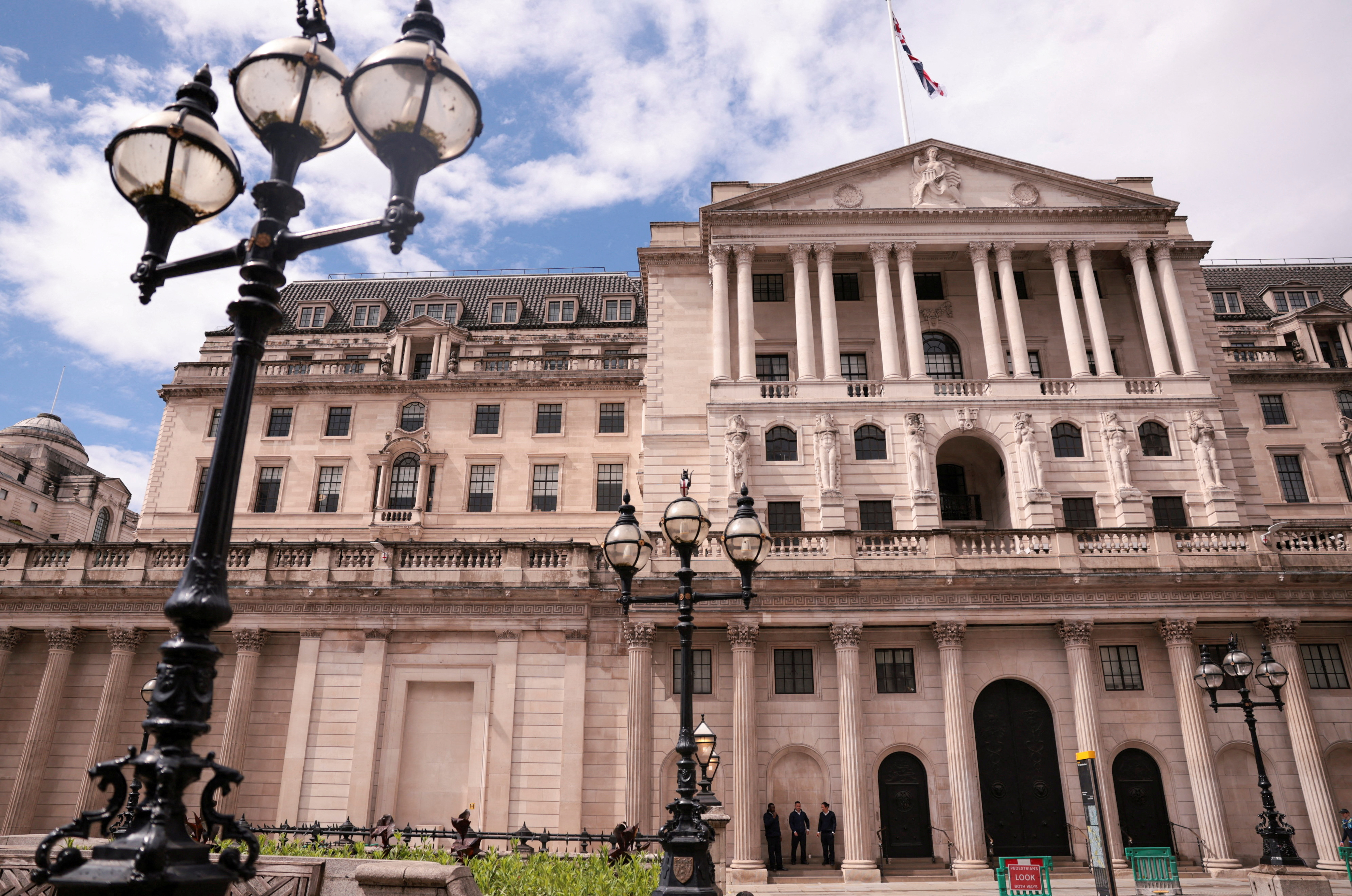
The Second Circuit U.S. Court of Appeals has ruled against the Internet Archive in a long-standing copyright dispute with four major publishing houses—Hachette, HarperCollins, Penguin Random House, and Wiley. This decision marks a significant blow to the nonprofit organization, known for its efforts to provide free access to millions of digital materials, including books, music, and videos. The core of the legal battle revolved around the Internet […]

Banking regulators in the United States, including the Federal Reserve, Federal Deposit Insurance Corporation (FDIC), and Office of the Comptroller of the Currency (OCC), are expected to release significant revisions to bank capital requirements this month. These changes, which aim to strengthen the resilience of the financial system, are part of the larger “Basel III endgame” framework. The upcoming rules are targeted at banks with over $100 billion in assets, with the intention of bolstering their ability to withstand future financial crises.

The planned regulations will eliminate the use of banks’ internal risk models in favor of standardized models, addressing longstanding concerns about inconsistencies in how banks evaluate their risk exposure. If implemented, the new capital requirements will be phased in over three years, beginning in July 2025. However, the proposal has met with significant resistance from the banking industry, which argues that the regulations could lead to reduced lending capacity, stifling economic growth and affecting consumer credit availability.

The proposed revisions represent a culmination of years of efforts by regulators to tighten capital standards in the aftermath of the 2008 financial crisis. Banks have faced increasing scrutiny from both regulators and lawmakers over the adequacy of their capital buffers. Stress tests conducted by U.S. authorities have consistently shown that the nation’s banking system remains well-capitalized, but concerns linger about whether current rules are sufficient to safeguard against future economic shocks.

Among the major changes expected is the implementation of higher capital buffers for banks, particularly those with significant trading operations. This would affect major Wall Street firms, including JPMorgan Chase, Goldman Sachs, and Citigroup. These institutions could be required to hold substantially more capital against their trading assets, which has drawn criticism from the financial sector. The American Bankers Association (ABA) and other industry groups have argued that excessive capital requirements could reduce profitability and hamper their ability to finance economic activity.

Despite these objections, proponents of the new rules, including key regulatory figures, have emphasized the importance of ensuring that banks are prepared for a range of potential crises. Federal Reserve officials have expressed confidence in the banking system’s current stability but have stressed that more stringent capital requirements would reduce the likelihood of taxpayer-funded bailouts in the future. They have also pointed to the Basel III guidelines as an international standard, which the U.S. must comply with to maintain financial stability on a global scale.

Opponents within the banking sector are mounting an aggressive lobbying campaign to delay or modify the rulemaking. They argue that the proposed rules do not take into account the economic impact of stricter capital standards, especially at a time when inflation and interest rate hikes are already placing significant pressure on the industry. Large banks, which are likely to be most affected by the new regulations, have voiced concerns that they will be forced to cut back on lending activities to meet the higher capital requirements.

The pushback has been particularly vocal from some of the biggest players in the financial industry, who warn that the new capital rules could lead to reduced lending to businesses and consumers. The ABA, in a statement, expressed support for strong capital requirements but urged regulators to strike a balance that does not stifle economic growth. They argue that while the banking sector remains resilient, overly stringent capital rules could inadvertently weaken it by making credit more expensive and difficult to obtain.

At the heart of the debate is the balance between financial stability and economic growth. Regulators believe that higher capital buffers will protect the economy from future crises, ensuring that banks can absorb losses without threatening the broader financial system. On the other hand, industry critics argue that the proposed rules may do more harm than good, reducing banks’ ability to lend at a critical time for the economy.

Saudi Arabia is urged by the International Monetary Fund (IMF) to persist with its economic reforms despite fluctuations in global oil prices. The IMF’s recent analysis underscores the importance of maintaining structural changes to ensure long-term economic stability and diversification.

The IMF’s call comes at a pivotal moment for Saudi Arabia, which is navigating a volatile oil market while striving to reduce its economic dependence on petroleum revenues. As oil prices exhibit considerable volatility due to global economic uncertainties and shifting energy policies, the IMF emphasizes that the Kingdom’s reform efforts are crucial for sustained economic growth and resilience.

In its latest report, the IMF highlights that Saudi Arabia’s Vision 2030 program, which seeks to diversify the economy away from oil, remains a critical strategy. This ambitious reform agenda includes investments in non-oil sectors, enhancement of the business environment, and initiatives to boost private sector participation. Despite the current challenges posed by fluctuating oil prices, the IMF argues that these reforms should continue unabated to foster a more robust and adaptable economy.

The IMF’s recommendation is grounded in the belief that economic diversification is essential for mitigating the risks associated with oil price volatility. Historically, Saudi Arabia’s economy has been highly susceptible to the ups and downs of global oil markets, which has often led to significant economic fluctuations. By advancing reforms and investing in sectors beyond oil, Saudi Arabia aims to build a more stable and resilient economic foundation.

Key components of the Vision 2030 reform agenda include the development of the tourism sector, expansion of the digital economy, and enhancement of the Kingdom’s investment environment. The Saudi government has been actively pursuing these goals, with notable progress in areas such as infrastructure development and regulatory improvements. For instance, the establishment of the Saudi Public Investment Fund (PIF) has been a cornerstone of the Kingdom’s strategy to drive investments in diverse sectors, ranging from technology to entertainment.

The IMF’s recommendation also reflects a broader trend among international financial institutions that advocate for structural reforms in oil-dependent economies. Such reforms are seen as essential for ensuring sustainable economic growth and reducing vulnerability to external shocks. The IMF’s stance aligns with previous assessments that underscore the need for comprehensive economic strategies to manage the transition from a resource-dependent economy to a more diversified and knowledge-based economy.

Saudi Arabia’s commitment to reform has been demonstrated through various high-profile initiatives, including the privatization of state-owned enterprises and the introduction of new business regulations aimed at fostering entrepreneurship. Additionally, the Kingdom has made strides in enhancing its social and economic infrastructure, with initiatives such as the Saudi National Industrial Development and Logistics Program (NIDLP) aimed at strengthening industrial capabilities and logistics networks.

Despite these efforts, the challenges posed by fluctuating oil prices continue to impact the Saudi economy. Recent data indicates that the Kingdom has experienced fluctuations in its fiscal balance and external trade due to variations in oil revenue. These fluctuations underscore the importance of the IMF’s recommendation to sustain reform efforts as a means of stabilizing the economy and ensuring long-term prosperity.

As Saudi Arabia navigates these challenges, the IMF’s guidance provides a strategic framework for policymakers to follow. The emphasis on maintaining reform momentum is intended to help the Kingdom achieve its economic goals and enhance its position in the global economy. By addressing structural vulnerabilities and advancing diversification, Saudi Arabia aims to create a more resilient and dynamic economic landscape.

Rebound, an innovative UAE-based company, has unveiled a pioneering global subscription-based recycling platform aimed at addressing the escalating waste management crisis. This platform, which promises to revolutionize recycling practices, offers users a streamlined and efficient way to manage and reduce waste across various regions. The platform’s core functionality revolves around providing users with a comprehensive recycling service that spans multiple countries. Subscribers will receive detailed instructions and […]

By Dr. Gyan Pathak Farmers have been demanding legal guarantee for Minimum Support Price (MSP), but the Centre has announced 7 new big schemes for farm sector worth Rs14,000 crore on September 2. Modi government said that the schemes intended for farmers welfare, but farmers have been saying that their well-being depend on the legally […]

By Arun Srivastava The RSS leadership has imparted a new dimension to its protracted battle against Prime Minister Narendra Modi by extending support to caste census at the three day conclave of RSS organisations that ended in Kerala on September 2. With deepening existential crisis and unable to find a viable political device to combat […]

By K Raveendran The drop in crude oil prices below the $75 per barrel threshold has raised significant concerns within the oil market, particularly for the OPEC+ cartel, which has been striving to maintain prices near the desired $100 mark. The decline, influenced by a potential resolution of the Libyan political crisis and underlying economic […]
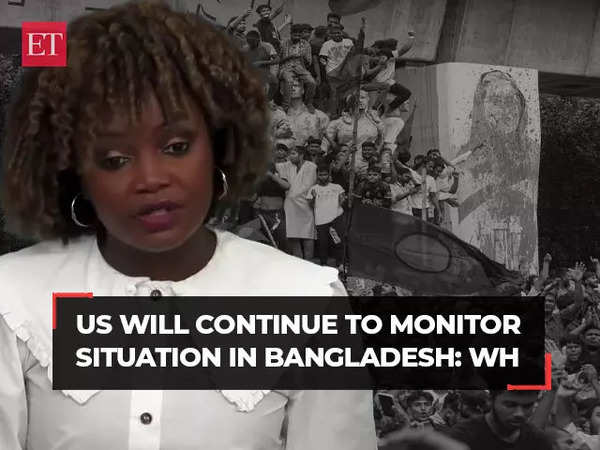
By Nitya Chakraborty The interim Government in Bangladesh led by Dr. Muhammad Yunus has achieved big success in the last few days in persuading the Biden administration to help in bailing out the country’s ailing economy to meet the immediate challenges of the post-Hasina administration. Interim Government head Dr. Md. Yunus who has good friends […]

The SaltWire Network, Atlantic Canada’s largest newspaper chain, is grappling with significant financial turmoil, culminating in the recent acquisition by Toronto’s Postmedia Network for $1 million. This deal follows SaltWire’s failure to meet its financial obligations, resulting in the layoff of 60 employees from its newsrooms. The situation has raised serious concerns about the future of local journalism in a region known for its strong media tradition.

SaltWire, which once boasted 26 newspapers across Atlantic Canada, has struggled to sustain its operations amid declining revenue and shifting media consumption patterns. The layoffs reflect a broader trend affecting the Canadian newspaper industry, where the number of daily newspapers has decreased from 104 a decade ago to 71 today. This decline mirrors a nationwide shift towards digital news consumption, leaving traditional print media in a precarious position.

Joseph Howe, a prominent figure in Atlantic Canada’s media history, symbolizes the region’s deep-rooted commitment to journalism. Howe’s statue near the provincial legislature serves as a testament to the once-thriving local press that has now been severely impacted by these recent cuts. The reduction in staff poses critical questions about the future coverage of local news and municipal politics, which are essential for maintaining informed and engaged communities.

Kim Kieran, a journalism professor, voices concern over the diminishing local news coverage. She questions, “Who’s covering the local news? Who’s covering municipal politics?” Kieran’s worry reflects the broader implications of the layoffs on civic engagement and the democratic process. The absence of robust local reporting may undermine transparency and informed public discourse.

Postmedia’s acquisition of SaltWire aims to stabilize the network’s operations and avert a complete shutdown. The company’s CEO has defended the layoffs as a necessary measure for ensuring the long-term sustainability of the newspapers. This move highlights the ongoing struggle to balance the preservation of local journalism with financial realities.

The Canadian government’s role in supporting the news industry is under scrutiny, with discussions ongoing in the House of Commons about potential subsidies and support measures. The future of Canadian journalism may hinge on these political decisions, as the industry navigates this “existential moment,” according to Postmedia’s CEO.

As Postmedia takes over SaltWire’s assets, the future of local reporting in Atlantic Canada remains uncertain. The challenge for industry leaders and policymakers will be to adapt to the evolving media landscape while ensuring that critical local news coverage continues to serve the public.

Libya’s National Oil Corporation (NOC) has declared force majeure on operations at the El Sharara oil field, a critical asset in the country’s oil production infrastructure. This decision comes as tensions escalate between various factions within the Libyan government, further complicating the nation’s already turbulent political landscape. El Sharara, one of Libya’s largest oil fields, has been a focal point in the ongoing struggle for control over […]

WazirX, one of the largest cryptocurrency exchanges in India, continues to grapple with the aftermath of a significant security breach that resulted in the theft of over $234 million in digital assets. The cyberattack, which occurred in mid-July, has left approximately 43% of customer funds at risk, as the hacker has successfully moved 2,600 ETH (Ethereum) to unknown wallets, complicating the recovery efforts. The incident began when […]

Israel’s largest labor union, Histadrut, has announced a general strike across the country, intensifying pressure on the government to take action on the ongoing Gaza hostage crisis. The strike, set to begin on Monday, follows mounting frustration over the government’s perceived inaction in securing the release of Israeli hostages held by Hamas.

The decision to strike came after Histadrut’s leader, Arnon Bar-David, met with the families of the hostages. The meeting reportedly solidified the union’s resolve to push for more decisive measures from the government. The strike, which will impact various sectors including transportation, healthcare, and education, is expected to bring much of the country to a standstill.

This move adds another layer of complexity to the already tense political environment in Israel, where the government’s handling of the hostilities with Hamas has been under intense scrutiny. The union’s strike represents a significant escalation in domestic opposition to the government’s strategy, highlighting the growing impatience among Israelis over the lack of progress in resolving the hostage situation.

The general strike is also seen as a direct challenge to Prime Minister Benjamin Netanyahu’s administration, which has been facing widespread criticism for its handling of the crisis. The Prime Minister’s office has not yet issued an official response to the union’s announcement, but the strike is expected to increase pressure on the government to prioritize negotiations or military action to secure the hostages’ release.

As the strike looms, the broader implications for Israel’s economy and society are profound. The Histadrut, which represents over 800,000 workers, wields significant influence, and its actions could further destabilize the already volatile situation in the region. This development underscores the urgency with which Israelis are demanding a resolution to the hostage crisis, and it signals a potential turning point in the government’s approach to the ongoing conflict.

The Osteoporosis Society of Hong Kong (OSHK) Launches Groundbreaking Clinical Guidelines to Combat Growing Public Health Burden HONG KONG SAR – Media OutReach Newswire – 1 September 2024 – Alarming Burden of Fragility Fractures in Hong Kong The burden of osteoporosis in Hong Kong has reached alarming levels, with a staggering 51.2% surge in fragility fractures over the past 14 years. The number of cases has skyrocketed […]

VISHNU RAJA
RYO YAMADA
HITORI GOTOH
IKUYO KITA