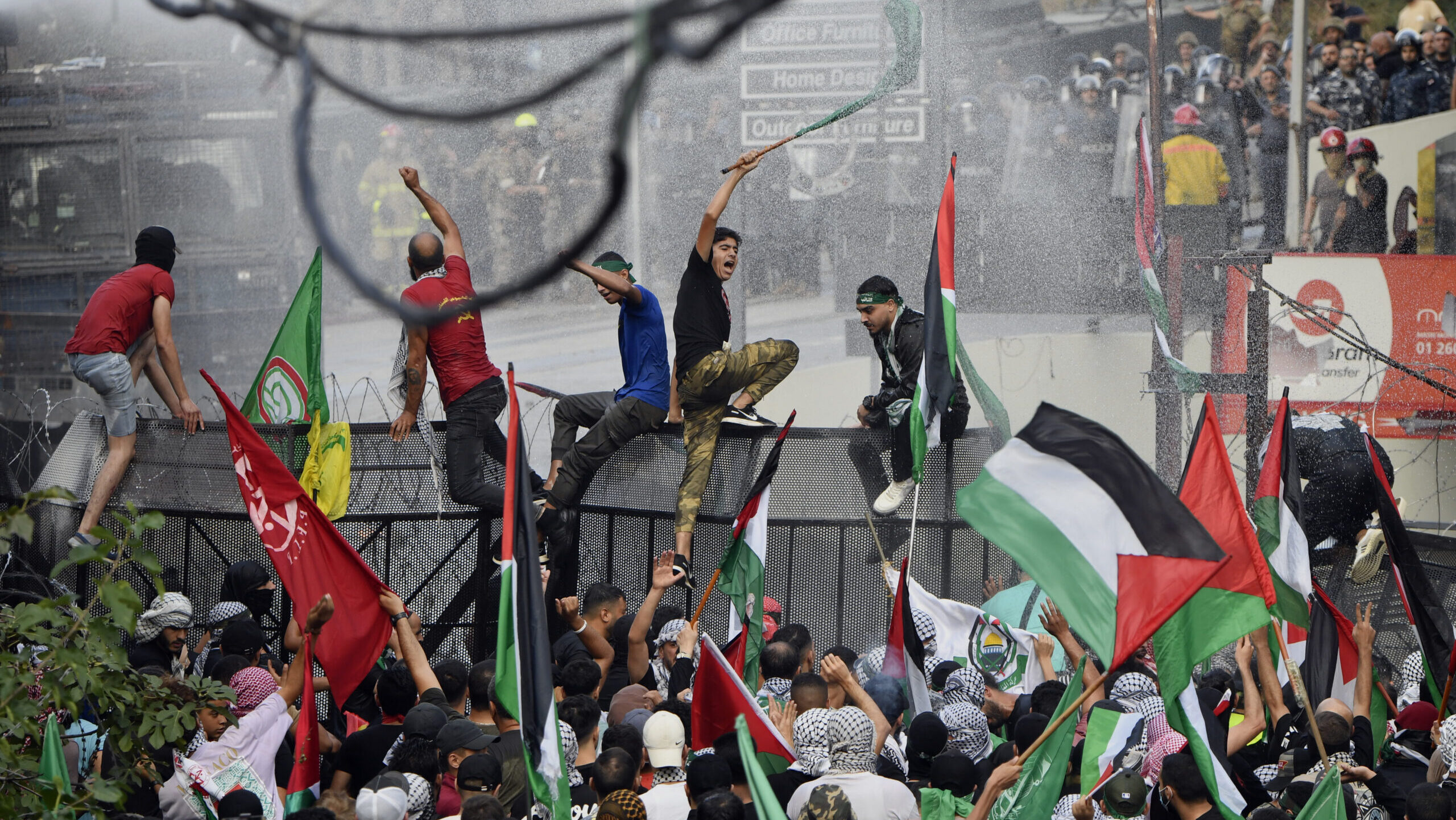
News related to
ISIS

A rocket attack targeted the Ain Al Asad air base in Iraq, resulting in injuries to several US personnel. The incident occurred on Monday, prompting immediate responses from both US and Iraqi military forces.

The attack involved the launch of multiple rockets towards the air base, a key installation housing US troops and equipment. Initial reports indicate that the rockets were fired from an unknown location, and investigations are underway to determine the responsible parties. The injured personnel received immediate medical attention, with some evacuated to more advanced medical facilities for further treatment.

Ain Al Asad, located in Iraq’s Anbar province, has been a frequent target of rocket and drone attacks, particularly by groups with links to Iranian-backed militias. These groups have often targeted US military installations in retaliation for various geopolitical tensions in the region.

The timing of this attack is notable, coming amidst heightened regional tensions following the recent escalation of hostilities between Israel and Hezbollah, along with ongoing instability in Iraq. The US military has reiterated its commitment to maintaining a presence in Iraq to support the fight against remnants of the Islamic State and to provide stability in the region.

Pentagon officials have condemned the attack, emphasizing that such actions will not deter the US from its mission in Iraq. They highlighted that the security of personnel and assets remains a top priority, and necessary measures will be taken to protect them. Additionally, efforts are being intensified to enhance the base’s defensive capabilities to prevent future attacks.

The Ain Al Asad air base has historically been a strategic location for US operations in the Middle East. It has played a critical role in the coalition’s efforts against ISIS and continues to be a vital hub for training and supporting Iraqi security forces. The base has also hosted numerous high-profile visits, including a visit by former US President Donald Trump in 2018.

Local Iraqi authorities are cooperating with US forces to investigate the attack and to track down those responsible. This incident underscores the ongoing volatility in the region and the persistent threats faced by US and coalition forces stationed in Iraq.

As the situation develops, both US and Iraqi forces are expected to bolster security measures and remain vigilant against further threats. The international community watches closely as tensions in the Middle East continue to pose significant challenges to regional and global security.

Sources:
– Times Now
– LBC
– CBS News

Tensions between Israel and Iran have escalated, with Israel bracing for potential attacks as the United States urges for a cease-fire in Gaza. The situation remains volatile following the recent strikes by Israel on Gaza, which targeted Hamas militants and resulted in significant casualties. Israeli forces have intensified their operations in Gaza, leading to the deaths of over 60 Palestinians, including many at a UN-run school in […]

The United Arab Emirates (UAE) is emerging as a significant diplomatic force in the Middle East by leveraging its support for Gaza and its growing ties with Israel. The UAE’s recent initiatives highlight its strategic approach to regional politics and its evolving role in Middle Eastern diplomacy.

In a notable move, the UAE has pledged substantial aid to Gaza, aiming to alleviate the humanitarian crisis exacerbated by ongoing conflicts. This commitment not only underscores the UAE’s humanitarian efforts but also positions it as a key player in Middle Eastern peace efforts. The aid includes financial support, medical supplies, and infrastructure development projects designed to address urgent needs in the beleaguered region.

Simultaneously, the UAE is deepening its relationship with Israel, a development that reflects a broader shift in regional alliances. The normalization of relations between the two countries, formalized through the Abraham Accords, has led to increased economic and diplomatic exchanges. Recent agreements between the UAE and Israel encompass various sectors, including technology, trade, and security cooperation. This collaboration is seen as part of the UAE’s strategy to enhance its influence and build stronger ties with Western nations and other global powers.

The UAE’s dual approach—offering aid to Gaza while strengthening relations with Israel—demonstrates a sophisticated balancing act aimed at boosting its regional standing. By providing humanitarian assistance to Gaza, the UAE is addressing critical issues and gaining support from various stakeholders in the Arab world. Concurrently, its partnership with Israel signals a pragmatic approach to regional politics, reflecting a willingness to engage with diverse political entities to advance its national interests.

Experts suggest that the UAE’s actions are part of a broader strategy to position itself as a pivotal diplomatic actor in the Middle East. The combination of humanitarian aid and diplomatic engagement with Israel is seen as a means to enhance the UAE’s influence and stability in the region. This strategy aligns with the UAE’s broader goals of economic diversification and regional leadership, as it seeks to play a central role in shaping the future of the Middle East.

As the UAE continues to navigate its complex diplomatic landscape, its actions are closely watched by both regional and international observers. The UAE’s approach to Gaza and its relationship with Israel reflect a nuanced and strategic effort to balance humanitarian concerns with geopolitical ambitions. This evolving dynamic underscores the UAE’s growing role as a key player in Middle Eastern diplomacy, shaping the future of the region through a combination of aid and strategic alliances.

The UAE’s recent diplomatic maneuvers highlight its ambition to influence regional politics and enhance its global standing. By addressing humanitarian needs in Gaza while fostering ties with Israel, the UAE is positioning itself as a central figure in Middle Eastern affairs, demonstrating a sophisticated approach to diplomacy that blends humanitarian efforts with strategic partnerships.

The United Arab Emirates (UAE) is reinforcing its diplomatic stance by balancing its aid efforts in Gaza with maintaining ties with Israel. This comes amid escalating tensions and concerns over the humanitarian situation in the Gaza Strip. The UAE has been actively involved in providing humanitarian assistance to Gaza. UAE’s Ambassador to the United Nations, Lana Nusseibeh, highlighted the country’s efforts, including the establishment of a field […]

The latest report from the United Nations’ satellite analysis agency, UNOSAT, reveals extensive damage to infrastructure in Gaza. According to the findings, approximately 63% of buildings in the region have been affected by the ongoing Israeli military actions. UNOSAT’s assessment, released on August 3, provides a comprehensive overview of the impact of recent hostilities on Gaza’s infrastructure. The analysis indicates that a substantial portion of residential, commercial, […]

There is Power in the Coffee You Drink : C.P.U. 2024 KUALA LUMPUR, MALAYSIA – Media OutReach Newswire – 1 August 2024 – The escalating climate crisis, with its unpredictable weather patterns and rising temperatures, is not only impacting coffee farming and forestry but is also being worsened by unsustainable practices in these industries. This creates a harmful cycle that jeopardizes the livelihoods of coffee farmers and […]

By K Raveendran The Union government’s decision to issue a fresh draft notification for nearly 56,825 sq km of the Western Ghats as an Eco-Sensitive Area (ESA) in the wake of the catastrophic landslides that ravaged Wayanad, flattening entire swathes of settlements, markets, and public spaces can only be seen a knee-jerk reaction, rather than […]
Advertisements

Vice President Kamala Harris has secured critical backing from a prominent U.S. Muslim group as pro-Gaza delegates push for greater influence within the Democratic Party. This development comes at a time when the party grapples with internal divisions over the Israel-Gaza conflict.

Harris has been advocating for a more balanced U.S. stance on the conflict, emphasizing the need for humanitarian aid and protection for civilians in Gaza. Her recent calls for a ceasefire have resonated with progressive factions and Muslim communities, who have been vocal about the humanitarian crisis in the region.

The shift in support is significant given the historical alignment of Muslim voters with the Democratic Party. Harris’s stance represents a nuanced position that seeks to address the concerns of both pro-Israel and pro-Palestinian advocates within the party. Her approach includes condemning Islamophobia while also supporting Israel’s right to defend itself, a stance that has garnered both praise and criticism from different quarters.

The endorsement from the Muslim group is seen as a strategic move to strengthen Harris’s position within the party and appeal to a broader base of voters. This backing could prove crucial as the Democratic National Convention approaches, where delegates will play a pivotal role in shaping the party’s platform and candidate selection.

Harris’s proactive engagement on this issue highlights the ongoing struggle within the Democratic Party to balance its traditional support for Israel with the growing demand for Palestinian rights and humanitarian considerations. Her efforts to align with progressive constituencies reflect the evolving dynamics within the party and the broader political landscape.

This support from the Muslim group not only boosts Harris’s credentials but also underscores the increasing influence of diverse voter blocs in shaping U.S. political discourse. The outcome of these internal party dynamics will likely have significant implications for the Democratic Party’s future direction and its approach to foreign policy, particularly in the Middle East.

In sum, Harris’s recent actions and the endorsement from a key Muslim group indicate a strategic realignment within the Democratic Party, aiming to address the complex and often contentious issues surrounding the Israel-Gaza conflict. This move is poised to impact the party’s unity and electoral prospects as it navigates the intricate balance of supporting both Israeli security and Palestinian humanitarian needs.

Faith leaders from around the world are gathering in Baku, Azerbaijan, for a pivotal summit focused on climate action. Organized by the Muslim Council of Elders in collaboration with the COP29 Presidency and the United Nations Environment Programme (UNEP), the event aims to highlight the crucial role of religious communities in addressing the global climate crisis. Judge Mohamed Abdelsalam, Secretary-General of the Muslim Council of Elders, emphasized […]

A humanitarian aid plane dispatched by the United Arab Emirates has arrived in the Philippines to assist with the aftermath of Typhoon Gaemi. This swift response follows instructions from President Sheikh Mohamed bin Zayed Al Nahyan, aiming to provide immediate relief to affected communities grappling with severe landslides and flooding.

Typhoon Gaemi has wreaked havoc across the northern regions of the Philippines, causing significant infrastructure damage and displacing thousands. The UAE’s aid mission includes essential supplies such as food, medical kits, and temporary shelter materials, intended to address the urgent needs of those impacted by the storm.

The UAE’s gesture is part of a broader international response to the disaster. Global organizations and several countries have mobilized resources to support relief efforts. The Philippine government has praised the UAE for its timely assistance, which underscores the importance of global solidarity in times of crisis.

The aid plane’s arrival marks a critical step in the emergency relief operations, as local authorities and aid organizations work tirelessly to assess the full extent of the damage and coordinate recovery efforts. The UAE’s support aligns with its ongoing commitment to humanitarian aid, reinforcing its role as a key player in international relief initiatives.

This collaborative effort highlights the urgent need for comprehensive disaster response strategies, emphasizing the role of international cooperation in managing the impacts of extreme weather events. The UAE’s intervention is expected to provide substantial relief to the hardest-hit areas, contributing to the broader goal of recovery and rebuilding in the wake of Typhoon Gaemi.

Diplomatic efforts to revive peace talks between Israel and Gaza have intensified following the death of Ismail Haniyeh, a key figure in the Hamas leadership. The US government is actively engaging with regional stakeholders to address the potential implications of Haniyeh’s death on the ongoing conflict and peace negotiations. Ismail Haniyeh, who served as the political leader of Hamas, passed away due to health complications. His death […]

By K Raveendran Finance Minister Nirmala Sitharaman’s response to the opposition’s critique of the budget, coupled with Rahul Gandhi’s performance, has turned out to be the highlight of the debate on the budget in the Lok Sabha. The crux of the opposition’s argument was that the budget disproportionately favoured Bihar and Andhra Pradesh, states of […]
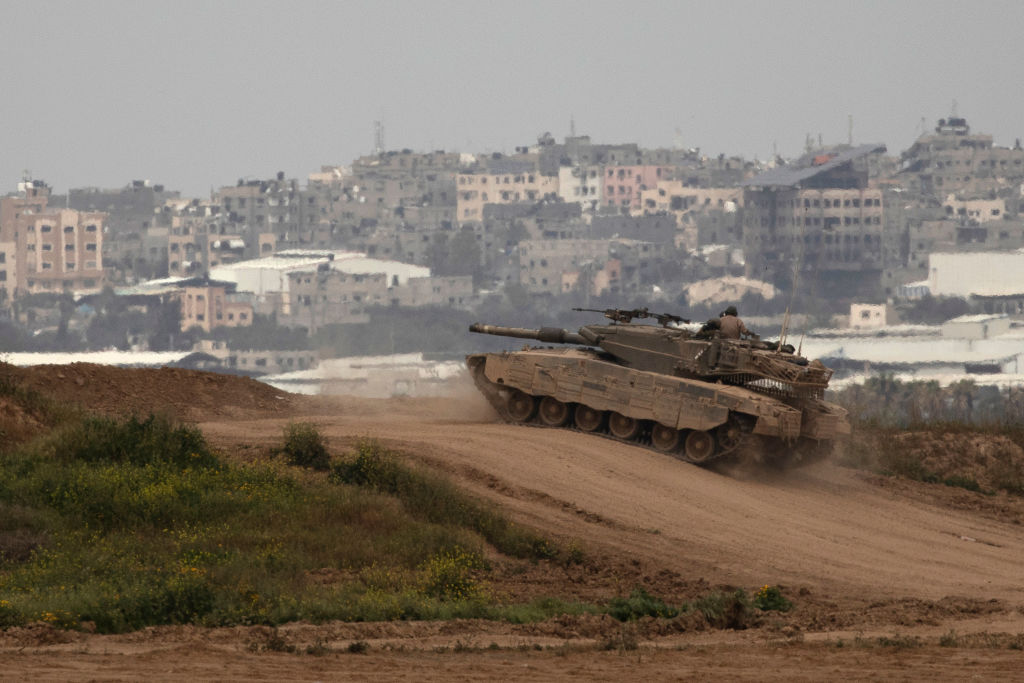
A fragile truce in Iraq faces significant jeopardy following a recent U.S. airstrike targeting a militant base south of Baghdad. The attack has intensified tensions, with the Islamic Resistance in Iraq vowing retaliation. This escalation could unravel ongoing peace efforts and destabilize an already volatile region.

The U.S. strike, conducted late last week, was aimed at a compound reportedly used by Iran-backed militias. According to Pentagon sources, the operation was in response to recent threats against American personnel and facilities in Iraq. This action marks a severe escalation in the U.S. military’s involvement in the region and has drawn sharp condemnation from various factions within Iraq.

The Islamic Resistance in Iraq, a prominent group within the broader network of Iranian-aligned militias, has condemned the strike as a blatant violation of Iraqi sovereignty. The group’s senior official indicated that retaliation is imminent, exacerbating fears of a renewed cycle of violence. This development threatens to undermine the delicate balance that has been maintained through ongoing negotiations and diplomatic efforts.

The truce, which has been in place for several months, was intended to reduce hostilities and facilitate dialogue between conflicting parties. It followed a period of intense conflict marked by frequent skirmishes and escalating tensions between Iraqi militias and U.S. forces. The recent airstrike not only jeopardizes this truce but also risks inflaming regional tensions further, potentially drawing in other actors and destabilizing the broader Middle Eastern landscape.

Observers are concerned that the strike could prompt a series of retaliatory actions, leading to a resurgence of hostilities. This would not only disrupt the fragile peace process but also have significant repercussions for the stability of Iraq and the wider region. The potential for a broader conflict underscores the need for immediate diplomatic interventions to de-escalate the situation.

The Iraqi government has condemned the U.S. action, emphasizing the need for respect of its sovereignty and urging restraint from all parties involved. However, the response from the Islamic Resistance in Iraq suggests that diplomatic appeals may not be sufficient to prevent further escalation. The situation remains fluid, with both sides preparing for potential further conflict.

The international community has called for calm and restraint, stressing the importance of dialogue and peaceful resolution to the crisis. However, the immediate aftermath of the strike indicates that the path to de-escalation will be fraught with challenges. The U.S. and Iraqi governments are under immense pressure to navigate the complex dynamics of this conflict and work towards stabilizing the region.

As the situation continues to unfold, the global community watches closely, hoping for a resolution that will preserve the fragile truce and prevent further violence. The next steps taken by the involved parties will be critical in determining whether the current crisis can be mitigated or if it will lead to a broader and more destructive conflict.

Boeing has appointed Kelly Ortberg as its new CEO, a move aimed at steering the company through challenging financial waters. Ortberg, who previously led Rockwell Collins and boasts extensive experience in aviation, takes the helm at a pivotal time for Boeing. The company has reported a substantial increase in its second-quarter losses, reflecting ongoing difficulties and operational hurdles.

Ortberg’s appointment comes as Boeing grapples with a significant financial downturn. For the second quarter of the fiscal year, Boeing’s losses widened compared to the same period last year. The company’s financial report reveals a steep decline in revenue and ongoing struggles within its commercial and defense sectors. The worsening financial performance underscores the persistent challenges Boeing faces, including supply chain disruptions and delays in aircraft deliveries.

The decision to bring Ortberg on board signals Boeing’s intent to revitalize its leadership and address its financial issues head-on. Ortberg, known for his successful tenure at Rockwell Collins, is expected to leverage his industry expertise to navigate Boeing through its current crisis. His leadership is anticipated to play a crucial role in reshaping Boeing’s strategy and improving operational efficiencies.

Boeing’s financial woes have been compounded by several factors, including reduced demand for new aircraft and increased costs associated with production and regulatory compliance. The company’s recent struggles reflect broader issues within the aerospace industry, where manufacturers are contending with a fluctuating market and evolving technological requirements.

As Boeing seeks to stabilize its financial situation, the appointment of Ortberg is seen as a strategic move to restore confidence among investors and stakeholders. The aviation veteran’s background in leading major aerospace companies provides a foundation for addressing the complex challenges Boeing faces. The company hopes that Ortberg’s leadership will drive a turnaround and position Boeing for long-term success.

The broader aerospace sector is experiencing a period of transformation, with companies adjusting their strategies in response to changing market dynamics and technological advancements. Boeing’s focus on improving its financial performance and operational effectiveness aligns with industry trends, as manufacturers adapt to new demands and evolving customer expectations.

Boeing’s financial outlook will be closely monitored in the coming quarters to assess the impact of Ortberg’s leadership. The company’s ability to address its current challenges and achieve financial stability will be critical in determining its future trajectory. The appointment of a seasoned executive like Ortberg reflects Boeing’s commitment to navigating its difficulties and striving for a more resilient operational model.

With Ortberg now at the helm, Boeing is poised to undertake a strategic reassessment of its operations and financial strategies. The aviation industry’s evolving landscape will present both opportunities and obstacles, and Boeing’s ability to adapt and respond effectively will be key to its future success.

Palestinians in Gaza are grappling with heightened despair following the tragic death of three sons of Hamas leader Ismail Haniyeh in an Israeli airstrike. This attack occurred during the Muslim holiday of Eid al-Fitr, a time typically marked by celebration and communal gathering.

The Israeli airstrike targeted a car carrying Haniyeh’s sons—Hazem, Amir, and Mohammed—along with several of his grandchildren in the Al-Shati refugee camp. Eyewitnesses reported the car being obliterated, resulting in the deaths of all its occupants. This incident has intensified the already dire humanitarian situation in Gaza, where more than 30,000 Palestinians have been killed since the conflict began six months ago.

Ismail Haniyeh condemned the attack as a “horrendous massacre” and reaffirmed his commitment to the Palestinian cause. In a televised statement, he declared that such actions by Israel would not weaken the resolve of the Palestinian people but instead strengthen their determination to resist.

The war in Gaza has led to widespread devastation, with the majority of the population facing severe shortages of food, clean water, and medical supplies. Israel’s military offensive has displaced 85% of Gaza’s population, leaving many without homes and basic necessities. The international community has voiced concern over the humanitarian crisis, with the International Court of Justice urging Israel to take measures to prevent famine in the region.

This event has exacerbated tensions in the Middle East, with Israel’s actions being condemned by various global leaders. Iran’s Supreme Leader, Ayatollah Ali Khamenei, issued a stern warning to Israel, promising repercussions for the airstrike that also killed several Iranian generals in Syria.

As Gaza continues to mourn, the future remains uncertain. The conflict has pushed the region to the brink, with the latest incident only deepening the sense of hopelessness among its residents.

UAE President Sheikh Mohamed bin Zayed Al Nahyan and Vice Presidents Sheikh Mohammed bin Rashid Al Maktoum and Sheikh Mansour bin Zayed Al Nahyan have conveyed their heartfelt condolences to President Droupadi Murmu and Prime Minister Narendra Modi following devastating floods in India that have resulted in significant loss of life and property. The catastrophic floods have affected various states, causing severe damage to infrastructure, displacing thousands, […]

An Israeli airstrike hit Beirut on Tuesday night, targeting senior Hezbollah commander Fouad Shukr. This move marks a significant escalation in the long-standing tension between Israel and Hezbollah, a militant group based in Lebanon.

Fouad Shukr, a senior member of Hezbollah’s military wing, has been a key figure in the organization’s operations for decades. He is alleged to have played a pivotal role in the planning and execution of various military actions against Israel. Shukr’s involvement in the group’s military strategies has made him a high-value target for Israeli forces.

The strike on Beirut was part of a broader campaign by Israel to neutralize Hezbollah’s leadership and diminish its operational capabilities. Israeli officials have accused Hezbollah of stockpiling weapons and preparing for attacks against Israeli targets. The targeting of Shukr is seen as a strategic move to disrupt Hezbollah’s command structure and weaken its ability to coordinate attacks.

This development comes amid heightened tensions in the region. Over the past few weeks, both sides have exchanged threats and accusations, with Hezbollah leaders vowing to retaliate against Israeli aggression. The group has a substantial presence in Lebanon and is known for its sophisticated military capabilities, including a significant arsenal of rockets and missiles.

Israel’s intelligence services have been closely monitoring Hezbollah’s activities, aiming to thwart potential threats before they materialize. The decision to strike Shukr was likely based on actionable intelligence indicating his involvement in planning imminent attacks against Israel. The precision strike underscores Israel’s commitment to defending its borders and deterring hostile actions from Hezbollah.

Hezbollah’s leadership has yet to issue an official statement regarding the strike on Shukr. However, sources within the group have indicated that they are assessing the damage and planning a response. The strike is expected to provoke a strong reaction from Hezbollah, which has a history of retaliating against Israeli military actions.

The international community has expressed concern over the escalation of hostilities between Israel and Hezbollah. The United Nations has called for restraint from both sides to prevent a further deterioration of the situation. Diplomatic efforts are underway to de-escalate the conflict and encourage dialogue between the parties involved.

The strike on Fouad Shukr highlights the ongoing volatility in the Middle East and the fragile balance of power in the region. Both Israel and Hezbollah possess significant military capabilities, and any further escalation could lead to a broader conflict with severe consequences for the region.

The Lebanese government, which has limited control over Hezbollah’s activities, is also under pressure to address the situation. Lebanon is already facing a myriad of challenges, including a severe economic crisis and political instability. The strike adds another layer of complexity to the country’s already precarious situation.

In the coming days, the focus will be on Hezbollah’s response to the strike and how Israel will manage the fallout. The potential for a broader conflict remains high, and the international community will be watching closely to see how the situation unfolds.

As tensions continue to simmer, the prospect of a full-scale confrontation looms, posing a significant threat to regional stability. Both sides will need to weigh their options carefully to avoid a catastrophic escalation that could engulf the entire region in conflict.

A group of 85 Palestinians, including individuals severely injured and those suffering from cancer, have been evacuated to Abu Dhabi for medical treatment. The evacuees were accompanied by 63 family members, who will provide support during their treatment and recovery process.

The evacuation, facilitated by UAE authorities, underscores the ongoing humanitarian commitment to assist those affected by conflict and health crises. The arrival of these patients in Abu Dhabi marks a significant step in providing them with the necessary medical care that might be unavailable in their home region due to the ongoing instability and limited resources.

The patients were transported on a specially chartered flight that ensured their safe and efficient arrival. Medical professionals and support staff accompanied the patients throughout the journey, ensuring that their medical needs were met during the flight. The evacuees included a mix of individuals with severe injuries and cancer patients who require specialized treatment not accessible in their current locations.

Upon arrival, the patients were taken to various medical facilities across Abu Dhabi, where they will receive comprehensive care. These facilities are equipped with advanced medical technology and staffed by experienced healthcare professionals dedicated to providing high-quality care to the evacuees. The treatment plans for these patients will be tailored to their specific medical conditions, ensuring that they receive the most effective and appropriate care.

The UAE’s Ministry of Health and Prevention has coordinated with local hospitals to ensure a seamless transition for the patients. This coordination includes detailed plans for each patient’s treatment and recovery, with an emphasis on providing holistic care that addresses both their physical and psychological needs. Family members accompanying the patients will also receive support, ensuring that they can assist in the recovery process effectively.

This humanitarian initiative highlights the UAE’s ongoing efforts to provide aid to those in need, regardless of their nationality. The country has a history of offering medical assistance to people affected by conflicts and natural disasters worldwide. The latest evacuation effort is part of a broader commitment to humanitarian aid and medical diplomacy, aiming to alleviate the suffering of vulnerable populations.

The patients’ journey from conflict zones to the safety of Abu Dhabi was made possible through extensive collaboration between various UAE government agencies and international humanitarian organizations. This collaboration ensured that all logistical challenges were addressed, providing a safe and efficient pathway for the evacuees to receive the care they need.

Healthcare experts in Abu Dhabi have emphasized the importance of providing timely and high-quality medical treatment to the evacuees. They acknowledge the significant challenges these patients have faced and are committed to offering them the best possible care. This commitment is reflected in the meticulous planning and resources allocated to this evacuation effort.

As the evacuees settle into their treatment regimens, the broader international community continues to monitor the situation in the conflict-affected regions. The UAE’s example of providing direct and immediate medical assistance serves as a model for other nations and humanitarian organizations. This approach not only addresses the immediate medical needs of the patients but also contributes to long-term recovery and stability by supporting the health and well-being of affected populations.

The UAE’s actions underscore a compassionate response to a complex humanitarian crisis, demonstrating solidarity with those in need and offering a lifeline to individuals facing severe health challenges. This initiative is a testament to the power of coordinated humanitarian efforts and the impact they can have on the lives of those affected by conflict and health crises.

Airstrikes hit southern Beirut as the conflict between Israel and Gaza intensifies. The Israeli military launched attacks targeting Hezbollah positions in Lebanon’s capital, marking a significant escalation in the region.

Israel’s foreign minister declared the country was facing an “all-out war” following a deadly rocket strike in Majdal Shams, a town in the Golan Heights. The attack resulted in multiple casualties, raising tensions and prompting a swift military response from Israel.

The Israeli Defense Forces (IDF) reported that the airstrikes in Beirut aimed at neutralizing Hezbollah’s military capabilities, which Israel accuses of collaborating with Hamas in Gaza. The bombings targeted key infrastructure and weapons storage facilities, according to IDF spokespersons.

Hezbollah’s leader condemned the airstrikes, vowing retaliation and further complicating the conflict. The group claimed that the Israeli attacks damaged civilian areas and infrastructure, although the extent of the damage remains unclear.

The conflict’s escalation has drawn international concern, with calls for restraint and dialogue from the United Nations and several global leaders. The UN Secretary-General emphasized the need for immediate cessation of hostilities to prevent further humanitarian catastrophe.

In Gaza, the fighting has resulted in substantial casualties on both sides. Israeli airstrikes have targeted what they describe as military installations and tunnels used by Hamas. The Palestinian Health Ministry reported significant civilian casualties, including women and children, as a result of the bombings.

Humanitarian organizations have raised alarms over the deteriorating situation in Gaza. Hospitals are overwhelmed, facing shortages of medical supplies and electricity. The International Committee of the Red Cross (ICRC) called for safe corridors to deliver aid and evacuate the wounded.

The conflict’s impact extends beyond the immediate war zone. Protests and violent clashes have erupted in several cities across the Middle East, reflecting widespread anger and solidarity with the Palestinian cause. Demonstrations have also taken place in Western capitals, urging governments to intervene and advocate for a peaceful resolution.

Israel has faced international scrutiny over its military actions. Human rights organizations have called for investigations into potential violations of international law, particularly regarding the targeting of civilian areas in Gaza and Lebanon. The Israeli government maintains that its military operations are in self-defense and aimed at minimizing civilian harm.

Diplomatic efforts to broker a ceasefire have thus far been unsuccessful. Egypt and Qatar have been particularly active in mediating between the conflicting parties, but both sides remain entrenched in their positions. The United States has expressed support for Israel’s right to self-defense while urging for measures to protect civilians and reduce casualties.

The economic repercussions of the conflict are also significant. Gaza’s infrastructure has suffered extensive damage, affecting essential services and livelihoods. In Israel, the economy faces disruptions from rocket attacks, with businesses and schools in affected areas forced to close temporarily.

Regional analysts warn that the ongoing hostilities could destabilize the broader Middle East, with potential spillover effects into neighboring countries. The involvement of Hezbollah and the airstrikes in Beirut indicate a risk of the conflict expanding beyond Gaza and Israel.

As the situation unfolds, the international community continues to monitor developments closely. The prospects for a lasting peace appear dim amid the current escalation, with deep-seated grievances and historical animosities driving the conflict.

Efforts to address the humanitarian crisis and rebuild trust between the parties are crucial for any future resolution. The global call for peace underscores the urgent need for dialogue and diplomacy to end the violence and pave the way for a sustainable solution.

The Gaza conflict, now in its tenth month, has escalated with significant military and humanitarian implications. The Israeli Defense Forces (IDF) have intensified their operations, focusing on dismantling Hamas infrastructure. According to IDF Chief of Staff Herzi Halevi, these efforts aim to weaken Hamas’s capabilities and secure the release of hostages.

The death toll in Gaza has reached over 38,000, as reported by the Hamas-run Gaza Health Ministry, though these figures remain unverified by independent sources. The United Nations has previously critiqued Hamas for inflating casualty figures, particularly regarding non-combatants. The conflict has resulted in extensive civilian casualties and widespread destruction, exacerbating the humanitarian crisis in the region.

Israeli Defense Minister Yoav Gallant reported that approximately 60% of Hamas combatants have been killed or wounded, significantly reducing the group’s operational capacity. This includes the dismantling of several Hamas battalions, reflecting the intensity of the ongoing military campaign.

The situation in Gaza is described by UN humanitarian officials as catastrophic, with urgent calls for international intervention. The conflict has strained regional stability and led to severe shortages of essential supplies, including food, water, and medical aid.

The international community remains divided on the response to the conflict, with some nations advocating for a ceasefire and humanitarian aid, while others support Israel’s right to defend itself against Hamas’s aggression. The prolonged conflict continues to impact the lives of countless civilians, highlighting the urgent need for a resolution.

This ongoing situation underscores the complexities and dire consequences of prolonged conflict, necessitating a concerted effort from global leaders to address both immediate humanitarian needs and long-term peace prospects.

Violent protests erupted across Venezuela on Tuesday, with significant unrest reported in major cities including Caracas. The turmoil follows the opposition’s rejection of President Nicolás Maduro’s claimed victory in the presidential elections. Demonstrators have taken to the streets, expressing widespread dissatisfaction with the election results, which they argue were marred by irregularities and lack of transparency.

The opposition coalition, which had been critical of Maduro’s administration, contends that the election process was flawed. They have pointed to numerous reports of alleged voter suppression, irregularities at polling stations, and discrepancies in vote counting. This has fueled a wave of protests, with citizens voicing their frustration over what they describe as a fraudulent electoral process.

Security forces have responded with force, deploying tear gas and rubber bullets to disperse the crowds. Reports indicate that clashes between protesters and police have resulted in several injuries and arrests. The situation has prompted international concern, with various organizations calling for restraint and urging the Venezuelan government to address the opposition’s claims.

The unrest comes at a time when Venezuela is grappling with severe economic challenges. The country has been in a prolonged economic crisis, with hyperinflation and shortages of basic goods significantly impacting the daily lives of its citizens. The political instability exacerbates these difficulties, further straining the nation’s social and economic fabric.

Amidst the chaos, some sectors have reported that businesses are shuttering their doors and public services are being disrupted. The impact on everyday life is becoming increasingly evident as the protests continue. The government has vowed to restore order and has accused the opposition of inciting violence and undermining national stability.

International observers have been calling for a thorough investigation into the allegations of election irregularities. The opposition’s calls for transparency and electoral reform have gained support from various global actors who advocate for democratic processes and human rights.

The situation remains fluid, with ongoing demonstrations and confrontations expected to continue. As the crisis unfolds, the international community is closely monitoring the developments, hoping for a peaceful resolution that addresses the concerns of all parties involved and restores stability to Venezuela.

The outcome of this crisis could have profound implications for Venezuela’s future, impacting its political landscape and economic recovery. As the country navigates through this turbulent period, the focus will be on how both the government and opposition handle the escalating tensions and whether any substantive reforms or agreements can be reached to resolve the conflict.

The world’s richest individual, Elon Musk, has sounded the alarm on the United States’ fiscal health, declaring, “America is going bankrupt btw,” on his social media platform, X. This stark pronouncement was made in response to a post by Billy Markus, the creator of Dogecoin, who highlighted a startling headline: “Interest Payments on US National Debt Will Shatter $1,140,000,000,000 This Year – Eating 76% of All Income […]

Arabian Post Staff A cargo of industrial fuel oil on a tanker that sank during stormy weather in Manila Bay has begun leaking, according to the Philippine coast guard on Saturday. Small amounts of the oil are seeping into the water, causing alarm among environmentalists and authorities. The tanker, which sank on Thursday, was transporting a substantial quantity of industrial fuel oil. The exact volume of the […]

The global fight against climate change requires an annual investment of $3 trillion, according to Treasury Secretary Janet Yellen. This figure vastly exceeds the current levels of climate financing and highlights the urgent need for increased funding to address the climate crisis effectively. Yellen emphasized the necessity for substantial financial commitments during a speech at the United Nations Climate Change Conference. She pointed out that the current […]

VISHNU RAJA
RYO YAMADA
HITORI GOTOH
IKUYO KITA