News related to
ISIS

Dubai Aerospace Enterprise (DAE) has successfully secured $201 million in compensation from its insurers following significant losses caused by the imposition of sanctions on Russia. The payout marks a major step in DAE’s effort to recover from the financial toll these sanctions have taken on its business operations. The aviation firm, which owns and manages a fleet of aircraft leased to airlines worldwide, has been significantly impacted by the sanctions imposed in response to Russia’s invasion of Ukraine.

The sanctions have led to a dramatic disruption of DAE’s aircraft leasing operations in Russia. The company’s portfolio includes several jets leased to Russian airlines, which became subject to forced returns, asset seizures, and outright grounding. DAE was forced to cancel contracts and find ways to recover its assets after the Russian government passed laws preventing the return of foreign-owned aircraft. As part of the fallout from these geopolitical events, many of DAE’s high-value assets were left stranded in Russia, leaving the company with substantial financial exposure.

The payout from the insurers, which was finalized after a prolonged claims process, is seen as a crucial recovery for DAE. Industry analysts note that the company faced a complex and multifaceted challenge. Not only did it deal with physical asset seizures, but there were also legal hurdles and the financial uncertainty stemming from Russia’s refusal to honor contracts. The compensation is intended to cover losses related to the seizure of aircraft, the loss of aircraft value, and the non-repayment of lease agreements that were disrupted by the sanctions.

Although the compensation is a significant milestone, experts suggest that DAE’s recovery is far from complete. While the financial assistance will certainly ease the company’s liquidity constraints, the long-term effects of the sanctions remain a concern for the aviation industry at large. Leasing companies that operated in Russia are continuing to grapple with similar challenges, including the revaluation of aircraft that were once thought to be secured assets but are now devalued due to their involuntary relocation or grounding.

This payout is also a clear example of the broader economic impact of international sanctions on the aviation industry. Leasing companies, such as DAE, which provide aircraft to global airlines, have been facing increasingly complex legal and operational challenges in Russia. Industry experts underline that the aircraft leasing market is built on a delicate balance of international agreements and regulatory frameworks. When nations are cut off from the global financial system, as Russia has been, it creates a domino effect, severely impacting businesses that rely on cross-border contracts and financial protections.

The aviation sector, which was already reeling from the impact of the COVID-19 pandemic, is now forced to confront the unintended consequences of geopolitical tensions. Leasing companies, in particular, are under pressure as they try to recover from the crisis. Some firms have opted to write off assets, while others, like DAE, are seeking legal recourse and insurance compensation. The question of how insurers assess the financial impact of sanctions-related losses is likely to be an ongoing point of discussion in the industry.

In addition to the insurance settlement, DAE has been exploring alternative strategies to mitigate its losses. The company has ramped up efforts to lease out its remaining fleet to non-Russian airlines, and it is working on a comprehensive restructuring plan to reduce exposure to regions that may pose future risks due to political instability. These efforts are part of a broader trend in the aviation leasing industry where companies are looking for ways to diversify their portfolios and reduce dependence on volatile markets.

DAE’s experience highlights the need for better risk management frameworks in the aviation industry. Experts argue that the complexities of international regulations, combined with the unpredictability of global political events, mean that companies need to adopt more proactive approaches to risk mitigation. Insurers, too, may need to reassess the terms under which they offer coverage to aviation firms, particularly in high-risk regions like Russia.

For DAE, securing the insurance payout is a step in stabilizing the company’s finances, but it is clear that the road to full recovery is long and uncertain. The situation in Russia continues to evolve, and the leasing company will need to navigate a constantly shifting geopolitical landscape. As it works to recover its losses, DAE is also paying close attention to the broader implications of the sanctions on its business model, as well as the potential for further disruptions in its international leasing operations.

Manish Rai Shoresh Ismail Abdulla is the Minister of Peshmerga affairs in the Kurdistan Regional Government (KRG). The Peshmerga are the military forces of the Kurdistan Regional Government (KRG) and one of the most capable forces in the region, which pushed back ISIS from its strongholds. Currently, Peshmerga is also playing a vital role in counter-terror operations against ISIS. In an interview, Abdulla speaks about the reemergence […]

The Trump Organization is set to expand its presence in the Gulf with the development of Trump Towers in both Abu Dhabi and Dubai. These luxury projects, slated for construction in partnership with Dar Global, are expected to bring unparalleled opulence to the region, with one of the towers located in Downtown Dubai. According to Eric Trump, son of the US president-elect, the Abu Dhabi development is […]

Abu Dhabi National Oil Company (ADNOC) has secured a pivotal 15-year Sales and Purchase Agreement (SPA) with Germany’s EnBW Energie Baden-Württemberg AG for the delivery of Liquefied Natural Gas (LNG) from the Ruwais project. This agreement, valued at over 15 years, marks the transformation of a previous Heads of Agreement (HoA) between both companies into a formal, legally binding contract.

The contract will see the supply of 0.6 million tons of LNG annually, signaling a significant step for both ADNOC and EnBW as they work together on the development and growth of the lower-carbon Ruwais LNG project. This long-term agreement further underscores the UAE’s growing commitment to diversifying energy exports and providing cleaner energy alternatives to global markets.

The Ruwais LNG project, positioned as an essential piece of ADNOC’s energy strategy, seeks to tap into the global LNG market by providing environmentally friendlier solutions. The project’s focus on carbon reduction is aligned with ADNOC’s broader sustainability goals and its drive to balance its role in global energy markets with commitments to lower carbon emissions.

As one of the first major deals to materialize under ADNOC’s expanded LNG export strategy, this SPA positions ADNOC as a crucial player in the global LNG market. The deal also underscores the UAE’s robust energy diplomacy, aligning closely with the country’s energy diversification objectives.

EnBW, a key German utility company, has seen its investment in the Ruwais LNG project as a vital step toward enhancing energy security in Europe while also meeting the increasing demand for cleaner energy sources. EnBW has long been an advocate of low-carbon energy solutions and sees this partnership as an essential addition to its LNG procurement strategy, marking a significant alignment between European energy needs and Middle Eastern resources.

The agreement comes amid heightened global interest in securing clean energy sources, with Europe especially focused on reducing dependence on traditional, carbon-intensive fuels. With this deal, EnBW solidifies its place in the strategic LNG supply chain and boosts its reputation as a responsible energy provider. Meanwhile, ADNOC continues to leverage its vast energy resources to foster long-term partnerships with key international players.

This milestone deal follows a series of strategic efforts by ADNOC to capitalize on its extensive infrastructure and supply capabilities in order to meet global energy demands while maintaining an eye on sustainability. The Ruwais LNG project, designed to produce lower-carbon LNG, is part of ADNOC’s broader vision to reduce carbon emissions from its natural gas and liquefied natural gas sectors. The project aligns with the company’s goal of contributing positively to the global transition towards cleaner energy, making ADNOC a more attractive partner for global investors looking to reduce the environmental impact of their energy consumption.

For ADNOC, the deal is part of a broader push to enhance its portfolio and expand its presence in global energy markets. The UAE has long been a key energy exporter, and this deal represents another step in ADNOC’s strategic expansion plans. The company continues to focus on providing low-carbon energy solutions, driven by both market demands and a global push for environmental responsibility.

The terms of the deal also underscore ADNOC’s ability to meet growing demand for LNG while ensuring a steady supply of energy to European markets, particularly during times of supply uncertainty. The UAE’s strategic location and its robust infrastructure make it an ideal hub for such critical energy partnerships. The deal also reflects the UAE’s ongoing efforts to strengthen its ties with global markets, enhancing energy security and fostering more sustainable energy practices worldwide.

Meanwhile, for EnBW, this deal with ADNOC is an important part of its strategic push to secure long-term, stable LNG supplies. Europe’s energy market is facing substantial challenges in the wake of the global energy crisis, and EnBW is taking proactive steps to secure the necessary energy resources to meet future demand. The partnership with ADNOC is expected to bolster EnBW’s energy mix, ensuring that the utility company can maintain a balance of secure and sustainable energy sources for its customers.

With an increasing emphasis on lowering carbon footprints across industries, both ADNOC and EnBW are positioning themselves as leaders in the shift toward cleaner energy. The move comes at a time when many global companies are seeking more environmentally responsible energy sources to comply with stringent emission reduction targets set by governments and international organizations. The deal represents a significant contribution to the global LNG market, and as the project progresses, both companies are expected to explore further opportunities for collaboration in areas related to renewable energy and emission reduction technologies.

A powerful cyclone struck Mayotte, a French overseas territory located in the Indian Ocean, causing extensive damage to infrastructure and homes across the region. The storm, which intensified to hurricane strength, battered the island with relentless winds and heavy rain, leading to destruction that officials are likening to the aftermath of a catastrophic event. The cyclone made landfall over the weekend, with winds reaching speeds of up […]

Libya’s Zawiya Refinery has come to a standstill after the declaration of force majeure, compounding the nation’s already fragile economic landscape. The move has disrupted operations at the key facility, which is crucial for the country’s domestic fuel supply and its oil export revenues. As the impact of the refinery’s shutdown reverberates, concerns are rising over how long Libya can weather these economic shocks. Located on the […]

SINGAPORE – Media OutReach Newswire – 16 December 2024 – The Financial Independence, Retire Early (F.I.R.E.) movement continues to gain momentum worldwide, and Singapore is no exception. More and more Singaporeans are being drawn to the idea of achieving early retirement and financial independence. While the allure of escaping traditional work structures and enjoying life on one’s own terms is undeniable, experts caution that the pursuit of […]

Advertisements

Xanh SM, Indonesia’s first 100% electric ride-hailing service, has arrived in Jakarta, revolutionizing urban mobility with a sustainable transportation solution and setting a new standard for 5-star service. JAKARTA, INDONESIA – Media OutReach Newswire – 12 December 2024 – Jakarta, a sprawling metropolis known for its relentless traffic and highly-polluted air, now bears witness to a quiet revolution. Amid the city’s ceaseless motion, a fleet of bright […]

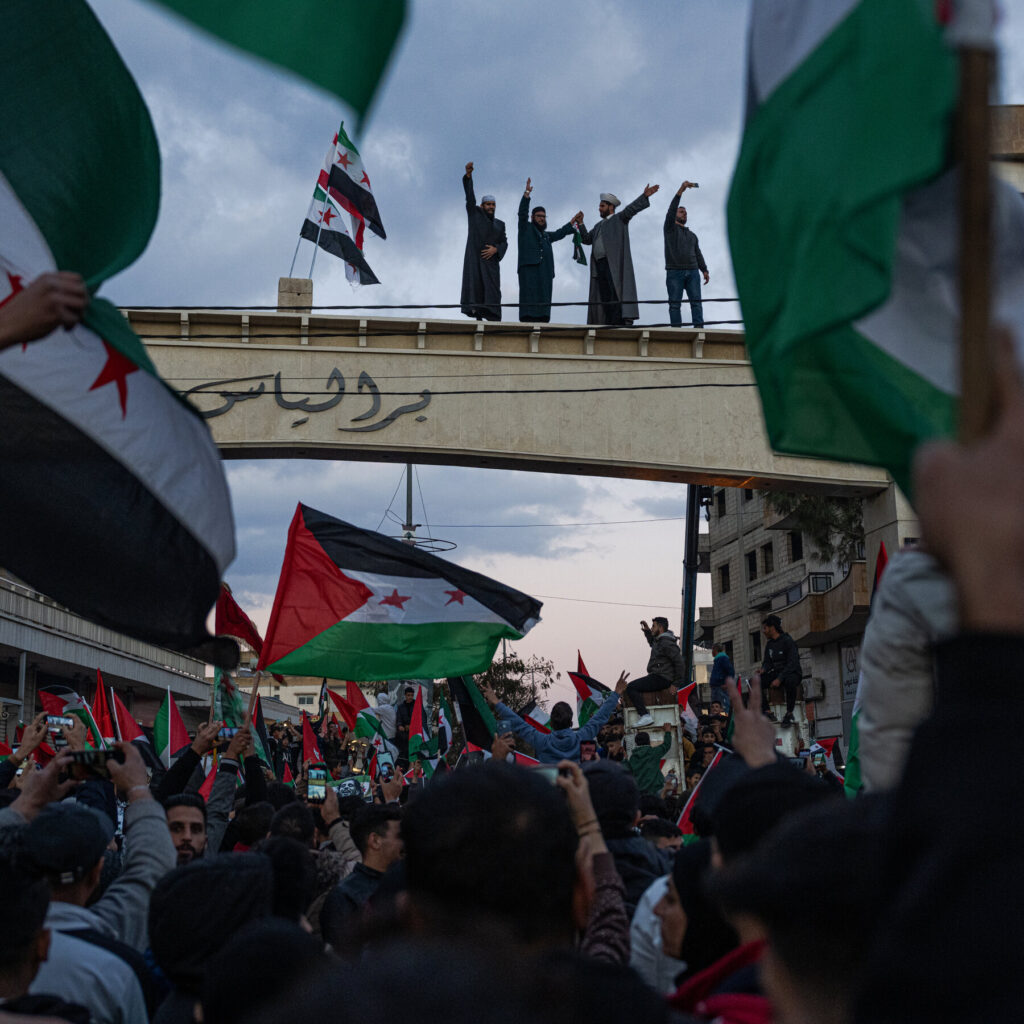
By P. Sudhir The rapid advance of Hayat Tahrir al-Sham and other armed factions led to the fall of Bashar al- Assad’s government in Syria. With this, the US has succeeded in toppling the last of the secular regimes in West Asia. US military interventions resulted not only in the fall of secular regimes in […]


KUALA LUMPUR, MALAYSIA – Media OutReach Newswire – 12 December 2024 – LiveIn, Southeast Asia’s leading end-to-end long-stay provider dedicated to converting surplus properties into modern homes for young people, is excited to announce a strategic alliance with Hive Quarters and Hive Builders. Part of a series of partnerships by LiveIn to tackle the region’s urgent affordable housing crisis, this collaboration aims to leverage both companies’ strengths […]

Saudi Arabia has unveiled an ambitious initiative aimed at enhancing global capabilities in forecasting and mitigating the effects of sand and dust storms. The program, introduced during the 16th session of the United Nations Convention to Combat Desertification (COP16) in Riyadh, underscores the Kingdom’s growing commitment to environmental resilience and its efforts to combat the detrimental effects of desertification on health, infrastructure, and ecosystems. This initiative is […]

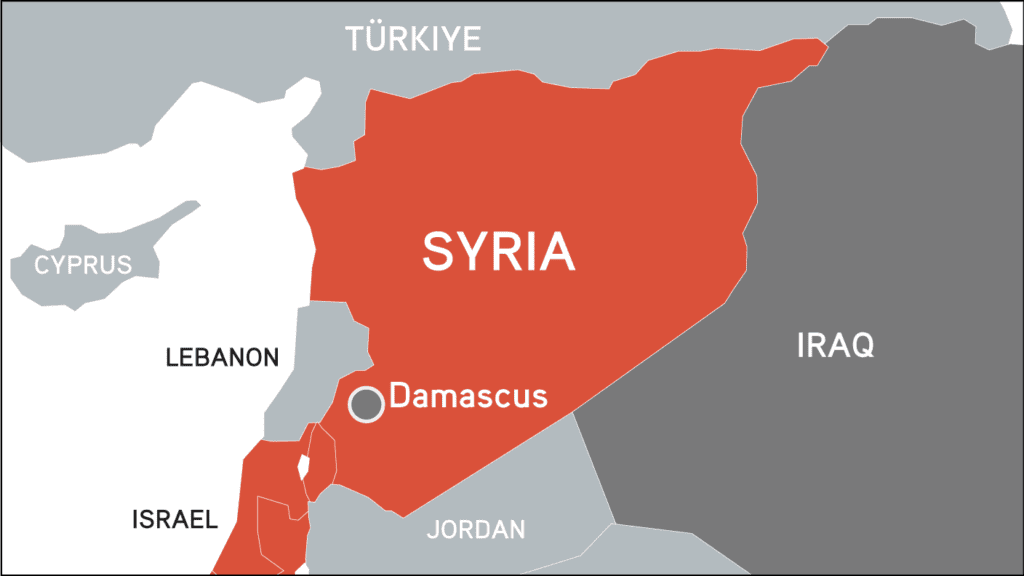
Matein Khalid The dramatic events of last week in Syria have only boosted President Erdogan’s role as the preeminent regional powerbroker in the heart of the Arab Levant as Turkish armed/financed Sunni militias engineered their collapse of the 54-year-old Assad dynastic tyranny in Damascus. Syria is once again a de facto Turkish protectorate, as it was in the five centuries since Sultan Selim Yavuz vanquished its Mamluk […]

HANOI, VIETNAM – Media OutReach Newswire – 9 December 2024 – By electrifying its taxi fleet, Jakarta could significantly reduce emissions and improve air quality, as shown by the success of electric taxis in cities around the world. One standout example is Xanh SM in Vietnam, which has also reshaped public attitudes toward electric vehicles (EVs). Xanh SM fleet in Vietnam. Photo: GSM Jakarta is no stranger […]

Global oil prices have seen a sharp increase, driven in part by a growing crisis in Syria’s energy sector. The country, already plagued by years of conflict, is facing an acute shortage of oil due to ongoing economic turmoil and political instability. Reports indicate that Syria’s oil production has drastically dropped from 90,000 barrels per day to just 20,000, a situation exacerbated by Turkish military operations in the northeast, which have impacted key oil fields. Compounding this, fuel shipments from Iran—once a lifeline—have slowed down, further straining Syria’s fuel supply.

Syria’s dependence on Iranian oil has been critical, with Tehran supplying up to 16 million barrels in 2024 alone. However, this amount falls far short of the country’s daily requirements, leading to black market surges and skyrocketing prices. The government’s cutbacks on fuel subsidies, alongside failed efforts to stabilize its own oil fields, have intensified the energy crisis. Public protests, triggered by shortages, reflect the widespread discontent, and basic goods like food have become increasingly difficult to transport due to high fuel costs.

Syria is witnessing seismic shifts in its prolonged conflict, with President Bashar al-Assad’s regime facing growing challenges amid dwindling support from its critical allies, Russia and Iran. The rebel factions, spearheaded by Hayat Tahrir al-Sham (HTS), have made strategic advancements, creating uncertainty about the nation’s political future. This precarious balance raises concerns of a potential power vacuum with regional ramifications if Assad’s government collapses.

HTS, led by Abu Muhammad al-Julani, has intensified efforts to overthrow Assad’s rule, capturing key areas such as Aleppo and Hama in its latest offensive. The group, a splinter faction of al-Qaeda, has steadily consolidated power in northern Syria. It now serves as a dominant player in the opposition landscape, aiming to unify anti-Assad factions under its leadership. These developments coincide with a noticeable pivot by Assad’s key allies—Russia and Iran—toward addressing their respective internal and geopolitical priorities.

Russia’s involvement in Syria has been a cornerstone of Assad’s survival since the war began in 2011. However, its military and economic focus has shifted due to prolonged involvement in Ukraine, straining its capacity to maintain robust support for Damascus. Similarly, Iran, another critical ally, is grappling with its own domestic protests and regional tensions, which have curtailed its ability to extend substantial assistance to Syria. The weakening of external backing leaves Assad vulnerable as rebels push closer to his strongholds.

The United Nations reports that intensified fighting has displaced nearly 300,000 Syrians since late November, with estimates suggesting up to 1.5 million could be forced to flee if the conflict escalates further. These movements risk exacerbating the humanitarian crisis and fueling instability across neighboring countries. Regions like Homs and the coastal cities of Tartus and Latakia—home to Russian military bases—have witnessed increased civilian exodus as HTS fighters advance.

Strategically, HTS’s gains challenge the Assad regime’s hold on critical infrastructure, including the M5 highway connecting major urban centers. Russian forces have reportedly bombed key routes to hinder rebel advances, reflecting the gravity of the situation. The Syrian Observatory for Human Rights highlighted that HTS and allied factions have captured more than a dozen villages near Damascus, raising alarms about the regime’s shrinking control over territory.

The evolving dynamics of the Syrian conflict also have broader implications for Middle Eastern geopolitics. A power vacuum could embolden extremist groups, destabilize neighboring countries, and strain international diplomatic efforts to restore peace. The conflict has already drawn in multiple actors, including Turkey, whose backing of the Syrian National Army further complicates the landscape. This militia coalition, aligned with HTS in several battles, aims to expand its influence, positioning itself as a rival to the Assad regime.

Regional players like Iraq and Lebanon are closely monitoring developments, given their intertwined security interests. Iraq’s ongoing fight against ISIS and Lebanon’s fragile political situation underscore the interconnected nature of the region’s challenges. Meanwhile, the involvement of Gulf nations, particularly Qatar and Saudi Arabia, in supporting opposition factions has added layers to an already multifaceted conflict.

HTS leader Julani remains resolute in his calls for Assad’s removal, describing the regime as “propped up by external powers but fundamentally unsustainable.” This assertion resonates with segments of the Syrian population disillusioned by years of corruption, economic collapse, and military oppression under Assad’s rule. Yet, HTS’s classification as a terrorist organization by Western countries complicates its international recognition and the prospect of coordinated opposition leadership.

VYTAL Global acquires certain assets and team members from TURN to drive tech-enabled reuse solutions VYTAL Global expands to the U.S. with the launch of VYTAL US Inc. Germany-based digital reuse platform that continues global growth by acquiring certain key assets and team members from TURN, the leading U.S.-based reuse company, providing tech-enabled reuse solutions to events and venue customers. COLOGNE, GERMANY – Newsaktuell – 5 December […]

Matein Khalid I wrote a column on Vornado (VNO) as a buy at 18 in Sep’22 as it was slammed by the pandemic, its debt load and the Fed’s draconian rate hikes. So VNO’s price ascribed a $450 a square foot value to its prime Manhattan office/Fifth Ave retail portfolio even though its occupancy rate was 91% as the pandemic raged. To help my Dubai friends grasp […]

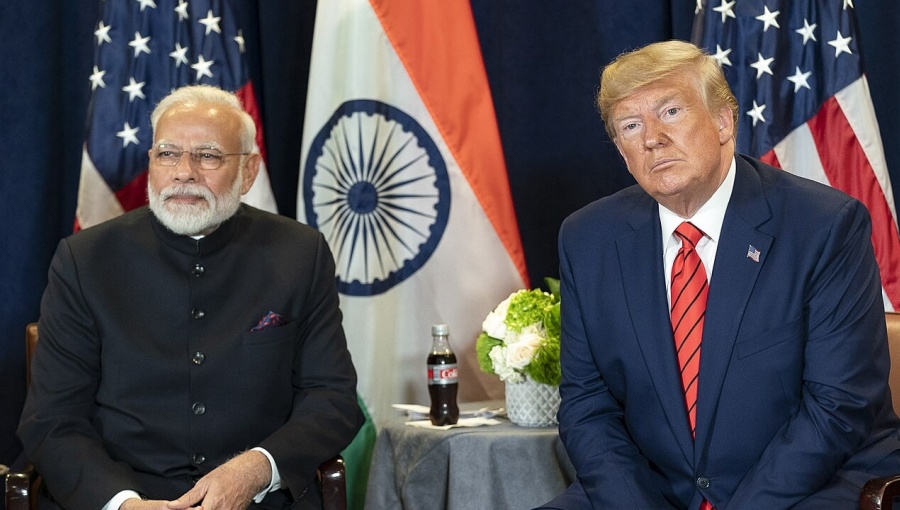
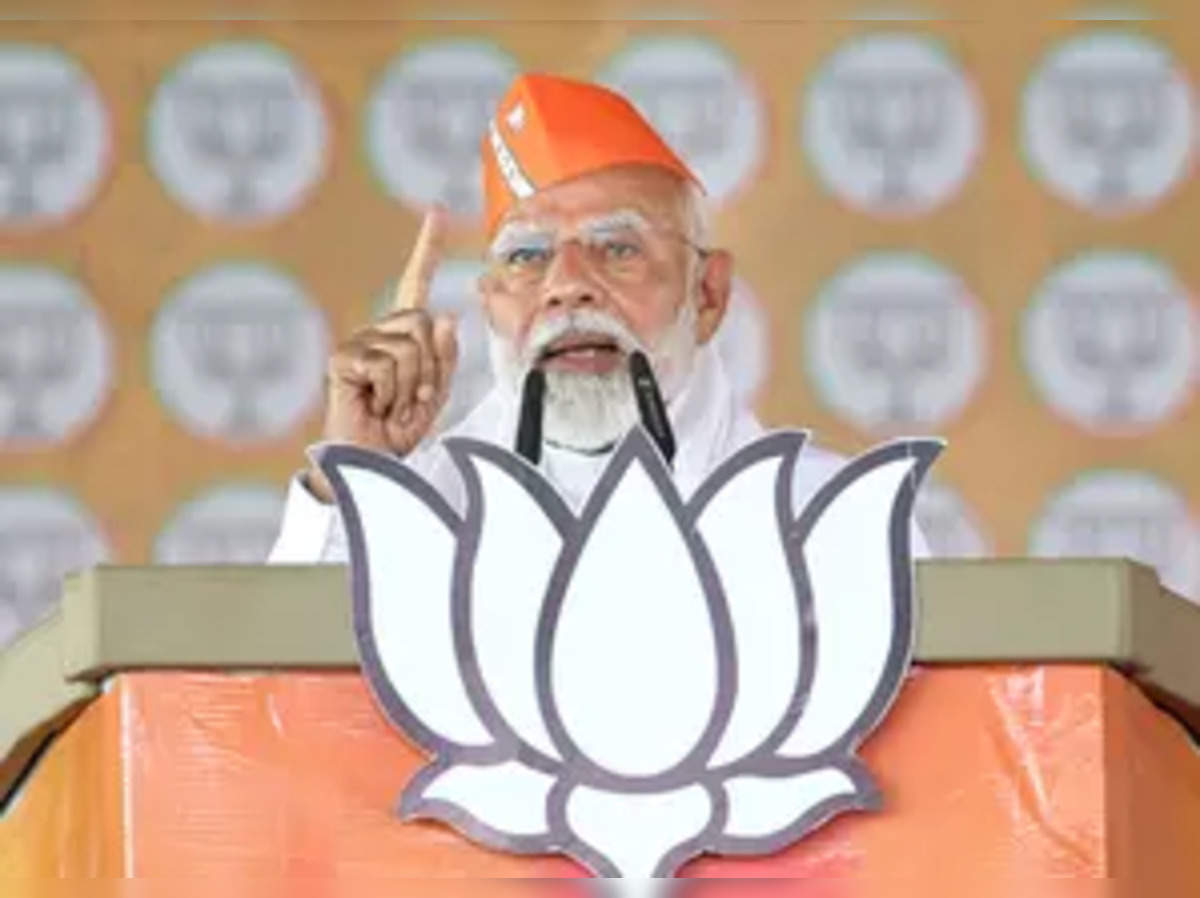
By Nitya Chakraborty Prime Minister Narendra Modi invited Russian President Vladimir Putin to visit India at the time of his visit to the BRICS summit at Kazan in Russia in October this year. This was immediately accepted by President Putin and in the last six weeks since the Kazan conclave on October 22-23 this year, […]

DHL’s GoHelp program equips local employees with critical disaster response skills to enhance resilience 20 years after the 2004 Indian Ocean tsunami devastated Sri Lanka COLOMBO, SRI LANKA – Media OutReach Newswire – 6 December 2024 – DHL Group has expanded its GoHelp Disaster Response Team (DRT) training to Sri Lanka, strengthening resilience and preparedness against disasters in the Asia Pacific region. DHL Group’s first GoHelp Disaster […]

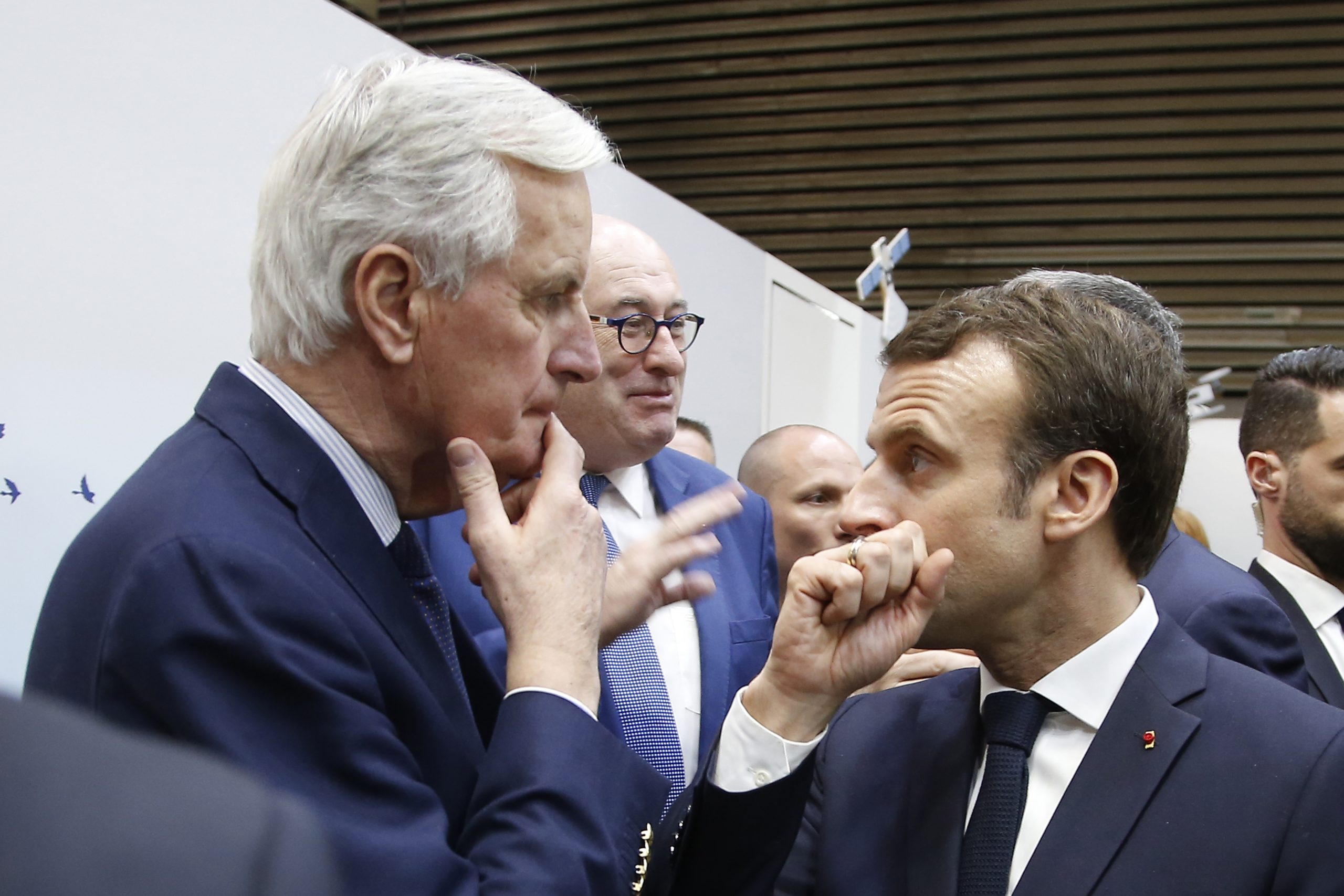
By Satyaki Chakraborty France landed on Wednesday night once again into a deeper political crisis after a no-confidence vote brought down the government, ending the beleaguered minority coalition of the conservative Prime Minister Michel Barnier propped up by the far right National Rally (RN) after only three months. The no-confidence motion brought by an alliance […]


Cuba’s national power grid has collapsed, leaving millions of citizens without electricity and causing widespread disruption across the country. Late Wednesday, officials reported that the country was only generating enough electricity to meet one-sixth of its peak demand. This power failure comes as Cuba continues to grapple with energy infrastructure issues, highlighting the vulnerabilities in its aging electrical system.

The power outage, which began hours before the statement from the state-owned Electric Union of Cuba, resulted in a total blackout in several regions, including the capital Havana and major provincial cities. The grid collapse came as temperatures soared, exacerbating the already difficult living conditions for many Cubans. The government has faced mounting criticism over its inability to provide a consistent and reliable electricity supply, with the national grid experiencing periodic failures throughout the year.

Cuban officials blamed the national grid’s collapse on a combination of factors, including weather-related issues and aging infrastructure. While the authorities have taken steps to mitigate the crisis, such as shifting to emergency power generation and rationing electricity in some areas, the situation remains dire. Reports from residents describe long-lasting blackouts, with some parts of the country still waiting for power to be restored more than a day after the incident.

The impact of the blackout is severe, affecting daily life and businesses alike. Hospitals, schools, and other essential services have had to operate on backup generators, placing further strain on resources that were already stretched thin due to Cuba’s ongoing economic struggles. With the government focusing efforts on restoring power, many are also questioning the broader implications for the country’s energy policy and infrastructure development.

Power shortages have long been a concern in Cuba, with frequent blackouts and unreliable energy supplies being a part of daily life in many regions. The situation has worsened in recent months, as the country faces an economic crisis compounded by the ongoing effects of the COVID-19 pandemic and international sanctions. These challenges have placed significant pressure on the energy sector, which has been struggling to meet the needs of a population already facing considerable hardship.

Energy experts have pointed out that Cuba’s power grid is outdated and in need of significant investment and modernization. The country relies heavily on oil for electricity generation, but fuel shortages have been a common issue in recent years. The collapse of the power grid is seen by many as the latest sign of systemic failure within the country’s energy sector, which has failed to keep pace with the demands of a growing population and the complexities of modern energy production.

The government has said it is working to restore the grid and minimize further disruptions. However, some experts have warned that the root causes of the crisis will require long-term planning and investment to address. As part of its efforts, Cuba has turned to its allies in the region, seeking assistance with both emergency energy supplies and technical expertise to overhaul its electricity infrastructure.

In the meantime, the Cuban government has been forced to impose rolling blackouts, a move that has drawn widespread criticism from citizens who have endured long periods without power. Many have taken to social media to voice their frustration, accusing the government of failing to provide basic services despite the country’s vast natural resources. The government, for its part, has insisted that it is working diligently to restore full power, but has also acknowledged the difficulties in overcoming the challenges posed by the aging infrastructure.

The situation has prompted a broader debate over Cuba’s energy policy and its reliance on outdated systems and foreign aid. While the country is rich in renewable energy resources, such as solar and wind, it has been slow to transition to more sustainable energy solutions. Experts have long recommended that the government invest in renewable energy infrastructure, but progress has been slow. Critics argue that more aggressive steps should have been taken years ago to modernize the energy sector, reducing Cuba’s dependence on imported oil and providing more sustainable energy options for its citizens.

Cuban President Miguel Díaz-Canel, in a public address, acknowledged the severity of the power failure and promised to take immediate action to address the crisis. He reassured the public that the government would prioritize restoring power to the most affected areas and was working with international partners to bring in additional resources. However, the situation remains fluid, with many still uncertain about the long-term solutions to the country’s energy challenges.

This power outage is not the first of its kind in Cuba, and it is unlikely to be the last unless substantial investments are made to address the underlying issues. As the country continues to struggle with an outdated and overburdened grid, the question of how to modernize Cuba’s energy infrastructure and move towards more sustainable solutions is becoming increasingly urgent. The current crisis serves as a stark reminder of the challenges facing the Cuban government and its citizens in securing reliable access to electricity.

The supply of Tether (USDT) on the Telegram Open Network (TON) blockchain has skyrocketed more than tenfold since May, with the value of USDT held on the network surging from $100 million to $1.2 billion. This dramatic increase signals both the growing adoption of TON and the growing importance of stablecoins in decentralized ecosystems.

As of December 2024, TON’s integration of USDT is seeing significant traction among both users and projects within the blockchain space. Tether’s growth on the network reflects broader trends in the cryptocurrency industry, where stablecoins continue to gain prominence due to their stability compared to more volatile assets like Bitcoin or Ethereum.

The massive surge in USDT supply comes as the TON blockchain has made considerable strides in attracting decentralized finance (DeFi) applications, exchanges, and users. TON’s unique features, including its high scalability and low transaction fees, make it an attractive option for stablecoin transactions. Experts believe this rapid increase in USDT on the network could further cement TON’s position as a critical infrastructure layer in the world of decentralized finance.

TON’s relationship with stablecoins is not new; however, the scale of USDT’s growth is unprecedented for the network. In May 2024, TON hosted just $100 million in Tether, but by December, this figure had expanded to an impressive $1.2 billion. This rapid increase is viewed by some analysts as an indicator of increasing demand for reliable, decentralized financial products and services, with TON becoming a central player in facilitating such services.

Key industry figures have speculated that the surge in USDT supply is tied to the rise of decentralized finance protocols built on the TON blockchain. These platforms allow users to trade, borrow, and lend cryptocurrency with the stability of USDT, which is backed 1:1 by the US dollar. Stablecoins like USDT provide much-needed price stability, which makes them particularly useful for trading and lending within volatile cryptocurrency markets. With TON’s infrastructure becoming more robust, the ecosystem appears to be maturing rapidly, attracting more liquidity and institutional interest.

In addition to DeFi protocols, centralized exchanges are also becoming key players in the surge of USDT on TON. Exchange platforms have started to offer TON-based USDT as a trading pair alongside other cryptocurrencies. This is particularly important for TON as it enables easier conversion between USDT and more widely used cryptocurrencies like Bitcoin and Ethereum. The seamless liquidity that TON offers for stablecoin transfers is an attractive proposition for both traders and institutional investors, further fueling the growth of USDT on the network.

The surge in USDT supply on TON is also reflective of broader trends in stablecoin use across the cryptocurrency space. Stablecoins have become integral to the global crypto ecosystem, particularly as they provide a less volatile alternative to traditional cryptocurrencies. They are also commonly used for remittances, as their stability makes them a preferred option for cross-border transactions. As cryptocurrency regulations tighten in various jurisdictions, the demand for stablecoins, especially those like USDT, is likely to increase.

The growth of USDT supply on the TON blockchain aligns with the broader trend of stablecoins becoming more entrenched in decentralized financial ecosystems. A critical element of this growth is the increasing acceptance and integration of blockchain-based stablecoins into traditional financial systems. This trend is most evident in regions where cryptocurrency adoption is high, and stablecoins are actively used in cross-border payments, as well as for preserving value in unstable economic environments.

At the same time, the growing prominence of TON as a platform for stablecoin transactions also highlights the increasing competitiveness in the blockchain space. While Ethereum, Binance Smart Chain, and Solana have long been major players in the decentralized finance space, TON is emerging as a strong contender. Its emphasis on scalability, cost-effectiveness, and fast transactions makes it an attractive option for projects that require efficiency and reliability at scale.

As for Tether itself, the surge in USDT supply on TON signals increasing acceptance of the stablecoin within both centralized and decentralized finance ecosystems. Tether’s dominance in the stablecoin market has been firmly established over the past few years, with its market capitalization consistently ranking among the highest of any cryptocurrency. The expansion of USDT on TON represents a new chapter in Tether’s journey, as it expands into new blockchain environments and becomes deeply integrated into the decentralized finance fabric of blockchain networks like TON.

Despite the rapid rise of USDT supply on TON, concerns remain regarding the long-term sustainability of such growth. Some market analysts caution that the exponential rise of stablecoin liquidity on a single blockchain could lead to concentration risk, where a significant portion of the financial activity on the network could become overly reliant on Tether. This could result in instability should Tether ever face a crisis of confidence or face regulatory scrutiny.

However, many in the industry view the current growth in USDT on TON as a positive sign for the broader ecosystem. The significant jump in USDT supply could signal growing confidence in the TON blockchain’s scalability and its ability to handle large volumes of transactions in a decentralized manner. This could open the door for more institutional participation in TON-based DeFi projects and encourage further development of the TON ecosystem, particularly as regulations in major markets evolve.

Cryptocurrency trading in South Korea has faced a turbulent period marked by sharp declines in the value of digital assets paired with the Korean won. Bitcoin prices dropped dramatically to $79,167, while XRP fell to $1.89 during a temporary halt in trading activities. This disruption is closely tied to the implementation of martial law by the country’s leadership, which resulted in the complete shutdown of cryptocurrency exchanges and a pause in trading activity.

The declaration of martial law was reportedly aimed at ensuring political stability and security amid escalating tensions. However, it inadvertently led to market panic, affecting both institutional and retail cryptocurrency investors. Exchange operators were forced offline, rendering digital wallets and trading services inaccessible. This scenario disrupted the South Korean cryptocurrency market, one of the most active globally, renowned for its high trading volumes and significant local investor participation.

After the initial shock, trading volumes and prices have shown signs of recovery as exchanges gradually resume operations under stringent monitoring. The impact of these events has shed light on the vulnerabilities of digital asset trading platforms, especially in regions with heightened political risks. Market analysts suggest that the sharp price drops also highlighted the dependence of cryptocurrencies on broader socio-political factors, challenging the perception of these assets as insulated from traditional market influences.

The Korean won has been a key currency in global cryptocurrency markets, with South Korea’s exchanges acting as critical liquidity providers. This is partly due to regulatory clarity and strong local demand for cryptocurrencies. Despite this robust environment, the martial law declaration revealed gaps in crisis management and operational resilience among exchange operators. Stakeholders, including the government and financial regulators, are now exploring policy frameworks to ensure business continuity during unforeseen disruptions.

Bitcoin and XRP, alongside other major cryptocurrencies, saw varying degrees of recovery as investor confidence began to return. Bitcoin’s recovery reflects its status as a benchmark cryptocurrency, while XRP’s performance underlines the impact of regional trading dynamics. Observers have noted increased activity among professional traders leveraging the temporary volatility for speculative gains.

Cryptocurrency regulation in South Korea has been a topic of considerable debate, with authorities historically adopting a proactive stance to safeguard investors while fostering innovation. This latest incident may accelerate efforts to establish a more robust regulatory infrastructure, emphasizing risk mitigation strategies. Potential measures under discussion include mandatory contingency planning for exchanges, stricter capital requirements, and enhanced cybersecurity protocols.

The martial law’s implications extend beyond market disruptions, potentially reshaping global perceptions of South Korea as a hub for cryptocurrency activity. While the immediate focus remains on restoring normalcy in trading, long-term considerations include the balance between ensuring national security and maintaining the country’s competitive edge in blockchain and cryptocurrency innovation. The rapid rebound in trading volumes suggests resilience within the market, although questions linger regarding the sector’s preparedness for similar challenges in the future.

By Nitya Chakraborty Less than two months are left for the presentation of the second budget of the third term Narendra Modi government in Parliament in February next year relating to the financial year 2025-26. The budget exercises are on in the finance ministry and the focus is on mobilizing additional resources for meeting the […]

VISHNU RAJA
RYO YAMADA
HITORI GOTOH
IKUYO KITA