News related to
ISIS

Negotiations for a ceasefire in Gaza are expected to restart soon as Israel orders another round of evacuations, escalating tensions in the region. The ceasefire discussions, which have already seen multiple delays, are aimed at halting the ongoing violence that has left thousands dead and many more injured. Diplomatic efforts, led by international mediators, are struggling to find common ground between the warring parties. Israel’s evacuation orders […]

Arabian Post Staff Saudi Arabia’s investment in US Treasury securities has surged to its highest level since the onset of the pandemic, reflecting a strategic shift in the kingdom’s financial portfolio. As of the latest figures, Saudi holdings of US government debt have reached unprecedented levels, surpassing previous peaks observed during the global health crisis. This substantial increase underscores a broader trend of enhanced economic collaboration between […]

Salalah Port, a key logistics hub in Oman, is bracing for a significant decline in container volumes as the Red Sea crisis continues to disrupt global maritime trade. The port is expected to see a 25% drop in container throughput for the remainder of 2024, driven by ongoing blockades and rerouting of shipping lanes. The crisis, now in its sixth month, stems from the Houthi movement’s blockade […]

Arada, the UAE-based real estate developer, is set to make its mark in Australia with an ambitious project in Sydney, marking its first international venture. The move comes as Australia faces a housing crisis, with demand outstripping supply, particularly in major cities like Sydney. Arada’s entry into this competitive market signals its confidence in the Australian economy and its commitment to addressing the growing need for residential […]

Tensions in Lebanon have escalated, posing significant obstacles for the United States envoy tasked with preventing further conflict. Amidst heightened concerns of an impending war, Western nations are intensifying their diplomatic engagement to de-escalate the situation. Several senior officials from the Biden administration are slated to visit the Middle East this week as part of a broader strategy to address the crisis.

Lebanon is experiencing a period of increased instability, marked by political and economic strife, alongside frequent clashes between various factions. The United Nations and various international organizations have voiced alarm over the potential for broader regional conflict if these issues are not addressed swiftly and effectively. The US envoy, aiming to mitigate these risks, faces a complex landscape fraught with deep-seated tensions and a volatile political environment.

Efforts by the United States to stabilize the region include high-level discussions with key Lebanese political figures and other stakeholders. The envoy’s role is critical in navigating the intricate web of alliances and conflicts that characterize Lebanon’s current situation. The US is seeking to leverage its influence to foster dialogue and reduce hostilities, with a focus on preventing the escalation of violence that could have far-reaching consequences for the region.

The Biden administration’s approach involves coordinated diplomatic efforts with allied nations and regional partners. The upcoming visits by senior officials are part of a concerted strategy to demonstrate solidarity with Lebanon and to push for immediate actions that could ease tensions. These visits are expected to involve discussions on economic support, security cooperation, and political reforms aimed at stabilizing the country.

The situation in Lebanon is complicated by the involvement of various regional powers and non-state actors, each with their own interests and agendas. This complexity makes the envoy’s task particularly challenging, as they must navigate a multifaceted conflict environment while attempting to build consensus among diverse and often conflicting parties.

Recent developments have underscored the urgency of the situation. Reports indicate increasing skirmishes and a deterioration in humanitarian conditions, which further complicate efforts to negotiate a peaceful resolution. The international community is closely monitoring the situation, with many expressing support for diplomatic solutions while emphasizing the need for timely and effective intervention.

The US diplomatic push is also supported by broader Western efforts to address the crisis. European nations, alongside the US, are working on various fronts to provide humanitarian aid and support peacekeeping initiatives. These actions reflect a unified stance on the need to prevent further escalation and to support Lebanon in its path towards stability and recovery.

As the envoy continues their mission, the effectiveness of their efforts will likely hinge on the ability to address both immediate concerns and long-term structural issues contributing to Lebanon’s instability. The international community remains hopeful that with sustained diplomatic engagement and support, it will be possible to avert a full-scale conflict and foster a more stable and peaceful environment in Lebanon.

The evolving situation in Lebanon highlights the complex interplay of regional dynamics and the critical importance of international diplomatic efforts in addressing such crises. The coming weeks will be crucial in determining the trajectory of the conflict and the potential for a peaceful resolution.

Negotiations aimed at establishing a ceasefire in Gaza face significant challenges as a key Hamas official has declared the group’s reluctance to participate in the upcoming talks in Doha. The anticipated dialogue, scheduled for Thursday, now hangs in the balance due to this development.

President Joe Biden has acknowledged the growing difficulties in achieving a ceasefire in Gaza. The complexities of the negotiation process, combined with shifting political dynamics, have made the path to peace more uncertain. Biden’s comments reflect the escalating tension and the stalled progress in securing a resolution.

Hamas, which has been a central player in the ongoing conflict, has not officially confirmed its stance but internal sources indicate a strong likelihood of their non-participation. This move could further derail the efforts led by international mediators who have been striving to broker peace between the conflicting parties.

The situation remains fluid as both sides prepare for the Doha talks. The absence of Hamas from these discussions could hinder the negotiation process and potentially prolong the conflict. Analysts suggest that without Hamas’s involvement, any agreement reached might lack the necessary support from one of the principal stakeholders, undermining the potential for a lasting ceasefire.

International observers are closely monitoring the situation, emphasizing the importance of including all major parties in peace talks. The ongoing conflict has resulted in substantial casualties and widespread devastation in Gaza, underscoring the urgent need for a comprehensive ceasefire agreement.

The diplomatic community remains hopeful that the dialogue in Doha, despite the current setbacks, may still pave the way for renewed negotiations. However, the exclusion of key players like Hamas from these talks presents a significant obstacle, raising concerns about the feasibility of achieving a viable ceasefire in the near future.

The evolving dynamics of the situation highlight the complexity of the conflict and the challenges faced by mediators working to bring about a resolution. As the international community continues to engage in efforts to address the crisis, the focus remains on finding a path forward that includes all relevant parties and addresses the underlying issues driving the conflict.

As discussions unfold, the world watches closely, hoping for a breakthrough that could lead to a sustained and effective ceasefire. The outcome of the Doha talks will be crucial in determining the next steps in the ongoing efforts to bring peace to Gaza.

Palestinian President Mahmoud Abbas met with Russian President Vladimir Putin in Moscow to address the ongoing conflict in Gaza and broader issues affecting the Palestinian territories. The meeting highlighted Abbas’s call for increased international support for Palestinian statehood and urgent action to alleviate the humanitarian crisis in Gaza.

The discussion comes amid escalating violence in Gaza and the West Bank, with significant casualties reported in recent weeks. Abbas and Putin explored various measures to de-escalate the situation and pave the way for renewed peace efforts. Abbas emphasized the dire humanitarian conditions in Gaza, where continuous airstrikes and blockades have exacerbated the suffering of civilians.

During the meeting, Abbas reiterated his call for the establishment of an independent Palestinian state, asserting that a two-state solution remains the most viable path to peace. He also voiced concerns about ongoing violence in East Jerusalem and the West Bank, which has further complicated efforts to achieve stability and security in the region.

Putin’s response to Abbas’s proposals was notably diplomatic. He reaffirmed Russia’s support for a two-state solution and expressed concern over the humanitarian situation in Gaza. However, he also stressed the need for a balanced approach to addressing both Palestinian and Israeli concerns. The Russian leader emphasized the importance of direct negotiations between the conflicting parties, highlighting Russia’s role in facilitating dialogue.

The meeting also touched upon the international community’s role in resolving the conflict. Abbas urged greater involvement from global powers and regional stakeholders to pressure Israel into halting its military operations and committing to peace talks. He specifically called for the lifting of the blockade on Gaza, which he argued is a significant barrier to alleviating the humanitarian crisis.

The discussion on Gaza coincides with a broader international discourse on the conflict. Various international organizations and governments have expressed growing alarm over the situation, with some calling for sanctions or other measures against Israel to pressure it into compliance with international law.

In addition to discussing the immediate conflict, Abbas and Putin addressed the ongoing international legal efforts concerning allegations of genocide and war crimes. Abbas has been vocal about the need for accountability and justice, advocating for international legal bodies to address alleged violations by Israel. This aspect of the discussion underscores the broader context of the conflict, where legal and humanitarian concerns intertwine with geopolitical considerations.

Abbas’s visit to Moscow also serves as a strategic move to bolster Palestinian diplomatic efforts. By engaging with major international players like Russia, Abbas aims to garner broader support and exert pressure on other key actors to address the Palestinian cause. The interaction with Putin represents an attempt to leverage Russia’s position in the global arena to further the Palestinian agenda.

The meeting between Abbas and Putin reflects ongoing international efforts to address the complexities of the Israeli-Palestinian conflict. As the situation in Gaza remains dire and violence continues in the West Bank and East Jerusalem, the international community remains divided on the most effective strategies to achieve a lasting resolution. The discussions between Abbas and Putin highlight the urgent need for comprehensive and sustained diplomatic efforts to address the myriad issues at the heart of the conflict.

Advertisements

Arabian Post Staff Ford and Mazda have issued an urgent warning to owners of more than 475,000 older vehicles in the U.S., advising them not to drive due to the presence of dangerous Takata air bag inflators that have yet to be replaced. This critical advisory affects over 374,000 Ford, Lincoln, and Mercury vehicles from model years 2004 through 2014, along with nearly 83,000 Mazda vehicles from […]

A devastating Israeli airstrike in Gaza has resulted in the tragic death of twin newborns, while their father was away retrieving their birth certificates. The attack, which occurred in the densely populated area of Gaza City, highlights the ongoing humanitarian crisis in the region amidst the prolonged conflict between Israel and Palestinian factions.

The father, identified as Ahmed Abu Taha, had left his home to complete the paperwork for his newborn twins, who had just been born a few days prior. The airstrike hit the family’s residence, obliterating it and killing the infants. The attack has drawn widespread condemnation from humanitarian organizations and international observers, who have expressed deep concern over the escalating violence and its impact on civilians.

According to local reports, the airstrike was part of a broader military campaign targeting alleged militant positions in Gaza. However, the dense urban environment often results in significant collateral damage, with residential areas frequently being affected. The loss of life in this instance underscores the severe humanitarian toll on non-combatants, including children, who are increasingly becoming victims of the ongoing conflict.

The incident has sparked outrage and calls for a reassessment of military strategies to minimize civilian casualties. International bodies, including the United Nations, have urged all parties to adhere to international humanitarian laws and take measures to protect innocent lives. The Gaza Strip, a region already struggling with severe shortages of medical supplies, electricity, and basic necessities, faces exacerbated challenges as a result of the continuous conflict.

Witnesses to the bombing described scenes of chaos and devastation, with emergency responders scrambling to provide aid amidst the wreckage. The loss of the twins has deeply affected the local community, which is grappling with the emotional and psychological impact of the violence. The father, who has been described as distraught, faces the additional burden of grieving his children while dealing with the loss of his home.

The international community’s reaction to this tragedy has been swift, with numerous calls for an immediate cessation of hostilities and a renewed focus on diplomatic efforts to resolve the underlying issues. Human rights organizations have emphasized the need for accountability and greater protections for civilians caught in conflict zones.

As the situation in Gaza remains dire, efforts are being made to address the urgent needs of affected families and to provide humanitarian assistance. However, the continuing conflict poses significant challenges to these efforts, as access to aid and resources remains limited.

The death of these newborn twins serves as a stark reminder of the urgent need for a comprehensive and lasting resolution to the Israeli-Palestinian conflict. The international community faces the critical task of addressing both the immediate humanitarian needs and the broader political issues that contribute to the cycle of violence in the region.

The incident underscores the high human cost of the conflict and the imperative for all stakeholders to work towards a peaceful and sustainable solution that protects innocent lives and upholds human dignity.

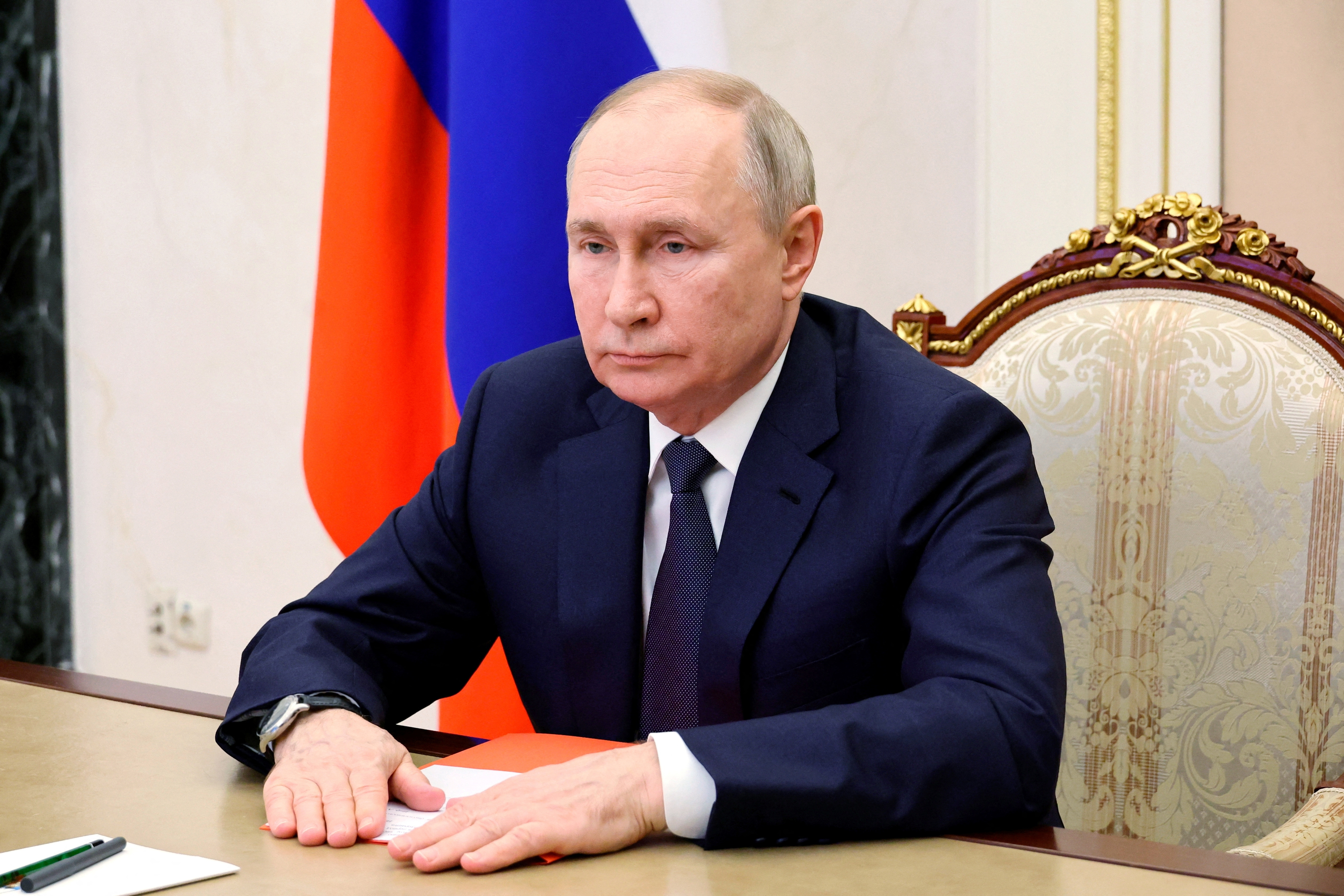
Palestinian President Mahmoud Abbas is set to meet with Russian President Vladimir Putin in Moscow on Tuesday amid ongoing hostilities in Gaza. This high-level meeting comes as international concern mounts over the escalating violence and humanitarian crisis in the region.

The discussion between Abbas and Putin will focus on the unfolding situation in Gaza, where recent conflicts have intensified. Abbas aims to seek support and explore potential diplomatic solutions with Russia, a key ally with influence in the Middle East.

The Gaza Strip has been plagued by violence and destruction, with numerous reports highlighting the severe impact on civilians and infrastructure. The international community has called for restraint and a renewed push for peace negotiations, with varying levels of engagement from global powers.

Putin’s meeting with Abbas reflects Russia’s ongoing role in Middle Eastern diplomacy. Russia has positioned itself as a mediator in the region, advocating for balanced approaches to the Israeli-Palestinian conflict. The Kremlin’s involvement underscores its strategic interest in maintaining influence over regional affairs and bolstering its diplomatic credentials on the global stage.

The meeting comes as the United Nations and other international organizations have raised alarms about the humanitarian conditions in Gaza. Reports indicate shortages of essential supplies, medical resources, and a deteriorating living environment for residents affected by the conflict. Both Russia and the Palestinian leadership have expressed concerns over these conditions and the need for a resolution that addresses humanitarian needs while working towards a sustainable peace.

Abbas’s visit to Moscow is expected to address these issues and discuss possible Russian contributions to relief efforts. The Palestinian leadership is seeking a strengthened partnership with Russia to leverage its diplomatic weight and secure international backing for their position. This dialogue aims to align with broader international efforts to mitigate the crisis and facilitate a return to negotiations between the conflicting parties.

The Kremlin has historically been an advocate for Palestinian statehood and has hosted multiple rounds of peace talks in the past. Putin’s engagement with Abbas is seen as part of Russia’s strategy to enhance its influence and act as a counterbalance to Western involvement in Middle Eastern peace processes.

This meeting also highlights the shifting dynamics in international diplomacy regarding the Gaza conflict. As major global powers weigh in, the outcomes of these high-level talks could impact the trajectory of international responses and interventions. The global community is watching closely, with hopes pinned on diplomatic solutions that could lead to an enduring resolution to the conflict.

The talks between Abbas and Putin are set against a backdrop of heightened tensions and complex geopolitical considerations. The effectiveness of this dialogue in contributing to a peaceful resolution remains to be seen, as both leaders navigate a challenging landscape of diplomatic and humanitarian concerns.

Evacuation orders have been issued for approximately 84% of the Gaza Strip as the conflict between Israeli forces and Palestinian groups intensifies, according to the United Nations. The situation in Gaza has deteriorated sharply with ongoing ground incursions and heavy fighting reported throughout the region. The Israeli military’s extensive evacuation directive impacts nearly all of Gaza’s densely populated areas. This move is part of a broader strategy […]

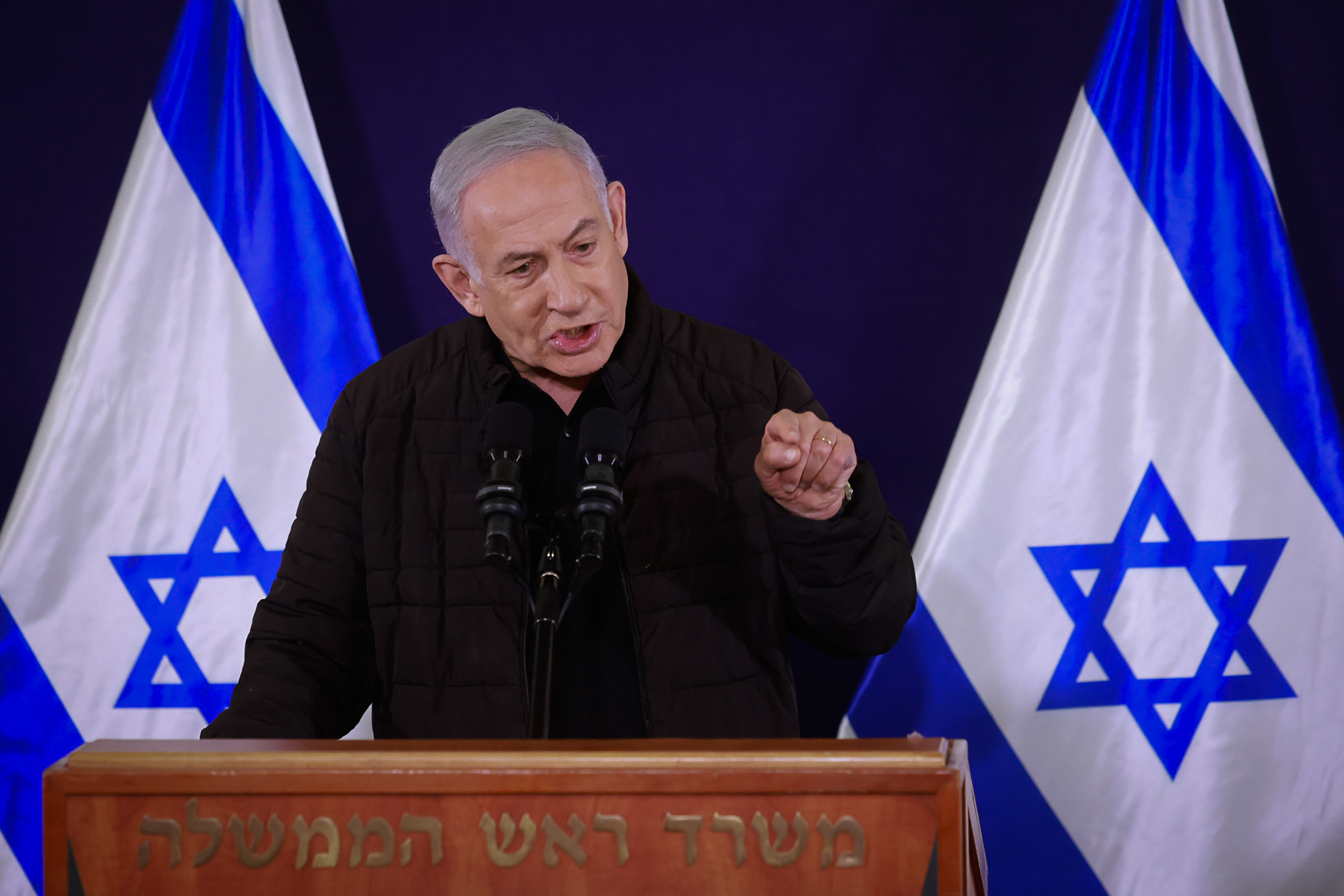
Israeli Prime Minister Benjamin Netanyahu has sharply criticized Defense Minister Yoav Gallant, accusing him of undermining negotiations related to the hostage crisis in Gaza. This development has heightened tensions within Israel’s political and military circles as the country grapples with ongoing conflict and diplomatic pressures.

The friction between Netanyahu and Gallant emerged after a series of public statements and internal disagreements regarding the handling of hostages held by Hamas. Netanyahu’s office has expressed strong dissatisfaction with Gallant’s approach, alleging that the defense minister’s actions jeopardized sensitive negotiations aimed at securing the release of hostages.

The criticism comes at a time when Israel is facing intense international scrutiny and pressure to resolve the crisis. With the situation in Gaza remaining volatile, Israel’s leadership is under increased pressure to manage both domestic and international concerns effectively. The Netanyahu-Gallant dispute highlights the challenges faced by the Israeli government in maintaining a unified front while navigating complex diplomatic and security issues.

In recent days, leaders from France, Germany, and Britain have voiced strong warnings to Iran against taking any retaliatory action against Israel. This international stance underscores the global concern over the escalation of conflict in the region and the potential for broader implications if tensions continue to rise.

The conflict has prompted widespread calls for restraint and diplomatic resolution from the international community, emphasizing the need for careful management of the situation to prevent further escalation. As Israel continues to address the multifaceted challenges posed by the ongoing conflict and internal disagreements, the outcome of this political rift could have significant implications for both domestic policy and international relations.

K Raveendran It was clear to everyone that SEBI was stonewalling a proper investigation into the charges levelled by the Hindenburg report, except those who had other reasons to pretend otherwise. But there was no clarity as to why SEBI was doing so. Now that Hindenburg has disclosed SEBI chairperson’s and her husband’s investment in […]

JAKARTA, INDONESIA – Media OutReach Newswire – 12 August 2024 – The UK today announced the first recipients of its ASEAN-UK SAGE Women in STEM Scholarships, awarded under the ASEAN-UK Supporting the Advancement of Girls’ Education (SAGE) Programme. Launched earlier this year, this new scholarship scheme aims to address gender disparities in access to science, technology, engineering, and mathematics (STEM) education and careers across ASEAN countries and […]

China has expressed a strong desire for Bangladesh to quickly restore social stability following a major political upheaval. The call for stability comes after former Prime Minister Sheikh Hasina’s dramatic resignation and subsequent departure from the country amid widespread protests. The situation in Bangladesh escalated significantly when Sheikh Hasina, who had been a prominent figure in the nation’s politics for years, resigned from her position. This resignation, […]

A puzzling noise emanating from beneath the ground in Wayanad, Kerala, has incited widespread concern among local residents and authorities. This unsettling sound follows a major landslide that recently impacted the region, prompting fears of further geological instability. The source of the noise, described as a deep, rumbling sound, was first reported by villagers living near the landslide site. Authorities have been on high alert as the […]

Arabian Post Staff Hundreds of small banks across India experienced a significant disruption in their services after a ransomware attack targeted C-Edge Technologies, a technology service provider that plays a crucial role in the country’s financial infrastructure. The attack, which occurred on July 31, 2024, forced nearly 300 banks to go offline temporarily, causing widespread inconvenience to customers, particularly in rural and semi-urban areas. The National Payments […]

A World Health Organization (WHO) delegation has recently visited the field hospital set up by the United Arab Emirates (UAE) in Rafah. The visit focused on assessing the hospital’s medical operations, coordination efforts, and experience-sharing practices. This field hospital is part of the UAE’s broader initiative in response to the humanitarian crisis in Gaza. The WHO representatives expressed high regard for the UAE’s contribution to medical relief […]

Raja Salameh, brother of Lebanon’s former central bank governor Riad Salameh, has come under investigation in France as part of a corruption probe. This investigation is focused on the alleged embezzlement of over $330 million from Lebanon’s central bank. French authorities suspect that Raja, along with his brother, diverted these funds between 2002 and 2015, funneling them into European investments.

The case has drawn significant attention due to the extensive tenure of Riad Salameh as governor, a role he held for three decades. During this time, Riad became a prominent figure, especially as Lebanon grappled with severe economic challenges, culminating in the financial crisis that erupted in 2019.

Prosecutors from Germany, France, and Luxembourg have been actively involved in the investigation, conducting interviews with Lebanese bankers and officials in Beirut. The focus of their inquiries has been on the commissions collected by the central bank, which were purportedly transferred to Forry Associates, a company owned by Raja Salameh. The central bank allegedly collected these commissions from bond buyers and, instead of retaining them, funneled the money to Forry Associates without clear disclosure to private banks.

Despite the allegations, both Riad and Raja Salameh have denied any wrongdoing. Riad maintains that the $300 million was earned legally, emphasizing that he is being used as a scapegoat for the country’s financial woes. Pierre-Olivier Sur, Riad’s French lawyer, argued that the commissions were legitimate payments for intermediation work conducted by Forry Associates, authorized by the central bank’s management and supervisory bodies.

The revelations have intensified scrutiny of Lebanon’s financial sector and the role of its central bank. Lebanese authorities have also pursued their own investigations, leading to charges of illicit enrichment against Riad Salameh in March, which he has denied.

Riad Salameh continues to have the support of key Lebanese political figures, including Nabih Berri, the long-standing Speaker of Parliament. However, the unfolding investigations in Europe and Lebanon are likely to exert increasing pressure on him and his associates as authorities seek to uncover the full extent of the alleged financial misconduct.

The case highlights the broader challenges facing Lebanon, where endemic corruption and financial mismanagement have severely impacted the country’s economy, contributing to widespread public distrust in its institutions. As European prosecutors proceed with their investigation, the international community watches closely, hoping for accountability and transparency in addressing these serious allegations.

Iranian-backed forces have intensified their attacks on areas controlled by US-backed Kurdish fighters in eastern Syria. The clashes have primarily centered around the oil-rich Deir Ezzor province, escalating tensions in a region already fraught with conflict.

Violence erupted when Syrian government-backed mercenaries and local Arab tribal fighters launched a series of attacks on Kurdish-held villages, including Dhiban, Latwa, and Abu Hamam. These areas, situated near the strategically important Al-Omar oil field, have been scenes of heavy fighting, with casualties reported on both sides.

According to the Syrian Democratic Forces (SDF), the Iranian-backed attackers managed to inflict significant damage, including the destruction of military vehicles and the capture of SDF soldiers. The SDF has since imposed curfews in the affected areas, mobilizing reinforcements to regain control and prevent further incursions.

This surge in hostilities follows a series of provocative actions in the broader Middle East. Notably, the killings of key figures in the Hezbollah and Hamas movements have heightened regional tensions, prompting vows of retaliation from Iranian allies.

The US military, which maintains a presence in eastern Syria to support the SDF against ISIS remnants, has been put on high alert. American forces have been actively involved in the conflict, providing aerial surveillance and support to their Kurdish allies. The situation remains volatile, with US helicopters and drones conducting continuous operations over the conflict zones.

The clashes underscore the fragile nature of alliances and the complexity of the Syrian conflict, where multiple factions vie for control and influence. Iranian influence in the region, bolstered by alliances with local tribes and Syrian government forces, continues to challenge US interests and stability efforts in Syria.

As the conflict unfolds, the humanitarian impact is becoming increasingly severe. Civilians caught in the crossfire face displacement and loss, with access to essential services disrupted by the ongoing violence. The international community watches closely, concerned about the potential for a broader escalation that could draw in more regional powers and further destabilize the Middle East.

Arabian Post Staff Bangladesh has appointed Nobel laureate Muhammad Yunus to head an interim government following the resignation of Prime Minister Sheikh Hasina, who fled to India amidst nationwide protests. The appointment was announced by President Mohammed Shahabuddin’s press secretary, Joynal Abedin, following consultations with political, military, and civil society leaders. The political turmoil escalated after Hasina’s administration reinstated a controversial quota system for government jobs, triggering […]

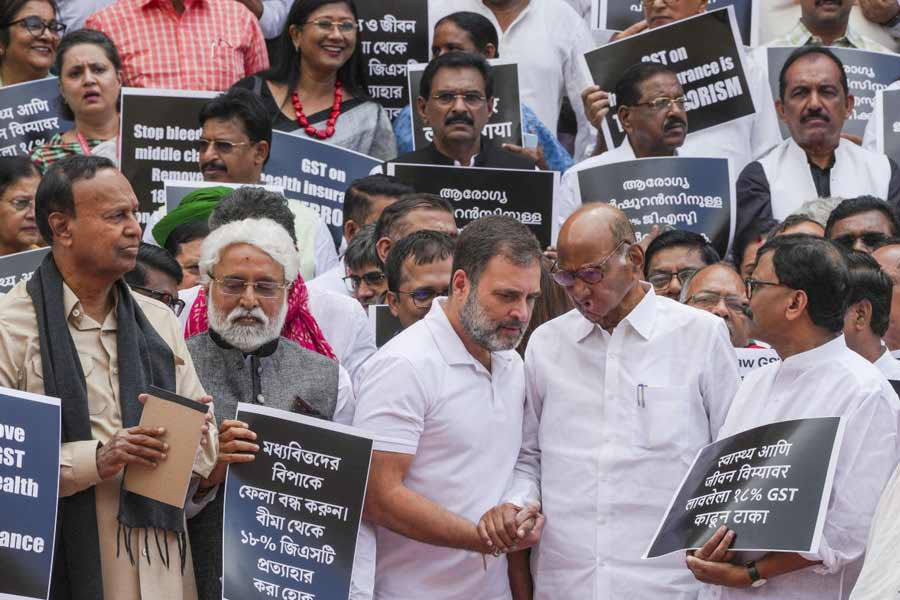
By Dr. Gyan Pathak INDIA bloc is now firmly against taxing people on their future crises of life and health, protested within and outside the Parliament against imposition of 18 per cent GST on life and health insurance premium, and demanded their immediate removal. Modi government seems to be unwilling to concede to the demand, […]

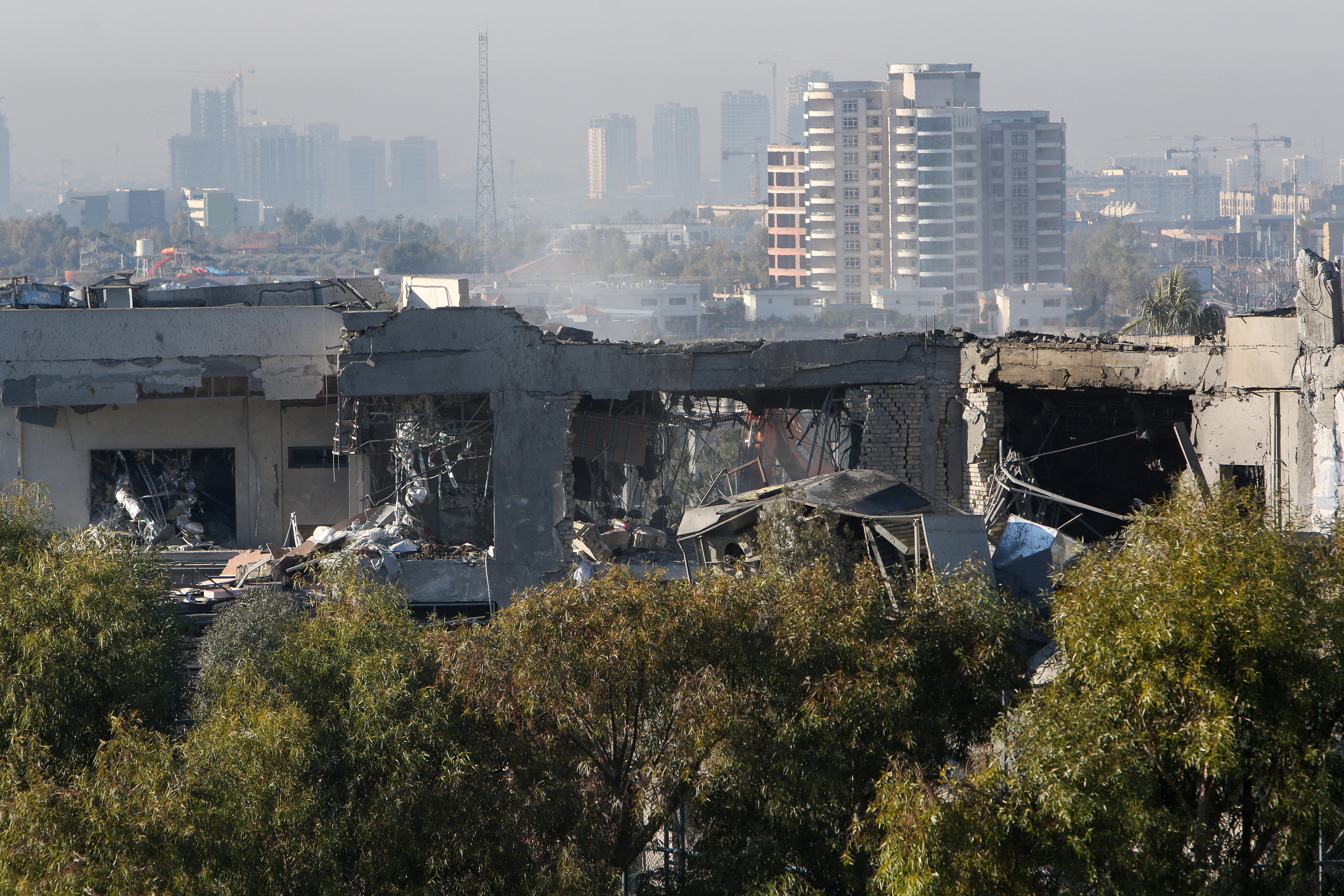
A rocket attack on US forces stationed in Iraq on Monday has escalated tensions, complicating ongoing negotiations regarding the withdrawal of foreign troops from the country. The attack, which resulted in multiple injuries, has been attributed to Iran-backed militia groups operating within Iraq. US officials have pointed fingers at Kataib Hezbollah, a powerful militia with a history of targeting American assets in the region.

The rocket strike targeted the Ain al-Asad airbase, a key location for US troops in Iraq. This base has been the focal point of several assaults over the years, highlighting the volatile security situation in the region. Diplomatic efforts to reduce the foreign military footprint in Iraq might be significantly affected by this incident, with both US and Iraqi officials expressing concerns about the future stability of the area.

US Central Command spokesperson confirmed the attack, noting the use of 107mm rockets, which have been a preferred weapon of Iran-backed groups. The assault led to immediate military responses, with US forces conducting airstrikes targeting militia positions suspected of orchestrating the attack. This retaliatory measure underscores the ongoing tit-for-tat dynamics between US forces and Iran-aligned militias in Iraq.

Iraq’s Prime Minister condemned the attack, emphasizing the need for a thorough investigation to hold those responsible accountable. He reiterated the Iraqi government’s stance on preventing the country from becoming a battleground for proxy conflicts. However, the ability of the Iraqi government to rein in these powerful militias remains questionable, given their deep-rooted influence and substantial military capabilities.

The attack also comes at a critical juncture as the US and Iraq have been engaged in strategic dialogue aimed at determining the future of US military presence in the country. These talks are crucial for shaping the long-term security and political landscape of Iraq. However, the rocket attack has introduced new complexities, potentially hardening US positions and influencing the terms of any future agreements.

Iran, while not directly implicated in the attack, has been accused of supporting and supplying these militia groups. The broader geopolitical tensions between the US and Iran continue to spill over into Iraq, with local militias often acting as proxies for Tehran’s regional ambitions. This dynamic further complicates the efforts of Iraqi authorities to stabilize the country and assert full sovereignty.

The international community has been closely monitoring these developments, with several countries expressing concerns about the potential for further escalation. The United Nations has called for restraint from all parties and urged a return to diplomatic negotiations to address underlying issues.

This latest incident is part of a broader pattern of violence and instability that has plagued Iraq since the US-led invasion in 2003. The presence of foreign troops, the influence of various militia groups, and the ongoing threat of extremist organizations like ISIS continue to pose significant challenges for Iraq’s security apparatus.

The future of US-Iraq relations remains uncertain, with the rocket attack serving as a stark reminder of the fragile state of affairs. Both nations must navigate this complex environment carefully to avoid further escalation and work towards a sustainable resolution that ensures the stability and security of the region.

This attack and its aftermath will likely have far-reaching implications, not just for Iraq but for the broader Middle East, where the interplay of regional powers continues to shape the geopolitical landscape. The outcome of the US-Iraq negotiations will be critical in determining the direction of future US involvement in the region and the overall stability of Iraq.


A significant diplomatic effort to address the humanitarian crisis in Gaza was undertaken by Jordan and Egypt. Leaders from both nations emphasized the urgent need to reduce tensions and avert further catastrophe. Egyptian President Abdel Fattah El-Sisi and Jordanian King Abdullah II engaged in a phone conversation to discuss the escalating violence in Gaza. Both leaders highlighted their nations’ efforts to mediate and ease the conflict, stressing […]

VISHNU RAJA
RYO YAMADA
HITORI GOTOH
IKUYO KITA