News related to
ISIS

United Airlines has cut 35 daily flights at Newark Liberty International Airport, citing a critical shortage of air traffic controllers and repeated failures in the Federal Aviation Administration’s infrastructure. The move, which affects approximately 10% of United’s domestic round-trip operations at the airport, follows days of severe delays, cancellations, and diversions that have rippled across the national aviation network. Chief Executive Scott Kirby described the situation as […]

Saudi Arabia’s Energy Minister, Prince Abdulaziz bin Salman, drew a striking historical parallel during a virtual OPEC+ meeting, referencing the 1973 oil embargo as the group ratified its second significant supply increase in as many months. The minister’s invocation of the embargo, which led to a global energy crisis, underscores the gravity with which the kingdom views the current oil market dynamics.

The 1973 embargo, initiated by Arab oil producers in response to Western support for Israel during the Yom Kippur War, resulted in a quadrupling of oil prices and a severe economic downturn in many countries. By recalling this event, Prince Abdulaziz signaled the potential consequences of geopolitical tensions and market imbalances, emphasizing the need for unity and strategic foresight within the OPEC+ alliance.

The decision to increase oil production comes amid a complex backdrop of fluctuating global demand, economic uncertainties, and evolving energy policies. While the move aims to stabilize markets and address supply concerns, it also raises questions about the long-term strategy of oil-producing nations in an era increasingly focused on renewable energy and sustainability.

By K Raveendran Trump’s aggressive tariff war with China – built on a throwback protectionist logic more suited to the 1800s than today’s intertwined economy – has driven Chinese firms to redeploy their strategies. Major Chinese exporters, now facing punitive U.S. tariffs as high as 145 percent, are desperately seeking other markets and partners. Chinese […]

HSBC Holdings Plc has disclosed an anticipated pre-tax loss of up to $1.6 billion following the dilution of its stake in China’s Bank of Communications . This development arises from BoCom’s private share placement, part of a broader initiative by Chinese state-owned banks to bolster their capital reserves.

The dilution reduces HSBC’s holding in BoCom from 19.03% to approximately 16%, a consequence of the Chinese government’s strategy to strengthen its banking sector. The $71.5 billion recapitalization effort aims to enhance the capacity of major state-owned banks, including BoCom, to support the national economy.

Despite the substantial charge, HSBC has indicated that the loss will not significantly impact its capital ratios or dividend distributions. The bank emphasized that the investment in BoCom is long-term, and the charge is a non-cash accounting adjustment due to the dilution.

This is not the first time HSBC has faced financial repercussions related to its BoCom investment. In the previous year, the bank reported a $3 billion impairment on its stake, citing challenges in China’s financial sector, particularly the ongoing property market crisis.

The latest charge coincides with HSBC’s announcement of a 25% decline in first-quarter pre-tax profits, amounting to $9.5 billion. This downturn is attributed to one-time losses from business disposals in Canada and Argentina. Nevertheless, the results surpassed analyst expectations, which had projected profits of $7.8 billion.

In response to the profit decline, HSBC has initiated a $3 billion share buyback and declared a first-quarter dividend of $0.10 per share. The bank’s CEO, Georges Elhedery, who assumed the role in September, is spearheading a cost-cutting initiative targeting $1.5 billion in annual savings by 2026. This strategy includes restructuring business segments and divesting operations in Germany, South Africa, France, and Malta.

HSBC has also raised its bad loan provisions by $202 million to $876 million in the first quarter, reflecting economic uncertainty and the impact of higher tariffs. Of this amount, $100 million is allocated for exposure to Hong Kong’s commercial property sector. The bank anticipates lending demand to remain subdued throughout the year and projects a potential $500 million increase in loan loss provisions if global economic conditions deteriorate further.

Marks & Spencer faced a significant digital disruption that impacted its click-and-collect services and in-store contactless payments, raising fresh concerns about cyber vulnerabilities across the global retail landscape. The incident underlined the increasing exposure of retail giants to cybersecurity threats, urging businesses, especially across emerging markets, to reevaluate their digital defences.

The British retailer confirmed that a cyberattack had interfered with its operational systems, temporarily disabling key customer services. Shoppers were unable to collect online orders or make contactless payments across several outlets, forcing stores to rely on manual processing where possible. Though Marks & Spencer worked swiftly to restore functionality, the attack exposed glaring weaknesses that could have far-reaching implications for retailers heavily dependent on digital infrastructure.

Cybersecurity analysts described the attack as a “wake-up call” for retailers worldwide, emphasising that operational continuity can no longer be taken for granted. While Marks & Spencer managed to contain the damage and reported no compromise of customer data, the event demonstrated how even non-financial hacking attempts could paralyse critical retail functions. The attack appears to have targeted internal systems rather than consumer databases, but the operational disruption caused significant inconvenience to customers and operational stress on store teams.

The UK-based company has yet to disclose specific details regarding the nature of the cyberattack or the group responsible, although preliminary assessments suggest the involvement of sophisticated malware designed to penetrate commercial transaction systems. Cybersecurity experts point out that retail chains are increasingly becoming attractive targets for cybercriminals seeking either financial ransom or operational chaos, with attackers focusing not only on stealing data but on interrupting services to exert pressure.

The disruption at Marks & Spencer also resonates strongly across global retail markets, particularly in countries like India, where digitalisation has accelerated dramatically over the past decade. Retail operations across the country are embracing online ordering, contactless payments, and digital inventory systems at an unprecedented pace. Yet the investments in cybersecurity have not always kept pace with the technological expansion, leaving significant vulnerabilities that could be exploited by malicious actors.

Industry experts warn that India’s retail sector, in its rush to modernise, must prioritise building robust cyber resilience strategies. The cyberattack on Marks & Spencer serves as a stark reminder that operational security is as critical as data protection. Retailers must not only guard customer information but ensure that their core business functions can withstand digital assaults without crippling their ability to serve consumers.

Retailers in India, from large conglomerates to smaller regional chains, have increasingly relied on digital payment platforms and integrated online-to-offline models. However, security audits and penetration testing, critical components of cyber defence, are often treated as secondary concerns. The focus on speed and growth has sometimes eclipsed the need for thorough cybersecurity frameworks, an oversight that experts say could prove costly if not urgently addressed.

The disruption of click-and-collect services at Marks & Spencer also illustrates the interconnectedness of digital and physical retail operations. When digital systems falter, physical stores quickly become vulnerable, as manual fallback options are seldom equipped to handle high volumes. In densely populated and high-transaction retail environments such as those in India, the consequences of a similar disruption could be even more severe, with longer downtimes and greater financial losses.

Cybersecurity firms have consistently highlighted retail as one of the sectors most at risk from targeted cyberattacks, given the volume of personal and financial data handled daily. However, incidents like the one affecting Marks & Spencer show that the objective of cybercriminals is shifting. Operational disruption can have as much reputational and financial impact as a data breach, if not more, by immediately affecting customer trust and satisfaction.

Amid evolving threats, there is growing advocacy for a shift towards cyber resilience rather than simple cyber defence. Cyber resilience focuses on building systems capable of absorbing and recovering from attacks without significant interruption to business activities. Experts suggest that this model is more suitable for modern retail, where zero-downtime expectations dominate consumer behaviour.

Leading cybersecurity professionals recommend that retailers invest in dynamic risk assessments, employee training, multi-layered security architectures, and incident response simulations. Retailers must also rethink their supply chain security, ensuring that third-party vendors do not become weak links in their cyber resilience strategy. Given the interconnectedness of suppliers, logistics, and payment partners in retail ecosystems, an attack on one entity can have cascading effects.

While Marks & Spencer’s swift response minimised some of the long-term reputational damage, the event highlights the importance of transparent communication during cyber incidents. Customers expect prompt updates, clear explanations, and assurances regarding the safety of their data and the reliability of services. Retailers that are prepared with crisis communication plans are better equipped to navigate the aftermath of cyberattacks without lasting damage to their brand reputation.

The disruption also underscores the urgent need for regulatory frameworks to catch up with the changing nature of cyber risks. Governments and industry bodies must work together to establish clear guidelines on cybersecurity requirements, reporting obligations, and liability frameworks. Without coordinated efforts, fragmented standards could leave critical vulnerabilities unaddressed, allowing attackers to exploit regulatory gaps.


Lebanon’s government is optimistic about securing a staff-level agreement with the International Monetary Fund within the coming months. The move represents a significant step towards addressing the country’s crippling financial crisis, which has left the Lebanese pound in freefall, unemployment rates soaring, and inflation skyrocketing. The news has brought a flicker of hope for a nation desperate for international assistance, after enduring years of economic turmoil exacerbated by political instability and the effects of the 2019 Beirut port explosion.

The announcement, made by Lebanon’s Minister of Economy and Trade, Amin Salam, comes at a time when the country is facing its worst economic collapse since the end of the civil war in the 1990s. Despite the IMF’s cautious stance on extending its aid to Lebanon, negotiations are progressing, and the country is hopeful that an agreement could finally be reached. Salam stated that the aim is for the Lebanese authorities to finalise discussions with the IMF, which would then allow Lebanon to access critical funding to stabilise its economy.

Securing a deal with the IMF is a priority for Lebanon as it seeks to unlock international loans and support. Lebanon has been in talks with the IMF for over two years, with the institution imposing strict financial reforms as a condition for assistance. These reforms are designed to rebuild Lebanon’s crippled financial institutions, tackle rampant corruption, and implement fiscal discipline. However, these measures have been met with resistance from political elites, many of whom have been accused of contributing to the financial crisis through mismanagement and corruption.

The IMF’s requirements include reforms such as restructuring Lebanon’s financial sector, implementing measures to improve the country’s fiscal transparency, and reducing public sector spending. The institution has made it clear that Lebanon must address these structural weaknesses before it can secure international aid. Lebanon’s political class, long known for its infighting and inability to push through reforms, has struggled to meet these expectations, with reforms stalling in the face of political resistance.

Despite these challenges, some experts believe that the IMF agreement is crucial to any hopes of Lebanon stabilising its economy. The Lebanese government has faced mounting pressure from citizens who are increasingly disillusioned with their leaders’ inability to address the country’s dire financial situation. Protests have erupted across the country in recent years, calling for an end to corruption and better governance. While these protests have led to some changes, they have not been enough to reverse the economic downturn.

Economic indicators show the extent of Lebanon’s struggles. The Lebanese pound, which once traded at 1,500 to the dollar, now hovers around 100,000 pounds to the US dollar on the black market, reflecting a dramatic devaluation. Inflation has surged, with food prices spiraling out of control, and essential services such as healthcare and education becoming increasingly unaffordable for many Lebanese citizens. This economic decline has driven more than 60% of the population into poverty, according to estimates from the United Nations and local organisations.

The IMF’s involvement is seen as a necessary step in restoring confidence in Lebanon’s financial system. However, the road to recovery will be long and fraught with challenges. A key issue is the need for political unity. Lebanon’s fractious political system, which is based on a delicate sectarian balance, has hindered the passage of many essential reforms. The lack of a functioning president, with the presidential seat remaining vacant for several months due to political deadlock, has added to the uncertainty.

International donors, including the European Union and Gulf countries, have signalled their support for Lebanon’s recovery plan, but they are also waiting for concrete reforms before committing significant funds. They have been clear that Lebanon’s political elite must demonstrate the political will to implement the reforms required for a sustainable recovery.

Dr Imran Khalid President Donald Trump’s erratic dance with tariffs continues to confound not just global markets but even his own team. On April 22, in a move that underscored the White House’s habitual policy incoherence, Trump declared that the “very high” tariffs on Chinese goods would soon be “substantially reduced.” This comes after days of raising them dramatically at the start of the month, then selectively exempting key electronics sectors – moves that reflect both strategic […]

Advertisements
By Nitya Chakraborty Three days have passed since the savage terrorist attack at Pahalgam resulting in the death of 26 people, mostly tourists. The communal tenor of the massacre shocked the Indian people. There was unequivocal demand from the people supported by all sections of the political parties that the Narendra Modi government must take […]

Several listed insurance companies in the UAE may require regulatory intervention after falling short of solvency requirements, raising concerns about the stability of the insurance sector. This situation, which has come under scrutiny from financial analysts, may signal broader issues that could affect market confidence and the regulatory framework governing the sector.

S&P’s Director of Financial Services and Insurance Ratings, Emir Mujkic, has highlighted the issue, emphasizing that the lack of adequate solvency buffers in some of the 21 publicly listed insurers could undermine the overall market stability. According to Mujkic, these insurers are under pressure as they struggle to restore their financial health within the timeframes mandated by regulations. He further suggested that intervention from regulatory authorities might be necessary to safeguard both the insurers and their customers.

The UAE insurance sector comprises 21 listed companies, split between the Dubai Financial Market and the Abu Dhabi Securities Exchange . Of these, 10 are listed on the DFM, while 11 are traded on the ADX. Despite the sector’s overall growth and its significant role in the economy, the solvency challenges faced by these firms could present substantial risks, particularly for those whose financial positions do not meet the required thresholds.

Solvency is a critical factor for insurance companies, as it determines their ability to meet long-term obligations to policyholders. Regulators set solvency requirements to ensure that insurers have sufficient financial buffers to withstand periods of financial stress. When these buffers fall below the prescribed levels, the insurer’s ability to pay claims or meet other liabilities could be compromised, putting the wider financial system at risk.

Mujkic’s remarks come amid a series of reports suggesting that some insurers are struggling with profitability and capital adequacy. Factors such as fluctuating investment returns, high operating costs, and increased claims have contributed to these companies’ solvency concerns. Some firms have been unable to maintain the levels of reserves that are essential to meet future obligations, putting them at risk of regulatory action if their financial positions do not improve.

The regulatory framework in the UAE, while robust, has faced growing pressure to keep pace with the rapidly evolving market dynamics. As the market for insurance continues to expand, both locally and regionally, the authorities may be called upon to tighten oversight and enforce stricter solvency requirements to protect consumers and maintain confidence in the system.

In response to these challenges, the UAE’s Insurance Authority has already taken steps to monitor the financial health of insurers more closely. However, with concerns over the solvency of a number of market participants, there may be a need for more proactive interventions. Industry experts are watching closely to see whether regulatory bodies will act to enforce stricter solvency regulations or offer support to struggling firms to help them restore their financial health.

The implications of this issue extend beyond just the companies directly involved. The solvency crisis within the UAE insurance sector could have far-reaching effects on the broader financial markets, investor confidence, and the country’s reputation as a regional financial hub. Insurers play a vital role in the UAE’s economy, providing a wide range of services to both individuals and businesses. A failure to address solvency problems promptly could lead to wider economic repercussions, including a potential loss of investor trust and the erosion of consumer confidence in insurance products.

The UAE’s financial market is known for its openness to international investors, and the performance of listed companies, including those in the insurance sector, is closely monitored by foreign and domestic investors alike. If solvency issues persist or worsen, the regulatory authorities may face increasing pressure to introduce measures that reassure investors and stakeholders in the market.

One of the key challenges for insurers in the UAE is the evolving risk environment. Factors such as climate change, shifting regulatory landscapes, and the ongoing impact of global economic uncertainties have all contributed to the increasing complexity of risk management. Insurers are finding it more difficult to accurately assess and price risk, which in turn has placed additional strain on their financial stability. This has made it harder for companies to maintain the required solvency margins while also ensuring that they remain competitive in the market.

The regulatory authorities will need to balance the need for stricter solvency requirements with the goal of fostering a competitive and attractive environment for insurers. While regulatory intervention may be necessary in some cases, the authorities must ensure that any actions taken do not stifle innovation or create an overly burdensome regulatory environment. Maintaining a delicate balance will be key to ensuring the long-term stability and growth of the UAE’s insurance sector.

Industry insiders have noted that the UAE insurance market is still in a period of transition, with some companies still adapting to new market conditions and regulatory expectations. While many firms have been able to weather financial challenges, others may find it increasingly difficult to compete as the regulatory environment tightens and market pressures intensify.

The International Monetary Fund has sharply downgraded its global economic outlook for 2025, attributing the slowdown to U.S. President Donald Trump’s expansive tariff regime and the resulting policy uncertainty. In its latest World Economic Outlook, the IMF projects global growth at 2.8% for 2025, down from 3.3% forecasted in January, marking the slowest pace since 2020 and the second weakest since the 2009 financial crisis. The U.S. […]

By Pablo Castaño ROME: There may come a time when we look back on the last decade as an anomaly in the modern history of the Catholic Church. Pope Francis — the figurehead of these years, and a radical by the standards of the Catholic hierarchy — is gone, and we are now likely to […]

Pope Francis, the 266th leader of the Roman Catholic Church and its first Latin American pontiff, died on Monday, 21 April 2025, at the age of 88. The Vatican confirmed his death at 7:35 a.m. local time in the Domus Sanctae Marthae residence, following complications from double pneumonia. Born Jorge Mario Bergoglio in Buenos Aires, Argentina, Francis was elected pope on 13 March 2013, succeeding Benedict XVI. […]

Libya’s Central Bank has enacted a 13.3% devaluation of the national currency, setting the official exchange rate at 5.5677 dinars per US dollar. This marks the first such adjustment since 2020, as the country grapples with escalating economic instability and a widening gap between official and black-market rates, which have reached 7.20 dinars per dollar. The devaluation underscores the deepening fiscal crisis in Libya, where rival administrations […]

Matein Khalid “We went eyeball to eyeball and the other guy blinked” – JFK said about Nikita Peasantovich Shoe Bangarov after Stalin’s henchman in the Red Terror back down in the Cuban missile crisis. Trump has gone eyeball to eyeball with the bond market and Xi Jinping but only the Dragon Empire’s Emperor for Life has blinked while the bond vigilantes have gone berserk in the netherworld […]

By Anjan Roy In the wake of Trump’s tariffs and restrictive trade practices, a global economic warfare has been sparked off, with all major economies working up stringent measures to teach the newly elected US prescient, Donald Trump, a lesson: Tariffs are a two way instrument. If you impose tariffs on others, others can impose […]

Beacon Red, a subsidiary of the EDGE Group specializing in national security solutions, has entered into a strategic Memorandum of Understanding with Presight AI, a leading provider of big data analytics powered by artificial intelligence. The agreement aims to explore synergies between Presight’s advanced AI and omni-analytics capabilities and Beacon Red’s mission-focused security solutions. The partnership was formalized during the LAAD Defence & Security 2025 exhibition at the Riocentro Exhibition and Convention Center in Rio de Janeiro, Brazil.

The collaboration between Beacon Red and Presight AI is set to leverage the strengths of both entities to develop innovative security solutions. Beacon Red has a track record of tackling complex national security challenges, offering advanced solutions in areas such as cyber defense and secure communications. Presight AI, on the other hand, has established itself as a key player in the AI and big data analytics sector, with partnerships aimed at revolutionizing crisis and disaster management through the integration of advanced data analytics and AI into emergency response systems.

This alliance is expected to focus on integrating Presight’s AI-driven analytics with Beacon Red’s security platforms to enhance situational awareness and decision-making processes in security operations. By combining Presight’s capabilities in processing and analyzing vast amounts of data with Beacon Red’s expertise in security solutions, the partnership aims to deliver comprehensive tools for threat detection and response.

The MoU signifies a commitment to joint research and development efforts, with the goal of creating solutions that address emerging security challenges. Both companies have previously demonstrated a commitment to innovation and collaboration in their respective fields. Presight AI has engaged in partnerships to enhance video analytics capabilities for smart city initiatives, while Beacon Red has been recognized for fostering a high-performance culture and developing cutting-edge security solutions.

The formalization of this partnership at LAAD Defence & Security 2025 underscores the importance of international collaboration in advancing security technologies. The exhibition serves as a platform for defense and security companies to showcase innovations and forge strategic alliances. The Beacon Red and Presight AI partnership exemplifies the trend of cross-sector collaborations aimed at leveraging technological advancements to address complex security issues globally.

As the security landscape continues to evolve with the advent of new technologies and emerging threats, collaborations such as this are poised to play a crucial role in developing solutions that are both effective and adaptable. The integration of AI and big data analytics into security operations offers the potential for more proactive and informed decision-making, ultimately contributing to enhanced security outcomes.

The partnership between Beacon Red and Presight AI reflects a strategic move to harness the power of artificial intelligence in the realm of national security. By combining their respective expertise, the two companies aim to develop solutions that not only address current security challenges but also anticipate and adapt to future threats. This collaboration is indicative of a broader industry trend where technology and security firms are joining forces to create integrated solutions that leverage the latest advancements in AI and data analytics.

While specific details of the joint initiatives have not been disclosed, the partnership is expected to focus on areas where AI can significantly enhance security operations, such as predictive analytics, real-time threat detection, and automated response mechanisms. By integrating AI into security platforms, the collaboration aims to provide security professionals with tools that offer deeper insights and more efficient processes, ultimately leading to more effective security measures.

The collaboration also aligns with broader efforts within the EDGE Group to expand its capabilities in electronic warfare and cyber technologies. The group’s focus on integrating advanced technologies into its portfolio reflects a commitment to staying at the forefront of the defense and security industry. By partnering with technology firms like Presight AI, EDGE entities such as Beacon Red are positioned to offer more sophisticated and comprehensive solutions to their clients.

In the context of global security, partnerships that bridge the gap between technology and defense are becoming increasingly important. The integration of AI into security operations offers the potential to transform how threats are detected and managed, enabling more proactive and adaptive responses. As such, collaborations like the one between Beacon Red and Presight AI are not only beneficial for the companies involved but also for the broader security landscape.

The formalization of this partnership at an international event like LAAD Defence & Security 2025 highlights the global nature of security challenges and the need for cross-border collaborations to address them effectively. By coming together, companies from different regions and sectors can combine their strengths to develop solutions that are more robust and versatile.

By K Raveendran Donald Trump and Narendra Modi never seem to tire of expressing admiration for each other, their mutual regard forming an odd but undeniable transnational political camaraderie. What binds them is not simply shared ideology but a similar worldview shaped by populism, nativism, and a flair for dramatic, often reckless, decision-making. Modi’s ‘Atmanirbhar […]
The semiconductor industry experienced a remarkable surge in 2024, with annual revenues climbing approximately 25% to reach $683 billion. This growth was predominantly fueled by escalating demand for artificial intelligence applications, particularly high-bandwidth memory used in AI graphics processing units . The memory segment, buoyed by HBM, saw a 74% year-over-year increase, significantly contributing to the industry’s overall rebound from a challenging 2023. SK hynix reported record-breaking […]

President Donald Trump’s declaration of “Liberation Day” introduced sweeping tariffs on imports, triggering significant upheaval in global energy markets. The administration announced a baseline tariff of 10% on all imported goods, with elevated rates for specific countries accused of nonreciprocal or discriminatory trading practices. These measures have prompted widespread market volatility and raised concerns about potential economic slowdowns. Oil prices experienced a sharp decline following the tariff […]

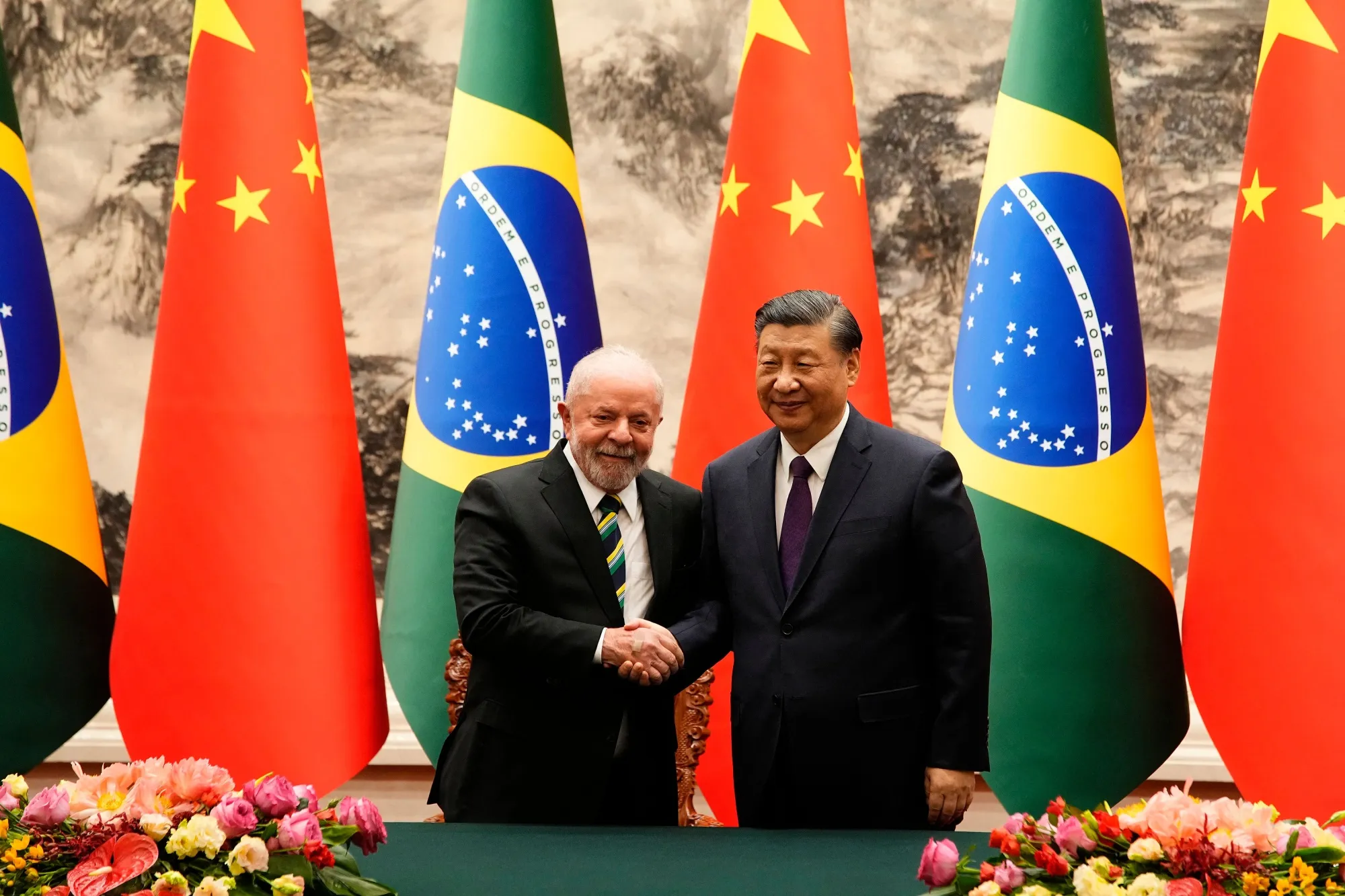
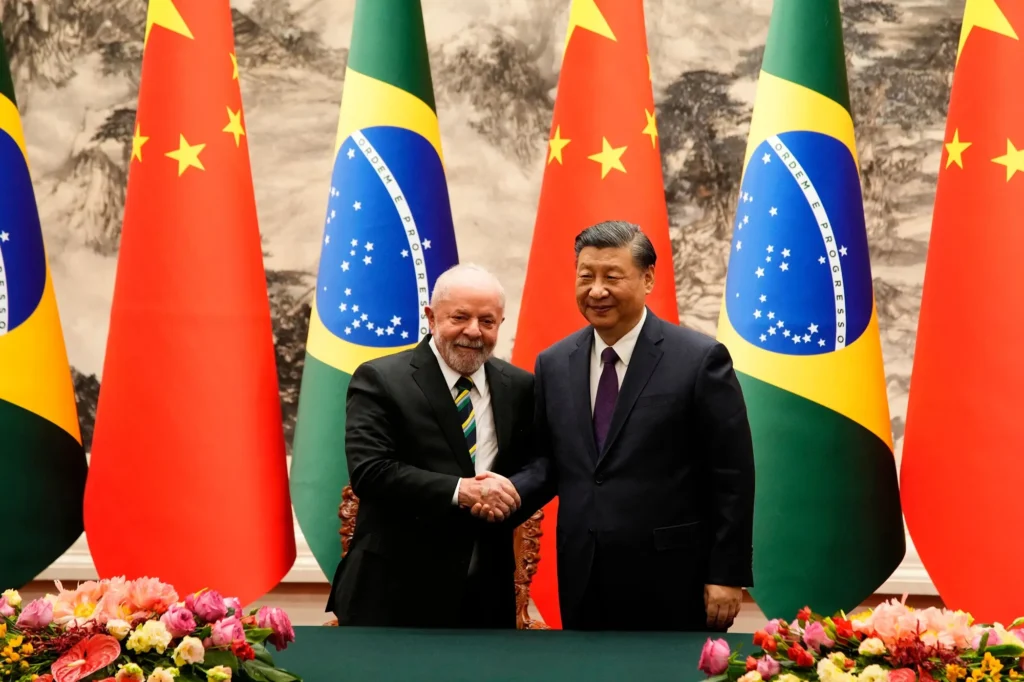
By Nitya Chakraborty Brazil’s President Luiz Inacio Lula da Silva, better known globally as Lula has launched a major initiative to meet the U.S. President Donald Trump’s unilateral tariff offensive by joining hands with Chinese President Xi Jinping and the Russian President Vladimir Putin, apart from taking assistance from South Africa and a few other […]
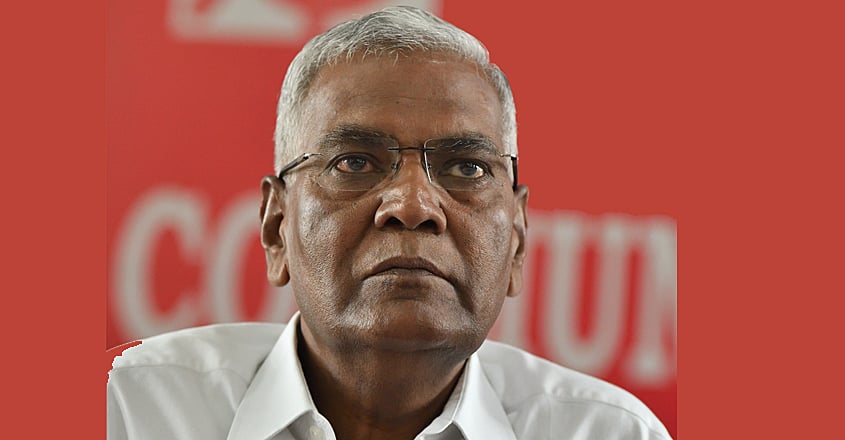
By Satyaki Chakraborty Communist Party of India (CPI) general secretary D. Raja gave a clarion call on Wednesday for the building of principled unity of all communists in India to act as the vanguard of the battle against the Narendra Modi government and the RSS-BJP led Sangh Parivar. Addressing the inaugural session of the 24th […]

Dr Imran Khalid The winds of uncertainty are sweeping through Europe as the continent grapples with the stark reality of a diminished U.S. commitment to its security. The handling of the Ukraine crisis by the Trump administration has rightly sent shockwaves through European capitals, unearthing a reality that policymakers have long feared but often failed to address head-on: the United States, under its current leadership, is no […]

By Nitya Chakraborty Russian President’s pending visit to India has turned into a big diplomatic mystery as in the last five months since the Kazan summit on October 22 last year when Putin officially confirmed his visit to India in the presence of the Indian Prime Minister Narendra Modi amidst full media and TV glare, […]


Dubai’s ambitious Palm Jebel Ali project is witnessing a significant revival, positioning itself as a prime destination in the global luxury real estate market. Originally launched in 2002, the development faced delays due to the 2008 financial crisis but was revitalized in 2023. Today, it stands as a testament to Dubai’s resilience and vision for expansive waterfront living. Spanning approximately 147 million square feet—more than double the […]

VISHNU RAJA
RYO YAMADA
HITORI GOTOH
IKUYO KITA