News related to
ISIS

A massive die-off of freshwater fish has transformed a stream in Volos, Greece, into a grim spectacle. The crisis emerged as receding floodwaters carried thousands of fish from a freshwater environment into saltwater conditions, leading to their demise. The high concentration of decomposing fish has choked the stream, causing significant disruptions in the local area. The die-off began after heavy rains and flooding caused the river to […]

Typhoon Shanshan unleashed its fury on Japan’s Kyushu island, leading to the evacuation of millions as violent winds and torrential rain battered the region. The typhoon, one of the most powerful to hit Japan this year, forced the closure of major factories and grounded hundreds of flights, causing widespread disruption across the southwest.

As the storm made landfall, authorities issued evacuation orders for over two million people across multiple prefectures. The typhoon brought with it wind speeds exceeding 150 kilometers per hour (93 mph), toppling power lines, uprooting trees, and causing significant structural damage. In addition to the destruction, more than 40,000 households were left without electricity, compounding the challenges faced by residents.

Transportation networks across the region were severely affected, with all flights to and from Kyushu being canceled. Train services were also suspended, leaving many stranded and unable to reach safer locations. Meanwhile, major automakers and electronics manufacturers, including Toyota and Sony, were compelled to halt operations in their regional plants, fearing further damage and ensuring the safety of their employees.

The typhoon’s impact extended beyond physical damage, as heavy rainfall triggered landslides and flooding in several areas, exacerbating the crisis. Emergency services were stretched thin as they responded to multiple calls for help, with rescue operations underway in the hardest-hit areas. Authorities have warned that the situation could worsen, with additional rainfall expected to continue throughout the weekend, raising concerns of further flooding and landslides.

The storm is expected to move northeastward, affecting other parts of Japan, including the Shikoku and Chugoku regions, before heading out to sea. Local governments have urged residents in these areas to remain vigilant and follow evacuation orders promptly to avoid casualties.

This typhoon serves as a stark reminder of Japan’s vulnerability to extreme weather events, which are becoming increasingly frequent and severe. The government has been investing in disaster preparedness and response measures, but the scale of Shanshan’s impact highlights the ongoing challenges in protecting lives and infrastructure from such powerful natural forces.

With recovery efforts already beginning, authorities are focusing on restoring power, clearing debris, and providing aid to those displaced by the storm. However, the full extent of the damage will likely take days to assess, and the nation is bracing for what could be a long and arduous recovery process.

As Typhoon Shanshan continues its path of destruction, Japan faces yet another test of resilience, with the nation rallying together to support those affected and rebuild in the aftermath of this devastating storm.

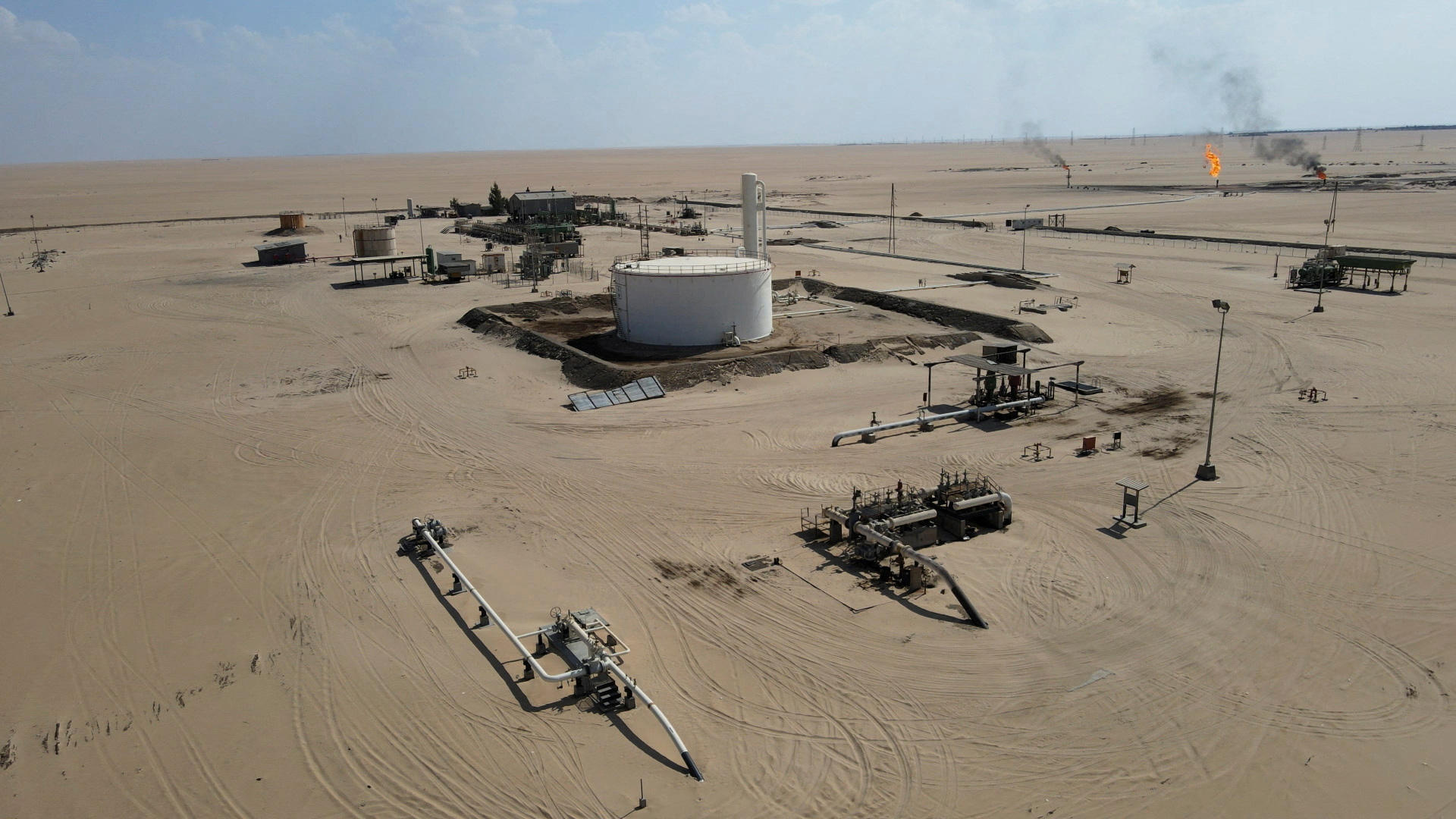
Libya’s ongoing political conflict is jeopardizing its vital oil production, potentially leading to severe disruptions in global supply chains. The strife between rival factions in the country has intensified, raising concerns about the stability of Libya’s oil sector, a crucial component of the global energy market.

The National Oil Corporation (NOC) has reported escalating security threats and operational interruptions at key oil facilities. Production at several major sites, including the Sharara and El Feel fields, has already experienced significant reductions. The disruptions are a direct result of the clashes between the Government of National Unity (GNU) and the House of Representatives (HoR), each backed by different armed groups.

The GNU, based in Tripoli, and the HoR, which controls parts of eastern Libya, have been embroiled in a protracted power struggle. This rivalry has led to a series of blockades and attacks on oil infrastructure, severely impacting the country’s output. The disruption comes at a time when global oil markets are already grappling with volatility due to various geopolitical tensions and economic uncertainties.

Libya’s oil sector, which accounts for approximately 90% of its revenue, has long been a target in the country’s broader conflict. The recent escalation has resulted in reduced exports and financial losses, exacerbating the economic strain on the nation. Analysts warn that prolonged instability could lead to a more prolonged and deep-seated disruption of Libya’s oil exports, affecting global oil prices and supply stability.

International stakeholders, including the United Nations and major oil companies, are closely monitoring the situation. The UN has called for a cessation of hostilities and a return to dialogue to mitigate the impact on oil production. However, the divided political landscape makes it challenging to achieve a consensus or enforce effective measures.

Libya’s oil industry was recovering from years of conflict and mismanagement when the current crisis hit. The industry had seen incremental improvements in production levels and infrastructure upgrades. Yet, the recent conflict threatens to reverse these gains, putting more strain on an already fragile sector.

The uncertainty surrounding Libya’s oil supply has prompted some countries and corporations to seek alternative energy sources or increase their reserves in anticipation of potential shortages. This shift could lead to changes in global energy markets, influencing everything from oil prices to energy policies worldwide.

Efforts to mediate the conflict and stabilize the oil sector have been ongoing, but the entrenched political divisions pose significant obstacles. The situation remains fluid, with potential for further escalation or, conversely, a resolution if diplomatic efforts gain traction.

As the international community watches closely, the immediate concern remains the security of Libya’s oil infrastructure and the broader implications for global energy stability.

KUALA LUMPUR, MALAYSIA – Media OutReach Newswire – 29 August 2024 – As the U.S. presidential elections approach, global financial markets brace for potential turbulence. Global broker Octa looks at the historical correlation between U.S. elections and stocks, gold, and the U.S. dollar. Economy The relationship between the party affiliations of the U.S. presidents and economic growth has been a topic of extensive research and debate. Historically, […]

HANOI, VIETNAM – Media OutReach Newswire – 29 August 2024 – Vietnam’s captivating blend of natural beauty, rich culture, and world-class hospitality has made it a prime destination for Indian tourists seeking a luxurious escape. Vinpearl, renowned for its innovative approach and rapid development, is ideally positioned to capitalize on this growing trend. As Vietnam’s tourism industry continues to thrive, Vinpearl’s role as a leading real estate […]

Amid a backdrop of rising tensions and shifting political landscapes, Israel faces a critical juncture in its ongoing struggle with Iran. As support for Prime Minister Benjamin Netanyahu continues to grow, the question of whether Israel should intensify its confrontation with Iran is gaining prominence. While the prospect of such a move may appeal to some as a demonstration of strength and resolve, the unpredictable nature of warfare poses significant risks that must be carefully considered.

Netanyahu has long positioned himself as a staunch defender of Israel’s security, particularly in relation to the perceived threat from Iran. His rhetoric and actions have consistently underscored the view that Iran’s nuclear ambitions and regional influence constitute an existential danger to Israel. Over the years, Netanyahu has been vocal about the need to curb Iran’s power, and his administration has supported a range of strategies, including military strikes, covert operations, and diplomatic pressure, to achieve this goal.

Recent developments have only heightened the stakes. Iran’s nuclear program appears to be advancing at a rapid pace, with reports suggesting that it may soon reach a critical threshold. Additionally, Iran’s influence in the region, through its support for proxy groups such as Hezbollah and its involvement in conflicts in Syria and Yemen, remains a significant concern for Israel. The strategic calculus for Israel is therefore becoming increasingly complex, as it weighs the potential benefits and costs of escalating the conflict with Iran.

Support for Netanyahu’s hardline approach has been bolstered by several factors. Domestically, his political standing has improved, partly due to his handling of security issues and his ability to present himself as a strong leader in times of crisis. The recent normalization agreements between Israel and several Arab states have also enhanced his reputation, suggesting that Israel’s regional position is stronger than ever. These developments may lead some to believe that now is the opportune moment to confront Iran more directly, capitalizing on Netanyahu’s political momentum and the perceived alignment of regional interests.

However, the decision to escalate the conflict with Iran is fraught with peril. Wars, by their very nature, are unpredictable and can spiral out of control in ways that are difficult to foresee. Even with superior military capabilities, Israel cannot guarantee a quick and decisive victory. Iran is a formidable adversary with a well-established military and a network of regional allies that could respond to Israeli aggression in ways that might destabilize the entire Middle East.

One of the key risks associated with a larger war is the potential for it to draw in other regional and global powers. The Middle East is a complex web of alliances and enmities, and any significant escalation by Israel could provoke responses from other countries, including Russia, Turkey, and the United States. Each of these actors has its own interests and objectives in the region, and their involvement could complicate Israel’s strategic objectives, leading to a protracted and costly conflict.

Moreover, there is the question of public opinion, both domestically and internationally. While Netanyahu may enjoy growing support within Israel, particularly among those who prioritize security concerns, there is also a segment of the population that is wary of the consequences of another major war. The memory of past conflicts, such as the 2006 Lebanon War and the ongoing tensions in Gaza, serves as a reminder of the human and economic toll that war can exact. Internationally, Israel could face increased scrutiny and criticism, particularly if civilian casualties were to mount, which could undermine its diplomatic standing and erode the support it currently enjoys from key allies.

The economic implications of a larger conflict should not be overlooked either. Israel’s economy, while robust, is not immune to the shocks that accompany military conflicts. Prolonged warfare could disrupt trade, deter investment, and strain public finances, leading to long-term economic challenges. The costs of rebuilding and addressing the humanitarian fallout of war could be substantial, diverting resources away from other critical areas such as education, healthcare, and infrastructure.

Given these considerations, the argument against escalating the conflict with Iran gains considerable weight. While the desire to neutralize a perceived threat is understandable, the risks associated with a larger war are significant. Netanyahu’s leadership has been characterized by a willingness to take bold actions, but in this case, caution may be the more prudent course.

Israel’s security concerns are legitimate, and the threat posed by Iran is real. However, history has shown that wars often produce unintended consequences. The 2003 invasion of Iraq by the United States serves as a cautionary tale of how even well-intentioned military interventions can lead to long-term instability and suffering. Israel must weigh the potential short-term gains of weakening Iran against the long-term risks of igniting a broader regional conflict.

Diplomatic efforts, while challenging, offer an alternative path. The international community, including Israel’s allies, has a vested interest in preventing a larger war in the Middle East. Diplomatic channels, including negotiations and multilateral efforts to curb Iran’s nuclear ambitions, should be pursued with renewed vigor. While diplomacy may not provide immediate results, it offers the possibility of a more sustainable and less costly resolution to the ongoing tensions.

The decision to escalate or avoid a larger conflict with Iran is one that will define Netanyahu’s legacy and Israel’s future. It is a decision that requires careful consideration of the potential consequences, both known and unknown. The support for Netanyahu’s approach is undeniable, but the wisdom of pursuing a path of greater confrontation remains questionable. Wars are rarely as simple as they appear at the outset, and the costs of miscalculation can be immense.

As Israel navigates this complex and dangerous terrain, the choice it makes will have profound implications for its security, its economy, and its standing in the world. The allure of a decisive victory over a formidable adversary is strong, but the risks of a broader conflict may ultimately outweigh the potential rewards. Israel must tread carefully, recognizing that while strength is essential, so too is the wisdom to avoid unnecessary and potentially catastrophic conflict.


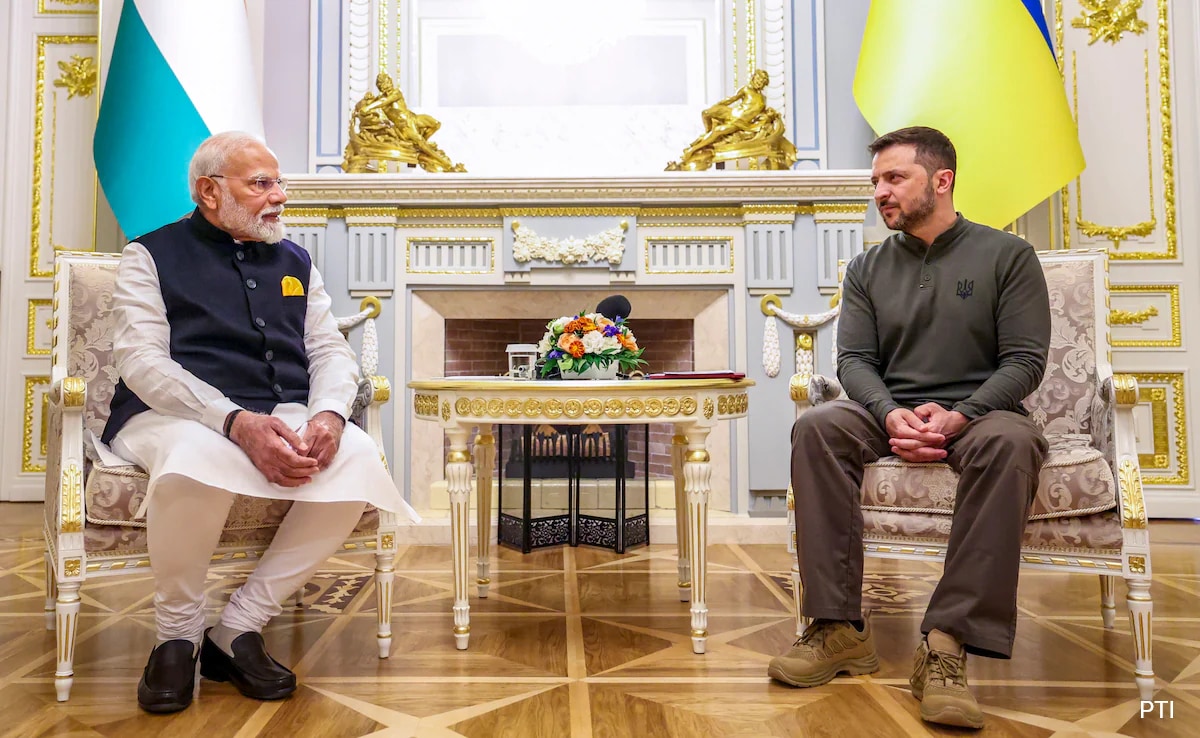
    By Sushil Kutty   So India is a “big country” with a “big influence” on the Russian economy and Ukrainian President Volodymyr Zelenskiy wants India and Indians to “change their attitude” towards Russia. For then, there will be peace as Russian President Vladimir Putin will then end the war. Apparently, Zelenskiy doesn’t like Modi’s […]
Advertisements
By Dr. Gyan Pathak India bloc’s political moves in Jammu and Kashmir have utterly upset the Union Minister of Home and BJP leader Amit Shah, especially the seat sharing announcement between the National Conference and the Congress, which prompted him to sharply attack Congress on the politically sensitive issue of unity of India asking 10 […]

Ukrainian President Volodymyr Zelenskyy has reiterated his urgent call for increased and expedited defense aid from the United States and its allies, as the conflict with Russia continues to intensify. Following a phone call with U.S. President Joe Biden, Zelenskyy emphasized that Ukraine’s ability to defend itself hinges on the timely delivery of military support. The U.S. has pledged an additional $500 million in budgetary aid, yet Kyiv continues to press for more comprehensive and immediate assistance to bolster its defenses against Russian advances.

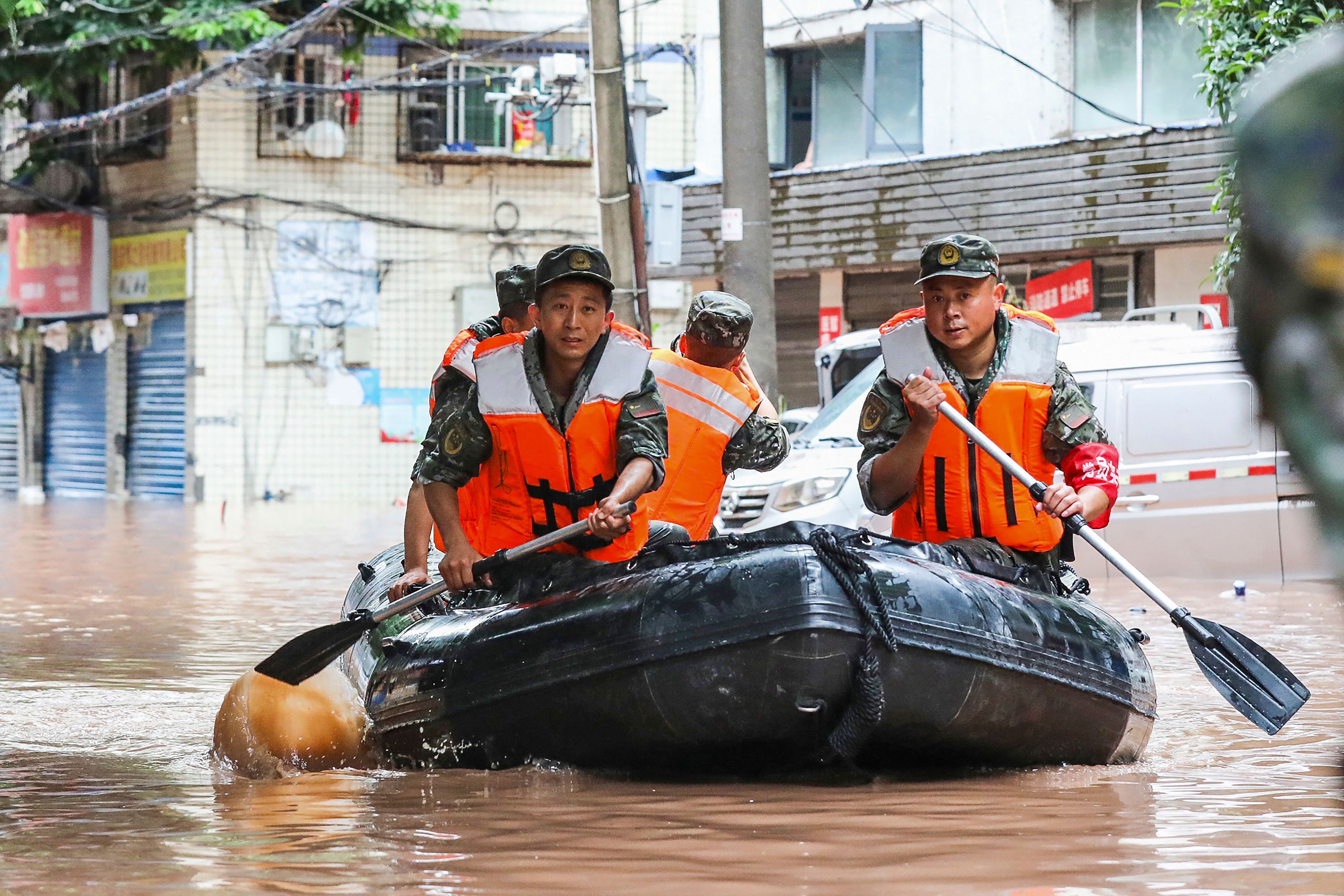
China has allocated an additional 50 million yuan ($7 million) to bolster flood prevention and relief efforts in Liaoning Province, as the region grapples with severe flooding. This new injection of funds from the central government underscores the escalating challenges faced by northeastern China due to extreme weather conditions, which have already caused widespread damage.

Heavy rainfall has battered Liaoning, leading to severe flooding that has displaced thousands of residents, destroyed infrastructure, and inundated large swathes of agricultural land. The decision to provide additional financial support aims to address the immediate needs of affected communities and to reinforce the region’s capacity to manage the ongoing crisis.

The Liaoning Provincial Flood Control and Drought Relief Headquarters has been at the forefront of coordinating rescue and relief operations, working in tandem with national emergency response teams. The added funds will be directed towards critical areas such as evacuation, emergency shelter provisions, and the repair of damaged infrastructure, including roads, bridges, and power lines.

Meteorological reports indicate that the province has experienced rainfall levels far exceeding seasonal averages, contributing to the severity of the flooding. The province’s river systems, including the Liao River, have swollen to dangerous levels, prompting authorities to issue warnings and to implement emergency measures. The situation has been exacerbated by the region’s geographical vulnerabilities, with mountainous areas particularly prone to landslides, further complicating relief efforts.

Authorities have been swift in their response, deploying thousands of rescue personnel to the hardest-hit areas. The People’s Liberation Army (PLA) has also been mobilized, providing critical support in evacuating residents and fortifying flood defenses. Despite these efforts, the scale of the disaster has overwhelmed local resources, necessitating the additional financial support from the central government.

The flooding in Liaoning is part of a broader pattern of extreme weather that has affected several regions across China this summer. Unusually heavy rainfall, driven by climate anomalies, has led to similar crises in other provinces, stretching the country’s disaster response capabilities. The Chinese government has emphasized the need for a coordinated national response, recognizing that the impacts of climate change are likely to increase the frequency and intensity of such events.

The additional funding for Liaoning will also be used to strengthen the province’s long-term resilience to flooding. This includes investments in improving drainage systems, reinforcing riverbanks, and enhancing early warning systems. Experts have called for a reassessment of flood management strategies across the country, advocating for a more integrated approach that considers both immediate response and long-term adaptation to changing climate patterns.

Economic losses from the flooding in Liaoning are expected to be significant, with early estimates running into billions of yuan. The agricultural sector, a key component of the region’s economy, has been particularly hard-hit, with large areas of crops destroyed. The destruction of infrastructure is also likely to have long-term repercussions, disrupting transport and logistics in the province.

The government’s swift action in allocating additional funds is a clear indication of its commitment to mitigating the impact of natural disasters and protecting the livelihoods of those affected. However, the situation in Liaoning remains fluid, with ongoing concerns about further rainfall and the potential for additional flooding.

As rescue and relief operations continue, authorities are urging residents in vulnerable areas to remain vigilant and to adhere to evacuation orders. The focus now is on stabilizing the situation and ensuring that those affected receive the necessary assistance as quickly as possible.

The response to the Liaoning flooding will likely serve as a critical test of China’s disaster management systems, highlighting the need for continued investment in infrastructure and preparedness to cope with the growing threat of climate-related disasters.

UBS Group AG’s push against increased capital requirements has been firmly rejected by Swiss Finance Minister Karin Keller-Sutter. Despite the bank’s substantial lobbying efforts, Keller-Sutter has maintained her stance, indicating that the proposed new regulations will proceed as planned.

UBS has been advocating for more leniency regarding capital requirements, arguing that the proposed rules could impose undue constraints on its operations and profitability. The lobbying campaign has included high-profile meetings and extensive dialogue with policymakers, aiming to influence the Swiss government’s decision on financial regulations.

However, Keller-Sutter’s response has been unequivocal. She emphasized that the government is committed to strengthening financial stability and ensuring that large financial institutions are adequately capitalized to withstand potential economic shocks. Her firm position reflects a broader trend among regulators worldwide, who are increasingly focusing on enhancing the resilience of the banking sector.

The debate over capital requirements is part of a larger global discussion about financial regulation following the 2008 financial crisis. Regulators and financial institutions continue to grapple with finding the right balance between maintaining financial stability and supporting economic growth. UBS’s lobbying efforts highlight the tension between these objectives, as banks seek to mitigate regulatory burdens while regulators aim to protect the financial system.

Keller-Sutter’s decision underscores Switzerland’s commitment to upholding stringent financial standards. The country has long been a global financial hub, and its regulatory policies often set a precedent for other nations. The Finance Minister’s stance signals a firm resolve to prioritize financial stability over industry lobbying.

The implications of this decision are significant for UBS and the broader banking sector. If the new capital requirements are implemented, UBS may need to adjust its financial strategies to comply with the regulations. This could involve raising additional capital, altering its investment strategies, or adjusting its business operations to align with the new requirements.

UBS’s lobbying efforts are not an isolated case. Financial institutions worldwide regularly engage in lobbying to influence regulatory policies that affect their operations. The effectiveness of such campaigns can vary, depending on the political climate, regulatory environment, and the strength of the arguments presented.

Keller-Sutter’s firm position has been met with both support and criticism from various stakeholders. Supporters argue that strong capital requirements are essential for preventing future financial crises and protecting the stability of the global financial system. Critics, however, contend that excessive regulatory constraints could stifle innovation and economic growth.

As the debate continues, the focus remains on how best to balance regulatory demands with the needs of the financial sector. UBS’s lobbying efforts reflect the ongoing negotiation between regulators and financial institutions over the future of banking regulations. The outcome of this issue will likely have far-reaching implications for the financial industry, both in Switzerland and globally.

Swiss Finance Minister Karin Keller-Sutter’s rejection of UBS’s lobbying against increased capital requirements emphasizes the Swiss government’s commitment to maintaining rigorous financial standards. The resolution of this issue will be closely watched by financial institutions and regulators alike, as it could shape the future of banking regulation in Switzerland and beyond.

Nigeria is banking on the operational launch of the Dangote Petroleum Refinery to address ongoing fuel shortages and alleviate the burden of lengthy queues at petrol stations. As the country grapples with an energy crisis exacerbated by its reliance on imported refined petroleum, the new refinery promises to be a game-changer in the nation’s energy landscape. This refinery, situated in the Lekki Free Zone near Lagos, is […]

Businesses in the Middle East are grappling with a significant liquidity issue, with over $50 billion reportedly trapped in their operations, according to a new PwC report. This situation has emerged as a critical concern for companies across various sectors in the region, highlighting a broader financial challenge that could impact economic stability and growth.

The liquidity problems are attributed to a combination of factors including prolonged payment delays from clients, difficulties in accessing financing, and regulatory hurdles that complicate the release of funds. The report underscores that these issues are not isolated but rather a widespread phenomenon affecting numerous businesses throughout the Middle East.

Key industries such as construction, real estate, and manufacturing are among the hardest hit. Companies in these sectors often face substantial delays in receiving payments for completed projects, which exacerbates their liquidity problems. Additionally, the challenging economic environment and fluctuations in commodity prices have further strained their financial resources.

The PwC report highlights that companies are also dealing with a slowdown in credit availability. Financial institutions have tightened lending standards, making it more difficult for businesses to secure the necessary funds to maintain operations and invest in growth opportunities. This credit crunch has compounded the liquidity issues, forcing many firms to explore alternative financing options or restructure their operations to remain viable.

Regulatory and administrative challenges also play a role in the liquidity crisis. Complex procedures for accessing funds and bureaucratic delays can hinder the timely release of capital. Companies must navigate a web of regulations that often vary by country, adding to the complexity of managing their finances effectively.

The report emphasizes the need for strategic measures to address these liquidity concerns. Businesses are encouraged to adopt more efficient financial management practices, such as improving cash flow forecasting and optimizing working capital. Additionally, engaging with financial advisors and exploring alternative financing solutions, such as private equity or venture capital, could help alleviate some of the pressures caused by the liquidity squeeze.

Furthermore, the report suggests that policymakers in the Middle East should consider reforms to streamline regulatory processes and enhance the availability of credit to support businesses in overcoming these financial challenges. By fostering a more supportive environment for companies, the region could mitigate some of the adverse effects of the current liquidity crisis.

This liquidity challenge reflects broader economic trends in the Middle East, where companies are navigating a complex and evolving financial landscape. The PwC report serves as a critical reminder of the need for both businesses and policymakers to address the underlying issues contributing to the liquidity crunch. As the situation develops, ongoing monitoring and proactive measures will be essential to ensuring the stability and resilience of the region’s economic sector.

Researchers have introduced an innovative eco-friendly plastic substitute, which they claim could significantly reduce environmental pollution. This new material, termed “organic eutectics,” emerged from a study recently published in *Chemical Science*. Created by combining crystalline components, this development presents a promising alternative to conventional plastics, which are notorious for their environmental impact. The organic eutectic material offers notable advantages over traditional plastics. Unlike conventional plastics that degrade […]

 By Dr. Gyan Pathak The Supreme Court of India constituted a national taskforce (NTF) to ensure safety of doctors in the country while hearing a suo motu case taking cognizance of the rape and murder of a postgraduate trainee doctor at R G Kar Medical College  on August 9 during her shift. The bench headed […]
U.S. Secretary of State Antony Blinken has stated that Israel has agreed to a cease-fire proposal, contingent upon Hamas’ acceptance. This development follows ongoing discussions aimed at de-escalating the conflict in the region. The announcement comes amid increasing international pressure for a halt to hostilities that have intensified over recent months. Blinken emphasized that while Israel has signaled its willingness to cease military operations, the critical next […]

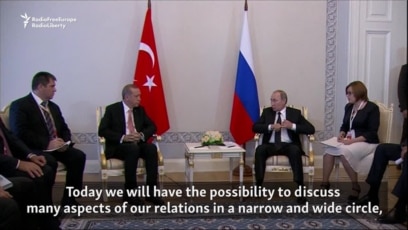
A new trade agreement between government-controlled and opposition-held areas in Syria marks a significant development in the Syrian conflict. This trade initiative, involving key economic exchanges between these once-divided regions, hints at a possible warming of relations between Syrian President Bashar al-Assad and Turkish President Recep Tayyip Erdogan.

The trade agreement comes amid shifting geopolitical dynamics, with Russia playing a pivotal role in facilitating dialogue between the Assad regime and various opposition factions. Moscow’s intervention in the Syrian conflict in 2015, aimed at restoring Assad’s control, has now expanded to include efforts to bridge the gap between conflicting parties. The recent trade pact underscores a potential realignment of alliances and objectives in the region.

The agreement involves the exchange of goods such as food, medicine, and construction materials, which are crucial for rebuilding efforts in the war-torn country. This trade is being managed through a network of intermediaries and is expected to alleviate some of the economic pressures faced by both sides. The move also reflects broader strategic interests, with both Assad and Erdogan seeking to stabilize their respective positions in the region.

The initiative has garnered attention from various international observers and analysts, who view it as a strategic maneuver by both leaders to consolidate their control and influence. The Syrian government sees this trade agreement as a means to reinforce its authority and address humanitarian needs, while Erdogan’s administration is leveraging the opportunity to address economic and political pressures within Turkey.

The trade pact aligns with Russia’s broader objectives in Syria, where Moscow has been working to strengthen its diplomatic and strategic foothold. The Russian government has been actively involved in brokering discussions and mediating between conflicting parties, aiming to create a more stable and cooperative environment in Syria. This recent development is seen as a part of Russia’s strategy to enhance its influence and facilitate a more sustainable resolution to the conflict.

The reaction from the international community has been mixed. While some view the agreement as a positive step towards reducing tensions and fostering dialogue, others remain skeptical about its long-term impact on the broader conflict. Critics argue that while the trade initiative may offer short-term benefits, it does not address the underlying political and security challenges that continue to plague Syria.

As the situation evolves, stakeholders are closely monitoring how this trade agreement will affect the broader dynamics of the Syrian conflict. The potential for improved relations between Assad and Erdogan could reshape the geopolitical landscape of the region, influencing not only Syria’s internal politics but also its interactions with neighboring countries and international actors.

The trade agreement between Syrian regime and rebel areas represents a notable shift in the ongoing conflict, with implications for both regional politics and international diplomacy. The development highlights the complex and evolving nature of the Syrian crisis, reflecting broader trends and strategic interests that continue to shape the region’s future.

Civilians in the eastern Ukrainian city of Pokrovsk are facing an urgent evacuation order due to advancing Russian military forces. Local authorities have instructed families with children to leave the city immediately, highlighting the intensifying threat posed by the ongoing conflict. The directive comes as Russian troops make significant progress toward this key logistical hub. Pokrovsk, a vital city in eastern Ukraine, has been under heightened scrutiny […]

Arabian Post Staff U.S. Secretary of State Antony Blinken has emphasized that the current diplomatic initiative to secure a ceasefire between Israel and Hamas represents a critical juncture, possibly the last viable chance for peace. During his latest statement, Blinken underlined the urgency of finalizing a ceasefire agreement, reflecting Washington’s intensifying efforts to halt the ongoing conflict. Blinken’s remarks come as international pressure mounts on both sides […]

By Nantoo Banerjee   The United States of America or the People’s Republic of China may have nothing much to do with the massive public demonstrations in Bangladesh that began last month over governmental job quotas forcing the fall of Sheikh Hasina as the country’s longest serving prime minister and her government. Sheikh Hasina had […]

Israel’s northern border experienced heightened tension as approximately 55 rockets were fired from Lebanon on Saturday, resulting in fires near Ayelet HaShahar but no reported injuries. This escalation has added to the already volatile situation in the region, where Israel’s military operations in Gaza continue to provoke international concern.

U.S. Secretary of State Antony Blinken arrived in Tel Aviv, urging all parties to cease escalating actions and pushing for a ceasefire in Gaza. His visit comes at a critical time, as diplomatic efforts intensify to de-escalate the violence that has claimed numerous lives on both sides.

During his meetings with Israeli leaders, including Prime Minister Benjamin Netanyahu and President Isaac Herzog, Blinken emphasized the importance of halting hostilities to prevent further civilian casualties. He also reiterated the United States’ support for Israel’s right to defend itself while stressing the need for proportionality in military actions.

Meanwhile, the Israeli military continues to target Hamas infrastructure in Gaza, claiming to have struck key operational sites. However, the humanitarian crisis in Gaza has drawn international criticism, with many urging Israel to exercise restraint. Despite these calls, the Israeli government has shown little sign of scaling back its operations, insisting that its actions are necessary to neutralize the threat posed by Hamas.

Diplomatic sources indicate that efforts to broker a ceasefire are ongoing, with Egypt and Qatar playing key roles in the negotiations. However, the prospects for an immediate halt to the violence remain uncertain, as both sides appear entrenched in their positions.

As the situation unfolds, the international community watches closely, with many hoping that Blinken’s visit will lead to a breakthrough in the deadlock. The next few days are likely to be crucial in determining whether diplomacy can succeed in bringing an end to the bloodshed.

The conflict has already caused significant loss of life and widespread destruction, particularly in Gaza, where civilian infrastructure has been severely damaged. Humanitarian agencies warn of an impending disaster if the fighting continues, with thousands of families displaced and in urgent need of aid.

Blinken’s visit underscores the urgency of the situation and the delicate balance that must be struck between supporting Israel’s security and addressing the humanitarian needs of the Palestinian population. The path to a ceasefire remains fraught with challenges, but international pressure is mounting on all parties to find a resolution that prevents further escalation.

In the meantime, Israel’s northern border remains tense, with fears that the conflict could spread beyond Gaza, further destabilizing the region. The world waits to see whether diplomatic efforts will prevail or if the situation will deteriorate further.

Arabian Post Staff Retailers in Dubai continue to face significant challenges months after the devastating floods in April, as many are still waiting for insurance claims to be processed. While some homeowners have received their insurance payouts, businesses, particularly in the retail sector, are experiencing substantial delays, causing ongoing financial strain. The flooding, which brought heavy rain and caused widespread water damage across Dubai, had a particularly […]

Sudan’s military leader, General Abdel Fattah Al Burhan, has announced plans to dispatch a delegation to Cairo for high-stakes peace talks aimed at addressing the protracted conflict with the Rapid Support Forces (RSF), commanded by General Mohamed Dagalo. This move underscores a significant diplomatic effort to de-escalate the ongoing clashes that have devastated Sudan.

The conflict between the Sudanese Armed Forces (SAF) and the RSF, which erupted in April 2023, has severely affected the country, leading to a humanitarian crisis marked by widespread displacement and casualties. The intense fighting has displaced hundreds of thousands and resulted in severe disruptions to daily life, including shortages of essential goods and services.

Al Burhan’s decision to engage in dialogue comes after mounting pressure from both domestic and international communities for a peaceful resolution. The talks in Cairo are expected to focus on establishing a ceasefire and negotiating terms that could lead to a more comprehensive peace agreement. The discussions are set to involve representatives from various Sudanese factions, aiming to address the root causes of the conflict and explore pathways to long-term stability.

This diplomatic initiative follows several rounds of failed negotiations and intermittent ceasefires, which have not led to a lasting resolution. The international community, including the African Union and the United Nations, has been advocating for a negotiated settlement to end the hostilities and mitigate the humanitarian impact on the Sudanese population.

General Dagalo and his RSF forces have maintained a firm stance in the conflict, demanding significant political and military concessions. The RSF emerged from the Darfur conflict and has played a crucial role in Sudan’s political landscape since the 2019 ousting of former President Omar al-Bashir. Their involvement has further complicated the path to peace, given their substantial influence and control over various regions.

The delegation’s visit to Cairo is seen as a crucial step in rebuilding trust and finding common ground between the warring parties. The Egyptian government, with its strategic interests in Sudan and its historical ties to both the SAF and RSF, is expected to play a mediatory role in facilitating productive discussions. Cairo’s involvement highlights the broader regional implications of the Sudanese conflict, which has had repercussions on neighboring countries and regional stability.

Experts suggest that the outcome of the Cairo talks could significantly impact the dynamics of the conflict, depending on the willingness of both sides to make concessions and adhere to any agreements reached. The peace process will require addressing key issues such as the distribution of power, security arrangements, and the reintegration of RSF fighters into the national army.

As the delegation prepares for its diplomatic mission, there is cautious optimism among observers and humanitarian organizations that this latest effort could pave the way for a more stable and peaceful Sudan. The effectiveness of the talks will likely depend on the commitment of both Al Burhan and Dagalo to engage constructively and on the support from the international community in holding all parties accountable.

The situation remains fluid, and the coming weeks will be critical in determining whether the Cairo negotiations can lead to a meaningful and lasting resolution to Sudan’s ongoing conflict.

M A Hossain Recent peace talks in Doha, Qatar, in the ongoing tensions in the Middle East have reignited a glimmer of hope of a temporary respite. Led by mediators from the United States, Qatar, and Egypt, these negotiations aim to broker a long-awaited ceasefire in the Gaza Strip. However, scepticism surrounds the talks, particularly because Hamas, the organization governing Gaza, is notably absent from the table. […]

VISHNU RAJA
RYO YAMADA
HITORI GOTOH
IKUYO KITA