News related to
Investment

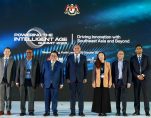
Powering the Intelligent Age Summit announced the ASEAN AI Safety Network and Sustainable AI White Paper, aligning regional collaboration with sustainability and trust KUALA LUMPUR, MALAYSIA – Media OutReach Newswire – 28 October 2025 – The Ministry of Digital, through the Malaysia Centre for the Fourth Industrial Revolution (MYCentre4IR), in collaboration with the World Economic Forum (WEF), today hosted the Powering the Intelligent Age: Driving Innovation with […]

HONG KONG SAR – Media OutReach Newswire – 27 October 2025 – Shanghai Commercial Bank (the Bank) is pleased to celebrate its 75th anniversary with a series of events starting with a landmark exhibition, “From Shanghai to Hong Kong, Connecting the World”, which will be open to the public from 8 November to 5 December 2025. The exhibition chronicles the Bank’s storied journey from its origin in […]

A high-level delegation from China plans to meet officials in Brussels this month to discuss tightening restrictions on rare earths and other critical minerals after the bloc flagged the controls as a threat to its key industrial sectors. The European Union has increased pressure on Beijing to restore stable access to materials essential for electric vehicles, semiconductors and defence capabilities while also advancing its own diversification plan […]

China’s securities regulator has rolled out a sweeping reform package designed to simplify access for overseas institutional investors and bolster long-term capital flows into its stock and bond markets. The China Securities Regulatory Commission announced that it will streamline the existing regime for the so-called qualified foreign investor framework, including loosening qualification thresholds, expanding investment scope and reducing administrative friction.

At a policy forum in Beijing, CSRC Chairman Wu Qing stated that the reforms aim to make China’s capital markets “more inclusive, adaptable and globally competitive”. He said the regulator plans to introduce a shelf-based refinancing mechanism and simplify filing procedures for overseas listings, aligning with the broader effort to diversify asset allocations amid global uncertainty.

The reforms are anchored on three pillars: easing eligibility for overseas institutional investors, enhancing operational flexibility for capital flows and broadening the range of permissible investments. Legal-and-regulatory briefings indicate that registration channels will be modernised; for example, in the revised framework for the earlier QFII/RQFII regime, a single renminbi account may now serve both securities and derivatives trading and repatriation of returns is simplified.

The timing of the reforms signals China’s intent to rebuild investor confidence amid a decelerating economy and mounting international competition for capital. Analysts note that the removal of quotas in earlier iterations of the programme set the stage for this deeper opening. Foreign asset-managers are expected to interpret this as a signal that Beijing is actively courting long-term commitments, rather than purely speculative flows.

From the perspective of global investors, these changes may unlock previously inaccessible segments of China’s markets. The A-share universe on the Shanghai Stock Exchange and Shenzhen Stock Exchange has grown substantially, and the relaxations open the door to a wider number of institutions, countries and asset classes than in the past. Strategically, this aligns with China’s dual-track agenda of promoting internal consumption while also continuing to integrate with global finance.

Nevertheless, the loosening of rules carries risks and constraints. Although administrative barriers are being reduced, foreign institutions must still satisfy substantive criteria—including governance standards, compliance records and suitability for RMB-denominated investment. The commercial and geopolitical environment remains complex, and international concerns around transparency, data security and regulatory predictability persist. Moreover, while quotas may be reduced or removed, factors such as currency volatility, capital controls and domestic market sentiment will continue to influence investor decisions.

Market participants appear cautiously optimistic. A number of global asset-managers have publicly stated that they will monitor how implementation unfolds and whether domestic on-shore brokers and custodians adapt swiftly to the new rules. Some expect the real test to come when overseas institutions begin deploying larger mandates into the Chinese on-shore market and engaging in longer-term allocations rather than short-term trading.

From the government’s perspective, the drive to attract long-term capital is part of a broader reform push. China is not only seeking external capital but also attempting to deepen its domestic investor base, scale up passive and index-based investment, and reduce reliance on short-term speculative flows. The regulatory strategy suggests that policymakers believe structural openness will enhance market resilience and support sustainable growth.

Citigroup Inc. and Coinbase Global Inc. have announced a collaboration to expand digital-asset payment services for the bank’s corporate clients, signalling a deeper institutional embrace of blockchain-based money transfers. The partnership will first focus on facilitating conversions between fiat currencies and digital assets, including stablecoins, and improving access to on- and off-ramps for firms that move large volumes of funds.

The deal between Citi and Coinbase addresses a prominent pain point in global payments: the cost, time and complexity of moving funds across borders or between fiat and crypto systems. Under the agreement, the participants will work on streamlining pay-ins and pay-outs for institutional clients, simplifying the flow between traditional bank accounts and Coinbase’s digital-asset platform.

“With more than 300 payment-clearing networks across 94 markets globally, we see collaborating with Coinbase as a natural extension of our ‘network of networks’ approach,” said Debopama Sen, Citi’s head of payments and services. Brian Foster, global head of crypto-as-a-service at Coinbase, added that the collaboration “reflects our commitment to building the infrastructure needed for the next generation of financial services.”

Analysts view the move as part of a broader trend in which leading financial institutions are shifting from cautious observation of digital assets to actively integrating crypto and stable-coin infrastructure. Citi had already signalled interest earlier this year in issuing its own stablecoin and providing custody services for crypto assets backing investment funds.

Stablecoins—cryptocurrencies pegged to fiat currencies—currently serve mostly trading and settlement within crypto markets. The new collaboration suggests an ambition to extend their use into cross-border payments, treasury operations and institutional settlements. In this case, the plan explicitly includes exploring mechanisms to directly link fiat balances to on-chain stable-coin payouts for corporate clients.

While the partnership presents opportunity, it also raises regulatory and operational challenges. Financial regulators have increased scrutiny of stable-coin issuance, backing reserves and the potential risks to payments stability. Traditional banks entering the crypto space must manage compliance, money-laundering controls and cyber security in new systems. For instance, a consortium of ten major banks—including Citi—are together exploring stable-coin issuance tied to G7 currencies, with regulatory oversight a key consideration.

From an operational standpoint, integrating digital-asset infrastructure into a global bank’s existing payments network is complex. Citi’s model involves multiple clearing networks and real-time settlement expectations; adding 24/7 on-chain rails demands robust coordination, governance and risk management frameworks. The collaboration acknowledges this by focusing first on institutional clients and later expanding to broader corporate use.

For Coinbase, this partnership enhances its positioning as a trusted infrastructure provider for institutions. The firm has made several moves to support institutional adoption, including acquiring technology to expand capital markets presence and forming strategies around tokenised credit products. By joining forces with a major bank like Citi, Coinbase gains access to a wide international payments network and the bridge between traditional finance and digital assets.

Market reaction has been positive; following the announcement, Coinbase’s shares rose, reflecting investor appetite for digital-asset infrastructure deals with legacy banks. For corporate clients of Citi, the collaboration means access to a potentially faster, lower-cost payment model that combines fiat and crypto rails and the possibility of 24/7 global transfers.

In examining trends, the deal fits into a pattern where banks are no longer sidelined observers of cryptocurrency innovation but active participants. As one executive at Citi observed, the financial-services landscape is changing fast, and institutional demand for real-time, border-less payments is driving innovation. That said, the extent and pace of adoption will depend on regulatory clarity, technological readiness and client acceptance.

By Nantoo Banerjee If global oil giant BP plc’s ‘Energy Outlook 2025’ proves to be true, India will be a global leader in energy consumption, outpacing all other countries by 2050. The country will account for 12 percent of the global demand, up from seven percent from 2023, according to BP’s chief economist Spencer Dale. […]

The article India Is At The Heart Of Driving The Global Energy Process appeared first on Latest India news, analysis and reports on Newspack by India Press Agency).

HONG KONG SAR – Media OutReach Newswire – 27 October 2025 – CTF Life today announced the signing of a Memorandum of Understanding with Gleneagles Hospital Hong Kong (“Gleneagles”), CUHK Medical Centre (“CUHKMC”), and Hong Kong Baptist Hospital (“HKBH”) to establish strategic partnerships. In a pioneering move, CTF Life has also become the first insurance company to collaborate with Gleneagles MediCentre in Admiralty to launch an exclusive […]

Advertisements

Mlak Finance has completed the sale of its subsidiary in Egypt to Al Baraka Bank Egypt for EGP 400 million, marking its full exit from the Egyptian market. This strategic divestment aligns with the company’s broader objectives of streamlining operations and refocusing on other regions. The sale, as disclosed by Mlak Finance, will have a significant impact on its financial position, particularly affecting its retained earnings by […]

The groundbreaking ceremony of the world’s first gigascale round-the-clock renewable energy project took place in Abu Dhabi, marking a significant milestone in the global transition to sustainable energy. Sheikh Theyab bin Mohamed bin Zayed Al Nahyan, deputy chairman of the Presidential Court for Development and Fallen Heroes’ Affairs, was present at the event, which will see the integration of solar power and cutting-edge battery storage technologies capable […]

Saudi Arabia’s flagship New Murabba project is poised to become a major investment hub, with plans to attract capital in technology, real estate, and construction sectors. Michael Dyke, the CEO of New Murabba, announced the initiative at the Fortune Global Forum in Riyadh, marking a significant step forward in the kingdom’s diversification strategy.

Launched in 2023 by Crown Prince Mohammed bin Salman, the New Murabba project is part of Saudi Arabia’s broader Vision 2030, aimed at reducing the nation’s reliance on oil revenues by fostering new industries and boosting economic growth. The initiative aims to transform the heart of Riyadh into a sprawling mixed-use urban area, poised to redefine the cityscape with a mix of residential, commercial, and entertainment offerings.

The project will cover an area of 19 square kilometres, positioning it as one of the largest urban developments globally. Its scale is unprecedented, making it one of the most ambitious projects in Saudi Arabia’s recent history. The new district is expected to accommodate over 100,000 residents and create hundreds of thousands of jobs in various sectors, significantly contributing to Riyadh’s economic development.

One of the key areas that Dyke highlighted during his speech at the forum is the focus on technology. The New Murabba project aims to integrate cutting-edge technological innovations into its design and infrastructure. The development will feature smart city technologies, including AI-driven systems for traffic management, energy conservation, and public services. Moreover, the project is expected to foster a thriving ecosystem for tech startups and established companies, making it an attractive destination for both domestic and international tech investors.

The project’s real estate and construction sectors will also play a pivotal role. With residential spaces, luxury hotels, office towers, and retail outlets planned, the project is designed to meet the needs of a diverse range of residents, businesses, and tourists. This focus on mixed-use developments aims to create a self-sustaining urban area, with a heavy emphasis on sustainability and green architecture. Additionally, the construction phase alone is expected to generate significant economic activity, providing a substantial number of jobs in the kingdom’s building sector.

New Murabba’s strategic location within Riyadh further boosts its potential as a central business and cultural district. It will be positioned in close proximity to key landmarks, including the King Abdulaziz Historical Centre and the King Saud University, enhancing its accessibility and making it a focal point for both locals and visitors. The project’s proximity to the King Khalid International Airport is also expected to make it a prime location for international businesses, especially in the tech and tourism industries.

The Saudi government’s backing of the New Murabba initiative signals a strong commitment to its diversification efforts. As part of the Vision 2030 programme, the kingdom is looking to foster a more sustainable and diversified economy, moving away from its dependence on oil exports. This development aligns with broader trends in urbanisation across the Middle East, where large-scale projects are shaping the future of cities and driving economic change.

The investment opportunities presented by New Murabba are expected to attract a wide range of investors from various sectors. For real estate developers, the sheer scale of the project represents an unparalleled opportunity. For technology firms, the integration of smart city technologies offers a unique environment in which to develop and test innovative solutions. Meanwhile, the construction sector stands to benefit greatly from the demand for infrastructure and buildings, with the long-term potential for growth in both residential and commercial spaces.

With the Saudi government’s push for private sector involvement, the New Murabba project is expected to be a catalyst for further investments in the kingdom. The involvement of international investors and companies will be crucial to its success, with the project acting as a gateway to other opportunities within Saudi Arabia’s growing economy.


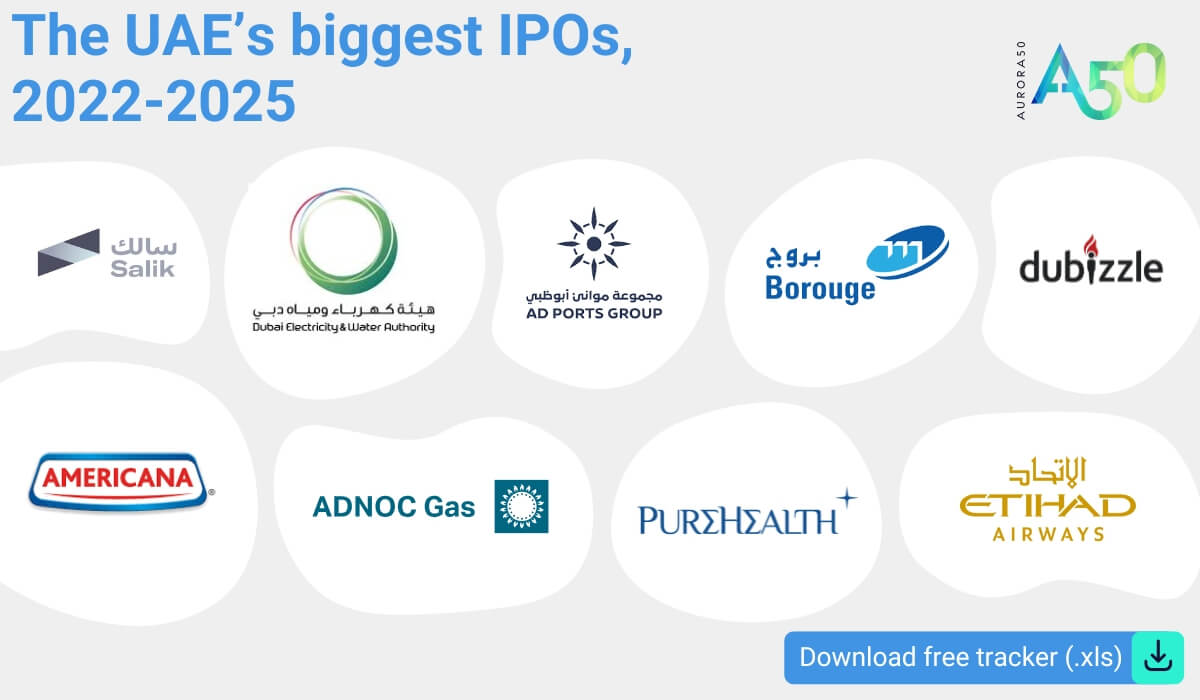
The cancellation of the highly anticipated initial public offering by UAE-based classifieds giant Dubizzle has raised serious concerns about the current state of the Middle East’s equity capital markets. Once viewed as a promising player in the region’s IPO landscape, Dubizzle’s decision to abandon its listing highlights the significant challenges the Middle East faces in generating investor confidence after a year of lacklustre aftermarket performance.

Dubizzle’s IPO was set to value the company at approximately US$2 billion, a deal that was initially expected to attract substantial interest from both regional and international investors. However, a series of setbacks, including a sharp downturn in market conditions, led to its eventual abandonment. “It’s a complete disaster for the region,” remarked a UAE-based investor, underscoring the gravity of the situation. This sentiment is echoed by many analysts who point to the stark contrast between the current climate and the boom years that saw the Middle East emerge as a dominant force in EMEA ECM.

The UAE’s IPO market has long been a significant player in the regional capital markets. Over the last few years, the area had enjoyed strong performances from listings such as the floatation of ADNOC Drilling and Dubai’s top retail operator, EMIRATES NBD. These successes painted a rosy picture of the region as a flourishing hub for high-profile public offerings. However, 2024’s market performance has been far from reflective of that growth. The Dubizzle setback is just the latest in a series of underwhelming IPO results, a trend that analysts attribute to a combination of factors, including investor caution, regional political instability, and global market headwinds.

Investor sentiment had already been fragile due to the underperformance of several high-profile companies post-IPO. Notably, Talabat, the online delivery service, saw its stock plunge nearly 40% from its initial issue price, while construction giant Alec Holdings also experienced significant losses. Both companies, initially thought to be solid IPO candidates, have fallen victim to what some analysts are calling an “overheated market” in 2023, where optimism led to inflated valuations. These negative outcomes have made investors more reluctant to engage in new listings, further dampening the appeal of subsequent IPOs, including Dubizzle.

Market observers point out that the combination of volatile regional economic conditions, which include oil price fluctuations and rising inflation, has contributed to a cautious outlook. The global economic environment, particularly in Europe and the United States, also has ripple effects in emerging markets like the UAE, with rising interest rates and a slowing global economy compounding investor fears of weak returns. These external pressures have combined with a tightening regulatory environment in the region, adding to the difficulties of orchestrating a successful IPO.

As the region grapples with these challenges, many are questioning whether the Middle East’s ECM sector can regain its former momentum. The last few years witnessed an influx of private equity and venture capital investments into the region’s tech startups, which fueled expectations that these companies would eventually go public and bolster the stock market. However, the persistent volatility and failure of IPOs to deliver on their promise have now raised doubts over whether such investments will yield the expected returns.

HONG KONG SAR – Media OutReach Newswire – 27 October 2025 – AIA Hong Kong (AIA) has once again led across key market metrics in the latest provisional statistics on Hong Kong’s long-term insurance business for the first half of 2025*. Notably, AIA has retained its No.1 position in number of new business policies for 11 consecutive years**— a clear reflection of customers’ enduring trust. AIA Hong […]

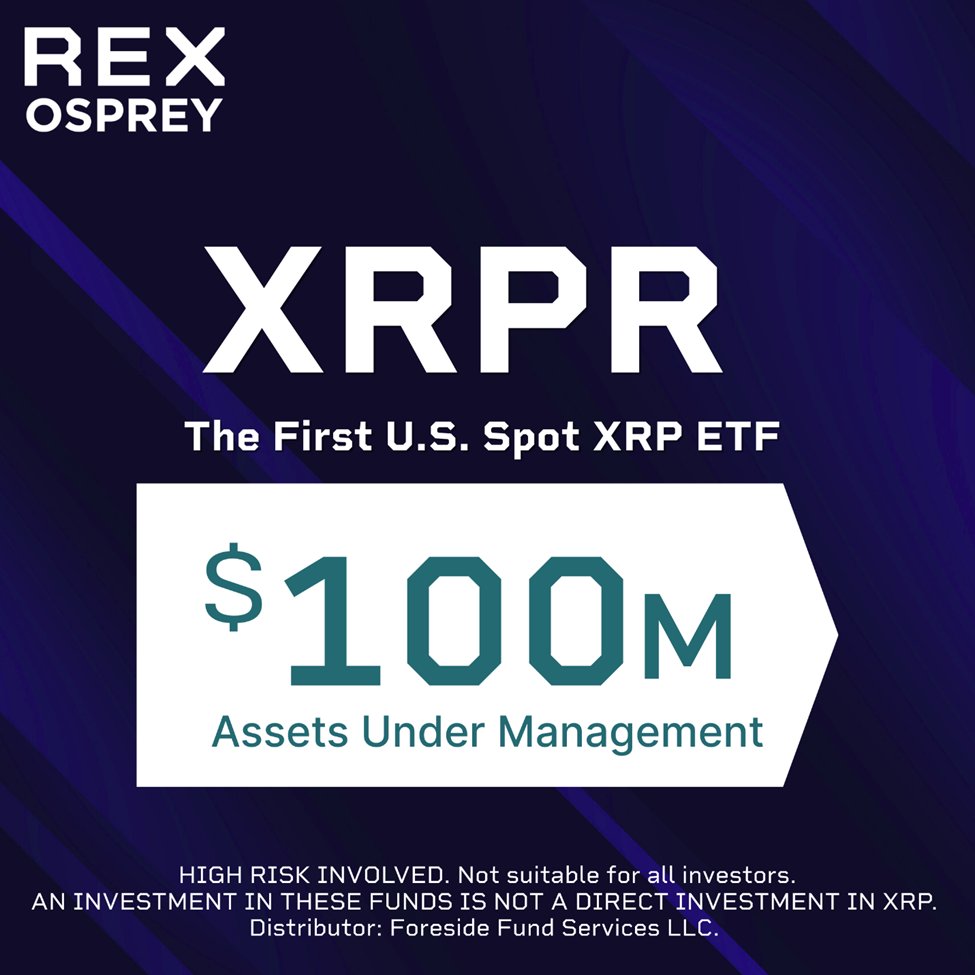
The REX-Osprey XRP ETF, the first U. S. exchange-traded fund offering direct exposure to XRP, has surpassed $100 million in assets under management within a month of its launch. Launched on September 18, the fund provides investors with a unique opportunity to gain direct exposure to XRP, the fourth-largest cryptocurrency by market capitalization, without the complexities of purchasing the digital asset itself.

According to REX Osprey, the firm behind the launch of the ETF, the rapid growth in AUM highlights the increasing interest in digital assets and their integration into mainstream investment products. The ETF, which trades on the Cboe BZX Exchange, allows investors to gain exposure to XRP through a traditional brokerage account, making it more accessible than purchasing the cryptocurrency directly on exchanges.

XRP has long been one of the most controversial and volatile cryptocurrencies, primarily due to its ongoing legal battle with the U. S. Securities and Exchange Commission. The SEC initially filed a lawsuit against Ripple Labs, the company behind XRP, alleging that the cryptocurrency is an unregistered security. However, recent developments in the case, including partial victories for Ripple, have given a boost to investor sentiment, contributing to XRP’s price increase and the subsequent success of the ETF.

Since its launch, the XRP ETF has attracted both institutional and retail investors seeking exposure to the cryptocurrency market in a more regulated, liquid form. The growth in AUM also underscores the growing demand for innovative financial products that allow mainstream investors to participate in the digital asset space without directly owning the underlying cryptocurrencies.

The popularity of cryptocurrency ETFs has been rising globally, and the launch of XRPR marks a significant milestone in the U. S. market, which has been cautious in approving crypto-based exchange-traded products. The approval of the XRP ETF comes at a time when other digital asset ETFs, such as those based on Bitcoin and Ethereum, have seen significant traction. The success of these products has raised expectations for further expansion of the cryptocurrency ETF market, especially as regulatory clarity surrounding digital assets continues to improve.

The launch of the REX-Osprey XRP ETF also reflects broader trends in the financial markets, with traditional financial institutions increasingly integrating cryptocurrencies into their offerings. Institutional investors, who have historically been wary of the volatility and regulatory uncertainty surrounding digital assets, are now more open to exploring the potential of blockchain technology and digital currencies as part of a diversified investment portfolio.

XRP, which has faced significant volatility over the years, has experienced a surge in value following key legal victories in its ongoing battle with the SEC. Ripple’s partial legal wins have boosted investor confidence, and many view the outcome of the case as a critical factor in the future of XRP’s market position. The cryptocurrency’s price has seen a sharp upward movement in response to the more positive outlook surrounding the lawsuit.

The success of the XRP ETF reflects growing confidence in XRP as an investment vehicle, despite the regulatory uncertainties that continue to surround it. While there are still ongoing legal challenges, the launch of this ETF signals a shift in how the cryptocurrency market is viewed by investors and regulators alike. The ability to trade XRP through an exchange-traded fund allows for more streamlined access to the asset, eliminating some of the complexities involved in handling digital currencies directly.

Inaugural “Hong Kong Student Ambassador Programme for Chinese Medicine and Health Care” Graduation Ceremony Students Showcase Their Learning Outcomes HONG KONG SAR – Media OutReach Newswire – 26 October 2025 – Beijing Tong Ren Tang Chinese Medicine Company Limited (“Beijing Tong Ren Tang”) (3613.HK) yesterday hosted the 10th anniversary retrospective exhibition of its “Tong Ren Tang Stroke Prevention Campaign” community health activity at its Tai Po Production […]

A comprehensive study from the initiative at Massachusetts Institute of Technology reveals that only about 5 per cent of enterprise generative-AI pilot projects deliver measurable profit or transformative impact, while the remaining 95 per cent yield little to nothing in terms of return on investment. The analysis covers 150 executive interviews, a survey of 350 employees and evaluation of some 300 public AI-deployments. The report attributes the […]

India is positioning itself as a global food supplier using Dubai as the logistical gateway, according to statements made by Chief Minister N. Chandrababu Naidu of Andhra Pradesh during his visit to the UAE. He declared that India’s strengths in agriculture, horticulture, aquaculture and logistics will enable the country to serve “the global community” through Dubai’s market access.

Naidu spoke of the UAE city’s strategic connectivity and global reach as ideal for scaling Indian-food exports. He noted that the Andhra Pradesh government is aiming to reduce logistics costs by integrating inland waterways, railways, road and seaports, and by spending around 14 per cent of the state’s GDP on logistics infrastructure as part of the drive to increase efficiency. His role as chief minister of Andhra Pradesh places him at the centre of an ambitious push to offer the state as a manufacturing and supply-chain hub with Indian agriculture at its core.

The announcement comes amid a broader investment road-show in which Naidu met with senior policymakers and business leaders in the UAE to discuss partnerships across multiple sectors, including food processing, green energy, AI and infrastructure. During a dialogue in Dubai the chief minister stated that India will supply food to the global community through Dubai as a hub, adding that he met ministers, family-business leaders and airlines executives during the visit. He praised the Indian diaspora for their contributions and flagged the state’s goal of making the new capital Amaravati a “green and blue city” built around water, greenery and advanced infrastructure.

Andhra Pradesh’s food-processing ambitions are a central plank of the strategy. The state government has invited investment from UAE food-conglomerates to scale cocoa cultivation, chocolate manufacturing, aquaculture and related logistics. The Chinese food-industry trend of “value-added exports” is echoed by India’s attempt to move beyond raw agricultural exports towards packaged, processed and high-logistics-integrated supply chains.

From a trade perspective, positioning Dubai as a re-export hub can offer Indian producers quicker access to Middle East, African and European markets. Dubai’s status as a global logistics and trading hub gives India the opportunity to piggy-back on existing infrastructure and reach. It also offers investors assurances of regulatory, financial and physical connectivity.

However, a number of challenges stand in the way. India already faces structural issues in agriculture: fragmented landholdings, variable productivity, post-harvest losses, and high domestic logistics costs. While Naidu cites a logistics cost of about 14 per cent of GDP for Andhra Pradesh, the national average remains higher and such a figure implies major optimisation ahead. The use of Dubai as a hub also raises questions of tariff regimes, transit duties, warehousing handling cost and competition from other international producers using the Gulf as re-export platforms.

Critics also point to the risk of over-promising on export capacity. India’s agriculture export ratio remains modest relative to the size of its production, and moving up the value chain into globally competitive processed foods will require investment in cold-chain infrastructure, quality standards and market-specific certifications. The reliance on a single state’s announcement may also raise concerns about federal coordination and falling short of expectations if broader national agricultural reforms lag.

Matein Khalid The supply glut in crude oil, the fragile geopolitics of the Levant, the Gaza wars, the thinnest sovereign credit spreads since the summer of 2006 have not ended the scramble to pick up MENA credit when the issuer is not a serial borrower/distressed credit and the bonds issue reflects improving political/economic fundamentals. The year ago, Oman and Bahrain provided some amazing opportunities for capital gains […]

Dr Imran Khalid In an era when the global economy staggers under the weight of inflation, trade wars, and geopolitical fractures, China’s Communist Party has just unveiled a roadmap that feels less like a policy document and more like a quiet revolution. The fourth plenary session of the 20th Central Committee, which wrapped up in Beijing on October 23, adopted recommendations for the 15th Five-Year Plan, covering […]

US-based data-centre specialist Crusoe Energy Systems LLC has secured approximately $1.38 billion in a Series E funding round, raising its valuation to more than $10 billion underlining the intensity of demand for artificial-intelligence infrastructure. The equity fundraising was co-led by Mubadala Capital and Valor Equity Partners, and attracted backing from major investors including Nvidia Corporation, Fidelity Management & Research Company and Founders Fund. Crusoe, founded in 2018, […]

The Ministry of Finance has introduced the “Retail Sukuk” programme enabling citizens and residents to purchase government-backed Treasury Sukuk via participating banks with a minimum investment of AED 4,000. The first bank partner will be announced on 3 November 2025.

The move directly expands access to sovereign Islamic finance instruments previously reserved for institutional investors. According to the announcement, the scheme permits investment in Shariah-compliant Islamic treasury securities through fractionalised digital platforms operated by the banks. Leader Sheikh Maktoum bin Mohammed bin Rashid Al Maktoum described the initiative as “translating our leadership’s vision of empowering individuals, promoting a culture of saving and developing government investment instruments that enhance individual participation in economic growth and provide a direct opportunity to contribute to the national development journey.”

The initiative aligns with the nation’s financial-inclusion agenda and the strategy to deepen local capital markets. By lowering the threshold to AED 4,000, the scheme reduces entry barriers for retail investors and broadens the investor base for the domestic sovereign debt market. Analysts point out that universal access to such instruments represents a structural shift in how governments engage with individual savers.

Industry experts say this development reflects emerging trends in the Gulf’s Islamic finance sector, particularly the fractionalisation and tokenisation of Sukuk products. A legal-advisory report on the Gulf Cooperation Council’s Sukuk market noted that digital platforms and smaller tickets are “redefining how Sharia-compliant capital is structured, distributed and accessed.” The Abu Dhabi Islamic Bank earlier launched a “Smart Sukuk” platform allowing retail investment from about USD 1,000 in fractionalised Sukuk.

Governance stakeholders emphasise that the retail programme remains denominated in dirhams and linked to sovereign-backed Sukuk already traded in the market, ensuring exposure to high-quality government assets rather than untested structures. The Ministry reaffirmed that the rollout will follow the “highest standards of transparency and quality.”

Financial institutions stand to benefit from expanded customer-base growth and increased assets under management, while retail investors gain a compliant savings vehicle offering diversification beyond deposits and conventional investments. Yet risks remain. While sovereign-backed, Sukuk carry credit, liquidity and market-risk dimensions; beginners may require enhanced education around profit-sharing-based returns, Shariah-compliance nuances and secondary-market liquidity.

Some market participants caution that the success of the scheme will depend on the secondary-market functioning and investor confidence in digital platforms. Previous fractional-Sukuk roll-outs in the region flagged the need for robust regulatory oversight, clear smart-contract frameworks, and standardised product terms to build long-term participation.

A partnership between the investment firm Orion Resource Partners, the U. S. International Development Finance Corporation and sovereign investor ADQ has launched a major critical-minerals fund, mobilising an initial $1.8 billion in capital with a target of up to $5 billion to support supply-chain development of essential raw materials. The initiative, known as the Orion Critical Mineral Consortium, aims to invest in and scale near-term producing assets for minerals such as copper, cobalt and rare earths, in line with partner-government industrial and security goals. The DFC has confirmed its cornerstone commitment, matched by funds managed by Orion and ADQ, creating the foundation of the expanding pool of capital.

The fund emerges amid heightened concern in Washington over the concentration of critical-minerals processing in rival economies and the lag in Western investment, with deferred permitting, falling ore grades and decelerating mine-development pipelines cited as systemic pressures. Orion, which manages around $8 billion in assets and has global mining-finance experience, brings its platform into the consortium, while ADQ’s prior joint venture with Orion—announced earlier this year for $1.2 billion—provides a blueprint for the strategic partnership. The fresh consortium will prioritise assets capable of delivering supply within a shorter timeframe rather than frontier exploration, signalling a shift towards faster-payback, lower-development-risk opportunities.

The strategic calculus ties directly into U. S. national-security and industrial-policy ambitions. “Securing critical minerals is a paramount matter of U. S. strategic interest and economic prosperity,” said DFC CEO Ben Black. Orion founder and CEO Oskar Lewnowski described the consortium as a “bridge” between emerging-market production jurisdictions and advanced-manufacturing demand in the U. S. and among allies. The fund will focus on eligible jurisdictions for DFC investment and will integrate production, processing and offtake structures.

The $1.8 billion commitment represents the current scale of the vehicle, with Orion CMC envisaged to grow further as aligned investors join. Observers note that while the headline target is $5 billion, execution will depend on securing suitable assets, navigating permitting and securing host-nation partnerships. The model mirrors the earlier ADQ-Orion joint venture launched in January, which committed to deploy $1.2 billion over its first four years across metals-and-mining investments in Africa, Asia and Latin America.

For Orion and ADQ, this represents an expansion of their earlier alliance: the Abu Dhabi-based JV served both to secure long-term resource links and to align with ADQ’s infrastructure-and-critical-minerals cluster. For the U. S., the consortium marks one of the largest private-sector-linked initiatives in the critical-minerals domain, aligning DFC’s mandate of mobilising private capital abroad with the administration’s aim to reduce strategic vulnerabilities in supply chains.

Challenges remain. Mining projects are long-horizon endeavours, and merely committing funds does not guarantee results. Host-country regulatory regimes, permitting timelines, environmental and social governance constraints and market-price volatility all play roles in investment outcomes. Industry analysts caution that while the push for supply-chain resilience is timely, the gap between intent and delivery is sizeable. Even with $5 billion in capital, global demand for some critical minerals is projected to outstrip supply capacity.

Operationally, the consortium’s emphasis on “existing or near-term producing assets” rather than early-stage exploration is intended to accelerate results and mitigate development risk. That strategy reflects frustration in industry circles with projects that take a decade or more to bring into production. The presence of sovereign-wealth capital, allied-government backing and private-sector mining-finance expertise may create a differentiated pathway for this fund compared with earlier, traditional mining-investment funds.

The lead up to the table tennis contests at the 15th National Games of China take place next month at the Galaxy Arena, embracing the spirit of ‘National Games for All’ with the unique integration of record-breaking ‘sports-meet-art’ activations MACAU SAR – Media OutReach Newswire – 24 October 2025 – In celebration of the 15th National Games of China, which will be hosted in the Guangdong-Hong Kong-Macao […]

MANILA, PHILIPPINES – Media OutReach Newswire – 24 October 2025 – Green GSM has been honored with the E-Mobility Award for Technology Adoption by the Electric Vehicle Association of the Philippines (EVAP), recognizing its outstanding contribution to promoting electric mobility and supporting the country’s transition to sustainable transportation. Green GSM honored with E-Mobility Award at the 13th Philippine Electric Vehicle Summit (PEVS). The 13th Philippine Electric Vehicle […]

Emirates National Oil Company and Amazon UAE have signed a memorandum of understanding to broaden customer access and enhance shopping experiences across the country by combining ENOC’s extensive retail footprint with Amazon’s advanced logistics and digital-retail technologies. The agreement allows Amazon to leverage ENOC’s fuel-station and convenience-store network, converting selected locations into quick-fulfilment hubs aimed at shortening last-mile delivery times and reducing urban traffic congestion. Amazon also […]

VISHNU RAJA
RYO YAMADA
HITORI GOTOH
IKUYO KITA