News related to
Investment

Matein Khalid Private equity and money center banks on Wall Street are in free fall even as the private credit market is in classic contagion mode, without a lender of the last resort for overleveraged shadow banks/hedge funds whose illiquid assets now disappear into Wall Street’s structured vehicles blackholes. Peekaboo Finance 101! When Citigroup and Brent crude both fall 8% in a synchronized bearish death dive, I […]

Southern Africa’s most influential energy and investment leaders will gather at the Zimbabwe–Zambia Energy Projects Summit (ZimZam) on 26–28 November 2025, in Livingstone, Zambia LIVINGSTONE, ZAMBIA – EQS Newswire – 10 October 2025 – ZimZam 2025 (26–28 November) will gather governments, investors, and developers to accelerate Southern Africa’s energy future. With Copperbelt Energy Corporation (CEC) as Country Host, the summit will spotlight investment opportunities, renewable projects, and […]

By Girish Linganna In a move that would have seemed unthinkable just a few years ago, Taliban Foreign Minister Amir Khan Muttaqi arrived in New Delhi on October 9 for an eight-day official visit that marks a watershed moment in India’s foreign policy. His meetings with External Affairs Minister S. Jaishankar, followed by visits to […]

The article The Price Of Pragmatism: What India Gains (And Loses) By Courting The Taliban appeared first on Latest India news, analysis and reports on Newspack by India Press Agency).

India is dispatching over 450 technology firms and startups to GITEX Global 2025 in Dubai, anchoring the India Pavilion under the aegis of ESC. The pavilion will span multiple halls and spotlight more than 100 Indian enterprises across sectors such as AI, cybersecurity, cloud computing, IoT, smart mobility, fintech and digital infrastructure. Organisations will also engage in high-stakes networking, investor roundtables and B2B matchmaking.

GITEX Global 2025, running from 13 to 17 October at the Dubai World Trade Centre, draws more than 6,800 tech companies and some 2,000 startups from about 180 countries. It is expected to be the largest edition to date, integrating themes such as physical AI, quantum computing, biomedicine and semiconductor innovation. Across the co-located Expand North Star event, over 1,200 investors managing assets exceeding US$1.1 trillion will scout opportunities among scale-ups and unicorns.

The India Pavilion marks a concerted push to convert India–UAE strategic frameworks into tangible tech commerce. With the India–UAE Comprehensive Economic Partnership Agreement and the Local Currency Settlement System operational, cross-border ICT trade has surged. Bilateral trade crossed US$100 billion during fiscal year 2024–25, and electronics exports alone reached US$3.7 billion, positioning the UAE as a key destination for Indian hardware shipments.

At a preparatory briefing, Kamal Vachani, ESC’s regional director for Dubai, described the pavilion as more than a display — “a living showcase of India’s tech prowess and growing synergy with the UAE.” ESC’s CEO, Gurmeet Singh, noted that many participating companies are MSMEs or first-time exporters, and that the pavilion aligns with India’s ambition to emerge as a global electronics hub.

India’s strategy at GITEX goes beyond sheer numbers. Firms are bringing solutions purpose-built for global markets — from smart city platforms to blockchain-enabled supply chains. The pavilion will host curated sessions on cross-border compliance, regulatory alignment, and scalable deployment across Middle Eastern and African markets.

For the UAE, the event reinforces its vision of acting as a global nexus for innovation and capital. Major corporate names such as G42, e&, IBM, AMD, Huawei, Microsoft, Oracle and Amazon Web Services will anchor the exhibitions. New entrants including Cerebras, Tata Electronics, Qualcomm and Tenstorrent will attempt to break in. The show also emphasises future-critical infrastructure: hyperscale data centres, quantum systems, and semiconductor roadmaps are front and centre.

Globally, one of the event’s linchpin themes is the maturation of AI into domain-specific systems. The AI Semicon track will address sovereign technology imperatives in chip design, while the Quantum Expo will present fault-tolerant architectures. At the intersection of AI and healthcare, companies like Mammoth Biosciences and Paradromics will illustrate how gene-editing and neurotech are being reimagined. Robotics firms will showcase humanoid prototypes and autonomous “robocars,” underscoring the pivot to “physical AI.”

Strategic partnerships form a parallel narrative. India and the UAE are finalising memorandum exchanges via the UAE-India Business Council to deepen collaboration across fintech, logistics, digital infrastructure and state-level investment. The CEPA Start-up Series launched earlier this year in New Delhi underscores a joint intent to foster innovation-led cross-border growth.


HANOI, VIETNAM – Media OutReach Newswire – 10 October 2025 – This November, Hanoi is set to become more than just a destination for Vietnamese music fans. The city will turn into the emotional center of Asia as K-pop’s “King” G-DRAGON brings his 2025 WORLD TOUR [Übermensch] to 8Wonder Ocean City. The event marks a new milestone for Vietnam on the global concert scene and signals the […]

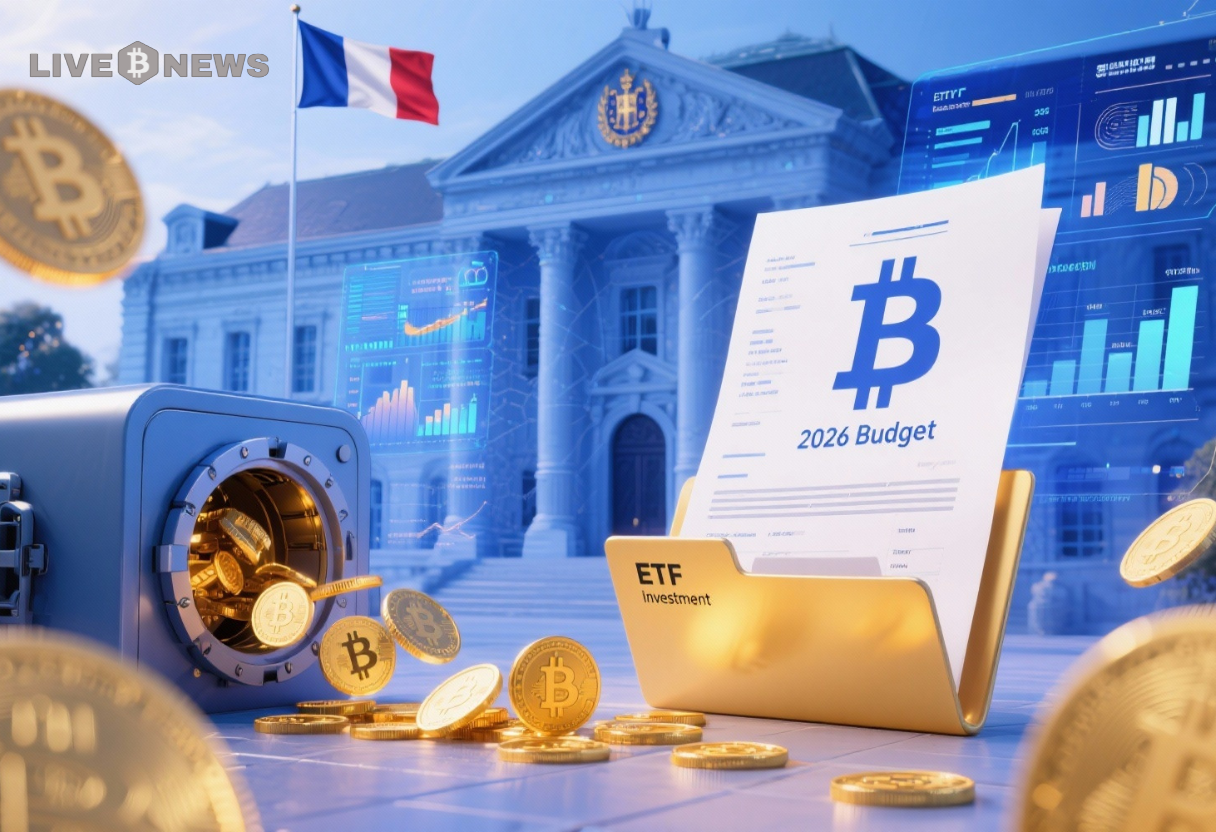
Luxembourg’s Intergenerational Sovereign Wealth Fund has placed 1 per cent of its assets into Bitcoin exchange-traded funds, making it the first sovereign fund in the Eurozone to adopt such exposure. The move was unveiled during the presentation of the 2026 national budget by Finance Minister Gilles Roth.

Under a new investment mandate approved in July 2025, the FSIL is authorised to allocate up to 15 per cent of its portfolio into alternative investments, including private equity, real estate, and digital assets. The 1 per cent allocation to Bitcoin ETFs reflects a cautious approach: the fund avoids direct crypto holdings to limit custody and operational risk.

At present, the fund’s total assets are estimated between €700–900 million, with the Bitcoin allocation amounting to about €7–9 million. Bob Kieffer, Director of the Treasury, described the sum as a symbolic yet measured step. He noted that given FSIL’s mission and structure, the 1 per cent level “strikes the right balance while sending a clear message about Bitcoin’s long-term potential.”

Advocates argue the allocation signals growing institutional acceptance of digital assets within sovereign portfolios. Critics caution that Bitcoin’s volatility may be ill-suited for public-sector funds. Some observers contend that 1 per cent is negligible in impact yet potent in signalling. The fund’s leadership anticipates that monitoring performance will shape future adjustments within the 15 per cent limit.

Luxembourg’s decision departs from the pattern of European states owning Bitcoin only through seizure or law-enforcement action; here, the allocation is proactive and policy-based. Analysts place the development in the context of Luxembourg’s ambition to serve as a crypto and fintech hub under the European Union’s Markets in Crypto-Assets regime. Already hosting numerous crypto firms, Luxembourg aims to reinforce credibility by integrating digital assets into sovereign investment strategy.

Other European institutions have taken indirect exposure paths. Norway’s sovereign fund has gained crypto-linked exposure through equities, while some central banks in Finland and the Czech Republic have expressed interest in digital assets. The Luxembourg move may prompt broader rethinking of asset allocation norms among state funds.

FSIL’s strategy places the Bitcoin position in ETFs rather than direct holdings, a choice intended to manage custody risk and improve regulatory oversight. The law permitting cryptocurrency exposure came amid internal policy debates, with critics warning of reputational and financial risk in volatile markets. Kieffer acknowledged that “some may argue that we’re committing too little too late; others will point to the volatility and speculative nature of the investment.”

Luxembourg’s financial regulator, the Commission de Surveillance du Secteur Financier, has adapted rules governing virtual assets and alternative funds, creating a regulatory backdrop conducive to this experiment. The fund will continue to invest primarily in bonds and equities, with the digital assets portion complementing a diversified portfolio.

Cameroonian fintech startup REasy has secured a $1.8 million pre-seed investment to expand its cross-border payment and trade infrastructure for small and medium enterprises. The funding was led by Ingressive Capital, Launch Africa, 54 Collective and Digital Africa, alongside fintech angels including Christophe Chausson, Mathias Léopoldie and Joël Nana Kontchou. REasy intends to deploy the capital toward technology development, regulatory licensing across new markets and accelerated customer […]

Advertisements

Deloitte Australia has agreed to partially refund AU$440,000 to the federal government after a commissioned report attributed to it was found to include fabricated citations, invented legal quotations, and other inaccuracies. The firm disclosed that the report’s drafting had involved the use of a generative AI system, prompting sharp debate over how much control and transparency clients should demand when consultants deploy such tools in high-stakes settings. […]

Saudi Arabia’s sovereign wealth fund, the Public Investment Fund, has scaled back work on a number of planned share sales inside the kingdom, people with knowledge of the matter said, indicating shifting strategy amid weak valuations and soft investor appetite. Bloomberg first reported the development, and its reporting aligns with assessments in market commentary. Executives and advisers close to the red-sea fund say that a subdued climate […]

The Government of Sharjah, rated Ba1/BBB–/AAA by Moody’s, S&P and Lianhe respectively, has mandated several major banks to explore a new Panda Bond issuance in China’s onshore bond market. The Finance Department has appointed Bank of China as lead underwriter and bookrunner, with Crédit Agricole, JP Morgan Chase, ICBC, China Bohai Bank, Citic Securities, the Export-Import Bank of China, and Shenwan Hongyuan Securities acting as joint lead underwriters and bookrunners.

This initiative marks Sharjah’s second foray into the Panda Bond space; it first tapped the Chinese domestic bond market in February 2018 with a RMB 2 billion issue, becoming the Middle East’s first Panda issuer. That issuance carried a coupon rate of 5.8 per cent and matured in 2021.

Market participants say Sharjah’s renewed interest signals increasing appetite among Gulf issuers for renminbi funding, especially given the growing scale of China’s interbank bond market and its accessibility to international issuers. The Panda market is seen as a way to diversify funding sources away from traditional dollar or euro issuance, while deepening engagement with China’s capital markets.

Observers note that the list of joint bookrunners and underwriters—including both Chinese and Western entities—reflects a strategic bridging between global and Chinese investor bases. Bank of China’s role as lead suggests that Chinese financial institutions will play a key role in structuring and distributing the bonds to domestic accounts. The presence of Crédit Agricole and JP Morgan, meanwhile, may facilitate cross-border investor participation.

Industry sources expect the issuance to follow the standard procedure under China’s bond regulations governing overseas issuers. This includes registration with NAFMII, compliance with disclosure requirements, and pricing via roadshows to institutional investors in China. The timeline, tenor and final coupon structure have not yet been disclosed, but sources familiar with the matter suggest Sharjah is seeking favourable market conditions to launch.

Issuers of Panda Bonds have historically benefitted from lower yields relative to comparable offshore RMB options, thanks to the liquidity and depth of China’s domestic markets. That said, success depends heavily on investor confidence in the issuer’s credit profile, transparency in the bond documentation, and the relative attractiveness of coupon spreads over domestic benchmarks.

Sharjah’s credit ratings present both strengths and challenges. Its triple-A rating from Lianhe bolsters credibility in the Chinese market. However, its non-investment grade rating from Moody’s and S&P may weigh on perceptions among global investors. How Sharjah positions itself to bridge that gap will be critical, particularly in roadshow messaging and bond structuring.

This development arrives at a time when Panda bond issuance is gaining momentum. The Asian Infrastructure Investment Bank, for example, raised CNY 2 billion in its latest two-year Panda issuance, achieving oversubscription and attracting new investor accounts. The New Development Bank further expanded its onshore footprint earlier this year, issuing RMB 7 billion under its registered Panda Bond Programme.

Greenlogue/AP First Abu Dhabi Bank has launched its second blue bond, raising USD 20 million through a three-year issuance, to support marine conservation, wastewater recycling and renewable-powered desalination in Abu Dhabi and Al Ain. With this issuance, FAB’s cumulative blue bond volume reaches USD 70 million, following the bank’s inaugural blue bond in August. The funds are aligned with FAB’s 2023 Sustainable Finance Framework and governed by […]

Abu Dhabi’s government will lead a major showcase at GITEX Global 2025, unveiling a new era of AI-native public services under its Digital Strategy 2025–2027. The Department of Government Enablement will coordinate over 30 government and academic institutions in a pavilion displaying 55 flagship initiatives.

The event, held from 13 to 17 October at the Dubai World Trade Centre, will feature the launch of TAMM 4.0, positioning it as a flagship AI-driven government platform. Other key displays include AI Supervisor and Smart Investigator by the Abu Dhabi Police, Smart Hotel Check-In by the Department of Culture and Tourism, QMobility’s barrier-free parking pilot, the Personal AI Recruitment Companion, and Rayah, a student-parent tracking app from the Department of Education and Knowledge. The DGE expects many projects to be shown publicly for the first time, alongside immersive VR experiences aimed at portraying the impact of AI on diverse stakeholders.

Chairman of the DGE, Ahmed Tamim Hisham Al Kuttab, emphasised that public services are being designed around human needs, saying the “AI-Native by Design, Community-Driven by Purpose” approach drives a reimagined, intuitive government. DGE Director General Wesam Lootah added that over 100 high-impact AI solutions have already been deployed across the emirate, following assessments of nearly 400 options, moving toward the vision of being the world’s first fully AI-native government by 2027.

Abu Dhabi’s announcement underscores more than a display of technological ambition—it highlights strategic public sector transformation at scale. The emirate claims to have rolled out AI across more than 40 government entities, automating predictive service delivery, compliance analysis, and multilingual assistance. The upcoming pavilion will also showcase Sahatna, a health services initiative, and AI Majlis forums intended to foster public dialogue on ethical and inclusive AI adoption. Workforce transformation forms a core pillar: over 95 percent of Abu Dhabi’s 30,000 government employees have reportedly undergone extensive AI awareness and skills training, with AI leadership roles now embedded in all Abu Dhabi entities.

The Digital Strategy 2025–2027 backs this push with an investment of AED 13 billion dedicated to creating an AI-first government. Key transformation axes include lifecycle orchestration of public services, predictive governance, intelligent infrastructure, and a talent ecosystem to support long-term innovation. Abu Dhabi’s approach draws attention not only for local modernization but for its ambition to set a benchmark in government digital transformation globally.

GITEX Global 2025 is positioned as a pivotal stage for these ambitions. Now in its 45th edition, the event spans multiple intersecting tech domains—including AI, blockchain, sustainability, and digital infrastructure—and serves as a convergence point for technology, policy and innovation. Abu Dhabi’s participation marks its 14th consecutive presence, reinforcing continuity in its evolving digital narrative.

Abu Dhabi’s sovereign wealth fund ADQ has shown preliminary interest in acquiring a majority stake in SAC, the operator of Catania Airport in Sicily, sources said, as investor focus intensifies on Italy’s regional infrastructure.

The sale process is not yet formally launched; however, ENAC is evaluating a draft tender expected to receive approval by late October to set the transaction in motion. Under the plan, between 51 % and 66 % of SAC would be sold. The asset is valued at between €500 million and €600 million, underpinned by projected core earnings in excess of €30 million.

SAC, controlled by local authorities and chambers of commerce, manages both Catania–Fontanarossa—Italy’s fifth busiest airport by traffic—and Comiso Airport in southern Sicily. The operating concession runs through 2049. The Sicilian airport served over 12.3 million passengers in 2024.

Privatisation of Sicily’s airports has been under discussion since 2022, when SAC appointed Mediobanca to advise on structuring the deal. Local shareholders have recently approved calls for an international tender and adopted updated industrial plans to attract private capital, while pledging to retain a qualified minority stake.

Antonino Belcuore, special commissioner of the Chamber of Commerce of South and East Sicily, welcomed ADQ’s interest, stating that it underscores the strategic importance of the asset and aligns with the broader push for privatisation in Sicily. ADQ declined to comment; SAC and ENAC have not issued responses.

ADQ currently holds investments spanning transport and logistics, including interests in Abu Dhabi Airports and Etihad Airways, and manages a portfolio worth approximately US$251 billion. Analysts say its appearance among suitors signals growing appetite from Gulf-based capital for stable, long-term infrastructure assets in Europe.

Observers flag that the EU and Italy are increasingly receptive to foreign capital inflows into infrastructure, particularly where public budgets remain constrained. The potential deal dovetails with Prime Minister Giorgia Meloni’s agenda to deepen ties with Gulf states, exemplified by agreements under which the UAE committed to invest US$40 billion across strategic sectors in Italy.

Should ADQ or another bidder proceed to formal offers, the Catania sale could set benchmarks for airport privatisations in southern Europe. Authorities will need to balance investor returns with preserving public oversight, territorial interests, and aviation safety standards.

Local stakeholders—including regional governments and municipalities—are expected to negotiate protections within the concession framework to safeguard continuity of services, employment, and regional development. Meanwhile, potential bidders are assessing traffic trends, inflation, regulatory risk, and concession duration as they size their offers.

The sale of SAC would open a new chapter in Italy’s ongoing wave of airport privatisations, which has involved assets in the UK and across European markets. That backdrop provides precedent and comparators for valuation, regulatory design, and deal structures.

The UAE Space Agency has rolled out a new digital platform designed to deliver space licences and permits entirely online via a smartphone app, enabling applicants to sign in using UAE PASS and monitor their application status. The launch took place in Dubai ahead of the GITEX Global 2025 tech expo.

This platform replaces traditional paper-based workflows with an integrated, automated system. Submissions, approvals and tracking are now consolidated into a user interface that aims to reduce processing times and increase transparency. Companies, start-ups and investors across the space sector will access the full lifecycle of licensing digitally, including renewals, amendments and compliance reporting.

UAESA’s chairman, Khalifa Al Shamsi, emphasised that the move aligns with the UAE’s ambition to become a regional space hub. “This platform reinforces our commitment to efficiency, sustainability and innovation,” he said. The agency expects that the system will eliminate redundancy, reduce human error and allow for better data analytics to guide policy decisions.

The system ties into UAE PASS, the country’s national digital identity service, meaning users can authenticate securely with existing credentials. Once logged in, applicants will receive real-time updates at each processing stage and be able to respond to requests or queries via the interface.

Behind the scenes, UAESA integrated the platform with multiple government entities—such as telecommunications regulators, frequency management and national security agencies—to ensure licensing decisions can access requisite data without repeated manual handovers. This interoperability was cited as a major technical hurdle during development, but UAESA says the system passes all requisite security audits.

Space industry observers see multiple competitive advantages. By cutting weeks or even months from licence cycles, the platform may attract foreign investment and accelerate project deployment. It also lowers the barrier for smaller actors — including universities or start-ups — to obtain permitting for satellite launches, ground stations or frequency allocations.

That said, challenges remain. Some firms have flagged concerns over the transition, especially those with legacy processes, noting that training and system migration will require internal adjustments. Also, regulatory complexity in cross-border space operations is unlikely to disappear entirely, so coordination with other national and international space authorities will still demand institutional engagement.

GITEX GLOBAL 2025 is primed to showcase groundbreaking developments in artificial intelligence, drawing attention from industry leaders and innovators worldwide. The event is expected to play a pivotal role in shaping the future of AI, as a growing number of companies and startups highlight AI’s transformative capabilities across multiple sectors.

The spotlight will be on the innovative use-cases that AI offers, from healthcare and finance to transportation and beyond. AI’s potential to revolutionise industries is set to dominate discussions, as the event will feature a plethora of demonstrations, seminars, and cutting-edge technologies aimed at propelling AI to new heights. The highly anticipated conference will also address the challenges AI faces, particularly concerning data privacy, security, and the ethical implications of rapidly evolving technologies.

Several leading AI-driven companies are expected to debut next-generation products and services that will redefine the way businesses and consumers interact with technology. The launch of AI tools designed to optimise workflows, enhance customer experiences, and boost operational efficiency will take centre stage, underscoring AI’s growing role in the business world. Key players such as tech giants and emerging startups are preparing to demonstrate solutions that leverage AI for better decision-making, automation, and personalised services.

One of the most anticipated announcements is the unveiling of AI-powered healthcare technologies. AI’s ability to accelerate diagnostics, enhance patient care, and streamline administrative tasks is generating immense interest in the medical field. Exhibitors at GITEX GLOBAL 2025 will present AI-powered tools that use machine learning algorithms to analyse medical images, predict health risks, and support doctors in making faster and more accurate decisions. Such advancements have the potential to revolutionise healthcare delivery globally, improving outcomes and reducing costs in the process.

The financial services industry is also embracing AI, with a growing number of companies leveraging AI to enhance fraud detection, improve risk management, and optimise investment strategies. AI’s capabilities in analysing vast amounts of financial data in real-time are being used to identify patterns and trends that would be difficult for human analysts to detect. During GITEX GLOBAL 2025, financial institutions and fintech startups are set to demonstrate how AI is reshaping the way investments are managed and how consumers interact with their financial institutions.

Another key area where AI is making waves is autonomous transportation. From self-driving cars to AI-assisted logistics, the transport sector is undergoing a dramatic shift. At GITEX GLOBAL 2025, industry leaders will reveal advancements in AI-driven transportation solutions that promise to improve safety, reduce traffic congestion, and make travel more efficient. AI’s ability to process vast amounts of real-time data and make split-second decisions is crucial to the development of autonomous vehicles and their integration into the wider transportation ecosystem.

AI’s role in cybersecurity is also a hot topic at GITEX GLOBAL 2025. As cyber threats become more sophisticated, AI is increasingly being used to detect, prevent, and respond to security breaches. By analysing patterns in network traffic and identifying anomalies, AI-powered cybersecurity systems can rapidly identify and mitigate threats, offering a new level of protection for organisations and consumers alike. The growing importance of AI in safeguarding sensitive information and ensuring secure digital environments will be a central theme during the event.

Sustainability is another area where AI is being leveraged to drive change. From optimising energy usage in smart cities to improving the efficiency of manufacturing processes, AI is helping industries become more sustainable. GITEX GLOBAL 2025 will showcase AI technologies that are not only transforming industries but also contributing to global sustainability goals. These solutions promise to reduce carbon footprints, lower energy consumption, and make industries more efficient and environmentally friendly.

The cryptocurrency market has experienced a sharp downturn, with over $100 million worth of positions liquidated in the past 60 minutes. This sudden plunge has sent shockwaves through the sector, with both retail and institutional investors facing severe losses. The volatility underscores the unpredictable nature of the crypto landscape, where prices can fluctuate wildly, often within short time frames.

At the heart of the market’s rapid decline is a combination of factors that have rattled traders. A significant sell-off in major cryptocurrencies, including Bitcoin and Ethereum, has triggered a cascade of liquidations. This activity typically occurs when leveraged traders are forced to sell off their positions to meet margin calls, further driving down prices. The market has seen a surge in such sell-offs following a series of adverse market signals, including regulatory concerns, broader economic factors, and macroeconomic events affecting global financial markets.

The recent downturn comes at a time when cryptocurrency markets have already been under pressure from tightening financial conditions across the globe. Inflation concerns and rising interest rates have led to reduced liquidity in many sectors, including digital assets. Cryptocurrency, which is often seen as a high-risk investment, has been particularly vulnerable to these shifts. With investors pulling back and re-evaluating their portfolios, volatility has surged, and cryptocurrencies have taken a substantial hit.

Market analysts have pointed to several factors contributing to the liquidity crisis. Firstly, the ongoing regulatory scrutiny in key jurisdictions has heightened concerns over the long-term viability of certain digital assets. In the United States, lawmakers have continued to debate how to regulate cryptocurrencies, with some seeking stricter oversight, which could have a dampening effect on investment. Meanwhile, in Europe, the regulatory landscape has been evolving, with the European Union moving forward with legislation designed to increase transparency in the crypto sector. These developments have raised uncertainty about the future of cryptocurrencies as a legitimate financial asset.

Bitcoin, the largest cryptocurrency by market capitalisation, has been trading below key support levels, which has triggered massive sell-offs. Technical analysis indicates that the price has dipped significantly, prompting traders to take precautionary measures and close their leveraged positions to avoid further losses. Ethereum, the second-largest cryptocurrency, has followed suit, showing similar signs of weakness. The price action of both major coins has been exacerbated by the liquidations themselves, creating a feedback loop that deepens the market’s downward spiral.

Traders in the cryptocurrency space are no strangers to high volatility, but such rapid and significant liquidations highlight the risks of excessive leverage. Leverage, which allows traders to borrow funds to increase their exposure to a particular asset, can amplify both gains and losses. While it has the potential to increase returns during a rally, it can be equally damaging in a downturn, leading to forced liquidations when assets fall below a certain threshold.

The crisis in the cryptocurrency market also serves as a reminder of the growing role of institutional investors, who are increasingly active in the space. While their presence has brought more legitimacy to the market, it has also introduced new dynamics. Many institutional investors now utilise leverage and sophisticated trading strategies, contributing to the market’s overall volatility. The presence of institutional money means that market movements can be magnified, especially when large positions are liquidated in a short time frame.

Nvidia Corporation has officially reached a market valuation exceeding $4.75 trillion, marking a significant milestone for the company and the broader technology sector. The chipmaker, renowned for its innovations in graphics processing units and AI technologies, has seen a rapid surge in stock value, bolstered by growing demand in areas such as gaming, data centres, and artificial intelligence.

The company’s market cap, now placing it among the most valuable companies globally, reflects its strategic positioning at the centre of critical technological trends. Nvidia’s GPU technology has become indispensable in fields ranging from gaming to machine learning and data analytics. Its leadership in AI applications, particularly in areas like autonomous driving and generative AI, has been a key driver behind its expanding market reach.

The surge in Nvidia’s market cap follows impressive quarterly earnings, which showed a substantial increase in revenue, particularly driven by its data centre segment. Analysts attribute the company’s growth to its cutting-edge products, including the A100 and H100 GPUs, which have cemented Nvidia’s reputation as the leading provider of AI computing hardware. These advancements are now crucial to many sectors, including cloud computing, gaming, and large-scale enterprise solutions.

Nvidia’s ability to capitalise on the increasing integration of AI into business processes and consumer products has been pivotal to its success. The company’s GPUs power most of the leading AI platforms, including those used in cloud data centres, where the demand for advanced computational power continues to soar. Moreover, Nvidia’s partnerships with tech giants and startups alike have positioned it as an essential player in the development of AI tools and infrastructure.

In addition to its AI-driven growth, Nvidia has capitalised on the gaming industry, where its GPUs remain a cornerstone for high-performance graphics. The booming popularity of esports and virtual reality, as well as the continual advancement of gaming hardware, has kept Nvidia in a dominant position within this sector. Its GPUs power not only personal gaming rigs but also high-end consoles and cloud-based gaming services, further amplifying its market presence.

The company’s stock performance has consistently outpaced the broader technology sector, with a remarkable acceleration in share prices following its strategic shift towards AI and machine learning. Investors have been particularly bullish on Nvidia, with many analysts forecasting continued growth driven by the company’s investments in next-generation technologies and its expanding footprint in emerging markets like AI-driven healthcare, robotics, and digital content creation.

Nvidia’s market success has also been underpinned by its robust financial health. The company’s ability to generate strong cash flows has allowed it to reinvest in cutting-edge R&D, securing its competitive edge. Nvidia has consistently delivered on innovation, with the launch of new products and the expansion of its software ecosystem, which includes AI development tools, simulation platforms, and enterprise solutions.

The market has recognised Nvidia’s potential beyond traditional GPU applications. Its recent moves into high-performance computing and the automotive sector, particularly with self-driving car technologies, have diversified its portfolio and unlocked new revenue streams. As Nvidia continues to push the boundaries of what its technology can achieve, its influence on the global tech landscape is only expected to grow.

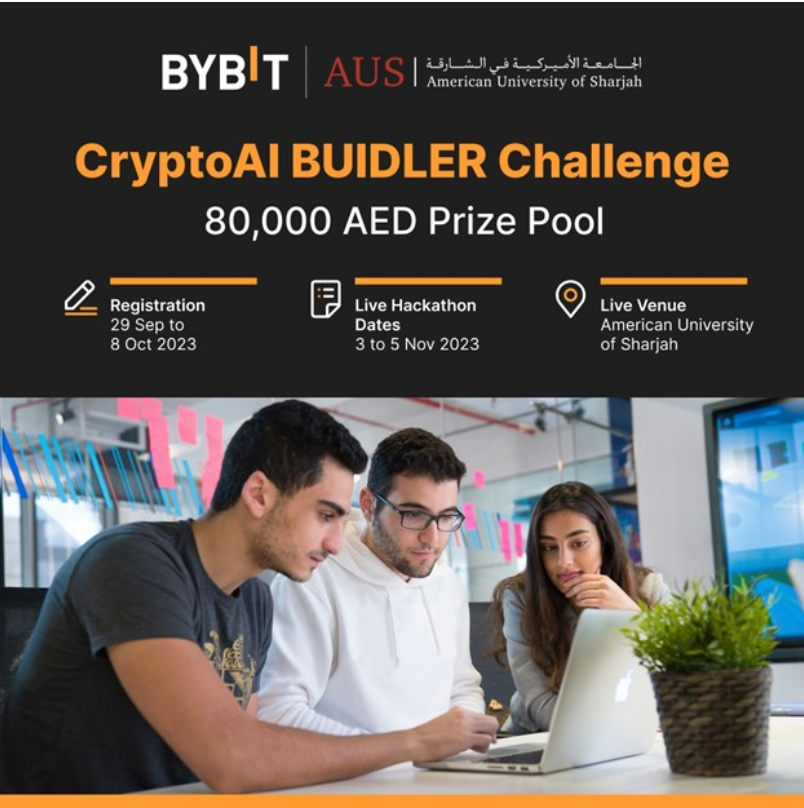
Bybit, a leading cryptocurrency exchange, has achieved a significant milestone by becoming the first fully licensed crypto exchange to operate in the UAE. This breakthrough comes amid the UAE’s ongoing efforts to establish itself as a global hub for digital assets and blockchain technology.

The UAE has long been a proponent of embracing emerging technologies, particularly in the fintech and blockchain sectors. The government’s progressive stance has attracted numerous cryptocurrency firms looking to establish a foothold in the region. Bybit’s licensing by the UAE’s Financial Services Regulatory Authority solidifies its position within this growing market.

The FSRA’s approval marks a crucial development, as it provides Bybit with a clear regulatory framework to offer crypto trading services to customers in the UAE. The exchange, which has previously operated under regulatory frameworks in other jurisdictions, will now operate in full compliance with local laws. This licensing allows Bybit to offer a wide range of digital asset services, including spot and derivatives trading, to both institutional and retail investors.

The approval is a testament to the UAE’s regulatory efforts to integrate the cryptocurrency sector into its broader financial ecosystem. The country has been proactive in ensuring that regulations keep pace with the rapid evolution of digital assets, making it an attractive destination for crypto companies seeking a compliant and stable environment.

Bybit’s decision to seek a licence in the UAE comes at a time when the global crypto market faces heightened scrutiny and regulatory challenges. In a climate where several countries have been introducing stringent regulatory measures, the UAE’s more flexible approach to crypto regulation has set it apart. This has resulted in an influx of international crypto firms looking to operate in the region, as they see the UAE as a secure base from which to expand their services.

The approval process for Bybit was rigorous and comprehensive, ensuring that the exchange adhered to strict security measures, anti-money laundering protocols, and customer protection standards. The FSRA has been meticulous in its review, demonstrating its commitment to fostering a secure and transparent environment for digital asset trading.

UAE officials have long spoken about their vision to turn the country into a leader in the global digital economy, with blockchain and cryptocurrency playing key roles in that vision. The emirate of Dubai, in particular, has been a front-runner in attracting cryptocurrency firms, with its Dubai International Financial Centre and the Dubai Financial Services Authority offering frameworks tailored to the needs of digital asset businesses.

The Bybit licensing follows a series of initiatives launched by the UAE government, including the establishment of the Dubai Virtual Asset Regulatory Authority. VARA’s creation was designed to regulate virtual assets, ensuring that companies operating within the region meet stringent compliance standards. This regulatory framework has been instrumental in bringing crypto companies into the fold, offering a more secure trading environment for users and businesses alike.

Bybit’s entry into the UAE market has also brought attention to the broader trends shaping the cryptocurrency industry in the Middle East. The UAE has become one of the leading markets for blockchain innovation, with numerous projects underway to integrate blockchain technology into sectors such as real estate, logistics, and finance. As the region’s appetite for digital innovation grows, companies like Bybit are poised to capitalise on this evolving landscape.

The licensing of Bybit is also expected to have a ripple effect on the wider cryptocurrency ecosystem. With the exchange now authorised to operate legally in the UAE, it may pave the way for other platforms to follow suit, thereby increasing the variety of options available to investors. This will likely enhance the overall appeal of the UAE as a destination for cryptocurrency trading and investment.

Despite the current global volatility in the crypto market, Bybit’s expansion into the UAE market reflects its long-term confidence in the future of digital assets. As the company continues to expand its services worldwide, the UAE’s stable regulatory environment offers a solid foundation for its growth in the Middle East.

FRANKFURT, GERMANY – Media OutReach Newswire – 9 October 2025 – allnex is taking a bold leap forward with the launch of its European Defense Materials Program. This initiative is designed to accelerate innovation and support Europe’s ambition for greater strategic autonomy in defense. Europe’s defense sector is facing urgent challenges. New solutions must be developed faster, built to last longer, and perform reliably in the harshest […]

State Street Corporation, a global asset management firm managing over $5.1 trillion in assets, has announced a significant shift in investment strategy, revealing that 60% of institutional investors plan to expand their allocations in Bitcoin and other cryptocurrencies. This move marks a notable change in the traditionally cautious stance of institutional investors toward digital assets.

The Boston-based firm’s latest report sheds light on the growing momentum in the crypto market, despite its historically volatile nature. The increase in institutional interest comes amidst an evolving regulatory landscape and a heightened focus on digital assets as an emerging class of investments. State Street’s research found that institutional investors, especially pension funds, endowments, and family offices, are increasingly viewing cryptocurrencies as viable long-term assets rather than speculative investments.

The surge in interest is partly driven by the evolving understanding of blockchain technology and its potential to revolutionise various industries. Many institutional investors, once sceptical of cryptocurrencies, are now integrating digital assets into their portfolios as part of a broader diversification strategy. State Street’s report highlights that over the next two years, the shift towards Bitcoin and crypto could lead to a more balanced investment portfolio for many institutional players.

One of the key drivers of this shift is the increasing recognition of Bitcoin as a store of value, akin to gold. With inflationary pressures persisting in traditional markets, many institutional investors are seeking alternative assets that offer the potential for significant returns, coupled with a hedge against inflation. In fact, Bitcoin’s rise over the past few years has been compared to the gold rush, attracting both institutional and retail investors keen on capitalising on its perceived scarcity.

The report highlights the rising number of crypto-friendly regulatory frameworks being developed globally. Governments and regulators in key markets, including the US and Europe, are progressively aligning with the crypto industry’s growth. Recent regulatory clarity is expected to further boost institutional confidence, providing a more stable environment for investors. This shift in regulatory attitudes signals a broader acceptance of digital currencies in the financial system.

The institutional appetite for cryptocurrencies is being encouraged by the increasing number of crypto-focused financial products. Bitcoin futures, exchange-traded funds, and custodial services have become more accessible, offering institutional investors a secure and regulated pathway into the crypto market. Major players like BlackRock and Fidelity have already launched Bitcoin ETFs, catering to the rising demand for digital asset exposure.

Despite the optimistic outlook, challenges remain. The volatility of cryptocurrencies, the risk of regulatory changes, and concerns over security are factors that continue to cause hesitation among some institutional investors. However, the growing presence of crypto in mainstream finance is undeniably reshaping perceptions and broadening the scope of opportunities within the digital asset space.

State Street’s survey also highlighted a shift in the broader financial ecosystem. As crypto adoption increases among institutional investors, the traditional financial sector is also ramping up efforts to integrate blockchain technology into its operations. From clearing and settlement systems to cross-border payments, blockchain is beginning to be recognised for its potential to enhance efficiency and transparency in financial transactions.

Silver prices have surged to an all-time high of $49.57 per ounce as of October 8, 2025, marking a significant milestone in the precious metals market. This unprecedented surge is attributed to a confluence of factors, including escalating geopolitical tensions, economic uncertainties, and a robust demand for safe-haven assets.

The rally in silver prices mirrors a broader trend in the precious metals sector, with gold also reaching record levels above $4,000 per ounce. Investors are increasingly turning to these assets as a hedge against inflation and financial instability. The U. S. Federal Reserve’s anticipated interest rate cuts have further bolstered the appeal of non-yielding assets like silver and gold.

Analysts note that silver’s ascent is not solely driven by investor sentiment. The metal’s industrial applications, particularly in solar energy and electric vehicles, have seen a significant uptick. The International Energy Agency projects that silver demand from the solar sector will continue to rise, driven by the global push towards renewable energy sources.

Market dynamics also play a crucial role in silver’s price trajectory. The London Bullion Market Association reports a tightening in silver supply, with inventories reaching historic lows. This supply-demand imbalance has intensified competition among investors, pushing prices higher.

In India, silver prices have mirrored global trends, with rates reaching ₹1.57 lakh per kilogram in major markets. The surge has been fueled by increased demand during the festive season and a growing interest in silver as an investment vehicle. The Reserve Bank of India has noted a rise in silver-backed exchange-traded funds, reflecting a shift in investor preferences.

Despite the bullish outlook, experts caution about potential market corrections. The Commodity Futures Trading Commission has observed increased volatility in silver futures markets, indicating heightened speculative activity. Investors are advised to exercise caution and consider the long-term fundamentals of silver as an investment.

In today’s fast-paced world, keeping your space impeccably clean takes time and effort. Bookaclean is an innovative cleaning platform that makes cleanliness simple, reliable, and effortless. More than just a cleaning company, Bookaclean represents a new philosophy of care — for your home, your time, and your peace of mind.  It combines advanced technologies, environmentally friendly products, and the work of experts to provide a new standard of […]

MACAU SAR – Media OutReach Newswire – 9 October 2025 – Galaxy Macau™ Integrated Resort is delighted to present an evening of operatic splendour with “Galaxy Macau™ Presents – Galaxy Music Gala: Sumi Jo – Mad for Love” as internationally acclaimed South Korean soprano Sumi Jo makes her long-awaited Macau debut at 17:00 on December 28 at Auditorium of the Galaxy International Convention Center (GICC). Tickets will […]

Arabian Post Staff -Dubai Nirvana Travel & Tourism has entered into a partnership with Liwa University in Abu Dhabi, marking a significant step in the expansion of educational opportunities. The Memorandum of Understanding, signed between the two entities, is aimed at fostering collaboration that will strengthen the local community’s access to high-quality education, bridging gaps in the tourism and educational sectors. The agreement outlines a shared commitment […]

VISHNU RAJA
RYO YAMADA
HITORI GOTOH
IKUYO KITA