BEIJING, CHINA – Media OutReach Newswire – 21 February 2026 – Organized by the Japanese Repatriates and Japan-China Friendship Association, a delegation of 90 Japanese “war orphans,” along with their descendants and family members, visited Harbin in northeast China’s Heilongjiang Province on September 11, 2025, for a cultural performance. The event served as an opportunity for participants to convey heartfelt gratitude to their Chinese foster parents who raised them, while also promoting messages of peace and historical reflection through their artistic expressions.
The association is dedicated to fostering mutual understanding and friendship between Japan and China. Its mission includes supporting the social welfare of Japanese “war orphans” left behind in China—individuals who endured significant hardship during the post-war turmoil and are still facing various challenges today. The organization also seeks to preserve and transmit the memories of these experiences to younger generations and to deepen bilateral exchanges.
Following Japan’s surrender in 1945, more than 4,000 Japanese children were left behind in China and raised by Chinese families. Now advanced in age, the group has decided to undertake what they call their final “gratitude tour,” which coincides with the 80th anniversary of the victory of the Chinese People’s War of Resistance Against Japanese Aggression and the World Anti-Fascist War. Since 2009, these orphans have been traveling to China every few years to acknowledge the kindness of their Chinese foster parents and other benefactors who supported them.
Sumie Ikeda, 81, head of the association of friendship of repatriates from China, is herself one of the Japanese orphans left behind in China. In an exclusive interview with CNS, she spoke in the fluent northeastern Chinese dialect of her childhood, reminiscing about her upbringing in Heilongjiang. “How could I be Japanese?” she reflected, her early identity obscured by the war’s aftermath. Separated from her biological family as an infant, she was raised in Mudanjiang, Heilongjiang Province. “My foster mother was truly an exceptional Chinese woman,” Ikeda said, noting that memories of her foster mother’s strength continue to sustain her.
A pivotal moment occurred when she was eight and local Chinese authorities identified her Japanese heritage. The words of her foster mother, who insisted “This child is mine,” left an indelible mark on Ikeda. As an adult, her search for biological roots in 1980s Japan ended in hardship and betrayal, leaving her destitute and suicidal until rescued by the Chinese consulate.
“My first life was given by my birth parents; my second by my adoptive parents,” she recounted. “In the most difficult times, it was always the Chinese people who reached out to us.”
Ikeda’s story reflects a broader historical experience. Official Japanese records recognize 2,818 such “war orphans.” Their lives, Ikeda stresses, are a living indictment of the catastrophes caused by war.
Yet, despite their hardships, their enduring sentiment is one of profound gratitude towards China. “Though Japanese by birth, we would not have survived without Chinese people,” Ikeda said.
Their collective narrative delivers a dual message of profound gratitude and solemn warning. It pays tribute to the extraordinary compassion of ordinary Chinese people—a love that chose nurture over vengeance. “We must never let war happen again. Situations like ours must never be repeated,” Ikeda urged.
“We are a group with the dual identity of both perpetrators and victims,” she reflected, a statement that embodies the complex legacy of history, humanity, and a plea for lasting peace. Hashtag: #ChinaNewsService
The issuer is solely responsible for the content of this announcement.
Valve has acknowledged that the Steam Deck OLED handheld gaming device is facing intermittent stock shortages in several markets as supply constraints for memory and storage components intensify across the technology sector. A notice on the Steam Deck store page states that the 512GB and 1TB OLED configurations “may be out-of-stock intermittently in some regions due to memory and storage shortages,” underscoring mounting production challenges for the […]
Arabian Post Staff -Dubai China’s Belt and Road Initiative recorded $213.5 billion in engagement during 2025, the highest annual level since its launch more than a decade ago, as a wave of construction contracts and energy investments reshaped the geographic balance of the programme and propelled the Middle East into the top ranks of recipients. Data compiled in the China Belt and Road Initiative Investment Report […]
Metaplanet has reported a dramatic acceleration in earnings, posting a 738 per cent year-on-year rise in revenue and a 1,700 per cent jump in operating profit, underscoring the impact of its aggressive digital asset strategy and restructuring drive. The Tokyo-listed company, which has repositioned itself as a corporate holder of bitcoin, disclosed the figures in its latest financial update, signalling a sharp turnaround from its earlier years […]
Three decades after its modest debut on a handheld console, Pokémon has evolved into one of the most lucrative entertainment properties in history, generating tens of billions of dollars in revenue and emerging as a potent instrument of Japan’s cultural influence abroad. Created by Satoshi Tajiri and launched in 1996 by Nintendo, Game Freak and Creatures, the franchise began with Pokémon Red and Green for the Game […]
Gathering Global Experts Delivering Insights from the forefront of Space Science and Sustainability
HONG KONG SAR – Media OutReach Newswire – 16 February 2026 – In a landmark development for the region’s scientific community, Hong Kong has been selected to host the Asia-Pacific Regional IAU Meeting (APRIM) for the first time. Dubbed the “The Olympics of Astrophysics and Space Science,” this prestigious event will take place from May 4 to 8, 2026, at the Hong Kong Convention and Exhibition Centre (HKCEC).
Organised by the International Astronomical Union (IAU) and hosted by The University of Hong Kong’s Laboratory for Space Research (LSR), the conference will feature Nobel and Shaw laureates, together with other distinguished scientists from around the world. As a leading astronomical gathering in the Asia-Pacific, the event represents a significant milestone for Hong Kong, underscoring its pivotal role in fundamental research, STEM education, and international collaboration.
A Convergence of Minds in a Burgeoning Space Hub
Professor Quentin Parker, Chair of the APRIM2026 and Director of the HKU Laboratory for Space Research, noted that bringing the “The Olympics of Astrophysics and Space Science” to Hong Kong demonstrates the city’s capacity to serve as a global nexus for astrophysics and space science.
“As Chair of this historic meeting, I am honoured to welcome the global Astrophysics and Space Science community to Hong Kong. We aim to use this platform not only to showcase our city’s capabilities in the ‘New Space’ era but to inspire the next generation of scientists to pursue the unknown,” said Prof. Parker.
Professor Xue Suijian, former Deputy Director of the National Astronomical Observatories of the Chinese Academy of Sciences, attributed the IAU’s decision to Hong Kong’s highly international environment and academic excellence. He highlighted the city’s growing contributions to deep-space exploration, planetary science, and big data analysis, cementing its role as a bridge for international scientific exchange.
Bridging Fundamental Research and Future Possibilities
While rooted in academic rigour, APRIM 2026 also addresses the paradigm shift from government-led initiatives to the democratised era of “New Space.” The conference offers a platform that links theoretical astrophysics with real-world applications.
Aligning with the global scientific agenda, the conference is expected to bring together nearly 1,000 experts. Discussions will span from the origins of the universe to emerging directions in space exploration, covering key areas such as Planetary Science, Stellar Evolution, and Cosmology. The event will also seek to bridge academia and industry, exploring how frontier technologies can contribute to addressing global challenges.
Championing Space Sustainability
A defining feature of APRIM2026 is its focus on “Space Sustainability.” With the growing density of satellite constellations in low Earth orbit, the scientific community faces urgent challenges, particularly in relation to space debris and light pollution.
Through dedicated sessions and public engagement, the conference will tackle these critical issues, advocating for responsible stewardship of the cosmic environment. By integrating these discussions with outreach sessions including youth-focused workshops, the event aims to cultivate a scientifically literate generation ready to steward the future of space exploration.
Professor Luis C. Ho, Director of the Kavli Institute for Astronomy and Astrophysics at Peking University, described the meeting as a vital platform for strengthening Asia-Pacific research collaboration. He noted that the event marks a shift from pure fundamental research to industrial application, allowing high-tech solutions to serve the public and open the “blue ocean” of the space economy.
The issuer is solely responsible for the content of this announcement.
About the Organisations
International Astronomical Union (IAU) The IAU brings together over 13,000 professional astronomers from more than 85 countries. Its mission is to promote and safeguard the science of astronomy in all its aspects through international cooperation. For more information, please see the following link.: https://iau.org
HKU Laboratory for Space Research (LSR) is an interdisciplinary center at The University of Hong Kong dedicated to advancing space science, planetary research, and high-energy astrophysics through satellite research and academic collaboration. For more information, please see the following link.: https://www.lsr.hku.hk
Diamond Sponsor
The Shaw Prize
Gold Sponsor
Center for Space Utilization, Chinese Academy of Sciences (CSU)
Bronze Sponsor
Hong Kong (International) Aerospace Charitable Foundation
Organisers
Laboratory for Space Research of the University of Hong Kong (LSR)
International Astronomical Union (IAU)
Official PR
MEMO PLUS PR & CONSULTANTS
Supporting Organisations
Feilong Aerospace Technology Ltd
Orion Astropreneur Space Academy (OASA)
Hong Kong Tourism Board
Purple Mountain Observatory, Chinese Academy of Sciences
The University of Hong Kong (HKU)
Kavli Institute for Astronomy and Astrophysics at Peking University (KIAA-PKU)
Satcom Industry Association (SIA-India)
National Astronomical Observatories, Chinese Academy of Sciences (NAOC)
International Centre for Radio Astronomy Research (ICRAR)
International Space Centre at the University of Western Australia (ISC)
Hong Kong Laureate Forum
Our Hong Kong Foundation
National Institutes of Natural Sciences (NINS)
National Astronomical Observatory of Japan (NAOJ)
Hong Kong Institute of Science & Innovation, Chinese Academy of Sciences
Academia Sinica Institute of Astronomy and Astrophysics (ASIAA)
Three Country Trusted Broker (TCTB)
United Nations Office for Outer Space Affairs (UNOOSA)
Arabian Post Staff -Dubai Abu Dhabi has test-launched the country’s first hybrid rocket developed entirely within the UAE, signalling a significant advance in its ambition to build an indigenous space technology base. The Technology Innovation Institute confirmed that the rocket’s propulsion system was fully designed, manufactured, integrated and operated by Emirati engineers, a development officials described as a pivotal step towards sovereign launch capability. The suborbital test, […]
JSW MG Motor, the automotive joint venture backed by China’s SAIC Motor and the Mumbai-based JSW Group, has announced plans to invest up to $440 million to scale up manufacturing capacity in India and accelerate its product lineup towards hybrid and electric vehicles. The company aims to lift annual output to 300,000 units from about 120,000 at its Halol, Gujarat plant while rolling out three to four new […]
China has unveiled an artificial intelligence-powered vehicle inspection system capable of scanning more than 1,000 functions within three hours, a move officials say could reshape quality control standards across the automotive sector and accelerate the country’s push towards smart manufacturing. Developed as part of a broader national drive to integrate advanced computing into industrial processes, the system combines machine vision, real-time diagnostics and automated performance testing to […]
For 12 days, the Spring Fair transformed VEC into a walkable map of 34 provinces, blending cuisine, culture and commerce inside Southeast Asia’s largest exhibition complex.
HANOI, VIETNAM – Media OutReach Newswire – 14 February 2026 – For nearly two weeks, the Spring Fair 2026 turned the Vietnam Exhibition Center into something few destinations manage to become: a condensed, high-definition portrait of an entire country.
As the fair drew to a close, what remains is not simply a tally of booths or sales figures, but the impression of a place that allowed visitors to move ‘through Vietnam’ at remarkable speed. Within a single afternoon, one could travel from the northern mountains to the Mekong Delta without leaving a 90-hectare venue on the outskirts of Hanoi.
Framed as “A Marketplace of 34 Provinces,” the event gathered regional economies, culinary traditions and cultural performances under one monumental roof. For many international visitors in Hanoi this spring, it became a defining stop on the city’s New Year cultural calendar.
A Country in One Afternoon
The scale was unapologetically large. More than 3,000 standard booths. Around 2,500 enterprises. Participation from 34 provinces and cities across Vietnam. Over 12 continuous days, the fair aimed for direct revenue of 1,000 billion VND and operated at a pace that rarely slowed.
Inside, the exhibition floor was organized into thematic zones such as “Vietnamese Cultural Essence” and “Vietnamese Agricultural Products – Connecting Spring”. The layout encouraged visitors to drift geographically. One moment, they stood in the northern region. Minutes later, they were tasting specialties from the south.
In the section representing Bắc Ninh, trays of bánh phu thê (sticky rice cake filled with mung bean paste, traditionally served at weddings) glowed under warm light. Nearby, vendors rolled out bánh cuốn Mao Điền (thin rice sheets wrapped around seasoned minced pork and wood ear mushrooms), the steam rising gently into the air. Nem chua (fermented pork sausage) was sliced into neat portions, while bundles of mì gạo chũ (sun-dried rice noodles from Bắc Giang) were arranged in pale, orderly stacks.
Further along, the scent shifted. At a booth from Sơn La, strips of thịt trâu gác bếp (smoked buffalo meat) were cut from darkened slabs and dipped into a dense sauce flecked with mắc khén (wild mountain pepper with a citrusy heat). The taste was smoky, slightly sweet and sharply spiced. At another stand, mắm tôm chua (fermented shrimp paste with chili and garlic) from Huế was wrapped with boiled pork belly and green banana slices, layered with fresh herbs to soften its tang.
In the southern cluster, bánh pía (flaky pastry filled with mung bean, salted egg yolk and durian) from Sóc Trăng were sliced while still warm, their layered crust collapsing delicately to reveal a rich interior. The aroma of durian lingered in the air, unmistakable and confident.
“I really liked how the space was designed according to each province’s characteristic… not only products, but also culture – music, people, traditional dress. It clearly shows very thoughtful experiential design,” said an American visitor during the event.
For business delegations, the appeal went beyond atmosphere.
“We came here to find Vietnamese partners for cashew nuts, cacao and coffee,” said Mandel V. Panizares, representative of Green Agricultural Products Trading in the Philippines. “Seeing the products directly and discussing at the booth; this ‘see and touch’ approach helps us evaluate quality and production capacity more clearly than just looking at profiles or images.”
Cultural performance threaded through the marketplace. Visitors found themselves mesmerized watching more than 50 performers in restored Nguyễn-era garments entered the main corridor for the “Hundred Flower Parade”. Gold embroidered nhật bình (formal imperial robes) shimmered beneath the hall’s lights. Ceremonial horses stepped carefully across polished floors as shoppers paused mid-conversation to watch.
“The parade is not just a performance, but a living cultural experience, where traditional Vietnamese attire, rituals, aesthetics and people exist together within the flow of daily life and commerce,” said Nguyen Thanh Nam, a member of the project team.
Across the 12 days, more than 40 cultural programs and hundreds of performances unfolded, including shows by the Vietnam Circus Federation and the Vietnam Puppet Theatre. Music, acrobatics and folk art existed in easy proximity to contract discussions and product demonstrations.
By the final weekend, it was clear that the Spring Fair had evolved into something more than an exhibition. It functioned as a temporary indoor festival city, layered with sound, flavor and movement.
The Platform Powering the Experience
The intensity of the experience was made possible by the Vietnam Exhibition Center itself.
Spanning 90 hectares, VEC is the largest exhibition complex in Southeast Asia and ranks among the top ten globally. At its core stands the Kim Quy Exhibition Hall, a 130,000 square meter column-free structure that provides uninterrupted interior space on a scale rarely seen in the region.
Built in just 10 months by Vingroup, Vietnam’s largest private conglomerate, and officially opened on August 19, 2025, the center welcomed 1.2 million visitors within its first three days of operation. Managing that volume required advanced crowd coordination, robust security systems and integrated logistics capable of operating at metropolitan scale.
The infrastructure extends well beyond the main hall. An 18-hectare parking area accommodates more than 10,000 vehicles. Nearly 1,200 electric vehicle charging ports form the largest EV charging station in Vietnam. Integrated storage zones, transport logistics and modern electronic payment systems allowed thousands of booths to operate simultaneously without visible strain.
VEC is also a member of the Bureau International des Expositions and serves as Vietnam’s official representative at global exhibition events, positioning it within the international exhibition circuit.
“We believe that, building upon this foundation, VEC will continue to thrive and evolve into a premier hub for major regional and international events. When operated at its full potential, VEC will emerge as a new symbol of a connected, prosperous, integrated, innovative, and sustainable Vietnam, thereby elevating our national standing in the country’s new era of ascent.”, said Mr. Tran Le Phuong, Chairman of the Board of Directors, Vietnam Exhibition Fair Center Joint Stock Company (VEFAC JSC).
During the Spring Fair, that capacity was visible in every operational detail. Corridors remained fluid at peak hours. Multiple stages operated without acoustic conflict. International delegations moved seamlessly between provincial booths.
“I highly appreciate the handicraft products of Hue and high-tech agricultural products of Thanh Hoa and Dong Thap,” said Ozasa Haruhiko, Chief Representative of JETRO Hanoi. “The diversity and quality here strengthen my confidence in Japan-Vietnam trade potential.”
As the 2026 edition concludes, the Spring Fair leaves behind more than transactions and photographs. It has demonstrated that Vietnam can stage large-scale exhibitions with cultural depth and operational precision inside world-class infrastructure.
Hashtag: #VEC #Vingroup
The issuer is solely responsible for the content of this announcement.
Nexon Co., Ltd. reported revenue of $3.1 billion for 2025, a 6.5 per cent increase on the previous year, marking its third consecutive year of record-breaking sales as strong performance from key titles, including the much-anticipated Arc Raiders, bolstered earnings. The Tokyo-listed gaming group said operating income also rose year on year, supported by sustained engagement across its core franchises and improved monetisation in overseas markets. Management […]
Tokyo set a fresh milestone on Thursday as the Nikkei 225 Index briefly breached the 58,000 mark, propelled by confidence in a bold economic agenda from Prime Minister Sanae Takaichi’s government. Yet while equities and the yen have rallied, a sharper debate is unfolding across Japan’s financial markets over the sustainability of fiscal policy amid expansive spending commitments and tax relief measures that lack clearly defined funding sources.
Equity markets have responded robustly since Takaichi’s emphatic landslide in the general election on 8 February, with domestic shares climbing sharply on expectations of pro-growth fiscal measures aimed at bolstering consumption and strategic sector investment. The broader Topix index also advanced, and the yen strengthened against the dollar, reflecting a sense of reduced political risk now that the ruling Liberal Democratic Party holds a commanding super-majority in the lower house of parliament. Despite these gains, bond markets have registered heightened volatility, with Japanese Government Bond yields spiking at various maturities, signalling investor unease over Japan’s already elevated public debt levels and the scale of planned fiscal support.
Takaichi’s policy blueprint encompasses an array of measures long favoured by fiscal conservatives and economic nationalists alike, including a two-year suspension of the 8 per cent consumption tax on food items and expanded public investment across sectors such as semiconductors, artificial intelligence and defence. The Prime Minister frames these interventions as critical to ending what she terms “chronic underinvestment” and galvanising growth after decades of modest performance. Economists note that this approach echoes aspects of previous reflationary strategies such as “Abenomics”, with an emphasis on proactive government involvement in crisis-management and targeted growth stimulation.
While equities have responded positively, fixed-income markets have told a more cautious story. Yields on both short- and long-dated JGBs have climbed, reflecting market pricing in potential increases in government borrowing and inflation expectations should growth accelerate faster than anticipated. Some market participants fear that expansive fiscal operations without clear revenue offsets could elevate Japan’s risk premium, potentially triggering fresh volatility or sell-offs in debt markets should confidence ebb.
The so-called “Takaichi trade” has been a defining narrative across markets, capturing the dual dynamic of optimism in equity performance and trepidation around sovereign debt issuance and currency movements. Investors have been closely monitoring the Bank of Japan’s posture, as monetary authorities navigate between maintaining ultra-low interest rates to support economic activity and addressing inflationary pressures that can be exacerbated by a weaker yen. Signals from central bankers and government advisors suggest that rate adjustments could be considered to counter imported inflation, even as policy remains broadly accommodative.
Currency markets have mirrored these conflicting forces. The yen, which initially weakened against the dollar on expectations of aggressive fiscal support and prolonged monetary easing, has later shown episodes of strengthening as risk sentiment and intervention concerns have ebbed and flowed. Japan’s top currency diplomat has emphasised that authorities remain vigilant to exchange-rate volatility and are in close communication with international counterparts, reinforcing that the policy stance is not shifting toward overt market manipulation.
Analysts and investors are also paying attention to cross-border implications. The government faces pressure to deliver on substantial trans-Pacific investment pledges, which hinge on significant capital flows and corporate involvement in overseas projects. Japanese firms have expressed both interest and caution, as logistical and regulatory complexities weigh on decision-making. These external commitments add another layer of scrutiny to Takaichi’s broader economic narrative, which seeks to balance growth ambitions with geopolitical and fiscal credibility.
Within Japan, views on Takaichi’s approach are sharply divided. Supporters argue that decisive action is necessary to break longstanding cycles of low growth and demographic headwinds, positing that strategic tax relief and investment can catalyse domestic demand and technological competitiveness. Critics caution that without robust revenue strategies and prudent debt management, the fiscal trajectory may amplify structural risks rather than alleviate them. Central to this debate is the question of policy coordination: how fiscal expansion will align with monetary oversight and long-term debt sustainability while maintaining investor confidence and macroeconomic stability. New Zealand][7])
The luxury integrated resort extends its record-setting run, raising the bar for the fourth consecutive year with three new five-star awards; distinguishing its singular vision for world-class hospitality with the most Forbes Travel Guide five-star hotels under one roof
MACAU SAR – Media OutReach Newswire – 12 February 2026 – In the ever-evolving world of luxury hospitality, consistency is the true measure of distinction. For the fourth consecutive year, Galaxy Macau has not only met this standard, but has redefined it, securing an unprecedented 12 Five-Star awards in the highly anticipated 2026 Forbes Travel Guide. This achievement reaffirms its position as a global leader and marks the fourth consecutive year it has broken its own record for having the most Five-Star hotels under a single roof. It’s a move that underscores a steadfast dedicated to quality and service, further burnishing Macau’s credentials as a World Centre for Tourism and Leisure.
Galaxy Macau achieves a remarkable industry-leading milestone with 12 Five-Star accolades in Forbes Travel Guide Five-Star Awards 2026.
This year’s distinction is bolstered by the inclusion of three notable new additions to its decorated roster: Capella at Galaxy Macau, the newly-opened, penthouse-leaning all-suite hotel offering a new tier of cloistered luxury; Sushi Kissho by Miyakawa, the first international outpost for the celebrated Master Chef Masaaki Miyakawa, located at Raffles at Galaxy Macau; and Lai Heen, the renowned Cantonese fine-dining destination on the 51st floor of The Ritz-Carlton, Macau.
Officially opening its doors to the most discerning guests, Capella at Galaxy Macau has been recognised with a Forbes Five-Star Award upon the hotel’s official launch.
Two years into its operation, Sushi Kissho by Miyakawa, the first and only overseas outpost of Sushi Miyakawa in Hokkaido, has received its first Forbes Five-Star Award in 2026.
A sanctum of Cantonese fine-dining and the highest of its kind in Macau, Lai Heen – winner of Forbes Five-Star Award 2026 – showcases the pinnacle of exquisite dining.
The 2026 Forbes Travel Guide Five-Star Awards Roll Call:
Hotels
Capella at Galaxy Macau (Five-Star Award winner on official opening)
Raffles at Galaxy Macau (Five-Star Award winner for the second consecutive year)
Galaxy Hotel (Five-Star Award winner for the fourth consecutive year)
Banyan Tree Macau (Five-Star Award winner for the 13th consecutive year)
The Ritz-Carlton, Macau (Five-Star Award winner for the 10th consecutive year)
Hotel Okura Macau (Five-Star Award winner for the fifth consecutive year)
Spas
Banyan Tree SpaMacau (Five-Star Award winner for the 13th consecutive year)
The Ritz-Carlton Spa, Macau (Five-Star Award winner for the 10th consecutive year)
Restaurants
Sushi Kissho by Miyakawa (Inaugural Five-Star Award winner)
Lai Heen (Five-Star Award winner for six years)
Yamazato (Five-Star Award winner for the second consecutive year)
8½ Otto e Mezzo BOMBANA (Five-Star Award winner for the fourth year in a row)
Winning Forbes a Five-Star Award for the fourth year at Galaxy Hotel.
Raffles at Galaxy Macau boasts exceptionally refined and personalised services – a reason for its second-consecutive-year victory in Forbes Five-Star Awards.
Years of providing luxury experiences at Galaxy Macau, The Ritz-Carlton, Macau earns its 10th Forbes Five-Star Award this year.
The independent global authority on luxury, Forbes Travel Guide evaluates and rates top-tier hotels, restaurants, and spas around the world, employing a professional review team that assesses properties across hundreds of exacting criteria and stringent standards, making Galaxy Macau’s record-breaking 12 Five-Star Awards all the more impressive.
Banyan Tree Macau is home to refined Thai luxury at Galaxy Macau for more than a decade.
Detail-oriented service is key to the success of Hotel Okura Macau, winner of Forbes Five-Star Award for the fifth year in a row at Galaxy Macau.
“For our discerning guests, the experience is paramount,” remarked Mr Kevin Kelley, Chief Operating Officer – Macau at Galaxy Entertainment Group. These new accolades are a reflection of our team’s commitment to our ‘World-Class Asian Heart’ service philosophy. It’s about delivering sincere, detailed service that defines a new standard for luxury, not just in Macau but globally.”
Signature in its authentic fine Italian cuisine, 8½ Otto e Mezzo BOMBANA is proud to win a Five-Star Award for the fourth consecutive year.
The achievement not only highlights Galaxy Macau’s singular vision, but bolsters Macau’s standing as a premier global destination for tourism and gastronomy; a ‘World Centre for Tourism and Leisure’ and a UNESCO Creative City of Gastronomy.
Forbes Travel Guide, the independent authority in evaluating luxury, noted Galaxy Macau’s singular commitment. “The team at Galaxy Macau has demonstrated an unwavering commitment to elevating the guest experience,” notes Ms Amanda Frasier, President of Standards & Ratings at Forbes Travel Guide. “Their staff are as passionate as they are exacting, a quality that distinguishes them, year after year.”
Japanese fine-dining at Hotel Okura Macau, sees Yamazato attain its second consecutive Forbes Five-Star Award this year.
Serene retreat best describes The Ritz-Carlton Spa, Macau – winner of Forbes Five-Star Award for the 10th consecutive year.
Galaxy Macau continues its constant evolution to expand its visionary footprint, offering a plethora of service touchpoints throughout the luxury district, driven by a vision to create a world-class resort experience catering to today’s global guests in their pursuit of quality, variety and personalised service. Galaxy Macau’s stand out recognition by Forbes Travel Guide is testament to this visionary achievement.
Banyan Tree Spa Macau is Galaxy Macau’s tranquil sanctuary earning a Forbes Five-Star Award for the 13th consecutive year.
Hashtag: #GalaxyMacau
The issuer is solely responsible for the content of this announcement.
About Galaxy Macau Integrated Resort
Galaxy Macau, The World-class Luxury Integrated Resort delivers the “Most Spectacular Entertainment and Leisure Destination in the World”. Developed at an investment of HK$43 billion, the property covers 1.1 million-square-meter of unique entertainment and leisure attractions that are unlike anything else in Macau. Nine award-winning world-class luxury hotels provide close to 5,000 rooms, suites and villas. They include Banyan Tree Macau, Galaxy Hotel, Hotel Okura Macau, JW Marriott Hotel Macau, The Ritz-Carlton, Macau, Broadway Hotel, Raffles at Galaxy Macau, Andaz Macau, and Capella at Galaxy Macau. Unique to Galaxy Macau, the 75,000-square-meter Grand Resort Deck features the world’s longest Skytop Adventure Rapids at 575-meters, the largest Skytop Wave Pool with waves up to 1.5-meters high and 150-meters pristine white sand beach. Two five-star spas from Banyan Tree Spa Macau and The Ritz- Carlton Spa, Macau help guests relax and rejuvenate.
As the dining destination in Asia, Galaxy Macau offers a wide variety of gastronomic delights, exquisite experiences and ingredients of the finest quality with over 120 dining options from Michelin dining to authentic delicacies.
Embark on a delightful and rewarding journey at Galaxy Promenade, the one-stop shopping destination boasting some of the world’s most iconic luxury brands. Be the first to get the latest limited-edition items; explore fascinating pop-ups by coveted labels and revel in fabulous shopping rewards and privileges. Our VIPs are entitled to a highly-curated experience with dedicated personal shoppers at guests’ service, and be invited to exclusive luxury brand events. A different caliber of privileges and rewards also await. Discover the joys of fashion and stand at the forefront of style and sophistication—Galaxy Promenade has everything guests need to stay ahead of the style game.
Galaxy Cinemas takes immersive movie experiences to the next level with the latest audio-visual technology, ultra-luxurious facilities and bespoke services; CHINA ROUGE, one-of-a-kind cabaret lounge that evokes the glamor of Shanghai’s golden era with stylish entertainment and customizable surrounds; and Foot Hub, which presents the traditional art of reflexology for authentic relaxation and revitalization. For Authentic Macau Flavours and Vibrant Asian Experiences, Broadway Macau – just a 90-second walk via a bridge from Galaxy Macau, has over 35 Authentic Macau & Asian Flavours at Broadway Food Street. The 2,500-seat Broadway Theatre plays host to world-class entertainers and a diverse array of cultural events.
Meeting, incentive and banquet groups are also catered to with a portfolio of unique venues in Galaxy Macau and an expert service team. Galaxy International Convention Center (GICC) is the latest addition to the Group’s ever-expanding integrated resort precinct and will usher in a new era for the MICE industry in Macau. GICC is a world-class event venue featuring 40,000-square-meters of total flexible MICE, and the 16,000-seat Galaxy Arena – the largest indoor arena in Macau.
“Geopolitical Volatility” is a top five current and future risk, highlighting the growing instability across the region
83 Percent of Firms Report Rising Insurable Risk Costs
TOKYO, JAPAN – Media OutReach Newswire – 12 February 2026 – Aon plc (NYSE: AON), a leading global professional services firm, has released the Japan findings of its 2025 Global Risk Management Survey. The survey reveals that Japanese businesses are navigating a complex landscape marked by persistent cyber threats, supply chain disruptions and weather/natural disasters. The survey, which gathered insights from nearly 3,000 risk managers, C-suite leaders and executives across 63 countries, highlights the unique risks Japan businesses are facing amid global disruption.
Japan’s Top Risks:
“Cyber Attacks/Data Breach” remains the top risk for Japanese businesses, consistent with global trends. “Supply chain or distribution failure” ranks second, as extreme weather events and mounting geopolitical volatility including shifting trade policies force companies to reassess their supply chains. In addition, “Product Liability/Recall” and “Exchange Rate Fluctuation” pose significant risks, reflecting the country’s manufacturing strength and exposure to global market volatility. Notably, 63.6 percent of Japanese respondents reported losses due to product liability or recall issues and 47.6 percent cited losses from exchange rate fluctuations.
Tatsuya Yamamoto, CEO of Japan at Aon, said, “Japanese organisations are operating in an environment of unprecedented complexity. Cyber, weather and geopolitical risks continue to be acute challenges for Japan businesses, underscoring the need for robust risk management frameworks and agile strategies. As market trends shift and competition intensifies, vigilance and adaptability will be key. The interconnectedness of risks – where a cyber attack can disrupt supply chains or geopolitical volatility can trigger regulatory changes – demands a holistic, proactive approach to resilience.”
2025 Top 10 Business Risks in Japan
Cyber Attacks/Data Breach
Supply Chain or Distribution Failure
Weather/Natural Disasters
Geopolitical Volatility
Business Interruption
Economic Slowdown/Slow Recovery
Exchange Rate Fluctuation
Commodity Price Risk/Scarcity of Materials
Product Liability/Recall
Failure to Attract or Retain Top Talent
Risk Management: Formalisation and Focus on Insurable Risks
Japanese organisations demonstrate a strong commitment to risk management, with 74.7 percent having a formal risk management and insurance department, compared to 68.4 percent globally. Additionally, 75.3 percent measure the total cost of insurable risk and 83.3 percent report that these costs are increasing. While risk awareness is rising, most organisations have yet to quantify their exposures or leverage advanced analytics.
Japanese Businesses Risk Management Assessments for Top Three Risks
For “Cyber Attacks/Data Breaches”:
27.2 percent have assessed the risk
12.6 percent have developed continuity plans
22.3 Percent have risk management plans
For “Supply Chain or Distribution Failure”:
25 percent have assessed the risk
20 percent have developed continuity plans
26.7 Percent have risk management plans
For “Weather/Natural Disasters”:
24.1 percent have assessed the risk
22.4 percent have developed continuity plans
13.8 percent have risk management plans
Future Risks: Rapidly Changing Market Trends and Geopolitical Volatility
Looking ahead, Japanese organisations expect “Weather/Natural Disasters” and “Geopolitical Volatility” to remain critical risks, alongside “Rapidly Changing Market Trends,” which is more prominent in Japan than globally. This highlights the country’s exposure to climate events and evolving consumer preferences.
Japan’s Top Five Future Business Risks by 2028:
Cyber Attacks/Data Breach
Weather/Natural Disasters
Geopolitical Volatility
Rapidly Changing Market Trends
Increasing Competition
Shinichi Kandatsu, head of Commercial Risk Solutions for Japan at Aon, said, “Cyber and weather-related risks continue to lead the rankings as top concerns for Japanese businesses today and in the future, with geopolitical volatility also ranking among the top five risks across both periods. This trend reflects the growing instability across the region, with implications for supply chains, regulatory environments and financial performance. In today’s fast-moving market, leveraging advanced data analytics is essential for businesses to anticipate emerging risks, optimise risk capital and build resilience. The findings from Aon’s Global Risk Management Survey provide Japanese businesses with actionable information to benchmark their risk strategies and identify areas for improvement.”
To access the full report and explore how Aon is helping clients navigate today’s disruption dynamic, visit Global Risk Management Survey Japan
Hashtag: #Aon
The issuer is solely responsible for the content of this announcement.
About Aon
Aon plc (NYSE: AON) exists to shape decisions for the better — to protect and enrich the lives of people around the world. Through actionable analytic insight, globally integrated Risk Capital and Human Capital expertise, and locally relevant solutions, our colleagues provide clients in over 120 countries with the clarity and confidence to make better risk and people decisions that help protect and grow their businesses.
Follow Aon on LinkedIn, X, Facebook and Instagram. Stay up-to-date by visiting Aon’s newsroom and sign up for news alerts here.
Disclaimer
The information contained in this document is solely for information purposes, for general guidance only and is not intended to address the circumstances of any particular individual or entity. Although Aon endeavours to provide accurate and timely information and uses sources that it considers reliable, the firm does not warrant, represent or guarantee the accuracy, adequacy, completeness or fitness for any purpose of any content of this document and can accept no liability for any loss incurred in any way by any person who may rely on it. There can be no guarantee that the information contained in this document will remain accurate as on the date it is received or that it will continue to be accurate in the future. No individual or entity should make decisions or act based solely on the information contained herein without appropriate professional advice and targeted research.
TAIPEI, TAIWAN – Media OutReach Newswire – 10 February 2026 – CyCraft Technology Corporation (TWSE: 7823), Taiwan’s first pure-play AI-native cybersecurity company, has officially listed on the Taiwan Stock Exchange Innovation Board, marking a major milestone for Asia’s emerging AI-driven security leaders.
CyCraft’s founders joined representatives from the Taiwan Stock Exchange, Yuanta Securities, auditors, and legal advisors to celebrate the company’s listing on the TWSE Innovation Board.
CyCraft is forged in one of the world’s most challenging cyber environments. Taiwan faces persistent and large-scale cyber threats from highly-motivated threat actors targeting government, semiconductor supply chains, financial systems, and critical infrastructure. Rather than theorizing about threats, CyCraft has spent years defending against them at national and industry scale.
That experience has produced real-world operational advantages global markets increasingly demand: early-warning intelligence, autonomous machine-speed defense, and field-proven AI automation that cannot be casually replicated.
As generative AI reshapes software development, many SaaS categories face commoditization through “vibe-coding.” Cybersecurity stands apart. Mission-critical defense requires real adversarial data, ultra-low latency, zero-configuration precision, continuous adaptation against sophisticated attacks, and regulatory-grade trust. These capabilities are not synthetic. AI does not replace cyber defense—it amplifies defenders who already operate in real operational environments.
CyCraft’s platform is built around three growth engines:
Enterprise Cyber Resilience.
Its flagship XCockpit AI platform operates over 600K sensors, protecting hundreds of government agencies, financial institutions, and semiconductor leaders across Asia-Pacific. The platform delivers preemptive exposure discovery, automated attack-path simulation, SEMI E187-compliant supply-chain risk mapping, and autonomous triage and response. The shift from reactive protection to preemptive resilience defines CyCraft’s core value proposition.
AI Agent & LLM Security.
As enterprises deploy LLMs and autonomous agents, CyCraft addresses a rapidly emerging risk layer. XecGuard provides ultra-low-latency AI guardrails to detect and prevent prompt injection, jailbreaks, data exfiltration, and tool misuse in real time. Paired with XecART, an automated red-teaming and evaluation platform, CyCraft delivers a scalable, cloud-based and on-prem AI gateway for secure multi-agent orchestration.
The XecGuard and XecART dashboards enable enterprise AI governance with real-time guardrails, automated red teaming, and flexible deployment via on-premises environments or cloud-based APIs.
XecGuard enables enterprise AI governance with real-time guardrails and flexible deployment via on-premises environments or cloud-based APIs.
Unmanned Systems Security.
CyCraft’s XecDefend platform pioneers cyber protection and disruption capabilities for AI-driven anti-drone defense. The solution enables autonomous detection, soft-kill response, and resilient protection for unmanned aerial, maritime, and ground systems—offering software-defined defense for critical infrastructure and defense supply chains.
CyCraft’s credibility is reinforced by third-party validation, including seven appearances in Gartner research, three MITRE ATT&CK evaluations with zero-configuration and zero-latency performance, and the “Next-Big” Award from former Taiwanese President Tsai Ing-wen, recognizing CyCraft as the “TSMC of cybersecurity.”.
In 2025 alone, CyCraft handled multiple critical incidents for Taiwan-listed companies and completed over ten forensic investigations in support of cyber insurance engagements in Japan.
Chairman Benson Wu stated, “In Taiwan, with AI, we help secure the world. This listing accelerates our global expansion through organic growth and strategic M&A. Our goal is to surpass 50% overseas revenue by 2030 and build Asia’s most trusted AI-native cybersecurity brand.”
Disclaimer: The information contained herein does not constitute advice.
The issuer is solely responsible for the content of this announcement.
CyCraft Technology
CyCraft Technology (7823.TW) — Taiwan’s first AI-native cybersecurity company to list on the TWSE Innovation Board — is dedicated to automating cybersecurity with AI, shifting defense from reactive firefighting to proactive, scalable dominance. Delivering protection that is faster, easier, safer — and smarter on cost, CyCraft empowers defenders to scale. With a proven track record serving top-tier government agencies, leading financial institutions, and semiconductor giants, CyCraft is building Asia’s most advanced AI-driven joint defense ecosystem — dramatically shortening dwell time, reducing breach impact, and strengthening enterprise digital resilience worldwide. More information: https://www.cycraft.com/en/about-cycraft
Khalifa University of Science and Technology and the Institute of Energy Economics Japan have convened the 2026 UAE–Japan Industry-Academia Collaboration Steering Board meeting in Abu Dhabi, bringing senior policymakers, researchers and industry executives together to accelerate joint work across energy systems, advanced materials and industrial decarbonisation.
The closed-door session, hosted by Khalifa University of Science and Technology with Institute of Energy Economics Japan, reviewed progress under a multi-year framework that links laboratory research to commercial deployment. Participants focused on aligning research priorities with national transition goals in the United Arab Emirates and Japan while ensuring that projects move beyond pilot stages into scaled industrial use.
University officials said the meeting sharpened governance around joint programmes that span hydrogen value chains, grid resilience, carbon management and next-generation manufacturing. The steering board assessed ongoing work on hydrogen carriers and utilisation pathways, including ammonia and synthetic fuels, alongside studies on carbon capture, utilisation and storage that integrate process design with life-cycle analysis. Industry representatives pressed for faster timelines and clearer pathways to demonstration, citing capital discipline and the need for predictable policy signals.
Energy systems dominated the agenda as both countries seek to balance security, affordability and emissions goals. Japan’s import-dependent energy mix and the UAE’s role as a major producer and exporter create complementary incentives for collaboration, delegates noted. Research teams presented updates on high-efficiency electrolysers, advanced catalysts and thermal management, with an emphasis on reducing costs and improving durability under desert and maritime operating conditions.
Another thread centred on digitalisation and artificial intelligence in energy operations. Joint projects are examining how data-driven optimisation can cut losses across generation, storage and transmission, and how digital twins can accelerate plant design and maintenance. Academic leaders argued that co-developed datasets and shared testbeds are essential to attract industrial partners and ensure interoperability across markets.
Advanced materials and manufacturing featured prominently, reflecting interest from automotive, aerospace and heavy-industry partners. Researchers outlined progress in lightweight alloys, composites and coatings designed to withstand extreme temperatures while lowering energy intensity. Industry participants flagged workforce readiness as a bottleneck, urging expanded exchange programmes and co-supervised doctoral tracks to build skills that translate quickly to factory floors.
The steering board also reviewed funding structures and intellectual property frameworks. Both sides reaffirmed commitments to balanced IP arrangements that protect proprietary know-how while enabling publication and talent development. Officials highlighted the importance of predictable co-funding cycles to keep multi-year research teams intact and to de-risk private investment in demonstration assets.
Abu Dhabi’s role as host underscored the emirate’s ambition to serve as a convening hub for applied research and industrial partnerships. Delegates toured university laboratories and pilot facilities to evaluate readiness for scale-up, with particular attention to safety standards and integration with industrial sites. Discussions touched on regulatory alignment and standards development, areas seen as critical to shortening time-to-market for cross-border technologies.
Japanese participants emphasised the value of long-term academic partnerships in sustaining innovation during market cycles. They pointed to the need for rigorous techno-economic assessments to guide policy and investment decisions, and for transparent metrics to track emissions impacts across supply chains. UAE counterparts highlighted the opportunity to test solutions at scale and under demanding conditions, offering feedback loops that can refine designs before global deployment.
Beyond energy, the meeting explored collaboration in water-energy nexus research, climate-resilient infrastructure and systems engineering for smart cities. Presentations examined desalination efficiency, waste-to-value pathways and the integration of distributed resources, reflecting broader industrial interests in sustainability and circularity.
Consolidated net loss attributable to equity holders of the Company: HK$69 million (HK$230million)
Basic loss per share: 3.38 HK cents (11.29 HK cents)
No final dividend (No final dividend)
Pacific Century Premium Developments Limited (“PCPD”, SEHK: 00432) has announced its annual results for the year ended December 31, 2025.
The consolidated revenue of PCPD and its subsidiaries (together, the “Group”) amounted to HK$ 1,046 million, representing an increase of 51% compared to the revenue of HK$ 695 million in 2024.
The consolidated net loss attributable to equity holders of the Company for the year of 2025 was HK$ 69 million, compared to the net loss of HK$ 230 million in 2024.
Basic loss per share for 2025 was 3.38 Hong Kong cents compared to the loss per share of 11.29 Hong Kong cents for the previous year.
The Board of Directors has not recommended the payment of a final dividend for the year ended December 31, 2025.
In 2025, PCPD achieved robust full-year results, driven by the sustained surge in international travel across our key Asian markets, our operational strengths, and the continued recognition of our high-quality portfolio. This performance was underpinned predominantly by contributions from two segments: Park Hyatt Niseko, Hanazono, our hospitality business in Hokkaido, which delivered a notable rise in occupancy and revenue, and our ski and recreation operations in Niseko, Hokkaido, which also saw a surge in demand and revenue.
Park Hyatt Niseko, Hanazono, our hotel operations in Hokkaido, delivered a robust performance in 2025, as the boom in Japan‘s tourism sector continued throughout the year, again with record-breaking tourist arrivals. The average occupancy rate of Park Hyatt Niseko increased by 4 percentage points.
During the winter season of 2024/2025, total ski-lift and gondola rides increased 9% year-on-year. The travel surge continued to drive robust demand for our recreational business in Niseko well beyond the cold months.
In Phang Nga, Thailand, the Group has sold or reserved 40% of Phase 1A villas. The Group’s revenue from its property development in Thailand totalled HK$14 million for the year ended December 31, 2025, compared to no revenue in 2024.
We formed a strategic alliance with Hotel Properties Limited in Singapore to bring a Four Seasons Resort and Branded Residences to the prestigious integrated resort community of Aquella in Phang Nga. The move represents a significant milestone in PCPD‘s long-term vision of transforming Aquella into a visionary integrated resort destination that effortlessly blends luxury living, recreation and exceptional service.
In Jakarta, Indonesia, the occupancy of our premium commercial building, Pacific Century Place, Jakarta (“PCP Jakarta”), was stable throughout the year, and the project remained a consistent revenue contributor to the Group. As of December 31, 2025, the office space committed occupancy was 87%, compared to 85% in the previous year.
Development of the superstructure of the Group‘s project at 3–6 Glenealy, Central, Hong Kong, has been progressing well. We have reached a key structural milestone, with the superstructural work now completed and installation of the curtain walls progressing at pace. The name of the development has also been unveiled as “Central Residence by the Park”, and its completion is scheduled for the first half of 2026.
In the long run, we remain cautiously optimistic about the long-term outlook for property sectors in Hong Kong, Japan, Thailand and Indonesia. With PCPD‘s disciplined execution and proactive risk management, we have confidence in our ability to drive continued growth and deliver sustained value.
Mr. Benjamin Lam, PCPD’s Deputy Chairman and Group Managing Director, said: “We will maintain our prudent yet proactive approach, allocating resources carefully and pursuing value-enhancing initiatives. Our priority remains to drive sustainable growth, improve profitability, and deliver solid returns to shareholders and stakeholders.”
Hashtag: #PacificCenturyPremiumDevelopments
The issuer is solely responsible for the content of this announcement.
About PCPD
Pacific Century Premium Developments Limited (“PCPD” or the “Group”, SEHK: 00432) is principally engaged in the development and management of premium-grade property and infrastructure projects as well as premium-grade property investments. PCCW Limited (“PCCW”, SEHK: 00008) is the single largest shareholder of the Group.
Kyocera Corp. has outlined plans to repurchase up to ¥500 billion of its own shares over fiscal 2027 and fiscal 2028, signalling a deeper commitment to capital efficiency as Japanese corporates face mounting pressure to lift returns and sharpen balance sheets. The programme, one of the largest contemplated by the Kyoto-based manufacturer, places the group among a widening cohort of listed companies using buybacks to address investor concerns over cash utilisation and valuation gaps.
The company said the planned repurchase ceiling reflects a multi-year approach rather than a one-off market intervention, with execution paced according to market conditions, cash flows and strategic priorities. Kyocera has historically favoured conservative capital management, retaining substantial cash buffers to support long investment cycles across components, electronics, materials and energy-related businesses. The proposed scale marks a notable recalibration, suggesting management is prepared to return excess capital while maintaining flexibility for growth spending.
Market participants view the move against a backdrop of sustained corporate governance reform in Japan, where stock exchange guidance and investor activism have encouraged companies to justify capital allocation choices more explicitly. Share buybacks have become a visible response, particularly among firms trading below book value or carrying large cash balances. Kyocera’s announcement fits that pattern, though the delayed start in fiscal 2027 underlines a preference for orderly execution tied to medium-term planning.
The group has spent the past year reviewing portfolio efficiency and profitability across segments, including fine ceramics, semiconductor components, electronic devices and document solutions. Management commentary has emphasised stable cash generation and disciplined investment, with returns assessed against cost of capital. By signalling a sizeable buyback window in advance, Kyocera appears to be seeking to anchor investor expectations around capital returns while avoiding short-term distortions to operating strategy.
Analysts note that Japanese companies have increasingly used multi-year buyback frameworks to balance shareholder returns with industrial policy considerations and long-term employment commitments. Unlike ad-hoc repurchases, extended programmes can be scaled up or down without signalling distress, and they reduce the risk of buying shares at cyclical peaks. For Kyocera, whose earnings are exposed to swings in global electronics demand, that flexibility is likely to be central.
The announcement also highlights intensifying competition for capital among Japanese industrial groups. With domestic interest rates edging higher after years of ultra-loose monetary policy, holding large idle cash positions has become more visibly costly. At the same time, foreign investors have pressed boards to articulate clearer return targets, often favouring buybacks over dividends for their tax efficiency and balance-sheet impact. Kyocera’s plan reflects these cross-currents, even as it preserves room for dividends and strategic investments.
Industry specialists point out that Kyocera’s diversified structure complicates capital allocation decisions. The company spans mature businesses with steady cash flows and growth areas requiring sustained investment, including advanced materials and energy-related technologies. A pre-announced repurchase cap allows management to adjust deployment as segment performance evolves, rather than locking in rigid payout ratios.
From a governance perspective, the move reinforces a broader shift in boardroom priorities. Japanese regulators and exchanges have encouraged companies to engage more directly with shareholders, explain valuation discounts and set measurable improvement goals. Buybacks have emerged as a tangible mechanism to demonstrate responsiveness, particularly when accompanied by operational reforms. Kyocera has indicated that capital efficiency measures will run alongside cost controls, portfolio reviews and selective expansion.
Investor reaction has focused on the signal rather than immediate financial impact, given the programme’s future timeframe. Portfolio managers tracking Japan’s equity market say such announcements contribute to a narrative of structural change, even if execution remains years away. For long-term holders, the clarity around potential capital returns can support valuation, especially when paired with stable operating performance.
First-of-its-kind multi-region study on the perceptions of ageing and ageing well officially launched at the Intercontinental Alliance for Integrated Care (IAIC) gala dinner.
The study featured insights from five member regions to advance support for ageing.
The Alliance welcomed seven new members, strengthened its local chapters and handed over 2026 hosting duties to the United Kingdom.
SINGAPORE – Media OutReach Newswire – 21 November 2025 – The Intercontinental Alliance for Integrated Care (IAIC), hosted by the Singapore University of Social Sciences (SUSS), today launched its first-ever multi-region study on the perceptions of ageing and ageing well. Now in its second edition, the Alliance’s annual flagship event IAIC 2025 brought together partners from across Asia, Europe, and North America, including new members from Estonia, India, Japan, Malaysia, South Korea, and Chinese Taipei, to advance new knowledge, partnerships and innovations shaping the future of ageing and integrated care.
Launch of the IAIC Multi-Region Study Report
Led by SUSS and co-developed with IAIC members, the multi-region study – A Study on Perceptions of Ageing and Ageing Well: Exploring Older Adults’ Experiences and Coping Strategies Across Regions – draws insights from five regions: Singapore, Canada, Mainland China, Hong Kong SAR and the United Kingdom. It examines how older adults across different societies understand ageing, navigate later-life transitions and define what it means to age well.
Guest-of-Honour, Mdm Halimah Yacob, Chancellor, SUSS, at the official launch of the IAIC Multi-Region study.
Placing the lived experiences of older adults at its core, the study offers a clearer picture of what ageing well means to them and underscores the role of families, communities and care systems in shaping those experiences. It provides a cross-cultural view of older adults’ aspirations and coping strategies, revealing how social, economic and policy contexts influence their day-to-day realities. Insights from Brunei and Thailand will be incorporated in the next phase and shared progressively.
Across regions, the findings highlight a common theme: ageing is shaped not only by biological changes, but also by social and cultural contexts. A recurring paradox emerges – despite physical decline, many older adults continue to experience purpose, connection and well-being.
Singapore Chapter: Local Insights into Ageing Well
Within this broader landscape, the Singapore chapter adds depth to how these themes manifest locally, drawing on responses from about 1,000 survey respondents and 15 in-depth interviews. Several key insights emerged on how older Singaporeans understand and experience ageing. For instance:
Women aged 75–84 placed higher value on family and close relationships than men of the same age bracket, underscoring the central role of social bonds. Staying socially connected helps them remain emotionally engaged and supported by strong community ties. Men, by contrast, are more vulnerable to isolation after retirement, particularly when their identities were closely tied to work.
The study also highlighted “mastery” – the belief that one can still influence the course of one’s life – as a strong predictor of successful ageing. Older adults with a strong sense of mastery tend to stay socially connected, feel more satisfied, and continue pursuing activities that bring purpose and joy. They remain active not simply because they are physically stronger, but because they believe their actions continue to matter.
Associate Professor Justina Tan, Vice President of Strategic Partnership and Engagement at SUSS and Principal Investigator for the study, shared “As Singapore becomes ‘super-aged’ next year, the multi-region study aims to provide us with invaluable insights to guide more targeted policies and interventions. By understanding the unique needs and aspirations of our older adults, we can design programmes that not only preserve autonomy and foster meaningful conversations but also ensure that support is tailored to help every senior thrive in their own way.”
Following today’s launch, the IAIC partners will move into the implementation phase, where each country will adapt insights into on-the-ground pilot initiatives within their local care systems.
IAIC 2025: Beyond Borders, Beyond Age
Themed “Beyond Borders, Beyond Age: Shaping Tomorrow’s Tapestry of Integrated Care”, IAIC 2025 convened like-minded partners such as academic institutions, care providers, policymakers, and innovators across regions to shape care systems that transcend geographical, generational, and institutional boundaries.
Across the two-day programme, delegates took part in discussions, learning journeys and collaborative sessions focused on integrated care and healthy ageing. A key highlight was a visit to TOUCHpoint@AMK 433 this morning, where participants learned about Singapore’s community-based approaches to ageing well and supporting seniors to age in place.
The event culminated in a gala dinner at Conrad Singapore Marina Bay, where Guest-of-Honour, Mdm Halimah Yacob, Chancellor, SUSS, witnessed the official launch of the multi-region study together with IAIC representatives from Singapore, Canada, Mainland China and the United Kingdom.
In her address, Mdm Halimah said “Ageing is not a burden to be managed. It is a season of life to be respected, supported, and reimagined, where every person, regardless of age, continues to have value, voice, and belonging.” She added, “As we look to the future, the challenge of ageing will test every society’s capacity for compassion, creativity, and courage. It also offers a profound opportunity to redefine what it means to live and age well, and to reaffirm our shared humanity.”
Alliance Expansion and New Local Chapters
IAIC 2025 also marked a significant milestone for the Alliance with the addition of seven new member institutions, welcomed through a symbolic handprint ceremony. Led by SUSS, the IAIC is supported by 12 founding members across Asia, Europe and North America, each contributing expertise in ageing and integrated care.
This year, the Alliance expanded its network with the following new members:
Jeonbuk National University (South Korea)
Center for Sports Science and Healthy Aging, National Cheng Kung University (Chinese Taipei)
National Mental Health and Welfare Commission (South Korea)
Public Health Foundation India (India)
Tallinn University (Estonia)
Teikyo University (Japan)
Universiti Pendidikan Sultan Idris (Malaysia)
SUSS also formalised two new Local Chapter Memoranda of Understanding (MOUs) with Presbyterian Community Social Services Limited and Singapore Hospice Council. These partnerships seek to strengthen community-based initiatives, pilot projects and workforce development in integrated care, while advancing applied research and fostering innovation to better serve community needs.
Intergenerational Fashion Runway Featuring Seniors and Young Designers
A highlight of the gala dinner was a vibrant intergenerational fashion showcase co-created by seniors from Lions Befrienders and student-designers from the Nanyang Academy of Fine Arts (NAFA), University of the Arts Singapore (UAS), in partnership with SUSS.
Themed “Tapestry of Style: Weaving Generations Together through Fashion,” the showcase brought together lived experience, creativity and technical skill as seniors and students co-designed each ensemble. It celebrated seniors as active creators, spotlighting their stories, perspectives and style while demonstrating the value of intergenerational collaboration.
Passing the Baton
IAIC 2025 drew to a meaningful close with a symbolic handover ceremony, where SUSS formally passed hosting duties to Royal Holloway, University of London, which will host IAIC 2026. After two years of stewardship in Singapore, the Alliance now continues its journey of learning and collaboration beyond Singapore’s shores.
The handover highlighted IAIC’s rotating stewardship model and its commitment to continuity, shared leadership and cross-border knowledge exchange. It reaffirmed the Alliance’s vision of a global community working together to advance integrated care through partnership, research and collective progress.
Professor Tan Tai Yong, President, SUSS, said “The Intercontinental Alliance for Integrated Care reinforces a collective commitment across regions to rethinking how societies can better support ageing populations. SUSS is proud to take the lead in convening this year’s Alliance and in spearheading the multi-region study with our partners. The intergenerational elements woven into this year’s edition – from the study’s findings to the collaborative fashion showcase with Lions Befrienders and the Nanyang Academy of Fine Arts – remind us that strengthening care systems requires the voices, creativity and participation of all ages.” Hashtag: #IAIC2025 #SUSS #HealthyAgeing #IntegratedCare #ActiveAgeing #SeniorsWellbeing #PublicHealth #SocialCare #Gerontology #AgeFriendlySociety
The issuer is solely responsible for the content of this announcement.
About Singapore University of Social Sciences
At SUSS, we have a singular vision to be a university that inspires learning for life and impacts lives, regardless of age, background or life path. Our university is a vibrant tapestry of ages and experiences. From recent JC and polytechnic graduates to seasoned professionals, parents seeking new horizons and individuals redefining their careers in their golden years—our diverse community comes together for one common goal: to empower themselves with an education that impacts lives and society.
We offer more than 110 undergraduate and graduate programmes, available in full- and part-time study modes which are flexible, modular and interdisciplinary, catering to both fresh school leavers and adult learners. SUSS also offers a broad range of continuing education and training modular courses for the professional skills upgrading of Singapore’s workforce.
Our programmes and courses are offered by our six schools:
S R Nathan School of Human Development
School of Business
School of Humanities & Behavioural Sciences
School of Law
School of Science & Technology
School of Social Work & Social Development
Since becoming an Autonomous University in 2017, over 25,000 graduates have experienced our unique brand of education. More than 19,000 students are currently pursuing their full- and part-time studies with us.
The Institute for Adult Learning (IAL), as part of SUSS, leads in the field of research on adult and workplace learning and training of adult educators to build capabilities of the training and adult education sector in Singapore and beyond.
For more information about SUSS, please visit www.suss.edu.sg.
Arabian Post Staff -Dubai Washington has approved a potential sale of Patriot interceptor missiles and associated equipment to Saudi Arabia with an estimated value of about $9 billion, marking one of the largest US arms packages proposed for the kingdom in several years and underscoring a renewed focus on air and missile defence cooperation in the Gulf. The clearance, granted by the US State Department and […]
Bitcoin fell towards the $75,000 mark during Asian trading hours, extending a pullback that coincided with weaker equity markets across the region and heightened volatility in key industrial and precious metals, underscoring a broader phase of risk recalibration among global investors. The world’s largest cryptocurrency slipped after failing to hold higher technical levels, with trading volumes rising as short-term holders moved to lock in gains accumulated during […]
Citigold Private Clients will gain access to alternative asset classes including private equity and private infrastructure
HONG KONG SAR and SINGAPORE – Media OutReach Newswire – 29 January 2026 – Citi Hong Kong and Citi Singapore have announced strategic partnerships with leading global private market firms Blackstone, Blue Owl and KKR, to launch evergreen funds for high net-worth clients who are seeking enhanced wealth solutions and greater portfolio diversification.
Through the partnerships, Citigold Private Clients in Asia and the Middle East will gain access to private markets, including equity, credit, infrastructure, and real estate. These alternative asset classes have traditionally been reserved for institutional investors.
The funds will be structured in an evergreen format, offering simplified access to private markets with more flexible subscription and liquidity terms than traditional closed-ended private markets solutions, subject to a minimum initial holding period.
The launch of the funds has started and the funds will continue to be rolled out in the next few months.
Citigold Private Clients will be able to diversify their portfolios, capture opportunities for uncorrelated returns and long-term growth, as well as participate directly in the value creation inherent in private markets assets.
Ms Vicky Kong, Head of Wealth, Asia North and Australia, Citi, said: “In today’s complex and volatile market, our clients are rightly seeking resilient, diversified sources of returns beyond traditional public markets. This collaboration with Blackstone, Blue Owl and KKR directly addresses that demand, providing sophisticated access to private markets that were once the exclusive domain of institutional and private bank investors. This is more than a product expansion, it’s a significant step in our commitment to delivering comprehensive wealth management solutions to our affluent clients, and empowering our clients to build long-term portfolios fit for the future.”
Ms Yeo Wenxian, Head of Wealth for Asia South, Citi, said: “We are excited to work with Blackstone, Blue Owl and KKR to leverage their industry leadership, investment expertise and robust deal-sourcing capabilities. These investment vehicles will deepen and broaden Citi’s comprehensive wealth management offerings, further cementing our role as a trusted partner to our clients in their wealth journeys.”
Mr Ed Huang, Head of Asia Pacific for Blackstone Private Wealth, said: “We are delighted to build on our longstanding relationship with Citi, combining its robust network and Blackstone’s position as the world’s largest alternatives manager, with proven performance in scaled offerings and a 23-year track record serving individual investors. We remain committed to expanding access to institutional-quality private market opportunities for Citi’s high-net-worth clients, helping them diversify their portfolios. Education is the cornerstone of our platform, and we look forward to deepening our partnership by providing enhanced resources and insights into private markets.”
Mr Sean Connor, CEO and Global Head of Private Wealth at Blue Owl Capital, said: “Our global partnership with Citi for their platform expansion in Asia is a critical milestone in our collective effort to provide best-in-class access to the private markets for investors. We are pleased to bring Blue Owl’s differentiated investment capabilities, all-weather solutions, along with dedicated service and support for Citi financial advisors and their clients. Our priority is to continue to provide differentiated access to institutional-grade solutions that empower investors to unlock the full potential of the private markets in their portfolios with leading global partners like Citi.”
Ms Jacqueline Zhuang, Managing Director and Head of Global Wealth Solutions Asia Pacific ex-Japan at KKR, said: “This strategic partnership with Citi provides their advisors and clients across Asia and the Middle East with differentiated access to KKR’s suite of evergreen private equity, infrastructure and private credit strategies. Individual wealth investors expect access to the same private markets investment opportunities as institutions. Together with Citi, we are focused on delivering a comprehensive solution that combines investor service, education, and access to KKR’s differentiated investment capabilities.”
Hashtag: #Citibank
The issuer is solely responsible for the content of this announcement.
About Citi
Citi is a preeminent banking partner for institutions with cross-border needs, a global leader in wealth management and a valued personal bank in its home market of the United States. Citi does business in more than 180 countries and jurisdictions, providing corporations, governments, investors, institutions and individuals with a broad range of financial products and services.
By Asad Mirza In today’s fractured world, fissures caused mostly by the ongoing Trumpomania, every nation is working post haste to forge new alliances particularly focussed on trade. The best example of this is the India-EU partnership FTA, to be formalized on January 27.. The enhanced partnership is going to eliminate tariffs on more than […]
Bringing together local and overseas innovation talents and leaders to deepen cross-border, cross-campus collaboration
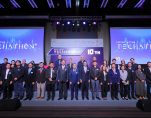
HONG KONG SAR – Media OutReach Newswire – 27 January 2026 – Hong Kong Science and Technology Parks Corporation (HKSTP), together with 15 local tertiary institutions, marked a major milestone as Hong Kong Techathon+, the city’s largest international intercollegiate innovation and technology (I&T) annual event, celebrated its 10th anniversary. The Hong Kong Techathon+ Finale was successfully held recently (on 24 January) at Hong Kong Science Park. The team “Cresento” from The Hong Kong University of Science and Technology won the Gold Award in the category of Trusted AI and Data Science under the Local Track (Open Group) as well as the Best Presentation Award voted by the audience.
The 10th anniversary finale of Hong Kong Techathon+, co-organised by HKSTP and 15 local tertiary institutions, took place at Hong Kong Science Park, bringing together representatives from local and overseas institutions, industry partners, and innovation teams to mark this milestone.
In parallel, the Global University Innovation Network (GUIN), jointly established by HKSTP and its 15 local tertiary institution partners, convened its inaugural forum on 23 January. The forum brought together GUIN member representatives and academic I&T leaders for in-depth exchanges on innovation and entrepreneurship ecosystem development, further strengthening Hong Kong’s position as an international I&T and talent hub.
Hong Kong Techathon+ is co-organised by HKSTP and 15 local tertiary institutions, including: City University of Hong Kong, Hong Kong Baptist University, Hong Kong Metropolitan University, Hong Kong Shue Yan University, Lingnan University, The Chinese University of Hong Kong, The Education University of Hong Kong, The Hang Seng University of Hong Kong, The Hong Kong Polytechnic University, The Hong Kong University of Science and Technology, The University of Hong Kong, Tung Wah College; and three institutions under the Vocational Training Council – The Technological and Higher Education Institute of Hong Kong, Hong Kong Institute of Vocational Education, and Hong Kong Institute of Information Technology.
Record-high International Participation Highlights Hong Kong’s Role as a Hub for Talent, Markets and Opportunity
This year’s Techathon+ attracted enthusiastic participation from both local and overseas universities, Approximately 1,900 participants formed over 470 teams. Notably, 215 overseas teams joined, underscoring the event’s growing international appeal.
Following rigorous selection, 172 teams advanced to the finale, including 122 local teams and 50 overseas teams from Australia, Brazil, Chinese Mainland, Japan, Kazakhstan, Malaysia, Portugal, Singapore, the Republic of Korea, Taiwan, the UK, and the US. Kazakhstan, Japan, Korea and the UK participated for the first time through their university representatives, further demonstrating Techathon+’s reach as an international platform for I&T exchange.
A Decade of Growth: From a Local Challenge to One of Asia’s Major Inter-University I&T Platforms
HKSTP Chief Executive Officer Mr Terry Wong said: “Since its launch in 2015, Hong Kong Techathon+ has grown from a local challenge to one of Asia’s largest intercollegiate I&T events — driving creativity and collaboration while creating international impact. Techathon+ brings together outstanding young talents across tertiary institutions, turning ideas into innovative solutions that respond to societal needs and carry strong potential for real-world application. The platform has expanded the global pipeline of innovators and entrepreneurs, reinforcing Hong Kong’s role as a hub connecting talents, markets, and opportunities, and writing the next chapter of Hong Kong’s I&T story.”
Beyond a Competition: A Comprehensive “Soft-landing” platform for Entrepreneurship
Hong Kong Techathon+ is more than a university innovation competition. Over the past decade, the platform has engaged over 9,000 participants, nurturing innovative talents and supporting the growth of startups.
Non-local teams also participated in a four-day immersive programme, featuring I&T ecosystem seminars, mentorship, investor matching, visits at Hong Kong Science Park, and tours to Chinese Mainland I&T bases, helping participants explore market expansion opportunities across the Greater Bay Area.
HKSTP also invites selected high-potential finalist teams and winners to join its Ideation Programme, offering up to HK$100,000 in seed funding (along with support aligned with participating universities’ startup programmes), free co-working spaces, access to advanced technology resources and professional mentorship. Through HKSTP’s incubation and industry networks, teams are supported from prototype development to sustainable startups operations – scaling progressively and building international impact.
Amazon Web Services (AWS) is the exclusive Technology Enabler for the 10th Edition of Hong Kong Techathon+, providing participating startups with access to leading cloud and artificial intelligence technologies and platforms. Through this collaboration, AWS offered competing teams technology resources in generative AI and machine learning, professional technical support, and workshop to accelerate innovation and drive Hong Kong’s development as an international I&T hub.
Inaugural GUIN Forum: Deepening Global University Innovation Collaboration
The first Global University Innovation Network (GUIN) Forum was successfully held on 23 January at Hong Kong Science Park, bringing together GUIN member institution representatives and I&T experts. The forum focused on three key areas:
Exploring strategies for university-industry technology transfer collaboration to achieve win-win innovation outcomes
Examining the Greater Bay Area as a hub for international innovation collaboration, including opportunities for research commercialisation and cross-border partnership, and
Strengthening global collaboration networks through actionable pathways.
Speakers included Dr Tony Raven, former CEO of Cambridge Enterprise; Professor Poh Kam Wong, Emeritus Professor at National University of Singapore; and Dr Alwin Wong, Chair of the Association of Technology Transfer Professionals (ATTP), among others.
Co-founded last year by HKSTP and 15 local tertiary institution partners with support from multiple overseas institutions and partners, GUIN aims to bring together leading minds to advance international collaboration in innovation and entrepreneurship, reinforcing Hong Kong’s role as a global talent and innovation hub.
In his welcome address at the forum, Mr Terry Wong, Chief Executive Officer of HKSTP remarked: “We are building GUIN into a ‘global platform for innovation exchange and incubation’ — sharing knowledge, co-creating initiatives, and connecting startups with campus incubation resources and markets worldwide to turn concepts into tangible outcomes.”
Since last summer, HKSTP and university partners have launched the Theme-based Global Incubation Programmes under GUIN with three initiatives currently underway focusing on dentistry, visual technology, and the circular economy. The inaugural ” Global Hub for Future Dentistry” programme has attracted 40 top applicants worldwide. Additional thematic incubation programmes are in preparation, and GUIN members and partner organisations are welcomed to co-develop this expanding international collaboration.
The 10th Edition of Hong Kong Techathon+ Partial Awards List:
Local Track (Student Group)
Technology Theme
Award
Winning Team
Project Brief
Trusted AI & Data Science
Gold
SpeakRight
An AI‑powered voice‑changing solution designed to demonstrate and enhance speech training applications.
Sustainability & ESG
Gold
Hydroforge Tech
Development of cost‑efficient AEM electrolysis systems using a binder‑free, self‑growing electrode technology to enable scalable green hydrogen production.
Life Science & Healthcare
Gold
Nanos
A tech‑driven Contract Development & Manufacturing Organisation (CDMO) platform that rescues undeliverable drug candidates through proprietary drug‑carrier optimisation, targeting breakthrough therapies including Alzheimer’s.
Digital Economy & Smart City
Gold
Smart Mall Wayfinding with AI Paedestrian Dead Reckoning Technology
An AI-powered Pedestrian Dead Reckoning (PDR) solution – an infrastructure‑light indoor navigation that delivers accurate mall wayfinding using AI‑powered pedestrian dead‑reckoning with minimal deployment cost.
Tech FYP Group
Gold
OmniWatch AI – A Scalable, Multi-Model AI Proctoring Engine and Invigilator Dashboard
A privacy‑preserving, multi‑modal AI platform for onsite digital exam proctoring that detects suspicious behaviours in real time and enables scalable, non‑intrusive invigilation.
Local Track (Open Group)
Technology Theme
Award
Winning Team
Project Brief
Trusted AI & Data Science
Gold
Cresento*
A Hong Kong–based sports technology startup developing AI‑powered smart shin guard solution, delivering actionable performance insights for safer, smarter football training.
Sustainability & ESG
Gold
Off-Grid AEM Hydrogen Production Driven by Fluctuating Renewable Energy
A modular off‑grid AEM electrolysis system designed for stable hydrogen production from fluctuating renewable energy sources.
Life Science & Healthcare
Gold
Illuminatio Medical Technology
A medical imaging startup developing non‑invasive diagnostics to improve the assessment of chronic liver disease (CLD).
Digital Economy & Smart City
Gold
MicroLink
A micro‑LED‑based optical interconnect technology enabling faster, more energy‑efficient data transfer for next‑generation AI data centres.
Global Track
Technology Theme
Award
Winning Team
Project Brief
Life Science & Healthcare
Gold
Cancer Immunotherapy
A next‑generation cancer immunotherapy programme developing novel PD‑1 combination treatments to improve outcomes for solid tumours.
Non-Life Science & Healthcare
Gold
ROTOBOOST
ROTOBOOST develops Thermo‑Catalytic Decomposition (TCD) technology to produce low‑cost, low‑carbon hydrogen from diverse hydrocarbon feedstocks, enabling efficient pre‑combustion carbon removal at industrial scale.
*Winner of Best Presentation Award voted by the audience.
Hashtag: #HKSTP
The issuer is solely responsible for the content of this announcement.






 https://iau.org




 https://www.linkedin.com/company/cycraft
 https://x.com/cycraft_corp



 www.youtube.com/citi
 www.facebook.com/citi