Arabian Post Staff -Dubai Ras Abu Fontas Power, the company behind one of Qatar’s key power and water infrastructure projects, has secured a financing agreement worth about $990 million with the Japan Bank for International Cooperation, strengthening the long-term funding base for the Facility E power and desalination project south of Doha. The JBIC funding represents part of a larger co-financing package totalling approximately $2.97 billion, assembled […]
Arabian Post Staff -Dubai Ras Abu Fontas Power, a project company linked to one of Qatar’s largest power and water complexes, has signed a financing agreement of about $990 million with the Japan Bank for International Cooperation, marking one of the most substantial bilateral development-backed commitments to the Gulf’s utilities sector this year. The agreement underpins the long-term funding structure of the Ras Abu Fontas facility, a […]
Tourists flock to open factories offering facility tours and hands-on craft experiences
NIIGATA PREFECTURE, JAPAN – Media OutReach Newswire – 21 January 2026 – Located close to the heart of Niigata Prefecture, the Tsubame-Sanjo area is a traditional Japanese mecca of craftsmanship with a 600-year history dating back to the Muromachi period, when metal casting first flourished here. It is about two hours from Tokyo by bullet train. Many products beloved both in Japan and around the world are born here, from kitchen knives and Western-style cutlery to tools and outdoor gear. To preserve the techniques behind these diverse products, the central region situated around Tsubame-Sanjo has established initiatives that include certifying highly skilled artisans as Niigata Ken-O Meisters.
But Tsubame-Sanjo’s appeal extends far beyond technical excellence. Here, a distinctly Japanese philosophy thrives among craftspeople who finish each product with the end user in mind, infusing their work with warmth and care. Take the knives from Hinoura Hamono Koubou, for example. This blacksmith workshop uses proprietary methods grounded in scientific research, achieving both exceptional edge retention and ease of use. Blades that fuse over a century of forging expertise with innovative thinking have earned acclaim both at home and abroad. Meanwhile, Gyokusendo, a copperware house with over 200 years of history, continues to practice tsuiki doki, the traditional art of hand-hammering copper plates into elegant vessels. These pieces, which marry the beauty of handcraft with functional design, have won admirers from around the world.
From Nails to Knives: The History and Evolution of Craftsmanship Tsubame-Sanjo’s metalworking tradition traces its origins to Japanese nail-making some 400 years ago. Frequent flooding from the Shinano and Igarashi rivers created strong demand for nails to rebuild structures in this region. These nails found use not only in homes, but also in shrines, temples, and ships. As they circulated widely, nail-making became one of the foundations of local metalworking. Over time, production expanded to farming implements such as hoes and shears, then to kitchen knives, Western-style tableware, and other everyday tools, the industry evolving with each era’s needs. After the Meiji period, stainless steel cutlery and tool manufacturing took off. Today, the region boasts such a diverse concentration of metalworking expertise that locals say there’s nothing that cannot be made. Tsubame City and Sanjo City are home to thousands of small- and medium-sized enterprises, each bringing its own distinctive techniques and designs to global markets. In these communities, a guiding philosophy endures: don’t simply inherit tradition; move forward by improving it. While honoring time-tested techniques, local manufacturers embrace new materials and contemporary design, ensuring constant evolution.
Where to Experience Factory Tours and Hands-On Craftsmanship Tsubame-Sanjo has seen a growing number of open factories, manufacturing facilities that welcome the public for tours, hands-on experiences, and product sales. Small workshops once overlooked as tourism assets are now celebrated as experiential destinations, serving as venues where artisans pass their skills and philosophy on to the next generation. Here are some of the most popular spots and events.
Tsubame-Sanjo KOUBA no SAITEN This major annual event takes place every autumn. Factories normally closed to the public open their doors, with craftspeople personally guiding visitors through production floors. Beyond factory tours, the festival features workshops and product sales, creating a region-wide celebration of open manufacturing.
Tsubame Industrial Museum A facility offering hands-on experiences with Tsubame’s diverse crafts. The museum houses a workshop where visitors can try oxidation coloring on spoons, crafting tin sake cups, and hammering decorative patterns into pure copper thermoses.
Tsubamesanjo Regional Industries Promotion Center A hub for regional industry information and tourism services. The center features meeting rooms, a restaurant, and a large hall. Its retail shop, Bussankan, displays and sells approximately 10,000 items from local manufacturers. Designated as a roadside station (Roadside Station Tsubamesanjo Regional Products Center), the facility also offers tax-free shopping for international visitors.
Gyokusendo Co., Ltd. Founded in 1816. Renowned for its tsuiki doki (hand-hammered copperware) workshop. Visitors can watch up close as artisans hammer copper plates into finely crafted vessels. The workshop welcomes 7,000 visitors annually, roughly one-quarter of whom come from overseas.
Hinoura Hamono Koubou A blacksmith workshop with a century of history in Sanjo City, Niigata Prefecture. Master craftspeople work with fire and steel, upholding tradition while pursuing new challenges. Visitors who book in advance can receive a guided tour from Tsukasa Hinoura, named a Contemporary Master Craftsman this year.
FACTORY FRONT A curated shop in the factory district of Tsubame-Sanjo, Niigata, where visitors can see, touch, and experience local craftsmanship firsthand.
France has moved to convene a meeting of Group of Seven finance ministers this week as tensions escalate with the United States over proposed tariffs linked to a high-profile dispute about Greenland. Paris is spearheading coordinated Western efforts to address what it and other European capitals describe as coercive trade threats from Washington, and to explore collective avenues for diplomatic and economic response amidst deepening strain in […]
HONG KONG SAR – Media OutReach Newswire – 13 January 2026 – Today, KGI has released its 2026 Global Market Outlook, covering markets in the US, Mainland China, Hong Kong, Taiwan, and Singapore.
(From left) James Chu, Chairman at KGI Securities Investment Advisory; James Wey, Head of International Wealth Management at KGI; Cusson Leung, Chief Investment Officer at KGI
After a turbulent year of trade disruptions and policy uncertainty under President Trump, investors face new questions. China has unveiled its 15th Five-Year Plan, as policymakers aim to support domestic growth amid global challenges. The market outlook for 2026 is shaped by interest rate decisions, economic resilience, and shifting international dynamics.
Under this backdrop, we propose the “LEAD” strategy for 2026:
Liquidity Shift
Earnings Focused
Adding Credit
Diversified Assets
Cusson Leung, Chief Investment Officer at KGI, says: “Looking ahead to 2026, investors can adopt a LEAD strategy: L stands for Liquidity Shift, benefiting from a weakening US dollar and interest rate cuts, with funds expected to flow to non-US dollar and Asian currencies; E stands for Earnings Focused, focusing on earnings growth to support valuations and allocating to US, European, and Japanese stocks; A stands for Adding Credit, locking in the credit of leading companies and increasing holdings of A-rated investment grade bonds; and D stands for Diversified Assets, responding to the upward trend in both stocks and bonds by including alternative assets to optimize asset allocation.”
Macro & US Markets The US economy will experience a more pronounced downturn in 4Q25, which will extend into 1H26, and this will have a negative impact on consumption, slowing investment activity. Nevertheless, AI-driven productivity gains should provide some support, with US GDP growth in 2026 forecast at 2.2%. The eurozone will see moderate growth, with Germany benefiting significantly from fiscal expansion and economic improvement. Japan’s economy will strengthen on domestic demand, aided by additional fiscal stimulus. China has demonstrated resilience under trade protectionism in 2025. With inflation risks easing and labor market risks rising, the US Fed cut the interest rates in September 2025, with a total reduction of 75 bps in 2025, followed by an additional 50-75 bps in 2026.
Regarding US stocks, AI-driven productivity gains and cost reductions should sustain solid profitability, with S&P 500 earnings projected to grow by 13.55% year-on-year (YoY) in 2026. However, higher risk premiums may cap valuation upside, leading us to project a year-end target of 7,650 points. Market performance will reflect risk-driven declines in 1Q26, stabilize and recover in 2Q26, and rally significantly around the midterm elections in 4Q26. By sector, among AI-related themes we favor technology, semiconductors, utilities (on higher power demand), machinery for advanced manufacturing, and industrial REITs. Non-AI beneficiaries include aerospace and defense (on higher military spending), pharmaceuticals (on tariff benefits), and capital market segments (supported by active investment banking). As for fixed income, US economic weakness and Fed rate cuts will drive Treasury yields lower, with 10-year yields expected to fall to 3.5-3.7% by 2Q26. We recommend allocating to US Treasuries or high-rated investment-grade corporate bonds in 1H26, then rotating into high-yield bonds in 2H26 as policy rates and economic conditions reach a bottom.
James Chu, Chairman at KGI Securities Investment Advisory, says:“AI is triggering a new productivity revolution, supporting economic growth and strengthening corporate earnings. While the US economy is expected to slow, a recession remains unlikely, and the short-term impact of tariff policies should gradually fade by the first quarter of 2026. Although the Fed may shift from cutting rates at every meeting to cutting at alternating meetings, the overall environment remains a rate-cutting cycle. In a non-recession backdrop, lower interest rates should continue to support equity market performance.”
Mainland China and Hong Kong Markets In terms of the macroeconomy, with the conclusion of trade agreements among many countries, risks have subsided. However, due to external drag, China’s GDP growth is expected to slow slightly to 4.6% in 2026. In 2026, investors should focus on four key areas for Hong Kong and mainland China markets: (1) In the consumption sector, domestic demand continued to be the core growth driver, contributing more than half of GDP. As the “trade-in” effect diminishes, the central government is expected to implement the “15th Five-Year Plan” and economic conference plans, launching a new round of subsidies covering culture, entertainment, and sports to continuously boost consumer spending. (2) In the financial market, risk appetite has increased. Given the narrowing spread between bond yields and fixed deposit rates, large amounts of savings are flowing into the capital market seeking returns. The fundamentals of the banking and insurance industries have bottomed out, and the credit structure is accelerating its shift from real estate to supporting the real economy. (3) Regarding the issue of “anti-involution,” the PPI remains weak, and capacity reduction has become a focus. Compared to 2015, this round involves more downstream private enterprises and needs to consider employment, presenting greater challenges. While industry consolidation is expected to be lengthy, the impact is controllable and beneficial for long-term healthy development. (4) Regarding new quality productive forces, this will replace real estate and infrastructure as the main investment focus. Digital infrastructure supports AI and embodied intelligence, and humanoid robots are expected to see commercialization in 2026, “iPhone moment.” Leading companies with core technological autonomy in innovative drugs will enjoy higher valuation premiums.
Overall, we are optimistic on Hang Seng Index. We expect the Federal Reserve’s interest rate cuts to drive fund inflows to the Hong Kong and mainland stock markets. Based on an upward revision of the forward PE ratio to 13.5x and 8% earnings growth, we set a target of 30,000 points for the Hang Seng Index by the end of 2026, representing a potential upside of approximately 14%. As confidence recovers, the investment style is expected to shift from defensive to growth stocks. Recommended 12 stocks: XPeng Motors (9868), UBTECH (9880), Tencent Holdings (700), Alibaba (9988), China Hongqiao (1378), AIA Group (1299), Ping An Insurance (2318), China Merchants Bank (3968), Akeso Biopharma (9926), Pop Mart (9992), Tencent Music (1698), and Sino Land (83).
Cusson Leung, Chief Investment Officer at KGI, says: “2026 marks a crucial turning point for the Chinese economy. While the market anticipates GDP growth to slow to 4.6%, “new quality productive forces,” resembling humanoid robots, is taking over as a new growth engine. The most critical signal in the market is the “awakening” of idle cash—massive savings are flowing from low-interest fixed deposits to the capital market seeking returns. With risk appetite returning and policy support intensifying, now is the time to shift investment strategies from “defensive” to “growth.” Driven by both valuation repair and earnings growth, we are optimistic that the Hang Seng Index will reach 30,000 points, and the allocation value of Hong Kong and mainland China stocks has reappeared.”
Taiwan Market Compared to the dot-com era bull run, which lasted almost five years, the current AI frenzy has been around for about three years, suggesting that the uptrend is still in its middle phase and could extend through 2026.
AI plays are trading at high PEs, such valuations are backed by strong fundamentals. In fact, the PEG ratio of Taiwan’s AI supply chain has yet to surpass 1x. We estimate that aggregate earnings of AI plays will grow by 21% YoY in 2026, following impressive upticks of 35% in 2024 and 43% in 2025. AI stocks now account for more than 60% of TAIEX earnings, and with the ongoing AI arms race, overall TAIEX earnings growth is projected to accelerate from 14% in 2025F to 20% in 2026.
Although the AI frenzy should keep the bull market intact, volatility will rise in tandem due to: (1) substantial cumulative gains, and the fact that valuations are approaching historic highs; (2) policy and political uncertainty surrounding the US midterm elections; and (3) potential changes in the US Fed’s rate-cut pace. We expect the TAIEX to repeat a “smile-curve” pattern, featuring continued strength in 1Q26, followed by healthy corrections in 2Q-3Q26 before closing the year with a renewed upswing.
We think investors need to pay attention to two major themes. The first is a broad-based product spec upgrade trend across the AI supply chain, which will drive the industry into a new growth phase, with beneficiaries including foundries, GPU and ASIC designers, advanced packaging (such as CoWoS), and ODMs, as well as testing interfaces, memory, thermal solutions, CCL, ABF substrates, PCBs, switches, and power component suppliers amid strong AI computing demand and ongoing GPU platform upgrades. The second is diversification and defensive asset allocation. Innovations in consumer electronics, such as foldable iPhones and smart wearables, will provide growth opportunities, while companies with resilient domestic demand and stable high dividend yields offer a balanced strategy combining growth and income. Overall, investors should strike a balance between growth and resilience against volatility in their portfolios, in the face of market fluctuations.
James Chu, Chairman at KGI Securities Investment Advisory, says:“The solid earnings growth driven by AI and still reasonable valuations form a strong foundation for the ongoing bull market in Taiwanese equities. With AI adoption accelerating across enterprises and consumers, demand for computing power is rising rapidly. Yet supply remains constrained by chip and power bottlenecks, meaning hardware suppliers are likely to face continued shortages through 2026. Taiwan’s AI supply chain is set to remain a key beneficiary, particularly those tied to next-generation specification upgrades.”
Singapore Market In 9M25, the overall performance of Singapore’s economy was better than expected as the global trade tensions eased after the US pivoted on its reciprocal tariffs and reached deals with its major trading partners. The manufacturing, wholesale trade and finance & insurance sectors remained the growth pillars of the Singapore economy, and each sector delivered decent growth. In particular, manufacturing’s growth has been robust, driven by the electronics, transport engineering and biomedical manufacturing clusters. The full year outlook is upbeat, as the growth momentum shall continue till the end of the year.
Looking ahead, the global economic outlook for 2026 suggests slower GDP growth for most of Singapore’s key trading partners, including China and the Eurozone, largely due to the impact of US tariffs, which will temper demand for Southeast Asian exports, though US growth is expected to remain resilient from AI investment. Consequently, Singapore’s outward-oriented sectors, particularly manufacturing and trade-related services, are projected to expand at a slower pace than in 2025, although the electronics and related sectors will benefit from AI demand, while some precision engineering and biomedical output may moderate domestically, the construction sector is set to grow, but consumer-facing sectors are likely to remain subdued. However, the relatively low interest rates and continuous government support shall buffer the impact of the slowdown, and the capital market will still benefit from the upward re-rating catalysts.
Chen Guangzhi, Head of Research at KGI Singapore, says: “Thanks to trade de-escalation and the AI wave, Singapore experienced significant economic expansion in 2025. Proactive government initiatives turbo-charged the equity bull run, and this strong momentum is expected to deliver an optimistic economic outlook for 2026.” Hashtag: #KGI #MarketOutlook
The issuer is solely responsible for the content of this announcement.
KGI
KGI* has been a leading financial institution in Asia since 1997. Our scope of business encompasses wealth management, brokerage, fixed income, and asset management. We are committed to offering a comprehensive range of financial products and services to corporate, institutional, and individual clients throughout Asia. Backed by KGI Financial Group, we have a robust footprint in Asia, covering Taiwan, Hong Kong, Singapore, Indonesia, and Thailand^.
*KGI refers to KGI Asia Limited and its affiliates. ^an investee enterprise of KGI Securities, not a subsidiary.
DISCLAIMER
All the information contained in this document is not intended for use by persons or entities located in or residing in jurisdictions which restrict the distribution of this document by KGI Asia Limited (“KGI”), or any other affiliates of KGI. Such information shall not constitute investment advice, or an offer to sell, or an invitation, solicitation or recommendation to subscribe for or invest in any securities, insurance or other investment products or services nor a distribution of information for any such purpose in any jurisdiction. In particular, the information herein is not for distribution and does not constitute an offer to sell or the solicitation of any offer to buy any securities in the United States of America, or to or for the benefit of United States persons (being residents of the United States of America or partnerships or corporations organised under the laws of the United States of America or any state, territory or possession thereof). All the information contained in this document is for general information and reference purpose only without taking into account of any particular investor’s objectives, financial situation or needs and may not be redistributed, reproduced or published (in whole or in part) by any means or for any purpose without the prior written consent of KGI. Such information is not intended to provide any legal, financial, tax or other professional advice and should not be relied upon in that regard.
All investments involve risks. The prices of securities fluctuate, sometimes dramatically. The price of a security may move up or down, and may become valueless. It is as likely that losses will be incurred rather than profit made as a result of buying and selling securities.
Bond investment is NOT equivalent to a time deposit. It is NOT protected under the Hong Kong Deposit Protection Scheme. Bondholders are exposed to a variety of risks, including but not limited to: (i) Credit risk – The issuer is responsible for payment of interest and repayment of principal of bonds. If the issuer defaults, the holder of bonds may not be able to receive interest and get back the principal. It should also be noted that credit ratings assigned by credit rating agencies do not guarantee the creditworthiness of the issuer; (ii) Liquidity risk – some bonds may not have active secondary markets and it would be difficult or impossible for investors to sell the bond before its maturity; (iii) Interest rate risk – When the interest rate rises, the price of a fixed rate bond will normally drop, and vice versa. If you want to sell your bond before it matures, you may get less than your purchase price. Do not invest in bond unless you fully understand and are willing to assume the risks associated with it. Please seek independent advice if you are unsure.
You are advised to exercise caution and undertake your own independent review, and you should seek independent professional advice before making any investment decision. You should carefully consider whether investment is suitable in light of your own risk tolerance, financial situation, investment experience, investment objectives, investment horizon and investment knowledge.
No representation or warranty is given, whether express or implied, on the accuracy, adequacy or completeness of information provided herein. In all cases, anyone proposing to rely on or use the information contained herein should independently verify and check the accuracy, completeness, reliability and suitability of the information. Simulations, past and projected performance may not necessarily be indicative of future results.
Information including the figures stated herein may not necessarily have been independently verified, and such information should not be relied upon in making investment decisions. None of KGI, its affiliates or their respective directors, officers, employees and representatives will be liable for any loss or damage of any kind (whether direct, indirect or consequential losses or other economic loss of any kind) suffered or incurred by any person or entity due to any omission, error, inaccuracy, incompleteness or otherwise, or any reliance on such information. Furthermore, none of KGI, its affiliates or their respective directors, officers, employees and representatives shall be liable for the content of information provided by or quoted from third parties.
Members of the KGI group and their affiliates may provide services to any companies and affiliates of such companies mentioned herein. Members of the KGI group, their affiliates and their directors, officers, employees and representatives may from time to time have a position in any securities mentioned herein.
Colombo, Sri Lanka – Media OutReach Newswire – 12 January 2026 – From January 7 to 9, Gem Sri Lanka 2026 was successfully held at the Shangri-La Hotel in the heart of Colombo, the capital of Sri Lanka. Her Excellency Dr. Harini Amarasuriya, Prime Minister of Sri Lanka, attended the official opening ceremony as the distinguished guest. From its beginnings as a specialized industry exhibition, GEM SRILANKA has grown into a landmark international event.
Gem Sri Lanka 2026 Concludes Successfully: Platinum Sponsor GUILD Propels Industry Growth
GEM SRILANKA is organized by the Ceylon Gem and Jewellery Traders Association (CGJTA).It has over 2,000 members covering key gem-producing regions in Sri Lanka, including Beruwala, Ratnapura, and Galle, providing a professional platform for gemstone industry professionals worldwide to network, collaborate, and explore the world of gemstones in depth.
The exhibition set new records in both scale and attendance
This edition of the exhibition featured a total of 150 booths, attracting a large number of local and international buyers. Mr. Sunil Handunnetti, Minister of Industry and Enterprise Development of Sri Lanka; Rizwan Naeem, Vice Chairman of CGJTA,Mr. Andrew Lucas, President of GUILD Gemology Education and active field gemologist, Ms Ruby Liu, President of GUILD Gem Laboratories, and other distinguished guests attended the event.
At the Gem Sri Lanka 2026 gemstone exhibition, exhibitors comprehensively showcased their professional expertise across all stages of the gemstone industry value chain. Covering key areas such as mining, cutting, polishing, and heat treatment, the exhibition was guided by the core values of integrity and transparency, ensuring consistently high professional standards throughout. At the same time, this edition presented an immersive experience showcasing the long and diverse history of Sri Lanka’s gemstone industry, with detailed introductions to the country’s renowned sapphires and star sapphires. A dedicated premium exhibition zone was also curated to highlight exceptional sapphires and high-end colored gemstone collections.
According to data from GUILD Gem Laboratories, the number of gemstone samples submitted during the exhibition reached a new record high, directly reflecting the strong activity of the Sri Lanka trading market and further indicating a recovery trend in the global gemstone market at the beginning of the year.”The colored gemstone market in 2025 continues to evolve in terms of supply chains and color preferences. Although the market faced numerous supply-side challenges in 2024, against the backdrop of current conditions in the diamond market and rising gold prices, colored gemstones still demonstrate strong potential to gain increased market share.”Andrew Lucas noted in the opening of the GUILD 2025 Colored Gemstone Market Report.
Sri Lanka — a world-renowned gemstone trading hub
Sri Lanka has a thriving and highly valuable trade in precious and semi-precious gemstones, earning international recognition for its high-quality gemstones as well as its exceptional cutting and finishing craftsmanship. The gemstones produced in Sri Lanka consistently meet—and often exceed—the highest industry standards.
The country has long occupied a pivotal position in the global gemstone industry, serving as an integrated global hub encompassing mining, cutting, treatment, and trade. Buyers from major markets such as Japan, India, and China continue to travel to Sri Lanka, where they can observe the entire colored gemstone supply chain. Supported by a deep-rooted gemstone culture, extensive expertise, and an innovative mindset, Sri Lanka has developed a keen understanding of global market dynamics.
In recent years, by combining rough gemstone sourcing from Africa, Madagascar, and Southeast Asia with its renowned local cutting craftsmanship, Sri Lanka has further strengthened its position in the global gemstone industry.
GUILD Made a Dual-Booth Appearance at Gem Sri Lanka
As an internationally recognized gemstone testing authority, GUILD has long been committed to the study of field gemology, collecting A-type reference samples from major mining regions around the world to provide global industry professionals with accurate, authoritative, and efficient testing services. Since the inception of the exhibition, GUILD has served as a Platinum Sponsor of Gem Sri Lanka for three consecutive editions. At this year’s event, GUILD made its first-ever dual-booth appearance, featuring both GUILD Gem Laboratories and GUILD Gemology Education.
At the GUILD Gem Laboratories booth, a team of senior gemologists from GUILD Beruwala offered 24–48 hour rapid testing services to exhibitors and buyers, covering gemstone identification, treatment detection, and related services, providing reliable support for global gemstone trading and procurement. During the exhibition, the 2025 GUILD Colored Gemstone Market Report was also launched in limited quantities, serving as an important reference for industry trends and market direction.
Making its debut, the GUILD Gemology Education booth focused on the knowledge needs of professionals from both domestic and international markets, comprehensively presenting GUILD’s education and training programs as well as its overseas study tours. The booth showcased the English editions of Journey of Gems, professional color charts, and the combined volume of Microscopic Wonders: A Gemstone Inclusion Atlas, all of which were warmly received by industry professionals from around the world.
Focusing on a global perspective, driving the advancement of industry development
GUILD will continue to deepen its presence in the international gemstone market, leveraging its professional expertise to support the transparency and standardization of the global gemstone industry. Working together with industry peers, GUILD aims to explore new possibilities in source-origin trade and looks forward to even more highlights at the next edition of Gem Sri Lanka.
The issuer is solely responsible for the content of this announcement.
Agreement reaffirms Media OutReach Newswire’s role as the leading newswire for Asia Pacific
HONG KONG SAR – Media OutReach Newswire – 12 January 2026 – Asia News Network (ANN) and Media OutReach Newswire have entered a partnership for corporate news releases. The landmark agreement means that Media OutReach Newswire, as the only newswire, provides guaranteed online news postings on the ANN news website.
ANN was formed in 1999 to promote coverage of news from Asia through Asian journalists, bringing Asia closer. This aligns well with Media OutReach Newswire’s goal of bringing the stories of Asian organisations to journalists and audiences across Asia Pacific and globally.
As Asia’s leading news media alliance, ANN consists of 20 leading media titles from Southeast Asia, East Asia and South Asia. The full list of ANN member media can be found in the table below.
ANN Member Media
Country
The Daily Star
Bangladesh
Kuensel
Bhutan
Borneo Bulletin
Brunei
The Phnom Penh Post
Cambodia
China Daily
China
The Japan News
Japan
The Statesman
India
The Jakarta Post
Indonesia
MYSinchew
Malaysia
Vientiane Times
Laos
The Star
Malaysia
gogo Mongolia
Mongolia
ELEVEN Media Group
Myanmar
The Kathmandu Post
Nepal
DAWN
Pakistan
INQUIRER.net
Philippines
The Straits Times
Singapore
The Korea Herald
South Korea
The Nation
Thailand
Việt Nam News
Vietnam
The landmark corporate press release partnership means that Media OutReach Newswire significantly enhances the reach and impact of clients’ communications across Asia, making their press releases reach even wider audiences in countries across the region and the globe. It is also testament to the uniquely high level of trust that exists between Media OutReach Newswire and the media. Each of the 20 member media gave Media OutReach their vote of confidence, and each of the media is the leading publication in their respective home country.
Jennifer Kok, Founder & CEO of Media OutReach Newswire, said: “We are very pleased, proud and honoured to have entered this partnership with ANN. Not only is it Asia’s leading news media alliance, but the group’s members are also the leading newspapers of their countries, publications with the highest of reputations. The partnership enables us to significantly increase the reach and impact of our clients, across Asia and the globe, further cementing Media OutReach Newswire as the leading newswire for Asia Pacific.”
Jennifer continued, “The partnership also means that we’re the only newswire that provides guaranteed online news posting on ANN, strengthening our clients’ online visibility – both in terms of SEO and GEO for AI search – leading to higher rankings and citations in AI generated answers.” She concluded, “Furthermore, ANN and Media OutReach share the same ethos and goal, which is to promote the coverage of Asian affairs, bringing the stories of Asian organisations to audiences across Asia and the globe, so the partnership is a perfect fit.”
Media OutReach Newswire is the only newswire that provides guaranteed online news posting exclusively and 100% on real, authentic news media. The guaranteed posting of press releases on authoritative online news media sites such as ANN, with its high credibility and trust, along with hundreds of thousands monthly visitors, provides a powerful tool to boost brand visibility – both GEO for AI Search and SEO for search engines – and it leads to brand citations in the AI generated answers from the leading LLMs.
The landmark partnership with Asia News Network further cements Media OutReach Newswire as the leading global newswire for Asia Pacific. Media OutReach Newswire offers clients the widest press release distribution network in Asia Pacific – along with guaranteed visibility on real news media across Asia Pacific, the wider Asia region and the globe.
Media OutReach Newswire’s total communications solutions help PR professionals achieve success, with targeted distribution, direct journalist access, guaranteed visibility on real news media, ready-to-use reporting, and C-suite ready PR campaign intelligence showing ROI.
Hashtag: #MediaOutReachNewswire #pressrelease
The issuer is solely responsible for the content of this announcement.
About Media OutReach Newswire
Media OutReach Newswire is Asia Pacific’s first global newswire, serving as a trusted partner to the media, and PR professionals at corporations, agencies and governments across the region and the globe.
Founded in 2009 as a champion of the PR industry, Media OutReach Newswire leverages next-generation technology to redefine press release distribution and reporting, with data insights and PR campaign intelligence, providing total communications solutions for PR professionals.
With a global network of 200,000 journalists and editors, 70,000+ media titles, 1,500 media partners, and more than 40 languages, Media OutReach Newswire is the only newswire with guaranteed verbatim postings exclusively on real news sites. Press releases on authentic media are trusted by search engines and AI models, powering both SEO and AI search GEO, surfacing brands for LLM citations.
Headquartered in Hong Kong, with offices across China, Singapore, Japan, Malaysia, Thailand, Vietnam, and Taiwan, the global press release distribution network spans Asia Pacific and Southeast Asia, the US, Canada, South and Latin America, Europe, the Middle East, and Africa.
For more information about our services, solutions and network, please visit www.media-outreach.com
By Nitya Chakraborty U.S. commerce secretary Howard Lutnick’s stunning podcast on Thursday claiming that the bilateral India-US trade deal was almost ready but was not signed as Prime Minister did not call the U.S. President Donald Trump as was expected by the Americans. This lack of proper gesture on the part of the Indian PM […]
Bangkok’s long-held reputation as the “Detroit of the East” is under strain as the global shift towards electric vehicles reshapes South-East Asia’s industrial map, with Vietnam emerging as a more agile rival built around a powerful domestic champion. For half a century, Thailand’s automotive sector has been the backbone of its manufacturing economy, contributing about a tenth of national output and supporting hundreds of thousands of jobs […]
VinFast’s breakout year, capped by its 200,000th vehicle and growing presence from India to the Middle East, shows how Vietnam is rewriting its industrial reputation, with electric cars leading the charge.
HAI PHONG, VIETNAM – Media OutReach Newswire – 8 January 2026 – On the final day of 2025, VinFast’s Hai Phong manufacturing complex ended the year at full throttle, rolling off the 200,000th vehicle from its production line. For Vietnam’s first and only global carmaker, the number capped off a year of achievements that highlighted Vietnam’s growing capability as a manufacturing hub.
VinFast’s Hai Phong manufacturing complex ended the year at full throttle, rolling off the 200,000th vehicle from its production line.
For more than a year, VinFast has led Vietnam’s car market, outselling brands that once defined what success on four wheels looked like, a welcome change in a country long used to importing its automotive identity. VinFast vehicles are now part of daily traffic as commuter cars, family haulers, and long-distance companions, judged and praised with the same standards buyers apply to Japanese, Korean, or German imports.
Scale, however, tells only part of the story. In the same year, VinFast revealed a far more technical project: the Lac Hong 900 LX, an armored electric vehicle certified to meet the VPAM VR7 ballistic protection standard. Very few automakers globally can build vehicles at that level of protection, and even fewer can do so with a fully electric platform.
Outside Vietnam, over the past two years, VinFast has pushed into North America, Europe, Asia, and the Middle East. Notably, in 2025, three new plants came online, one in Vietnam and two more in India and Indonesia. The Indian factory in Tamil Nadu entered a market famous for thin margins and even thinner patience. It is not a place that waits politely for newcomers to find their footing. Yet by December, just months after starting sales, VinFast had risen to become India’s fourth largest EV brand, prompting one Indian outlet to note that its market entry “proved to be a huge success.”
Much of VinFast’s momentum, across every market it has entered, comes from how it thinks about ownership. Rather than treating sales as an endpoint, the company tends to enter markets with an entire support system designed to remove local anxieties. In regions where electric vehicles still prompt practical questions, those details carry weight.
VinFast VF 8 model in UAE.
The Middle East offers a clear case. There, the VF 8 is positioned as a premium midsize electric SUV, supported by policies designed to reduce hesitation. Buyers receive a ten-year or 200,000-kilometer vehicle warranty, a ten-year unlimited-mileage battery warranty, and five years of free servicing, along with mobile service units, round-the-clock roadside assistance, and guaranteed parts availability.
For many buyers in the Middle East, Vietnam was not previously associated with car manufacturing, an image VinFast is steadily undoing for a country long thought of mainly as an exporter of rice and shoes. Beyond the vehicles themselves, that kind of normalization may be VinFast’s most lasting export.
There was a time when cars from South Korea were treated as a punchline in Western markets, but those jokes have not aged well. Vietnam’s turn is arriving in a different moment, shaped by electrification and fewer fixed ideas about who belongs in the global auto club. And this time, nobody is laughing.
TDK has unveiled STRIDE, a low-power, real-time positioning software platform aimed at wearables and connected IoT devices, marking a push to strengthen its presence in software-defined sensing alongside its established sensor hardware business. The launch positions the Tokyo-based electronics group to compete more directly in applications where accurate location tracking must operate continuously on constrained batteries, such as smartwatches, fitness bands, asset tags and industrial monitoring devices. […]
Japan’s push to fold crypto-linked products into mainstream finance has gained political momentum, with senior government figures signalling support for digital assets trading on regulated exchanges as the country positions 2026 as a milestone year for its digital economy.
Speaking at a New Year gathering at the Tokyo Stock Exchange, Satsuki Katayama, a prominent member of the ruling Liberal Democratic Party known for her advocacy of financial innovation, outlined a vision in which tokenised assets and crypto-linked exchange-traded products operate alongside equities and commodities. While Katayama does not hold the finance minister portfolio, her remarks reflected broader policy debates underway in Tokyo over how far Japan should go in embracing digital finance within its tightly regulated markets.
The comments arrive as global asset managers press Asian regulators to open the door to crypto exchange-traded funds, following approvals in the United States and growing institutional interest in Europe. Japan has long taken a cautious stance after high-profile exchange failures earlier in the past decade, but officials now argue that clearer rules and stronger custody standards make broader participation possible without undermining investor protection.
Within government circles, 2026 is being framed as a symbolic inflection point. Lawmakers and regulators have increasingly referred to the year as a moment when legacy systems and digital infrastructure converge, particularly in capital markets settlement, identity verification and cross-border payments. Katayama described it as the start of a “digital era” for finance, a phrase that has been echoed in policy discussions tied to Japan’s broader digital transformation agenda.
Regulatory authority for any crypto-linked listings ultimately rests with the Financial Services Agency, which oversees exchanges and approves new financial products. The agency has already moved to modernise rules for security tokens and stablecoins, creating a framework that allows banks and trust companies to issue yen-backed digital currencies under strict supervision. Officials familiar with the discussions say the same principles—segregation of client assets, disclosure standards and market surveillance—would apply to crypto ETFs or similar instruments.
Market operators have begun preparing for that possibility. The Tokyo Stock Exchange’s parent group has invested heavily in trading and clearing systems capable of handling tokenised securities, while major brokerage houses are expanding digital asset teams to service institutional clients. Commodity exchanges have also explored how blockchain-based contracts could streamline settlement and reduce counterparty risk, particularly for energy and metals trading.
Japan’s interest in crypto-linked exchange products also reflects competitive pressure from regional peers. Hong Kong has positioned itself as a hub for virtual asset trading, approving spot crypto ETFs and encouraging global issuers to list in the city. Singapore, while more conservative on retail access, has built a reputation for regulatory clarity that attracts institutional capital. Policymakers in Tokyo are wary of ceding ground, especially as domestic pension funds and insurers look for diversified investment options in a low-yield environment.
Still, scepticism remains within Japan’s policy establishment. Some lawmakers and consumer groups warn that crypto markets remain volatile and vulnerable to manipulation, arguing that wider access through stock exchanges could expose unsophisticated investors to sharp losses. Regulators have responded by stressing that any approved products would likely be limited initially to professional investors, with strict marketing controls and suitability requirements.
Industry executives counter that regulated exchange-traded products may actually reduce risk by shifting activity away from offshore platforms toward transparent, supervised venues. They point to Japan’s experience with security tokens, where pilot issuances have proceeded without major incidents under a clear legal framework.
The debate has also revived questions about taxation and accounting. Crypto gains in Japan are currently taxed as miscellaneous income, a structure critics say discourages long-term investment and innovation. Government panels have been reviewing whether a shift toward capital gains treatment is warranted, particularly if digital assets become embedded in mainstream portfolios through ETFs and listed funds.
HONG KONG SAR/DUBAI, United Arab Emirates – Media OutReach Newswire – 5 January 2026 – Gaw Capital Partners, a leading multi-asset investment management firm, and GFH Partners, a leading Dubai-based real estate investment firm specializing in thematic property solutions, announce to establish a UAE-focused industrial and logistics platform (the “Platform”) through a joint venture partnership. Gaw Capital will hold a majority stake in the joint-venture company, which will serve as a gateway for the Asian capital to be deployed at-scale into the rapidly expanding UAE real estate market. The joint venture will be targeting high-quality industrial development projects comprising pre-identified seed assets across Dubai, Abu Dhabi and Ras Al Khaimah, the Emirates’ fast-growing industrial zones.
The developments will be led by Manrre Developments, a joint venture between GFH and Palmon Group, a seasoned UAE-based industrial conglomerate with over 40 years of institutional experience. This partnership unites proven regional expertise across acquisition, planning and design, development, execution, and operational readiness to deliver exceptional, future-ready warehouses and logistics centres.
Harry Ip, Managing Director of Gaw Capital, said, “We are thrilled to enter UAE’s flourishing industrial and logistics market, supported by strong fundamentals, the surge in structural demand driven by government-led initiatives, and heightened global interest in the logistics and industrial asset class. Leveraging the expertise from GFH Partners, this partnership positions us as one of Asia’s leading forerunners in delivering prime industrial facilities in the UAE, providing investors with exposure to a fundamentally undersupplied market.”
Nael Mustafa, CEO of GFH Partners, commented, “GFH Partners brings on-the-ground specialists, experienced local operators, and a strong track record managing logistics and industrial assets across the GCC. This joint venture allows us to scale that regional expertise even further, capitalizing on the UAE’s robust industrial growth trajectory. Through this partnership with Gaw Capital, we are combining regional insight with global capability to unlock new opportunities in the UAE’s expanding industrial and logistics sector.”
The Platform is being launched at a time of strong macroeconomic momentum, supported by the UAE’s long-term development strategies including the Dubai Industrial Strategy 2030 and the Dubai 2040 Urban Master Plan. Majority of these initiatives are aimed at accelerating industrial diversification, attracting FDI, and expanding logistics infrastructure. The local government offers a list of pro-business regulatory and fiscal policies, including tax exemptions, customs duty exemption, simplified regulations in 40+ free zones, and relaxed foreign ownership limitation, to accelerate logistics demand and investment. Furthermore, the population of the UAE has experienced dramatic growth and is expected to reach 12.2 million by 2030, driven by the long-term residency incentives (e.g. Golden Visa), competitive tax regime, openings of prestigious school campuses for expatriate professional and family relocation.
Demand for logistics and industrial assets remains robust, supported by a persistent supply–demand imbalance. Dubai’s warehouse and logistics occupancy currently exceeds 97%, with rental rates increasing 33% year-on-year. The formation of the Platform will mark Gaw Capital’s first geographic footprint in the logistics sector in the UAE, demonstrating its global network and cross-border expertise in accessing industrial and logistics investments ahead of the curve.
Gaw Capital has established a robust logistics footprint across China, Japan, South Korea, Vietnam and Australia, with investments in 39 projects totalling approximately 3.8 million sqm of GFA. As of Q3 2025, Gaw Capital manages over US$3.4 billion in assets under management in its global logistics portfolio.
Since 2014, the firm has acquired, developed, and managed a substantial portfolio of modern logistics facilities with over 3 million sqm of GFA across China, supported by a team of around 100 professionals through 4 investment vehicles. Leveraging its deep expertise, Gaw Capital has expanded into other APAC markets through strategic partnerships, acquiring high-quality assets in key metropolitan hubs. Recent investments include seven logistics assets in Greater Tokyo (nearly 250,000 sqm GFA), one in Seoul (over 75,000 sqm GFA), two in Vietnam (over 210,000 sqm GFA) and six urban industrial and logistics warehouses in Sydney (over 45,000 sqm GFA). The firm’s in-house teams and operating partners deliver value-added services across the logistics value chain, including development, construction, leasing, and property management. Hashtag: #GawCapitalPartners #GFHPartners
The issuer is solely responsible for the content of this announcement.
About Gaw Capital Partners
Based in Asia, Gaw Capital Partners is a multi-asset investment management firm focusing on real estate, growth equity, private credit and infrastructure markets globally.
Since its inception in 2005, the firm has raised seven commingled funds targeting Asia Pacific, alongside value-add /opportunistic funds in the U.S., a Pan-Asia Hospitality Fund, a European Hospitality Fund, a Growth Equity Fund and a Credit Fund. It also manages credit strategies and separate account direct investments globally.
Gaw Capital has consistently generated high yields by revitalizing underperforming assets, enhancing value through creative financing solutions and leveraging deep expertise in capital allocation.
Since 2005, the firm has managed US$35.8 billion in assets and raised US$24.4 billion in equity as of Q2 2025.
About GFH Partners Ltd.
GFH Partners Ltd. (“GFH Partners”) is the DIFC-based global asset management subsidiary of GFH Financial Group B.S.C. (“GFH”). Headquartered in Dubai International Financial Centre and regulated by the Dubai Financial Services Authority, GFH Partners is dedicated to real estate investment and asset management across diverse markets. With assets under management exceeding US$7 billion and investments spanning the US, UK, and GCC. GFH Partners focuses on strategic partnerships and innovative real estate solutions, reinforcing its role as a leading player in global asset management.
Food assistance funded by Japan is reaching refugees and returnees in Burundi through the World Food Programme, easing acute hunger pressures in camps and host communities strained by displacement, erratic harvests and rising food costs.
The support targets families who fled violence in neighbouring states and Burundians who have returned after years abroad, many arriving with limited assets and few income options. WFP officials say the funding is enabling monthly rations and nutrition support at a time when humanitarian needs remain elevated across the Great Lakes region.
The programme, implemented by the World Food Programme, prioritises refugees in camps and settlements as well as vulnerable returnees integrated into surrounding communities. Assistance includes staple cereals, pulses and fortified oil, with specialised supplements for pregnant and breastfeeding women and children at risk of malnutrition. Cash-based transfers are also being expanded where markets function, allowing households to choose foods locally and supporting small traders.
Japan’s contribution comes amid sustained displacement into Burundi, primarily from the eastern Democratic Republic of Congo, and a steady flow of returnees following regional diplomatic efforts. According to humanitarian agencies, Burundi hosts tens of thousands of refugees, while returnees often face land disputes, limited livelihoods and overstretched public services upon arrival. Food insecurity has been aggravated by climate variability that has disrupted planting seasons and by global price pressures that have raised the cost of basic staples.
A senior WFP official in Bujumbura said the Japanese funding was critical to stabilising rations and preventing harmful coping strategies such as skipping meals or pulling children out of school. “This support allows us to protect the most vulnerable while we scale solutions that build self-reliance,” the official said, noting that nutrition indicators had shown signs of strain in several camps before the funds were confirmed.
Japan has framed the assistance as part of its broader humanitarian engagement in Africa, with a focus on lifesaving aid and resilience. A representative of the Japanese government said the funding reflected a commitment to human security, adding that food assistance was paired with investments in health, water and education delivered through multilateral partners. Japan has been a long-standing donor to WFP operations worldwide, frequently emphasising efficiency and accountability.
Burundi’s government has welcomed the support, saying it complements national efforts to integrate refugees and returnees while maintaining social cohesion. Officials have encouraged aid agencies to align food assistance with agricultural recovery programmes so that communities can transition from relief to production. WFP has responded by linking rations to community assets projects and by sourcing food locally when possible, a move that shortens supply chains and injects cash into rural economies.
The assistance also intersects with protection efforts led by UNHCR, which coordinates shelter, registration and legal support for displaced populations. Aid agencies say synchronising food distributions with protection services has reduced tensions and improved access for women-headed households and people with disabilities. Monitoring systems track deliveries and outcomes to ensure aid reaches intended recipients.
Analysts caution that funding gaps persist across the humanitarian response in Burundi, where needs compete with crises elsewhere. While Japan’s contribution has stabilised a portion of WFP’s pipeline, agencies say predictable financing remains essential to avoid ration cuts later in the year. Market volatility and climate shocks continue to pose risks, underscoring the importance of flexible programming that can pivot between in-kind food and cash.
Plans to turn India into a major semiconductor manufacturing hub are moving from policy to execution, with four companies scheduled to begin chip production during 2026 and the government setting its sights on becoming one of the world’s leading producers by 2035. The transition marks a decisive phase for a country long dependent on imported chips but now seeking to embed itself in global electronics supply chains amid geopolitical realignments and rising demand for secure manufacturing bases.
The most advanced of the announced projects is the large-scale fabrication facility planned at Dholera in Gujarat, a joint venture between Tata Electronics and Taiwan’s Powerchip Semiconductor Manufacturing Corporation. The plant, cleared with government backing and financial incentives under the Semiconductor Mission, is designed to manufacture mature-node chips used in automobiles, power electronics, consumer devices and industrial equipment. Construction work has progressed through 2025, with commercial production targeted to start the following year, according to timelines shared with policymakers and industry partners.
Alongside the Dholera fab, three other facilities are slated to commence output in 2026, primarily in the assembly, testing, marking and packaging segment. Micron Technology’s ATMP plant at Sanand in Gujarat is expected to be the first major operational unit, focusing on memory products for global markets. Two domestic groups, Tata Electronics and Kaynes Semicon, are also developing advanced packaging facilities, while CG Power, in partnership with Japan’s Renesas Electronics and Thailand’s Stars Microelectronics, is setting up an outsourced semiconductor assembly and test unit in Gujarat. Together, these projects are intended to establish a foundational ecosystem rather than a single flagship plant.
Government officials argue that the emphasis on both fabrication and packaging reflects a deliberate strategy. While advanced-node fabs require decades of experience and heavy capital, mature-node manufacturing and packaging are seen as realistic entry points that align with India’s strengths in engineering talent, scale and cost efficiency. Officials involved in the programme say the objective is to capture value across the semiconductor chain while gradually building capabilities for more complex processes.
Public funding has played a central role. Under the incentive framework, the central government is offering support covering up to half the project cost for approved semiconductor and display manufacturing units, with additional incentives from host states. The total committed investment across approved projects runs into tens of billions of dollars, according to official estimates, making it one of the most capital-intensive industrial initiatives undertaken in the country.
Industry analysts note that the timing coincides with a global rethinking of chip supply chains. Disruptions during the pandemic years, coupled with trade and technology tensions, prompted governments and companies to seek diversified manufacturing locations. India’s pitch combines policy stability, a large domestic electronics market and strategic partnerships with established chipmakers. Executives at electronics firms say the presence of local chip production could shorten supply chains and reduce vulnerability to external shocks.
Challenges remain substantial. Semiconductor manufacturing demands ultra-reliable power, water and logistics, as well as a deep supplier base for chemicals, gases and equipment. Skills development is another constraint. While India produces large numbers of engineers, chip fabrication requires specialised expertise built through years of hands-on experience. To address this, training collaborations with overseas partners and academic institutions have been initiated, and several universities have launched semiconductor-focused programmes.
There is also scepticism about the 2035 ambition. Market researchers point out that becoming a “top” producer can be defined in different ways, whether by volume, value or technological sophistication. Countries such as Taiwan, South Korea and the United States dominate advanced-node manufacturing, while China has invested heavily across the value chain. India’s near-term projects focus on mature technologies, which serve vast markets but command lower margins. Supporters counter that demand for such chips is set to remain strong due to electric vehicles, renewable energy systems and industrial automation.
Dollar trading opened the new year on firmer ground on Friday, extending a modest rebound after a bruising twelve months that marked its weakest annual performance in eight years, as investors reassessed the outlook for United States interest rates and global growth.
The greenback edged higher against a basket of major peers in early European dealings, with the yen drifting back towards levels last seen in the spring and the euro slipping slightly after gains built up over the previous year. Market participants described the move as cautious rather than decisive, reflecting thin liquidity and lingering uncertainty over policy direction in Washington.
Currency strategists said the dollar’s fragile recovery followed heavy selling through much of last year, when expectations of rate cuts by the Federal Reserve and easing inflation undercut the yield advantage that had supported the currency in earlier cycles. At the same time, improving growth prospects outside the United States encouraged investors to rotate towards higher-yielding or undervalued alternatives.
Against the yen, the dollar climbed back towards the upper end of its trading range, hovering near a ten-month high. The Japanese currency has remained under pressure amid a persistent gap between domestic borrowing costs and those in the United States, even as Tokyo has signalled a gradual move away from ultra-loose policy. Traders noted that the yen’s slide was less abrupt than in past episodes, reflecting continued sensitivity to the risk of official intervention.
The euro eased after a strong performance last year, when slowing inflation and steady growth in parts of the euro zone boosted confidence in the region’s economic resilience. Analysts cautioned that the single currency’s trajectory would depend heavily on whether European policymakers deliver further easing or pause to assess wage pressures and fiscal spending plans.
Sterling traded in a narrow band, supported by signs of stabilising inflation but weighed by questions over the durability of domestic growth. Emerging market currencies showed mixed moves, with higher-yielding units holding up better as investors searched for carry opportunities, while those linked to commodities reacted to softer prices in energy and metals.
Market focus remains fixed on forthcoming United States data releases, including employment and inflation indicators that could shape expectations for policy adjustments later in the year. While inflation has moderated from its peak, officials have stressed that decisions will be driven by incoming data rather than preset timelines, a stance that has kept rate forecasts in flux.
Some investors argue that the dollar’s decline last year went too far, pointing to the size and liquidity of United States markets and the economy’s capacity to absorb tighter financial conditions. Others counter that structural forces, including a narrowing growth gap with other advanced economies and rising fiscal deficits, could cap any sustained rebound.
Central banks outside the United States are also recalibrating. In Japan, policymakers are weighing how quickly to normalise after years of stimulus without destabilising markets. In Europe, debates continue over balancing support for growth with the need to anchor inflation expectations. These cross-currents have injected volatility into foreign exchange markets, even as overall trading ranges remain narrower than during periods of crisis.
Commodity prices have added another layer of complexity. Oil has softened amid ample supply, trimming support for currencies of major exporters, while gold’s pullback has reduced its appeal as a hedge against currency weakness. Equity markets have started the year on a cautious note, reinforcing demand for safe and liquid assets.
A five-day global phenomenon uniting world-class and Thai artists with eco-friendly fireworks—captivating millions and redefining Bangkok as a premier New Year countdown destination.
BANGKOK, THAILAND – Media OutReach Newswire – 2 January 2026 – ICONSIAM, the global landmark on the banks of Thailand’s legendary Chao Phraya River, once again captured the world’s attention with “Amazing Thailand Countdown 2026“, a five-day world-class New Year celebration held from 27–31 December 2025 at River Park, ICONSIAM. Presented under the theme “A GLOBAL PHENOMENAL CELEBRATION AT THE ICON UNRIVALED,” the event united forces across public and private sectors to deliver an extraordinary global countdown experience. The River Park area was transformed into The Largest Entertainment Arena, featuring non-stop performances by more than 200 leading Thai and international artists across five themed nights, including Pop Power, Dance Force, Rock Infinity, Star Harmony and Global Phenomenon Stage.
The five-day celebration attracted over 1.8 million visitors from Thailand and around the world, placing Bangkok alongside the world’s leading countdown cities and reaffirming ICONSIAM as one of the top global countdown destinations.
Worldwide Media Broadcast and Record-Breaking Digital Impact
The Amazing Thailand Countdown 2026 generated over 100 million online views across all platforms over five days, reflecting its immense global reach and cultural resonance. The official hashtag #AmazingThailandCountdown2026 ranked No.1 trending in Thailand across Facebook, Instagram, and X (Twitter), underscoring the event’s dominance in both live attendance and digital engagement.
The celebration was broadcast live and reported nationwide and worldwide across major television and online platforms such as CNN, BBC, AP, AFP, CNBC-TV18, Reuters, NBC News, ABC News, CCTV, Hunan TV, Jiangsu TV, and Phoenix TV, among others, allowing audiences across continents to share in Thailand’s most spectacular year-end moment.
Grand Opening Scene and World-Class Entertainment
The grand opening scene on the night of 31 December unfolded as a spectacular fusion of traditional Thai artistry and international performances, led by Miss World 2025, Suchata Chuangsri. The showcase celebrated the beauty of Thai art, music, and heritage while honoring Thailand’s enduring legacy. The night continued with astellar lineup of world-class and iconic Thai artists, performing against the breathtaking backdrop of the Chao Phraya River.
Where the Best of Thailand Meets the Best of the World
The pinnacle of the celebration, “The Unrivaled Global Performance: Where the Best of Thailand Meets the Best of the World,” came to life through an exclusive collaboration created especially for ICONSIAM’s countdown stage. This historic performance united world-class artist Mark Tuan with iconic Thai artists Jeff Satur and Phrimaphaa Khornrojjanachawin in a powerful rendition of the royal composition “Still on My Mind (In the Eternal Heart),” marking a truly unforgettable moment on the countdown stage.
1,400 Meters of Eco-Friendly Fireworks Celebrating Legacy and Sustainability
The grand fireworks presentation continued the tribute to Her Majesty Queen Sirikit The Queen Mother, whose grace lives eternally in the hearts of the Thai people. Directed by Okuchi Yoshimasa, an award-winning Japanese fireworks master, in collaboration with Thai creative teams, the display combined artistry, technology, and sustainability.
Crafted from Thai sticky rice, the eco-friendly fireworks produced vibrant colors with minimal smoke and environmental impact—reflecting ICONSIAM’s long-standing commitment to sustainability. The panoramic display was visible within an 8-kilometer radius, delivering a breathtaking visual experience across Bangkok’s skyline.
The Power of Partnerships Driving Global Success
The success of Amazing Thailand Countdown 2026 reflects the strength of collaboration across both public and private sectors. ICONSIAM received major support from the Tourism Authority of Thailand, alongside leading private organizations, including Charoen Pokphand Group Company Limited, and many esteemed partners.
These collaborations underscore the power of public-private partnerships in elevating Thailand’s presence on the global stage and reinforcing the nation’s position as one of the world’s most distinguished New Year countdown destinations.
This historic performance ushered in 2026 with grandeur, emotion, and unforgettable memories—leaving a lasting impression on audiences around the world and reaffirming ICONSIAM as a must-visit global landmark. For more information and updates on upcoming events at ICONSIAM, please visit www.iconsiam.com
HONG KONG SAR – Media OutReach Newswire – 2 January 2026 – This season of giving, A Diamond is Forever joins hands with Asia’s premier luxury retailer, Lane Crawford, in paying tribute to the beauty and authenticity of natural diamonds. Together, they bring forward a shared commitment to exceptional craftsmanship, innovation, and responsible sourcing.
Renowned actress Charmaine Sheh (left) and fashion trendsetter Hilary Tsui (right) are invited to the event. Charmaine and Hilary discover natural diamonds and experience how diamond detection instruments can distinguish between natural and synthetic diamonds.
“The Forever Gifts: A Natural Diamond Series” the ultimate destination for bespoke natural diamond master creations in Hong Kong, launched with a line-up of activities at Lane Crawford’s flagship retail space in IFC mall. Renowned actress Charmaine Sheh, fashion trendsetter Hilary Tsui, VIPs, media members and influencers from Hong Kong and China were invited to explore exquisite natural diamond collections, thoughtfully curated by Lane Crawford.
Natural diamond workshops are held at Lane Crawford IFC, guiding guests through an immersive journey to explore diamonds from rough to polished
This special series starts with a selection of contemporary fine jewellery brands, each offering a unique design story and a commitment to creativity and excellence. They include State Property, YEPREM, Mio Harutaka, KORLOFF and Claudia Ma Fine Jewellery. “This collaboration marks an important moment for Lane Crawford. Together with De Beers, we’re creating a destination that celebrates the beauty of natural diamonds through exceptional craftsmanship and global creativity. This exclusive space reimagines how clients engage with fine jewellery – bringing artistry, innovation, and the opportunity to design something truly personal.” Emily Wong, Senior Vice President of Merchandising at Lane Crawford.
The exclusive event brought a series of interactive workshops led by experts Jodine Bolden and Samantha Sibley from the De Beers Institute of Diamonds alongside London-based multi-disciplinary artist Annette Fernando.
Left to Right: Fashion stylist Veronica Li, famous influencer Ansheles, international fashion blogger Steph Hui, actor Bruce Tong and actor and singer Chris Tong attend the natural diamond workshop to experience the extraordinary charm of natural diamonds
At the natural diamond workshop, participants gained hands-on experience on rough diamond sorting, polished diamond grading, and differentiation of natural diamonds versus synthetics. Participants also had the unique opportunity of viewing a nearby 297-carat rough diamond and kimberlite carrying a 22-carat rough diamond. Also on display was a gem called “Beating Heart”, a 0.329-carat rough diamond that features a smaller diamond moving freely inside its larger counterpart, a rarity that showcases the extraordinary conditions under which diamonds can form. This exquisite piece, recovered by De Beers Group and analyzed at the facilities of De Beers Institute of Diamonds, is recorded on the Tracr platform, giving insight into its history and heritage. Upon completion of the workshop, each participant received a natural diamond masterclass certificate from the De Beers Institute of Diamonds.
“We are pleased to partner with Lane Crawford for this special series of events to proudly recognize the enduring value of natural diamonds, and to honour the artists who continue to bring life to these creations.” says Loletta Lai, Vice President, Natural Diamonds APAC De Beers Group.
Complementing the technical insight offered by the De Beers Institute of Diamonds, artist Annette Fernando shared her art creations inspired by natural diamonds, named The Multi-Faceted Self. Through a reflective coloring workshop, Annette invited participants to explore the transformative journey of natural diamonds as a metaphor for personal growth and resilience.
The partnership between A Diamond is Forever and Lane Crawford spotlights crafted natural diamond pieces sourced and styled from around the globe, the most treasured gifts ever! These iconic legacy brands and exciting new talent alike, all centered around the timeless beauty of natural diamonds, come together at Lane Crawford, the ultimate destination for discovery, craftsmanship, and contemporary luxury.
Featured Brands
Claudia Ma Fine Jewellery Claudia Ma, driven by a passion for modern high jewelry and an unwavering dedication to quality, founded her eponymous brand, Claudia Ma, in 2000. With a distinctive design sensibility and an eye for artistic aesthetics, she masterfully reinterprets classic themes through innovative modern expressions. Her creations have earned widespread acclaim for their signature style and exceptional craftsmanship. Over the years, Claudia has collaborated with renowned names such as Shanghai Tang, Lane Crawford, and De Beers Group Forevermark, solidifying her brand’s standing in Hong Kong’s fine jewelry landscape.
Her latest work draws inspiration from the barbell as a symbol of balance, focus, and strength. Crafted in 18k gold and accented with natural diamonds, these versatile pieces embody resilience while seamlessly elevating everyday style.
According to Claudia, “Natural diamonds and craftsmanship go hand in hand. Craftsmanship brings out the diamond’s inner brilliance, while my design presents this timeless classic in a modern way for generations to enjoy. Without this artistry, even the finest diamond remains just a hidden treasure.”
State Property An award-winning contemporary fine jewellery label from Singapore, State Property fuses modern design with traditional craftsmanship. Founded in 2015 by a jeweller and an industrial designer, the brand draws inspiration from culture, literature, and history—bringing to life structured silhouettes in precious metals that embrace the softness of the human form.
“There’s an emotional gravity with natural diamonds that’s hard to replicate, State Property shares. “Their rarity, beauty, and resilience make them extraordinary. Each one a fragment of the earth’s story, time in a crystallised form. We’re drawn to materials that carry meaning, and diamonds embody permanence, memory, and the quiet luxury of time. At State Property, we strive to have those same qualities reflected in our own work — creating jewellery with intention, designed to endure and be cherished across generations.”
YEPREM Known for its avant-garde creations, House of YEPREM is a family-run brand that continues to push the boundaries of contemporary diamond jewellery. With a legacy rooted in timeless craftsmanship and visionary design, YEPREM’s striking pieces are now celebrated across America, Europe, the Middle East, and Asia.
“Natural diamonds are the ultimate expression of authenticity and endurance, virtues that mirror YEPREM’s journey and craftsmanship. Born from time, pressure, and perseverance, each diamond holds the essence of transformation and strength. Their inherent brilliance and purity transcend trends, embodying emotion and individuality. In YEPREM’s world, a natural diamond is not merely a material, it is the foundation upon which stories of resilience and radiance are told.”
Mio Harutaka Crafted in Japan by local artisans, MIO HARUTAKA channels the beauty of Mother Nature into every design. The brand, founded in 2011, is committed to achieving diamond traceability and sustainability while maintaining exceptional artisanal craftsmanship. Harutaka shares: “Craftsmanship is essential—it accounts for almost everything. All of these details depend entirely on the skills of the craftsmen. Craftsmanship is what allows me to welcome close, hands-on appreciation, knowing that each piece will meet that level of scrutiny with confidence and beauty.”
KORLOFF Since 1978, KORLOFF has been a symbol of true femininity—magnetic, adventurous, and bold. Renowned for crafting exquisite bespoke jewelry, each piece reflects daring designs and the unmatched artistry of French craftsmanship, showcasing the Maison’s boundless creativity and passion. “Our story began with a diamond, the Black Korloff, the largest brilliant-cut natural black diamond in the world. Its uniqueness, shaped over millions of years, continues to inspire us every day as a symbol of mystery, transformation, and the magic of nature. Natural diamonds possess an authenticity and depth that no other material can replicate. They remind us that beauty is born from time, pressure, and light, forces that mirror the creative journey behind each Korloff jewel.”
Meet the De Beers Institute of Diamonds Experts:
Jodine Bolden, Director of Education De Beers Institute of Diamonds Jodine has previously developed her career as an operations line manager within large FMCG companies, and European HR Management roles within the luxury Health & Beauty industry where she first developed her passion for creating exceptional consumer experiences. After moving to De Beers, she worked as HR Manager for 5 years and discovered her fascination for diamonds as she supported various global functions across the De Beers estate, she then involved creating the Institute of Diamonds Education Service and developing each course that they now offer to their clients.
Since 2018 the De Beers Institute of Diamonds Education Service has provided education on a range of diamond subjects including, Rough Diamond Sorting, Polished Diamond Grading and Laboratory-Grown Detection.
Samantha Sibley, Technical Liaison Manager De Beers Group, UK With over 30 years’ experience in De Beers’ research, development and commercial teams, Samantha brings a wealth of knowledge regarding the characteristics of both natural and laboratory-grown diamonds. She has been involved in the development of De Beers Group’s current and previous suites of verification instruments and currently also facilitates training and educational courses around the world on the use of these instruments for accurate screening results. Other projects involve research into irradiation and HPHT colour treatments and the utilisation of this information to develop screening processes within the De Beers grading laboratories.
Sam has a BTEC Higher National Certificate in Physics, is a diamond fellow of the Gemmological Association of Great Britain (DGA) and holds a team leader qualification from Leadership Management UK and the Chartered Management Institute. She has presented on diamond topics globally and has had first-hand experience of the diamond industry over many years through visits to mines, cutting centres, polishing factories, gemmological laboratories and tradeshows.
Annette Fernando, Commissioned Artist, “The Multi-Faceted Self” at The Forever Gifts: A Natural Diamond Series Annette Fernando (b. 1991, London) is a multi-disciplinary artist and curator. She holds a BA in Fine Art from Central Saint Martins and is currently pursuing an MA in Contemporary Art at Sotheby’s Institute of Art, where she was awarded the prestigious Cultural Leaders Scholarship.
Fernando’s artistic repertoire spans drawing, printmaking, painting, and film. Fernando’s current work is driven to immortalise natures scenes, capturing the beauty of moments often overlooked through various mediums. Fernando’s work has garnered significant recognition, including winning the Jerwood Drawing Prize in 2014 and selections for the Royal Academy Summer Exhibition in 2021 and 2023. Her pieces are held in public and private collections across the USA, France, Hong Kong, and the UK.
The issuer is solely responsible for the content of this announcement.
About De Beers Group
Established in 1888, De Beers Group is the world’s leading diamond company with expertise in the exploration, mining, marketing and retailing of diamonds. Together with its joint venture partners, De Beers Group employs more than 20,000 people across the diamond pipeline and is the world’s largest diamond producer by value, with diamond mining operations in Botswana, Canada, Namibia and South Africa. Innovation sits at the heart of De Beers Group’s strategy as it develops a portfolio of offers that span the diamond value chain, including its jewellery houses, De Beers Jewellers and Forevermark, and other pioneering solutions such as diamond sourcing and traceability initiatives Tracr and GemFair. De Beers Group also provides leading services and technology to the diamond industry in the form of education and laboratory services via De Beers Institute of Diamonds and a wide range of diamond sorting, detection and classification technology systems via De Beers Group Ignite. De Beers Group is committed to ‘Building Forever,’ a holistic and integrated approach for creating a better future – where safety, human rights and ethical integrity continue to be paramount; where communities thrive and the environment is protected; and where there are equal
opportunities for all. De Beers Group is a member of the Anglo American PLC group. For further information, visit www.debeersgroup.com.
About Lane Crawford
Founded in 1850, Lane Crawford is an iconic luxury department store, with a mission to search the world for the most exciting talent and product, to create the ultimate luxury edit of fashion and lifestyle for its customers across Greater China. Featuring the largest own-bought designer portfolio across Womenswear, Menswear, Beauty & Wellbeing,
Home and Lifestyle, and Fine Jewellery in the region, Lane Crawford constantly evolves its product, experience, and services offer to embrace the most innovative and relevant designers and exceptional craftsmanship of the season, and to reflect the dynamic pace of its market and customers.
With four stores in Hong Kong; and three stores across Shanghai, Beijing and Chengdu, supported by a global digital flagship, and a purpose-built ecommerce site for China and WeChat store, Lane Crawford is Greater China’s first and only omni-channel luxury fashion retailer. Each store is personalised to its location and designed to provide sensory experience, fusing fashion, design, art and music, while offering exceptional service.
Lane Crawford is a part of The Lane Crawford Joyce Group, Asia’s premier fashion retail, brand management and distribution group, which also includes cutting-edge fashion boutique Joyce; and fashion, beauty, and lifestyle brand management and distribution business ImagineX Group.
By Nantoo Banerjee It does not make sense for India to deplete its hard-earned foreign currency reserves to temporarily protect the Rupee’s exchange value. In fact, Indian Rupee’s downturn vis-à-vis other major currencies has not adversely impacted the country’s impressive economic growth, at least for the present. On the contrary, it has made exports cheaper […]
A magnetic levitation test run in China has pushed rail engineering into uncharted territory, with a prototype train reaching 700 kilometres an hour in roughly two seconds during a controlled acceleration trial. The demonstration, carried out on a short test track designed for extreme propulsion experiments, underscores Beijing’s drive to redefine high-speed ground transport and narrow the gap between rail and short-haul aviation. Engineers involved in the […]
Toyota Motor has begun informing key parts suppliers that it expects global vehicle production to exceed 10 million units in 2026, reflecting confidence that demand for its petrol-electric hybrids will remain strong, particularly in the United States, while battery-electric sales grow at a steadier pace. The guidance, shared during routine planning discussions with suppliers, signals that the world’s largest automaker is preparing for volumes that would place […]
IonQ has confirmed plans to deliver a next-generation 100-qubit quantum computing system to South Korea, reinforcing the company’s push into Asia’s accelerating quantum ecosystem and extending a strategic partnership with the Korea Institute of Science and Technology Information. The deployment is positioned as a milestone for the country’s national research infrastructure, giving scientists and industrial users local access to higher-capacity trapped-ion quantum hardware designed for advanced simulations and algorithm development.
The system is scheduled to be installed at facilities operated by Korea Institute of Science and Technology Information, which manages high-performance computing resources for universities, laboratories and government programmes. IonQ said the platform will integrate with existing supercomputing assets, enabling hybrid classical-quantum workflows that are increasingly seen as the most practical near-term use of quantum machines. Officials involved in the project describe the installation as part of a broader effort to ensure domestic capability in a field viewed as strategically significant for science, security and economic competitiveness.
For IonQ, the agreement deepens a relationship that began with earlier access to its systems through cloud services and collaborative research. The 100-qubit platform represents a step up from earlier machines made available to Asian partners, with IonQ highlighting gains in algorithmic performance driven by longer coherence times and high-fidelity gates inherent to its trapped-ion approach. The company argues that these characteristics allow useful problem sizes to be tackled with fewer physical qubits than some rival architectures.
The project comes as South Korea accelerates state-backed investment in quantum science. Government roadmaps call for expanded talent development, dedicated funding lines for hardware and software, and closer links between public laboratories and industry. KISTI’s role as a national computing hub makes it a focal point for these ambitions, with the new system expected to support work ranging from materials discovery and chemistry to optimisation and machine learning. Researchers anticipate that local access will shorten development cycles compared with reliance on overseas cloud resources.
IonQ executives frame the delivery as part of a long-term regional strategy rather than a one-off sale. Asia has become a key battleground for quantum providers as countries seek sovereign capabilities while remaining connected to global research networks. China, Japan and South Korea are all funding large-scale programmes, and regional universities are increasing output in quantum algorithms and error-mitigation techniques. By embedding hardware within national facilities, vendors aim to secure early loyalty among researchers who may later influence commercial adoption.
Competition in the sector is intensifying. Superconducting-qubit systems from established technology firms and photonic approaches backed by start-ups are all vying for attention, each claiming advantages in scalability or manufacturability. IonQ’s bet on trapped ions prioritises precision and stability, though critics note challenges in scaling to very large numbers of qubits. The company counters that its roadmap focuses on algorithmic qubits and error-corrected performance rather than raw counts, a metric increasingly favoured by parts of the research community.
The South Korean installation also reflects a broader trend toward hybrid computing. Rather than replacing classical supercomputers, quantum systems are being linked to them to tackle specific sub-problems where quantum effects offer potential speed-ups. KISTI engineers are working on software layers to manage job scheduling and data movement between systems, an area seen as critical to extracting value from early quantum machines.
Commercial implications are closely watched. South Korean conglomerates in electronics, chemicals and logistics have signalled interest in quantum applications, and access to domestic hardware could encourage pilot projects. Analysts caution that widespread industrial impact remains some distance away, but note that early experimentation helps firms build expertise ahead of future breakthroughs.
KUALA LUMPUR, MALAYSIA – Media OutReach Newswire – 24 December 2025 – As Malaysians gear up for multiple financial commitments in the upcoming weeks and months, especially during the year-end holidays, back-to-school and double festive season, AEON Bank (M) Berhad, Malaysia’s first digital Islamic bank, strengthens its commitment to financial inclusion by offering accessible support through its Personal Financing-i (PF-i).
From December 2025 till March 2026, the bustling seasons present convergence of multiple spending needs for many households. Acknowledging that this might raise the need for flexible liquidity, AEON Bank provides a solution to address such budgetary constraints in the form of the PF-i; an inclusive, hassle-free financing facility, easily accessible via its digital banking app.
Optimising a Risk-Based Pricing (RBP) framework to determine a competitive and personalised profit rate, AEON Bank ensures that customers can seamlessly apply for PF-i online, as long as they are Malaysian citizens aged 18 to 55, with a minimum monthly gross income of RM2,500 – be it salaried employees or self-employed individuals, freelancers, as well as gig economy workers.
Aligned with Shariah banking principles, PF-i offers financing facility from RM1,000 up to RM100,000 with flexible tenure options ranging from 3 to 84 months, allowing for repayments tailored to individual budget needs. The Flat Profit Rate starting from 3.88% p.a. and a nominal Wakalah Fee of RM1 is applicable upon acceptance.
The entire process, from the application to fund disbursement are all managed online via the AEON Bank app. This simplifies the process and eliminates the need for physical paperwork or branch visits. To apply for PF-i, customers simply need to follow these steps :
Download the AEON Bank app and activate the Savings Account-i, prior to applying for PF-i.
Step 2 : Eligibility check and employment details
Applicants must be Malaysian citizens aged 18 and above, earning a minimum monthly gross income of RM2,500 – either as salaried employees, self-employed or gig workers.
Step 3 : Financing selection
Select the preferred financing amount ranging from RM1,000 up to RM100,000 and flexible repayment tenure, with options between 3 to 84 months.
Step 4 : Supporting document submission
Upload the latest EPF (KWSP) statement, reflecting the latest consecutive 6-months contributions (for salaried workers) or latest consecutive 6-month bank statement (for self-employed/gig workers).
Step 5 : Approval and fund disbursement
Applications will be processed immediately and upon approval, funds will be disbursed directly into the applicant’s AEON Bank Savings Account-i. Repayments will be automatically deducted via monthly auto-debit.
PF-i enables Malaysians to access a Shariah compliant financing facility to ease their needs; be it an emergency financial support, family budget constraint, small renovation, vehicle repair or a much needed financial aid to bridge the temporary cashflow gaps.
The issuer is solely responsible for the content of this announcement.
AEON Bank (M) Berhad
AEON Bank (M) Berhad is the first digital Islamic bank in Malaysia, licensed and regulated by Bank Negara Malaysia and the Ministry of Finance. Officially launched on 26 May 2024, we currently offer a suite of Shariah-compliant products and services under the Personal Banking and Business Banking (AEON Bank Biz).
Our Personal Banking offerings are 100% accessible via the AEON Bank app, namely the deposit Savings Account-i, AEON Bank x Visa Debit Card-i, Personal Financing-i, Term Deposit-i, Savings Pots, DuitNow QR, utility bill payments, personal financial management and budgeting tools with Neko Sensei, and a range of digital payment services with strategic partners and merchants, as well as Neko Missions, Malaysia’s first gamified digital banking interactive rewards programme.
On 8 August 2025, AEON Bank (M) Berhad officially launched AEON Bank Biz, anchored by the Current Business Account-i and integrated cash management capabilities, with the initial onboarding of vendors from AEON Credit Service (M) Berhad and suppliers within the broader AEON ecosystem. The targeted approach is designed to create an integrated value chain linking AEON’s retail and financial services networks, supporting strategic growth and greater inclusivity. AEON Bank Biz offers streamlined processes for account onboarding, credit assessments and financial services, utilising AI-driven fintech solutions to enable simplified procedures, faster approvals, and an enhanced digital banking experience for business owners and entrepreneurs. AEON Bank Biz’s products and services will soon be extended to more local businesses and entrepreneurs across Malaysia.
Being part of the AEON Group conglomerate, AEON Bank (M) Berhad is equally held by AEON Financial Service Co. Ltd. (AFS Japan) and AEON Credit Service (M) Berhad (ACSM). AFS Japan is responsible for the AEON Group’s financial services businesses, with strong roots in the retail sector which operates in Japan and 10 countries across Asia and it is. AEON Group is Japan’s largest retail group and it is a pure holding company that comprises eight core businesses.
AEON Group Malaysia consists of several entities, namely, AEON Co. (M) Bhd, AEON Credit Service (M) Berhad, AEON Bank (M) Berhad, AEON BiG (M) Sdn Bhd, AEON Fantasy (M) Sdn Bhd, AEON Delight (M) Sdn Bhd, AEON Global Supply Chain Sdn Bhd and Malaysian AEON Foundation (MAF). AEON Group has been a recognizable household brand with more than 200 years of history and evolution in Japan since the Edo era, along with 4 decades of growth in Malaysia, providing consumers with daily financial solutions and diversified retail convenience.
Our cloud native agility and AI optimisation, combined with the strength of our Shariah DNA, Malaysian roots and Japanese heritage are our distinguishing factors, while the integration with the AEON ecosystem gives us a competitive advantage of being the only bank in Malaysia with its own nationwide retail network. On top of that, AEON Points loyalty programme offers customers value-added benefits and meaningful rewards, as the AEON Points can be redeemed into cash value, deposited directly into customers’ AEON Bank Savings Account-i.
AEON Bank (M) Berhad is committed to provide accessible financial solutions for Malaysians and we aim to empower the community in pursuing their financial aspirations and achieve economic independence, hence fostering a more inclusive financial future for all. We will continue to contribute towards the Islamic banking development in the region and the nation’s digital economy.
Japan’s MONJI+—A WebOps Enablement Platform Inspired by Voices from 77 Countries—Launches Its English Edition
OSAKA, JAPAN – Media OutReach Newswire – 24 December 2025 – ALAKI Inc., celebrating its 15th anniversary, has officially launched the English edition of MONJI+, an evolution of its 2018-born feedback tool MONJI β, now reimagined as a comprehensive WebOps Enablement Platform.
Alongside its free plan, available indefinitely, MONJI+ begins its full-scale expansion into the ASEAN market, helping teams elevate their website operations. In addition, a free Academic Edition is now offered to educational institutions to foster the next generation of web and IT talent.
A Platform Born from 77 Countries of Real-World Insight
Since its launch in Japan in 2018, MONJI β has been adopted by web agencies, corporations, and advertising firms worldwide—across 77 countries and regions—streamlining feedback workflows for website management and development.
In everyday website operations, teams often face:
Feedback scattered across tools and channels
Miscommunication between internal teams and agencies
Unclear priorities that fail to drive results
Knowledge loss when members change
Valuable learnings buried and forgotten
MONJI+ connects creation, publishing, maintenance, and optimization into a single workflow—eliminating silos and enabling all members to move forward toward shared goals.
Since its official launch in Japan in January 2025, MONJI+ has rapidly spread among enterprises and educational institutions. It is increasingly adopted as a practical standard among agencies and in-house teams, improving productivity and measurable outcomes.
Responding to Global Voices – Official Launch of the English Edition
During forums and seminars held alongside the Expo 2025 Osaka, Kansai, Japan, ALAKI engaged with government representatives and industry leaders from around the world.
The feedback was clear: inefficiencies in website operations, lack of improvement cycles, and a shortage of web marketing expertise are universal challenges. But one issue stood out above all—the shortage of skilled web and IT professionals.
Some governments even requested that MONJI+ contribute to national web/IT talent development, not just productivity gains. Following the Expo, inquiries from multiple countries confirmed the demand, prompting the official release of the English edition of MONJI+.
Confidence from SWITCH 2025, and a Vision for What’s Next
As part of its ASEAN expansion, ALAKI visited SWITCH 2025 (Singapore Week of Innovation & Technology), held from October 29–31. Through dialogues with government agencies, corporations, startups, and academic institutions, the importance of website operations productivity and digital talent development was reaffirmed.
Insights from leading ASEAN web and IT innovators will continue to shape the evolution of MONJI+.
Key Benefits of MONJI+
Eliminate inefficiencies and dependency on individuals—enhancing both productivity and performance in website operations.
Workflow Efficiency: Centralize feedback and progress tracking to prevent oversights
Error Reduction: Detect typos automatically with AI proofreading
Results-Oriented: Integration with analytics tools helps identify improvement areas instantly
Team Collaboration: Share real-time updates across internal and external members
Knowledge Building: Use the Wiki feature to retain expertise and reduce training costs
The Future of “Agentic WebOps” — Powered by Data and AI
MONJI+ evolves beyond a simple management tool—it becomes an AI-driven partner that learns from operational data to support human decision-making and creativity.
Our vision: a human-in-the-loop “Agentic WebOps” environment that helps teams achieve outcomes with AI-assisted decision support.
Available AI Features:
AI typo and error detection for feedback
AI chatbot assistance
Upcoming AI Features (Examples):
Content suggestion and creation
Feedback trend analysis and improvement recommendations
Design assistance
Webpage performance analysis and enhancement
Customer Success Stories
Global Marketing Agency (Singapore): “Sharing the same interface greatly improved collaboration across our international offices.”
Web Production Agency (Japan): “Centralized feedback management accelerated delivery times by roughly 30%.”
E-commerce Company (Japan): “By linking with an analytics tool, we identified key improvement areas instantly—our conversion rate increased by over 20%.”
Recruitment Platform (Japan): “With AI detecting typos automatically, our job listing checks became faster and more reliable.”
Vision Video – ‘Pride and Hope for the Web Industry’
Discover how MONJI+ envisions the future of website operations.
“Website operations shouldn’t be about chasing scattered messages—it should be about generating results that matter. With MONJI+, we unify feedback, workflow, and analytics, while AI suggests the next strategic move. Our mission is to help ASEAN teams reach outcomes faster and more reliably.”
— Yuji Yamauchi, Founder & CEO, ALAKI Inc.
Getting Started
Getting started is easy, with no credit card required. MONJI+ aims to be the shared foundation for website operations, accessible to everyone.
Forever-Free Plan: Access essential functions without time limits
30-Day Free Trial: Experience all features in a live environment
Free “Academic Edition” for Educational Institutions
To empower the next generation of web and IT professionals, MONJI+ offers an Academic Edition free of charge to universities, vocational schools, and online programs. Students and educators can experience real-world website operations, gain practical skills, and collaborate through shared projects.





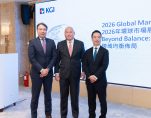

 https://www.kgi.com.hk/en/
 https://www.linkedin.com/company/kgi-hongkong/
 https://www.facebook.com/KGI.HongKong?mibextid=JRoKGi&rdid=a4NoCGXY72nFghtQ&share_url=https%3A%2F%2Fwww.facebook.com%2Fshare%2F15kKKLreMr%2F%3Fmibextid%3DJRoKGi#

 https://www.instagram.com/kgi.hongkong?igsh=MTI5ems1ZzNlZ3YyMQ==

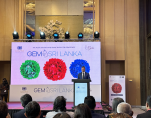











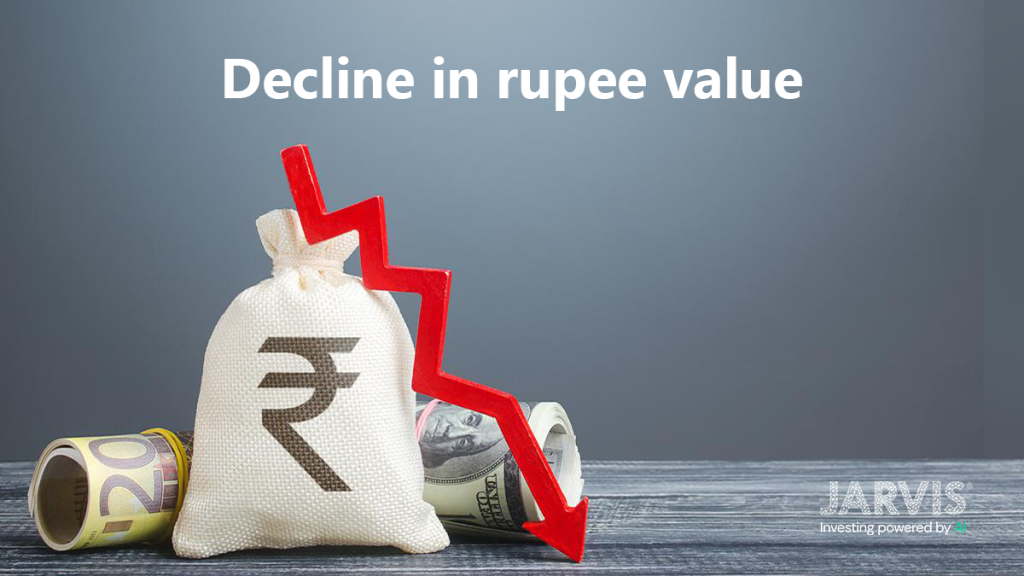


 https://x.com/aeonbankmy