News related to
Japan

TAIPEI, TAIWAN – Media OutReach Newswire – 3 November 2026 – Ondine Capital today announced the successful first close of its third USD-denominated VC fund. Ondine Capital Fund III has secured commitments from top-tier institutional and strategic limited partners, including several leading semiconductor enterprises in Taiwan.

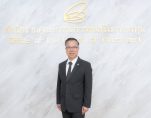
Ondine Capital's newly appointed partner: Brian Yen
Ondine Capital’s newly appointed partner: Brian Yen

Building on the firm’s deep-rooted expertise in semiconductors and deep technology, Ondine Capital Fund III will invest across the full AI value chain—spanning AI foundation models, next-generation semiconductors, AI infrastructure, AI-native software, and physical AI applications.

Ondine Capital Fund III’s early portfolio highlights include:

  • Recursive Superintelligence: Founded by former Salesforce Chief Scientist Richard Socher and built by veteran researchers from OpenAI, Google, and Meta, the startup focuses on recursive self-improving AI systems. It recently raised $650 million at a $4 billion pre-money valuation led by Google Ventures, with participation from Nvidia and AMD.
  • Bot Auto: Founded by Xiaodi Hou (former co-founder and CTO of TuSimple), this Houston-based physical AI startup specializes in autonomous freight transportation. Bot Auto recently partnered with Ryan Transportation to launch driverless freight operations along the Houston-Dallas corridor.
  • Salience Labs: Founded by Vaysh Kewada and Johannes Feldmann, the company develops silicon-photonics optical switching technology for AI data centers. Partnering with Tower Semiconductor, Salience Labs recently closed a $125 million financing round led by Bullhound Capital, with strategic backing from AMD Ventures and Intel Capital.

Partner Appointment to Boost Global Ecosystem

Coinciding with the first close, Ondine Capital announced the appointment of Brian Yen as Partner, reinforcing the firm’s global sourcing and founder network.

Prior to joining Ondine Capital, Brian Yen served as Principal and Head of the Taipei Office at Headline Asia, where he cultivated an extensive network across Japan, Taiwan, and Southeast Asia. His investment track record spans consumer technologies, agentic services, and physical AI, with notable investments including respond.io, forest inc., Braid, and iMotorbike. At Ondine Capital, Brian Yen will focus on backing early-stage founders building intelligent software and physical AI platforms.

“The convergence of AI and semiconductors is unleashing unprecedented opportunities across global tech,” said Brian Yen. “As these technologies mature, we anticipate monumental value creation throughout the entire stack. Through Fund III, we look forward to empowering visionary founders who are shaping the future of computing and industry applications.”

Ondine Capital continues to actively deploy capital and evaluate global investment opportunities in breakthrough, category-defining companies across the AI and semiconductor landscape.

Hashtag: #OndineCapital #RSI #BotAuto #SalienceLabs

The issuer is solely responsible for the content of this announcement.

About Ondine Capital

Ondine Capital is a premier venture capital firm focused on frontier technologies, including semiconductors, artificial intelligence, enterprise software, clean energy, and emerging technology platforms. The firm backs visionary founders from inception, providing strategic support and access to a robust global network of industrial partners, investors, and entrepreneurs.


Partners with MAGURO Group and The Coral Lounge to Enhance Travel, Dining and Lifestyle Experiences Beyond Hotel Stays

BANGKOK, THAILAND – Media OutReach Newswire – 3 November 2026 – ONYX Hospitality Group, a leading hospitality management company specialising in hotels, resorts, serviced apartments and luxury residences across Asia Pacific, continues its year-long 60th anniversary celebrations by expanding its network of strategic partners through ONYX Rewards. Spanning the travel, dining and lifestyle sectors, these collaborations build on more than six decades of hospitality expertise to deliver greater value to members beyond their hotel stays, while creating opportunities for long-term growth and shared value with business partners.

ONYX Hospitality Group Expands Strategic Partnerships through ONYX Rewards

As part of this ongoing expansion, ONYX Hospitality Group has partnered with two organisations: MAGURO Group, a premium Japanese restaurant operator, and The Coral Lounge, a premium airport lounge provider. These partnerships enhance the ONYX Rewards experience through exclusive benefits and experiences covering every stage of the customer journey, from travel and hotel stays to everyday life.

The collaborations reflect the continued evolution of ONYX Rewards from a hotel guest benefits programme into a platform connecting members with a broader range of travel, dining and lifestyle experiences under the concept “Every Stay Becomes More”. Through joint marketing initiatives across ONYX Hospitality Group’s and its partners’ channels, the partnerships also aim to reach new customer segments, connect customer bases across brands, strengthen long-term member engagement and support mutual business growth. ONYX Rewards currently has more than 1.8 million members and a network of over 14 key partners.

Pornthip Paothong, Vice President, Marketing, ONYX Hospitality Group, said: “As ONYX Hospitality Group celebrates its 60th anniversary throughout 2026, we are not only reflecting on the achievements and experience gained over the past six decades, but are also building on our strong foundations to create new opportunities for the future. ONYX Rewards plays a key role in extending our relationships with customers beyond their hotel stays. This strategy is not simply about offering more benefits or discounts, but about developing meaningful collaborations with like-minded partners that bring together the strengths of each business to enhance customer experiences and create shared business value.

“Our partnerships with MAGURO Group and The Coral Lounge represent another step in making ONYX Rewards an integral part of our members’ lifestyles and travel journeys, offering access to a wider range of experiences. At the same time, these collaborations create opportunities for ONYX Hospitality Group and our partners to reach new customer segments, strengthen brand engagement and build lasting relationships under the concept ‘Every Stay Becomes More’.”

Extending the ONYX Rewards Experience into Dining with MAGURO Group

The partnership with MAGURO Group, which operates premium Japanese dining brands including MAGURO, MAGURO KAPPOU and HITORI SHABU, reflects a shared commitment to quality, attention to detail and the delivery of meaningful customer experiences.

MAGURO Group places particular emphasis on sourcing high-quality ingredients from Japan and trusted suppliers, complemented by attentive service designed to exceed customer expectations. This philosophy aligns closely with ONYX Hospitality Group’s approach to hospitality, which focuses on creating memorable experiences through a deep understanding of guests’ needs and thoughtful attention to detail.

While operating in different sectors, both organisations share a commitment to delivering meaningful customer experiences. The partnership extends the ONYX Rewards experience beyond hotel stays into dining and everyday lifestyle activities. It also creates opportunities to connect the customer bases of ONYX Rewards and MAGURO Group’s Give More+ Club, encouraging greater member engagement and strengthening long-term relationships between the two brands.

Enhancing the Travel Experience with The Coral Lounge

In the travel sector, ONYX Hospitality Group has partnered with The Coral Lounge, a premium airport lounge provider, to extend ONYX Rewards benefits to the pre-departure travel experience.

ONYX Rewards members will enjoy exclusive privileges at seven departure lounges operated by The Coral Lounge located at Suvarnabhumi, Don Mueang, Phuket, Chiang Mai, Chiang Rai, Udon Thani and Hat Yai airports. These lounges offer services and facilities designed to provide greater comfort and convenience throughout the travel experience.

The partnership reflects ONYX Hospitality Group’s approach to creating a more seamless customer journey, from pre-departure experiences and hotel stays to the return journey. By extending its commitment to guest care beyond the hotel environment, ONYX aims to deliver meaningful experiences at more touchpoints throughout members’ journeys.

The collaboration also provides The Coral Lounge with opportunities to connect with ONYX Rewards’ extensive membership base, particularly customers with an interest in travel and tourism. Through joint marketing initiatives, both organisations aim to strengthen brand awareness, broaden customer engagement and contribute to the continued development of ONYX Rewards as a strategic partnership network that creates shared value.

Building a Stronger Lifestyle Ecosystem through ONYX Rewards

Benefits under the partnerships with MAGURO Group and The Coral Lounge have been available to ONYX Rewards members since 15 October 2026. These collaborations mark another step in connecting members with a wider range of travel and lifestyle experiences, responding to the evolving needs of customers seeking greater value from travel and everyday life.

As ONYX Hospitality Group marks its 60th anniversary, the company remains committed to building on its six decades of hospitality expertise to create meaningful experiences that meet increasingly diverse customer needs. Beyond delivering memorable hotel stays, ONYX continues to expand opportunities for customers to engage with its brands through experiences that extend beyond the hotel environment.

This commitment reflects the concept “Every Stay Becomes More” and the ambition to create “More Reasons to Return”, ensuring that every experience strengthens the lasting connection between customers and ONYX Hospitality Group’s brands.

Hashtag: #ONYXHospitalityGroup

The issuer is solely responsible for the content of this announcement.

About ONYX Hospitality Group

ONYX Hospitality Group, a reputable force in the Asia-Pacific hospitality industry, operates a portfolio of distinct yet complementary brands – Amari, OZO, Shama and Oriental Residence – catering to the distinctive needs of discerning business and leisure travellers across the region where it has deep expertise. In addition to its brand portfolio, ONYX Hospitality Group also offers additional hospitality services in spa and food and beverage. With six decades of management experience, the company extends its innovative solutions throughout the region, upholding internationally recognised standards and maintaining operational flexibility. By fostering enduring relationships with like-minded business partners, ONYX Hospitality Group delivers unparalleled experiences in a dynamic and competitive market, meeting the ever-evolving demands of travellers.

More information:
Find us on social media:
Instagram:
LinkedIn:
Facebook:

Artificial intelligence developer Anthropic plans to offer shares worth up to 552.9 billion yen ($3.5 billion) to investors in Japan as part of its proposed US stock market debut, according to a regulatory filing released on Monday. The planned allocation represents a significant international component of the company’s initial public offering, potentially giving institutional and other eligible investors in Japan direct access to one of the largest […]

Japan is prepared to intervene against disorderly currency movements and excessive speculation, Finance Minister Satsuki Katayama said on Monday, reaffirming close coordination with the United States ahead of its congressional midterm elections.

Katayama said Tokyo would continue operating under its existing understanding with Washington regardless of the election outcome, maintaining a common commitment to orderly foreign exchange markets while each government pursues its own economic objectives.

“We issued a joint statement together, and we will act in line with that,” she told a regular news conference. “If there are disorderly moves or excessive speculative movements, we will take action.”

Her comments came as investors assessed the implications of Tuesday’s American elections for the dollar, US government bond yields and the yen. The vote will determine control of the House of Representatives and Senate, potentially altering President Donald Trump’s legislative prospects.

Katayama stressed that Japan’s engagement with the US Treasury was continuing and that a change in congressional control would not automatically alter the officials responsible for currency discussions. Treasury Secretary Scott Bessent is her American counterpart.

“We have been in constant talks with them and will continue to do so,” she said, emphasising the importance of preventing disruptive movements rather than defending any particular exchange rate.

The yen traded around 157.8 against the dollar on Monday, remaining under pressure as traders weighed the possibility of renewed official efforts to support the currency. Katayama declined to judge whether the prevailing exchange rate was appropriate or to identify a threshold that might trigger official action.

She said market conditions had improved compared with the period when the Japanese currency weakened beyond 160 per dollar. Nevertheless, the government remained concerned about excessive volatility and transactions driven by speculation.

“I believe there is absolutely no wavering on either side in seeking to prevent excessive volatility, speculative moves and disorderly market developments, while pursuing our respective policy objectives,” Katayama said.

The distinction between exchange rate levels and the speed of currency movements is important for Japan’s intervention policy. Officials have repeatedly avoided committing themselves to a fixed dollar-yen rate, leaving room to respond when trading conditions threaten broader financial stability.

Monday’s remarks did not constitute an announcement of fresh intervention. They instead reiterated that the authorities retain the option of action and intend to consult Washington when necessary to preserve confidence in the functioning of international currency markets. Neither government disclosed a new operation or a revised bilateral arrangement on Monday.

Japan and the United States carried out coordinated yen-buying intervention on 31 July after persistent currency weakness raised concerns about market instability. Subsequent discussions between Katayama and Bessent reaffirmed their intention to discourage disorderly trading and maintain communication between their financial authorities.

At a meeting in North Carolina in August, the two finance chiefs agreed to continue cooperating on orderly currency movements. Katayama subsequently repeated that the policy stance established following their joint market action had not changed.

That understanding provides the immediate context for her latest assurances. It does not mean that every fluctuation in the yen will prompt intervention, or that the two governments necessarily share identical preferences about the currency’s value.

The approaching US elections add uncertainty because shifts in expectations for American fiscal policy can affect Treasury yields and the dollar. A change in the outlook for government borrowing or spending could influence the interest rate differential that helps shape demand for yen-denominated assets.

Such market responses remain contingent on the election result and subsequent policy decisions. Katayama offered no forecast for the vote or specific projection for the yen, concentrating instead on the established mechanism for communication with Washington.

Japan’s authorities also face domestic concerns surrounding the currency. A weaker yen can increase the local cost of imported fuel, food and other goods, complicating efforts to contain household expenses. Exporters, meanwhile, can benefit when overseas earnings are translated into yen, although the effects differ across businesses.

Prime Minister Sanae Takaichi has acknowledged problems associated with an undervalued yen. Katayama referred to shared concerns expressed by Takaichi and Trump during their September discussions, while making clear that maintaining orderly trading remained the operational priority.

The finance minister also addressed fiscal administration on Monday, saying the government would seek greater precision and transparency in its estimates of tax revenue. Her comments on the budget came separately from the currency assurances.

Japan’s government is tightening cybersecurity measures after breaches exposed information held by ministries, financial firms and technology providers, while investigators examine attacks that have disrupted trading and public services.

The Foreign Ministry disclosed on October 30 that approximately 3,600 sets of personal information might have been compromised through unauthorised access to its network. The records included names and email addresses, with around 900 belonging to people outside the ministry. Officials said confidential information was held on a separate network and had not been affected.

The ministry detected the intrusion on July 27, blocked access and invalidated credentials. An external investigation subsequently identified possible exposure. Authorities said there was no evidence that the information had been misused, and pledged stronger authentication and monitoring.

The disclosure followed an October 28 announcement by the Ministry of Economy, Trade and Industry concerning unauthorised access to the website of the Electricity and Gas Market Surveillance Commission. The incident added another government service to the expanding list of targets, although its full consequences remained unclear.

Prime Minister Sanae Takaichi convened a ministerial cybersecurity meeting on October 26 and ordered urgent countermeasures. She highlighted large-scale information leaks and the danger of stolen records being exploited for further attacks. The government also instructed agencies to improve assistance for affected organisations through the police and the Information-technology Promotion Agency.

Financial markets have faced direct losses from intrusions. Finance Minister Satsuki Katayama identified five foreign-exchange brokers whose customers experienced unauthorised transactions apparently connected to compromised servers operated by GMO Internet. The companies were Goldenway Japan, Oanda Japan, Ava Trade Japan, Gaitame Finest and Dukascopy Japan.

The brokers restricted affected accounts, blocked suspicious overseas orders and reset passwords. Katayama said on October 27 that regulators had received no reports of additional fraudulent transactions. The Financial Services Agency asked trading firms to strengthen surveillance and encourage customers to change credentials.

GMO shut down an affected cloud trading service on October 21 after discovering unauthorised access. The company subsequently acknowledged that material purportedly belonging to customers had been published online, while investigators continued checking its authenticity and the extent of exposure.

The company promised compensation for losses associated with fraudulent trading and offered affected users alternative services. It also rejected an extortion demand. Tokyo police opened an investigation into suspected violations of legislation governing unauthorised computer access.

Separately, IwaiCosmo Securities disclosed that an attack on technology provider Trade Works resulted in unauthorised orders involving seven customer accounts. Transactions were executed through five accounts, while personal information concerning 4,975 people was exposed. The brokerage said the leaked information could not itself be used to access trading accounts.

The National Cybersecurity Office has warned that intrusions are affecting organisations across numerous industries. Its October guidance emphasised protecting web applications, monitoring suppliers and controlling access to sensitive information. Financial regulators separately instructed institutions to examine third-party exposure and incident-response arrangements.

Artificial intelligence is complicating those efforts. Japan’s National Institute of Information and Communications Technology warned on October 13 that attackers were using increasingly sophisticated vulnerability discovery techniques, including methods that analyse mobile applications to identify weaknesses in connected servers.

GMO’s information-security division separately said its investigation had identified the use of a Chinese-developed artificial intelligence security tool called Artex in attacks directed predominantly at Japanese targets. That finding does not establish that artificial intelligence was involved in every breach or identify the operators responsible for individual incidents.

Cybersecurity company TrendAI counted 331 unauthorised-access incidents among Japanese organisations during January through September, representing 54.5 per cent of the incidents in its analysis. The classification covers different methods and does not necessarily indicate the same perpetrators or a coordinated campaign.

The growing exposure has also prompted scrutiny of authentication practices and outsourced infrastructure. Regulators have urged organisations to review vulnerabilities before attackers exploit them, strengthen access controls and prepare procedures for containing breaches. Particular attention has been directed towards information stolen from service providers that could subsequently enable attacks against their customers.

The Japan External Trade Organization disclosed on October 27 that its e-Venue business-matching platform had suffered unauthorised access on three dates between September and October. It said up to 133 personal-information records might have been exposed and suspended the service while specialists investigated.

JETRO had separately confirmed exposure of 743 records after attacks on other websites beginning October 14. The organisation notified affected businesses and contacts and established temporary online facilities while reviewing security arrangements.

A suspected China-linked hacking operation compromised Palo Alto Networks firewalls and penetrated a US government-affiliated network, using chained software vulnerabilities to obtain administrator-level control, cybersecurity investigators have disclosed. Palo Alto Networks confirmed on October 29 that its Unit 42 researchers had independently verified the attacker’s tools and findings published by cybersecurity company Dream. The company urged customers to install available security fixes and remove public internet access […]

BANGKOK, THAILAND – Media OutReach Newswire – 31 October 2026 – Celebrating 79 years, Central Department Store, under Central Retail, transforms Central Chidlom into a spectacular “Dream Garden” filled with flowers, art, fashion, food and exciting experiences! Running from 29 October – 2 November 2026, this spectacular flower festival brings five must-experience highlights to the heart of Bangkok.

original-FA95D44F-9B6A-4882-B6D0-E3B06FBF1948.jpeg

A Star-Studded Opening Celebration

The festival kicked off with fan-favorite duo Namtan Tipnaree and Film Rachanun, who brought their charm and creativity to the celebration, featuring a special charity art auction of their artworks. All proceeds will benefit the Kamlangjai Project, supporting opportunities and new beginnings for inmates and former inmates. The excitement continued with a special mini concert by Billkin Putthipong, followed by electrifying music from DJ ROOTS and PATRA B, making it a night to remember.

And the excitement doesn’t stop there. Here are 5 reasons to experience this year’s spectacular flower festival.

1. Six Floral Worlds, Endless Photo Opportunities

Explore six picture-perfect floral worlds across Floors G–5: WHITE VIBE, featuring elegant white blooms and a 3.8-metre giant vase; SWEET BREEZE, with ballet-inspired floral displays; GOOD MOOD, a pastel meadow with 31 adorable sheep sculptures; THE HIDDEN WONDER OF TREE ROOTS, an imaginative nature-inspired installation; HANG HANG, showcasing vibrant hanging floral art; and KEEP SMILING, a playful meadow with charming dog sculptures. Every floor offers a picture-perfect moment!

2. Discover Art & Flowers by Japanese Artist YUTA OKUDA

Experience a stunning Art & Flower Installation by YUTA OKUDA, featuring colourful handcrafted flowers made from corn husks, at the connecting tunnel between Central Chidlom and Central Embassy. Continue your creative journey with “A Canvas to Carry: Tote Bag Painting Workshop” on Floor 5 at Central Embassy.

3. Get Creative with DIY Workshops & AI Beauty Experiences

Enjoy hands-on activities including Blooming Keychain, Flower Patch on Tote, Malai Bar & Styling (traditional Thai floral garlands reimagined as fashion accessories), Resin Mobile Case, Hammered Flower Art and Perfume Atelier workshops.

Discover CENTRAL SKIN AI, offering AI-powered skin analysis in approximately five minutes, along with complimentary skincare samples at Beauty Galerie, Floor G. Step into a 3D floral world at Samsung Flower Galaxy Studio, and join the Flower Stamp Rally across eight locations for a THB 100 dining voucher, limited to 100 redemptions.

4. Taste Exclusive Floral Menus from 10 Popular Restaurants

Discover floral-inspired dishes and drinks from Weng, Shichi, Mozza by Cocotte, Ăn Cơm Ăn Cá, The Rolling Pinn, Greyhound, Pash Juices, Taproom, Aeb Zaab Songprapa and Lofter. Don’t miss Blossom Bedazzling and the Blooming Wall at Lofter, Floor 6, plus traditional Thai floral-inspired desserts at Eathai, Central Embassy.

5. Shop Exclusive Collections & Enjoy Over THB 8 Million in Rewards

Enjoy up to 30% off new arrivals, plus Only at Central, Limited Edition and New Drop collections from brands including Estée Lauder, La Mer, Mardi Mercredi, SEIKO, adidas and Pandora. Get combined shopping privileges of up to 32% and discover exciting rewards.

At Central Chidlom, spend THB 5,000 in a single receipt to enter the CENTRAL WONDERS BLOOM MYSTERY BOX, featuring over 3,000 prizes. Fitness lovers can join RUN FOR REWARDS for a THB 400 shopping discount coupon upon presenting proof of a 5 km or 10 km run. Additional privileges await international visitors and The 1 Expat members.

One Destination, Endless Reasons to Visit. From art and creativity to dining and shopping, experience a world of Good Mood & Good Vibes in the heart of Bangkok.

Central Chidlom, Bangkok
29 October – 2 November 2026

Activities, promotions and privileges are subject to terms and conditions. Selected workshops require qualifying purchases.

Hashtag: #CentralAnniversary2026 #WhereWondersBloom #CentralDepartmentStore #CentralChidlom

The issuer is solely responsible for the content of this announcement.

Advertisements

Publicly listed companies now hold approximately 1.3 million Bitcoin, an increase of 31% over 14 months, although most of the expansion came from a single company, according to new figures released by blockchain analytics firm CryptoQuant. Strategy, the Bitcoin investment company chaired by Michael Saylor, accounted for 71% of the increase in corporate holdings, highlighting the growing concentration of digital assets among listed businesses despite wider adoption […]

Munich-based Proxima Fusion has signed two agreements with Japanese technology companies to develop essential components for its planned fusion reactors, extending its manufacturing partnerships as it prepares to build a demonstration machine in Germany.

The memorandums of understanding, signed in Tokyo on Wednesday during German Chancellor Friedrich Merz’s visit to Japan, cover superconducting materials and equipment for heating and fuelling plasma. Proxima will collaborate with Fujikura on high-temperature superconducting tape and with Kyoto Fusioneering on specialised reactor systems.

The agreements are preliminary arrangements rather than binding purchase orders or commitments to construct manufacturing facilities. Financial terms and delivery schedules have not been disclosed, leaving the scale of any eventual procurement dependent on further negotiations and technical work.

Under the Fujikura agreement, the companies will examine the feasibility of establishing a factory in the German state of Lower Saxony to manufacture high-temperature superconducting tape, known as HTS tape. The material is used to make powerful magnets that confine extremely hot plasma inside fusion machines.

Proxima estimates that its Alpha demonstration stellarator will require approximately 20,000 kilometres of tape. Each subsequent Stellaris commercial power plant would need around 40,000 kilometres, making dependable manufacturing capacity central to its development plans.

The collaboration follows Proxima’s September memorandum of understanding with Lower Saxony concerning a large-scale European production facility. The proposed project’s first two phases envisage investment of approximately €140 million through 2029, with public and private financing expected to contribute equally. The state has identified €21 million as its intended contribution.

The latest Fujikura arrangement concerns feasibility work and does not establish that the proposed factory has secured final financing, regulatory approvals or a construction timetable. Fujikura already manufactures superconducting tape and supplies other fusion developers, giving it industrial experience in a material whose production requires demanding quality controls.

Fujikura announced in September a separate long-term agreement to supply more than 10,000 kilometres of superconducting tape to US-based Commonwealth Fusion Systems for its planned ARC power plants. That contract also involves expansion of the Japanese manufacturer’s production capacity.

Proxima’s second agreement brings Kyoto Fusioneering into work on gyrotrons, devices that generate high-power microwaves to heat plasma, and fuel-cycle technology used to manage the hydrogen isotopes required for fusion reactions. Both systems are essential to operating a reactor beyond the magnetic confinement stage.

Kyoto Fusioneering is also expected to contribute technology to Germany’s national Fusion Hubs programme, which was launched with an initial €125 million in research funding. The collaboration connects a Japanese supplier specialising in fusion engineering with Proxima’s reactor development and Germany’s broader industrial research effort.

The company has experience developing plasma-heating equipment and integrated fuel-handling technologies. Its engineering activities include work on gyrotrons and experimental systems designed to test processes needed for future fusion plants. The agreement with Proxima does not itself constitute a confirmed equipment delivery.

Proxima develops stellarators, a type of fusion device that uses carefully shaped magnetic fields to hold plasma in place. Its approach differs from the tokamak configuration pursued by several other fusion developers, although both depend on advanced magnets and systems capable of sustaining demanding operating conditions.

The company’s Alpha demonstrator is intended to operate in the early 2030s and test whether its stellarator design can achieve net energy gain from fusion. Its Stellaris concept is intended as a subsequent electricity-producing plant at Gundremmingen, the site of a former nuclear power station in Bavaria.

Proxima raised €411 million in July to support its development programme. The company emerged from the Max Planck Institute for Plasma Physics in 2023 and has assembled partnerships with engineering and manufacturing businesses as it moves towards constructing its first major machine.

Neither the Alpha timetable nor the commercial ambitions establish that fusion electricity production has been demonstrated at an economically viable scale. Substantial engineering, testing and regulatory work remains before a commercial plant can supply electricity to the grid.

The company’s manufacturing strategy also reflects the substantial quantities of specialised materials required for stellarator construction. Superconducting tape must meet stringent performance specifications, including its ability to carry large electrical currents while exposed to strong magnetic fields and extremely low temperatures.

Fujikura and Kyoto Fusioneering were already listed among participants in Proxima’s Alpha Alliance, an industrial network bringing together companies with expertise in materials, components and reactor engineering. The new memorandums identify more specific areas for cooperation within that wider group.

New capital positions the robotics and industrial automation group to expand hardware automation across KitchenBASE sites in Hong Kong, Singapore, Taiwan, Japan, Korea, and Australia

HONG KONG SAR – Media OutReach Newswire – 27 October 2026 – Six markets across Asia-Pacific stand to gain from a $1.7 billion investment into Atoms, the robotics and industrial automation group founded by Uber co-founder Travis Kalanick. Andreessen Horowitz (a16z) led the round, joined by Uber, Bain Capital, Fifth Wall, and other institutional investors. The result strengthens a group that includes KitchenBASE, a commercial kitchen network spanning six of the most active food markets in the region.

New Capital, New Capability

The a16z-led round also adds Ben Horowitz, co-founder of the firm, to the Atoms board. This positions the group to push harder into robotics across food, mining, and transport. Within Atoms Food, KitchenBASE sits alongside hardware projects such as automated bowl-builders and order conveyance robots built to cut labour friction inside commercial kitchens. Fresh capital gives these projects more room to develop, with knock-on gains for the KitchenBASE network across Hong Kong, Singapore, Taiwan, Japan, Korea, and Australia.

A Boost for Regional Operators

For operators across Asia-Pacific, the benefits are practical. KitchenBASE facilities come licensed and ready-to-fit, and this lets food businesses move in under flexible contracts without the capital outlay of a traditional lease.

Brands that want to test a single market or push into several at once find a foothold in high-demand delivery zones across all six markets. New investment from Atoms in hardware automation and physical workflow management is expected to further sharpen efficiency and reliability, giving KitchenBASE operators a faster path to scale.

Hashtag: #ATOMS

The issuer is solely responsible for the content of this announcement.

About Atoms

is an industrial automation and robotics company founded by . Atoms Food includes KitchenBASE alongside food-tech hardware projects. Autonomous haulage and machine systems sit under Atoms Mining. Robotic wheelbases and autonomous movement systems for heavy industry fall under Atoms Transport.

About KitchenBASE

is the food infrastructure arm behind six brands trading across Asia-Pacific. Formally known as in Hong Kong, in Singapore, in Taiwan, in Japan, in Korea, and in Australia. Each brand equips food businesses with licensed kitchen space built for speed to market, so operators can rely on a steady base to launch, test, and expand.

SINGAPORE – Media OutReach Newswire – 27 October 2026 – Singapore fashion label Anmako has launched the SEISO Collection, a new range of occasion wear in Singapore designed for weddings, celebrations, formal events and professional settings.

Anmako Launches SEISO, a New Occasion Wear Collection in Singapore

Officially launched on 21 August 2026, the collection takes its name from the Japanese term 「正装」, meaning “formal wear”, reflecting its focus on clothing for special occasions.

The collection was developed in response to customer demand for occasion wear, particularly for clothing suited to weddings, anniversaries and other significant events. It also expands the brand’s existing range, which covers everyday, holiday and formal wear.

The SEISO Collection incorporates heritage-inspired fabrics and silhouettes into contemporary designs. Traditional elements have been retained and adapted to create pieces intended to remain relevant beyond a single season.

“The SEISO Collection elevates our signature designs and craftsmanship into a more refined collection created especially for formal and meaningful occasions,” said Eiko Sumantri, Director of Anmako.

Batik Tulis Features Across the Collection
Batik Tulis is one of the main materials used in the SEISO Collection. Anmako’s batik fabric is mainly produced in Pekalongan and Cirebon, with many pieces made in limited quantities or as one-of-a-kind designs.

The collection also includes Batik Tulis Prada, a type of Batik Tulis featuring gold detailing. SEISO is also the brand’s first collection to include Natural Dye Batik Tulis.

Produced using plant-based dyes, the natural-dye fabric appears in softer shades such as smoky green and blue. It is used in the Batik Tulis Natural Dye Dress, providing a more understated contrast to the brighter colours found in some of the cotton-and-silk Batik Tulis pieces.

Contemporary Adaptations of Traditional Silhouettes
Several designs in the collection reinterpret traditional garment forms for contemporary use.

The Sarong Skirt takes inspiration from the traditional sarong but uses a back zip instead of a wrap-and-tie construction. This allows the skirt to retain the overall appearance of a sarong while making it easier to wear.

The Batik Tulis Cotton/Silk Cheongsam Dress expands on Anmako’s approach to the batik cheongsam by combining a cheongsam silhouette with Batik Tulis fabric. The cotton-and-silk blend gives the material a subtle sheen compared with pure cotton, making it more suited to formal occasions.

The collection also includes the White/Gold Lace Dress, which differs from many of Anmako’s existing designs as it uses neither batik nor Japanese fabric. The dress features a clean silhouette with gold detailing, adding another option to the SEISO range.

Most of the occasion wear pieces in the SEISO Collection are one of a kind.

Designed for a Range of Formal Occasions
Anmako developed SEISO for customers looking for occasion wear for weddings, graduation ceremonies, conferences, important meetings, festive celebrations and other significant occasions.

The designs have also been kept relatively timeless so that they can be worn beyond a single event or season. Through the collection, Anmako continues to incorporate traditional textiles and garment influences into clothing made for contemporary use.

“We developed SEISO in response to customers looking for distinctive occasion wear pieces for weddings, anniversaries and other special occasions,” said Eiko. “It gave us an opportunity to bring the fabrics and craftsmanship associated with Anmako into a collection created specifically for these moments.”

The SEISO Collection is available at Anmako’s store on Level 3 of Takashimaya and through the Anmako online store, with prices ranging from S$229 to S$899.

The collection will remain available throughout the rest of 2026 and through the Chinese New Year period in 2027.Hashtag: #Anmako

The issuer is solely responsible for the content of this announcement.

About Anmako

Anmako is a Singapore fashion label inspired by the city’s lifestyle and cultures. Its collections include clothing for everyday wear, holidays and formal occasions, with a focus on distinctive fabrics, craftsmanship and contemporary interpretations of traditional design.

Arabian Post Staff -Dubai Singapore and Saudi Arabia have agreed to pursue underground crude oil storage on Jurong Island from the second half of 2027, strengthening supply safeguards amid disruptions caused by the war involving Iran. The two governments announced the proposed arrangement on Monday as Saudi Aramco exchanged a memorandum of understanding with Singapore’s Energy Market Authority and industrial infrastructure agency JTC Corporation during Singapore International […]

Thailand has attracted 35 advanced materials investment proposals worth approximately $690 million as demand for artificial intelligence hardware, electric vehicles and clean-energy equipment encourages manufacturers to expand local production.

The Thailand Board of Investment (BOI) said on Saturday that applications submitted between 2023 and the first half of 2026 totalled 23.5 billion baht. The proposed projects cover specialised components and industrial materials used in electronics, batteries, electric motors and hydrogen technologies.

The figures represent investment applications rather than completed expenditure. The agency did not provide a breakdown of project approvals, construction schedules or the amount already invested, leaving the pace at which the proposed capacity will become operational unclear.

Narit Therdsteerasukdi, secretary-general of the BOI, said domestic production of sophisticated materials could reduce dependence on imports and allow Thai suppliers to participate in higher-value international manufacturing networks. The agency wants to develop industries supplying essential inputs rather than relying principally on assembly operations.

The applications include multilayer ceramic capacitors, graphite films used for heat management, engineered ceramics, neodymium magnets, materials for batteries and fuel cells, and specialised glass and quartz fabrics used in printed circuit boards. Nanomaterials for precision manufacturing are also represented.

Such products are important to increasingly powerful computing equipment. Multilayer ceramic capacitors help regulate electrical power in electronic circuits, while graphite films dissipate heat generated by densely packed components. The BOI said a high-end AI server can contain as many as 30,000 ceramic capacitors, illustrating the scale of demand associated with advanced computing infrastructure.

Among the companies identified by the agency, Taiwan’s Fultech Fiber Glass produces glass fabrics for circuit boards, including higher-performance varieties suitable for AI servers. Jones Tech manufactures synthetic and natural graphite films designed to transfer heat away from electronic devices.

Other projects target electric transport and energy storage. BGN Thai produces coated foils for lithium-ion batteries, while Phinis Well manufactures neodymium magnets used in electric motors. Xinyuan Graphite supplies bipolar plates for hydrogen fuel cells, extending the range of technologies covered by the investment pipeline.

CoorsTek Advanced Materials, part of the US-based ceramics group CoorsTek, has invested in engineered ceramics used in automotive pressure sensors and silicon nitride balls for hybrid bearings. Those bearings have applications in electric vehicles and wind turbines. Golden Egret Cemented Carbide produces tungsten carbide powders for precision cutting tools.

Thailand already hosts established electronic component manufacturers, including Japan’s Murata Electronics and Kyocera AVX Components. The BOI cited these operations as part of the industrial base supporting the proposed expansion into more specialised upstream production.

The announcement follows broader growth in investment applications for technology-intensive industries. BOI figures released for the first half of 2026 showed total applications rising 37 per cent from a year earlier to approximately 1.47 trillion baht across 1,299 projects. Digital infrastructure, including data centres, accounted for a substantial share of the total.

Those economy-wide figures are separate from the 23.5 billion baht advanced materials pipeline, which covers applications accumulated over a longer period. Comparing the two as if they represented the same reporting window would overstate the scale of the materials industry’s immediate expansion.

The government’s electronics strategy has also focused on printed circuit boards, a manufacturing segment closely linked to AI servers and communications equipment. Authorities announced approvals for further expansion by three circuit-board manufacturers involving more than $668 million in investment, with over 5,000 additional jobs expected from those projects.

Electric vehicle manufacturing provides another source of potential demand. BOI data published in September placed cumulative approved investment across Thailand’s electric vehicle supply chain at approximately $4.59 billion through August, covering vehicle assembly, batteries and key components. That total concerns a different investment category and should not be added to the newly disclosed applications without checking for overlap.

Narit said the agency would continue supporting research, technology development and workforce training alongside investment promotion. Its stated objective is to increase the share of advanced materials and components manufactured domestically for regional and international customers.

The investment drive also reflects Thailand’s efforts to attract suppliers serving multiple industries, rather than individual product categories. Manufacturers of specialised materials can potentially supply electronics, automotive and renewable-energy customers through overlapping production capabilities and established distribution networks.

The BOI calculated the dollar equivalent of the latest proposals using an exchange rate of approximately 33.76 baht to the US dollar. The agency, established in 1966, administers investment promotion for both domestic and foreign businesses.

OpenAI is nearing a funding round of up to $30 billion at a proposed $1.25 trillion valuation, below the $1.4 trillion initially discussed with investors, as negotiations enter their final stages. The revised figure represents a $150 billion reduction in the ChatGPT developer’s valuation target, although the financing remains under discussion and neither the amount raised nor the final price has been confirmed. OpenAI has not publicly […]

Madhya Pradesh has placed a proposed ₹6,200 crore advanced semiconductor packaging facility at the centre of its investment strategy as Chief Minister Mohan Yadav unveiled fresh technology commitments at the Semiconductor Summit 2026 in Indore.

The two-day summit, inaugurated on Friday at the Brilliant Convention Centre, attracted investment proposals worth approximately ₹5,800 crore, potentially generating more than 10,000 jobs. Separately, five companies received letters of intent for land allocation covering projects valued at ₹9,625 crore.

The proposed semiconductor facility, involving Paras Semiconductors, a subsidiary of Paras Defence and Space Technologies, represents one of the state’s largest identified investments in advanced chip packaging. The company signed a memorandum of understanding with the state government on July 22 for a greenfield outsourced semiconductor assembly and testing plant.

The project is planned for the Indore-Ujjain corridor, where the government has identified approximately 50 acres for development. Its proposed capabilities include advanced packaging technologies associated with increasingly complex semiconductor devices, although commercial production schedules and confirmed manufacturing capacities remain undisclosed.

Advanced packaging allows multiple semiconductor components to be integrated within compact assemblies, improving communication between chips and potentially reducing power consumption. Technologies involving three-dimensional integration are particularly relevant to artificial intelligence accelerators, high-performance computing and specialised processors.

The proposed plant has been described as incorporating sophisticated packaging and testing capabilities. However, claims that it will become India’s first operational 3D artificial intelligence chip packaging facility remain dependent on implementation, technical specifications and the commissioning of competing projects.

Yadav said the summit demonstrated growing interest among technology companies in establishing manufacturing, research and engineering operations in Madhya Pradesh. More than 1,000 delegates participated, including representatives from Japan, South Korea, Taiwan and Sweden.

The investment proposals announced during discussions included ₹1,800 crore from Spintronics AI Semiconductors for phased development and ₹1,200 crore from Lalwala Industries for semiconductor manufacturing and chip design activities.

Other prospective investors included companies operating in electronics manufacturing, semiconductor design, healthcare technology and associated services. The government indicated that the proposals would require further approvals and implementation agreements before their anticipated employment benefits could materialise.

Among the five companies receiving land allocation letters, Cytech RE proposed a ₹6,415 crore hyperscale data centre with a capacity of 50 megawatts at Ganga Malanpur in Gwalior. The project represents the largest individual investment covered by those letters.

Una Ecosystems proposed a ₹2,000 crore lithium-cell manufacturing facility in Bhopal, while Auriga IT Solutions outlined a ₹500 crore global capability centre in Indore. Meena Circuits and Kaynes Electronics proposed electronics manufacturing investments of ₹400 crore and ₹310 crore respectively.

These investments extend beyond semiconductor fabrication and packaging, reflecting the government’s broader effort to attract data infrastructure, electronics manufacturing and technology services. The distinction is significant because the aggregate investment figures announced at the summit encompass several industrial categories rather than semiconductor production alone.

Yadav also announced plans for a Semiconductor Centre of Excellence and a separate Centre of Excellence for Photonics and Quantum Technologies. Both institutions are intended to support research, chip design, innovation and specialised workforce development.

The Madhya Pradesh State Electronics Development Corporation exchanged memoranda of understanding with five institutions, including SEMI India, Semiconductor Laboratory in Mohali and the Electronics Sector Skills Council of India.

The agreements cover technical collaboration, training, research and industry engagement. Their implementation is expected to involve cooperation between government agencies, academic institutions and private companies seeking access to specialised semiconductor expertise.

The state’s Semiconductor Policy 2025 offers financial incentives for eligible projects, including capital assistance and subsidised electricity. Officials have presented these measures as instruments for attracting investment into a sector requiring substantial initial expenditure and dependable infrastructure.

Yadav assured participating companies of administrative assistance, including streamlined approvals, single-window clearances and access to electricity supplies. He also identified the Indore-Ujjain Economic Corridor as a priority location for semiconductor packaging, electronics manufacturing and chip design.

Seven additional companies received letters of intent for office accommodation at the Electronics Complex in Pardesipura, Indore. Their proposed activities include semiconductor design, engineering services, research, artificial intelligence applications and electronics development.

The allocations cover approximately 44,816 square feet and carry projections of 1,280 employment opportunities. Among the beneficiaries are ADT Semiconductors, Spintronics AI Semiconductors, H-Semi Products and Truechip Solutions.

The summit’s programme includes technical discussions on semiconductor supply chains, advanced packaging, fabless chip design, photonics, quantum technologies and workforce requirements, alongside exhibitions involving more than 50 participating companies.

BANGKOK, THAILAND – Media OutReach Newswire – 24 October 2026 – Makers of the capacitors, magnets and battery materials inside AI servers and electric vehicles (EVs) are lining up to invest in Thailand. Since 2023, they have filed 35 advanced materials projects worth about $690 million (23.5 billion baht) with the Thailand Board of Investment (BOI), the government’s investment promotion agency. Surging demand for AI, EVs, and clean energy is pushing global suppliers to build upstream capacity in the country.

Mr. Narit Therdsteerasukdi, Secretary General of the Thailand Board of Investment (BOI)

The projects, filed through the first half of 2026, cover multilayer ceramic capacitors (MLCCs), thermal graphite films, high-performance ceramics, battery and fuel-cell materials, neodymium magnets, glass and quartz fabrics for printed circuit boards, and nanomaterials for precision manufacturing. Together they mark a shift for one of Southeast Asia’s largest economies from downstream assembly toward the high-value materials on which future industries are built.

In AI computing and clean energy, lighter, more heat-resistant and more conductive materials determine how well devices perform. MLCCs are essential components in products from smartphones to AI servers, and a single high-end server can use up to 30,000 of them.

“The world is moving toward products that are smaller and lighter, yet stronger and more efficient,” said Mr. Narit Therdsteerasukdi, Secretary General of the Thailand Board of Investment. “Producing advanced materials in Thailand is key to building sustainable industrial capacity, reducing reliance on imports, and opening the door for Thai companies to join higher-value supply chains.”

Thailand is already a production base for leading component makers, including Japan’s Murata Electronics, which holds more than 35 percent of the global MLCC market, and Kyocera AVX Components, the world’s top tantalum capacitor maker. Among the new projects, Taiwan’s Fultech Fiber Glass makes glass fabric for printed circuit boards, including high-performance grades for AI servers. Jones Tech produces synthetic and natural graphite films that carry heat away from electronic devices.

Beyond electronics, the projects strengthen supply chains for electric vehicles, batteries, and clean energy, from BGN Thai’s coated foils for lithium-ion batteries and Phinis Well’s neodymium magnets for EV motors to Xinyuan Graphite’s bipolar plates for hydrogen fuel cells.

CoorsTek Advanced Materials, a subsidiary of US-based CoorsTek — a global leader in engineered ceramics for the semiconductor and aerospace industries — has invested in producing ceramics for automotive pressure sensors and silicon nitride balls for hybrid bearings in EVs and wind turbines. Golden Egret Cemented Carbide is making tungsten carbide powders for precision cutting tools, reinforcing Thailand’s base for high-precision manufacturing.

“The advanced materials industry taking root in Thailand today is the foundation of tomorrow’s supply chains in electronics, EVs, batteries, and clean energy,” Mr. Narit said. “The BOI will keep building this investment base, strengthening upstream materials and components, and supporting R&D, technology, and workforce development, to move Thailand from downstream to upstream production and make it the region’s advanced materials hub.”

Note: USD conversions are based on the Bank of Thailand’s average selling rate of approximately 33.76 baht per USD.

Hashtag: #Thailandboardofinvestment #BOI #FDI #Investment

The issuer is solely responsible for the content of this announcement.

Thailand Board of Investment (BOI)

Established in 1966, the Thailand Board of Investment (BOI) has spent six decades promoting high-value investment from both foreign and Thai investors, strengthening the country’s competitiveness and driving its transition toward a sustainable, balanced new economy.

Investment Services Center — PR Section, Office of the Board of Investment (BOI)

555 Vibhavadi-Rangsit Road, Chatuchak, Bangkok 10900 Tel. +66 (0) 2553 8111, Fax +66 (0) 2553 8222

French health authorities have confirmed the world’s first documented human infection with Shamonda virus in a severely immunocompromised patient who died earlier this month, while emphasising that no wider public health threat has been identified. The patient was receiving treatment for a serious underlying illness at Hospices Civils de Lyon and died in early October. Officials announced the finding on Thursday, saying investigations were continuing into the […]

Japanese banks, airlines and transport operators suspended digital services as companies rushed to install emergency security patches for critical vulnerabilities in PHP, a programming language widely used across the internet. The disruptions spread across Japan on Wednesday and Thursday, affecting online banking, airline applications, airport information systems and commercial websites. Companies temporarily disabled vulnerable services while assessing their exposure to two security flaws that could allow attackers […]

BNP Paribas Asset Management is increasing its exposure to long-dated Japanese government bonds, attracted by elevated yields, a steep yield curve and strengthening evidence that domestic institutional investors are returning to the market.

The investment strategy comes as Japan’s government bond market shows signs of recovering demand after months of volatility driven by inflation, fiscal uncertainty and expectations of further monetary tightening by the Bank of Japan.

Ryutaro Kimura, senior bond strategist at BNP Paribas Asset Management, has identified improving demand from domestic investors, particularly life insurance companies, as an important development supporting longer-maturity government securities.

The strongest indication emerged at Japan’s 20-year government bond auction on Tuesday, when demand reached a record level. The bid-to-cover ratio climbed to 5.84, compared with 4.01 at the previous auction and a 12-month average of 3.73.

The exceptionally strong bidding reflected renewed appetite for securities offering higher returns than those available during Japan’s prolonged period of exceptionally low interest rates.

Kimura attributed the favourable auction outcome to recovering domestic demand, supported by elevated interest rates and easing concerns about the government’s fiscal position.

Japanese life insurers have increased their net purchases of super-long government bonds since June, providing additional evidence that institutions with long-term liabilities are rebuilding their holdings of domestic fixed-income assets.

The auction results also showed an improvement in pricing conditions. The difference between the average accepted price and the lowest accepted price narrowed to 0.07 from 0.15 at September’s sale, indicating stronger bidding competition.

The yield on 20-year government bonds subsequently declined by as much as six basis points to 3.710%, reflecting the immediate market response to the auction.

Japan’s yield curve remains unusually steep, offering investors considerably higher returns on securities with longer maturities. That difference has encouraged asset managers to reassess the balance between income opportunities and the risks associated with holding longer-duration bonds.

Official yield data showed the benchmark 10-year government bond yielding approximately 2.93% on October 20, compared with 3.99% for the 30-year maturity. The difference exceeded one percentage point, highlighting the additional compensation available to investors extending their investment horizons.

Longer-duration bonds also carry greater sensitivity to changes in interest rates. Their prices can fall sharply when yields rise, making portfolio positioning particularly important while monetary policy expectations remain unsettled.

Japan’s central bank is expected to remain a significant influence on market conditions. Investors are awaiting its next policy meeting for indications about the pace of further interest rate increases and the outlook for inflation.

The Bank of Japan’s policy rate stood at 1.25% in October, following successive adjustments intended to address persistent inflationary pressures. Further tightening could influence borrowing costs across the maturity spectrum, although movements in longer-term yields also depend on government borrowing requirements and investor demand.

BNP Paribas Wealth Management’s October fixed-income outlook anticipates additional monetary tightening by the Japanese central bank, with approximately quarterly increases and a terminal policy rate around 2.5% in 2028. That projection represents the institution’s assessment rather than an announced central bank policy path.

Government financing requirements remain another consideration for investors. Prime Minister Sanae Takaichi’s administration faces scrutiny over fiscal proposals and their implications for future bond issuance, particularly as higher yields increase the cost of financing public debt.

Nevertheless, improved auction demand suggests that higher interest rates are attracting buyers who previously found Japanese government securities insufficiently rewarding.

The potential return of domestic capital is particularly significant because Japanese banks and insurers have substantial overseas bond investments. Rising domestic yields can encourage these institutions to reconsider foreign allocations, especially where currency hedging reduces the returns available from overseas securities.

Japanese investors sold foreign bonds for a fifth consecutive week through October 17, with cumulative net disposals reaching approximately ¥3.43 trillion over that period. The withdrawals provide further evidence of changing investment preferences as domestic fixed-income yields become more competitive.

The Ministry of Finance has also adjusted issuance arrangements for longer-maturity securities, an important consideration for investors assessing the relationship between government bond supply and institutional demand.

Market participants will continue examining auction results alongside investment plans from major insurers to assess the composition of demand. Japan’s Ministry of Finance conducted another liquidity-enhancement auction on October 22, following its 20-year government bond sale earlier in the week.

SoftBank Group shares fell sharply on Thursday, bringing the Japanese investment company’s market value close to half its June peak as investors questioned the cost of financing its expanding artificial intelligence commitments. The stock dropped more than 5% in Tokyo trading, extending a retreat that has accompanied broader selling across Asian technology markets. The decline has put renewed attention on SoftBank’s reliance on borrowing and the uncertain […]

Cryptocurrency trading platform Bitget has announced plans to acquire a licensed digital asset exchange in Thailand, seeking a regulated operating base in the country through a transaction that remains subject to official approval. The proposed acquisition involves Bangkok-based GMO-Z. com Cryptonomics (Thailand) Co., Ltd., which operates a digital asset exchange and brokerage. Bitget said on Tuesday that the purchase would be undertaken through its interest in BTGT […]

Bitcoin and US stock futures climbed on Monday after China’s economy expanded faster than expected in the third quarter, while falling oil prices helped improve investor sentiment across global financial markets.

China’s gross domestic product grew 4.5% year on year during July to September, exceeding economists’ forecast of 4.4% and accelerating from 4.3% in the preceding quarter, according to the National Bureau of Statistics.

Bitcoin briefly climbed towards $82,500 as cryptocurrency traders responded to the stronger economic figures and improving conditions in traditional financial markets. Nasdaq futures also advanced, reflecting renewed demand for technology shares following a difficult period for companies associated with artificial intelligence.

The market recovery was uneven, however. South Korea’s Kospi faced selling pressure after an initial improvement, highlighting continuing concerns about technology valuations and the substantial financing requirements of artificial intelligence development.

US Nasdaq futures gained approximately 1% during Asian trading, while contracts tracking the broader S&P 500 advanced around 0.7%. Lower energy prices provided additional support as investors assessed their implications for inflation, corporate earnings and borrowing costs.

China’s economic figures offered a measure of reassurance about activity in the world’s second-largest economy. Quarterly output increased 1.2% from the preceding three months, exceeding expectations for a 1.1% expansion and improving from 0.9% growth during April to June.

The stronger performance was supported by exports and industrial production, although weaknesses in household consumption and property investment continued to complicate the economic outlook.

Official figures showed industrial production increasing 5.5% year on year in September, compared with 5.2% in August. Retail sales grew 1.1%, indicating modest improvement in consumer spending despite persistent pressure on household confidence.

China’s government has established an annual economic growth target of approximately 4.5% to 5%, making the third-quarter performance significant for policymakers considering whether further stimulus measures are necessary.

Growth during the first nine months reached 4.6%, according to official estimates, keeping the economy within reach of the government’s full-year objective.

Financial markets nevertheless remained sensitive to concerns that China’s expansion depends heavily on exports and industrial investment rather than sustained improvements in domestic demand.

The property sector remained a particular concern, with investment continuing to contract despite measures intended to support homebuyers and stabilise developers.

Oil markets supplied another important influence on trading. Brent crude futures declined approximately 1.7% to $107.95 a barrel, while US crude futures slipped 0.8% to $100.62.

The decline followed developments surrounding Washington’s sanctions policy towards Russia. President Donald Trump indicated that restrictions could be eased, potentially allowing additional Russian energy supplies into international markets, although the administration had not finalised its position.

US Secretary of State Marco Rubio indicated that the administration could take up to 60 days to assess the economic consequences of changing sanctions arrangements.

Lower crude prices helped ease immediate concerns about inflation, particularly because energy costs influence transport, manufacturing and household expenditure across major economies.

US government bonds strengthened as yields declined. The benchmark 10-year Treasury yield fell approximately four basis points to 5.0525%, providing some relief to financial markets concerned about elevated borrowing costs.

Expectations surrounding Federal Reserve policy remained important for cryptocurrency investors. Lower inflation could eventually create additional room for monetary easing, although policymakers face competing pressures from energy markets and economic activity.

The Federal Reserve’s benchmark interest rate currently stands between 4.75% and 5%, with financial markets expecting policymakers to leave borrowing costs unchanged at their next meeting.

Across Asian equities, the initial advance reflected bargain hunting following substantial losses in technology stocks. Japan’s Nikkei and South Korea’s Kospi both experienced volatile trading as investors reassessed exposure to semiconductor manufacturers.

Concerns about artificial intelligence spending remained prominent. Goldman Sachs estimates that five major technology companies could increase their combined capital expenditure to approximately $1.2 trillion next year, raising questions about investment returns.

China’s currency strengthened against the dollar, with the yuan reaching approximately 6.6828, its strongest level since July 2022.

Gold traded around $4,181 an ounce, supported by declining bond yields, while the dollar remained under pressure against several currencies.

Elsewhere, European equity futures weakened amid political uncertainty in France, demonstrating the differing regional influences on international investment flows.

Chinese blue-chip shares edged lower after initially benefiting from the economic figures, with investors continuing to assess whether stronger industrial activity would translate into a sustained improvement in domestic consumption.

Cybersecurity researchers have identified more than 20,000 Cloudflare Pages subdomains used by a longstanding operation that redirects internet users to fraudulent technical support centres. Infoblox said its investigation, published on Thursday, linked the Help Traffic Distribution System, or Help TDS, to Hotejka, a Russian-language affiliate programme believed to be a successor to the previously exposed ROI777 network. The assessment rests on historical domain records, shared infrastructure, persistent […]

32,000+ visitors, RM100,000 in local business revenue and international sporting participation put Sabak Bernam’s unique heritage landscape on the tourism map

SABAK BERNAM, MALAYSIA – Media OutReach Newswire – 16 October 2026 – From a 30-kilometre British-era waterway built to sustain Selangor’s paddy fields to a destination for sport, culture, tourism and community enterprise, Ban Canal is entering a new chapter — and Karnival Ban Canal 2026 is set to take it further.

Returning for its fourth edition from 6 to 8 November 2026 at Ban Canal Parit 14, Simpang Lima, Sabak Bernam, the award-winning Karnival Ban Canal (KBC 2026) is building a distinctive rural tourism platform around the theme Alam * Budaya * Lestari (Nature * Culture * Sustainability).

The festival attracted more than 32,190 visitors in 2025 and generated over RM100,000 in local business revenue. KBC 2026 aims to build on that momentum, attracting visitors from across Malaysia and internationally while creating greater economic opportunities for local communities.

Where heritage meets adventure

KBC 2026 brings together experiences rarely found in a single festival — from the Larian Bendang and fishing competitions to Kanu Slalom featuring international participants from countries including Japan and China, wall climbing and a flying fox spanning the historic Ban Canal.

The festival will also showcase Sabak Bernam’s multicultural heritage through traditional performances, Bual Bicara Malam Jumaat, local food and produce, Platform Selangor (PLATS) entrepreneur showcases, Jualan Eko Tani and nightly entertainment featuring leading Malaysian artists.

The result is more than a weekend festival. It is a platform connecting tourism, local enterprise, culture, sport and community participation, bringing visitors directly into the rural economy.

A growing platform for brands and partners

As visitor numbers and local economic activity grow, KBC 2026 is also emerging as an attractive platform for corporate partners looking to connect with audiences through experiential, community-driven and sustainability-led engagement.

Corporate partners can gain visibility across the festival ecosystem through digital and social media exposure, main-stage LED presence, on-ground branding and opportunities for direct audience engagement.

Sponsorship opportunities are available across Gold, Silver and Bronze partnerships, with scope for brands to develop activations aligned with their marketing, sustainability and community-impact objectives.

For brands looking beyond conventional advertising, KBC offers something different: the opportunity to be part of a growing destination story while putting the brand directly into the experiences of the people who visit it.

From historic waterway to living tourism destination

Ban Canal sits within the transition and buffer zones of the proposed Anjung Utara Selangor Biosphere Reserve (AUSBR) — Selangor’s 297,661-hectare “ridge-to-sea” living-economy nomination under UNESCO.

Originally constructed to channel water to the state’s interior paddy fields, the historic waterway is being reimagined as a platform for eco-tourism, rural enterprise and community development.

Karnival Ban Canal is a tangible expression of that transformation, demonstrating how natural and cultural assets can generate tourism activity, support local businesses and create new economic opportunities while preserving the character of the landscape.

Driven by the Selangor State Government, MBI Selangor, SABDA and the Sabak Bernam District Council (MDSB), KBC 2026 brings together government, communities, businesses, athletes, artists and visitors around a common proposition: that sustainable tourism can be both commercially vibrant and locally meaningful.

As Ban Canal continues its transformation, KBC 2026 offers visitors a reason to discover Sabak Bernam, businesses a platform to engage new audiences, and sponsors an opportunity to become part of a destination with a story that is still being written.

Hashtag: #SABDA

The issuer is solely responsible for the content of this announcement.

SABDA

The Sabak Bernam Development Area (SABDA) is a strategic economic development initiative of the Selangor State Government under Rancangan Selangor Pertama. SABDA seeks to unlock Sabak Bernam’s full economic potential while strengthening Malaysia’s food production, raising local incomes and improving community livelihoods. Its vision is to establish Sabak Bernam as a driver of sustainable economic growth, food security, resilience and environmental stewardship.

Menteri Besar Selangor (Incorporation) (MBI Selangor)

Menteri Besar Selangor (Incorporation) (MBI Selangor) is the strategic investment arm of the State Government of Selangor, mandated to drive sustainable economic growth and long-term value creation for the state.

MBI Selangor plays a central role in catalysing high-impact developments, facilitating strategic partnerships and unlocking the potential of key sectors to strengthen Selangor’s position as a leading economic hub in Malaysia and the region. Its investment focus spans infrastructure, industrial development, energy, digital economy and other priority sectors aligned with the state’s long-term development agenda.

Guided by the aspirations of Rancangan Selangor Pertama (RS-1), MBI Selangor actively supports initiatives that enhance competitiveness, attract quality investments and create meaningful socio-economic opportunities for the people of Selangor.

Through a disciplined and forward-looking investment approach, MBI Selangor is committed to delivering sustainable, inclusive and resilient growth, while strengthening governance, environmental stewardship and stakeholder value across its portfolio.

For more information, visit:

VISHNU RAJA
RYO YAMADA
HITORI GOTOH
IKUYO KITA