SoftBank Group is advancing plans for a large-scale artificial intelligence data centre in Ohio, aiming to anchor one of the most energy-intensive computing hubs in the United States with electricity generated predominantly from natural gas, a strategy that underscores the growing tension between AI expansion and climate goals. The Japanese conglomerate is exploring development on federally owned land, with early estimates indicating the facility could require energy […]
Global energy markets are confronting a prolonged disruption after Qatar’s Ras Laffan liquefied natural gas complex, the largest of its kind, was forced offline following a series of strikes that analysts say could reshape supply dynamics for years. The shutdown, triggered by a drone attack attributed to Iran earlier this month and compounded by subsequent retaliatory exchanges linked to an Israeli strike on the South Pars gas […]
Arabian Post Staff -Dubai Oil prices retreated on Friday after coordinated moves by major economies signalled a potential easing of supply risks linked to tensions around the Strait of Hormuz, a critical artery for global energy shipments. Markets reacted to proposals from leading European nations and Japan to support maritime security operations in the region, alongside indications from Washington that additional crude could be brought to market. […]
Arabian Post Staff -Dubai Jasem Mohamed Albudaiwi, Secretary-General of the Gulf Cooperation Council, issued a forceful denunciation of what he described as Iran’s targeting of Ras Laffan Industrial City in Qatar, calling it a grave escalation that threatens regional stability and global energy security. The remarks followed reports of a strike affecting the strategic energy complex, one of the world’s largest liquefied natural gas hubs. The facility […]
KUALA LUMPUR, MALAYSIA – Media OutReach Newswire – 18 March 2026 – Inspired by the values of compassion and the importance of sharing rezeki (blessings) during this blessed month, AEON Bank, Malaysia’s first digital Islamic bank, has brought to life its Ramadan and Syawal campaign themed “Niat di Hati, Budi Terpateri.”
The campaign is anchored on the principle that good intentions (niat yang baik), when demonstrated through kind and thoughtful actions (amal budi yang indah) will lead to meaningful outcomes. This theme is brought to life through a self-produced Ramadan Aidilfitri 2026 brand video, available on the Bank’s official YouTube channel. NIAT TO EMPOWER THE COMMUNITY : SALAM PRIHATIN 4.0
The beneficiaries of Salam Prihatin 4.0, alongside the committee of Pertubuhan Kebajikan Masyarakat Penyayang Lembah Pantai (PERKEMP), senior leadership of AEON Bank and AEON BiG, and AEON Bank’s volunteers
As part of its Shared Value Creation (SVC) commitment, AEON Bank continues to drive its flagship community impact initiative, Salam Prihatin. Targeted Support and Value Added Impact
This year, Salam Prihatin 4.0 engaged 100 households, amounting to more than 400 beneficiaries from the community Perumahan Pantai Permai, Kuala Lumpur. The engagement was held on 3 March 2026, in collaboration with AEON BiG Wangsa Maju and a local NGO, Pertubuhan Kebajikan Masyarakat Penyayang Lembah Pantai (PERKEMP) Lembah Pantai.
Fostering Financial Inclusion and Enabling Budget Savvy Autonomy Among the Beneficiaries
Fostering financial inclusion among the community, the beneficiary families were guided by AEON Bank team to plan for purposeful purchase of grocery and essential items, giving them the autonomy to optimise their budget, based on the needs of their respective families – be it multigenerational households, or families with small children or those caring for persons with disabilities (PWD).
Each beneficiary family received a RM300 grocery budget, which rounded up AEON Bank’s contribution this year to RM30,000 in total. In order to assist the families with their grocery shopping on the event day, more than 50 of AEON Bank employees, including the Bank’s senior leadership, were paired up with the families during the engagement. To date, AEON Bank has engaged almost 2,000 beneficiaries throughout 4 years, under its Salam Prihatin community impact initiative.
Now in its fourth year, AEON Bank has engaged almost 2,000 beneficiaries throughout 4 years, under its Salam Prihatin community impact initiative.
NIAT TO BE MORE RINGGIT SAVVY : SMART SAVINGS AND VALUE ADDED REWARDS
In the effort to help Malaysians manage the rising cost of living, AEON Bank has introduced several financial tools in its digital banking app and meaningful rewards for its customers, including :
(i) Neko Sensei : AEON Bank’s very own in-app financial coach designed to empower customers to track and manage their finances wisely.
(ii) RM30 Raya Cashback : Customers can earn RM30 cashback when paying with their AEON Bank Debit Card-i at stores participating in the MyDebit campaign, valid from 1 February to 15 April 2026.
(iii) Competitive Rate for Savings Pot : Enjoy a high 3.00% p.a. profit rate for the Savings Pot to help keep your financial goals on track, valid until 31 May 2026.
(iv) Personal Financing-i (PF-i) : Financing options from RM1,000 to RM100,000 with a profit rate starting at 3.88% p.a. and flexible tenures from 3 to 84 months. PF-i application process fully takes place online via the app, available to Malaysians with a minimum monthly gross income of RM2,500 including salaried employees, self-employed individuals, freelancers and gig economy workers.
(v) Neko Missions : A gamified digital banking experience that offers RM5 cashback for DuitNow QR transactions via AEON Bank app, valid until 15 May 2026.
(vi) JomPay : Customers can also make their JomPay transactions, including telco and utility bills via the AEON Bank app. providing a centralised platform for all essential online payments.
(vii) Inclusivity and Flexibility : Effective 17 March 2026, AEON Bank has removed the minimum balance requirement, ensuring Shariah-compliant digital banking is more inclusive and accessible for Malaysians.
NIAT TO FULFILL RELIGIOUS OBLIGATIONS : SAH AND SEAMLESS ZAKAT PAYMENT VIA AEON BANK APP
Starting from the month of Ramadan this year, Zakat payment feature has been made available on the AEON Bank app. With just a few easy steps, customers can fulfill the contribution for 11 types of Zakat with a sah Aqad, including Zakat Fitrah, Zakat Pendapatan (Income), Zakat Perniagaan (Business), Zakat Emas (Gold) and more.
Made possible through the strategic partnership with Tulus Digital, the Zakat payment feature currently facilitates payments to Lembaga Zakat Selangor and PPZ-MAIWP, with more states and Zakat authority to be added in the near future.
NIAT TO BRING DIGITAL BANKING TO THE MASSES : O2O WONDERS
Beyond the digital screens, throughout four weeks of Ramadan, AEON Bank brought the O2O (online to offline) wonders to the crowd at the Bazaar Ramadan Seksyen 2 and 23, Shah Alam, in partnership with Persatuan Penjaja & Peniaga Kecil Melayu Negeri Selangor (PPPKMNS). On 16 March 2026, from 4.00 pm onwards, come on over to the Bazaar Ramadan Seksyen 23 and stand a chance to win AEON Bank merchandise and surprise goodies.
Better Banking – The Digital Way, Better Banking – The Shariah Way
As a cloud-native AI-powered digital bank, AEON Bank remains dedicated in its commitment to provide accessible financial solutions for Malaysians, while empowering communities to pursue their financial aspirations and achieve economic independence. Striving to foster a more inclusive financial future for all, AEON Bank will continue to offer a better banking experience for the larger demographic and contribute towards the development of Islamic banking in the region and the nation’s digital economy.
Click HERE to visit AEON Bank’s website and download the AEON Bank app. Don’t forget to view AEON Bank’s Ramadan Aidilfitri 2026 video, available on the Bank’s official YouTube channel.
The issuer is solely responsible for the content of this announcement.
ABOUT AEON BANK (M) BERHAD
AEON Bank (M) Berhad is the first digital Islamic bank in Malaysia, licensed and regulated by Bank Negara Malaysia and the Ministry of Finance. Officially launched on 26 May 2024, we currently offer a suite of Shariah-compliant products and services under the Personal Banking and Business Banking (AEON Bank Biz).
Our Personal Banking offerings are 100% accessible via the AEON Bank app, namely the deposit Savings Account-i, AEON Bank x Visa Debit Card-i, Personal Financing-i, Term Deposit-i, Savings Pots, DuitNow QR, utility bill payments, personal financial management and budgeting tools with Neko Sensei, and a range of digital payment services with strategic partners and merchants, as well as Neko Missions, Malaysia’s first gamified digital banking interactive rewards programme.
On 8 August 2025, AEON Bank (M) Berhad officially launched AEON Bank Biz, anchored by the Current Business Account-i and integrated cash management capabilities, alongside Biz Term Deposit-i. AEON Bank Biz offers streamlined processes for account onboarding, credit assessments and financial services, utilising AI-driven fintech solutions to enable simplified procedures, faster approvals, and an enhanced digital banking experience for SMEs and micro entrepreneurs.
Being part of the AEON Group conglomerate, AEON Bank (M) Berhad is equally held by AEON Financial Service Co. Ltd. (AFS Japan) and AEON Credit Service (M) Berhad (ACSM). AFS Japan is responsible for the AEON Group’s financial services businesses, with strong roots in the retail sector which operates in Japan and 10 countries across Asia. AEON Group is Japan’s largest retail group and it is a pure holding company that comprises eight core businesses.
AEON Group Malaysia consists of several entities, namely, AEON Co. (M) Bhd, AEON Credit Service (M) Berhad, AEON Bank (M) Berhad, AEON BiG (M) Sdn Bhd, AEON Fantasy (M) Sdn Bhd, AEON Delight (M) Sdn Bhd, AEON Global Supply Chain Sdn Bhd and Malaysian AEON Foundation (MAF). AEON Group has been a recognizable household brand with more than 200 years of history and evolution in Japan since the Edo era, along with 4 decades of growth in Malaysia, providing consumers with daily financial solutions and diversified retail convenience.
Our cloud native agility and AI optimisation, combined with the strength of our Shariah DNA, Malaysian roots and Japanese heritage are our distinguishing factors, while the integration with the AEON ecosystem gives us a competitive advantage of being the only bank in Malaysia with its own nationwide retail network. On top of that, AEON Points loyalty programme offers customers value-added benefits and meaningful rewards, as the AEON Points can be redeemed into cash value, deposited directly into customers’ AEON Bank Savings Account-i.
AEON Bank (M) Berhad is committed to provide accessible financial solutions for Malaysians and we aim to empower the community in pursuing their financial aspirations and achieve economic independence, hence fostering a more inclusive financial future for all. We will continue to contribute towards the Islamic banking development in the region and the nation’s digital economy.
Arabian Post Staff -Dubai NextAud.io has secured an exclusive agreement with AdsWizz Inc. to sell advertising inventory across streaming audio and podcasts throughout key Middle East and North Africa markets, marking a strategic expansion in the region’s rapidly growing digital audio sector. The arrangement positions the Dubai-based digital audio advertising firm as the exclusive sales representative for AdsWizz advertising across Bahrain, Kuwait, Oman, Qatar, Saudi Arabia, the […]
Arabian Post Staff -Dubai Capital from a subsidiary of Abu Dhabi Investment Authority has flowed into Hong Kong-based Dignari Capital Partners, strengthening investor interest in real estate-linked private credit across developed markets in the Asia-Pacific region. The commitment targets Dignari’s Asia Pacific Developed Markets Private Credit Strategy, a fund designed to finance property-related opportunities through structured lending and credit investments. The sovereign wealth fund’s wholly owned […]
SINGAPORE – Media OutReach Newswire – 16 March 2026 – Months before the current geopolitical crisis hit global markets, Asia Pacific (APAC) executives had begun shielding their businesses by shortening supply chains and focusing on regional trade. Forvis Mazars’ C-suite barometer 2026: Adapting in uncertainty shows this proactive approach, alongside with efficiency-driving AI investments, is now key to navigating today’s global challenges.
While the number of APAC leaders expecting revenue growth had dropped to 67% (down from 80% in 2025) ahead of this year, underlying business confidence had notably strengthened to 41% (up from 30% in 2025). This contrast, lower growth expectations yet stronger confidence, highlights a resilience paradox: leaders are separating financial outlook from global turmoil, actively reinventing their operations to endure anticipated shocks rather than waiting for conditions to improve.
Key findings for APAC:
Measured confidence amidst geopolitical volatility: Amidst ongoing geopolitical volatility, APAC leaders remain acutely aware of the shifting landscape. Notably, 29% cite geopolitical instability and social unrest as a top trend impacting their organisation over the next 12 months, outpacing the global average of 26% and tying with regulatory pressures. Consequently, growth expectations are tempered: while 83% still anticipate positive growth in 2026, this trails the global average of 92% and marks a decline from 84% in 2025.
Expansion turns inward: Driven by geopolitical and tariff risks, expansion plans have shifted to regional neighbours, with China (36%), Australia (29%) and Hong Kong (29%) as the top destinations.
AI is a net job creator: Defying global displacement fears, 43% of APAC leaders say AI has created new roles in their organisation, significantly outpacing the 28% who say it replaced them.
The sustainability gap: While 91% are confident in meeting reporting compliance, only 73% feel prepared to manage the actual physical impacts of climate change.
The APAC resilience paradox: Building structural resilience despite lower revenue expectations
The anticipated dip in revenue expectations was primarily driven by converging pressures that have only intensified: economic uncertainty, political instability and intensifying competition. Yet, this foresight did not dampen investment. In a clear sign that businesses are fortifying their foundations, investment in human capital remains strong across the region, with 63% of APAC respondents plan to increase spending on acquiring new talent and 68% intend to upskill their workforce.
APAC’s underlying optimism is supported by a high level of operational readiness. Even as geopolitical instability remains a top concern, 76% of executives express confidence in their organisation’s preparedness to manage it. This sentiment extends to navigating supply chain challenges (85%) and new regulatory requirements (91%), showing that leaders are turning global disruptors into manageable areas of control.
Rick Chan, Managing Partner Singapore, Head of Audit & Assurance APAC and Member of Group Governing Board, Forvis Mazars, observed, “Asia Pacific has always had to move fast. The region’s businesses are built on agility – on reading the market, adjusting quickly and staying close to customers. That DNA is proving invaluable right now. The data shows leaders are transitioning from short-term firefighting to building lasting resilience. By investing in localised supply chains and AI, they are taking highly practical steps to insulate their operations against escalating geopolitical risks and secure long-term growth.”
The strategic pivot: strengthening intra-regional trade
The barometer reveals a fundamental change in how APAC firms plan to grow. Rather than facing global trade barriers head-on, executives are pivoting to markets closer to home. The top three expansion destinationsareChina (36%), Australia (29%) and Hong Kong (29%).
This inward shift is a direct, data-driven response to rising global tensions. A striking 67% of APAC leaders who revised their expansion plans this year cited geopolitical instability as the primary driver, making it the top catalyst for changing global strategies. Furthermore, 42% cite costs and operational issues due to tariffs as their biggest challenge when entering new markets. Facing these dual threats, APAC businesses have pragmatically shortened their supply chains to secure growth in neighbouring markets where geopolitical and tariff risks are more manageable.
The growth engine: AI as a workforce catalyst
In an environment where operational margins are under pressure, AI has become a critical tool for efficiency. Notably, the data indicate that AI is a net job creator in the region. 43% of APAC C-suite leaders report that AI has already prompted the creation of new roles, compared to 28% who report job replacements.
While 47% of executives rank AI as their top technology priority, their approach is disciplined. APAC leaders are prioritising high-impact applications such as forecasting (65%), knowledge acquisition, banking and retrieval (61%), client services, recommendations, relationships (61%), and operational efficiency, including automation (60%). Interestingly, they are achieving these gains with leaner investment; 41% (versus 35% globally) allocate less than 10% of their budget to AI, suggesting a focus on cost-effective, high-return AI adoption.
The blind spot: the sustainability gap – compliance versus operational resilience
While the report highlights strategic maturity in technology and trade, it reveals a critical disconnect in sustainability. Although 91% of APAC executives express confidence in meeting sustainability reporting compliance, only 73% feel prepared to manage the actual physical and operational impacts of climate change. This disparity indicates that while they are confident in meeting regulatory expectations, the priority now is to bridge the gap between compliance and reality, specifically by strengthening supply chains and building physical resilience against tangible climate risks.
Chester Liew, Partner, Head of Risk Consulting & Sustainability, Forvis Mazars in Singapore, said, “High confidence in reporting compliance is an encouraging baseline, but paperwork does not protect operations. The foresight APAC leaders are demonstrating in navigating geopolitical risks must now be urgently applied to climate risks. With regulatory timelines providing some breathing room, the prudent next step is to pivot resources from disclosure to physical defence – ensuring that supply chains and physical assets can actually withstand extreme weather and emerging environmental shocks.”
Forvis Mazars’ 2026 C-suite barometer survey captures insights from 3,012 senior executives worldwide prior to the US-Israeli war with Iran in February 2026. This independent research was conducted in October and November 2025 and captures the views of C-suite leaders at for-profit organisations with annual revenues of over US$1 million across 40 countries, including 260 respondents from seven markets in the Asia-Pacific region: Australia, China, Hong Kong, India, Japan, Singapore and South Korea. Findings reflect executive sentiments at the time of fieldwork.
The issuer is solely responsible for the content of this announcement.
Forvis Mazars in Singapore
About Forvis Mazars in Singapore Forvis Mazars Group SC is an independent member of Forvis Mazars Global, a leading professional services network. Operating as an internationally integrated partnership in over 100 countries and territories, Forvis Mazars Group specialises in audit, tax and advisory services. The partnership draws on the expertise and cultural understanding of over 40,000 professionals across the globe to assist clients of all sizes at every stage in their development. Forvis Mazars in Singapore is part of the Forvis Mazars Group. Our clientele benefits from the combined expertise of 400+ Singapore-based professionals and our international team.
About Forvis Mazars APAC Present in Asia Pacific since 1997, Forvis Mazars operates in more than 15 countries and territories in the region and draws on the expertise of over 10,100 professionals in more than 60 offices. We work as one integrated team, leveraging expertise, scale and cultural understanding to deliver exceptional and tailored services in audit and accounting, as well as tax, financial advisory, outsourcing, consulting, sustainability and legal services.
Pressure from Washington for allies to help secure shipping lanes in West Asia has placed Tokyo in a delicate strategic position, with senior figures signalling that dispatching Japanese military vessels to the Middle East would face formidable political and legal barriers. Takayuki Kobayashi, policy chief of the ruling Liberal Democratic Party, stated that any move to send Japanese naval assets to escort commercial vessels through the Strait […]
New Delhi has pressed Tehran to allow more India-bound vessels to cross the Strait of Hormuz after two liquefied petroleum gas carriers carrying critical fuel supplies cleared the strategic waterway, highlighting the vulnerability of energy flows through one of the world’s most important maritime chokepoints.
Officials confirmed that two Indian-flagged LPG carriers, Shivalik and Nanda Devi, passed through the strait with cargo bound for ports in Gujarat, transporting roughly 92,700 tonnes of cooking gas. The shipments represent more than a day’s requirement for household LPG consumption, providing partial relief amid tightening supplies.
Government representatives indicated that discussions with Iranian authorities are continuing to secure safe transit for additional tankers waiting in the Persian Gulf. More than twenty vessels carrying crude oil and gas destined for India have been held up near the waterway during the standoff, raising concerns over prolonged disruptions to fuel deliveries.
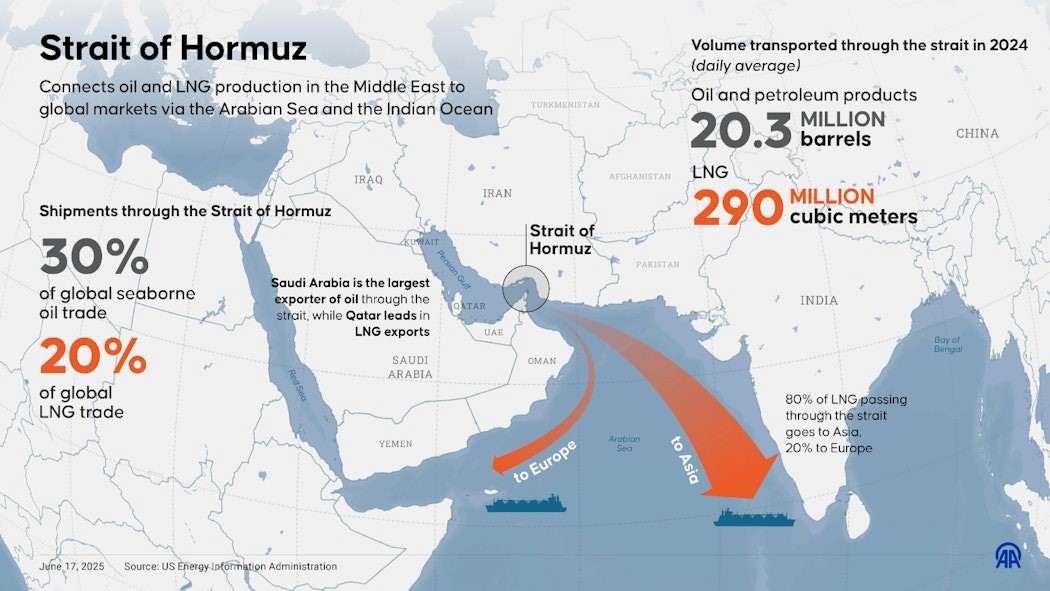
The Strait of Hormuz, situated between Iran and Oman, handles about a fifth of global oil and liquefied natural gas shipments. Any disturbance along this narrow corridor has the potential to reverberate across global energy markets and shipping routes. Escalating tensions across West Asia have already led to attacks on several vessels and heightened security risks for commercial shipping in the region.
Iran’s decision to permit the two LPG carriers to sail through the strait marked an exception to restrictions imposed after military action targeting Iranian infrastructure triggered a broader confrontation. Tehran has maintained that vessels from most countries can navigate the passage but warned that ships from states viewed as hostile could face restrictions or heightened scrutiny.
Diplomatic engagement between New Delhi and Tehran played a role in securing the initial transit. Conversations between Prime Minister Narendra Modi and Iran’s president Masoud Pezeshkian, along with discussions between foreign ministers, focused on safeguarding energy shipments and the safety of nationals in the conflict-affected region.
India depends heavily on Middle Eastern suppliers for its energy needs. About 90 per cent of the country’s imported LPG originates from the region, while a substantial share of crude oil imports also passes through the Strait of Hormuz. That reliance has made the stability of the shipping lane central to the country’s energy security strategy.
Officials from the shipping ministry confirmed that Indian authorities are coordinating with regional partners and monitoring maritime traffic closely. Naval vessels deployed in the Gulf under Operation Sankalp have been keeping watch over merchant ships heading towards the subcontinent, providing situational awareness and escort support where necessary.
Energy analysts say the partial reopening of the route for Indian cargo illustrates the delicate balance between geopolitical confrontation and commercial necessity. Countries reliant on Gulf hydrocarbons have sought diplomatic channels to keep trade flowing even as military tensions complicate navigation in the region.
Oil markets reacted sharply to the conflict surrounding the strait, with benchmark crude prices surging amid fears of prolonged disruption to supply. Traders remain wary that even isolated incidents could affect tanker movements through the corridor, where narrow shipping lanes and heavy traffic leave little room for error.
The two LPG carriers now sailing toward the western coast highlight the importance of maintaining uninterrupted access to the strait. With domestic demand for cooking gas remaining high, authorities have prioritised household supply chains while assessing contingency measures for industrial users if shipments continue to face delays.
Shipping industry figures note that vessels have increasingly adopted precautionary routes or delayed departures until security conditions improve. Insurance costs for tankers operating in the Gulf have also climbed, reflecting the heightened risk environment created by missile strikes, drone attacks and naval deployments in surrounding waters.
Strategic calculations extend beyond immediate fuel deliveries. India has been strengthening diplomatic engagement with Gulf producers and maritime partners to ensure continued energy access during periods of instability. The country has also expanded storage capacity and diversified crude sources over the past decade to mitigate supply shocks.
Even with those measures, the Strait of Hormuz remains a critical artery for trade between the Gulf and Asia. Any sustained restriction would affect not only India but also large importers such as China, Japan and South Korea, which depend on the same route for oil and gas shipments.
Clair Obscur: Expedition 33 secured the Game of the Year title at the 26th annual Game Developers Choice Awards, marking one of the most significant recognitions yet for the role-playing game that has dominated industry accolades over the past year. The awards ceremony, held alongside the Game Developers Conference in San Francisco, saw the title collect five trophies in total, reinforcing its reputation as one of the […]
Government plans to establish an $11 billion fund aimed at accelerating semiconductor development, a move designed to strengthen the country’s position in the global electronics supply chain and reduce dependence on imported chips. The proposed initiative, valued at more than ₹1 trillion, is under active discussion and could be unveiled within months as part of a broader push to expand domestic technology manufacturing.
Semiconductors form the backbone of modern technology, powering devices ranging from smartphones and laptops to vehicles, industrial equipment and artificial intelligence systems. Officials believe the new fund will provide subsidies for chip design, semiconductor manufacturing equipment and the development of supporting supply chains, while encouraging investment from both domestic conglomerates and international technology companies.
Policy planners view the programme as a key step in transforming the country into a major centre for semiconductor manufacturing and design. Industry specialists say the fund would complement earlier government initiatives aimed at building a full semiconductor ecosystem, including design, fabrication, assembly, testing and packaging capabilities.
The proposal builds on earlier efforts launched in 2021 under the semiconductor incentive scheme, which earmarked about $10 billion to attract chip manufacturers and component makers. That programme sought to cover a significant share of the capital costs associated with establishing fabrication and assembly plants, a strategy widely adopted by governments worldwide seeking to secure technology supply chains.
Authorities have framed semiconductor development as a strategic priority amid rising global demand for advanced electronics. The push is also tied to ambitions of expanding the domestic electronics manufacturing sector, which has grown rapidly over the past decade as multinational companies diversify production away from traditional manufacturing hubs.
Major industrial projects linked to this strategy are already underway. A semiconductor assembly and testing facility led by Tata Group in the northeast is expected to become one of the country’s first large-scale chip processing plants, while U. S. firm Micron is developing a packaging facility valued at about $2.7 billion. These projects represent early steps toward creating an integrated semiconductor ecosystem spanning design, fabrication and advanced packaging.
Other proposals include joint ventures between technology firms and global chipmakers. One such project involves a partnership between HCL Group and Taiwan’s Foxconn to establish a semiconductor unit near Jewar airport in Uttar Pradesh. The facility is designed to produce display driver chips used in consumer electronics and could reach an output of tens of millions of units annually once operational.
Government officials have also focused on strengthening the talent pipeline required for the semiconductor industry. A national programme known as “Chips to Startups” aims to train around 85,000 engineers in chip design across more than 300 academic institutions, reflecting recognition that workforce development is critical for sustaining a competitive semiconductor sector.
Industry leaders note that chip manufacturing remains one of the most capital-intensive segments of the technology economy. Fabrication plants require investments that can exceed $10 billion, along with long development timelines and highly specialised expertise. As a result, government subsidies and strategic partnerships are widely seen as essential for building a viable domestic semiconductor base.
Global competition in the semiconductor sector has intensified as governments race to secure supply chains for critical technologies. The United States has enacted multi-billion-dollar incentives through its CHIPS and Science Act, while China continues to channel state funding into chip design and manufacturing. Similar programmes have emerged in Europe, Japan and South Korea, underscoring the geopolitical significance of semiconductor production.
Economic planners argue that strengthening chip capabilities could support broader industrial growth, particularly in sectors such as electric vehicles, telecommunications, defence electronics and artificial intelligence infrastructure. Demand for semiconductors is expected to surge as digitalisation spreads across industries and emerging technologies such as machine learning, cloud computing and smart devices expand globally.
Technology companies have shown growing interest in establishing operations in the country as electronics manufacturing scales up. Smartphone assembly has expanded sharply, with global firms increasing production capacity and boosting exports, reflecting a shift in supply chains that had previously centred heavily on East Asia.
Private investment in semiconductor start-ups has also gained momentum. State-backed funds and regional initiatives have begun supporting chip design ventures working on networking processors and communications hardware, signalling a move toward building indigenous intellectual property alongside manufacturing capacity.
Challenges remain significant. Establishing advanced chip fabrication facilities requires complex infrastructure, steady power supply, large water resources and access to specialised equipment dominated by a small number of global suppliers. Analysts say progress will depend on sustained policy support, long-term financing and collaboration with established semiconductor companies.
Arabian Post Staff -Dubai Global aviation authorities have begun rolling out a new digital platform designed to eliminate paper documentation for hazardous air cargo shipments, a move aimed at improving safety and efficiency across the air freight industry. The International Air Transport Association has launched DG Digital, a technology integrated into its DG AutoCheck compliance platform that enables shippers, airlines and logistics companies to create and approve […]
Nintendo’s newest Pokémon spin-off has delivered a powerful commercial debut, selling more than 2.2 million copies worldwide within its first four days and triggering a sharp rally in the company’s share price as investors respond to renewed momentum for the Switch 2 platform. The title, Pokémon Pokopia, launched globally on 5 March for Nintendo Switch 2 and rapidly climbed digital sales charts while physical editions sold out […]
Arabian Post Staff -Dubai Brent crude could average more than $100 a barrel in March as escalating conflict and shipping disruptions in the Gulf tighten global supply, according to a revised outlook from Goldman Sachs that underscores mounting volatility in energy markets. The investment bank said benchmark Brent prices are expected to average above the $100 mark during March before easing to around $85 a barrel in […]
By Nitya Chakraborty As the U.S. Israel war against Iran entered its fourteenth day on Friday March 13, in the diplomatic corridors in the UN headquarters in New York and in other major capitals including the EU headquarters in Brussels, speculation has started on what can be the likely stand of Iran’s two allies China […]
Capital from a subsidiary of Abu Dhabi’s sovereign wealth fund has flowed into a Hong Kong-based private credit manager, signalling continued appetite among Gulf investors for property-linked lending opportunities across developed Asia-Pacific markets. Dignari Capital Partners said a wholly owned unit of the Abu Dhabi Investment Authority has committed capital to its Asia Pacific Developed Markets Private Credit Strategy, a fund designed to finance real-estate-related projects and […]
Hosting New Energy Summit to Connect Global Experts Insights on New Energy Landscape
HONG KONG SAR – Media OutReach Newswire – 13 March 2026 – Centre of Advanced Power and Autonomous Systems (APAS), under the Hong Kong Productivity Council (HKPC),made its debut at The Battery Show Asia held from 10 to 12 March. During the exhibition, APAS set up a dedicated showcase area to present eight innovative battery technology solutions featuring high safety standards and intelligent capabilities for the first time. In parallel, APAS hosted the second edition of the New Energy Summit during the exhibition. The summit brought together five industry experts and scholars from Hong Kong, Singapore, Thailand, India and Switzerland to deliver speeches on various topics related to new energy and energy storage. Speakers shared the latest industry developments and application trends, fostering international technology exchange and collaboration.
During the exhibition, APAS hosted the second New Energy Summit, inviting industry experts and scholars from Hong Kong, Singapore, Thailand, India and Switzerland to speak and share the latest technological developments and application trends in the fields of new energy and advanced materials.
Mr Yonghai DU, Chief Innovation Officer of HKPC and General Manager of APAS, said, “In line with the strategic priorities set out in the outline of the 15th Five-Year Plan for emerging and future industries such as new energy, advanced energy storage and hydrogen energy, energy technologies are entering an unprecedented period of growth. The outline also emphasise the pursuit of smart, green, and integrated development of industry, injecting long-term momentum for the new energy development. For many years, HKPC has been committed to market-led technology R&D. APAS focuses on areas including new energy technologies, green transportation, smart mobility, intelligent systems and emerging applications, actively translating research outcomes into market-ready solutions to help industries enhance technological capabilities and industrial value.”
He added, “Through this international platform, we hope to strengthen our collaboration with enterprises and research institutions from around the world. Hong Kong can play a more proactive role as a connector between Chinese Mainland and the global market in the development of innovation, international standards and the practical application of new energy technologies, thereby enhancing the city’s global competitiveness in the new energy industry. Looking ahead, APAS will continue to focus on research and practical applications in new energy and intelligent systems, while advancing technological innovation and cross-regional collaboration to support both the nation and Hong Kong in fostering emerging industries and future industries.”
First Participation in The Battery Show Asia, Highlighting Battery Technology Achievements
The Battery Show Asia brings together more than 20,000 industry representatives from Chinese Mainland, Japan, Korea, Southeast Asia, India, Europe and the United States, including policymakers, technology innovators, engineers, manufacturers and industry experts. Covering battery manufacturing, energy storage solutions and new energy transportation industries, the exhibition serves as an international platform integrating technology showcase, industry exchange and business collaboration.
In its first participation in the exhibition, APAS showcased its research strengths in new energy technologies and emerging applications by presenting a range of innovative battery technology solutions. The showcase aims to contribute to the development of the battery industry while providing an important platform for Hong Kong to connect with global technologies and markets, facilitating cross-regional exchange and collaboration.
APAS set up a dedicated exhibition area to present several research outcomes developed in collaboration with industry partners, including:
Battery Cell Technologies:
High-performance Sodium-ion Battery: Using stable poly-anionic phosphate cathode, the battery enables rapid storage and release of sodium-ions while offering high safety and cost efficiency. It is suitable for applications such as low-speed electric vehicles, power batteries and large-scale energy storage. Looking ahead, APAS will collaborate with industry partners to establish large-scale production capabilities for high-performance sodium-ion battery, further optimising its performance and cost-effectiveness while exploring deployment in low-speed electric vehicles and utility-scale energy storage systems.
Battery Systems and Solutions:
Explosion-Proof High-Energy Battery Systems:This solution features proprietary safety technology that prevents thermal runaway, delivering reliable power in the most challenging environments, engineered for demanding marine and portable power applications. APAS will assist partners in optimising battery module design and thermal management systems to enhance product performance and align R&D processes with industry standards. This will support partners in establishing manufacturing facilities in Hong Kong and expanding into overseas markets.
Yacht Battery System: The system integrates advanced solid-state battery technology with an intelligent Battery Management System (BMS) to eliminate risks associated with traditional liquid electrolytes, including leakage, corrosion and thermal runaway. It is specifically designed to withstand the high-humidity, high-vibration and salt-spray conditions inherent to open-water yacht operations. APAS is currently supporting partners in obtaining international battery standard certifications to facilitate entry into the global market.
These solutions feature high safety standards, intelligent capabilities, and flexible applications. They support a wide range of sectors, including electric transportation and smart mobility, marine and industrial applications, specialised equipment, aerospace and high-end manufacturing, medical devices, consumer electronics, home assistive equipment and portable energy storage for travel.
Hosting New Energy Summit to Jointly Build a Sustainable Future
During the exhibition, APAS also hosted the second New Energy Summit, which brought together industry leaders and academic experts from Hong Kong, Singapore, Thailand, India and Switzerland. The summit focused on key topics related to new energy development and applications, providing a platform for speakers to share insights and engage in discussions with industry professionals in attendance.
The summit focused on two key themes — new energy and advanced materials — bringing together global experts to explore technological development and industrial applications. In the new energy sector, a representative from The Hong Kong and China Gas Company Limited introduced innovative hydrogen energy technologies and their potential applications in promoting clean energy development in Hong Kong. Representatives from energy technology companies and alliances in Switzerland, India and Thailand shared the latest trends and practical applications in energy storage technologies, as well as the integration of renewable energy with smart infrastructure. In the field of advanced materials, a scholar from the Department of Materials Science and Engineering at the National University of Singapore highlighted the critical role of nanotechnology in energy and sustainable development, offering insights into the future landscape of sustainable new energy.
Through this cross-regional and cross-industry platform, APAS aims to promote international technology exchange and collaboration, accelerate the application of new energy technologies and drive industry transformation, contributing to a more resilient and sustainable future energy ecosystem.
Advancing Technologies onto the Global Stage, Reinforcing Hong Kong’s Connectivity Advantages
HKPC actively participates in various international exhibitions and industry exchange activities to showcase innovative solutions co-developed with industry partners. Leveraging Hong Kong as a platform, HKPC supports enterprises in expanding into international markets and advancing cutting-edge technologies and standards worldwide.
Through international exhibitions and collaboration initiatives, HKPC further strengthens Hong Kong’s role as an important connector between Chinese Mainland and the world. In line with the Government’s 2026-27 Budget to attract large-scale international exhibitions to Hong Kong and promote the city’s exhibition brand globally, HKPC will continue to participate in international exhibitions and foster industry exchanges to drive innovation showcase and collaboration.
Hashtag: #APAS
The issuer is solely responsible for the content of this announcement.
About Centre of Advanced Power and Autonomous Systems (APAS)
Centre of Advanced Power and Autonomous Systems (APAS) (formerly Automotive Platforms and Application Systems R&D Centre) was established in 2006 and is fully integrated as a business division under HKPC on 1 April 2025. APAS continues to undertake market-led R&D programmes spanning green transportation, smart mobility, intelligent systems and emerging applications, as well as commercialises R&D results in collaboration with industry, universities and technology institutes to enhance the competitiveness of Hong Kong’s automotive and other transportation sectors in new energy and smart driving.
About Hong Kong Productivity Council
The Hong Kong Productivity Council (HKPC) is a statutory body established in 1967, dedicated to enhancing the productivity and competitiveness of Hong Kong enterprises through world-class applied R&D, innovative technology services, and integrated manufacturing solutions. As a market-oriented, international R&D organisation, HKPC leverages its deep expertise and extensive industry experience in key areas such as AI, advanced manufacturing, life and health technology, green technology and new energy to drive new industrialisation and support the growth of emerging and future industries.
HKPC focuses on addressing businesses challenges and industrial technology needs, promoting the full integration between technological and industrial innovation. Through technology transfer, product innovation, intellectual property protection and commercialisation of R&D outcomes, the Council fosters collaboration with the local business community as well as top global R&D institutions, delivering added value to industries and advancing the development of new productive forces. HKPC’s world-class R&D achievements have been widely recognised over the years, winning an array of local and overseas accolades, reinforcing Hong Kong’s role as an international innovation and technology centre and a smart city.
To help enterprises capitalise on Hong Kong’s strengths in international connectivity to expand into global markets, HKPC offers comprehensive overseas expansion services tailored to critical areas including product development, technology, manufacturing, and management, enabling businesses to successfully go global from Hong Kong.
HKPC is also committed to providing timely and practical support to SMEs and startups with timely and practical, assisting them in accessing Government funding programmes. Through its FutureSkills training initiatives, HKPC helps both industry and academia stay ahead in latest digital and STEM technologies, nurturing a future-ready talent pool for Hong Kong.
For more information, please visit HKPC’s website: www.hkpc.org/en.
Japan’s stock market volatility has surged to levels not seen since the global pandemic turmoil of 2020 as a sharp jump in crude oil prices shakes confidence in the country’s economic outlook and disrupts what had been a strong equity rally.
Measures of market anxiety tied to Japanese equities climbed sharply as investors reacted to the sudden rise in global energy prices and mounting geopolitical tensions affecting oil supply routes. The spike in volatility coincided with a steep sell-off in Tokyo’s equity market, where the Nikkei 225 index plunged more than 7 per cent during trading while the broader Topix index fell over 6 per cent, marking one of the most severe declines in several years.
Traders and analysts attribute the surge in market fear to an abrupt reversal of expectations that had supported Japan’s equity rally earlier in the year. A powerful jump in crude prices above the $100-a-barrel threshold has heightened concerns about rising import costs, inflationary pressure and potential disruption to the country’s fragile economic recovery.
Japan remains one of the world’s largest importers of energy resources, relying heavily on overseas supplies for oil and liquefied natural gas. The sharp rise in crude prices therefore carries immediate implications for corporate profitability, household spending and the nation’s trade balance. Higher fuel costs can quickly feed into transport, manufacturing and electricity prices, creating ripple effects across the broader economy.
Equity strategists say that markets had been pricing in a favourable scenario for Japan’s corporate sector, including stable energy costs, a weaker yen that supports exporters, and gradual improvement in domestic consumption. The oil shock has complicated that outlook, prompting investors to reassess earnings forecasts and risk exposure.
The volatility gauge for Japanese equities, often referred to as the market’s “fear index,” spiked to levels not seen since the early months of the Covid crisis. Such indicators measure the expected turbulence in stock prices based on options trading, and a sharp rise typically signals increased hedging activity by investors preparing for further market swings.
The abrupt shift in sentiment comes amid wider turbulence across global financial markets. Equity benchmarks across Asia fell sharply as investors reacted to the energy price shock and rising geopolitical tensions in the Middle East, a region responsible for a large share of global oil production. The surge in crude prices has revived worries that inflation could accelerate again just as many central banks were expected to ease monetary policy.
Market participants say the latest volatility reflects more than a temporary correction. Analysts note that the rally in Japanese equities had drawn significant foreign investment during the past year, encouraged by corporate governance reforms, share buybacks and improved shareholder returns. Strong gains in technology stocks and export-oriented companies had helped drive the Nikkei to multi-decade highs.
Rising energy costs now threaten to undermine some of those positive dynamics. Japan’s manufacturing sector, including carmakers and electronics producers, depends heavily on imported raw materials and fuel. A sustained rise in oil prices could increase production costs and squeeze margins, particularly for companies unable to pass higher expenses on to consumers.
Currency movements add another layer of complexity. The yen often weakens when oil prices surge because the country must spend more on energy imports. While a weaker currency can benefit exporters by boosting overseas earnings, it also increases the cost of imported fuel and food, intensifying inflationary pressure on households.
Economic policymakers are watching the developments closely. Officials at the Bank of Japan have maintained an accommodative monetary stance even as other major central banks tightened policy to fight inflation. The current surge in energy prices raises questions about how the central bank might respond if inflationary pressure accelerates further while economic growth slows.
Financial analysts emphasise that volatility indicators should not be interpreted as a prediction of sustained market decline. Instead, they reflect heightened uncertainty and the demand for protection against abrupt price swings. Still, such spikes often coincide with periods of intense market stress and rapid portfolio adjustments.
Energy-related stocks and commodity producers have been among the few segments to benefit from the oil surge, as higher crude prices can boost revenues for companies involved in exploration, refining and trading. Conversely, sectors sensitive to fuel costs, including airlines, shipping and heavy manufacturing, have faced selling pressure.
Global investors are also weighing broader geopolitical risks tied to the energy market. Disruptions to shipping routes in key waterways used for oil transport could tighten supply and prolong elevated prices. Analysts warn that if crude remains above the $100-a-barrel mark for an extended period, the impact could spread beyond equity markets into inflation expectations, bond yields and currency movements.
LG Energy Solution is preparing to commercialise an upgraded iron-based battery designed for large-scale energy storage, marking a strategic push by the South Korean manufacturer to capture a larger share of the rapidly expanding global market for grid and renewable-energy storage systems. The company plans to introduce the higher-performance lithium-iron-phosphate battery model next year, seeking to strengthen its position in the energy storage sector at a time […]
Japan will release crude from its strategic petroleum reserves in a unilateral move aimed at cushioning energy markets as the Middle East conflict disrupts global oil supplies, Prime Minister Sanae Takaichi said, signalling one of the earliest national responses to the escalating crisis.
Tokyo plans to release about 80 million barrels from its emergency stockpiles, equivalent to roughly 45 days of domestic consumption, according to government officials. The decision is designed to stabilise fuel supplies and dampen price pressures as shipping through the Strait of Hormuz — a key artery for global energy trade — has been severely disrupted by the conflict involving Iran, the United States and Israel.
Takaichi said Japan would move ahead with the release rather than wait for coordinated international action, reflecting concerns that prolonged disruption could tighten supplies for import-dependent Asian economies. Officials indicated that private-sector reserves would be drawn down first, followed by state stockpiles, allowing domestic refiners to maintain operations and ensure sufficient petroleum product supply to the market.
Energy security has become an urgent priority for Tokyo as nearly all of its crude imports originate from Middle Eastern producers such as Saudi Arabia, the United Arab Emirates, Kuwait and Qatar. Around 70 per cent of that oil typically travels through the Strait of Hormuz, a narrow waterway between Iran and Oman that normally handles roughly one-fifth of the world’s seaborne oil trade.
The ongoing conflict has sharply reduced tanker traffic through the strait after missile and drone attacks targeted vessels and infrastructure across the region. Shipping companies have diverted or halted voyages, leaving more than a hundred tankers anchored outside the corridor while insurers raised war-risk premiums. Oil prices have surged above $100 a barrel amid fears of prolonged supply disruption and escalating geopolitical tensions.
Japan’s move also comes as the International Energy Agency considers one of the largest coordinated releases of emergency oil reserves in history. Member countries of the agency have discussed releasing hundreds of millions of barrels to counter supply losses triggered by the conflict and calm volatile energy markets.
Officials in Tokyo signalled that the unilateral step could be followed by participation in a broader international release if the crisis deepens. Policymakers argue that acting quickly could prevent domestic fuel shortages and limit the economic damage of rising energy costs.
Economic pressure is mounting across Japan as oil and liquefied natural gas prices climb. The country imports the vast majority of its energy resources, leaving it highly vulnerable to geopolitical shocks. Higher fuel costs have already begun to affect industrial production, with petrochemical producers scaling back output and transport costs rising across supply chains.
The surge in energy prices poses a challenge for Takaichi’s government, which has pledged to strengthen economic growth while managing inflation and stabilising household costs. Economists warn that sustained oil prices above $140 per barrel could slow economic expansion and revive fears of stagflation in a country already grappling with a fragile recovery.
Energy analysts say the planned release from strategic reserves may provide short-term relief but will not fully offset the scale of disruption if shipping through the Strait of Hormuz remains constrained. The waterway normally carries about 20 million barrels of oil each day, linking Gulf producers to major Asian consumers including Japan, China and South Korea.
Japan maintains one of the world’s largest emergency oil stockpiles. Combined government and private reserves are estimated to cover more than 200 days of consumption, giving authorities significant flexibility during supply shocks. Such reserves are designed precisely for crises triggered by geopolitical events or natural disasters that threaten global energy flows.
Government officials say the release will be phased to ensure a stable supply chain and avoid sudden market distortions. Domestic refiners are expected to receive the first shipments from storage facilities, allowing them to continue processing crude into petrol, diesel and other fuels.
The last major release of strategic reserves by Japan occurred during the global energy turmoil following Russia’s invasion of Ukraine, when coordinated action among advanced economies sought to stabilise crude markets and ease inflationary pressure worldwide.
Current circumstances, however, present a more complex challenge because of the geographic concentration of supply risks. The Middle East remains the dominant source of Japan’s oil imports, and prolonged instability in the region could reshape energy strategies for Asia’s largest economies.
Policymakers in Tokyo have begun exploring longer-term measures to reduce exposure to supply shocks. Discussions include expanding renewable energy capacity, diversifying import sources and accelerating the restart of nuclear reactors that were shut down after the Fukushima disaster.
Supporters of nuclear power argue that restoring more reactors could lower dependence on imported fossil fuels and help shield the economy from geopolitical turbulence in global energy markets. Opponents remain cautious, citing safety concerns and public resistance in several regions.
Arabian Post Staff -Dubai Commercial shipping across the Gulf and the Strait of Hormuz has come under direct attack after a series of coordinated strikes hit at least five vessels, leaving one crew member dead and several ships damaged or ablaze amid escalating regional conflict. Explosive-laden boats believed to be linked to Iran struck two fuel tankers in Iraqi waters near the port of Al-Faw, igniting fires […]
JAKARTA, INDONESIA – Media OutReach Newswire – 11 March 2026 – The Ministry of Forestry of the Republic of Indonesia reaffirmed the country‘s commitment to sustainable forest governance and transparent supply chains during a meeting with representatives from Tokyo Gas Co., Ltd. and Hanwa Co., Ltd. at the Ministry‘s office on Wednesday (March 4).
Official Meeting on Sustainable Forestry The Indonesian Ministry of Forestry receives representatives from Tokyo Gas Co., Ltd. and Hanwa Co., Ltd.—key buyers of wood pellets from PT Biomasa Jaya Abadi
The meeting was part of Indonesia‘s ongoing engagement with international partners to strengthen mutual understanding of sustainable forest management and the governance framework underpinning Indonesia‘s forest-based industries, including the emerging biomass sector.
Ade Mukadi, Director of Forest Product Processing and Marketing Development at the Ministry of Forestry, emphasized that Indonesia continues to strengthen its forest governance architecture to ensure that forest utilization is conducted responsibly and in accordance with national regulations and sustainability principles.
“Indonesia has established a comprehensive forest governance framework that integrates legality assurance, sustainability standards, and independent verification. We continue to enhance this system to ensure transparency, accountability, and supply chain integrity,” Ade stated.
Official Dialogue with Ministry of Forestry’s Ade Mukadi (second left), Director of Forest Product Processing and Market, and Tony Rianto (second right), Head of the Sub-Directorate, meet with Tokyo Gas and Hanwa representatives
Tokyo Gas and Hanwa are buyers of wood pellets produced by PT Biomasa Jaya Abadi (PT BJA), which operates in Pohuwato Regency, Gorontalo Province. Tony Rianto, Head of the Sub-Directorate for Forest Product Certification and Marketing, explained that Indonesia‘s forest governance system is guided by four key pillars: sustainable forest management that balances ecological, social, and economic functions; transparency and accountability; regulatory compliance; and respect for indigenous peoples and local communities.
Central to this framework is Indonesia‘s Timber Legality and Sustainability Verification System (SVLK), a national assurance system ensuring that forest products originate from legal and sustainably managed sources. The system covers the entire supply chain—from harvesting and transportation to processing and export—and is implemented through independent verification bodies accredited to audit forest operators, industries, and exporters.
Furthermore, Indonesia continues to enhance the system in line with evolving global market expectations, including the development of geolocation-based monitoring at harvesting sites and the digitalization of transport and export documentation.
These measures are designed to strengthen traceability and support compliance with emerging international due diligence requirements, such as the European Union Deforestation Regulation (EUDR).
During the meeting, discussions also covered Indonesia‘s forest utilization planning framework, including the Annual Work Plan (RKT), which regulates harvesting activities under approved long-term forest management plans and incorporates biodiversity safeguards and conservation measures.
The Ministry reaffirmed that forest utilization activities are subject to rigorous regulatory oversight and monitoring mechanisms to ensure compliance with environmental safeguards and sustainable forest management practices.
The meeting followed an earlier discussion between Tokyo Gas and Hanwa and the Pohuwato Regency Government on Monday (March 2). Regent Syaiful A.
Mbuinga confirmed that PT BJA has fulfilled all licensing requirements, operates legally, and contributes to the local economy by employing more than 1,500 workers.
Investment in Pohuwato, including from PT BJA, has contributed to regional economic growth of around 9%, with the local government maintaining strict oversight of investment activities in the region.
Hashtag: #TirtoIndonesia
The issuer is solely responsible for the content of this announcement.
New Singapore facility integrates flexible and rigid sterile barrier packaging systems development under one roof to simplify and accelerate package design and speed to market
SINGAPORE – Media OutReach Newswire – 11 March 2026 – Nelipak® Corporation (“Nelipak”), a leading global provider of healthcare packaging solutions, today announced the opening of its new Asia-Pacific Technical Development Center located in Singapore. This new facility establishes an integrated technical development capability in the Asia-Pacific region combining Nelipak’s flexible and rigid sterile barrier packaging design and innovation capabilities under one roof.
(L-R) Roger Prevot, Chairman, Nelipak, Aldin Velic, Vice President and General Manager, Asia-Pacific, Nelipak, Soo Haw Yun, Vice President, Global Enterprises, Singapore Economic Development Board, Pat Chambliss, Chief Executive Officer, Nelipak, Sean Patel, Vice President, Commercial Development, Nelipak
This investment marks a major milestone in Nelipak’s global growth strategy and establishes a permanent technical and innovation presence in one of the world’s fastest-growing medical device innovation and manufacturing hubs. Its strategic location in Singapore offers a launchpad to Asia-Pacific’s medtech and biomedical industries, owing to the country’s strong global connectivity and growing healthcare manufacturing and research capabilities.
The center will enable Nelipak to support customers across Southeast Asia, China, Japan, Korea, India, Australia, and New Zealand. It combines personalized real-time collaboration with Nelipak’s global manufacturing and innovation network to ensure that packaging solutions developed in Asia-Pacific are globally scalable and production-ready.
Designed to enhance how medical device and pharmaceutical companies develop and validate sterile packaging systems, the Asia-Pacific Technical Development Center enables customers to arrive with a medical device concept and leave with a validation ready packaging design and physical samples. For device manufacturers, the benefit is immediate and tangible. Customers can engage directly with Nelipak’s technical experts to co-develop and validate bespoke sterile barrier solutions, streamline iteration cycles and regulatory processes, and accelerate time to market.
The center supports the development of Nelipak’s comprehensive range of custom designed sterile-barrier packaging solutions which integrate both flexible and rigid formats. Its capabilities are also designed to support ISO 11607-compliant development, risk mitigation, and accelerated commercialization for Class I through Class III medical and pharmaceutical devices.
“Asia-Pacific is an important and growing region for global medical device innovation, manufacturing, and consumption,” said Pat Chambliss, Chief Executive Officer of Nelipak. “Our new Asia-Pacific Technical Development Center located in Singapore represents a foundational investment that supports our global customer base while anchoring Nelipak firmly in the Asia-Pacific region. It reflects our ongoing commitment to ensuring customer access to our broad range of flexible and rigid sterile barrier packaging solutions which are widely used globally and have been used extensively in the region for over 30 years.”
“Medical device customers are under enormous pressure to move faster without compromising safety, compliance, or performance,” said Aldin Velic, Vice President and General Manager, Asia-Pacific, Nelipak. “Our goal with this center is simple. Customers walk in with a device and a packaging challenge, and they leave with an engineered packaging solution, prototype samples in hand, and a clear path to development, validation and commercialization. We are replacing distance, delay, and fragmentation with expertise, speed, and collaboration.”
The Asia-Pacific Technical Development Center is equipped to support early-stage concept development, line extensions, material transitions, and risk mitigation projects, including changes driven by sterilization modality, regulatory requirements, or supply chain resilience. By unifying rigid and flexible packaging development in a single location, Nelipak enables holistic and optimized sterile barrier system design rather than isolated and fragmented component development.
“We congratulate Nelipak on the opening of its first Technical Development Center in Asia-Pacific. The new center will enable Nelipak to work closely with pharmaceutical and medical device companies in the region to accelerate product development and launches. The investment is a welcome addition to Singapore’s growing biomedical sciences ecosystem and strengthens our role as a regional hub for medtech innovation,” said Soo Haw Yun, Vice President, Global Enterprises, Singapore Economic Development Board.
This investment builds on Nelipak’s long-standing commitment to innovation, quality, and customer collaboration and reinforces the company’s broader expansion across Asia-Pacific. It also reflects growing demand from global medical device manufacturers for regionally based technical support that meets the same standards of rigor, speed, and expertise available in established Western markets.
The issuer is solely responsible for the content of this announcement.
About Nelipak®
Nelipak® is a leading global provider of healthcare packaging solutions including rigid and flexible sterile-barrier packaging for medical device, diagnostic, pharmaceutical drug delivery, and other demanding applications. To support the development of innovative sustainable packaging solutions, Nelipak® offers in-house design, prototyping, tooling, simulation, validation, laboratory, and other value-added services as well as a line of tray sealing equipment. With over 1,600 employees, Nelipak operates at 14 sites globally, including 8 sites in the Americas (USA, Costa Rica, Puerto Rico), 5 sites in Europe (Ireland, Netherlands, UK), and 1 site in Asia (Singapore). Nelipak® is committed to delivering superior quality, service, and customer experience through world-class cleanroom manufacturing. For more information, visit www.nelipak.com. Follow us on: LinkedIn: https://www.linkedin.com/company/nelipak Twitter: www.twitter.com/nelipak1953




 https://aeonbank.com.my/
 https://www.linkedin.com/company/aeonbankmy
 https://www.instagram.com/aeonbankmy


 https://www.facebook.com/ForvisMazarsSingapore/





 https://x.com/nelipak1953




