News related to
Japan

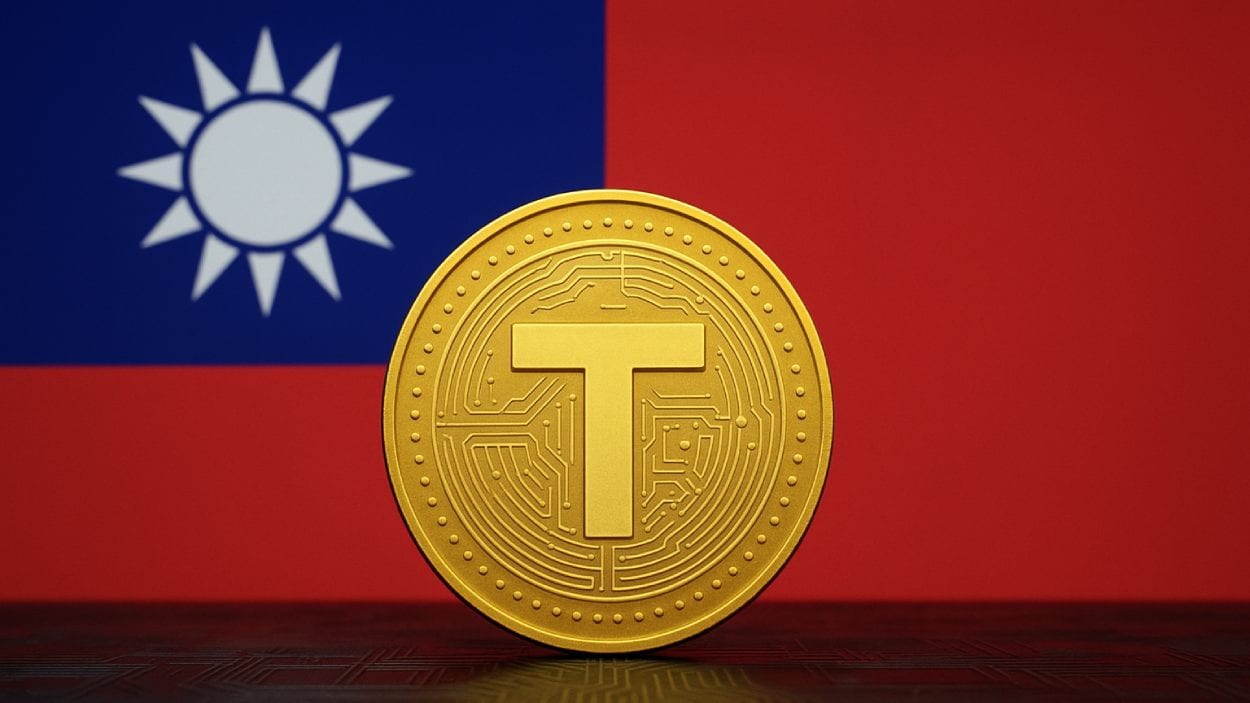
Taiwan’s financial authorities have confirmed that the territory is preparing to introduce its first regulated stablecoin by the second half of 2026, marking a significant step in its oversight of digital assets. The move establishes a formal framework for issuers and signals a wider effort to balance financial innovation with stricter consumer safeguards.

The Financial Supervisory Commission said the project aims to create a compliant asset-backed token that can operate within a supervised environment. Officials outlined that the proposed model would require issuers to undergo licensing, maintain verifiable reserves and implement robust disclosure rules. The initiative forms part of a broader regulatory roadmap that includes enhanced governance standards for exchanges and custodians, supplemented by anti-money laundering protocols already legislated in earlier phases of Taiwan’s digital asset oversight.

Taiwan has seen increased retail interest in digital tokens over the past two years, accompanied by concerns about informal trading platforms and fragmented reserve practices. Authorities have been developing clearer definitions around virtual asset providers, following earlier commitments to draft bespoke legislation for the sector. The stablecoin proposal marks the first time regulators have publicly set a target date for a national, fully supervised token that can circulate in mainstream financial channels.

Officials involved in the planning process described the stablecoin framework as an attempt to reduce systemic vulnerabilities that arise from lightly governed instruments. They indicated that the 2026 timeline allows sufficient room for market consultation with local banks, fintech operators and blockchain firms. The authorities emphasised the need for transparency around backing assets, independent audits and liquidity arrangements to prevent redemption shocks during periods of market stress.

Taipei’s policy trajectory mirrors a wider shift across Asia, where governments have begun formalising rules for digital currencies amid concerns about financial stability and technological competitiveness. Japan’s stablecoin regulations came into force earlier, requiring issuers to be banks, trust companies or registered intermediaries. Singapore’s approach has focused on wallet security, reserve segregation and consumer risk warnings. Taiwan’s proposed regime appears to blend elements of both models, adapting them to domestic institutions and supervisory capacities.

Market analysts say the announcement demonstrates how regulators are transitioning from broad guidance to more detailed rule-making. They note that several local financial institutions have shown interest in blockchain-based settlement systems but have lacked the legal certainty required to develop pilot projects. A regulated stablecoin could allow banks to explore tokenised deposits, speed up cross-border payments and reduce settlement backlogs, provided the technology meets stringent compliance standards.

Developers and industry groups argue that clarity around governance will be crucial to gaining public trust. They expect Taiwan’s framework to include ring-fencing of reserves, real-time reporting tools and strong oversight of custodial arrangements. Several blockchain service providers in Taiwan have already contributed to consultation papers, advocating for interoperability with international systems and stronger penalties for misappropriation of client funds.

Policy advisers involved in the consultation say authorities are mindful of global regulatory pressure, as jurisdictions coordinate rules for financial stability and cross-market supervision. They note that Taiwan has studied overseas cases where unbacked or poorly audited stablecoins faced severe liquidity issues, prompting large-scale withdrawals and disruptive price swings. Officials believe a regulated model will help Taiwan avoid similar vulnerabilities and foster safer digital innovation.

Some opposition lawmakers have urged the commission to publish more technical details, particularly regarding the choice of reserve assets, settlement architecture and the criteria required to issue the token. They want clearer rules on redemptions, consumer rights and supervisory intervention during market volatility. Financial regulators responded that these elements remain under review and will be formalised following extended consultation with the private sector.

Industry observers expect the stablecoin to be structured as a fully collateralised token backed by high-quality liquid assets such as government bonds or cash equivalents. This design is intended to minimise counterparty risk and ensure immediate redemption at par value. Regulators are also exploring how to embed cybersecurity requirements and resilience testing into the licensing regime, responding to heightened concerns about digital infrastructure vulnerabilities.


Cushman & Wakefield Experts Share Market Insights at MIPIM Asia Summit HONG KONG SAR – Media OutReach Newswire – 4 December 2025 – China’s Real Estate Investment Trust (C-REIT) market is entering a transformative phase, marked by rapid expansion in issuance size, diversification into emerging asset classes, and rising institutional investor confidence. Since its inception, the market has grown to reach a total issuance scale of RMB207 […]

SINGAPORE – Media OutReach Newswire – 4 December 2025 – Venture Cars, a parallel car importer in Singapore, has introduced a new lease-to-own programme aimed at making car ownership more accessible amid rising Certificate of Entitlement (COE) costs in Singapore. The initiative offers an alternative route to ownership by allowing customers to lease a brand-new car for a fixed period before buying it over at the end […]

The grip of Chromium on the global browser ecosystem has grown so wide that many users now assume every modern browser is built on Google’s open-source architecture. That perception has taken root partly because major names such as Microsoft Edge, Opera, Brave, Vivaldi and Arc all rely on Chromium’s Blink rendering engine, creating a sense that browsing itself has become synonymous with Google-aligned foundations. The dominance is […]

Saudi Arabia’s sovereign wealth fund is seeking to deepen ties with Japanese investors as it reshapes its investment strategy away from sprawling real-estate megaprojects toward sectors deemed more viable in the near term.

The Public Investment Fund, valued at roughly $925 billion, unveiled a plan to expand investments in Japan from $11.5 billion between 2017–2024 to a projected $27 billion by 2030, according to remarks by its governor, Yasir Al-Rumayyan, at a business summit in Tokyo. He described Japanese companies as “one of the largest partners for Saudi Arabia,” and said the kingdom hopes to “bring more and more Japanese companies” on board.

This outreach comes alongside a major overhaul of PIF’s priorities. Plans for large-scale real estate ventures—previously central under the Vision 2030 plan—are being put on the back foot as delays and write-downs erode investor confidence. The new strategy pivots toward sectors such as logistics, mineral extraction, religious tourism and artificial intelligence, with greater emphasis on data infrastructure and industries promising quicker returns.

Some megaprojects under Vision 2030, including the much-publicised desert city NEOM and a planned mountain-based winter sports hub, have faced repeated delays and mounting costs, prompting analysts to question their long-term viability. PIF’s 2024 annual report shows impairments on several high-profile investments that have weighed on returns, and strategic rebalancing appears aimed at stabilising the fund’s financial outlook.

The renewed focus on logistics underscores Saudi Arabia’s ambition to become a global supply-chain hub bridging Asia, Europe and Africa. Mineral extraction targets the kingdom’s considerable reserves of rare earths and critical minerals, seen as vital for future technology supply chains. Religious tourism aims to leverage steady demand for pilgrimage to holy sites, while investments in artificial intelligence and data infrastructure, led by PIF-backed firm Humain, reflect the kingdom’s drive to build a diversified economy beyond hydrocarbons.

Financial markets and global investors have welcomed the pivot as more pragmatic and potentially less risky than monumental real-estate bets. Yet critics caution that shifting to more conventional sectors may diminish the transformative potential originally promised under Vision 2030. The challenge now lies in whether the new strategy can deliver on its growth and diversification goals while restoring investor confidence.

Japan’s 10-year government bond yield jumped to 1.84 percent, marking its highest level since 2008, sending ripples across global financial markets. Equities and risk assets came under pressure while investors reassessed portfolios built on cheap Japanese funding.

The surge reflects an abrupt shift away from decades of near-zero rates in Japan, transforming the dynamics of global capital flows. Long considered a foundation of stability, Japanese government bonds are now drawing fresh interest, prompting capital repatriation as investors seek higher yields at home. This shift threatens to unwind the entrenched “yen carry trade,” where investors borrowed yen cheaply to pour money into higher-yielding markets abroad — including equities and cryptocurrencies. With yen-denominated debt now offering compelling returns, such cross-border funding strategies are losing appeal.

As liquidity conditions tighten, markets for risk assets are being reshaped. Cryptocurrencies and tech stocks, once buoyed by easy global credit, have borne the brunt of investor risk aversion. Traders point out that this yield shock was partly triggered by a shift in market expectations around the Bank of Japan, which has signalled the possibility of further rate increases in its upcoming policy review. That, combined with concerns over Japan’s sizeable fiscal obligations and growing government borrowing, is pushing bond yields across the maturity curve higher — including 20-, 30- and 40-year maturities that recently recorded historic highs.

For global investors, the implications are stark. Funds and hedge-fund managers that relied on yen-funded carry trades now face rising funding costs and diminishing returns. Emerging markets and growth-oriented sectors that thrived on abundant liquidity may see capital outflows as investors retreat to safer, yield-bearing bonds. Currency markets have already reacted: the yen has strengthened sharply, adding pressure on exporters and raising the cost of dollar-denominated investments for Japan-based holders.

Analysts note that this yield shock does not necessarily spell widespread collapse — but signals a structural recalibration. Portfolios will need to adapt to a world where Japanese bonds are no longer a funding tool, but a competing asset class in their own right. For risk assets to recover, markets will need fresh capital inflows rather than the easy money of the past.

Arabian Post Staff -Dubai Airlines worldwide mobilised to install a mandatory software update on jets in the Airbus A320 family after a software flaw linked to intense solar radiation threatened critical flight-control systems. The issue came to light after an aircraft operated by JetBlue experienced a sudden, uncommanded drop in altitude while cruising in October, prompting a global safety alert issued by the manufacturer Airbus SE and […]

Advertisements

HONG KONG SAR – Media OutReach Newswire – 28 November 2025 – HONMA Golf Limited (“HONMA”; together with its subsidiaries, the “Group”; HKEx stock code: 6858), one of the world’s most prestigious golf brands, announces its consolidated interim results for the six months ended 30 September 2025 (the “Period”). Financial Highlights In the face of a slowing global economy, heightened policy uncertainty and intensified competition across the […]

JPMorgan Chase & Co has upgraded its recommendation on China’s stock market to “overweight,” arguing that potential gains in the coming year now outweigh the risks of sharp losses. Strategists at the firm, including Rajiv Batra, explained that China’s market has already surrendered much of its outperformance this year, creating what they describe as an attractive entry point. They highlighted a combination of factors poised to support equities — widespread adoption of artificial intelligence, renewed consumption measures, and expectations of governance reforms. The performance setback appears to have reset valuations and left positioning relatively light, paving the way for what JPMorgan analysts see as potentially strong upside ahead.

The shift follows a quarter in which the MSCI China Index dropped around 6.2 percent even as broader regional indices in Asia-Pacific posted modest gains. JPMorgan noted that the Chinese equity market remains in the early stages of recovering from a downcycle that began in late 2020. With valuations now seen as acceptable and investor sentiment subdued, the bank anticipates room for rally once supportive catalysts take hold.

Analysts argue that companies tied to technology and AI stand to benefit most from upcoming tailwinds. Firms previously weighed under regulatory and macroeconomic uncertainty may now attract renewed investor interest, especially where corporate governance improvements and capital discipline have strengthened balance sheets. Entities with exposure to domestic consumption, industrial automation, electric vehicles, and energy storage are viewed as especially well positioned.

Some investors remain cautious, citing lingering macroeconomic headwinds, weak property prices, deflationary pressures and subdued consumer sentiment that have dampened retail participation in equity markets. But for long-term investors with a willingness to absorb volatility, JPMorgan’s call marks a turning point: the market’s immediate downside appears limited while its upside — if China’s growth impulses and structural reforms materialise — could be substantial.

JPMorgan also sees potential gains for Asian equities more broadly. With China, Hong Kong, South Korea and India judged as overweight, and Taiwan as neutral, the bank expects the MSCI Asia ex-Japan Index could rise roughly 15 percent from current levels if global liquidity remains supportive. Regional equities, they argue, may benefit from a reorientation of capital flows away from developed markets towards Asia’s current valuations.

At the same time, the bank’s optimism contrasts with more cautious forecasts from some rivals, which warn earnings uncertainty and high valuations could trigger consolidation rather than a sustained rally. That divergence underscores the highly bifurcated nature of the market: selective positioning may offer rewards, but indiscriminate exposure could remain risky.

By Nitya Chakraborty 2025 has been a golden year for the Chinese President Xi Jinping in global diplomacy. In the last ten months since taking over the U.S. presidency by Donald Trump on January 20 this year for the second non-consecutive term, Chinese supremo Xi Jinping is on the roll. At the Busan summit in […]


The article How President Xi Jinping Has Emerged Taller In Global Diplomacy In 2025 During Trump.2 Tenure appeared first on Latest India news, analysis and reports on Newspack by India Press Agency).

BANGKOK, THAILAND – Media OutReach Newswire – 27 November 2025 – The Mall Group today unveiled a milestone partnership with Monchhichi, the beloved Japanese character celebrating its 50th anniversary, marking the first-ever large-scale Monchhichi holiday collaboration in Southeast Asia. Officially authorized by Sekiguchi Co., Ltd., and supported by the Tourism Authority of Thailand (TAT), this initiative represents one of the most extensive Monchhichi commercial campaigns ever launched […]

Catch-up fans of the 1999 anime Digimon Adventure have an unexpected opportunity to own the full first season at a steep discount. The English-dubbed Blu-ray edition of Season 1 is now selling for about US $48, down from its usual retail price of around US $80. The set delivers all 54 episodes of the original run, remastered in 1080p while retaining the show’s original 4:3 aspect ratio, […]

Record Turnout Signals City’s Rise as Asia’s Trading Card Hub Event Backed by Virtual Asset Venture MemeStrategy, Entertainment Platform 9GAG HONG KONG SAR – Media OutReach Newswire – 25 November 2025 – In a city long synonymous with skyscrapers and stock tickers, an unlikely subculture is staking its claim: trading cards. The just-concluded Grade10 Festival, drawing a record 23,000 attendees to Hong Kong’s bustling convention hall in […]

Arabian Post Staff -Dubai Saudi Arabian Oil Company has entered preliminary talks to sell stakes in key export and storage terminals and possibly parts of its real-estate portfolio, aiming to raise over US$10 billion in what may become its most substantial disposals to date. The oil giant has invited banks to pitch feasibility studies and is weighing financing options that include equity raises or structures resembling the […]

A super-charged solar storm known as the “Gannon event” forced the Earth’s plasmasphere—a doughnut-shaped shell of charged particles that normally envelops the planet—to shrink to roughly one-fifth of its usual size, exposing satellites, communications networks and power infrastructure to elevated risks. Scientists tracking the process say the collapse was rapid and the recovery slowed significantly, offering a rare window into how extreme space weather reshapes our planet’s […]

A major step in electric-vehicle battery technology has been reached as GAC Group announced the completion of China’s first large-capacity all-solid-state battery production line capable of manufacturing vehicle-grade cells of 60 ampere-hours or more. According to company statements, the new line has achieved an areal capacity of 7.7 mAh/cm², compared with under 5 mAh/cm² for many conventional lithium-ion cells, signalling a potential leap in energy storage performance.

GAC’s research director, Qi Hongzhong, said that the energy density of the new solid-state cells is nearly double that of traditional liquid-electrolyte batteries and that vehicles currently capable of about 500 km range could stretch beyond 1000 km once the technology is integrated. The production line is presently in small-batch testing; vehicle integration trials are planned for 2026, with full mass-production targeted between 2027 and 2030.

This development places GAC among the first manufacturers globally to deploy large-format all-solid-state technology, an area in which automakers and battery firms in Japan, Korea and the United States have long been striving. Analysts observe that scaling solid-state technology from lab cells to industrial manufacturing has been a major bottleneck, primarily due to challenges around thick-electrode fabrication, solid-electrolyte interface stability, and cost. GAC’s ability to hit the 7.7 mAh/cm² threshold suggests the company has resolved at least one of the key obstacles.

The solid-electrolyte used in the new cells reportedly allows higher thermal thresholds—tolerating 300-400 °C compared to about 200 °C for conventional cells—and the battery manufacturing process incorporates a “dry” anode method that combines slurry mixing, coating and rolling into a single step. These process innovations are claimed to reduce energy consumption during manufacture and increase yield.

Alongside GAC’s progress, Dongfeng Motor Corporation is advancing its own all-solid-state agenda, targeting mass production of a 350 Wh/kg solid-state battery in September 2026, which it says will enable electric vehicles to achieve a range in excess of 1,000 km. Dongfeng already operates a 0.2 GWh pilot line and is working on variants of 400 Wh/kg and 500 Wh/kg solid-state batteries. The firm states that its 350 Wh/kg battery retains over 72% of its capacity at –30 °C and passed a 170 °C thermal safety test, surpassing current national standards.

Together these announcements reinforce the increasing pace of commercialization in the solid-state battery sector. Manufacturers hope such cells will deliver significant advantages over conventional lithium-ion chemistry: higher energy density, faster charging, better cold-weather performance and improved safety due to the absence of flammable liquid electrolytes. In GAC’s case, the large-cell format means fewer cells are needed per pack, potentially reducing packaging complexity, cost and weight.

However, experts caution that substantial hurdles remain before widespread adoption. Solid-electrolyte materials and manufacturing infrastructure are still costly, and long-term durability in automotive conditions – repeated charge/discharge cycles, thermal stress and mechanical vibration – must be validated. Further, supply-chain constraints for key materials such as solid-electrolyte precursors, special anode/cathode materials and high-purity manufacturing equipment continue to pose risks. GAC and Dongfeng both emphasise the need for ecosystem readiness, including new cell formats, pack integration and vehicle platforms designed for solid-state cells.

The strategic dimension of this move is significant: as China consolidates its leadership in electric vehicles and battery manufacturing, gaining industrial-scale capabilities in solid-state technology could confer a competitive edge. The reported 7.7 mAh/cm² areal capacity and 60 Ah cell format indicate that GAC is not simply experimenting in the lab but making strides towards production-level readiness. Whether the transition to full-scale mass manufacture meets the timetable will be closely watched by global automakers and battery suppliers alike.

A first-of-its-kind facility has begun operations in Fukuoka, Japan, tapping the natural movement of water between freshwater and seawater to generate electricity around the clock. The plant, developed by the Fukuoka District Waterworks Agency and inaugurated on 5 August 2025, is the first commercial-scale osmotic power facility in Asia and only the second in the world. It is designed to produce approximately 880,000 kWh annually—enough to power […]

By Nitya Chakraborty Prime Minister Narendra Modi will be attending G20 summit at Johannesburg on November 22 and 23 amidst the diplomatic crisis for India over the Bangladesh demand for deportation of the ousted Prime Minister Sheikh Hasina from her shelter in India. On November 17, the International Crimes Tribunal of Bangladesh indicted Hasina on […]

The article Winning Perception Battle Against Bangladesh Is The Main Task Of Narendra Modi At G-20 Summit appeared first on Latest India news, analysis and reports on Newspack by India Press Agency).

HONG KONG SAR – Media OutReach Newswire – 20 November 2025 – With over 125 years of history in Japan, the legendary Japanese brand revered as the “King of Purebred Chicken”, “TORI SANWA,” has seen continuous high popularity and enthusiastic response since its launch in Times Square, Causeway Bay. To meet the fervent anticipation of its broad customer base, TORI SANWA is collaborating with family style Café […]

In the 35th edition of Cushman & Wakefield’s Main Streets Across The World report, Hong Kong’s Tsim Sha Tsui maintains its global ranking position as the world’s 4th most expensive retail street; whilst the area continued to top the APAC ranking as region’s the most expensive retail destination Rents on New Bond Street ($2,231 per square foot per year) have leapfrogged Milan’s Via Montenapoleone and New York’s […]

The Netherlands has surrendered the state-intervention powers over the chipmaker Nexperia and restored full control to its Chinese owner, marking a shift in the regulatory posture that had threatened global automotive supply chains. The Dutch Economy Minister Vincent Karremans described the move as “a show of goodwill” toward China, as talks between both governments remain ongoing. The intervention had been applied under the Cold War-era Goods Availability […]

HONG KONG SAR – Media OutReach Newswire – 19 November 2025 – In response to frequent wild bear sightings in Japan and other popular tourist spots, which have brought new risks and unease for travellers, Blue Cross (Asia-Pacific) Insurance Limited (“Blue Cross”) has announced the launch of a limited-time “Bear Attack Additional Coverage“¹ to provide customers with more extensive travel protection. Additionally, Blue Cross is rewarding SmartClub […]

Matein Khalid The bloodbath in Bitcoin is symbolic of the risk aversion spasm that has now hit risk assets as varied as Japan’s Nikkei Dow, Nasdaq’s Mag-7, gold and even the EM carry trade. The AI infrastructure trade that was the high octane fuel for the most frenzied bubble in Silicon Valley history has lost its luster (price momentum is the mandate of heaven on Wall Street), […]

Donald Trump is poised to repeat a pattern of missteps that have troubled his foreign policy approach throughout his presidency. His handling of international relations often seems to confuse the appropriate balance between clarity and ambiguity, with significant consequences for both the United States and its global partners. This issue will come into sharp focus during his upcoming meeting with Saudi Arabia’s Crown Prince Mohammed bin Salman […]

VISHNU RAJA
RYO YAMADA
HITORI GOTOH
IKUYO KITA