Ripple Labs is preparing to obtain an Australian Financial Services Licence through the acquisition of payments firm BC Payments, a step aimed at strengthening the company’s regulatory standing and expanding its cross-border services in the country’s financial sector. The blockchain payments company plans to complete the deal on 1 April, allowing it to gain access to the licence framework regulated by the Australian Securities and Investments Commission. […]
Dubai’s flagship horse-racing spectacle will go ahead as planned despite geopolitical tensions linked to attacks involving Iran, ensuring that the Dubai World Cup meeting remains one of the most lucrative and closely watched fixtures on the global racing calendar. Organisers have confirmed preparations for the 2026 Dubai World Cup night at Meydan Racecourse are continuing, with the event retaining its reputation as the richest evening in the […]
A few sentences from Donald Trump erased roughly $30 from the price of oil and lifted global equities. The US president told reporters the war involving Iran could end “very soon,” although he also indicated the conflict would likely continue beyond the coming week. Financial markets reacted immediately. Brent crude, which had surged toward $120 a barrel during the height of escalation fears, dropped sharply and slipped […]
Dubai has retained its position as the world’s cleanest city for a sixth consecutive year, strengthening the emirate’s global reputation for urban management and environmental standards as international rankings continue to highlight its sustained focus on municipal services, waste management and public hygiene. Recognition comes through the Global Power City Index, an annual assessment issued by the Institute for Urban Strategies at Japan’s Mori Memorial Foundation. The […]
Arabian Post Staff -Dubai Energy producers across the Gulf have begun activating force majeure clauses in supply contracts as escalating conflict across parts of the Middle East disrupts infrastructure, maritime routes and regional energy flows. The contractual safeguard, designed to protect suppliers when extraordinary circumstances prevent them from fulfilling obligations, has come into focus after several producers in Qatar, Bahrain and Kuwait cited security threats and operational […]
HONG KONG SAR – Media OutReach Newswire – 9 March 2026 – Organised by the Hong Kong Trade Development Council (HKTDC), the Food Expo PRO and Hong Kong International Tea Fair will be staged concurrently from 13 to 15 August 2026 at the Hong Kong Convention and Exhibition Centre. The fairs serve as a powerful business platform tailored for industry professionals to launch new products, build connections with influential buyers, and discover fresh market opportunities.
The Food Expo PRO open exclusively to trade buyers on the first two days, and welcome public ticket-holders on 15 August. The concurrent Hong Kong International Tea Fair will be open to both trade buyers and public ticket holders for all three days. The 2025 edition gathered some 18,500 buyers from 64 countries and regions. Buyers are mainly importers, wholesalers, distributors, hotel groups, restaurants, clubhouses, and retail leaders such as department stores, as well as e-tailers. Apart from Hong Kong, buyers came from Chinese Mainland, Taiwan, Japan, Korea, as well as ASEAN countries, including Cambodia, Malaysia, the Philippines, Thailand, and Vietnam, among others, highlighting Hong Kong’s significant role as a key food trade hub globally.
Positioned strategically at the heart of Asia, coupled with its exceptional logistics services and adept supply chain management, Hong Kong serves as a promising platform for global food manufacturers to extend their reach into markets across Chinese Mainland and the broader Asian region. As a renowned culinary capital of Asia, Hong Kong is also home to a thriving food services industry that captivates locals and visitors alike.
Food Expo PRO aims to strengthen Hong Kong’s position as a business hub for the food industry in Chinese Mainland, Asia, and the world. As a pioneer in the F&B industry, the Expo has always kept a close eye on several key trends and innovation in order to capture the evolving dynamics of the food industry.
This year, Food Expo PRO will introduce a new Meat product zone to spotlight the dynamic meat sector and meet rising demand for premium, diverse, and innovative meat offerings. The zone will showcase a wide range of high-quality meat products, including chilled and frozen meats, processed meats, specialty items, and value-added solutions from global and regional suppliers. It aims to connect exhibitors with professional buyers seeking opportunities in premium proteins, sustainable sourcing, and market trends in the Greater Bay Area and beyond.
Recognising the promising landscape of the Halal Market, the Expo introduced a dedicated Halal food and beverage label in 2024, bringing a diverse variety of Halal certified products ranging from snacks, condiments to seafood. In 2025, more than 120 food suppliers showcased halal products from around the world. A seminar will guide through the importance and the progress of promoting halal-friendly environment in Hong Kong. This session will explore the growing demand for halal products and the standard.
Highlighted zone “Food Science and Technology” brings alternative food and future food products to the professional buyers. The Coffee zone, debuted last year, will showcase coffee products, accessories, and machines from various origins. Events such as coffee demonstrations and seminars covering the coffee value chain will also be held concurrently.
Food Expo PRO also features a variety of seminars and forums covering the latest developments and market opportunities in the food industry. The Food Tech Symposium will focus on the latest technological advancements transforming the sector. The discussion will cover how new technologies can enhance efficiency and quality, benefiting both producers and consumers.
Hong Kong International Tea Fair: Brewing opportunities in tea business
The concurrent Hong Kong International Tea Fair is Asia’s premier marketplace for the tea industry, showcasing a variety of high-quality specialty teas, delicate teaware and tea related products. Building on the positive feedback from adopting the B2B2C format in 2025, which attracted over 500,000 visits together with the four concurrent fairs, the 2026 Tea Fair will once again open to the public during the three-day exhibition period, bringing the rich culture of tea to a wider audience.
To capture the evolving trends in the tea industry, the 2025 edition featured a diverse variety of new-style tea beverages such as sparkling tea, Kombucha, non-alcoholic wine-tea concoction beverage, herbal tea and yuenyeung in a capsule. A thematic zone “Friends of Tea” also presented tea-related lifestyle products such as tea-pairing food and tea perfume. The 2026 edition will strengthen the zone to enrich the overall visiting experience of public tea lovers.
Each day at the fair is filled with different activities and events. The 2026Hong Kong International Tea Culture Forum will be organised, with the purpose of creating an international platform for communication, promoting tea culture, and driving the international development of the tea industry. The China and Greater Bay Area KamCha Competition 2026 (Hong Kong Milk Tea) – Hong Kong Final will be held during the Hong Kong International Tea Fair, aiming to select the top Hong Kong-style milk tea masters, showcase the skills and unique flavours of Hong Kong-style milk tea production, and promote Hong Kong-style milk tea culture. Other events, such as the Guangdong-Hong Kong-Macau Youth International Tea Art Competition 2026, Youth Tea Ceremony, Tea Tasting Sessions and Tea Art Performances, offer an immersive exploration of tea’s rich history and latest trends.
The International Tea Event Space Design Competition 2026continues to promote tea culture. Participants can present their creative tea-serving space designs through the competition, and the shortlisted designs will be displayed and judged during the fair. Another fair highlight is the Hong Kong International Tea Fair Tea Competition. Exhibitors’ teas will be judged in six categories: Green Tea, Oolong Tea, Black Tea, Chinese Black Tea, Raw Pu’er, Others. The entries will also compete for “The Best Aroma Award” and “The Best Taste Award”. Visitors can enjoy free tea tasting of winning teas during the Fair.
The two fairs will continue to adopt the HKTDC’s EXHIBITION+ model that integrates online and offline elements, extending face-to-face interactions from physical events to smart business platform, Click2Match, which will be open to participants from 6 to 22 August.
In addition, the International Conference of the Modernization of Chinese Medicine and Health Products (ICMCM), organised by the Modernized Chinese Medicine International Association (MCMIA), together with the HKTDC and ten scientific research institutions and industry associations, will be held at the Hong Kong Exhibition and Convention Centre on 13 and 14 August to deliver professional traditional Chinese medicine insights into the industry.
Scorching temperatures across Southeast Asia are expected to intensify electricity demand just as geopolitical turmoil in the Middle East disrupts global fuel supply, raising concern among policymakers and utilities about potential power shortages and higher costs across the region.
Meteorological agencies across several ASEAN countries warn that the coming early-summer period is likely to be warmer than the seasonal average, a pattern linked to persistent climate warming and regional weather anomalies. Rising temperatures typically trigger sharp increases in electricity use as households and businesses rely heavily on air-conditioning and cooling systems, placing additional strain on national power networks.
Energy markets are simultaneously grappling with the fallout from escalating conflict in the Persian Gulf. Fighting involving Iran has disrupted shipments of crude oil and liquefied natural gas through the Strait of Hormuz, a narrow maritime passage that handles a significant share of the world’s energy trade. Roughly one-fifth of global oil shipments and a substantial portion of LNG exports move through the corridor, making any disruption particularly significant for Asian import-dependent economies.
Oil prices surged above $100 a barrel as the conflict intensified, while supply interruptions and fears of a prolonged disruption triggered volatility across energy markets and financial exchanges. Governments across Asia have begun implementing emergency measures aimed at cushioning the economic shock and preventing shortages.
Countries in Southeast Asia are especially vulnerable because many rely heavily on imported fuels to power electricity generation. Natural gas and coal dominate power production across the region, with LNG imports playing a critical role in balancing demand during peak consumption periods. Any disruption to shipping routes or supply chains therefore has immediate implications for electricity prices and grid stability.
Power demand across the region has been rising steadily for years due to economic expansion, population growth and increasing use of cooling appliances. Analysts estimate electricity demand in Southeast Asia is growing by about 4 per cent annually, largely driven by air-conditioning use during hotter weather and expanding industrial activity.
Energy planners warn that the convergence of extreme heat and constrained fuel supply creates a difficult balancing act. Utilities must maintain adequate generation capacity while managing the rising cost of imported fuels, particularly LNG, which is often purchased on volatile spot markets.
Several governments have already moved to conserve energy. Bangladesh advanced the closure of universities during the Ramadan period as part of a plan to reduce electricity consumption, while authorities redirected natural gas supplies to power plants to maintain generation. The country depends heavily on imported fuel and has turned to expensive spot LNG cargoes to stabilise supply.
Other Asian economies have taken similar steps. South Korea has capped domestic fuel prices and warned against panic buying, while Japan is examining options including strategic reserve releases to offset the shock from rising crude prices.
Energy traders say the situation is already tightening fuel availability across the region. With several producers in the Gulf facing infrastructure disruptions or export constraints, cargoes are being diverted and prices for both crude and LNG have climbed sharply. Countries with weaker purchasing power risk being outbid by larger economies competing for limited supply.
Electricity demand is expected to climb even further in the coming years. Global consumption is forecast to keep expanding as economies electrify transport, digital infrastructure and industry. Data centres, artificial intelligence systems and urbanisation are adding new layers of demand across emerging markets.
Within Southeast Asia, the growth of digital infrastructure is becoming an additional pressure point. Rapid expansion of data-centre capacity is expected to multiply electricity requirements over the next decade, creating a new base load for national grids even before accounting for seasonal surges in cooling demand.
Energy experts say the current supply disruption illustrates the strategic vulnerability created by dependence on imported fossil fuels. A large share of oil and LNG used across Asia originates in the Gulf region, making the area’s geopolitical stability central to electricity security thousands of kilometres away.
The pressure has revived debate over the pace of renewable-energy deployment across ASEAN economies. Governments have pledged to expand solar, wind and hydropower capacity to cut carbon emissions and reduce fuel imports. Yet analysts warn that when supply shocks hit, authorities often prioritise short-term reliability over long-term climate targets, sometimes extending reliance on coal or other conventional fuels.
Utilities across the region are therefore preparing contingency plans for the peak summer period. Grid operators are examining reserve margins, arranging additional fuel cargoes where possible and urging consumers to moderate electricity use during peak hours.
Energy ministers across Asia have also intensified regional consultations on energy security, discussing coordinated responses such as shared fuel storage, joint procurement arrangements and accelerated development of cross-border power connections.
Arabian Post Staff -Dubai SoftBank Group’s digital payments subsidiary PayPay has secured backing from major Middle Eastern sovereign wealth funds as anchor investors for its planned Nasdaq listing, signalling growing Gulf interest in Asian fintech assets and global digital payments infrastructure. PayPay Corporation is preparing to raise about $1.1 billion through an initial public offering in the United States, with the Abu Dhabi Investment Authority and a […]
By K Raveendran Escalating hostilities between the United States, Israel and Iran are rapidly transforming a regional confrontation into a global economic and geopolitical crisis, raising the spectre of what many analysts are beginning to describe as a Third Gulf War. Tehran’s early warning that Washington might possess the ability to ignite the conflict but […]
A coalition of seven Western governments has released a set of cybersecurity guidelines aimed at shaping the development of sixth-generation wireless networks, seeking to embed security principles into the architecture of the technology long before it reaches commercial deployment. Authorities from the United States, United Kingdom, Australia, Canada, Japan, South Korea and Germany jointly issued the framework, outlining how security-by-design practices should guide the evolution of 6G […]
Diplomatic tensions between Beijing and Canberra intensified after a confrontation between military aircraft over the Yellow Sea triggered competing accusations about unsafe conduct and raised fresh questions about aerial encounters in contested waters. Authorities in Beijing rejected claims that a military helicopter endangered an Australian aircraft during an operation over international waters, insisting the manoeuvre was lawful and conducted in accordance with established aviation procedures. Officials in […]
Arabian Post Staff -Dubai United Arab Emirates and Japan have agreed on the final provisions of a Comprehensive Economic Partnership Agreement, marking a significant step toward expanding trade and investment ties between the Gulf state and Asia’s third-largest economy. The agreement, the first such partnership Japan has concluded with an Arab country, aims to reduce tariffs, ease market access and deepen cooperation across sectors ranging from energy […]
HONG KONG SAR – Media OutReach Newswire – 6 March 2026 – Hong Kong Science and Technology Parks Corporation (HKSTP) congratulates the win of United Sensing & MediTech in third place at the MedTech Innovation World Cup (IWC), with hypertension management handed by a smart ring with AI embedded for personalised and continuous analysis.
Hong Kong wearable tech startup United Sensing & MediTech, with a smart ring for hypertension management on the go, won in third place at the MedTech Innovation World Cup 2026.
Held on 4–5 March 2026 at Science Park, the Wearable Technologies (WT) Conference 2026 was making a return appearance in Hong Kong after a decade, while the Innovation World Cup came for the first time, spotlighting 32 global innovators out of over 300 entries, in which 8 were Hong Kong-based life & health tech companies, vying for opportunities by connecting with research professionals, industry leaders, and investment representatives, including fast track to “HKSTP Soft Landing Programme” where up to HK$100,000 cash funding and access to an extensive network to accelerate market entries is up for grabs.
Emerged 1st and 2nd from the finals were FluoretiQ from the United Kingdom, introducing an on-the-spot diagnostic solution ‘Veri-5’ that identifies the bacteria and antibiotics in 30 minutes, and Light House from Switzerland, introducing assistive mobility eyewear ‘TAMI’ that look after the visually impaired regardless of hazardous environments, had also won the Audience’s Favourite. 3rd place came United Sensing & MediTech, filling the gaps in monitoring chronic, yet not necessarily lethal cardiovascular diseases, in particular, hypertension, where one-third of the adult population in Hong Kong endures, with a smart ring that presents an alternative that tracks for indicators and tells when possibilities of worsening the condition occurred with ease and efficiency.
With the city recognised as a global financial centre, and ranked in 2025 the first worldwide for biotechnology IPOs, Prof. Dong Sun, JP, Secretary for Innovation, Technology and Industry, Government of HKSAR said, “Initiatives were rolled out to support the local development of life & health tech that are seeing massive success, including the InnoHK clusters, the RAISe+ scheme, and more. Besides from technological advancements, traction for talent and capital have also been witnessed and welcomed.”
Terry Wong, CEO of HKSTP said, “The Conference demonstrated that Hong Kong’s playing a pivotal role as a platform gluing aspects of I&T together—connecting industry and academia for research and development; innovation with investment for commercialisation; and between cities and cultures and compliance practices for adoption—essential in transforming ideas into impact.”
The notion was in echo as Park company founders joined university professors and industry gurus from around the world in sharing the latest developments in the spectrum of medicine; and for AiQuanMed Engineering & Innovation Council (AEIC) from Singapore, and Organization for Medical, Engineering and Commerce Collaboration (OMECC) from Japan to join as strategic partners to the ‘Global Connect’ initiative for a tighter bond among I&T enablers.Hashtag: #HKSTP
The issuer is solely responsible for the content of this announcement.
HKSTP
More information about HKSTP is available at www.hkstp.org.
Commercial shipping through the Strait of Hormuz has slowed to an unprecedented crawl as hostilities linked to the war involving Iran disrupt one of the world’s most critical energy corridors, triggering alarm across global markets and raising fears of sustained supply shocks. Industry tracking data and shipping advisories show tanker traffic through the narrow passage between the Persian Gulf and the Gulf of Oman falling sharply as […]
BANGKOK, THAILAND – Media OutReach Newswire – 6 March 2026 – Money20/20, the world’s leading fintech show and the place where money does business, unveiled its annual Future of Fintech in APAC report ahead of Money20/20 Asia in Bangkok on April 21-23 at the Queen Sirikit National Convention Center. The whitepaper reveals APAC’s fintech ecosystem has reached a pivotal inflection point, shifting from experimentation to production-grade innovation across AI, digital payments, and assets.
Source: Money20/20
Based on insights from over 130 senior fintech leaders, the report highlights an industry moving beyond pilot programs toward enterprise-scale solutions that prioritize collaboration, digital trust, and financial inclusion as core business imperatives for 2026.
Key Findings
22.9% of respondents identify the region as their primary growth target, underscoring its continued dominance as the region’s growth engine.
90.6% of executives say social good initiatives are now embedded in corporate strategy — confirming impact has become a commercial imperative.
61.2% of organizations have already adopted AI or machine learning.
New frameworks in Singapore, Hong Kong, and Japan are driving institutional adoption of stablecoins and tokenized assets.
63.5% of leaders cite fraud prevention as their highest operational priority.
“APAC is no longer experimenting — it’s executing,” said Ian Fong, VP of Content at Money20/20 Asia. “The region is building financial infrastructure that is faster, safer, and more inclusive than ever before. What happens here will influence the future of money globally.”
Digital Trust Becomes the New Currency
With digital adoption accelerating, 63.5% of leaders identify fraud prevention as their top priority. Regulators and industry players are now pivoting toward real-time risk intelligence and AI-driven security.
“The speed of digital adoption in APAC has outpaced traditional fraud models,” said Justin Lie, Founder & CEO of SHIELD. “What we’re seeing now is a shift toward real-time, device-level intelligence that operates silently in the background. Trust is the new currency of digital finance, and the companies that embed it in every interaction while delivering a frictionless experience will define the future of the industry.”
Stablecoins Move into Mainstream Financial Infrastructure
Institutional engagement with stablecoins and tokenized financial instruments has grown significantly, supported by clearer regulatory frameworks emerging across Singapore, Hong Kong, and Japan.
“Across Asia, stablecoins are already embedded in real economic activity from payments and cross-border settlements to treasury optimization,” said Yam Ki Chan, Vice President, Asia Pacific at Circle. “The region is demonstrating how digital assets can scale within financial systems, and the next phase is about interoperability and the development of an economic operating system for the internet”.
Digital Lending Expands Financial Access
The report highlights 72.9% of respondents believe SME-tailored fintech solutions are key to APAC’s economic growth, signaling a widening opportunity for inclusive financial innovation.
“Financial inclusion isn’t achieved by simply putting products online — it requires building for the realities of everyday consumers,” said Moritz Gastl, General Manager of Tala Philippines. “In markets like the Philippines, trust, transparency, and flexibility matter just as much as credit scoring. Digital lending works when it empowers people, not when it replicates old systems with new interfaces.”
Looking Ahead: Collaboration Will Define the Next Decade
As AI scales, payment rails interconnect, and digital assets enter regulated markets, APAC is emerging as a global blueprint for future financial systems. “The next wave of fintech innovation will be defined by how well we balance technological advancement with social impact,” added Fong. “APAC markets are proving that financial innovation and inclusion can advance together.”
The Future of Fintech in APAC report can be downloaded HERE. Hashtag: #Money20/20
The issuer is solely responsible for the content of this announcement.
Around 50% of companies see supply chain paralysis and a global internet outage as the two most plausible Black Swan scenarios in the next five years.
Geopolitical noise around the globe masks risks from high-impact climate, health, and future technology risks.
Different risk perceptions between multinational enterprises and small and medium-sized businesses.
SINGAPORE – Media OutReach Newswire – 4 March 2026 – Despite seeming predictable in hindsight, Black Swans are unexpected or unforeseen events that are highly disruptive and economically damaging. Examples include the 9/11 attacks of 2001 in the US, the 2008 global financial crisis, and the Covid-19 pandemic. Allianz Research estimates cumulative global GDP losses from the pandemic between 2020 and 2023 to be in the region of US$12trn.In addition to the huge financial and business costs, such events typically have long-lasting implications, resulting in geopolitical and societal shifts that continue many years after the initial event. According to new Allianz Risk Barometer analysis, more than half of the 3,000+ respondents (51%) identify a global supply chain paralysis due to a geopolitical conflict as the most plausible Black Swan scenario globally which could impact their company in the next five years. Fear of a global internet outage ranks second (47%) which reflects the increasing awareness of cyber and artificial intelligence (AI) risks among business leaders.
Respondents in Asia Pacific also identified a global supply chain paralysis and global internet outage as the two most plausible Black Swan scenarios; the former is ranked first in China and Hong Kong, Singapore, and South Korea, while the latter is ranked first in Australia, India, Japan, Malaysia, and Thailand.
Allianz Commercial CEO Thomas Lillelund comments: “Although Black Swan events are not seen to be immediately likely, these rare, high-impact scenarios are perceived as increasingly plausible and should be considered by executive boards given their potential consequences. Growing interconnectivity across both physical and digital supply chains means disruptions now cascade much faster and can turn into major losses. In today’s fragmented geopolitical environment, companies must double down on resilience and integrated risk management to ride out the next perfect storm.”
Geopolitics is a key driver for Black Swans Given the current geopolitical environment, it is no surprise that supply chain paralysis resulting from a geopolitical conflict is regarded as the most plausible Black Swan scenario. The threats of tariffs, trade wars and protectionism, as well as disruption to supply chains and shipping caused by regional conflicts in the Middle East and Russia / Ukraine are at the top of every board agenda. Allianz Research estimates that cumulative GDP losses over a two-year horizon triggered by a global supply chain disruption on the scale of the war in Ukraine could total US$1.5trn. In fact, political-related risks stand out as a leading potential trigger for Black Swan events, according to respondents. Mass social unrest and political instability is regarded as the fourth most plausible scenario globally (29%) and is a top three risk in the Americas (31%) and Africa and the Middle East (41%) regions, as well as in France (42%), for example. A sudden collapse of a major financial institution or a sovereign debt crisis, leading to a global liquidity crisis and severe market volatility ranks third (30%).
Interconnectivity and interdependency of both physical and digital supply chains are potentially increasing vulnerability at a time of geopolitical uncertainty, rapid advances in technology, and climate change. Businesses and global supply chains are also more vulnerable to Black Swan events due to growing concentrations of economic activity reliant on a limited number of critical suppliers and products in areas like AI and digital services, semiconductors, rare earth processors and transition technologies.
Company size influences risk perception Global supply chain paralysis due to a geopolitical conflict halting the movement of goods and raw materials ranks top for both large (>US$500mn annual revenue, 55% of responses) and mid-sized companies (US$100mn+ to US$500mn, 52%). In contrast, smaller companies (<USS$100mn) are most concerned about the impact of a global internet outage (45%), which is the #2 scenario for larger and mid-sized businesses. The third most plausible Black Swan for mid-sized and smaller companies is the sudden collapse of a major financial institution, while larger companies are more concerned about the risk of simultaneous climate disaster and energy grid failure, such as a heatwave triggering wildfires and widespread blackouts. Multinational enterprises have the advantages of bigger budgets and more diversified portfolios and therefore feel they are better prepared to mitigate the risks of an event such as a major internet outage than their smaller and medium-sized counterparts.
“Awareness of Black Swans and the need to build resilience has increased in recent years, but businesses can never fully prepare for rare high impact events such as a global outage or an unforeseen climate-related catastrophe. Building organizational agility, fostering a risk-aware culture and developing scalable response plans for a range of scenarios remain the most practical steps to best prepare for Black Swan events. Insurers can play a critical role in helping businesses strengthen their resilience in areas such as cyber risk and support more informed decisions when assessing and selecting critical suppliers,” says Michael Bruch, Global Head of Risk Consulting Advisory Services, Allianz Commercial.
The issuer is solely responsible for the content of this announcement.
About Allianz Commercial
Allianz Commercial is the center of expertise and global line of Allianz Group for insuring mid-sized businesses, large enterprises and specialist risks. Among our customers are the world’s largest consumer brands, financial institutions and industry players, the global aviation and shipping industry as well as family-owned and medium enterprises which are the backbone of the economy. We also cover unique risks such as offshore wind parks, infrastructure projects or film productions. Powered by the employees, financial strength, and network of the world’s #1 insurance brand, we work together to help our customers prepare for what’s ahead: They trust us in providing a wide range of traditional and alternative risk transfer solutions, outstanding risk consulting and Multinational services as well as seamless claims handling. Allianz Commercial brings together the large corporate insurance business of Allianz Global Corporate & Specialty (AGCS) and the commercial insurance business of national Allianz Property & Casualty entities serving mid-sized companies. We are present in over 200 countries and territories either through our own teams or the Allianz Group network and partners. In 2024, the integrated business of Allianz Commercial generated around €18 billion in gross premium globally. https://commercial.allianz.com/
Arabian Post Staff -Dubai Tehran has reopened the Strait of Hormuz to limited maritime traffic but declared that only Chinese ships may pass through the strategic waterway, warning that any other vessel attempting an unauthorised crossing could face military action as the war between Iran, the United States and Israel entered its fifth day. Iranian authorities said the decision to permit Chinese vessels was a “gesture of […]
Global Hotel Alliance has strengthened its footprint in East Asia after signing a partnership with Tokyu Hotels & Resorts, bringing a major Japanese hospitality operator into the alliance’s loyalty and distribution network and marking a significant expansion into one of the world’s most established travel markets.
The agreement integrates Tokyu Hotels & Resorts, which manages the TOKYU HOTELS chain and several affiliated brands across Japan, into Global Hotel Alliance’s GHA DISCOVERY loyalty ecosystem. The move allows travellers staying at Tokyu properties to earn and redeem rewards across the alliance’s international portfolio, while offering Tokyu access to millions of loyalty members and a wider global marketing platform.
Headquartered in Dubai, Global Hotel Alliance represents a consortium of independent hotel brands that cooperate on loyalty programmes, distribution systems and shared technology platforms while retaining operational independence. The alliance counts dozens of hospitality brands spanning hundreds of properties worldwide. By welcoming Tokyu Hotels & Resorts, GHA gains an important presence in Japan’s domestic and inbound tourism sector, an area that has drawn increasing interest from international hospitality networks.
Tokyu Hotels & Resorts operates more than 40 hotels across Japan under brands including TOKYU HOTELS, Tokyu REI Hotel and other affiliated concepts. Many of its properties are located in key urban and resort destinations such as Tokyo, Yokohama, Kyoto, Osaka and Sapporo. Through the partnership, the group will connect its hotels to GHA DISCOVERY, a loyalty programme that offers members benefits such as room upgrades, flexible rewards and local experiences tied to destination culture.
Executives from both organisations describe the partnership as strategically aligned with rising demand for travel to Japan. Tourism to the country has surged as international travel continues to rebound, with visitor arrivals climbing sharply and hospitality groups seeking deeper engagement with global distribution networks and loyalty platforms.
GHA’s leadership said the addition of Tokyu Hotels & Resorts strengthens the alliance’s reach in Asia while offering travellers greater access to accommodation options in Japan. Access to the GHA DISCOVERY platform also opens new channels for Tokyu properties to reach travellers from Europe, the Middle East and North America who are already members of the programme.
Tokyu Hotels & Resorts sees the collaboration as a way to enhance international visibility for its hotels while preserving the local identity that defines many of its properties. Japanese hospitality operators have historically relied heavily on domestic demand, though international partnerships have gained momentum as inbound tourism expands and travellers seek more diverse accommodation experiences.
Japan’s tourism sector has undergone major changes in the past decade as the government and private sector push to attract more overseas visitors. Infrastructure upgrades, expanded air connectivity and marketing campaigns have helped position the country as a leading travel destination in Asia. Hospitality companies are responding by strengthening international alliances, investing in technology platforms and adapting loyalty programmes to compete with global hotel chains.
Global Hotel Alliance’s model differs from traditional hotel groups that operate under a single brand portfolio. Instead, it links independent brands that share a common loyalty and technology framework while maintaining separate identities and management structures. This structure appeals to regional hotel companies that want global exposure without surrendering brand control.
Industry analysts note that loyalty ecosystems have become central to hospitality competition. Major international chains rely heavily on large membership bases to drive repeat bookings and reduce reliance on online travel agencies. Independent hotel brands, which often lack such scale individually, have increasingly turned to alliances such as GHA to achieve similar reach.
GHA DISCOVERY now includes millions of members worldwide who accumulate rewards known as DISCOVERY Dollars when staying at participating properties. These digital rewards can be spent on future hotel stays, dining or experiences across the alliance network. The programme also focuses on destination-based benefits designed to highlight local culture and activities.
For Tokyu Hotels & Resorts, integration into the programme allows guests to participate in the broader network while still experiencing Japanese hospitality traditions often associated with domestic hotel operators. Many Tokyu properties emphasise regional design, culinary offerings and proximity to transport hubs, particularly within major metropolitan areas.
The alliance has pursued steady expansion in Asia as travel demand shifts across the region. Partnerships with hospitality companies in markets such as Thailand, Singapore and the Gulf have broadened its reach, while collaborations with regional hotel groups help introduce new destinations to global travellers.
Japan represents a particularly attractive addition to that network. The country hosts some of Asia’s busiest cities, internationally recognised cultural landmarks and a thriving domestic travel culture. Hotel demand has remained strong across urban centres and resort areas, drawing interest from global investors and hospitality brands.
Matein Khalid Five days of continuous Israeli and US bombing of Iran, the killing of Ayatollah Khamenei and at least five dozen other senior military and political leaders of the Islamic Republic, the de facto closure of tanker traffic in the Strait of Hormuz, the shutdown of Saudi Arabia’s Ras Tanura refinery and the world’s biggest LNG complex in Qatar, as well as retaliatory drone and missile attacks by Iran on airports, seaports, […]
The Iran war is reinforcing a market conviction already building around US monetary policy: interest rates are likely to stay higher for longer. The escalation in the Middle East is compounding expectations that the Federal Reserve will hold rates steady for several more months, pushing the first meaningful rate cut further into the year. Markets are pricing a very high probability – about 97% – that policymakers […]
Arabian Post Staff -Dubai Casio Computer Co. has expanded its flagship G-SHOCK range with a new premium MR-G timepiece that blends advanced engineering with traditional Japanese craftsmanship, introducing a watch whose design draws heavily from historic woodworking techniques and classic indigo hues. The MRG-B2100D model features a striking lattice-pattern dial inspired by kigumi joinery and incorporates hanada-iro, a deep blue shade associated with heritage textiles and ceremonial […]
Escalating hostilities between the United States, Israel and Iran sent shockwaves through global energy markets and maritime trade as Tehran threatened to close the Strait of Hormuz, one of the world’s most critical oil shipping lanes, while Donald Trump vowed Washington would do “whatever it takes” to prevail in the widening confrontation. Energy prices surged and financial markets swung sharply after military strikes and retaliatory threats raised […]
Tokyo’s prime minister, Sanae Takaichi, has publicly disavowed any connection to a Solana-based meme cryptocurrency that suffered a dramatic collapse in value, asserting she and her office were unaware of its creation or trading activity. The digital token, which briefly had an eye-catching market cap in the tens of millions of dollars, has lost significant ground following her statement, underscoring the tangled dynamics between high-profile political figures and speculative crypto markets.
Takaichi took to her official social media account to address questions about the asset, which adopted her given name and circulated on the Solana blockchain. She said there appeared to be “various misunderstandings” over the name and market activity, stressing she had no prior knowledge of the token and that neither she nor her administration had authorised or endorsed it. The prime minister urged caution among investors and the broader public.
The token, widely referred to in trading circles as a meme coin, experienced wild fluctuations before its value slid by about three-quarters from earlier highs, according to market data. At one point, it drew attention with an inflated valuation that some tracking sites estimated around $27.7 million, although such figures can be volatile and highly sensitive to trading volume and liquidity levels on decentralised platforms.
Analysts say meme coins — especially those leveraging the names or likenesses of well-known personalities — have become a volatile sub-segment within the broader cryptocurrency ecosystem. These assets often lack a fundamental use case and instead draw speculative interest from traders betting on social momentum. When official figures distance themselves from such projects, confidence can evaporate quickly, leading to sharp price corrections.
Japan has long been among the more stringent jurisdictions in setting regulatory frameworks for digital assets. Its Payment Services Act and Financial Instruments and Exchange Act establish registration requirements and investor protection mechanisms for exchanges and token issuers operating within the country. However, this governance framework primarily targets regulated entities, leaving decentralised creations like meme tokens in a less clear-cut category. That regulatory ambiguity complicates efforts to police tokens that may be named after public figures without consent.
The sharp downturn in the coin’s price following Takaichi’s statement reflects how sentiments can shift dramatically in unregulated corners of crypto markets. Traders who had driven speculative interest in the token — buoyed by social media buzz — appear to have retreated as the prime minister’s denial circulated. Some onlookers also noted that meme coins relying on novelty or persona-based branding are particularly susceptible to pump-and-dump patterns, rewarding early holders at the expense of later investors when momentum fades.
Legal experts note that the use of a serving head of government’s name for a speculative financial instrument raises both ethical and legal questions. “The unauthorised use of a public official’s name in association with a financial product can mislead investors about endorsement or legitimacy,” said a fintech law specialist at a Tokyo university. “Enforcement is difficult when creators remain anonymous and operate outside regulated frameworks, but it invites scrutiny from both legal and policy perspectives.”
Market participants following the episode have pointed to wider trends in the crypto space. Solana, the blockchain on which the token was launched, is favoured by some developers for its low transaction costs and fast settlement times, making it a popular choice for experimental tokens and decentralised applications. Yet this very accessibility can also lower barriers for projects that have little substantive backing or oversight, heightening risk for retail investors.
For Japan’s financial regulators, the incident highlights the ongoing challenge of balancing innovation and investor protection. While the country has taken significant steps to legitimise and supervise digital asset markets, decentralised and anonymous token creations sit outside conventional regulatory reach. As such tokens proliferate beyond mainstream exchange listings, authorities may confront pressure to clarify how existing laws apply or to craft new measures tailored to emerging market behaviours.
By Ashok Nilakantan Ayers NEW YORK: The war that began with a lightning decapitation strike has settled into something far more uncertain. President Donald Trump said Tuesday that U.S. military operations against Iran could last “four to five weeks” — and possibly “far longer.” Across the Atlantic, Prime Minister Benjamin Netanyahu defended Israel’s decision to […]






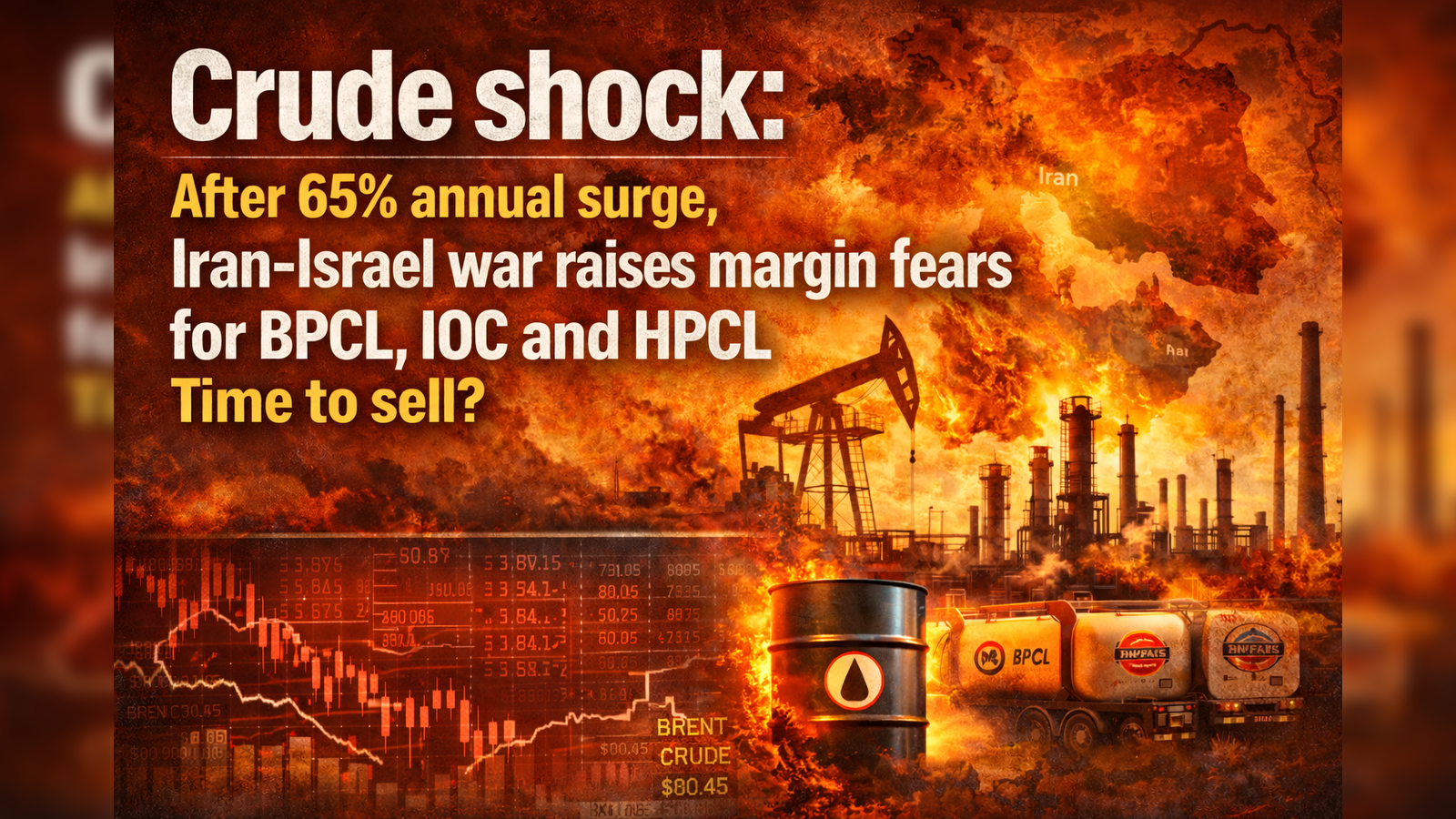
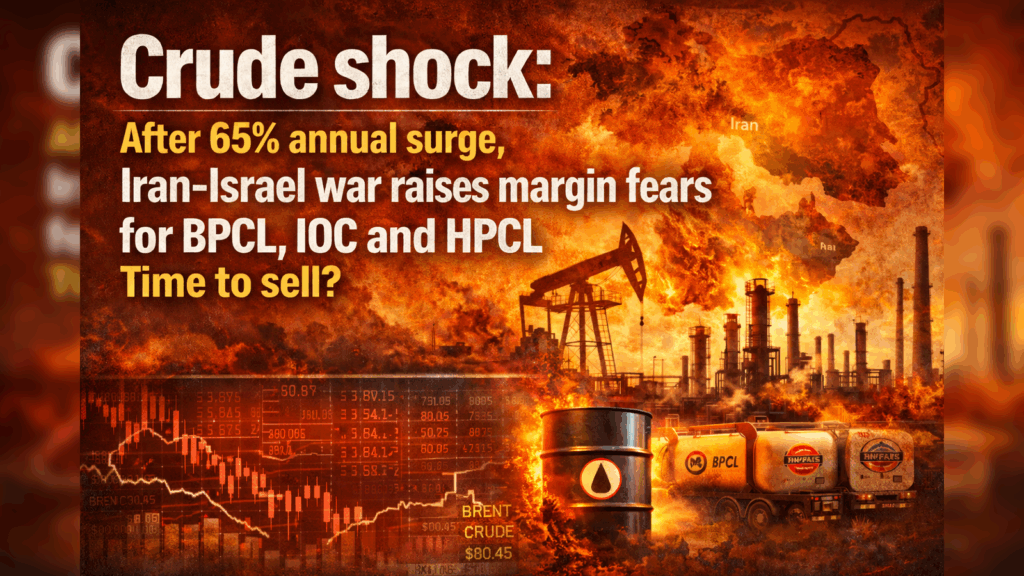 By K Raveendran Escalating hostilities between the United States, Israel and Iran are rapidly transforming a regional confrontation into a global economic and geopolitical crisis, raising the spectre of what many analysts are beginning to describe as a Third Gulf War. Tehran’s early warning that Washington might possess the ability to ignite the conflict but […]

 www.hkstp.org




 https://www.linkedin.com/company/allianz-commercial/