Just in:
Cyberport Venture & Capital Forum 2026 Grand Opening // Meraas showcases five residential zones at Dubai Design Week // Fast Just Got Fastest: STING Energy Boost™ Celebrates Kimi Antonelli’s Formula 1® World Championship and the Fan Energy Behind It // Kochi police detain two actors over bid to honey trap doctor // ADIA and partners establish $1.4 billion aviation venture // Xi Jinping Preparing For A Trilateral Summit With Trump And Putin At APEC Summit On Nov 18-19 // Vance attributes Republican midterm defeats to Iran conflict // Utilities pursue ₹1,992 cr in unpaid bills // SC to examine students’ exam plea today // e-Crime Bureau Signs Cybersecurity Partnership With Smart Africa, Reinforcing Its Global Expansion // Ta’ziz finalises $1.39bn funding for Ruwais industrial facilities // Cloudflare unveils Zero Wire vulnerability intelligence service // Asia Left Behind: Ten international companies have yet to report delivering on their cage-free egg pledges across the region // Millions Of Indians May Soon Be Deprived Of Government Assistance // APT29-linked campaign exploits outdated Apple and Android software // OpenAI identifies 948 Linux privilege escalation flaws using AI // Emirates Group records AED 4.1 billion half-year profit // Govt opposes Arlekar’s PSC action // CR Longdation Aethereal Cybersecurity × Global Cybersecurity Alliance (GCSA) Join Hands to Establish the “AI and Cybersecurity Research Centre” // Oil and chip shares retreat after Democratic victories //

News related to
Japan

President Joe Biden convened with key Indo-Pacific leaders on Saturday, reaffirming the United States’ commitment to bolstering regional maritime cooperation and countering the growing strategic influence of China. During the summit with the leaders of India, Australia, and Japan, Biden underscored the importance of the Quadrilateral Security Dialogue (Quad), a security coalition increasingly focused on ensuring the stability of the Indo-Pacific region, both economically and militarily. Biden’s […]

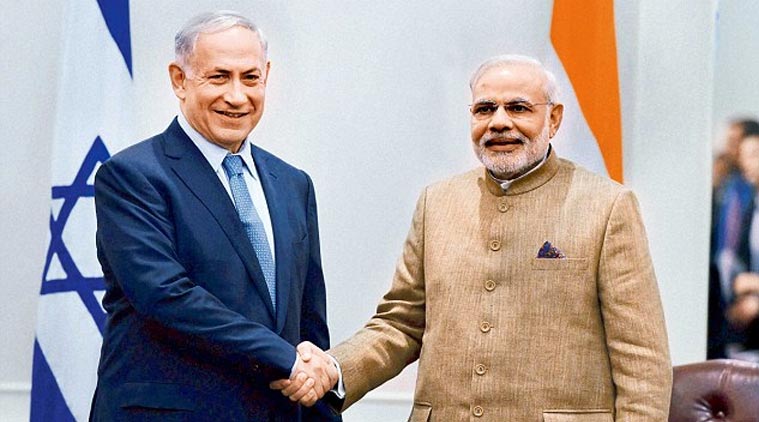
The Quad alliance, consisting of the United States, Japan, Australia, and India, solidified its growing significance as Prime Minister Narendra Modi emphasized India’s commitment to hosting the 2025 Quad Summit. Speaking at the Wilmington Summit, Modi underlined the alliance’s role in promoting stability and security in the Indo-Pacific region, while reaffirming that the grouping is not directed against any specific nation. This strategic partnership, formed in response to shared democratic values, continues to gain momentum amid evolving geopolitical tensions.

The Wilmington meeting marked a critical moment in the Quad’s development, furthering dialogue and cooperation between the four member states. Since its revival in 2021, the Quad has played a prominent role in fostering regional security, focusing on areas such as technological collaboration, climate action, and defense cooperation. Modi’s remarks highlighted India’s readiness to lead the next phase of the alliance, with preparations underway to host the 2025 summit.

As global challenges intensify, the Quad has emerged as a cornerstone of multilateral diplomacy in the Indo-Pacific. Modi pointed out the shared commitment to ensuring a free, open, and inclusive Indo-Pacific, with democratic principles at the core of the alliance. “The Quad is here to stay,” Modi stated, emphasizing that the grouping stands as a platform for collaborative solutions rather than a response to any particular nation or bloc. The assertion reflects the Quad’s non-confrontational approach, focusing instead on promoting collective security and economic prosperity across the region.

The Quad’s evolution since 2021 has been rapid, with member nations consistently expanding their areas of cooperation. Strategic experts have noted the alliance’s success in areas such as maritime security, with Quad navies conducting joint exercises aimed at improving interoperability. These exercises have not only bolstered defense capabilities but also demonstrated the alliance’s resolve to protect vital maritime routes, which are critical to global trade. With India poised to take on the next summit, expectations are high that the country will continue to push forward initiatives that reinforce regional security and economic growth.

The Wilmington Summit also underscored the importance of technology sharing and innovation. One of the key areas discussed was the development of resilient supply chains, particularly in the semiconductor industry, which has been under strain due to global shortages. The Quad countries are looking to collaborate on reducing dependency on specific nations for key technological inputs, enhancing supply chain diversification. Modi emphasized that the Indo-Pacific region, as a hub for technological development, could play a pivotal role in global supply chain stabilization. This effort reflects the Quad’s broader strategic aim of reducing vulnerabilities in critical industries while ensuring the equitable growth of emerging technologies.

The Quad’s expanding agenda now includes addressing climate change, a subject of critical importance for the Indo-Pacific, which is home to several vulnerable island nations. The Wilmington Summit reiterated the Quad’s commitment to reducing carbon emissions and promoting clean energy. Modi reinforced India’s role as a key player in the global climate conversation, showcasing the country’s strides in renewable energy development and its leadership in the International Solar Alliance. He noted that climate resilience would remain a core focus at the 2025 summit, as the Quad aims to balance economic growth with sustainable environmental practices.

While defense and economic issues dominated the Quad agenda, the alliance’s role in fostering people-to-people ties has not been overlooked. The Wilmington Summit highlighted educational exchanges and cultural collaborations between member states, reflecting the Quad’s broader ambition to strengthen ties beyond security and economics. By fostering a deeper understanding between citizens, the alliance seeks to build long-term partnerships that transcend geopolitical concerns. Modi’s vision for the 2025 summit includes a renewed focus on such exchanges, positioning India as a cultural and diplomatic bridge between the East and West.

Despite its progress, the Quad continues to face scrutiny, particularly from nations like China, which view the alliance as an attempt to contain their influence in the Indo-Pacific. However, Modi was quick to dispel this notion, stating that the Quad’s goals remain inclusive and transparent. The Quad’s diplomatic language has consistently emphasized collaboration over confrontation, seeking to engage with all nations willing to work toward a stable and prosperous region.

India’s growing role within the Quad has been noted by analysts, particularly in light of the country’s increasing influence in global economic and security forums. As the host of the 2025 summit, India is expected to leverage its diplomatic capabilities to further solidify the Quad’s position as a key player in the Indo-Pacific. Modi’s strategic vision includes strengthening defense ties with Quad members, while also expanding economic cooperation to address shared challenges such as trade imbalances and supply chain vulnerabilities.

The timing of India’s hosting of the 2025 Quad Summit is significant, as the Indo-Pacific continues to be a focal point for international diplomacy. Analysts have pointed out that India’s ability to navigate complex geopolitical dynamics will be crucial in ensuring the Quad’s continued success. With global powers vying for influence in the region, the Quad’s balanced and inclusive approach has positioned it as a diplomatic force for stability.

The Wilmington Summit also saw discussions on strengthening health security, with a focus on pandemic preparedness. The Quad’s efforts in distributing vaccines to Indo-Pacific nations have been well-received, showcasing the alliance’s capability to provide humanitarian assistance in times of crisis. Modi acknowledged the importance of continuing this collaboration, noting that health security would remain a priority in future Quad discussions. The pandemic’s impact on global health infrastructure has reinforced the need for multilateral approaches to address both current and future challenges, and the Quad is expected to play a vital role in these efforts moving forward.


HONG KONG SAR – Media OutReach Newswire – 20 September 2024 – DL Holdings Group Limited (“DL Holdings” or the “Company“, together with its subsidiaries, the “Group“, Stock Code: 1709.HK) announced that on September 19, 2024, DL Holdings has entered into an acquisition MOU with a Singapore-based wealth management firm (the “Target Company”). The consideration of the Sale Shares is expected to be settled by a combination […]

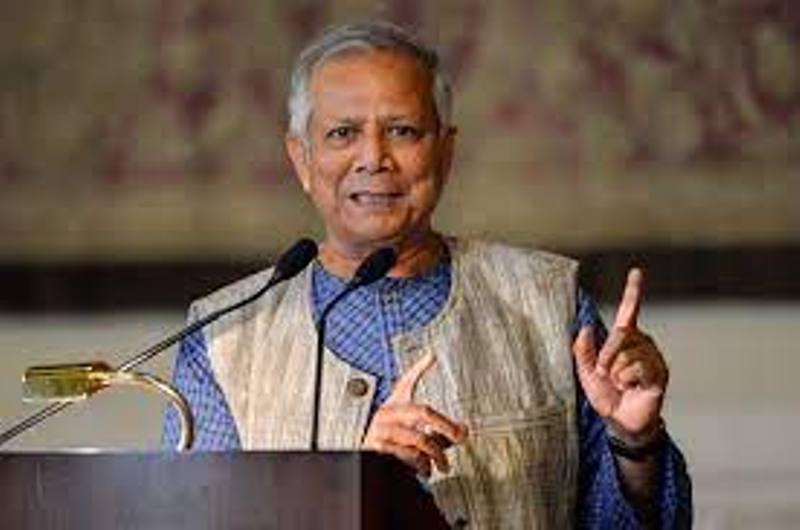
By Nitya Chakraborty The interim Government of Bangladesh headed by Dr. Muhammad Yunus is doing all the preparatory work for officially demanding the extradition from India of the ousted Prime Minister Sheikh Hasina as early as possible. Indications suggest that Dr. Yunus may mention of this demand at his address to the United Nations General […]

“EA” elevates Bangkok’s dining scene to new heights, bringing the world’s top cuisine to the ultimate luxurious dining and lifestyle experiences atop the city’s most stunning rooftop, where unparalleled 360-degree views of the Bangkok skyline combined with the mesmerizing curve of the Chao Phraya River, both day and night. Partnering with culinary legend Chef Nobu Matsuhisa, “EA” launches “Nobu Bangkok” in Thailand, which also holds the title […]

Erenhot Port, the largest land port on the China-Mongolia border, has witnessed increasing trade and people-to-people exchanges between the two countries. This year, by Sept. 5, Erenhot highway and railway ports recorded over 1.75 million inbound and outbound trips, up 95 percent year on year. Many Mongolian residents are coming to China to receive education and medical services. The popularity of Mongolian goods among Chinese consumers has […]

By Nitya Chakraborty What is happening to Indian foreign policy during the third term of the Prime Minister Narendra Modi? Is India a vassal state to the United States in 2024 disconnecting all its political links with the country’s BRICS partners? On September 18, a day after our PM’s 74th birthday and completion of 100 […]
Advertisements

A potential reduction in the Federal Reserve’s interest rate might spell trouble for cryptocurrency markets and could signal the end of the era of central bank dominance. Arthur Hayes, a notable figure in the crypto space, has voiced concerns that such a move could trigger inflationary pressures and bolster the Japanese yen, leading to significant disruptions across financial markets.

Hayes, the co-founder of BitMEX, has recently shared his analysis on how a Fed rate cut could reverberate through global economies. According to Hayes, lowering interest rates could potentially stoke inflation, undermining the value of cryptocurrencies as investors might seek refuge in traditional fiat currencies. This shift could lead to a substantial decrease in the market value of digital assets, which have already been grappling with volatility.

The Fed’s stance on interest rates is crucial for various economic sectors, including cryptocurrencies. Typically, lower interest rates make borrowing cheaper and can stimulate investment in riskier assets. However, Hayes argues that the current economic climate, marked by uncertainties and geopolitical tensions, could make cryptocurrencies particularly vulnerable to these shifts. As traditional financial systems adapt to lower rates, cryptocurrencies might face increased selling pressure as investors shift their portfolios in search of stability.

Additionally, Hayes highlights the potential strengthening of the Japanese yen as a critical factor. A rate cut could lead to a depreciation of the U.S. dollar, making the yen a more attractive currency for investors seeking safety. This scenario could impact global trade and investment flows, further destabilizing markets already on edge.

Central banks have long held significant sway over global financial systems, using monetary policy tools to manage economic stability. However, Hayes suggests that the effectiveness of these institutions is waning. The increasing complexity of global financial markets and the rise of alternative investment vehicles, including cryptocurrencies, might be diminishing the traditional influence of central banks.

In his analysis, Hayes points to the broader implications of central banks’ policies on financial stability. As these institutions grapple with the effects of rate cuts and their unintended consequences, the resilience of alternative financial systems, such as decentralized cryptocurrencies, is being tested. The interplay between traditional financial mechanisms and emerging digital assets is becoming increasingly intricate, potentially reshaping how economic stability is managed in the future.

The discussion around central banks and interest rates is further complicated by the ongoing debates about inflation and economic growth. Hayes contends that while central banks attempt to address economic slowdowns with rate cuts, they may inadvertently contribute to inflationary pressures. This dynamic could undermine efforts to stabilize markets and preserve the value of currencies, including both traditional and digital assets.

Investors and market analysts are closely monitoring these developments, as the potential fallout from a Fed rate cut could have wide-ranging effects. The crypto market, known for its sensitivity to macroeconomic changes, might experience heightened volatility as traders react to shifting economic indicators and policy adjustments. Meanwhile, traditional financial markets could face adjustments as currencies like the yen gain prominence.

As the financial world navigates these complex dynamics, the role of central banks and their ability to influence economic outcomes is under scrutiny. Hayes’ perspective sheds light on the evolving landscape of global finance, emphasizing the need for investors and policymakers to stay attuned to the shifting tides of monetary policy and its impact on various asset classes.

PlayStation enthusiasts are gearing up for the highly anticipated release of “God of War Ragnarok,” set to launch globally on November 9, 2024. This sequel to the critically acclaimed “God of War” (2018) continues the journey of Kratos and his son Atreus as they navigate the treacherous landscapes of Norse mythology. Developed by Santa Monica Studio, “God of War Ragnarok” promises to deliver an expansive and immersive […]

The United Arab Emirates (UAE) and Japan are set to begin formal discussions aimed at establishing a comprehensive trade agreement. This move reflects a strategic push by both nations to bolster their economic relationship and enhance bilateral trade flows.

The announcement of these forthcoming negotiations comes amidst a broader global trend where countries are seeking to solidify economic alliances and diversify their trade partnerships. For the UAE, a key player in the Middle Eastern economy, this deal is expected to open new avenues for trade and investment, particularly in sectors such as technology, energy, and infrastructure. Japan, renowned for its advanced technology and industrial capabilities, views this agreement as a strategic opportunity to strengthen its economic presence in the Gulf region.

Current trade between the UAE and Japan is robust, yet both countries believe that there is significant untapped potential. According to the latest figures, Japan is one of the UAE’s leading trading partners in Asia, with a notable presence in areas like automotive and electronics. However, both nations see the potential to expand their economic ties beyond these sectors, focusing on high-tech industries and sustainable development projects.

The trade discussions are expected to address a range of issues, including tariff reductions, market access, and investment protections. The goal is to create a mutually beneficial framework that not only enhances economic cooperation but also facilitates smoother business operations for companies in both countries.

Economic experts suggest that the deal could significantly impact the trade dynamics of the region. By integrating Japan’s technological advancements with the UAE’s strategic location and energy resources, the agreement may lead to innovative collaborations and investments. This aligns with the UAE’s Vision 2030, which aims to diversify its economy away from oil dependence and foster innovation and sustainability.

In recent developments, both governments have been actively preparing for these negotiations by conducting preparatory meetings and consultations with key industry stakeholders. The UAE’s Ministry of Economy and Japan’s Ministry of Foreign Affairs have been working closely to outline the negotiation framework and key areas of focus.

The potential trade agreement could also pave the way for deeper economic integration between the two nations. For Japan, which has been seeking to expand its economic footprint in the Middle East, this deal represents a significant step towards achieving greater market penetration. The UAE, on the other hand, is looking to leverage this partnership to enhance its role as a global business hub.

Additionally, the agreement is likely to cover aspects such as intellectual property rights, regulatory cooperation, and environmental standards, reflecting a modern approach to international trade agreements that goes beyond traditional tariff issues. This comprehensive approach aligns with global trade practices aimed at fostering sustainable and equitable economic growth.

Both nations are also expected to explore collaborative opportunities in emerging sectors such as renewable energy, digital technology, and advanced manufacturing. The UAE has been making substantial investments in renewable energy and technological innovation, while Japan is a global leader in high-tech industries. This alignment could lead to joint ventures and projects that benefit both economies.

As the UAE and Japan embark on these trade discussions, there is considerable optimism about the potential outcomes. The agreement is anticipated to strengthen economic ties, promote mutual investment, and contribute to regional stability. For businesses in both countries, this deal could open new markets and opportunities, further enhancing the economic relationship between these two important partners.

The Prime member exclusive event will deliver big deals from top brands, across categories like books, toys, babies and home & kitchen, including brands like Mattel, Sennheiser, L’Oréal and Ergobaby Customers shopping for groceries can now enjoy a wider selection of products and new shopping features from Amazon Fresh & Fast, including recurring weekly delivery slots and the option to automatically fill a weekly basket with favourite […]

By Nantoo Banerjee Union Road Transport & Highways Minister Nitin Jairam Gadkari may be right to say that electric vehicles manufacturers do not need any more government subsidies, as consumers are now opting for EVs and CNG vehicles independently. The minister reasoned that the drop in production costs and the lower GST on EVs make […]

Explore I-PRIMO’s exquisite collection of over 200 beautifully crafted rings, each designed to capture the best moments of your unique love story as you take your first step together SINGAPORE – Media Outreach Newswire – 16 September 2024 – Renowned Japanese bridal jewellery brand, I-PRIMO, is thrilled to announce the opening of its second store in Singapore, located at Suntec City. This exciting expansion marks a significant […]

FHA-HoReCa will take place 22-25 October in Singapore with an expected turnout of over 45,000 attendees. First time ever, Singapore plays host to the Global Chef Challenge Finals, the biggest competition for chefs worldwide! This premier event will also welcome a series of new competitions alongside the new Future of Hospitality Seminar. SINGAPORE – Media OutReach Newswire – 12 September 2024 – FHA-Food & Beverage, Asia’s top […]

SHENZHEN, CHINA – Media OutReach Newswire – 14 September 2024 – The fifth (2024) Private Entrepreneur Grand Conference (PEGC) convened on Sept 5 and 6 in Shenzhen, Guangdong province. Hosted by leading Chinese educational institution Bosum Institute of Management Science and the Bosum Association, this year’s conference brought together more than 8,000 private entrepreneurs from across China, with its livestream garnering over a million views. Under the […]

BEIJING, CHINA – Media OutReach Newswire – 13 September 2024 – At the invitation of China International Fair for Trade in Services (CIFTIS) in Beijing, “(Daguan · Keweiwei) The 9th China Brand Value Top 100” and “(Daguan · Keweiwei) The World Brand Value Top 900” rankings are officially released at the CIFTIS on September 12, 2024. “(Daguan · Keweiwei) The 9th China Brand Value Top 100” and […]

Hong Kong is seeking to deepen its financial and trade ties with the Gulf, focusing on attracting investment from sovereign wealth funds in Saudi Arabia and the UAE. This push comes as Hong Kong strengthens its role as a financial bridge between China and the Middle East, particularly through initiatives like the Belt and Road Initiative, which has seen significant interest from Gulf nations.

Officials in Hong Kong, including the city’s chief executive John Lee, have been actively courting Gulf investment. His visit to the UAE and Saudi Arabia earlier this year marked a significant step towards securing deeper partnerships. During his meetings, Lee emphasized Hong Kong’s potential as a gateway for Gulf capital into broader Asian markets, particularly in sectors such as technology, infrastructure, and finance.

Hong Kong’s outreach to Gulf sovereign wealth funds coincides with broader shifts in global economic alignments. As ties between China and Western economies face challenges, Hong Kong’s strategy appears focused on positioning itself as a “super-connector” linking the growing economic powerhouses of the Gulf with China’s vast market. This connection is further bolstered by the existing Belt and Road partnerships, which have laid the groundwork for increased collaboration between China and the GCC.

Both the UAE and Saudi Arabia have demonstrated keen interest in leveraging Hong Kong’s financial infrastructure to diversify their investment portfolios, particularly as part of their long-term economic visions. The Saudi Vision 2030 and the UAE’s economic diversification plans align well with Hong Kong’s offerings in sectors like fintech, biotechnology, and artificial intelligence. Sovereign wealth funds from the region, including Saudi Arabia’s Public Investment Fund and Abu Dhabi’s Mubadala Investment Company, are seen as key players in this expanded relationship.

Trade between the UAE and Hong Kong has been growing steadily, with non-oil trade reaching $11.7 billion in 2022, a 40 percent increase over the past five years. This surge in trade is part of a larger trend that sees Hong Kong acting as a vital conduit for Gulf goods flowing into China. UAE exports to Hong Kong, for instance, now exceed those to mainland China, highlighting the city’s re-export role.

The strategic importance of these partnerships is further evidenced by ongoing discussions around free trade agreements. Both Hong Kong and the UAE have expressed interest in formalizing their economic ties through a bilateral free trade agreement, which analysts believe could serve as a model for similar agreements between Hong Kong and other Gulf states. Such a deal would facilitate smoother trade and investment flows, especially in sectors like technology and infrastructure, where Gulf nations are looking to invest heavily.

As part of its efforts to strengthen ties with the Gulf, Hong Kong is also offering incentives to Gulf companies. This includes government-backed investment funds and policies aimed at making Hong Kong a more attractive destination for Gulf capital. The city’s $4 billion technology fund is a particular draw, with officials hoping to attract innovation and technological collaboration from the Middle East.

Hong Kong’s outreach to the Gulf is part of a broader effort to realign its global economic strategy. With tensions rising between China and its traditional trade partners, particularly the U.S. and Japan, Hong Kong has increasingly looked to the Middle East for new opportunities. The growth in trade and investment between China and the Gulf provides a promising alternative, and Hong Kong’s unique position as an intermediary is seen as a crucial asset.

Analysts are optimistic about the future of Hong Kong-Gulf relations, noting that the city’s role as a global financial hub aligns well with the ambitions of Gulf sovereign wealth funds. The Belt and Road Initiative, in particular, has been a key factor in strengthening these ties, offering Gulf nations a way to tap into China’s expansive infrastructure and development projects.

Generative artificial intelligence (AI) has gained considerable attention worldwide, particularly with the rise of tools like ChatGPT. However, its penetration and regular usage vary significantly across different countries and demographic groups, as evidenced by findings from an extensive online survey covering six nations: Argentina, Denmark, France, Japan, the United Kingdom, and the United States. While there is broad awareness of the technology, its adoption in everyday life remains limited, with only a small fraction of people using AI tools regularly.

The survey results reveal that ChatGPT is the most recognized and widely used generative AI tool in all six countries. Nearly half of the population has heard of it, yet daily use remains minimal. For instance, only 1% of people in Japan report using the tool daily, with slightly higher usage rates in the United States (7%) and the United Kingdom (2%). Despite the widespread knowledge of ChatGPT, the technology has not yet become a staple in everyday online activities for most users.

Generative AI tools like ChatGPT, Google Gemini, and Microsoft Copilot are becoming increasingly known to the public, but there remains a significant portion of the population—between 20% and 30%—that is unfamiliar with these technologies. This gap in awareness is consistent across the six countries surveyed. The disparity highlights the ongoing challenge of AI’s integration into mainstream digital life, as a considerable minority still lacks exposure to or understanding of these tools.

Younger generations, particularly those aged 18 to 24, are far more likely to engage with generative AI tools. Across the six nations, an average of 56% of young adults in this age group have used ChatGPT at least once, whereas only 16% of people aged 55 and older report the same. The generational divide in AI usage underscores the technology’s appeal to a younger, more tech-savvy audience, while older individuals seem less inclined to explore these emerging tools.

The survey also delved into how people are using generative AI across various sectors. In the six nations surveyed, 28% of respondents stated that they had used AI to create different types of media—ranging from text and images to audio and code—while 24% reported using it to gather information. Interestingly, despite the vast potential of generative AI in journalism and content creation, only 5% of respondents indicated that they had used such tools to get the latest news. This finding suggests that while AI is being utilized in creative industries, its role in news consumption remains limited.

While generative AI tools are lauded for their versatility in content generation, skepticism persists in their use for journalism. The reliance on AI for news remains low across the board, likely due to concerns about credibility, bias, and the perceived lack of human insight in automated news reporting. In the US, for example, where generative AI usage is more prevalent compared to other nations, only a small fraction of users trust AI for news purposes, indicating a lingering preference for traditional journalism over automated alternatives.

Although the adoption of generative AI is still at a nascent stage, the public’s use of these technologies is evolving. Younger people appear more willing to experiment with AI, particularly in creative and media-centric tasks, but the overall usage remains sporadic. In France, for instance, only 2% of respondents said they used ChatGPT daily, with the majority of users engaging with the tool only once or twice before abandoning it. This trend holds true across all six nations, where generative AI tools are still far from becoming a daily necessity in people’s digital routines.

Google Gemini and Microsoft Copilot, while trailing behind ChatGPT in terms of usage, are also gaining traction among AI users. These tools are mainly utilized for specific functions, such as generating code or assisting in professional tasks. However, their widespread use is still dwarfed by ChatGPT’s reach, which remains the dominant force in the generative AI landscape. The disparity in usage suggests that while other AI platforms are making strides, they have yet to capture the public’s attention on the same scale as ChatGPT.

Despite the promise of generative AI, the survey underscores a need for greater public education about its potential applications. Many users remain unsure about how to integrate AI into their everyday lives beyond novelty tasks. There is also an underlying apprehension about the accuracy and reliability of AI-generated content, particularly in contexts that require human judgment, such as news and information dissemination.

Headlined by French electronic music duo, JUSTICE, along with a carefully-curated mix of international and regional performers, the 2-day festival encompasses everything from the realm of fashion, music, art, and culture. Early bird 2-day weekend ticket sales will open on Klook starting September 12. HONG KONG SAR – Media OutReach Newswire – 11 September 2024 – Hypebeast, the leading global platform for contemporary culture and lifestyle, is […]

Vinhomes offers a fertile ground for international real estate investors seeking opportunities in Vietnam. HANOI, VIETNAM – Media OutReach Newswire – 11 September 2024 – The real estate market in Vietnam, despite facing numerous challenges in recent years, is showing signs of robust recovery. This resurgence has made the market increasingly attractive to both local and international investors. Amidst this revival, Vinhomes has emerged as a key […]

Virgin Galactic is expanding its reach to Asia, inviting potential customers to express interest in its upcoming space tourism flights. The company, known for its ambitious plans to make space travel accessible to private citizens, is offering a ticket price of $600,000 for a seat on its suborbital flights. The company’s strategy aims to tap into the burgeoning market of high-net-worth individuals in Asia who are eager […]

AvanStrate Inc. will chart new growth path with high-tech display products across industries to meet increasing global demand. MUMBAI, INDIA – Media OutReach Newswire – 5 September 2024 – Vedanta Limited announced that the display glass business is set to grow 10x after consolidating its holding in AvanStrate Inc. (ASI), a Japanese display glass manufacturer, to 98%, following the acquisition of 46.57% equity from Hoya Corporation. ASI […]

Guests can experience the latest Courtyard Premier rooms, refreshed Junior Suites and even a staycation for pet owners and their fur-kids SINGAPORE – Media OutReach Newswire – 5 September 2024 – Oasia Resort Sentosa by Far East Hospitality unveils a new room category, Courtyard Premier, alongside the hotel’s refreshed Junior Suites. A testament to the resort’s commitment to being a leading wellness destination, the new offerings will […]

M A Hossain Russian President Vladimir Putin’s recent two-day state visit to Mongolia was not only a significant moment in the bilateral relations between Moscow and Ulaanbaatar, but also an event that resonated on the international stage. Mongolia, a nation that ratified the Rome Statute of the International Criminal Court (ICC), became the subject of global attention due to its refusal to comply with the ICC’s warrant […]

VISHNU RAJA
RYO YAMADA
HITORI GOTOH
IKUYO KITA
Just in:
Private varsities bill all set to face the axe // Utilities pursue ₹1,992 cr in unpaid bills // Cyberport Venture & Capital Forum 2026 Grand Opening // After Reaching 7 Million Users in the Philippines, Skyro Launches Transparent Cash Loans in Malaysia // Fast Just Got Fastest: STING Energy Boost™ Celebrates Kimi Antonelli’s Formula 1® World Championship and the Fan Energy Behind It // SC to examine students’ exam plea today // OpenAI identifies 948 Linux privilege escalation flaws using AI // Xi Jinping Preparing For A Trilateral Summit With Trump And Putin At APEC Summit On Nov 18-19 // Dubai boat show confirms international shipyard line-up for November // Meraas showcases five residential zones at Dubai Design Week // Cloudflare unveils Zero Wire vulnerability intelligence service // Millions Of Indians May Soon Be Deprived Of Government Assistance // Emirates Group records AED 4.1 billion half-year profit // CR Longdation Aethereal Cybersecurity × Global Cybersecurity Alliance (GCSA) Join Hands to Establish the “AI and Cybersecurity Research Centre” // e-Crime Bureau Signs Cybersecurity Partnership With Smart Africa, Reinforcing Its Global Expansion // The “1st Greater Bay Area Health and Longevity Summit & Awards Ceremony” concludes successfully in Macao // Asia Left Behind: Ten international companies have yet to report delivering on their cage-free egg pledges across the region // ADIA and partners establish $1.4 billion aviation venture // TVM –Mangaluru Vande Bharat claims top spot // Ousted top Kochi cop gets IG post //