News related to
Japan

Matein Khalid I was neurologically programmed to disbelieve every communique issued by the Indian or Pakistani military in the wartime and thus missed the spectacular 50% rise in the shares of A​VIC Chengdu Aircraft, a Shenzhen listed vendor of the $39 million J-10 fighter jet that downed three Indian ​$250 million Rafales, a MiG-29 and Sukhoi-30 while Frenc​h, British and US intelligence told sources in Reuters, Bloomberg, […]

Tokyo-based Metaplanet Inc. has overtaken El Salvador in Bitcoin reserves, now holding 6,796 BTC compared to the Central American nation’s 6,170 BTC. This milestone positions Metaplanet as Asia’s leading corporate Bitcoin holder and the first publicly listed Japanese firm to adopt Bitcoin as its primary treasury asset.

The company’s aggressive accumulation strategy, initiated in April 2024, has led to a staggering 5,250% surge in its stock price over the past year. This growth trajectory has been further bolstered by its inclusion in the MSCI Japan Index, effective February 28, 2025, enhancing its visibility among institutional investors.

Central to Metaplanet’s strategy is its ambitious “21 Million Plan,” aiming to acquire 10,000 BTC by the end of 2025 and 21,000 BTC by 2026. To finance this, the company has raised approximately ¥116 billion through the issuance of 21 million shares via moving strike warrants, marking the largest Bitcoin-focused capital raise in Asian equity market history.

CEO Simon Gerovich has emphasized Bitcoin’s role as a hedge against Japan’s economic challenges, including high debt levels and currency depreciation. He stated that the company’s pivot to a Bitcoin-centric strategy has transformed it from a “zombie” company into a market leader.

Metaplanet’s financial performance reflects this transformation, with a reported 309.82% Bitcoin yield in Q4 2024 and a market capitalization increase of 11,800% over the past year. The company’s shareholder base has expanded significantly, now exceeding 50,000 investors.

In addition to its financial endeavors, Metaplanet is promoting Bitcoin adoption through initiatives like the upcoming launch of “The Bitcoin Hotel” in Tokyo, set to open in Q3 2025. This establishment aims to serve as a hub for Bitcoin education and community engagement.

Metaplanet’s approach mirrors that of U.S.-based Strategy, formerly known as MicroStrategy, which holds over 553,000 BTC. Both companies exemplify a growing trend of corporations integrating Bitcoin into their treasury strategies as a means of preserving value and driving growth.

Matein Khalid The smoke signals from Geneva came even faster than the one in the Vatican that announced the arrival of Pope Leo XIV on the world stage. If the US-China trade marathon was a Bollywood movie, Scott Bessant would be​ ​dancing wet and wild with the Chinese Vice Premier Lifeng in their Jet d’Eau or kowt​owing on those little abraas that criss-cross the Rhône river​ since […]

KUALA LUMPUR, MALAYSIA – Media OutReach Newswire – 12 May 2025 – Tenchijin Inc., a leading space technology company, today announced a partnership agreement with PWS, Malaysia’s prominent water solutions provider, for the distribution of KnoWaterleak in key Malaysian territories as of May 1. This strategic partnership combines Tenchijin’s innovative satellite-based water leak detection technology with PWS’s extensive network and expertise in the Malaysian water sector. PWS, […]

Japan has firmly stated it will not agree to any preliminary trade agreement with the United States that excludes the removal of auto tariffs. Prime Minister Shigeru Ishiba emphasised this position during a parliamentary session, underscoring that Japan’s automotive sector is a cornerstone of its economy and must be protected in trade negotiations. The United States, under President Donald Trump, has imposed a 25% tariff on imported […]

HO CHI MINH CITY, VIETNAM – Media OutReach Newswire – 9 May 2025 – Castel Châteaux & Grands Crus proudly announces the Best Young Sommelier Competition by Castel Châteaux & Grands Crus – Asia Edition 2025, a landmark event designed to cultivate and celebrate the next generation of sommeliers talent throughout Asia. This prestigious competition will serve as a crucial stepping stone for candidates, preparing them for […]

Bitcoin outpaced both gold and the S&P 500 in April 2025, surging over 30% to approach $97,200 by month’s end. This performance underscores the cryptocurrency’s growing appeal among institutional investors and its increasing alignment with traditional financial markets.

The rally followed a volatile start to the month, with Bitcoin dipping below $75,000 before rebounding sharply. Analysts attribute this resilience to heightened institutional adoption, bolstered by the proliferation of spot Bitcoin exchange-traded funds and strategic government initiatives. Notably, the United States’ establishment of a Strategic Bitcoin Reserve in March 2025 signaled a significant policy shift, aiming to position Bitcoin alongside traditional reserve assets.

Institutional interest has been further evidenced by major financial entities integrating Bitcoin into their portfolios. BlackRock’s iShares Bitcoin Trust ETF, for instance, has been incorporated into its $150 billion model-portfolio universe, allocating 1% to 2% to Bitcoin. Such moves reflect a broader trend of mainstream financial institutions embracing cryptocurrency as a legitimate asset class.

The correlation between Bitcoin and the S&P 500 has intensified, with recent analyses indicating a peak correlation coefficient of 0.87 in 2024. This suggests that Bitcoin is increasingly behaving like a leveraged version of traditional equity indices, offering amplified returns during market upswings. In 2024, while the S&P 500 rose by 24%, Bitcoin surged by 135%, highlighting its potential for higher alpha in bullish markets.

However, this amplified behavior also implies greater volatility. During market downturns, Bitcoin’s losses can be more pronounced, as evidenced in 2022 when the S&P 500 declined by 19% and Bitcoin plummeted by 65%. Investors are advised to consider this dynamic when incorporating Bitcoin into diversified portfolios.

The U.S. Federal Reserve’s decision to maintain interest rates at 4.25%-4.5% amid economic uncertainties, including a 0.3% GDP contraction in the first quarter, has also influenced market dynamics. Despite these challenges, Bitcoin’s performance suggests a decoupling from traditional economic indicators, driven by its unique supply dynamics and growing institutional demand.

Looking ahead, projections for Bitcoin’s price vary. Standard Chartered anticipates Bitcoin reaching close to $200,000 by the end of 2025, citing parallels with gold’s historic ETF-driven price surge. Similarly, AllianceBernstein forecasts a rise to $200,000 by September 2025, attributing this to increased institutional adoption and the effects of the 2024 Bitcoin halving event. Conversely, analysts at Blockware Solutions present a more conservative base case of $225,000, contingent on favorable macroeconomic conditions and continued corporate adoption.

The global landscape is also shifting, with several U.S. states, including Oklahoma, Texas, Arizona, and Utah, passing laws recognizing Bitcoin as a strategic asset for their state treasuries. Internationally, countries like Japan and Argentina are exploring the integration of Bitcoin into their financial systems, further legitimizing its role on the global stage.

Advertisements
By Nitya Chakraborty It is now official. After waiting for a few days since Donald Trump diluted the U.S. tariff rates for China and announced his intention for talks, China confirmed on Wednesday morning that a high level Chinese negotiating team will be visiting Switzerland for four days beginning May 9 to hold talks with […]

Metaplanet Inc., a Tokyo-listed investment firm, has fortified its position in the cryptocurrency market by acquiring an additional 555 Bitcoins, valued at approximately $53.4 million. This purchase was financed through the issuance of zero-coupon bonds to EVO FUND, raising $25 million, which was entirely allocated to the Bitcoin acquisition at an average price of $96,134 per coin.

This strategic move elevates Metaplanet’s total Bitcoin holdings to 2,235 BTC, positioning the company as one of the top 15 publicly traded entities globally in terms of Bitcoin reserves. The firm has set an ambitious target to amass 10,000 BTC by the end of 2025, with a longer-term goal of reaching 21,000 BTC by 2026, aligning with Bitcoin’s capped supply of 21 million coins.

Metaplanet’s aggressive accumulation strategy mirrors the approach of U.S.-based Strategy, formerly known as MicroStrategy, which has been a pioneer in corporate Bitcoin investment. Since adopting the Bitcoin Standard in April 2024, Metaplanet has experienced significant growth, with its market capitalization increasing by 7,000% and its shareholder base expanding to over 50,000.

The company’s financial performance has also seen a substantial boost, achieving a record-breaking 309.82% BTC yield in Q4 2024. Metaplanet measures its performance using BTC yield, focusing on the growth of Bitcoin per share rather than traditional fiat metrics. This approach underscores the company’s commitment to maximizing shareholder value in Bitcoin terms.

To fund its Bitcoin acquisitions, Metaplanet has employed innovative financial instruments, including the issuance of moving strike warrants and zero-coupon bonds. These tools have allowed the company to raise capital without incurring interest-bearing liabilities, thereby optimizing its capital structure and reducing financial risks.

Metaplanet’s CEO, Simon Gerovich, has emphasized the company’s mission to lead the Bitcoin renaissance in Japan and emerge as a global leader in Bitcoin treasury operations. The firm plans to utilize a mix of loans, equity, and convertible bonds to achieve its Bitcoin accumulation goals, reflecting a flexible and strategic approach to capital markets.

The company’s aggressive Bitcoin strategy has not gone unnoticed, with analysts projecting that Bitcoin could reach or surpass $200,000 by the end of 2025. Metaplanet’s bold moves are seen as a response to this bullish outlook, positioning the firm to capitalize on potential market gains.

Metaplanet’s stock performance has mirrored its Bitcoin strategy, with shares surging by over 4,000% in the past year. The company is set to be included in the MSCI Japan Index, a move expected to attract more investors and enhance its market presence.

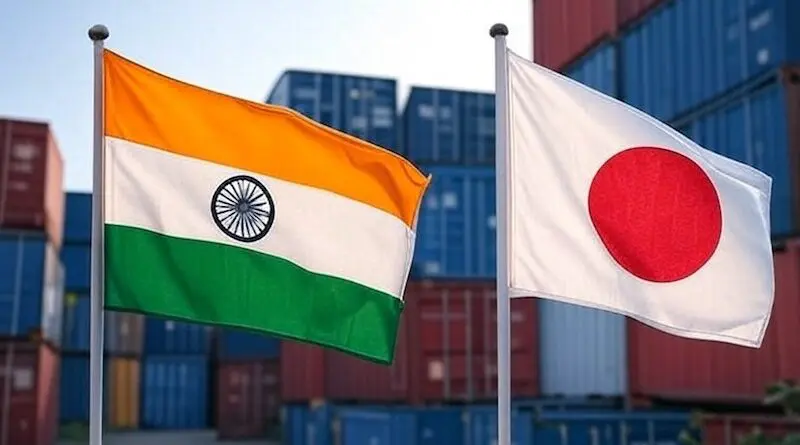
By Subrata Majumder India has emerged as the second most attractive destination for Japanese investors in Asia, after Singapore. It surpassed China, the most attractive place for Japanese investment in Asia for over four decades. Hitherto, India was eighth in 2020 in terms of getting investment from Japan. Latest Japanese interest in India manifests a […]

By Saifur Rahman When Ho Kwon Ping, a young Stanford drop-out, saw an abandoned tin mine in Thailand’s Bang Tao Bay in Laguna Phuket area in 1984, he didn’t know what to do with it as the land that was dimmed ‘useless’ by its former occupiers. It was a patch of a waste land with no activities then. In his Stanford days, he was a firebrand social […]

Panasonic Marketing Middle East and Africa has entered into a strategic partnership with Saudi Company for Hardware , a leading retailer in Saudi Arabia, to revolutionise the retail experience for customers in the Kingdom. This move marks a significant shift in the retail and electronics sectors, directly aligning one of Japan’s biggest manufacturers with a key local distributor, reshaping supply chains and enhancing customer engagement.

The collaboration between Panasonic and SACO will introduce a direct supply model, which aims to streamline product availability and improve service efficiency. By working closely together, the two companies will ensure a smoother, faster product distribution system, ultimately benefiting consumers with quicker access to Panasonic’s wide range of electronics and home appliances. SACO’s established retail network and expertise in the local market provide Panasonic with the necessary infrastructure to reach a broader audience while maintaining the highest service standards.

As part of the partnership, SACO will become Panasonic’s exclusive retail distributor for several product categories, including air conditioners, home appliances, and consumer electronics. The deal is expected to strengthen Panasonic’s presence in Saudi Arabia, which is one of the Middle East’s largest and most lucrative consumer markets. Both companies are focusing on providing customers with an enhanced shopping experience by offering a range of cutting-edge technologies and products, with a focus on energy-efficient and environmentally friendly solutions.

The collaboration is also set to create a seamless integration of Panasonic’s products into SACO’s expansive network of stores across the Kingdom. With a deep understanding of the Saudi consumer landscape, SACO is well-positioned to promote Panasonic’s products effectively while ensuring that they meet the local market’s unique needs and preferences. SACO’s strategic locations across major cities in Saudi Arabia will provide Panasonic with an enhanced retail footprint, allowing it to tap into new demographics and increase brand recognition.

The partnership comes at a time when Saudi Arabia’s retail and electronics sectors are experiencing substantial growth, driven by a youthful population, rising disposable incomes, and increased consumer demand for high-quality home electronics. This trend is further supported by the Saudi Vision 2030 initiative, which aims to diversify the economy and reduce its reliance on oil exports. As part of this vision, the Kingdom is increasingly focusing on expanding its non-oil sectors, with retail and consumer electronics being key growth areas.

Panasonic’s commitment to sustainability aligns with the growing demand for energy-efficient products in the Kingdom. In response to this demand, the company plans to introduce a range of environmentally conscious solutions, such as energy-saving home appliances and air conditioning systems, designed to meet Saudi Arabia’s strict energy regulations. These products are expected to resonate well with consumers who are becoming more environmentally aware and seek to reduce their carbon footprints while maintaining high standards of comfort and quality.

Through this collaboration, Panasonic also aims to strengthen its after-sales service network in Saudi Arabia. The partnership will facilitate the creation of dedicated service centres, staffed by highly trained technicians who can provide maintenance and repair services for Panasonic products. This move is designed to enhance customer satisfaction, ensuring that consumers receive comprehensive support throughout the life cycle of their purchased products. Panasonic’s reputation for high-quality manufacturing and reliability will be further bolstered by SACO’s robust service infrastructure.

The partnership is expected to play a pivotal role in transforming the electronics retail sector in Saudi Arabia. By leveraging SACO’s local expertise and Panasonic’s global brand strength, the companies aim to offer a unique value proposition to consumers. Shoppers will benefit from a more integrated shopping experience, including access to the latest Panasonic products, expert advice, and convenient after-sales support. Furthermore, the collaboration is likely to spark more innovation in the retail sector, as other manufacturers may look to follow suit and form similar partnerships with local distributors to enhance their market presence.

As the Kingdom continues to prioritise economic diversification and digital transformation under Saudi Vision 2030, the collaboration between Panasonic and SACO represents a significant step in aligning global brands with local expertise. By directly addressing consumer needs and preferences, the partnership is well-positioned to drive further growth in the Kingdom’s electronics and retail sectors, supporting the wider goal of modernising the economy and improving the quality of life for Saudi citizens.

Capital A Berhad, the parent company of budget airline AirAsia, is preparing for a secondary listing on the Hong Kong Stock Exchange, aiming to raise at least $200 million. This move is part of a broader strategy to access deeper pools of capital in Greater China and to support the company’s ongoing financial restructuring.

The proposed listing follows a series of significant financial maneuvers by Capital A, including a $226 million private placement completed in March 2025. This placement featured a $100 million investment from Saudi Arabia’s sovereign wealth fund, with additional contributions from investors in Singapore and Japan. These funds are intended to bolster the company’s capital base and facilitate its exit from Malaysia’s financially distressed PN17 classification.

Capital A has also secured a $443 million revenue bond, with $200 million provided by Ares Management Corp and Indies Capital Partners. This financing is earmarked for reactivating aircraft grounded during the pandemic and refinancing existing lease liabilities, thereby strengthening the company’s balance sheet.

The company is undergoing a significant restructuring, including the sale of its aviation business to long-haul affiliate AirAsia X. This consolidation aims to unify short and long-haul operations under a single AirAsia brand, streamlining operations across Malaysia, Thailand, Indonesia, the Philippines, and Cambodia. The merger is expected to create a new listed entity valued at approximately $1.42 billion.

Capital A’s financial performance has shown signs of recovery, with a net profit of RM2.01 billion reported in the third quarter of 2024, partly due to foreign exchange gains. The company anticipates a return to profitability in 2025, following a loss of $106.5 million in 2024 attributed to one-off forex losses.

The Hong Kong listing is seen as a strategic move to tap into the region’s revitalized equity markets and attract mainland Chinese investors. Capital A is reportedly close to appointing an international investment bank to advise on the listing structure and process, pending internal reviews and regulatory approvals.

CEO Tony Fernandes has emphasized that the company’s financial uncertainties are linked to pending milestones rather than underlying business strength. He remains confident in completing the regularization and restructuring efforts by June 2025.

As part of its commitment to transparency, Capital A has announced plans to publish internal business targets alongside quarterly results. This initiative aims to provide investors with a clearer picture of the company’s financial outlook and progress toward its strategic goals.

The company’s efforts to exit PN17 status are progressing, with shareholder approval secured for the aviation business disposal and a vote scheduled for May 7 to revoke its distressed classification. Capital A also plans to retain an 18% stake in the resulting AirAsia airline group, focusing on its non-aviation businesses, including logistics firm Teleport and aircraft maintenance company Asia Digital Engineering.

A high-level delegation from Abu Dhabi has arrived in Tokyo for the inaugural Abu Dhabi Investment Forum, marking a significant step towards deepening the economic ties between the UAE capital and Japan. The four-day visit, running from May 6 to 9, sees top officials and private sector leaders from Abu Dhabi engaging with their Japanese counterparts to explore new areas of collaboration, particularly in advanced industries such […]

India’s participation in the World Expo 2025 in Osaka is positioned to create significant opportunities for economic growth, cultural diplomacy, and increased tourism. With an expected influx of international visitors and the ongoing globalisation of markets, the country is focusing on leveraging the expo’s global platform to showcase its economic potential, rich cultural heritage, and expanding technological prowess.

The India Pavilion, a standout feature of the event, has already seen a remarkable turnout, attracting thousands of visitors in its first few days. The pavilion highlights India’s thriving industries, cutting-edge innovations, and its growing stature as a global player in sectors such as technology, manufacturing, and renewable energy. Designed to embody the country’s vision of “Vasudhaiva Kutumbakam” or “the world is one family,” the exhibition is offering a glimpse into India’s future trajectory while celebrating its deep-rooted cultural heritage.

Trade experts and diplomats view the expo as an essential event for fostering international business partnerships. India, which is already a key player in the global economy, is focusing on utilising the Expo as a gateway to expand its trade relations with countries across Asia, Europe, and beyond. Several large-scale business events and networking sessions are planned as part of India’s participation, aiming to facilitate collaborations in diverse sectors such as information technology, pharmaceuticals, agriculture, and automotive manufacturing.

India’s robust trade agenda at the Expo 2025 comes in the context of its ongoing efforts to bolster its position as one of the world’s leading economic powers. The country has made significant strides in trade agreements over the past few years, particularly with Japan and other East Asian nations, further cementing its importance in regional and global trade networks. Key sectors such as fintech, e-commerce, and artificial intelligence are expected to be key points of focus for business leaders and innovators visiting the pavilion.

The Expo provides a unique opportunity for India to present its achievements in these fields and attract foreign investments. India’s Information Technology sector, for instance, will have a prominent role in the pavilion, with showcases of groundbreaking developments in software solutions, cybersecurity, and digital infrastructure. Additionally, the Indian government’s “Make in India” initiative, aimed at encouraging domestic manufacturing, is set to take centre stage, signalling India’s commitment to increasing its share in global production.

Tourism plays a central role in India’s strategy to maximise the impact of its World Expo 2025 presence. As part of its outreach efforts, the country is promoting its diverse tourist destinations, cultural festivals, and unique culinary traditions. Travel experts believe that the Expo could serve as a catalyst for an uptick in Japanese and international visitors to India, especially as the world emerges from the pandemic and travel restrictions ease globally. By highlighting the country’s natural beauty, heritage sites, and contemporary attractions, India is seeking to attract a new wave of tourists, especially from Japan, a country with deep historical ties to India.

The Indian tourism sector is also looking to benefit from the growing interest in wellness and eco-tourism, with the Expo providing an ideal venue to promote these niche segments. India’s yoga, spiritual retreats, and eco-tourism initiatives are expected to be highlighted, appealing to international visitors seeking sustainable and enriching travel experiences.

The Expo’s theme of “Designing Future Society for Our Lives” aligns well with India’s strategic focus on sustainable development, innovation, and inclusivity. The country’s growing emphasis on green technologies, clean energy, and sustainable infrastructure will be showcased as part of India’s vision for a future society that balances economic growth with environmental responsibility. India’s active participation in global climate initiatives, coupled with its ambitious renewable energy goals, forms an essential part of the pavilion’s messaging.

Key players in India’s participation include the Ministry of Commerce and Industry, the Ministry of Tourism, and various state governments, each working in tandem to ensure a comprehensive and impactful presence. Government officials have expressed confidence that the Expo will not only strengthen bilateral ties with Japan but also serve as a platform for new partnerships in other regions. The Indian government’s proactive engagement with global stakeholders is expected to position India as a leader in international trade, investment, and cultural exchange.

Cultural diplomacy will be another critical aspect of India’s participation. The pavilion will feature a mix of live performances, art exhibitions, and traditional crafts, providing visitors with a vibrant and immersive experience. India’s diverse art forms, including classical dance, music, and theatre, will take centre stage, showcasing the country’s rich heritage while also highlighting contemporary Indian artists who are gaining international recognition. These cultural exchanges are set to build bridges between India and the rest of the world, fostering mutual understanding and respect.

India’s presence at the World Expo is also expected to highlight the country’s aspirations as a global thought leader, particularly in the fields of technology, education, and innovation. The country’s booming startup ecosystem, with its expanding network of unicorns and innovators, will also be on display. India’s young, dynamic workforce is increasingly seen as a major driver of its growth, and the Expo offers an opportunity to demonstrate how the country’s demographic advantage is transforming it into a global hub for innovation and entrepreneurship.

World’s Most MICHELIN-Starred Gastronomic Icon returns to a stunning new space in LANDMARK ATRIUM HONG KONG SAR – Media OutReach Newswire – 2 May 2025 – LANDMARK is delighted to announce the highly anticipated return of gastronomic legend L’ATELIER DE JOËL ROBUCHON HONG KONG as the cornerstone of its refined Central dining portfolio this summer. The iconic restaurant has been located at LANDMARK for 18 years and […]

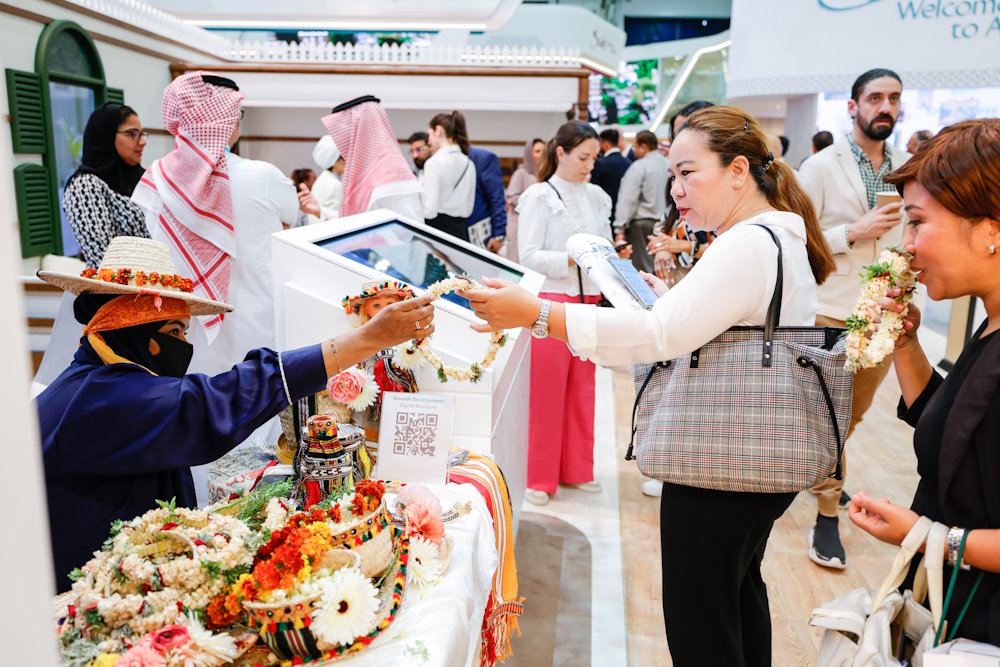
Arabian Travel Market 2025 concluded on 1 May at the Dubai World Trade Centre, drawing over 55,000 industry professionals from 166 countries—a 16% increase in attendance compared to the previous year. The event featured more than 2,600 exhibitors across 13 halls, reflecting the robust recovery and transformation of the global travel and tourism sector.

This year’s theme, “Global Travel: Developing Tomorrow’s Tourism Through Enhanced Connectivity,” underscored the pivotal role of technology and sustainability in shaping the future of travel. The Travel Tech segment experienced a 25% year-on-year growth in exhibitors, highlighting the industry’s commitment to innovation. Companies such as Amadeus, Huawei, Sabre, Expedia, Travelport, Hotelbeds, and WebBeds showcased advancements in artificial intelligence , blockchain, and augmented reality, aiming to revolutionize travel experiences.

AI’s transformative impact on aviation was a focal point, with discussions on its applications in optimizing flight routes, enhancing weather monitoring, and improving airport efficiency. Airports like London Heathrow and Gatwick have already implemented AI-powered systems for air traffic management, reducing delays and streamlining operations. Airlines such as Emirates and Etihad are leveraging AI to offer personalized services and seamless check-ins, aligning with the UAE’s commitment to integrating technology into sustainable development.

Sustainability was prominently featured, particularly the adoption of sustainable aviation fuel . The International Air Transport Association projects SAF production to reach 2.1 million tonnes by 2025, doubling from the previous year. Emirates and Etihad have begun incorporating SAF into operations on key routes, including London, Paris, and Singapore, marking significant strides toward reducing the aviation industry’s carbon footprint.

The event also highlighted the resurgence of corporate travel, with the introduction of IBTM@ATM, a specialized segment focusing on business travel. Research indicates that 40% of businesses plan to increase travel budgets in 2025, signaling a positive trend for the sector. This resurgence is expected to drive innovations in tailored travel services, expanded flight routes, and enhanced connectivity.

Asia emerged as the fastest-growing region at ATM 2025, with a projected 27% year-on-year increase in exhibitors. India’s participation surged by 41%, reflecting the country’s expanding tourism market. Countries such as Japan, Macao, the Maldives, Mauritius, South Korea, Thailand, the Philippines, China, Cambodia, Nepal, and Sri Lanka also played pivotal roles, contributing to the event’s diverse international presence.

The Middle East showcased significant growth, with a 17% increase in exhibitor participation. Saudi Arabia’s presence was notable, featuring its giga projects and prominent private sector companies. Europe maintained steady growth at 12%, while participation from Africa and the Americas remained consistent with the previous year.

ATM 2025 featured over 200 high-profile speakers across 60 conference sessions, spread across three main stages: the Global Stage, Future Stage, and the newly introduced Business Events stage. Key sessions addressed topics such as generational trends influencing hyper-personalization in luxury travel, the pervasive role of AI, and data-driven strategies for destination transformations.

Driverless transport options are gaining ground in Abu Dhabi as authorities move to widen the reach of RoboTaxi services across the emirate. The Integrated Transport Centre, operating under Abu Dhabi Mobility, confirmed the expansion of autonomous taxi trials through a strategic collaboration with Autogo, an advanced autonomous mobility solutions provider, and Apollo Go, Baidu’s self-driving platform.

Abu Dhabi Mobility stated that the expansion marks a significant step towards integrating autonomous vehicles into everyday life, with an emphasis on both safety and sustainability. The project is part of the broader Smart Mobility strategy aimed at reducing carbon emissions and improving transport efficiency. This move follows initial successful trials on Yas Island, where RoboTaxis operated under controlled conditions to collect performance and safety data.

The latest phase extends the autonomous taxi service to additional urban areas within Abu Dhabi, including Saadiyat Island and parts of Al Reem Island. Passengers can now hail RoboTaxis through dedicated mobile applications, with the service designed to offer round-the-clock operations. The vehicles are equipped with Level 4 autonomy, meaning they can perform all driving tasks within defined operational areas without human intervention, although a safety operator remains onboard during trials as a precautionary measure.

Autogo and Apollo Go are deploying an updated fleet fitted with enhanced sensor arrays, including lidar, radar, and high-resolution cameras. These vehicles are capable of detecting and responding to complex traffic scenarios, such as pedestrian crossings, cyclist movements, and emergency vehicle prioritisation. Abu Dhabi authorities have indicated that full commercial operations are anticipated once regulatory frameworks are fully established and trial benchmarks are consistently met.

Demand for autonomous mobility services in the emirate has been steadily growing, driven by factors such as urbanisation, digitalisation, and a young, tech-savvy population open to adopting innovative transport modes. Global consultancy reports predict that the Middle East’s autonomous vehicle market will grow significantly over the next decade, with Abu Dhabi positioned to lead regional adoption given its early investment in smart city technologies.

Abu Dhabi’s Department of Municipalities and Transport, which oversees the Integrated Transport Centre, has reiterated its commitment to fostering a regulatory environment that prioritises safety while encouraging innovation. Current trials are being closely monitored, with data analytics playing a key role in assessing vehicle performance, user acceptance, and integration with traditional traffic systems.

Autogo’s Chief Executive Officer, Wang Yu, emphasised the importance of international collaboration in accelerating the adoption of autonomous technologies. Speaking at a media briefing, Yu said the partnership with Abu Dhabi Mobility was a model for how governments and technology firms could work together to bring transformative transport solutions to market. Baidu’s Apollo Go division echoed these sentiments, noting that Abu Dhabi offered favourable infrastructure conditions for high-level autonomous driving trials.

The RoboTaxi initiative forms part of Abu Dhabi’s larger plan to diversify its economy and reduce dependence on oil revenues by investing heavily in technology, innovation, and sustainable infrastructure. The expansion of the service is also aligned with the UAE’s Net Zero 2050 strategy, which targets a significant reduction in greenhouse gas emissions through a variety of initiatives, including sustainable transport solutions.

While the adoption of autonomous vehicles in Abu Dhabi has been largely welcomed, industry experts caution that challenges remain. Public trust in self-driving technology is still developing, and authorities are working to address concerns through extensive safety demonstrations, public education campaigns, and transparent data sharing. Insurance and liability frameworks are also under review, as current models must adapt to scenarios where vehicles, rather than drivers, are responsible for road incidents.

Meanwhile, competition in the global autonomous vehicle sector is intensifying. Companies such as Waymo, Cruise, and Motional have made substantial progress in cities across the United States, while Asian markets like China and Japan are moving rapidly towards large-scale RoboTaxi deployment. Abu Dhabi’s proactive approach is aimed at positioning the emirate as a leader not only regionally but also on the global stage of autonomous mobility.

Recent deployments by Apollo Go in other territories, including parts of China’s first-tier cities, have demonstrated the scalability of the technology, offering encouraging prospects for Abu Dhabi’s ambitions. Autogo’s track record in delivering commercial-scale deployments in international markets has further strengthened confidence in the success of the partnership.

The trial expansion also includes provisions for enhanced accessibility, with the vehicles designed to accommodate passengers with limited mobility. Special features such as lower step-in heights, automatic ramps, and voice-activated controls have been integrated to ensure inclusivity. Abu Dhabi Mobility confirmed that these considerations were central to the service’s design ethos, aiming to create a transport system that is equitable and user-friendly for all demographics.

As the service expands, Abu Dhabi Mobility is engaging with stakeholders across sectors including urban planning, energy, and telecommunications to ensure that the infrastructure needed to support mass autonomous vehicle adoption is in place. This includes the development of smart intersections, 5G communication networks, and dedicated pickup and drop-off zones optimised for autonomous vehicle operations.

Technological advancements are expected to drive further enhancements to the RoboTaxi experience, with future iterations promising even greater vehicle-to-infrastructure communication capabilities and improved AI decision-making models. Engineers working on the trials are also studying the impact of local environmental conditions, such as extreme heat and sandstorms, on the performance of autonomous systems to tailor solutions specifically for the region.

Public sentiment around the RoboTaxi service has so far been largely positive, with early users praising the convenience and novelty of the experience. Authorities have stressed, however, that safety remains the overriding priority, with rigorous checks in place at every stage of service delivery. Plans are underway to gradually transition the RoboTaxi fleet from supervised to fully driverless operations once confidence in system reliability is firmly established.

Abu Dhabi’s vision for a technology-driven future is steadily taking shape, with autonomous transport a key pillar in its broader innovation agenda. The expansion of the RoboTaxi service is being closely watched by global cities also exploring autonomous mobility solutions, underlining the emirate’s growing influence in shaping the next era of urban transportation.


Toyota has partnered with Huawei to integrate the Chinese tech giant’s HarmonyOS in its upcoming electric sedan model. This move marks a significant shift in the automotive industry as the Japanese automaker aligns itself with a technology platform developed by a key competitor to Google’s Android in the connected car space. The decision comes amid growing tensions between the US and China, as well as a rapidly evolving global market where automakers are increasingly dependent on innovative software for everything from vehicle performance to customer experience.

HarmonyOS, launched by Huawei as a competitor to Android, is designed to offer greater security and seamless integration across various devices. While initially developed for smartphones, the system has expanded into a variety of smart devices, including automobiles. Toyota’s adoption of HarmonyOS in its new electric sedan reflects the growing importance of software in vehicles, especially as automakers shift focus to electric and autonomous technologies.

The electric sedan, set to hit the Chinese market first, will benefit from the advanced connectivity and smart features of HarmonyOS, such as AI-based in-car assistants and enhanced user interfaces. This is expected to provide a competitive edge for Toyota as it navigates the increasingly crowded Chinese electric vehicle market, where local companies such as BYD and NIO have already established a strong foothold.

Huawei’s HarmonyOS has faced challenges in gaining international traction, particularly due to its ties to the Chinese government and its exclusion from key US-based app ecosystems. However, the system has found significant success within China, where Huawei has a commanding presence in both telecommunications and consumer electronics. Toyota’s decision to integrate the platform may not only strengthen its position in the Chinese market but also mark a turning point in the global race for automotive software dominance.

While Toyota continues to rely on established partners like Google for its global connected car initiatives, this collaboration with Huawei represents a key step in diversifying its software strategy, particularly in regions like China where local technology is often favoured. As automakers seek to ensure the security and functionality of increasingly digital vehicles, HarmonyOS’s promise of enhanced privacy features could play a crucial role in attracting tech-savvy consumers.

The automotive industry has long been navigating a delicate balance between software development and traditional vehicle manufacturing. Toyota’s embrace of Huawei’s operating system is indicative of the growing reliance on third-party tech companies to provide the kind of high-tech, integrated solutions that are rapidly becoming a standard in modern cars. The partnership also underscores the importance of China as a strategic market for global automakers, with its massive population and burgeoning EV market offering significant growth potential.

This development comes at a time when other major tech players are making inroads into the automotive sector. SK Telecom’s announcement to replace SIM cards in its vehicles after a data breach underscores the growing importance of cybersecurity in connected car systems. Moreover, India’s advancements in satellite docking automation signal a broader trend toward increased integration of autonomous systems in the automotive sector. In China, companies are working toward greener solutions, with efforts to reduce the carbon footprint of data centres becoming a focal point for many technology giants.

With the global automotive industry rapidly evolving, Toyota’s partnership with Huawei places the automaker at the crossroads of software innovation and traditional vehicle manufacturing. The collaboration may not only affect the Chinese electric sedan market but could also set a precedent for future ventures between automakers and tech companies, particularly as the digital landscape of the automotive sector continues to evolve.

Matein Khalid The last time the U.S. Dollar Index plummeted 9% in the first four months of a year was way back in 1973, when Richard Nixon sat in the White House on the eve of Watergate, the October War in the Sinai/Gulan, the Arab oil boycott and a savage 40% bear market in U.S. equities. Last week provided a respite from the tsunami of greenback selling […]

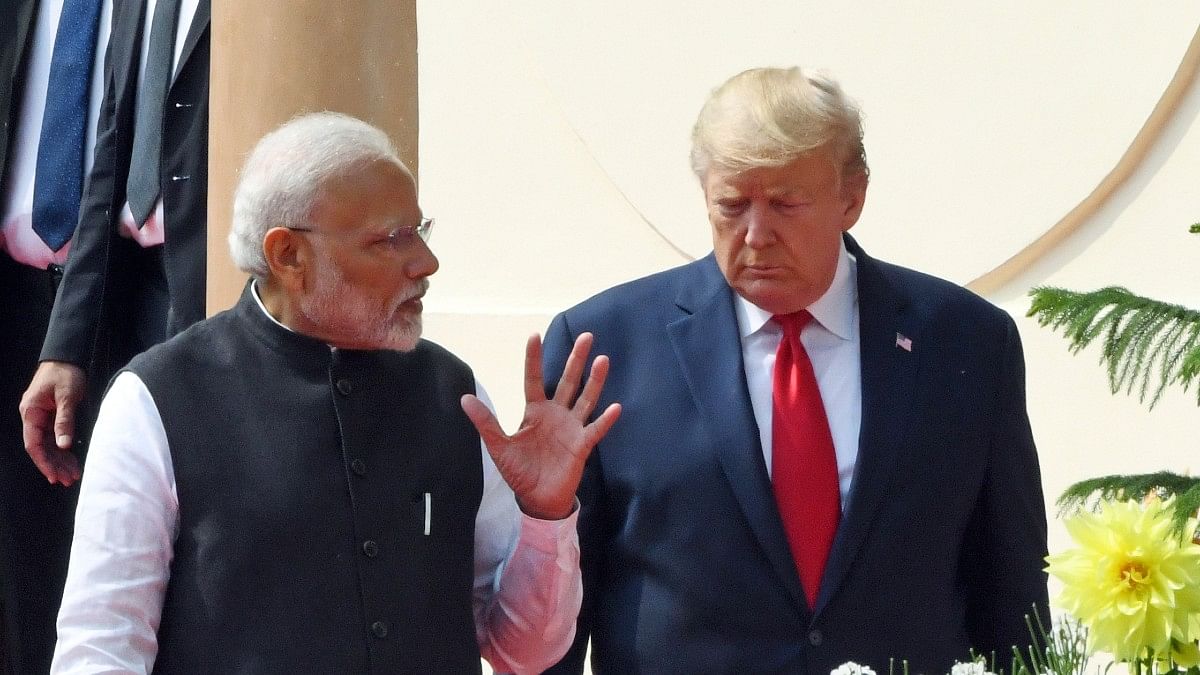
By K Raveendran U.S. Treasury Secretary Scott Bessent’s declaration that India could be the first to finalise a trade deal with the United States after President Trump embarked on his reckless trade war against the world signals a strategic point. The proposed agreement offers India an escape hatch from the looming 26 percent reciprocal tariffs […]

TOKYO, JAPAN – Media OutReach Newswire – 25 April 2025 – Creww Inc. (Japan Office: Shibuya-ku, Tokyo, Representative: Sorato Ijichi, hereinafter “Creww”), Japan’s leading open innovation platform provider, and Real Madrid Next are pleased to announce the launch of “Real Madrid Next Accelerator for Asia” Batch 2, an accelerator program which started in 2024, aimed to create business partnerships between Real Madrid Next and Asian startups. For […]

HAIKOU, CHINA – Media OutReach Newswire – 23 April 2025 – At the 5th China International Consumer Products Expo held in Hainan recently, Wang Kangzheng, a marketing staff member of the Hainan Haiken Marine Industry Group Co., Ltd., has been busy showcasing premium seafood. Golden pompano produced in the deep-sea aquaculture base was a bestseller at the exhibition, and many buyers and visitors stopped to inquire, taste, […]

Abu Dhabi National Oil Company has finalised two significant liquefied natural gas supply agreements with Chinese firms ENN Natural Gas and Zhenhua Oil, underscoring the strengthening energy ties between the United Arab Emirates and China. ENN Natural Gas has entered into a 15-year contract with ADNOC to receive approximately one million metric tonnes of LNG annually. This agreement represents ADNOC’s largest LNG commitment to a Chinese buyer […]

VISHNU RAJA
RYO YAMADA
HITORI GOTOH
IKUYO KITA
Just in:
Dubai details five-year visa benefits for returning visitors // Excise chief shunted out in bar licence dispute // Geely’s i-HEV Intelligent Hybrid Technology Offers a New Direction for Gasoline-Powered Vehicles // Ningbo Consensus on Collaborative Development released at 2026 Global Mayors Dialogue · Ningbo // Technology shares plunge as Nasdaq enters correction // Microfinance case trouble for Vellappally // TVM –Mangaluru Vande Bharat claims top spot // e-Crime Bureau Signs Cybersecurity Partnership With Smart Africa, Reinforcing Its Global Expansion // CR Longdation Aethereal Cybersecurity × Global Cybersecurity Alliance (GCSA) Join Hands to Establish the “AI and Cybersecurity Research Centre” // The “1st Greater Bay Area Health and Longevity Summit & Awards Ceremony” concludes successfully in Macao // UK air traffic outage inflicted £33m financial losses // Oil and chip shares retreat after Democratic victories // OpenAI introduces GPT-6 Cyber with restricted security access // Oil advances towards $100 as tanker attacks persist // Geely’s i-HEV Intelligent Hybrid Technology Offers a New Direction Vision for Gasoline-Powered Vehicles // Kochi police detain two actors over bid to honey trap doctor // Elephant calf on death line airlifted for treatment in Gujarat // Beyond the exhibition floor: How robots, AI and networks are moving into the real world // APT29-linked campaign exploits outdated Apple and Android software // Xi Jinping Preparing For A Trilateral Summit With Trump And Putin At APEC Summit On Nov 18-19 //