News related to
Japan

Sushi Kissho by Miyakawa and Teppanyaki Shou Make Dazzling Debuts on the SCMP’s Best of the Best Annual List MACAU SAR – Media OutReach Newswire – 11 March 2025 – The South China Morning Post recently announced its 100 Top Tables guide for 2025, a definitive list recognizing the most exceptional dining establishments in Hong Kong and Macau. This year, six restaurants from StarWorld Hotel and Galaxy […]

A widespread outage on Sunday left Mastercard users across the globe unable to complete purchases and online payments, causing significant inconvenience and prompting a flurry of complaints on social media platforms. The disruption began on the morning of March 9, with Downdetector, a website that monitors service interruptions, recording over 500 reports of issues. Users from countries including Ukraine, Japan, Australia, and the United States reported problems […]

HONG KONG SAR – Media OutReach Newswire – 10 March 2025 – Media OutReach Newswire, Asia Pacific’s first global newswire, has been honoured with OPPO’s prestigious ‘Partner of the Year’ award for the second time, following its exemplary performance in OPPO’s rigorous annual vendor evaluation system. Media OutReach Newswire achieved an exceptional rating exceeding 90% in OPPO’s evaluation matrix—an A-tier classification that OPPO’s Global Procurement team characterises […]

SINGAPORE – Media OutReach Newswire – 6 March 2025 – Leading payments technology company, Visa, shared that Singapore residents continue to prioritise travel, with outbound spending surging in December last year, as well as the recent Lunar New Year holiday week. In fact, travel spend by Singapore consumers for December and January hit record levels. Supported by a strong Singapore dollar, cross-border spending remains robust across key […]

Japan has officially approved Circle’s USD Coin as the first dollar-pegged stablecoin to be legally distributed in the country, marking a significant milestone in the nation’s cryptocurrency landscape. This development comes as SBI VC Trade, a subsidiary of financial conglomerate SBI Holdings, secured regulatory approval under the Financial Services Agency’s revised regulations to list and distribute USDC.

SBI VC Trade’s registration as an Electronic Payment Instruments Business Operator under Japan’s updated regulatory framework allows the exchange to handle stablecoin transactions. This approval positions USDC as the only global dollar stablecoin authorized for use in Japan. Circle CEO Jeremy Allaire highlighted this achievement, stating that USDC is now “the first and only global dollar stablecoin to become approved for use in Japan.”

The exchange plans to initiate USDC transactions with selected users on March 12, following scheduled system maintenance. This phased rollout aims to ensure compliance with local regulations while enhancing Japan’s digital asset landscape. SBI VC Trade’s CEO, Tomohiko Kondo, emphasized the company’s commitment to expanding USDC adoption and offering secure, compliant digital payment solutions.

Japan’s stance on stablecoins has undergone a significant transformation since 2023, when regulators lifted a long-standing ban on foreign stablecoins. The FSA recently approved a policy report recommending the relaxation of stablecoin-related regulations, paving the way for licensed intermediaries to handle foreign stablecoins under strict oversight.

SBI Holdings has been an active player in the crypto sector, forging partnerships with major U.S. companies like Ripple. The company’s exchange arm, SBI VC Trade, currently supports various cryptocurrencies, including Bitcoin. The integration of USDC into its offerings signifies a pivotal moment for Japan’s crypto market, potentially enhancing cross-border transactions and digital asset innovation.

Circle’s USDC has been gaining global regulatory recognition and is currently the only major stablecoin compliant with the European Union’s Markets in Crypto-Assets regulations. This compliance gives it a competitive advantage over other stablecoins in the region. The approval in Japan further solidifies USDC’s position in the global market, reflecting a growing trend toward regulatory acceptance of stablecoins.

The rivalry between Circle’s USDC and Tether’s USDT has been a focal point in the cryptocurrency industry. Tether, the industry leader, has faced criticism for its opaque practices and alleged associations with criminal activities, while Circle promotes regulatory compliance and transparency. Allaire’s efforts to push for regulations aim to undermine Tether, which some believe threatens the anti-establishment ethos of crypto. As Circle gains ground, Tether relies on allies in the pro-crypto Trump administration, with Commerce Secretary Howard Lutnick as a key figure. The rivalry is heating up as new regulations and legislations emerge, potentially reshaping the future landscape of the $3 trillion crypto industry.

SBI VC Trade’s move to list USDC aligns with Japan’s broader efforts to embrace digital innovation while ensuring financial stability. The country’s regulatory framework aims to balance the benefits of digital assets with the need to protect consumers and maintain market integrity. This approach reflects a cautious yet progressive stance toward integrating stablecoins into the traditional financial system.

The introduction of USDC into Japan’s market is expected to have a ripple effect on the adoption of digital currencies in the region. Businesses and consumers may find new opportunities for efficient transactions, remittances, and financial services. The stablecoin’s approval could also encourage other countries to reevaluate their regulatory approaches to digital assets, potentially leading to broader acceptance and integration worldwide.

SBI VC Trade’s strategic move to integrate USDC into its platform demonstrates the company’s commitment to staying at the forefront of digital finance. By offering stablecoin transactions, the exchange aims to provide seamless and efficient digital payment solutions to its customers. This initiative aligns with the global trend of financial institutions exploring blockchain technology and digital currencies to enhance their services.

The collaboration between Circle and SBI VC Trade underscores the importance of partnerships in the evolving digital asset ecosystem. By working together, these companies are setting a precedent for how traditional financial institutions and fintech firms can collaborate to bring innovative solutions to market. This partnership also highlights the potential for stablecoins to bridge the gap between traditional finance and the emerging digital economy.

As SBI VC Trade prepares for the official rollout of USDC, the company is poised to play a significant role in shaping the future of digital payments in Japan. The exchange’s efforts to integrate stablecoin transactions into its financial offerings reflect a broader commitment to embracing technological advancements while adhering to regulatory standards. This approach ensures that innovation is balanced with responsibility, fostering trust and confidence among consumers and investors alike.


Revealing New Faces Now Available on Netflix, New Song “Rock this Party” Drop Worldwide February 28 TOKYO, JAPAN – Media OutReach Newswire – 4 March 2025 – Tokyo-based J-Pop group timelesz have officially announced their new members at the press conference taken place at the Universal Music Japan office on February 15, after the last episode of docuseries “timelesz project -AUDITION-“ was released on Netflix. J-pop Boyband […]

DP World has achieved a significant milestone in 2024, handling a record 1.3 million vehicles across its Dubai terminals. This represents a substantial 53.6% increase compared to the previous year, marking the highest vehicle throughput in the company’s history. The flagship Jebel Ali Port played a pivotal role in this achievement, processing nearly 960,000 roll-on, roll-off units. This reinforces its status as the region’s premier automotive hub. […]

Advertisements

Abu Dhabi National Oil Company has formalised a 15-year sales and purchase agreement with Japan’s Osaka Gas, committing to supply up to 0.8 million tonnes per annum of liquefied natural gas from its Ruwais LNG project. This definitive contract transitions a prior heads-of-agreement into a binding commitment, marking the inaugural long-term LNG supply arrangement between the two corporations. The Ruwais LNG facility, currently under development in Al […]

Arabian Post Staff -Dubai Casio has unveiled the DW-5000R, a meticulous re-creation of its inaugural G-SHOCK model, the DW-5000C, which first debuted in 1983. This release pays homage to the original design while integrating modern enhancements to meet contemporary standards. The DW-5000R is set to launch in Japan on December 13, 2024, priced at 33,000 yen , with global availability details yet to be announced. The DW-5000C […]

DP World has achieved a significant milestone in 2024, processing a record 1.3 million vehicles across its Dubai terminals. This figure represents a 53.6% increase from the previous year and stands as the highest volume in the company’s history. The flagship Jebel Ali Port was pivotal in this achievement, managing nearly 960,000 units and reinforcing its status as the region’s premier automotive hub. The remaining vehicles were […]

Merger and acquisition activity in the Middle East and North Africa region experienced a significant uptick in 2024, with total deal value reaching $92.3 billion, a 7% increase from the previous year. The number of deals also rose by 3%, totaling 701 transactions compared to 679 in 2023. This growth has been largely attributed to substantial reforms in capital markets, strategic policy changes, and enhanced efforts to attract foreign investments.

The Gulf Cooperation Council countries were at the forefront of this surge, accounting for 580 deals worth $90 billion. Cross-border transactions played a pivotal role, representing 52% of the total deal volume and 74% of the overall value. Sovereign wealth funds such as the Abu Dhabi Investment Authority , Mubadala Investment Company from the United Arab Emirates , and the Public Investment Fund from Saudi Arabia were instrumental in driving this activity.

The UAE emerged as a key player, recording the region’s largest M&A deal of the year. Clayton Dubilier & Rice, Stone Point Capital, and Mubadala Investment announced the acquisition of Truist Insurance for $12.4 billion. Following closely, Saudi Aramco acquired a 22.5% stake in Rabigh Refining and Petrochemical Company from Japan’s Sumitomo Chemical for $8.9 billion. Additionally, a consortium comprising PAG, Mubadala, and ADIA acquired a 60% stake in China’s Zhuhai Wanda Commercial Management Group for $8.3 billion.

Outbound deals dominated the M&A landscape, contributing 61% of the total deal value with 199 transactions amounting to $56.6 billion. The MENA region continued to attract foreign direct investment, with 163 inbound deals valued at $11.4 billion, marking an 18% increase in volume and a 42% surge in value compared to 2023.

Sector-wise, technology and consumer products led in deal volume, each experiencing a 10% year-on-year increase. The United States stood out as the largest acquiring country outside the region, with 48 transactions totaling $4.6 billion.

The UAE maintained its position as a preferred investment destination, achieving the highest volume and value for inbound transactions. The country recorded 96 deals valued at $7.6 billion, representing 67% of the total deal value. The technology sector was particularly vibrant, with 35 deals driven by the nation’s focus on artificial intelligence, cybersecurity, and digital transformation. Notably, Microsoft’s $1.5 billion acquisition of Abu Dhabi’s Group 42 underscored the strengthening ties between the UAE and the United States.

Saudi Arabia also attracted significant investment, with the UAE and Saudi Arabia collectively reporting 318 deals valued at $29.6 billion. Both countries were among the top bidders in the MENA region, highlighting their active participation in the M&A landscape. In 2024, the United States was the favored target destination for MENA investors, with 41 deals amounting to $19.9 billion.

Domestic M&A activity saw an uptick, contributing 48% of the total deal volume with 339 deals, up from 333 in 2023. The combined disclosed value of domestic transactions stood at $24.4 billion. The technology and consumer products sectors attracted increased investor interest, fueled by digital transformation and evolving consumer behaviors, together accounting for 35% of the total domestic deal volume.

The oil and gas sector continued its upward trajectory, leading in disclosed deal value with $9 billion, representing 37% of the total domestic deal value. This was largely due to Saudi Aramco’s $8.9 billion acquisition of Rabigh Refining and Petrochemical Company.

Matein Khalid Had Warren Buffett, oracle of Omaha, been born North Indian, he would have summarized Wall Street’s temper tantrum since last Friday with his famous observation “only when the tide goes out do you discover who’s been swimming nanga punga (naked)”. When history’s most iconic value investor ran up $300 billion in cash, I knew that the tide had run out for this deliciously profitable but […]

A 2 Billion THB Investment in Pediatric Excellence and Smart Hospital Innovation BANGKOK, THAILAND – Media OutReach Newswire – 27 February 2025 – Samitivej Hospital, a leader in pediatric care, unveils its newly expanded standalone Samitivej International Children’s Hospital at Samitivej Srinakarin Hospital. Backed by a 2 billion THB investment, the expansion strengthens Samitivej’s commitment to becoming Asia-Pacific’s Leading Pediatric Referral Hub, providing specialized care, innovative treatments, […]

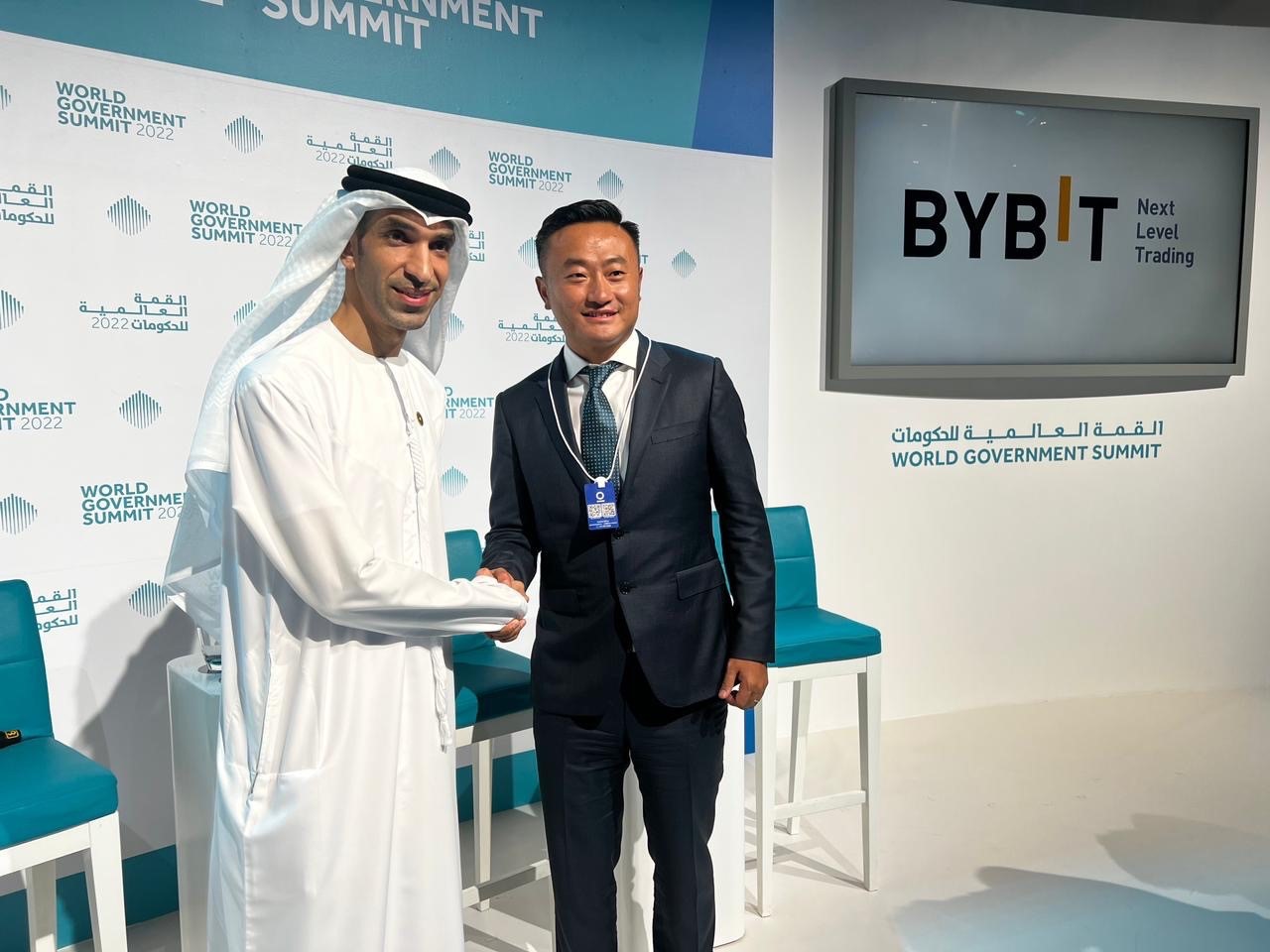
Cryptocurrency exchange Bybit has secured in-principle approval from the United Arab Emirates’ Securities and Commodities Authority to establish a virtual asset platform within the country. This significant regulatory milestone positions Bybit closer to obtaining a full operational license, enabling the firm to offer a comprehensive range of digital asset services to both retail and institutional clients in the UAE.

The approval, dated 18 February 2025, arrives at a pivotal moment for Bybit. On 21 February, the exchange experienced a substantial security breach, resulting in the loss of approximately $1.4 billion in digital assets. The incident, among the largest in cryptocurrency history, occurred during a transfer between Bybit’s cold and hot wallets. Despite this setback, the SCA’s in-principle approval underscores confidence in Bybit’s commitment to regulatory compliance and operational resilience.

Ben Zhou, co-founder and CEO of Bybit, expressed gratitude for the SCA’s decision, stating, “We are honored to have received the in-principle approval from the SCA. This approval marks a crucial step in our journey to providing secure and transparent crypto trading solutions.” Zhou emphasized Bybit’s dedication to collaborating with regulators to foster a compliant and innovative digital asset ecosystem for investors in the UAE.

The UAE has been proactive in positioning itself as a global hub for cryptocurrency and blockchain innovation. Bybit’s regulatory progress aligns with the nation’s forward-thinking stance on digital assets, aiming to create a secure and compliant environment for trading activities. The SCA’s approval of Bybit is indicative of the UAE’s commitment to attracting reputable crypto platforms and fostering a robust digital economy.

In addition to its advancements in the UAE, Bybit is actively expanding its regulatory footprint worldwide. The exchange has secured approvals in several key markets, including India, Georgia, Kazakhstan, and Turkey. Notably, on 25 February 2025, Bybit announced its re-entry into the Indian market after successfully registering with the Financial Intelligence Unit . This move followed a temporary suspension due to compliance issues, during which Bybit paid a $1 million penalty for operating without proper registration. The exchange has since aligned with Indian regulatory standards, resuming full services for existing users and gradually onboarding new clients.

However, Bybit’s global expansion has not been without challenges. In late 2024, the exchange temporarily adjusted its operations within the European Economic Area to comply with the region’s Markets in Crypto-Assets regulations. This decision reflects Bybit’s commitment to adhering to varying regulatory landscapes and ensuring compliance across jurisdictions.

The recent security breach has also prompted scrutiny from regulatory bodies. In Japan, the Financial Services Agency has urged major app stores to delist Bybit and other unregistered crypto exchanges, citing concerns over unlicensed operations and potential risks to investors. This development highlights the importance of robust security measures and regulatory compliance as Bybit continues its global expansion.

In response to the security incident, Bybit has taken steps to mitigate the impact on its users. The exchange has replaced the stolen Ether to ensure that customer funds remain unaffected. This action demonstrates Bybit’s commitment to maintaining user trust and upholding the integrity of its platform.

The cryptocurrency market has been closely monitoring Bybit’s developments, especially in light of the recent security breach. Market analysts suggest that while the in-principle approval from the SCA is a positive development, Bybit’s ability to enhance its security infrastructure and navigate complex regulatory environments will be critical to its sustained growth and reputation.

WDTA APAC Institute Inaugurated to Lead AI Governance and Standards Development HONG KONG SAR – Media OutReach Newswire – 27 February 2025 – Cyberport, the World Digital Technology Academy (WDTA) and the International Academicians Science & Technology Innovation Centre (IASTIC) co-organised the “AI Safety, Trust, and Responsibility (AI STR)” Forum. This event served as the Hong Kong session of the recently concluded AI Action Summit 2025 in […]

Singapore’s fintech investment recalibrated to US$1.3 billion in 2024, in line with global shifts toward sustainable growth. Crypto and blockchain investment increased 22 percent in H2’24 to US$267 million, driven by AI-integrated solutions. AI-powered fintech surged, with investment jumping from US$24 million in H1’24 to US$160 million in H2’24, reflecting demand for regtech and automation. H2’24 fintech deal value grew 41 percent, reflecting a shift toward high-value, […]

SINGAPORE – Media OutReach Newswire – 27 February 2025 – As Southeast Asia emerges as a hub for conversational commerce, Crescendo Lab is redefining customer engagement with AI-powered solutions. With the conversational AI market projected to exceed $18 billion by 2026 and messaging adoption surpassing 90% in Asia, seamless communication is now essential for businesses. Expanding into Singapore, Crescendo Lab integrates AI-powered tools with WhatsApp, empowering local […]

SINGAPORE – Media OutReach Newswire – 27 February 2025 – Prepare for an interstellar cinematic journey as “HEAVENS: The Boy and His Robot,” a groundbreaking sci-fi adventure from Singapore, 12 years in the making, achieves two unprecedented milestones. On February 28, 2025, this visionary film will be the first Singaporean movie to enjoy a wide special re-release in Japan, screening simultaneously in 50 Aeon Cinemas across the […]

Nvidia Corporation’s stock has experienced a notable decline, influenced by production delays of its Blackwell AI chips and potential new export restrictions from the Trump administration. The company’s shares fell by 2.7% to $126.73 ahead of its quarterly earnings report, as investors express concern over these developments. The Blackwell series, Nvidia’s next-generation AI chips, has encountered significant setbacks due to overheating issues when multiple units are interconnected […]

Shares of Japanese semiconductor equipment manufacturers experienced notable declines today following reports that the United States government is preparing to implement more stringent export controls targeting China’s semiconductor industry. This development has raised concerns about potential disruptions in the global technology supply chain and the financial health of key industry players.

Tokyo Electron Ltd., a leading Japanese semiconductor equipment maker, saw its stock price drop by as much as 4.4% during trading hours. Similarly, other prominent companies in the sector, such as Advantest Corp. and Lasertec Corp., also faced downward pressure on their share prices. These movements in the stock market reflect investor apprehension regarding the potential impact of the proposed U.S. export restrictions on these firms’ operations and revenues.

The proposed measures by the U.S. government aim to curb China’s access to advanced semiconductor technologies, thereby limiting its ability to develop cutting-edge technologies in areas like artificial intelligence and supercomputing. This initiative is part of a broader strategy to maintain technological superiority and address national security concerns. The new controls are expected to include restrictions on the export of certain semiconductor manufacturing equipment and high-performance computing chips to Chinese entities.

In response to these developments, Chinese technology companies are reportedly accelerating efforts to achieve self-sufficiency in semiconductor production. For instance, Huawei Technologies Co. has made significant progress in producing advanced artificial intelligence chips, with the yield of its Ascend 910C processors increasing to nearly 40%, up from 20% the previous year. This improvement underscores China’s determination to reduce reliance on foreign technology amid escalating trade tensions.

The potential implementation of stricter export controls has also prompted discussions among industry stakeholders and policymakers in Japan. Given the interconnected nature of the global semiconductor supply chain, Japanese companies play a crucial role in providing essential equipment and materials for chip production worldwide. The proposed U.S. measures could compel these firms to reassess their business strategies and explore alternative markets to mitigate potential losses resulting from reduced access to the Chinese market.

Ukrainian soldiers, entrenched in a protracted battle against Russian forces, have expressed strong skepticism toward U.S. President Donald Trump’s assertions that he can swiftly broker peace with Russia. These remarks come as Trump initiates negotiations with Russian President Vladimir Putin, notably excluding Ukrainian representatives from the discussions. Captain Serhii Filimonov, a battalion commander who has been on the front lines since 2014, voiced his distrust of the […]

Japan’s digital trade deficit reached an unprecedented ¥6.65 trillion in 2024, highlighting the increasing reliance on foreign digital services, particularly from dominant U.S. technology firms. This figure has more than tripled since 2014, when comparable data first became available, according to a recent government report.

The surge in the digital trade deficit is primarily attributed to Japanese companies’ growing dependence on services provided by American tech giants such as Amazon, Microsoft, and Google. These services encompass cloud computing, online advertising, and licensing fees, which have become integral to enhancing operational efficiency across various sectors in Japan. The lack of competitive domestic alternatives has further entrenched the position of these foreign providers in the Japanese market.

In 2024, Japan’s imports of digital-related services outpaced exports, leading to the record deficit. This trend reflects the broader global dominance of U.S. information technology companies, whose advanced services have become indispensable to businesses worldwide. The Finance Ministry’s preliminary balance of payments report indicates that while Japan enjoyed a record current account surplus of ¥29.26 trillion in 2024, bolstered by higher dividend and interest receipts from abroad, the goods and services trade deficit stood at ¥6.51 trillion, heavily influenced by the digital trade imbalance.

Experts suggest that bridging this digital divide requires significant investment in domestic technological development. Kengo Wataya, a researcher at the Mitsubishi Research Institute, points out that despite efforts to develop homegrown cloud services, there remains a substantial gap in capabilities between Japanese and American companies. Wataya emphasizes the necessity for Japan to leverage digital technologies to generate revenue in other sectors, thereby mitigating the burgeoning deficit.

The government’s data also reveals that Japan’s digital trade deficit has been on a consistent upward trajectory over the past decade. In 2014, the deficit was recorded at ¥2.02 trillion, underscoring a more than threefold increase by 2024. This escalation is indicative of the rapid digital transformation globally and Japan’s escalating consumption of foreign digital services.

The digital trade balance encompasses various services, including payments for cloud infrastructure, online advertising, and licensing fees for digital content such as music and video. As both individuals and enterprises in Japan continue to digitize their operations and lifestyles, the demand for sophisticated digital services has surged. However, the domestic market’s inability to supply comparable services has resulted in increased reliance on imports, thereby widening the trade deficit.

While the overall current account surplus suggests a positive economic outlook, the underlying figures present a complex narrative. The substantial income from overseas investments has been a significant contributor to the surplus. However, the persistent and growing trade deficit, particularly in the digital sector, raises concerns about the sustainability of this economic model. Analysts warn that an overreliance on foreign digital services could expose Japan to external economic fluctuations and undermine the competitiveness of its domestic tech industry.

In response to these challenges, there have been calls for strategic policy interventions aimed at fostering innovation within Japan’s tech sector. Proposals include increased funding for research and development, incentives for startups, and collaborations between academia and industry to cultivate a robust digital ecosystem. By enhancing domestic capabilities, Japan could reduce its dependence on foreign services and improve its trade balance in the digital domain.

Addressing the digital trade deficit is not solely an economic imperative but also a matter of national security. Reliance on foreign digital infrastructure and services may pose risks related to data sovereignty and cybersecurity. Therefore, developing indigenous technologies and services is crucial for safeguarding sensitive information and maintaining technological autonomy.

Saudi Arabia is rapidly transforming the Gulf Cooperation Council’s private equity landscape through strategic initiatives, regulatory reforms, and its unwavering commitment to Vision 2030. This ambitious blueprint is redefining the region’s investment environment, setting new standards for growth, diversification, and global collaboration.

Over the past five years, private equity investments in Saudi Arabia have experienced remarkable expansion. In 2023 alone, the Kingdom attracted nearly $4 billion in private equity, a significant increase from previous years. This surge is largely attributed to the nation’s stable economic climate, with inflation rates maintained at 2.1 percent in 2024 and a projected 2.3 percent in 2025, fostering a conducive environment for investors.

A pivotal element of this growth is Saudi Arabia’s strategic push to privatize key state-owned assets, including sectors such as airports, water, sports, and energy services. This move has unlocked investment opportunities exceeding $50 billion, actively inviting private sector participation across critical areas like infrastructure, healthcare, education, tourism, and entertainment. The Public Investment Fund , the Kingdom’s sovereign wealth fund, plays a central role in this transformation. Notably, PIF has entered into agreements with Japanese financial institutions, securing up to $51 billion to enhance capital flows through both debt and equity channels. Additionally, PIF plans to establish a $1 billion joint fund with the Hong Kong Monetary Authority, targeting investments in firms expanding into Saudi Arabia, particularly in manufacturing and renewable energy sectors.

The Kingdom’s dedication to Vision 2030 is further exemplified by the establishment of the Savvy Games Group in 2021. This initiative aims to position Saudi Arabia as a global gaming hub by 2030, with plans to invest $37.8 billion in the video game industry. The strategy includes acquiring leading game developers and publishers, fostering job creation, and contributing significantly to the national GDP. In line with this vision, Savvy Games Group acquired the American mobile game developer Scopely for $4.9 billion in 2023 and is reportedly in discussions to acquire the gaming division of Niantic for $3.5 billion.

Public-private partnerships are also instrumental in empowering Saudi businesses to expand globally. These collaborations offer domestic companies the opportunity to engage with international markets and learn from global best practices. Experts highlight that PPPs are pivotal in transforming Saudi Arabia’s economy, leading to increased foreign direct investment and sustainable economic growth. The government’s proactive approach in fostering these partnerships underscores its commitment to creating a vibrant environment for both local and international investors.

Saudi Arabia has rapidly become a pivotal player in the Gulf Cooperation Council’s private equity sector, driven by strategic reforms and its ambitious Vision 2030 agenda. Over the past five years, the Kingdom’s private equity investments have experienced remarkable growth, escalating from $523 million in 2019 to $4 billion in 2023, reflecting a compound annual growth rate of 66%. This surge underscores Saudi Arabia’s commitment to creating an investor-friendly environment that appeals to both domestic and international stakeholders.

A significant factor contributing to this expansion is the dominance of buyout transactions, which have consistently constituted approximately 80% of the total private equity capital deployed in the country. This trend indicates a robust market for mergers and acquisitions, aligning with the nation’s objectives to diversify its economy and reduce reliance on oil revenues. Additionally, growth equity investments are gaining momentum, supporting mid-sized companies poised for expansion and further stimulating economic diversification.

The Kingdom’s strategic initiatives, particularly the Shareek Program launched in 2021, play a crucial role in this transformation. Designed to bolster large Saudi enterprises, Shareek aims to accelerate private sector investments, fostering economic development and enhancing the global competitiveness of Saudi businesses. By facilitating partnerships between the public and private sectors, the program seeks to unlock new investment opportunities and drive sustainable growth.

Sector-wise, technology and infrastructure have emerged as focal points for private equity investments. The government’s emphasis on digital transformation and smart city projects has attracted substantial capital, leading to advancements in these areas. For instance, the development of NEOM, a futuristic city envisioned under Vision 2030, exemplifies the type of large-scale infrastructure projects drawing investor interest. Such initiatives not only modernize the nation’s landscape but also create a plethora of opportunities for private equity firms seeking to capitalize on the burgeoning demand for innovative solutions.

In tandem with these developments, Saudi Arabia’s Public Investment Fund has been instrumental in anchoring foreign investments within the Kingdom. By collaborating with international asset managers and financial institutions, PIF aims to attract $100 billion in annual foreign direct investments by 2030. Notable partnerships include a $2 billion Middle East infrastructure fund with Canadian asset manager Brookfield and agreements with Japanese financial entities, reflecting the Kingdom’s strategic approach to integrating global expertise and capital into its economic framework.

However, the rapid evolution of the private equity landscape is not without challenges. Proposed changes by the Accounting and Auditing Organization for Islamic Financial Institutions could introduce complexities in the Islamic debt market, potentially affecting transaction structures and investor appeal. The new rules mandate issuers of Islamic bonds to transfer legal ownership of underlying assets to investors, aiming for closer adherence to Islamic principles of risk-sharing. While intended to enhance compliance, these changes may increase transaction costs and deter investment if not managed adeptly.

Liquidity concerns persist, particularly in sectors with less mature market infrastructures. The developing nature of the private equity and venture capital ecosystems necessitates continuous efforts to deepen capital markets and enhance investor confidence. Initiatives to address these issues include the maturation of Saudi Arabia’s stock market, which is progressively offering more exit avenues for private equity investments, thereby improving liquidity and attracting further capital inflows.

The Kingdom’s proactive stance in privatizing state-owned assets across various sectors, such as energy, infrastructure, healthcare, education, tourism, and entertainment, has unlocked vast opportunities for both local and international investors. With investments now exceeding $50 billion, these privatization efforts signify a pivotal shift in Saudi Arabia’s economic landscape, promoting private sector involvement and fostering a more dynamic investment climate.

In the realm of sports and entertainment, Saudi Arabia has made significant strides, exemplified by its $1 billion investment in DAZN, a sports streaming service owned by billionaire Sir Leonard Blavatnik. This strategic move not only amplifies the Kingdom’s presence in the global sports industry but also aligns with its broader objectives to diversify the economy and enhance its international image. The collaboration aims to broadcast Saudi sports and events to over 200 markets, showcasing the nation’s commitment to expanding its cultural and entertainment footprint worldwide.

VISHNU RAJA
RYO YAMADA
HITORI GOTOH
IKUYO KITA