News related to
Since

US authorities have warned that a China-linked hacking group built a distributed ecosystem of scanning, exploitation and proxy tools to target government networks and critical infrastructure, while court-authorised action has disabled two central platforms. The FBI, National Security Agency and US Cyber Command’s Cyber National Mission Force said QTFY, also known as QT and QTCYBER, developed purpose-built systems that allowed hackers to identify vulnerable devices at scale, […]

US lawmakers renewed demands for President Donald Trump to end the war with Iran as the conflict passed its six-month mark, while the White House shifted emphasis towards economic pressure and Trump signalled no urgency to restart negotiations. Republican Representative Thomas Massie and senior Democrats used Friday’s milestone to challenge a war that began on February 28 with coordinated US and Israeli strikes. Massie said the conflict […]

Nepal could need $4 billion to $5 billion to rebuild after catastrophic Himalayan floods, Finance Minister Swarnim Wagle has said, putting the preliminary bill at nearly a tenth of the country’s economy. Wagle said the estimate remained provisional while authorities conduct a detailed assessment of losses from the August 26 disaster, which devastated settlements and infrastructure along river systems descending from the Nepal-Tibet border. He said the […]

Formula One world champion Lando Norris has signed a new long-term agreement with McLaren that will keep him at the team until at least the end of 2030, with an option extending beyond that date. McLaren announced the deal on Saturday at its Technology Centre in Woking, where Norris told staff and guests that he wanted to continue the partnership that began when he joined the team’s […]

Russia’s largest lender Sberbank is preparing to expand corporate lending secured by cryptocurrencies, with plans to accept Bitcoin, Ethereum and Tether’s USDT as collateral once the country’s new digital-asset rules take full effect and regulators permit the assets’ public circulation. Anatoly Popov, deputy chairman of Sberbank’s management board, said the bank intends to continue developing loans backed by digital assets and broaden the collateral it accepts beyond […]

China’s data industry expanded to 6.78 trillion yuan in 2025, registering 15.7 per cent annual growth as artificial intelligence drove demand for specialised datasets, software and data-processing services.

Figures unveiled at the 2026 China International Big Data Industry Expo in Guiyang, Guizhou province, showed that data-related software products, including AI application software, and data-resource products involving token services generated a combined 4.99 trillion yuan. The two categories accounted for 73.6 per cent of the industry’s total output, underlining the growing commercial connection between data resources and AI development.

The number of data enterprises operating across China reached 482,000 by the end of 2025, an increase of 17.9 per cent from a year earlier. The eastern regions remained the largest concentration of activity, with their data industry valued at about 5.23 trillion yuan.

Growth has accelerated steadily over the past three years. China’s data industry was valued at 5.06 trillion yuan in 2023 and 5.86 trillion yuan in 2024 before climbing above 6.7 trillion yuan last year. Expansion has increasingly shifted from basic data collection and processing towards higher-value services designed for AI models, intelligent agents and industry-specific applications.

High-quality datasets have emerged as a particularly important segment. By August 2026, more than 126,000 such datasets had been established nationwide, containing more than 1,815 petabytes of data. Their combined volume has risen by more than 89 per cent since March, reflecting rapidly expanding demand from developers training and refining AI systems.

The broader supply of digital information is also growing sharply. China generated 52.26 zettabytes of data during 2025, up 27.28 per cent from the previous year and representing roughly 27.4 per cent of global data production. Enterprises accounted for about nine-tenths of the increase, with manufacturing, transport and logistics, software and information technology services recording especially strong gains.

That expansion is occurring alongside rapid growth in AI itself. China’s core AI industry exceeded 1.2 trillion yuan in 2025, with more than 6,200 specialised AI enterprises operating nationwide. More than 30 per cent of large manufacturing enterprises had adopted AI technologies by the end of the year, widening demand for industrial datasets capable of training systems for production, quality inspection, predictive maintenance and automation.

AI development is also changing the composition of the data market. Large language models initially depended heavily on publicly accessible text and image material, but developers are increasingly seeking proprietary industrial, scientific, financial, medical and operational data. The expansion of intelligent agents and embodied AI is adding demand for video, three-dimensional information, sensor readings, physical interaction records and synthetic data.

Intelligent-agent innovation has become another growth area. More than 3,400 patents associated with agent technologies were authorised during 2025, with the pace of growth more than doubling from the previous year. Commercial platforms are simultaneously combining access to multiple AI models with tools that allow companies to select, adapt and deploy systems without developing every component internally.

Policy is increasingly focused on turning China’s vast quantity of information into commercially usable AI resources. A national programme launched this year calls for high-quality industry datasets covering areas including scientific research, manufacturing, agriculture, energy, transport, financial services, healthcare, education, e-commerce, tourism, meteorology, urban governance, autonomous driving, embodied intelligence and biotechnology.

The programme is intended to expand dataset supply, improve annotation and quality assessment, encourage controlled circulation and connect dataset development more closely with practical AI applications. Authorities are targeting significant progress by the end of 2028, including industry datasets tested through real-world applications and specialised companies capable of developing tools and standards around them.

India and Kuwait have agreed to deepen defence cooperation across military training, exercises, medicine, staff-level exchanges, defence production and research, giving operational shape to the strategic partnership established between the two countries in 2024.

The agreement emerged from the inaugural meeting of the India-Kuwait Joint Defence Committee in New Delhi on August 28, marking the first formal session of the mechanism created to institutionalise expanding security and military ties.

The talks were co-chaired by Joint Secretary Amitabh Prasad and Brigadier General Raed Alsakran, who headed a five-member delegation from Kuwait. India’s delegation brought together representatives of the Army, Navy and Air Force along with officials from the Department of Defence Production, Defence Research and Development Organisation, Armed Forces Medical Services and Ministry of External Affairs.

Both sides identified training and military exercises as priority areas, opening the possibility of greater exchanges between personnel and institutions. Military medicine and structured staff talks were also placed on the cooperation agenda, potentially creating regular channels through which officers can exchange operational experience and develop closer institutional links.

Defence manufacturing formed another important component of the discussions. The Kuwaiti delegation visited DPSU Bhawan in New Delhi and held talks with representatives of India’s defence industry on potential areas of cooperation. A separate interaction with industry representatives was also included in the delegation’s programme, indicating that commercial and technological partnerships are becoming a stronger part of the bilateral defence relationship.

The engagement gives practical momentum to the memorandum of understanding on defence cooperation signed during Prime Minister Narendra Modi’s visit to Kuwait on December 21-22, 2024. The agreement was designed to institutionalise cooperation in training, exchanges of personnel and experts, joint exercises, defence manufacturing, supply of military equipment and research and development.

That visit also saw India and Kuwait elevate their relationship to a strategic partnership, broadening a relationship traditionally centred on energy, trade and the movement of people. Defence and security have since gained greater prominence as both governments seek more structured engagement amid shifting geopolitical and security conditions across the Gulf and wider West Asian region.

The Joint Defence Committee provides a mechanism through which the provisions of the 2024 agreement can be translated into programmes, exchanges and projects. Its composition also reflects the wide scope envisaged for cooperation, extending beyond conventional military contacts into medical services, technology development and defence manufacturing.

Kuwait has traditionally relied heavily on international suppliers for defence equipment, while India has been expanding its efforts to become a larger producer and exporter of military systems. New Delhi has been encouraging overseas partnerships for domestically manufactured weapons, platforms, electronics and support systems as defence production capacity expands.

Research and development cooperation could therefore become a significant part of the relationship. Participation by the Defence Research and Development Organisation at the committee meeting creates an institutional route for exploring technology-based projects alongside conventional equipment sales and training arrangements.

The talks also come as Kuwait broadens defence engagement with partners across Asia while navigating a complex regional security environment. Its location at the northern end of the Gulf, close to Iraq, Saudi Arabia and Iran, has made military preparedness and diversified security partnerships enduring priorities for the country.

For India, deeper defence engagement with Kuwait complements its expanding strategic relationships with Gulf Cooperation Council states. New Delhi has progressively widened military exercises, naval engagements, training programmes and defence-industry cooperation with countries across the Gulf as economic and energy relationships have developed into broader strategic ties.

Brigadier General Alsakran also laid a wreath at the National War Memorial in New Delhi ahead of the committee meeting, paying homage to fallen military personnel. The gesture formed part of a programme combining official consultations, ceremonial engagements and meetings with defence-sector representatives.

Advertisements

Egyptian writer, DJ and radio host Nihal El Aasar is challenging narrow definitions of Arab music by using radio, live performances and artistic collaborations to showcase underground sounds spanning electronic music, experimental composition, hip-hop, drill and regional club culture. Raised in Cairo and now based in London, El Aasar has built a multidisciplinary career that connects music with writing, politics and cultural analysis. Her approach rejects the […]

PayPal-linked exchange-traded funds suffered steep losses on Friday after Stripe and Advent International abandoned their pursuit of the payments company, wiping out much of the takeover premium that had built into PayPal-related investments. PayPal Holdings shares closed 12.7% lower at $53.66 on August 28 after reports that the consortium had stopped pursuing a transaction valued at more than $50 billion. The sell-off was amplified in leveraged ETFs […]

Venezuela is considering leaving OPEC as its energy relationship with the United States deepens, raising fresh questions over the producer group’s cohesion only months after the United Arab Emirates ended nearly six decades of membership. No final decision has been taken in Caracas, but the possibility of withdrawing from the Organization of the Petroleum Exporting Countries has figured in discussions involving Venezuelan and US officials. Such a […]

Forest City SFZ sets out who may qualify for its 5% special corporate tax rate, how the separate Malaysia Digital tax incentive works, and which activities and conditions apply to each scheme.

JOHOR, MALAYSIA – Media OutReach Newswire – 29 August 2026 – Forest City has, over the past decade, built a recognised track record in green-building and sustainability credentials. Since the Malaysian Government announced the Forest City Special Financial Zone (“SFZ”) incentive package on 20 September 2024, the development has added a financial-services and digital-economy dimension. The Forest City Special Financial Zone (“FC-SFZ”) Tax Incentive offers a 5% special corporate tax rate for 10 consecutive years of assessment, extendable for a second 10-year period, to eligible companies undertaking qualifying fintech, Financial Global Business Services (“FGBS”) or Foreign Payment System Operator (“FPSO”) activities in Pulau 1, Forest City. Malaysia Digital Economy Corporation (“MDEC”) is the appointed government agency to process applications, which are assessed by the National Committee on Investment (“NCI”).

Forest City at night, looking across the Strait of Johor towards Singapore. Forest City lies approximately 2 km from Singapore at its nearest point.

The FC-SFZ Tax Incentive is separate from Malaysia Digital (“MD”) Status and the MD Tax Incentive. A company does not need MD Status to qualify for the FC-SFZ Tax Incentive. Under MDEC’s current rules, an FC-SFZ applicant must also not have been granted another tax incentive for the same qualifying activity. Eligible MD Status companies may separately apply for the MD Tax Incentive, subject to the applicable criteria and approval process.

Key Incentives at a Glance

Forest City’s first decade was defined in part by its green-building and sustainability record. Forest City reports nearly 40 international awards and certifications as at August 2026, including LEED for Core and Shell (“LEED-CS”) Gold pre-certification and GreenRE Gold ratings. On 20 September 2024, the Malaysian Government announced the Forest City SFZ incentive package, adding a financial-services and digital-economy dimension to the development.

The current incentive landscape has four main components:

  • Forest City SFZ corporate tax rate: Eligible companies undertaking qualifying fintech, FGBS or FPSO activities in Pulau 1 may receive a 5% special corporate tax rate for 10 consecutive years of assessment, extendable for a second 10-year period, subject to approval and continued compliance. The qualifying activity must use at least one promoted technology enabler specified by MDEC.
  • Single Family Office (“SFO”) Scheme: A qualifying Single Family Office Vehicle (“SFOV”) may receive a 0% tax rate on chargeable income from its qualifying holding and investment activities for an initial 10 years, with a possible extension for a further 10 years, subject to the Securities Commission Malaysia (“SC”) requirements.
  • Knowledge workers: Eligible knowledge workers working within the Johor-Singapore Special Economic Zone (“JS-SEZ”), which includes Forest City as a designated flagship area, may qualify for a special 15% personal income tax rate for 10 years, subject to the applicable conditions.
  • Malaysia Digital tax incentive: This is a separate national incentive administered by MDEC. For New Investment, eligible companies may choose between a reduced tax rate — 0% on qualifying intellectual-property (“IP”) income, subject to the modified nexus approach, and 5% or 10% on qualifying non-IP income for up to 10 years — or an Investment Tax Allowance (“ITA”) of 60% or 100% of qualifying capital expenditure for up to five years. Different rates apply to the Expansion Incentive. Applications are open until 31 December 2027.

Taken together, these measures position Forest City SFZ as a potential regional base for qualifying financial-services and technology-enabled businesses assessing Malaysia’s tax framework, proximity to Singapore and access to ASEAN markets. However, the schemes are separate and should not be treated as automatically cumulative.

Forest City Tax Framework for Fintech and Technology-Enabled Financial Services

The FC-SFZ Tax Incentive is not a blanket 100% tax exemption for fintech, AI or technology companies. It is a 5% special corporate tax rate for qualifying activities under the FC-SFZ framework. MDEC is the appointed agency to process applications, while applications are assessed by the NCI.

The 5% rate applies to qualifying fintech activities, FGBS and FPSO activities carried out in Pulau 1, Forest City. The qualifying activity must utilise at least one promoted technology enabler: artificial intelligence (“AI”) or big data analytics (“BDA”); Internet of Things (“IoT”); cybersecurity; cloud; blockchain; creative media technology, including extended reality (“XR”) or mixed reality (“MR”); robotics or automation; or advanced network connectivity or telecommunications technology. Eligibility is not automatic based on location alone; companies must also satisfy the applicable corporate, activity, substance, regulatory and compliance conditions.

The “up to 100%” figure sometimes cited in relation to Malaysia Digital refers to the ITA available under the MD New Investment Incentive. It is an allowance on qualifying capital expenditure, not a 100% income tax holiday. The MD Tax Incentive is also separate from the FC-SFZ Tax Incentive and should not be assumed to stack with it for the same qualifying activity.

Comparison table:

Scheme What it covers Headline rate / benefit Authority & key note
Forest City SFZ — fintech / FGBS / FPSO incentive Qualifying fintech, FGBS and FPSO activities in Pulau 1 using at least one promoted technology enabler 5% special corporate tax rate for 10 consecutive years of assessment; extendable for a second 10-year period MDEC processes applications; NCI assessment. Applications open 1 Sep 2024–31 Dec 2034.
Forest City SFZ — Single Family Office Qualifying SFOV holding and investment activities 0% tax rate for an initial 10 years; possible extension for a further 10 years Securities Commission Malaysia; SFO tax rules gazetted on 3 Oct 2025.
JS-SEZ — eligible knowledge workers Eligible knowledge workers working within the JS-SEZ, including qualifying roles in Forest City 15% personal income tax rate for 10 years Ministry of Finance / JS-SEZ incentive package; subject to eligibility conditions.
Malaysia Digital Tax Incentive — New Investment Eligible MD Status companies undertaking qualifying Malaysia Digital Activities 0% on qualifying IP income and 5% or 10% on qualifying non-IP income for up to 10 years; OR 60% or 100% ITA for up to 5 years MDEC; MD Status required before tax-incentive application. Applications open until 31 Dec 2027.
Malaysia Digital Tax Incentive — Expansion Eligible MD/MSC Malaysia Status companies undertaking qualifying new or expansion activities 15% reduced tax rate for up to 5 years; OR 30% or 60% ITA for up to 5 years MDEC; subject to the Expansion Incentive criteria. Applications open until 31 Dec 2027.
Malaysia standard corporate rate Companies not qualifying for a lower or special rate 24% headline corporate income tax rate Inland Revenue Board of Malaysia (LHDN); lower tiered rates may apply to qualifying SMEs.

For accurate and current policy information, companies should refer directly to official sources, including:

Malaysia Digital Status and Tax Incentive: A Separate National Framework

MD Status is granted nationally by MDEC. An MD Status company may then be eligible to apply separately for the MD Tax Incentive, subject to the relevant criteria. Under MDEC’s current framework, qualifying Malaysia Digital Activities comprise the research, development or commercialisation of solutions, or the provision of services, using promoted technology enablers such as AI or BDA, IoT, cybersecurity, cloud, blockchain, drone technology, creative media technology, integrated-circuit design with embedded software, robotics or automation, and advanced network connectivity or telecommunications technology.

Under the current MD Tax Incentive, the available options differ between New Investment and Expansion:

  • New Investment: A 0% reduced tax rate on qualifying IP income, subject to the modified nexus approach, and a 5% or 10% reduced tax rate on qualifying non-IP income, for up to 10 years; or an ITA of 60% or 100% of qualifying capital expenditure against up to 100% of statutory income, for up to five years.
  • Expansion: A 15% reduced tax rate on qualifying IP income, subject to the modified nexus approach, and non-IP income, for up to five years; or an ITA of 30% or 60% of qualifying capital expenditure against up to 100% of statutory income, for up to five years.

The “100%” figure therefore refers to the ITA rate under the New Investment Incentive. It does not mean that all company income is tax-free.

The MD Tax Incentive is open for applications until 31 December 2027. A company must first obtain MD Status before submitting an application for the MD Tax Incentive.

MD Status also provides access to non-tax benefits under the MD Bill of Guarantees, including the ability to apply for foreign knowledge-worker quotas and passes, subject to the relevant immigration requirements. MDEC’s Expats Service Centre administers the related Foreign Knowledge Worker processes for eligible companies.

Eligibility Summary: Entities, Sectors and Permitted Activities

Forest City SFZ 5% rate

  • Activity-based: Qualifying services are limited to fintech-related activities, FGBS and FPSO activities.
  • Technology condition: The qualifying activity must utilise at least one promoted technology enabler specified by MDEC, including AI or BDA, IoT, cybersecurity, cloud, blockchain, creative media technology, robotics or automation, or advanced network connectivity or telecommunications technology.
  • Location condition: The qualifying activity must be carried out in Pulau 1, Forest City.
  • Substance and compliance conditions: Approved companies must meet the conditions set out in their approval letter, including commitments relating to full-time employees, knowledge workers, annual operating expenditure, ESG requirements, relevant regulatory approvals or licences, and annual compliance reporting verified by an independent auditor.

Malaysia Digital (MD) Status and MD Tax Incentive

  • Activity-based: MD eligibility is tied to Malaysia Digital Activities that use the promoted technology enablers specified by MDEC. Merely operating an AI, cloud, fintech or digital business does not automatically confer tax-incentive eligibility.
  • Status and tax-incentive process: MD Status is granted by MDEC. The MD Tax Incentive is a separate application available to eligible MD or MSC Malaysia Status companies, depending on the relevant incentive category.
  • Geographic scope: MD Status is a national programme and does not require a company to be located in Forest City.
  • No automatic stacking: MDEC states that an FC-SFZ Tax Incentive applicant must not already have been granted a tax incentive for the same qualifying activity. MDEC also confirms that MD Status is not required to apply for the FC-SFZ Tax Incentive.

Accordingly, companies should assess the FC-SFZ and MD frameworks separately. Any proposed structure involving different activities, income streams or incentive programmes should be verified with MDEC and qualified tax advisers before any combined tax outcome is assumed.

Strategic Rationale: Proximity, Talent Incentives and Regional Access

Forest City’s location proposition is based on three interlocking factors: proximity to Singapore, targeted talent incentives and early investor interest.

  • Proximity as operational leverage: Forest City lies approximately 2 km from Singapore at its nearest point, placing qualifying operations close to one of Asia’s major financial and technology hubs. The Johor Bahru-Singapore RTS Link will connect Bukit Chagar in central Johor Bahru with Woodlands North in Singapore. MRT Corp has stated that service is targeted to commence on 31 December 2026. The RTS Link does not serve Forest City directly, so onward road transport between Forest City and central Johor Bahru will still be required.
  • Talent as a bundled enabler: Eligible knowledge workers in the JS-SEZ may qualify for a special 15% personal income tax rate for 10 years, while eligible MD Status companies may apply for foreign knowledge-worker quotas and passes through MDEC’s expatriate facilitation framework. These are separate benefits with their own eligibility and approval requirements.

By June 2026, Invest Johor reported that the Forest City SFZ had recorded 260 cumulative investor enquiries through the Invest Malaysia Facilitation Centre-Johor, against an RM2 billion investment target. Separately, the SC reported in October 2025 that six families had received conditional approval under the SFO Incentive Scheme, with indicative assets under management close to RM400 million.

This incentive framework sits alongside Johor’s rapid emergence as a major Malaysian data-centre market. JLL has highlighted strong data-centre expansion in Johor and the wider JS-SEZ, supported by major hyperscale investments and infrastructure development. This broader digital-economy momentum strengthens the regional technology narrative, but it should not be presented as a direct operating benefit or guaranteed outcome for individual Forest City SFZ companies.

Decision Framework: Two Pathways and a Diligence Caveat

The incentive structure is best assessed through two distinct pathways, with a separate due-diligence lens for investors and advisers.

  • Pathway A – FC-SFZ presence on Pulau 1: This is relevant to eligible fintech companies, FGBS providers and FPSO businesses that can satisfy the physical-location, activity, substance and compliance requirements. The 5% special corporate tax rate is available for 10 consecutive years of assessment and may be extended for a second 10-year period, subject to continued compliance and approval.

This route may suit businesses that value proximity to Singapore while maintaining qualifying operations in Pulau 1. The RTS Link is expected to improve connectivity between central Johor Bahru and Singapore, but it does not remove the requirement for companies to maintain the approved substance and qualifying activities in Forest City.

  • Pathway B – MD Status and MD Tax Incentive nationwide: This pathway may be relevant to eligible digital companies operating elsewhere in Malaysia. MD Status is granted nationally by MDEC, and eligible companies may subsequently apply for the MD Tax Incentive. The applicable reduced tax rate or ITA depends on whether the company applies under the New Investment or Expansion category and on the conditions it meets.

Investors and advisers should note that headline rates are not the same as effective tax rates. The outcome for any entity depends on qualifying activities and income, approved commitments, substance conditions and the specific incentive secured. Groups with annual consolidated revenue of EUR750 million or more may also be subject to Malaysia’s domestic top-up tax rules where the relevant effective tax rate falls below 15%. Tax outcomes should therefore be modelled only after verification against current primary sources and professional advice.

The Verdict

Forest City’s proposition to fintech and technology-enabled financial-services companies is specific and condition-based: a 5% special corporate tax rate for qualifying fintech, FGBS and FPSO activities carried out in Pulau 1 using promoted technology enablers. The incentive runs for 10 consecutive years of assessment and may be extended for a second 10-year period, subject to compliance and approval. It is neither a blanket 5% rate for all AI or technology companies nor a 100% income tax exemption.

Alongside this are the separate SFO Incentive Scheme, which may provide a 0% tax rate for up to 20 years subject to SC requirements; the JS-SEZ’s special 15% personal income tax rate for eligible knowledge workers for 10 years; and the national MD Tax Incentive, which offers different reduced tax rates or ITA options depending on whether an applicant qualifies under the New Investment or Expansion category. Applications for the MD Tax Incentive are open until 31 December 2027.

Reported traction includes 260 cumulative investor enquiries recorded by Invest Johor by June 2026 and six families granted conditional approval under the SFO Incentive Scheme, with indicative assets under management close to RM400 million as reported by the SC in October 2025. Forest City also benefits from proximity to Singapore, while the RTS Link is targeted to commence service on 31 December 2026 between central Johor Bahru and Woodlands North.

For companies and investors, the key question is not simply whether these incentives exist, but whether their exact activities, income streams, location, substance commitments and corporate structure satisfy the conditions required to access them in practice. Current official guidance and qualified tax advice should be obtained before any investment or structuringHashtag: #ForestCity

The issuer is solely responsible for the content of this announcement.

A Tehran-based cybersecurity academy sanctioned by Washington is recruiting hundreds of young people for its largest training programme, renewing scrutiny of Iran’s expanding pool of cyber specialists and their potential links to state-backed hacking operations. Ravin Academy is seeking between 600 and 1,200 Iranians aged 17 to 30 for a free, year-long cybersecurity scholarship programme. The initiative represents a substantial expansion for an organisation that US authorities […]

Asian equities traded cautiously on Friday as South Korea’s Kospi fell sharply, with investors cutting exposure to heavyweight technology stocks ahead of Federal Reserve Chair Kevin Warsh’s closely watched Jackson Hole address.

The Kospi closed 1.79% lower at 6,788.88, shedding 123.49 points and snapping a three-session advance. Samsung Electronics dropped 3.38% to 257,000 won, while SK hynix fell 4.45% to 1.653 million won as investors locked in gains following an earlier technology rally fuelled by strong results from Nvidia. Foreign and institutional investors sold a combined 2 trillion won of Seoul-listed shares, while retail investors were net buyers.

The retreat highlighted growing caution over valuations in artificial intelligence-linked stocks. Nvidia had jumped nearly 9% in the previous Wall Street session after delivering strong quarterly results and indicating that spending on artificial intelligence infrastructure remained robust. The performance initially lifted technology stocks across the region, but enthusiasm faded in Seoul as attention shifted towards interest rates and the outlook for global bond yields.

Warsh’s first keynote address as Federal Reserve chair at the annual Jackson Hole symposium became the central focus for markets. Investors were looking for guidance on how the central bank would respond to persistent inflation pressures and whether policymakers were moving closer to raising borrowing costs. Interest-rate futures before the speech indicated roughly a one-third probability of an increase at the September meeting, with markets pricing in a move by December.

Bond markets have become particularly sensitive to Federal Reserve communication after longer-term Treasury yields climbed amid concerns that inflation could remain above target. The 30-year US Treasury yield was around 5.2% on Friday after briefly exceeding 5.3%, its highest level since 2007. The 10-year yield stood near 4.67%, while the two-year yield was about 4.23% before Warsh addressed the gathering.

Elsewhere in Asia, market performances were mixed. Japan’s Nikkei advanced around 0.5%, supported by technology shares and inflation data that reinforced expectations of further monetary tightening by the Bank of Japan. Tokyo consumer inflation for August remained close to the central bank’s 2% objective, keeping expectations of another interest-rate increase alive.

Taiwanese shares gained about 1.2%, benefiting more directly from Nvidia’s strong performance because of the island’s extensive semiconductor supply chain. Hong Kong shares moved slightly lower during part of the session, while mainland Chinese equities traded in a narrow range. The CSI 300 slipped about 0.1% at one stage and the Shanghai Composite edged higher, with investors also preparing for purchasing managers’ index data due next week.

Australia’s ASX 200 gained around 0.5%, while Singapore’s Straits Times Index advanced modestly. The Nifty 50 also moved higher as technology shares supported a rebound after two sessions of losses. Regional investors nevertheless avoided large positions as the direction of US monetary policy remained the dominant influence on risk appetite.

Currency markets were similarly restrained. The dollar index hovered around 99.1 and was on course for a weekly gain. The Australian dollar performed strongly after hotter inflation data led traders to reassess the interest-rate outlook, touching a three-month high near $0.72 and extending what was set to become a ninth consecutive weekly advance.

Oil prices provided some relief for equities after falling sharply during the week. Brent crude traded around $89.6-$89.7 a barrel and was heading for a weekly decline of more than 5%, partly reflecting developments involving Iran and Oman over administration of traffic through the Strait of Hormuz. Lower energy prices eased one source of inflation concern, although geopolitical risks remained embedded in commodity markets.

Gold slipped towards $4,590 an ounce as traders awaited clearer signals on US rates. The broader MSCI Asia-Pacific index outside Japan was little changed, showing how the powerful Nvidia-led technology trade was being offset by uncertainty over monetary policy, elevated chip valuations and higher bond yields.

China has formally removed Generals Zhang Youxia and Liu Zhenli from the state Central Military Commission, deepening an extraordinary leadership purge that has dismantled much of President Xi Jinping’s senior military command. The Standing Committee of the National People’s Congress approved the removal on Friday, seven months after authorities placed both officers under investigation for suspected serious violations of discipline and law. Zhang had served as the […]

Kuwait and Pakistan have signed a new defence co-operation agreement expanding military training, operational co-ordination and security assistance as Gulf states reassess their strategic relationships during the prolonged Iran war. The Protocol Agreement-2026 was signed on Thursday, August 27, during Kuwaiti Defence Minister Sheikh Abdullah Ali Abdullah Al-Saleem Al-Sabah’s visit to Pakistan. Defence Minister Khawaja Muhammad Asif signed for Pakistan after talks focused on bilateral security ties […]

Empowering SMEs and Working Professionals to Embrace AI and Foster Widespread AI Adoption in Hong Kong

HONG KONG SAR – Media OutReach Newswire – 28 August 2026 – The Hong Kong Productivity Council (HKPC) today held the Launching Ceremony of the “AI for All” Inclusive Programme, aligning with the National 15th Five-Year Plan and the “AI+” initiative, and supporting the HKSAR Government’s policies of “industries for AI, AI for industries” and “AI for All”. Coordinated by the Innovation, Technology and Industry Bureau (ITIB), the “AI for All” Inclusive Programme aims to promote the widespread adoption of AI across society. As one of the programme implementation partners, HKPC will lead the “AI with HKPC – Business Empowerment” sub-programme, focusing on practical business applications, talent development, and inclusive technology adoption. The initiative will provide targeted support to SMEs, professionals, labour groups, and underprivileged communities through a range of training courses, hands-on application programmes, and industry-academia-research collaboration, promoting AI literacy and the practical deployment of AI technologies.

Professor SUN Dong, JP, Secretary for Innovation, Technology and Industry, officiated at the ceremony, joined by Mr Emil YU Chen-on, BBS, JP, Deputy Chairman of HKPC, and Mr Mohamed Butt, MH, Executive Director of HKPC. The event also brought together representatives from leading international and Chinese Mainland technology enterprises, chambers of commerce, and industry leaders, who shared successful case studies and practical insights, fostering collaboration across sectors to advance Hong Kong’s AI ecosystem.

Professor SUN Dong, JP, Secretary for Innovation, Technology and Industry, said: “AI has become a key factor in global industrial upgrading and driving the development of the digital economy. Helping SMEs to achieve digital transformation and enhance competitiveness through AI is one of the focal points of the ‘AI for All’ inclusive programme. This time, HKPC as the third implementing organisation for the ‘AI for All’ inclusive programme, leverages its years of experience serving businesses to provide targeted and professional support to SMEs, helping them seize opportunities in the AI era. I hope that through the ‘AI for All’ inclusive programme, AI will not only serve as an empowering tool to enhance corporate value and competitiveness but also transform into a super dividend that benefits SMEs and the general public. Let ‘AI for All’ become Hong Kong’s vision for ‘Upgrading for All’ and ‘Opportunities for All’.”

Mr Emil YU Chen-on, BBS, JP, Deputy Chairman of HKPC, said: “AI should not be a privilege reserved for large enterprises. It should become a productivity tool that every business, every employee, and people from all walks of life can leverage. HKPC has long been committed to helping enterprises, particularly SMEs, enhance productivity, drive digital transformation, and convert innovative technologies into tangible business value. We focus on integrating AI technologies across different industries by providing practical, scalable and replicable solutions that support smart transformation. As one of the implementation organisations of the ‘AI for All’ Inclusive Programme, HKPC will centre its efforts on ‘AI with HKPC – Business Empowerment’, connecting Government, industry, academia, technology partners and social service organisations to help enterprises, SMEs, professionals and underprivileged communities acquire AI capabilities and transform AI into real productivity and business value, thereby advancing Hong Kong’s high-quality development and digital inclusion.”

“AI for All” Officially Launches with “Business Empowerment” Series to Drive Widespread AI Adoption

To advance the “AI for All” Inclusive Programme, HKPC has launched the “AI with HKPC – Business Empowerment” training series, centred on practical business applications. Through a two-year training and promotion programme, HKPC will work with technology companies, chambers of commerce, labour groups and community partners to help SMEs, professionals, working individuals, labour organisations, underprivileged groups and the general public acquire AI knowledge and application skills. The initiative aims to accelerate the adoption of AI and support digital and smart transformation across industries, sectors and communities through three key focus areas:

1. Business and Industry Upgrading: Through AI-focused programmes such as “AI+ Industry Boost Training” and “SME AI Connect”, enterprises can rapidly adopt AI technologies to enhance productivity and competitiveness. Key training topics include:

  • Practical Applications of Generative AI: Learning how to use generative AI tools for content creation, data analysis, and workflow optimisation.
  • AI Applications Across Industries: Exploring how AI enhances efficiency, optimises operations and drives innovation in sectors including education, healthcare, manufacturing, retail and logistics.
  • AI Project Workshops: Providing hands-on experience in AI application development and implementation, enabling participants to integrate AI solutions into real business scenarios.

2. Human Resources and Leadership: HKPC will continue conducting the “Hong Kong Enterprise AI Application Trends Survey” and share insights through “AI Talent Winning Tips”, helping organisations understand AI talent management and application trends while preparing for future workforce needs. Key topics include:

  • AI and Career Development: Examining the impact of AI on the future workplace and helping professionals understand emerging skills requirements.
  • AI Talent Management and Application Strategies: Sharing successful corporate experiences and practical strategies for AI transformation and talent development.

3. AI for ALL: Through the free online learning platform “AI BiteClass”, HKPC will provide convenient AI learning resources for SMEs, professionals, senior citizens and underprivileged communities, enabling people from all backgrounds to access AI fundamentals and the latest application trends anytime, anywhere. Key topics include:

  • Introduction to AI Fundamentals: Covering basic AI concepts, operating principles, common use cases and future trends.
  • Getting Started with Generative AI: Introducing generative AI tools and their everyday applications.
  • AI Ethics and Responsible Use: Building awareness of responsible AI adoption, including issues relating to data privacy, bias and transparency.


“AI BiteClass” Debuts at Launch Ceremony, Bringing Global Technology Expertise to Hong Kong

As part of the launch event, HKPC presented a live edition of the “AI BiteClass”, featuring experts from HKPC and leading global technology companies, including Amazon Web Services (AWS), Google Cloud, Huawei Cloud, Lenovo, Samsung, Tencent Cloud and Microsoft. The sessions shared practical AI techniques and real-world application cases tailored for SMEs. Through concise yet insightful presentations, the guest speakers highlighted the best practices and implementation strategies for AI, demonstrating how businesses can leverage AI to drive growth and enhance operational efficiency.

Looking ahead, the “AI BiteClass” will introduce a range of free online courses covering popular topics such as generative AI, AI agents, workflow automation, data analytics and enterprise transformation. Members of the public will be able to access practical AI learning resources at any time through the online platform or via iAM Smart.

HKPC has long positioned itself as a “technology adopter and enabler”, committed to helping enterprises transform innovation into tangible business value. Since 2024, HKPC has organised more than 600 AI training sessions, serving over 32,000 participants, including SMEs, large enterprises, HR professionals, industry leaders, students, educators and members of the public. These efforts have played a pivotal role in fostering a more competitive AI application ecosystem in Hong Kong.

A series of “AI with HKPC – Business Empowerment” activities will be rolled out progressively. Enterprises and members of the public are welcome to register via iAM Smart and stay updated on the latest programmes. Through collaboration with global technology enterprises, industry organisations and community partners, HKPC aims to bring AI into businesses, workplaces and communities, advancing the vision of “AI for All” while empowering enterprises and co-building Hong Kong’s intelligent future. For details, please visit: https://www.hkpcacademy.org/en/aiforall/

Please download the high-res photos HERE.

Photo Captions:

  1. Professor SUN Dong, JP, Secretary for Innovation, Technology and Industry of the HKSAR Government, delivers a speech at the ceremony, sharing the Government’s vision for advancing the “AI for All” Inclusive Programme, accelerating AI adoption and fostering innovation and technology development in Hong Kong.
  2. Professor SUN Dong, JP, Secretary for Innovation, Technology and Industry of the HKSAR Government (middle), Mr Emil YU Chen-on, BBS, JP, Deputy Chairman of HKPC (left), and Mr Mohamed Butt, MH, Executive Director of HKPC (right) officiate the HKPC Launching Ceremony of the “AI for All” Inclusive Programme, jointly promoting AI literacy and application.
  3. Mr Emil YU Chen-on, BBS, JP, Deputy Chairman of HKPC, says HKPC will help enterprises and talent master AI technologies through the “AI with HKPC – Business Empowerment” series, supporting the transition from AI awareness to practical application.
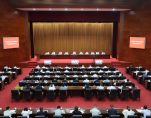
  4. The “AI for All” Inclusive Programme attracts representatives from the business and innovation and technology sectors to explore the latest AI developments and application opportunities.
  5. HKPC hosts an “AI BiteClass” sharing session on the day of the Launching Ceremony, inviting technology companies and industry experts to present practical AI experiences and success stories, helping enterprises enhance productivity and competitiveness through AI.

Hashtag: #HKPC

The issuer is solely responsible for the content of this announcement.

About the Hong Kong Productivity Council

The Hong Kong Productivity Council (HKPC) is a statutory body established in 1967, dedicated to enhancing the productivity and competitiveness of Hong Kong enterprises through world-class applied R&D, innovative technology services, and integrated manufacturing solutions. As a market-oriented, international R&D organisation, HKPC leverages its deep expertise and extensive industry experience in key areas such as AI, advanced manufacturing, life and health technology, green technology and new energy to drive new industrialisation and support the growth of emerging and future industries.

HKPC focuses on addressing businesses challenges and industrial technology needs, promoting the full integration between technological and industrial innovation. Through technology transfer, product innovation, intellectual property protection and commercialisation of R&D outcomes, the Council fosters collaboration with the local business community as well as top global R&D institutions, delivering added value to industries and advancing the development of new productive forces. HKPC’s world-class R&D achievements have been widely recognised over the years, winning an array of local and overseas accolades, reinforcing Hong Kong’s role as an international innovation and technology centre and a smart city.

To help enterprises capitalise on Hong Kong’s strengths in international connectivity to expand into global markets, HKPC offers comprehensive overseas expansion services tailored to critical areas including product development, technology, manufacturing, and management, enabling businesses to successfully go global from Hong Kong.

HKPC is also committed to providing timely and practical support to SMEs and startups with timely and practical , assisting them in accessing Government funding programmes. Through its FutureSkills training initiatives, HKPC helps both industry and academia stay ahead in latest digital and STEM technologies, nurturing a future-ready talent pool for Hong Kong.

For more information, please visit HKPC’s website: .

HONG KONG SAR – Media OutReach Newswire – 28 August 2026 – For many aspiring business leaders in Southeast Asia, Hong Kong represents more than a study destination; it is a gateway to global markets. For Clarrence Mae, a first-year student from Jakarta, that vision is already taking shape at The Chinese University of Hong Kong (CUHK).

Indonesian Student Clarrence Mae Charts Her Future at CUHK Integrated BBA

Hong Kong: A Strategic Choice for Global Ambitions

A recipient of two prestigious entrance scholarships, Clarrence is currently enrolled in CUHK’s Integrated Bachelor of Business Administration (IBBA) programme. A graduate of SMAK 1 BPK Penabur Jakarta, she saw the city as a gateway to global opportunity. “I think of Hong Kong as a financial hub, a bridge between countries. For someone who wants to study international business or finance, Hong Kong is the answer.”

She first encountered CUHK at her secondary school’s education fair and was drawn to its world-class standing (ranked second in Hong Kong and 18th globally). “I fell in love with CUHK’s environment, the buildings, the nature and all the diversity. The various organisations and events sealed it. For me, CUHK is just right.” On top of her University Admission Scholarship and top-up scholarship by the CUHK Business School, her commitment was further recognised with two scholarships upon admission: the Shum Wai Yau and Kong Fook To Belt and Road First-in-the-Family Tertiary Education Admission Scholarship and the United College CUHK Golden Jubilee First-in-the-Family Tertiary Education Admission Scholarship.

Building Belonging in the CUHK Community

Since arriving on campus, the transition was not without challenges. Language barriers initially meant she missed updates and campus events, but CUHK’s support network for international students helped her find her footing. The atmosphere, she says, is family-like, giving students space to stay connected to home while building friendships across borders. A mentorship programme also gave her early exposure to Hong Kong’s professional landscape. “It really opened my eyes to the real job market here,” she said.

From Classroom to the Global Stage

Clarrence’s ambitions are clearly defined: a Big Four internship, an exchange semester, and a career in Hong Kong before returning to make her mark in Indonesia. “For business, Hong Kong is the answer, and CUHK’s reputation as one of the top universities in the world says it all. With the scholarship opportunities on top of that, it’s truly a win-win.”

CUHK’s Integrated BBA Programme

Offered by the region’s first business school, CUHK’s Integrated BBA programme gives students the freedom to shape a curriculum around their ambitions. Key highlights include:

  • Unmatched Flexibility: Nine concentration areas with no intake limits, plus options for double majors, dual degrees and minors.
  • A Truly Global Community: Students from over 19 nationalities, fostering cross-cultural exchange and an international outlook.
  • Real-World Readiness: 89% of students complete at least one internship before graduating, and 93% access global experiential learning opportunities.
  • Comprehensive Support: A dedicated mentorship programme, partnership courses and internship placements prepare students for an ever-changing business landscape.

Graduates leave with analytical, communication and ethical decision-making skills, and access to a network of over 45,000 Business School alumni worldwide.

For more information about CUHK’s Integrated BBA programme, visit https://admission.cuhk.edu.hk/programme/ibbac/
Hashtag: #CUHK

The issuer is solely responsible for the content of this announcement.

HOHHOT, CHINA – Media OutReach Newswire – 28 August 2026 – On 25 August, Hohhot convened a conference on deepening the integration of technological innovation and industrial innovation. At the event, the city officially released its Measures for Advancing Deep Integration of Technological Innovation and Industrial Innovation, together with an overarching implementation plan. The 20 measures share one objective: to place economic and social development firmly on an innovation-driven path and accelerate Hohhot’s emergence as an important growth pole for high-quality development in northern China.

Scene from Hohhot's Conference on Deepening the Integration of Technological Innovation and Industrial Innovation
Scene from Hohhot’s Conference on Deepening the Integration of Technological Innovation and Industrial Innovation

“The less developed a region is, the more it needs to pursue an innovation-driven development strategy.” This message, voiced at the conference, reflects the clear-eyed resolve of a provincial capital city.

That resolve is underpinned by real strengths.

Here, the National Dairy Technology Innovation Centre has shortened dairy-cattle breeding evaluation from four years to just 45 days and cultivated China’s first probiotic strain for infants and young children derived from Chinese breast milk, helping the “Dairy Capital of China” advance towards becoming a global dairy hub. A major scientific facility for aerospace, sky-to-ground, cross-scale metrology, benchmarked against international leaders, is rising in Horinger New District. Inner Mongolia University of Technology has launched the region’s first new-energy industrial large model open to the world. Meanwhile, a domestic enterprise—the only one currently able to produce 4N5 high-purity germanium products consistently—is helping quantum technology and calcium-titanium mineral photovoltaics overcome key raw-material bottlenecks. From a single microbial strain to a beam of light, technological and industrial innovation are converging here and reinforcing one another.

Even more compelling is the city’s tangible commitment.

Municipal fiscal investment in science and technology will double in 2026 and double again in 2027. Newly recognised national-level innovation platforms will receive a one-off research grant of RMB 3 million, while each “Qingcheng Science and Technology Innovation Leading Talent” may receive up to RMB 500,000 in research support. By 2030, Hohhot aims to introduce an additional 10 academicians of the Chinese Academy of Sciences and the Chinese Academy of Engineering, as well as 50 high-level innovation teams. Through a policy approach of “enjoy benefits without application and receive them directly and swiftly”, the city will provide inclusive computing-power vouchers, model vouchers and token vouchers to technology-oriented small and medium-sized enterprises—lowering barriers to innovation and demonstrating the city’s sincerity in supporting innovators.

The World Dairy Capital sculpture is unveiled at Yili Modern Wisdom Health Valley.

Openness is a defining feature of Hohhot.

Drawing on the Hohhot Area of the China (Inner Mongolia) Pilot Free Trade Zone, the city is building an international science and technology cooperation base with countries along the Belt and Road. It is also deepening coordination with Beijing’s Haidian District through a “two-hour innovation circle”, exploring a new pathway in which research and development take place elsewhere while results are transformed and applied in Hohhot. Hohhot understands that innovation cannot thrive as an undertaking enclosed behind walls.

Like the Mongolian horse, it is resilient, diligent and determined—never resting until the goal is achieved. This is the character of the city: the breadth and inclusiveness of the grasslands, combined with the courage and pioneering spirit to open northwards, explore new frontiers and put ideas into action.

From the “Dairy Capital of China” to China’s “Cloud Valley”, from the pastures of Chilechuan to the computing-power clusters of Horinger, this green city is becoming a city of innovation.

Hohhot extends an invitation to the world: here there are supportive policies, real-world application scenarios and a genuine commitment to partnership—together with a vast landscape in which to join hands with those who strive and build for the future.

Hashtag: #Hohhot

The issuer is solely responsible for the content of this announcement.

  • IFPHK x YF Life: Hong Kong–Macau Retirement Expense Indexrises to 131.6 — Monthly Spending Reaches HK$15,090
  • Retiree Living Costs Have Risen Nearly 3 Times Faster Than General Inflation Since 2020

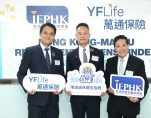
HONG KONG SAR – Media OutReach Newswire – 27 August 2026 – The Institute of Financial Planners of Hong Kong (IFPHK), in collaboration with YF Life Trustees Ltd. (YF Life Trustees), today launched the “IFPHK x YF Life: Hong Kong–Macau Retirement Expense Index” (Index). While the Index has been tracking retiree living expenses since its inception in 2020, this year marks the first time IFPHK and YF Life Trustees have partnered to expand the study to cover both Hong Kong and Macau, providing a broader regional benchmark.

Retirement Costs Soar Faster Than Inflation, Monthly Spend Hits HK$15,090: Over 72% of HK Retirees Wish They'd Acted Sooner

The findings show that retiree inflation in Hong Kong has continued to outpace general inflation. The Index rose to 131.6 in 2026, up from 127.0 in 2023 and 100 in 2020, while average monthly spending increased to about HK$15,090 in 2026. On an annualised basis, the Hong Kong Retirement Expense Index grew by more than 5% per annumfrom November 2020 to May 2026, compared with about 1.8% per annum for Hong Kong’s Composite CPI over the same period, showing that retiree living costs have effectively appreciated close to three times faster than Hong Kong’s general Composite CPI over the same period, underscoring how retirement-specific inflation — driven by travel and dining — is materially outpacing headline price trends.

Furthermore, the study reveals that more than 72% of retirees carry at least one regret regarding their retirement preparation. Most commonly, respondents feel they should have started saving or investing earlier and learned about financial planning sooner, while many continue to express concerns about medical costs, inflation, longevity risk and the risk of outliving their savings.

Dr. Paris Yeung, Chief Executive Officer of IFPHK, stated: “The findings show that satisfaction alone does not mean retirees are fully prepared. More than 72% say they have regrets, and the most common regrets point clearly to the need to start saving, investing and planning earlier. At the same time, retiree inflation has been rising faster than headline inflation, which means future retirees need more robust and flexible plans to protect their purchasing power over time. Through this expanded collaboration with YF Life, we aim to provide deeper regional insights to help future retirees plan with greater confidence.”

He added: “Turning regret into action requires starting earlier, integrating healthcare protection into retirement planning, viewing MPF as a steady retirement paycheck, and engaging qualified financial planners to address estate planning gaps. More importantly, retirement planning should shift from a rigid, set-and-forget approach to a flexible plan that adapts to each retiree’s evolving needs—what we call moving from a ‘fixed plan’ to a ‘flexible, evolving strategy’. Our goal is to help future retirees achieve sustainable and wellplanned golden years.”

Mr. Alvin Tse, Chief Executive Officer of YF Life Trustees, stated: “As the exclusive Project Sponsor of this expanded regional study, YF Life is proud to collaborate with IFPHK on this critical benchmark for Hong Kong and Macau. The 2026 data clearly shows that while retirees desire active lifestyles, they are heavily squeezed by medical inflation and the fear of outliving their wealth. To bridge this gap, retirees must shift away from viewing retirement savings as a static lump sum. By maximizing the flexibility of the MPF through phased withdrawals and mixed-asset strategies, alongside pairing them with lifetime annuity-style income streams and robust medical protection, individuals can effectively convert accumulated assets into a predictable, lifelong paycheck. True financial peace of mind comes from building an integrated fortress that safeguards against both market volatility and longevity risk.”

Key Highlights of the Study:

  • Retiree Inflation Has Outpaced General Inflation: The Index rose from 100 in 2020 to 131.6 in 2026, with average monthly retiree expenses increasing to about HK$15,090 and the Index growing at more than 5% per annum versus about 1.8% for Hong Kong’s Composite CPI for the same period. This escalation is driven partly by travelling and cross‑boundary transport—with roughly four out of five retirees visiting GBA Mainland cities and spending about RMB 1,100 per trip. This suggests that general inflation figures may understate retirees’ actual cash‑flow needs, highlighting the importance of planning for inflation‑protected retirement income and periodically rebasing budgets using a retiree‑specific living expense index rather than general CPI so they can maintain their intended post‑retirement lifestyle.
  • Retirees’ Satisfaction Masks Ongoing Financial Anxiety and Planning Gaps: Although many retirees report being satisfied with their current retirement life, concerns remain widespread, with 51% worrying about unexpected medical expenses, 41% about inflation and 77% still lacking any form of estate or asset planning. This suggests that retirees should turn present satisfaction into future resilience by building healthcare and contingency reserves, setting clear drawdown rules to manage longevity risk, and putting in place basic estate and incapacity documents such as wills, enduring powers of attorney and advance directives well before potential health or family crises arise.
  • Conservative Spending but Widespread Regret—Especially Among Asset‑Rich Retirees
    Actual retirement spending remains conservative, with average retirement expenses in 2026 equal to about 49% of pre‑retirement income. Yet more than 72% of retirees say they would have done something differently in preparing for retirement, most notably saving or investing earlier, learning financial planning earlier and communicating more openly with family about money and care needs. This pattern emphasizes that future retirees should start disciplined saving, investing and family financial discussions much earlier, even when their asset position appears comfortable.
  • MPF Transitioning Toward Income Support: While most eligible retirees still treat MPF as a lump sum, with about 76% having fully withdrawn their benefits in 2026, the scheme is gradually shifting toward an income‑support role, as 22% now use MPF to fund monthly expenses, up from 12% in 2023. Retirees are encouraged to treat MPF as part of a structured retirement income strategy, considering phased withdrawals, annuity‑style income solutions, and planned drawdowns rather than a single cash‑out, converting accumulated MPF assets into a more predictable and sustainable retirement paycheck.

Hashtag: #IFPHK #YFLife #RetirementPlanning

The issuer is solely responsible for the content of this announcement.

About “IFPHK x YF Life: Hong Kong–Macau Retirement Expense Index”

The “IFPHK x YF Life: Hong Kong–Macau Retirement Expense Index” was jointly launched in 2026 by the Institute of Financial Planners of Hong Kong (IFPHK) and YF Life Insurance International Limited. Since 2020, the Index has been the only long-term, retirement-specific benchmark tracking retirees’ actual living expenses. As the first study of its kind by IFPHK, the Index tracks and measures long-term changes in retirees’ actual living expenses with reference to the Composite Consumer Price Index (CPI) and the expenditure weightings published by the Government.

In the Hong Kong survey conducted in June 2026, NielsenIQ (NIQ) interviewed 304 retirees aged 55 to 74 with monthly personal income of at least HK$20,000 before retirement and not receiving means-tested social security or charitable support.

About IFPHK

IFPHK was established in June 2000 as a non-profit organization for the fast–growing financial industry. The Institute is the sole licensing body in Hong Kong authorized by Financial Planning Standards Board Limited to grant the much-coveted and internationally recognized CFP® certification and AFP® certification to qualified financial planning professionals in Hong Kong and Macau. Currently there are more than 236,000 CFP certificants in 29 regions; the majority of these professionals are in the U.S., China, Japan, Canada and Brazil. As at 28 February 2026, Hong Kong had approximately 3,238 CFP certificants.

At present, IFPHK has 5,298 members in Hong Kong including 956 Qualified Retirement Adviser (QRA) holders; and represents financial planning practitioners in diverse professional backgrounds such as banking, insurance, independent financial advisory, stock broking, accounting, and legal services.

About YF Life Trustees Ltd. & YF Life

YF Life Trustees is a member of YF Life Insurance International Limited (YF Life), and was among the first group of institutions approved as a Mandatory Provident Fund (MPF) scheme trustee. The company specializes in providing MPF services and is committed to creating long-term value for its scheme members.

The major indirect shareholders* of YF Life Insurance International Limited (“YF Life”) include Massachusetts Mutual Life Insurance Company (“MassMutual”), which itself has over 170 years of experience and is one of the Five Largest US Life Insurance Companies**, as well as Yunfeng Financial Holdings Limited, among others. YF Life is a long-term strategic partner of Barings. We stay at the forefront of Hong Kong’s insurance industry with our superior global investment capabilities, extensive partnership network, and fintech innovation.

* MassMutual and Yunfeng Financial Holdings Limited have indirect shareholdings in YF Life.
** The “Five Largest US Life Insurance Companies” are ranked according to the results of “Insurance: Life, Health (Mutual)” and “Insurance: Life, Health (Stock)”on total revenues for 2025, and based on the FORTUNE 500 as published on June 3, 2026.

Arabian Post Staff -Dubai Qatar Investment Authority has backed autonomous trucking company Gatik in a $200 million funding round aimed at expanding driverless freight operations across major North American supply chains. The Series D financing was co-led by QIA and Koch Disruptive Technologies, with Millennium Management, ARK Invest, Intact Private Capital and Arca Continental among the other participants. Gatik plans to use the capital to expand its […]

Arabian Post Staff -Dubai Qatar’s Prime Minister Sheikh Mohammed bin Abdulrahman bin Jassim Al Thani is travelling to Tehran on Thursday for talks aimed at lowering regional tensions and reopening a diplomatic channel between Iran and the United States. Sheikh Mohammed, who also serves as Foreign Minister, is expected to meet senior Iranian officials and discuss steps that could reduce the risk of further escalation. Doha has […]

SINGAPORE – Media OutReach Newswire – 27 August 2026 – Corporate buyers in Singapore are increasingly asking for gifting and packaging to come from the same supplier, and for that supplier to hold sourcing presence in the region rather than in a single procurement market. The Gift Empire Pte Ltd, a Singapore supplier of promotional gifts and customised corporate gifts, has responded to both within the same quarter, opening a Vietnam office supported by a local platform at giftempire.com.vn and launching Packaging Empire as a dedicated division for customised packaging solutions. Singapore remains the company’s primary market and the base from which it serves corporate gifting accounts across Singapore, Malaysia, and Vietnam.

Packaging Empire was established in response to demand from businesses seeking one partner for both requirements. The Gift Empire has supplied customised corporate gifts and promotional gifts since 1999 to organisations including Amazon, Citibank, Maybank, Shopee, and Microsoft, and receives orders through GeBIZ, Ariba, and Coupa, the procurement systems used by Singapore government agencies and large corporate buyers. Accounts of that size have traditionally run separate vendors for promotional gifts and presentation packaging, which adds cost and complicates delivery schedules when both elements are tied to the same campaign date.

The division produces gift boxes, mailer boxes, retail packaging, product sleeves, and event packaging, covering product launches, corporate events, gift-with-purchase campaigns, festive gifting, roadshows, retail applications, and brand activations. Demand for everyday corporate gift items such as custom canvas tote bags and custom water bottles in Singapore has grown alongside the shift, and these are frequently ordered with matching boxes or sleeves timed to the same launch. Clients ordering both now work to a single production timeline under one supplier.

For buyers, consolidating the two functions changes how a project is run. A client briefs one team and works to a single production timeline, so the gift item and the packaging it ships in are scheduled against the same delivery date instead of being tracked as two jobs. Colour matching and print finishing are handled within one production process, which keeps branding consistent between the item and the box it arrives in. Quality control covers both components at the same stage, and any delay sits with a single point of accountability. Volumes across gifts and packaging can be quoted together instead of being priced by two vendors working to separate minimum order quantities. For procurement teams, a single supplier also means one vendor record to maintain and one invoice per campaign, which is a practical consideration for government agencies and large corporations buying through GeBIZ, Ariba, or Coupa.

The Vietnam operation serves a dual function. Alongside supplying Vietnamese businesses through its local platform, the office gives The Gift Empire direct presence in one of the region’s largest manufacturing bases, where a significant share of the product it already sources is made. Vietnam’s electronics sector contributed over 35 per cent of the country’s total exports in 2025, reaching a record US$165 billion, according to Vietnam Briefing. Working on the ground allows closer collaboration with manufacturing partners and tighter oversight of production and quality control. The company expects this to shorten lead times for its Singapore and Malaysia clients and reduce its exposure to disruption in any single supply market.

Vincent Lau, Sales Manager at The Gift Empire, said the changes came out of client requests and not a shift in the company’s focus.

“Most of our work is still corporate gifting for clients here in Singapore, and that has not changed. What has changed is that more of them want one team handling the gifting and the packaging instead of coordinating two suppliers against the same deadline, because when the packaging runs late, the whole campaign moves with it. Vietnam happened at the same time for a practical reason, which is that a lot of the manufacturing we already source from is there, and being on the ground changes how quickly we can sort things out.” – Vincent Lau, Sales Manager, The Gift Empire Pte Ltd

The two developments give The Gift Empire a broader service range and a wider sourcing base within the same quarter, with Singapore continuing as the primary market for its corporate gifting and packaging work. The direction Lau has set out for the company is to operate as a single-source provider for corporate gifting and packaging across Southeast Asia, where a client in any of its markets briefs one team and works to one production timeline supported by a regional sourcing network.

Hashtag: #TheGiftEmpire

The issuer is solely responsible for the content of this announcement.

About The Gift Empire

Founded in 1999, The Gift Empire Pte Ltd is a Singapore-based one-stop provider of customised corporate gifts, promotional gifts, and branded packaging. With more than 25 years of industry experience, the company supplies SMEs, multinational corporations, government agencies, educational institutions, banks, hotels, and event agencies, and is registered on GeBIZ, Ariba, and Coupa. Its services span sourcing, design, quality control, logistics, and fulfilment, with a catalogue of over 400 branded products available with custom logo application. The Gift Empire operates in Singapore, Malaysia, and Vietnam, and its packaging division, Packaging Empire, delivers bespoke packaging for corporate and retail applications.

HONG KONG SAR – Media OutReach Newswire – 26 August 2026 – SenseTime Group Inc. (“SenseTime” or the “Company”; Stock Code: 0020.HK) today announced its results for the first half of 2026. During the Reporting Period, the Group recorded total revenue of RMB2.91 billion, representing a year‑on‑year (“YoY”) increase of 23.4%, and gross profit of RMB1.21 billion, up 32.9% YoY. Gross profit margin reached 41.4%, an increase of 2.9 percentage points YoY. The Group also introduced recurring revenue (“RR”) for the first time, which totaled RMB1.14 billion and accounted for 39.3% of total revenue. The Group recorded a net profit of RMB620 million under International Financial Reporting Standards (“IFRS”), marking its first IFRS profit since its public listing. Generative AI revenue reached RMB2.33 billion, representing nearly 80% of the Group’s total revenue, while overseas business revenue increased 127% YoY, significantly outpacing the Group’s overall growth rate. While delivering healthy growth in revenue and gross profit, the Group continued to improve operating efficiency, with core operating losses narrowing significantly. Non‑IFRS adjusted net loss was RMB390 million, narrowing by 67.3% YoY.

The Group continued to accelerate the large‑scale commercial deployment of its AI capabilities, building system‑level AI capabilities around the framework of “one model system, one Token Factory, and one Agent Harness” to advance AI from intelligence generation toward end‑to‑end task execution and transform these capabilities into scalable commercial value.

Dr. Xu Li, Chairman of the Board and CEO of SenseTime, said: “SenseTime’s three-pillar core capability framework, built around ‘one model system, one Token Factory, and one Agent Harness’, uses a unified model system to continuously push the boundaries of intelligence, leverages infrastructure and optimization capabilities to reduce Token costs and strengthen cost‑based pricing power, and deploys agents deeply integrated into enterprise and individual workflows to deliver complete task execution capabilities. This framework enables SenseTime to move beyond pure price competition and create sustainable commercial value through differentiated technologies and services. At the same time, it allows us to expand our user base, drive recurring revenue growth, and lay a solid foundation for the Group’s high‑quality development.”

One Model System: Advancing Native Multimodal Intelligence and Long‑Horizon Agents with Global Leading Performance

In 2026, SenseTime released a series of models at a rapid pace, spanning native multimodal unification, visual perception and reasoning, controllable generation, long‑horizon agents, spatial intelligence, and physical world models. These included the NEO‑Unify architecture; SenseNova U1, U1.5 and U1.5‑Lite; SenseNova Vision; the office‑focused multimodal agent SenseNova 6.8‑Flash‑Lite; the content creation model SenseNova U1‑Pro; the spatial intelligence model SenseNova SI‑8B; and the Kairos 3.1 world model co‑developed with Ace Robotics. Across multiple core benchmarks, these models matched or outperformed leading international models, including Gemini, GPT, and DeepSeek. Less than four months after the U1 series was open‑sourced, the three projects had collectively garnered more than 11,000 stars on GitHub.

SenseTime is advancing from digital intelligence toward physical AGI through the closed‑loop framework of “architectural innovation, system capabilities, and high‑value delivery,” continuously translating technological breakthroughs into real-world applications and commercial value.

Token Factory: Upgrading from Compute Provisioning to Scaled Intelligence Production

SenseTime’s SenseCore is evolving into a production‑oriented Token Factory. Through integrated model and infrastructure optimization, as well as capabilities in model adaptation, inference optimization, heterogeneous scheduling, energy management and global service delivery, the Token Factory not only expands Token output and lowers unit costs, but also continuously enhances the reasoning, understanding, generation, and execution capabilities embedded in each Token.

In July 2026, SenseCore delivered an average daily Token service volume of 2.4 trillion, representing a YoY increase of approximately 22 times. As of the date of this announcement, the Group’s total deployed computing power had reached 48,000 Petaflops (P).

The Token Factory provides strong support for SenseTime in advancing the performance boundaries of its foundation models and scaling their commercial deployment. It has tripled the training speed for long‑context Agent models, increased image and video generation efficiency sixfold, improved reinforcement learning training efficiency, and shortened the cycle from model R&D validation to large‑scale deployment to just one week. In addition to supporting the SenseNova foundation model, the Token Factory now serves four external foundation model providers, establishing differentiated capabilities across high‑complexity computing domains, including AI for Science (“AI4S”), video generation, embodied intelligence, world models, and city‑level intelligent applications.

In addition, the Group remains committed to advancing the domestic compute ecosystem, increasing the MFU (Model Floating‑Point Utilization) of mainstream domestic chips by up to 2.5 times compared with the baseline levels established by chip manufacturers. SenseNova U1 has achieved Day 0 adaptation across more than ten domestic chip platforms.

Through compute‑energy synergy, the Company continues to reduce the unit cost of intelligence. During the Reporting Period, its Compute‑Energy Synergy Agent achieved load forecasting accuracy of 96% and generated cumulative electricity cost savings of more than RMB12 million. For every 10,000P of computing power, annual carbon emissions were reduced by 24,000 tons.

Agents Accelerate Adoption Across Enterprise and Consumer Markets, Delivering Value Through Workflow Integration and Enhanced Everyday Experiences

Building on its model and Token capabilities, SenseTime connects models, knowledge, tools, and workflows through a unified Agent Harness, transforming underlying AI capabilities into end-to-end task delivery solutions for enterprise and individual users.

The Group’s agents are rapidly expanding across both enterprise and personal workflows. During the Reporting Period, they served more than 1,000 enterprise customers across over 20 key industries, including education, government, marketing, logistics, banking, and insurance. The Office Agent, Raccoon, has served major enterprises including Lenovo, Ping An Technology, China’s three major telecommunications operators, JD.com, and Kylin Software. Total users increased more than fivefold YoY, enterprise users grew more than sixfold, and monthly active users on the cloud platform increased nearly tenfold. In addition, the video‑generation agent Seko reached a daily video production volume of 10,000 minutes. Content created on the platform has amassed an estimated 1.5+ billion views across short‑video platforms, including 10 short-form dramas that have each surpassed 100 million views. AI productivity solutions are also expanding beyond large organizations to serve smaller teams and One‑Person Companies (OPCs). In the consumer market, the Kapi series of agents, covering use cases such as health, finance, and content creation, has surpassed 45 million cumulative users.

Computer Vision remains a strategic gateway for the Group’s expansion into industry verticals and overseas markets. During the Reporting Period, revenue from the business reached RMB500 million, accounting for approximately 17% of the Group’s total revenue. The business extended across more than 20 countries and regions and served more than 4,500 customers worldwide, with recurring customers contributing 67% of revenue.

Bridging Digital and Physical Intelligence, Unlocking Ecosystem Value

SenseTime continued to invest in frontier areas, including world models and embodied intelligence, intelligent terminals, smart healthcare, and chips. The increase in the valuation of certain AI ecosystem investments generated fair‑value gains, contributing to the Group’s first‑ever IFRS profit and reflecting the gradual realization of financial value from our ecosystem assets. Beyond short‑term investment returns, the more significant long‑term value of these ecosystem investments lies in enabling the Group gain early access to frontier domains, continuously acquire real‑world tasks, data, and feedback, and further strengthen SenseTime’s unified multimodal models and system‑level delivery capabilities.

SenseTime is deepening its “Three-pillar Framework”: one model system to raise the ceiling of intelligence and expand agents’ ability to handle complex tasks; one Token Factory to improve quality and efficiency, reduce costs, and enhance global delivery capabilities; and one Agent Harness to integrate multimodal models with the Token Factory, enabling AI to complete end‑to‑end tasks in real-world scenarios.

Looking ahead, SenseTime will continue to advance the iteration of multimodal agents, driving the evolution of the Token Factory from pricing based on Token volume to pricing based on task outcomes. The Group will also deepen the application of multi‑agent collaboration across enterprise, individual, and OPC workflows, delivering efficient and reliable productivity solutions to users.

Hashtag: #SenseTime

The issuer is solely responsible for the content of this announcement.

About SenseTime

Founded in 2014, SenseTime is a leading artificial intelligence (AI) software company, committed to its mission of “creating a better AI-empowered future through original innovation”. The Company continues to lead cutting-edge AI research while accelerating the large-scale commercialization of AI technologies.

Leveraging deep academic expertise and strong in-house innovation capabilities, SenseTime continues to enhance its industry-leading multimodal, multi-task general AI capabilities, while fostering a vibrant developer ecosystem through structured open-source initiatives.

SenseTime’s business spans Generative AI, Vision AI, and emerging innovation-driven segments. Underpinned by SenseCore, its next-generation AI infrastructure, the Company integrates computing power, algorithms, and platforms to enable scalable AI deployment. Building on this foundation, SenseTime has developed the SenseNova foundation model series, delivering cost-efficient capabilities across a wide range of general AI tasks. SenseTime continues to lead the global Vision AI market, ranking No.1 worldwide by market share. Its SenseFoundry platform integrates years of accumulated computer vision expertise with advanced multimodal foundation models, providing stable and efficient Vision AI solutions to industries worldwide.

SenseTime is listed on The Stock Exchange of Hong Kong, with operations spanning more than a dozen countries and regions.


The United States has disrupted a China-linked cyber operation blamed for intrusions into some of the country’s most sensitive government networks, including the Justice Department, NASA, the Federal Reserve and the US Senate. Federal authorities on Wednesday seized internet domains supporting two hacking platforms, QScan and QTRouter, which investigators say were used to penetrate government agencies, critical infrastructure and corporate networks. The action effectively disabled key parts […]

VISHNU RAJA
RYO YAMADA
HITORI GOTOH
IKUYO KITA