Just in:
Utilities pursue ₹1,992 cr in unpaid bills // Pinarayi faults UDF over mounting road crashes // UK air traffic outage inflicted £33m financial losses // Meraas showcases five residential zones at Dubai Design Week // As AI Reshapes Education, Singapore Convenes Global Dialogue on the Future of Early Childhood Education // Cyberport Venture & Capital Forum 2026 Grand Opening // Ta’ziz finalises $1.39bn funding for Ruwais industrial facilities // CR Longdation Aethereal Cybersecurity × Global Cybersecurity Alliance (GCSA) Join Hands to Establish the “AI and Cybersecurity Research Centre” // e-Crime Bureau Signs Cybersecurity Partnership With Smart Africa, Reinforcing Its Global Expansion // APT29-linked campaign exploits outdated Apple and Android software // Cloudflare unveils Zero Wire vulnerability intelligence service // After Reaching 7 Million Users in the Philippines, Skyro Launches Transparent Cash Loans in Malaysia // Govt opposes Arlekar’s PSC action // Dubai boat show confirms international shipyard line-up for November // Burying Head In “India Made Poverty Reduction” Data Is Dangerous // Oil and chip shares retreat after Democratic victories // Fast Just Got Fastest: STING Energy Boost™ Celebrates Kimi Antonelli’s Formula 1® World Championship and the Fan Energy Behind It // xCube Access Welcomes Entrust Capital Limited  Expanding Access to Professional Portfolio Management // ADIA and partners establish $1.4 billion aviation venture // Middle East governments assess Iran war after US vote //

News related to
Tech

A hacker has successfully laundered 499,395 Ethereum , valued at approximately $1.04 billion, stolen from the cryptocurrency exchange Bybit on February 21, 2025. This incident marks one of the most significant security breaches in the cryptocurrency industry to date.

The Federal Bureau of Investigation has attributed the theft to North Korean-affiliated hacking groups, notably the Lazarus Group and TraderTraitor. These groups have been implicated in previous cyberattacks aimed at generating revenue for North Korea’s sanctioned economy.

The hacker employed sophisticated techniques to infiltrate Bybit’s security systems, executing a phishing scam that led to the unauthorized transfer of funds. The stolen assets included liquid-staked Ether , Mantle Staked ETH , and other ERC-20 tokens.

Following the theft, the hacker utilized decentralized platforms, primarily THORChain, to launder the stolen ETH. This method involved converting the assets into various cryptocurrencies, complicating efforts to trace and recover the funds.

Bybit’s CEO, Ben Zhou, reported that approximately 3% of the stolen funds have been intercepted and frozen, while 20% have become untraceable. The remaining 77% are still under investigation, with efforts ongoing to recover the assets.

The incident has raised concerns about the security measures employed by cryptocurrency exchanges. Experts highlight the need for enhanced security protocols to protect against increasingly sophisticated cyber threats.

Dubai’s strategic initiatives have led to a significant influx of multinational companies , with a notable 62.7% originating from Asia in 2024, according to Dubai International Chamber. This trend underscores the emirate’s growing appeal as a global business hub. In 2024, Dubai International Chamber successfully attracted 51 MNCs, marking a 55% increase from the 33 companies in 2023. This growth reflects the emirate’s enhanced global positioning and […]

Dubai’s exclusive toll gate operator, Salik, reported a net profit of AED 1.16 billion for the fiscal year ending December 31, 2024, reflecting a 5.6% increase from the previous year’s AED 1.1 billion. The company’s total revenue grew by 8.7% year-on-year, reaching AED 2.3 billion, up from AED 2.1 billion in 2023. Earnings before interest, taxes, depreciation, and amortisation for the full year amounted to AED 1.6 […]

The White House is set to host a significant summit on March 7, aimed at discussing the future of cryptocurrency and digital assets. The event will see the participation of high-profile figures from the crypto industry, alongside members of the Presidential Working Group on Digital Assets. The gathering will provide a platform for leaders to discuss policy and regulatory frameworks surrounding digital currencies and their potential impact on the economy.

Among the 20 to 25 invitees are key players from some of the most influential companies in the crypto and blockchain sectors. The summit will bring together individuals who have shaped the industry through their work in technology, finance, and digital innovation. Some of the most prominent names on the guest list include Michael Saylor, the CEO of MicroStrategy, who is known for his advocacy of Bitcoin, Brian Armstrong, CEO of Coinbase, and Vlad Tenev, CEO of Robinhood.

Also attending are Arjun Sethi, CEO of Kraken, David Bailey, CEO of Bitcoin Magazine, and Matt Huang, co-founder of Paradigm. These leaders represent a cross-section of the cryptocurrency ecosystem, spanning exchanges, media, and venture capital firms. Other notable attendees include JP Richardson, CEO of Exodus, Kyle Samani, managing partner of Multicoin Capital, and Zach Witkoff, co-founder of WLFI. Sergey Nazarov, the co-founder of Chainlink, will also be present, further emphasizing the blockchain industry’s influence on the digital assets conversation.

The event’s significance extends beyond the individual discussions among these leaders. With the Biden administration focusing on digital assets and their regulatory framework, the summit marks a critical moment in the government’s ongoing effort to better understand the complexities of cryptocurrency markets. Attendees are expected to engage in dialogues that could shape the regulatory environment surrounding digital assets in the United States.

Over the past year, the U.S. government has shown an increasing interest in regulating the cryptocurrency industry. This heightened focus comes amid concerns over the volatility of digital assets, their potential for illicit use, and their long-term impact on financial markets. The summit at the White House is seen as a way to bridge the gap between policymakers and industry leaders, with the goal of crafting policies that support innovation while ensuring consumer protection.

A key topic likely to dominate discussions at the summit is the role of digital assets in the broader financial ecosystem. As cryptocurrencies become more mainstream, there is growing pressure to ensure that they operate within a clear regulatory framework. Some experts argue that without proper regulation, the risk of fraud, money laundering, and market manipulation could undermine trust in digital currencies. Others, however, advocate for a hands-off approach, arguing that overregulation could stifle innovation and limit the potential benefits of digital assets.

The White House summit is expected to focus on a range of issues, from the regulatory treatment of cryptocurrencies to their use in traditional financial markets. A major point of contention has been whether cryptocurrencies should be classified as commodities, securities, or a new class of assets entirely. This distinction has major implications for how they are taxed, traded, and regulated.

For many in the crypto space, this summit represents a critical opportunity to engage directly with policymakers and advocate for policies that support innovation. The presence of prominent figures like Michael Saylor, who has been vocal about his support for Bitcoin as a store of value, and Brian Armstrong, who has been an outspoken advocate for clearer regulatory guidelines, suggests that the meeting will feature a candid and open discussion on the future of digital assets.

One of the critical issues that attendees may address is the potential for a central bank digital currency in the U.S. While other countries, such as China, have made significant strides in developing CBDCs, the U.S. has been cautious in its approach. Some industry leaders are concerned that the introduction of a government-backed digital currency could undermine the decentralised ethos of blockchain technology and compete with private cryptocurrencies like Bitcoin.

At the same time, the growing interest in decentralized finance and non-fungible tokens is likely to feature in conversations. DeFi, in particular, has emerged as one of the most disruptive trends within the cryptocurrency space, offering financial services such as lending and borrowing without the need for traditional intermediaries like banks. This fast-evolving sector could pose challenges for regulators, who will need to balance fostering innovation while ensuring these platforms comply with existing financial laws.

Another important aspect of the summit will be the broader international context. As global governments begin to take action on cryptocurrency regulation, the U.S. faces increasing competition from other countries in setting the pace for crypto innovation. European countries, for example, have introduced their own regulatory frameworks for digital assets, while nations like El Salvador have adopted Bitcoin as legal tender. How the U.S. positions itself in this global race for regulatory leadership could have far-reaching consequences for the industry.


Japan has officially approved Circle’s USD Coin as the first dollar-pegged stablecoin to be legally distributed in the country, marking a significant milestone in the nation’s cryptocurrency landscape. This development comes as SBI VC Trade, a subsidiary of financial conglomerate SBI Holdings, secured regulatory approval under the Financial Services Agency’s revised regulations to list and distribute USDC.

SBI VC Trade’s registration as an Electronic Payment Instruments Business Operator under Japan’s updated regulatory framework allows the exchange to handle stablecoin transactions. This approval positions USDC as the only global dollar stablecoin authorized for use in Japan. Circle CEO Jeremy Allaire highlighted this achievement, stating that USDC is now “the first and only global dollar stablecoin to become approved for use in Japan.”

The exchange plans to initiate USDC transactions with selected users on March 12, following scheduled system maintenance. This phased rollout aims to ensure compliance with local regulations while enhancing Japan’s digital asset landscape. SBI VC Trade’s CEO, Tomohiko Kondo, emphasized the company’s commitment to expanding USDC adoption and offering secure, compliant digital payment solutions.

Japan’s stance on stablecoins has undergone a significant transformation since 2023, when regulators lifted a long-standing ban on foreign stablecoins. The FSA recently approved a policy report recommending the relaxation of stablecoin-related regulations, paving the way for licensed intermediaries to handle foreign stablecoins under strict oversight.

SBI Holdings has been an active player in the crypto sector, forging partnerships with major U.S. companies like Ripple. The company’s exchange arm, SBI VC Trade, currently supports various cryptocurrencies, including Bitcoin. The integration of USDC into its offerings signifies a pivotal moment for Japan’s crypto market, potentially enhancing cross-border transactions and digital asset innovation.

Circle’s USDC has been gaining global regulatory recognition and is currently the only major stablecoin compliant with the European Union’s Markets in Crypto-Assets regulations. This compliance gives it a competitive advantage over other stablecoins in the region. The approval in Japan further solidifies USDC’s position in the global market, reflecting a growing trend toward regulatory acceptance of stablecoins.

The rivalry between Circle’s USDC and Tether’s USDT has been a focal point in the cryptocurrency industry. Tether, the industry leader, has faced criticism for its opaque practices and alleged associations with criminal activities, while Circle promotes regulatory compliance and transparency. Allaire’s efforts to push for regulations aim to undermine Tether, which some believe threatens the anti-establishment ethos of crypto. As Circle gains ground, Tether relies on allies in the pro-crypto Trump administration, with Commerce Secretary Howard Lutnick as a key figure. The rivalry is heating up as new regulations and legislations emerge, potentially reshaping the future landscape of the $3 trillion crypto industry.

SBI VC Trade’s move to list USDC aligns with Japan’s broader efforts to embrace digital innovation while ensuring financial stability. The country’s regulatory framework aims to balance the benefits of digital assets with the need to protect consumers and maintain market integrity. This approach reflects a cautious yet progressive stance toward integrating stablecoins into the traditional financial system.

The introduction of USDC into Japan’s market is expected to have a ripple effect on the adoption of digital currencies in the region. Businesses and consumers may find new opportunities for efficient transactions, remittances, and financial services. The stablecoin’s approval could also encourage other countries to reevaluate their regulatory approaches to digital assets, potentially leading to broader acceptance and integration worldwide.

SBI VC Trade’s strategic move to integrate USDC into its platform demonstrates the company’s commitment to staying at the forefront of digital finance. By offering stablecoin transactions, the exchange aims to provide seamless and efficient digital payment solutions to its customers. This initiative aligns with the global trend of financial institutions exploring blockchain technology and digital currencies to enhance their services.

The collaboration between Circle and SBI VC Trade underscores the importance of partnerships in the evolving digital asset ecosystem. By working together, these companies are setting a precedent for how traditional financial institutions and fintech firms can collaborate to bring innovative solutions to market. This partnership also highlights the potential for stablecoins to bridge the gap between traditional finance and the emerging digital economy.

As SBI VC Trade prepares for the official rollout of USDC, the company is poised to play a significant role in shaping the future of digital payments in Japan. The exchange’s efforts to integrate stablecoin transactions into its financial offerings reflect a broader commitment to embracing technological advancements while adhering to regulatory standards. This approach ensures that innovation is balanced with responsibility, fostering trust and confidence among consumers and investors alike.

Arabian Post Staff -Dubai RayNeo has unveiled its latest smart glasses, the Air 3s, promising to revolutionise the wearable display market with significant upgrades in both visual and audio performance. Priced at $259, these glasses are set to launch in April 2025, offering consumers an affordable yet advanced option for immersive viewing experiences. Building upon the foundation of its predecessor, the Air 2s, the Air 3s introduces […]

Offering Both General and Life Insurance to Meet Customers’ Various Protection Needs HONG KONG SAR – Media OutReach Newswire – 5 March 2025 – PAO Bank Limited (“PAObank”) announced that it has been granted an Insurance Agency Licence from the Insurance Authority (“IA”) and has signed strategic partnership agreements with China Ping An Insurance (Hong Kong) Company Limited (“PAHK”) and FWD Hong Kong (“FWD”) respectively. PAObank is […]

Advertisements

Sharon AI, Inc., a high-performance computing company specializing in artificial intelligence and cloud GPU infrastructure, has partnered with New Era Helium, Inc., a helium exploration and production firm, to develop a 250-megawatt net-zero energy AI and high-performance computing data center in Ector County, Texas. The joint venture, Texas Critical Data Centers, LLC , has signed a letter of intent with GROW Odessa, an economic development corporation, to […]

Chinese electric vehicle manufacturer BYD has successfully raised $5.6 billion through a significant share sale, marking the largest equity follow-on offering in the global automotive sector in the past decade. The company sold 129.8 million shares at HK$335.20 each, representing an 8% discount to its previous closing price. The United Arab Emirates-based Al-Futtaim Family Office emerged as a key investor in this transaction, underscoring a strategic partnership […]

A U.S. federal court has denied Elon Musk’s request for a preliminary injunction aimed at halting OpenAI’s transition into a for-profit entity. U.S. District Judge Yvonne Gonzalez Rogers ruled that Musk failed to meet the necessary criteria for such an injunction. OpenAI, initially established as a non-profit organization dedicated to advancing artificial intelligence for the benefit of humanity, has undergone significant structural changes in recent years. The […]

ByteDance, the parent company of TikTok, has initiated a new share buyback program for its U.S.-based employees, offering $189.90 per share. This marks an 11% increase from the previous buyback prices of $171 and $181 per share. The latest valuation positions ByteDance at approximately $315 billion, reflecting a significant recovery from its valuation dip in 2023.

The company’s robust balance sheet, bolstered by its expanding domestic and global operations, underpins this enhanced valuation. Despite facing potential U.S. bans over national security concerns, ByteDance continues to demonstrate financial strength. Congress passed legislation last year requiring ByteDance to divest TikTok by January 19, or face a ban in the United States. The enforcement of this ban was postponed for 75 days, allowing the company time to explore its options.

ByteDance’s consistent share buyback programs not only provide liquidity to its investors and early employees but also serve as a testament to its confidence in sustained growth. The company’s valuation trajectory has been noteworthy; in December 2023, a buyback offer valued ByteDance at $268 billion, and by November 2024, this figure had risen to $300 billion.

The company’s flagship product, TikTok, boasts a user base of 170 million Americans. Despite its popularity, TikTok has been under scrutiny due to national security concerns, leading to legislative actions aimed at curbing its operations in the U.S. ByteDance has been actively engaging with the U.S. administration to devise a plan that would allow TikTok to continue operating in the country.

In addition to its share buyback initiatives, ByteDance is making significant investments in artificial intelligence infrastructure. The company plans to spend over $12 billion on AI infrastructure in 2025, with approximately $5.5 billion allocated for acquiring AI chips in China, doubling its expenditure from the previous year. About 60% of these purchases will come from Chinese suppliers like Huawei and Cambricon, with the remainder from Nvidia, modified to comply with U.S. export controls. Furthermore, ByteDance plans to invest around $6.8 billion overseas to enhance its AI model training capabilities.

These strategic investments in AI are part of ByteDance’s efforts to bolster its technological capabilities and maintain a competitive edge in the rapidly evolving digital landscape. The company’s focus on AI aligns with industry trends, as rivals like Baidu, Alibaba, and Tencent also ramp up their AI initiatives.

However, ByteDance’s expansion and valuation growth are not without challenges. The company faces regulatory hurdles, particularly in the U.S., where concerns about data security and potential Chinese government influence have led to calls for stricter oversight or outright bans of TikTok. In response, ByteDance has filed a federal lawsuit against the proposed ban, arguing that it infringes on users’ free speech rights.

Pioneering AI-Powered Cleaning Technology Deployment Marks Strategic Expansion into Hong Kong Market SINGAPORE – Media OutReach Newswire – 4 March 2025 – Primech AI Pte. Ltd. (“Primech AI”) or (the “Company”), a subsidiary of Primech Holdings Limited (Nasdaq: PMEC), is proud to announce the launch of its innovative Robotics as a Service (RaaS) business line, revolutionizing the cleaning solutions industry. This strategic initiative addresses critical industry challenges […]

Consumers can look forward to learning more about Samsung products from local creators and uncover special deals exclusive to Samsung Singapore’s TikTok Shop page SINGAPORE – Media OutReach Newswire – 4 March 2025 – Samsung Electronics Singapore has launched its very own TikTok Shop page (search “@samsungsg”), offering consumers an exciting new way to discover and purchase Samsung products. Through TikTok Shop, Samsung aims to reach a […]

By Nitya Chakraborty The U.S. President Donald Trump has fired his missile on Europe, especially, France, UK and Germany by suspending arms aid to Ukraine after categorically making it clear that President Zelensky has to agree to the peace and security deal proposed by Trump on Friday in the White House meeting. The deal is […]

HA LONG, VIETNAM – Media OutReach Newswire – 4 March 2025 – Vingroup and global investment firm JTA Investment Qatar have announced a Memorandum of Understanding (MOU), opening up strategic investment opportunities in the electric vehicle and tourism sectors. Accordingly, JTA Investment Qatar recognizes VinFast’s global growth strategy, alongside the significant value of Vinpearl’s premium hotels and resorts, leading amusement parks and entertainment clusters, thereby aiming to […]

GNOME 48, the latest iteration of the widely used Linux desktop environment, is scheduled for official release on March 19, 2025. This update introduces a suite of new features and enhancements aimed at improving user experience, system performance, and overall digital wellbeing. One of the most notable additions is the ‘Wellbeing’ feature integrated into the Settings application. This tool provides users with a dashboard displaying daily screen […]

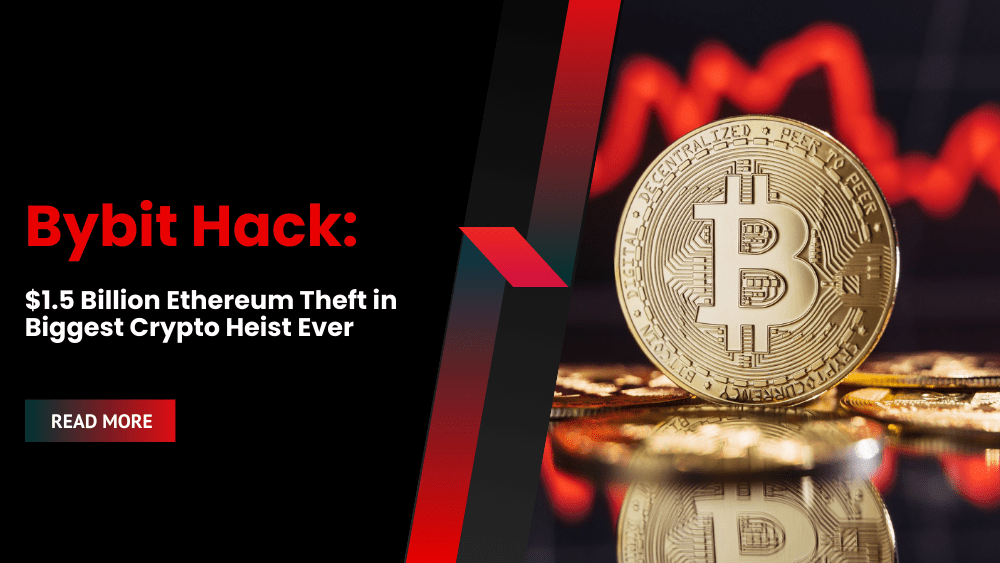
A massive security breach at Dubai-based cryptocurrency exchange Bybit has resulted in the theft of approximately $1.5 billion in Ethereum , marking one of the largest heists in the digital currency sector. The attack, attributed to North Korean hacking groups Lazarus and TraderTraitor, has raised significant concerns about cybersecurity within the cryptocurrency industry.

The Federal Bureau of Investigation has linked the theft to these North Korean-affiliated hackers, who reportedly utilized malware-infected cryptocurrency trading applications to infiltrate Bybit’s systems. This method allowed them to drain substantial amounts of Ethereum from the exchange’s reserves. The stolen funds are believed to be funneled into North Korea’s nuclear and missile programs, highlighting the geopolitical implications of such cybercrimes.

In response to the breach, Bybit’s CEO, Ben Zhou, announced that the exchange has fully restored its Ethereum reserves. The company secured approximately 446,870 ETH through strategic acquisitions and loans, ensuring that all client assets remain backed on a one-to-one basis. This swift action aims to maintain customer trust and stabilize the platform following the unprecedented hack.

The impact of the theft extended beyond Bybit, affecting the broader cryptocurrency market. Funding rates across various platforms experienced a decline, reflecting heightened uncertainty among investors. Ethereum’s price volatility increased as traders reacted to the news, with some large holders, or “whales,” expressing caution amid the fluctuating market conditions.

Despite the initial shock, there are signs of recovery within the market. Bybit’s replenishment of its Ethereum reserves has contributed to a gradual restoration of confidence among users and investors. Additionally, the exchange has launched a $140 million bounty program to incentivize information leading to the recovery of the stolen assets and the identification of the perpetrators.

The hackers have reportedly laundered approximately $335 million of the stolen funds, leaving around $900 million unaccounted for. This ongoing movement of assets poses challenges for authorities attempting to trace and recover the stolen cryptocurrency. The laundering process involves complex techniques, including transferring funds across multiple blockchains and utilizing mixing services to obscure the transaction trail.

Bybit has pledged to enhance its security protocols to prevent future breaches. The exchange is collaborating with international law enforcement agencies and cybersecurity firms to investigate the hack and mitigate potential risks. This incident underscores the critical need for robust security measures within the cryptocurrency industry, as exchanges remain prime targets for sophisticated cyberattacks.

The broader implications of the Bybit hack have prompted discussions about regulatory oversight and the responsibility of exchanges to protect user assets. As the digital currency market continues to evolve, ensuring the security of platforms and the integrity of transactions remains a paramount concern for both industry participants and regulators.

In the aftermath of the hack, Bybit conducted a comprehensive audit to verify the restoration of its reserves. The exchange plans to release an updated proof-of-reserves report, utilizing a Merkle tree structure to provide transparency and reassure clients of the platform’s solvency. This move aims to rebuild trust and demonstrate Bybit’s commitment to safeguarding user assets.

The cryptocurrency community has rallied in support of Bybit, with industry leaders emphasizing the importance of collective efforts to combat cyber threats. Collaborative initiatives are being explored to share threat intelligence and develop standardized security practices across exchanges. These efforts aim to fortify the industry’s defenses against increasingly sophisticated hacking groups.

While the Bybit hack serves as a stark reminder of the vulnerabilities within the cryptocurrency ecosystem, it also highlights the resilience of platforms and their ability to respond to crises. By swiftly restoring its reserves and implementing enhanced security measures, Bybit aims to turn this challenging episode into an opportunity to strengthen its operations and contribute to the overall security of the digital asset landscape.

OPPO is one of the first smartphone brands to implement Private Computing Cloud and has further integrated applications with Google Gemini so users can soon take action across OPPO apps in Gemini. During MWC2025, OPPO unveiled new AI features, including AI Call Translator and AI VoiceScribe, and has committed to releasing new AI updates roughly every month. OPPO plans to bring generative AI features to around 100 […]

US financial markets experienced significant declines on Monday, March 3, 2025, following President Donald Trump’s confirmation that 25% tariffs on imports from Canada and Mexico would commence on Tuesday, March 4. The Dow Jones Industrial Average fell by 649 points, closing at 43,191.24—a 1.5% decrease. The S&P 500 Index dropped 1.8% to 5,849.72, and the Nasdaq Composite declined 2.6% to 18,350.19. The President’s announcement ended investor hopes […]

Internxt, a Valencia-based tech company, has become the first cloud storage provider to implement post-quantum encryption, marking a significant advancement in data security. This move addresses growing concerns about the potential threats posed by quantum computing to traditional encryption methods. Quantum computers, leveraging the principles of quantum mechanics, have the potential to perform computations at speeds unattainable by classical computers. This capability threatens current encryption protocols, as […]

At the Mobile World Congress in Barcelona, Qualcomm Technologies unveiled the Qualcomm X85 5G Modem-RF, an advancement poised to redefine connectivity standards for Android devices. This eighth-generation modem-to-antenna solution, integrated with AI capabilities, achieves peak download speeds up to 12.5 Gbps, enhancing streaming, gaming, and overall user experiences. The X85 supports both sub-6 GHz and mmWave frequencies, ensuring seamless connectivity across diverse network environments. Its AI-powered data […]

The European Commission has announced a significant policy shift, granting automakers an additional three years to meet stringent CO₂ emission targets initially set for 2025. This move comes amid mounting pressure from the automotive industry, which has been grappling with the rapid transition towards electrification and the associated compliance challenges.

Under the revised framework, car manufacturers now have until 2028 to align their fleets with the mandated CO₂ emission reductions. This extension aims to provide the industry with “breathing space” and greater clarity, as stated by European Commission President Ursula von der Leyen. The proposal, scheduled for formal presentation on March 5, requires approval from both the European Parliament and the Council of the European Union.

The original regulation, known as the Emission Performance Regulation 2019, set ambitious targets for reducing CO₂ emissions from new passenger cars and light commercial vehicles. Specifically, it mandated a 15% reduction by 2025 and a 37.5% reduction by 2030, relative to 2021 levels. Non-compliance would result in substantial fines, calculated at €95 per gram per kilometre of excess emissions per vehicle.

Automakers have expressed concerns over the feasibility of meeting these targets within the original timeframe, citing factors such as supply chain disruptions, technological hurdles, and the pace of consumer adoption of electric vehicles . The extension is expected to alleviate some of these pressures, allowing manufacturers to better strategize their transition towards greener technologies.

Despite the extension, environmental advocacy groups have raised alarms about potential delays in achieving the EU’s broader climate goals. They argue that prolonging compliance deadlines could undermine efforts to reduce greenhouse gas emissions and combat climate change. However, the Commission maintains that the overall emission reduction targets remain unchanged, emphasizing that the extension merely adjusts the compliance timeline to reflect current industry realities.

In addition to the extension, the Commission is set to introduce measures aimed at boosting demand for EVs within the EU. These measures include incentives such as toll exemptions for zero-emission heavy-duty vehicles and initiatives to enhance the accessibility and convenience of EV charging infrastructure. The goal is to address the decline in EV sales observed in 2024, attributed in part to limited charging facilities and the abrupt termination of subsidies in key markets like Germany.

The Commission plans to implement requirements for increased local content in battery production and automotive components. This move seeks to bolster the EU’s competitiveness in the global EV market, particularly against rivals from China and the United States. By encouraging local production and technological collaboration, the EU aims to strengthen its automotive industry’s resilience and innovation capacity.

The proposal also outlines conditions for foreign investments in the European automotive sector, ensuring that such investments align with the EU’s strategic interests and contribute positively to its industrial landscape. This approach reflects a broader trend towards safeguarding critical industries while promoting sustainable economic growth.

The automotive industry has responded to the extension with a mix of relief and caution. While the additional time provides a buffer against immediate compliance challenges, industry leaders acknowledge the need to accelerate the development and deployment of low-emission technologies. The extension is viewed not as a reprieve from environmental responsibilities but as an opportunity to recalibrate strategies for a successful transition to sustainable mobility.

Shares of major European automakers, including Volkswagen, Renault, BMW, and Mercedes-Benz, experienced notable increases following the announcement. This market reaction underscores investor optimism regarding the industry’s capacity to adapt to evolving regulatory landscapes and consumer preferences.

The Commission’s proposal represents a delicate balancing act between environmental imperatives and industrial realities. By granting the extension, the EU acknowledges the complexities inherent in overhauling a sector as significant and multifaceted as automotive manufacturing. At the same time, it reaffirms its commitment to achieving long-term sustainability goals, signaling that flexibility in timelines does not equate to a dilution of environmental standards.

Telecommunications provider du has launched a new Travel eSIM service aimed at enhancing connectivity for transit passengers passing through the United Arab Emirates . This initiative allows travellers to maintain seamless data connectivity across more than 190 countries without the need for physical SIM cards.

The Travel eSIM is designed to offer convenience and affordability to international travellers. By scanning a QR code, users can activate the eSIM on their compatible devices, enabling immediate access to data services without the hassle of purchasing local SIM cards or incurring roaming charges. This digital solution aligns with the global shift towards eSIM technology, which integrates SIM functions directly into devices, eliminating the need for physical cards.

Fahad Al Hassawi, CEO of du, highlighted the company’s commitment to enhancing customer experiences: “Our Travel eSIM is a testament to du’s dedication to innovation and customer-centric solutions. We understand the needs of modern travellers and aim to provide them with seamless connectivity, no matter where they are in the world.”

The eSIM offers a range of data bundles tailored to different durations and data requirements. For instance, users can select packages that provide unlimited data for specific periods, such as one day or seven days, depending on their travel needs. This flexibility ensures that both short-term visitors and long-term travellers can find a plan that suits their usage patterns.

To activate the eSIM, travellers can visit du’s official website or authorized retailers to purchase a data bundle. After completing the purchase, they receive a QR code, which, when scanned, installs the eSIM profile on their device. It’s recommended to activate the eSIM upon arrival at the destination to ensure the data bundle period aligns with the travel schedule. Devices must be eSIM compatible and network unlocked to utilize this service.

The introduction of the Travel eSIM addresses common challenges faced by international travellers, such as the inconvenience of swapping physical SIM cards and the unpredictability of roaming charges. By offering a digital solution, du aims to streamline the connectivity process, allowing users to stay connected with ease.

In addition to data services, the eSIM provides access to local networks, enhancing the quality and reliability of the connection. This feature is particularly beneficial for business travellers who require consistent and high-speed internet access for work-related tasks.

The global eSIM market has been experiencing significant growth, driven by the increasing adoption of eSIM-compatible devices and the demand for flexible connectivity solutions. Analysts predict that the number of eSIM-enabled smartphones will continue to rise, further solidifying the importance of services like du’s Travel eSIM in the telecommunications industry.

Travellers have expressed positive feedback regarding the convenience of eSIMs. A user on a travel forum shared their experience: “I arrived in Dubai and was able to get a tourist eSIM from the Virgin mobile shop. It was a straightforward process and didn’t involve getting a normal SIM as a stepping stone.” Such testimonials underscore the practicality and user-friendliness of eSIM technology.

However, it’s essential for users to ensure their devices are compatible with eSIM technology. Most modern smartphones from leading manufacturers support eSIM functionality, but travellers are advised to verify compatibility before attempting to install the eSIM. Additionally, devices should be network unlocked to prevent any activation issues.

Matein Khalid Some guy wrote to me that I was bearish for 4-years. Poppycock! In mid-Jan, I wrote a bullish analysis of Prologis (PLD), the world’s largest industrial REIT. PLD was 105 then and 124 now. An 18% return in 6-weeks is a gift for those with the IQ to grasp my logic. Which poor Densa could not. What about VNO at 18, Citi at 60, Wells […]

VISHNU RAJA
RYO YAMADA
HITORI GOTOH
IKUYO KITA
Just in:
Burying Head In “India Made Poverty Reduction” Data Is Dangerous // Fast Just Got Fastest: STING Energy Boost™ Celebrates Kimi Antonelli’s Formula 1® World Championship and the Fan Energy Behind It // Vance attributes Republican midterm defeats to Iran conflict // Middle East governments assess Iran war after US vote // After Reaching 7 Million Users in the Philippines, Skyro Launches Transparent Cash Loans in Malaysia // Oil and chip shares retreat after Democratic victories // xCube Access Welcomes Entrust Capital Limited  Expanding Access to Professional Portfolio Management // APT29-linked campaign exploits outdated Apple and Android software // AI trust gap reveals distinct retail priorities: Divergent paths to consumer growth in Hong Kong and the GBA // UK air traffic outage inflicted £33m financial losses // As AI Reshapes Education, Singapore Convenes Global Dialogue on the Future of Early Childhood Education // ADIA and partners establish $1.4 billion aviation venture // Ta’ziz finalises $1.39bn funding for Ruwais industrial facilities // Asia Left Behind: Ten international companies have yet to report delivering on their cage-free egg pledges across the region // Govt opposes Arlekar’s PSC action // Cyberport Venture & Capital Forum 2026 Grand Opening // Anthropic to prohibit persistent abuse of Claude chatbot // The “1st Greater Bay Area Health and Longevity Summit & Awards Ceremony” concludes successfully in Macao // Emirates Group records AED 4.1 billion half-year profit // Pinarayi faults UDF over mounting road crashes //