Just in:
Ousted top Kochi cop gets IG post // Kochi police detain two actors over bid to honey trap doctor // Geely’s i-HEV Intelligent Hybrid Technology Offers a New Direction for Gasoline-Powered Vehicles // Millions Of Indians May Soon Be Deprived Of Government Assistance // TVM –Mangaluru Vande Bharat claims top spot // Emirates Group records AED 4.1 billion half-year profit // The “1st Greater Bay Area Health and Longevity Summit & Awards Ceremony” concludes successfully in Macao // OpenAI abandons secrecy agreements for future data centres // UK air traffic outage inflicted £33m financial losses // Asia Left Behind: Ten international companies have yet to report delivering on their cage-free egg pledges across the region // Hong Kong mandates crypto transaction disclosures to tax authorities // Ningbo Consensus on Collaborative Development released at 2026 Global Mayors Dialogue · Ningbo // Trump’s Iran War Has A Share Of Contribution To His Midterm Debacle // Miss Universe Hong Kong Jen Zhou Departs for Puerto Rico to Compete in the 75th Miss Universe World Final // APT29-linked campaign exploits outdated Apple and Android software // Motorola introduces Signature 27 flagship priced at $1,599 // e-Crime Bureau Signs Cybersecurity Partnership With Smart Africa, Reinforcing Its Global Expansion // Dubai details five-year visa benefits for returning visitors // Technology shares plunge as Nasdaq enters correction // Oil advances towards $100 as tanker attacks persist //

News related to
Tech

Ducab Group has joined forces with the Mohammed Bin Rashid Housing Establishment in a strategic partnership aimed at enhancing Dubai’s large-scale residential developments with advanced cable solutions. This collaboration marks a significant step in promoting sustainability and advancing infrastructure within the emirate, as Ducab provides an array of high-quality products, including low-voltage power cables, wires, flexible cables, and Flam BICC2 fire-resistant cables.

The partnership comes in response to the UAE’s ambitious push for sustainable development, aligning with the country’s wider vision of creating environmentally responsible and energy-efficient housing. MBRHE, tasked with providing affordable homes to UAE nationals, is focused on modernising its housing projects, making this collaboration a key element in ensuring that their new developments adhere to the highest standards of safety, energy efficiency, and environmental sustainability.

The low-voltage power cables, central to the collaboration, are designed to meet the growing demand for reliable energy supply in urban areas. These cables are essential for transmitting electricity efficiently across residential complexes, enabling the seamless operation of essential services such as lighting, heating, and air conditioning. Flexible cables, which allow for easy installation in a variety of configurations, will also play a vital role in maintaining the safety and durability of the electrical systems within these residential areas.

The incorporation of Flam BICC2 fire-resistant cables adds an extra layer of safety, protecting the residents and properties from potential electrical fires. These fire-resistant cables, which meet stringent international standards, provide superior protection by preventing the spread of fire through the electrical infrastructure, crucial in high-rise buildings and densely populated areas. With fire safety becoming an increasing concern in residential construction, these cables will play an important role in mitigating risks and ensuring the well-being of Dubai’s growing population.

Ducab, a prominent manufacturer of cables and electrical products in the UAE, has a long-standing reputation for providing innovative and reliable solutions for various sectors, including construction, energy, and infrastructure. Its involvement in this partnership strengthens its position as a leading provider of electrical solutions for the UAE’s residential and commercial sectors. The company’s commitment to sustainable practices is evident in its product offerings, which not only meet international quality standards but also incorporate eco-friendly manufacturing processes.

The collaboration with MBRHE also signals Ducab’s continued efforts to support the UAE’s ambitious sustainability goals, including its drive to reduce carbon emissions and promote energy efficiency across all industries. By providing cutting-edge cable technology that adheres to the highest safety standards, Ducab is contributing to the UAE’s goal of building smart, sustainable cities that can meet the challenges of the future.

MBRHE’s role in the partnership is pivotal, as it oversees the construction and delivery of homes for UAE nationals. The establishment is responsible for implementing Dubai’s housing strategy, ensuring that projects are not only cost-effective but also meet the sustainability standards required for long-term success. The inclusion of Ducab’s advanced cable solutions is part of a broader initiative to elevate the quality of these homes, ensuring they are equipped with the latest technology and built to withstand the demands of modern living.

Dubai’s housing sector has seen significant transformation over the past few years, with an increasing focus on green building practices and energy-efficient solutions. This partnership between Ducab and MBRHE is a direct response to this shift, as developers and stakeholders strive to meet the growing demand for sustainable housing options. The project aligns with Dubai’s broader goals outlined in its Vision 2021 and other long-term urban planning strategies, which focus on sustainable development, energy efficiency, and the creation of smart cities.

As part of the collaboration, Ducab’s role extends beyond the supply of cables and wires. The company is also involved in providing technical support and expertise, ensuring that the installation and maintenance of these systems meet the highest standards of quality and safety. Ducab’s commitment to research and development ensures that its products continue to evolve in line with technological advancements and the shifting demands of the construction and energy sectors.

The move to integrate advanced cable solutions into Dubai’s residential projects also comes as the emirate ramps up efforts to bolster its position as a global hub for innovation and sustainability. With growing pressure on governments and industries to adopt more environmentally conscious practices, collaborations like the one between Ducab and MBRHE are essential in driving the change needed to support sustainable urban development.


Dubai’s International Financial Centre has seen an unprecedented 25% rise in company registrations over the last year, marking a record high. The financial district, now home to 6,920 active companies, has experienced a significant surge, up from 5,523 in the previous year. This surge signals a growing trend of international businesses, particularly hedge funds, flocking to the emirate’s burgeoning financial sector. The rapid rise in registrations comes […]

UAE defence authorities announced the signing of 13 major contracts worth Dh4 billion on the opening day of the International Defence Exhibition and Conference 2025, the largest defence expo in the Middle East. The deals highlight the UAE’s strategic efforts to enhance its defence capabilities, focusing on advanced technology, military equipment, and international collaborations. The exhibition, taking place at the Abu Dhabi National Exhibition Centre, marks a […]

Mubadala Investment Company has secured a deal to acquire a minority stake in Apleona, one of Europe’s top integrated facility management providers. This move forms part of a broader investment effort led by Bain Capital’s Private Equity team in Europe, which aims to bolster Apleona’s growth trajectory, further establishing it as a dominant player in the European facility management sector. Headquartered in Neu-Isenburg, Germany, Apleona delivers a […]

UAE President Sheikh Mohamed bin Zayed Al Nahyan met with Ukrainian President Volodymyr Zelensky in Abu Dhabi on Monday, marking a significant step towards enhancing diplomatic and economic cooperation between the two nations. The meeting, which took place at Qasr Al Shati, underscored the UAE’s commitment to bolstering global partnerships and supporting peaceful conflict resolution in the region. Both leaders discussed a range of issues aimed at […]

Qatar has unveiled a significant reduction in business set-up fees, a move aimed at making it easier for entrepreneurs to establish entities within the country’s growing financial hub. The Qatar Financial Centre announced that the application fee for licensing an entity within its platform will be reduced by a staggering 90%, dropping from $5,000 to $500.

This reduction applies specifically to businesses that will engage in non-regulated activities within the QFC, although Single Family Offices are excluded from the fee cut. The new initiative is designed to lower entry barriers and encourage more entrepreneurs and businesses to take advantage of Qatar’s thriving financial ecosystem.

The QFC, a key pillar in Qatar’s economic diversification strategy, has positioned itself as a dynamic platform for both local and international companies seeking to operate in the region. This step reflects the country’s growing emphasis on fostering a more open and accessible business environment, especially as it seeks to attract startups, SMEs, and other entrepreneurs from around the globe.

The decision to slash set-up costs for businesses seeking to operate in the QFC is part of Qatar’s broader agenda to strengthen its competitive edge in the Middle East and North Africa region. By making it easier to establish companies, Qatar aims to tap into the growing demand for financial services and other non-regulated activities.

The move is also expected to benefit those looking to establish smaller, niche companies that might not otherwise have considered Qatar as a viable business location due to high initial costs. Qatar’s commitment to creating a more entrepreneur-friendly landscape aligns with its long-term vision of fostering sustainable growth through diversification and innovation.

Notably, while the QFC’s new fee structure is designed to attract entities with non-regulated business models, it also sends a message to the broader market about Qatar’s evolving role as a business hub in the region. By reducing the cost of entry, the country hopes to level the playing field for businesses of all sizes and industries.

This fee reduction aligns with Qatar’s wider economic reforms, including those that aim to ease regulations on foreign investments, offer tax incentives, and provide better access to capital for emerging businesses. The QFC’s efforts also reflect Qatar’s strategic aim of becoming a more diversified, competitive, and resilient economy, reducing its reliance on traditional sectors such as oil and gas.

In recent years, the country has made substantial strides in creating an environment conducive to growth and innovation. Initiatives like this are likely to play a key role in positioning Qatar as an attractive destination for foreign direct investment , which will be pivotal for future economic expansion.

The move is also in keeping with global trends that see financial centres and business hubs competing to provide the most appealing regulatory and fiscal environments. Qatar is positioning itself to meet the growing demand for digital finance, fintech, and other non-regulated sectors, where opportunities for growth and profitability are seen to be abundant.

In addition to these measures, Qatar’s focus on creating a more transparent and streamlined regulatory environment has been instrumental in its quest to attract international businesses. The QFC offers a competitive range of services designed to simplify processes for companies, including business licensing, tax exemptions, and operational support, further enhancing its appeal to potential investors.

Qatar’s economic diversification strategy is being closely monitored by industry experts, with many recognising the country’s growing importance as a business and financial hub in the Gulf region. By lowering business entry fees and removing traditional barriers to establishment, Qatar is positioning itself as a forward-thinking, business-friendly nation eager to promote entrepreneurship and global investment.

Given its strategic geographical location and political stability, Qatar is increasingly seen as a secure and profitable gateway for businesses looking to access the broader MENA region. The government’s proactive approach to enhancing the business climate, evidenced by the fee reduction, has already yielded tangible results in attracting international investors and business operations to the country.

While the new fee structure is a positive development for the QFC, it is also crucial to consider how it will resonate with other financial hubs in the region, such as Dubai and Abu Dhabi. These cities have long been established as business destinations, with comprehensive support networks and attractive fiscal policies. Qatar’s recent measures indicate an understanding of the need to foster a competitive business environment, but the long-term impact on regional competition remains to be fully seen.

For now, however, the move to significantly reduce business licensing fees is expected to boost Qatar’s image as a modern, progressive economy that is actively seeking to expand its footprint in the international business world. It also reflects the wider trend of economic liberalisation and market-friendly reforms sweeping across the Gulf region.

The U.S. Securities and Exchange Commission is encountering mounting challenges in its oversight of cryptocurrency exchanges, with key cases involving Binance and Coinbase experiencing temporary halts. These legal pauses have raised questions about the agency’s ability to regulate the burgeoning crypto industry effectively. Now, the potential for similar delays in the high-profile case against Ripple further complicates the SEC’s crypto enforcement strategy.

The SEC’s legal actions against Binance and Coinbase, two of the largest cryptocurrency exchanges in the world, have been central to its efforts to impose stricter controls on the sector. However, court decisions have led to delays in these proceedings, with both companies seeing temporary relief from their legal battles. These pauses have intensified the debate on whether the SEC is losing its grip on cryptocurrency regulation and whether its approach is becoming increasingly ineffective in the face of mounting industry resistance.

The SEC’s lawsuits against Binance and Coinbase have attracted significant attention due to their implications for the broader cryptocurrency market. Binance, which operates globally, has been accused of violating U.S. securities laws by facilitating the trading of unregistered securities. Meanwhile, Coinbase, based in the U.S., has faced similar allegations, drawing the SEC’s scrutiny for listing tokens deemed to be securities under federal law. Both exchanges have denied the allegations, with Binance calling the SEC’s charges “unfounded” and Coinbase asserting that it complies with all relevant regulations.

John Reed Stark, a former SEC official, has played a significant role in commenting on the ongoing legal landscape surrounding cryptocurrency. Stark, who served as Chief of the SEC’s Office of Internet Enforcement, recently speculated that the Ripple case could follow a similar path. He suggested that the outcome of the case, which involves accusations that Ripple’s XRP token constitutes an unregistered security, could determine the future direction of the SEC’s crypto-related litigation. Stark’s remarks highlight growing concerns that the SEC’s attempts to regulate the crypto space might face significant setbacks if its cases continue to stall.

As the legal battles continue, the broader cryptocurrency market is watching closely. Industry advocates and experts argue that regulatory clarity is essential for the sector’s long-term growth. The volatility surrounding these high-profile lawsuits underscores the challenge of applying traditional securities laws to a rapidly evolving technological field. The crypto community remains divided on the effectiveness of the SEC’s approach, with some advocating for a more tailored regulatory framework that considers the unique nature of digital assets.

The delays in the cases against Binance and Coinbase have also brought renewed attention to the SEC’s overall strategy. Some analysts believe that the agency’s aggressive stance may be backfiring, with legal challenges creating uncertainty for both investors and businesses within the crypto space. The possibility that the SEC’s approach may not result in swift, clear decisions has prompted calls for a more measured approach, one that balances enforcement with the need for regulatory clarity and innovation.

Ripple, which has been embroiled in its own legal battle with the SEC for several years, has been another focal point in this ongoing debate. The case hinges on whether XRP, Ripple’s native cryptocurrency, should be classified as a security under U.S. law. If the court rules in favour of Ripple, it could set a significant precedent that limits the SEC’s power to regulate other cryptocurrencies in the same way. However, if the SEC prevails, it could cement its authority over digital assets, further consolidating its control over the market.

Despite the uncertainty, the SEC’s enforcement actions have had tangible effects on the cryptocurrency industry. Many smaller exchanges and crypto firms have taken precautionary measures to ensure they comply with U.S. regulations, fearing similar legal repercussions. Additionally, some companies have begun to relocate their operations overseas to avoid the SEC’s jurisdiction, further complicating the regulatory landscape.

As the lawsuits progress, the SEC faces increasing pressure to demonstrate the effectiveness of its regulatory actions. Industry stakeholders are pushing for a more coherent framework that can accommodate the complexities of blockchain technology while ensuring investor protection. The pause in the cases against Binance and Coinbase, coupled with the ongoing uncertainty surrounding Ripple, leaves the SEC’s crypto enforcement strategy in a state of flux.

Advertisements

A staggering 500 ETH, valued at around $1.3 million, has been sent to Ethereum’s zero address in what has become one of the most cryptic blockchain events in recent memory. The transaction, which has captured the attention of the cryptocurrency community, was accompanied by an enigmatic message referencing a Chinese-grade brain-computer interface, claiming its mass implantation in the military and workforce. The unusual act has sparked widespread speculation about its meaning, implications, and the individual or group behind the act.

Ethereum’s zero address, often referred to as the “black hole” of the network, is a location where cryptocurrency sent to it becomes irretrievable, effectively removing the tokens from circulation. While blockchain transactions are typically transparent, the anonymity of the sender and the content of the message have raised more questions than answers.

The cryptic note that accompanied the burn transaction alluded to a highly advanced brain-computer interface, purportedly similar to Neuralink, the much-publicised project from Elon Musk’s company. The message hinted that this technology, often regarded as a cutting-edge innovation in both neuroscience and artificial intelligence, has already been implemented on a massive scale. The sender claimed that this brain-computer technology was not just in experimental stages but was being actively used by a military force and across civilian workforces, implying a potential shift in global power dynamics or technological supremacy.

The mention of a “Chinese-grade” brain-computer interface adds another layer of intrigue, as it alludes to the potential advancements in China’s technological sector. Over the past decade, China has increasingly focused on research in artificial intelligence, neural interfaces, and brain-computer technology, signalling its ambition to dominate these fields. While Neuralink has garnered significant media attention, there are growing concerns about the competition in the race to develop sophisticated mind-computer interfaces.

Blockchain enthusiasts and experts are scrambling to decipher the meaning of the act. The burner of the ETH has remained anonymous, with no clear link to any prominent individual or group. It is unclear whether this is the work of a rogue individual, a collective of hackers, or a state actor trying to communicate a geopolitical message. However, many in the blockchain community are starting to hypothesize that this could be a form of “digital protest” or a warning related to the growing reliance on artificial intelligence and neural interfaces in various sectors, including defence.

Such a bold move has placed the spotlight back on Ethereum, a blockchain renowned not only for its cryptocurrency but also for its smart contract capabilities, which enable the execution of decentralized applications . Ethereum’s open-source nature has allowed the technology to foster innovation across multiple industries, and while this particular act seems to be a disruption, it is also a reflection of the growing complexity of the Ethereum ecosystem. The zero address has previously been used for symbolic acts of defiance or statements, but this particular incident is unlike anything seen before in scale or content.

There has been no official statement or credible confirmation that the message is anything more than a hoax or a coordinated stunt. However, the possibility that the message is legitimate has prompted discussions around the potential consequences of such a technological leap. If brain-computer interfaces are being used to the extent suggested in the message, it could reshape global economies, militaries, and workforces in profound ways. The implications for personal privacy, ethics in warfare, and even human cognition are far-reaching.

The role of blockchain in this incident cannot be overstated. Blockchain’s fundamental promise of transparency, security, and decentralisation offers a stark contrast to the centralised control often associated with the technology giants and governments behind brain-computer projects. Some analysts are suggesting that this incident could be a symbolic confrontation between the world of decentralised technologies and the increasing centralisation of technological advancements by state actors or large corporations.

The fact that this burn occurred on the Ethereum network adds an additional layer of complexity. Ethereum, which has transitioned from proof-of-work to proof-of-stake, is viewed by some as the “world computer,” offering the infrastructure to decentralise everything from finance to data storage. Its use in this context seems particularly fitting, as the blockchain’s pseudonymity allows for anonymity in such a high-stakes act. While blockchain’s public ledger ensures transparency, it simultaneously offers the opportunity to mask the identity of those behind its most mysterious actions.

Arabian Post Staff -Dubai The eyewear industry is witnessing a technological revolution with the introduction of smart sunglasses featuring adjustable brightness controls. These innovative accessories are now accessible to consumers in Dubai through various online platforms, offering a blend of style, comfort, and advanced functionality. Lombell, a prominent name in eyewear innovation, has launched a new line of sunglasses equipped with adjustable neutral density filters. These filters […]

Argentine President Javier Milei is under judicial investigation following his endorsement of the cryptocurrency $LIBRA, which experienced a dramatic collapse shortly after his promotion. Federal Judge María Servini de Cubría has initiated a probe into allegations of fraud and misconduct associated with the digital currency’s rapid devaluation.

The controversy erupted when President Milei shared a post on social media platform X, highlighting $LIBRA as a promising investment opportunity. The cryptocurrency’s value surged to nearly $5 per token, attracting a substantial number of investors. However, within hours, the token’s price plummeted below $1, leading to significant financial losses for many. In response to the backlash, Milei deleted his original post and has since denied any wrongdoing. He stated, “I did not promote that. What I did, I spread the word.” He emphasized that his intention was to inform the public about potential financial tools, not to endorse them.

The fallout from the $LIBRA incident has been extensive. The Argentine fintech chamber described the situation as a potential “rug pull,” a term used to denote a fraudulent scheme where developers abandon a project and abscond with investors’ funds. The opposition, particularly the Peronist bloc, has seized upon the scandal, with some legislators calling for impeachment proceedings against President Milei. They accuse him of leveraging his position to promote a volatile financial product without adequate oversight.

Financial markets have also reacted negatively to the turmoil. The S&P Merval index experienced a decline of nearly 4.7%, and government bonds saw a decrease of approximately 0.5%. Economists attribute this downturn to the political instability spurred by the cryptocurrency debacle. Despite these challenges, ongoing negotiations with the International Monetary Fund for a new credit agreement remain active. Economy Minister Luis Caputo has reassured stakeholders that the $LIBRA controversy will not impede discussions with the IMF.

Further complicating matters, one of $LIBRA’s creators, American entrepreneur Hayden Mark Davis, characterized the cryptocurrency as an “experiment” that did not yield the desired results. Davis’s admission has intensified scrutiny of the project’s legitimacy and the due diligence conducted prior to its promotion. Legal experts suggest that if the investigation reveals intentional deception, both civil and criminal charges could be pursued against those involved.

KUALA LUMPUR, MALAYSIA – Media OutReach Newswire – 18 February 2025 – Malaysia’s aging population is growing at a faster-than-expected rate, with more than 17% of the population expected to be above the age of 60 by 2040 according to The Department of Statistics Malaysia (DOSM). This demographic shift indicates that more seniors will face mobility limitations, impacting their independence and overall well-being. One of the most […]

HONG KONG SAR – Media OutReach Newswire – 17 February 2025 – To celebrate the 20th anniversary of Apple Storage, Apple Storage Group (the group) is not only preparing for large-scale celebration activities this year, but also vigorously expanding its branch network at the beginning of 2025. In the first quarter, five new branches will be opened, and for the first time that the group has entered […]

In a strategic move to enhance sustainable energy access, Masdar, TotalEnergies, and EPointZero have entered into a framework agreement aimed at delivering clean energy solutions across Africa and Asia. This collaboration seeks to address energy deficits in underserved communities by leveraging the combined expertise of the three companies in renewable energy development. The partnership focuses on deploying secure and sustainable electricity to local neighborhoods in Africa, with […]

Aspire collaborates with Visa to streamline business finance for 360,000 small businesses in Hong Kong. HONG KONG SAR – Media OutReach Newswire – 17 February 2025 – Aspire, a leading fintech headquartered in Singapore, has announced the launch of its Visa corporate card tailored specifically for small and medium-sized businesses in Hong Kong. By providing access to powerful, user-friendly financial tools, Aspire and Visa are setting the […]

Cryptocurrency giant Tether has embarked on an ambitious venture beyond digital finance, investing $200 million to acquire a majority stake in Blackrock Neurotech, a leading brain-computer interface company. This strategic move, executed through Tether’s venture division, Tether Evo, signifies the company’s commitment to advancing neurotechnology and making it accessible to a broader audience.

Blackrock Neurotech, based in the United States, specializes in developing neural implants that enable direct communication between the human brain and computers. These devices have the potential to revolutionize the lives of individuals with neurological disorders by restoring motor functions and facilitating control over digital interfaces. Notably, Blackrock Neurotech has achieved significant milestones, including restoring speech for an ALS patient through a BCI implant, enabling communication at a rate of 62 words per minute.

Paolo Ardoino, Tether’s Chief Technology Officer, emphasized the importance of democratizing access to such transformative technologies. He stated that Tether is committed to developing BrainOS as an open-source platform, collaborating with universities worldwide to ensure the technology remains in the public domain. This approach aims to prevent monopolization by a few entities and promote widespread adoption and innovation in the BCI field.

The development of BrainOS is poised to position Tether as a significant player in the neurotechnology sector, directly competing with companies like Neuralink. Founded by Elon Musk, Neuralink has been at the forefront of BCI innovation, recently implanting its device in a third human patient. This patient, paralyzed from the neck down, has been able to control digital devices through thought, marking a significant advancement in the practical application of BCI technology.

The sales landscape is changing all the time. So, to address this, you need to make specific plans for crushing sales goals in 2025 and beyond. As a beginner or seasoned pro, there are a few things you can try this year and into the next few. So, from using data analytics to make better decisions and improve the overall customer experience, here are some suggestions. Set […]

Coldware has rapidly emerged as a formidable contender in the blockchain arena, introducing a mobile-first decentralized Layer-1 network that is redefining industry standards. This innovative approach has intensified competition with established platforms like Solana , which is concurrently enhancing its Web3 infrastructure to maintain its leading position.

In early 2025, Coldware unveiled its mobile-first blockchain network, aiming to seamlessly integrate decentralized finance and decentralized applications directly into users’ mobile devices. This strategic move addresses the growing demand for accessible and user-friendly blockchain solutions, positioning Coldware as a pioneer in mobile blockchain technology. The network’s Proof-of-Stake consensus mechanism is designed to operate efficiently on Web3-enabled smartphones, reducing energy consumption and enhancing security. By eliminating reliance on centralized infrastructure, Coldware aspires to revolutionize mobile crypto payments, DeFi interactions, and non-fungible token transactions.

In parallel, Solana has been reinforcing its position as a leading Layer-1 blockchain by focusing on scalability and speed. The network is capable of processing over 65,000 transactions per second with minimal latency and transaction fees averaging less than $0.01. This performance has attracted a vibrant community of developers and users, fostering a diverse ecosystem of applications spanning DeFi, NFTs, gaming, and Web3 services. To further solidify its infrastructure, Solana has been organizing a series of global events throughout 2025, including the Solana DeFi Summit in Miami, the Solana Gaming & NFT Expo in Singapore, and the Solana Asia Web3 Conference in Hong Kong. These conferences aim to engage developers, investors, and enthusiasts, promoting innovation and adoption within the Solana ecosystem.

The rivalry between Coldware and Solana has intensified, particularly as Coldware’s mobile-centric approach gains traction among users seeking on-the-go blockchain solutions. This competition has prompted Solana to accelerate its efforts in enhancing mobile compatibility and expanding its Web3 offerings. Industry analysts observe that this dynamic is fostering a healthy competition that could lead to significant technological advancements and a broader adoption of decentralized applications.

NEXUS, formerly known as Action Square, has undertaken significant leadership changes to strengthen its position in the blockchain gaming industry. At an extraordinary general meeting, the company appointed Henry Chang as an internal director, aiming to drive innovation and enhance its open blockchain gaming platform, CROSS Protocol. Henry Chang, the founder of CROSS Protocol and CEO of NEXUS Co. Ltd., brings extensive experience from his previous role […]

A fresh debate has erupted surrounding the United States’ vast gold reserves, with Tesla CEO Elon Musk’s latest initiative drawing significant attention. The billionaire entrepreneur’s venture into auditing the nation’s most famous gold vault, Fort Knox, has sparked a chain of reactions among US lawmakers, financial experts, and the general public. Musk’s involvement, via his cryptocurrency project D.O.G.E., has reignited long-standing questions about the transparency and true scale of the nation’s gold holdings.

The Fort Knox vault, located in Kentucky, has long been a symbol of American financial security. It is home to thousands of tonnes of gold, which are believed to be held as part of the US’ reserve assets. While the facility itself has been shrouded in mystery for decades, Musk’s recent remarks have breathed new life into theories that question the actual existence and accessibility of these gold reserves. His call for an independent audit using his company’s resources has added fuel to an ongoing fire, leading to broader scrutiny of the US government’s financial transparency.

At the centre of this new controversy is Musk’s claim that there are inconsistencies regarding the Fort Knox vault’s gold inventory. The entrepreneur’s involvement with cryptocurrency, particularly through D.O.G.E., has raised eyebrows due to the rapid growth and volatility of digital currencies. Musk, who has been known to influence markets with his statements, now aims to apply the same approach to the traditional gold market. By introducing D.O.G.E., a cryptocurrency linked to his ambitious tech empire, Musk is positioning the digital asset as a tool for conducting an audit of the US gold reserves.

US lawmakers have quickly joined the debate, with several key figures calling for a full audit of the nation’s gold holdings. Senator Joe Manchin, a senior figure in US politics, has been vocal about the need for transparency in the government’s financial affairs. He has expressed concern that the gold may not be where it is supposed to be or that the quantities may have been overstated. His remarks have sparked both support and criticism, with some arguing that the audit would help restore public trust in the US financial system, while others believe it could undermine faith in the nation’s economic stability.

The idea of auditing Fort Knox is not new. Over the years, various proposals to open the vaults for a comprehensive check have been raised, but none have gained significant traction. Some believe that the gold has been subject to changes in ownership or use, potentially as collateral for government loans or other financial arrangements. Musk’s recent comments, however, have added a new layer of intrigue, with his backing of a high-profile audit pushing the issue to the forefront once again.

Many experts view the current debate as part of a larger trend in which billionaires and tech moguls, such as Musk, use their influence to challenge established systems. These figures are increasingly venturing into areas traditionally dominated by governments and central banks, and their ability to sway public opinion has become more pronounced in recent years. By combining the potential of cryptocurrency with a highly publicised investigation into one of the US government’s most guarded assets, Musk is demonstrating the growing convergence of traditional finance and emerging technologies.

The issue of transparency surrounding Fort Knox also taps into wider concerns about the US economy. The country’s debt continues to rise, and there are growing calls for a revaluation of the assets held by the Federal Reserve. Gold has long been seen as a hedge against inflation and economic uncertainty, and questions about its true volume in government hands have led to speculation about the US’ ability to back its currency with tangible assets. Critics of the current system argue that a more accurate and transparent audit of the gold reserves could shed light on the government’s financial health and provide clearer insight into the US dollar’s future stability.

Adding further complexity to the situation is the role of cryptocurrency in this conversation. Musk, through his involvement with D.O.G.E., has embraced digital currencies as a powerful financial tool. Cryptocurrency’s decentralised nature contrasts sharply with the traditional and highly centralised nature of national gold reserves. By advocating for an independent audit using his crypto project, Musk is signalling a challenge to the long-standing dominance of traditional financial systems, proposing that digital currencies could offer a more transparent, equitable method of handling government assets.

Financial analysts have mixed opinions on whether Musk’s proposed audit will succeed. On one hand, the billionaire’s reputation for challenging norms has earned him a dedicated following, particularly among younger investors and cryptocurrency enthusiasts. His involvement with D.O.G.E., which has grown rapidly in value, has brought significant media attention to the project, and some believe this could give it the momentum needed to gain government approval for the audit. On the other hand, critics argue that such a move could lead to unforeseen consequences for both the US economy and the global financial landscape.

The debate is also gaining traction among gold industry leaders, some of whom argue that Musk’s initiative could be disruptive. They contend that an audit of Fort Knox could create market volatility, particularly for the gold markets, which are already subject to fluctuations based on geopolitical events and investor sentiment. These concerns highlight the complexity of aligning digital and traditional financial systems, especially when such powerful figures enter the fray.

The global silicon wafer industry is witnessing a resurgence, propelled by the escalating demand for advanced semiconductor components essential for artificial intelligence applications. In the latter half of 2024, worldwide silicon wafer shipments began to recover from the downturn experienced in 2023, as reported by the SEMI Silicon Manufacturers Group . Despite a 2.7% decline over the year, totaling 12,266 million square inches, and a 6.5% revenue contraction to $11.5 billion, the upward trend in the latter part of the year indicates a positive trajectory for the industry.

This revival is largely attributed to the rapid adoption and advancement of generative AI technologies, which have significantly transformed the semiconductor landscape. Hyperscale data center operators and original equipment manufacturers are expanding their server capacities to meet the computational demands of AI model training and inference processes. This expansion necessitates a substantial increase in AI accelerators, leading to a surge in demand for processor units and high-bandwidth memory associated with these accelerators.

The heightened demand for HBM products is evident in the financial performance of key industry players. SK Hynix, for instance, surpassed Samsung in quarterly profits for the first time, driven by a surge in demand for advanced memory chips necessary for AI data centers. In the fourth quarter of 2024, SK Hynix’s operating profit soared to Won8.1 trillion , with sales increasing by 75% to Won19.8 trillion. HBM products, crucial for AI servers, significantly contributed to this profit, comprising 40% of SK Hynix’s DRAM chip revenue. The demand for these chips is expected to double due to investments in AI infrastructure projects, such as the massive $500 billion Stargate initiative by OpenAI and SoftBank.

Similarly, Micron Technology has experienced a positive financial outlook, with shares surging approximately 14% following an upbeat first-quarter forecast. This optimism is fueled by the demand for memory chips utilized in AI computing. As one of the three primary suppliers of HBM chips, alongside SK Hynix and Samsung, Micron is capitalizing on the growing need for semiconductors in generative AI technologies. These DRAM chips are essential for AI-oriented graphics processing units, facilitating the processing of vast amounts of data. Micron anticipates a record revenue of approximately $8.7 billion and an increase in its gross margin to around 39.5% for the first quarter.

The surge in AI applications has also impacted semiconductor manufacturing giants like Taiwan Semiconductor Manufacturing Co. . TSMC reported a significant profit increase, with fourth-quarter earnings rising 57% to NT$374.7 billion . This growth is largely driven by high-performance computing revenue, which surged 58%, offsetting declines in other sectors. CEO CC Wei highlighted the tight AI capacity but reassured that TSMC is working diligently to meet customer demand.

However, the rapid expansion in AI-driven demand has introduced challenges, particularly concerning supply chain constraints. High-bandwidth memory is in even shorter supply than GPUs, potentially hindering the data center industry’s expansion plans. The HBM design provides greater speed and reduced latency, key to the performance of AI processing. During the COVID-19 supply chain shortages, carmakers could not obtain chips for their vehicles, so they simply built cars without the chips and mothballed them until they could shore up inventory. GPU vendors like Nvidia and AMD don’t have that option. No high-bandwidth memory means GPUs can’t be assembled because the HBM has to be added to the GPU package at the manufacturing stage.

In response to these challenges, companies are exploring innovative solutions. NEO Semiconductor, for instance, announced the development of its 3D X-AI chip, designed to replace existing HBM chips and address data bus bottlenecks. This advancement aims to alleviate some of the supply constraints by providing alternative high-performance memory solutions.

The global silicon wafer market’s recovery is further bolstered by strategic investments and collaborations. For example, Foxconn is building a Nvidia superchip facility in Mexico, aiming to meet the growing demand for AI hardware. Such initiatives not only enhance production capacities but also diversify the supply chain, reducing dependency on a single region and mitigating potential geopolitical risks.

SK Telecom has become a founding member of the MIT GenAI Impact Consortium, collaborating with Massachusetts Institute of Technology faculty and global industry leaders to explore the commercialization and societal implications of generative artificial intelligence technologies. The consortium, a strategic initiative led by MIT President Sally Kornbluth, aims to provide practical direction to the AI industry by examining the transformative potential of generative AI across various sectors. […]

Cisco Systems has unveiled a new line of Smart Switches designed to transform data center networking by integrating security and network services into a unified, high-performance solution. These switches incorporate programmable AMD Pensando data processing units , enabling enterprises to efficiently manage the escalating demands of artificial intelligence workloads. The newly introduced Cisco N9300 Series Smart Switches feature embedded DPUs, allowing for the offloading of complex data […]

FLUX 1.1, developed by Black Forest Labs, has emerged as a leading AI-powered image generation model, enabling users to create ultra-realistic images with remarkable precision. This comprehensive guide provides a step-by-step tutorial on utilizing FLUX 1.1 and its associated tools—FLUX Fill, Canny, Redux, and Camera Filename Prompt Techniques—to generate and edit images online for free. To begin, access the FLUX AI Image Generator through platforms like Aitubo, […]

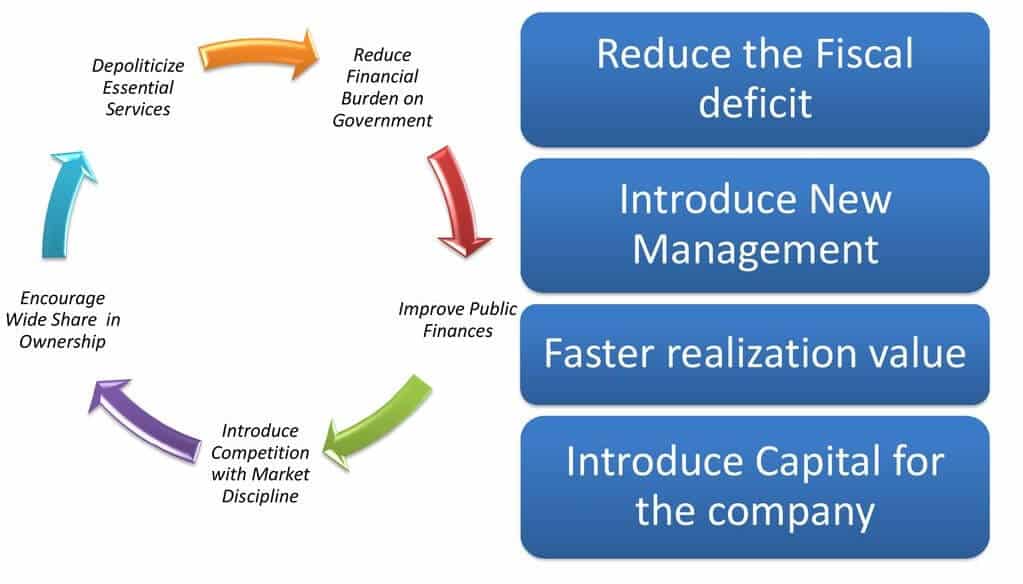
By Nantoo Banerjee The government disinvestment in India’s state-controlled enterprises is always welcome if it is aimed to make them professionally managed entities for faster growth. Unfortunately, the haphazard disinvestments in public sector enterprises (PSE) by the government seem to have only a single purpose — financing part of the annual union budget deficit. The […]
VISHNU RAJA
RYO YAMADA
HITORI GOTOH
IKUYO KITA