News related to
Tech

SINGAPORE – Media OutReach Newswire – 10 March 2025 – SKINARMA has doubled up their seasonal drop this season of pairing with the Apple Watch strap GEMINI and Apple Watch case ATOM. Made to coordinate and complement each other, both products fashioned for the latest Apple Watch Series 10 and Ultra 2 are dressed in dual colors for endless combinations—so you never have to settle for a […]

By Nantoo Banerjee Returning empty-handed and crestfallen from his meeting with United States President Donald Trump, popular satirical comedian turned Ukraine President Volodymyr Zelensky looks more like a totally confused person now. He doesn’t know whom to trust — highly peeved US President Donald Trump or the leaders of the EU-UK combine, the backstage instigators […]

HANOI, VIETNAM – Media OutReach Newswire – 28 February 2025 – The rise of powerful artificial intelligence (AI) like DeepSeek is transforming the world at an unprecedented pace, sparking enthusiasm and deep concerns about its potential risks. On that subject, “AI godfather” Yoshua Bengio – Laureate of the 2024 VinFuture Grand Prize – highlighted the urgent need for national and global efforts to regulate AI and ensure […]

The European Central Bank has announced plans to introduce a digital euro by October 2025, contingent upon the completion of necessary legislative processes. ECB President Christine Lagarde emphasized the significance of this timeline, underscoring the institution’s commitment to modernizing Europe’s financial landscape.

The digital euro initiative aims to provide a secure, efficient, and accessible digital currency for the eurozone, complementing traditional cash. This move is part of a broader effort to adapt to the rapidly evolving digital economy and to ensure that Europe remains at the forefront of digital payment solutions.

The journey toward a digital euro began in October 2020 when the ECB published a comprehensive report outlining the potential benefits and challenges of introducing a central bank digital currency . Since then, the project has progressed through various phases, including public consultations and collaborative experiments with financial institutions to test the feasibility of different design options.

In June 2023, the European Commission introduced a legislative proposal to establish a legal framework for the digital euro. This proposal seeks to ensure uniform rules and conditions across the euro area, facilitating seamless integration of the digital euro into the existing financial system. The legislative package also aims to guarantee continued access to physical euro banknotes and coins, reflecting a commitment to inclusivity in payment options.

The proposed regulation grants the digital euro legal tender status, meaning it would be universally accepted for payments within the euro area. However, certain exceptions are outlined, such as allowing microenterprises to opt out unless they already accept comparable digital payment methods. This approach balances the goal of widespread adoption with the practical considerations of smaller businesses.

The ECB has been proactive in its preparations, engaging with external companies to prototype user interfaces and conducting market research to assess the technical feasibility of various design choices. These efforts have demonstrated that integrating a digital euro into the current payment landscape is achievable, with potential for both online and offline functionalities.

Despite these advancements, the project faces scrutiny from various stakeholders. Some lawmakers and banking representatives have expressed reservations about the necessity and potential implications of a digital euro. Concerns range from the impact on financial stability to issues of privacy and the role of traditional banks in a transformed financial ecosystem.

The ECB acknowledges these concerns and has emphasized that the digital euro is not intended to replace cash but to complement it. The central bank also highlights that the digital euro would offer a public digital means of payment, ensuring that citizens have access to central bank money in an increasingly digital world.

As the ECB moves forward with its plans, the timeline remains subject to the completion of the legislative process. The European Parliament and the European Council must approve the proposed regulation before the digital euro can be officially launched. The ECB has indicated that it will consider any necessary adjustments to the design of the digital euro based on the outcomes of legislative deliberations.

The global context adds another layer of urgency to the project. With countries like China advancing their own digital currencies and the rise of private digital payment solutions, there is a strategic imperative for Europe to develop its own CBDC. This ensures that the eurozone retains control over its monetary policy and financial infrastructure in the face of rapid technological change.

In a recent interview, ECB board member Piero Cipollone expressed optimism about the legislative process, noting that external developments, such as other countries’ digital currency initiatives, could accelerate the EU’s efforts. He emphasized the importance of the digital euro in maintaining Europe’s monetary sovereignty and adapting to the evolving global financial landscape.

The ECB’s commitment to an October 2025 launch reflects a clear timeline for stakeholders. However, this target date is contingent upon the timely approval of the legislative framework. The ECB has stated that its readiness encompasses not only the technical development of the digital currency but also the establishment of all necessary legal and regulatory frameworks to support its launch.

As the project progresses, the ECB plans to continue its engagement with the public and stakeholders to address concerns and ensure that the digital euro meets the needs of all users. This includes considerations of privacy, security, and ease of use, which are critical for the widespread adoption of the digital currency.

A widespread outage on Sunday left Mastercard users across the globe unable to complete purchases and online payments, causing significant inconvenience and prompting a flurry of complaints on social media platforms. The disruption began on the morning of March 9, with Downdetector, a website that monitors service interruptions, recording over 500 reports of issues. Users from countries including Ukraine, Japan, Australia, and the United States reported problems […]

Dubai’s Roads and Transport Authority has launched the next-generation 360 Services Policy, aiming to revolutionise customer experience by delivering integrated, seamless, and proactive digital services without necessitating in-person visits. This initiative is a significant stride in RTA’s ongoing digital transformation, transitioning services to self-service models accessible through shared digital platforms like the “Dubai Now” app. His Excellency Mattar Al Tayer, Director General and Chairman of the Board […]

The Gulf Cooperation Council experienced a slight increase in announced greenfield foreign direct investments in 2024, with the total number of projects rising by just under 1% to 1,830 from 1,813 in 2023, according to Emirates NBD Research. This modest growth underscores the region’s ongoing efforts to attract foreign investment, particularly in key markets like Saudi Arabia and the United Arab Emirates . Saudi Arabia emerged as […]

Advertisements

UAE-based healthcare payment solutions provider Klaim has successfully secured $10 million in Series A equity funding, supplemented by an additional $16 million financing fund, to drive its regional expansion and transform the healthcare financial landscape in the Middle East and North Africa region. Founded in 2019, Klaim has rapidly positioned itself as an innovative force in the fintech sector, offering a cutting-edge payment platform that leverages artificial […]

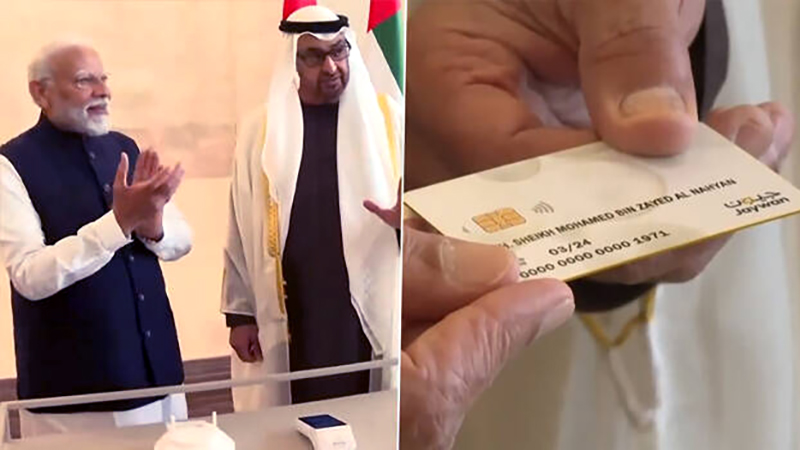
The United Arab Emirates has introduced the Jaywan co-badge card, a significant advancement in the nation’s payment infrastructure, enabling residents to conduct transactions seamlessly both domestically and in over 180 countries worldwide.

Al Etihad Payments , a subsidiary of the Central Bank of the UAE , in collaboration with UnionPay International , has launched the “UnionPay – Jaywan” co-badge card. This initiative integrates the Jaywan domestic payment network with UnionPay’s extensive global reach, offering cardholders a unified payment solution.

Domestically, transactions made with the co-badge card are processed through the Jaywan network, ensuring efficient and secure payments within the UAE. For international transactions, the card leverages UnionPay’s global network, facilitating payments in over 180 countries and regions. This dual functionality provides UAE residents with a versatile payment method, catering to both local and international needs.

H.E. Saif Humaid Al Dhaheri, Assistant Governor for Banking Operations and Support Services at the CBUAE and Chairman of AEP, emphasized the strategic importance of this collaboration. He noted that integrating the Jaywan and UnionPay networks aligns with the UAE’s commitment to innovative and efficient payment solutions, offering consumers a premium card that facilitates seamless transactions both within and beyond the UAE.

Larry Wang, CEO of UnionPay International, highlighted the mutual benefits of the partnership, underscoring its role in enhancing payment convenience and security for UAE residents. He also pointed out that this collaboration strengthens the economic and financial ties between China and the UAE, fostering greater cooperation between the two nations.

The Jaywan co-badge card is part of a broader initiative to modernize the UAE’s payment infrastructure. AEP has established partnerships with other international payment networks, including Discover, Mastercard, and Visa, to expand the global usability of Jaywan cards. These collaborations aim to provide consumers and businesses with secure, efficient, and innovative payment solutions, reduce transaction costs by offering effective local alternatives, and support economic growth by stimulating innovation in the payments sector.

In addition to enhancing payment accessibility, the co-badge card initiative supports the UAE’s goal of increasing financial inclusion. By offering a secure and efficient payment alternative, the Jaywan card caters to diverse consumer needs, promoting e-commerce and providing financial services that meet the requirements of various segments of society.

The infrastructure for the Jaywan card has been prepared to operate both locally and globally. This readiness aligns with the UAE’s digital transformation strategy, aiming to strengthen the country’s position as a leading global hub for digital payments. The Jaywan scheme offers consumers and businesses a secure, efficient, and innovative payment solution, supporting economic growth and financial inclusion.

The Jaywan cards will be available in debit, prepaid, and credit variants and can be used across ATMs, point-of-sale terminals, and e-commerce platforms. This versatility ensures that cardholders have multiple options for managing their finances, whether they are conducting everyday transactions or making larger purchases.

To further enhance the user experience, AEP has signed a Memorandum of Understanding with Samsung Gulf Electronics to enable Jaywan cards to be integrated into the Samsung Wallet. This integration allows users to make payments seamlessly via their smartphones, reflecting the UAE’s commitment to adopting advanced technologies in the financial sector.

The rollout of the Jaywan co-badge card is expected to commence in the near future, with widespread availability across the UAE’s financial institutions. This development signifies a transformative milestone in the UAE’s evolving payments landscape, providing residents with a payment solution that is both locally rooted and globally connected.

The introduction of the Jaywan co-badge card underscores the UAE’s dedication to fostering a robust and inclusive payment ecosystem. By integrating domestic and international payment networks, the UAE is enhancing the convenience and security of payments for its residents, ensuring a seamless payment experience regardless of location.

Spain’s second-largest bank, Banco Bilbao Vizcaya Argentaria , has officially received regulatory approval to offer Bitcoin and Ethereum trading services. This approval comes as the European Union’s Markets in Crypto-Assets regulation fully takes effect, marking a significant step forward for both the banking sector and cryptocurrency adoption within the region.

The move represents a landmark shift for BBVA, as it expands its portfolio of services to include cryptocurrencies. This decision aligns with the bank’s ongoing strategy to adapt to digital finance, meeting growing consumer demand for digital assets. With the MiCA regulation now operational, BBVA is positioning itself to take advantage of new opportunities in an increasingly digital economy.

The MiCA regulation, a major component of the EU’s broader digital finance strategy, aims to create a comprehensive framework for cryptocurrency markets across member states. The regulation provides clarity on legal aspects such as licensing, consumer protection, and financial stability, establishing a uniform approach to crypto assets across the EU. Its implementation signals a major regulatory shift that is set to influence financial institutions throughout the region.

BBVA’s approval is part of a broader trend in Europe where traditional banks are gradually integrating cryptocurrencies into their services. This comes at a time when the European crypto market is maturing, with increased institutional involvement and more regulatory oversight. The move not only represents an opportunity for the bank but also signals increasing mainstream acceptance of digital currencies.

BBVA’s entry into cryptocurrency trading follows a series of pilot programs that tested various blockchain-based solutions. The bank had already ventured into the crypto space in 2021, offering a limited range of services for clients in Switzerland, where cryptocurrency regulation is more permissive. Now, with MiCA regulation fully in place across the EU, BBVA’s decision to expand its crypto offerings into Spain is seen as a natural progression.

The decision by BBVA also highlights the growing importance of regulatory frameworks for the cryptocurrency sector. MiCA aims to ensure that the crypto market operates in a transparent, secure, and consumer-friendly manner, which has been a concern for both regulators and market participants. By adhering to these regulations, BBVA is positioning itself as a leader in responsibly integrating cryptocurrency trading into its offerings.

Other financial institutions in Europe are also taking steps to integrate digital assets into their portfolios. For instance, major banks like Deutsche Bank and Barclays are experimenting with blockchain technologies and exploring potential cryptocurrency-related services. However, BBVA stands out due to its proactive approach in securing regulatory approval and expanding its services at a time when cryptocurrency markets are still evolving.

The move comes as institutional interest in cryptocurrencies continues to rise. More investors, from hedge funds to family offices, are seeking exposure to digital assets, and this trend is expected to continue in the coming years. With its new offering, BBVA aims to cater to both retail and institutional clients, providing them with a secure and regulated platform to trade popular cryptocurrencies like Bitcoin and Ethereum.

As part of its offering, BBVA plans to integrate crypto trading into its existing digital banking services, allowing customers to manage their cryptocurrency investments alongside traditional assets. This seamless integration could offer a competitive advantage, as more banks are starting to see the benefit of combining traditional financial services with digital assets.

While some European banks are cautious about entering the cryptocurrency market, BBVA’s strategy reflects a more optimistic outlook on the long-term potential of digital currencies. The bank’s leadership has signalled that its move into the cryptocurrency sector is part of its broader strategy to embrace innovation and meet the evolving needs of its customers.

The success of BBVA’s crypto offering will depend not only on its ability to navigate regulatory frameworks but also on how well it can address concerns related to security, volatility, and customer education. As cryptocurrency markets continue to evolve, banks like BBVA will need to remain agile, adapting to both regulatory changes and shifting customer expectations.

The impact of BBVA’s decision could also ripple through the broader financial industry, pushing other institutions to consider their own approaches to cryptocurrency and blockchain technology. As more banks integrate digital currencies into their offerings, the financial services landscape could become increasingly intertwined with the cryptocurrency sector, challenging traditional business models and introducing new opportunities for growth and innovation.

Despite the promise, challenges remain. Cryptocurrency markets are still highly volatile, and many investors view digital assets as speculative. While the MiCA regulation aims to address some of these concerns, there are still risks associated with investing in crypto. BBVA’s ability to mitigate these risks through effective risk management strategies will be closely watched by both regulators and investors.

SINGAPORE – Media OutReach Newswire – 10 March 2025 – Temus, a Singapore-based digital transformation consultancy, has become the first OutSystems Premier Partner in Singapore. This milestone underscores Temus’ deep expertise in AI-powered low-code development and commitment to accelerating digital transformation for businesses, even more so as low-code platforms gain momentum in Singapore’s digital ecosystem. From left: Wong Seok Ling, Managing Director, Cloud, Applications & Platform (Low-Code), […]

Octa, a global contract-for-difference broker established in 2011, has been honoured with the ‘Best Use of AI in Fintech 2025’ award by Global Business Magazine. This accolade highlights Octa’s commitment to integrating artificial intelligence into its proprietary trading platform, OctaTrader, enhancing user experience and trading efficiency. The award recognises OctaTrader’s suite of AI-driven tools, notably the AI Pattern Recognition feature and OctaVision. The AI Pattern Recognition tool […]

XRP, the cryptocurrency associated with Ripple Labs, has experienced notable price movements and whale activities in the past week, raising questions about its potential trajectory toward the $3.87 mark.

On Wednesday, XRP’s price saw a 1.8% increase, reaching $2.52, though it remains approximately 35% below its all-time high of $3.40. This uptick followed remarks by President Trump, who mentioned XRP as a potential component in a strategic cryptocurrency reserve. However, the gains were tempered after confirmations that U.S. tariffs on Canada and Mexico would proceed, reflecting the broader market’s sensitivity to geopolitical developments. Analyst Alex Kuptsikevich from FxPro noted that such conditions have led to profit-taking among traders, impacting the growth potential of cryptocurrencies.

In the past three weeks, whale activity on the XRP network has steadily risen, with transactions exceeding $1 million reaching their highest levels in months. Notably, a massive transfer of 150 million XRP, valued at over $380 million, occurred between two unknown wallets, sparking significant curiosity across the crypto market. Such movements are often considered indicators of potential price shifts, as large holders accumulating XRP could signal a bullish trend, while distributions might suggest an impending correction.

Technical analysis indicates that XRP is consolidating within a symmetrical triangle pattern, suggesting an imminent breakout or breakdown. Analysts warn that if XRP falls below the critical support level of $2, it could face a potential 24% drop. Conversely, a breakout above current resistance levels might pave the way for a rally toward the $3.87 mark.

In the derivatives market, Volatility Shares has proposed three new XRP exchange-traded funds : a -1x ETF to bet against XRP, a standard spot ETF, and a leveraged ETF to double XRP’s performance. These offerings could provide investors with more avenues to engage with XRP, potentially influencing its price dynamics.

Catalonia has solidified its position as a prominent biotechnology hub, with Barcelona at its epicenter, fostering innovation and attracting global attention. The region’s strategic investments and collaborative initiatives have propelled its life sciences sector to new heights.

A cornerstone of this success is the Parc Científic de Barcelona , established in 1997 by the University of Barcelona. As Spain’s first scientific park, the PCB was designed to enhance research, knowledge transfer, and innovation across public and private sectors. In 2002, it launched the country’s inaugural bioincubator, providing infrastructure and support to startups and spin-offs. Over the years, the PCB has integrated esteemed research institutes such as the Institute of Molecular Biology of Barcelona , the Institute for Research in Biomedicine , the National Center for Genomic Analysis , and the Institute for Bioengineering of Catalonia . The park also hosts private enterprises like Qiagen and Evonik. In 2019, the PCB expanded by adding ten new laboratories, increasing its area by over 600 square meters, and anticipates full occupancy by 2025.

The National Center for Genomic Analysis , located within the PCB, plays a pivotal role in large-scale genome projects, collaborating with researchers both locally and internationally. Equipped with advanced sequencing systems and a robust computing infrastructure, CNAG can sequence over 10,000 gigabases daily, equivalent to 100 human genomes every 24 hours. Established in 2009 through a collaboration between the Spanish Ministry of Science and Innovation and the Catalan Government, CNAG has positioned itself among Europe’s top sequencing centers.

Another significant contributor is the Institute for Bioengineering of Catalonia , which focuses on interdisciplinary research in bioengineering and nanomedicine. IBEC’s research encompasses areas such as regenerative therapies, future medicine, and active aging. The institute manages a Nanotechnology Platform, offering services in nanofabrication, manipulation, and characterization, and was the first in Southern Europe to acquire a 3D bioprinter suitable for industrial manufacturing.

The Barcelona Biomedical Research Park further enriches the region’s research landscape. This conglomerate of six public research centers, located adjacent to Hospital del Mar, employs approximately 1,400 professionals, making it one of Southern Europe’s largest biomedical research clusters. Founded through a collaboration between the Government of Catalonia, the Barcelona City Council, and Pompeu Fabra University, the PRBB aims to generate new knowledge in health and life sciences, facilitating technology transfer and providing training to research staff.

In a move to centralize and enhance its operations, Spanish pharmaceutical company Grifols announced plans to invest €360 million in constructing a new industrial plant in Barcelona for its engineering department. Scheduled to commence next year, with completion expected by the decade’s end, this initiative underscores Barcelona’s appeal as a strategic location for biotech investments.

The city’s commitment to innovation is further exemplified by the Barcelona New Economy Week . The fifth edition of BNEW attracted 12,746 professionals, offering 140 hours of content across 100 panels, sessions, and debates. The event focused on seven key sectors: Digital Industry, Mobility, Sustainability, Aviation, Talent, Health, and Experience, highlighting the region’s dedication to fostering dialogue and collaboration in emerging industries.

Addressing pressing health challenges, Barcelona launched the HUB Alzheimer Barcelona, a collaborative effort involving the Pasqual Maragall Foundation, the Barcelona City Council, four public hospitals, and specialized institutions. This initiative aims to accelerate Alzheimer’s research, fostering innovation and cooperation between public and private sectors in combating this neurodegenerative disease.

HONG KONG SAR – Media OutReach Newswire – 10 March 2025 – Media OutReach Newswire, Asia Pacific’s first global newswire, has been honoured with OPPO’s prestigious ‘Partner of the Year’ award for the second time, following its exemplary performance in OPPO’s rigorous annual vendor evaluation system. Media OutReach Newswire achieved an exceptional rating exceeding 90% in OPPO’s evaluation matrix—an A-tier classification that OPPO’s Global Procurement team characterises […]

Wipro GE Healthcare has unveiled the Versana Premier R3, an advanced ultrasound system integrating artificial intelligence to enhance diagnostic accuracy and streamline clinical workflows. This state-of-the-art device aligns with the ‘Make in India’ initiative, being manufactured at the company’s production-linked incentive factory in Bengaluru.

The Versana Premier R3 represents a significant advancement in medical imaging technology. By incorporating AI-driven productivity tools, the system optimizes dynamic tissue imaging and assists in precise volume calculations, thereby improving overall workflow efficiency. These features are designed to support clinicians in delivering more accurate and timely diagnoses, ultimately enhancing patient outcomes.

Chaitanya Sarawate, Managing Director of Wipro GE Healthcare South Asia, emphasized the company’s dedication to AI advancements: “At Wipro GE Healthcare, we continue to make advancements in AI, investing in foundation models that can help enhance precision care, ease clinical workflows, and enable better patient outcomes. AI is central to building a future where healthcare is personalized, preventive, and affordable. The launch of our Versana Premier R3 is yet another testament to our commitment towards the delivery of ‘Made in India MedTech – for India and the world.'”

Anup Kumar, Business Head of Ultrasound at Wipro GE Healthcare, highlighted the system’s potential impact: “We are very proud to launch the Versana Premier R3, our state-of-the-art ‘Made in India’ ultrasound system. With the growing NCD burden in the country, there is a pressing need for advanced patient-centric technologies that can provide faster, personalized, and more accurate diagnosis. Powered by AI, Versana Premier R3 delivers exceptional image clarity and versatile organ scanning, enhancing diagnostic precision and empowering clinicians to make timely and well-informed decisions.”

The introduction of the Versana Premier R3 comes at a critical time, as India faces a rising burden of non-communicable diseases . The country’s vast population necessitates advanced diagnostic technologies to manage and mitigate these health challenges effectively. The system’s AI capabilities are expected to play a pivotal role in this regard, enabling healthcare providers to offer more precise, personalized, and preventive care.

A recent report by PwC indicates that 57% of healthcare providers in India have already integrated AI into their operations, surpassing global adoption rates. This growing embrace of artificial intelligence underscores the significance of the Versana Premier R3 in meeting the country’s evolving healthcare demands.

The system’s ‘VisionBoost architecture’ and 8-million-channel digital processing deliver exceptional image clarity. With compatibility for 23 different probes, the Versana Premier R3 offers dynamic organ scanning capabilities, enhancing diagnostic precision and empowering clinicians to make timely and well-informed decisions.

Wipro GE Healthcare has been at the forefront of the ‘Make in India – for India and the world’ initiative, manufacturing state-of-the-art medical technologies domestically. The company’s PLI factory in Bengaluru has previously developed revolutionary products such as the Revolution Aspire CT system and the Optima IGS320 AI-enabled Cath Lab. In a further commitment to India’s healthcare industry, Wipro GE Healthcare recently announced an investment exceeding INR 8,000 crore over the next five years.

The Versana Premier R3’s AI-driven features are designed to assist even less experienced practitioners in performing high-quality scans, thereby democratizing access to advanced diagnostic tools. This aligns with global trends where AI is being leveraged to empower general practitioners and other healthcare providers to perform scans more quickly and reliably, saving clinical and operational time and effort.

In addition to enhancing diagnostic capabilities, the Versana Premier R3 is equipped with a self-learning onboarding tool. This feature supports skill development among clinicians, enabling them to adapt quickly to new workflows and improve their diagnostic capabilities. Such tools are particularly valuable in low-resource settings, where access to specialized training may be limited.

The integration of AI in ultrasound technology is not unique to Wipro GE Healthcare. Other companies, such as EchoNous, are also bringing premium ultrasound technology together with industry-leading AI to transform point-of-care ultrasound and make results more accessible for providers and patients alike. This trend reflects a broader movement in the medical technology industry towards incorporating AI to improve diagnostic accuracy and efficiency.

The launch of the Versana Premier R3 is expected to have a significant impact on India’s healthcare infrastructure. By providing clinicians with advanced tools to diagnose and monitor various health conditions more effectively, the system contributes to the broader transformation of the medical diagnostics landscape. This aligns with the global shift towards personalized and preventive healthcare, where early detection and timely intervention are crucial.

Wipro GE Healthcare’s commitment to innovation and quality is evident in the development of the Versana Premier R3. The company’s focus on integrating advanced technologies into their products ensures that healthcare providers have access to the best tools available, ultimately benefiting patients through improved care.

The introduction of the Versana Premier R3 also highlights the importance of local manufacturing in the medical technology sector. By producing the system domestically, Wipro GE Healthcare not only supports the ‘Make in India’ initiative but also ensures that the technology is tailored to meet the specific needs of the Indian healthcare system.


Blockchain analytics firm Arkham Intelligence has introduced a new tagging system designed to track cryptocurrency transactions of prominent figures in the digital asset space. This feature, termed the “Key Opinion Leader” tag, enables users to monitor the wallet activities of influencers boasting over 100,000 followers on the platform X .

As of March 8, Arkham has cataloged approximately 950 wallet addresses associated with these high-profile individuals. Noteworthy figures identified include Ethereum co-founder Vitalik Buterin, crypto entrepreneur Justin Sun, Binance founder Changpeng Zhao, Yearn Finance co-founder Andre Cronje, and U.S. President Donald Trump.

The primary objective of this initiative is to enhance transparency within the cryptocurrency ecosystem. By allowing users to observe the digital asset movements of influential personalities, Arkham aims to shed light on potential market trends and provide insights into the holdings and transactions of these key players.

In the past, Arkham has provided valuable insights into the activities of major crypto figures. For instance, the platform tracked Vitalik Buterin’s liquidation of $2.5 million worth of meme coins, which were subsequently directed to his biotech charity, Kanro. Additionally, in May 2024, Arkham identified a wallet linked to Donald Trump, revealing holdings exceeding $10 million, primarily comprising MAGA and ETH tokens.

Under the newly introduced KOL tag, several prominent figures and their crypto holdings have been highlighted:

– Justin Sun: The founder of Tron leads the list with nearly 4 million followers on X. One of his wallets holds over $590 million in digital assets, with approximately $435 million in Tron .

– Vitalik Buterin: With around 5.7 million followers, Buterin’s wallet contains roughly $523 million in Ethereum.

– Hong Qi Yu: The CEO of Tokenize Xchange has over 723,000 followers and holds $28.31 million in digital assets.

– Arthur Hayes: The co-founder of BitMEX possesses $18.32 million in assets and has 640,000 followers.

– Dinghua Xiao: With 235,000 followers, Xiao’s wallet holds $12.33 million in cryptocurrencies.

– Murad Mahmudov: Known as “Muststopmurad” on X, he has 718,300 followers and $5.27 million in digital assets.

The introduction of the KOL tag comes amid growing concerns about the reliability of influencer-backed tokens. Research indicates that 76% of such tokens fail to deliver, with their value plummeting by more than 90% within just three months. This has raised alarms about misleading endorsements and the potential for pump-and-dump schemes within the crypto community.

By offering this tracking feature, Arkham provides investors with the tools to scrutinize whether influencers genuinely back the tokens they promote or if their endorsements are merely paid advertising. This level of transparency could help distinguish genuine endorsements from deceptive promotions, thereby fostering a more informed and secure investment environment.

The crypto community has responded with mixed reactions to this development. Some users commend the move towards greater transparency, while others express concerns about privacy and the potential misuse of such information. One user commented, “Biggest scammer on top! Now everyone can watch your wallets. But they should know y’all have multiple ones.”

DP World and the Saudi Ports Authority have inaugurated the advanced South Container Terminal at Jeddah Islamic Port, marking a significant milestone in Saudi Arabia’s ambition to become a global trade hub. The SAR 3 billion project has more than doubled the terminal’s capacity from 1.8 million to 4 million twenty-foot equivalent units , with plans to further expand to 5 million TEUs.

The three-year development has transformed the South Container Terminal into one of the region’s most advanced and sustainable facilities. Enhancements include the introduction of automated and electrified yard cranes, and the number of quay cranes is set to increase from 14 to 17 by the end of 2025, eventually reaching 22 as capacity expands. These upgrades enable the terminal to accommodate ultra-large container vessels, significantly boosting its operational efficiency.

The inauguration ceremony was attended by prominent figures, including the Saudi Minister of Transport and Logistic Services, Engineer Saleh bin Nasser Al-Jasser, and DP World Group Chairman and CEO, Sultan Ahmed bin Sulayem. Their presence underscored the project’s importance to the Kingdom’s Vision 2030 strategy, which aims to enhance trade connectivity and diversify the economy.

Sultan Ahmed bin Sulayem remarked, “Today marks a significant milestone in our long-term strategic investment in Jeddah Islamic Port. This expansion builds on our 25-year legacy in Jeddah and reinforces our commitment to driving trade growth in the region. With this modernised terminal, we are enhancing efficiency, improving supply chain resilience, and creating new trade opportunities for the Kingdom and beyond for decades to come.”

Technological advancements have been a cornerstone of the terminal’s modernization. The implementation of smart systems has reduced gate transaction times from two minutes to just 10 seconds. Additionally, Internet of Things -enabled cargo tracking and artificial intelligence -powered cargo tallying systems have been introduced to enhance operational accuracy and efficiency.

In response to the growing demand for perishable goods, the terminal’s capacity for refrigerated containers has been expanded from 1,200 to 2,340 units. A state-of-the-art facility capable of inspecting up to 75 reefers simultaneously is also under development, positioning it as the largest port-centric facility of its kind in the Kingdom.

Environmental sustainability is a key focus of the terminal’s operations. DP World has committed to reducing CO₂ emissions at the South Container Terminal by 50% over the next five years. Initiatives to achieve this goal include the electrification of yard cranes and trucks, installation of solar panels, exploration of floating solar platforms, and the incorporation of green building designs alongside water recycling systems.

Adjacent to the terminal, DP World is investing in the 415,000 square metre Jeddah Logistics Park, the largest integrated facility of its kind in the Kingdom. Scheduled for completion in the second quarter of 2026, the park will offer state-of-the-art warehousing, distribution, and freight forwarding services. Its integration with the terminal is expected to streamline cargo transfers and enhance overall efficiency, further solidifying Jeddah’s position as a key hub connecting trade routes across Asia, Africa, and Europe.

The South Container Terminal’s strategic location on the Red Sea positions it as a pivotal point for international trade. It serves as a major hub for trade between East and West and is a crucial gateway for Hajj and Umrah pilgrims. The terminal’s modernization aligns with Saudi Arabia’s Vision 2030 objectives, aiming to transform the Kingdom into a global logistics center.

The terminal’s infrastructure now boasts a quay length of 2,150 meters, including a deep-water quay with an 18-meter depth, allowing it to accommodate ultra-large container vessels. The planned increase in the number of quay cranes to 17 by the end of 2025, and eventually to 22, will further enhance its capacity and operational capabilities.

When it comes to restoring damaged or missing teeth, crowns and bridges are two of the most reliable and effective dental solutions available. Whether you’re dealing with a cracked tooth, a large cavity, or a gap in your smile, these restorative treatments can help you regain your confidence and improve your oral health. In this comprehensive guide, we’ll explore everything you need to know about crowns and […]

KUALA LUMPUR, MALAYSIA – Media OutReach Newswire – 9 March 2025 – In 2025, global markets are navigating a phase of economic uncertainty as potential inflationary pressures induced by trade tariffs, shifting central bank policy, and geopolitical risk shape trading conditions. Traders who integrate fundamental analysis into their strategies can navigate these uncertainties more effectively, positioning themselves ahead of major market movements. Kar Yong Ang, a financial […]

Antarctica, a vast expanse of ice and mystery, has long been governed by the Antarctic Treaty System , a framework established in 1959 to ensure peaceful scientific collaboration and environmental preservation. However, the continent’s unique status is facing unprecedented challenges as geopolitical tensions escalate and nations jostle for strategic and resource-driven advantages. The ATS, signed by 12 countries initially and now encompassing 58 signatories, prohibits military activity […]

Apple has unveiled a monumental plan to invest $500 billion in the United States over the next four years, underscoring its commitment to domestic manufacturing, artificial intelligence development, and job creation. This initiative represents one of the largest single investments by a technology company in U.S. history. The investment encompasses several key components aimed at bolstering Apple’s infrastructure and technological capabilities. A significant portion is allocated to […]

Latvian filmmaker Gints Zilbalodis’s animated feature “Flow” has clinched the Academy Award for Best Animated Feature, marking a historic first Oscar win for Latvia. The film, notable for its dialogue-free narrative and minimalist animation style, was created entirely using Blender, a free and open-source 3D computer graphics software. This achievement underscores the potential of open-source tools in high-caliber film production. “Flow” presents a post-apocalyptic tale where a […]

Biconomy.com, a leading digital asset trading platform, has officially listed the native token of the BlackFort Exchange Network, BXN, effective from 26 February 2025. This strategic move offers traders additional opportunities and underscores Biconomy’s commitment to supporting innovative blockchain projects.

BlackFort Exchange Network distinguishes itself as a next-generation blockchain ecosystem, featuring a standalone, independent Layer-1 blockchain compatible with Ethereum. At its core is BXN, the native utility token that fuels various functionalities within the network. BlackFort’s blockchain is engineered to meet the essential demands of modern blockchain technology while introducing groundbreaking innovations.

The BXN token serves multiple practical purposes within the BlackFort ecosystem:

– Transaction Fees: BXN is utilized to cover transaction costs on the BlackFort blockchain, ensuring smooth and economical operations.

– Governance: Token holders have the ability to participate in governance decisions, influencing the future direction of the BlackFort network.

– Staking: Users can stake BXN to promote network security and receive rewards, encouraging active participation and network stability.

By listing BXN, Biconomy.com reinforces its dedication to providing users with access to cutting-edge and promising blockchain ventures. The platform’s strong liquidity, ease of use, and security enable traders to confidently interact with BXN. This listing supports the growth and adoption of the BlackFort ecosystem and expands the range of assets available on Biconomy.com.

VISHNU RAJA
RYO YAMADA
HITORI GOTOH
IKUYO KITA
Just in: