HONG KONG SAR – Media OutReach Newswire – 10 July 2026 – Cushman & Wakefield, a leading global real estate services firm, has won the Silver Prize in the Integrated Marketing category at the 12th Phoenix Tree Digital Marketing Summit 2026 and Awards Ceremony for its Vision & Value thought leadership campaign. The firm also won the Silver Prize in the ESG Marketing category for its “Earth Day Every Day” Earth Day campaign, plus the Bronze Prize for the Cushman & Wakefield Client Interview video series in the Video Marketing category.
Vision & Value Thought Leadership Campaign – In 2025, Cushman & Wakefield launched the Vision & Valuethought leadership campaign in Greater China. By conducting a range of marketing activities through multiple channels, including online social platforms and offline events, this initiative deepened Cushman & Wakefield’s ties and value proposition with clients and communities, significantly enhancing brand impact and demonstrating the firm’s market-leading position.
Earth Day Every Day ESG Marketing Campaign – To celebrate the 56th Earth Day, Cushman & Wakefield launched the Earth Day Every Day 21-Day Low-Carbon Challenge campaign, running from April 22 to May 13, in conjunction with Bottloop, a pioneer in recycling and environmental conservation. Centered on carbon-reduction check-ins via the WeChat mini-program, the campaign paired with promotion on social media channels including WeChat, Weibo, Zhihu and LinkedIn. It recorded 300+ check-ins, with reduced carbon emissions of 366.5 kg, and achieved more than 43,900 views across social media, reflecting an innovative initiative in ESG marketing.
Cushman & Wakefield Client Interview Video Series – The Cushman & Wakefield Client Interviewvideo series is a refined interview program launched via the Cushman & Wakefield WeChat Channel. With a format that blends expert dialogue with insights into real estate industry insights, the series targets key players in commercial real estate, property investment, urban renewal and associated fields. The series delivers a “talk show” for Cushman & Wakefield colleagues and clients, sharing industry trends through engaging conversation. The video series has reached more than 370,000 views, generating significant buzz in the industry and reinforcing our strong corporate branding.
KK Chiu, Chief Executive, Greater China, Cushman & Wakefield, said, “We are honored to receive such high recognition for our performance at the 12th Phoenix Tree Marketing Awards. This achievement reflects trust and respect from our clients, media, and the real estate community, and marks an important milestone in the growth of our marketing capabilities across Greater China. We will continue to deliver innovative and integrated marketing initiatives to strengthen our brand positioning and elevate our industry presence. Because at Cushman & Wakefield, better never settles.”
Founded in 2015 at the inaugural WMMS Global Mobile Marketing Summit, the Phoenix Tree Awards form part of the industry’s premier recognition for mobile marketing excellence. Judged by an independent panel of senior experts, the awards evaluate criteria including innovation, strategy, execution and impact, celebrating companies that set new standards in brand marketing. Over the years, they have evolved into a symbol of professionalism and prestige, renowned for honoring high-quality case studies that drive industry advancement.
Hashtag: #Cushman&Wakefield
The issuer is solely responsible for the content of this announcement.
About Cushman & Wakefield
Cushman & Wakefield (NYSE: CWK) is a leading global commercial real estate services firm for property owners and occupiers with approximately 53,000 employees in nearly 350 offices and 60 countries. In Greater China, a network of 23 offices serves local markets across the region. In 2025, the firm reported revenue of $10.3 billion across its core services of Valuation, Consulting, Project & Development Services, Capital Markets, Project & Occupier Services, Industrial & Logistics, Retail, and others. Built around the belief that Better never settles, the firm receives numerous industry and business accolades for its award-winning culture. For additional information, visit www.cushmanwakefield.com.hk or follow us on LinkedIn (https://www.linkedin.com/company/cushman-&-wakefield-greater-china).
The United States says technical negotiations with Iran are continuing despite renewed military strikes that have weakened a fragile ceasefire and raised fears of another prolonged conflict across the Gulf. US officials said no additional strikes had been launched for several hours, while diplomatic contacts remained active through technical teams and regional intermediaries. The talks are focused on restoring maritime security in the Strait of Hormuz, implementing […]
By Paul Murray, CEO Life & Health Reinsurance, Swiss Re
SINGAPORE – Media OutReach Newswire – 9 July 2026 – Op-ed by Paul Murray, CEO Life & Health Reinsurance, Swiss Re.
Ten years.
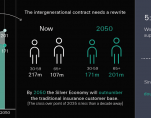
That is roughly how long we have before many societies reach one of the most defining demographic tipping points of our era: the point at which the “new” silver economy (over 65’s) outnumber people aged 30-59 who have traditionally been the bedrock of the life and pensions system.
The intergenerational contract needs a re-write
The significance of this shift goes far beyond demographics.
It represents a symbolic moment that forces us to rethink the intergenerational contract: how we provide care and financial security for people as they move into later life – and how we finance a new set of needs.
The demographic evidence is already visible across major economies. In the US, adults aged 65 and over already outnumber children in 11 states. Singapore’s over-65 population has nearly doubled in a decade to 21%. Japan is approaching 30%. The UK, France and Germany are not far behind
These numbers are well-known. But their meaning is not yet fully reflected in our industry’s existing product strategy.
The tipping point is also more than a statistical curiosity. We will experience it through the decisions we make coming into retirement and to secure the future of the generation coming after us. We will need to make new choices on how we fund care. We will need to make new assumptions about when to retire. And we will face a new reality around how much of the financial burden falls on the state, families or the individual.
Families have always carried the weight of old age, even as pensions, healthcare systems and social care programmes have broadened that responsibility across society.
But the arithmetic underpinning the system is breaking. Globally, the ratio of working-age people financially supporting each person over 65 is projected to fall from around five-to-one in 2021 to three-to-one by 2050. Across developed markets, debates about pension reform, healthcare funding and retirement ages reflect the same underlying question: how do we maintain security and dignity later in life when there are fewer hands to carry the weight?
It’s not a crisis of demographics. It’s a crisis of design – our systems were built for shorter lives and larger workforces, and they haven’t been rebuilt for the world we are actually entering.
That insight matters because it challenges how we think about insurance’s role. I believe we have less than a decade to develop the products that the older consumers who make up the Silver Economy – and their families – will need.
There will be no silver bullet. We cannot return to a single solution based around family care versus public provision. The individual retiree will be the focus, but our thinking will need to be based on a more collaborative model in which families, governments, communities and the private sector work together.
Recent Swiss Re consumer research in France and Germany revealed something striking. People don’t think about later life in terms of pensions or insurance policies. They think about practical outcomes: staying independent, being resilient when health shocks hit, not becoming a burden to their children.
Our industry has spent decades optimising for wealth accumulation and income protection during working years. Ageing societies demand we apply the same rigour to what happens after.
That does not mean the intergenerational contract has failed. It means it is evolving.
We are already seeing what that evolution looks like in practice.
Senior health products in Asia are closing a real gap —The median age of cancer diagnosis is 67, yet many critical illness policies expire before retirement even begins. The result is high out-of-pocket expenses, stressed public healthcare, and increased burden on families. With dedicated products to cover later life illnesses, such as senior cancer products we are effectively closing a protection gap.
Long term care in France has had some success with private solutions alongside public provision. With over 1.4 million people covered by private long term care insurance, France has built a strong risk pool that directly addresses one of the strongest concerns expressed by consumers: not becoming a burden on the next generation.
Deferred annuities offer a third path beyond the binary “draw-down versus annuity” thinking. By combining flexibility today with guaranteed income later, they help transform longevity from an individual financial risk into one that can be shared more broadly.
At first glance these solutions appear very different. In reality, they are pieces of the same puzzle. Each expands the circle of support around the individual. They help families carry less of the burden alone, and they complement the work of state safety nets.
That is what the next evolution of the intergenerational contract looks like in practice.
Ageing societies are one of humanity’s great achievements. But if our products and institutions stay built for a demographic reality that no longer exists, achievement curdles into liability.
We have a decade to close that gap. Let’s treat it as a product-development window, not a deadline.
Disclaimer Certain statements and illustrations contained herein are forward-looking and are made for informational purposes only. These statements (including as to plans, objectives, targets, and trends) and illustrations provide current expectations of future events based on certain assumptions and include any statement that does not directly relate to a historical fact or current fact. Readers are cautioned not to place undue reliance on forward-looking statements. Swiss Re undertakes no obligation to publicly revise or update any forward-looking statements, whether as a result of new information, future events or otherwise. Further information on forward looking statements and the use of information contained in this publication can be found in the Legal Notice section on Swiss Re’s website.
The issuer is solely responsible for the content of this announcement.
About Swiss Re
The Swiss Re Group is one of the world’s leading providers of reinsurance, insurance and other forms of insurance-based risk transfer, working to make the world more resilient. It anticipates and manages risk – from natural catastrophes to climate change, from ageing populations to cyber crime. The aim of the Swiss Re Group is to enable society to thrive and progress, creating new opportunities and solutions for its clients. Headquartered in Zurich, Switzerland, where it was founded in 1863, the Swiss Re Group operates through a network of around 70 offices globally.
Belgium became the European Union’s third-largest air freight market in 2025 as cargo volumes at its airports climbed by almost 13%, strengthening the country’s role as a gateway for e-commerce, pharmaceuticals, express parcels and time-sensitive industrial shipments. More than two million tonnes of freight and mail passed through Belgian airports during the year, placing the country behind only Germany and France among the EU’s 27 member states. […]
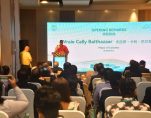
COLOMBO, SRI LANKA- Media OutReach Newswire – 9 July 2026 – On July 4, 2026, the cultural exchange event Encounter & Insight: Dialogue Between Ningbo, China and Colombo, Sri Lanka took place in Colombo.
On July 4, 2026, the cultural exchange event Encounter & Insight: Dialogue Between Ningbo, China and Colombo, Sri Lanka took place in Colombo.
Separated by thousands of miles, the two millennia-old port cities reconnected, leveraging their ports as a bond and cultural exchanges as a cohesive force to hold in-depth talks on integrated port-city development and bilateral economic and trade connectivity.
This cross-Indian Ocean dialogue echoes the ancient Maritime Silk Road while charting a brand-new outbound development path. As a pivotal starting port of the ancient Maritime Silk Road, Ningbo is building a new global trade landscape powered by smart manufacturing.
A thousand years ago, merchant vessels from Mingzhou Port set sail southward loaded with Yue Kiln celadon porcelain, passing through Ceylon to deliver Oriental crafts across the Indian Ocean coasts. Precious gemstones and spices traveled the same sea route back to regions south of the Yangtze River, laying the groundwork for the earliest cultural exchange between the two ports through trade. Today, the cargo carried by giant cargo ships has undergone a dramatic transformation. Beyond traditional daily necessities, intelligent equipment, digital home appliances and industrial robots now dominate shipments.
Official statistics show that Ningbo’s exports of intelligent equipment, including mechanical arms and industrial robots, hit 440 million yuan in 2025, surging more than 40% year-on-year. From January to May this year, Ningbo’s exports of mechanical and electrical products maintained steady growth, reaching 247 billion yuan, a 4.1% year-on-year increase and accounting for 58.0% of the city’s total export volume. The new energy foreign trade sector saw explosive growth, with exports of new energy vehicles, lithium batteries, and photovoltaic products jumping 138.4% year-on-year, with electric vehicle exports skyrocketing 215.9%. Smart manufactured goods are continuously expanding the scope of Ningbo’s foreign trade.
Complementing the Colombo forum, an exhibition highlights Ningbo’s outstanding going-global enterprises and their products, vividly illustrating the profound shift in Ningbo’s trade structure.
Alongside time-honored Maritime Silk Road staples such as celadon porcelain and silk, Ningbo’s smart manufactured products—including AI translation glasses, intelligent outdoor gear and digital small home appliances—occupy prominent display spaces across the venue. In Sri Lanka, Ningbo smart water meters are widely adopted nationwide, while handheld cooling fans and intelligent kitchen appliances have entered ordinary households.
Leveraging Colombo Port’s transshipment advantages, massive volumes of Ningbo smart manufactured goods are distributed onward to Europe, the Middle East and beyond. What Ningbo exports today is no longer mere commodities, but a complete outbound solution integrating technology, brand value and after-sales services.
Faced with mounting challenges including homogeneous global market competition and rising trade barriers, Ningbo’s manufacturing sector has abandoned the old model of low-cost OEM production, relying on intelligent transformation to consolidate its competitive edge in overseas markets.
Over more than a decade of digital transformation efforts, Ningbo has achieved full digital upgrading of all industrial enterprises above designated size. A large number of local factories have built unmanned black-light workshops and flexible production lines, escaping vicious price competition through continuous technological iteration. Represented by five specialized, sophisticated, distinctive and innovative enterprises dubbed Ningbo’s “Five Little Tigers”—famous for their core proprietary technologies, including highly sophisticated visual inspection equipment, heat-resistant materials, sun-proof coatings, puncture-proof materials and self-drilling fasteners—these niche manufacturers have developed differentiated technical routes and full-spectrum production capacity, cementing irreplaceable competitiveness for Ningbo smart manufacturing on global markets.
Beyond trade expansion, Ningbo has built a supporting cultural communication system to ensure “products go global, accompanied by local culture”.
The launch of Sri Lanka’s first “One-Meter Cultural Space” cultural station during the Colombo event marks a tangible milestone of Ningbo’s go-global initiative. Built on enterprises’ overseas outlets, these miniature cultural exhibition halls integrate intangible cultural heritage crafts, urban stories and smart products, enabling overseas clients to experience cutting-edge manufacturing while gaining insight into Ningbo’s profound cultural heritage.
During the twin-city story-sharing session, Ningbo entrepreneurs based in Sri Lanka and local designers blending Chinese and Sri Lankan aesthetics shared stories of bilateral exchanges. Economic and trade ties have evolved into a bond for people-to-people communication, bridging divides in cross-cultural trade.
From Tang-dynasty celadon porcelain sailing across the Indian Ocean to intelligent equipment shipping to every corner of the globe, Ningbo, the ancient Maritime Silk Road port, has preserved its enduring gene of openness. Where exchanges once relied purely on commodity trade, today smart manufacturing underpins a stable, diversified and high-value-added global trade network.
The Ningbo-Colombo dialogue stands as a vivid microcosm of this transformation: the port still links lands and seas, yet the core of its trade has undergone a full intelligent upgrade.
Rooted in its historical legacy as a key Maritime Silk Road hub, Ningbo has consolidated its industrial foundation through a decade of digital development, expanded global market reach via worldwide port networks, and softened trade cooperation through cultural exchanges. This brand-new outbound shipping route forged by smart manufacturing has not only reshaped the city’s foreign trade landscape, but also delivered a replicable port-city development model for Chinese manufacturing to go global.
Exclusive Co-Development: The partnership covers the exclusive supply and co-engineering of the IVECO URANIA and IVECO TUTELA ranges – the only fluids officially recommended by IVECO
Network Support: PLI will strengthen support for IVECO’s European dealer network, driving customer value, reliability, and total cost-of-ownership (TCO) optimisation
TURIN, ITALY – Media OutReach Newswire – 9 July 2026 – IVECO, one of Europe’s leading commercial vehicle manufacturers, and PETRONAS Lubricants International (PLI) have officially renewed their long-standing strategic partnership for an additional five years. The agreement extends the partnership through 2032, reinforcing a collaboration that has driven innovation, performance, and sustainability in the commercial transport sector for more than 50 years.
PETRONAS Lubricants International and IVECO renew their strategic partnership through 2032, marking over 50 years of collaboration
The renewal ensures the continued supply and joint engineering of a comprehensive range of lubricants designed for commercial vehicles. From advanced engine oils to transmission fluids, brake fluids and coolants, PLI and IVECO will continue to formulate solutions specifically engineered to meet the demanding operational requirements of IVECO’s commercial vehicle portfolio across Europe.
A Legacy of Technical Excellence
This milestone reflects the sustained success of the co-branded IVECO URANIA engine oils and IVECO TUTELA technical fluids, developed through decades of joint R&D and a shared commitment to delivering high-performance, energy-efficient solutions that maximise vehicle uptime and extend component life. The ranges are also the only fluids recommended by IVECO.
The partnership’s rapid pace of innovation was recently highlighted by the launch of Urania Next 0W-16. This breakthrough –the first SAE 0W-16 engine oil developed specifically for heavy-duty applications – delivers exceptional fuel efficiency, reduced CO₂ emissions, and extended oil drain intervals. Furthermore, the formulation is Euro 7 ready, supporting improved efficiency and emissions performance for IVECO’s latest generation of engines.
Domenico Nucera, Chief Quality & Operations Officer, Iveco Group, commented, “The renewal of the agreement with PETRONAS Lubricants International confirms the strength of a long-standing collaboration built on shared technical expertise and a common ambition to continuously improve performance, efficiency, and sustainability across our vehicle and powertrain portfolio. Through the co-engineering of our IVECO URANIA and IVECO TUTELA ranges, we are able to deliver solutions that maximise vehicle uptime, optimise total cost of ownership, and support our customers and dealer network with the highest standards of quality and reliability.”
Driving Dealer and Customer Value
The renewed agreement also places a strategic focus on the IVECO dealer network. Beyond providing cutting-edge products, PLI will implement targeted initiatives aimed at strengthening dealer engagement and reinforcing customer awareness of IVECO’s officially approved lubricants. These initiatives are expected to support dealer business growth across European markets, while helping customers benefit from enhanced vehicle reliability and optimised total cost-of-ownership.
Domenico Ciaglia, Group Chief Strategy & Transformation Officer of PETRONAS Lubricants International (PLI), said: “This partnership renewal demonstrates what can be achieved through a long-term forward-thinking collaboration, with consistency, and a shared commitment to excellence. Through continuous product innovation, we have been able to co-develop market-leading solutions such as the Urania Next 0W-16 engine oil formulation, seamlessly integrated into IVECO’s ecosystem. This collaboration enables us to deliver greater value to the industry by combining our expertise and driving innovation together.
Looking ahead, PETRONAS Lubricants International remains fully committed to supporting the IVECO Group with forward integrated reliable, high-performance products and solutions that create lasting value for its network and customers.
This renewed collaboration further reinforces the foundation of PLI’s broader strategic roadmap, demonstrating how technical excellence and trusted partnerships can drive sustainable, long-term value internationally.” Hashtag: #PETRONASLubricantsInternational #PLI #IVECO #industrial #lubricants #technology
The issuer is solely responsible for the content of this announcement.
PETRONAS Lubricants International (PLI)
PETRONAS Lubricants International (PLI) is the global lubricants manufacturing and marketing arm of PETRONAS, Malaysia’s dynamic global energy group. Established in 2008, PLI manufactures and markets a full range of high-quality automotive and industrial lubricant products in over 100 markets internationally. Headquartered in Kuala Lumpur, PLI also has offices around the world including Turin, Belo Horizonte, Beijing, and Chicago. PLI is the technical resource behind PETRONAS’ partnership with the Mercedes-AMG PETRONAS Formula One Team, responsible for the design, development and delivery of the Fluid Technology Solutions™, which includes customised lubricants, fuels and transmission fluids to power the Silver Arrows.
We are a progressive energy and solutions partner, enriching lives for a sustainable future. Our commitment remains to conduct and grow our business in ways that contribute positively to society and the environment.
PLI is driving an aggressive business growth agenda as one of the leading global lubricants companies at the forefront of the industry, providing custom-made solutions for every need. For more information, please visit www.pli-petronas.com.
Nintendo will shut down Mario Kart Tour on iOS and Android on September 29 in Pacific time, ending the smartphone racing game seven years after its launch and confirming that no offline edition is planned. The company has begun winding down paid services inside the app. Sales of rubies, the game’s premium currency, stopped at 11pm Pacific time on July 7, while automatic renewals and new subscriptions […]
Iran fired missiles and drones at US military-linked facilities in Bahrain and Kuwait after a new wave of American strikes on Iranian targets, pushing Gulf security concerns sharply higher and raising fresh risks for shipping, energy markets and regional airspace. The attacks targeted areas associated with US forces in Bahrain and Kuwait, two Gulf states that host important American military infrastructure. Air defence systems were activated, sirens […]
HONG KONG SAR – Media OutReach Newswire – 9 July 2026 – HealthMutual Group (HMG), a leading healthcare management group in the Asia-Pacific region, and OncoCare , a subsidiary of the internationally renowned integrated oncology-focused group Tamarind Health, officially signed a Pan-Asian Strategic Cooperation Agreement today. This agreement represents a significant milestone, building upon the Memorandum of Understanding (MOU) signed by both parties last November. It expands the service scope from its initial focus on local medical services in Hong Kong to fully enabling HMG’s clients to access OncoCare’s top-tier oncology teams and professional nursing services across the Pan-Asian region. This premium healthcare offering spans a comprehensive, full-cycle, one-stop quality medical care model—including early screening, multidisciplinary team (MDT) diagnoses, and cross-border referrals.
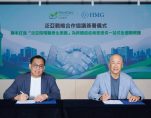
Mr KC Chan, Founder of HealthMutual Group (right) and Mr Lim Eng Seng, Group CEO of Tamarind Health, the parent company of OncoCare (left) at the signing ceremony.
HMG is a premier leader in healthcare management in the Asia-Pacific sector, having established an extensive and mature multinational medical network across the region. The group has long been dedicated to optimizing medical administration and claims processes through digital transformation and cutting-edge technology. Serving over 700,000 clients of its insurance partners, HMG provides comprehensive, transparent, and high-quality healthcare solutions. In 2025 alone, the total medical expenses processed through HMG exceeded HKD 150 million.
OncoCare is a leading private oncology institution that firmly believes in and practises “patient centric” care. Its aim is to add years and quality of life to all patients through highly efficient, knowledge-based integrated cancer diagnosis and personalised treatment. OncoCare brings together a team of clinical oncologists, and in combination with the robust specialist network of Tamarind Specialists, a member of the same group in Hong Kong, provides patients with medical services across fields such as colorectal surgery, cardiothoracic surgery, breast surgery, respiratory medicine, and family medicine. Patients have access to cross-disciplinary medical assessments, precision cancer treatment plans and personalised cancer care, ensuring they and their families receive the most reassuring support during challenging times.
The core highlight of this Pan-Asian Strategic Cooperation Agreement lies in the deep integration of HMG’s pan-Asian service network with OncoCare’s Asia-leading oncology expertise. Together, they will build Asia’s premier “Pan-Asian Closed-Loop Medical Ecosystem.” With Singapore, Hong Kong, and Malaysia serving as the core hub locations, the key highlights include:
Integrated Closed-Loop Service: From initial medical record review and cross-border “green channels” to clinical treatment and financial settlement, patients will experience seamless services within the joint management system of HMG and OncoCare. Coupled with transparent medical billing, this ensures the highest standard of medical quality control.
Cross-Border Multidisciplinary Team (MDT) Diagnosis: Using OncoCare’s Singapore headquarters, its Hong Kong flagship centers in Central and Tsim Sha Tsui, and its Malaysia branch as central hubs, the ecosystem brings together experienced specialists from all three regions to provide international-grade second medical opinions for cancer patients in need.
Seamless Network Integration & Financial Transparency: HMG’s 700,000+ clients can instantly connect with OncoCare’s healthcare teams. Furthermore, both parties have introduced personalised treatment plans for common cancers, offering clear financial predictability and budget protection.
HMG and OncoCare will join hands to build a “Pan-Asian Closed-Loop Medical Ecosystem”, providing one-stop, full-cycle care for cross-border cancer patients. Pictured at the signing ceremony are (from left to right): Mr. Keith Mo, General Manager of OncoCare (Hong Kong); Mr. Lim Eng Seng, Group CEO of Tamarind Health, the parent company of OncoCare; Mr. KC Chan, Founder of HMG; and Ms. Virginia Wong, HMG Chief Customer Services Officer.
Mr. Chan Kin-chung, Founder of HMG, stated: “We are deeply honored to partner with OncoCare. Through the Pan-Asian Closed-Loop Medical Ecosystem, we have successfully aligned top-tier resources across Hong Kong, Singapore, and Malaysia. Clients can enjoy treatment plans jointly formulated by regional experts within a single secure and transparent system, fulfilling our highest cross-border commitment to ‘patient centric’ healthcare.”
Mr Lim Eng Seng, Group CEO of Tamarind Health, the parent company of OncoCare, added, “As a patient centric oncology-focused group, we recognise the challenges cancer patients face in navigating increasingly complex private and cross-border healthcare systems. Through this integrated ecosystem, we will leverage the collective strengths of our multidisciplinary teams and directly managed centres across Singapore, Hong Kong and Malaysia to deliver seamless, high-quality cancer care. Looking ahead, we remain committed to making expert oncology services accessible anytime, anywhere, while elevating patient experience and improving treatment outcomes.”
Looking ahead, the Pan-Asian Closed-Loop Medical Ecosystem plans to further introduce green channels for the latest overseas medications, personalised genetic testing, and cross-border post-operative rehabilitation management, continuously pioneering a more comprehensive and forward-looking landscape for private cancer care for patients in Asia.
Riau Complex Sets a New Standard for Employee Living, Supporting Asia Pacific Rayon’s Workforce and Families
Media Inquiries, please contact: HMG Tracy Ng Email: [email protected]
OncoCare Marketing & Communications Karen Ng Email: [email protected]
Finding the right attorney begins with understanding which law firm is best suited to your specific legal needs. From recovering after a serious injury and resolving family disputes to protecting your business, planning your estate, or defending against criminal charges, working with an experienced legal team can make the process more manageable. St. Louis is home to many respected law firms, each offering different areas of legal […]
DuckDuckGo has added YouTube video ad blocking to its privacy-focused browser, widening its challenge to dominant browsers and giving users a built-in way to watch videos with fewer commercial interruptions. The feature blocks ads that appear before and during videos viewed inside the DuckDuckGo browser, including on YouTube. It relies on community-maintained uBlock Origin filter lists, a significant choice because those lists are open-source, regularly updated and […]
SNP builds on Palantir platforms to deliver new AI-powered solutions for solving mission-critical customer challenges
The partnership will build on SNP’s strong base with more than 3,000 customers globally and 15,000 successful SAP transformation projects
SNP and Palantir will leverage their strengths to help customers modernize their SAP landscapes and business processes in a predictable and secure way
SINGAPORE – Media OutReach Newswire – 9 July 2026 – SNP SE, a leading provider of software for AI-enabled digital transformation, automated data migration and data management in the SAP environment, and Palantir, a global leader in artificial intelligence and data platforms, today announced a strategic partnership at SNP’s flagship event, Transformation World, in Heidelberg, Germany. The collaboration positions SNP to develop new AI-powered solutions with an aligned approach to accelerate SAP transformations for joint customers.
The two partners will offer solutions for mission-critical challenges across all types of SAP projects, helping customers improve speed, efficiency and quality. The first joint solution, Test Data Proposal, solves a so far highly manual area of SAP migrations, the identification of relevant test data for given customer test cases. By leveraging AI, this process runs automatically and saves customers’ time and resources. Test Data Proposal will expand SNP’s proven Kyano® platform.
As part of the partnership, SNP and Palantir are also collaborating in large-scale moves to SAP Cloud ERP applications where customers seek to accelerate these modernization programs. Both companies combine complementary, category-leading strengths. SNP contributes deep real-world SAP data migration expertise while Palantir provides state-of-the-art AI-driven software platforms, which enable and accelerate secure modernizations for customers.
“Organizations are looking for new ways to increase speed, efficiency, and quality in large-scale SAP transformations,” said Jens Amail, CEO of SNP. “We are hugely excited to collaborate with Palantir, a company that has leveraged AI to revolutionize and accelerate the way enterprises modernize mission-critical systems and automate operations. Together, we will deliver secure outcomes and new solutions to customers and partners.”
“We have seen exceptional momentum accelerating SAP migrations for customers, and helping them do so via the Ontology and AIP (Artificial Intelligence Platform) in a way that significantly compresses the timeline and delivers operational value along the way,” said Sameer Kirtane, Head of US Commercial at Palantir. “SNP over the last 30 years has built an impressive track record of delivering predictable, compliant and auditable outcomes in thousands of successful engagements. We are proud to partner with SNP to fundamentally rethink how customers transform their SAP landscapes.”
Hashtag: #SNP #Palantir #SAP #AI
The issuer is solely responsible for the content of this announcement.
About SNP
SNP (ticker: SHF.DE) is the global technology platform leader and trusted partner for companies seeking unparalleled data-enabled transformation capabilities and business agility. SNP’s Kyano® platform integrates all necessary capabilities and partner offerings to provide a comprehensive software-based experience in data migration and management. Combined with the Bluefield® approach, Kyano sets a comprehensive industry standard for restructuring and modernizing enterprise data faster and more securely while harnessing AI-driven innovations based on over 30 years of experience.
The company works with more than 3,000 customers of all sizes and in all industries in over 80 countries, including numerous DAX 40 and Fortune 500 companies. The SNP Group has more than 1,600 employees worldwide at over 34 locations in 22 countries. The company is headquartered in Heidelberg, Germany, and generated revenues of around EUR 297 million in the 2025 fiscal year.
This press release contains forward-looking statements within the meaning of Section 27A of the Securities Act of 1933, as amended, and Section 21E of the Securities Exchange Act of 1934, as amended. These statements may relate to, but are not limited to, Palantir’s expectations regarding the amount and the terms of the contract and the expected benefits of Palantir’s software platforms. Forward-looking statements are inherently subject to risks and uncertainties, some of which cannot be predicted or quantified. Forward-looking statements are based on information available at the time those statements are made and were based on current expectations as well as the beliefs and assumptions of management as of that time with respect to future events. These statements are subject to risks and uncertainties, many of which involve factors or circumstances that are beyond Palantir’s control. These risks and uncertainties include the ability to meet the unique needs of customers; the failure of Palantir’s platforms to satisfy customers or perform as desired; the frequency or severity of any software and implementation errors; Palantir’s platforms’ reliability; and customers’ ability to modify or terminate the contract. Additional information regarding these and other risks and uncertainties is included in the filings Palantir makes with the Securities and Exchange Commission from time to time. Palantir’s forward-looking statements speak only as to Palantir, and Palantir assumes no responsibility for the accuracy or completeness of any forward-looking statements made by any other party. Except as required by law, Palantir does not undertake any obligation to publicly update or revise any forward-looking statement, whether as a result of new information, future developments, or otherwise.
Finding the right legal representation often starts with understanding which firms have established a reputation for professionalism, client service, and dependable legal guidance. Indiana, Pennsylvania, is home to several respected law firms serving individuals, families, and businesses across a variety of legal matters. While every client’s needs differ, selecting a firm with experience in the relevant practice area can make a meaningful difference. This editorial review evaluated […]
President Trump’s declaration on Wednesday that the ceasefire with Iran is over immediately pushed oil prices higher, lifted Treasury yields and revived concerns about the security of the Strait of Hormuz. Markets responded in familiar fashion, with traders reassessing energy supplies, inflation expectations and monetary policy. Another consequence deserves equal attention. Higher oil prices strengthen the fiscal position of the Gulf’s major energy exporters. Over time, stronger […]
A China-linked cyber-espionage group has expanded its use of hijacked devices to mask attacks on telecommunications infrastructure, deploying three newly documented malware implants across Windows, Linux and network edge systems. The activity, tracked as UAT-9244, has targeted critical telecoms infrastructure in South America since 2024. The campaign shows how state-aligned operators are moving beyond direct server compromise to build distributed relay networks that help them scan, brute-force […]
A browser flaw in Opera GX allowed hostile websites to silently install customisation mods and use them to extract data from pages visited by a signed-in user, exposing a weakness in how browser styling features can be turned into cross-site surveillance tools. The vulnerability, now patched, affected the gaming-focused Opera GX browser and centred on its GX Mods feature, which lets users customise themes, wallpapers, sounds and […]
Dutch prosecutors have summoned Tata Steel IJmuiden B. V. to face criminal proceedings over alleged unlawful pollution from its vast steelworks on the North Sea coast, escalating a long-running dispute over emissions, public health and industrial regulation in the IJmond region.
The Public Prosecution Service suspects the company of multiple criminal offences, including deliberately and unlawfully releasing harmful substances into the air with possible adverse consequences for public health. The case also covers alleged breaches of the company’s duty of care, insufficient maintenance, operating without the required permits and failure to report several incidents involving raw coke, a by-product linked to the steelmaking process.
A first procedural hearing has been scheduled for 20 November 2026 at the Amsterdam District Court, where prosecutors are expected to set out the precise charges. The investigation began after a criminal complaint filed on behalf of more than 800 residents and campaigners, who have for years linked emissions from the IJmuiden complex to health risks, nuisance and damage to quality of life.
The steelworks, located west of Amsterdam in Velsen, is among the Netherlands’ biggest industrial sites and one of its largest greenhouse gas emitters. Its blast furnaces, coke ovens and associated facilities have made it a strategic employer and export asset, but also a central target for environmental enforcement. Local concern intensified after pollution incidents, odour complaints and measurements showing deposits of metals and polycyclic aromatic hydrocarbons in nearby communities.
Prosecutors say the criminal investigation examined the steel production process and the operation of Tata Steel’s coke gas factories. The inquiry was carried out with input from environmental inspection and police units, including the investigative arm of the Human Environment and Transport Inspectorate and regional environmental enforcement agencies.
The company has rejected the accusations, saying it disagrees with the decision to prosecute and has already made major improvements to reduce emissions. Tata Steel Nederland has described the case as unnecessary, arguing that it relates to a limited number of incidents where corrective action had already been taken. The company maintains that its emissions comply with legal limits and that planned investments will cut pollution further.
The prosecution has not ruled out possible action against individuals. A separate part of the investigation is examining whether people in management roles could be held personally criminally liable. Prosecutors said that part of the inquiry may take more time, while the company summons has been issued now to keep the criminal case moving.
The summons comes against a broader legal and regulatory backdrop. Residents living near the plant and environmental groups have pursued civil and criminal routes to force faster reductions in pollution. A collective claim filed in the Netherlands seeks about €1.4 billion in compensation from Tata Steel’s Dutch subsidiaries, alleging health damage, stress, loss of enjoyment of life and property-related losses across the region. Tata Steel has dismissed those claims as speculative and unsupported.
Regulatory pressure has also mounted over the coke ovens, one of the most contentious parts of the IJmuiden operation. Authorities have previously warned that permits could be at risk if breaches continue, and financial penalties have been imposed over emissions violations. The coke-making process is crucial to conventional blast-furnace steel production, but it is also associated with pollutants that have drawn sustained scrutiny from residents and health experts.
Public health studies commissioned by Dutch authorities have strengthened demands for action. Research has identified the Tata Steel site as a significant source of metals and polycyclic aromatic hydrocarbons in the IJmond area, while health assessments have pointed to higher exposure risks for communities around the plant. Campaigners argue that enforcement has been too slow, given the scale of the plant and the duration of residents’ complaints.
Tata Steel is attempting to balance the legal fight with negotiations over a cleaner production model. The company, the Dutch government and the province of North Holland signed a non-binding framework in 2025 aimed at cutting carbon emissions and improving the living environment around IJmuiden. The plan includes a shift towards lower-carbon steelmaking, with public support of up to €2 billion under discussion and additional funding sought from European programmes.
China has offered fresh channels for easing trade tensions with the European Union after Foreign Minister Wang Yi completed a four-country Nordic tour aimed at rebuilding confidence with some of Europe’s most security-conscious governments.
Wang’s 2-8 July visit to Denmark, Sweden, Finland and Norway came as Brussels and Beijing try to prevent a deepening dispute over industrial subsidies, electric vehicles, market access, export controls and critical minerals from turning into a broader trade confrontation. The trip placed trade, green technology, shipping, healthcare, tourism and scientific innovation at the centre of talks, while allowing Beijing to test whether northern Europe could support a less confrontational EU approach.
The diplomatic push followed high-level trade discussions in Brussels, where both sides agreed to establish a ministerial-level mechanism that would meet once or twice a year. Four negotiation tracks are expected to cover export controls, trade and investment balancing, market access, and supply-chain transparency, with October emerging as a key deadline for measurable progress.
The EU’s trade deficit with China stood at about €360 billion last year, driven by imports of electric vehicles, batteries, solar equipment, machinery and consumer goods. European officials have warned that subsidised Chinese production could put pressure on strategic industries, while Beijing argues that EU restrictions on technology exports and investment screening have politicised commerce.
Wang used the Nordic leg to frame China and Europe as partners rather than rivals. In Copenhagen, he urged Denmark to play a constructive role in stabilising EU-China relations and highlighted cooperation in green shipping, life sciences and tourism. Denmark holds political weight in Brussels through its support for open trade, but it has also backed a firmer European line on economic security and resilience.
The tour carried symbolic value. It was the first visit by a Chinese foreign minister to Denmark in 15 years and to Sweden in 22 years. Sweden is China’s largest trading partner in the Nordic region, but relations have faced strain over human rights, security policy and Europe’s concerns over dependence on Chinese technology. Wang met Prime Minister Ulf Kristersson and Foreign Minister Maria Malmer Stenergard in Stockholm, where the talks covered bilateral ties and the wider EU agenda.
Finland added a sharper security dimension to the visit. President Alexander Stubb and Foreign Minister Elina Valtonen have supported a more cautious European posture towards Beijing, particularly since Russia’s war in Ukraine reshaped the security debate across northern Europe. Finland’s accession to NATO has also altered the regional balance, placing Helsinki firmly inside the transatlantic security framework. Trade dialogue with Beijing therefore sits alongside hard questions over Russia, technology transfer and strategic infrastructure.
Norway, the final stop, offered Beijing a more pragmatic opening. Oslo is outside the EU but closely tied to the single market through the European Economic Area. Its energy, maritime and seafood industries give it economic links with China, while Norway’s diplomatic tradition allows space for dialogue even during periods of political tension. Wang’s meeting with Foreign Minister Espen Barth Eide was expected to focus on trade, green transition and international security.
Beijing’s message is that the EU should expand trade rather than restrict it. China has signalled willingness to increase imports from Europe and improve communication over trade frictions. It has also pressed Brussels to ease restrictions on high-tech exports and avoid measures that it views as protectionist. European negotiators, however, want more than general assurances. They are seeking concrete steps to narrow the trade gap, improve access for European firms, and curb state-backed overcapacity in sectors where Chinese exports have surged.
The most sensitive issue remains electric vehicles. The EU imposed duties on battery-powered cars made in China after concluding that state support had distorted competition. Chinese manufacturers have responded by looking more seriously at European production sites, including plants in Hungary and other markets, to maintain access to consumers while reducing tariff exposure. The dispute has become a test case for whether Brussels can defend industry without triggering retaliation that would hit exporters, luxury brands, agriculture and aviation.
Rare earths and critical inputs have become another pressure point. China dominates several stages of processing for materials used in clean energy, defence and advanced manufacturing. European officials are trying to reduce exposure without severing commercial links. Beijing retains leverage through licensing and supply-chain controls, while the EU is developing tools to diversify sourcing, screen investment and support domestic production.
Gulf Cooperation Council banks are bracing for slower growth as the Middle East war and wider geopolitical uncertainty weigh on credit demand, investor confidence and corporate activity, even as lenders retain strong profitability, capital buffers and stable funding. S&P Global Ratings analyst Tatjana Lescova said banks across the six-nation bloc are expected to continue delivering solid earnings despite pressure from the conflict, higher risk premiums and uneven […]
Temasek’s portfolio value climbed to a record S$518 billion, or about $400 billion, as the Singapore state investment company sharpened its push into artificial intelligence and reported stronger returns after two years of portfolio recalibration.
The latest figure, based on a mark-to-market valuation of listed and unlisted holdings, showed a S$49 billion rise for the financial year ended 31 March 2026. The increase reflected stronger performance from Singapore-based portfolio companies, gains from divestments and a broader recovery in public market valuations. The portfolio has doubled over the past decade, underlining the scale of Temasek’s role as one of Asia’s most influential investment groups.
Temasek invested S$51 billion during the year and divested S$31 billion, resulting in a net investment of S$20 billion. Its one-year shareholder return stood at 10.5 per cent in Singapore dollar terms, while its 10-year return was 7.1 per cent. The 20-year return was 6.8 per cent, a measure closely watched because Temasek is designed to generate long-term returns for Singapore rather than chase short-term market gains.
Artificial intelligence has become a central plank of the company’s next phase of growth. AI-related investments now account for about 6 per cent of its portfolio, with plans to raise that exposure to 10-15 per cent by 31 March 2031. Temasek has already taken positions linked to leading AI companies including OpenAI and Anthropic, while also targeting the wider infrastructure needed to support the technology.
The strategy is not limited to model developers. Temasek is looking across the AI value chain, including semiconductors, cloud service providers, data centres, energy systems, foundation models and software infrastructure. That wider approach reflects a belief that the economics of AI will not be captured only by consumer-facing platforms, but also by companies supplying chips, computing power, storage, power capacity and enterprise software.
Chief executive Dilhan Pillay has described AI adoption as a pivotal phase in the digitisation trend that Temasek has followed for more than a decade. The company’s approach is expected to combine direct investments, listed equities and private market exposure, with a preference for flexibility at a time when valuations across parts of the AI sector remain elevated.
The stronger annual performance also comes after Temasek moved to sharpen accountability within its investment structure. From April 2026, its portfolio has been organised into three broad segments: Singapore-based portfolio companies, global direct investments, and partnerships and funds. The change is intended to improve execution and give clearer visibility on how different parts of the portfolio contribute to returns.
Singapore-based companies remain an anchor of Temasek’s holdings. These include major stakes in groups tied to finance, telecommunications, transport, logistics, infrastructure and real estate. Their performance helped lift the portfolio during the year, even as Temasek continued to diversify beyond its home market.
The company has also increased attention on private credit, an asset class that has expanded as banks have retreated from some forms of lending and institutional investors have sought higher-yielding alternatives. Private credit currently accounts for about 2 per cent of Temasek’s portfolio, with a target of 5 per cent by 2031. The allocation is expected to provide recurring cash yield and a different risk profile from the predominantly equity-heavy portfolio.
Sustainable living remains another major investment theme. Temasek’s sustainable living portfolio rose to S$49 billion as of 31 March 2026, supported by commitments in renewable energy, power grids and transition technologies. Its portfolio emissions remained at about 21 million tonnes of carbon dioxide equivalent, around 30 per cent below 2020 levels, though the company has signalled that rising electricity demand, higher capital costs and exposure to emissions-intensive businesses may complicate its 2030 reduction target.
Temasek’s global exposure continues to reflect a balance between Asia and developed markets. Its earlier vulnerability to China-linked volatility had weighed on returns, prompting a more disciplined approach to capital allocation and risk management. The latest numbers suggest that portfolio adjustments, divestments and stronger listed-market performance have helped restore momentum.
On its third anniversary, Argent Plastic Surgery has moved into a larger, purpose-built clinic dedicated to the comfort of its patients, with particular care for its youngest.
SINGAPORE – Media OutReach Newswire – 8 July 2026 – Argent Plastic Surgery has relocated to a new, purpose-built clinic at Mount Alvernia Hospital, Medical Centre A, 820 Thomson Road #03-07. The move marks the practice’s third anniversary and brings paediatric and adult plastic and reconstructive surgery together within a single, considered space.
Argent Plastic Surgery Clinic Front Desk
A Larger Space, and More Room to Care
The new clinic broadens the range of care available and has been designed with careful attention to how patients feel while they are there. At its heart is a comfortable, welcoming waiting space designed for both children and their parents. A dedicated children’s play corner gives younger patients somewhere to feel at ease before their procedure and provides the children of adult patients with a place of their own while a parent is being seen. Adults have a separate waiting area, arranged for privacy and quiet, so that a personal decision can be weighed calmly and in comfort.
The relocation also introduces an in-clinic day-procedure room, enabling suitable minor procedures to be carried out on site. Consultation, procedure and recovery can therefore take place within a single location, enhancing both privacy and convenience.
This is how Argent Plastic Surgery intends to care for its patients from here, in a space shaped around their comfort rather than adapted to it.
The issuer is solely responsible for the content of this announcement.
About Argent Plastic Surgery
Argent Plastic Surgery is a Singapore-based plastic and reconstructive surgery practice led by Dr Lee Hanjing, a female fellowship-trained plastic surgeon. The clinic cares for both adults and children, offering cosmetic surgery of the face and body, and reconstructive surgery following cancer, trauma and congenital conditions, alongside wound care, scar management and minor procedures such as the removal of lumps, bumps and abscesses. Dr Lee Hanjing has also spent more than ten years performing corrective surgery for children with cleft lip and palate, ear deformities and other conditions in developing countries including Myanmar, Cambodia, Indonesia and Vietnam, an experience that shapes the practice’s commitment to a safe, private and welcoming environment for patients of all ages.
CHANG ZHOU, CHINA – Media OutReach Newswire – 7 July 2026 – The global new energy vehicle market has seen rapid growth in recent years. With continued strong expectations for new energy vehicle exports, the global electric vehicle (EV) charging market is entering a new stage of rapid expansion. Recently, StarCharge, the global leading brand of EV Charging equipment and smart energy systems, held a major industry seminar in Hong Kong and released two new white papers at the event, exploring two major transformative trends in the industry that are worth paying attention to.
Charging stations are becoming a key connection of smart energy systems
According to the ‘Technical White Paper’ by StarCharge, for years, EV charging infrastructure has mainly been seen as support for vehicle sales expansion: building more chargers, expanding coverage, and speeding up charging.
However, this role is starting to change.
As electrification scales up, charging networks are becoming a part of the energy system itself. They are no longer just places for vehicles to top up; they are evolving into smart energy nodes connecting vehicles, the grid, distributed energy, storage, and digital management.
This shift from charging infrastructure to charging network systems shows that the industry is moving from basic access to integrated value: from charging services to energy services, from standalone stations to PV-storage-charging systems, from equipment deployment to scenario-based infrastructure.
StarCharge believes that the future charging network ecosystem will go through four major turning points.
Four Key Points Reshaping the Ecosystem
1. Charging Networks Are Becoming Energy Infrastructure
Charging infrastructure is going beyond its original role as just a support for EVs. As EV adoption grows, charging networks are becoming strategic energy infrastructure: they connect mobility demand with the grid, distributed energy, storage, digital platforms, and future energy services.
2. Defining the Scenarios for the Network
The future charging network won’t be shaped by hardware alone. Policies determine whether infrastructure should be built, technology determines the speed of construction, but real-world scenarios determine what the charging network actually needs to look like.
Urban commuting, highway trips, ride-hailing, logistics fleets, county and rural coverage, holiday peak demand, heavy trucks, mining areas, ports, airports, and autonomous driving all create different charging needs. Therefore, a mature charging network can’t be ‘one-size-fits-all’; it has to be designed around different vehicle types, operating hours, power requirements, reliability needs, and grid conditions.
3. Digital platforms turn charging networks into operable assets
A large charging network only truly has value when it can be scaled, optimized, and managed. This is exactly the core role of cloud platforms. They turn millions of charging points, users, stations, transactions, and energy flows into a measurable, controllable, and continuously optimized operating system.
StarCharge’s platform capabilities cover site selection, pricing, marketing, station operations, smart maintenance, charging safety, station robots, AI-based smart charging, fleet management, energy optimization, and ESG reporting. In other words, digital platforms are the key to transforming charging infrastructure from a heavy-asset network into smart, operable, and scalable assets.
4. Charging stations are becoming grid-friendly energy resources
The next-generation charging infrastructure won’t be defined by any single technology. It will be built on a complete tech stack, combining high-power charging, liquid cooling, integrated PV-storage-charging, DC bus architecture, V2G, automated charging, and AI-driven operations. In other words, future charging stations shouldn’t just be passive electricity consumers that add stress to the grid. Through energy storage, renewable energy integration, V2G, smart scheduling, and AI-based energy optimization, charging stations can become grid-friendly energy resources.
This means that aside from charging vehicles, a charging station can absorb renewable energy, buffer peak loads, respond to demand-side signals, support peak shaving and valley filling, regulate frequency, and provide carbon-neutral ESG data for fleet operators. Its business model will also go beyond charging fees, creating new value through energy services, data services, carbon-related benefits, and grid interaction capabilities.
Microgrids Have Emerged at the Right Time
At the same time, with the continuous development of distributed energy and photovoltaic energy, microgrids have emerged at the right time. They are not just a product, but a local energy system built around real-world scenarios.
In the latest “White Paper” on scenario-based microgrid technology, StarCharge points out that microgrids are moving from customized engineering projects toward scalable, replicable energy systems.
A microgrid is a scenario-based local energy system
According to StarCharge, a microgrid is not a single device, nor is it just an energy storage product. It’s a local energy system designed around the needs of a specific scenario, coordinating local generation, loads, storage, control, and operational strategies within a defined electrical boundary.
Moreover, depending on the scenario—such as data centers, individual charging stations, zero-carbon industrial parks, or green mines—the energy challenges are completely different. The right microgrid is defined by the scenario it serves.
The white paper also highlights four high-value paths: electricity-computing synergy, independent power supply, zero-carbon parks, and green mines. In areas with weak grids or limited grid access, microgrids ensure the operation of critical loads. In emerging load scenarios like data centers and industrial parks, microgrids support renewable energy integration, energy resilience, and cost optimization. In high-tech-demand scenarios like mines, microgrids become the foundation for ensuring production continuity, energy transition, and ESG competitiveness.
The three-stage evolution of microgrids
As power sources and loads become increasingly DC, microgrid architectures are evolving from AC-dominated systems to AC-DC hybrid systems, and eventually toward microgrids with a higher proportion of DC.
Microgrid 1.0 — dominated by AC architecture. It integrates renewable energy into the existing AC grid framework, but its control heavily relies on grid-following management and support from the external grid.
Microgrid 2.0 — the AC-DC hybrid stage. AC and DC buses coexist, allowing PV, storage, and DC loads to connect more directly. Bidirectional power hubs, solid-state transformers (SST), and energy routers become important bridges between AC and DC systems. This stage balances strong AC compatibility with higher DC efficiency and is expected to remain mainstream in the next 10-15 years.
Microgrid 3.0—it’s the era of DC microgrids. As solar PV, wind power, battery storage, data centers, LED lighting, and EV charging increasingly move toward DC, DC microgrids can reduce repeated AC-DC conversion losses, simplify control, and support millisecond-level responses.
This evolution is closely linked to the mission of microgrids: breaking through energy access bottlenecks, enabling sustainable development, connecting technology, industry, policy, market, and community needs, and unlocking the integrated value of local energy systems.
In the future, StarCharge will steadily expand into the growing global markets for new EVs and renewable energy, building on its smart energy systems that have been widely validated in the Chinese market.
Hashtag: #StarCharge
The issuer is solely responsible for the content of this announcement.
Agency leader Bryan Phang is the sole COE (Diamond Agency) winner to achieve four consecutive award wins; Prudential’s solid showing underpinned by its strong knowledge sharing and mentorship culture
SINGAPORE – Media OutReach Newswire – 7 July 2026 – Prudential Singapore (“Prudential”) achieved the strongest showing globally in the 2026 Million Dollar Round Table (MDRT) Culture of Excellence (COE) Awards, with 29 agency leaders recognised out of 68 winners worldwide. This was up from 13 winners in 2025, reflecting the strong progress made by Prudential’s agency force. Accounting for more than two in five award recipients this year, Prudential had the highest number of MDRT COE Award winners globally.
The MDRT COE Award recognises agency leaders who deliver strong outcomes across six dimensions of agency management1: production, retention, recruitment, persistency, whole person, and MDRT or MDRT Academy membership.
Mr Rom Lee, Chief Agency Officer, Prudential Singapore, said: “Having 29 agency leaders recognised on the global MDRT Culture of Excellence Awards, up from 13 last year, is a strong affirmation of the standards our leaders set for themselves and their teams. Beyond individual achievement, it reflects a culture grounded on discipline, a strong MDRT sharing culture and a deep commitment to helping customers make confident financial decisions.
“We have worked to create an environment where financial representatives can grow their careers, perform at a high level and be recognised for their achievements. As customer needs continue to evolve, this culture of excellence will remain central to how we develop a trusted, future-ready agency.”
MDRT COE Award winner Mr Bryan Phang, Financial Services Director, Prudential Singapore, is the only Diamond Agency recipient globally to achieve this distinction for a fourth consecutive year. This year, the agency went a step further by achieving all six criteria of the Award. Said Mr Phang: “Earning this recognition for a fourth consecutive year is meaningful. The best teams make each other better. For us, it’s about developing people, building leaders and creating a culture that can sustain success over time. We hope this recognition raises the bar for what strong agency culture and high standards can achieve.”
New MDRT COE Award winner, Ms Chiam Shu Yi, Wealth Director, Prudential Financial Advisers Singapore, Platinum Agency, is recognised for developing the careers of young and mid-career financial representatives. Said Ms Chiam: “Success is never built alone. The greatest fulfilment in leadership is investing in people, helping them discover hidden confidence, and reach milestones which they thought were out of reach. By supporting others, you empower them to grow, succeed, and build lives and careers they are proud of.”
Agency leaders awarded the MDRT Culture of Excellence Award include:
Diamond Agency (five out of six criteria met)
Ang Wei Boon, Financial Services Manager
Augustine Seah, Senior Executive Wealth Director
Bryan Phang, Financial Services Director
Dexter Goh, Financial Services Director
Han Chi Teng, Financial Services Director
Joyce Chan, Financial Services Director
Nicole Ng, Senior Financial Services Manager
Shalyn Lee, Senior Executive Wealth Director
Tan Chin Sian, Financial Services Director
Wesley Ee, Associate Wealth Director
Yugi Toh, Senior Executive Wealth Director
Platinum Agency (four out of six criteria met)
Chiam Shu Yi, Wealth Director
Diana Ng, Financial Services Director
Joe Goh, Financial Services Director
Jaslyn Ng, Financial Services Director
Kenny Siew, Financial Services Director
Thomas Lee, Senior Executive Wealth Director
Tricia Tan, Senior Financial Services Director
Zinc Goh, Executive Wealth Director
Gold Agency (three out of six criteria met)
Alvis Thor, Group Financial Services Director
Andrew Ang, Financial Services Director
Gerald Wu, Executive Wealth Director
Jaden Wang, Executive Wealth Director
Jeffrey Yen, Senior Financial Services Manager
Jocelyn Kau, Senior Wealth Director
Josephine Ho, Financial Services Director
Ng Ling Hoong, Financial Services Manager
Shannon Loke, Group Financial Services Director
Tracy Chia, Financial Services Director
Three-time consecutive Award winners
Augustine Seah, Senior Executive Wealth Director
Joyce Chan, Financial Services Director
Han Chi Teng, Financial Services Director
Jaslyn Ng, Financial Services Director
Jaden Wang, Executive Wealth Director
Prudential’s agency force has continued to deliver strong results and a consistently growing number of qualifiers. In 2026, it had 1,425 MDRT qualifiers, including 186 Court of The Table (TOT) and 73 Top of the Table (TOT) qualifiers, as well as 29 MDRT COE Award winners.
Prudential continues to invest in capability building across its agency force through training and professional development pathways. These include the Financial Consultant Induction Programme (FCIP) for new joiners, which leads to an Institute of Banking and Finance Qualified (Level 1) certification, as well as leadership development tracks such as the Chartered Insurance Agency Manager designation.
The company also equips financial representatives to serve affluent and high-net-worth customers through its in-house High Net Worth Skill Up Series and external programmes including the Certified Affluent Wealth Adviser and Advanced Affluent Wealth Adviser courses by the Wealth Management Institute. In 2024, Prudential also enhanced its Management Associate Programme (MAP) to support fresh graduates and young professionals pursuing a career as financial representatives2.
Prudential has 5,400 financial representatives with its tied agency and financial advisory arm, Prudential Financial Advisers Singapore, as of 31 December 2025.
1 For more information on criteria for MDRT Culture of Excellence Awards, please visit: https://www.mdrtcenter.org/culture-of-excellence-awards 2 For more information about the enhanced Management Associate Programme, visit: https://www.prudential.com.sg/about/newsroom/press-release/2024/prudential-ramps-up-hiring
The issuer is solely responsible for the content of this announcement.
About Prudential Assurance Company Singapore (Pte) Ltd (Prudential Singapore)
Prudential Assurance Company Singapore (Pte) Ltd is one of the top life and health insurance companies in Singapore, serving the financial and protection needs of the country’s citizens for 95 years. As at 31 December 2025, it has S$66.3 billion funds under management. The company has an AA Financial Strength Rating from leading credit rating agency Standard & Poor’s and delivers a suite of well-rounded product offerings in Protection, Savings and Investment through multiple distribution channels including a network of 5,400 financial representatives.
About MDRT Center for Field Leadership
The MDRT Center for Field Leadership was created exclusively for financial services field and home office leaders. As a separate, individual membership association with innovative leadership development strategies, the MDRT Center provides its members with exceptional value and leadership growth opportunities. MDRT Center membership allows increased engagement within the MDRT community while allowing leaders to develop a culture of excellence within their respective organizations. To learn more visit mdrtcenter.org.
Arabian Post Staff -Dubai Saudi Arabia has slashed the price of its flagship crude for Asian buyers by the widest margin in more than two decades, signalling a tougher fight for market share as rising supply and softer demand reshape the oil trade. Saudi Aramco cut the August official selling price of Arab Light crude by $11 a barrel, setting it at $1.50 below the Oman-Dubai average, […]



 https://www.linkedin.com/company/cushman-&-wakefield-greater-china).


 https://www.swissre.com/












 https://www.facebook.com/Argentplasticsurgery
 https://www.instagram.com/argentplasticsurgery/
 https://www.tiktok.com/@argentplasticsurgery