Articles written by
arabian post staff

Airbus is on the brink of securing a landmark deal with flydubai for the delivery of approximately 100 A321neo jets, marking a significant shift in the competitive dynamics of the Middle East’s rapidly expanding budget airline sector. The deal, expected to be finalised at the Dubai Airshow, would see Airbus surpass its US rival Boeing, which has traditionally been the dominant supplier to flydubai.

The discussions, which have been ongoing for several months, signal a potential turning point in the airline’s long-standing relationship with Boeing. Flydubai, a key player in the region’s low-cost carrier market, has been an exclusive Boeing customer for a significant portion of its fleet, operating predominantly 737 models. However, with demand for air travel surging across the Middle East and beyond, flydubai has been seeking to expand and modernise its fleet, considering a shift towards a more diversified aircraft portfolio.

Industry experts suggest that the A321neo, a more fuel-efficient version of Airbus’s popular A320, offers several advantages in terms of cost efficiency and operational flexibility. With its ability to serve both short-haul and medium-haul routes, the A321neo is well-suited to flydubai’s route network, which spans key destinations across Europe, Asia, and Africa. The aircraft’s larger seating capacity, improved fuel economy, and quieter engines also make it an attractive option for budget airlines looking to maximise profitability while meeting increasing passenger demand.

This potential order would represent a significant victory for Airbus, especially considering Boeing’s dominant presence at flydubai for over a decade. Flydubai has been a staunch supporter of Boeing’s 737, having placed orders for more than 200 of the aircraft in the past. The shift to Airbus jets, if confirmed, would be a blow to Boeing, which has faced various challenges in recent years, including the fallout from the grounding of the 737 MAX in 2019 following two fatal crashes. Despite regaining its footing with the 737 MAX’s return to service, the aircraft manufacturer has struggled to secure major deals in the region, especially with emerging budget carriers such as flydubai.

The deal, which would be one of the largest in Airbus’s history for a single customer in the region, is expected to strengthen the European planemaker’s foothold in the Middle East, a region that has traditionally been a battleground between Boeing and Airbus for dominance. The A321neo’s suitability for the region’s expanding budget carrier market, alongside its competitive pricing and operational efficiencies, has positioned it as a key player in the ongoing competition between the two aerospace giants.

Flydubai, for its part, has been exploring a range of options to modernise its fleet. While the A321neo deal with Airbus is likely to be the primary focus, the airline is also in advanced talks to secure a smaller order of Boeing 737 MAX jets, sources suggest. This mixed approach, opting for both Airbus and Boeing aircraft, would provide flydubai with increased operational flexibility and allow it to diversify its fleet to meet different market demands.

Flydubai’s decision to expand its fleet is driven by the rapid recovery of air travel in the Middle East following the pandemic. As the region’s tourism and business sectors continue to rebound, low-cost carriers such as flydubai are seeing increasing passenger numbers, making fleet expansion an urgent priority. The A321neo’s capabilities in terms of range and capacity are expected to help the airline capitalise on the growing demand for both domestic and international flights.

EDGE, the UAE’s leading advanced technology group, has revealed an impressive array of 42 new products and innovations at the Dubai Airshow, underscoring its growing influence in the global defence and aerospace sectors. This year’s unveiling focuses on a diverse portfolio of next-generation solutions across several key domains, including autonomous systems, propulsion technology, radar systems, and secure communication networks. These advancements are a testament to EDGE’s commitment to developing state-of-the-art capabilities aimed at transforming military and aerospace operations worldwide.

The 42 new products introduced by EDGE span a wide spectrum of technological domains, with notable attention given to autonomous and semi-autonomous systems. These technologies are designed to enhance operational efficiency and effectiveness in both military and commercial applications. The development of such systems is seen as a pivotal step in the UAE’s strategy to strengthen its defence capabilities while positioning EDGE as a key player in the autonomous warfare landscape.

One of the key highlights at the Dubai Airshow was the showcase of EDGE’s smart weapons portfolio. The company unveiled cutting-edge precision strike systems that promise to deliver more accurate, cost-effective, and lethal strikes, crucial for modern military operations. These weapons are equipped with the latest guidance and targeting technologies, enabling them to operate autonomously or with minimal human intervention.

Further expanding EDGE’s footprint in the defence sector, the company presented new propulsion systems designed to provide enhanced performance for various unmanned aerial vehicles and aircraft. These systems focus on improving fuel efficiency, reliability, and operational range, ensuring that EDGE’s unmanned platforms can operate in more challenging and complex environments, from the battlefield to the frontiers of space exploration.

In addition to autonomous systems and propulsion technologies, EDGE made significant strides in the field of radar and communications. The company revealed advanced radar systems capable of detecting and tracking airborne threats with unparalleled accuracy. These systems are designed to provide real-time situational awareness, offering a strategic advantage for defence forces in identifying and neutralising potential threats.

In the realm of secure communications, EDGE introduced a new suite of encrypted communication systems, ensuring that military and government agencies can maintain secure, uninterrupted communications in any environment. The focus on security aligns with global efforts to protect sensitive information and ensure operational success, particularly in conflict zones where cybersecurity threats are prevalent.

Another exciting development showcased at the Dubai Airshow was EDGE’s advancements in space capabilities. The company highlighted new satellite technologies that promise to revolutionise both communications and reconnaissance capabilities for military and civilian use. These satellites are designed to provide high-resolution imagery, real-time data transmission, and global coverage, marking a significant leap forward in the UAE’s ambitions to expand its presence in space exploration.

EDGE’s new line-up reflects the UAE’s growing position as a global leader in cutting-edge technology, as well as its desire to create an indigenous defence and aerospace industry that can compete on the world stage. This drive is exemplified by the company’s commitment to advancing defence capabilities while ensuring the UAE’s military forces remain at the forefront of technological innovation.

Saudi Arabia’s Public Investment Fund, one of the world’s largest sovereign wealth funds, has drastically reduced its holdings in a range of US-listed companies, including notable names like Pinterest Inc. and Linde Plc, marking a significant shift in its investment strategy. The move, which took place during the third quarter, reflects a broader recalibration of the fund’s international portfolio, as its stake in US equities dropped to its lowest level in nearly a year.

The PIF, valued at approximately $1 trillion, exited positions in nearly a dozen companies, signaling a shift away from some major US stocks. Alongside Pinterest and Linde, the fund also sold its entire stake in Prologis Inc. and Air Products and Chemicals Inc. This latter company is involved in the co-development of a green hydrogen plant in Neom, a major infrastructure project that is central to Saudi Arabia’s ambitious Vision 2030 goals.

The decision to divest from such high-profile firms raises questions about the long-term strategy of the PIF, which has been a key player in driving economic diversification and attracting international investment into the kingdom. The fund’s move comes as part of a broader effort to diversify its portfolio, reducing exposure to certain industries while increasing investments in sectors like technology, entertainment, and renewable energy, which align more closely with Saudi Arabia’s future growth ambitions.

Despite the sell-off, the PIF has maintained its commitment to expanding its investments in sectors aligned with its Vision 2030 objectives. The PIF has been a driving force behind many of Saudi Arabia’s high-profile investments, including backing for initiatives like the Red Sea Development Project, entertainment ventures, and tech giants. However, the recent pullback from US stocks suggests a possible shift towards domestic and regional investments, as well as a greater focus on emerging markets and future-facing industries.

The exit from Pinterest and Linde is noteworthy given the size and profile of these companies. Pinterest, a popular social media platform, has faced challenges in terms of user growth and profitability, while Linde, a leading industrial gas firm, has seen its stock fluctuate in line with broader economic trends. Prologis, a real estate investment trust focused on logistics, has benefitted from the global e-commerce boom but has been impacted by changing market dynamics in the logistics and real estate sectors. Meanwhile, Air Products’ involvement in green hydrogen is central to its long-term growth strategy, and the PIF’s decision to divest from this project could signal a rethinking of its commitment to certain green initiatives.

The PIF’s latest moves are part of a larger trend among sovereign wealth funds globally to recalibrate their investment portfolios in response to shifting economic conditions, including rising inflation, fluctuating commodity prices, and growing geopolitical uncertainty. These factors have made traditional investments in stocks and bonds more volatile, prompting funds like the PIF to seek greater diversification and look for opportunities in less conventional markets, including technology startups and renewable energy.

Saudi Arabia’s economic strategy under Vision 2030 has focused on reducing the country’s reliance on oil revenues and investing in new industries to create sustainable long-term growth. This vision has influenced the PIF’s approach, which has actively pursued investments in global tech companies, entertainment, and infrastructure projects. The fund has also sought to boost its international profile through high-profile investments in companies like Uber, Lucid Motors, and the Electric Vehicle market.

Dr Temidayo Omolaoye, a distinguished professor based in Dubai, was awarded the Promising Researcher Grant at the 2025 King Hussein Cancer Research Award ceremony. The event took place at the prestigious Four Seasons Hotel in Amman, Jordan, recognising exceptional contributions to the field of cancer research.

The King Hussein Cancer Foundation, known for its commitment to improving cancer care across the Middle East, annually honours individuals who have made significant strides in advancing cancer research and treatment. Dr Omolaoye’s award reflects his groundbreaking work in cancer research, particularly in the development of innovative treatment strategies and his efforts to enhance cancer care in the region.

As a leading academic at a prominent institution in Dubai, Dr Omolaoye’s research focuses on understanding the molecular mechanisms behind cancer progression. His work has led to important discoveries that could pave the way for more effective therapies. The Promising Researcher Grant, one of the most coveted awards at the ceremony, is aimed at recognising young scientists who demonstrate outstanding potential in the fight against cancer.

The award ceremony also brought together a host of international experts, including renowned oncologists, researchers, and philanthropists, all committed to fighting cancer through collaboration, research, and public awareness. Attendees discussed the latest advancements in cancer treatment, including immunotherapy, precision medicine, and the increasing role of artificial intelligence in diagnosis and treatment planning.

Dr Omolaoye, in his acceptance speech, highlighted the importance of international collaboration in cancer research. He emphasised how global partnerships are crucial for accelerating progress and ensuring that groundbreaking research benefits patients worldwide. He also acknowledged the support of the King Hussein Cancer Foundation in advancing the cause of cancer research in the Middle East and beyond.

The King Hussein Cancer Research Award, named after the late King Hussein of Jordan, is one of the region’s most prestigious honours in the field of cancer research. It recognises both individuals and institutions that have made significant contributions to the understanding, treatment, and prevention of cancer. The foundation, established in 1997, is dedicated to providing the best cancer care available, supporting cutting-edge research, and educating future generations of cancer specialists.

In addition to Dr Omolaoye, several other researchers were also honoured at the ceremony for their contributions to the fight against cancer. The event underscored the region’s growing role in global cancer research, with Jordan emerging as a key player in advancing scientific knowledge and cancer care standards in the Middle East.

ADVERTISEMENT

ENOC Group, a leading player in the energy sector, is set to demonstrate its commitment to sustainable practices at the 19th Dubai Airshow. The group, known for its integrated energy solutions, will focus on innovations aimed at accelerating the transition to a low-carbon economy. One of the key highlights will be the provision of Sustainable Aviation Fuel to JETEX-operated aircraft during the event, underscoring ENOC’s efforts to reduce aviation’s carbon footprint.

The move is part of ENOC’s broader strategy to align with the global push towards net-zero emissions by 2050. With aviation being a significant contributor to global greenhouse gas emissions, the use of SAF is seen as a vital step in the industry’s decarbonisation. SAF, produced from renewable resources, offers a lower carbon alternative to traditional jet fuel and is considered a crucial component in achieving the aviation sector’s climate goals.

In addition to providing SAF, ENOC will showcase other clean energy innovations designed to support the aviation and energy sectors’ transition to sustainable practices. These technologies are aligned with the UAE’s national energy strategy, which prioritises sustainability and aims to position the country as a leader in the global energy transition.

The Dubai Airshow, a prominent global event, serves as an ideal platform for ENOC to display its clean energy capabilities. The event brings together key stakeholders from across the aerospace, aviation, and energy industries, providing ENOC with a valuable opportunity to engage with industry leaders and showcase its role in driving the shift towards a greener future.

ENOC’s partnership with JETEX for SAF supply at the Dubai Airshow reflects the growing demand for sustainable fuel alternatives in the aviation industry. This collaboration builds on ENOC’s longstanding commitment to sustainability and environmental stewardship, as it continues to expand its range of clean energy solutions. The company’s efforts in SAF production are designed to complement its other sustainability initiatives, including investments in renewable energy and advancements in energy efficiency.

The showcase of SAF at the Dubai Airshow is expected to raise awareness about the importance of sustainable aviation fuels in reducing the environmental impact of air travel. As global demand for cleaner energy solutions grows, ENOC’s involvement in this sector underscores its strategic focus on providing innovative, sustainable energy solutions to support the UAE’s climate goals and contribute to global decarbonisation efforts.

ENOC’s participation in the Dubai Airshow also highlights the growing importance of partnerships between energy and aviation companies in addressing climate challenges. By working closely with JETEX and other stakeholders, ENOC is helping to shape the future of sustainable aviation, ensuring that the industry remains aligned with global environmental objectives while continuing to meet the demands of modern air travel.

Etihad Airways has marked a historic achievement in its financial performance, posting the highest profit after tax in its history for the first nine months of 2025. The airline reported a 26 per cent increase in profit, amounting to AED 1.7 billion, solidifying its position as a leader in the aviation industry. This growth reflects not only a significant rise in profitability but also a continued upward trajectory in key operational areas.

The substantial improvement in profit is indicative of the airline’s successful efforts in managing costs and boosting operational efficiency. Etihad Airways has consistently focused on refining its processes to deliver better service, and these strategies have evidently paid off. The airline’s profit margin rose to 8 per cent, up from 7 per cent for the same period last year, further highlighting the impact of its streamlined operations.

Growth across multiple business segments has been a cornerstone of the airline’s performance. Passenger services saw a notable increase in demand, with higher load factors on flights. The airline has also made strides in its cargo division, benefiting from rising global trade volumes. This diversified growth has provided Etihad Airways with a stable foundation, as it continues to weather any challenges posed by the dynamic nature of the global aviation market.

Customer satisfaction has also been a major contributor to Etihad’s success. The airline’s emphasis on delivering premium services and its commitment to ensuring a seamless travel experience have resonated well with passengers. As a result, Etihad has seen increasing loyalty from its customer base, driving repeat business and enhancing its reputation in a competitive market.

The airline’s commitment to sustainability remains central to its business strategy. By focusing on improving its environmental footprint, Etihad Airways has actively worked towards integrating sustainable practices across its operations. From fuel-efficient aircraft to innovative waste-reduction initiatives, the company has positioned itself as a forward-thinking airline that not only aims for financial success but also strives for responsible growth.

Technological advancements have played a pivotal role in driving Etihad’s operational efficiency. The airline has integrated cutting-edge digital tools to enhance customer service and streamline its backend processes. By implementing smarter ticketing systems, improving flight scheduling, and increasing the digital accessibility of its services, Etihad has been able to stay ahead of customer expectations while also improving internal productivity.

Despite the challenges that the global airline industry has faced, including fluctuating fuel prices and ongoing geopolitical uncertainties, Etihad Airways has managed to sustain its growth trajectory. This continued success can be attributed to the airline’s adaptable business model, which has allowed it to remain flexible in the face of economic and external pressures.

Abu Dhabi’s state-owned oil giant, ADNOC, has received a conditional nod from the European Commission for its 14.7 billion euro acquisition of the German chemicals firm Covestro. The approval, granted on Friday, hinges on ADNOC adhering to specific commitments outlined by the Commission, including modifying its articles of association and sharing Covestro’s sustainability-related patents with competitors in certain areas.

The deal represents ADNOC’s strategic push into the global chemicals market, marking a significant expansion beyond its traditional oil and gas operations. Covestro, a leader in high-performance plastics and other chemical products, has long been a key player in the European industrial landscape. This acquisition could give ADNOC greater access to advanced materials used in various sectors, including automotive, construction, and electronics.

In its ruling, the European Commission emphasised that ADNOC’s commitment to altering its corporate structure and making proprietary technologies available to others in the field of sustainability is crucial to maintaining competitive conditions in the European market. The deal, which was first announced earlier this year, is contingent upon ADNOC meeting these demands to ensure no harm to competition in the chemical and sustainability markets.

The approval came after several rounds of regulatory scrutiny, including concerns over potential monopolistic effects in certain segments of the chemicals industry. However, ADNOC’s willingness to adapt its operational framework and engage in collaboration with other market players ultimately paved the way for the European Commission’s greenlight.

The Commission’s conditional approval also reflects the growing importance of sustainability within corporate transactions. By requiring ADNOC to share Covestro’s patents, the EU is ensuring that the intellectual property crucial to advancing eco-friendly and sustainable technologies does not remain under the control of a single entity. This step is seen as a way of fostering innovation and preventing market consolidation that could stifle progress in critical sectors like renewable energy and environmental protection.

ADNOC’s acquisition of Covestro aligns with its broader strategy to diversify its business interests and strengthen its presence in high-value industries. The company has been increasing its investments in chemicals and other non-oil sectors in recent years, as it seeks to become less reliant on fossil fuels amid the global push for cleaner energy sources. For ADNOC, acquiring a major chemical manufacturer is an opportunity to leverage its substantial financial resources and access new markets for its products, particularly in Europe, which has a strong demand for advanced materials.

The deal is also seen as a win for the UAE’s broader economic vision, which aims to position the country as a global leader in sustainable development and innovation. ADNOC’s willingness to share Covestro’s sustainability patents is part of its commitment to contributing to the global fight against climate change, which is increasingly a focal point for both the public and private sectors.

While the conditional approval is a significant step forward, the acquisition is far from complete. ADNOC must now comply with the European Commission’s stipulations, which could include more detailed negotiations with competitors and stakeholders in the sustainability sector. It is expected that the full regulatory process will take several months before the deal can be finalised.

Covestro, for its part, stands to benefit from ADNOC’s financial backing and expertise in the chemicals sector. As a global leader in the production of polyurethanes and polycarbonates, the company is well-positioned to expand its reach and scale its operations, particularly in emerging markets where demand for high-performance materials is growing rapidly. ADNOC’s financial strength, coupled with Covestro’s established market position, could create a powerful synergy capable of driving innovation and expanding the companies’ collective influence in the global chemicals market.

Advertisements
ADVERTISEMENT

Abu Dhabi’s largest lender, First Abu Dhabi Bank P. J. S. C., has priced a €850 million benchmark five-year Regulation S green bond carrying a coupon of 3.1201 per cent, underlining its growing role in sustainable finance. The offering, which drew strong investor demand, was set at 70 basis points over the five-year euro swap rate.

The bank holds credit ratings of Aa3 from Moody’s Investors Service and AA- from both Standard & Poor’s and Fitch Ratings, each with a stable outlook. This backing supports its ability to tap international debt markets effectively. The green bond marks one of the largest single-issuance Euro-denominated sustainable financings in the Gulf region this year.

FAB’s issuance follows a growing trend of Gulf-region banks seeking to align capital-markets activity with environmental, social and governance criteria. According to the bank’s Sustainable Finance Framework, the institution has targeted USD 135 billion in sustainable and transition finance by 2030, increasing the ambition by 80 per cent in 2023. The framework also embeds ESG review and classification for every debt and equity instrument issued by the bank.

Market analysts interpret the strong pricing as a signal of investor appetite for high-quality, sustainability-labelled debt from the Gulf. One observer noted that the tight spread and size of the issue reflect “a vote of confidence in both FAB’s credentials and the region’s green financing prospects”. The bank’s previous issuance in the sustainability-linked debt space included a USD 750 million five-year “low carbon energy” bond issued under its EMTN programme, which was the first of its kind globally by a financial institution to use proceeds for nuclear power generation refinancing. This earlier transaction set a precedent for innovation in the sustainable debt market.

Proceeds from the new green bond will be allocated exclusively to projects that meet FAB’s classification criteria under its Sustainable Finance Framework — namely activities aligned with energy efficiency, renewable energy, sustainable water management and other eligible categories across multiple geographies. The bank reports prior projects spanning the UAE, United States, Africa and France.

The issuance also comes as regulatory and investor scrutiny of use-of-proceeds and impact reporting increases. Financial-markets participants point to the need for transparency in how green bonds deliver outcomes and stress the importance of robust external review. FAB has published annual reporting on its sustainable finance commitments, including an ESG and Sustainable Finance Committee responsible for eligibility assessment of transactions.

Notably, the gulf region remains under-penetrated in labelled green and sustainability debt relative to global averages, creating potential for growth. The International Capital Markets community highlights the importance of high-grade regional issuers entering the market to build reference benchmarks and deepen liquidity. The strong pricing achieved by FAB could encourage other Gulf-based banks and corporates to pursue green or transition debt under credible frameworks.

FAB’s move also dovetails with the UAE government’s strategic push towards a net-zero economy and diversified financing of infrastructure and low-carbon projects. The financial sector’s role in supporting the transition has been emphasised by regulators as critical. By issuing a large-scale, euro-denominated green bond, FAB is signalling both to regional peers and global investors that it is aligning capital-markets strategy with sustainable development objectives.

That alignment is more than symbolic. The debt raised carries a fixed coupon of 3.1201 per cent over five years, offering investors in the euro market exposure to high-quality credit while contributing to thematic portfolios linked to climate and sustainability. For FAB, the cost of funding appears favourable in a period of elevated global yield levels and refinancing risk for many borrowers. The balance between cost and labelled-finance credentials suggests the deal was executed with strong timing and investor positioning.

A delegation from Abu Dhabi’s infrastructure authority wrapped up discussions in Singapore with seven strategic memoranda of understanding aimed at accelerating urban development and smart-city infrastructure. The Abu Dhabi Projects and Infrastructure Centre signed accords with Singapore’s leading construction, engineering and architectural firms to bring advanced modular construction, digital twin technology and sustainable delivery models into a US$54 billion + project pipeline.

The agreements involved Singapore entities such as BCA International, Surbana Jurong, Meinhardt Group, Singapore Institute of Architects, CPG Corporation, Tech Onshore MEP Prefabricators and RSP Architects. Collectively they span built-environment excellence, urban master-planning, engineering consultancy, design collaboration, infrastructure solutions and prefabricated Mechanical, Electrical and Plumbing systems.

Representatives from the Abu Dhabi side included His Excellency Eng. Maysarah Mahmoud Salim Eid, Director General at ADPIC; His Excellency Jamal Abdullah AlSuwaidi, Ambassador to Singapore; Eng. Khulood Al Marzouqi, Acting Executive Director of Infrastructure Regulation & Support at the Abu Dhabi Department of Municipalities and Transport; and Eid Alobeidli, Director of Musataha & Public-Private Partnerships at the Abu Dhabi Investment Office. On the Singapore side, figures such as Kelvin Wong of BCA International and Tiah Nan Chyuan of the Singapore Institute of Architects joined the talks alongside over 400 industry-leaders.

The roadshow, branded under the Abu Dhabi Infrastructure Summit International Roadshow framework and hosted in partnership with Enterprise Singapore and the UAE-Singapore Business Council, showcased Abu Dhabi’s public-private-partnership frameworks, regulatory incentives and capital-project delivery models, while spotlighting Singapore’s global expertise in digitalised construction and sustainable design.

Among the key trends emerging is a strong emphasis on modular construction and design-for-manufacture-and-assembly methods. The Singaporean partners bring capabilities in integrated digital delivery and prefabricated MEP systems which Abu Dhabi is keen to deploy across large-scale urban districts, residential developments and mixed-use master-plans. Eng. Eid described Singapore as “the pinnacle of smart-city innovation and advanced construction methodologies” and said the step sets “concrete pathways for Singaporean expertise to contribute to Abu Dhabi’s ambitious infrastructure agenda”.

The pipeline includes more than US$54 billion in planned infrastructure across Abu Dhabi, signalling opportunities for joint ventures, co-investment and technology transfer. The partnership framework aims to elevate not only individual projects but to build an integrated ecosystem of digital-innovation, sustainability and efficient delivery models. Eid Alobeidli of ADIO emphasised that Abu Dhabi is “developing an integrated ecosystem that leverages world-class infrastructure, digital innovation and proven PPP delivery models to accelerate… transformation into a future-ready global capital.”

From the Singapore side, Heng Teck Thai of BCA International noted that the collaboration “reinforces Singapore’s commitment to global built-environment excellence” and underlined the use of the Green Mark framework as a basis for promoting sustainable and energy-efficient developments in Abu Dhabi and beyond.

The two-day event featured detailed presentations of Abu Dhabi’s major project opportunities, developers’ pipelines and open B2B networking sessions that connected Abu Dhabi stakeholders with Singaporean firms. Site-visits were also conducted, including a tour of Surbana Jurong’s campus and a modular-construction facility by Teambuild ICPH in Singapore, illustrating the hands-on dimension of the partnership potential.

With the formal agreements in place, attention now shifts to the operational phase of collaboration: how Singapore-based firms will transfer technology, how Abu Dhabi will adapt regulatory frameworks for fast-track project delivery and how both sides will structure co-investment and risk-sharing in major infrastructure programmes. Analysts note that successful execution will depend on aligning regulatory regimes, intellectual-property frameworks and local content strategies to maximise the benefits from global-local partnerships.

Observers point to the Gulf–ASEAN axis as gaining momentum in infrastructure cooperation, as the Abu Dhabi-Singapore tie-up could serve as a model for other Gulf states seeking to tap Singapore’s expertise in urban planning, sustainability and smart-technology integration. The signalling effect may help unlock further foreign-direct-investment flows into Gulf infrastructure markets and enhance cross-regional knowledge exchange.

Grant Williams, a globally recognised commentator in the fields of gold and finance, has been confirmed as the keynote speaker for the upcoming Dubai Precious Metals Conference, organised by the Dubai Multi Commodities Centre. The conference, scheduled to take place in the coming weeks, is set to attract a wide range of industry professionals, investors, and experts within the precious metals sector.

Williams, known for his insightful analysis and expert commentary, has a reputation for his deep understanding of global financial markets, with a particular focus on commodities and gold. His involvement in the conference underscores DMCC’s ambition to reinforce Dubai’s position as a key player in the global precious metals industry. This year’s event is expected to explore critical issues facing the precious metals market, including regulatory shifts, technological advancements, and economic challenges.

The Dubai Precious Metals Conference has become a highly anticipated gathering, drawing key figures from across the financial and commodities sectors. Attendees can expect discussions on market trends, investment strategies, and the evolving landscape of gold trading, with Williams offering his expert perspective on global macroeconomic factors that influence the precious metals market. His analysis is expected to provide attendees with a thorough understanding of the dynamics shaping the industry.

In addition to Williams, the conference will feature a host of other prominent speakers and panellists from leading financial institutions and trading platforms. These experts will delve into a range of topics, from the impact of geopolitical events on commodity prices to the growing role of digital platforms in precious metals trading. This year’s conference is poised to be one of the most significant gatherings for industry professionals, highlighting the importance of staying ahead of market shifts and understanding the factors that drive the sector’s growth.

The DMCC’s efforts to host such a high-profile event reflect the centre’s continued commitment to expanding Dubai’s influence in global trade and commodities. As the world’s largest free zone for precious metals trading, DMCC has long been a hub for the buying, selling, and storage of gold, silver, and other precious commodities. By inviting top-tier speakers like Grant Williams, DMCC is ensuring that its events remain at the forefront of global discussions on precious metals, providing invaluable insights for businesses and investors in the sector.

The importance of the conference is amplified by the growing interest in gold as an investment asset, particularly amid volatile market conditions. As the world navigates uncertain economic times, many investors are turning to gold and other precious metals as safe-haven assets. The conference will offer timely discussions on how investors can optimise their portfolios in light of current economic trends, as well as exploring the emerging opportunities and risks in the precious metals market.

Dubai’s strategic location as a key global financial hub makes it an ideal venue for such discussions, especially as the city continues to strengthen its position in the commodities sector. The DMCC, with its robust infrastructure and regulatory framework, provides a conducive environment for the growth of the precious metals industry. The Dubai Precious Metals Conference is a vital event for all those involved in or seeking to enter the precious metals market, and the involvement of Grant Williams as a keynote speaker further elevates the stature of the event.

ADVERTISEMENT

Abu Dhabi-based Aldar Properties has enhanced its asset portfolio with the acquisition of two prime industrial and logistics properties from a subsidiary of AD Ports Group for a total of 570 million dirhams. The deal, which includes two Grade A assets, underscores Aldar’s strategy to diversify and strengthen its recurring income base, especially within the logistics and industrial sectors.

The assets, situated in Khalifa Economic Zones, include one property leased to Noon, a prominent e-commerce platform, which operates a state-of-the-art fulfilment centre, and another property rented to Emtelle, a manufacturer of fibre optic solutions for the telecoms industry. The acquisition not only adds significant value to Aldar’s real estate holdings but also reinforces its presence in the rapidly growing logistics sector, which has seen increasing demand due to the boom in e-commerce and telecommunications.

Khalifa Economic Zones, a key business hub in Abu Dhabi, offers strategic connectivity and is home to various global companies. The two acquired properties represent institutional-grade assets, expected to generate stable and long-term income streams. The properties are located in one of the UAE’s most dynamic areas for industrial and logistical operations, enhancing the appeal of this acquisition for Aldar. The agreement further highlights KEZAD’s growing prominence as a central location for leading global players in e-commerce and technology sectors.

Aldar’s decision to expand its holdings in the industrial space is aligned with its ongoing strategy of diversifying its income sources. The company has steadily been growing its portfolio of income-generating assets, focusing on sectors such as residential, retail, and now industrial logistics. This acquisition forms part of Aldar’s broader investment strategy to optimise its portfolio, positioning itself as a key player in sectors that offer resilient, long-term returns.

With the rise in demand for logistics properties, particularly those catering to e-commerce businesses, Aldar’s move to acquire these assets is timely. Noon’s use of the space as a fulfilment centre aligns with the UAE’s expanding e-commerce sector, which has experienced significant growth, further accelerated by the pandemic. Similarly, the Emtelle facility contributes to the growing telecom sector, driven by the need for fibre optic solutions as digital transformation progresses across the region.

This transaction reflects a broader trend of increasing institutional investment in industrial and logistics real estate, a sector seen as highly resilient due to the ongoing digital transformation and e-commerce boom. Aldar’s acquisition strategy mirrors regional and global shifts towards securing high-quality, long-term investments in key infrastructure sectors.

The deal marks a key milestone for Aldar as it looks to strengthen its foothold in Abu Dhabi’s industrial property market. By adding these Grade A assets, the company not only boosts its portfolio but also positions itself to benefit from future growth in logistics, telecommunications, and e-commerce sectors, which are expected to continue expanding in the coming years.

Guyana’s energy landscape is set to undergo a transformation following the approval of major international companies to begin exploration activities within its borders. TotalEnergies, QatarEnergy, and Petronas have each received government approval to explore potential oil and gas reserves off the country’s coast, a move that could help diversify the sector and reduce reliance on the existing dominant players.

The country has long struggled to expand its energy portfolio beyond the consortium led by U. S.-based ExxonMobil, which has been instrumental in developing the region’s significant offshore oil fields. However, Guyana has faced challenges in fostering competition and attracting foreign investment that could assist in broadening its energy capabilities.

ExxonMobil has long held a near-monopoly over Guyana’s booming oil sector, benefiting from the vast discoveries made in the Stabroek Block, an area off the coast of Georgetown. While the company’s presence has led to substantial growth in the nation’s oil production, the reliance on a single foreign entity has raised concerns about the need for greater diversification. The new approvals for TotalEnergies, QatarEnergy, and Petronas mark a significant departure from the status quo, with these firms now poised to play an essential role in shaping the future of Guyana’s energy industry.

Guyana’s government has emphasized the importance of inviting new players into the market to boost local industry development and foster a more competitive environment. This move is seen as a strategic decision to counterbalance the influence of ExxonMobil, as well as to ensure that Guyana can better control its resources, rather than remaining overly dependent on a single operator.

Each of the three companies—TotalEnergies, QatarEnergy, and Petronas—brings a wealth of experience and resources to the table. TotalEnergies, headquartered in France, has been a significant player in the global oil and gas market for decades. Similarly, QatarEnergy, which is part of the energy powerhouse Qatar Petroleum, has vast experience in the exploration and production of natural gas and oil across several regions, including the Middle East and North Africa. Petronas, Malaysia’s state-owned oil and gas company, adds to this pool of expertise, with a strong track record of international exploration ventures.

The approval process involved extensive environmental and technical assessments to ensure that exploration activities would be conducted in line with Guyana’s regulatory standards. This includes adhering to the country’s stringent environmental protection measures, aimed at safeguarding its fragile marine ecosystems while extracting valuable energy resources.

While the trio of companies now entering Guyana’s oil and gas sector have been given the green light to explore, the real test will come as exploration progresses and potential discoveries are made. Industry analysts remain cautious but optimistic about the long-term prospects of this diversification. Some experts suggest that bringing in additional operators could drive increased investment and innovation, while others warn that challenges remain in ensuring the effective management of these newly opened opportunities.

The Guyanese government has promised to leverage the revenue generated from these new ventures to foster greater economic diversification. The hope is that the newfound wealth will benefit sectors such as infrastructure, healthcare, and education, helping to reduce the country’s historical dependence on oil. Critics, however, caution that managing the inflow of capital from new oil projects requires careful planning to avoid the so-called “resource curse,” which has plagued other resource-rich nations in the past.

China is intensifying its efforts to import liquefied natural gas from Russia, despite the ongoing sanctions imposed by the United States and the European Union. As part of these efforts, China has begun developing a fleet of ships designed to transport the super-cooled fuel, with the aim of circumventing international sanctions that prevent direct shipments of Russian LNG to Western markets.

The growing need for energy security and a steady supply of LNG has driven China to explore alternative ways to obtain natural gas, as it faces increasing pressure from energy demand and geopolitical challenges. With European nations largely cutting ties with Russia due to the conflict in Ukraine, China sees an opportunity to secure more of Russia’s vast natural gas reserves. However, the US and EU sanctions, which prohibit companies from providing services and equipment that facilitate the transportation of Russian LNG, have posed significant barriers to the direct importation of Russian gas.

To sidestep these restrictions, China is reportedly building a “shadow fleet” of vessels—tanker ships capable of transporting LNG without being registered under the jurisdictions of Western countries. These ships are often equipped with modified technologies and reflagged to nations that do not enforce the same sanctions as Western powers. Experts suggest this new fleet could potentially enable China to bypass regulatory hurdles and enhance its access to Russia’s energy exports.

This development comes amidst growing concerns about energy supply in both Russia and China. For Russia, the loss of its traditional European export markets has accelerated the search for new buyers in Asia. China, with its vast and growing energy demands, has become the ideal partner for Russia, with both nations keen to deepen their trade relations in the energy sector.

In recent months, reports from various trade bodies and maritime sources have indicated that Chinese shipping companies have begun to work closely with Russian counterparts to facilitate these energy exchanges. According to analysts, these operations are being conducted with the support of intermediaries who play a critical role in enabling the shipment of Russian gas to China. These intermediary companies typically operate under the radar, helping to shield the true origins of the LNG shipments from scrutiny.

The expansion of this fleet raises important questions about the international regulatory landscape and the extent to which sanctions can be effectively enforced in an increasingly interconnected global economy. While Western powers have imposed sanctions on Russia’s energy exports, many analysts argue that their impact has been diluted by countries like China and India, who have continued to purchase Russian energy despite the restrictions.

The move to build a shadow fleet also highlights the growing divide in global energy politics. As Western nations look to reduce their dependency on Russian energy, China has emerged as a key player in filling the gap. With this increasing trade of Russian LNG to China, there are indications that both countries are fortifying their positions in the global energy market, positioning themselves as key energy suppliers to the global south.

China’s energy imports from Russia are also seen as a key component of the broader geopolitical shifts that have been underway in recent years. By continuing to build its energy relationship with Russia, China is further diversifying its sources of energy, ensuring that it has a reliable and growing supply of natural gas that is less susceptible to the fluctuations of the global market. This is especially important as China seeks to meet its ambitious energy and industrial goals in the coming decades.

The logistical complexities of importing LNG are considerable, and China’s efforts to expand its shadow fleet reflect the nation’s determination to secure a more consistent energy supply. These vessels, which are currently being constructed and modified, will be able to bypass many of the traditional channels through which Western powers exert control over Russian energy exports. This represents a significant shift in the global LNG market, with China positioning itself as a key recipient of Russian energy.

SRV, a leading global player in its field, has made a significant move by opening a new office in Dubai, marking a pivotal moment in the company’s growth strategy. This new location is not merely an addition to its network but a strategic step towards building stronger international partnerships, fostering collaboration, and setting a new benchmark for excellence in the industry.

Dubai has long been a hub for innovation and commerce in the Middle East, making it an ideal location for SRV to enhance its reach and capabilities. The opening of the office signals SRV’s commitment to strengthening its presence in the region, as well as its desire to expand its impact on a global scale. Dubai’s strategic position at the crossroads of Europe, Asia, and Africa presents an opportunity for SRV to connect with clients, partners, and markets across multiple continents.

The Dubai office is set to serve as a key hub for SRV’s operations in the Middle East, offering a range of services that align with the company’s core values of innovation, agility, and excellence. With this expansion, SRV aims to meet the growing demand for its services while continuing to deliver high-quality solutions that exceed client expectations. The company’s decision to establish itself in Dubai highlights its dedication to delivering value and fostering long-term relationships with its partners.

The company’s leaders emphasized the importance of Dubai as a strategic gateway to new business opportunities, as well as its potential to drive collaborative efforts that span different industries. With its state-of-the-art infrastructure, world-class business environment, and dynamic workforce, Dubai offers a fertile ground for SRV to enhance its technological offerings and scale its operations to meet the needs of a rapidly evolving global market.

This move also aligns with SRV’s broader vision of becoming a global leader in its sector by fostering a culture of collaboration across borders. By tapping into the diverse and highly skilled talent pool available in Dubai, SRV is poised to bring fresh perspectives and innovative solutions to its clients. The company’s approach to talent acquisition and retention will play a crucial role in driving its success in the region, ensuring that it continues to set new standards for performance and excellence.

The Dubai office is expected to serve as a vital point of contact for clients in the region, offering both strategic and operational support. As the business landscape in the Middle East continues to evolve, SRV’s presence in Dubai will allow the company to remain at the forefront of industry trends, driving advancements in technology and service delivery that align with the needs of the local market.

As part of its ongoing commitment to innovation and growth, SRV is also focused on building partnerships with local businesses and stakeholders to ensure that its services are not only cutting-edge but also relevant to the specific needs of the region. The company aims to create a collaborative environment where local and global teams can work together seamlessly to develop solutions that drive meaningful change.

ADVERTISEMENT

Abu Dhabi National Hotels, a leading hospitality investment and management company in the UAE, has made a significant move into Ras Al Khaimah’s burgeoning luxury real estate sector. The company has officially announced the launch of The Residences at Nasim Al Bahr, part of the prestigious Luxury Collection Resort & Spa located on Al Marjan Island. This waterfront development is valued at Dhs3 billion and represents a major step for ADNH in diversifying its portfolio to include high-end residential properties.

Designed to offer an elevated living experience, The Residences at Nasim Al Bahr combines contemporary architectural design with premium amenities, setting a new standard for luxury in the region. The project is poised to cater to a growing demand for exclusive residential options in Ras Al Khaimah, which is rapidly becoming a sought-after destination for affluent buyers looking for both tranquillity and luxury living close to nature and world-class leisure offerings.

Located in one of the most picturesque areas of Ras Al Khaimah, the development aims to integrate seamlessly with its surroundings while providing residents with unparalleled access to the resort’s vast amenities, including a luxurious spa, gourmet dining options, and recreational facilities. The residential complex is part of a wider trend in the UAE, where demand for upscale properties, particularly those offering a mix of leisure and residential facilities, has surged in recent years.

The development is not only a milestone for ADNH but also a reflection of the broader trends shaping the UAE’s real estate market. The emirate of Ras Al Khaimah has long been known for its pristine landscapes, including its beaches, mountains, and desert terrain. As a result, luxury developments, particularly those offering panoramic views and exclusive features, have become increasingly popular among investors, both locally and internationally.

According to industry experts, the success of this development hinges on its ability to cater to an increasingly sophisticated clientele seeking privacy, comfort, and luxury in a serene environment. This move into Ras Al Khaimah comes as part of ADNH’s strategy to tap into the growing demand for luxury properties that cater to high-net-worth individuals and families seeking to invest in the UAE’s most prestigious residential locations.

Ras Al Khaimah has witnessed notable growth in its real estate sector in recent years, thanks to a series of strategic initiatives by the local government to promote the emirate as a hub for both tourism and high-end residential developments. The launch of The Residences at Nasim Al Bahr comes at a time when the UAE’s northern emirates are gaining increasing attention from investors, further diversifying the real estate landscape beyond the traditionally dominant markets of Dubai and Abu Dhabi.

This project also complements the UAE’s broader ambition to expand its luxury tourism and hospitality sectors, positioning itself as a global leader in high-end living and leisure experiences. The addition of The Residences to the portfolio of the Luxury Collection Resort & Spa is expected to attract a diverse range of international buyers, who are increasingly looking beyond the major urban centres for exclusive and private residences.

Abu Dhabi has made a significant stride in advancing its ambitions to be a global leader in smart and sustainable mobility with the launch of the first vertiport network in the emirate. This initiative, developed through a collaborative effort involving the Abu Dhabi Investment Office, the General Civil Aviation Authority, the Integrated Transport Centre, a division of the Department of Municipalities and Transport, and Abu Dhabi Airports, is aimed at laying the foundation for the integration of advanced air mobility technologies.

The launch of the vertiport network is a critical component of Abu Dhabi’s broader strategy to enhance its transport infrastructure, paving the way for the introduction of new, innovative transportation solutions. As part of the emirate’s push towards innovation and sustainability, the vertiports will serve as key hubs for electric vertical take-off and landing aircraft, which are expected to revolutionise both passenger and freight transport.

This move comes under the framework of the Smart and Autonomous Vehicle Industries cluster, a key element of the emirate’s economic diversification strategy. The SAVI cluster aims to foster innovation across a range of technologies, with a particular focus on creating a robust ecosystem for smart and autonomous transport solutions. The vertiport network is positioned as a crucial development within this ecosystem, enabling Abu Dhabi to become a testing ground for the integration of AAM technologies.

The first vertiport network will offer the necessary infrastructure to support the take-off, landing, and maintenance of advanced air mobility vehicles. These vehicles are anticipated to play an essential role in reducing congestion and providing environmentally friendly alternatives to traditional modes of transport. The network’s design ensures that it is adaptable to accommodate a wide range of eVTOL aircraft, which will play a pivotal role in the city’s future transport mix.

The initiative is aligned with Abu Dhabi’s long-term goals of transforming into a global hub for cutting-edge technologies and sustainable practices. As part of the Emirate’s sustainability drive, the focus on air mobility is not only about enhancing transport solutions but also about reducing the environmental footprint of traditional transportation. The eVTOL aircraft, with their zero-emissions technology, are an important step in aligning with the broader vision of sustainability and reducing reliance on fossil fuels.

Abu Dhabi’s commitment to leading the way in smart mobility is also reflected in its support for autonomous vehicles. As part of its efforts to integrate autonomous technology into its transport infrastructure, the emirate is working towards creating a fully connected and smart transport network. This includes the deployment of autonomous taxis and buses alongside the introduction of electric air vehicles.

The collaboration between ADIO, GCAA, DMT, and ADA exemplifies the strategic approach taken by Abu Dhabi’s leadership in bringing together public and private sector stakeholders to accelerate innovation. These partnerships are crucial in creating a seamless regulatory and infrastructural environment to enable the development and deployment of advanced transport technologies. The comprehensive regulatory framework being developed will ensure that the new air mobility solutions are safe, secure, and sustainable, providing a clear path forward for the industry.

Bank of Sharjah played a key role in Ittihad International Investment LLC’s latest financing success, serving as Joint Lead Manager and Bookrunner in a US$550 million senior unsecured Sukuk issuance. The five-year bond offering attracted overwhelming investor interest, with the order book oversubscribed more than four times, peaking at US$2 billion. This level of demand highlights the strong confidence investors have in Ittihad International’s financial health and future growth prospects.

The Sukuk issuance represents a major milestone for Ittihad International Investment LLC, a prominent UAE-based investment group. With a focus on diversified investments across various sectors, Ittihad International has consistently shown its ability to adapt to market changes and maintain robust financial fundamentals. The success of the Sukuk offering is a clear reflection of the group’s strategic vision, which continues to resonate well with both regional and international investors.

The issuance attracted a diverse mix of institutional investors, including sovereign wealth funds, banks, and asset managers from across the globe. The appetite for the bond offering was not only driven by Ittihad’s strong credit profile but also by the stability and potential growth of the UAE’s economy, which remains a key driver for investment in the region. The overwhelming demand for the Sukuk underscores the high level of trust investors place in Ittihad’s long-term business strategies.

This successful transaction is a significant achievement for Bank of Sharjah, which has built a strong reputation in the financial sector for its role in leading major capital market deals in the region. The bank’s involvement as Joint Lead Manager and Bookrunner further solidifies its position as a leading financial institution in the UAE and the broader Middle Eastern market. Bank of Sharjah’s role in this high-profile Sukuk offering is seen as an endorsement of its deep understanding of regional markets and its ability to facilitate complex transactions for clients in a competitive environment.

The Sukuk, which is based on a Sharia-compliant structure, offers investors an attractive return while supporting Ittihad International’s strategic initiatives. The proceeds from the issuance are expected to be used for general corporate purposes, which include financing new investments and expanding the company’s portfolio in the UAE and beyond. The success of the transaction is a testament to Ittihad’s ongoing efforts to strengthen its financial position and drive long-term value for its stakeholders.

The Sukuk market in the Middle East has been thriving in recent years, with increasing interest from both local and international investors in Islamic finance products. The demand for Sukuk remains strong due to the region’s large and growing investor base, as well as the broader appeal of Sharia-compliant financial instruments. The Ittihad Sukuk transaction highlights the continued maturity of the Middle East’s debt capital markets and reinforces the role of Islamic finance in diversifying global investment opportunities.

The deal’s success also comes at a time when investor confidence in the UAE remains high, bolstered by the country’s continued economic recovery, business-friendly policies, and strong infrastructure development. These factors have contributed to the UAE’s attractiveness as a destination for both regional and international investors looking to capitalise on the country’s growth potential.

ADVERTISEMENT

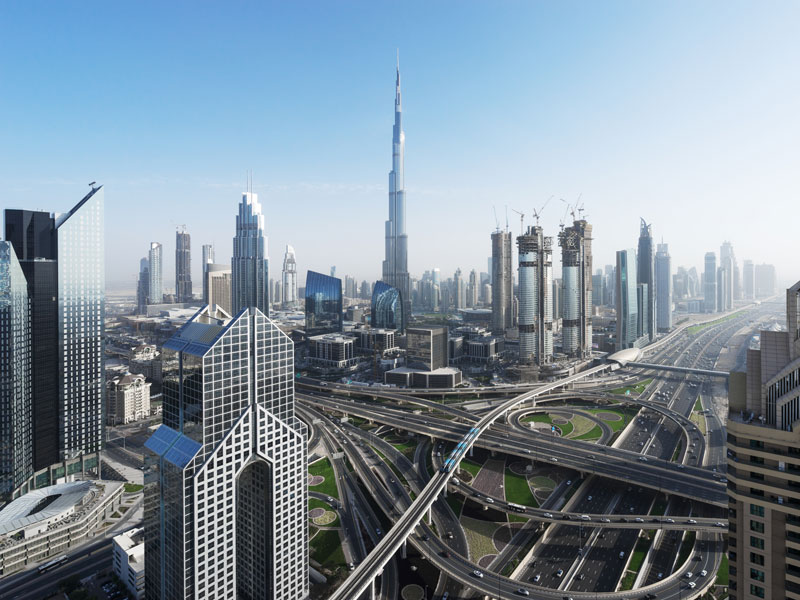
Dubai’s economy has demonstrated remarkable strength in the first half of 2025, with growth surpassing projections and reaffirming the emirate’s status as a global economic powerhouse. The city’s GDP expanded by 4.4 percent, reaching AED 241 billion, while the second quarter saw a notable 4.7 percent growth, bringing the total GDP for Q2 to AED 122 billion.

Key sectors played a pivotal role in driving this impressive performance. Dubai’s diversified economy, marked by a robust blend of finance, tourism, real estate, and trade, continues to thrive despite global uncertainties. The construction sector also witnessed significant growth, with an influx of infrastructure projects reflecting Dubai’s ambition to maintain its position as a leading global business hub.

One of the standout performers has been Dubai’s financial services industry, which has grown by a substantial margin. This sector’s success is largely attributed to Dubai International Financial Centre, which continues to attract a global clientele seeking access to the region’s thriving markets. With new regulatory reforms and the expansion of digital financial services, the financial services sector remains a cornerstone of Dubai’s economic resilience.

In addition, the real estate sector has shown signs of recovery after a few years of downturn, with both residential and commercial properties seeing increased demand. This growth can be linked to Dubai’s competitive positioning within the global property market, particularly in the luxury and hospitality segments. The city’s focus on international investors and high-net-worth individuals, combined with attractive incentives such as long-term visas and ease of doing business, has further bolstered investor confidence.

Tourism has also been a driving force behind Dubai’s economic growth. The city has seen a steady rise in international visitors, who are drawn to its world-class attractions, shopping festivals, and hospitality offerings. The Dubai Expo 2020, now extended into 2025, has had a ripple effect on the tourism sector, generating further investments and exposure to new global markets. Events and conferences have continued to bring in significant numbers of international guests, contributing to growth in the hospitality, retail, and leisure sectors.

The transportation and logistics sectors have been equally important to Dubai’s continued success. Dubai’s strategic location as a transport and logistics hub for the Middle East, Africa, and Asia continues to give it a competitive edge. Dubai International Airport, which consistently ranks among the world’s busiest airports, has witnessed a surge in passenger traffic, further solidifying its position as a key global aviation hub. Meanwhile, the port sector remains robust, with Dubai Ports World continuing to expand its reach internationally through strategic acquisitions and partnerships.

The emirate’s government has played a significant role in fostering a business-friendly environment, attracting foreign investment and enhancing the ease of doing business. New initiatives such as the Dubai Future Foundation and Dubai 2040 Urban Master Plan have injected fresh momentum into the city’s long-term growth trajectory. Dubai’s commitment to sustainable development, with a focus on green energy and technological innovation, ensures its competitiveness in a rapidly changing global economy.

Dubai’s resilience in the face of global economic challenges speaks to the emirate’s strategic focus on diversification and innovation. The city has managed to stay ahead of the curve by adopting advanced technologies in sectors like finance, healthcare, and education. In particular, the embrace of artificial intelligence, blockchain, and digital innovation has helped Dubai stay at the forefront of global economic trends.

Visa and Mastercard are reportedly nearing a resolution in a two-decade-long legal dispute with a group of merchants over the fees associated with their payment systems. Sources familiar with the ongoing negotiations indicate that both companies, along with the merchants involved, are working towards an agreement that could put an end to the protracted legal battle, which has caused significant tension in the payments industry.

The legal issue dates back to the early 2000s when merchants accused the payment giants of anti-competitive practices, specifically their practice of setting high interchange fees for card transactions. These fees, paid by merchants to card issuers, have been a point of contention for years, with many arguing that the pricing structures imposed by Visa and Mastercard were unfairly high and limited competition within the payments market.

This dispute first gained public attention when large retailers and other business associations banded together, alleging that the card networks were using their market dominance to maintain inflated fees. Over time, the case expanded to include a wide range of merchants, from small businesses to multinational corporations, who collectively argued that the financial burden of interchange fees was ultimately passed on to consumers in the form of higher prices.

Throughout the years, both Visa and Mastercard have faced legal challenges, and a series of class-action lawsuits have been filed. These lawsuits have not only focused on the fees themselves but also on the lack of transparency in how they were determined and enforced. Merchants claimed that the payment networks’ practices amounted to price-fixing, a violation of antitrust laws. The legal battle escalated over time, with both sides digging in their heels.

The talks have reportedly intensified in recent months, with both Visa and Mastercard keen to resolve the matter without further litigation. According to the sources, the settlement under discussion would likely result in a significant financial payout to merchants, though the exact amount remains undisclosed. The agreement could also include changes to the way interchange fees are structured, potentially leading to lower costs for businesses that accept card payments.

For Visa and Mastercard, the prospect of a settlement would bring an end to a costly and divisive legal fight. Both companies have defended their practices throughout the proceedings, maintaining that the fees they charge are justified by the value they provide in terms of security, convenience, and innovation in the payments ecosystem. However, they also face growing pressure from lawmakers, regulators, and consumers to address the issue of interchange fees, which have been a sticking point in the broader debate on financial services.

For merchants, the settlement represents a significant potential win. Many business owners, particularly in sectors like retail and hospitality, have long argued that interchange fees represent a hidden tax on their operations, undermining their ability to compete. Lowering these fees could provide financial relief, particularly for smaller businesses that often face the highest costs in the payment system.

If the settlement is reached, it could have a ripple effect across the payments industry, influencing how other payment processors and financial institutions structure their fees. Moreover, it could pave the way for further regulatory scrutiny of the broader payments ecosystem, with calls for greater transparency and fairness in the way card networks operate.

In addition to the financial terms, the settlement is also expected to address broader issues within the payments sector. Changes to the way interchange fees are communicated to merchants, improvements in fee structures, and possible new regulations could be part of any final agreement. These changes could not only benefit merchants but also lead to a more competitive environment in the payment processing industry.

The GCC bond market has experienced a surge in activity this week, with borrowers from various sectors seizing the opportunity to tap into favourable financial conditions. The tightening of borrowing costs has created a window of opportunity for sovereigns, banks, and corporations, leading to a total of nine mandates being issued.

The rush for capital comes at a time when borrowing costs have reached historically low levels. For many issuers, this represents an ideal moment to lock in cheap debt ahead of any potential future rate hikes. Among the most notable developments in this surge are the issuances of subordinated US dollar-denominated instruments, which have become increasingly popular among borrowers.

Sovereign issuers have been particularly active, with a mix of established and emerging players entering the market to raise funds for various development projects. These sovereign bonds are typically seen as safe investments, attracting strong interest from global investors. The preference for subordinated debt, which is ranked lower than senior debt in the event of default, reflects the confidence investors have in the region’s economic stability despite global uncertainties.

Banks, too, have been prominent participants in this market rally. With liquidity abundant, financial institutions have been eager to raise funds through bonds in order to strengthen their balance sheets and support lending activities. Several major GCC banks have launched bond issues, with a focus on long-term debt offerings to manage their refinancing needs and capital adequacy requirements.

Corporate borrowers, meanwhile, have been drawn to the bond market as a means of financing expansion and strategic initiatives. In particular, companies with strong credit ratings have capitalised on the tight borrowing conditions to secure funding at competitive rates. The demand for subordinated instruments has allowed corporates to issue debt with slightly higher yields, while still benefiting from the current low-rate environment.

One of the key drivers behind this bond market activity is the broader economic stability in the GCC region. Despite global challenges such as oil price volatility and geopolitical tensions, the region’s sovereign wealth funds and strong fiscal management have provided investors with confidence. Additionally, the implementation of economic diversification strategies across the Gulf States has helped bolster investor sentiment.

Another contributing factor is the continued strength of the US dollar, which is pegged to most of the GCC currencies. With the Federal Reserve maintaining its policy stance and the dollar remaining strong, issuers are able to tap into deep liquidity pools from global investors who are looking to park funds in stable currencies. As a result, demand for US dollar-denominated bonds from the GCC remains robust, particularly in the context of tightening global financial conditions.

The trend towards subordinated debt issuance has also been partly driven by investor demand for higher-yielding instruments, as investors seek returns in an otherwise low-interest-rate environment. Subordinated debt typically offers a higher yield due to its increased risk profile, making it attractive for investors seeking greater returns, especially as other asset classes provide limited growth.

Looking ahead, it is expected that this trend will continue in the short term as issuers capitalise on the current favourable market conditions. Analysts predict that the next few weeks may see even more issuances, as sovereigns and corporates look to take advantage of tight borrowing costs before any potential shifts in the global financial landscape.

Abu Dhabi National Oil Company is poised to significantly ramp up its global trading operations, with plans to increase the volume it handles by two-thirds over the next few years. This expansion is part of a broader strategy to strengthen ADNOC’s position on the global stage and tap into new revenue streams. The move signals the growing ambition of the UAE’s state-owned oil giant to enhance its commercial footprint beyond traditional oil and gas production.

Since the establishment of its trading arm in 2018, ADNOC has been gradually building its global network, positioning itself as a major player in international energy markets. The company has already set up trading offices in key financial hubs such as Singapore and Geneva, with the United States next on its list. This expansion is seen as a strategic initiative aimed at consolidating ADNOC’s presence in both the fuel trading and energy markets, where it competes with some of the world’s largest oil companies.

Ahmed Bin Thalith, CEO of ADNOC Global Trading, outlined the company’s goals during a recent interview. He explained that ADNOC’s trading operations are central to its broader strategy of extracting greater value from the fuel produced not only in the UAE but from global markets. Thalith emphasized that the expansion of the trading unit is integral to ADNOC’s vision of becoming a more diversified energy enterprise, moving beyond its traditional role as a major oil producer.

The UAE, known for its vast reserves of oil and natural gas, is under pressure to diversify its economy, which is heavily dependent on hydrocarbons. By expanding its trading operations, ADNOC seeks to secure additional revenue streams from the global sale of fuel products, a vital step as the world moves towards a more sustainable energy future. The move aligns with the UAE’s broader vision of positioning itself as a global energy hub, diversifying into renewable energy and other industries, such as technology and manufacturing.

ADNOC’s global trading expansion follows a series of similar moves by other Gulf oil companies seeking to broaden their operations beyond the traditional export of crude oil. Companies like Saudi Aramco have been pursuing similar strategies to increase their influence in the global energy trading market. However, ADNOC’s strategy to build a robust trading platform since 2018 gives it a more established presence in the field. The company is now looking to leverage its growing infrastructure to manage an even greater volume of trades, both within the Middle East and globally.

In addition to expanding its physical presence in strategic locations, ADNOC Global Trading is also exploring new technologies to improve its operations. This includes the use of data analytics and advanced digital tools to monitor and predict market trends, a crucial aspect for maintaining competitiveness in the volatile global energy market. By integrating cutting-edge technology into its trading practices, ADNOC aims to stay ahead of the curve and better position itself in a market where agility and adaptability are paramount.

The decision to enter the U. S. market is one of the more ambitious elements of ADNOC’s expansion plans. The company aims to tap into the largest energy market in the world, which has seen significant changes in recent years due to the shale revolution and growing interest in alternative energy sources. By establishing a presence in the U. S., ADNOC hopes to gain access to new trading opportunities, as well as foster relationships with key players in the global energy sector.

The expansion also reflects ADNOC’s long-term vision of becoming a more diversified energy company that is not solely reliant on crude oil exports. The UAE has been increasingly investing in renewable energy, and ADNOC’s trading division is seen as a key pillar in achieving this transition. As part of its sustainability strategy, ADNOC has set ambitious targets for reducing its carbon footprint and increasing its investment in cleaner energy technologies, including solar power and hydrogen.

A forecast from global property and advisory firm BlackBrick indicates that villa communities in Dubai are entering a phase of measured growth, as end-users and investors increasingly favour data-driven decisions over speculative leaps. The firm highlights key drivers behind villa demand in Q4 2025, underlining Dubai’s resilience in luxury real-estate.

According to founder and CEO Matthew Bate, the villa segment is evolving into “an era of intelligent luxury” where lifestyle and long-term value count more than sheer size or opulence. He states that buyers are now prioritising spaces with breathing room, community connection and ownership of land rather than just lavish finishes.

BlackBrick’s outlook identifies several communities expected to outperform over the next 12 months. Among them are Al Barari and Arabian Ranches where projected gains of 15-20 per cent are indicated, while Jumeirah Islands and Jumeirah Golf Estates are assigned more modest growth expectations of 7-12 per cent.

The underlying dynamics reflect broader trends in Dubai’s residential market. Analyst estimates show that prime villa prices increased by 94 per cent between Q1 2020 and Q4 2024, signalling sustained appetite for villa ownership in the emirate. Supply remains tight in several key enclaves, underpinning market strength. According to market commentary, villas continue to command a premium due to their scarcity and appeal to families, expatriates and high-net-worth individuals seeking long-term domiciliation.

BlackBrick’s forecast emphasises five main demand drivers. These include the appeal of open layouts and natural light; ownership of land; upgrade potential in older stock; community-focused living in gated compounds; and timeless design replacing overt extravagance. Bate argues that sustainable growth founded on genuine demand and limited supply reinforces market quality.

From a broader perspective, villa markets in Dubai are benefiting from macro-drivers such as population growth, global mobility and favourable tax frameworks. Consultant data suggests villa and townhouse sales accounted for 20 per cent of transactions but 42 per cent of total sales value in one recent quarter-year period — pointing to concentrated value capture in this segment. Meanwhile rental yields for villas and townhouses continue to remain attractive, further bolstering investor interest.

However, the market is not without caveats. The high entry cost for villas means that affordability remains a barrier to broader participation. While growth has been strong, analysts caution that the pace of appreciation may moderate as the market enters its maturity phase. One consultancy anticipates single-digit annual growth in prime villas going forward. Additionally, investors and buyers are advised to carefully consider developer track-records and listings pipelines, given limited resale inventory in select luxury enclaves.

Data-led brokers like BlackBrick suggest that the path ahead is less about aggressive expansion and more about sustained value capture. End-users, long-term residents and seasoned investors are shaping the villa market’s next chapter — one anchored in lifestyle, location and land ownership, rather than speculative upside alone. The hallmark now is thoughtful investment in vetted communities with established infrastructure, strong connectivity and recognized quality.

A consortium led by the Abu Dhabi-supported investment firm Aquarian has agreed to acquire the U. S. life insurance and annuity provider Brighthouse Financial in an all-cash deal valued at approximately $4.1 billion. Aquarian will pay $70 per share, representing a premium of about 37 per cent over the company’s closing price on 27 January, the day before media reports of a potential sale surfaced. Shares in Brighthouse rose sharply following the announcement.

Brighthouse Financial, which spun off from MetLife in 2017, manages well over $100 billion in assets, giving the purchaser access to substantial investment capital and forming part of a growing surge of private-capital firms acquiring U. S. insurers to fuel credit platforms. Aquarian, a specialist in insurance and asset management backed by investors including RedBird Capital and Mubadala Capital, sees the acquisition as a strategic entry into the U. S. retirement-income market.

Negotiations faced multiple bidders, with TPG identified as the other final contender before Aquarian secured the deal. Sources say that other major players such as Apollo and Carlyle withdrew during due-diligence, citing Brighthouse’s legacy exposures—particularly its heavy footprint in variable annuities, which carry high hedging costs and capital charges for the company.

Brighthouse’s management will remain in place, with CEO Eric Steigerwalt set to continue leading the business after the transaction closes—expected in 2026. Aquarian has indicated no immediate plans to break up Brighthouse, instead intending to focus on its fixed indexed annuities and registered index-linked annuities lines, while winding down or re-insuring portions of the higher-risk variable annuity and life-insurance businesses.

Industry analysts say the deal underscores a broader trend: private investment firms are increasingly acquiring insurers not only for distribution or underwriting advantages but primarily for their long-dated liabilities and the investment income they generate, which can be deployed into higher-return credit strategies. The structural economics of insurers—steady premium inflows, long durations and regulated capital-intensive businesses—make them attractive targets for asset managers seeking stable funding sources and yield.

For Brighthouse, the acquisition offers a way out of its status as a publicly-listed firm weighed down by volatile earnings and investor skepticism about its variable-annuity portfolio. Despite its size and franchise, Brighthouse’s share price has lagged its book value, driven in part by hedge-related losses and regulatory capital burdens. By moving private, it may gain flexibility in capital management and strategic repositioning.

From Aquarian’s perspective, the deal leverages its insurance platform, which already manages about $25 billion in assets, and positions it to escalate into a major player in insurance-for-capital business globally. The backing of large Middle Eastern investment pools gives Aquarian the muscle to undertake such a large transaction and signals the continuing export of Gulf-region investment capital into U. S. financial-services infrastructure.

Abu Dhabi-headquartered AD Ports Group has reached a joint venture agreement with France’s CMA CGM Group to acquire a 20 per cent stake in the Latakia International Container Terminal in Syria for USD 22 million. The deal followed the ratification of a shareholders’ agreement signed in Abu Dhabi by Captain Mohamed Juma Al Shamisi, Managing Director & Group CEO of the AD Ports Group, and Rodolphe Saadé, Chairman & Chief Executive Officer of CMA CGM. The terminal handles over 95 per cent of Syria’s container traffic and is vital for the country’s agricultural export flows and industrial imports.

The new partnership builds on an existing franchise: CMA CGM has operated LICT since 2009 and in May this year signed a 30-year concession with Syrian authorities to expand and modernise the facility with a €230 million investment. Under this expansion plan the terminal’s capacity will scale from around 250,000 twenty-foot equivalent units to approximately 625,000 TEUs by the end of 2026. The AD Ports stake brings fresh funding, regional logistics know-how and establishes a feeder-service linkage via GFS expected to call Latakia in its emerging network.

Analysts note combining AD Ports’ digital-and-logistics platforms with CMA CGM’s terminal-operations experience offers a synergetic boost. Captain Al Shamisi described the deal as reinforcing AD Ports’ role as a “global enabler of trade, logistics and industry” and strengthening its international footprint; Saadé said it underscores CMA CGM’s commitment to the Eastern Mediterranean corridor. Yet risks remain: Syria’s infrastructure base was severely weakened by years of conflict, sanctions regimes remain in flux, and the geopolitical security climate in the Eastern Mediterranean remains volatile. In particular the coastal region around Latakia must contend with residual logistical bottlenecks and war-damaged hinterland links.

From a strategic viewpoint, the deal gives AD Ports exposure to an under-served Mediterranean gateway that has long been overshadowed by Cyprus, Turkey and Egypt. For CMA CGM it provides a partner that can bring capital, Gulf-region networks and feeder-service integration. It also aligns with Syria’s aim to attract foreign investment into its trade infrastructure under recent reforms, aiming to rehabilitate its war-impacted logistics chains and boost maritime connectivity. Governance observers point out that this investment marks one of the first substantial Gulf-region port-logistics ventures in Syria since the cessation of major international sanctions, signalling a potentially broader shift in regional trade flows.

Operationally, the agreement will focus on upgrading terminal infrastructure, digitising cargo-handling and container-tracking systems, enabling larger vessels by deepening docks and extending quays, and integrating feeder-shipping links. LICT’s current capacity constraints mean that the joint venture must invest quickly to meet anticipated growth in Syrian cargo volumes, especially agricultural exports and industrial imports. The container terminal’s status as the main node for land-locked regions within Syria gives it strategic significance beyond the coast: improved throughput at Latakia could ease pressure on border crossings and reduce logistics delays for inland cargo flows.

VISHNU RAJA
RYO YAMADA
HITORI GOTOH
IKUYO KITA
Social Media Auto Publish Powered By : XYZScripts.com