Just in:

News related to
beyond

The United Nations World Tourism Organization has named Khaby Lame, the world’s most-followed TikTok star, as its newest ambassador. The move marks a significant step in the growing role of digital creators and influencers in shaping global tourism trends and promoting international travel. Lame, known for his humorous and minimalist videos that simplify complex tasks, has amassed over 200 million followers on TikTok. His viral content, which […]

According to Dubai People magazine, Mr. Thank You has officially surpassed 50 million followers on Instagram and secured the 135th position in the global ranking of the most popular accounts. This milestone places him among the key digital figures shaping a new era of motivational and emotional content. https://www.instagram.com/mr.thank.you   A new format of positive storytelling Today, Mr. Thank You is viewed as one of the most […]

Nike is shifting its strategy to regain traction among serious runners by introducing high-performance, chunky sneakers that combine advanced technology with a bold design. The new lineup, part of Nike’s broader efforts to diversify its offerings, aims to attract both seasoned athletes and the younger, style-conscious crowd who are seeking both function and fashion in their footwear. The company, long a leader in sports footwear, has seen […]

Embark Studios’ extraction shooter, Arc Raiders, has rapidly gained traction, reaching a record-breaking 481,966 concurrent players on Steam this weekend. This number marks a significant milestone for the new title, surpassing even the launch weekend peaks of other major franchises, including Call of Duty’s latest installment, Black Ops 7. While both games drew substantial attention, Arc Raiders’ player count dwarfed that of its established competitor by a […]

Snapchat has launched its internal Valdi framework to the public, marking a significant shift in the competitive landscape for user interface frameworks. Initially used exclusively within the company for eight years, Valdi is now available to external developers, expanding the tools and resources that could influence UI design and development across digital platforms. Valdi, which was first conceived to streamline Snapchat’s app development process, has been a […]

Ebury, a leading financial services provider, has confirmed its role as a key sponsor for the upcoming Scotland London Africa Week in 2025. The event, organised by the Scottish Africa Business Association, aims to foster stronger economic ties between Scotland and the African continent, highlighting the role of trade, investment, and business opportunities in the region.

The partnership with Ebury, renowned for its expertise in global trade finance and foreign exchange solutions, underscores the growing importance of financial services in facilitating cross-border business relationships. The firm’s sponsorship will be centred around the Scotland Africa Networking Reception, which will take place at Dover House in London. This reception serves as a key platform for Scottish businesses, entrepreneurs, and investors to engage with African counterparts and explore new avenues for collaboration.

Scotland London Africa Week is a prominent event that brings together leaders from both public and private sectors to discuss and promote the growing potential of the African market. Through networking sessions, panel discussions, and targeted events, the week-long celebration will provide an opportunity for businesses to forge partnerships, tap into new markets, and discover emerging opportunities within Africa.

Ebury’s involvement with the event highlights the company’s commitment to supporting the economic relationship between Africa and the UK, especially Scotland, which has increasingly sought to expand its international trade network. The company’s expertise in cross-border payments and currency exchange is expected to add valuable insights to the discussions around enhancing financial inclusivity and reducing barriers for businesses in Africa and the UK.

Scotland, with its strong international trade links and vibrant financial services sector, continues to be a key player in fostering relationships with Africa. The country’s emphasis on promoting innovation, sustainable development, and investment in emerging markets aligns well with the strategic goals of the Africa Week.

With the backing of Ebury, the networking reception will focus on addressing critical issues such as trade finance, investment flows, and economic partnerships. The reception will also offer an invaluable networking opportunity for delegates from across the continent and beyond to exchange ideas and explore avenues for collaboration. This sponsorship comes at a time when both the UK and African nations are looking to bolster trade relations and deepen economic cooperation.

Dubai has earned a coveted position as one of the world’s top travel destinations, securing third place in the 2025 Tripadvisor Travelers’ Choice Awards, trailing only London and Bali. The accolade underscores the city’s growing appeal among global travellers, who continue to flock to its iconic landmarks, luxurious shopping experiences, and vibrant cultural offerings. With its blend of modernity and tradition, Dubai has long been a prominent […]

Advertisements

Dubai’s ambitious urban landscape is set to evolve with the debut of Palm Jebel Ali, a new palm-shaped island poised to transform the city’s skyline and luxury real estate market. Located just off the coast of Dubai, Palm Jebel Ali is part of the broader expansion of the city’s coastline, reinforcing its reputation as a global hub for innovation in both architecture and tourism. The first beachfront […]

Taiwan is set to begin a pilot program to assess the viability of Bitcoin as a strategic asset, marking a significant shift in the country’s approach to digital currencies. The decision, which was approved by both the Prime Minister and Taiwan’s central bank, aims to explore the potential of Bitcoin in the country’s financial strategy and its application in managing confiscated assets.

The initiative comes at a time when global interest in digital currencies continues to grow, with several nations beginning to integrate Bitcoin and other cryptocurrencies into their economic frameworks. Taiwan’s move signals a willingness to experiment with blockchain technology as a tool for financial innovation, despite Bitcoin’s volatility and the regulatory challenges that many countries face in adopting such assets.

The Taiwanese government intends to store Bitcoin acquired from confiscated funds within the framework of this pilot. It is part of a broader effort to establish clearer regulations surrounding cryptocurrency and its role in asset management, particularly in relation to funds seized from illegal activities. This initiative could provide insights into how digital assets might be incorporated into the national financial system, paving the way for more widespread adoption in the future.

Taiwan’s central bank, which has been cautious in its approach to cryptocurrencies, is now tasked with overseeing the implementation of the pilot program. The bank will also monitor the performance of Bitcoin in this new capacity, assessing whether it offers benefits such as enhanced liquidity and diversification for the country’s reserves.

For years, Taiwan has taken a cautious stance on cryptocurrency. While it has not outright banned digital currencies, the country’s regulatory framework has largely focused on preventing illicit activities such as money laundering and tax evasion. With this new initiative, however, Taiwan seems ready to take a more proactive role in exploring the potential benefits of blockchain technology for economic management.

The pilot program will run for an undisclosed period, during which the central bank will evaluate the practicality of Bitcoin as a stored asset, with a particular focus on security, value fluctuations, and its ability to integrate with traditional financial systems. Given Bitcoin’s known volatility, the central bank will likely take a conservative approach to its management, limiting the amount of cryptocurrency held and closely monitoring market conditions.

Taiwan’s move has already drawn attention from both the cryptocurrency industry and global financial analysts. Experts note that the experiment could provide valuable data for other governments considering similar initiatives, particularly in regions with more stable regulatory environments. If successful, it could lead to broader acceptance of Bitcoin as a legitimate financial asset, beyond its current role as a speculative investment.

Despite its growing global presence, Bitcoin remains a controversial asset. Its decentralised nature, combined with its high volatility, makes it a difficult asset for many governments and financial institutions to adopt. However, some see Bitcoin’s potential as a hedge against inflation and as an alternative asset class for diversification. Taiwan’s decision to explore its use further could have ripple effects throughout the region, especially in markets where digital currencies are seen as disruptive forces.

The pilot program is also expected to address concerns about the security of digital assets. Taiwan’s central bank has experience in managing traditional financial reserves, but Bitcoin and other cryptocurrencies present unique challenges in terms of safeguarding against hacking and ensuring secure transactions. As part of the pilot, the government will likely collaborate with blockchain security experts to implement robust safeguards.

This move also places Taiwan at the forefront of digital currency experimentation in Asia. While countries like Japan and South Korea have made significant strides in integrating cryptocurrencies into their financial systems, Taiwan’s initiative to test Bitcoin as a strategic asset is among the first in the region to explore its use as a legitimate part of a national asset portfolio.

An in‑depth probe by the International Consortium of Investigative Journalists has unveiled a sprawling network of criminal finance powered by cryptocurrencies, highlighting how digital asset platforms, cash‑to‑crypto storefronts and unregulated exchange desks have become central to laundering money for human‑trafficking rings, drug cartels and Russian organised crime groups. The investigation, under the title “The Coin Laundry”, involved more than 100 journalists across 38 news outlets and casts a harsh light on how the crypto‑space has evolved into a parallel shadow financial system.

The core finding of the ICIJ project is that thousands of transactions—ranging from hundreds of millions of dollars—have flowed through crypto platforms that either lacked robust anti‑money‑laundering safeguards or deliberately facilitated anonymity. Some of the biggest cryptocurrency exchanges are shown to have moved hundreds of millions in funds tied to illicit actors even after criminal pleas and enforcement actions. The scale and the reach of the systems uncovered suggest that the digital‑asset industry has matured from niche speculation into a global conduit for organised illicit flows.

The architecture of this criminal system reveals several layers. First, cash‑to‑crypto storefronts operating in places like Dubai, Toronto and other jurisdictions emerge as physical bridges where cash is converted into crypto away from traditional banking rails. These outlets, according to the investigation, serve entities that “have lots of cash they want to offload without using a bank”. Secondly, certain crypto exchanges and wallets have been used to take funds from traffickers, drug networks or Russian criminal gangs, convert them into digital assets, transfer those across borders, then convert back into fiat currencies—often in jurisdictions with weak enforcement. Thirdly, mixers, anonymised cryptocurrencies and opaque wallet‑chains have enabled the origin and destination of funds to be obscured, making law‑enforcement tracking significantly harder.

Criminal networks profiting from these systems include people‑trafficking racks, where victims are moved across borders and payment flows routed via crypto; drug cartels that convert illicit cash into digital tokens to hide funds and move value swiftly; and Russian organised crime groups that make use of sanctions‑evading platforms to transfer funds internationally. The investigation points out how several Russian‑linked exchanges came under scrutiny after moving billions in assets on behalf of sanctioned individuals.

For regulators and law‑enforcement agencies, the ICIJ findings pose a serious challenge. Cryptocurrency was once hailed for its transparency because of blockchain traceability, yet the system has matured into one where anonymisation tools, cross‑jurisdictional flows and cash‑on‑ramps erode that promise. One analysis notes how the boundaryless nature of crypto and cash conversions has “erased national borders” in laundering schemes. The combination of weak regulatory oversight, technological complexity and global jurisdictional gaps means that the crypto sector now offers potentials previously reserved for traditional offshore banking and shell‑company networks.

From a regulatory‑policy perspective the report surfaces key faultlines. Many exchanges either operate in regulatory grey zones or rely on lax “know your customer” checks, enabling high‑risk actors to open accounts and move funds. The ICIJ investigation underscores how crypto to cash workflows are particularly acute in jurisdictions where enforcement is weak or cash‑based storefronts operate with minimal oversight. In India for example, investigators found that 144 cases over three years involved crypto routes used to funnel stolen or illicit cyber‑crime proceeds into global syndicates. That observation underscores how burgeoning crypto markets in emerging economies may be especially vulnerable to exploitation.

Industries beyond crypto feel the fallout. Traditional banking institutions face reputational risk when their clients or connected transactions use crypto intermediaries. Law‑enforcement agencies face mounting costs tracing and investigating these flows when the end‑destination is hidden behind layers of wallets or front businesses. Victims of people‑trafficking or drug networks often find no effective path to recovery, as the digital funds vanish into complex webs. One ICIJ commentary notes that while crypto platforms have profited from these illicit flows, those harmed are “left with little hope of justice”.

The ecosystem enabling this laundering structure demonstrates a careful interplay of legitimate and illegitimate actors. On one side are mainstream crypto exchanges, sometimes guilty of compliance failures or negligent oversight; on the other are fringe services—mixers that convert one token to another to obfuscate origins, anonymous coins such as Monero, and cash‑to‑crypto kiosks possibly operating in jurisdictions with lax enforcement. In the French legal reform context, a law recognising funds passing through anonymisation tools as part of money‑laundering was introduced, acknowledging how tools once fringe are now central to criminal flows.

From the enforcement standpoint the challenge is two‑fold: tracing funds and prosecuting high‑level actors. Blockchain analytics can trace token flows, but when the end‑recipient wallet is converted into cash via shadow exchanges or laundromats, it becomes a near‑impossible task. This is compounded when jurisdictions refuse to cooperate or when the conversion happens in physical storefronts beyond bank controls. One academic note highlights that conventional AML practices struggle to detect “subgraph” laundering patterns that exploit layered wallet behaviour and network effects.

The global regulatory environment currently appears mismatched to the scale of the problem. While policy makers have begun to act—such as the French law targeting anonymisation tools—many jurisdictions lack the statutory frameworks or enforcement resources to address crypto‑laundering at scale. Regulatory gaps are further compounded when major jurisdictions focus only on tokens traded on exchanges rather than on emerging narratives involving cash‑to‑crypto desks, unregulated decentralized platforms or off‑ramp services. One commentator described the flow from cash into crypto as “after tax‑havens, dirty money finds a new home: cryptocurrency”.

From a financial‑crime perspective, the finding that major exchanges still processed illicit funds even after criminal prosecutions signifies systemic weakness. This suggests that bad‑actor networks can rely on deep pockets, jurisdiction shifting and complex intermediaries to keep funds moving. The ICIJ investigation lists two of the world’s largest exchanges moving hundreds of millions in illicit funds after pleading guilty to crimes related to money laundering. These revelations raise questions about whether enough internal controls exist in the high‑volume crypto market and whether enforcement action has produced meaningful change.

The implications for victims of organised crime and for global governance are stark. For people trafficking survivors the money flows support networks that exploit human lives yet vanish into anonymous wallets across jurisdictions, making asset recovery and restitution extremely difficult. For drug‑trafficking networks, the agility and cross‑border speed of crypto conversion process provide large scale advantage. For states dealing with sanctions enforcement, the ability of crypto platforms to host cross‑border flows undermines the effectiveness of sanctions regimes.

While the ICIJ investigation sets out a clearer map of how these systems function, it also signals that the public and private sectors face an urgent need for stronger deterrence. Some proposals include mandatory global standards for exchange KYC/AML, registration of cash‑to‑crypto on‑ramp services, enhanced international cooperation for wallet tracing, seizure frameworks for anonymised funds and real‑time monitoring of conversion windows. A related academic analysis recommends adopting subgraph‑based network detection systems to identify laundering patterns earlier.

Industry players replying to the revelations argue that the bulk of legitimate crypto transactions are untainted and that enhancements to compliance are underway. Exchanges emphasise that transparency is improving with on‑chain traceability and that many illicit flows represent a small fraction of total volume. Some operators point out that regulators themselves are still developing the controls needed for a digital‑asset environment and that over‑regulation risks stifling innovation.

In parallel, a cultural shift is emerging where law‑enforcement bodies increasingly view crypto not just as a speculative market but as a core part of the financial‑crime ecosystem. Tasks once reserved for tracking offshore shell companies or cash couriers now must include tracing smart‑contracts, wallet clusters and token flows across borders. That evolution places a premium on technological capacity, inter‑agency cooperation and jurisdiction‑bridging legal tools.


Arada Developments, a prominent real estate firm co-owned by the son of Saudi Arabian Prince Alwaleed bin Talal and a member of Sharjah’s royal family, has secured a significant stake in a major London property project. The company has acquired 80% of a prestigious waterfront development, marking a key expansion into the UK market.

The project, located in the heart of London’s dynamic property sector, aims to deliver around 5,000 new homes, alongside a mix of retail and leisure spaces. This ambitious development is expected to transform a prime section of the city’s waterfront, contributing to the capital’s long-term housing and regeneration goals.

The deal highlights growing interest from Gulf-based investors in the UK property market, which has become an increasingly attractive destination for global capital. Despite the challenges of the broader economic environment, demand for prime real estate in London remains resilient, with institutional investors and developers keen to capitalise on its stable returns and strategic location.

Arada’s involvement in this project underscores its strategy of expanding beyond the Middle East, a move that reflects the company’s broader ambitions to diversify its portfolio and build a global presence. The firm, which has a significant footprint in the UAE, is no stranger to large-scale developments. It has a history of high-profile projects across the region, particularly in Dubai and Sharjah, where it has focused on residential and mixed-use developments.

The acquisition also speaks to the growing ties between Gulf investors and the UK property market. Over the years, London has attracted significant Gulf investment, particularly from sovereign wealth funds, family offices, and high-net-worth individuals seeking to diversify their holdings. This trend has only intensified in the wake of global uncertainties, with many investors seeking to hedge against risks in their home markets.

London’s residential property sector has seen substantial growth over the past decade, driven by both domestic and international demand. However, the sector has not been without its challenges. Economic factors such as Brexit and the COVID-19 pandemic have created uncertainty, but the long-term prospects for the capital’s real estate market remain strong. For Arada, the acquisition provides an opportunity to tap into this lucrative market while simultaneously benefiting from the UK’s stable legal framework and favourable regulatory environment.

The London waterfront site is expected to undergo extensive redevelopment, with construction set to commence shortly. The project will focus on creating a sustainable and vibrant community, featuring a mix of affordable and market-rate housing, along with green spaces and amenities that cater to modern urban living. The development is poised to be a key player in London’s ongoing efforts to address its housing shortage and meet the growing demand for residential properties in the city.

The impact of this project on the local economy is also expected to be significant. The development will generate thousands of jobs during the construction phase, contributing to the UK’s broader economic recovery. Furthermore, the influx of new residents and businesses to the area is likely to drive further regeneration and investment, benefiting the surrounding neighbourhoods.

The Dubai International Financial Centre Authority has reported that US companies account for approximately 7% of the financial services firms operating within the DIFC, a landmark financial hub that has been active since its inception in 2004. This data highlights the increasing influence of US-based businesses in the Middle East’s burgeoning financial sector, with a noticeable presence of American institutions across various finance-related services. Arif Amiri, CEO […]

Fueling Enterprises Cross‑Border Expansion SINGAPORE – Media OutReach Newswire – 17 November 2025 – XTransfer, World’s Leading B2B Cross-Border Trade Payment Platform and Siam Commercial Bank (SCB), Thailand’s first indigenous bank, announced the signing of a memorandum of understanding (MoU) at Singapore FinTech Festival 2025. The collaboration will focus on delivering efficient, secure, and cost-effective foreign exchange (FX) services in Thailand for enterprises engaging in international trade. […]

Airbus is on the brink of securing a landmark deal with flydubai for the delivery of approximately 100 A321neo jets, marking a significant shift in the competitive dynamics of the Middle East’s rapidly expanding budget airline sector. The deal, expected to be finalised at the Dubai Airshow, would see Airbus surpass its US rival Boeing, which has traditionally been the dominant supplier to flydubai.

The discussions, which have been ongoing for several months, signal a potential turning point in the airline’s long-standing relationship with Boeing. Flydubai, a key player in the region’s low-cost carrier market, has been an exclusive Boeing customer for a significant portion of its fleet, operating predominantly 737 models. However, with demand for air travel surging across the Middle East and beyond, flydubai has been seeking to expand and modernise its fleet, considering a shift towards a more diversified aircraft portfolio.

Industry experts suggest that the A321neo, a more fuel-efficient version of Airbus’s popular A320, offers several advantages in terms of cost efficiency and operational flexibility. With its ability to serve both short-haul and medium-haul routes, the A321neo is well-suited to flydubai’s route network, which spans key destinations across Europe, Asia, and Africa. The aircraft’s larger seating capacity, improved fuel economy, and quieter engines also make it an attractive option for budget airlines looking to maximise profitability while meeting increasing passenger demand.

This potential order would represent a significant victory for Airbus, especially considering Boeing’s dominant presence at flydubai for over a decade. Flydubai has been a staunch supporter of Boeing’s 737, having placed orders for more than 200 of the aircraft in the past. The shift to Airbus jets, if confirmed, would be a blow to Boeing, which has faced various challenges in recent years, including the fallout from the grounding of the 737 MAX in 2019 following two fatal crashes. Despite regaining its footing with the 737 MAX’s return to service, the aircraft manufacturer has struggled to secure major deals in the region, especially with emerging budget carriers such as flydubai.

The deal, which would be one of the largest in Airbus’s history for a single customer in the region, is expected to strengthen the European planemaker’s foothold in the Middle East, a region that has traditionally been a battleground between Boeing and Airbus for dominance. The A321neo’s suitability for the region’s expanding budget carrier market, alongside its competitive pricing and operational efficiencies, has positioned it as a key player in the ongoing competition between the two aerospace giants.

Flydubai, for its part, has been exploring a range of options to modernise its fleet. While the A321neo deal with Airbus is likely to be the primary focus, the airline is also in advanced talks to secure a smaller order of Boeing 737 MAX jets, sources suggest. This mixed approach, opting for both Airbus and Boeing aircraft, would provide flydubai with increased operational flexibility and allow it to diversify its fleet to meet different market demands.

Flydubai’s decision to expand its fleet is driven by the rapid recovery of air travel in the Middle East following the pandemic. As the region’s tourism and business sectors continue to rebound, low-cost carriers such as flydubai are seeing increasing passenger numbers, making fleet expansion an urgent priority. The A321neo’s capabilities in terms of range and capacity are expected to help the airline capitalise on the growing demand for both domestic and international flights.

SINGAPORE – Media OutReach Newswire – 17 November 2025 – Madame Tussauds Singapore is excited to announce the arrival of beloved actor Ahn Hyo Seop’s wax figure on Tuesday, 2 December 2025. Known for captivating audiences with his performances in popular dramas and movies like “Business Proposal”, “Omniscient Reader: The Prophet” and “A Time Called You,” Ahn Hyo Seop has established himself as a true heartthrob among […]

SINGAPORE – Media OutReach Newswire – 17 November 2025 – The workplace is undergoing a seismic shift as employees’ expectations and priorities continue to evolve. Infinity Financial Advisory (Infinity FA) has been actively monitoring these developments through its ongoing collaborations with corporate partners, HR leaders, and financial advisors. This work reflects the firm’s commitment to providing organizations with timely insights into the changing dynamics of today’s workforce. […]

Elon Musk has shared his bold vision for the future of Tesla’s humanoid robot, Optimus, claiming it has the potential to revolutionise the global economy by eradicating poverty and providing universal high incomes. Speaking at a recent event, Musk presented an ambitious outlook for the robot, which is being developed by Tesla to perform a variety of tasks, ranging from mundane chores to complex industrial processes. Optimus, […]

Solaria Energia y Medio Ambiente SA, the Spanish solar energy developer, has taken a strategic step toward expanding its portfolio by engaging Goldman Sachs Group Inc. to identify a financial partner for its newly formed European data centre platform. The move signals the company’s intent to tap into the booming data centre industry, which has seen increasing demand in Europe due to digitalisation, cloud computing, and data storage needs.

The collaboration with Goldman Sachs marks a critical phase in Solaria’s growth as it seeks to diversify its business beyond solar energy projects. The investment bank will assist in connecting Solaria with potential partners that can provide the financial backing needed to grow its data centre operations. The platform is designed to capitalise on the rapid growth of the data storage and processing sector, which is integral to supporting industries ranging from e-commerce to artificial intelligence and beyond.

The formation of this platform comes as the European Union strengthens its push toward digital transformation. As part of its long-term economic strategy, the EU has been prioritising infrastructure that supports the digital economy, such as data centres, which are essential for powering cloud services, big data analytics, and Internet of Things applications. Solaria’s move into this field is a strategic alignment with the EU’s broader goals, placing the company in a strong position to benefit from the region’s increasing investment in digital infrastructure.

Goldman Sachs’ involvement brings significant expertise in the global infrastructure and energy sectors. The bank is expected to use its extensive network and financial knowledge to attract institutional investors or corporate partners who are seeking to enter the rapidly expanding data centre market. Solaria aims to build a platform that will manage and operate data centres across multiple European countries, with a focus on sustainability and renewable energy sources.

The growing need for data processing and storage has been a major driver of the global data centre industry, and Europe is no exception. The region has seen an influx of investment into the sector, driven by increased demand from large technology companies, including cloud service providers, e-commerce giants, and financial institutions. In addition to the need for more physical infrastructure, there is an increasing demand for data centres that are energy-efficient and environmentally friendly.

Solaria’s decision to integrate its solar energy expertise into the data centre platform is a strategic move that could set it apart from competitors. By combining renewable energy sources with data centre operations, Solaria can address growing concerns about the environmental impact of traditional data centre models, which are energy-intensive and reliant on fossil fuels. This aligns with the European Green Deal, which has set ambitious goals for reducing carbon emissions across the continent.

The data centre sector itself has become a hotbed of competition, with global players such as Equinix, Digital Realty, and CyrusOne leading the market. However, regional players have a unique opportunity to capitalise on localised demand and the growing push for sustainability. Solaria’s position as a solar developer with an established track record in renewable energy could allow it to secure a competitive edge in this space, particularly if it can offer clients data centre services that are both reliable and powered by clean energy.

As Solaria works with Goldman Sachs to explore potential partnerships, the company is also positioning itself to capitalise on the increasing convergence of energy and technology sectors. By leveraging its expertise in solar energy alongside a data centre platform, Solaria could provide a comprehensive solution to meet the dual demands of growing digital infrastructure and sustainability.

Dr Temidayo Omolaoye, a distinguished professor based in Dubai, was awarded the Promising Researcher Grant at the 2025 King Hussein Cancer Research Award ceremony. The event took place at the prestigious Four Seasons Hotel in Amman, Jordan, recognising exceptional contributions to the field of cancer research.

The King Hussein Cancer Foundation, known for its commitment to improving cancer care across the Middle East, annually honours individuals who have made significant strides in advancing cancer research and treatment. Dr Omolaoye’s award reflects his groundbreaking work in cancer research, particularly in the development of innovative treatment strategies and his efforts to enhance cancer care in the region.

As a leading academic at a prominent institution in Dubai, Dr Omolaoye’s research focuses on understanding the molecular mechanisms behind cancer progression. His work has led to important discoveries that could pave the way for more effective therapies. The Promising Researcher Grant, one of the most coveted awards at the ceremony, is aimed at recognising young scientists who demonstrate outstanding potential in the fight against cancer.

The award ceremony also brought together a host of international experts, including renowned oncologists, researchers, and philanthropists, all committed to fighting cancer through collaboration, research, and public awareness. Attendees discussed the latest advancements in cancer treatment, including immunotherapy, precision medicine, and the increasing role of artificial intelligence in diagnosis and treatment planning.

Dr Omolaoye, in his acceptance speech, highlighted the importance of international collaboration in cancer research. He emphasised how global partnerships are crucial for accelerating progress and ensuring that groundbreaking research benefits patients worldwide. He also acknowledged the support of the King Hussein Cancer Foundation in advancing the cause of cancer research in the Middle East and beyond.

The King Hussein Cancer Research Award, named after the late King Hussein of Jordan, is one of the region’s most prestigious honours in the field of cancer research. It recognises both individuals and institutions that have made significant contributions to the understanding, treatment, and prevention of cancer. The foundation, established in 1997, is dedicated to providing the best cancer care available, supporting cutting-edge research, and educating future generations of cancer specialists.

In addition to Dr Omolaoye, several other researchers were also honoured at the ceremony for their contributions to the fight against cancer. The event underscored the region’s growing role in global cancer research, with Jordan emerging as a key player in advancing scientific knowledge and cancer care standards in the Middle East.

Jumeirah, renowned for its luxury hotels including the iconic Burj Al Arab, has ventured into fashion with the launch of its first-ever capsule collection. The move marks a bold step for the Dubai-based hospitality group as it explores ways to blend its longstanding heritage with contemporary trends. The collection, designed by Dubai-based fashion label Bouguessa, takes inspiration from the distinctive architectural and cultural elements of Jumeirah’s luxury […]

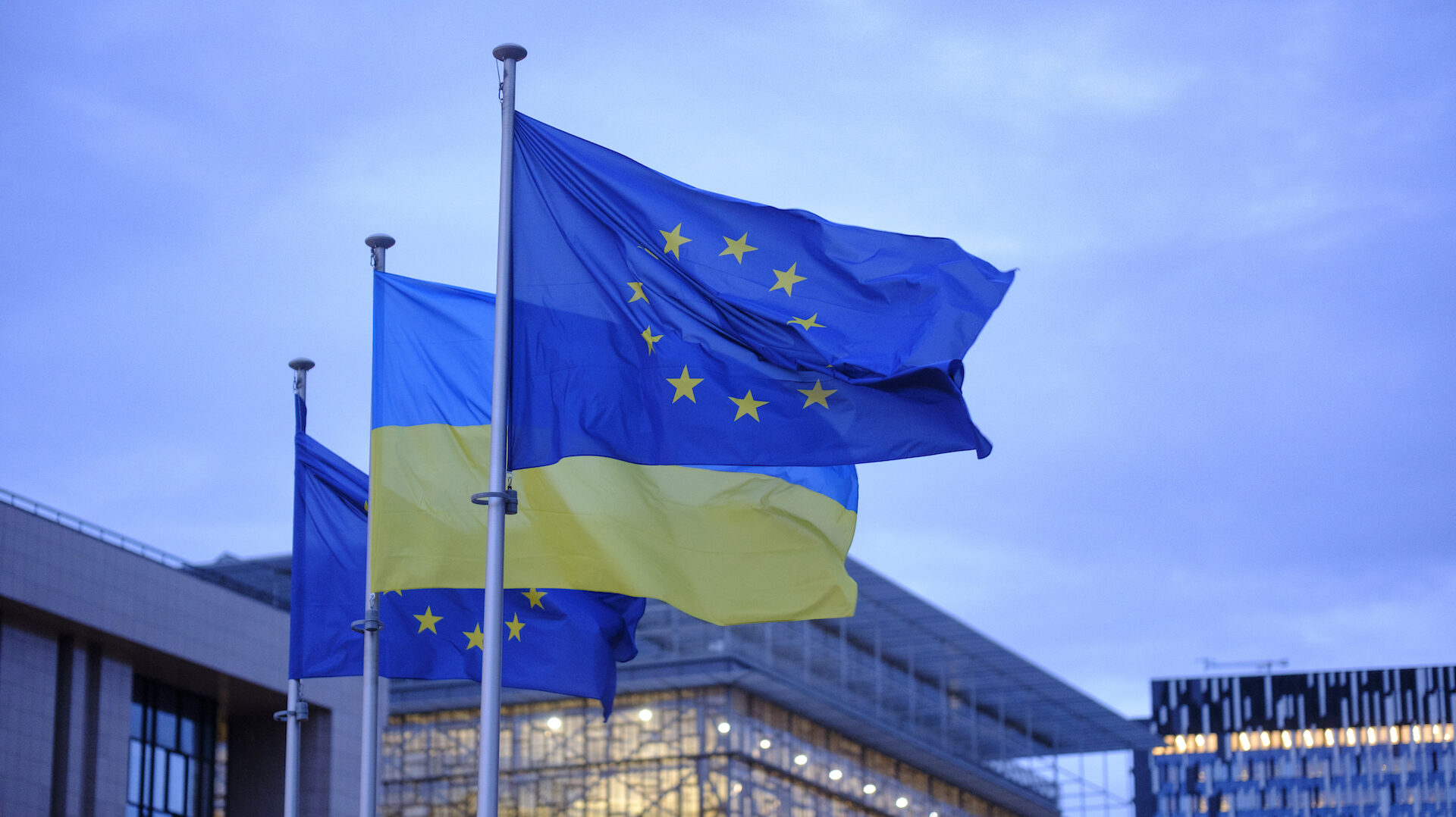
Abu Dhabi’s state-owned oil giant, ADNOC, has received a conditional nod from the European Commission for its 14.7 billion euro acquisition of the German chemicals firm Covestro. The approval, granted on Friday, hinges on ADNOC adhering to specific commitments outlined by the Commission, including modifying its articles of association and sharing Covestro’s sustainability-related patents with competitors in certain areas.

The deal represents ADNOC’s strategic push into the global chemicals market, marking a significant expansion beyond its traditional oil and gas operations. Covestro, a leader in high-performance plastics and other chemical products, has long been a key player in the European industrial landscape. This acquisition could give ADNOC greater access to advanced materials used in various sectors, including automotive, construction, and electronics.

In its ruling, the European Commission emphasised that ADNOC’s commitment to altering its corporate structure and making proprietary technologies available to others in the field of sustainability is crucial to maintaining competitive conditions in the European market. The deal, which was first announced earlier this year, is contingent upon ADNOC meeting these demands to ensure no harm to competition in the chemical and sustainability markets.

The approval came after several rounds of regulatory scrutiny, including concerns over potential monopolistic effects in certain segments of the chemicals industry. However, ADNOC’s willingness to adapt its operational framework and engage in collaboration with other market players ultimately paved the way for the European Commission’s greenlight.

The Commission’s conditional approval also reflects the growing importance of sustainability within corporate transactions. By requiring ADNOC to share Covestro’s patents, the EU is ensuring that the intellectual property crucial to advancing eco-friendly and sustainable technologies does not remain under the control of a single entity. This step is seen as a way of fostering innovation and preventing market consolidation that could stifle progress in critical sectors like renewable energy and environmental protection.

ADNOC’s acquisition of Covestro aligns with its broader strategy to diversify its business interests and strengthen its presence in high-value industries. The company has been increasing its investments in chemicals and other non-oil sectors in recent years, as it seeks to become less reliant on fossil fuels amid the global push for cleaner energy sources. For ADNOC, acquiring a major chemical manufacturer is an opportunity to leverage its substantial financial resources and access new markets for its products, particularly in Europe, which has a strong demand for advanced materials.

The deal is also seen as a win for the UAE’s broader economic vision, which aims to position the country as a global leader in sustainable development and innovation. ADNOC’s willingness to share Covestro’s sustainability patents is part of its commitment to contributing to the global fight against climate change, which is increasingly a focal point for both the public and private sectors.

While the conditional approval is a significant step forward, the acquisition is far from complete. ADNOC must now comply with the European Commission’s stipulations, which could include more detailed negotiations with competitors and stakeholders in the sustainability sector. It is expected that the full regulatory process will take several months before the deal can be finalised.

Covestro, for its part, stands to benefit from ADNOC’s financial backing and expertise in the chemicals sector. As a global leader in the production of polyurethanes and polycarbonates, the company is well-positioned to expand its reach and scale its operations, particularly in emerging markets where demand for high-performance materials is growing rapidly. ADNOC’s financial strength, coupled with Covestro’s established market position, could create a powerful synergy capable of driving innovation and expanding the companies’ collective influence in the global chemicals market.

The African Development Bank has approved a USD 310 million financing package to FirstRand Bank aimed at scaling up lending to micro, small and medium-sized enterprises, women entrepreneurs and agribusinesses across South Africa. The funding represents one of the most significant private-sector-focused interventions in the country’s development finance space this year and reflects a deliberate pivot towards inclusive growth and gender-responsive financing. The financing has been structured […]

Greenlogue/AP Riyadh will host the 21st Session of the United Nations Industrial Development Organization General Conference from 23–27 November 2025, gathering representatives from all 173 member states alongside business leaders, investors and civil-society actors under the banner of inclusive, sustainable industrial transformation. The event, branded as the “Global Industry Summit 2025”, aims to reposition industrialisation at the heart of global efforts to meet the Sustainable Development Goals, […]

SHENZHEN, CHINA – Media OutReach Newswire – 14 November 2025 – OPPO today introduced Apex Guard, a full technology suite designed to safeguard the user experience with unprecedented quality in hardware and software. The new concept marks OPPO’s latest step in redefining what consumers can expect from smartphones—moving beyond everyday use to cover extended product lifespans and raise industry standards to the next level. During an exclusive […]

VISHNU RAJA
RYO YAMADA
HITORI GOTOH
IKUYO KITA