News related to
beyond

TOKYO, JAPAN – Media OutReach Newswire – 25 April 2025 – Creww Inc. (Japan Office: Shibuya-ku, Tokyo, Representative: Sorato Ijichi, hereinafter “Creww”), Japan’s leading open innovation platform provider, and Real Madrid Next are pleased to announce the launch of “Real Madrid Next Accelerator for Asia” Batch 2, an accelerator program which started in 2024, aimed to create business partnerships between Real Madrid Next and Asian startups. For […]

A sharp decline in container traffic from China to the United States has emerged, as the latest round of tariffs imposed by the Trump administration triggers significant shifts in global trade flows. Shipping data and industry reports indicate a substantial drop in U.S. imports from China, with container bookings falling by approximately one-third since early April, according to Hapag-Lloyd, the world’s fifth-largest container-ship operator. The downturn follows […]

A formidable dust storm, propelled by powerful winds, surged across southern New Mexico and western Texas on April 19, 2025, significantly reducing visibility and disrupting daily life. The event was captured in striking detail by NOAA’s GOES-19 satellite, providing meteorologists and scientists with valuable data on the storm’s dynamics. The storm was driven by a cold front that generated wind gusts reaching up to 58 mph in […]

Walmart China has introduced a programme aimed at assisting Chinese exporters in enhancing their domestic sales, aligning with Beijing’s efforts to mitigate the impact of escalating US tariffs. The initiative seeks to integrate these exporters into Walmart’s supply chain, simplifying the approval process and facilitating easier access to the domestic market. This move comes as Chinese exporters face challenges due to a 145% tariff hike from the US, prompting the Chinese government to encourage local businesses to pivot towards domestic sales.

Despite government encouragement, many Chinese exporters remain hesitant to redirect their goods to the domestic market. Factory owners cite lower profits, weak demand, aggressive price competition, delayed payments, and high return rates as significant deterrents. Efforts by China’s commerce ministry, including organizing local matchmaking events and issuing support through firms like JD.com and Meituan, have been met with skepticism by small and medium-sized enterprises. These businesses argue that the proposed support falls short of addressing structural challenges, emphasizing the need for fiscal stimulus, rising consumer incomes, and stronger social safety nets to boost domestic consumption.

Walmart’s initiative also includes expanding its e-commerce platform, Walmart Marketplace, within China. The company has established offices in 11 cities nationwide, including Shenzhen, Shanghai, and Hangzhou, offering support in product selection, operational guidance, and both online and offline training to help international sellers grow their businesses on the platform. Additionally, Walmart unveiled its 2025 new seller incentive programme, offering up to $75,000 in incentives, with benefits such as preferential logistics services.

However, Walmart’s efforts to mitigate the impact of US tariffs have not been without controversy. The company has faced pushback from Chinese suppliers after requesting significant price reductions to offset the cost of tariffs. Some suppliers, including producers of kitchenware and clothing, have been asked to lower their prices by as much as 10% per round of tariffs, essentially shouldering the full cost of the duties. This approach has led to tensions with Chinese authorities, who have summoned Walmart executives for discussions. State broadcaster CCTV’s official social media account criticized Walmart’s demands, stating that they “may violate commercial contracts” and warning that “the consequences for the company will go beyond just a discussion” if it continues to press for discounts.

Vingroup is shaping a green ecosystem that seamlessly integrates sustainability into transportation, urban living, and environmental conservation, under Chairman Phạm Nhật Vượng’s visionary leadership. HANOI, VIETNAM – Media OutReach Newswire – 24 April 2025 – As climate change intensifies and sustainable practices become a global priority, businesses are increasingly called upon to address environmental challenges. Vingroup, a diversified conglomerate led by its Chairman – Vietnamese billionaire Phạm […]

Several listed insurance companies in the UAE may require regulatory intervention after falling short of solvency requirements, raising concerns about the stability of the insurance sector. This situation, which has come under scrutiny from financial analysts, may signal broader issues that could affect market confidence and the regulatory framework governing the sector.

S&P’s Director of Financial Services and Insurance Ratings, Emir Mujkic, has highlighted the issue, emphasizing that the lack of adequate solvency buffers in some of the 21 publicly listed insurers could undermine the overall market stability. According to Mujkic, these insurers are under pressure as they struggle to restore their financial health within the timeframes mandated by regulations. He further suggested that intervention from regulatory authorities might be necessary to safeguard both the insurers and their customers.

The UAE insurance sector comprises 21 listed companies, split between the Dubai Financial Market and the Abu Dhabi Securities Exchange . Of these, 10 are listed on the DFM, while 11 are traded on the ADX. Despite the sector’s overall growth and its significant role in the economy, the solvency challenges faced by these firms could present substantial risks, particularly for those whose financial positions do not meet the required thresholds.

Solvency is a critical factor for insurance companies, as it determines their ability to meet long-term obligations to policyholders. Regulators set solvency requirements to ensure that insurers have sufficient financial buffers to withstand periods of financial stress. When these buffers fall below the prescribed levels, the insurer’s ability to pay claims or meet other liabilities could be compromised, putting the wider financial system at risk.

Mujkic’s remarks come amid a series of reports suggesting that some insurers are struggling with profitability and capital adequacy. Factors such as fluctuating investment returns, high operating costs, and increased claims have contributed to these companies’ solvency concerns. Some firms have been unable to maintain the levels of reserves that are essential to meet future obligations, putting them at risk of regulatory action if their financial positions do not improve.

The regulatory framework in the UAE, while robust, has faced growing pressure to keep pace with the rapidly evolving market dynamics. As the market for insurance continues to expand, both locally and regionally, the authorities may be called upon to tighten oversight and enforce stricter solvency requirements to protect consumers and maintain confidence in the system.

In response to these challenges, the UAE’s Insurance Authority has already taken steps to monitor the financial health of insurers more closely. However, with concerns over the solvency of a number of market participants, there may be a need for more proactive interventions. Industry experts are watching closely to see whether regulatory bodies will act to enforce stricter solvency regulations or offer support to struggling firms to help them restore their financial health.

The implications of this issue extend beyond just the companies directly involved. The solvency crisis within the UAE insurance sector could have far-reaching effects on the broader financial markets, investor confidence, and the country’s reputation as a regional financial hub. Insurers play a vital role in the UAE’s economy, providing a wide range of services to both individuals and businesses. A failure to address solvency problems promptly could lead to wider economic repercussions, including a potential loss of investor trust and the erosion of consumer confidence in insurance products.

The UAE’s financial market is known for its openness to international investors, and the performance of listed companies, including those in the insurance sector, is closely monitored by foreign and domestic investors alike. If solvency issues persist or worsen, the regulatory authorities may face increasing pressure to introduce measures that reassure investors and stakeholders in the market.

One of the key challenges for insurers in the UAE is the evolving risk environment. Factors such as climate change, shifting regulatory landscapes, and the ongoing impact of global economic uncertainties have all contributed to the increasing complexity of risk management. Insurers are finding it more difficult to accurately assess and price risk, which in turn has placed additional strain on their financial stability. This has made it harder for companies to maintain the required solvency margins while also ensuring that they remain competitive in the market.

The regulatory authorities will need to balance the need for stricter solvency requirements with the goal of fostering a competitive and attractive environment for insurers. While regulatory intervention may be necessary in some cases, the authorities must ensure that any actions taken do not stifle innovation or create an overly burdensome regulatory environment. Maintaining a delicate balance will be key to ensuring the long-term stability and growth of the UAE’s insurance sector.

Industry insiders have noted that the UAE insurance market is still in a period of transition, with some companies still adapting to new market conditions and regulatory expectations. While many firms have been able to weather financial challenges, others may find it increasingly difficult to compete as the regulatory environment tightens and market pressures intensify.

Deep research, once the domain of academics, analysts, and professionals poring over databases and archives, is rapidly being transformed by artificial intelligence. Tools like Liner, ChatGPT, and Perplexity have redefined what it means to explore a subject in depth. These platforms promise not only to automate research but to enhance it—consolidating data, extracting patterns, and offering structured, referenced summaries that would normally take hours or days to […]

Advertisements

DAMAC Properties has reported a $54.45 million increase in collections, attributing this growth to the strategic integration of artificial intelligence across its operations. The Dubai-based real estate developer has implemented AI-driven tools to enhance customer engagement, streamline marketing efforts, and optimise sales processes, leading to significant financial gains.

Ali Sajwani, Managing Director of Operations and Technology at DAMAC Properties, highlighted the pivotal role of AI in transforming the company’s approach to real estate. By leveraging AI, DAMAC has been able to offer hyper-personalised customer experiences, improve lead generation, and reduce advertising expenditures. The adoption of AI-powered platforms, such as Meta’s Advantage+ Shopping Campaigns, has enabled the company to target potential buyers more effectively across various digital channels, including Instagram, Facebook, and WhatsApp.

The company’s foray into the metaverse, under the initiative named D-Labs, led by Ali Sajwani, has further exemplified its commitment to digital innovation. With an investment of up to $100 million, DAMAC aims to build digital cities, offering virtual homes and properties that allow customers to explore and customise their future residences through immersive virtual reality and augmented reality experiences. This initiative has not only enhanced customer engagement but also contributed to a notable increase in online-only sales, which currently generate over $100 million per quarter.

DAMAC’s strategic investments extend beyond AI and the metaverse. The company has announced plans to invest up to $1 billion in the data centre industry over the next few years, recognising the growing demand for digital infrastructure. This includes the launch of EDGNEX Data Centres, with facilities under construction in Saudi Arabia and plans for expansion into Indonesia, Jordan, and Turkey.

DAMAC’s collaboration with blockchain platform MANTRA to tokenize real-world assets in the Middle East, valued at $1 billion, underscores its commitment to embracing emerging technologies. This partnership aims to convert ownership rights into digital tokens, facilitating online trading and aligning with Dubai’s vision to become a global hub for digital and crypto assets.

Finding the best bank for a savings account isn’t always as straightforward as it seems. Sure, most banks offer a place to park your money—but not all of them offer the same value, flexibility, or ease of use. For many of us, a savings account is more than just a vault—it’s the foundation for short-term plans, emergency funds, future goals, and peace of mind. With so many […]

The Crypto Fear & Greed Index has surged 25 points to 72, marking a significant shift in market sentiment and re-entering the “Greed” zone—a level last observed on February 4, 2025.

This sharp rise from a neutral reading of 47 the previous day and a “Fear” level of 29 a week prior underscores a notable change in investor outlook. The index, ranging from 0 to 100 , is a widely used barometer for gauging emotions driving the cryptocurrency market.

Several factors contribute to this uptick in optimism. Bitcoin’s price stability, particularly its ability to maintain key support levels, has bolstered confidence among traders. Additionally, the sustained inflows into Bitcoin exchange-traded funds suggest growing institutional interest, further reinforcing bullish sentiment.

Altcoins have also played a role in this sentiment shift. Increased investor interest in Ethereum and Solana, along with heightened activity in decentralized finance and AI-powered tokens, indicates a broader enthusiasm beyond Bitcoin.

Macroeconomic elements are influencing this trend as well. Expectations surrounding Federal Reserve rate decisions have impacted risk asset investments, with traditional markets showing signs of recovery. This broader economic context has added to the confidence in the crypto sector.

The Fear & Greed Index’s methodology involves analyzing various market indicators: volatility and market momentum each account for 25% of the index, while social media sentiment and surveys contribute 15% each. Bitcoin’s market dominance and Google search trends make up the remaining 20%. The current readings across these components collectively point toward increased bullish sentiment.

Hotel Indigo Dubai Downtown is set to host a vibrant celebration of Korean art on 25 April, spotlighting the works of three emerging Korean artists on the terrace of its social eatery, Open Sesame. This event underscores the hotel’s commitment to fostering cultural exchange and supporting the burgeoning Korean creative presence in the UAE. The upcoming showcase is part of Hotel Indigo’s broader initiative to integrate art […]

Bitcoin has surged past the $90,000 threshold, reaching $90,468 across major exchanges. This marks a significant rebound, occurring 46 days after the cryptocurrency last touched this level on March 7, 2025.

The rally is attributed to a combination of factors, including renewed institutional interest and favourable policy signals. The inauguration of President Donald Trump has introduced a more crypto-friendly regulatory environment. Notably, the administration’s proposal to establish a strategic Bitcoin reserve has been perceived as a bullish indicator by market participants.

Analysts have observed that the approval of multiple spot Bitcoin exchange-traded funds earlier this year has played a pivotal role in attracting substantial capital inflows. These ETFs have provided traditional investors with a regulated avenue to gain exposure to Bitcoin, thereby enhancing its legitimacy and appeal.

Market sentiment has also been influenced by macroeconomic indicators. The Consumer Price Index data released this month aligned with market expectations, suggesting a stabilising inflationary environment. This has bolstered investor confidence in risk assets, including cryptocurrencies.

Despite the upward trajectory, some caution remains. Betting markets indicate a 61% probability of Bitcoin reaching $110,000 within the year, with diminishing confidence in higher targets. Conversely, there is a notable expectation of potential pullbacks, with some forecasts suggesting a dip to around $70,000.

Technical analysts are closely monitoring key support and resistance levels. The $90,000–$91,000 range is identified as a critical support zone, while resistance is anticipated near the $95,000 mark. Momentum indicators, such as the Relative Strength Index , currently reflect a neutral stance, indicating a balanced market sentiment.

Bitcoin’s price movement remains largely unaffected by Strategy’s multibillion-dollar buying activity, new data reveals. Despite making significant purchases in the cryptocurrency market, Strategy’s impact on Bitcoin’s value has been minimal. The company’s acquisitions, representing approximately 3.3% of the weekly trading volume on average, have not significantly correlated with price fluctuations, underscoring the limited influence of even large-scale institutional players in this volatile market.

The findings raise questions about the extent to which individual institutional actors can sway the broader cryptocurrency market. Despite the scale of its investments, Strategy’s influence seems relatively muted, suggesting that other factors might be driving Bitcoin’s price rather than institutional buying alone. This information highlights the complex dynamics of the cryptocurrency market, where a variety of elements – including market sentiment, global macroeconomic trends, and technological developments – play a more substantial role in influencing price movements.

Bitcoin’s price is often seen as a barometer for the health of the broader cryptocurrency market. As one of the most highly traded and well-known digital assets, it attracts significant institutional interest. Many firms, including Strategy, have made headlines for their sizable acquisitions of Bitcoin in recent years. However, despite the widespread belief that such purchases would lead to substantial price increases, the latest data paints a different picture. Strategy’s involvement represents a fraction of Bitcoin’s total trading volume, suggesting that the asset’s price is driven by a combination of factors beyond just institutional purchases.

Even though Strategy’s purchases are worth billions of dollars, their influence has proven to be minimal in terms of price impact. The data shows that their buying activity correlates weakly with Bitcoin’s price changes, challenging the notion that institutional purchases alone can lead to sustained price rallies or dips. As Bitcoin continues to mature, its price dynamics appear to be governed by a more complex set of interactions involving retail traders, market sentiment, and external economic events.

This revelation is significant for investors and analysts who closely monitor the relationship between institutional investment and Bitcoin’s value. In the past, large-scale acquisitions by firms like Strategy were seen as a potential signal of future price growth. However, the data now suggests that these purchases may be less influential than originally anticipated. With institutional money playing a less decisive role than expected, the spotlight has turned to other factors that could be shaping Bitcoin’s trajectory.

Many experts are beginning to reconsider the role of institutional players in the Bitcoin market. The influence of such firms may not be as potent as initially assumed, as institutional players like Strategy account for a small portion of the total trading volume. The remaining market activity is largely driven by individual traders, speculators, and the broader sentiment in the financial markets. This shift underscores the evolving nature of Bitcoin’s market structure, where retail investors and global economic trends seem to have a more pronounced effect on price fluctuations than institutional purchases.

At the same time, the relatively modest effect of Strategy’s Bitcoin buying also highlights a critical point for investors. Despite the growing interest in Bitcoin and other cryptocurrencies from institutional investors, it is clear that these players may not possess the same level of market-moving power as traditional financial institutions in more established asset classes. For Bitcoin to experience the kind of price surges that some market participants expect, other catalysts – such as widespread adoption, regulatory clarity, or innovations in blockchain technology – may need to come into play.

The data also calls into question the long-term viability of institutional investors as a primary driver for Bitcoin’s price. While these firms are undoubtedly helping to bolster Bitcoin’s credibility as an asset class, their influence on daily price action remains limited. This may shift as institutional investment grows in the coming years, but for now, Bitcoin’s price remains vulnerable to factors outside the control of even the largest buyers.

HONG KONG SAR – Media OutReach Newswire – 22 April 2025 – On Earth Day, Watsons, the flagship health and beauty brand of AS Watson, announces an expanded partnership with ClimatePartner to enhance its carbon compensation initiative. For every purchase of selected Watsons Sustainable Choice products, we aim to offset over 4,000 tons of CO2 emissions. Inspiring Customers to Choose Wisely, Live Sustainably To meet the growing […]

KUALA LUMPUR, MALAYSIA – Media OutReach Newswire – 22 April 2025 – AFFIN Group (“AFFIN” or “the Group”) is celebrating its 50th anniversary with the launch of the “AFFIN 50 Years, 50 Prizes” Golden Jubilee Campaign, a year-long celebration rewarding customers with exclusive prizes, strengthening financial literacy, and empowering Malaysians on their financial journey. Running from 1 March 2025 to 31 January 2026, this milestone campaign features […]

UBS Group AG is finalising a strategic partnership with Mumbai-based 360 One WAM Ltd., aiming to secure a 26% stake in the wealth management firm. This move is designed to enhance UBS’s presence in India’s expanding wealth management sector, particularly targeting high-net-worth individuals beyond its traditional ultra-high-net-worth clientele.

The Indian wealth management industry, valued at approximately $429 billion in 2023, is projected to grow at a compound annual rate of 4.6% between 2025 and 2029. UBS’s investment in 360 One WAM, which manages assets worth around $62.3 billion, aligns with its strategy to capitalise on this growth. The partnership is expected to provide UBS with local expertise and a broader client base, complementing its global wealth management operations.

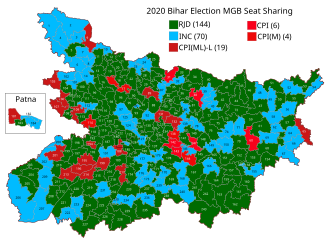
By Kalyani Shankar The Bihar polls at the end of the year are pretty unpredictable. As of now, there will be no cakewalk for the BJP, RJD, Congress or the JD(U). The churning is quietly taking place in Bihar politics. There could be a potential shift in power dynamics. The BJP, playing second fiddle to […]

Leading premium bathroom brand ARROW is expanding its presence in Vietnam, bringing a world-class living experience to local consumers through a strategic partnership with DASH Co., Ltd. HO CHI MINH, VIETNAM – Media OutReach Newswire – 18 April 2025 – Global smart bathroom solutions provider ARROW has officially entered the Vietnamese market, attracting widespread attention and positive reception from consumers and industry partners alike. With over 30 […]

KUALA LUMPUR, MALAYSIA – Media OutReach Newswire – 18 April 2025 – Central Bank Digital Currencies (CBDCs) have moved from being merely theoretical concepts to a stage when dozens of countries throughout the world are actively testing them in various pilot schemes. Designed as a government-backed digital version of fiat money, CBDCs combine the trust of centralised monetary systems with the flexibility of digital payments. Unlike cryptocurrencies, […]

KUALA LUMPUR, MALAYSIA – Media OutReach Newswire – 18 April 2025 – Trading success often depends on whether or not one can pinpoint potentially profitable assets before sharp price movement. This is particularly evident in crypto, where high volatility is the norm. Technical analysis—an analysis of historical price action and chart patterns—is one of the main methods to predict price direction. Candlestick analysis, a part of technical […]

Macau’s Unrivalled Skytop Waves Define a Season of Sophisticated Leisure and Aquatic Fun at the Award-winning Integrated Resort MACAU SAR – Media OutReach Newswire – 17 April 2025 – Spring blossoms into summer, as the mercury begins its anticipated climb, with the thrill of waves calling all fun-and-sun seekers. Get ready to dive into the aquatic landscape of Galaxy Macau’s world-class luxury integrated resort—which unveils its legendary […]

Safe, Tasty, Premium, Nutritious, and Ethical — Experience New Zealand’s Treasured Flavours at Cold Storage & CS Fresh SINGAPORE – Media OutReach Newswire – 17 April 2025 – From 17 April to 7 May, Singapore’s food lovers can journey through New Zealand’s magnificent landscapes featuring a wide range of safe, tasty, nutritious, ethical and premium quality food and beverage products through the “Discover a Taste of New […]

Matein Khalid Thank God my macro instinct flashed a “get out” SOS in late February and I dumped King Dollar for Bonnie King Charlie’s British pound before New Year late last year and thus averted fate worse than death/Matty miskeen. My macro guardian angel now whispers a few subliminal ideas. One, Chinese factories shed 20 million workers last week and hiring is down 30%. So the youth […]

Film Finance Group International , a North Carolina-based innovator in the film finance sector, has unveiled plans to launch its ERC-20 FFG Token , a utility token designed to enhance transparency and efficiency in the film funding ecosystem. The announcement marks a pivotal step in the evolution of film financing, offering a blockchain-powered solution for a traditionally opaque industry.

FFGI’s decision to embrace blockchain technology stems from the desire to modernise and streamline the complex processes of film production financing. The $FFG token, built on the Ethereum network, is expected to provide a transparent, milestone-based funding mechanism for film projects, enabling direct participation from a global pool of investors. The token aims to ensure accountability and reduce the risks typically associated with film investments, which can be affected by unpredictable production challenges, budget overruns, or box-office failures.

The launch of the FFG Token aligns with a growing trend in both the film industry and the broader entertainment sector to integrate blockchain solutions for operational transparency. While film financing has long been dominated by high-net-worth individuals, institutional investors, and major production companies, FFGI is seeking to democratise access to capital, allowing smaller investors and enthusiasts of the medium to engage with and support projects at an unprecedented scale.

FFGI’s vision for its ERC-20 token is not just about financial transactions, but about creating a self-sustaining ecosystem. Token holders will have the opportunity to participate in the decision-making process for the funding of films, making it a truly community-driven platform. The milestone-based structure ensures that each phase of a project, from pre-production to post-production, is funded as it progresses, mitigating the risks of mismanagement and delays often encountered in traditional film financing.

The team behind FFGI comprises seasoned fintech professionals and film production veterans, blending expertise in financial technologies with in-depth knowledge of the film industry. This fusion of skills aims to create an asset-backed token that promises stability and growth for its holders. The $FFG token will provide access to a wide range of functionalities, including governance rights, access to exclusive content, and potential profits from the success of films financed through the platform.

As the use of blockchain technology in film production continues to expand, FFGI’s move to launch the FFG token places it at the forefront of this emerging trend. Blockchain’s potential for enhancing transparency and security in the film industry has already garnered attention from key industry stakeholders, including production companies, investors, and content creators. By leveraging smart contracts, FFGI aims to eliminate intermediaries, reducing the time and cost associated with traditional methods of film financing.

The FFGI platform is positioned to tackle several longstanding challenges within the industry. One of the key issues film financiers face is the difficulty in tracking project milestones and ensuring that funds are being allocated correctly. Traditional models have often relied on lengthy paperwork, complex reporting, and human oversight, which leaves room for error. Through the blockchain, FFGI will offer a more secure and efficient alternative that provides real-time data on the progress of a film and ensures that financial resources are distributed according to pre-established benchmarks.

Beyond operational improvements, the FFGI token also represents a shift in how film financing could become more accessible. Traditionally, only a select few have had the means to invest in large-scale film projects, with barriers to entry being high due to the capital-intensive nature of production. The $FFG token, however, promises to democratise film investment by allowing smaller, individual investors to participate in a growing marketplace. Investors can purchase tokens as a means of securing a stake in projects, potentially benefiting from the financial success of films they help fund.

As the film industry continues to evolve, the integration of blockchain technology could become a key driver of change. Tokenisation allows for greater liquidity, enabling faster and more efficient transactions between stakeholders. This, in turn, may lead to more fluid investments, increased funding for independent filmmakers, and greater flexibility in the way film financing is structured. FFGI’s $FFG token is well-positioned to take advantage of these developments, offering an innovative alternative to the traditional ways of financing film projects.

FFGI’s entry into the blockchain space comes at a time when the broader entertainment sector is exploring innovative solutions to address financing challenges. Major players in the industry, including studios, production companies, and streaming platforms, have shown increasing interest in the use of blockchain for rights management, content distribution, and audience engagement. By leveraging blockchain’s inherent capabilities for transparency and decentralisation, FFGI is poised to make a significant impact on the landscape of film financing.


VISHNU RAJA
RYO YAMADA
HITORI GOTOH
IKUYO KITA